
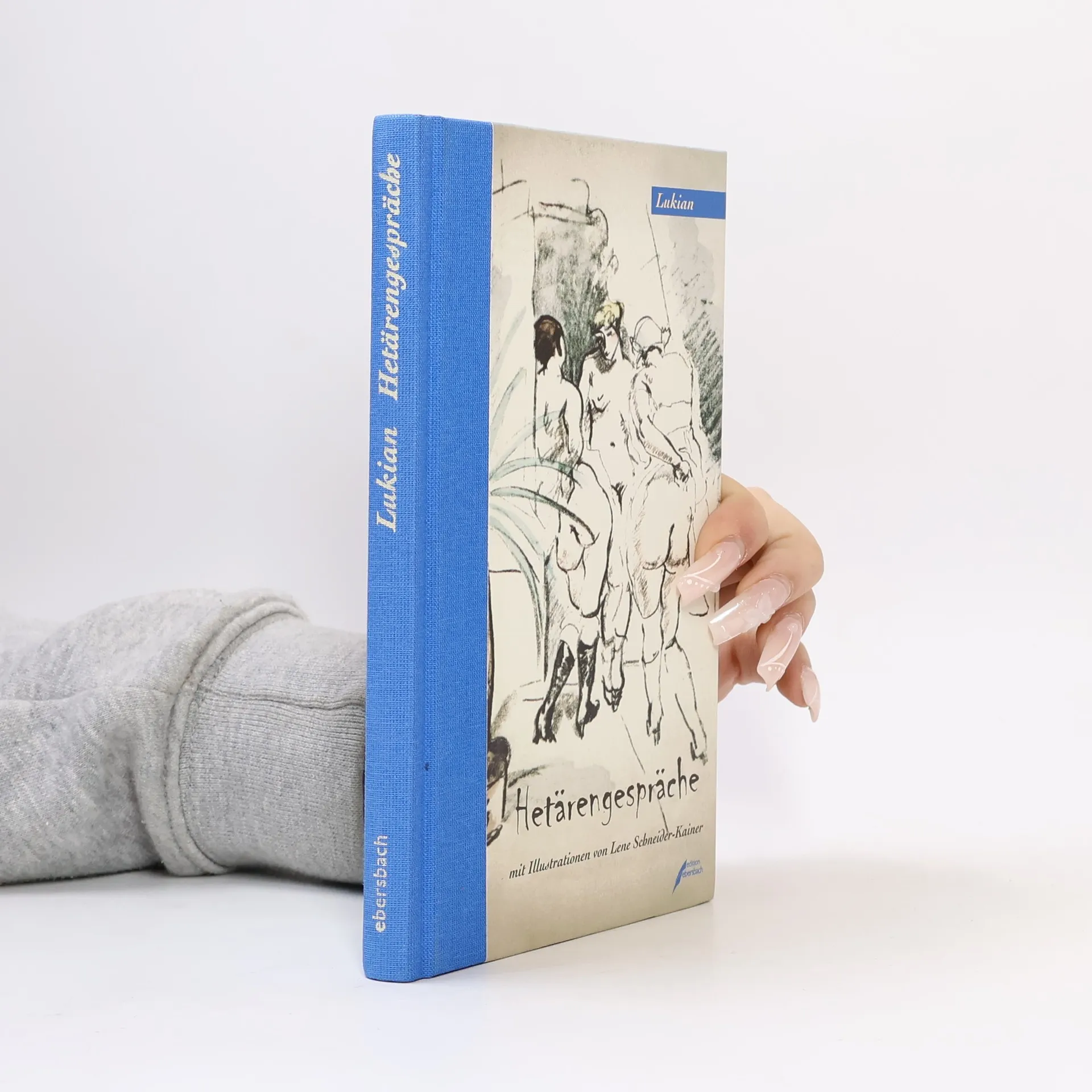

The work presents a collection of dialogues by Lucian, focusing on themes of life, death, and the human condition through satirical and philosophical conversations. This reprint preserves the original text from 1779, offering readers an authentic glimpse into Lucian's wit and critical perspective on society. The dialogues explore the absurdities of life and the nature of existence, making it a thought-provoking read for those interested in classical literature and philosophical discourse.
of Samosata Lucian Volgorde van de boeken
Lucianus van Samosata was een Grieks-opgeleide Syrische redenaar en satiricus die in de Griekse taal schreef. Zijn werk staat bekend om zijn geestige en spottende aard, die scherpe commentaren op de wereld biedt.


- 2016
- 2007
Trips to the Moon
- 100bladzijden
- 4 uur lezen
A satirical view of History, where 'True History' is, as the author himself acknowledges, a collection of ingenious lies,
- 2004
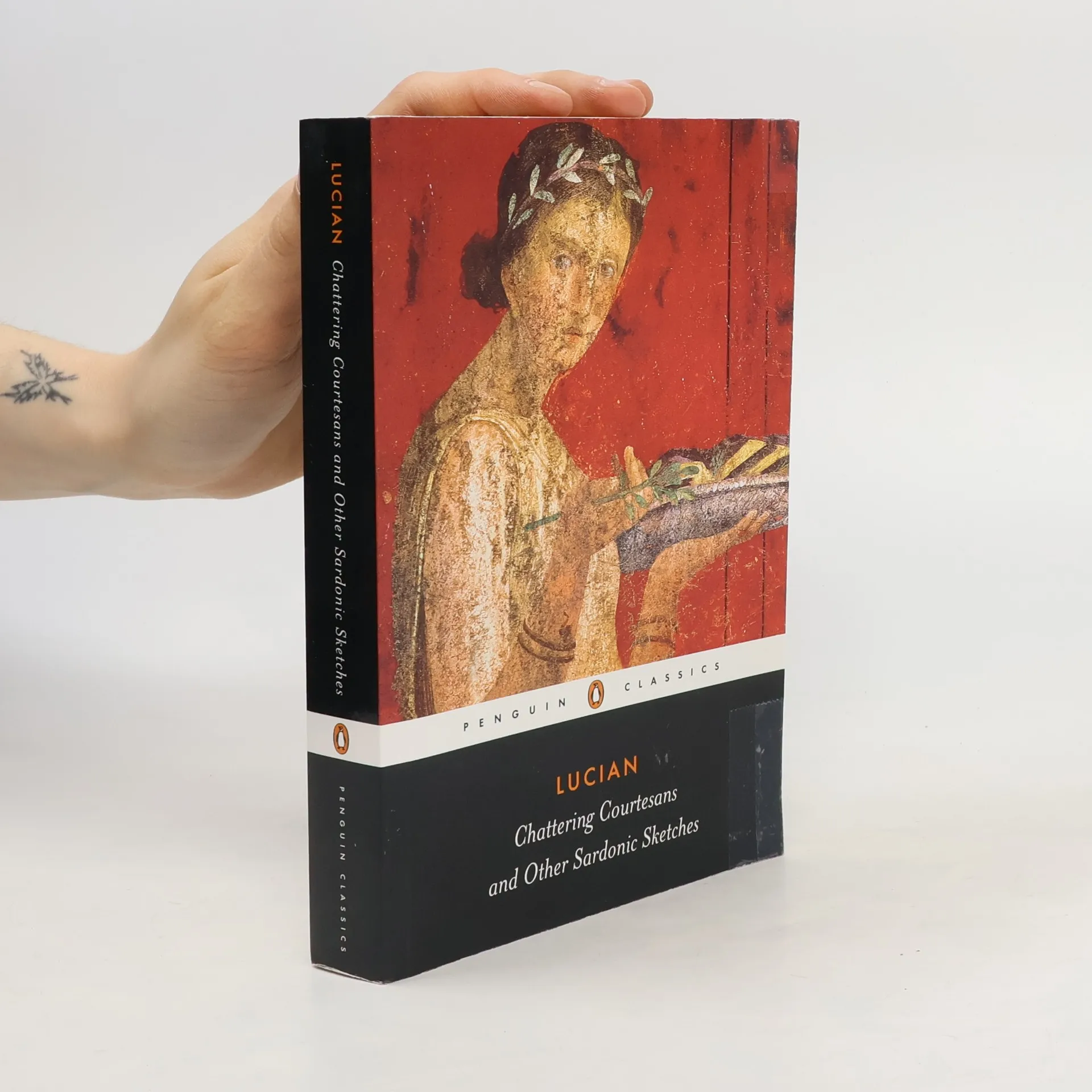
Chattering courtesans and other sardonic sketches
- 576bladzijden
- 21 uur lezen
A Greek-educated Syrian, Lucian wrote witty pieces that demonstrate a profound skepticism for religion and philosophy and encourage honest living and good sense. “Chattering Courtesans” is a series of short dialogues in which the amusing gossip of “kept women” gives rise to a discussion of more serious subjects such as love, sex, and marriage. Other comic dialogues in this volume show Lucian making fun of fanaticism and mocking pretension, hypocrisy, and the vanity of human wealth and power, while in “Diatribes” he targets a range of subjects, from scandal and money to death, in order to demonstrate the follies of contemporary life. Also included here is Lucian’s most famous work, True Histories, which inspired imaginary voyages, from More’s Utopia to Swift’s Gulliver’s Travels. First time in Penguin Classics Keith Sidwell's new translation captures Lucian's lively informal humor and rich variety of styles Introduction discusses the influence on Lucian of earlier Greek writers and philosophers, as well as Lucian's influence on later European culture Includes preface to each section, suggestions for further reading, explanatory notes, and a glossary of names