Deze auteur duikt in de geschiedenis en sociologie van de wetenschap, waarbij hij de ethische keuzes van wetenschappers en de fundamenten van wetenschappelijke geloofwaardigheid onderzoekt. Hij heeft de interpretatie van experimenten vernieuwd door te onderzoeken waar en door wie experimenten worden uitgevoerd. Zijn werk is cruciaal geweest in het herstructureren van hoe het veld grote wetenschappelijke concepten benadert, zoals waarheid, vertrouwen, wetenschappelijke identiteit en moreel gezag. Centraal in zijn perspectief staat het idee dat wetenschap gebaseerd is op het vertrouwen van het publiek, wat een duidelijke uitleg noodzakelijk maakt over hoe solide kennis wordt gegenereerd en wie deelneemt aan het proces.
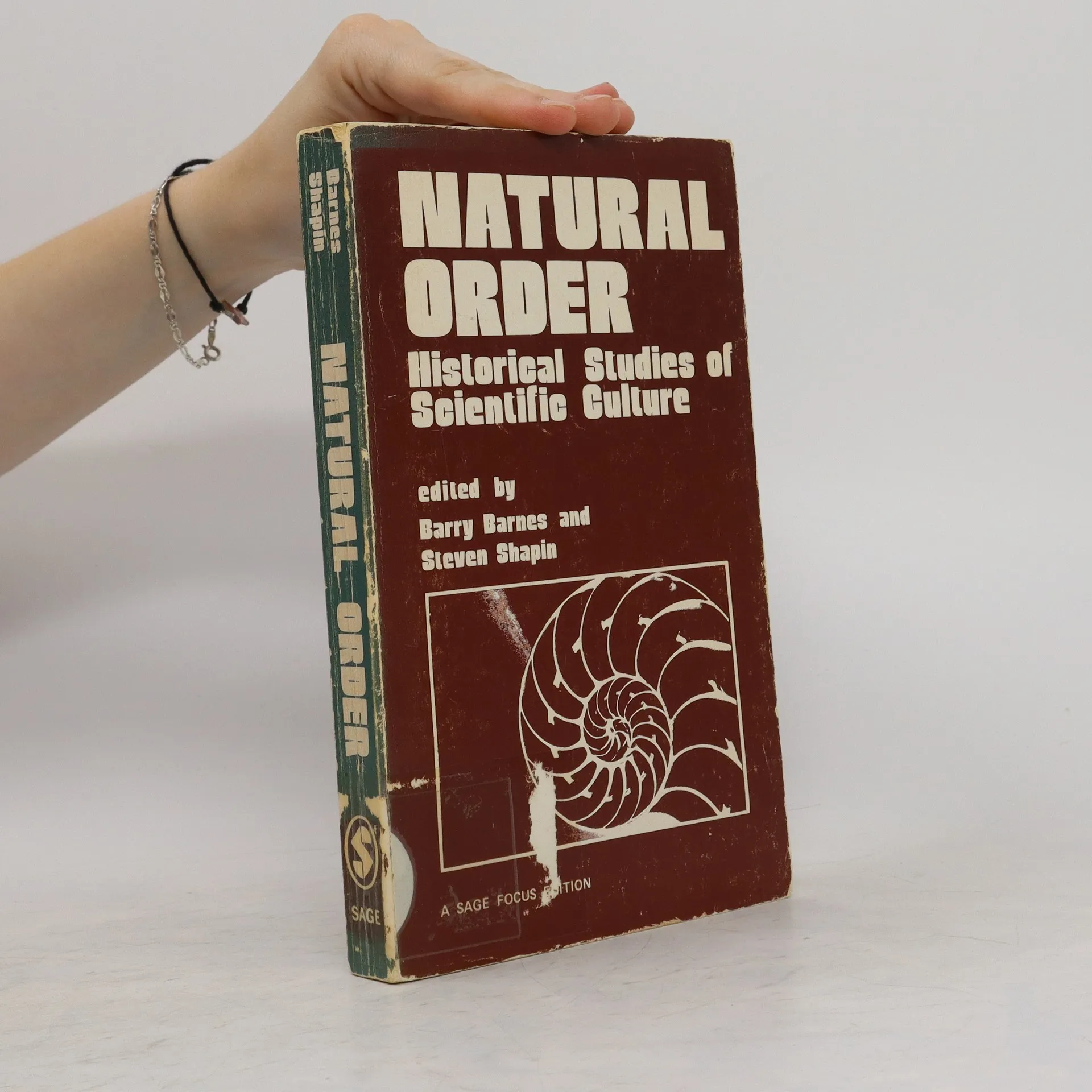
The authors bring the perspectives of sociology and anthropology to bear on key historical developments in various fields of science, demonstrating that it is possible to study science in the same way as other forms of culture - art, music, and literature. They show that our understanding of science, and the development of scientific knowledge, can be enriched by these perspectives, and that the history of science can benefit from case studies, such as those presented here.
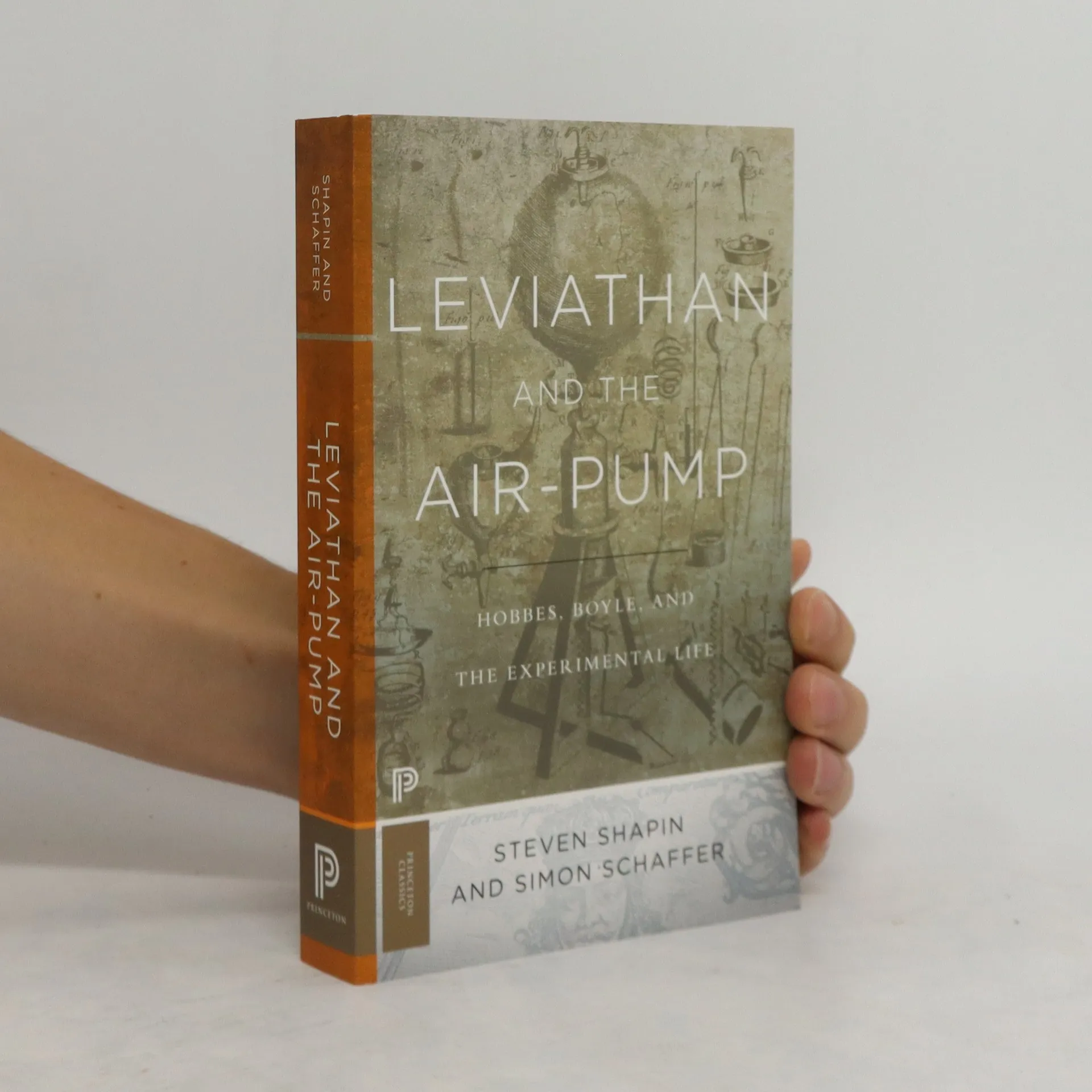
This book addresses issues of crucial importance to present-day discussions about the nature of knowledge and how it is produced. 54 halftones. Line art.
Shapin and Schaffer work out the implications of these debates [between Hobbes
and Boyle] for the history of science with great skill of interpretation and
exposition. They use their findings and their analysis to give an explanation
of the experimental enterprise in general, which, although it is not
philosophical in nature, always takes philosophy most seriously. This is
simply one of the most original, enjoyable and important books published in
the history of science in recent years.--Owen Hannaway, Technology and Culture
The book explores the deep connection between food and identity, examining historical perspectives on eating practices in the West. It traces the evolution of dietary thought from traditional dietetics, which intertwined health advice with moral living, to the rise of scientific nutrition in the eighteenth and nineteenth centuries. This shift introduced a focus on macronutrients rather than holistic well-being. Ultimately, it reflects on how these changing ideas have shaped contemporary attitudes toward food, blending objective knowledge with personal experience.
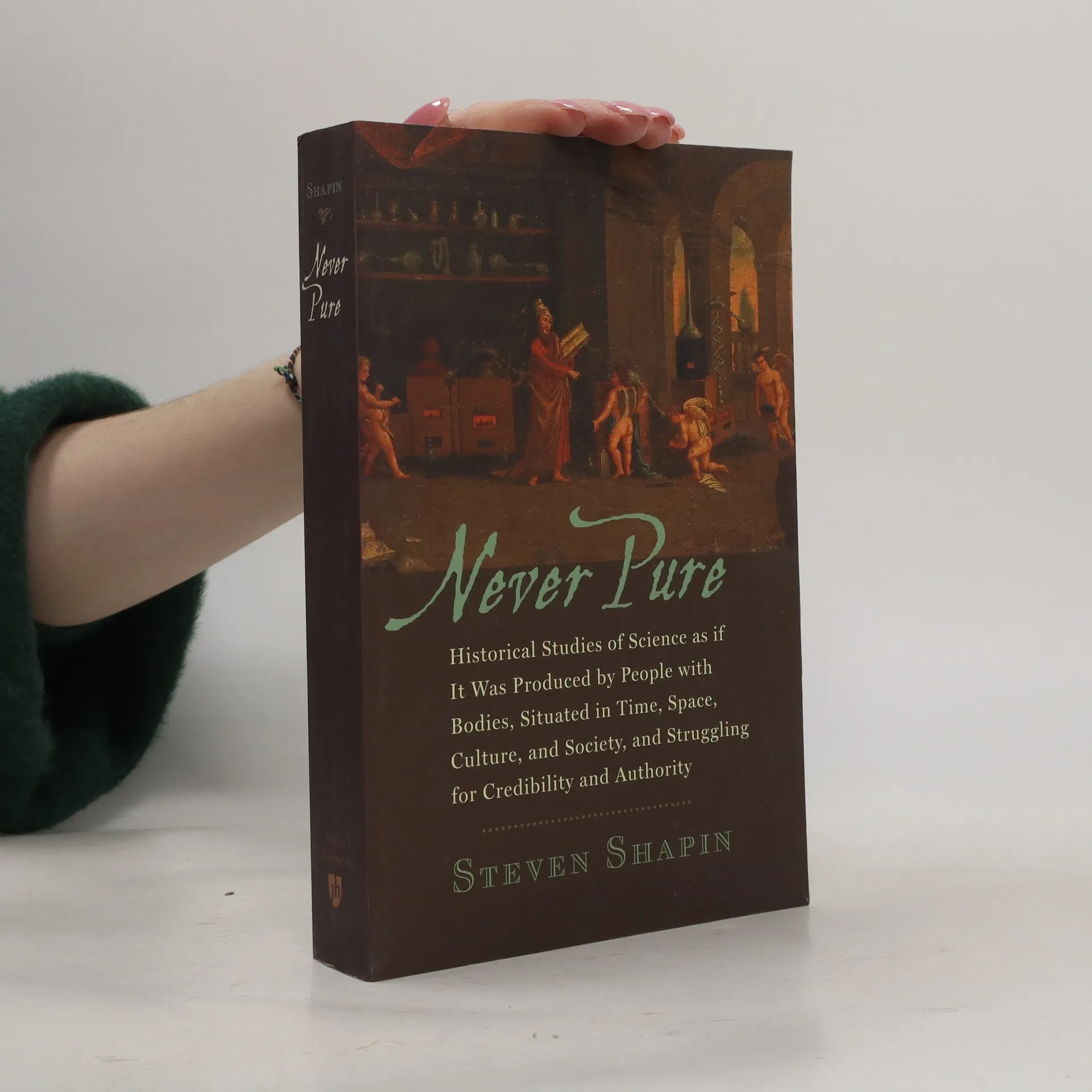
Historical Studies of Science as if It Was Produced by People with Bodies, Situated in Time, Space, Culture, and Society, and Struggling for Credibility and AuthoritySteven Shapin argues that science, for all its immense authority and power, is and always has been a human endeavor, subject to human capacities and limits. Put simply, science has never been pure. To be human is to err, and we understand science better when we recognize it as the laborious achievement of fallible, imperfect, and historically situated human beings.Shapin's essays collected here include reflections on the historical relationships between science and common sense, between science and modernity, and between science and the moral order. They explore the relevance of physical and social settings in the making of scientific knowledge, the methods appropriate to understanding science historically, dietetics as a compelling site for historical inquiry, the identity of those who have made scientific knowledge, and the means by which science has acquired credibility and authority. This wide-ranging and intensely interdisciplinary collection by one of the most distinguished historians and sociologists of science represents some of the leading edges of change in the scholarly understanding of science over the past several decades.
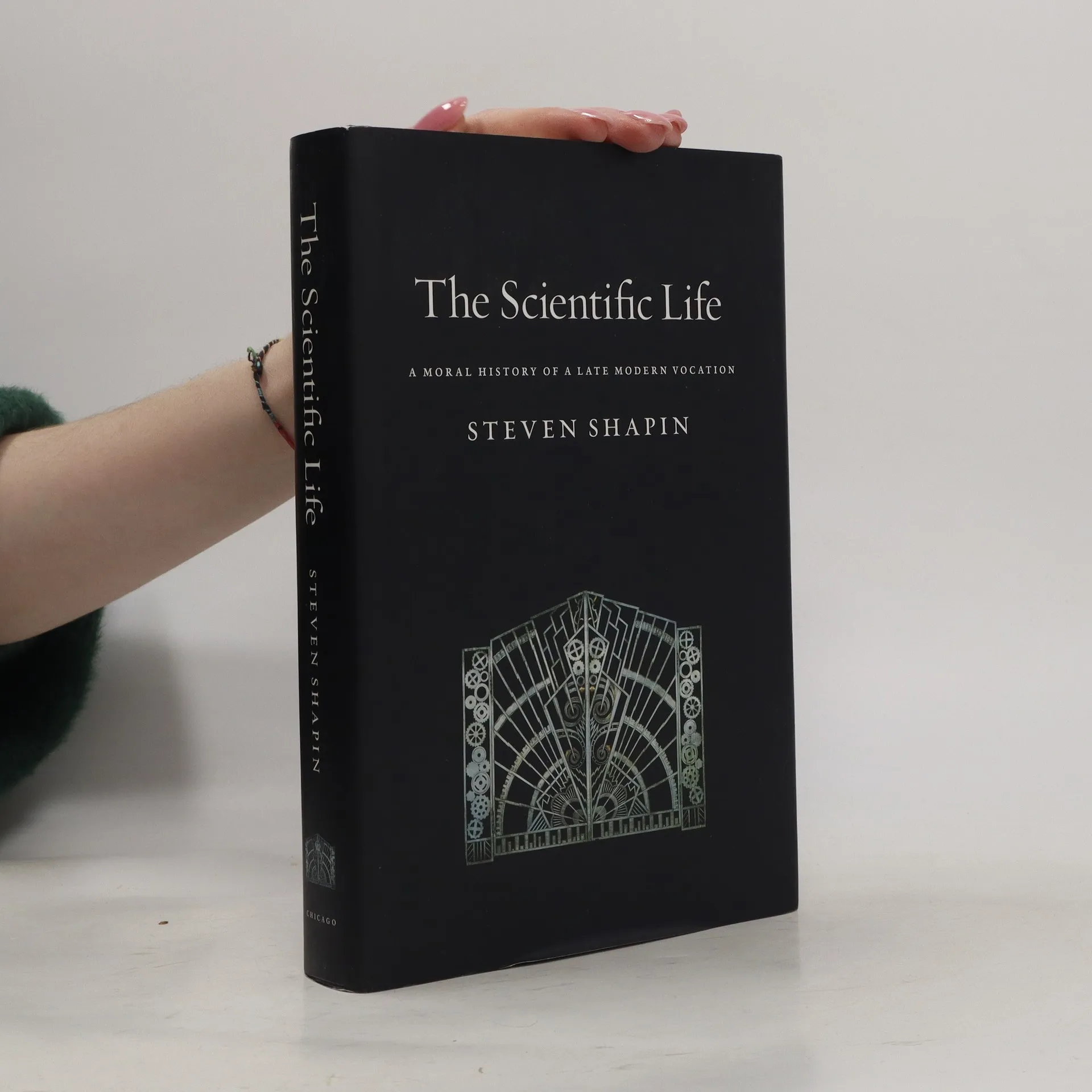
Who are scientists, and what qualities define them? They are highly respected experts tasked with interpreting the natural world and transforming knowledge into power and profit. However, are they morally different from others? The narrative explores our perceptions of scientists and the significance of these views. Conventional wisdom suggests that scientists are neither better nor worse than anyone else, and that personal virtue does not necessarily accompany technical expertise. Yet, the author argues that the uncertainties inherent in scientific research make individual virtues essential to scientific work. Tracing the evolution from early twentieth-century corporate research laboratories to today's scientific entrepreneurship, the text illustrates how contemporary science's radical uncertainties have heightened the importance of personal virtues. It also uncovers how modern science's novel aspects have deep historical roots. This elegantly crafted history of the scientific career and character prompts a reevaluation of the technical and moral landscapes we inhabit. Drawing on insights from previous influential works and featuring a captivating array of characters, the narrative offers bold claims that are essential for anyone interested in understanding late modern American culture and its formation.
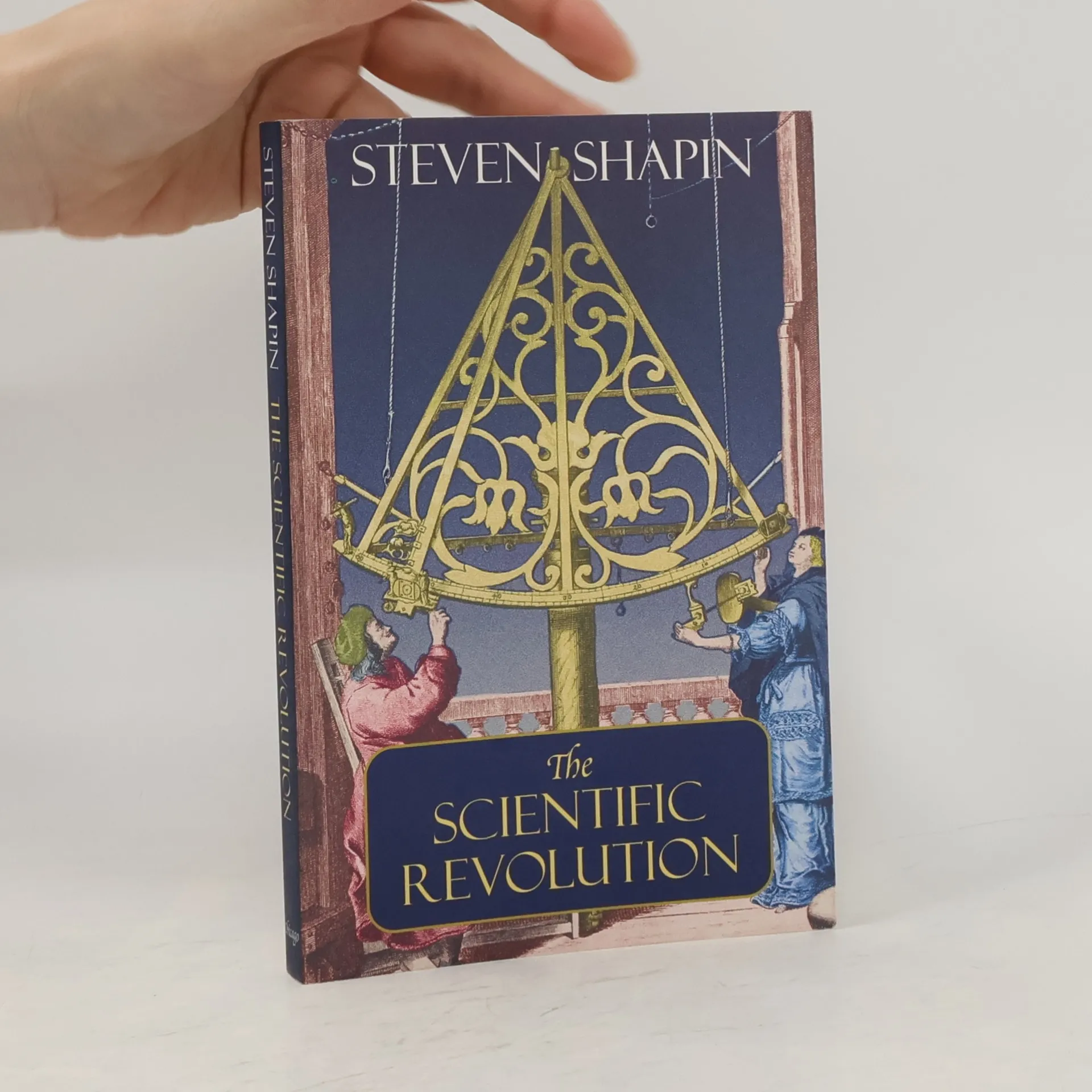
Shapin claims that there was no such thing as the "Scientific Revolution," neither as a coherent chronological event nor as a movement in science. Instead he writes about how reformed practices of making the same observations led to the creation of "new" ideas
The Reader focuses on the practices of modern and contemporary science and technology located in different national and institutional settings, with some attention to non- Western contexts. By mapping some of the open questions and points of tension likely to occupy the field for years to come, the essays in the Reader cast fresh light on what "science" means at the end of the twentieth century.
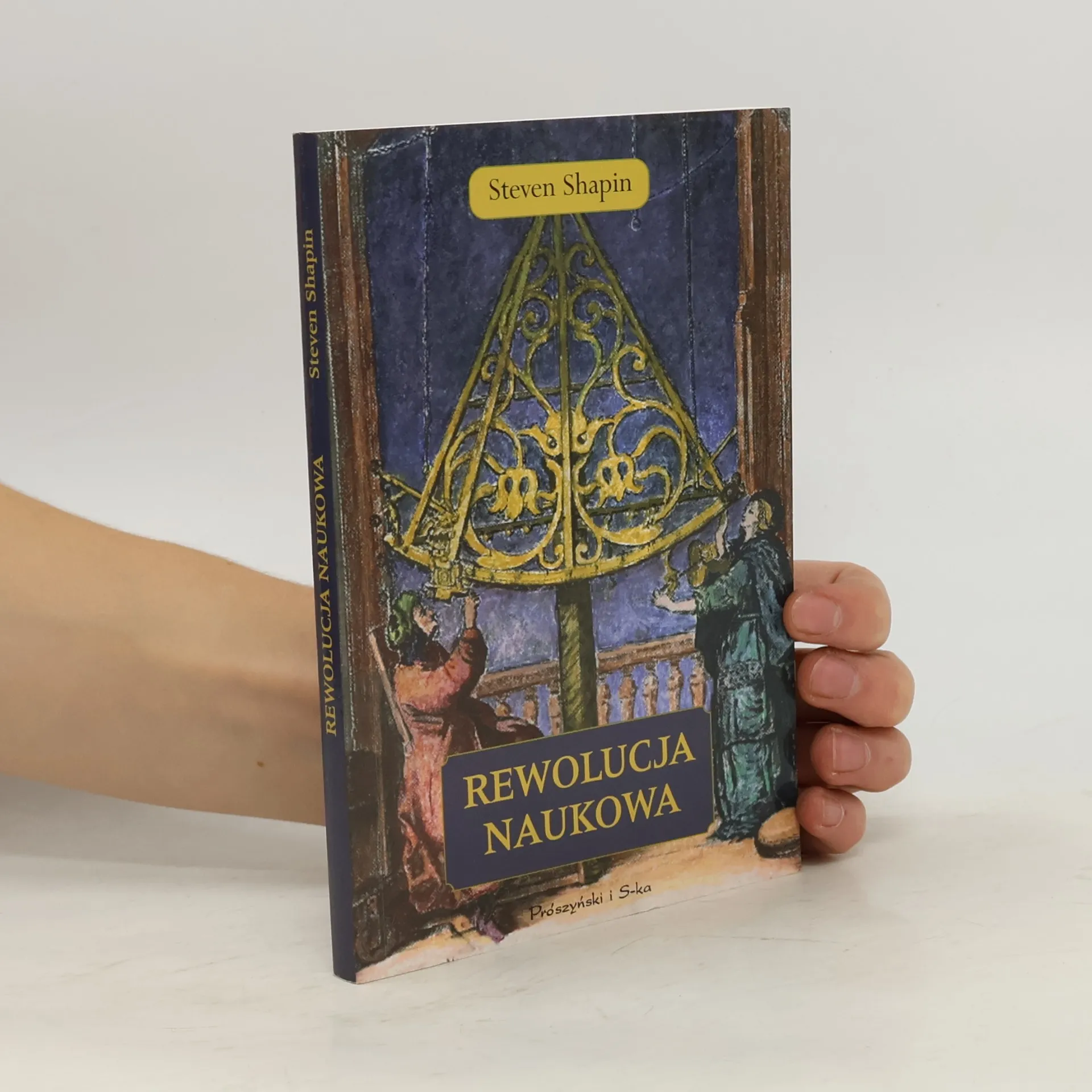
Steven Shapin rozpoczyna swoje rozważania o źródłach nowożytnej nauki prowokacyjnym stwierdzeniem: „Niczego takiego jak rewolucja naukowa nie było i o tym mówi ta książka". W miarę jak zmieniała się nasza wiedza o nauce XVII wieku, pojęcie „rewolucja naukowa" coraz mniej zadowalało historyków. Shapin wychodzi z założenia, że nauka jest działalnością zbiorową usytuowaną historycznie i społecznie; zgodnie z tym założeniem przeprowadza dogłębną analizę początków nauki nowożytnej. Odpowiada na trzy podstawowe pytania: co wiedziano o przyrodzie, jak tę wiedzę zdobywano i jakim celom służyła. Zapoznanie się z tą szczególną koncepcją rewolucji naukowej - jakże różną od uświęconej przez tradycję - daje wyobrażenie o roli nauki w nowożytnym społeczeństwie, o procesie dochodzenia do wiedzy, sposobach publikowania wyników eksperymentów oraz uznawaniu wiedzy za pożądane i wartościowe dobro.