

Bookbot

Cornelius Van Til

    Cornelius Van Til was een christelijke filosoof en gereformeerde theoloog, bekend om zijn innovatieve benadering van de verdediging van het christelijk geloof. Voortbouwend op traditionele methoden, ontwikkelde hij een overtuigende, presuppositionele methodologie die de scherpe antithese tussen christelijke en niet-christelijke wereldbeelden benadrukte. Zijn werk duikt in de fundamentele rol van presupposities en het cruciale contactpunt tussen gelovigen en ongelovigen. Van Til streefde naar een consequent christelijke methodologie in zijn apologetiek, en nodigt lezers uit tot een dieper onderzoek van de fundamenten van het geloof.

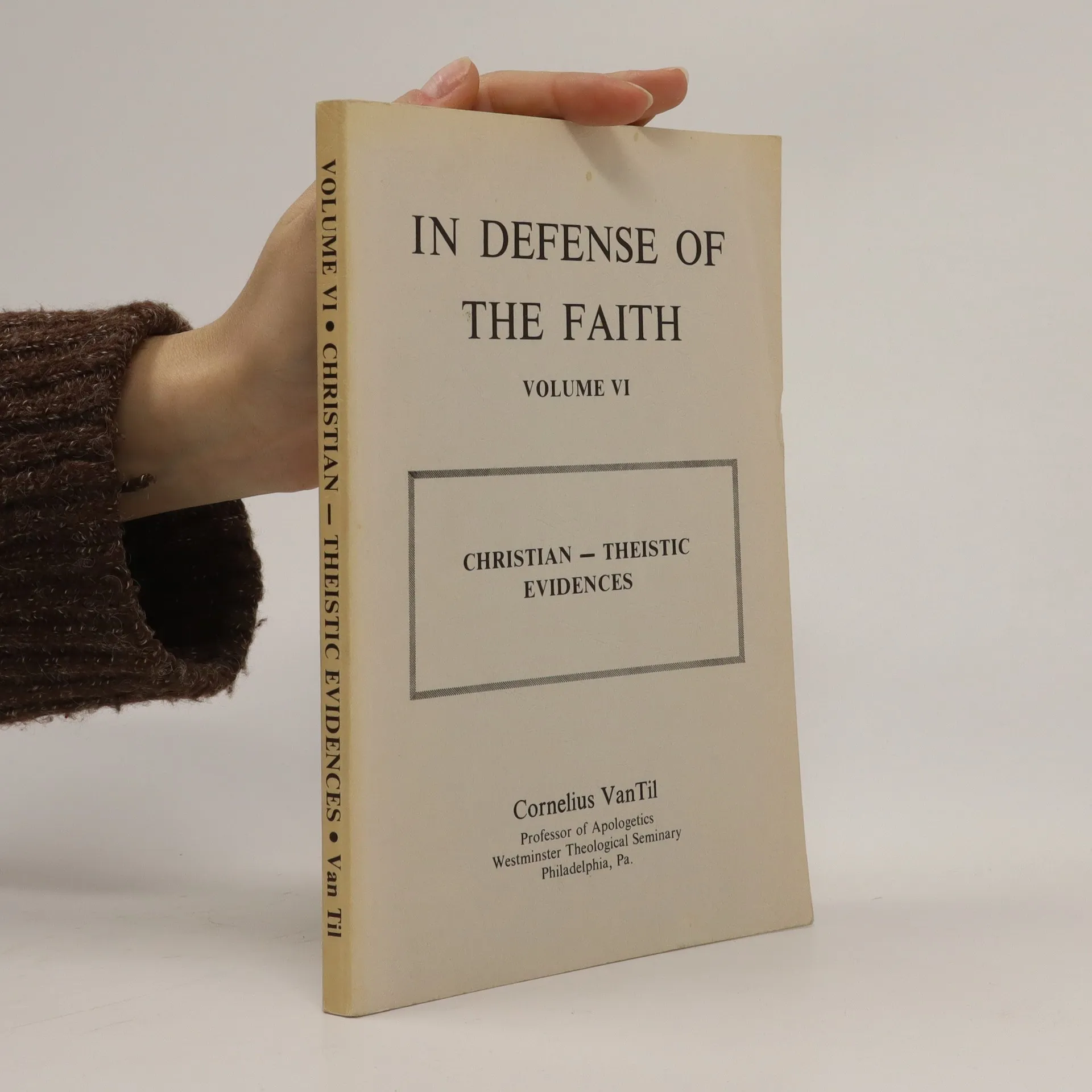
    In defense of the faith volume VI Christian - Theistic evidences
    In Defense of the Faith. Díl 3.
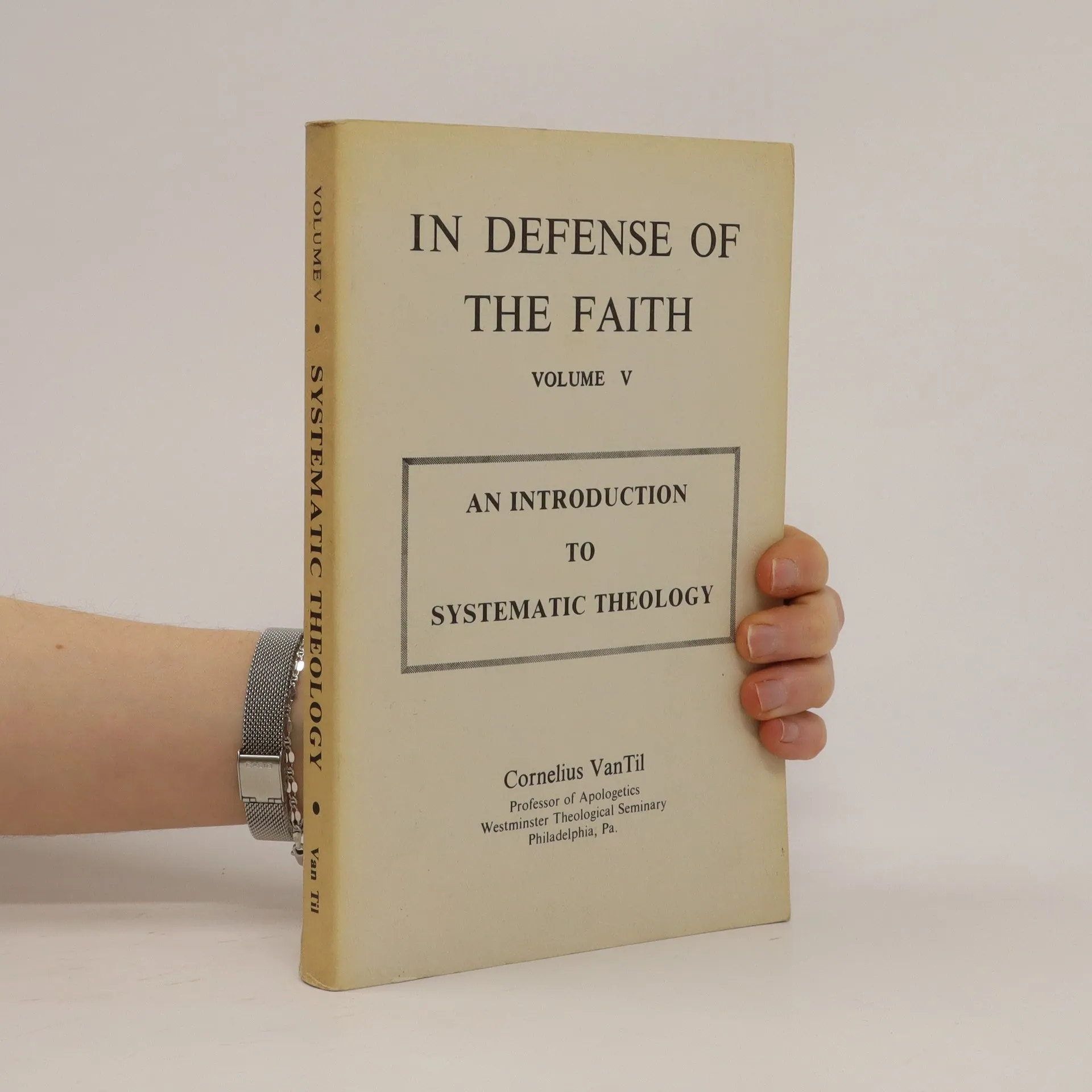
    In Defense of the Faith. Díl 5.
    The Ten Commandments
    • The Ten Commandments

      • 222bladzijden
      • 8 uur lezen

      Focusing on Christian ethics, this unpublished curriculum offers insights into the Ten Commandments as taught at Westminster Theological Seminary. It emphasizes the importance of understanding God's law and its contemporary relevance, making it essential for Christians aiming to deepen their faith and witness. The work highlights the necessity of these commandments in guiding moral conduct and spiritual life.

      The Ten Commandments
      4,2
    • Van Til explores the implications of Christian theology, particularly for philosophy, as he discusses epistemology, general and special revelation, and the knowledge and attributes of God. Cornelius Van Til taught apologetics for more than forty-five years at Westminster Theological Seminary.

      In Defense of the Faith. Díl 5.
      4,1
    • This syllabus claims with the historic Reformed creeds that the good is good because God in Christ through the Scriptures says it is good. Without the presupposition of the self-sufficient moral consciousness of the triune God revealed in Scripture, man's moral consciousness would operate in a vacuum. Part 1 deals with Christian Ethical Principles and Part II traces the development of apostate man's principle of "inwardness" or moral self-sufficiency in order to show that it has led and cannot but lead to moral chaos.

      In Defense of the Faith. Díl 3.
      4,0