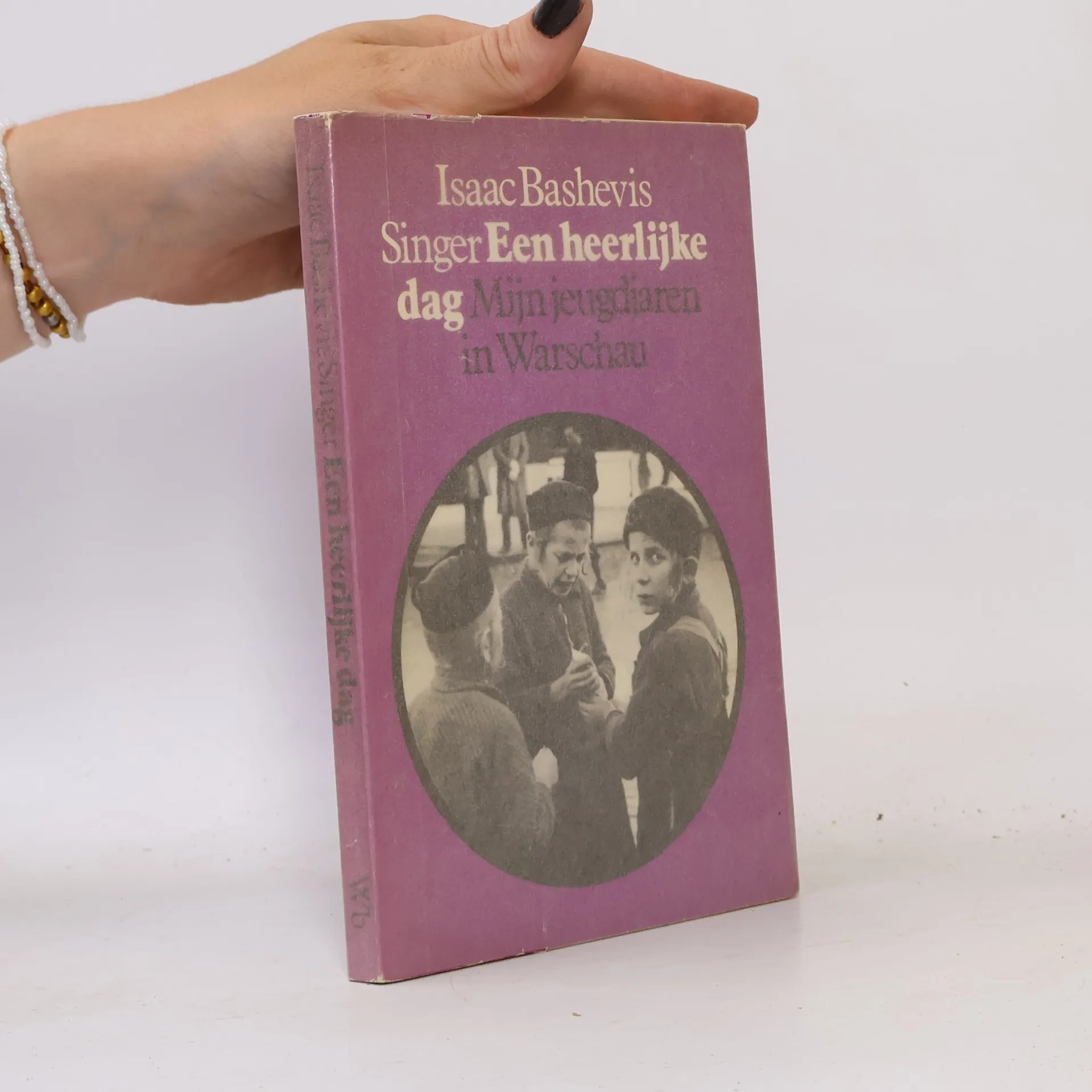
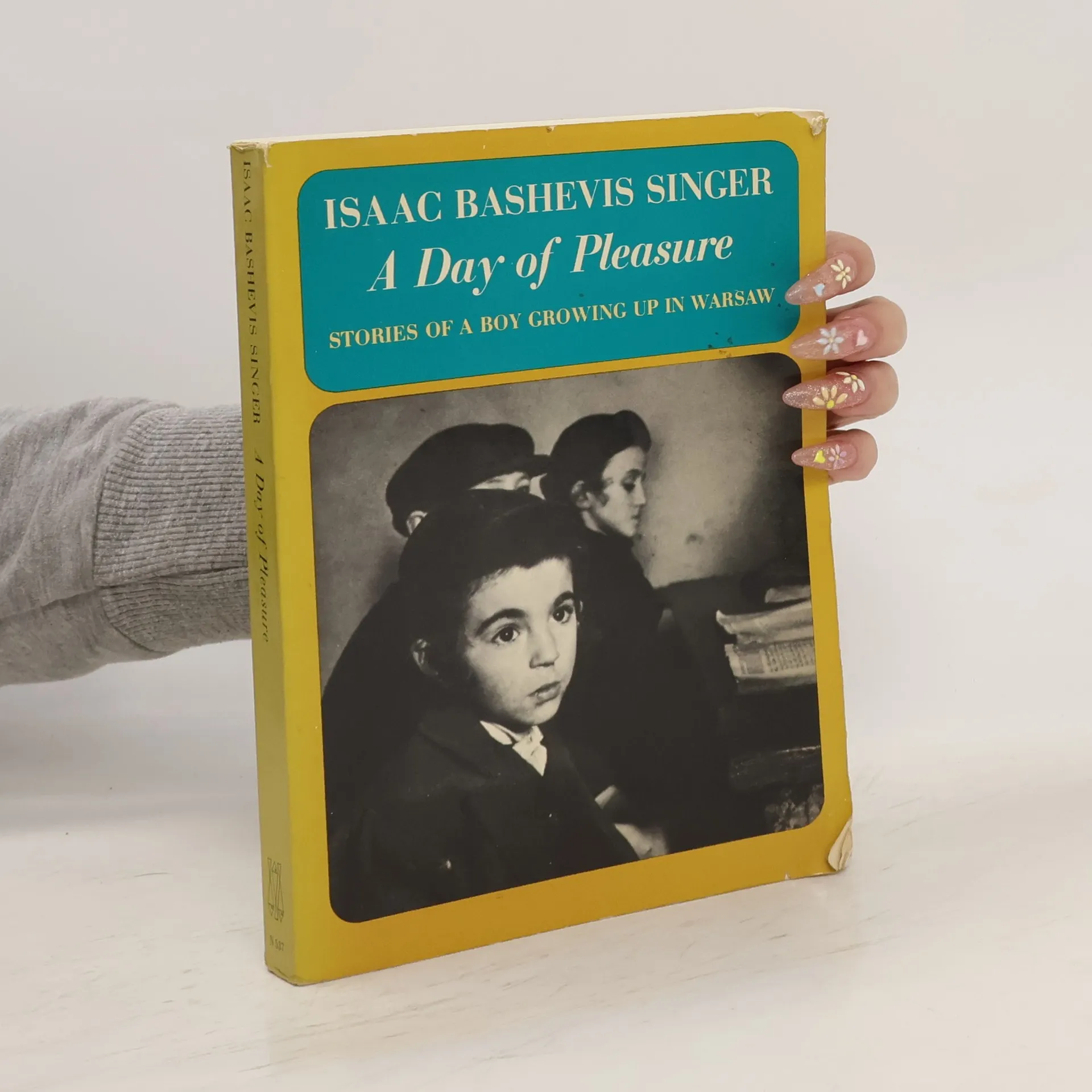
Dit autobiografische boek van Singer wordt wel beschouwd als een van zijn mooiste, intiemste en meest nostalgische: de herinneringen aan zijn joodse jeugd in Warschau. 'Singer heeft,' schreef The New York Times destijds bij de eerste Engelstalige editie van het boek, 'met deze herinneringen een wereld van gisteren die voorgoed en grondig voorbij is opgeroepen, zoals Zola over de buik van Parijs schreef, Fontane over de Mark Brandenburg en Svevo over Triëst.' Singer groeide op als zoon van een rabbijn in de armenwijk van Warschau. Vrijwel dagelijks trok er aan zijn oog een stoet voorbij van zonderlinge, schilderachtige types die bij de vader, die als het ware hof hield, kwamen antichambreren, klagen, bijpraten, discussiëren, ruzies bijleggen, biechten en advies vragen. Het huis van de Singers was een soort rechtbank, synagoge, leerhuis en spreekkamer van een psychiater tegelijk. Singer beschikt over een onvoorstelbaar goed geheugen voor zelfs de miniemste details, zo blijkt uit dit bonte, meesterlijk geschreven boek. Singer heeft in Het hof van mijn vader getracht twee genres met elkaar te combineren: memoires en bellettrie. Dit streven heeft een buitengewoon bekoorlijke en authentieke verbeelding opgeleverd van een wereld die wij nooit met eigen oog aanschouwden.
Isaac B. Singer Boeken
Isaac Bashevis Singer was een meesterverteller, beroemd om zijn suggestieve korte fictie die de wereld van het Oost-Europese Joodse leven tot leven bracht. Als een sleutelfiguur in de Jiddische literatuur duiken zijn verhalen in diepgaande thema's als geloof, lot en de complexiteit van de menselijke conditie. Singers proza is rijk en resonant, en trekt lezers naar werelden die zowel vertrouwd als exotisch zijn. Door zijn unieke stem verkende hij de blijvende geest en het culturele weefsel van zijn erfgoed, en liet zo een onuitwisbare indruk achter in het literaire landschap.


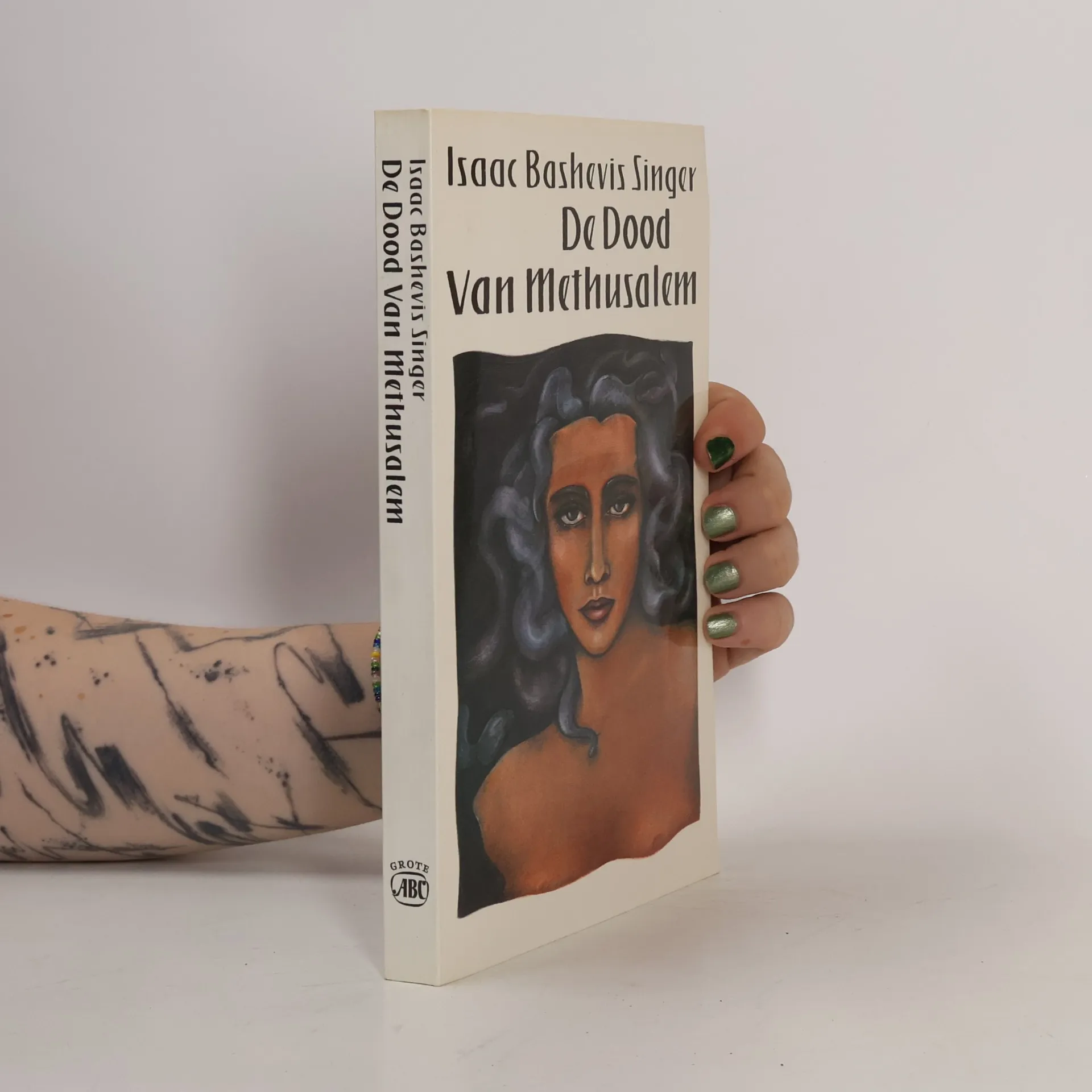

Grote ABC - 728: De dood van Methusalem
- 213bladzijden
- 8 uur lezen
De Joodse, Pools-Amerikaanse schrijver Isaac Singer heeft in de bundel 'De dood van Methusalem' twintig verhalen en anekdotes opgenomen. In de verhalen die vaak in het Polen van voor de Tweede Wereldoorlog spelen, staat de rol van de jaloezie in de intermenselijke verhoudingen centraal. Dit thema komt ook steeds weer terug in de anekdotes, Singers beschrijvingen van ontmoetingen met mensen die hem hun levensverhaal vertellen. Naast het thema van jaloezie komen ook andere voor, bijv. in het verhaal 'Het Hotel' waarin twee op non-actief gezette zakenlieden hun hartklachten in de boom hangen en een hotel opkopen. Alle verhalen en anekdotes kenmerken zich door een subtiel gevoel voor humor, een diepe menselijke betrokkenheid en een grote belangstelling voor de Joodse cultuur.
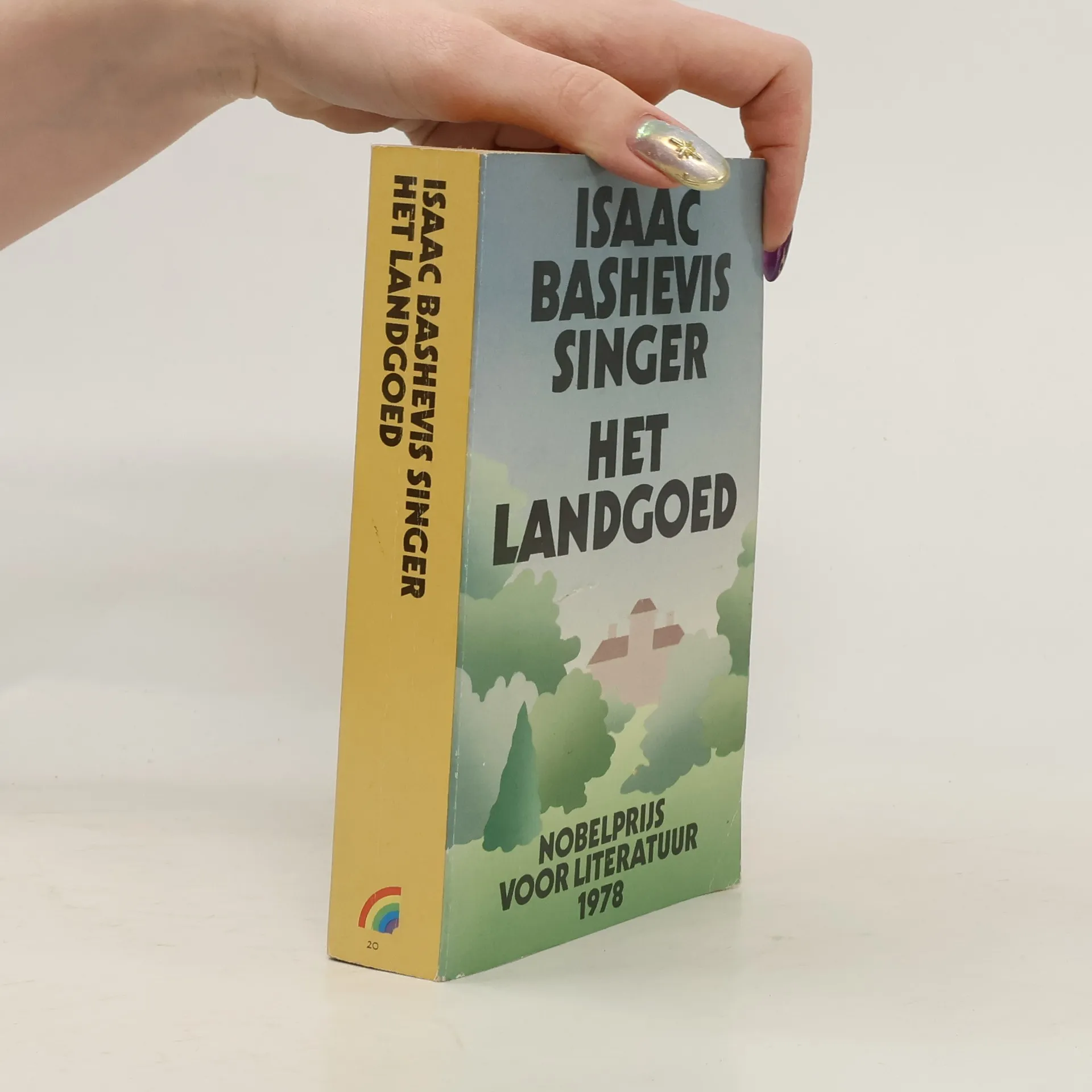
Het landgoed
- 459bladzijden
- 17 uur lezen
In Het landgoed beschrijft Isaac Bashevis Singer de moeilijkheden die de traditioneel ingestelde Joden ondervinden door de enorme maatschappelijke veranderingen in het Polen van de laat-negentiende eeuw. Calman Jacoby voert het beheer over een door de Russen geconfisqueerd landgoed. Hij staat tussen het oude en het nieuwe. Als vrome en orthodoxe jood kan hij het moeilijk verkroppen dat zijn dochter trouwt met een ongelovige; toch was hij in zakelijk opzicht zijn tijd vooruit.
Yentl
- 256bladzijden
- 9 uur lezen
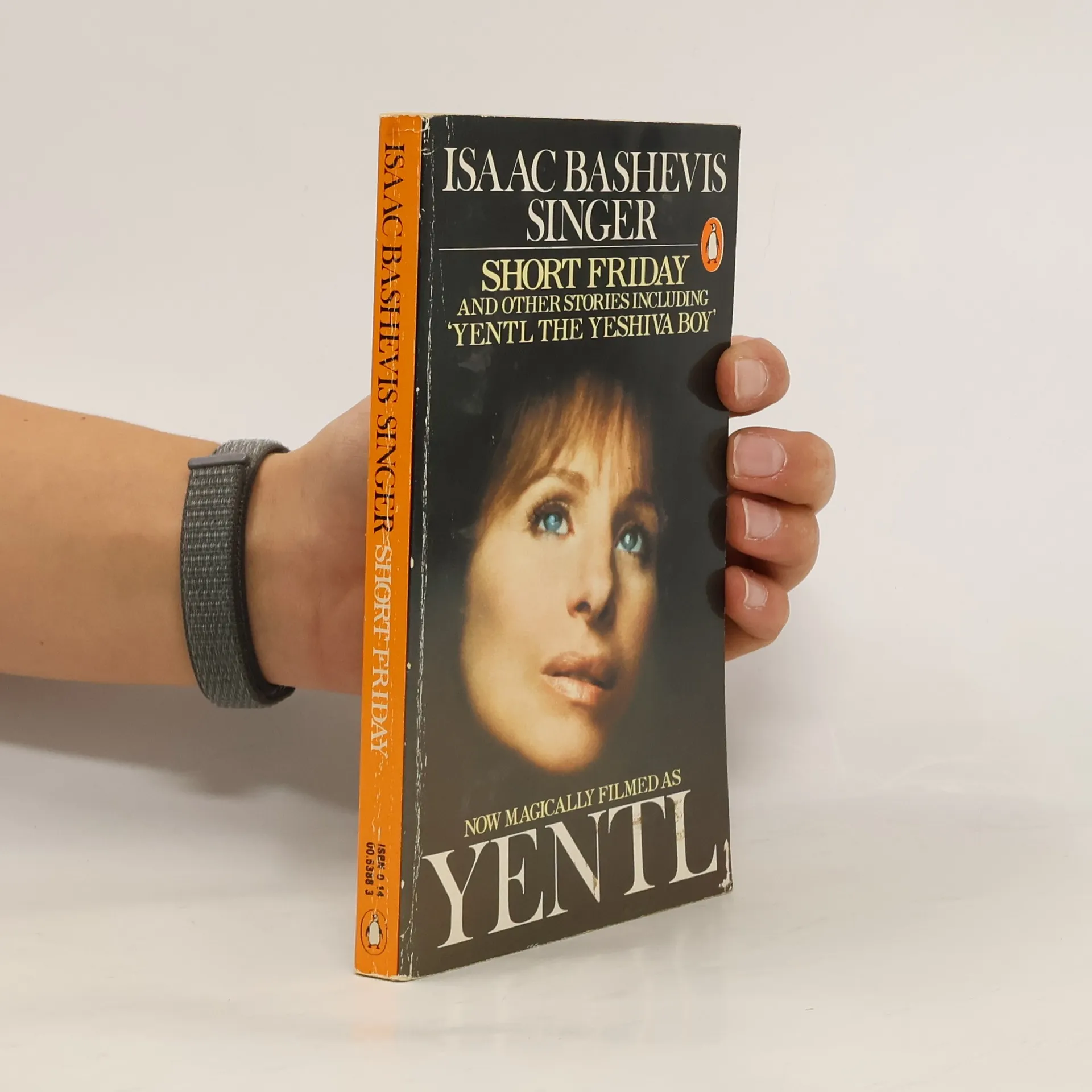
Deze zestien jiddische verhalen spelen zich af onder Poolse joden. Singer, die in 1904 in Radzymin bij Warschau werd geboren uit een familie van rabbijnen, zet met deze verhalen de chassidische traditie voort. De verhalen zijn stuk voor stuk juweeltjes van vertelkunst, en ontroeren door hun directheid. Levende mensen worstelen erin met hun armoe, hun angst, de vervolging. Ze worden slachtoffer van hun levenslust of driften, maar worden steeds geschilderd op weg naar een wereld die menselijker moet worden. Voor zijn vertelkunst werd de auteur in 1978 de Nobelprijs voor literatuur verleend. De titel van de bundel "Vroege sabbat" is gewijzigd naar de naam van het verhaal waarop de film "Yentl" van Barbra Streisand is gebaseerd. Zeer kleine druk, volle bladspiegel, pocketuitgave. (Biblion recensie, Drs. M.J.I. Bos)
Salamander: De Spinoza van Warschau
- 223bladzijden
- 8 uur lezen
Een andere uitstekende verzameling verhalen van Singer. Deze elf verhalen schetsen de verdwenen wereld van de Poolse joodse getto's vóór de Tweede Wereldoorlog. Zonder moraliserend of psychologiserend te zijn, vertelt Singer op een feitelijke manier en met fragmentarische dialogen over de kleurrijke wereld van de Poolse joodse gemeenschap. Vaak dienen de relaties tussen mensen, liefde en huwelijk als plot, tegen de achtergrond van het dagelijks leven, waarin mannen werken en de Tora en Talmoed bestuderen, vrouwen voor het huishouden en de familie zorgen, en iedereen de traditionele deugden waardeert. Zelfs in zo'n wereld zijn er excentrieke personages en kleine bizarre voorvallen, die de auteur op verrassend moderne wijze en met de kenmerkende joodse humor benadert, waarin overgave en wijsheid van eeuwen schuilgaan.
De boeteling
- 154bladzijden
- 6 uur lezen
Een rijke joodse Amerikaanse zakenman walgt van het overspelige materialistische leven dat hij leidt. Hij vertrekt naar Israel maar ontmoet daar dezelfde door hem verafschuwde mentaliteit. Hij mist bovendien de ware overtuiging om geheel te gaan leven volgens de strenge joodse wetten en is zodoende weer gedwongen tot veel compromissen. Dan ontmoet hij de leider van een ultra-orthodoxe sekte die een compromisioos leven leidt. Hij trouwt met diens dochter en keert terug tot het ware geloof en de essentie van het leven. In een nawoord neemt schrijver afstand van de argumenten die hij zijn hoofdpersoon in de mond legt om zijn handelwijze te verklaren. Schitterend geschreven, in een zeer beeldend zorgvuldig woordgebruik, toegankelijker dan diverse andere boeken van deze schrijver (Nobelprijswinnaar). Boeiend tot het allerlaatst voor die lezers die zich openstellen voor de vragen rond de essentie van het leven.
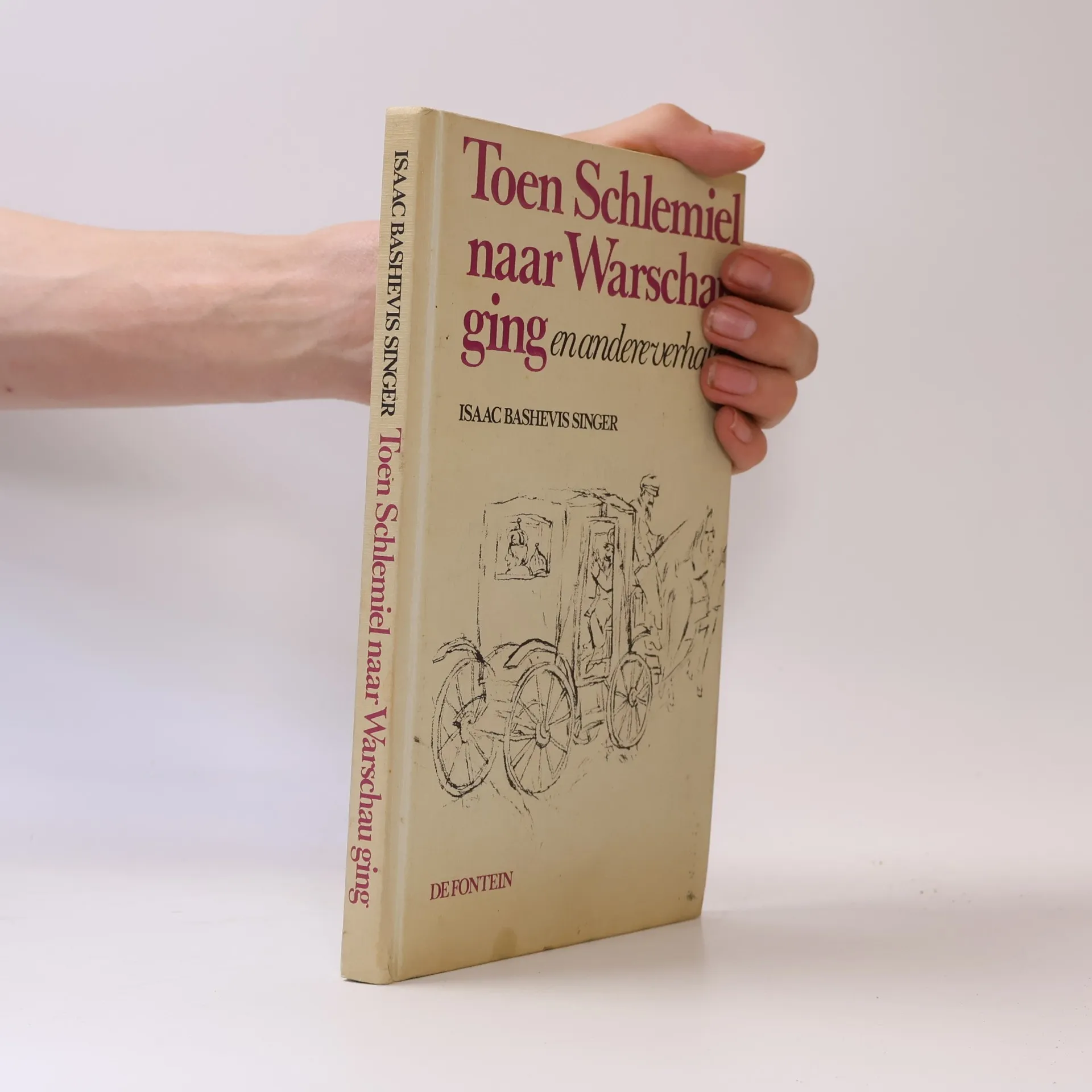
Toen Schlemiel naar Warschau ging en andere verhalen
- 92bladzijden
- 4 uur lezen
Eight stories based on traditional Jewish themes from Eastern Europe. Sluwe Todie en Lyzer de Vrek -- Tsirtsur en Peziza -- Rabbi Leib en de heks Cunegunde -- De Oudsten van Chelm en Genendel's sleutel -- Schlemiel de zakenman -- Utzel en zijn dochter Armoe -- Menaseh's droom -- Toen Schlemiel naar Warschau ging.
Simpele Gimpl en andere verhalen
- 244bladzijden
- 9 uur lezen
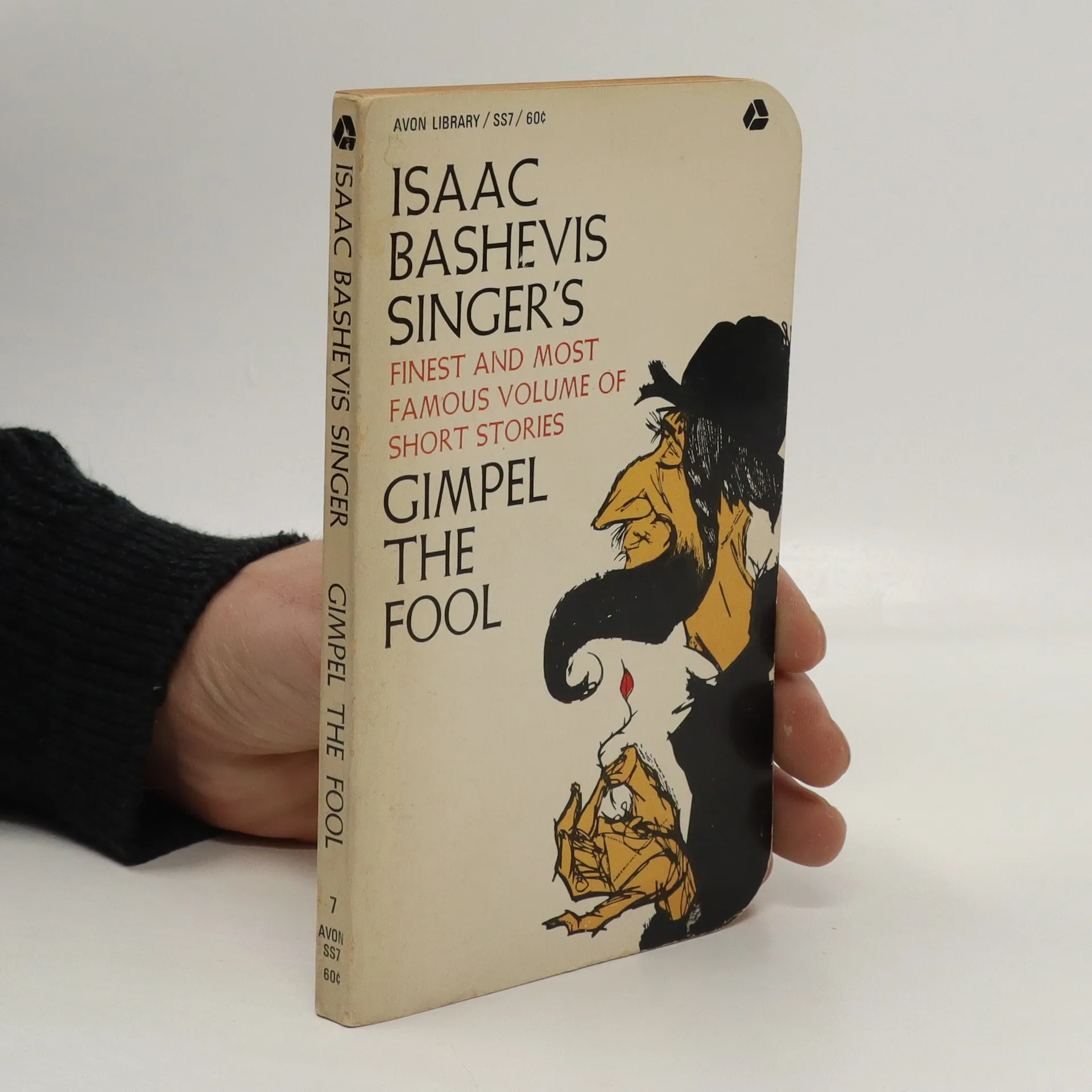
Isaac Bashevis Singer’s first collection of stories, Gimpel the Fool , is a landmark work that has attracted international acclaim since it was first published in 1957. In Saul Bellow’s masterly translation, the title story follows the exploits of Gimpel, an ingenuous baker who is universally deceived but who declines to retaliate against his tormentors. Gimpel and the protagonists of the other stories in this volume all inhabit the distinctive pre–World War II ghettos of Poland and, beyond that, the larger world created by Singer’s unforgettable prose.
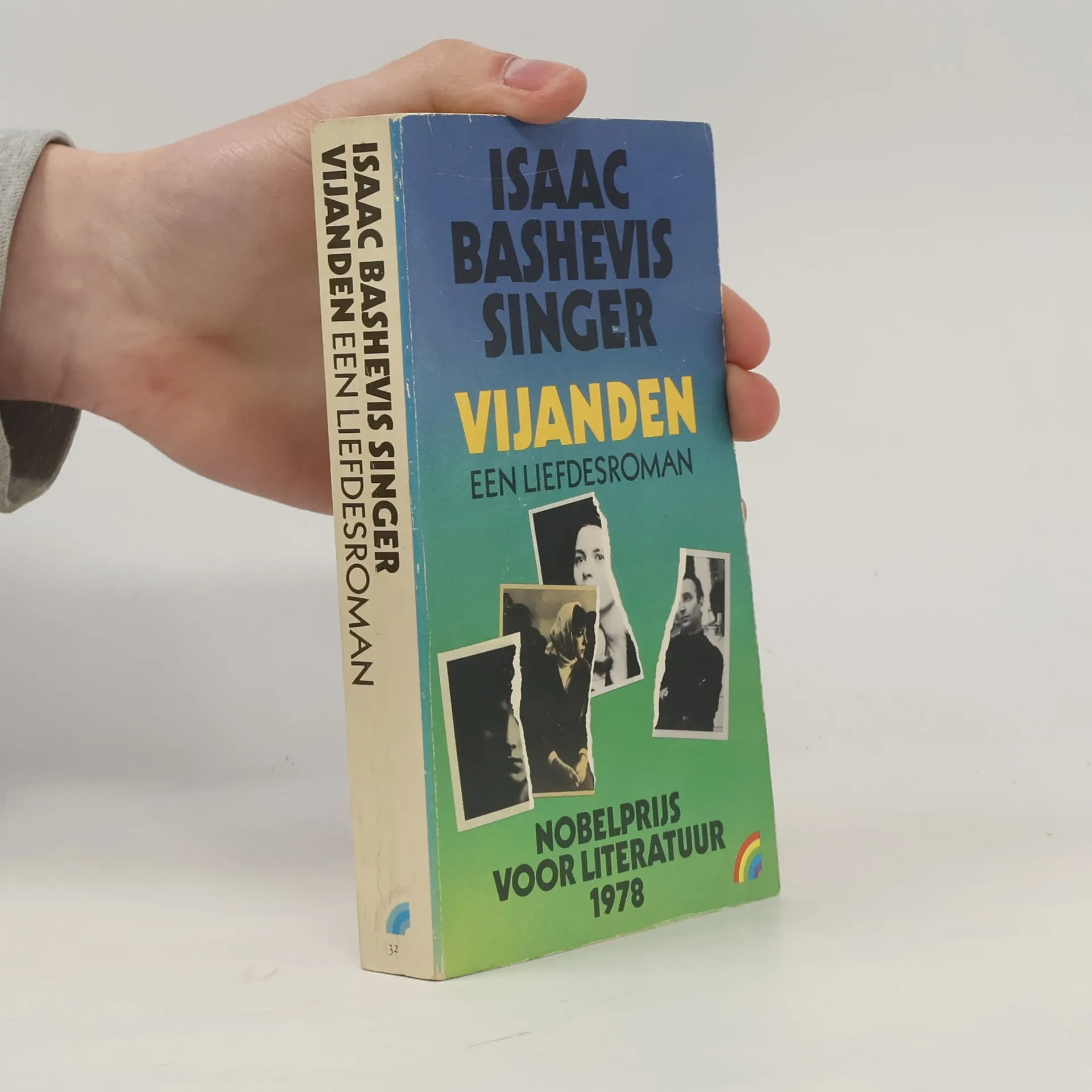
Vijanden. Een liefdesroman
- 316bladzijden
- 12 uur lezen
Een na de oorlog naar New York geëmigreerde Poolse jood slaagt er niet in greep te krijgen op zijn gecompliceerde relaties met drie vrouwen. Als overlevende van de holocaust kwam hij naar New York als een verbitterde, zielloze man. Drie vrouwen hebben hem lief - zijn echtgenote, zijn maitresse en Tamara, van wie hij dacht dat zij in Polen was omgekomen. In dit buitengewone dilemma is geen plaats voor verdere complicaties. Maar Herman Broder houdt van de drie vrouwen en haat zichzelf. Dus, zoals men zegt, met zulke vrienden, wie heeft vijanden nodig?
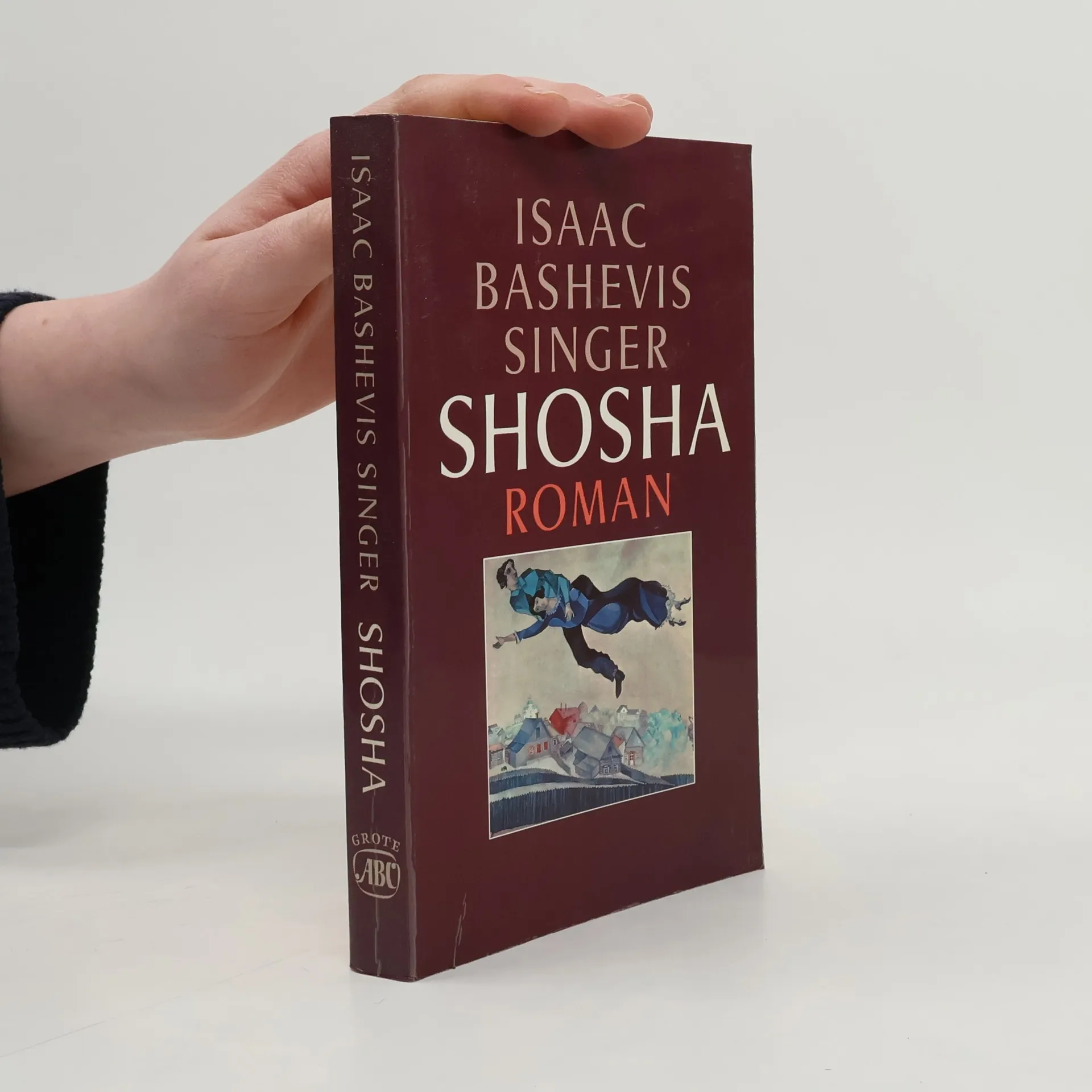
Shosha
- 315bladzijden
- 12 uur lezen
Autobiografisch verhaal van de Nobelprijswinnaar 1978 over zijn jeugdjaren en huwelijk met het achterlijke gettomeisje Shosha.
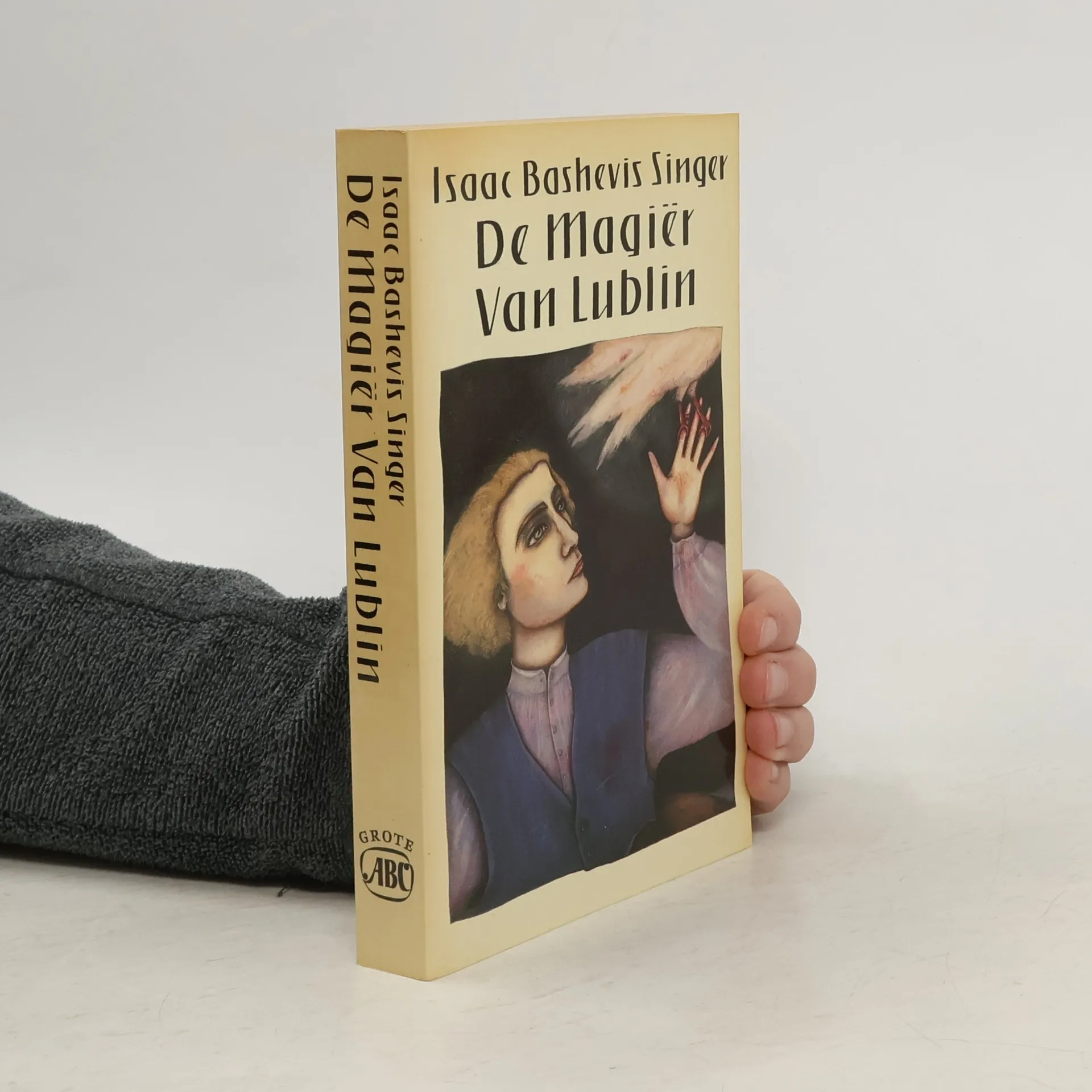
De magier van Lublin
- 223bladzijden
- 8 uur lezen
Singer roept een ongewone, bijna fantastische wereld op waarin het Poolse jodendom een centrale plaats inneemt, vol geesten, fanatici, charlatans, valse messiassen, duivels en dromen. Singers scepsis en spot, zijn opmerkingsgave voor het gruwelijke en groteske, zijn dynamische verteltechniek worden magistraal geetaleerd in 'De magier van Lublin' dat speelt in het Polen aan het einde van de negentiende eeuw. De joden zijn de gesjochten schlemielen in deze kleurrijke historische roman over het leven van Jasja Mazur. De magier is een rondreizende artiest. Hij heeft zijn orthodoxe geloof verloren en is een ware Don Juan, onvermoeibaar jager op geld en vrouwen. Zijn grote liefde is een oudere, rooms-katholieke weduwe waarmee hij, weg van zijn vrouw, naar Italie wil reizen. Meester in het openen van sloten als hij is gaat hij om zijn plannen te financieren een inbraak plegen. Als die mislukt stort zijn rijk ineen. Hij wordt achtervolgd door een reeks ongelukken. Hij raakt gewond, de vrouwen keren zich van hem af en ook zijn geliefde is onbereikbaar geworden. Hij gaat terug naar zijn vrouw in Lublin, laat zich inmetselen en wordt een asceet.
Bloemlezing van verhalen waarin vakantievreugde verkeert in vakantieleed.
Unusual book
The Collected Stories of Isaac Bashevis Singer
- 628bladzijden
- 22 uur lezen
The forty-seven stories in this collection, selected by Singer himself out of nearly one hundred and fifty, range from the publication of his now-classic first collection, Gimpel the Fool, in 1957, until 1981. They include supernatural tales, slices of life from Warsaw and the shtetls of Eastern Europe, and stories of the Jews displaced from that world to the New World, from the East Side of New York to California and Miami.
Offers an exploration of primitive history. This title portrays an era of superstition and violence in a country emerging from the darkness of savagery. It describes the brutality, prejudice and subjugation that occur when hunter- gatherers and farmers struggle for supremacy over the land.
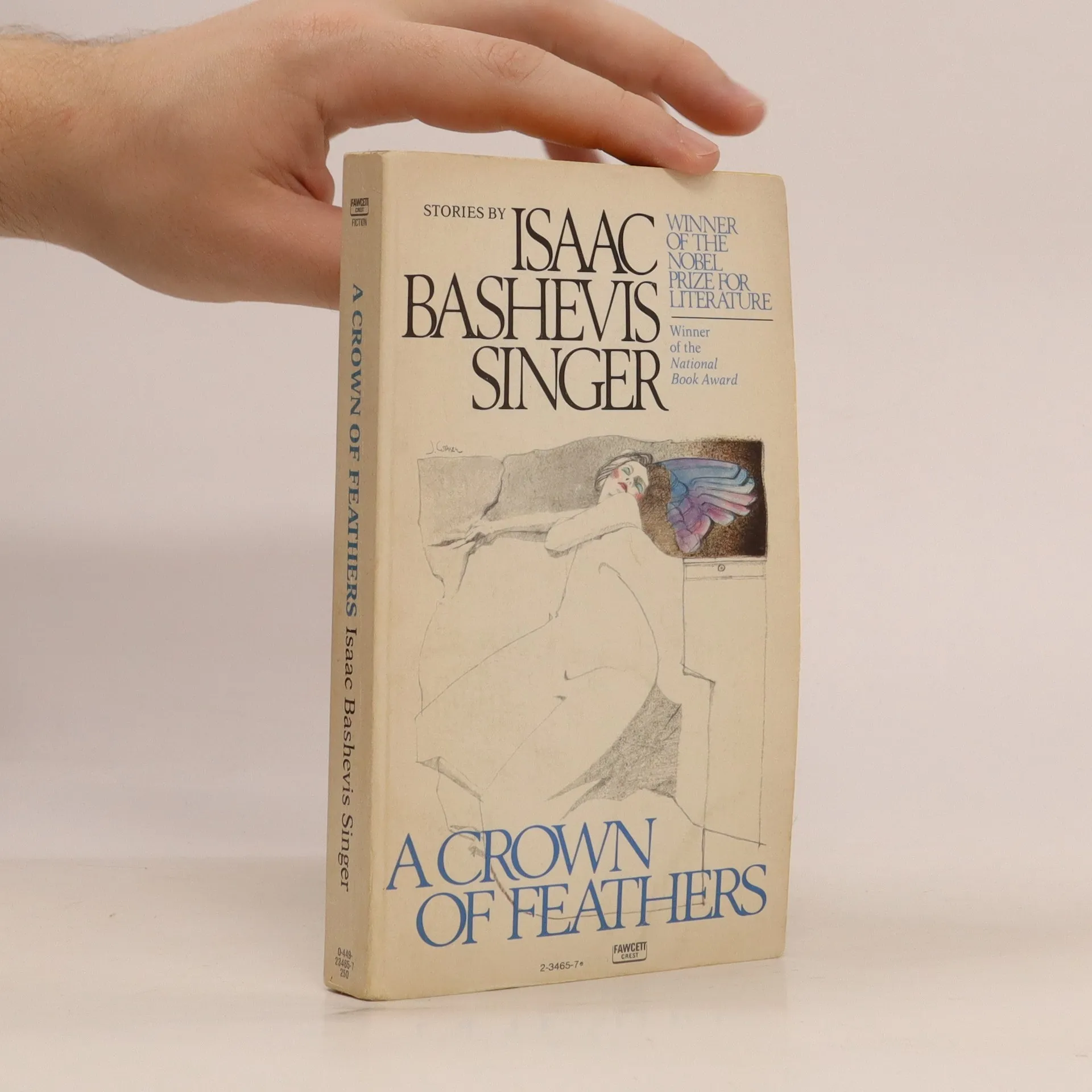
A Crown of Feathers and Other Stories
- 319bladzijden
- 12 uur lezen
These richly hypnotic tales enfold the reader into Isaac Bashevis Singer's special world of imps, demons, lovers, and other mischievous creatures. His world is a world of feelings, driven by lust, lechery, greed, madness, and love. All of his creatures are seen with a clear but loving eye; all seem and are in fact possessed by good and evil, caught in fascinating dilemmas, now terrible, now wryly comic. Here is a dazzling new collection of stories from the fertile genius of Isaac Bashevis Singer, one of today's most entertaining and original writers. (from back cover)
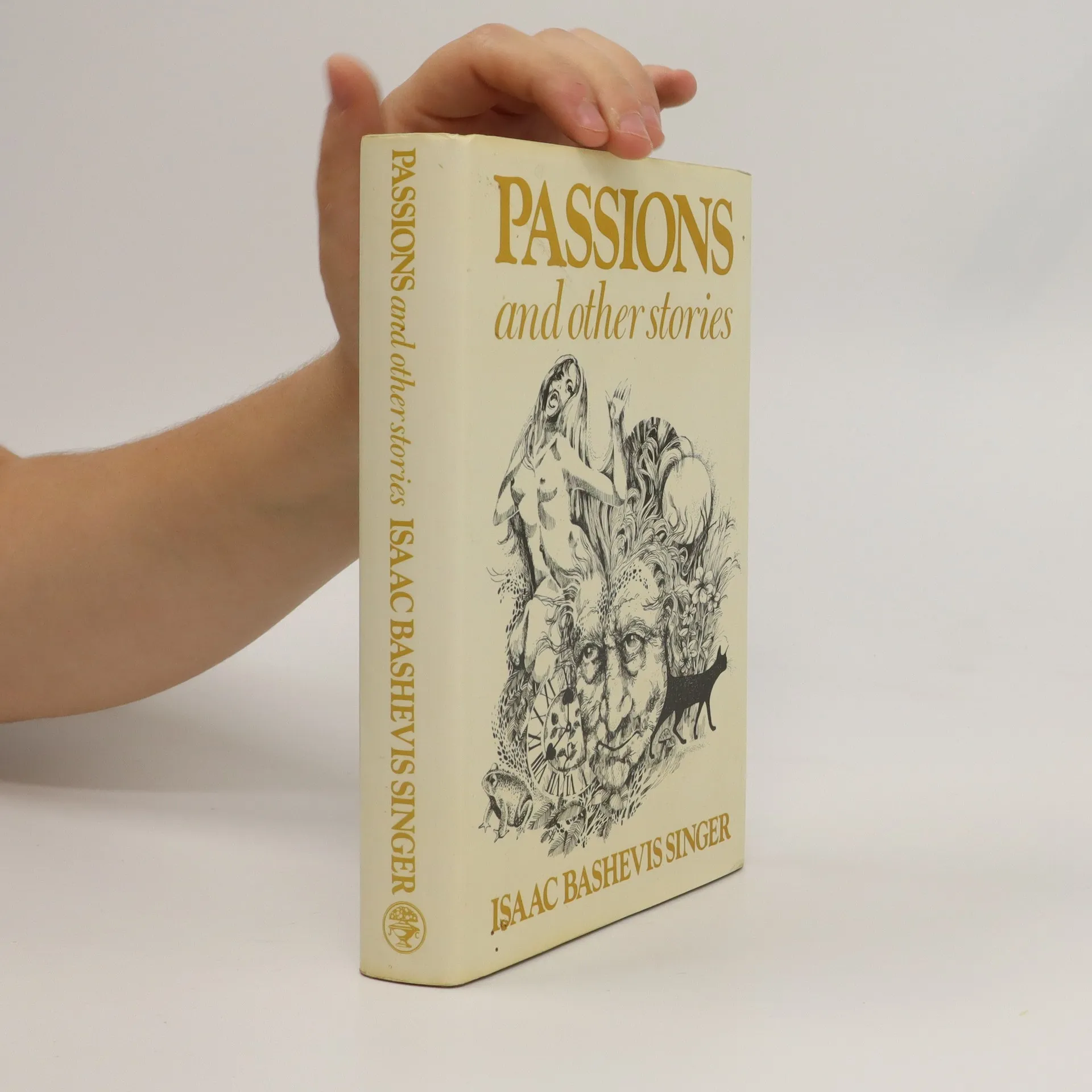
Passions and Other Stories
- 320bladzijden
- 12 uur lezen
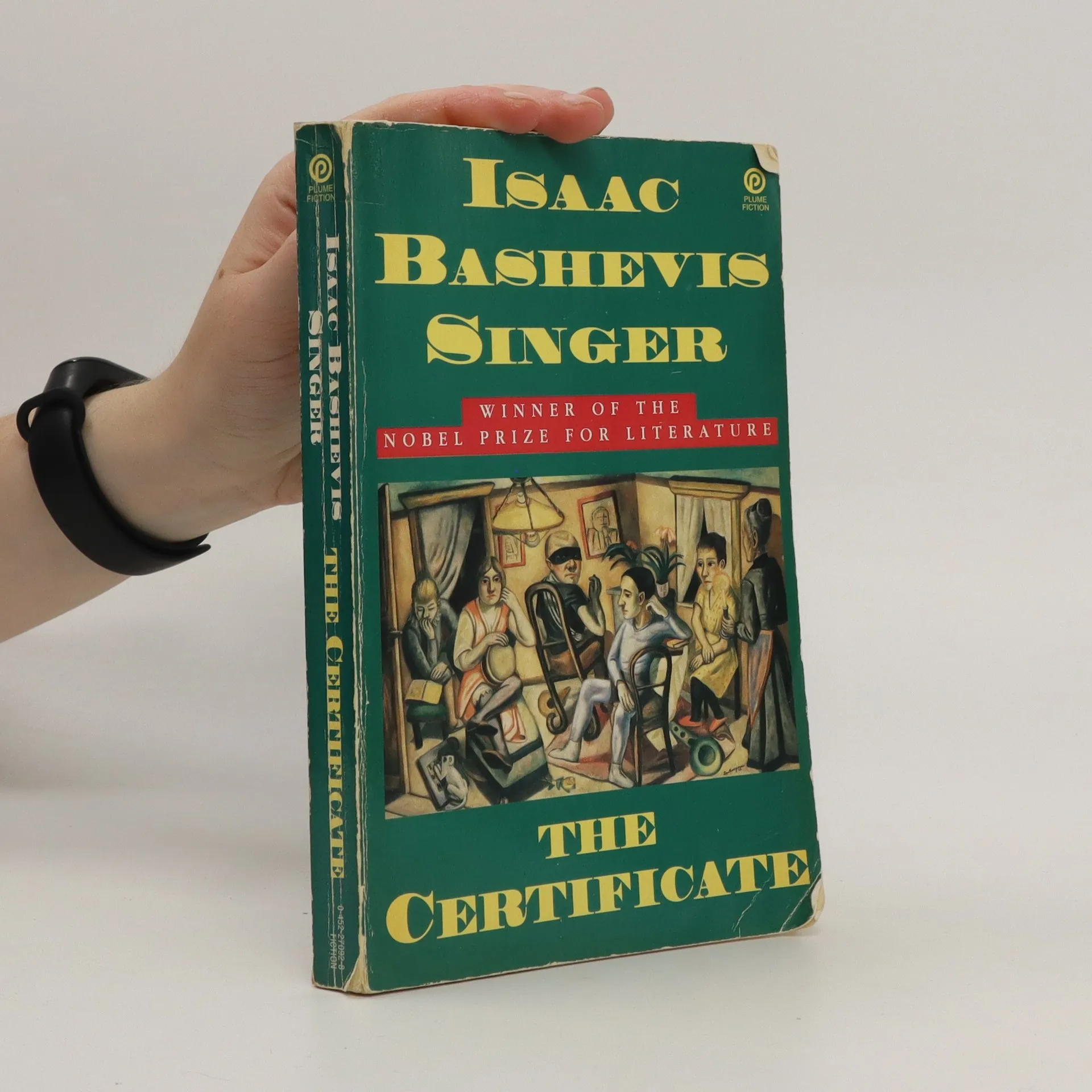
Beautiful stories from the new and old worlds, infused with autobiographical elements. "Everything can become a passion," states the title story, and the protagonists of Isaac B. Singer provide ample evidence of this. This collection gathers tales of Jewish destinies in both the new and old worlds, focusing on individuals filled with fears and hopes. The Dibbuk often plays a crucial role, predominantly possessing female characters and transforming them into the obsessed. "The longer I live among them [the Jews of Eastern Europe] and write about them, the greater my astonishment at the diversity of their personalities and, as I am one of them, at my own whims and passions. And while I hope for their redemption and resurrection, I dare to say that for me all these people are still alive. In literature, as in our dreams, there is no death." Isaac B. Singer
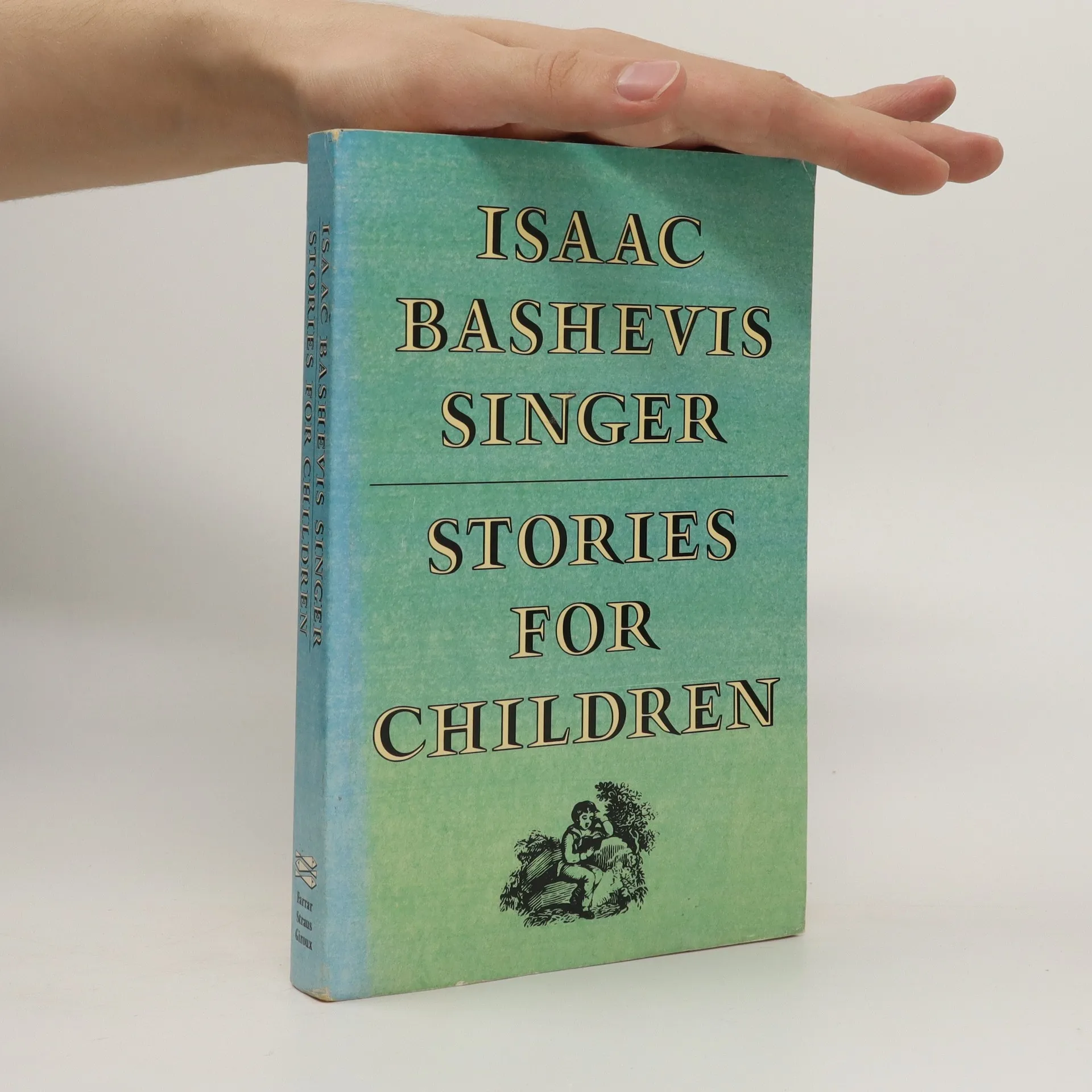
Rich in fantasy and rooted in Polish cultural tradition, this collection showcases the children's stories of Isaac Bashevis Singer, who began writing for young readers at sixty-two. Included are timeless tales, many appearing in book form for the first time, all translated from Yiddish under the author's supervision. The volume features an introduction and a special epilogue discussing children's perspectives on literature, making it a unique addition to any child's bookshelf.
Beretning om en rig jødisk slægt i Warszawa gennem et par generationer frem til krigens begyndelse i 1939
The Slave
- 240bladzijden
- 9 uur lezen
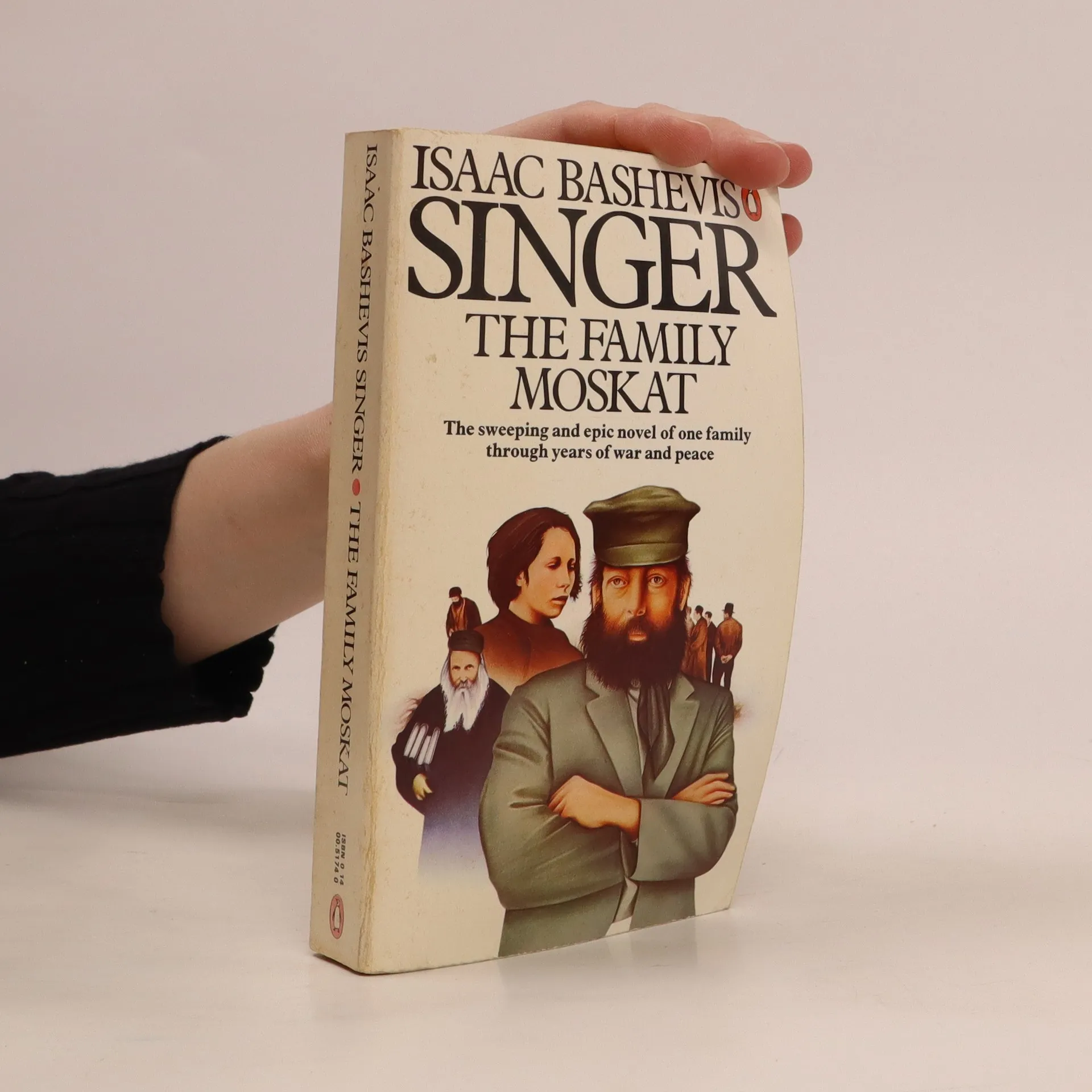
A drama set against the background of 17th century Poland. It is a love story rooted in the folklore of the period. The author also wrote "The Magician of Lublin", "Old Love", "Shosha", "The Estate", "Family Moskat" and "The Image and Other Stories".
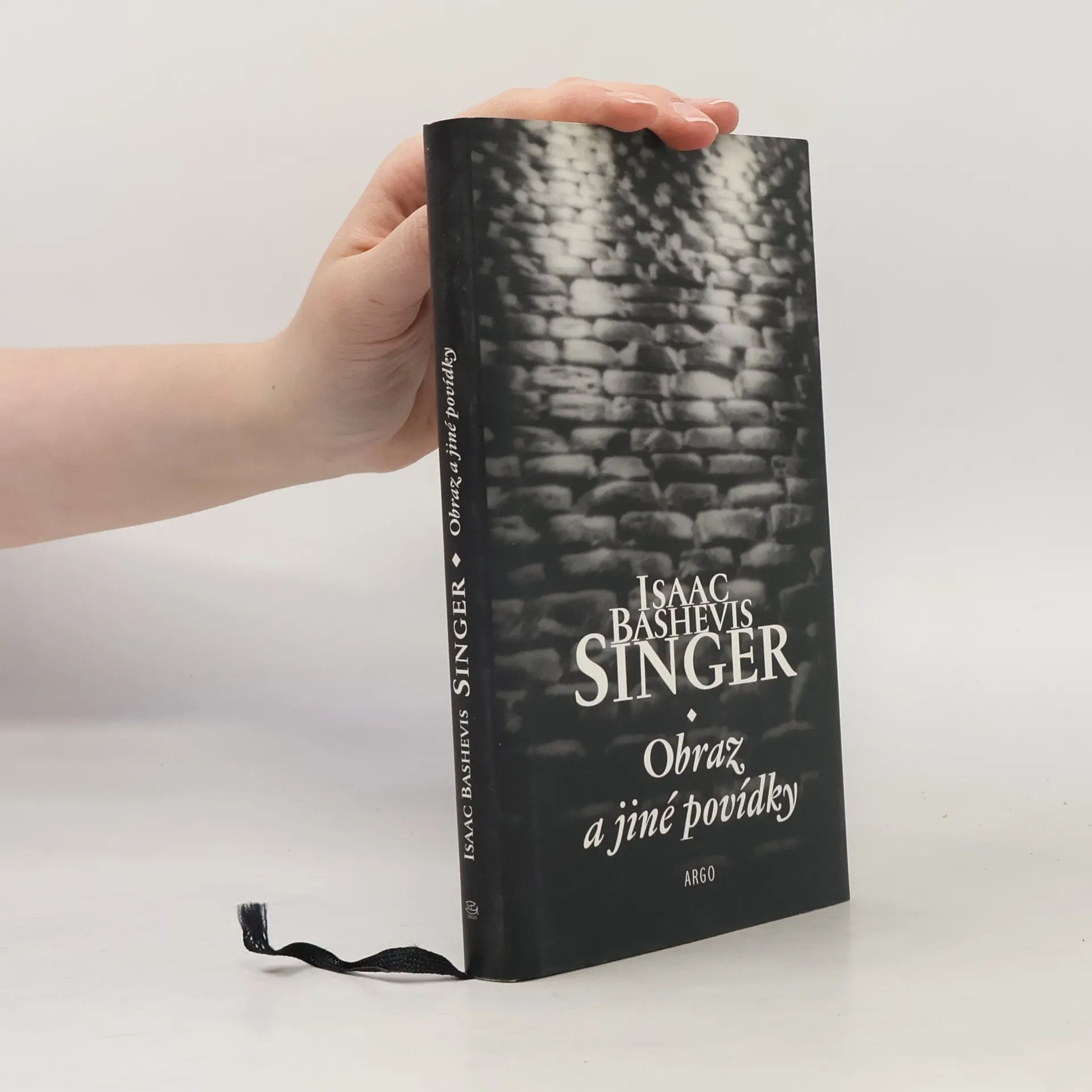
Tento výbor se snaží být reprezentativním vzorkem Singerovy povídkové tvorby a jsou tu zastoupeny jak jeho duchařské povídky, tak ty, které líčí obyčejné – třebaže neobyčejné – lidi. Setkáme se tu tedy s takovými postavami jako s prostou Tajbele a jejím záhrobním nápadníkem, s jurodivým newyorským impresáriem Šlojmelem, s nenapravitelným rouhačem Chazkelem, s krásnou, ale smutnou štamgastkou bistra Ester a jinými, jejichž osudy nás okouzlí i hluboce dojmou.
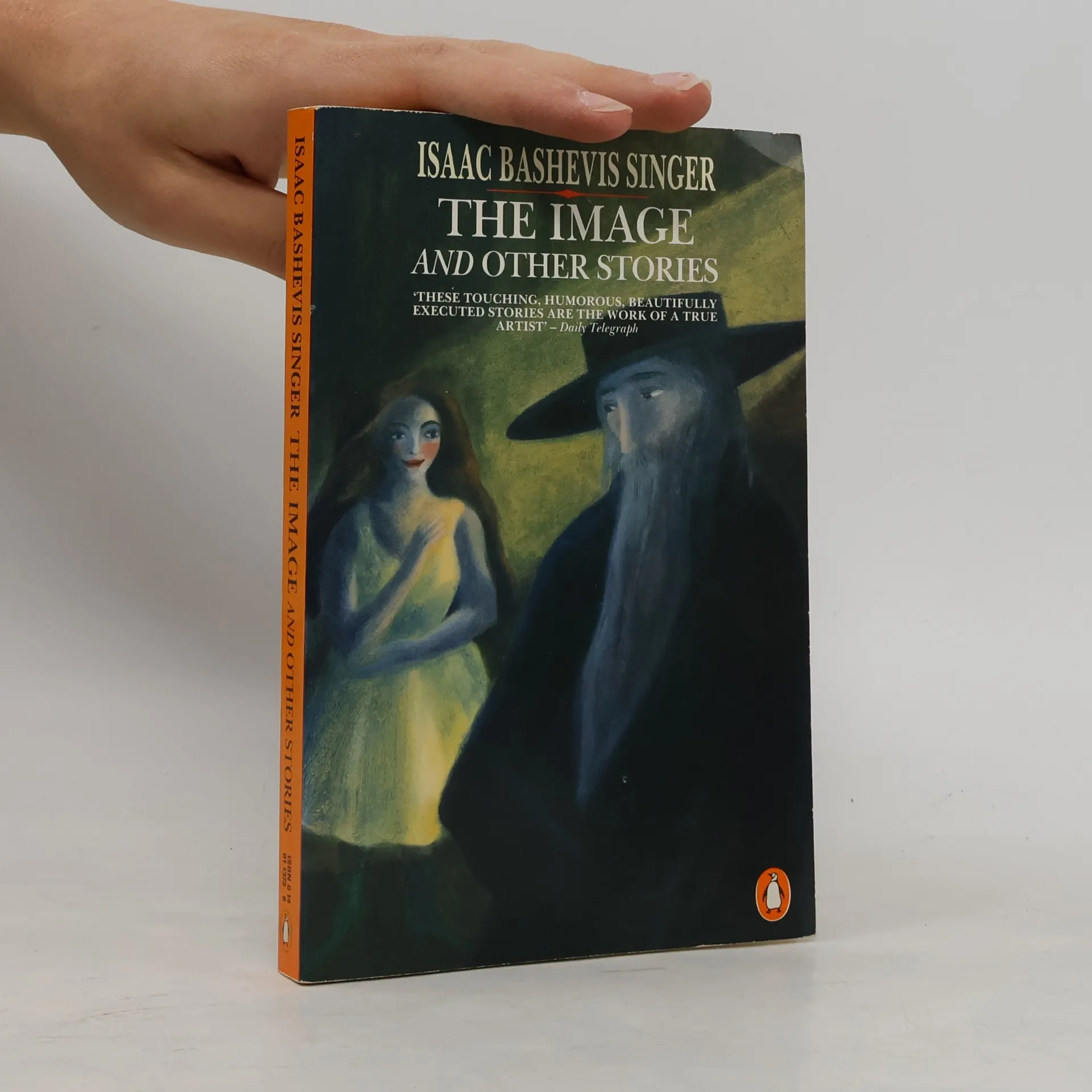
The Image and Other Stories
- 320bladzijden
- 12 uur lezen
Short Friday
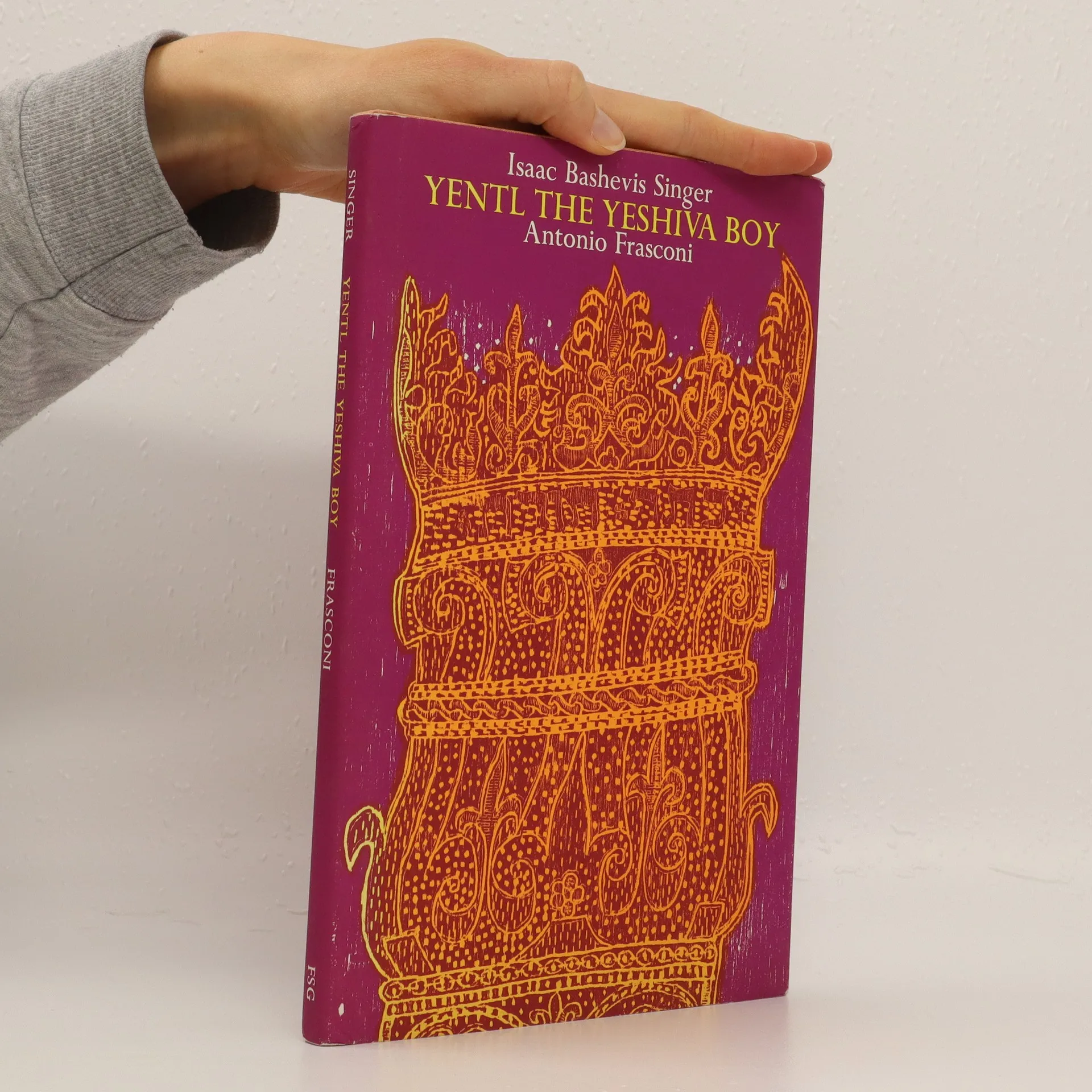
And Other Stories Including 'Yentl The Yeshiva Boy'
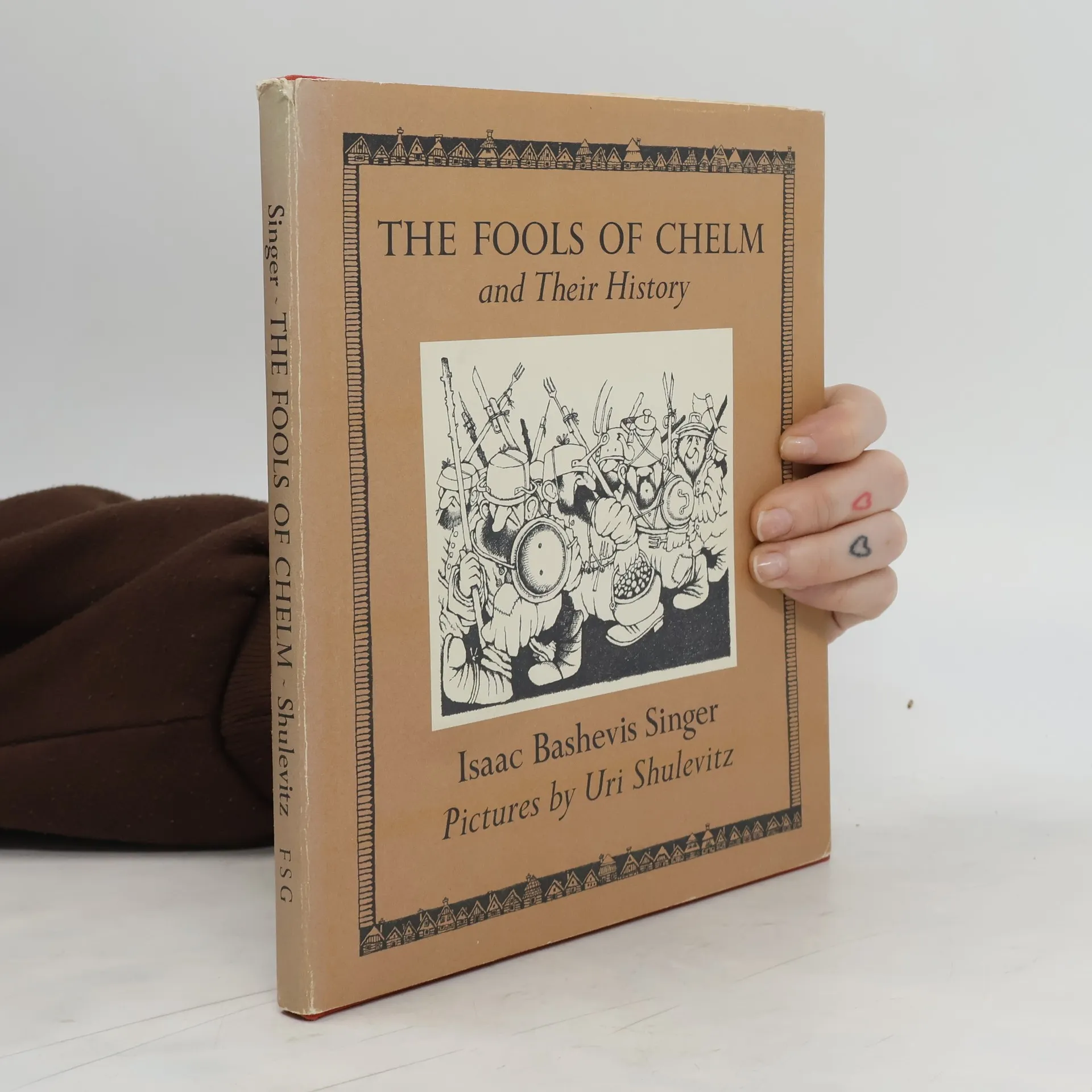
The Fools of Chelm and Their History
- 64bladzijden
- 3 uur lezen
"The town of Chelm is just like every place else, only worse, as numerous shortages, foolish citizens, and inept leaders combine to make life thoroughly miserable. In this whimsical satire, Singer mocks the 'advantages'-such as war, crime, and revolution-that civilization brings to Chelm."-Booklist
Satan in Goray
- 208bladzijden
- 8 uur lezen
In the little Polish town of Goray, ravaged by a terrible pogrom, expectations of the 'End of Days' foretold by cabalists run high. Grief becomes joy as news arrives from the Holy Land of the second coming of the Messiah. Usurping power from the pious rabbi, the believers listen to the prophetess Rechele and prepare themselves for the Coming of the Lord, when they will wear golden jackets and eat marzipan candy in the heart of Jerusalem. As religious hysteria grips the town, spirits and demons are abroad at night, and the people grow weaker by the day. But perhaps it is not the spirit of the Lord who possesses the body and mind of Rechele, but Satan himself.
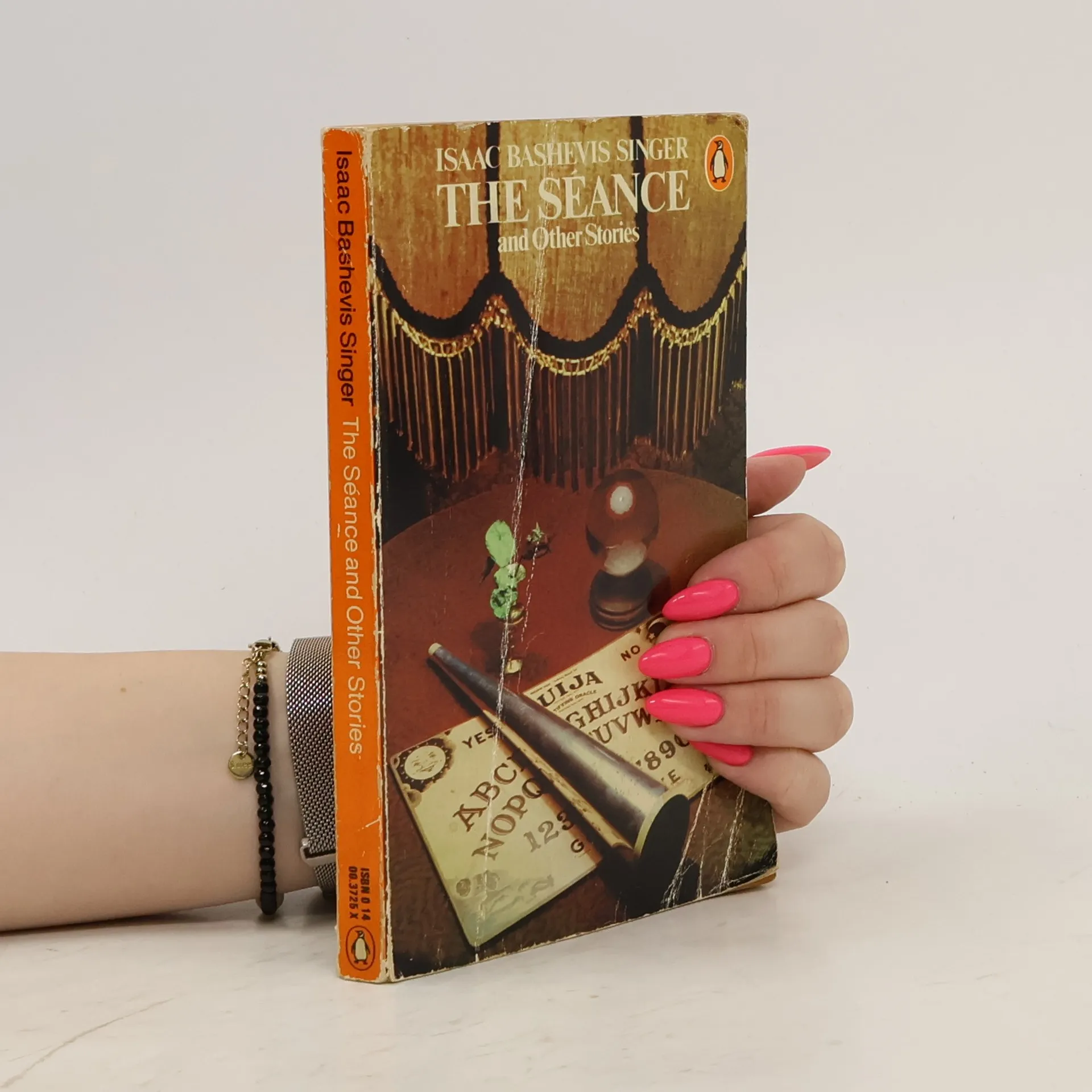
The Séance and Other Stories
- 240bladzijden
- 9 uur lezen
Old love and other stories
- 288bladzijden
- 11 uur lezen
This classic collection explores the varieties of wisdom gained with age and especially those that teach us how to love, as "in love the young are just beginners and the art of loving matures with age and experience". Tales of curious marriages and divorce mingle with psychic experiences and curses, acts of bravery and loneliness, love and hatred.
Writings on Yiddish and Yiddishkayt: The War Years, 1939-1945
- 181bladzijden
- 7 uur lezen
Focusing on the wartime writings of Nobel laureate Isaac Bashevis Singer, this collection captures the urgency and despair he felt as Yiddish culture faced annihilation during 1939-1945. Singer's prose reflects a deep commitment to preserving Yiddish customs and the profound sense of loss experienced by his community. His work serves as a poignant testament to a world in peril, showcasing his dedication to documenting a rich cultural heritage on the brink of destruction.
Nineteen autobiographical stories about the author's childhood in Poland from 1908 to 1918.
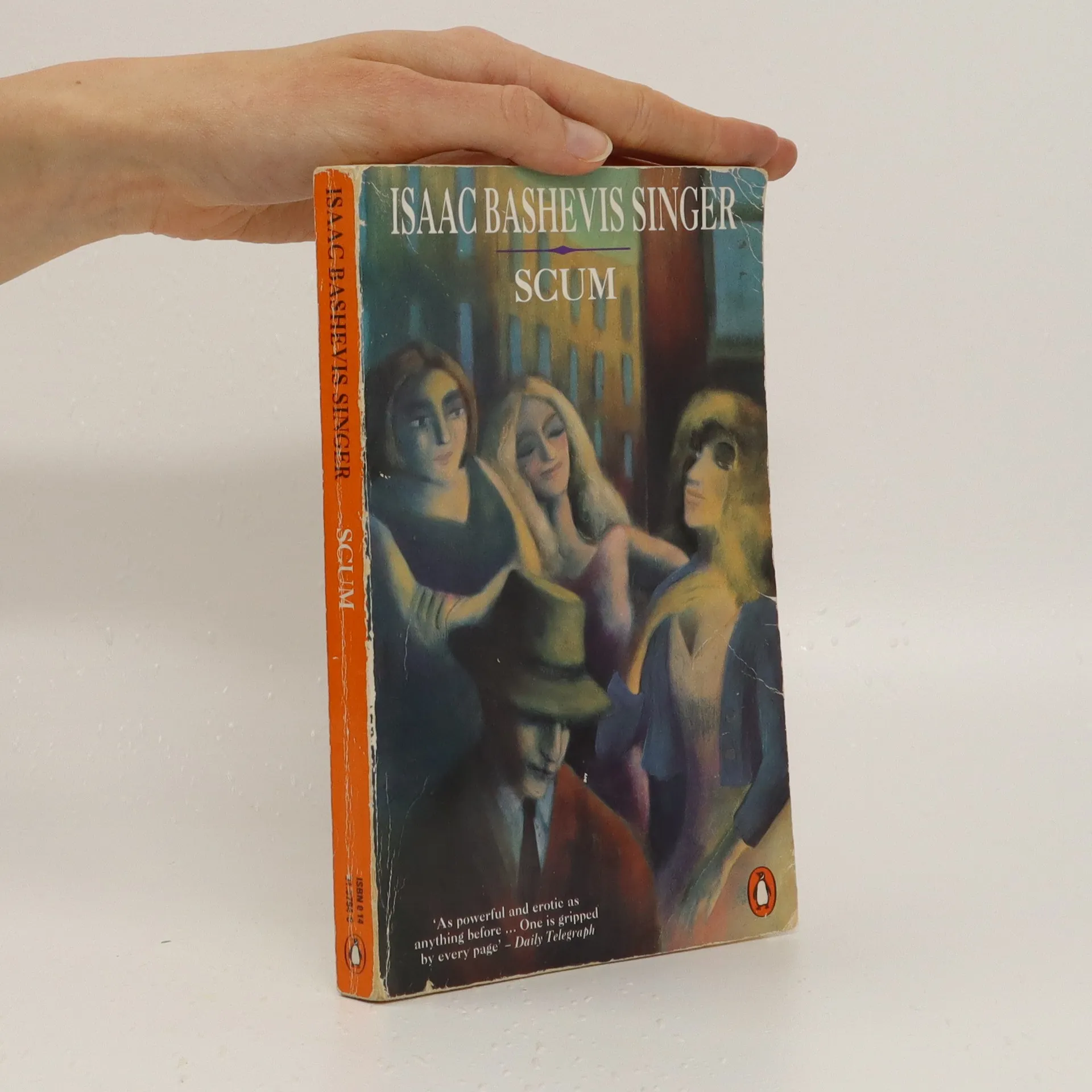
This is probably the finest collection of short stories by a writer whose name has been linked (by both The Times and the Guardian) with that of Tolstoy. He writes with equal assurance of a professor of history (St Francis to the Warsaw pigeons), a coal-heaver, a Bohemian writer, a rich widow or a chimney sweep: and somehow, one and all, they seem to tread a precarious path between the supernatural world and the inviting pit of material reality.
Shadows On The Hudson
- 548bladzijden
- 20 uur lezen
Serialized in the late 1950s, "Shadows on the Hudson" was translated from Yiddish and published posthumously as a complete novel in 1998, receiving widespread literary acclaim.From the Upper West Side to Miami's pastel resorts, Shadows on the Hudson traces the intertwined destiny of survivors in the aftermath of the Holocaust. Nobel Prize-winning author Isaac Bashevis Singer has created a vibrant, resonant, and provocative cast of characters in search of answers to life's greatest dilemmas, challenges, and ironies.
"Noah was a righteous man," says Isaac Bashevis Singer, so he and his family were to be saved from the flood. But rumor had it that only the best of all living creatures were to be taken aboard the Ark with Noah. In a fresh and lively approach to the age-old account, Isaac Bashevis Singer sets down the dialogue of the animals as they vie with one another for a place on the Ark.
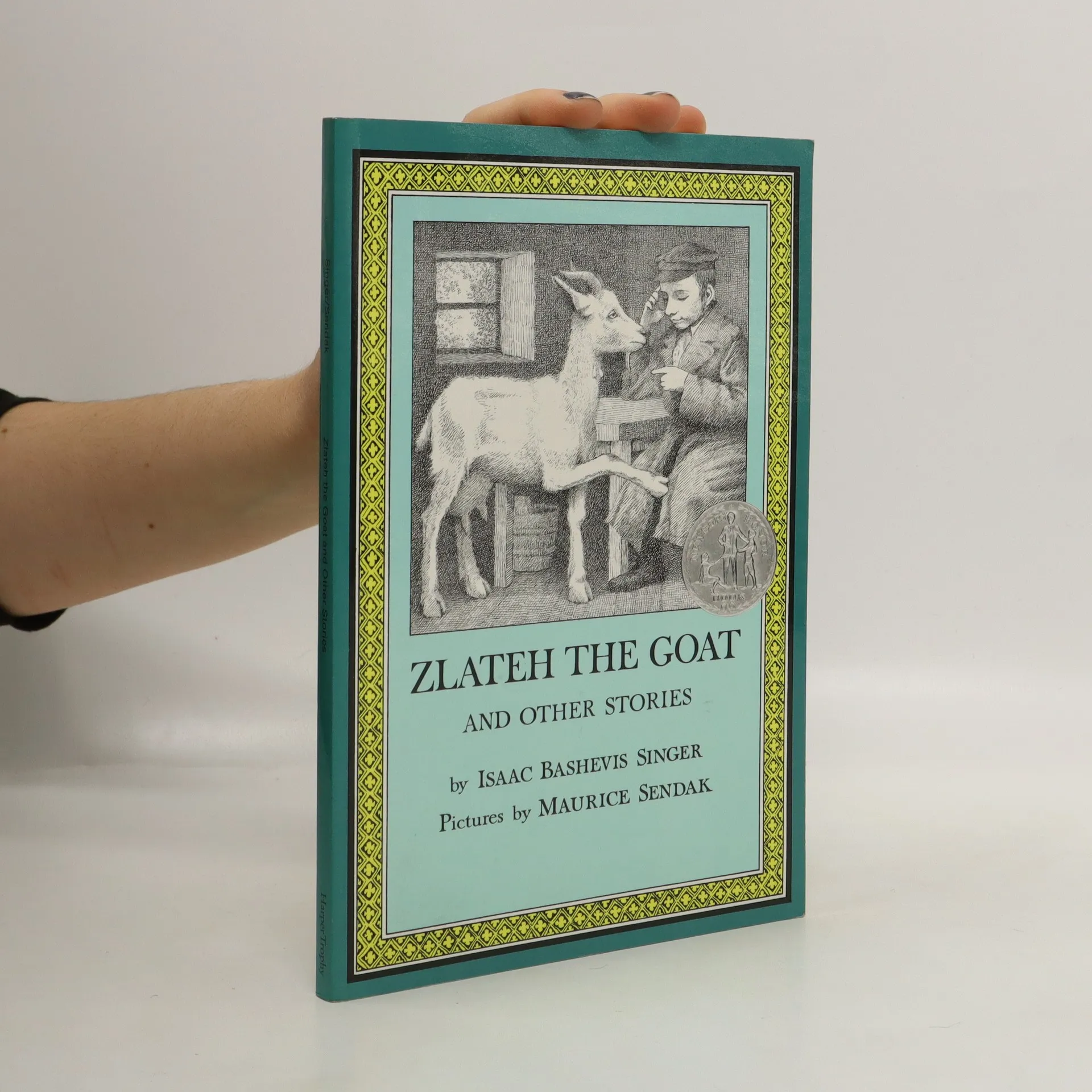
Zlateh the Goat and Other Stories
- 90bladzijden
- 4 uur lezen
‘[A] delightful and distinguished book [of seven tales] from middle European folklore [by the winner of the 1978 Nobel Prize for Literature].’ —BL. 1967 Newbery Honor Book Notable Children's Books of 1940–1970 (ALA) 1966 Fanfare Honor List (The Horn Book) "Best of the Best" Children's Books 1966–1978 (SLJ) Best Illustrated Children's Books of 1966 (NYT) Children's Books of 1966 (Library of Congress) Children's Books of the Year 1966 (CSA)
David Bendiger, a penniless, aspiring young writer, arrives in Warsaw in 1922, and he explores his romantic passions, his religious past, and his literary future.
At age 82, Clifton Fadiman continues his prolific publishing career, here presenting 62 of the world's best short stories from 16 countries. His criteria? "Each story had to be both interesting and of high literary merit." Fadiman fulfills both requirements and much more, offering a cornucopia of superior 20th-century writers that includes Franz Kafka, D. H. Lawrence, Isaac Babel, F. Scott Fitzgerald, William Faulkner, Ernest Hemingway, John Cheever, Sean O'Faolain, Graham Greene, Robert Penn Warren, Colette, John Updike, Donald Barthelme, and James Thurber. (Regrettably, J. D. Salinger is not included due to lack of permission.) Here is a truly remarkable collection of this century's short stories that readers from all over the world will read with delight.
Old Truths and New Cliches
- 248bladzijden
- 9 uur lezen
A collection of eighteen essays that represent Singer's fullest treatment of topics he engaged with throughout his life. Most of the selected essays were originally published in Yiddish or delivered as lectures but have never been published in English before
In Philip Roth's intimate intellectual encounters with an international and diverse cast of writers, they explore the importance of region, politics and history in their work and trace the imaginative path by which a writer's highly individualized art is informed by the wider conditions of life. With Primo Levi, Roth discusses the stubborn core of rationality that helped the Italian chemist-writer survive the demented laboratory of Auschwitz. With Milan Kundera, he analyzes the mix of politics and sexuality that made him the most subversive writer in communist Czechoslovakia. With Edna O'Brien, he explores the circumstances that have forced generations of Irish writers into exile. Elsewhere Roth offers appreciative portraits of two friends--the writer Bernard Malamud and the painter Philip Guston--at the end of their careers, and gives us a masterful assessment of the work of Saul Bellow. Intimate, charming, and crackling with ideas about the interplay between imagination and the writer's historical situation, Shop Talk is a literary symposium of the highest level, presided over by America's foremost novelist.
I 1906 vender en velhavende jøde fra Argentina tilbage til Warszawa, hvor han opsøger forbryderkvarteret og roder sig ind i en masse forviklinger
Wahnsinns Geschichten
- 464bladzijden
- 17 uur lezen
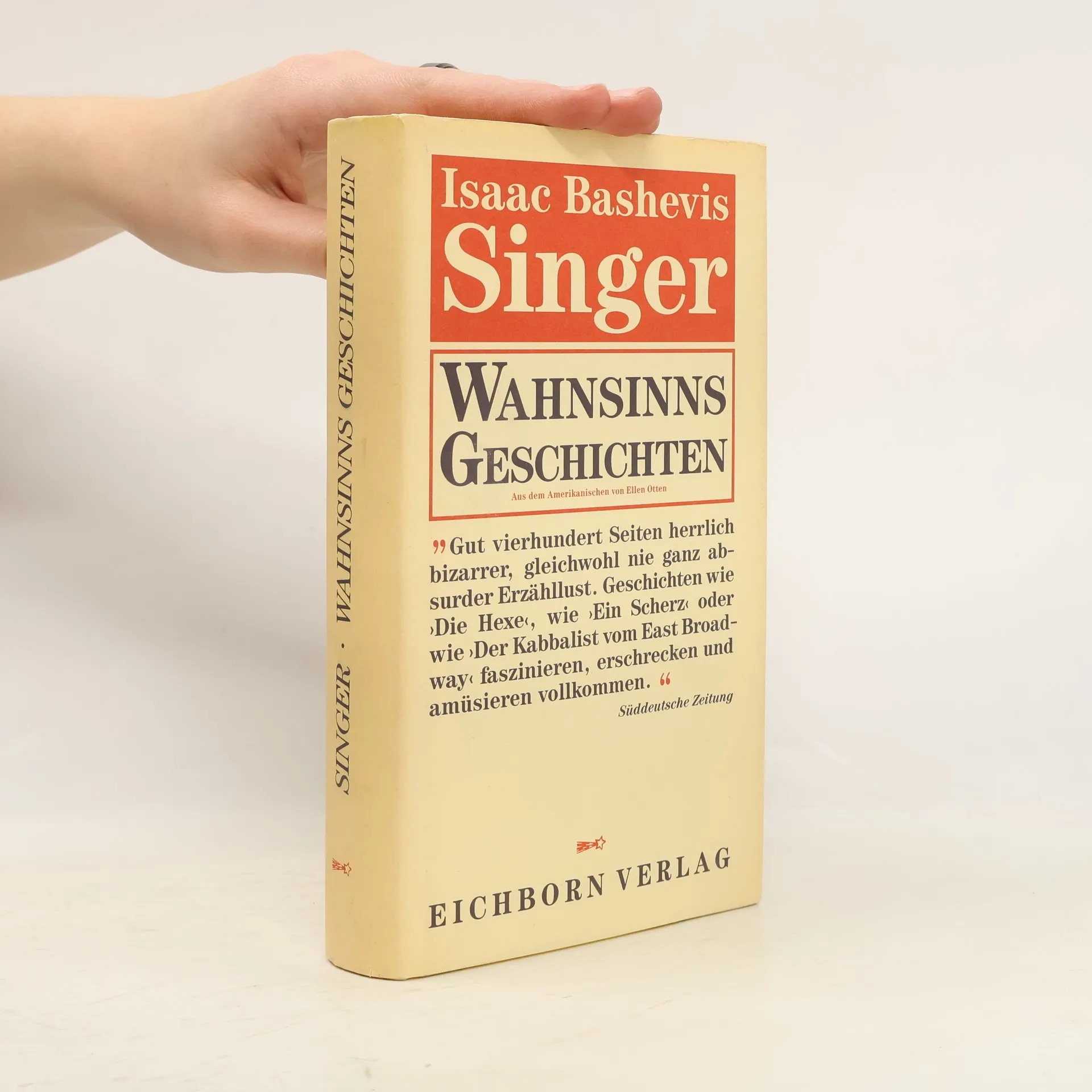
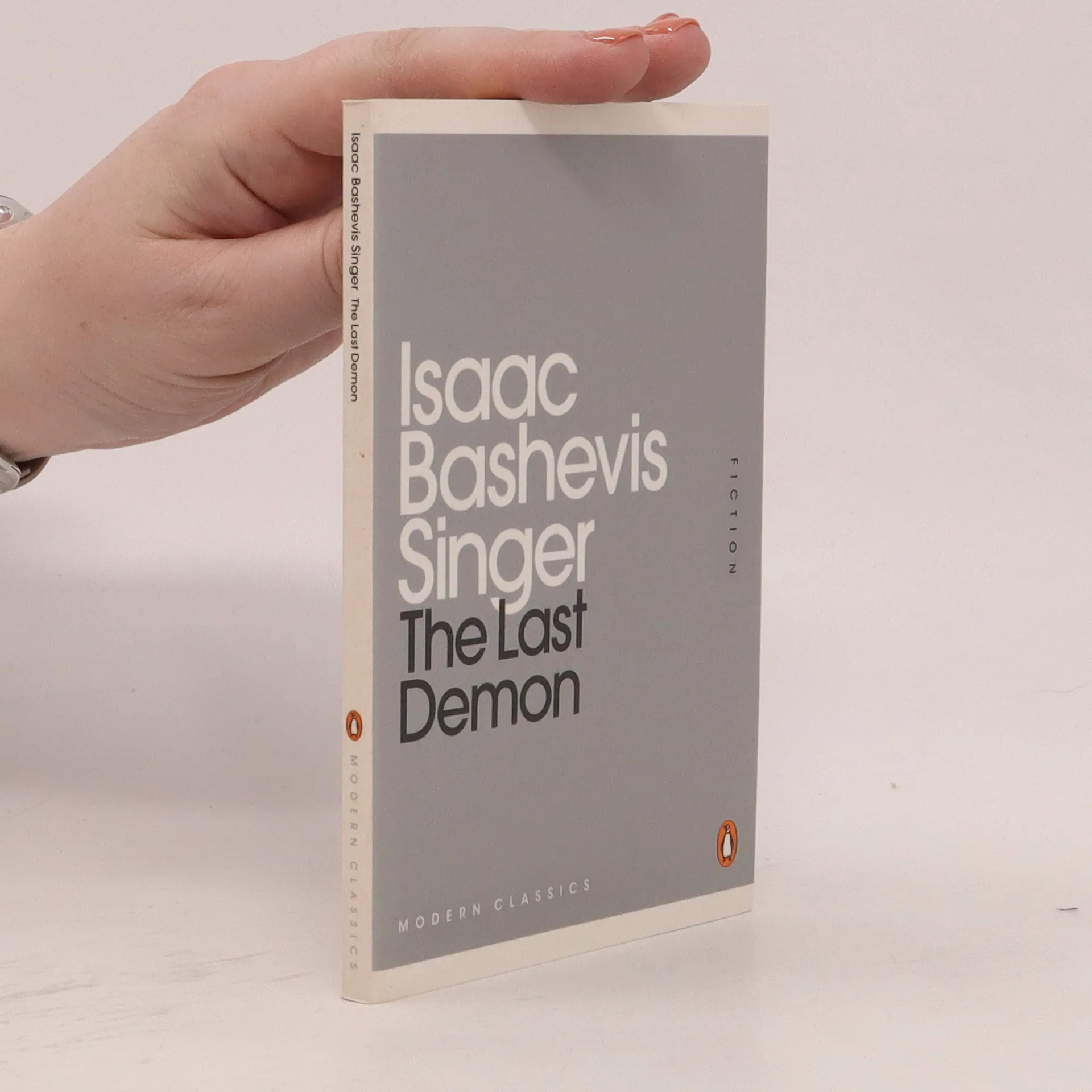
Nobel Prize-winner Isaac Bashevis Singer is best remembered for his short stories, which drew on traditions of folk tales and Yiddish culture to explore good and evil, passion and restraint, religious fervour and personal failings with wisdom, wit and humanity. The three collected here, about a girl who pretends to be a man to study the Torah, a frustrated demon and a writer trying to understand a Holocaust survivor, illuminate eternal themes with supernatural grace.
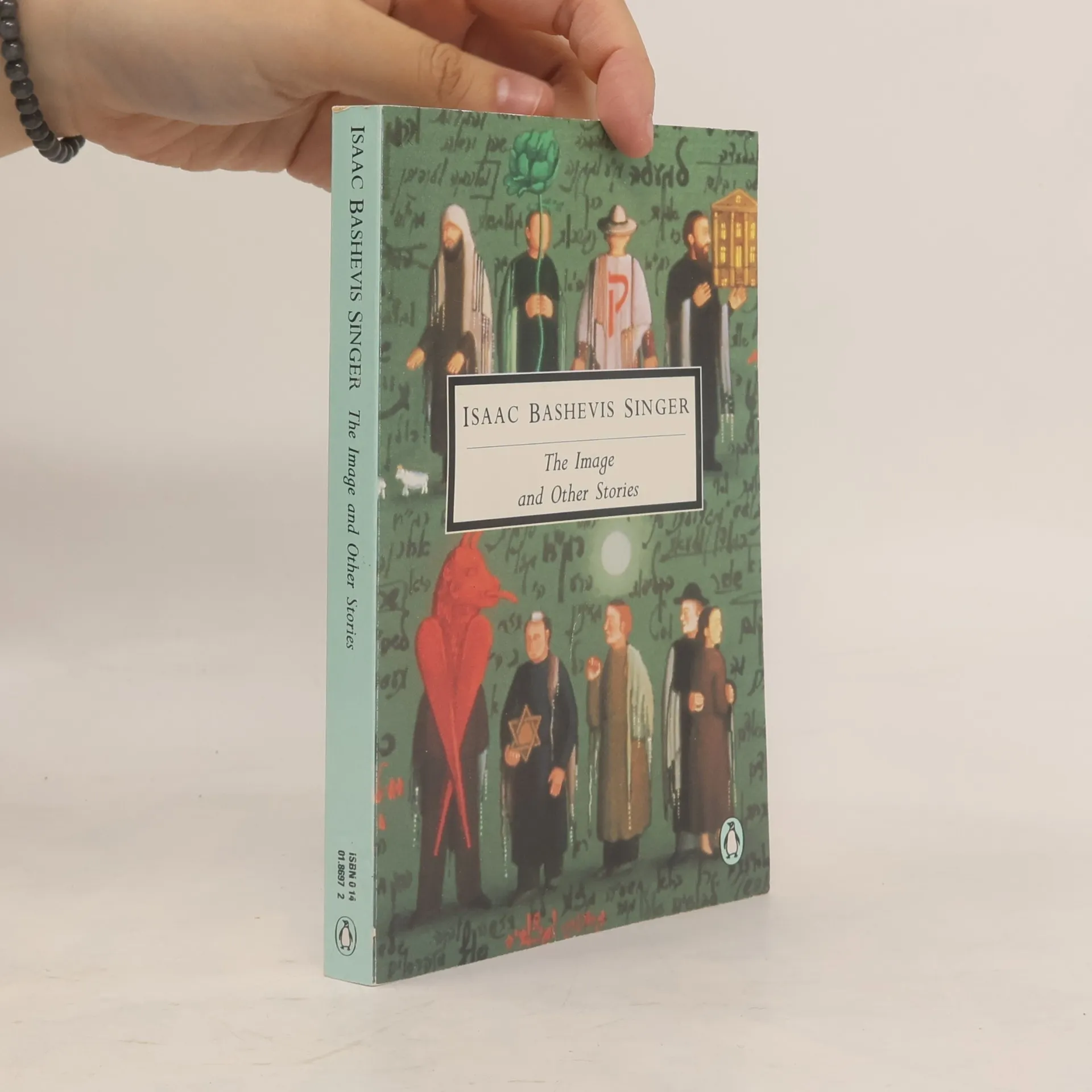
Penguin Twentieth Century Classics: The Image and Other Stories
- 310bladzijden
- 11 uur lezen
The Image is a collection of twenty-two entertaining stories that range in time from the old days in Warsaw to recent years in America. The title story is haunted by a unique love that falls like a shadow between a newly married couple.
Pohádky a povídky
- 77bladzijden
- 3 uur lezen
Kniha obsahuje celkem osm krátkých próz: povídek z Chelmu, města hlupáků, pohádek a židovských legend, které mladšímu (i staršímu) čtenáři přiblíží židovský svět.
I. B. S.: Miłość i wygnanie
- 356bladzijden
- 13 uur lezen
Love and Exile contains the three volumes of the Nobel Prize Winner's spiritual autobiography, covering his childhood in a rabbinical household in Poland, his young manhood in Warsaw and his beginning as a writer, and his emigration to New York before the outbreak of war, with the concomitant displacement of a Yiddish writer in a strange land.
Rozsáhlý výbor dvaačtyřiceti próz sleduje tři základní tematické okruhy Singerova díla: život zaniklého světa židovské diaspory na polském venkově a varšavské periferii počátkem 20. století, intelektuální prostředí ve Varšavě 20. let a osudy polských uprchlíků a vystěhovalců ve Spojených státech v druhé třetině našeho století. 2. vydání
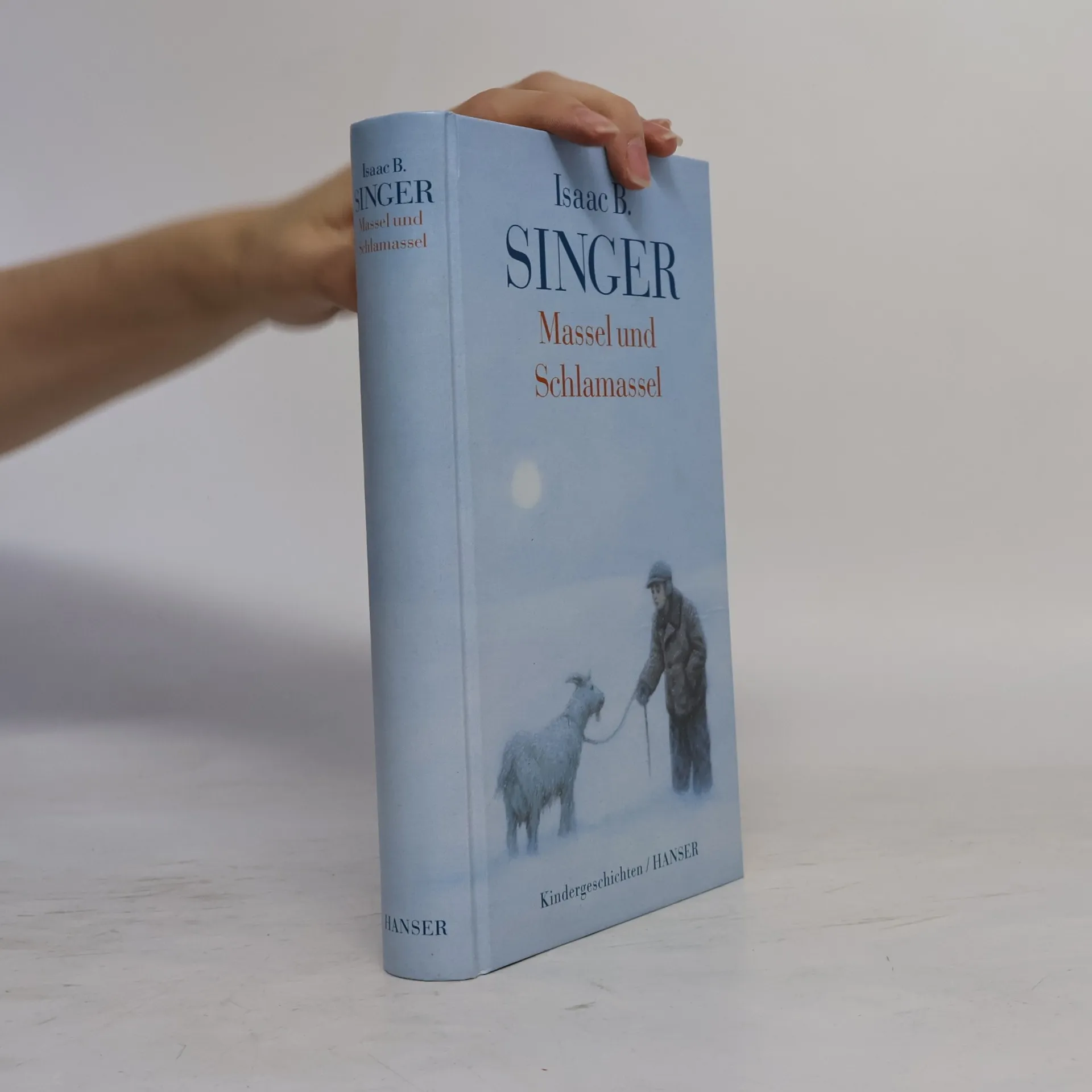
Isaac Bashevis Singers Geschichten, darunter "Noahs Taube" und "Die Narren von Chelm", sind Klassiker der Kinderliteratur. Der Nobelpreisträger behandelt grundlegende Fragen wie die Schöpfung der Welt, Gerechtigkeit und das Leben nach dem Tod in seinen heiteren Erzählungen.
Další soubor Singerových brilantních povídek. Autor na minimální ploše svým nezaměnitelným stylistickým uměním vykresluje portréty postav a postaviček, které zalidňují scénu židovského štetlu. Vybaven dokonalou znalostí lidských povah i osobní zkušeností s životem v tomto prostředí předvádí lidskou komedii nesenou lidskými slabostmi i vášněmi, touhou po druhém člověku i po Bohu, pozemským plahočením i směřováním k věčnosti.
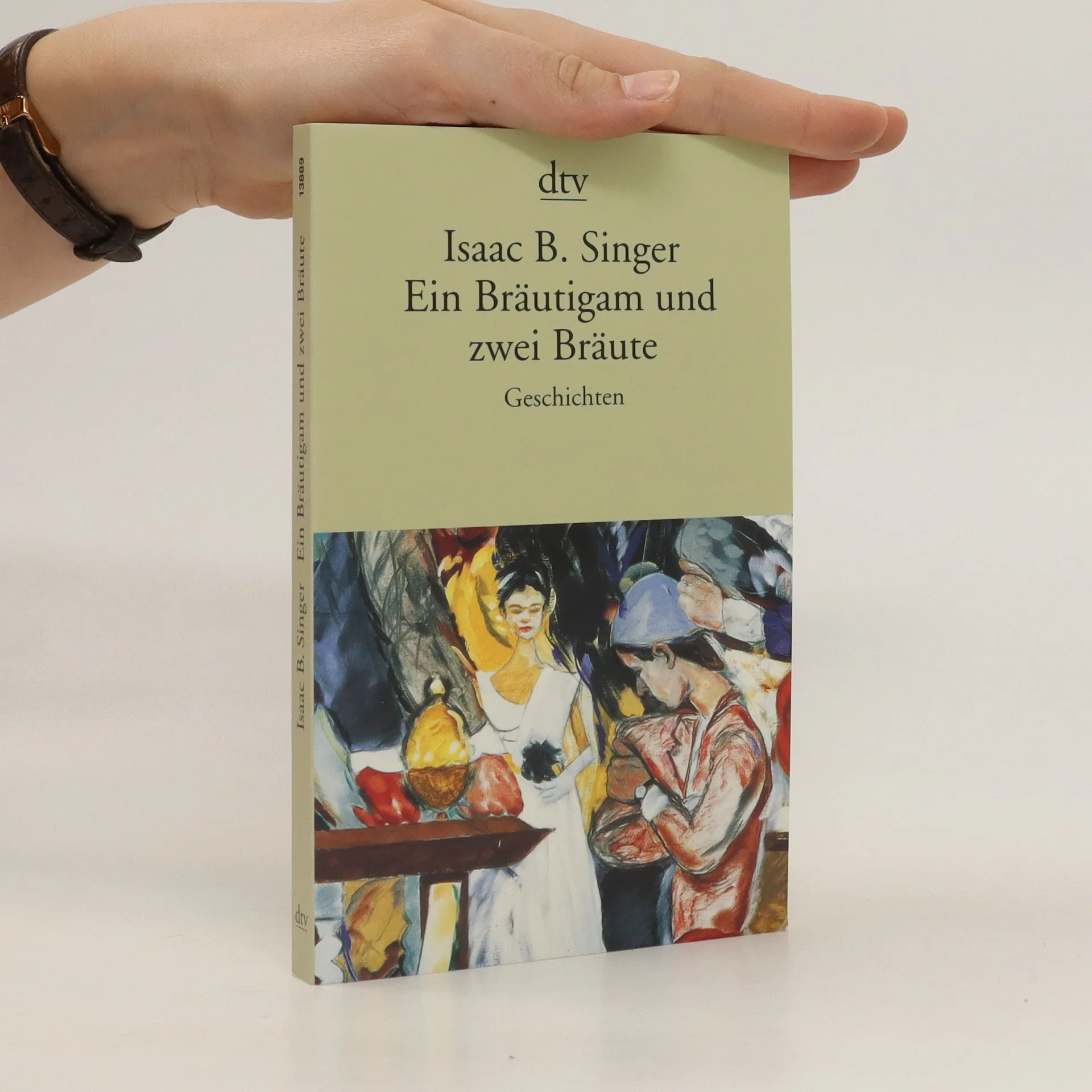
Erstmals bei dtv: In siebenundzwanzig kurzen Meisterstücken legt Isaac B. Singer eine Chronik des Ostjudentums zu Beginn des 20. Jahrhunderts vor. Wie bei seinen großen Romanen bezaubern auch hier die Fülle an exzentrischen und außergewöhnlichen Charakteren sowie der besondere Erzählton des Literaturnobelpreisträgers.
Meszuge
- 219bladzijden
- 8 uur lezen
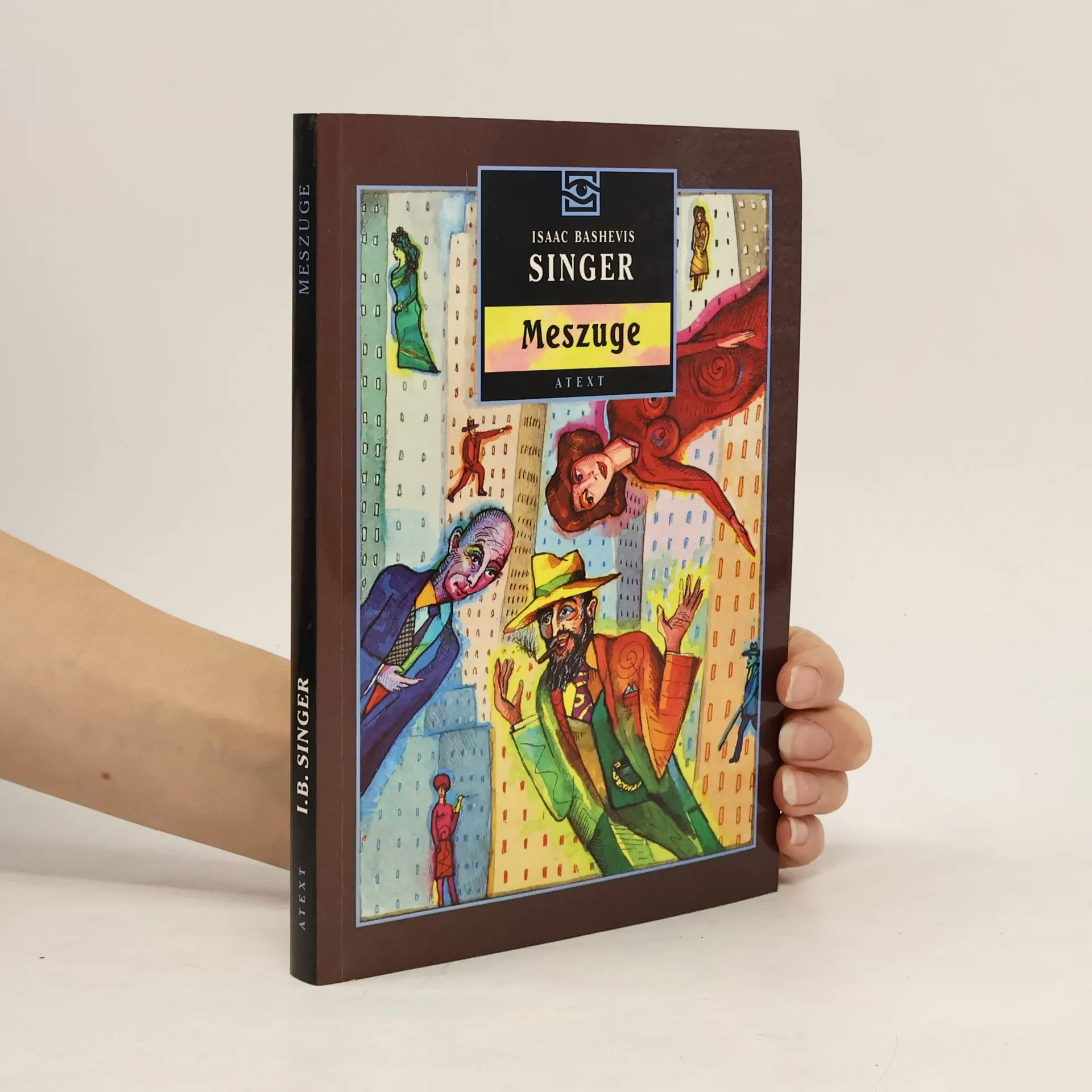
Meszuge - czyli szalony, zwariowany, obłąkany - jest w tej powieści zarówno świat, jak i ludzie, którym przyszło w nim żyć. Szalony jest los, wystawiający bohaterów na zbyt trudne próby, którym nie potrafią i, być może, nie są w stanie sprostać, szalone i nieodgadnione są namiętności, które nimi powodują, szalone są ich nadzieje i złudzenia. Ta niezwykła książka, której akcja rozgrywa się w Nowym Jorku lat pięćdziesiątych, opowiada o miłosnym trójkącie (czy może nawet pięciokącie), którego jednym z wierzchołków jest młoda emigrantka z Polski.
Jentl
- 127bladzijden
- 5 uur lezen
»Jentl wußte, daß sie für das übliche Frauendasein nicht geeignet war. Sie konnte weder nähen noch stricken. Sie ließ das Essen anbrennen und die Milch überkochen.« Der verwitwete Vater hat mit ihr die Tora studiert, als ob sie ein Sohn wäre. Was also liegt näher, als nach seinem Tod Haus und Mobiliar zu verkaufen und nach Lublin zu fahren, um ein Studium aufzunehmen. Doch die Talmudschule dürfen Frauen nicht besuchen, so schlüpft Jentl in Männerkleidung, legt sich eine neue Identität zu und versucht ihr Glück als Anschel. In dieser mit Barbra Streisand verfilmten Titelgeschichte wie auch in den beiden anderen Erzählungen dieses Bandes stehen zu allem entschlossene, starke Frauen im Mittelpunkt, die sich auch nicht scheuen, Konventionen in Frage zu stellen. Drei eindringliche Erzählungen um Liebe und Leidenschaft, um Tugend und Laster, um Dämonen, sündiges Leben und gnädigen Tod.
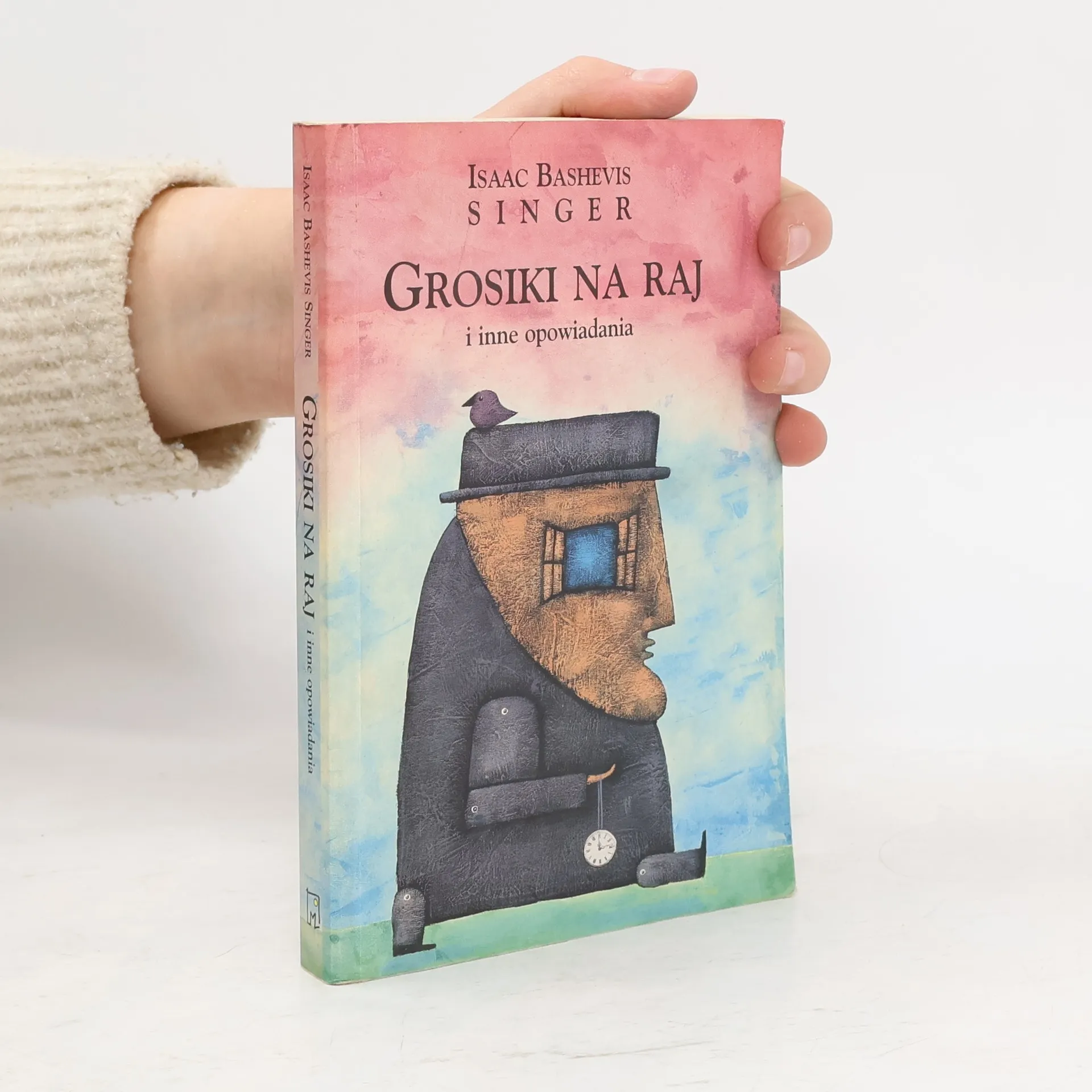
Grosiki na raj i inne opowiadania
- 358bladzijden
- 13 uur lezen
M.in. realia miejscowości Lubelszczyzny.
ספריה לעם - 689: תשמעו סיפור!
- 297bladzijden
- 11 uur lezen
"לכל דבר אפשר להתרגל," טענה הדודה שלי ינטל. ברגע שאמרה את המילים האלה, ידעתי שהיא מתכוונת לספר סיפור. מהשטעטל עד לתאטרון היידי בניו יורק, מבית הכלא הוורשאי עד ספינת פאר המפליגה לדרום אמריקה, ממעשיות מקובלים עד הטראומה של השואה – סיפוריו של בשביס־זינגר מקיפים עולם ומלואו; והדמויות – נשות עיירה, תלמידי חכמים, גנבים קטנים ואנשי עסקים – מלאות חיים, רגשות, יצרים וספקות, וחדורות אותה רוח מפוכחת של חוכמת הדורות היהודית. בעין חדה ואירונית, ומתוך אהבה גדולה לסיפור ולמספרים, משרטט הסופר חתן פרס נובל דמויות הנאבקות למצוא פשר לעולם משתנה שדבר אינו ברור בו עוד. זוהי בעינו דמותם של היהודי בן המאה העשרים ושל האדם המודרני באשר הוא אדם.
Rozmowy z Isaakiem Bashevisem Singerem
- 142bladzijden
- 5 uur lezen
Isaac Bashevis Singer uwielbiał udzielać wywiadów. Te dwadzieścia cztery rozmowy są reprezentatywne dla wielu, które przeprowadził przez dwadzieścia pięć lat. W tych rozmowach Singer omawia naturę swojego pisania, jego etniczne korzenie, demonologię, znaczenie wolnej woli oraz miejsce opowiadania historii w ludzkim życiu. Wywiady z Singerem ujawniają zarówno jego figlarny sens humoru, jak i determinację, która towarzyszyła mu przez wiele lat ograniczonego uznania i względnego zaniedbania przez krytyków. Yiddishści często zarzucali mu, że nie wykorzystuje swojego talentu jako siły do zmiany świata, czytelnicy żydowscy często ubolewali nad jego wykorzystaniem materiałów ludowych sprzed Oświecenia, a akademicy nie mogli traktować zbyt poważnie pisarza, który nalegał na opowiadanie historii podkreślających fabułę i postacie. Mimo to nie zniechęcił się do swojej zdumiewającej i ukochanej pracy, za którą otrzymał Nagrodę Nobla.
Die kleinen Schuhmacher
- 125bladzijden
- 5 uur lezen
Die kleinen Schuhmacher Geschichte von zwei Lügenmäulern Gimpel der Narr
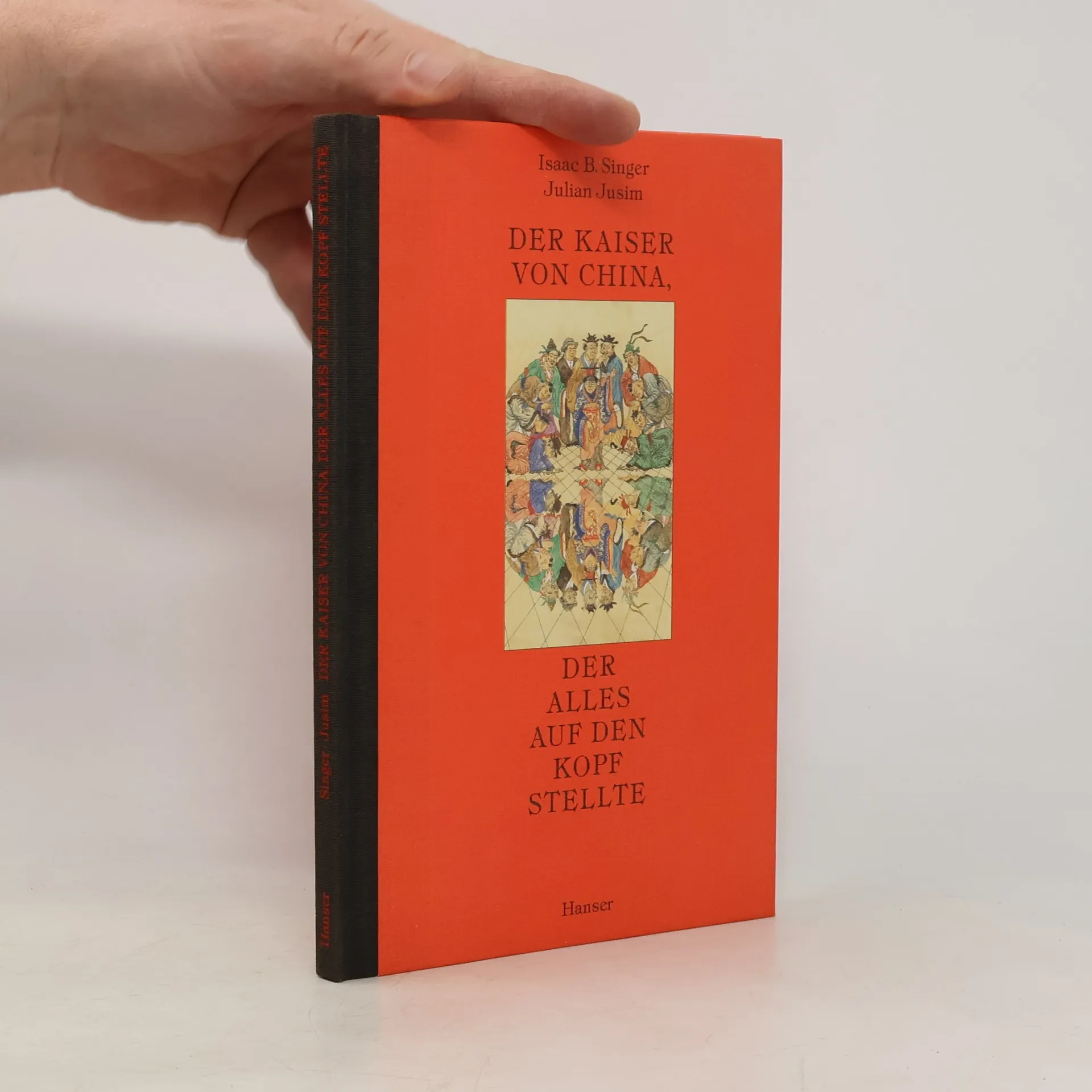
Eine Entdeckung: Isaac B. Singers Märchen vom chinesischen Kaiser Tscho Tscho Schang, der auf alle neidisch ist, die nicht so hässlich sind wie er. Deshalb stellt er die Welt auf den Kopf und erklärt das Gute für gemein, das Hässliche für schön. Doch da weder die Wahrheit noch der Schönheitssinn ausgelöscht werden können, ist seiner Herrschaft ein baldiges Ende beschieden. Ein Märchen, das mahnt und tröstet zugleich, indem es zeigt, daß nichts auf der Welt ewig ist.
Der Scharlatan
Roman
New York in den 1940er Jahren: Während in Europa der Krieg wütet, sucht Hertz Minsker, selbsternannter Philosoph, Lebemann und chronisch pleite, sein Glück in Amerika. Die Frauen lieben ihn: Bronja, seine vierte Frau, hat für ihn ihren Ehemann und ihre Kinder in Warschau zurückgelassen, jetzt schlagen sich die beiden mehr schlecht als recht durchs Leben. Morris Calisher dagegen, sein Freund aus Jugendtagen, ist mit Immobilien reich geworden und führt mit seiner Frau Minna ein Leben im Wohlstand. Er unterstützt Hertz wo er kann, weiß allerdings nicht, dass dieser längst eine leidenschaftliche Affäre mit Minna begonnen hat. Zu allem Überfluss taucht plötzlich Minnas Ex-Mann auf. Als der versucht, Morris Calisher gefälschte Kunstwerke anzudrehen, fliegt alles auf, und das Verhängnis nimmt seinen Lauf … Der Scharlatan , ein unveröffentlichtes Werk aus dem Nachlass Singers, zeichnet ein eindrückliches Bild vom Leben der emigrierten Juden im New York der 1940er Jahre. Angesichts des Krieges in Europa ist die Grundstimmung düster, aber es gibt immer wieder Momente voller Lebensfreude. Und ohne die Liebe ist sowieso alles nichts.
Verloren in Amerika
- 401bladzijden
- 15 uur lezen
Es ist ein beschwerlicher Weg aus dem polnischen Schtetl Radzymin nach Warschau, durch Nazi-Deutschland und über Paris in die Weltstadt New York - gepflastert mit existentiellen Fragen und Zweifeln, die Isaac B. Singer schon sehr frühzeitig bedrängt und sein Leben lang nicht verlassen haben.
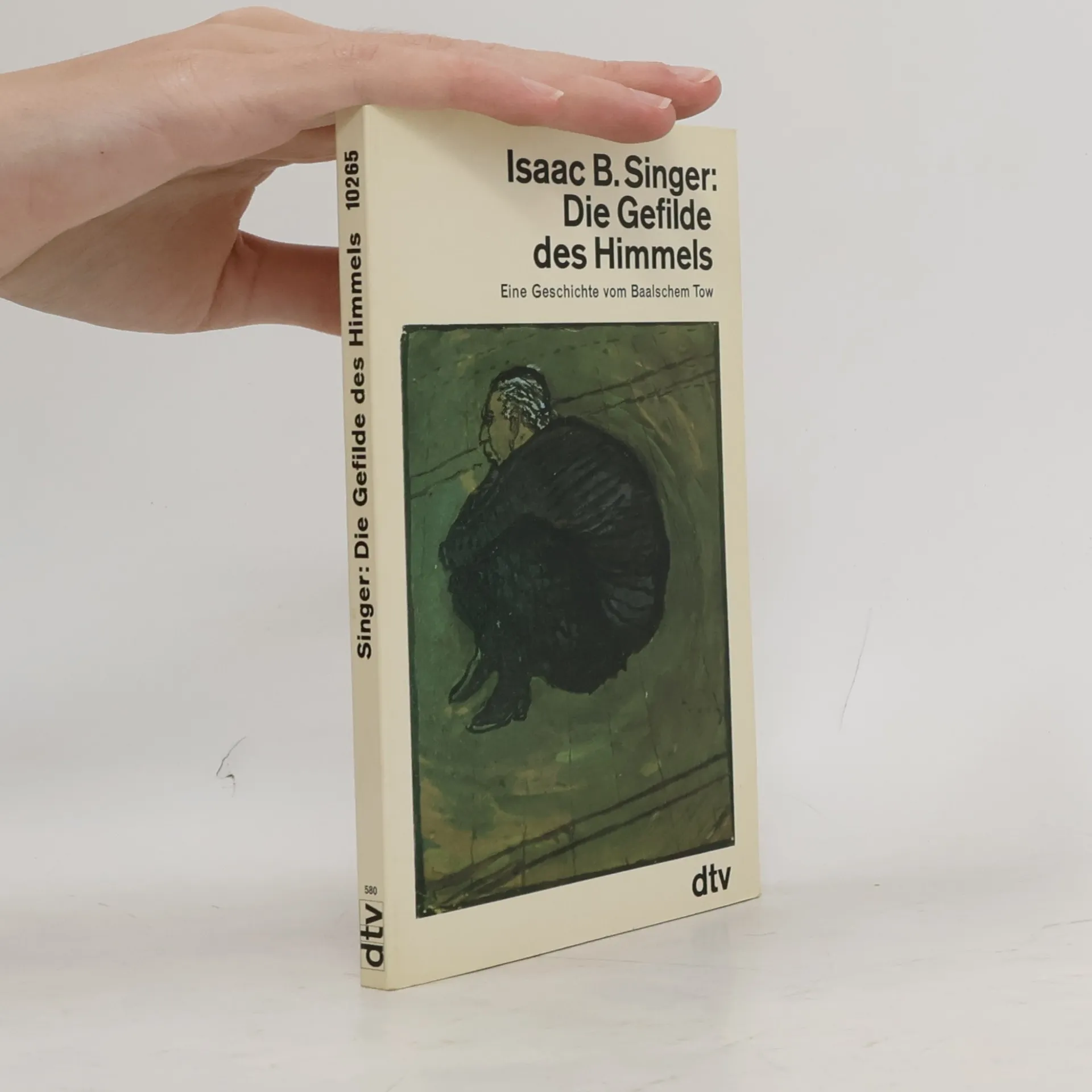
Eine Annäherung an das Leben des Begründers des Chassidismus im 18. Jahrhundert in Polen und seiner Tochter, die gegen die traditionelle Rolle der Frau rebellierte. Er ist arm, verliert früh Vater und Mutter – doch er findet Menschen, die ihn fördern. Schon als Knabe beschäftigt er sich mit der Kabbala und versucht den Geheimnissen von Himmel und Erde auf die Spur zu kommen und Antworten auf seine vielen Fragen zu finden. Aus dem Wunderkind wird ein gelehrter junger Mann, dessen Rat man alsbald sucht, und er verliebt sich ... Man weiß wenig Authentisches über diesen Israel ben Elieser, genannt Baalschem Tow, der als Begründer des Chassidismus im 18. Jahrhundert in Wolhynien lebte, sich gern in der Natur aufhielt und als religiöser Führer Fröhlichkeit und Tanz predigte. Demnach »handelt sich hier um nichts anderes als die Impressionen oder Phantasiebilder des Autors von Rabbi Israels Art zu denken, seinen Gefühlen, seinen spirituellen Triumphen und Enttäuschungen«, wie Isaac B. Singer schreibt.
Warschau 1911: Keila, die bereits in mehreren Bordellen gearbeitet hat, findet in Jarmy, einem Ex-Häftling, ihre große Liebe. Das junge Paar träumt von einem Leben außerhalb des jüdischen Ghettos, das von Armut und der Angst vor Pogromen geprägt ist. Ihr Traum scheint greifbar, als Max, ein alter Bekannter, sie nach Südamerika einlädt, um dort reich zu werden. Keila soll junge Mädchen für die Bordelle in der neuen Welt anwerben, während Max sich zu Jarmy hingezogen fühlt. Diese verhängnisvolle Dreiecksbeziehung wird für Keila unerträglich. In dieser schwierigen Zeit tritt der schüchterne Bunem in ihr Leben, der sich auf ein Leben als Rabbiner vorbereitet. Für Keila, die er verehrt, ist er bereit, alle Konventionen des Schtetls zu brechen. Werden sie in Amerika ihr Glück finden? Dieses bislang unbekannte Meisterwerk aus Singers Nachlass liegt nun auf Deutsch vor. Lebensnah und detailreich schildert Singer das Leben zwischen Hoffnung und Elend im Schtetl sowie die Herausforderungen, mit denen sich die Auswanderer zu Beginn des 20. Jahrhunderts in New York konfrontiert sahen. Ein Gesellschaftspanorama, das in seiner Tiefe und Tragik mit den Werken von Dickens und Dostojewski vergleichbar ist.
Reader's Digest Im Schatten Der Gotter; Funf Minuten Verspatung; Mutter Macht Geschichten; Zerreissprobe
Una ventana al mundo
- 128bladzijden
- 5 uur lezen
Una ventana al mundo reúne los relatos inéditos de Isaac Bashevis Singer, premio el Nobel de Literatura en 1978.Este volumen reúne seis relatos del premio Nobel Isaac Bashevis Singer, seis obras maestras inéditas (a excepción de «El huésped», publicado en nuestra colección Minilecturas). El mundo descrito por Singer en sus novelas y cuentos evidencia la destrucción de una cultura amenazada, pero esta destrucción no la describe como como un proceso procedente del mundo exterior, sino del propio interior de las familias judías, más permeables a la modernidad de lo que se creía. Estos cuentos, que mezclan la vida en su Polonia natal —se crio en un recurrente escenario de violencia antisemita—, el desencanto ideológico, el conflicto con el estalinismo y la emigración a los Estados Unidos huyendo del nazismo, muestran que Isaac Bashevis Singer es uno de los grandes maestros del relato de todos los tiempos.
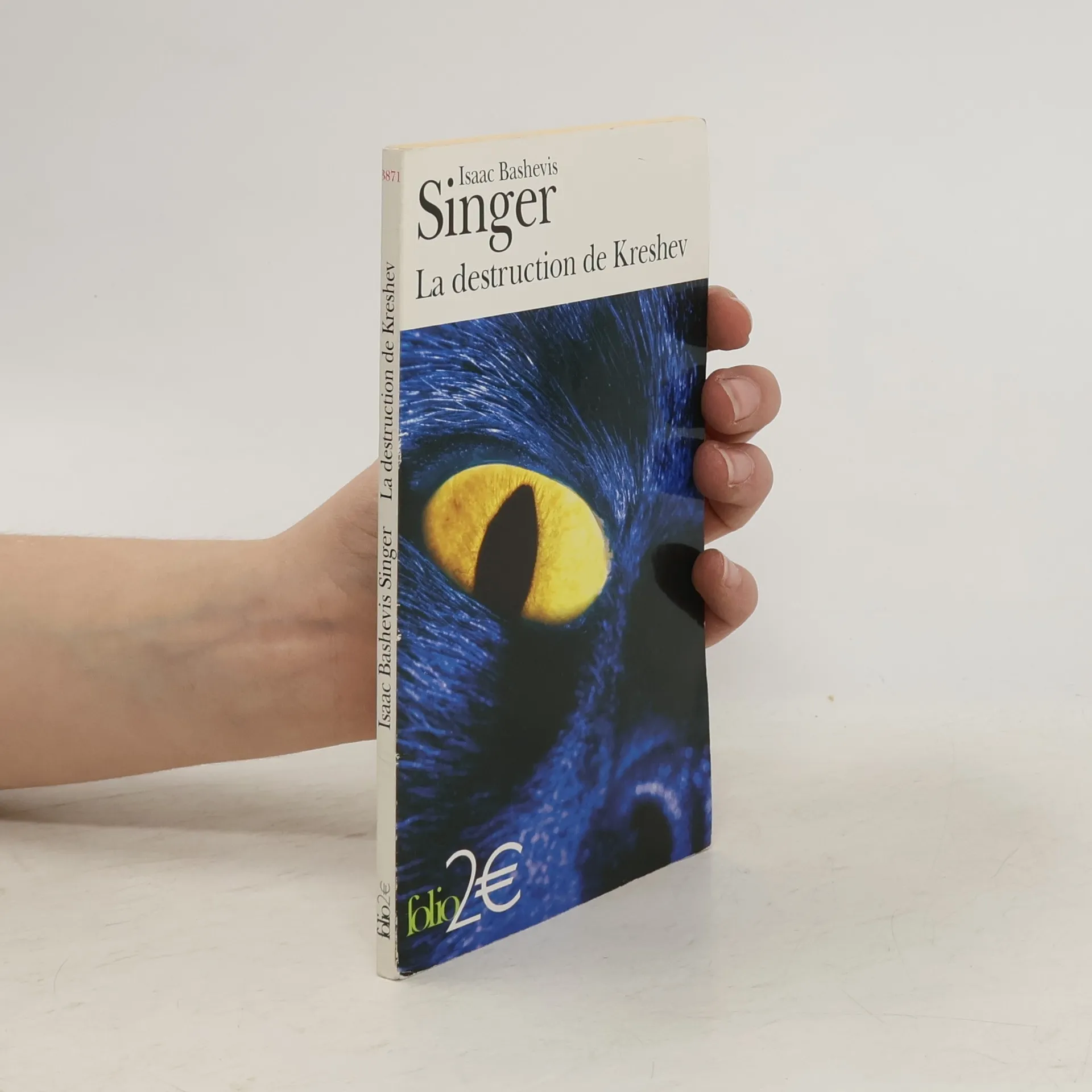
Folio 2 Euros: La destruction de Kreshev
- 93bladzijden
- 4 uur lezen
En Kreshev, un pacífico y diminuto shtetl situado a orillas del río San, en Ucrania, y bordeado por espesos bosques, la vida transcurrió siempre sin grandes sobresaltos. Sus habitantes, bajo la pesada carga de sus humildes oficios, «carecían de fuerzas e inclinación para cometer grandes pecados». Pero la llegada a ese remoto lugar de un rico negociante en maderas, al que acompañan su esposa enferma y su jovencísima hija, desencadenará, ante la mirada atónita del lector, una cadena de insólitos acontecimientos, guiados implacablemente por la mano de Satanás (cuya voz escuchamos de la primera a la última línea del libro). Tentación y pecado, fe y superstición, fantasía y realidad, inocencia y perversión, arrepentimiento y castigo se entremezclan en un crescendo imparable que conduce hasta un trágico final.
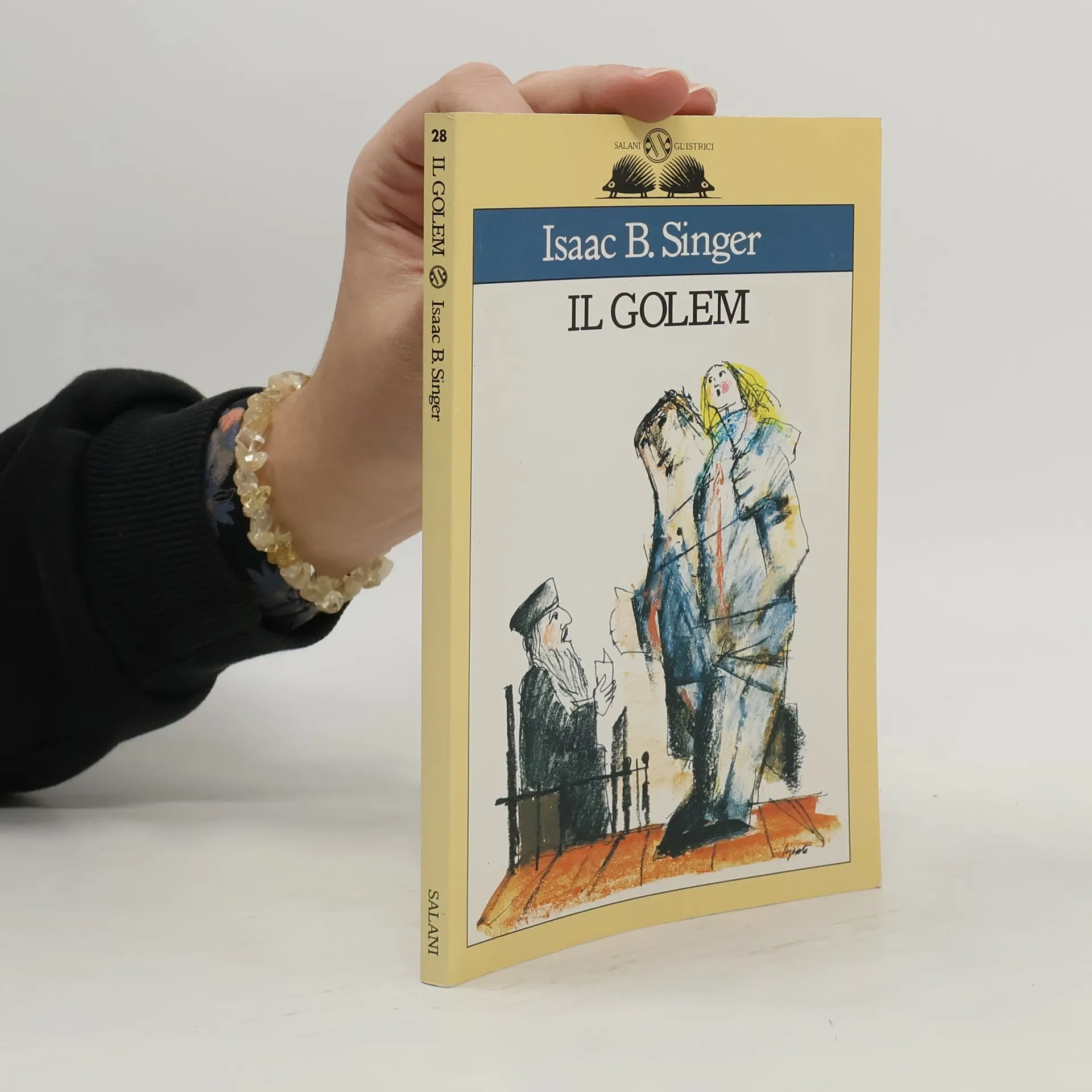
Gl' istrici - 28: Il Golem
- 83bladzijden
- 3 uur lezen
Chi era il nonno dei robot? Chi era lo zio di Frankenstein? Il Golem è forse uno dei più antichi esseri artificiali leggendari: un gigante di argilla creato, su ispirazione divina, da un rabbino, in aiuto degli Ebrei di Praga; un enorme fantoccio che si anima solo quando in fronte gli viene inciso il completo Nome di Dio. In un primo tempo il Golem obbedirà agli ordini, ma poi comincierà ad avere vita propria, a essere invaso dalla malinconia, a sentirsi solo e diverso. E tra mito, filosofia e fantascienza, la sua storia avrà un finale fiabesco, che lo accomuna a quello commovente e immorale della Bella e la Bestia.
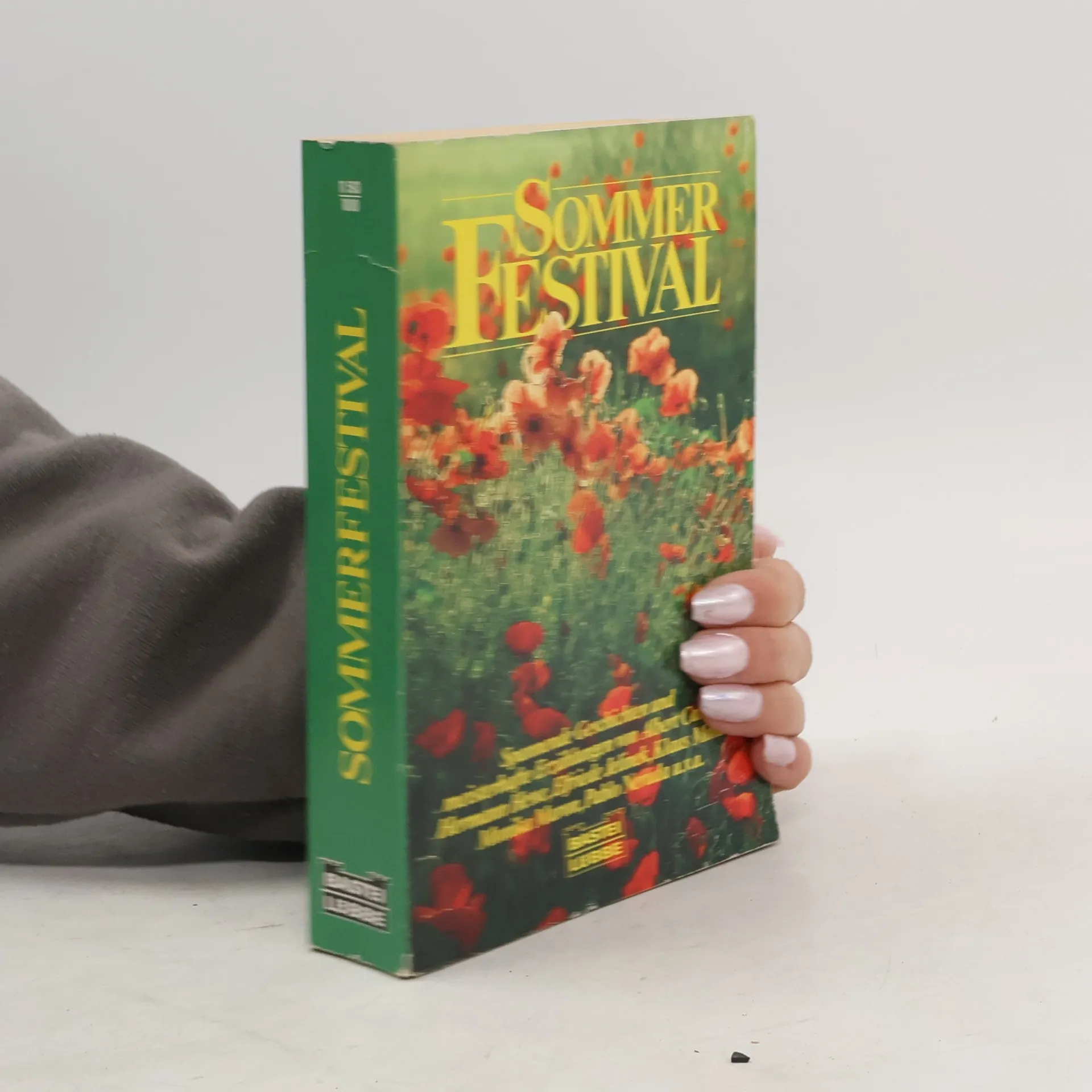
Sommer-Festival
- 719bladzijden
- 26 uur lezen
Geschichten aus New York
- 300bladzijden
- 11 uur lezen
Una memoria asombrosamente intima degli itinerari interni dell'autore di Sombras sobre el Hudson. Dalla fine della Prima Guerra Mondiale fino al New York degli anni trenta, Isaac Bashevis Singer ritrae la prima parte della sua vita in questa emotiva autobiografia. Nella prima parte, "Un bambino in cerca di Dio", l'autore ricorda la sua infanzia a Radzymin come figlio di un rabbino ortodosso assorbito dalle prime letture scientifiche e filosofiche. Con il tempo, e dopo essersi trasferito a Varsavia per tentare la fortuna con la scrittura, le donne iniziano a ossessionarlo tanto quanto la ricerca della verità e della conoscenza, e in "Un giovane in cerca di amore" raccoglie le sorprendenti e drammatiche intrighe dei suoi primi amori. Infine, in "Perduto in America", l'autore racconta gli oscuri anni di solitudine e depressione all'inizio del suo esilio negli Stati Uniti, dove emigra dalla Polonia all'alba della Seconda Guerra Mondiale.
Singer gewährt dem Zuhörer Einblicke in die Wurzeln seines kulturellen Hintergrunds und seiner literarischen Vorstellungskraft. Er spricht offen und ansprechend über seine Kindheit, Familie, soziale Einflüsse und Religion.
Schachnovelle, Berliner Reigen, Eine Kindheit in Warschau, Control Tower.
New Yorker Geschichten
- 315bladzijden
- 12 uur lezen