Since publication of John Emsley's Nature's Building Blocks in 2003 there have
been a number of new developments. Fully updated for 2010, this fascinating
A-Z guide includes three new named and validated elements, new uses, a 'Deadly
elements' section, and an updated Periodic Table. A wonderful reference guide
for anyone working with elements.
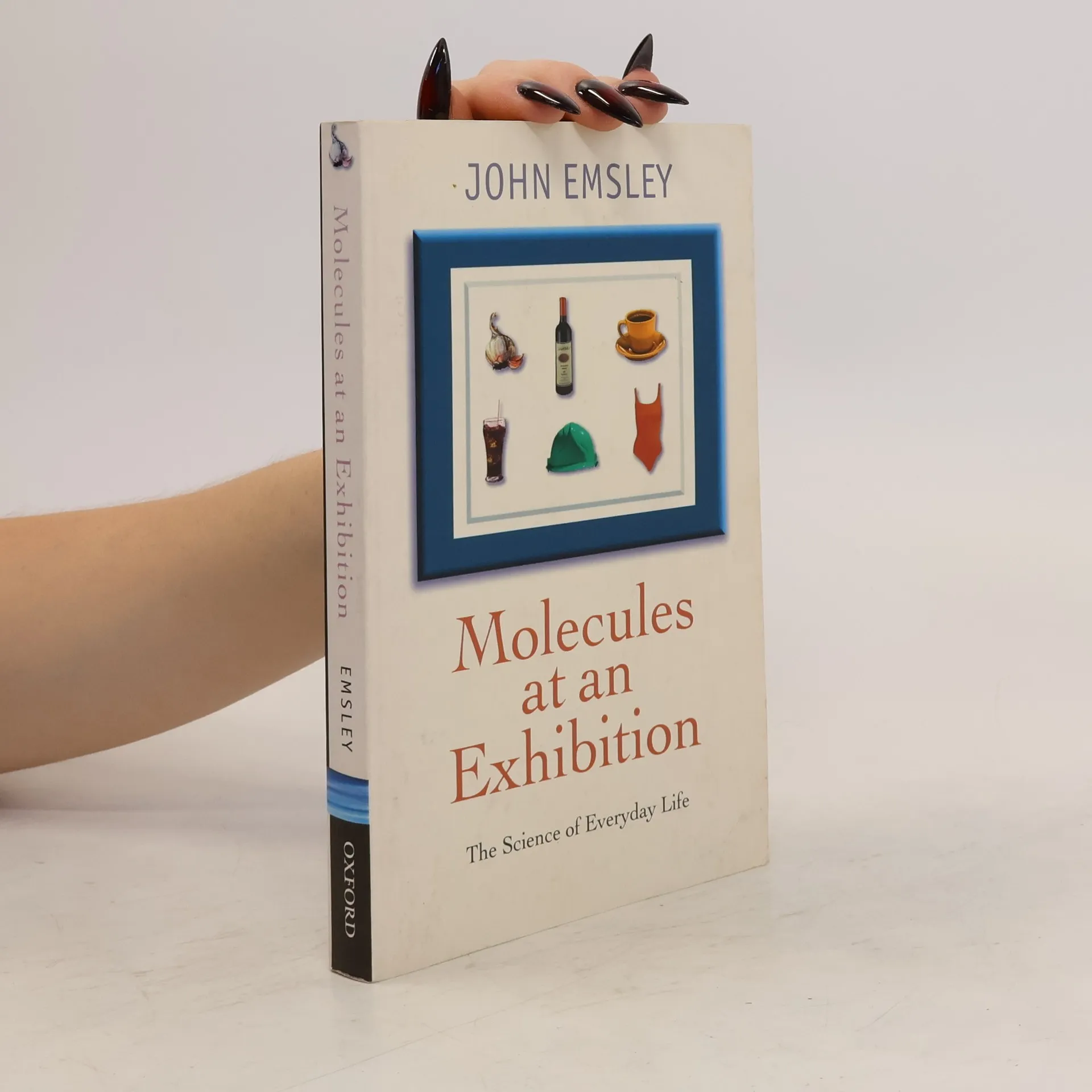
What is it in chocolate that makes us feel good when we eat it? What's the
molecule that turns men on? What's the secret of Coca-Cola? In this book, the
author takes us on a guided tour through a rogue's gallery of molecules, some
harmful, some pleasant, showing how they affect our lives.
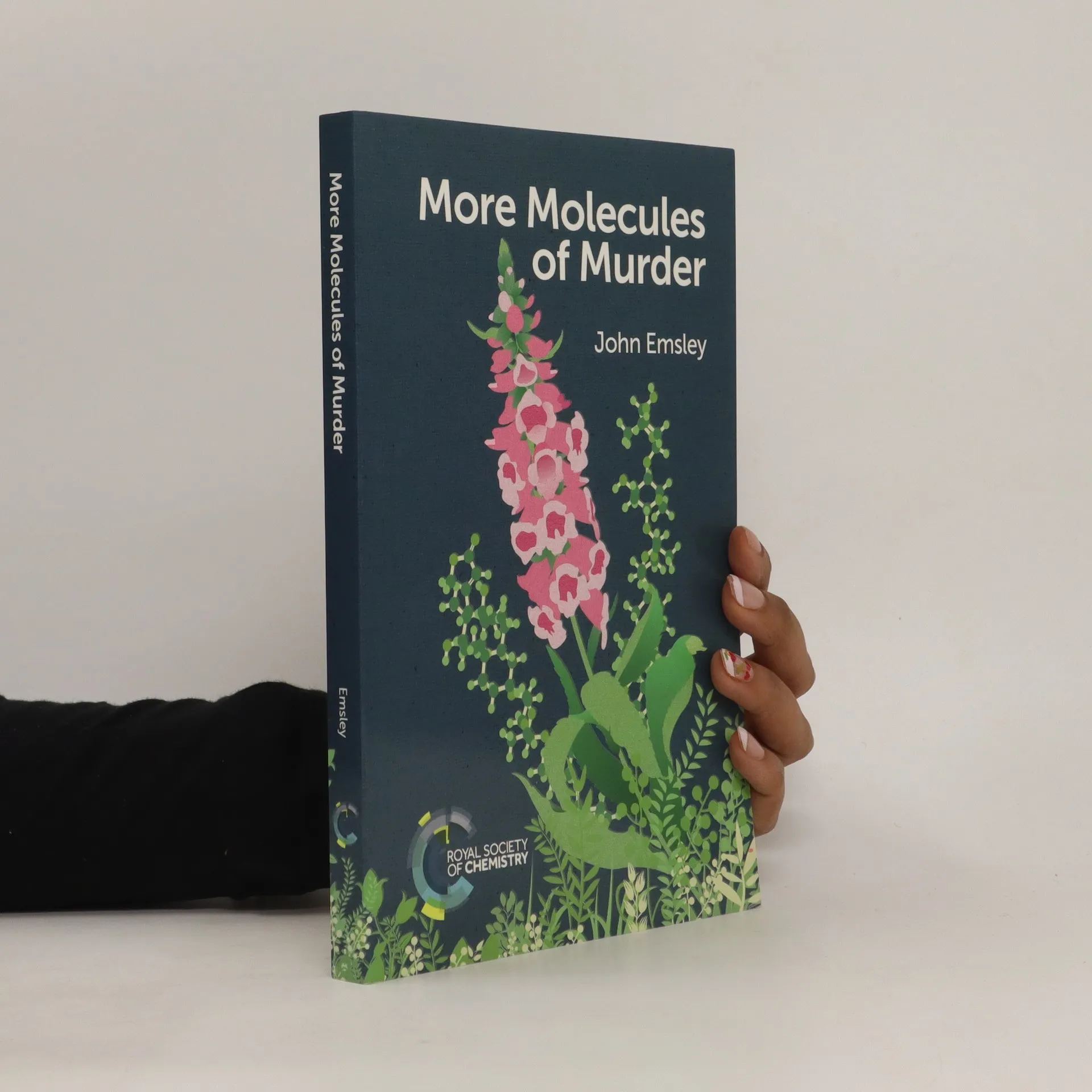
How can a plant as beautiful as the foxglove be so deadly and yet for more than a century be used to treat heart disease? The same is true of other naturally occurring molecules as will be revealed in this current book by award-winning author and chemist, John Emsley. More Molecules of Murder follows on from his highly-acclaimed earlier book Molecules of Murder, and again it deals with 14 potential poisons; seven of which are man-made and seven of which are natural. It investigates the crimes committed with them, not from the point of view of the murderers, their victims, or the detectives, but from the poison used. In so doing it throws new light on how these crimes were carried out and ultimately how the perpetrators were uncovered and brought to justice. Each chapter starts by looking at the target molecule itself, its discovery, its chemistry, its often-surprising use in medicine, its effects on the human body, and its toxicology. The rest of the chapter is devoted to murders and attempted murders in which it has been used. But, be reassured that murder by poison is not the threat it once was, thanks to laws which restrict access to such materials and to the skills of analytical chemists in detecting their presence in incredibly tiny amounts.
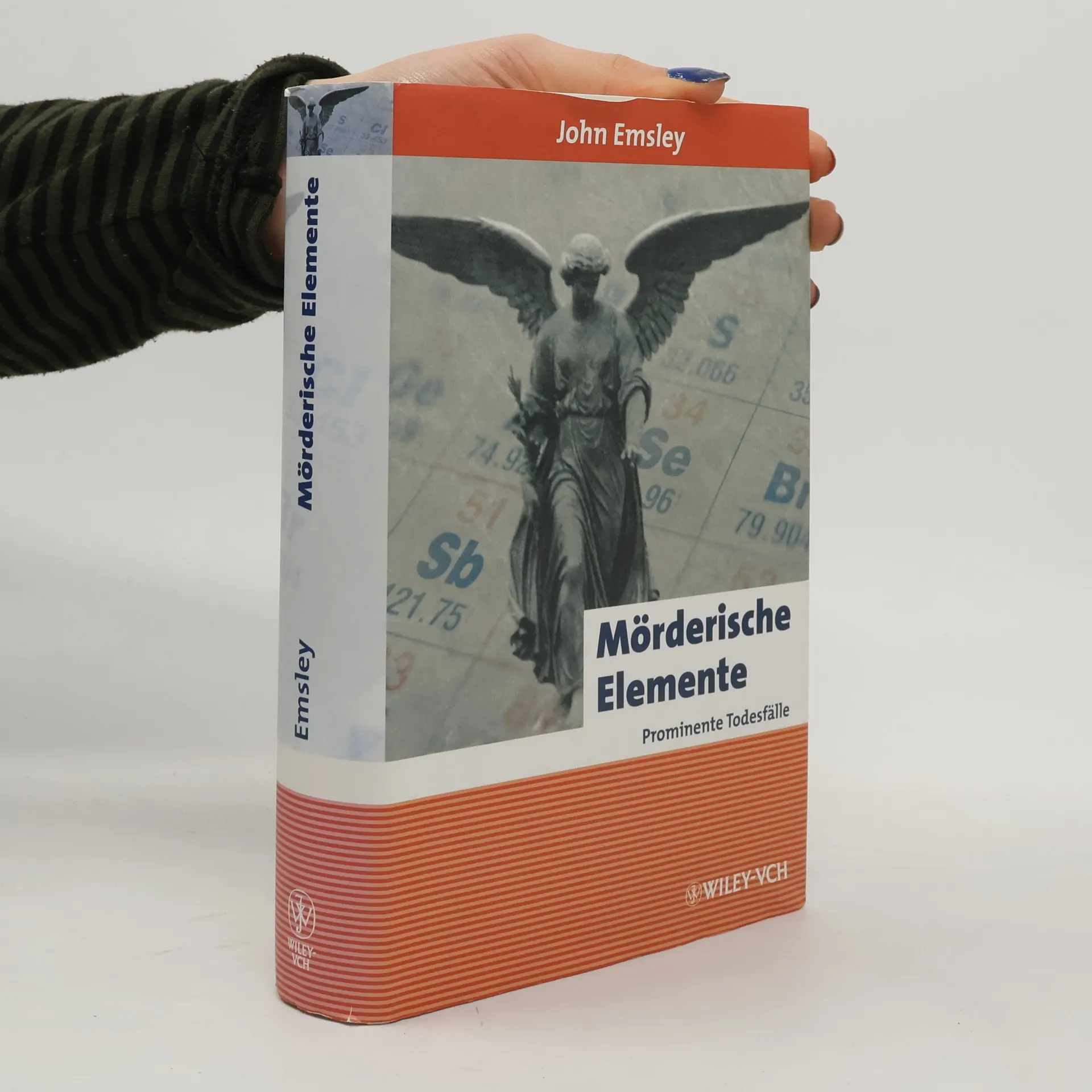
Wie starb Napoleon? An seinen Tapeten, lautet die wahrscheinlich richtige Antwort. Zu seiner Zeit begann man zwar, Papier-Tapeten mit Mustern herzustellen, aber mit dem Herstellen schöner, kräftiger Farben hatte man Schwierigkeiten. Für Grün, Gelb und Orange war man unverzichtbar auf Arsenhaltige Farben angewiesen. Sie können sich sicherlich vorstellen, dass ein Leben in solchermaßen tapezierten Räumen nicht ohne Folgen blieb. Nicht nur zu Arsen, das natürlich auch in anderer Form verabreichen kann, sondern auch zu Quecksilber, Antimon, Blei und Thallium erzählt Emsely Geschichten. Die wenigsten genannten Personen starben unfreiwillig an den Vergiftungen wie Napoleon, Newton oder Charles II, sondern die spektakulären Fälle waren natürlich Morde. Erst die immer weiter verbesserten Untersuchungsmethoden erlaubten es im Laufe der Zeit, Mörder zu überführen. Allerdings zeigt Emsley auch, dass Mord-Methoden über die er erzählt, bis heute noch nicht ausgestorben sind. Und nach wie vor gilt: Wo kein Verdacht ist, wird auch nicht gesucht. Auch ohne Chemiekenntnisse kann man den spannend wie ein Krimi geschriebenen Aufsätzen bis zum letzten Buchstaben folgen.
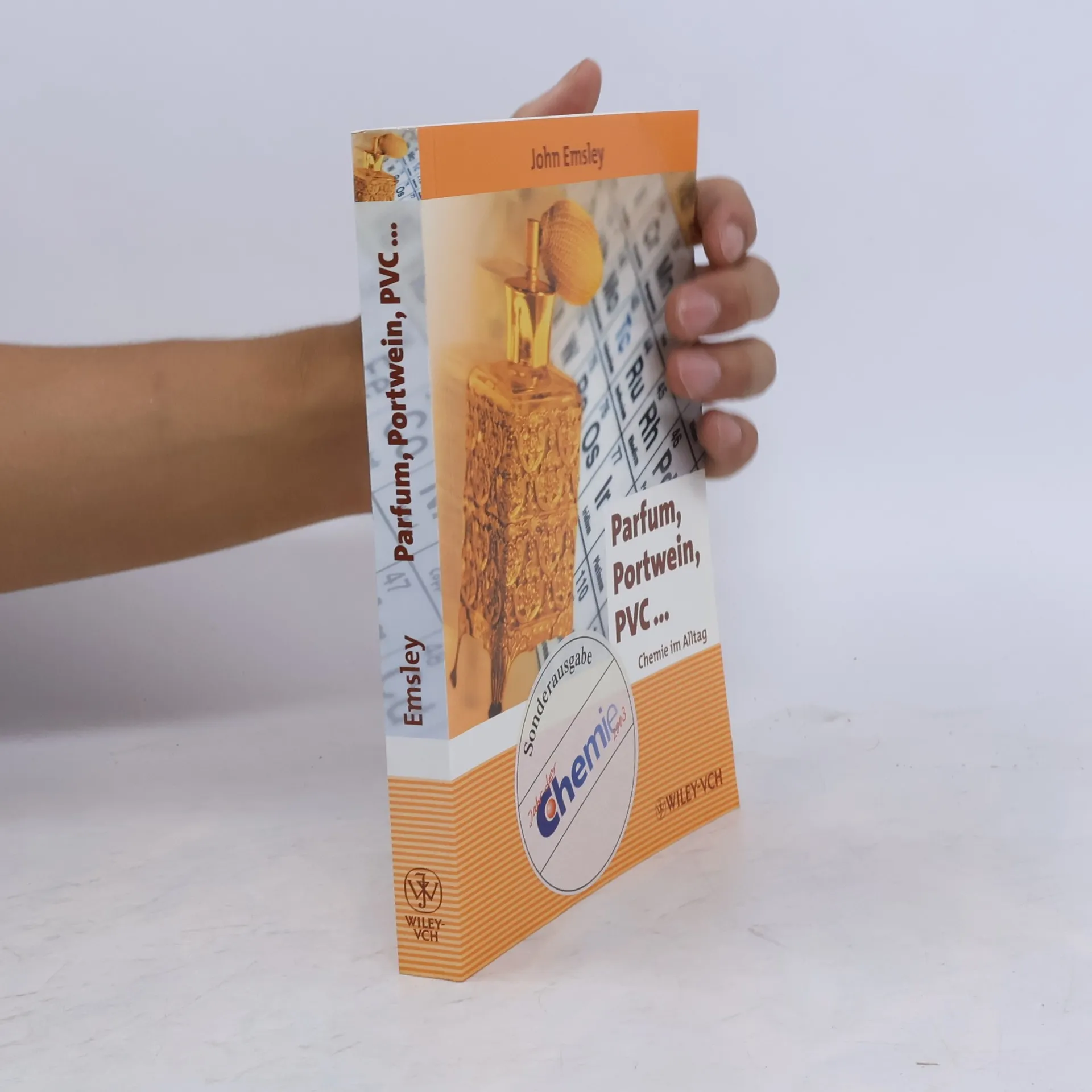
Eine „Das Beste aus...“ Kollektion des Erfolgautors John Emsley. Vertreten sind seine Bestseller: Fritten, Fett und Faltencreme; Wenn Essen krank macht; Sonne, Sex und Schokolade; Parfum, Portwein, PVC. Die populärsten Geschichten aus dem Alltag in einem Buch zusammengefasst: Essen, Hygiene, Laster, Gesundheit, Kosmetik; die Stoffe, aus denen die Welt besteht...
Ein Hauch Chanel No. 5, ein Honigbrötchen zum Frühstück, das Bier zum Abendessen und, wenn es ein Glas zuviel war, eine Kopfschmerztablette am nächsten Morgen... Was haben diese Dinge gemeinsam? Richtig, es sind Gemische chemischer Substanzen! Ob wir sie als Genuß empfinden oder ob sie uns suspekt sind, wie PVC, Nitrat oder Kohlendioxid, sie gehören zu unserem Alltag. John Emsley vermittelt fundiertes Hintergrundwissen zu Chemikalien, mit denen wir täglich zu tun haben. Die Zusammenhänge werden einfach und locker beschrieben, so daß der Laie sie mühelos nachvollziehen kann. Die Argumentation ist stets sachlich; Risiken und Gefahren werden in Relation zum jeweiligen Nutzen bestimmter Stoffe oder Technologien dargestellt. Das Buch veranschaulicht chemische Fragen und Phänomene von der Ernährung bis zum Treibhauseffekt. Damit kann der Nichtfachmann sich eine Meinung bilden und öffentliche Diskussionen kompetent bewerten.
Aller guten Dinge sind drei: nach den Bestsellern „Parfum, Portwein, PVC“ und „Sonne, Sex und Schokolade“ bietet „Fritten, Fett und Faltencreme“ viel Neues zum Thema Chemie im Alltag. Was muss ein guter Sonnenschutz leisten? Welchen Einfluß hat das chemische Element Selen auf die Männlichkeit? Wie wird unsere Haut besonders geschmeidig? Sind Diamanten tatsächlich die besten Freunde der Frauen? All diese Fragen und viele mehr beantwortet John Emsley, Literaturpreisträger der Gesellschaft Deutscher Chemiker, in bewährter und amüsanter Manier.
In der Fortsetzung von Emsleys Erfolgstitel "Parfum, Portwein, PVC... Chemie im Alltag" werden spannende Fragen zur Chemie im Alltag behandelt. Leser erfahren, warum Schokolade glücklich macht, was Männer träumen und welche Geheimnisse Coca-Cola birgt. Emsley verbindet wissenschaftliche Informationen mit Humor und unterhaltsamen Anekdoten.
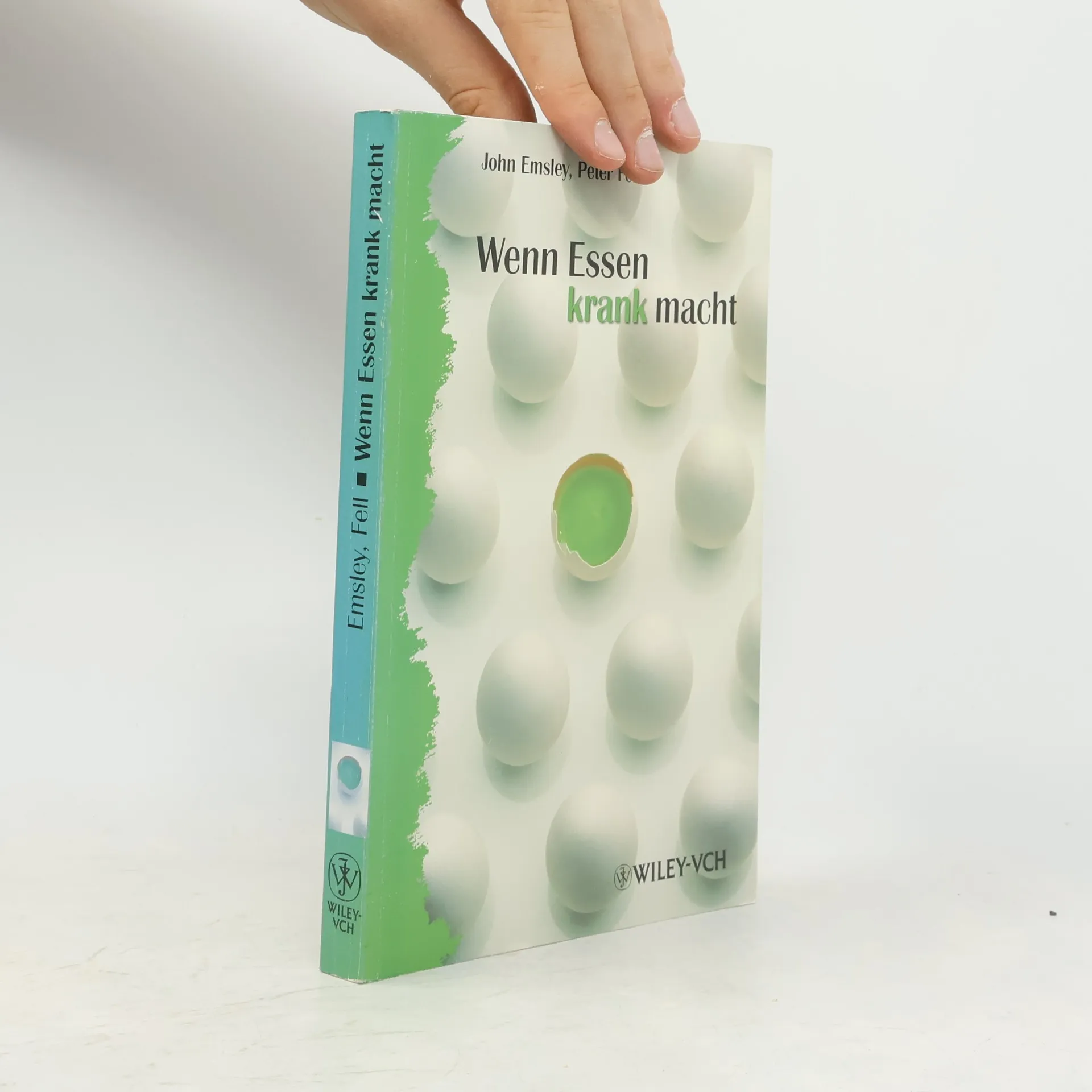
Nein, dieses Buch ist nicht einer der vielen Ernährungsratgeber, der Ihnen verrät, mit welchen kleinen Tricks Sie mehr als hundert Jahre alt werden. Oh nein, auch die ultimativen Diättipps für die Idealfigur werden Sie hier nicht finden. Warum Sie dieses Buch dennoch lesen sollen? - Weil es Ihnen den Genuss an wohlschmeckenden Speisen und köstlichen Getränken erhalten oder zurückgeben kann!Schon der Duft eines Weinbouquets, von schmorendem, knackigem Gemüse oder einem brutzelnden Steak in der Pfanne läßt das Wasser im Munde zusammenlaufen. Der Geschmack einer zartschmelzenden Schokolade oder eines frisch gezapften Biers kann Lebensfreude pur sein. Aber leider ist für viele Essen und Trinken kein Genuss ohne lästige oder gar schlimme Nebenwirkungen.Wie man die unangenehmen Reaktionen bei Lebensmittelunverträglichkeiten und -allergien vermeiden kann, darüber informiert Sie dieses leicht verständliche und auch unterhaltsame Werk. Versteht man die Wirkung einiger Substanzen, die entweder von der Natur oder vom Hersteller den Lebensmitteln hinzugefügt wurden, kann man leicht die Speisen aussortieren, deren Entgiftung den Körper überfordern. Und selbst Kopfschmerztabletten sind in Zukunft kein Thema mehr für Sie, denn nach der Lektüre wissen Sie, wieviel Paprika Sie essen müssen, um dieselbe schmerzhemmende Wirkung zu erzielen!
In alphabetischer Reihenfolge der Elemente werden deren wichtigste chemische, physikalische, elektronische und Kerneigenschaften aufgezählt, ergänzt durch umweltbezogene und biologische Eigenschaften.