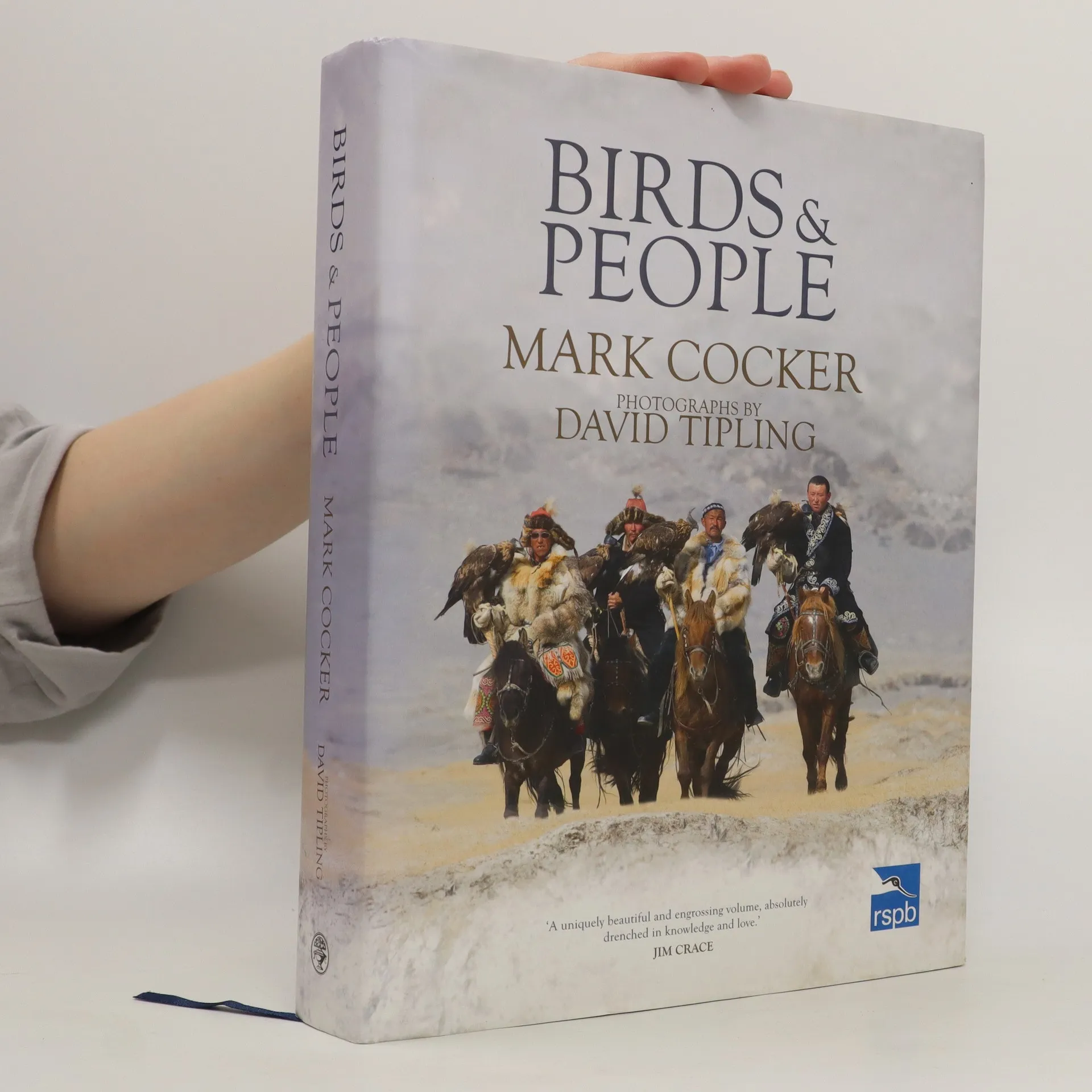
There are 10,500 species of bird worldwide and wherever they occur people marvel at their glorious colours and their beautiful songs. This title describes and maps the entire spectrum of our engagements with birds, drawing in themes of history, literature, art, cuisine, language, lore, politics and the environment.
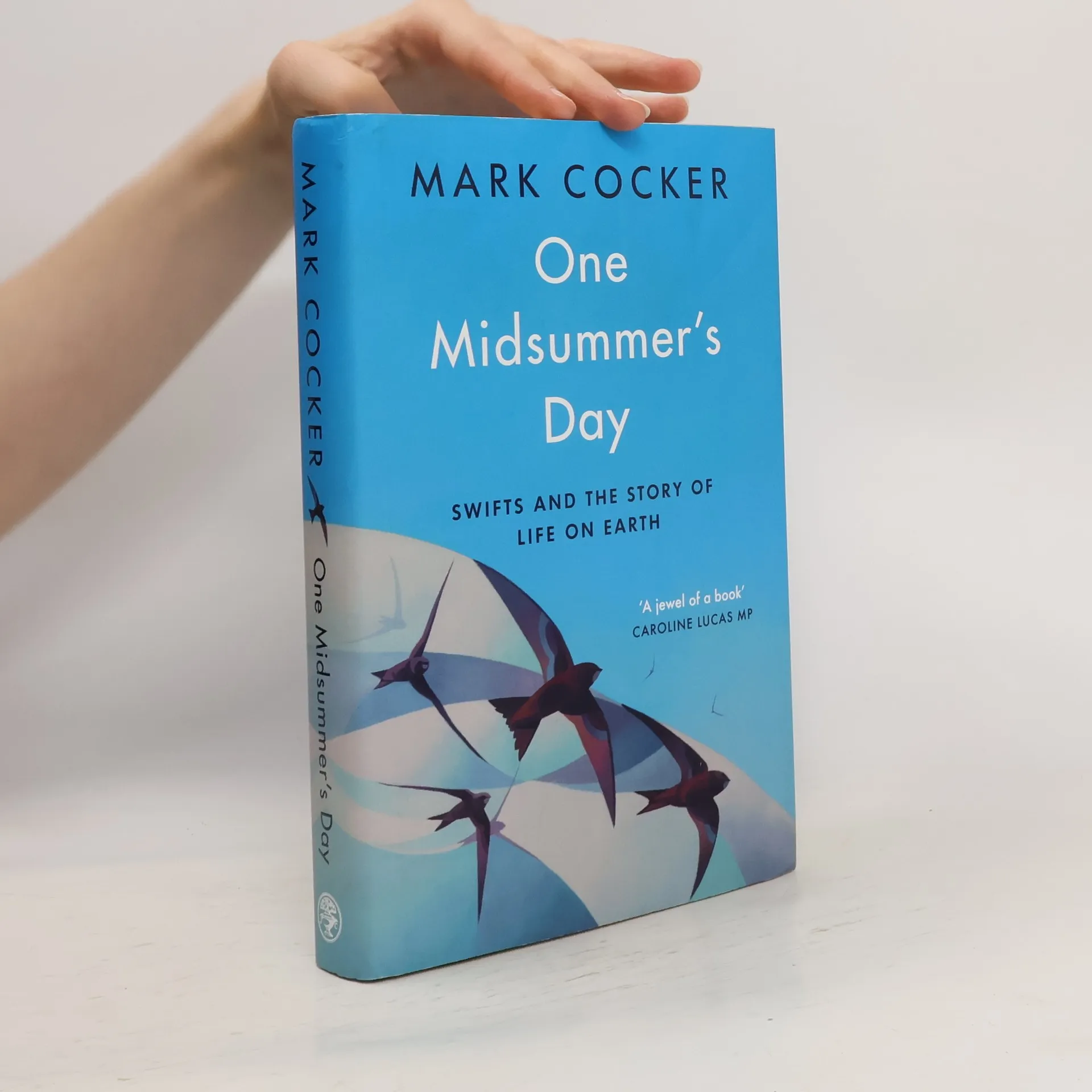
It takes a whole universe to make one small black birdThe story of all life on Earth, told through a single day spent in the company of swifts.Swifts are among the most extraordinary of all birds. Their migrations span continents and their twelve-week stopover, when they pause to breed in European rooftops, is the very definition of summer. They may nest in our homes but much about their lives passes over our heads. No birds are more wreathed in mystery. Captivated, Mark Cocker sets out to capture their essence.Over the course of one day in midsummer he devotes himself to his beloved black birds as they spiral overhead. Yet this is also a book about so much more. Swifts are a prism through which Cocker explores the profound interconnections of the whole biosphere.From the deep-sea thermal vents where life was born to the 15 million degrees at the core of our Sun, he shows that life is a singular and glorious continuum. These birds without borders are a perfect symbol to express the unity of the living planet. But they also illuminate how no creature, least of all ourselves, can be said to be alive in isolation. We are all inextricably connected.Drawing deeply on science, history, literature and a lifetime of close observation, One Midsummer's Day is a dazzling and wide-ranging celebration of all life on Earth by one of our greatest nature writers.
In seven works of non-fiction, especially in Birders and the universally acclaimed Birds Britannica, Mark Cocker has established himself as one of the foremost writers on nature and wilderness. In his most lyrical work to date, he has drawn together the best of his writing on wildlife, mainly taken from columns for the Guardian and Guardian Weekly.These carefully distilled articles, over a hundred in all, illustrate some of his most enduring themes over the last twenty years - the magical dynamism of birds, as well as the subtle beauty, vast skies and wildlife riches of the Norfolk landscape. In its celebration of the natural world, the hugely varied selection also demonstrates a concern to champion the despised and neglected - rats, gulls, crows (the 'Black Beasts' of his first section) - as much as it explores some of the most charismatic creatures on Earth - penguins, whales, lions and elephants. Cocker is equally good at evoking the commonplace mysteries of garden blackbirds and thrush's song, as he is the exotic otherness of mountain gorillas or the one-horned rhinoceros.With its attention to detail, especially the sharpness of perception and the precise use of language, the writing in A Tiger in the Sand shows qualities more usually associated with poetry than with prose.
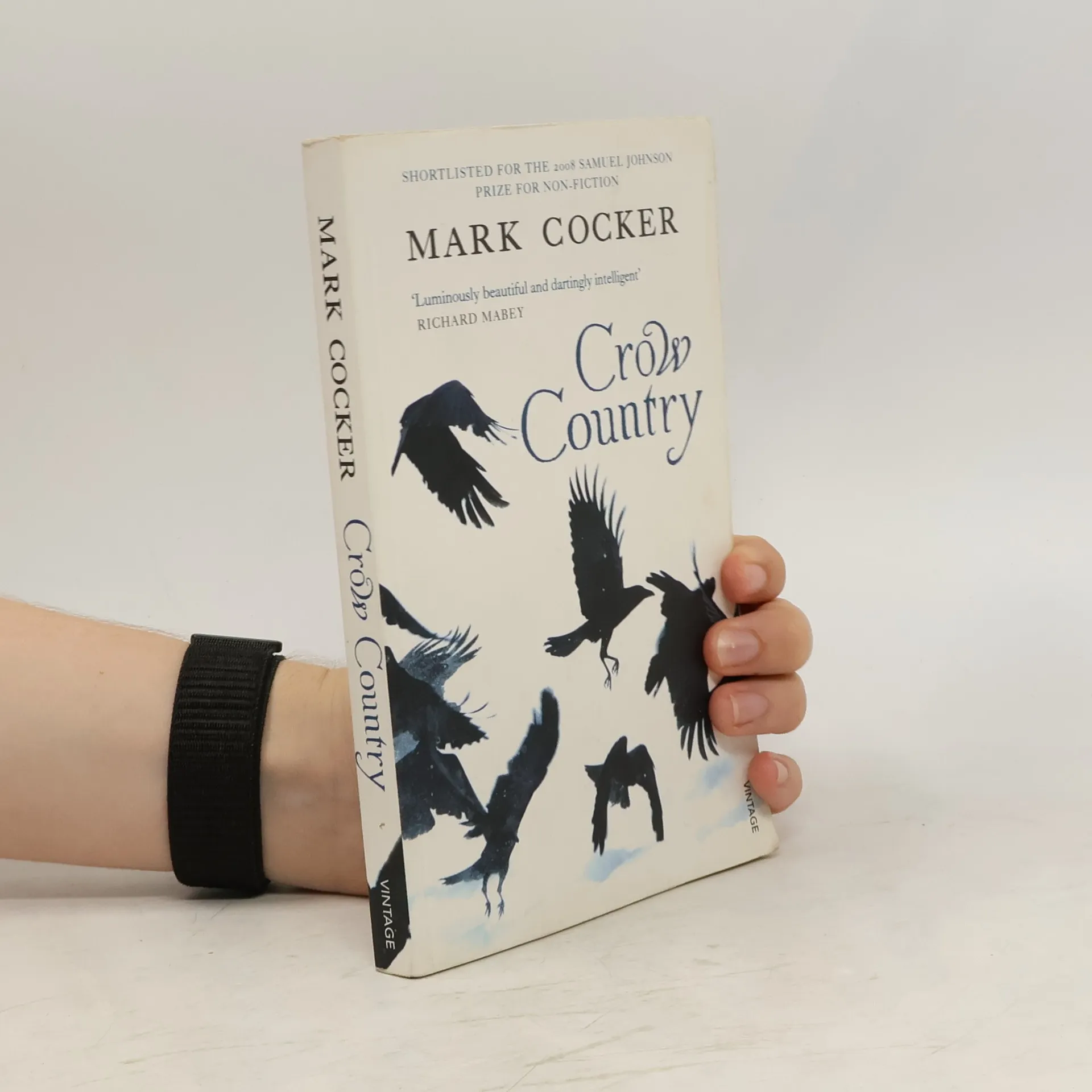
One night Mark Cocker followed the roiling, deafening flock of rooks and
jackdaws which regularly passed over his Norfolk home on their way to roost in
the Yare valley. Step by step he uncovers the complexities of the birds' inner
lives, the unforeseen richness hidden in the raucous crow song he calls 'our
landscape made audible'.