
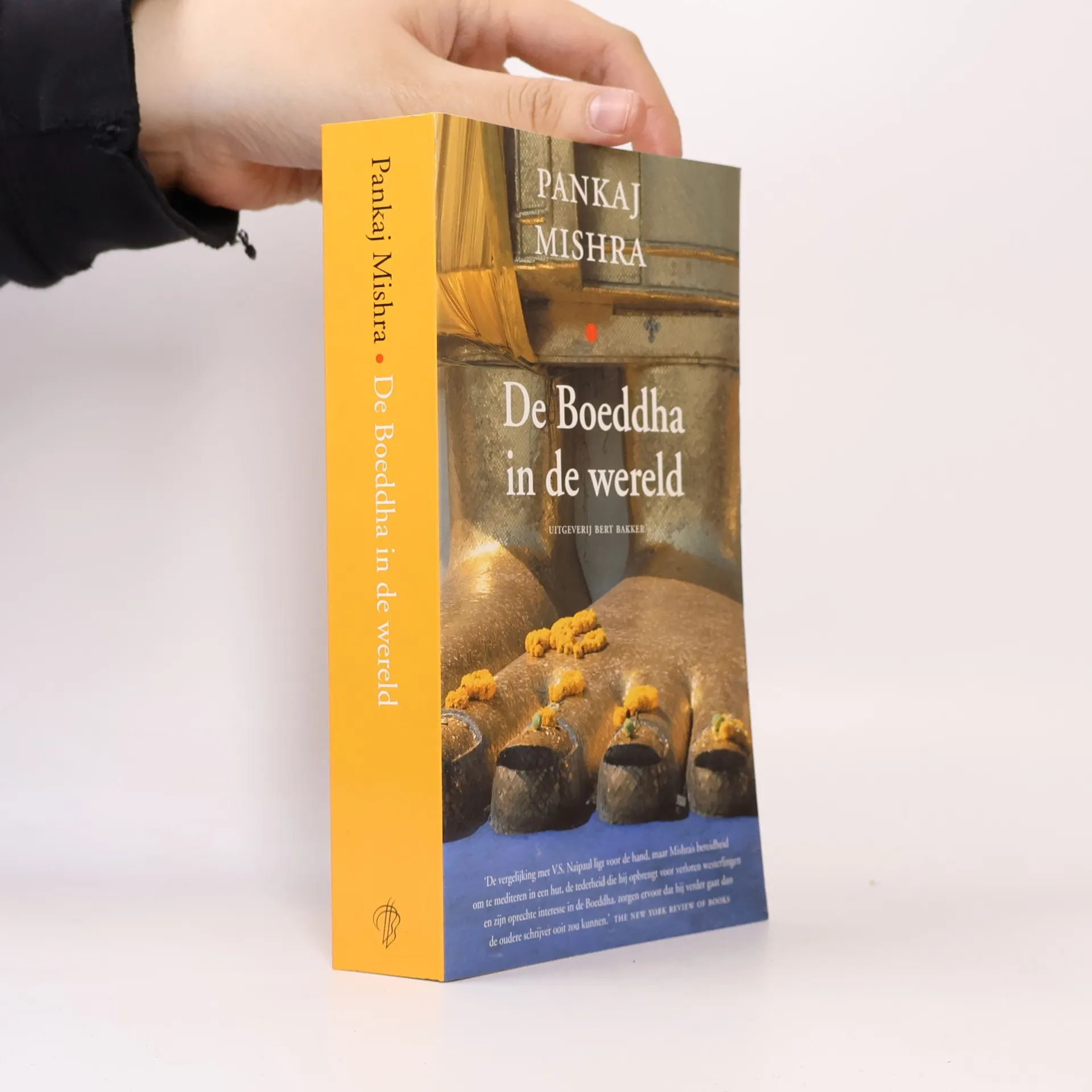
Pankaj Mishra is een vooraanstaand Indiaas essayist en romanschrijver wiens werk ingaat op thema's als sociale en culturele transformatie, het verlangen naar vervulling en het streven naar moderniteit. Zijn reisverslagen en essays verkennen vaak de kruising van traditie en globalisering, terwijl zijn romans op ironische wijze personages portretteren die betekenis zoeken buiten hun eigen culturele context. Mishra combineert behendig memoires, geschiedenis en filosofie om de relevantie van oude gedachten voor de hedendaagse tijd te belichten. Zijn schrijven wordt gekenmerkt door een scherp inzicht in de menselijke psyche en sociale dynamiek in diverse landschappen.
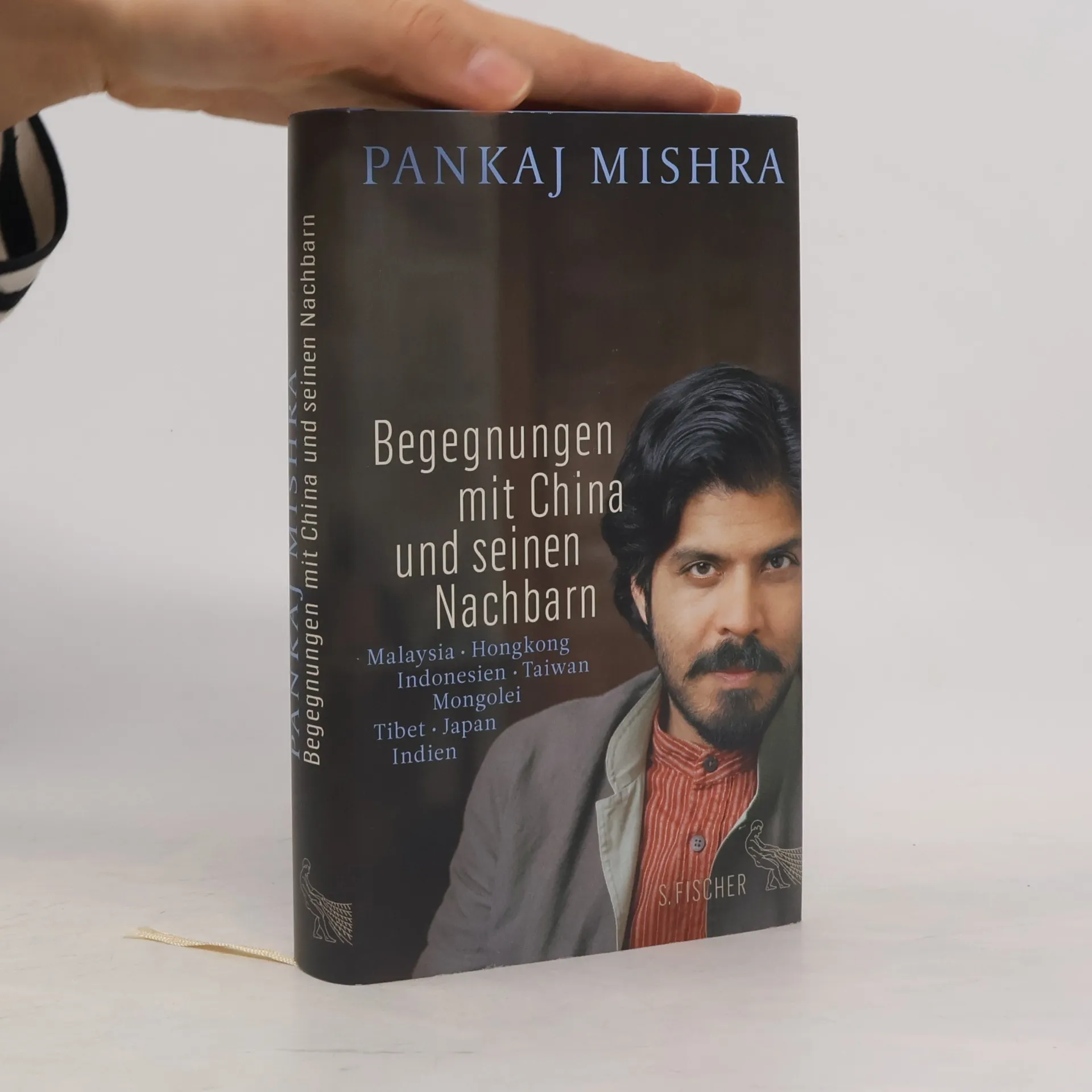
Ruim tien jaar geleden besloot de Indiase auteur Pankaj Mishra, die op dat moment in een klein huisje in de Himalaya woonde, een boek te schrijven over de Boeddha. In De Boeddha in de wereld beschrijft hij zijn fascinerende speurtocht naar de betekenis van het boeddhisme, die hem leidt naar kleine stadjes in India, maar ook naar Kashmir en Pakistan. Hij onderzoekt de mythen rond het leven van de Boeddha en bespreekt de ontdekking door de westerse wereld van het boeddhisme in de negentiende eeuw.

The book offers a critical examination of the Gaza conflict, linking it to broader historical narratives of trauma and oppression, particularly the Holocaust and colonialism. It contrasts Western triumphalism with the experiences of marginalized communities, highlighting the significance of decolonization and racial equality. As global power dynamics shift, the author argues for a reevaluation of prevailing historical perspectives to address pressing questions about identity, suffering, and rising racial tensions. This work serves as a moral guide for understanding the complexities of our contemporary world.
"Since 'Thriller' and the widely acclaimed 'Orlando', writer-director Sally Potter has been known as a pioneer filmmaker. [... YES is] easily her masterpiece to date. The central action, set in contemporary London, involves a successful scientist locked in a passionless marriage and conducting an intensely sexual affair with a Lebanese immigrant worker. But this sturdy dramatic situation is only the beginning."--Publisher's description. Includes both the finished screenplay and the original short film script it was based on, as well as photos, credits, and a question-and-answer session with Sally Potter and actress Joan Allen
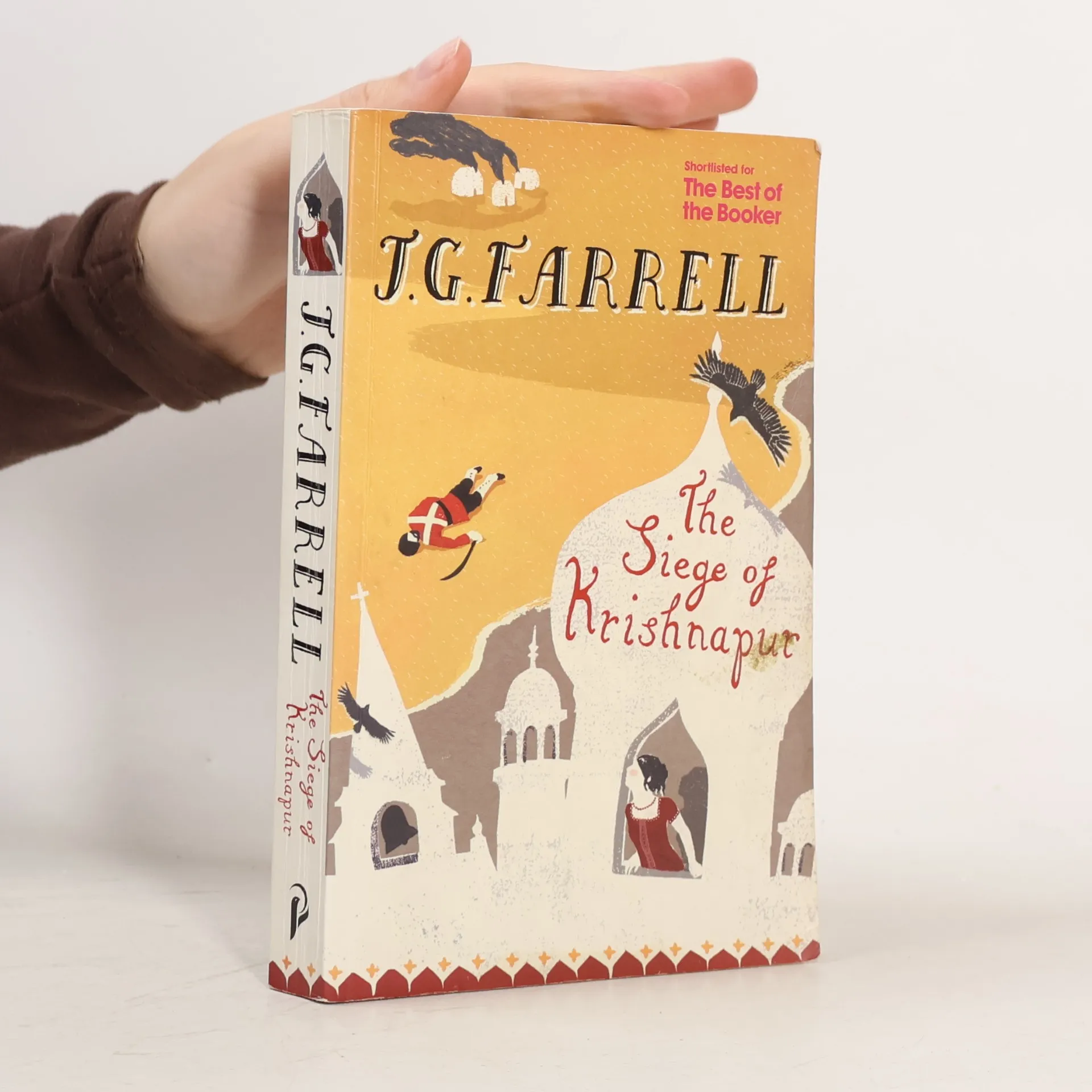
The Siege of Krishnapur is a modern classic of narrative excitement that also digs deep to explore some fundamental questions of civilisation and life.
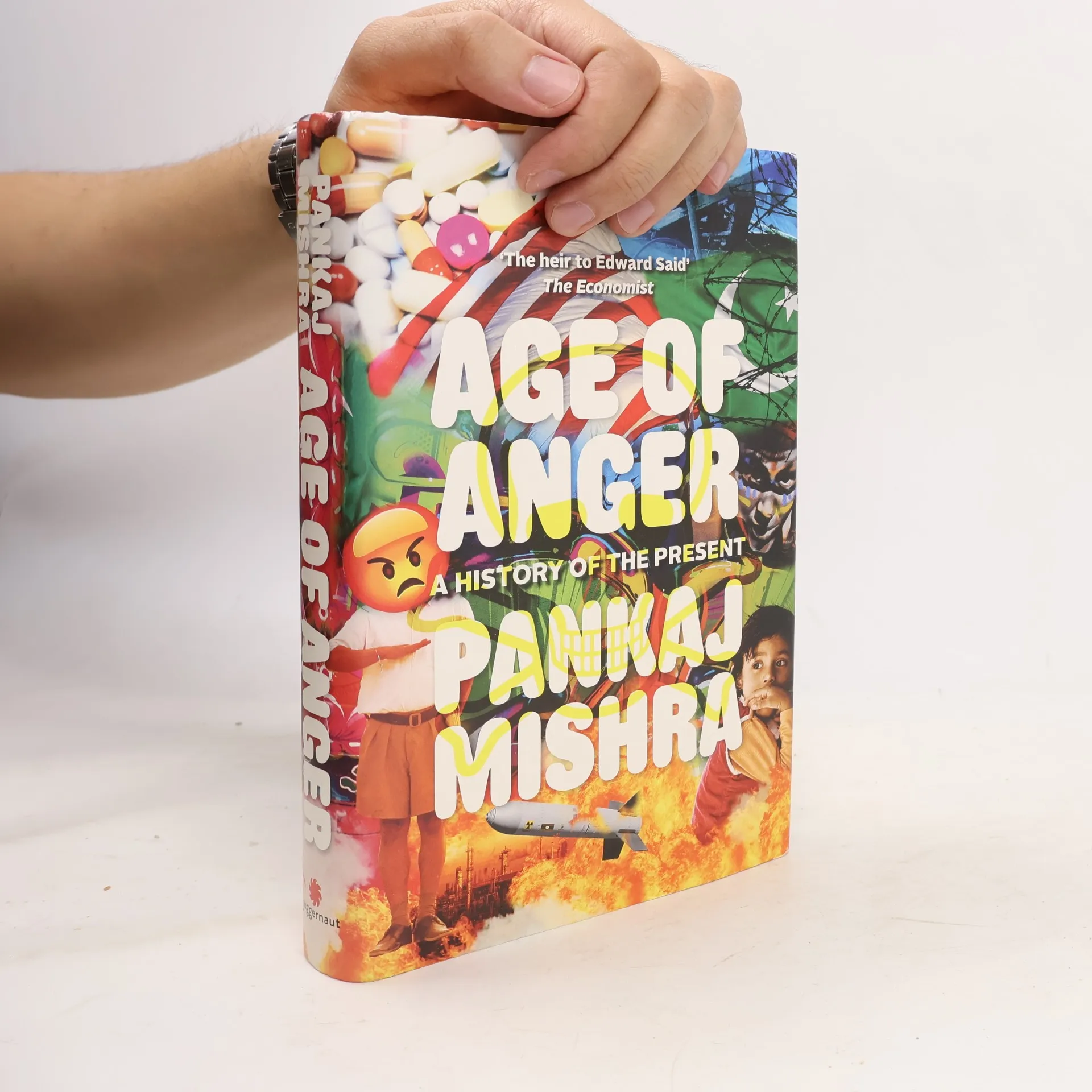
"How can we explain the origins of the great wave of paranoid hatreds that seem inescapable in our close-knit world - from American 'shooters' and ISIS to Trump, from a rise in vengeful nationalism across the world to racism and misogyny on social media? In Age of Anger, Pankaj Mishra answers our bewilderment by casting his gaze back to the eighteenth century, before leading us to the present. He shows that as the world became modern those who were unable to fulfil its promises - freedom, stability and prosperity - reacted in horrifyingly similar ways- intense hatred of invented enemies, attempts to re-create an imaginary golden age, and self-empowerment through spectacular violence. Today, just as then, the wider embrace of mass politics, technology, and the pursuit of wealth and individualism has cast many more billions adrift in a literally demoralized world, uprooted from tradition but still far from modernity - with the same terrible results. Making startling connections and comparisons, Age of Angeris a history of our present predicament unlike any other."
Samar, a young man of limited means, moves to Benares, the ancient city of learning, to lose himself in the world of books. There he meets Rajesh, a poor student, and Catherine, a young French woman, who shows him a very different side of his own country--and self. A resonant and ambitious novel, The Romantics is both the story of a sentimental education and of the widening fault lines within contemporary India.
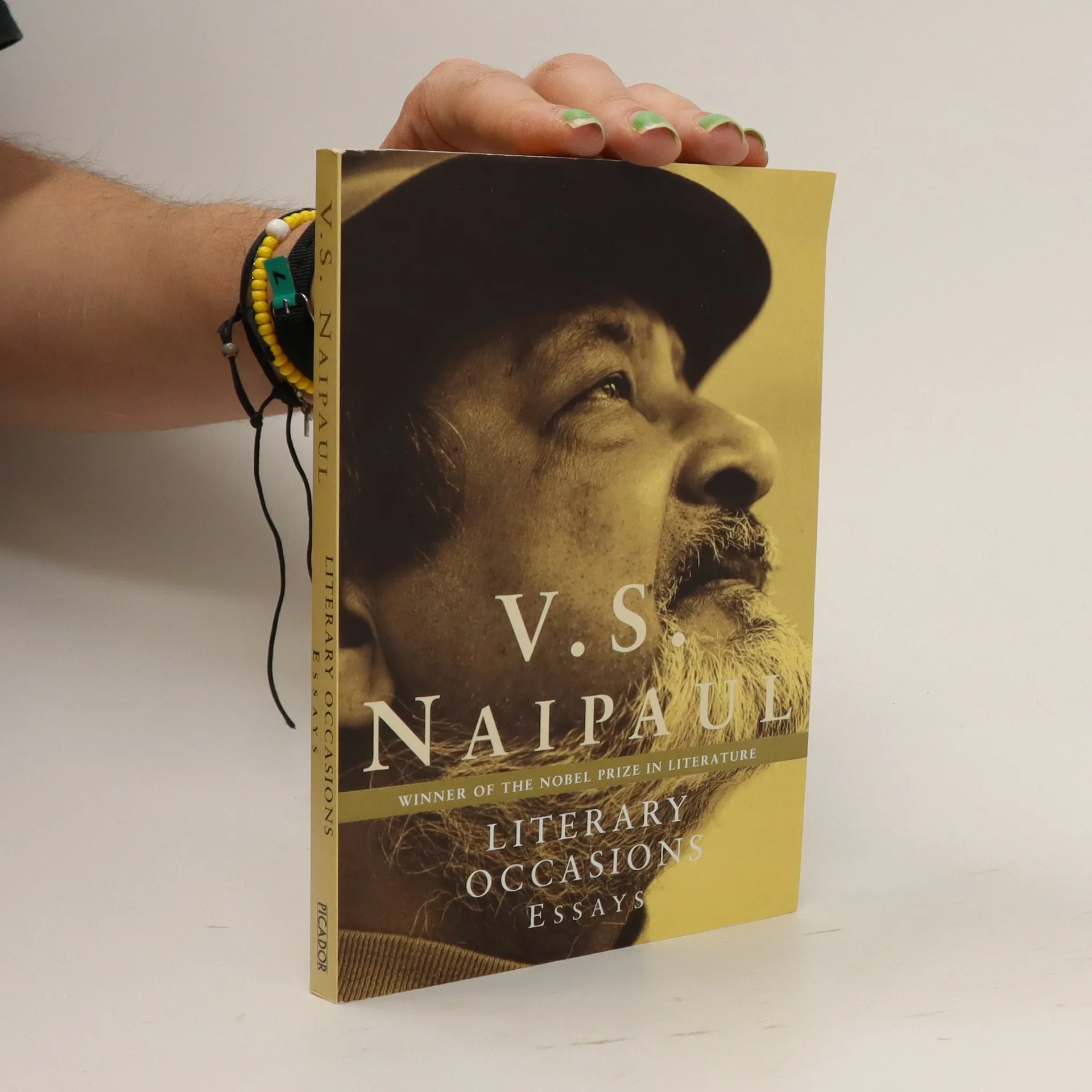
Charting half a lifetime spent exploring the written word, these eleven articles include Naipaul’s boyhood experiences of reading books and his first youthful efforts at writing them; the evolution of his ideas about the extent to which individual cultures shape identities and influence literary forms; Naipaul’s observations on Conrad, his literary forebear; the moving preface he wrote to the only book his father ever published; and his reflections on his career, ending with his celebrated Nobel lecture ‘Two Worlds’. A remarkable companion piece to The Writer and the World, Naipaul’s previous volume of highly-acclaimed essays, Literary Occasions is a stirring contribution to the fading art of the critic, and a revelation of a life in letters.