

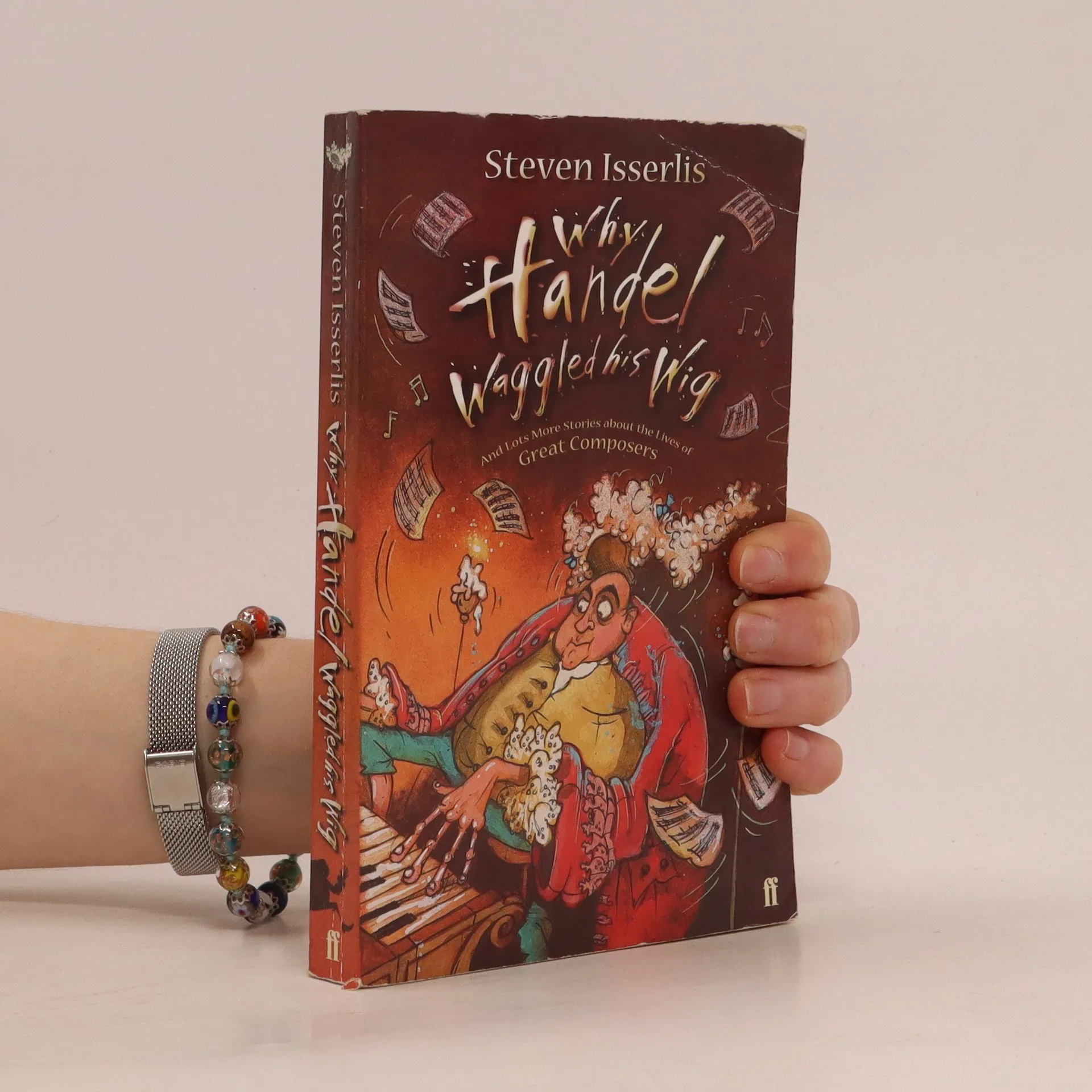
The eagerly awaited follow-up to the best-selling Why Beethoven Threw the Stew. What did Haydn's wife use for curling-paper for her hair? What did Schubert do with his old spectacles case? Why was Dvor�k given a butcher's apron when he was a little boy? Why did Tchaikovsky spit on a map of Europe? Why did Faur� find a plate of spinach on his face? And why did Handel waggle his wig? In Why Beethoven Threw the Stew, renowned cellist Steven Isserlis set out to pass on to children a wonderful gift given to him by his own cello teacher - the chance to people his own world with the great composers by getting to know them as friends. In his new book he draws us irresistibly into the world of six more favourite composers, bringing them alive in a manner that cannot fail to catch the imagination of children encountering classical music for the first time. Once again the text is packed with facts, dates and anecdotes, interspersed with lively black-and-white line illustrations, making this an attractive and accessible read for children to enjoy on their own or share with an adult. 'If Why Beethoven Threw the Stew does not turn your child into a music lover, the chances are nothing will.' Daily Mail
Steven Isserlis Boeken

Why Beethoven Threw the Stew
- 144bladzijden
- 6 uur lezen
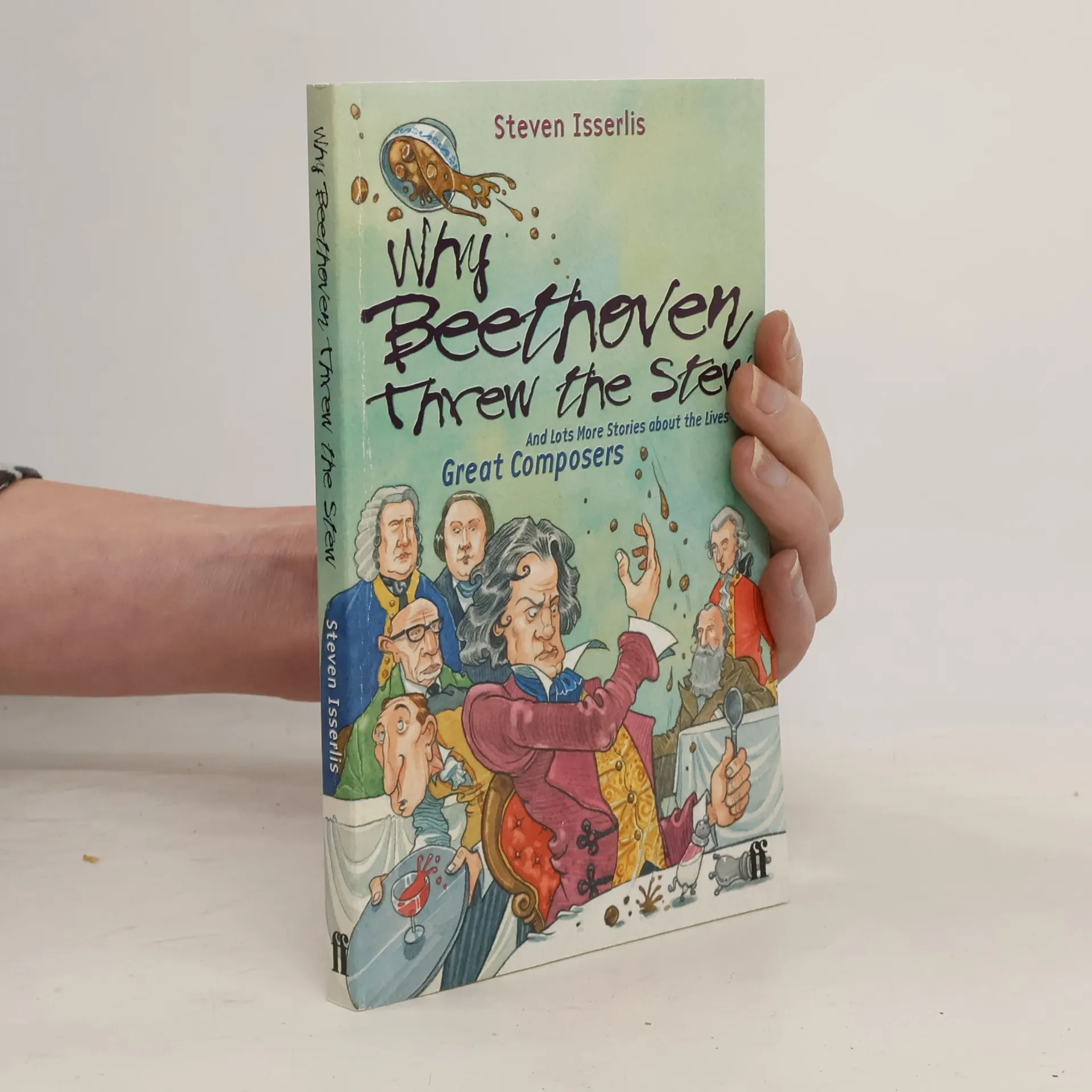
In Why Beethoven Threw the Stew, renowned cellist Steven Isserlis sets out to pass on to children a wonderful gift given to him by his own cello teacher - the chance to people his own world with the great composers by getting to know them as friends. schovat popis
The Bach Cello Suites
- 240bladzijden
- 9 uur lezen
A unique Companion to J S Bach's iconic Cello Suites from internationally- renowned cellist Steven Isserlis. 'Isserlis is the master of the material, yet always able to make it accessible .
Miért hordott póthajat Haydn hajdanán? - Újabb történetek híres zeneszerzőkről
- 323bladzijden
- 12 uur lezen
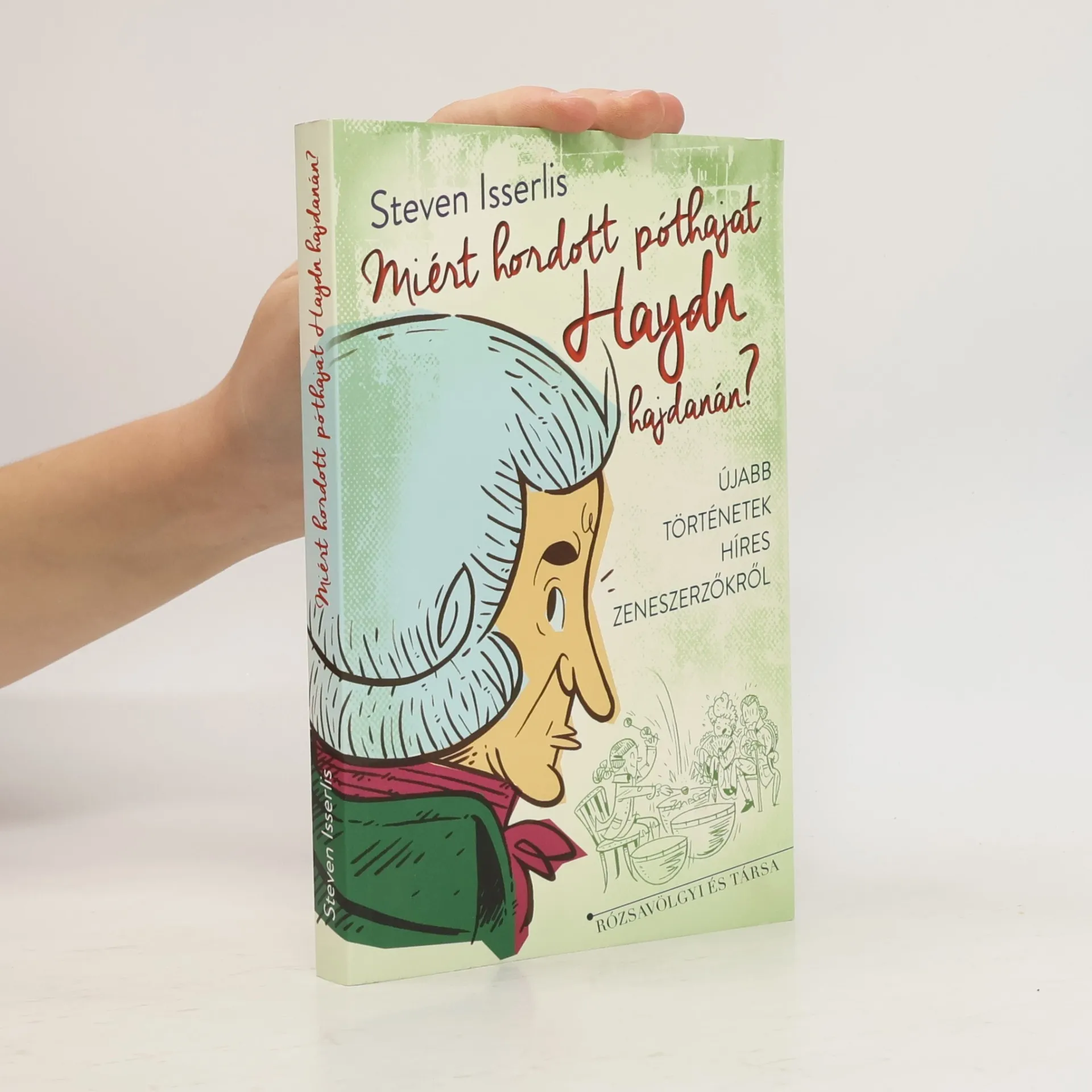
Miért akarta kidobni Händel az egyik legjobb énekesnőjét az ablakon? Kikkel és hogyan bulizott együtt Schubert? Hogyan kerülte el Csajkovszkij, hogy személyesen is találkozzon legnagyobb hódolójával? Miért húzta végig az osztálytermen orruknál fogva a növendékeit Dvořák? Milyen zenét írt Fauré, miután teljesen megsüketült? És miért hordott póthajat Haydn hajdanán? Ezekre a kérdésekre is választ kapunk a világhírű csellista, Steven Isserlis gyerekeknek írott második könyvéből, amelyben hat további kedvenc zeneszerzőjét mutatja be szórakoztató és olvasmányos módon. Nemcsak a zeneszerzők életútját ismerhetjük meg a kötetből, hanem valódi portrét is rajzol róluk Isserlis, aki abban is segít az olvasónak, hogy mely művek meghallgatásával érdemes kezdeni a komponistákkal való ismerkedést. Borzasztó boldog vagyok, hogy Miért hordott póthajat Haydn hajdanán? című könyvemet is kiadják Magyarországon, a világ legzeneibb országában. Remélem, tetszeni fognak a történetek a tekintélyes Händel úrról, a kedves Haydn papáról, a szegény és szomorú Schubertről, a patetikus Csajkovszkijról, a heves vérmérsékletű, sörissza Dvořákról, és a gyengéd, kifinomult Gabriel Fauréról (aki a legkedvesebb zeneszerzőim egyike, de valamiért alig ismert Magyarországon). Valamennyien egyedülálló, elbűvölő, vicces és rendkívül érzelmes személyiségek: alig várják, hogy találkozzanak veled! Jó szórakozást! Steven Isserlis
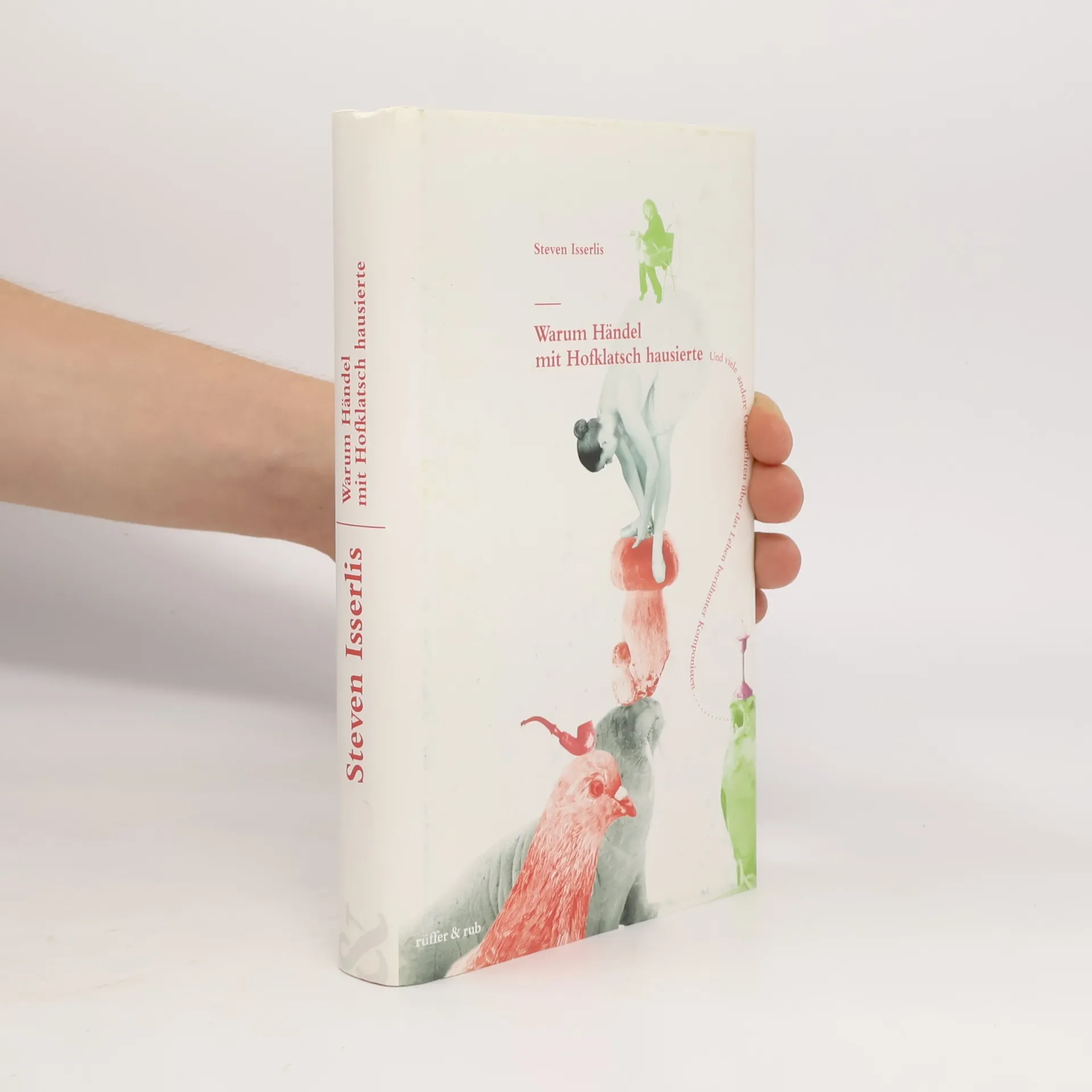
In seinem literarischen Erstling 'Warum Beethoven mit Gulasch um sich warf' lüftete der berühmte Cellist Steven Isserlis auf erfrischende Weise gutgehütete Geheimnisse aus den Biographien seiner Lieblingskomponisten. Nun ist die Reihe an sechs weiteren musikalischen Genies, deren Kompositionen die Welt bereichern. Mit der ihm eigenen Leichtigkeit verschafft Steven Isserlis dem Leser spannende Einblicke in das Schaffen und den Alltag Händels, Haydns, Schuberts, Tschaikowskis, Dvoráks und Faurés’. Neben sorgfältig recherchierten Fakten und einer anschaulichen Beschreibung der Atmosphäre der entsprechenden Zeitalter kommen auch die menschlichen Seiten dieser großartigen Komponisten nicht zu kurz. So ermöglicht es Steven Isserlis dem Leser, sich diese zu Freunden zu machen – ein wunderbares Geschenk, das er selbst einst von seiner eigenen Cellolehrerin erhielt. 'Warum Händel mit seiner Perücke wackelte' ist eine unterhaltsame und informative Lektüre sowohl für jugendliche als auch für erwachsene Musikfreunde.