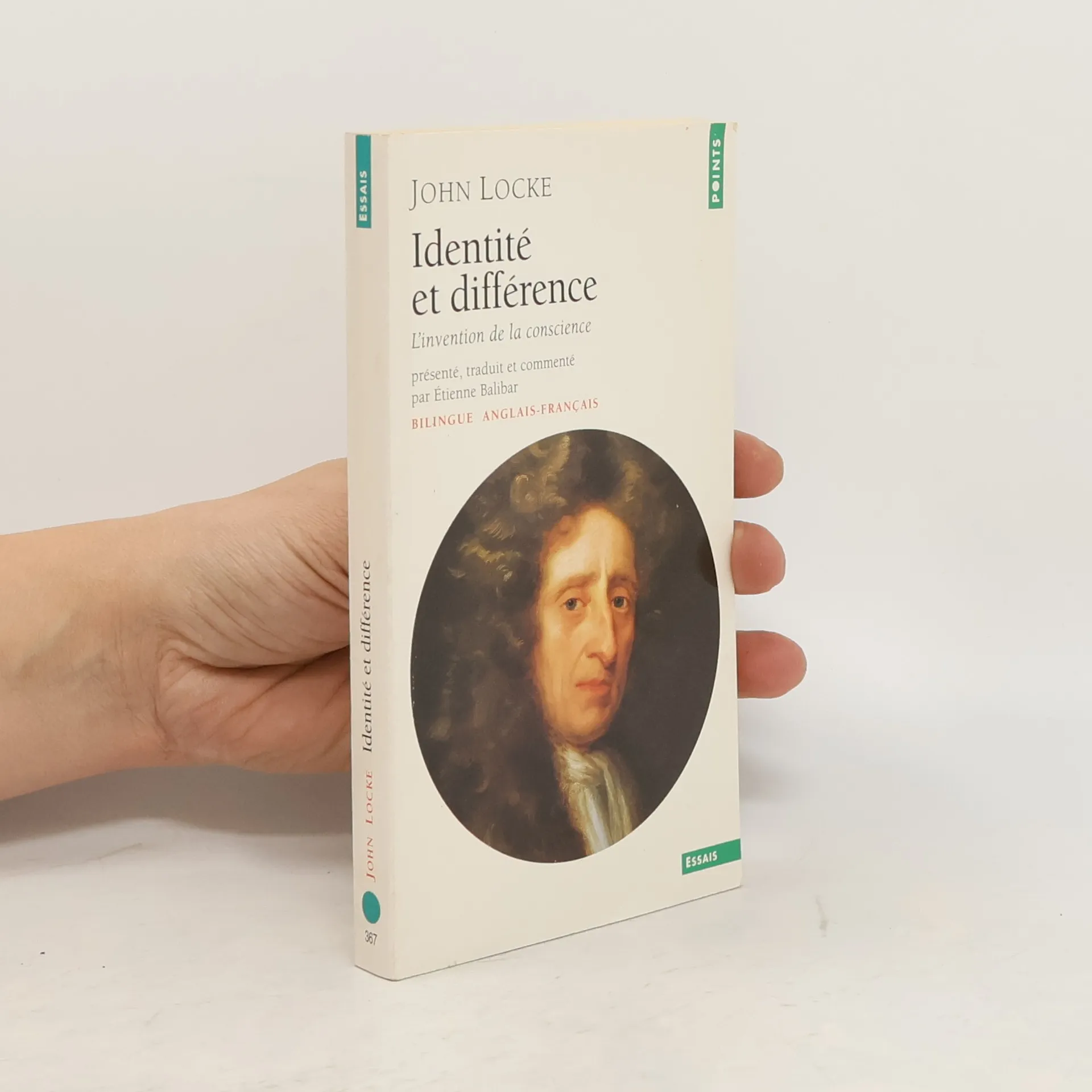
Identité et différence Inséré par Locke dans son Essai philosophique concernant l’entendement humain , le « traité de l’identité » a laissé une trace remarquable du XVIIIe siècle à nos jours. Pour la première fois, il donne un nom aux grandes catégories de la métaphysique du sujet : the consciousness , the self , et les associe étroitement dans une problématique de la « conscience de soi ». Pour que celle-ci déploie ses possibilités et ses conflits latents, il faut cependant un moment spécifique de traduction : la proposition par le huguenot français Pierre Coste de leurs équivalents – « la con-science » et « le soi » –, fournissant à toute la philosophie continentale les moyens de sortir des apories du cartésianisme. Cet événement dont nous sommes encore tributaires, l’invention européenne de la conscience , se trouve ici étudié à travers la réédition des textes de Locke et de Coste, augmentée d’une nouvelle traduction et complétée par un commentaire et un dossier. Étienne Balibar Il est professeur émérite à l’université de Paris-Ouest-Nanterre-La Défense.
E. tienne Balibar Boeken
Étienne Balibar is emeritus hoogleraar filosofie en vergelijkende literatuurwetenschap, wiens werk zich verdiept in politieke filosofie en de grenzen ervan. Zijn intellectuele reikwijdte is breed en verbindt filosofische concepten met literaire analyse. Hij onderzoekt de complexe relaties tussen geweld en burgerzin, wat bijdraagt aan een dieper begrip van de moderne Europese filosofie. Balibars benadering biedt lezers een indringend inzicht in hedendaagse maatschappelijke en politieke uitdagingen.



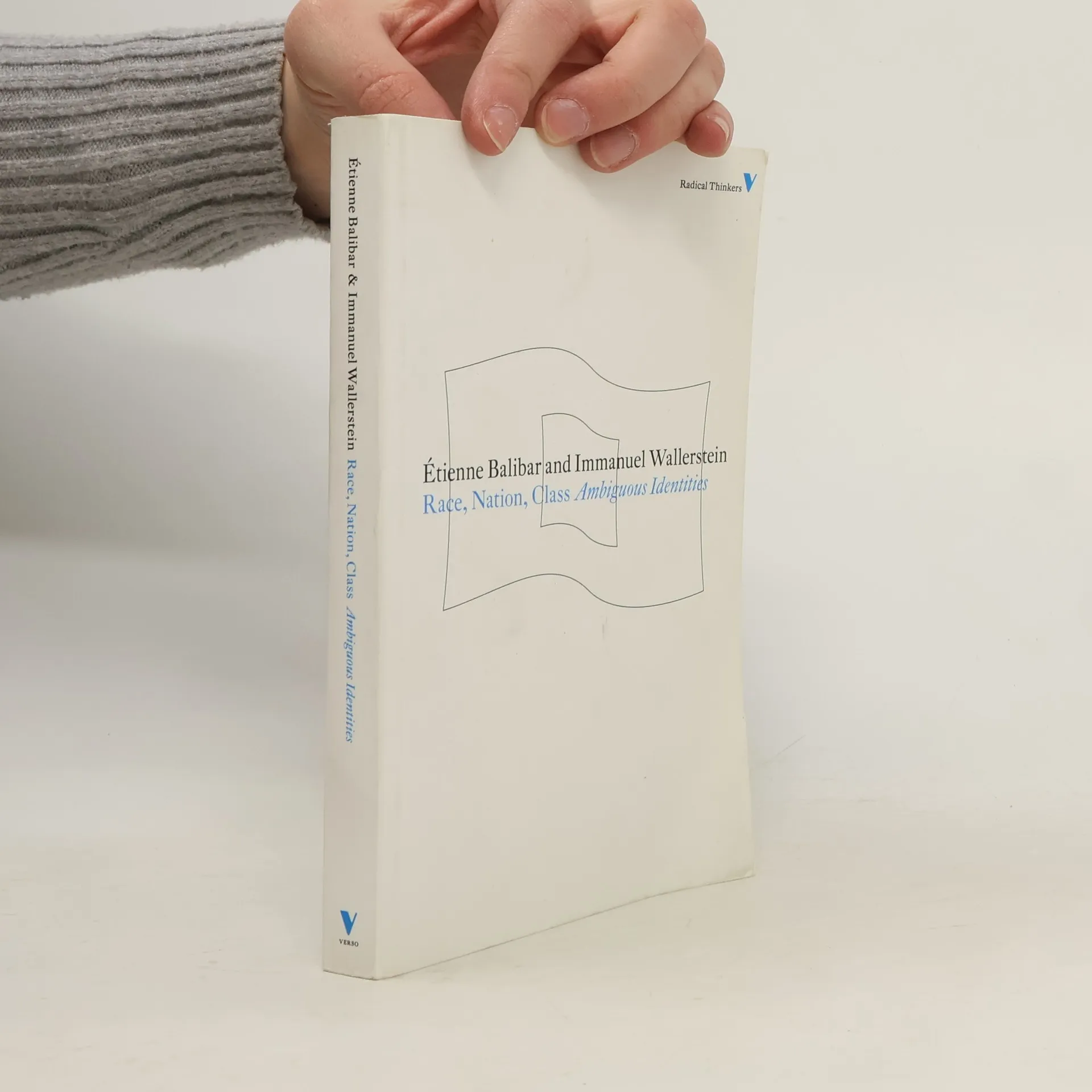
Race Nation Class
- 310bladzijden
- 11 uur lezen
A key dialogue on identity and nationalism by major critics of capitalism.
Acclaimed French philosopher on metaphysics and politics
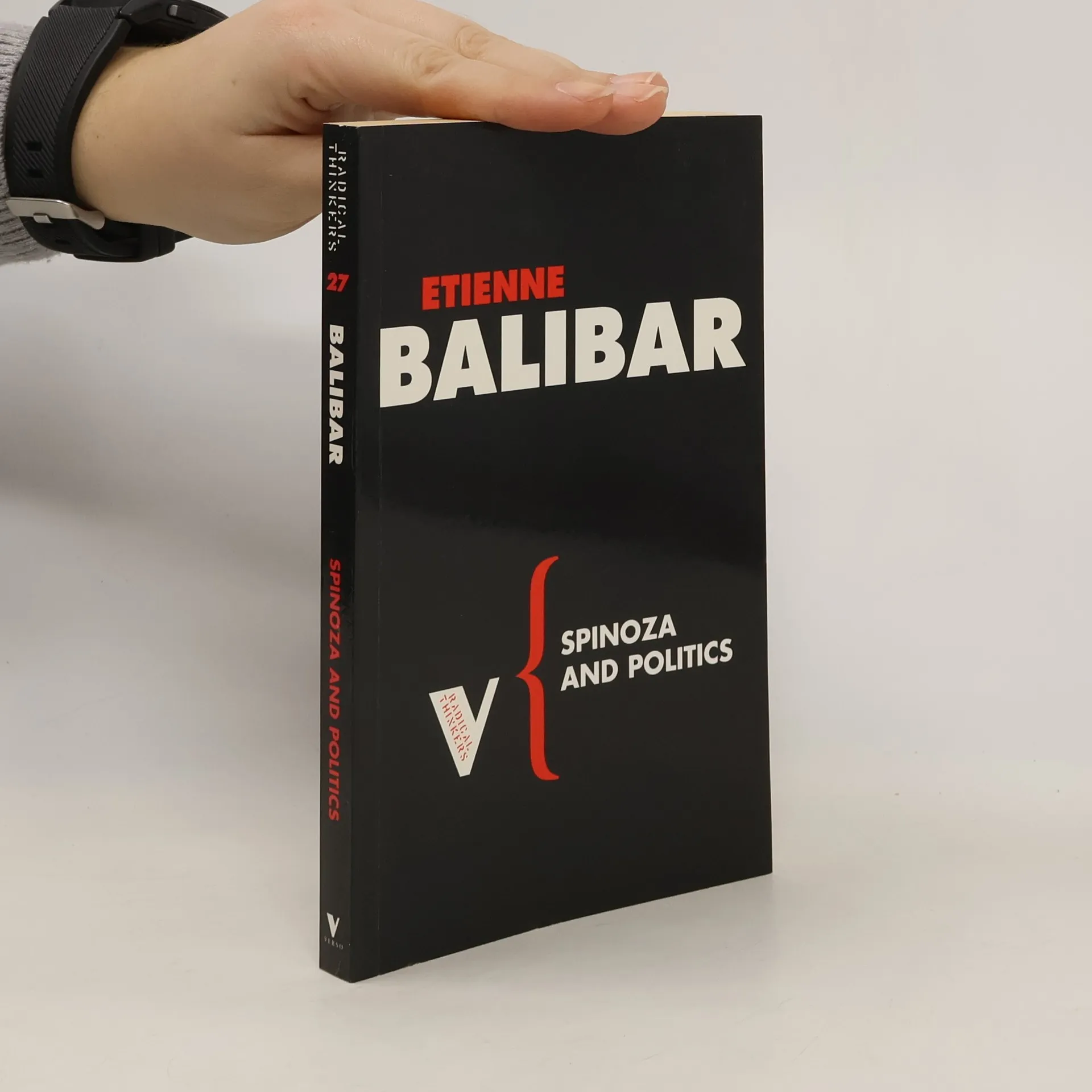
Spinoza and Politics
- 128bladzijden
- 5 uur lezen
An analysis of Spinoza's treatises within the context of his contemporary political, religious, and ideological life.
A rich and accessible introduction to Marx’s fundamental concepts from a key intellectual—now updated Written by one of political theory’s leading thinkers, The Philosophy of Marx examines all the key areas of Marx’s writings in their wider historical and theoretical context—including the concepts of class struggle, ideology, humanism, progress, determinism, commodity fetishism, and the state. Etienne Balibar opens a gateway into the thought of one of history’s great minds. In this updated edition to this now classic work, Balibar has added a substantial introduction and new material. Complete with key “information boxes” for the student to make the most challenging areas of theory easy to understand, this remains the best available introduction to the most important thinker of the past 200 years.
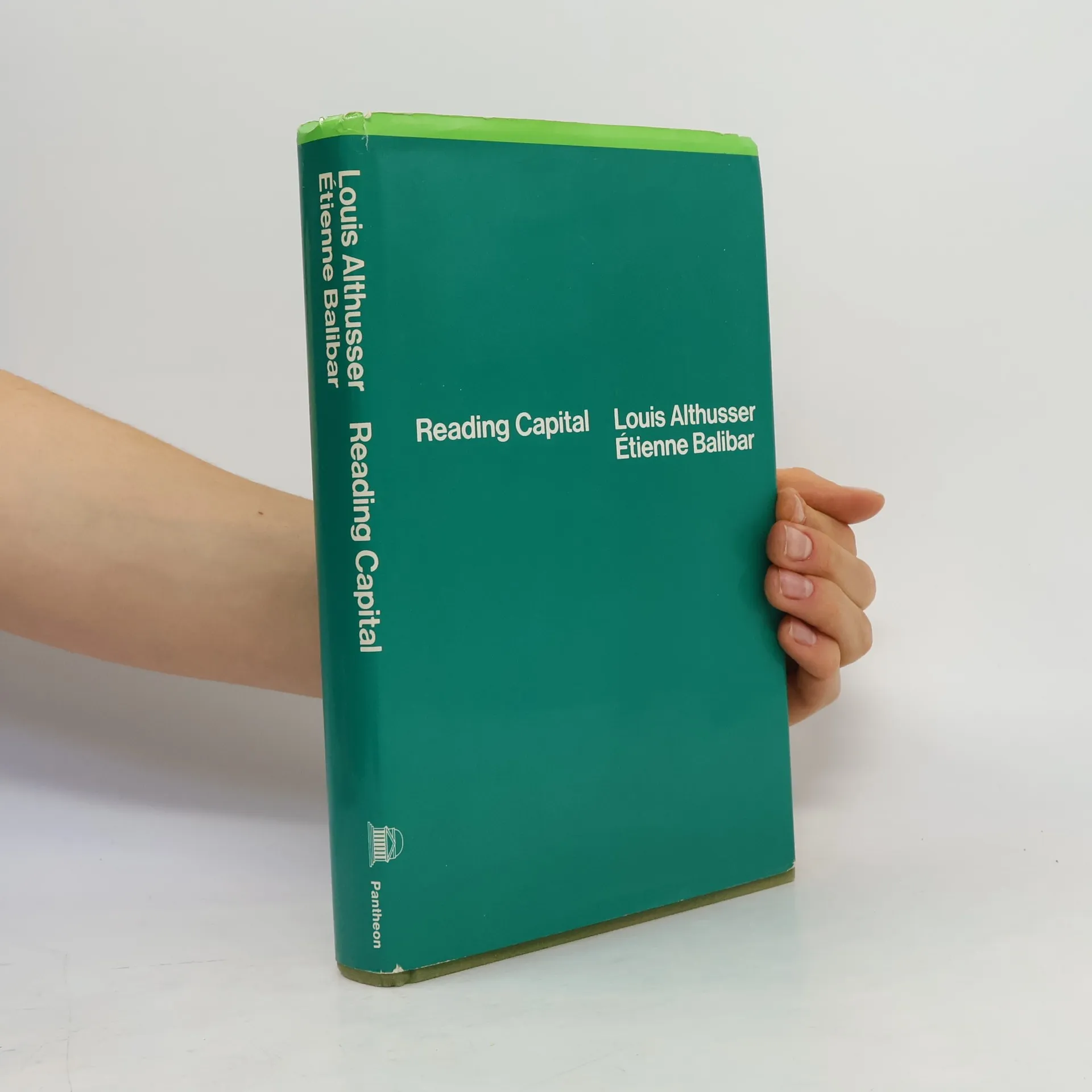
Reading Capital
- 340bladzijden
- 12 uur lezen
Together with Louis Althusser’s book For Marx , Reading Capital represents one of the foundational texts of the school of “structuralist Marxism” which transformed the face of modern philosophy and social theory. Presided over by the magnetic and intellectually coruscating figure of Althusser, the structuralist Marxists attempted no less than an intellectual revolution against dominant interpretations of Marx. Seeking to cleanse Marx of all Hegelian impurities and recast his thought on a rigorously scientific basis, in this work Althusser and one of his most brilliant students and colleagues, Etienne Balibar, subjected Marx’s method in Capital , his critique of classical political economy, and the fundamental terms of historical materialism, to searching textual analysis and challenging conceptual reconstruction. Inaugurating a new way of reading Marx that was to prove both intensely stimulating and capable of generating fierce controversy, Reading Capital is a work that cannot be bypassed by anyone interested in Marxism, and in theory more generally, in this century.
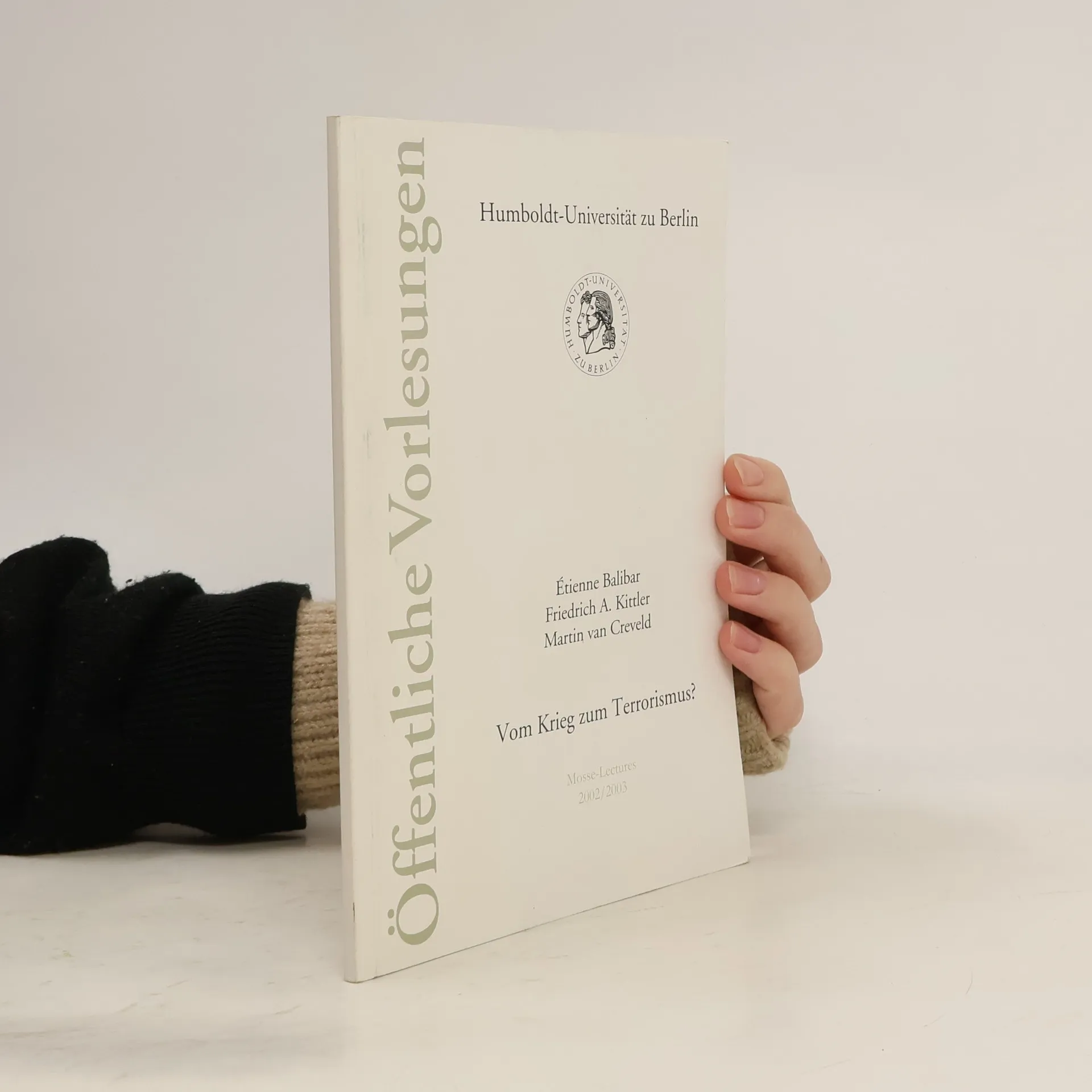
Vom Krieg zum Terrorismus?
- 76bladzijden
- 3 uur lezen
Násilí a civilita
- 256bladzijden
- 9 uur lezen
S knihou Násilí a civilita má český čtenář možnost poprvé se seznámit s myšlením Étienna Balibara, jednoho z nejvýznamnějších politických filosofů současnosti. Balibarovy texty obsažené v této publikaci lze charakterizovat jako originální pojednání o vztahu násilí a politiky ve filosofické tradici. Balibar se vrací ke kořenům politické filosofie v díle Hobbese a Hegela a zkoumá to, co označuje jako „konverzi násilí“, tedy schopnost přeměnit násilí na pozitivní a produktivní dějinnou sílu. Tohoto východiska využívá k formulaci své vlastní „topiky násilí“. V dialogu s Deleuzem, Foucaultem, Rancierem, Lacanem a dalšími pak autor rozvíjí šířeji koncipované úvahy o politických strategiích spojených s pojmem civilita. Násilí a civilita tak představuje v ucelené podobě vývoj Balibarova myšlení v posledních desetiletích a je zároveň důležitým příspěvkem k post-marxistické politické filosofii. České vydání knihy je významnou událostí i proto, že její autor výrazně přispěl a nadále přispívá k formování českého intelektuálního života. Balibar se od osmdesátých let podílí na činnosti pařížské Asociace Jana Husa a v současné době – po smrti Jacquesa Derridy – je jejím předsedou.
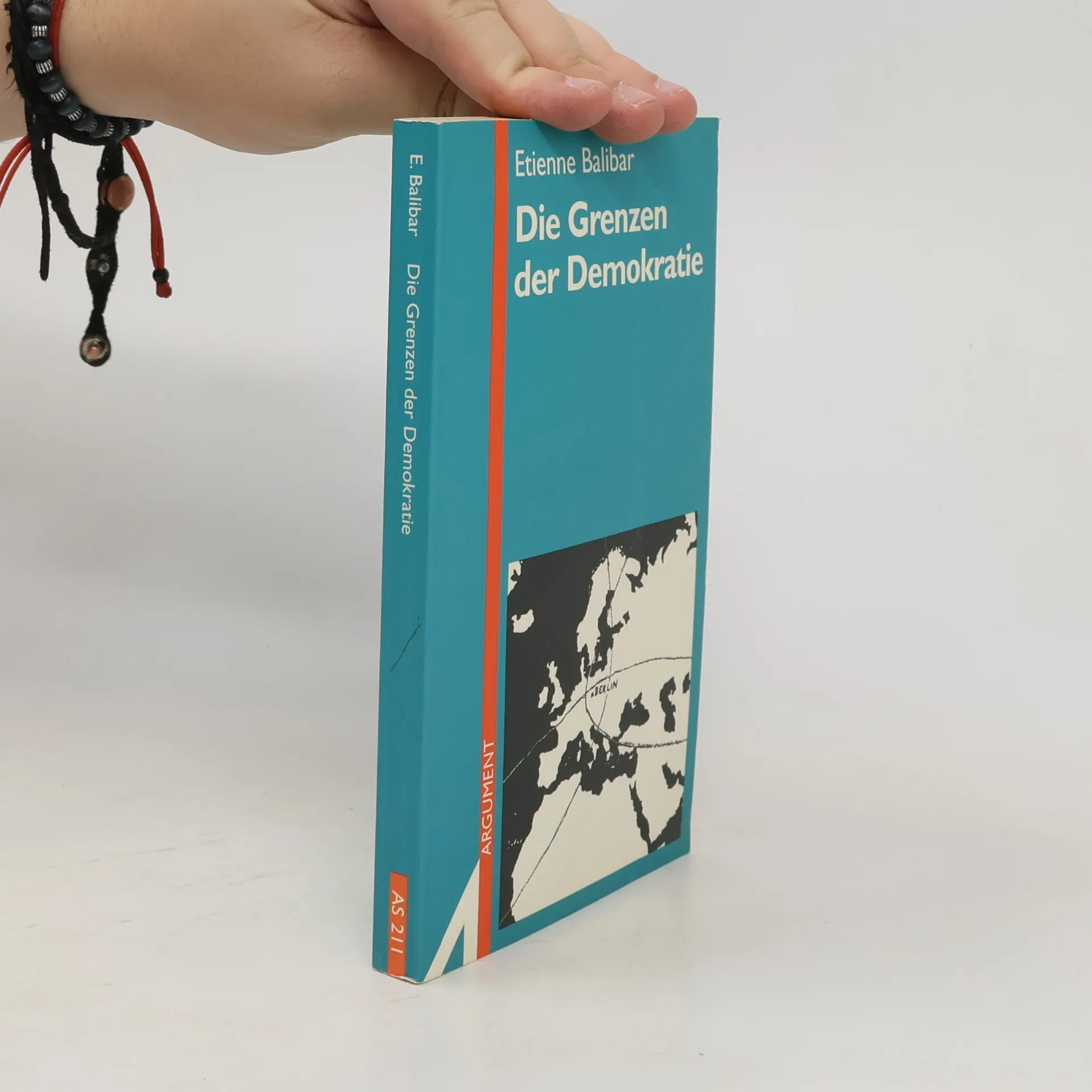
Die Grenzen der Demokratie
- 238bladzijden
- 9 uur lezen
Sind wir Bürger Europas?
- 290bladzijden
- 11 uur lezen
Die europäische Einigung lässt sich nicht dekretieren. Auch wenn der politische Fahrplan strikt eingehalten wird, machen sich ihre inneren Widersprüche bemerkbar – bis hin zu neuem Nationalismus und rassistischer Gewalt. Über diese Widersprüche des europäischen Einigungspozesses hat Étienne Balibar seit dem »Geschichtsbruch« 1989 geschrieben und Begriffe wie Nation, Staat und Volk analysiert. Als Philosoph hat Étienne Balibar keine politischen Lösungen zu bieten, aber er erkundet die Bedingungen der europäischen Einigung und wie sich unsere Europäisierung zur vielberedeten Globalisierung verhält. Seine an Hegel, Marx und Althusser geschulten Reflexionen drehen sich dabei zentral um die Frage der europäischen Staatsbürgerschaft.
Die Ungewissheit anthropologischer Differenzen wird von Étienne Balibar untersucht, wobei er auf die Schwierigkeiten hinweist, Menschen klar zu kategorisieren. Diese Differenzen, die oft institutionell festgeschrieben werden, sind nicht nur von Gewalt und Herrschaft geprägt, sondern auch entscheidend für Rassismus und emanzipatorische Politiken. Balibar hinterfragt, ob und wie wir uns von diesen Differenzen befreien oder durch sie definieren können. Durch die Analyse des menschlichen Unbehagens entwickelt er eine neue Philosophie und Anthropologie, die zum Nachdenken anregt.
Für Althusser
- 187bladzijden
- 7 uur lezen
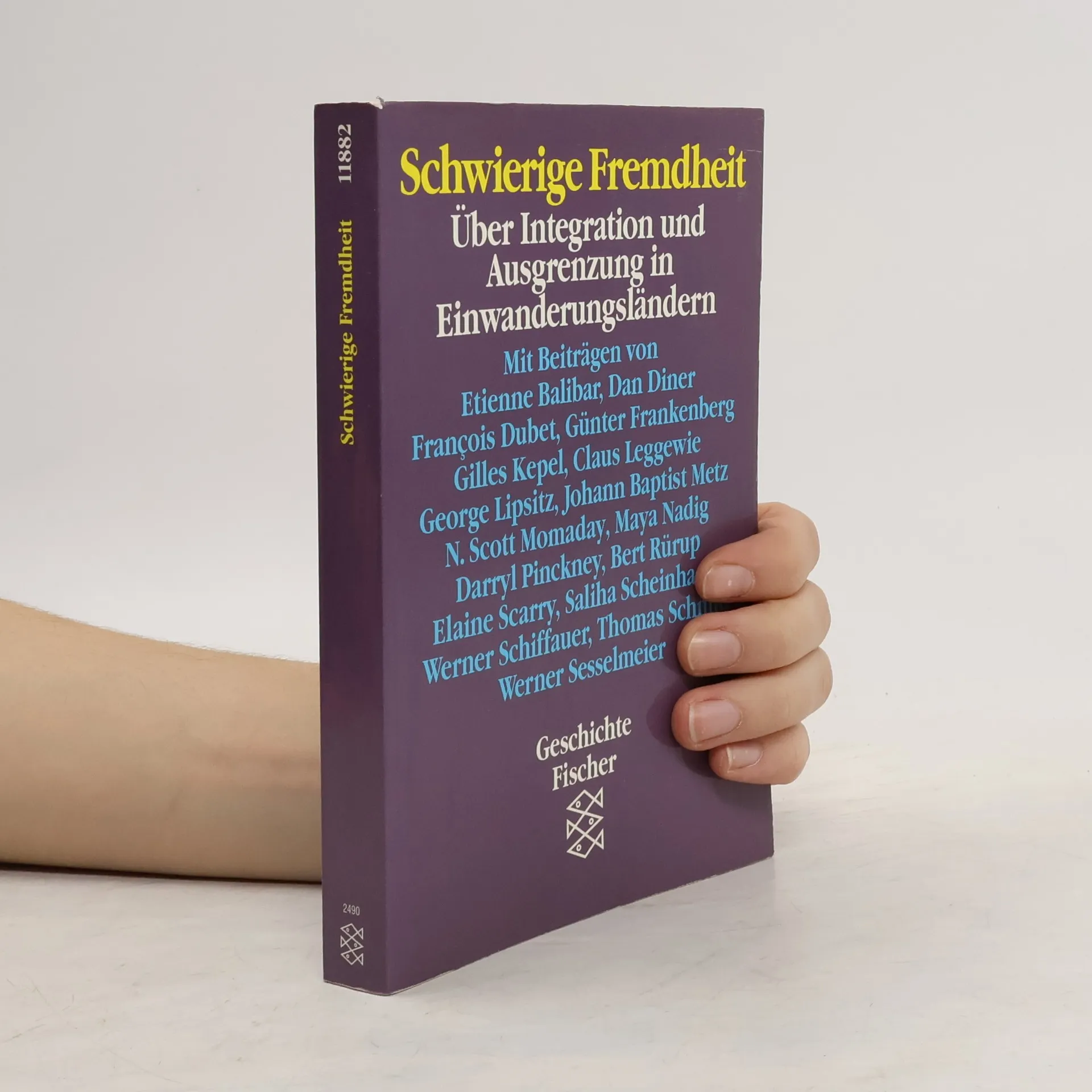
Schwierige Fremdheit
- 307bladzijden
- 11 uur lezen
Über die Diktatur des Proletariats
- 178bladzijden
- 7 uur lezen
Europa: Krise und Ende?
- 250bladzijden
- 9 uur lezen
Die Krisen In Europa überlagern sich – und sie sind auch Krisen der Europäischen Union: Von der Finanzkrise 2008 bis zur Krise der europäischen Institutionen angesichts der Flucht von immer mehr Menschen aus Krieg und Not „nach Europa“, von der zunehmenden neoliberalen Verengung der Weiterentwicklung der EU bis zur Bedrohung gerade Europas durch den Terror des sog. „Islamischen Staates“ steht die EU vor ungelösten und offenbar schwer lösbaren Herausforderungen. Étienne Balibar hat sich im Ausgang von dem Kreis um Louis Althusser zu einem der führenden Vertreter einer wirklich politischen Philosophie entwickelt – und spitzt in diesem Band sein eingreifendes Denken in Bezug auf diese Krise Europas auf die zentrale Frage zu: Wie kann diese Krise zum Ausgangspunkt eines demokratischen Neubeginns der europäischen Politik gemacht werden? Also im Rahmen einer Politik, die nicht länger „von oben“ dekretiert wird und etwa den von Syriza vertretenen Forderungen der Mehrheit der Griechen bloße Nichtachtung entgegenbringt, sondern eine reale Hoffnung auf eine alternative Entwicklung Europas begründet. Balibars Beiträge eröffnen eine realitätstüchtige Perspektive.
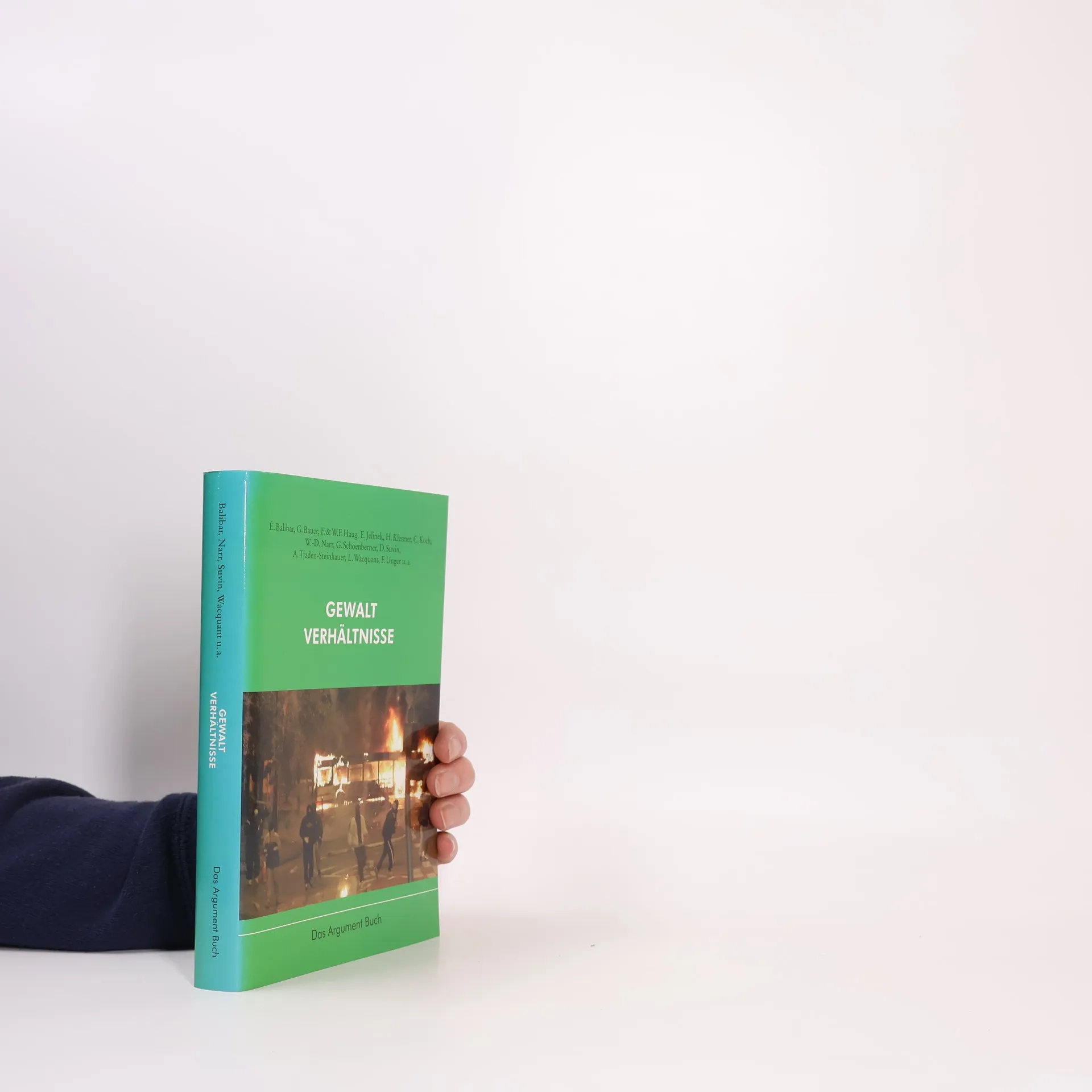
Gewalt Verhältnisse
- 296bladzijden
- 11 uur lezen