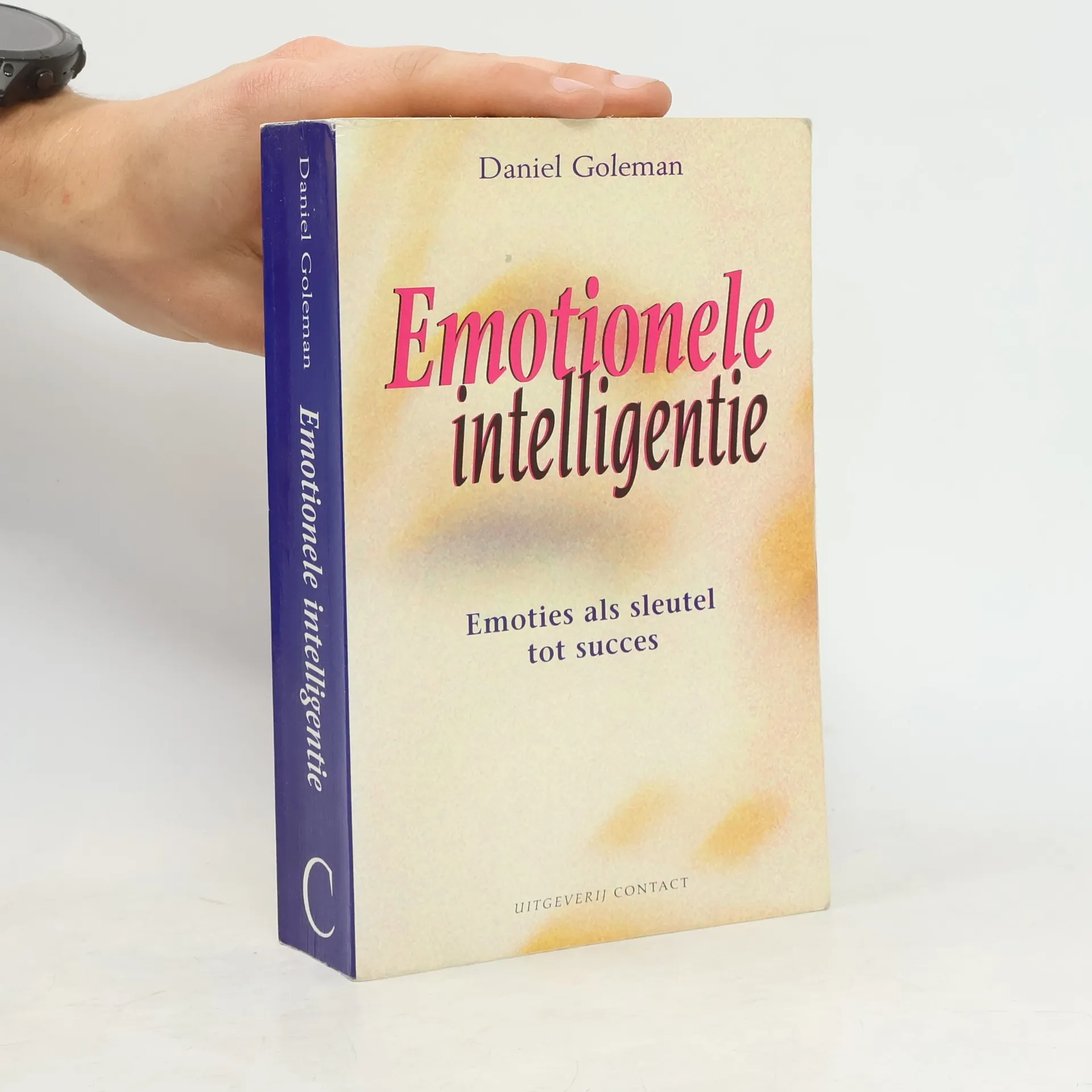
Studie over het belang van emotionele vaardigheden als doorslaggevende factor voor succes in werk en relaties.
Daniel Goleman Boeken
17 maart 1946
Daniel Goleman, een psycholoog, heeft ons begrip van onderwijs, relaties en bedrijfspraktijken fundamenteel hervormd door zijn baanbrekende werk op het gebied van emotionele intelligentie. Zijn invloed heeft zich uitgebreid tot de zakenwereld, waar hij werd erkend als een van de meest invloedrijke denkers. Golemans geschriften duiken in hoe aandacht, zelfbewustzijn en empathie onze persoonlijke en professionele levens vormgeven, wat essentieel blijkt voor het bereiken van uitmuntendheid en effectief leiderschap.



DE ESSENTIE: HET HEEFT GEEN ZIN OM IN JE EENTJE SLIM TE ZIJN. HOE JE JE TEN OPZICHTE VAN ANDEREN GEDRAAGT, IS MINSTENS ZO BELANGRIJK VOOR SUCCES EN DE ERVARING VAN GELUK. Sociale intelligentie is een belangrijk boek: het laat ons zien hoe we beter in onze omgeving kunnen functioneren. Net als in zijn wereldwijde bestseller Emotionele Intelligentie herdefinieert Daniel Goleman in dit boek de betekenis van intelligentie en maatschappelijk succes.
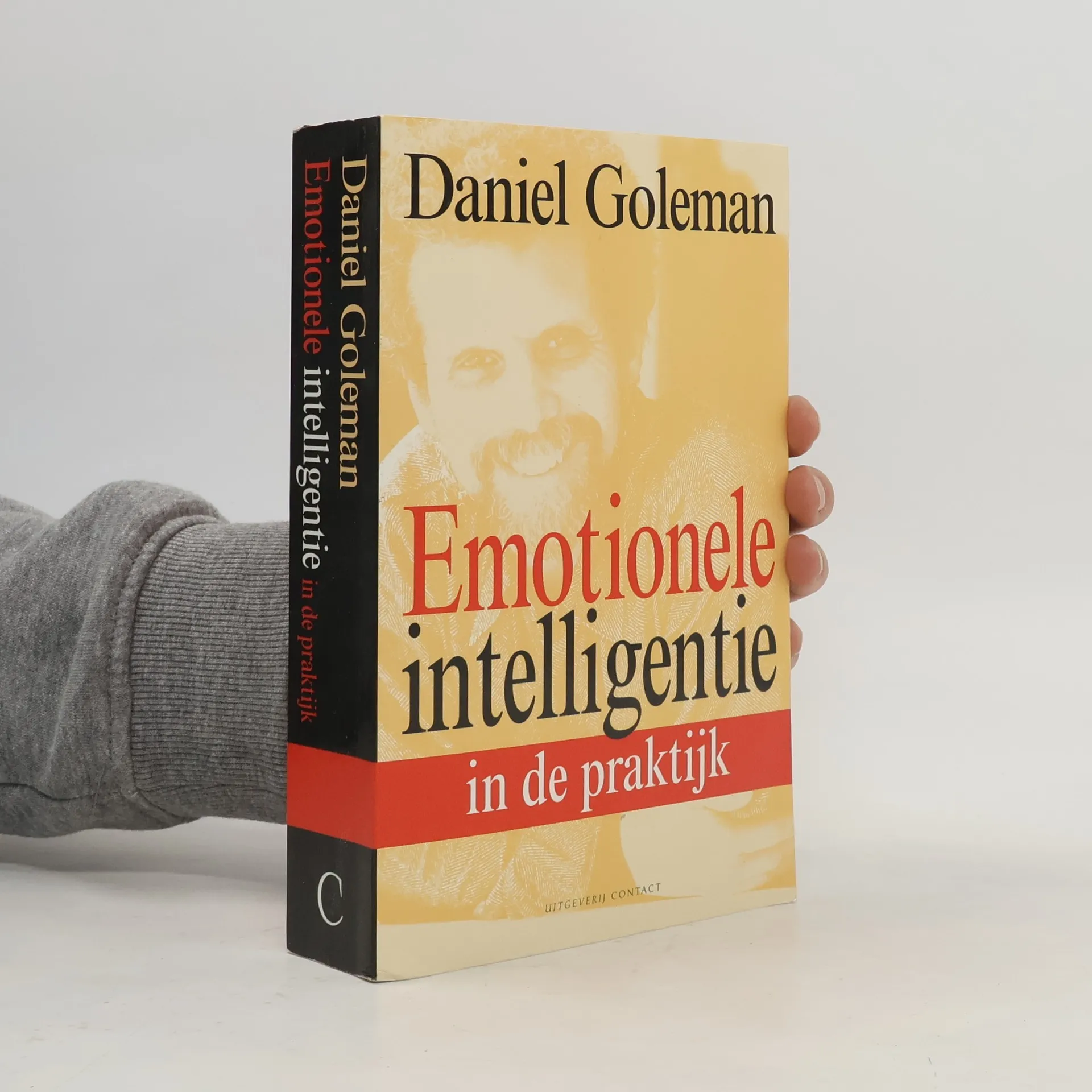
Emotionele intelligentie in de praktijk
- 479bladzijden
- 17 uur lezen
Heb je wat nodig is om succesvol te zijn in je carrière? De sleutel tot succes gaat verder dan traditionele opleiding en ervaring. Emotionele intelligentie (EI) is de meest cruciale factor voor werkprestaties en carrièreontwikkeling, en overtreft IQ en technische vaardigheden. Deze praktische gids identificeert en legt de essentiële EI-vaardigheden uit die iedereen kan ontwikkelen. Voor leiders is EI verantwoordelijk voor bijna 90 procent van wat topperformers onderscheidt van de rest. Goleman benadrukt het belang ervan voor het behoud van succes in verschillende sectoren, waaronder de hightechindustrie. Organisaties die emotionele intelligentie omarmen, zullen gedijen in de competitieve markt van vandaag. Grondig onderzocht en boeiend geschreven, zit dit boek vol met overtuigende casestudy's van successen en mislukkingen. Goleman onthult, met uitgebreide toegang tot wereldwijde bedrijfsleiders en onderzoek van meer dan 500 organisaties, dat emotionele intelligentie twee keer zo invloedrijk is als IQ of technische kennis bij het bepalen van sterprestaties. Lezers leren hoe ze emotionele competentie kunnen cultiveren en ontdekken vijf belangrijke vaardigheden die van invloed zijn op aanwervings- en ontslagbeslissingen in toonaangevende bedrijven. Goleman biedt ook strategieën voor het bevorderen van een "emotioneel intelligente organisatie," waardoor deze gids essentieel is voor iedereen, van managers tot CEO's.
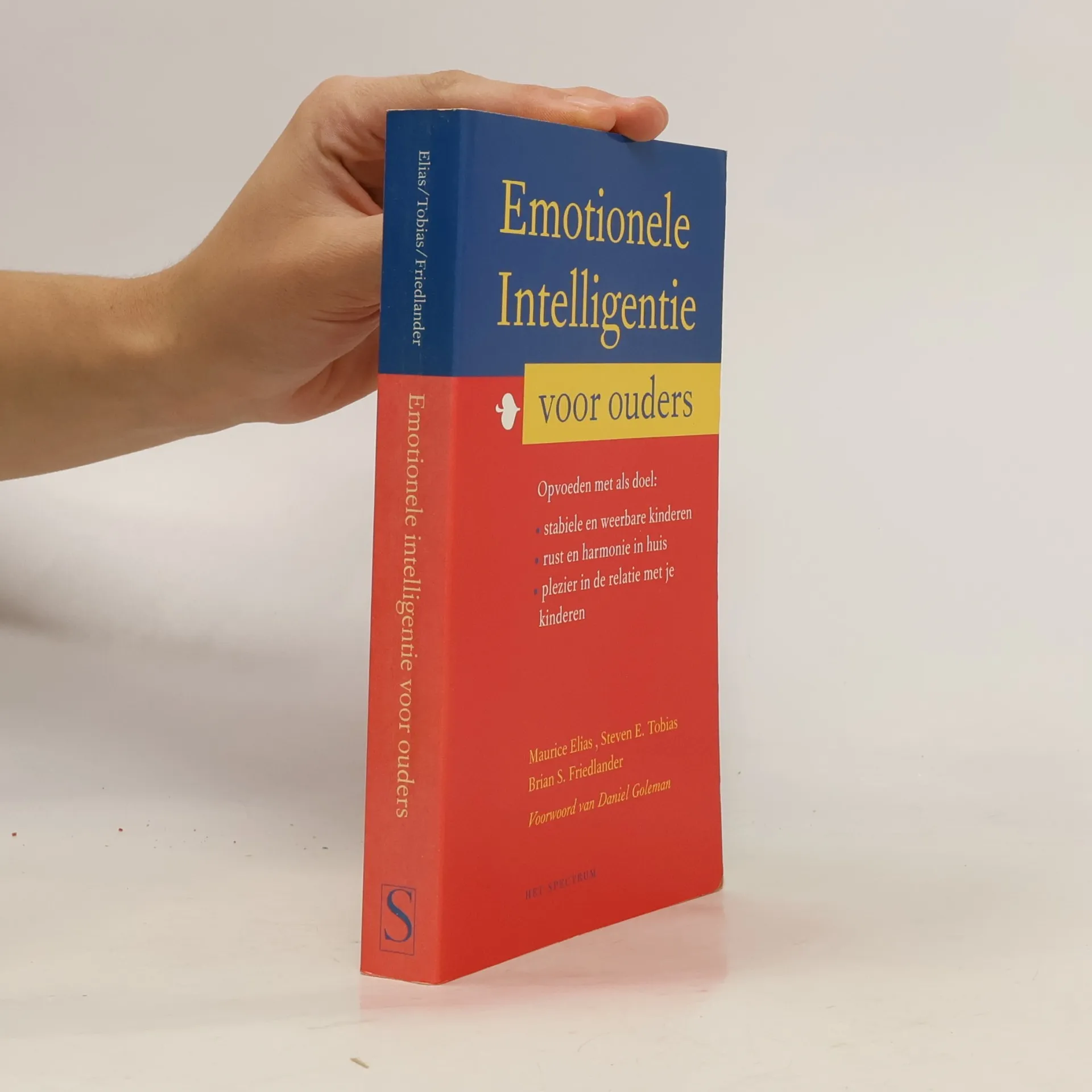
Emotionele intelligentie voor ouders
Opvoeden met als doel: stabiele en weerbare kinderen, rust en harmonie in huis, plezier in de relatie met je kinderen
- 260bladzijden
- 10 uur lezen
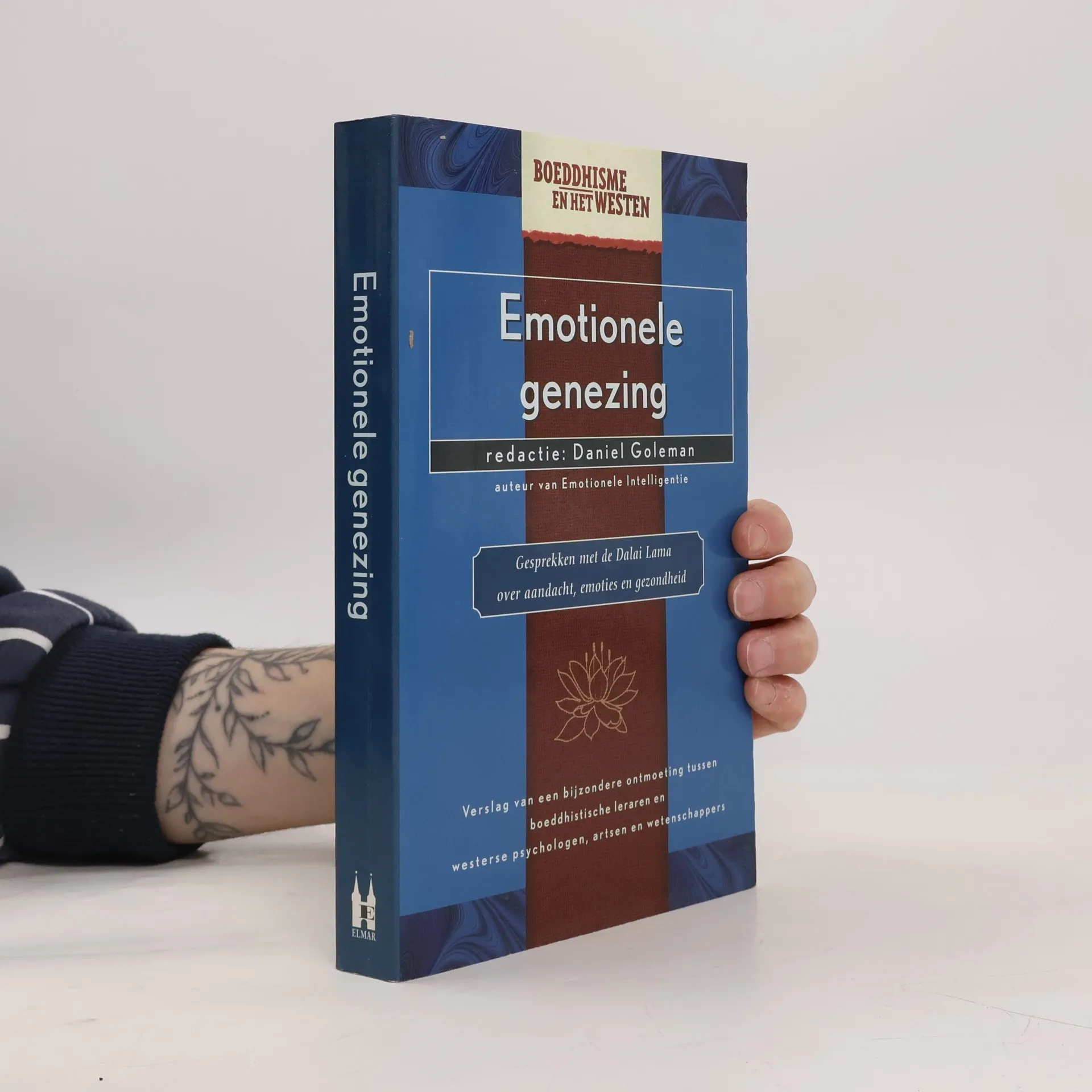
Emotionele genezing
Gesprekken met de Dalai Lama over aandacht, emoties en gezondheid
- 272bladzijden
- 10 uur lezen
A Force for Good
- 256bladzijden
- 9 uur lezen
For over fifty years, the Dalai Lama has guided us towards compassion and inner peace through his writings. In collaboration with Daniel Goleman, he explores how to channel our compassionate energy outward to create positive change in the world. This inspiring work offers a vision for practical transformation, blending the Dalai Lama's teachings with empirical evidence and real-life examples of individuals implementing his ideas. He addresses pressing social issues, advocating for compassion as a powerful force against corruption, bias, and violence. By focusing on our impact on the systems that sustain life, he encourages transparency, accountability, and the creation of equitable economic frameworks. The Dalai Lama's insights into empathy, self-mastery, and ethics in education are especially relevant today. He emphasizes that every act of compassion, no matter how small, contributes to a more peaceful and harmonious world. This book serves as a motivational guide for anyone seeking to make a difference, showcasing the Dalai Lama as not just a spiritual leader but also a futurist with a deep understanding of contemporary challenges. It is a compelling call to action for individuals to engage in meaningful change, making it one of the most significant works from this influential figure.
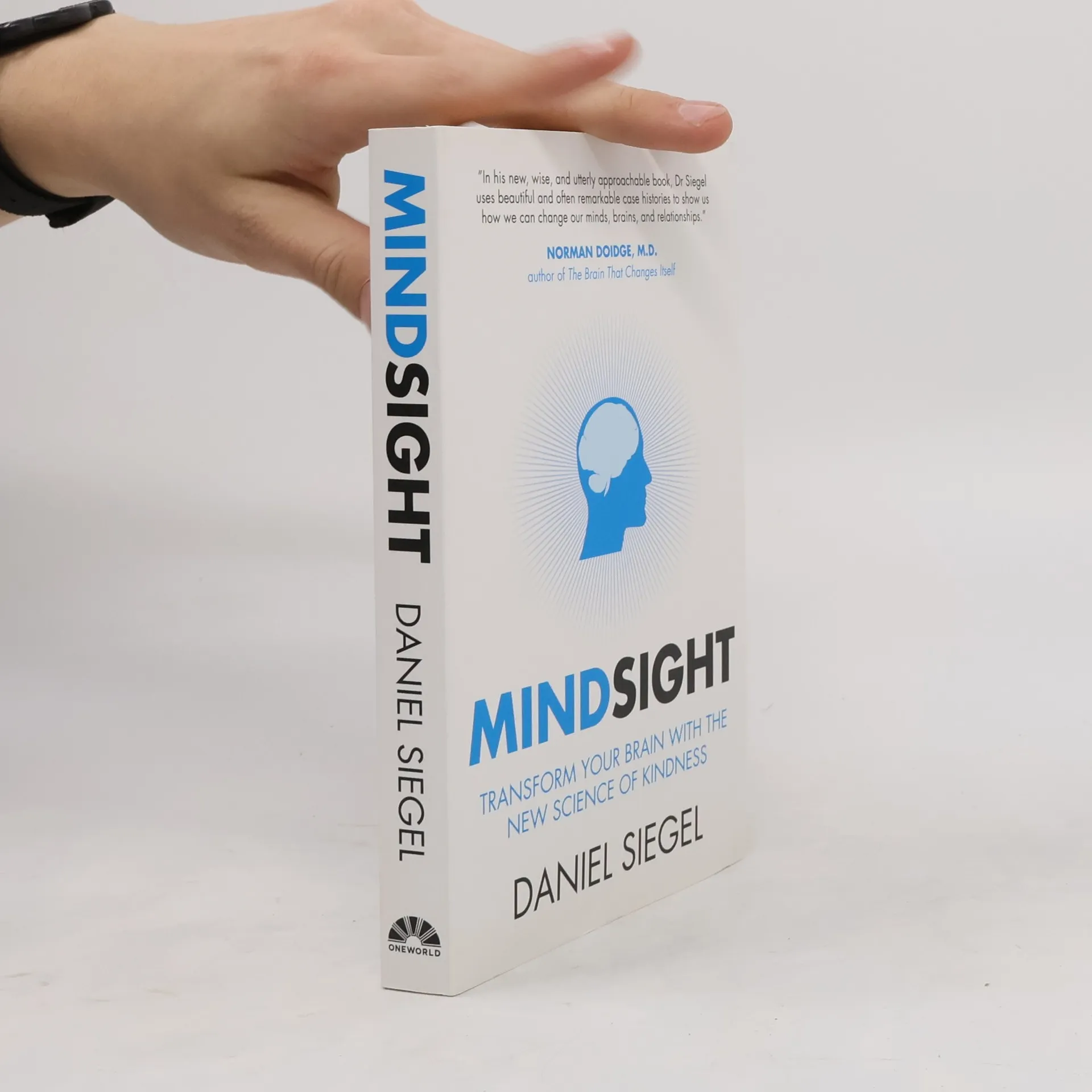
Mindsight
- 336bladzijden
- 12 uur lezen
Daniel Siegel coined the term 'mindsight' to describe the innovative integration of brain science with the practice of psychotherapy. Using interactive examples and case histories from his clinical practice, Dr Siegel shows how mindsight can be applied to alleviate a range of psychological and interpersonal problems. With warmth and humour, he shows us how to observe the working of our minds, allowing us to understand why we think, feel, and act the way we do, and how, by following the proper steps, we can literally change the wiring and architecture of our brains.
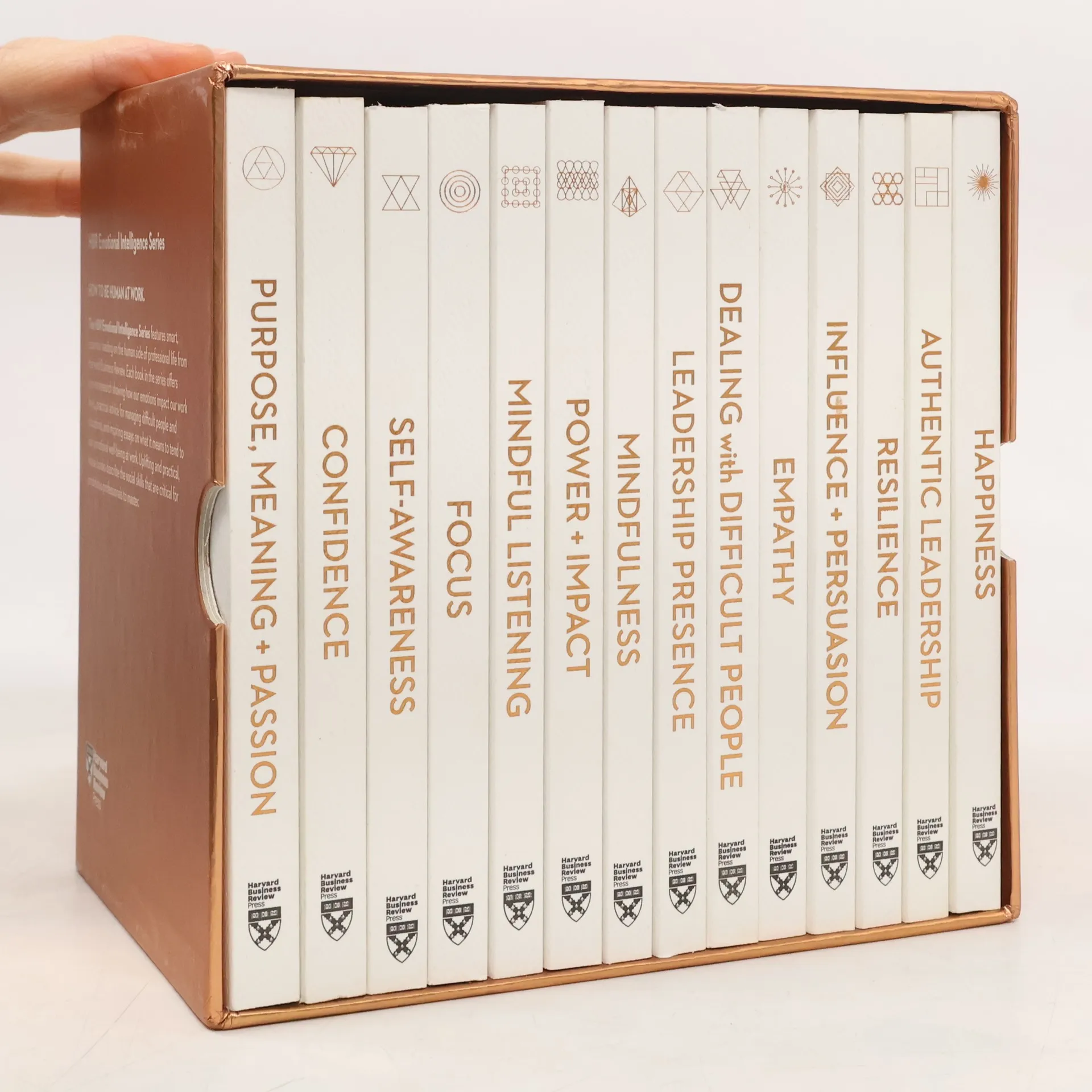
HBR Emotional Intelligence Ultimate Boxed Set (14 Books) (HBR Emotional Intelligence Series)
- 2320bladzijden
- 82 uur lezen
How to be human at work. HBR's Emotional Intelligence Series features smart, essential reading on the human side of professional life from the pages of Harvard Business Review . Each book in the series offers proven research showing how our emotions impact our work lives, practical advice for managing difficult people and situations, and inspiring essays on what it means to tend to our emotional well-being at work. Uplifting and practical, these books describe the social skills that are critical for ambitious professionals to master. This specially priced 14-volume set includes every book in the
Everyday Emotional Intelligence
- 384bladzijden
- 14 uur lezen
Fundamental frameworks for emotional intelligence and how to apply them every day. According to research by Daniel Goleman, emotional intelligence has proved to be twice as important as other competencies in determining outstanding leadership. It is now one of the crucial criteria in hiring and promotion processes, performance evaluations, and professional development courses. And it's not innate--it's a skill that all of us can improve. With this double volume you'll get HBR's 10 Must Reads on Emotional Intelligence and the HBR Guide to Emotional Intelligence. That's 10 definitive HBR articles on emotional intelligence by Goleman and other leaders in the field, curated by our editors--paired with smart, focused advice from HBR experts about how to implement those ideas in your daily work life. With Everyday Emotional Intelligence, you'll learn how to: Recognize your own EQ strengths and weaknesses Regulate your emotions in tough situations Manage difficult people Build the social awareness of your team Motivate yourself through ups and downs Write forceful emails people won't misinterpret Make better, less emotionally biased decisions Help an employee develop emotional intelligence Handle specific situations like crying at work and tense communications across different cultures
Raising An Emotionally Intelligent Child
- 240bladzijden
- 9 uur lezen
Discusses a five-step program for parents to use when teaching their children to acknowledge and master their emotions.
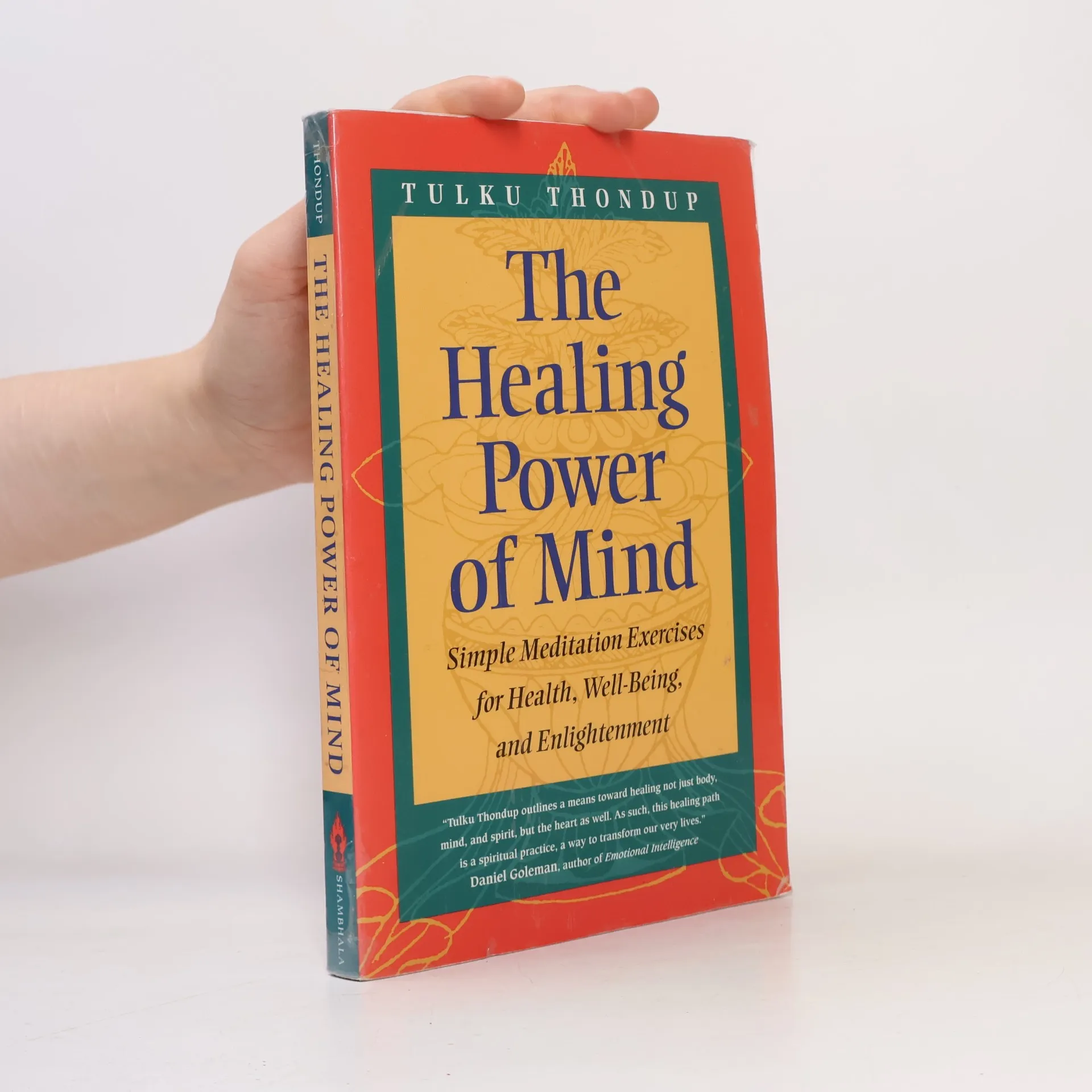
The Healing Power of Mind
Simple Meditation Exercises for Health, Well-Being, and Enlightenment
"Our minds possess the power to heal pain and stress, and to blossom into peace and joy, by loosening the clinging attitudes that Buddhists call "grasping at self." If we apply the mind's healing power, we can heal not only our mental and emotional afflictions, but physical problems also.".
Destructive Emotions
- 448bladzijden
- 16 uur lezen
This rich exchange between East and West, spirit and science examines such questions as why seemingly rational people commit acts of cruelty and violence, what are the root causes of destructive behavior, and whether we can learn to control the emotions that drive these impulses
HBR's 10 Must Reads for Executive Teams
- 192bladzijden
- 7 uur lezen
Effective executive leadership requires collaboration, strategic decision-making, and fostering a positive organizational culture. This collection features ten pivotal Harvard Business Review articles that offer insights on assembling diverse teams, navigating change, and enhancing innovation. Topics include avoiding decision-making pitfalls, nurturing talent, and creating a corporate culture that thrives on diversity. Aimed at both new and seasoned leaders, this compilation provides timeless strategies to inspire growth and achieve competitive advantage in a dynamic business landscape.
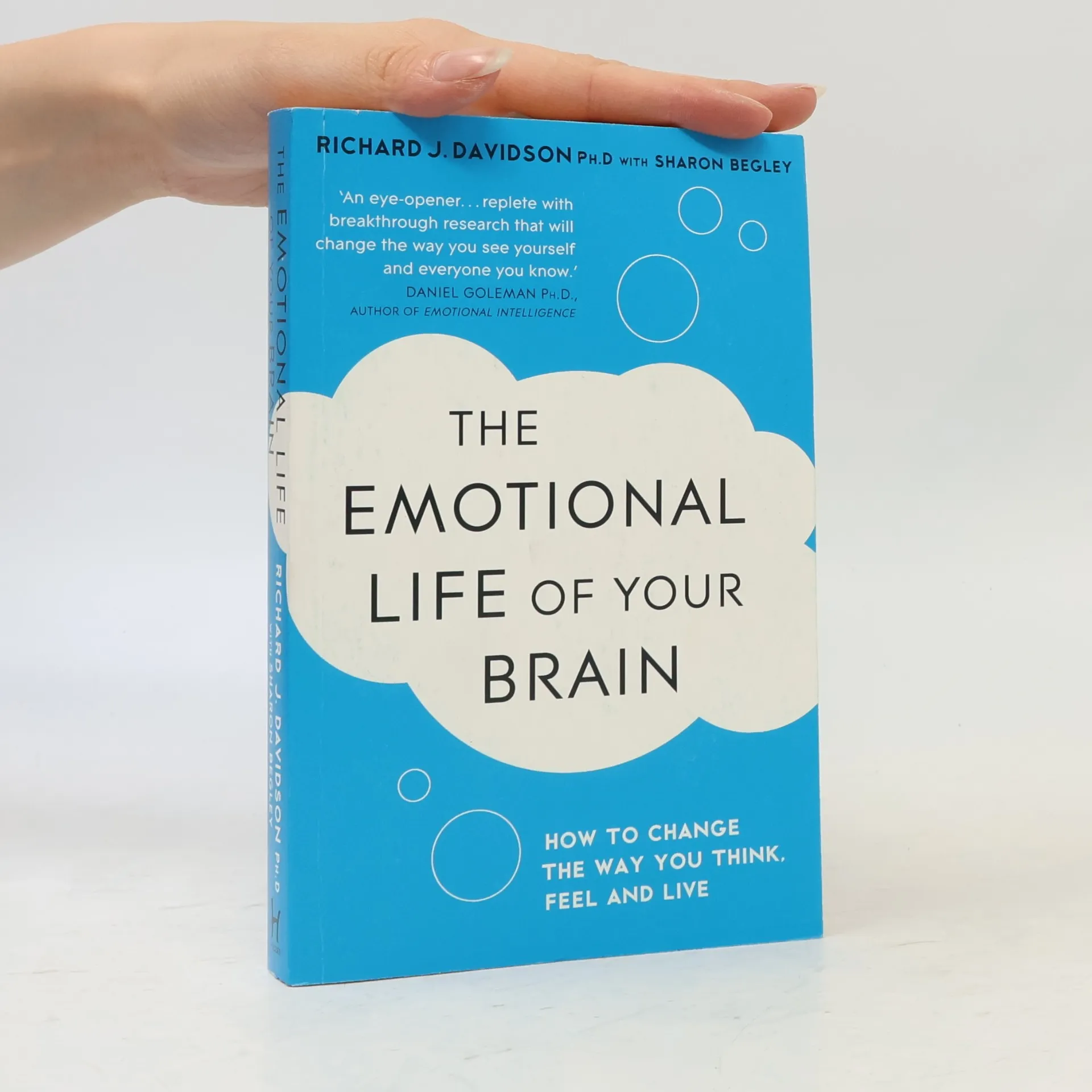
The Emotional Life of Your Brain
How Its Unique Patterns Affect the Way You Think, Feel, and Live
- 279bladzijden
- 10 uur lezen
How to retrain our brain to improve our emotional behaviour by pioneering neuroscientist
De mindfulnesscursus Search Inside Yourself van Chade-Meng Tan draagt bij aan succes en geluk. Het programma verhoogt je emotionele intelligentie en verbetert de productiviteit. Meng toont hoe je beter kunt omgaan met deadlines en stress, en aandacht aan anderen en jezelf kunt geven. Een praktisch boek voor thuis en voor op je werk. Meng ontwikkelde zijn cursus voor zijn collega's bij Google. Medewerkers mogen twintig procent van hun tijd besteden aan projecten buiten hun functie, om creativiteit en innovatie te stimuleren. Ontdek nu zelf hoe je succes en geluk kunt bereiken. Als één van de eerste werknemers van Google groeide hij uit tot 'Jolly Good Fellow', de hoogst haalbare functie. Hij is met zijn team genomineerd voor de Nobelprijs voor de Vrede 2015. Meng inspireerde onder anderen Barack Obama, Lady Gaga, de Dalai Lama en Hillary Clinton.
The gold standard of business information for the twenty-first century, this resource offers inspiration and insight through original essays from over 150 renowned business thinkers, leaders, and practitioners, including Charles Handy, Warren Bennis, and Jim Collins. With an unprecedented scope of 2.5 million words and 2,200 pages, it covers all significant areas in management. A key feature is an authoritative world almanac with 26 industry sector surveys and profiles of 150 countries and all U.S. states. Engaging biographies of influential management thinkers, from Adam Smith to Estée Lauder, provide both information and entertainment, while summaries of the 70 most influential business books are sure to provoke discussion. Additionally, it includes a comprehensive dictionary, an anthology of quotations, and an extensive source section covering nearly 200 topics, from accounting to team building. Guided by a distinguished team of editors and advisors, this resource equips professionals with the tools to learn from the past and prepare for the future. It is the first comprehensive resource on business and management, featuring original essays, profiles of top thinkers, a management library, indispensable checklists, a world business almanac, and a dictionary of 5,000 business terms.
The Meditative Mind
- 240bladzijden
- 9 uur lezen
The Meditative Mind is an essential Baedeker - a traveler's guide to the topography of the spirit - for every spiritual seeker. For the beginning meditator, the book provides a comprehensive, accessible overview of the different kinds of meditation, from Hindu, Buddhist, Sufi, Jewish, and Christian to Transcendental, Tantric, Kundalini, Tibetan Buddhist, Zen, and those developed by Gurdjieff and Krishnamurti, and introduces the reader to the basic elements of their practice. For the experienced meditator, Goleman explores the distinct levels of consciousness developed as a result of long-term application.
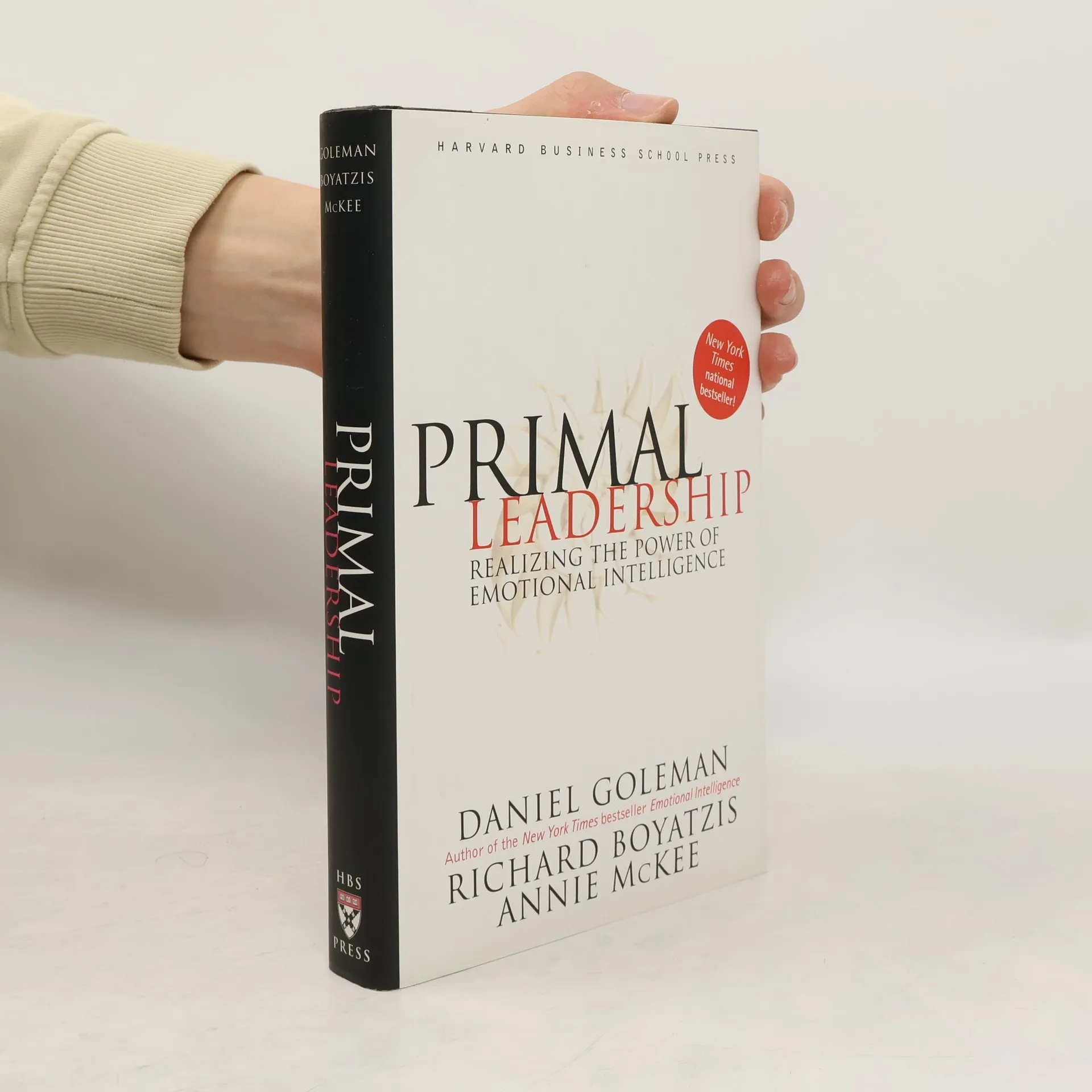
Primal Leadership: Realizing the power of emotional intelligence
- 352bladzijden
- 13 uur lezen
Just as Goleman's first book redefined intelligence, his new treatise ... reassesses what makes a great leader."--"Time" magazine. "Daniel Goleman has done it again! ... a fascinating account of how emotions are at the heart of effective leadership. This book is a gem."--David Gergen, Director, Center for Public Leadership, John F. Kennedy School, Harvard University. Drawing from decades of research within world-class organizations, the authors show that great leaders - whether CEOs or managers, coaches or politicians - excel not just through skill and smarts, but by connecting with others using Emotional Intelligence competencies like empathy and self-awareness. The best leaders, they show, have "resonance"-a powerful ability to drive emotions in a positive direction to get results-and can fluidly interchange among a variety of leadership styles as the situation demands. Groundbreaking and timely, this book reveals the new requirements of successful leadership
HBR's 10 Must Reads on Strengthening Your Soft Skills
- 160bladzijden
- 6 uur lezen
To become a great leader, develop your soft skills. If you read nothing else on developing your soft skills and people skills, read these 10 articles. We've combed through hundreds of Harvard Business Review articles and selected the most important ones to help you identify your social and emotional strengths and weaknesses, approach them with a growth and learning mindset, and become a more effective leader today. This book will inspire you to: Systematically improve your social skills Influence with and without authority Listen to build consensus Develop your leadership presence Present and communicate more effectively Focus your attention inward and outward HBR's 10 Must Reads paperback series is the definitive collection of books for new and experienced leaders alike. Leaders looking for the inspiration that big ideas provide, both to accelerate their own growth and that of their companies, should look no further. HBR's 10 Must Reads series focuses on the core topics that every ambitious manager needs to know: leadership, strategy, change, managing people, and managing yourself. Harvard Business Review has sorted through hundreds of articles and selected only the most essential reading on each topic. Each title includes timeless advice that will be relevant regardless of an ever‐changing business environment.
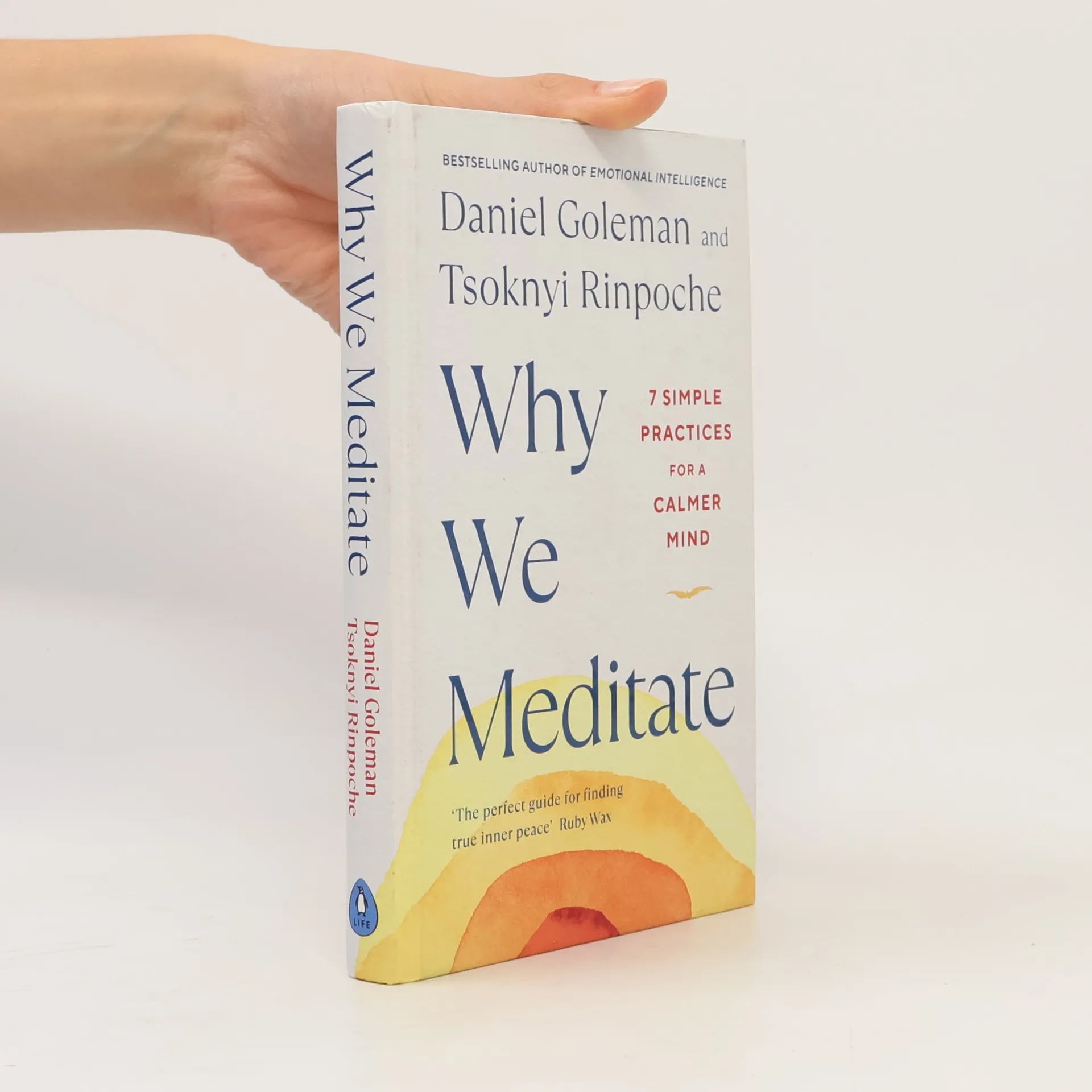
Why We Meditate
- 224bladzijden
- 8 uur lezen
'The one meditation tactic that will get you through the toughest times' Oprah Daily Overcome negative thoughts and develop a positive mindset this January with these meditation practices proven by neuroscientific research. In this modern digital age, many of us feel overwhelmed, panicked and short on time. The practice of meditation is an ancient and scientifically proven antidote to that frenzied feeling. Combining scientific expertise and spiritual wisdom, this is a practical guide on how it can help you feel calm and in control. With chapters on Breathing, Compassion and Worry, it is full of empirically proven and easy-to-follow exercises that will help you tackle mental obstacles, including issues such as self-doubt and negative thought patterns. This is a fresh perspective on meditation that will uplift and soothe your mind, whether you're new to it or not. FROM THE AUTHOR OF THE INTERNATIONAL BESTSELLER EMOTIONAL INTELLIGENCE, DANIEL GOLEMAN 'The perfect guide for finding true inner peace' Ruby Wax
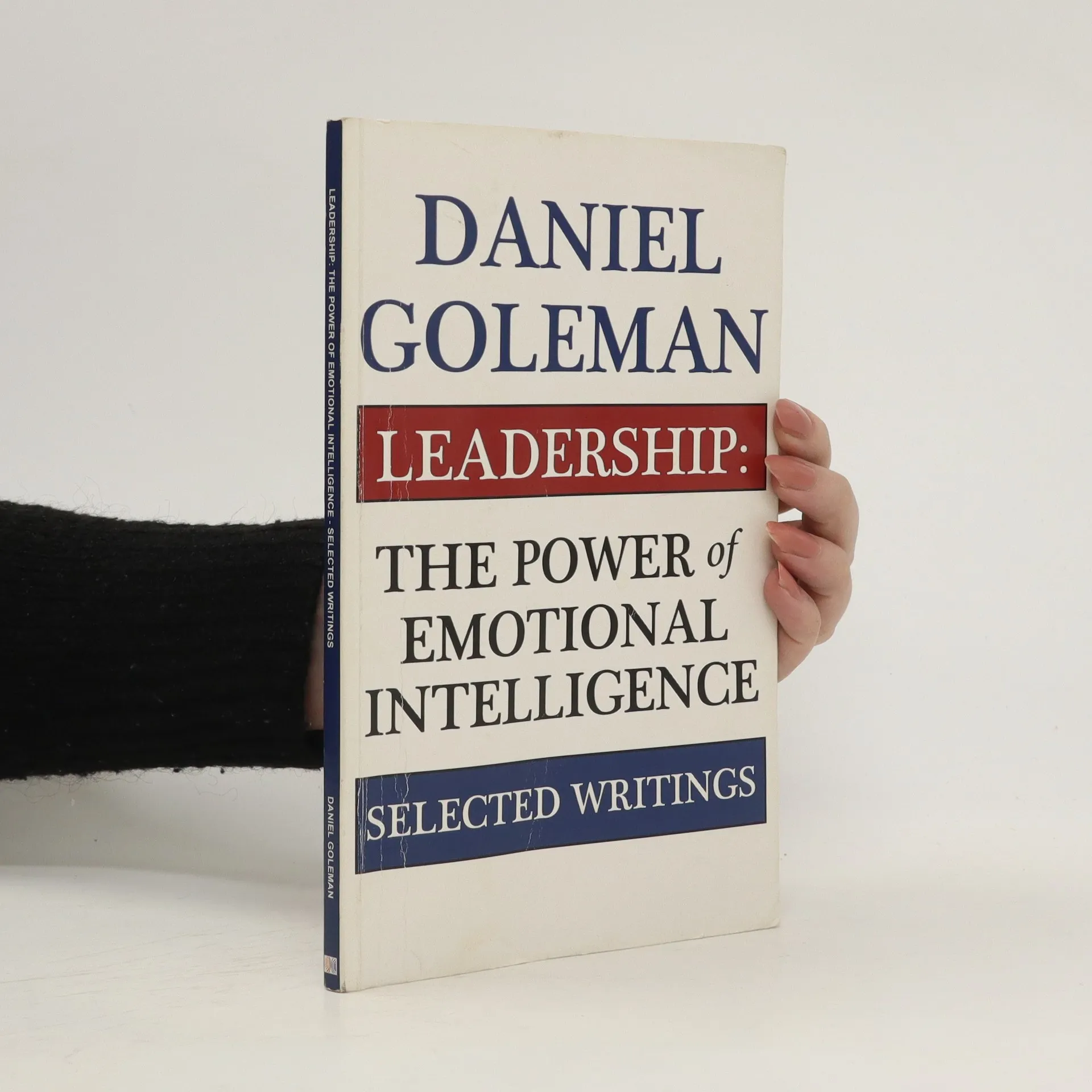
Leadership : the power of emotional intelligence
- 117bladzijden
- 5 uur lezen
This book is Daniel Goleman's first comprehensive collection of his key findings on leadership. This often-cited, proven-effective material will help develop stellar management, performance, and innovation. The collection makes available his most sought-after writings in one single volume, to illustrate EI's positive impact on personal and organizational excellence
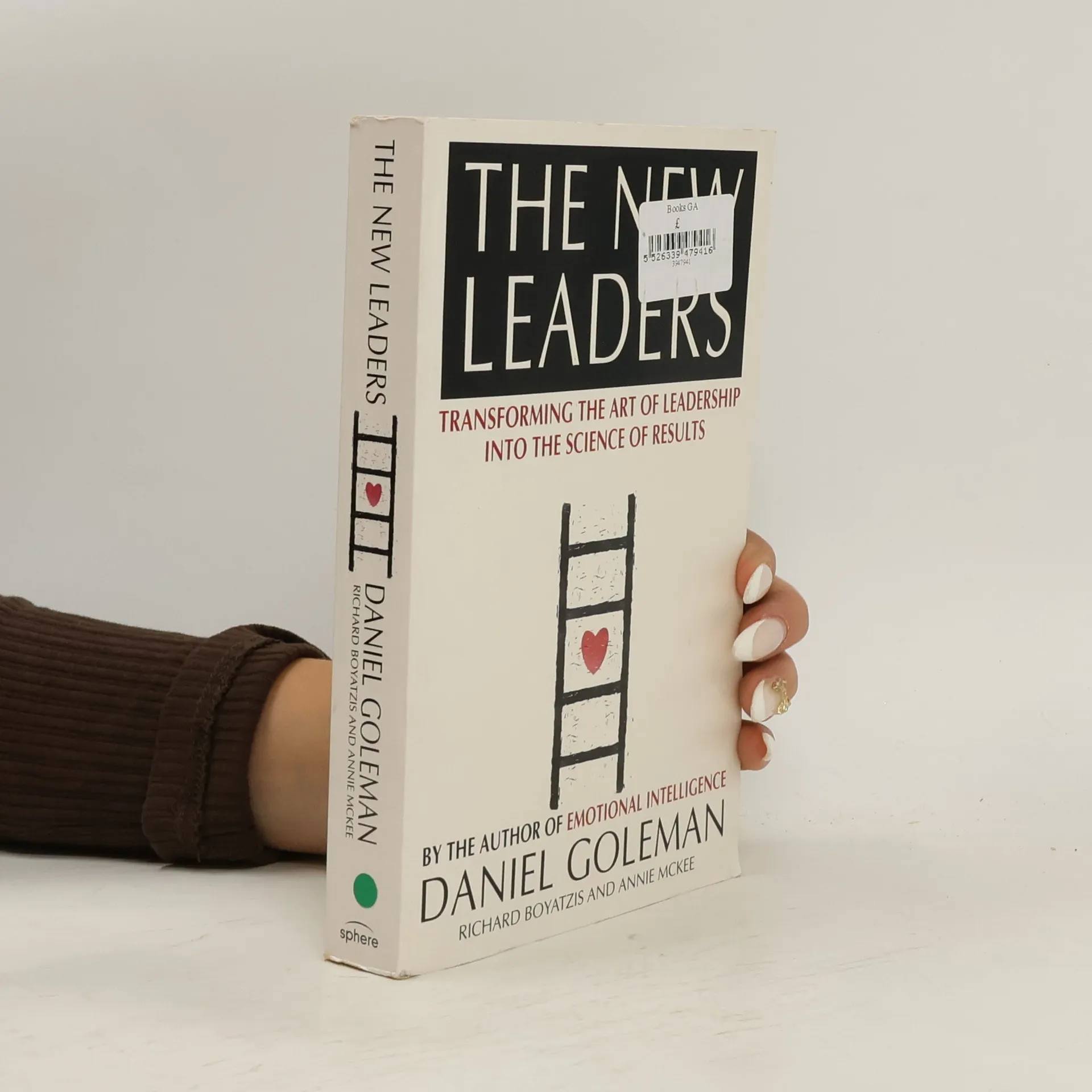
The New Leaders
- 336bladzijden
- 12 uur lezen
As business reinvents itself at broadband speed, what makes leaders effective has inevitably been transformed. Old assumptions and old modes no longer hold; a new style of leadership that works has emerged amidst the chaos of change. This new leader excels in the art of relationship, the singular expertise which the changing business climate renders indispensable. Excellence is being defined in interpersonal terms as companies have stripped out layers of managers, as corporations merge across national boundaries, and as customers and suppliers redefine the web of connection. Bestselling author Daniel Goleman argues that emotionally intelligent leaders are now 'must-haves' for business today. But many readers have been left with, So now what do I do? The New Leaders answers that question by laying out the map for transforming leadership in individuals, in teams and organisations.
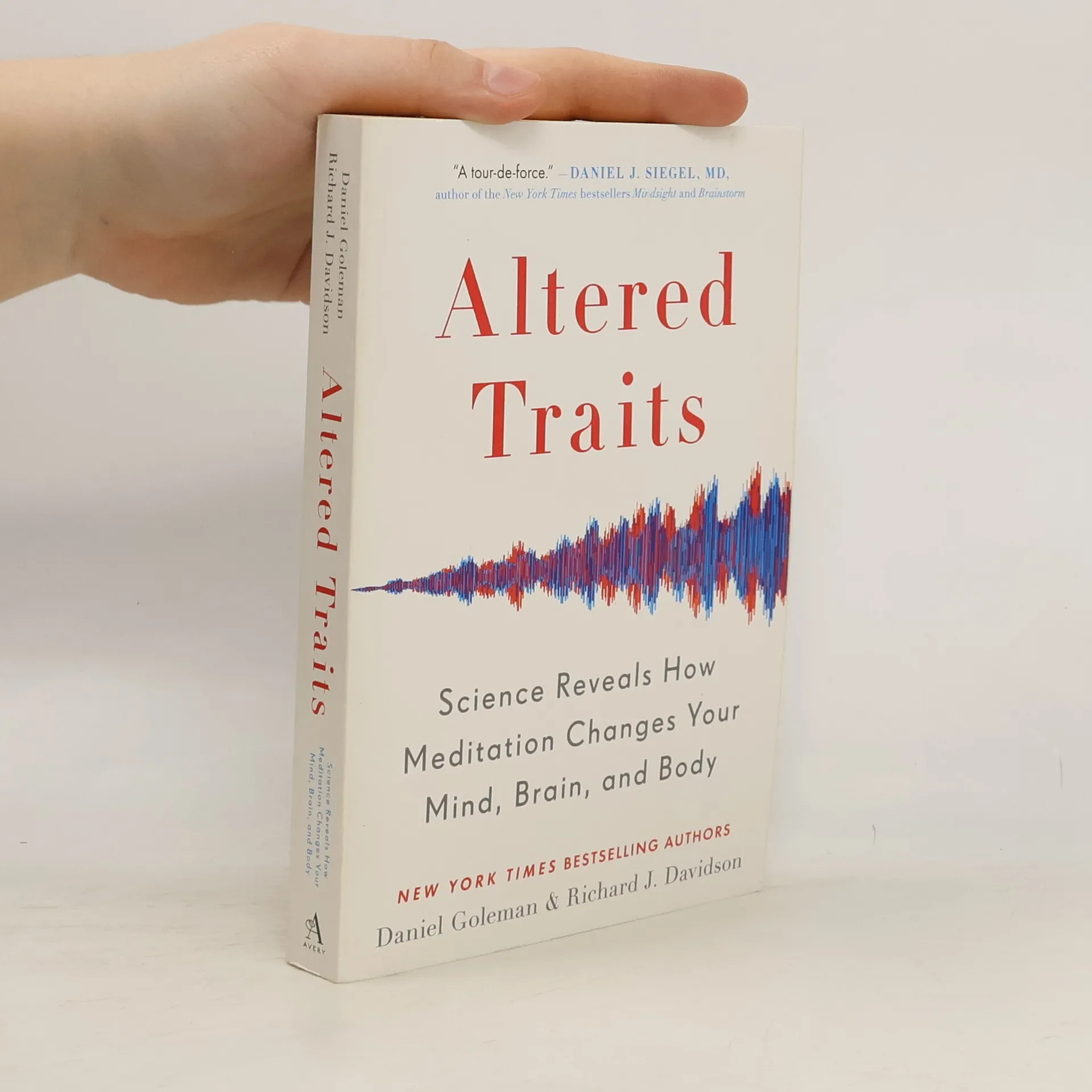
Altered traits: Science reveals how meditation changes your mind, brain, and body
- 336bladzijden
- 12 uur lezen
Sweeps away the misconceptions around mindfulness and other forms of meditation, showing how smart practice can change our personal traits and even our genome for the better. Goleman and Davidson reveal what we can learn from a one-of-a-kind data pool that includes world-class meditators. They share for the first time findings that show how meditation--without drugs or high expense--can cultivate qualities such as selflessness, equanimity, love and compassion, and redesign our neural circuitry
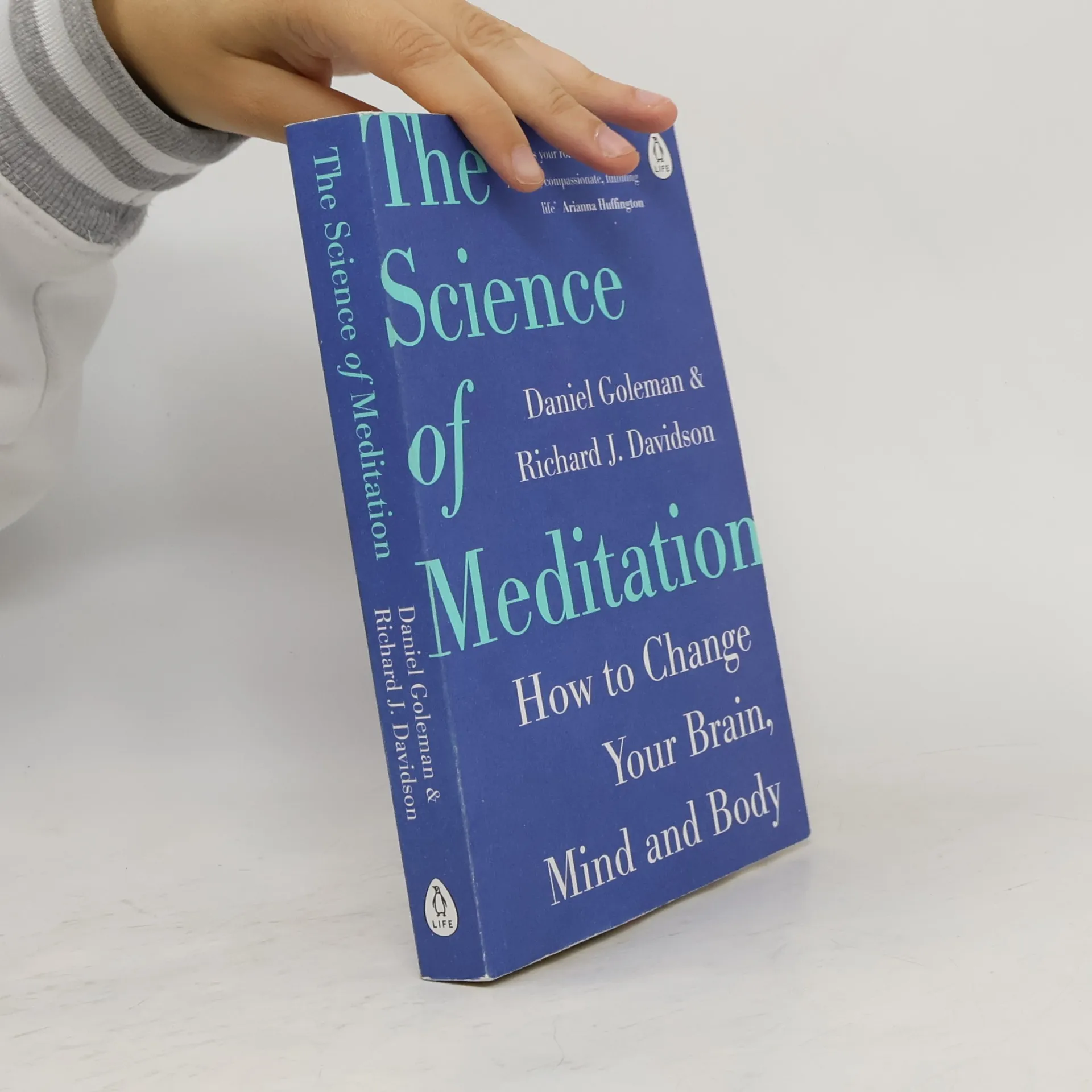
The Science of Meditation
- 336bladzijden
- 12 uur lezen
Drawing on cutting-edge research, friends and Harvard collaborators Daniel Goleman and Richard Davidson expertly reveal what we can learn from a one-of-a-kind data pool that includes world-class meditators. They share for the first time remarkable findings that show how meditation - without drugs or high expense - can cultivate qualities such as selflessness, equanimity, love and compassion, and redesign our neural circuitry. Demonstrating two master thinkers at work,The Science of Meditationexplains precisely how mind training benefits us. More than daily doses or sheer hours, we need smart practice, including crucial ingredients such as targeted feedback from a master teacher and a more spacious worldview. These two bestselling authors sweep away the misconceptions around these practices and show how smart practice can change our personal traits and even our genome for the better. Gripping in its storytelling and based on a lifetime of thought and action, this is one of those rare books that has the power to change us at the deepest level.
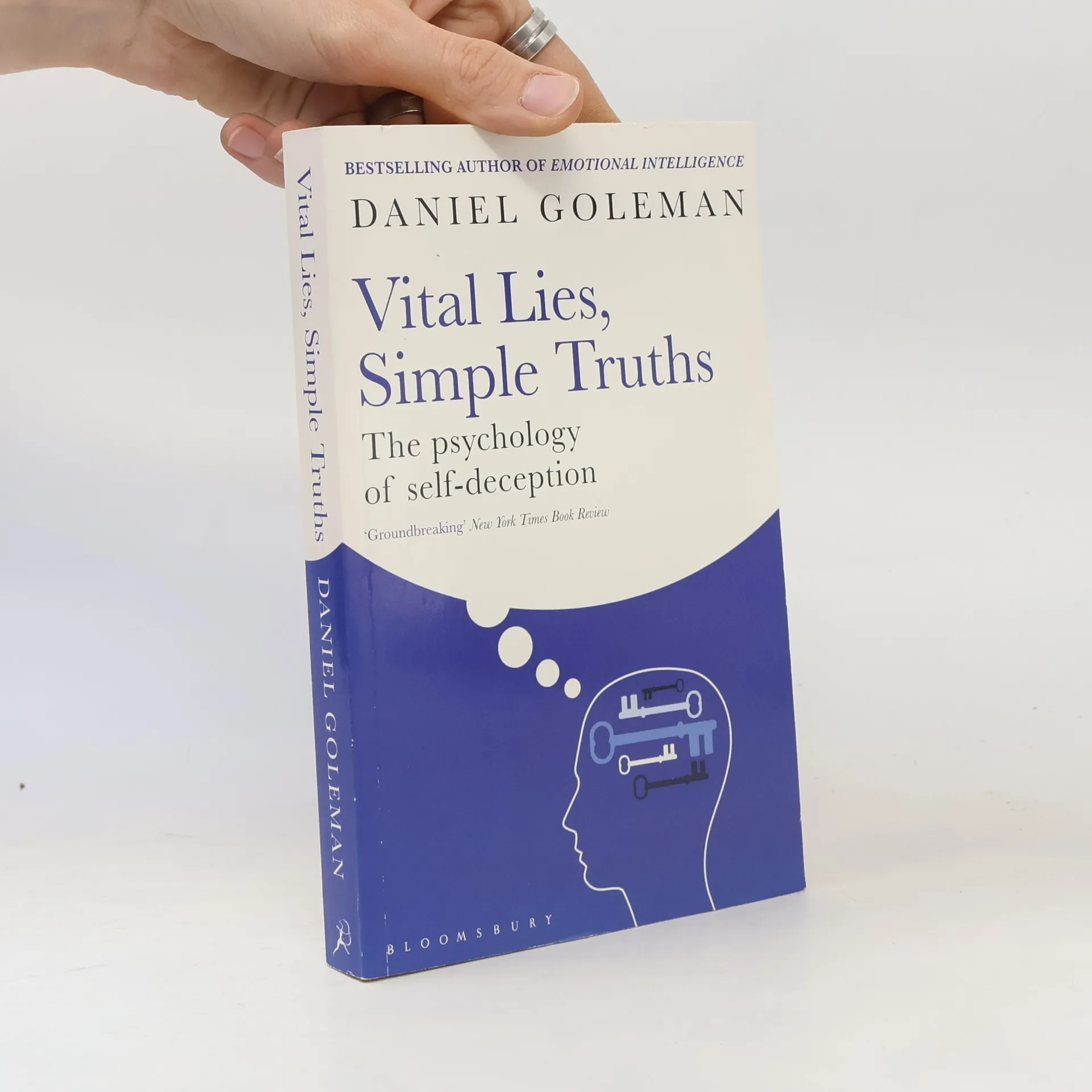
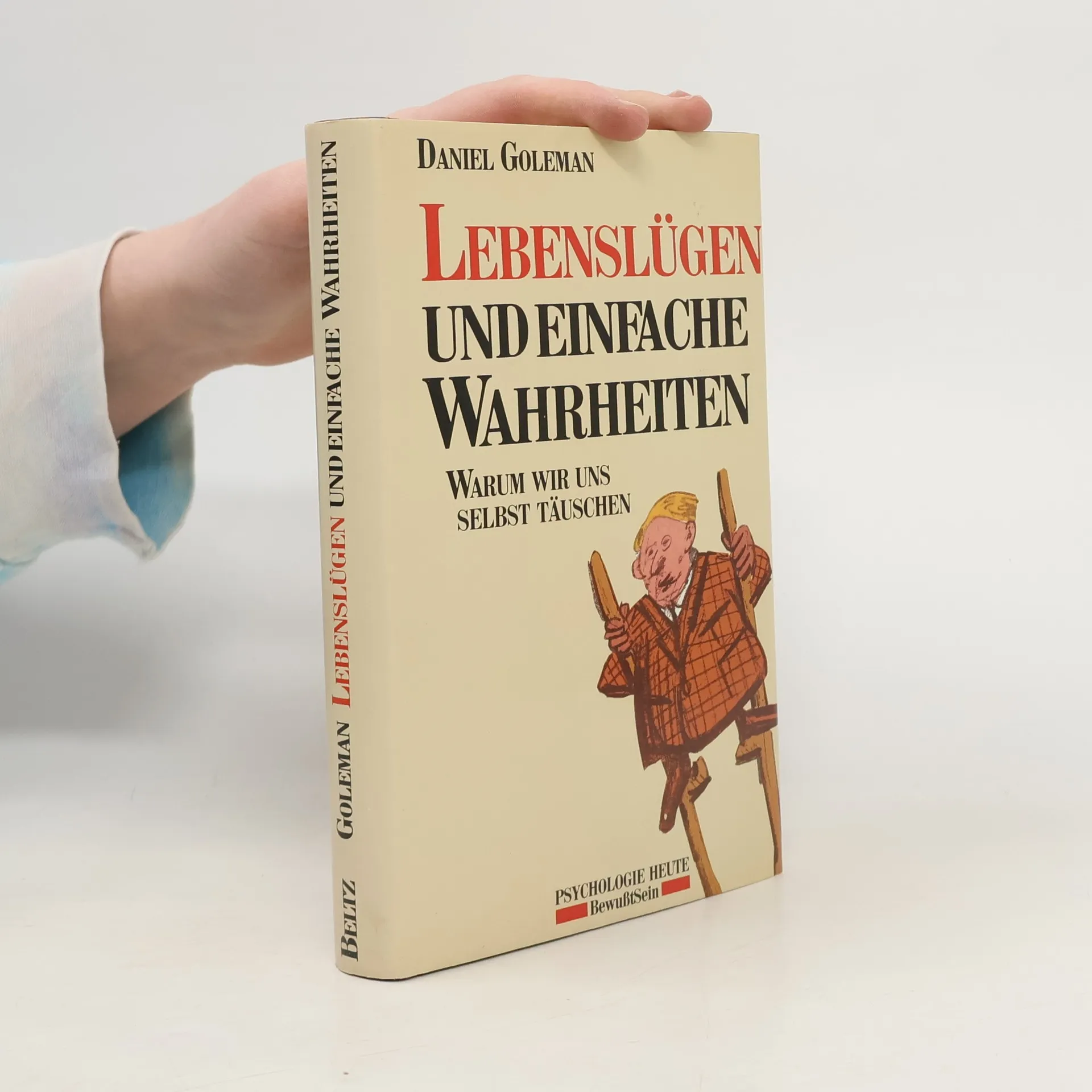
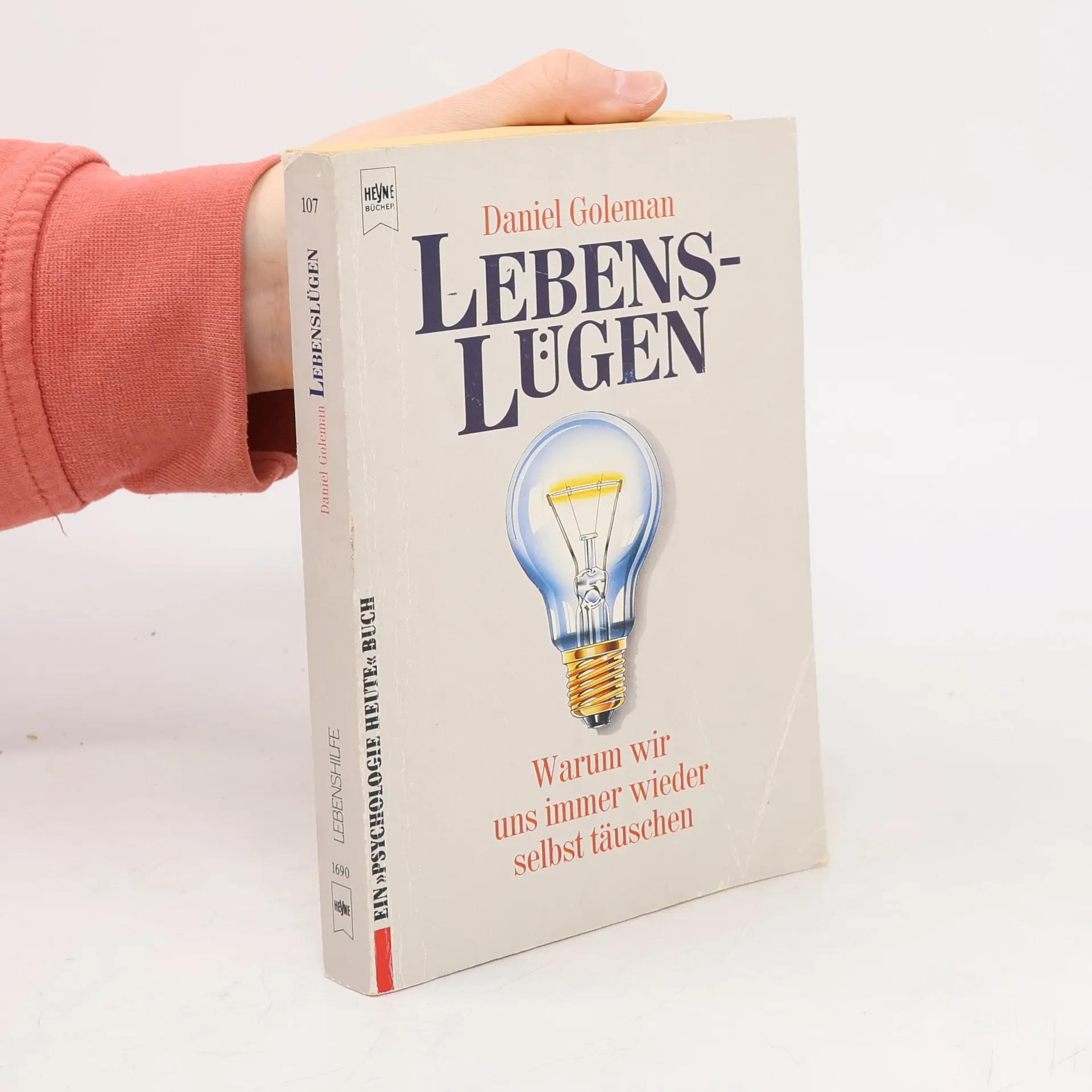
Vital Lies, Simple Truths
- 288bladzijden
- 11 uur lezen
A penetrating analysis of the ways in which we deceive ourselves in every day lives by the worldwide bestselling author of Emotional Intelligence
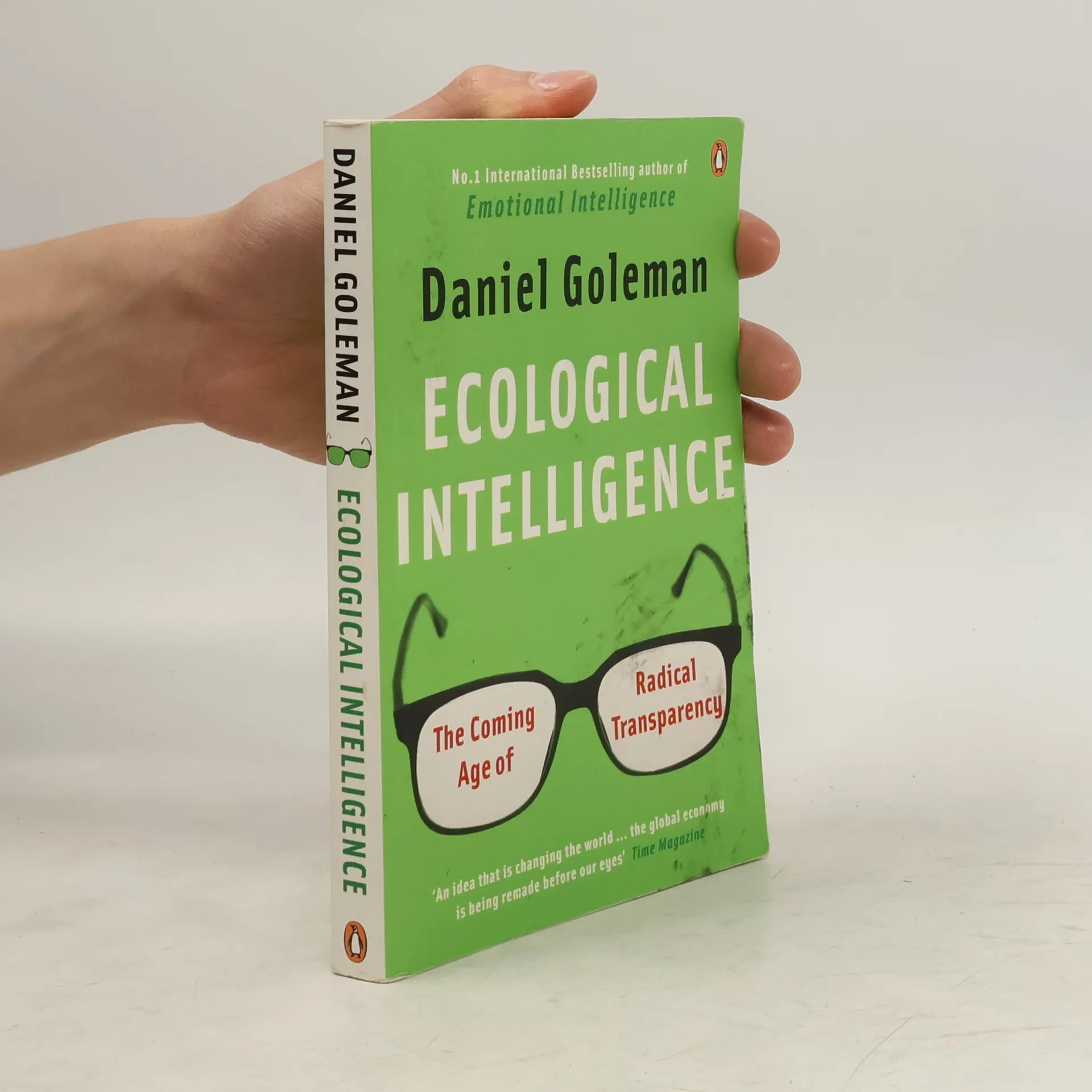
Ecological Intelligence. The Coming Age of Radical Transparency
- 276bladzijden
- 10 uur lezen
Most of us want to make the right choices as consumers. But how can any one individual's choices make a difference? And what are the right choices? Daniel Goleman shows that everything about what we buy and why is about to change with the availability of complete information about all aspects of a product's history.
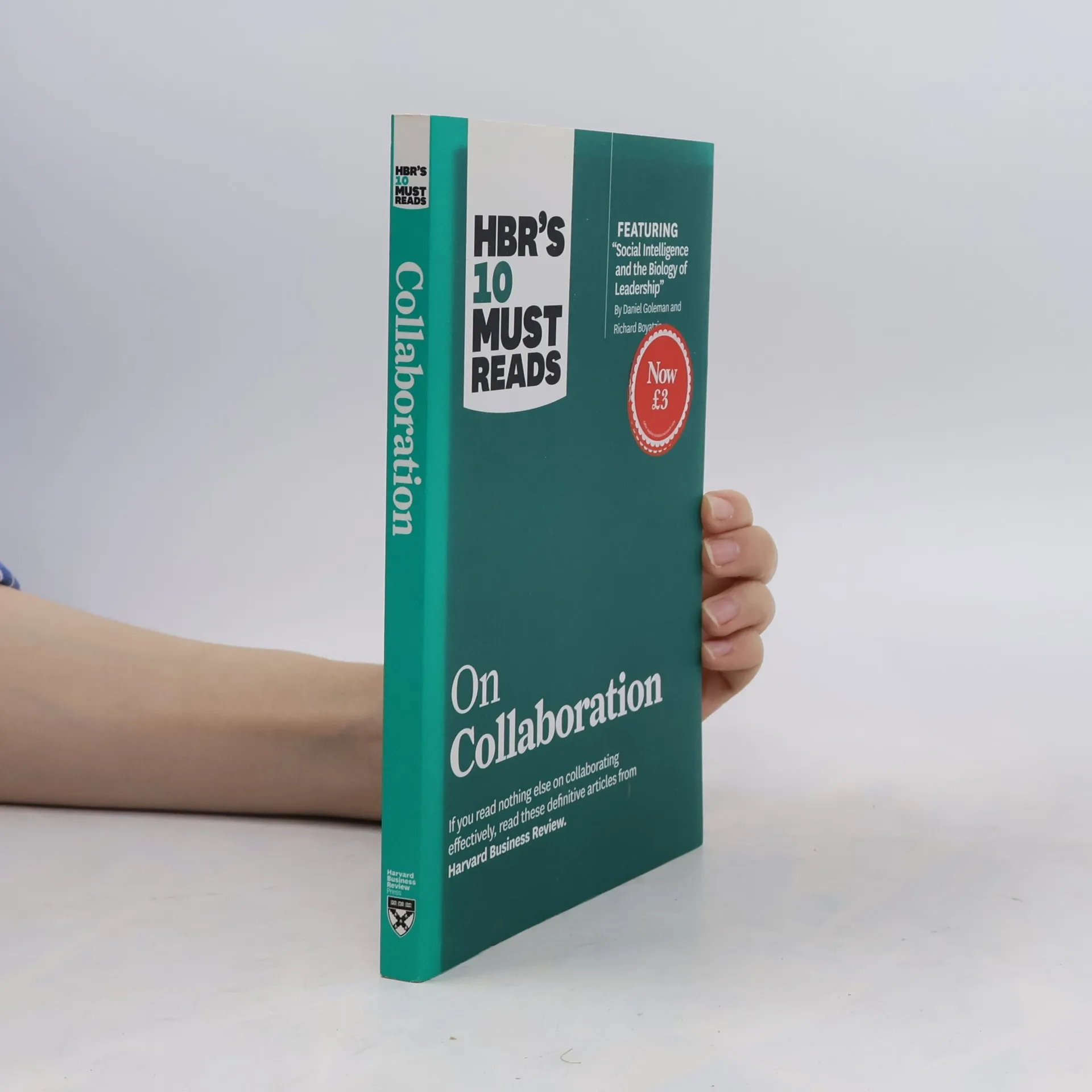
HBR's 10 Must Reads on Collaboration
With Featured Article Social Intelligence and the Biology of Leadership, by Dani
- 163bladzijden
- 6 uur lezen
NEW from the bestselling HBR’s 10 Must Reads series. Join forces with others inside and outside your organization to solve your toughest problems. If you read nothing else on collaborating effectively, read these 10 articles. We’ve combed through hundreds of articles in the Harvard Business Review archive and selected the most important ones to help you work more productively with people on your team, in other departments, and in other organizations. Leading experts such as Daniel Goleman, Herminia Ibarra, and Morten Hansen provide the insights and advice you need to: • Forge strong relationships up, down, and across the organization • Build a collaborative culture • Bust silos • Harness informal knowledge sharing • Pick the right type of collaboration for your business • Manage conflict wisely • Know when not to collaborate Looking for more Must Read articles from Harvard Business Review? Check out these titles in the popular series: HBR’s 10 Must Reads: The Essentials HBR’s 10 Must Reads on Communication HBR’s 10 Must Reads on Innovation HBR’s 10 Must Reads on Leadership HBR’s 10 Must Reads on Making Smart Decisions HBR’s 10 Must Reads on Managing Yourself HBR’s 10 Must Reads on Strategic Marketing HBR’s 10 Must Reads on Teams
Harvard Business Review on Breakthrough Leadership
- 224bladzijden
- 8 uur lezen
The Harvard Business Review Paperback Series is designed to bring today's managers and professionals the fundamental information they need to stay competitive in a fast-moving world. From the preeminent thinkers whose work has defined an entire field to the rising stars who will redefine the way we think about business, here are the leading minds and landmark ideas that have established the Harvard Business Review as required reading for ambitious businesspeople in organizations around the globe.This collection features an all-new roundtable discussion with a unique "closing essay" on followership. The collection also builds on the special leadership issue of Harvard Business Review.
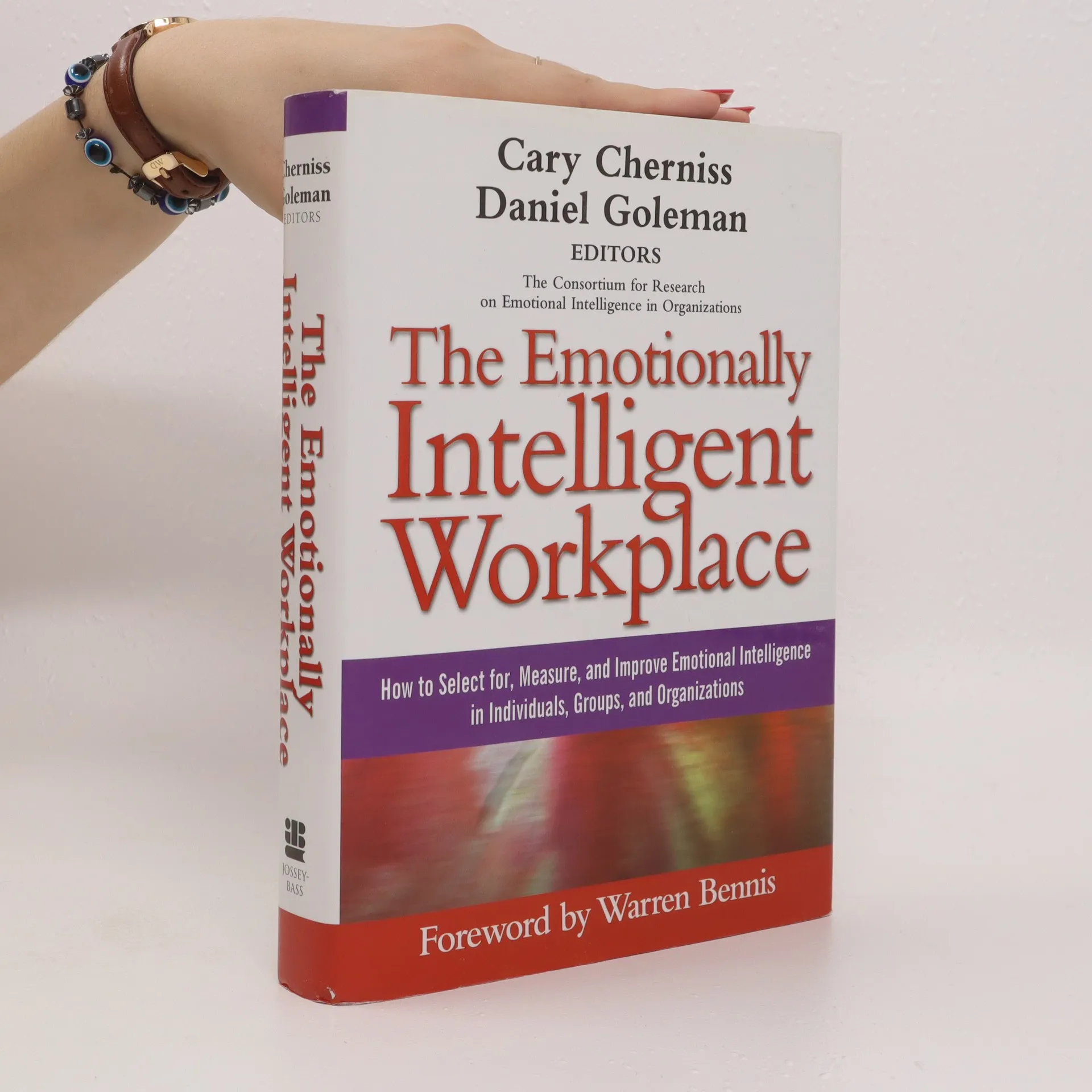
The Emotionally Intelligent Workplace
- 384bladzijden
- 14 uur lezen
This title examines conceptual and strategic issues involved in defining, measuring, and promoting emotional intelligence in organizations. The authors include 15 models that have been tested and empirically validated in existing organizations and 22 guidelines for promoting emotional intelligence.
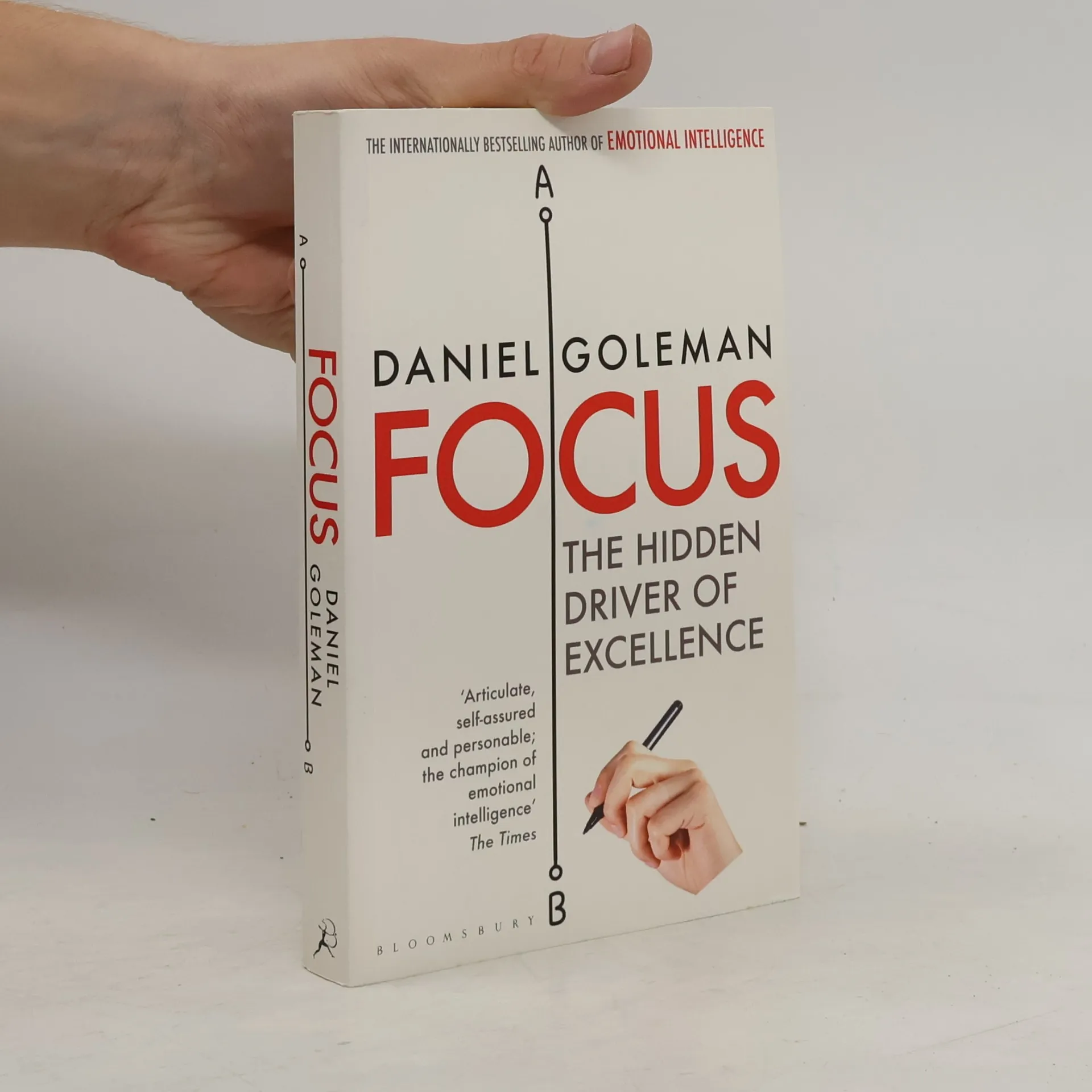
For more than two decades, psychologist and journalist Daniel Goleman has been scouting the leading edge of the human sciences for what's new, surprising, and important. In 'Focus', he delves into the science of attention in all its varieties, presenting a long overdue discussion of this little-noticed and under-rated mental asset that matters enormously for how we navigate life.
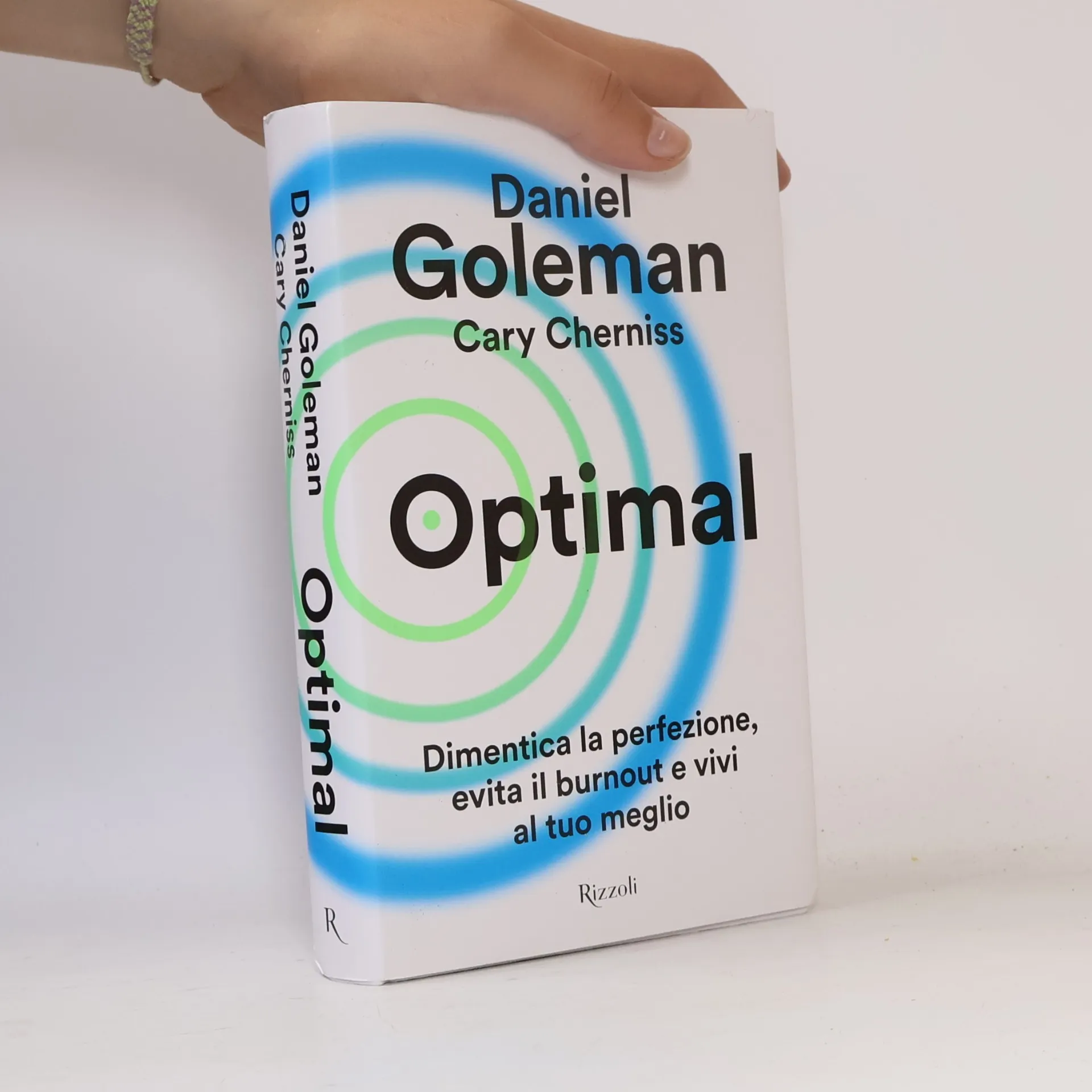
Bestselling author Daniel Goleman and co-author Cary Cherniss present practical methods for applying emotional intelligence (EI) principles to achieve consistent high performance. While peak moments, like an athlete's perfect game or a business's record profits, are memorable, they are often fleeting. True fulfillment arises from many consistent, productive days rather than isolated peak experiences. The challenge lies in sustaining performance without burnout and maintaining balance. In this work, Goleman and Cherniss illustrate how emotional intelligence can help us achieve a satisfying and productive day, advocating for a realistic goal of feeling accomplished daily. Drawing on research from hundreds of individuals, they describe the characteristics of an optimal state and emphasize that emotional intelligence is crucial for reaching our best performance. This book synthesizes decades of research on emotional intelligence, demonstrating that enhanced EI leads to greater engagement, productivity, and overall satisfaction. Readers will discover essential skills for developing emotional intelligence and practical strategies for implementing these skills effectively. Ultimately, this guidance will empower you to become a more effective leader and foster an organizational culture that supports sustained high performance.
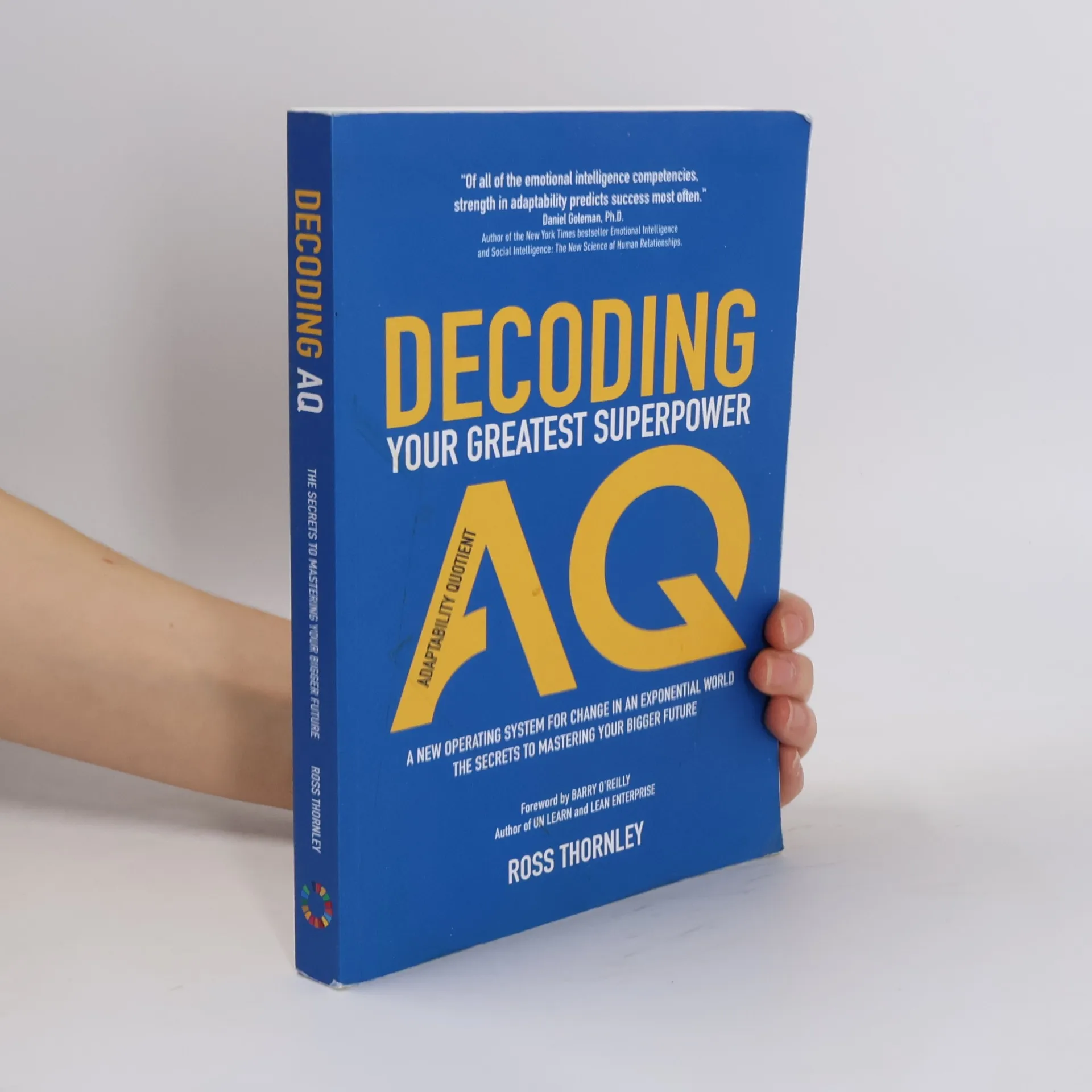
Decoding AQ
Adaptability Quotient - Your Greatest Superpower. A New Operating System for Change in an Exponential World. (How to Navigate Change and Uncertainty at Work)
- 315bladzijden
- 12 uur lezen
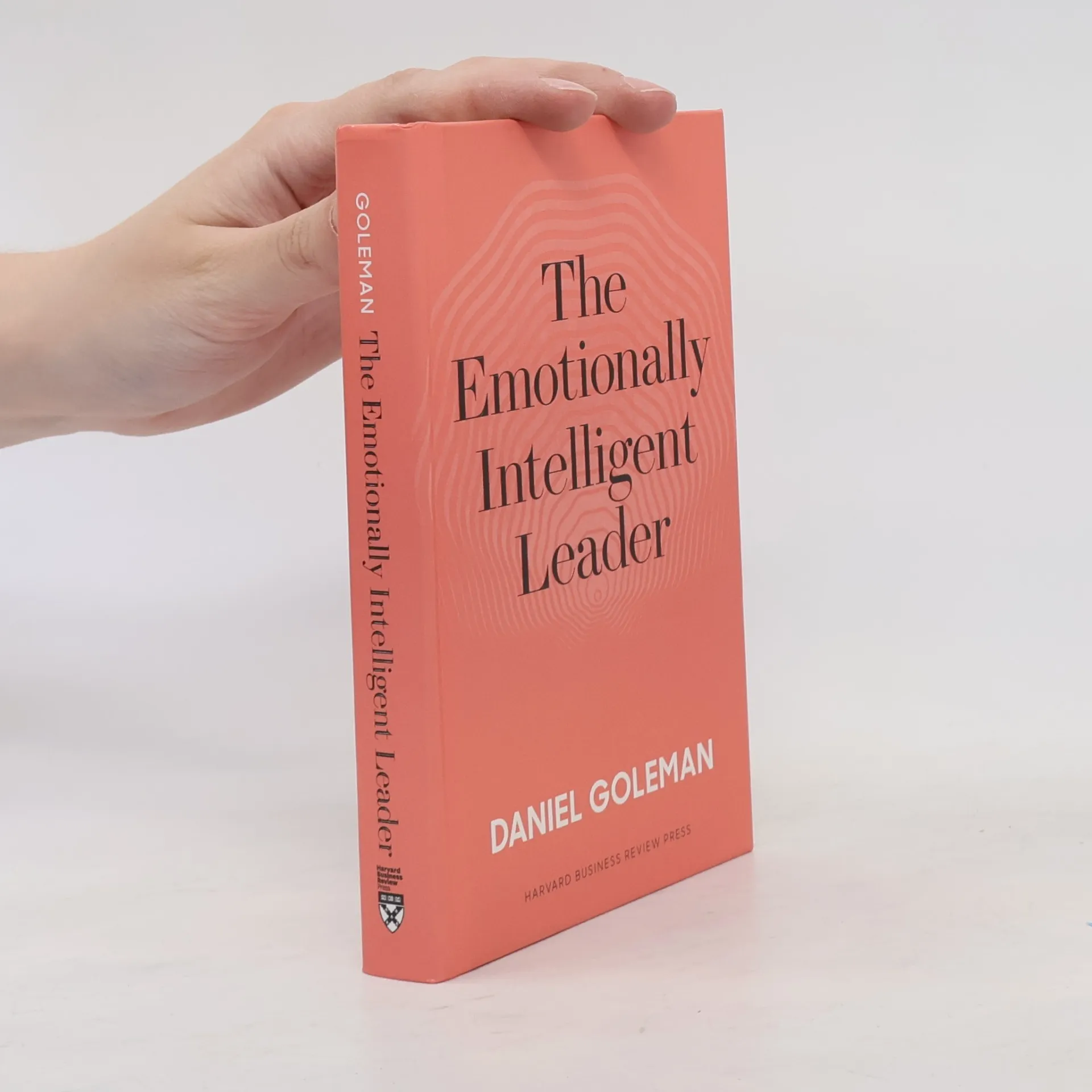
The Emotionally Intelligent Leader
- 128bladzijden
- 5 uur lezen
Bestselling author Goleman first brought the concept of emotional intelligence (EI) to the forefront of business through his articles in Harvard Business Review. Now three of those articles are collected here, each showing the direct ties between emotional intelligence and measurable business results.
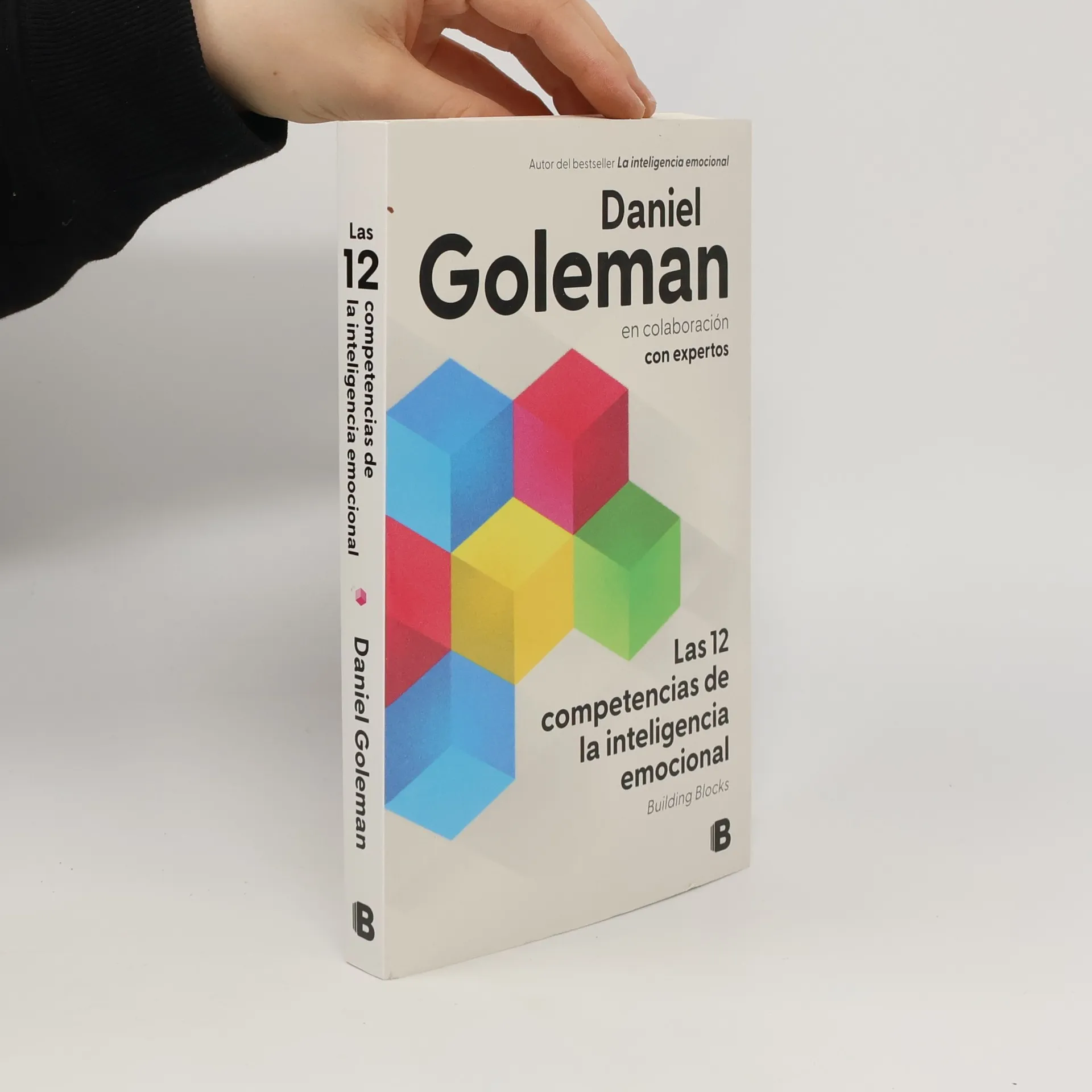
Las 12 competencias de la inteligencia emocional
Building Blocks / Building Blocks of Emotional Intelligence
- 304bladzijden
- 11 uur lezen
«La inteligencia emocional es una manera distinta de ser inteligente, es la clave para tener un alto desempeño en todos los niveles y, en especial, para implementar un liderazgo sobresaliente.» Daniel Goleman, autor del bestseller La inteligencia emocional, y Richard Boyatzis desarrollaron el Modelo de Competencias de Liderazgo de Inteligencia Emocional y Social. Este modelo cuenta con 12 competencias y evidencia que si un líder tiene de seis a diez de estas habilidades puede ejercer un liderazgo inspirador y generar un clima positivo en su grupo de trabajo, lo que da como resultado un gran número de beneficios tanto en la producción y eficiencia como en las relaciones interpersonales de su equipo. En cambio, si solo se tienen tres o menos competencias, el liderazgo suele ser de tipo coercitivo sin buenos resultados a largo plazo. ¿Quién no desea sentirse en plenitud en su trabajo? ¿Qué líder no busca que sus colaboradores se sientan identificados con su organización? Tener más o menos de estas competencias hace toda la diferencia. Este libro, escrito por Daniel Goleman junto con expertos en inteligencia emocional, aborda cada una de estas 12 competencias, con el fin de dar las claves para reconocerlas y desarrollarlas de manera práctica, lo que otorga un tesoro invaluable para líderes, empresas y todo tipo de organizaciones que deseen beneficiarse de las muchas virtudes de la inteligencia emocional.
Handbuch der Menschenkenntnis
Mutmaßungen aus 2500 Jahren
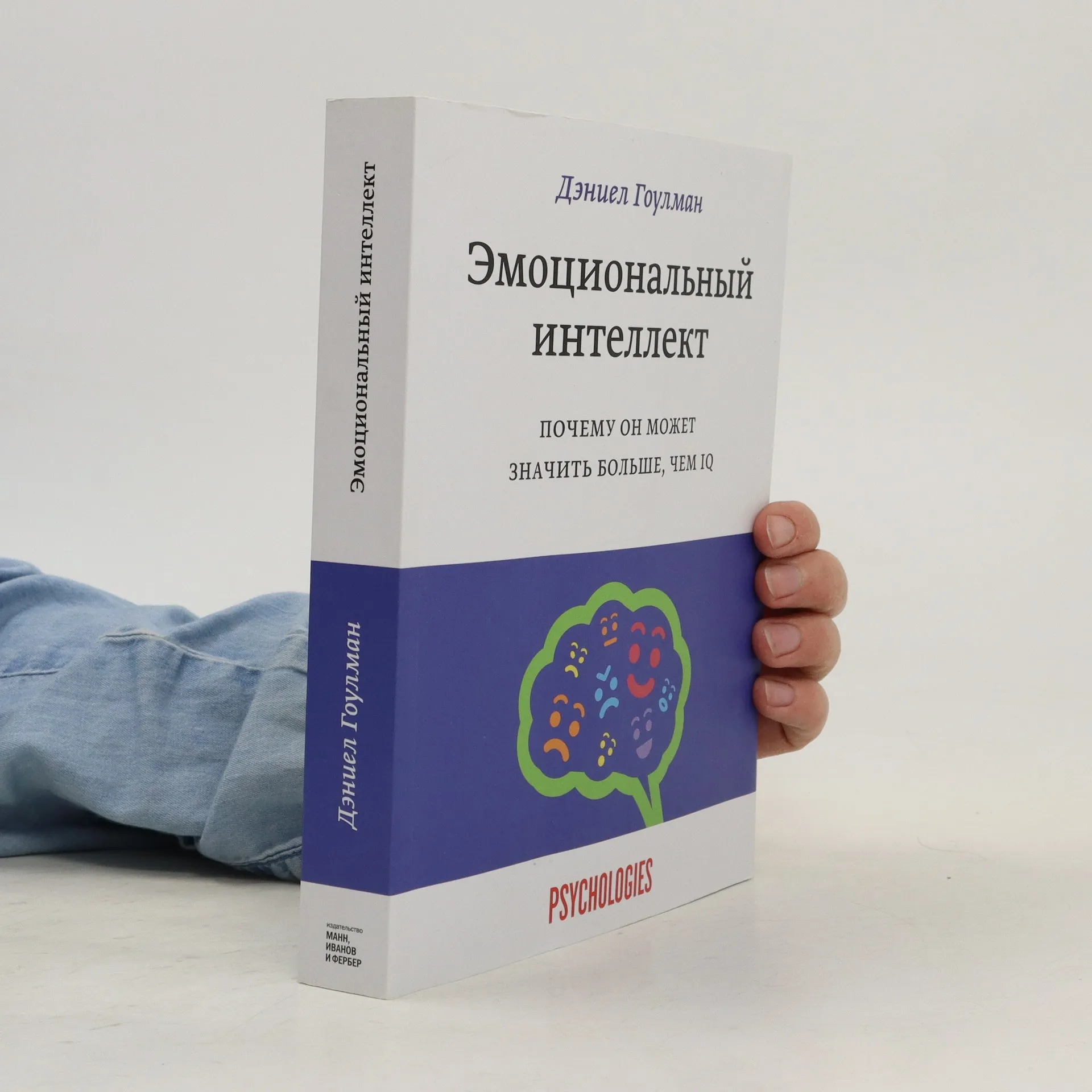
Что такое эмоциональный интеллект (EQ)? Связан ли он с коэффициентом интеллекта (IQ), определяющим степень умственного развития человека? Почему люди со средним IQ часто добиваются успеха в жизни и карьере, а те, чей коэффициент интеллекта очень высок, не могут реализовать себя? Какие существуют методики измерения уровня эмоционального интеллекта? На эти и многие другие важнейшие вопросы отвечает в своем супербестселлере знаменитый психолог Дэниел Гоулман — основоположник теории эмоционального интеллекта.
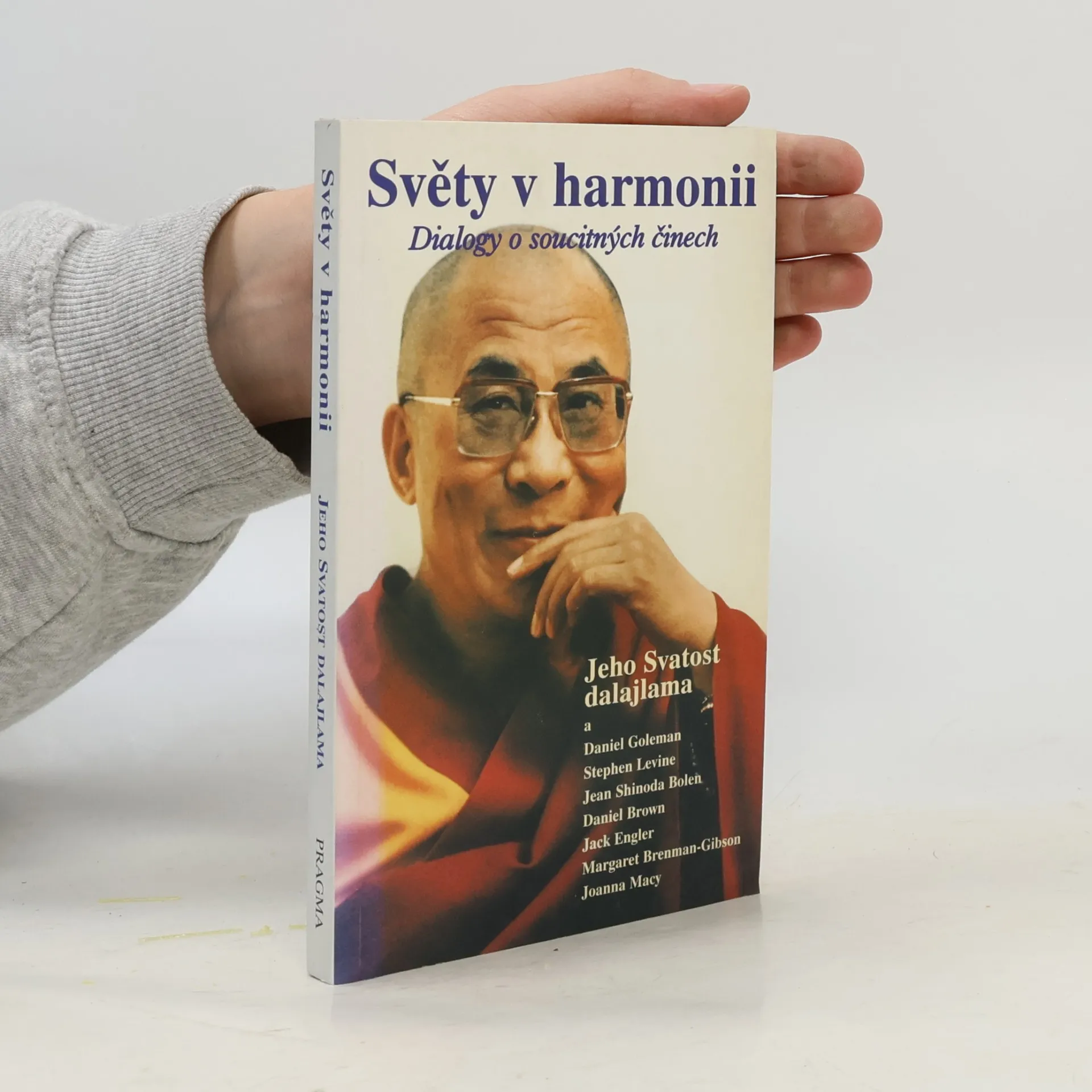
Tyto svěží a duchovně povznášející dialogy nabízejí čtenáři hluboký pohled do povahy utrpení, soucitu a osvobození. Jeho Svatost dalajlama a sedm uznávaných odborníků, Daniel Goleman, Stephen Levine, Jean Shinoda Bolenová, Daniel Brown, Jack Engler, Margaret Brenman-Gibsonová a Joanna Macyse, se zapojili do debaty o kritických otázkách naší doby – o násilí, o vietnamské válce a jejích důsledcích, o vztahu mezi učitelem a žákem, o destrukci životního prostředí, o roli žen a o dalších důležitých otázkách.
V současnosti stojíme na rozcestí a čelíme palčivým problémům: Co se děje s naší planetou? Jak jí můžeme pomoci? A jak sladit lidské zájmy s právy ostatních živých tvorů a potřebami ekosystému? Na tyto a další aktuální otázky hledal odpovědi duchovní vůdce tibetského buddhismu během týdenní konference věnované změně klimatu. Vstupte do podnětného dialogu předních klimatologů, ekologických aktivistů a spirituálních osobností buddhismu i křesťanství.
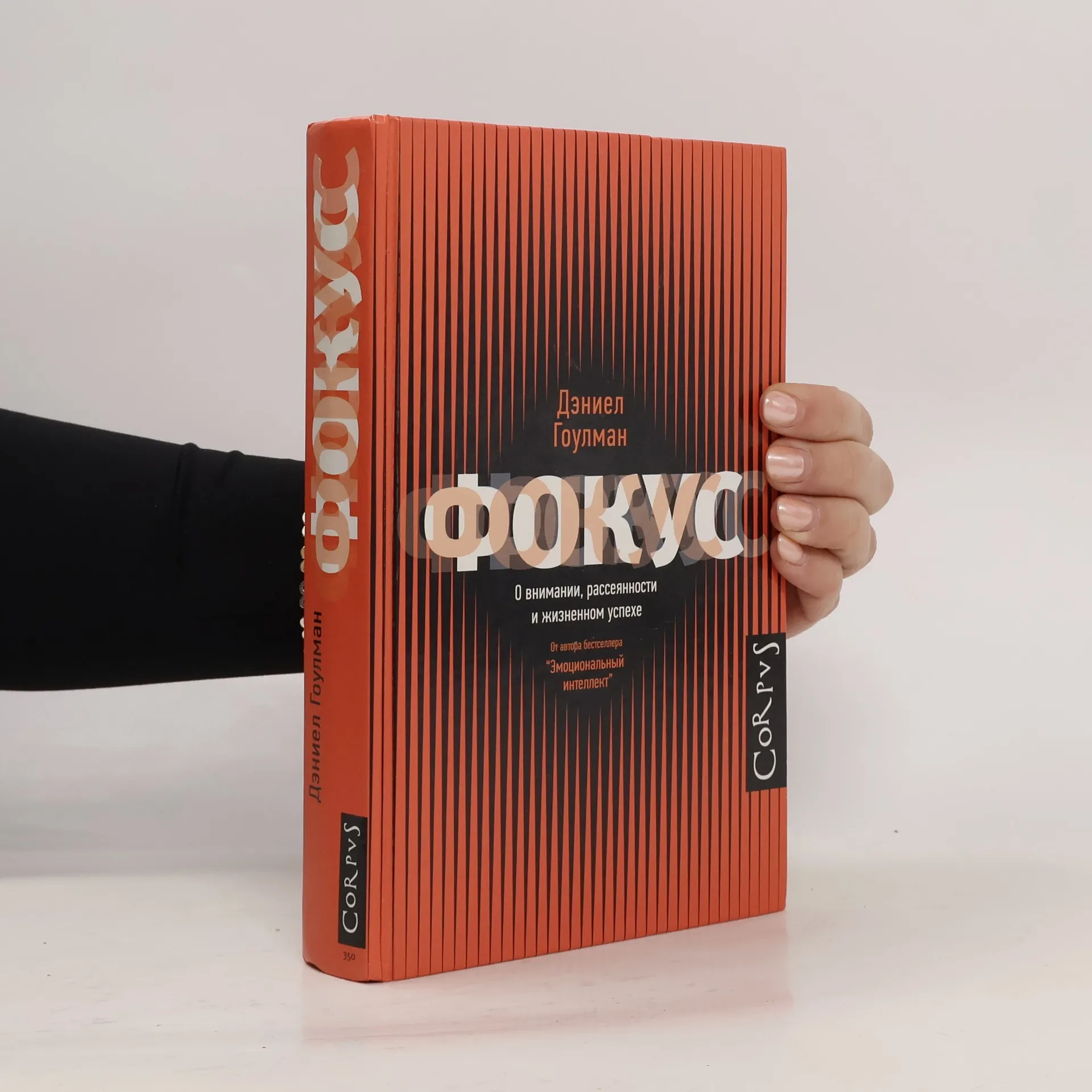
В книге “Фокус. О внимании, рассеянности и жизненном успехе” психолог и журналист Дэниел Гоулман предлагает новаторский взгляд на ценнейший в наше время ресурс, таящий в себе секрет успешной работы и самореализации, – внимание. Сочетая передовой теоретический поиск с примерами из практики, автор рассматривает феномен внимания в самых разных аспектах, предлагая серьезный и давно назревший разговор об этой малоизученной и недооцененной способности нашего сознания. Для того, чтобы выжить в сегодняшнем мире, полном самых разных отвлекающих факторов, способность заострять фокус крайне необходима, – убедительно показывает Гоулман.
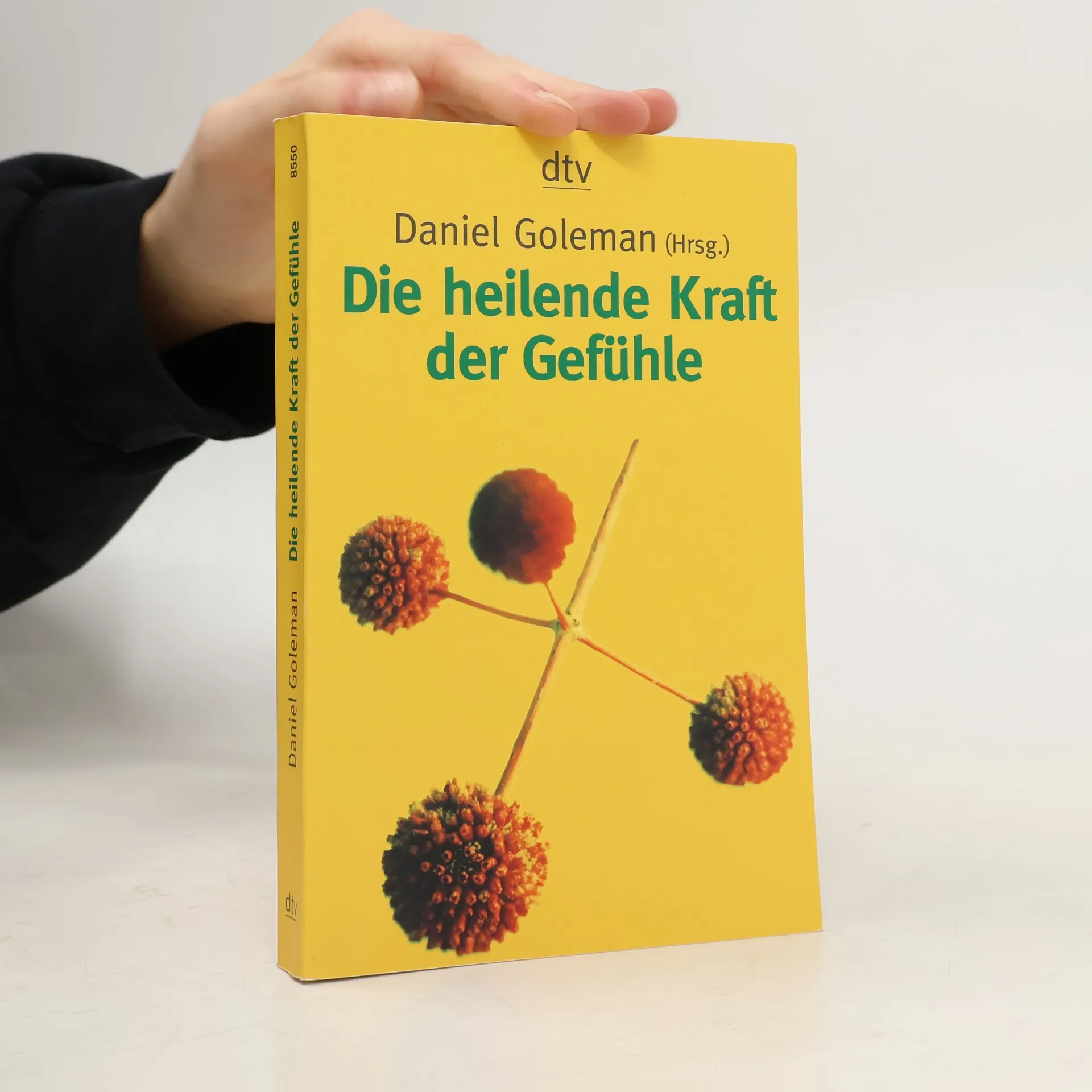
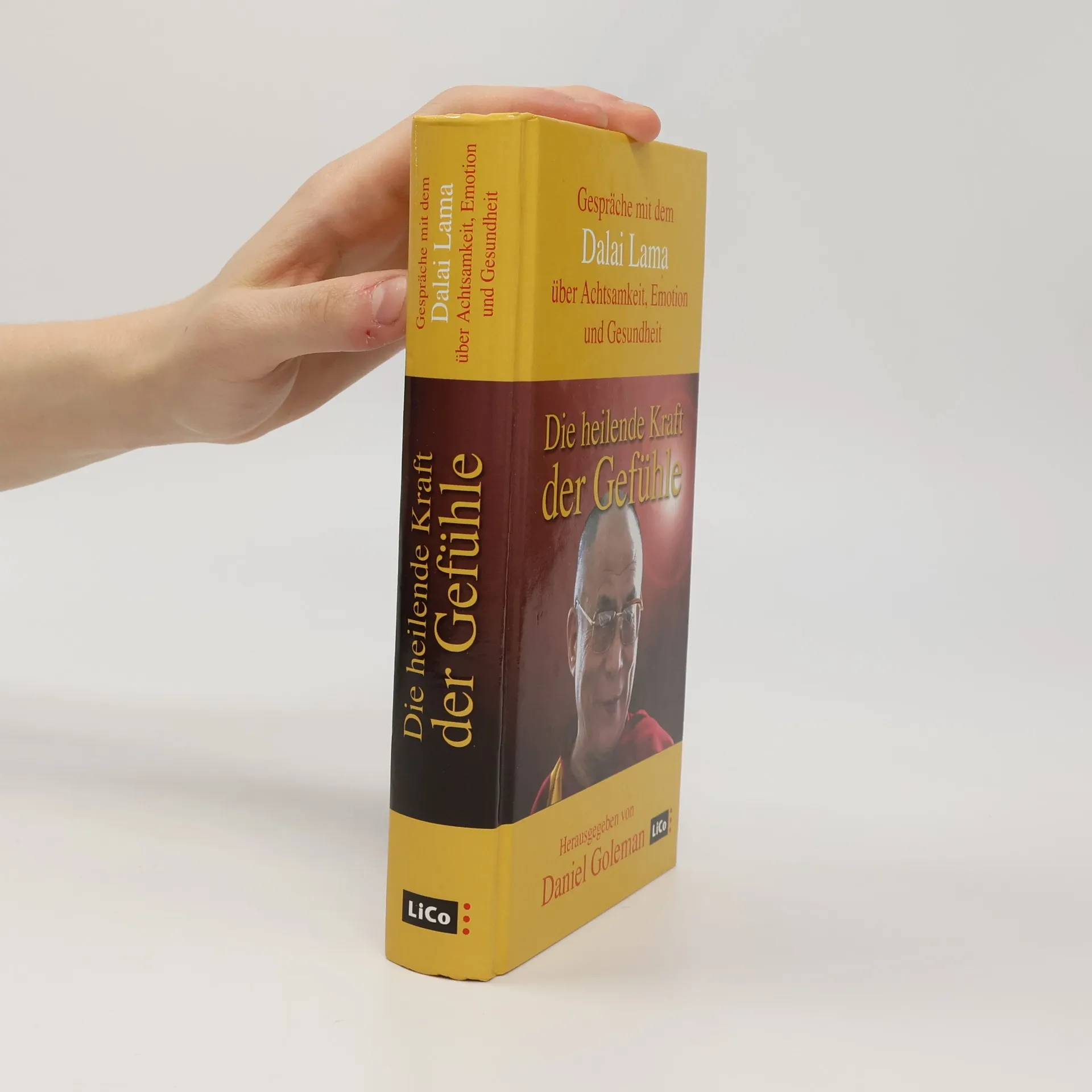
Die heilende Kraft der Gefühle
- 303bladzijden
- 11 uur lezen
Gespräche mit dem Dalai Lama über Achtsamkeit, Emotion und Gesundheit Die heilende Kraft der Gefühle, im Buddhismus eine jahrtausendealte Erkenntnis, ist im Westen noch wissenschaftliches Neuland. Dieses Buch dokumentiert einen spannenden Dialog zwischen dem Dalai Lama und prominenten westlichen Wissenschaftlern und zugleich eine einzigartige Ost-West-Begegnung. Erst seit zwei Jahrzehnten beginnen Ärzte, Biologen und Psychologen im Westen, den Einfluß von Gefühlen auf das körperliche und geistige Wohlbefinden zu verstehen. Aber schon seit zwei Jahrtausenden wissen buddhistische Denker um die Heilkräfte des menschlichen Geistes. Wie sind Gehirn, Immunsystem und Gefühle miteinander verbunden? Wie hängen Emotionen und gesteigertes Wohlbefinden zusammen? Hat Ethik eine biologische Grundlage? In einem spannenden Dialog zwischen westlichen Wissenschaftlern verschiedener Fachgebiete und dem Dalai Lama erfahren wir, wie die Erkenntnisse der introspektiven Geisteswissenschaften des Ostens von bahnbrechenden Ergebnissen der experimentellen Naturwissenschaften des Westens bestätigt werden: Der Buddhismus besitzt wirkungsvolle praktische Methoden, die Macht der Emotionen als Heilmittel einzusetzen.
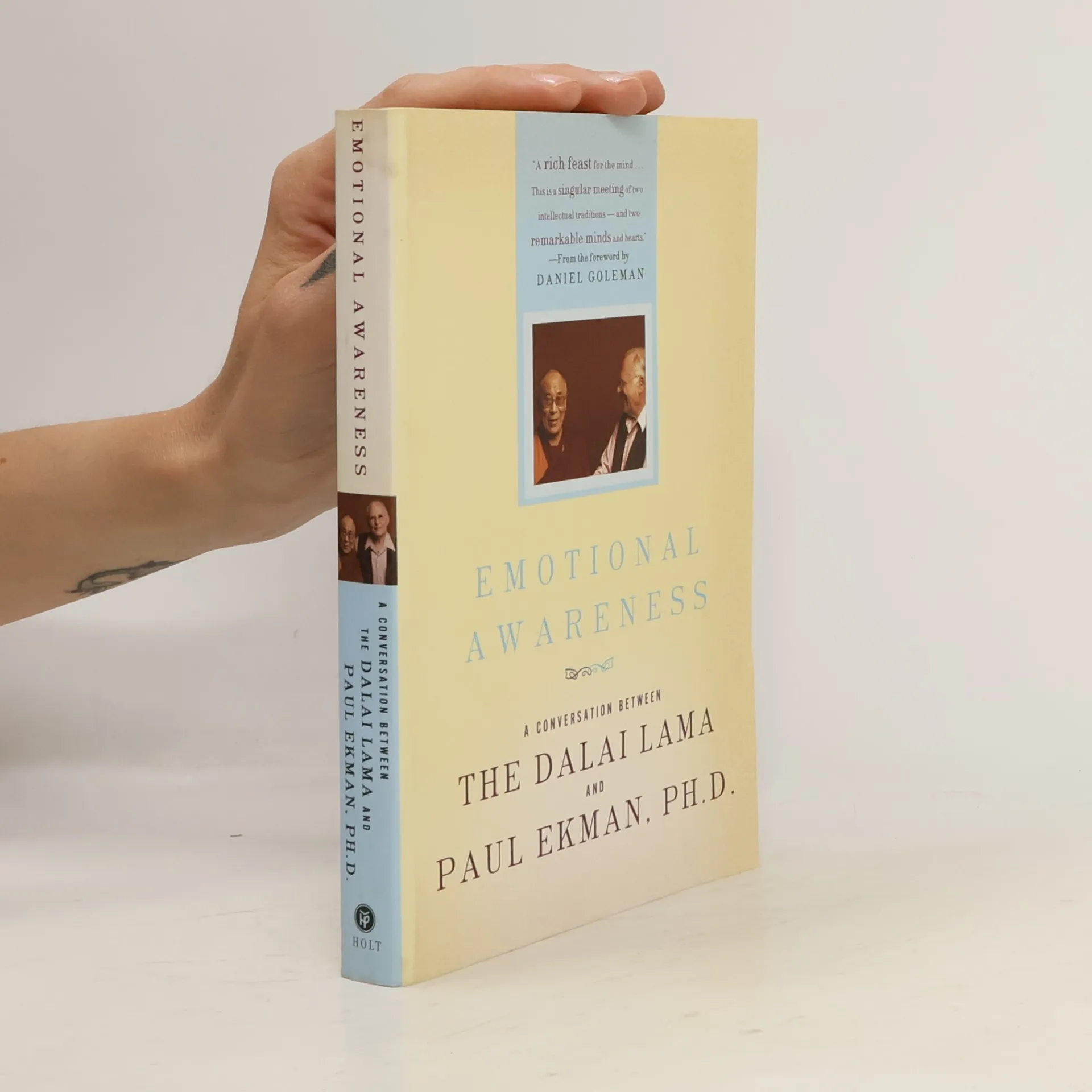
Emotional Awareness
Overcoming the Obstacles to Psychological Balance and Compassion
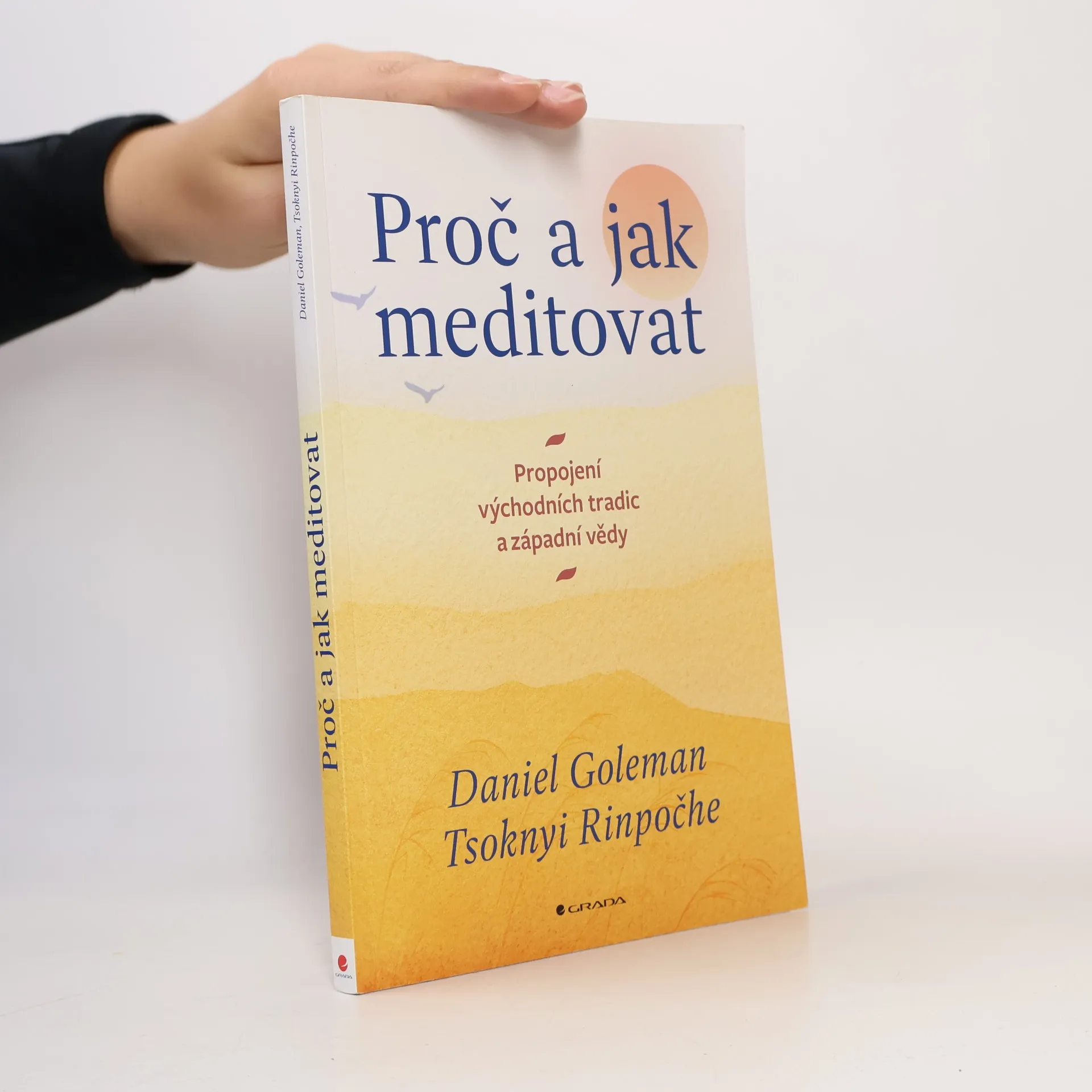
Proč a jak meditovat : propojení východních tradic a západní vědy
- 192bladzijden
- 7 uur lezen
Prožívat negativní emoce je přirozené, ale v současném světě jsme tak zahlceni chaosem a stresem, že nám tyto emoce mohou snadno začít přerůstat přes hlavu a působit destruktivně. Ztrácíme kvůli nim vyrovnanost, brání nám setrvávat v přítomnosti, zdravě si uvědomovat svou mysl, pocity, tělo i jeden druhého. Chaosu a nepříjemným situacím se můžeme vyhýbat jen do určité míry, můžeme však pracovat na tom, jak k nim přistupujeme.At již máte s meditacemi zkušenosti, nebo je pro vás tato praxe nová, či jste k ní dokonce skeptičtí, je na čase vydat se na cestu k pochopení a přijetí meditace zcela novým způsobem. Uznávaný psycholog Daniel Goleman a renomovaný tibetský učitel meditace Tsoknyi Rinpočhe propojují východní tradice se západní vědou a přinášejí čtenářům své zkušenosti i vědecké poznatky, díky nimž můžete revolučním způsobem proměnit své duševní, emoční i fyzické zdraví a vztahy se sebou i s ostatními.Tento průvodce nabízí dobře přístupné a poučné rady vycházející z tibetských tradic a průlomových neurovědeckých výzkumů, které vám otevřou oči, pomohou vám osvobodit se od negativních vzorců myšlení i chování a radikálně promění celou vaši bytost.Tento praktický průvodce meditací je pohlazením po duši a nabízí potřebný protilék na stresující podněty, které nás zahlcují.
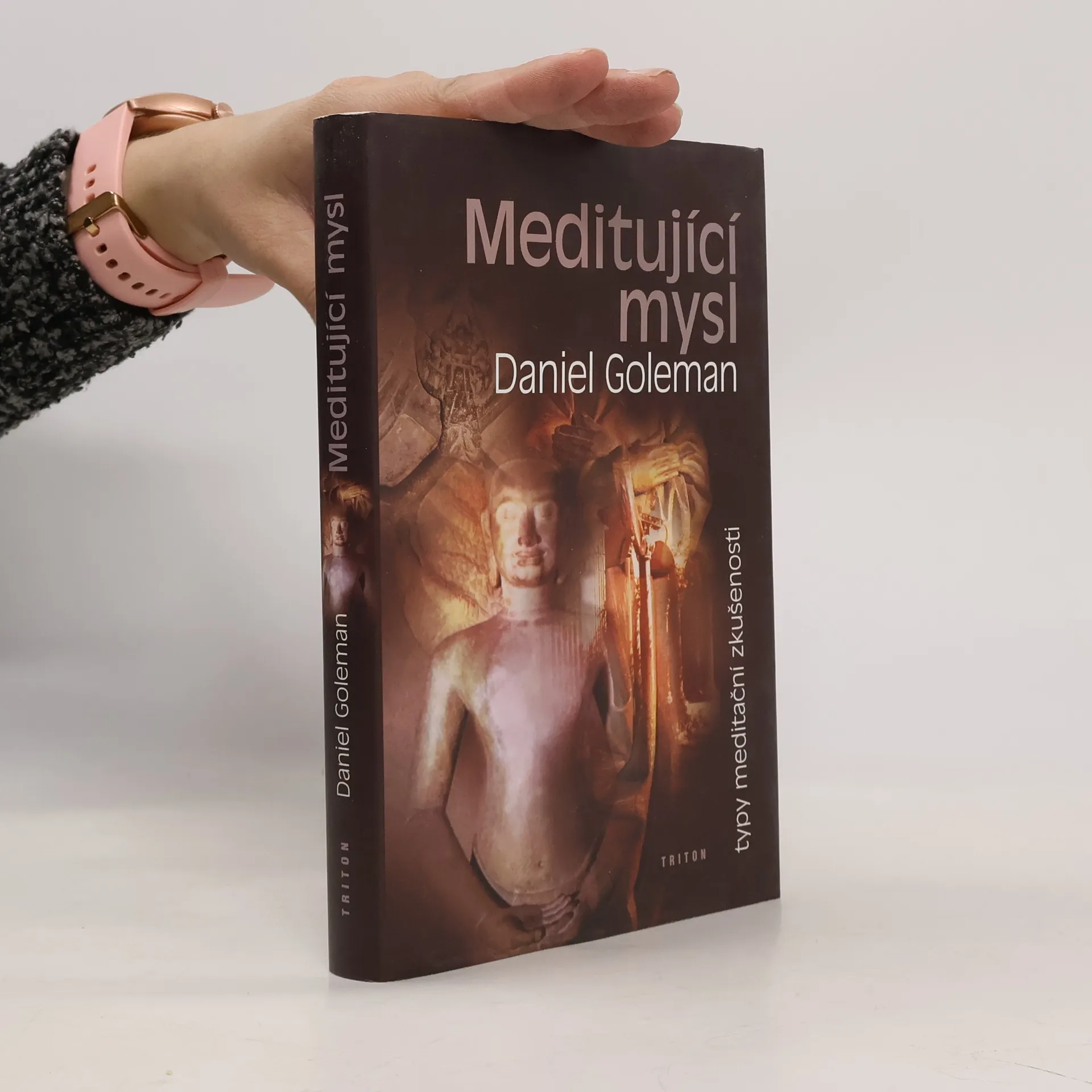
Meditující mysl popisuje širokou škálu cest k duchovní transformaci – hinduistickou, buddhistickou, súfískou, židovskou, křesťanskou, transcendentálně meditační, tantrickou, cestu kundaliní jógy, tibetského buddhismu, zenu a také metody, které vyvinuli Gurdijeff a Krišnamurti. Pro toho, kdo s meditací začíná, kniha podává jedinečný přehled různých druhů meditace a uvádí čtenáře do základů její praxe. Pro zkušené meditující autor Daniel Goleman zkoumá jednotlivé konkrétní úrovně vědomí, které se vyvinou jako výsledek dlouhodobé aplikace. Kniha o meditačních technikách v sobě spojuje praktickou znalost člověka, který se meditací aktivně zabývá, a teoretickou znalost vzdělaného psychologa, který chce pochopit, co se v lidské mysli během meditace odehrává....
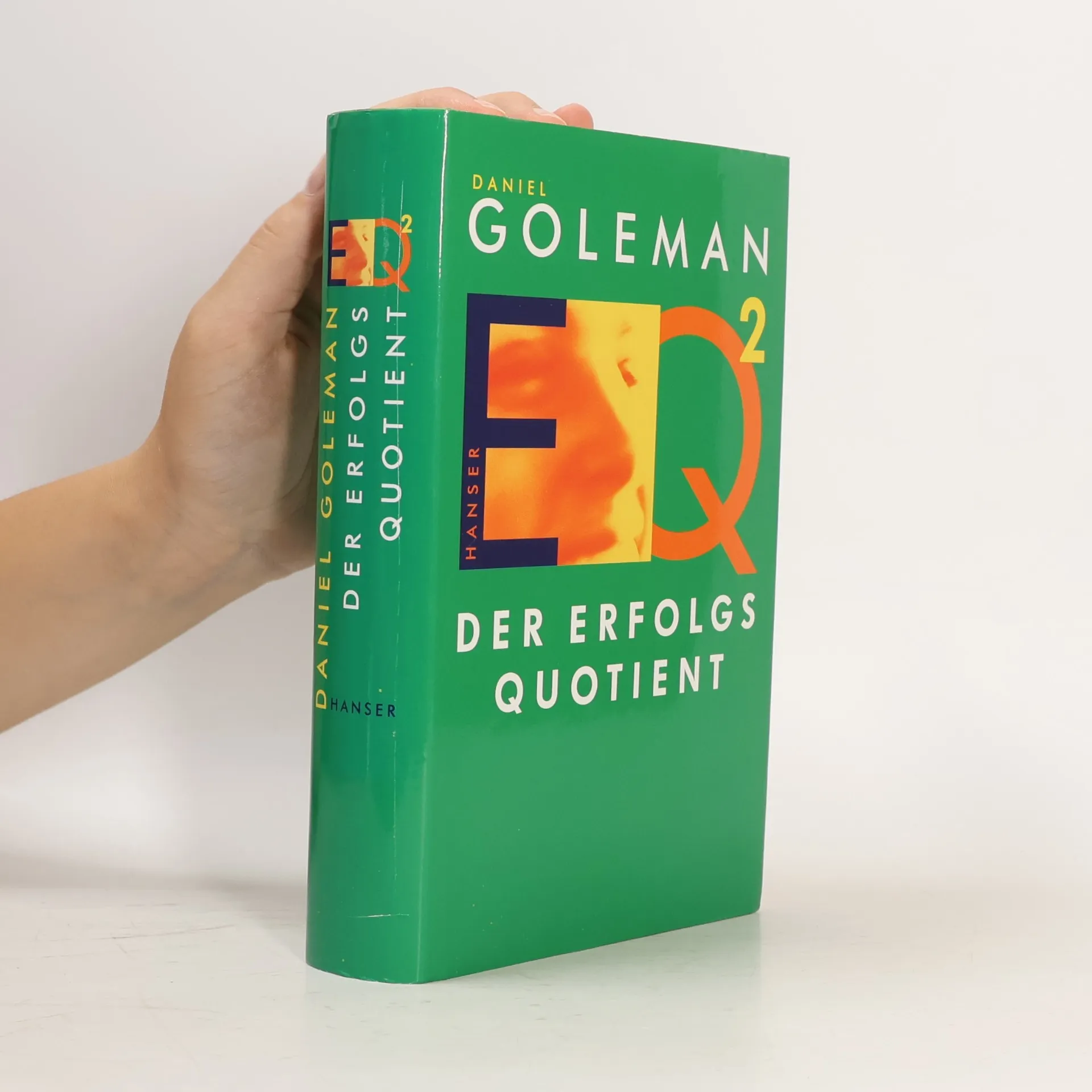
Erfolg haben mit Emotionaler Intelligenz: Seit Daniel Goleman erkannt hat, daß Emotionale Intelligenz für unsere Lebensführung ebenso wichtig ist wie der IQ, steckt diese Schlüsselqualifikation in allen Köpfen. Aber wie erreicht man sie? Nach jahrelanger Recherche und Beratungsarbeit in internationalen Wirtschaftsunternehmen zeigt Goleman, wie man Einfühlungsvermögen, Fremdwahrnehmung, Anpassungsfähigkeit, Konfliktstärke, Lernbereitschaft und Kooperationswille nicht nur erlernen, sondern auch praktisch im Beruf und im privaten Leben umsetzen kann. Das Handbuch für mehr Erfolg.
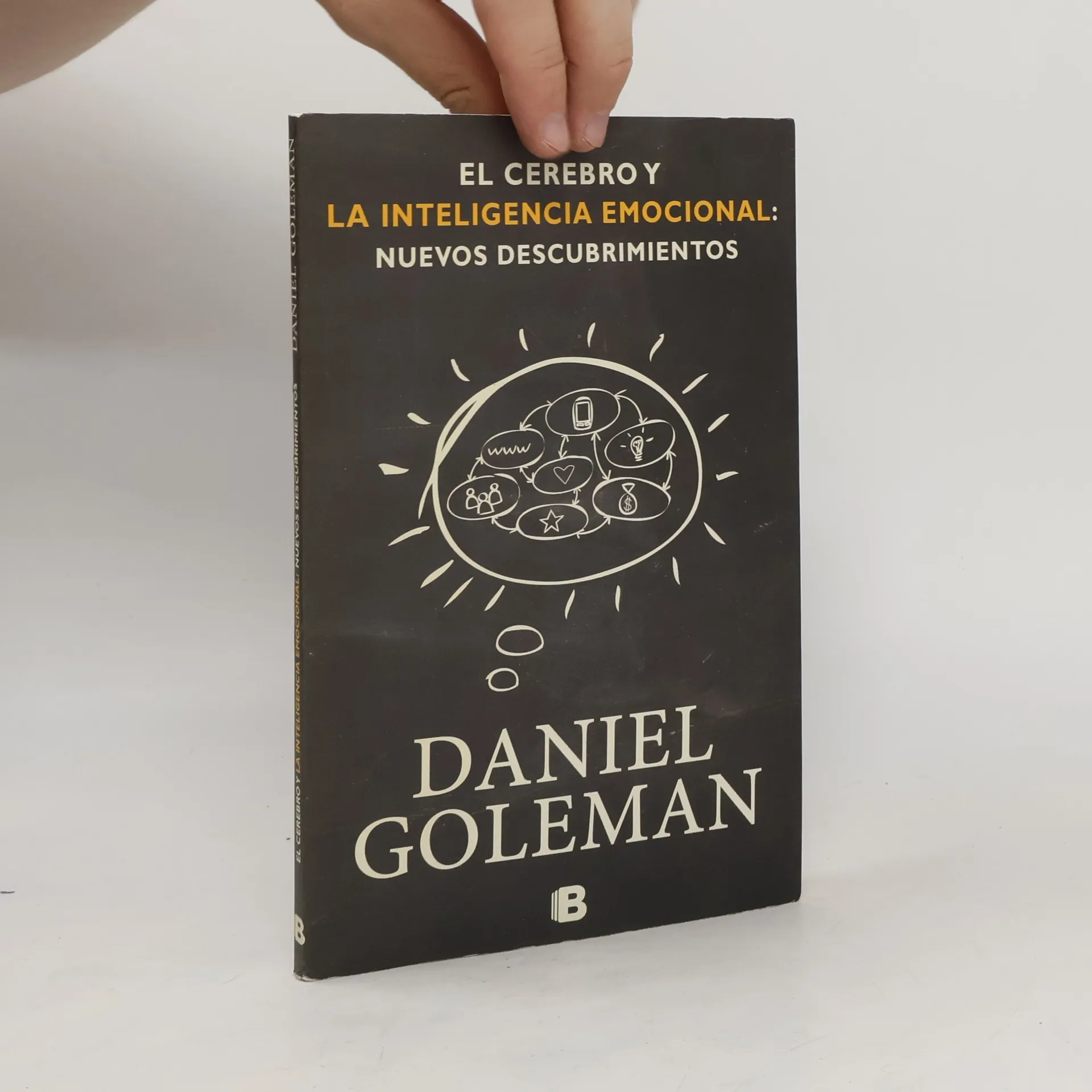
El cerebro y la inteligencia emocional: Nuevos descubrimientos
- 112bladzijden
- 4 uur lezen
En este nuevo libro Daniel Goleman nos explica, de forma clara y sencilla, lo que se sabe sobre la base cerebral de la inteligencia emocional. Esta obra permite comprender con mayor profundidad la inteligencia emocional y mejor su aplicación. Las investigaciones sobre el cerebro y sobre nuestras vidas emocionales y sociales no se detuvieron cuando terminé de escribir La Inteligencia Emocional, sino que más bien han tomado renovado impulso en los últimos años. En este volumen pretendo continuar con esas vías de investigación y detallar algunos descubrimientos decisivos que nos permiten comprender mejor la inteligencia emocional y cómo aplicar ese conjunto de capacidades. No se trata de un análisis técnico y exhaustivo de datos científicos, sino de un trabajo en curso que se centra en descubrimientos con un valor práctico, en hallazgos que podemos aplicar a la vida cotidiana
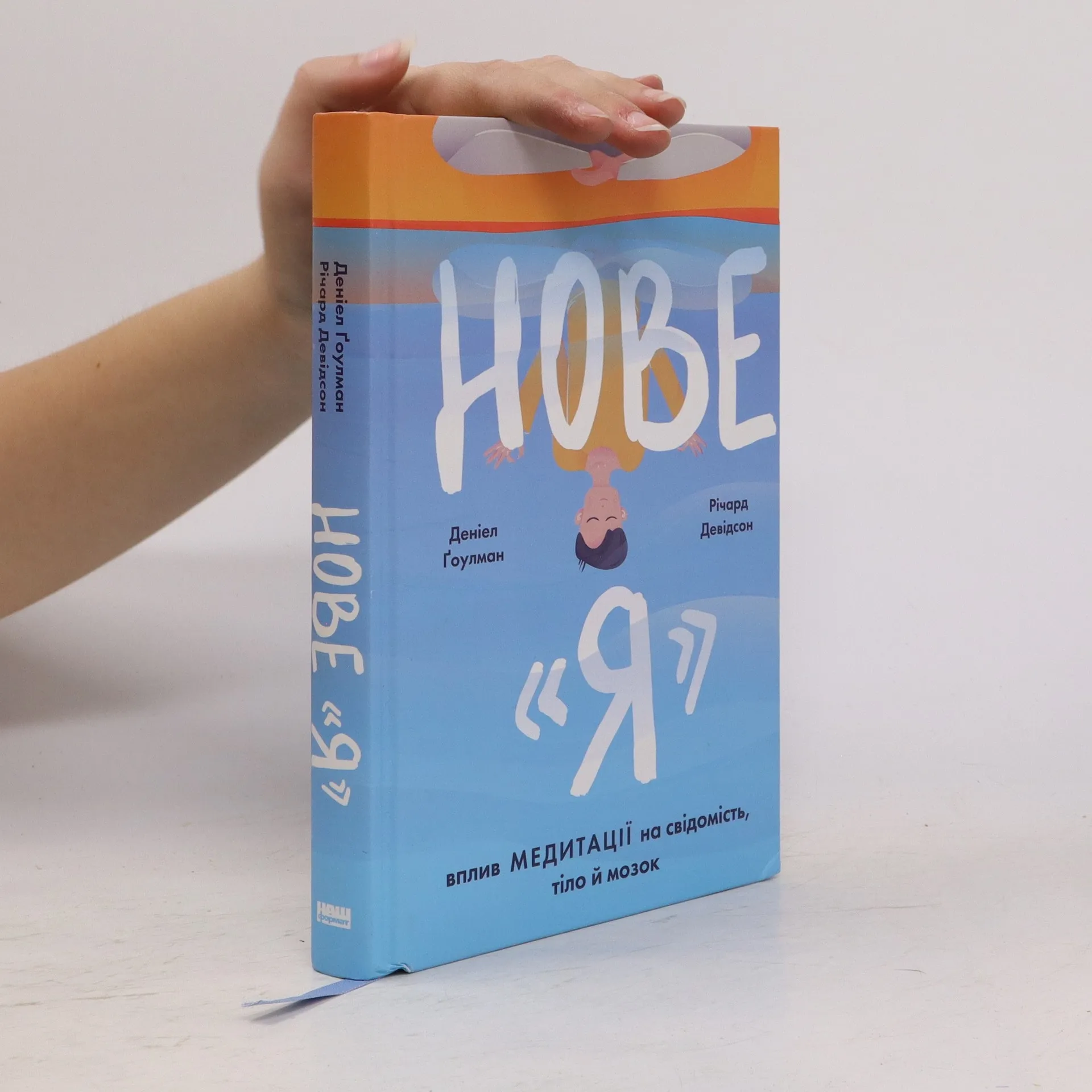
Медитація дає нам не лише приємне відчуття спокою, а й допомагає сформувати нові риси, які залишаються з нами надовго. Однак вона оповита міфами, поверховими знаннями й упередженнями. Науковий журналіст Деніел Ґоулман і нейронауковець Річард Девідсон багато років вивчали медитацію через призму науки, аналізуючи, який вплив може мати медитація не лише на психологічний стан, а й на фізіологію. Автори показують, як тривала практика впливає на нашу свідомість і функції мозку, аналізуючи коли медитація працює, а коли — ні, і чи допоможе цей метод абсолютно всім.
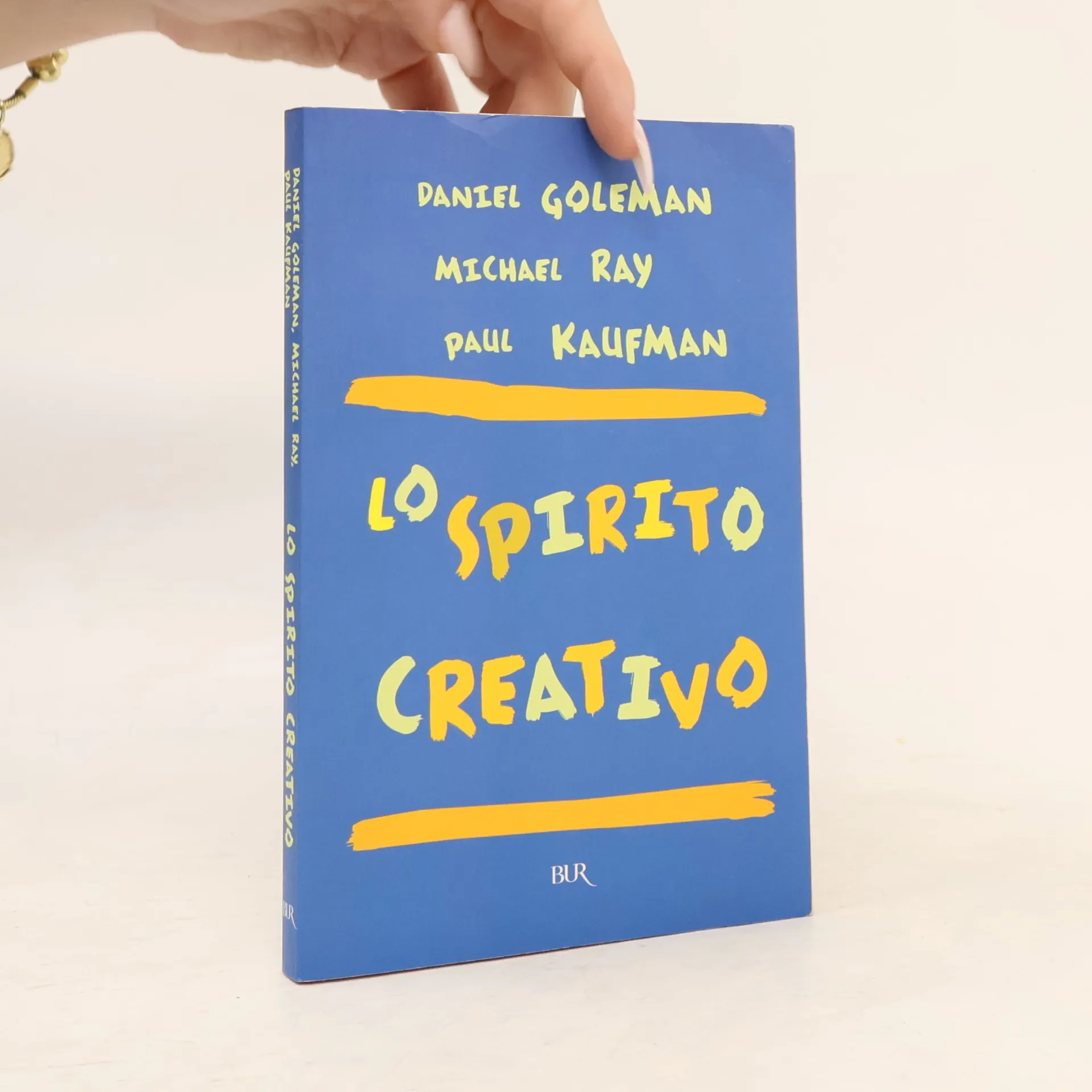
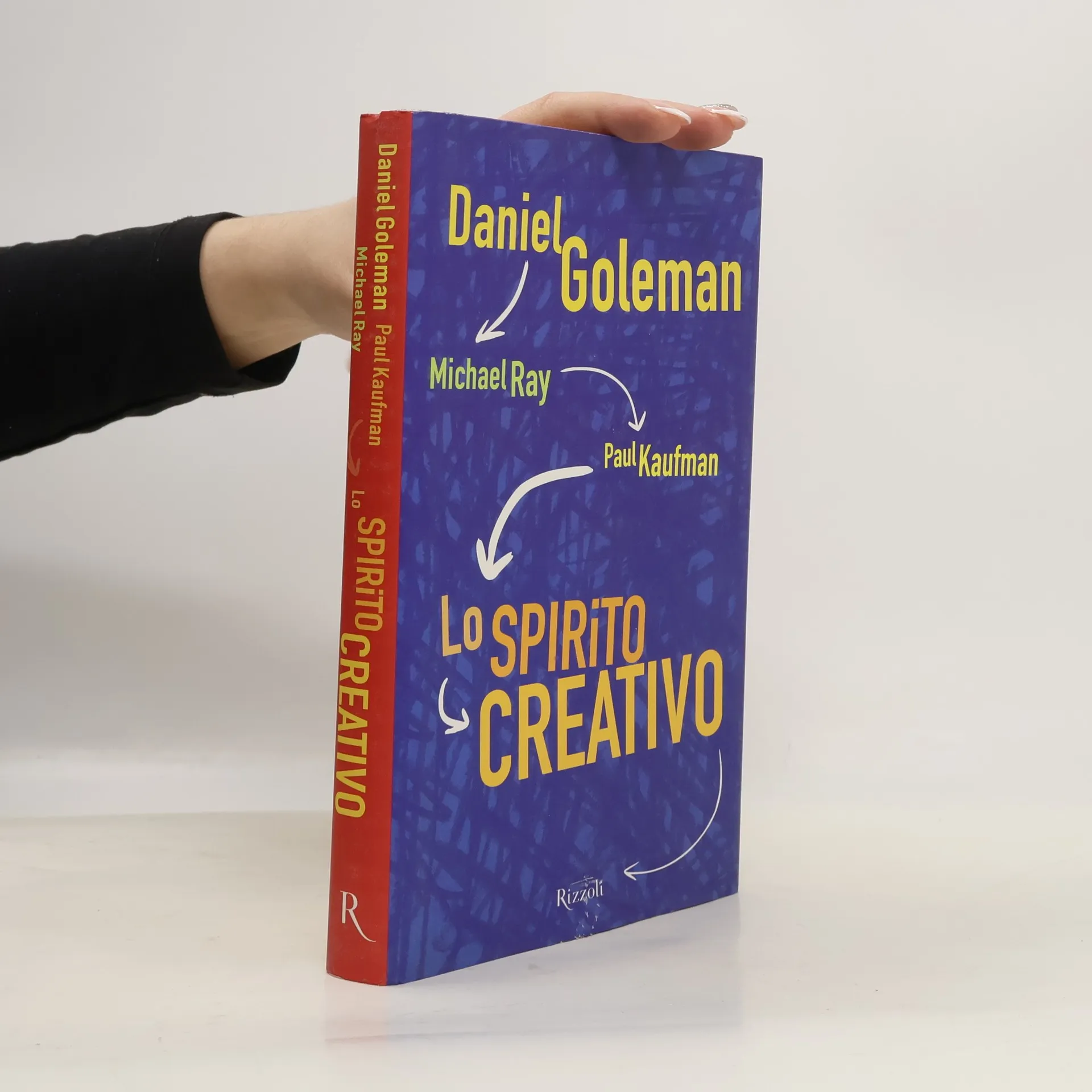
Lo spirito creativo racchiude un messaggio fondamentale: tutti possiamo essere creativi. Questo vale per i bambini, gli adulti, le aziende e le comunità. Come possiamo liberare il nostro spirito creativo e utilizzarlo per migliorare la qualità della vita? Daniel Goleman, insieme a Paul Kaufman e Michael Ray, ci invita a comprendere il processo creativo, a liberarci dagli schemi di pensiero che ci bloccano e a scatenare la nostra immaginazione. Il libro è anche un viaggio intorno al mondo, dove possiamo apprezzare la creatività in azione. Con grande senso dell'umorismo e molta immaginazione, gli autori ci incoraggiano a risvegliare la passione, la perseveranza e la disponibilità a correre rischi che ci fanno sentire vivi.
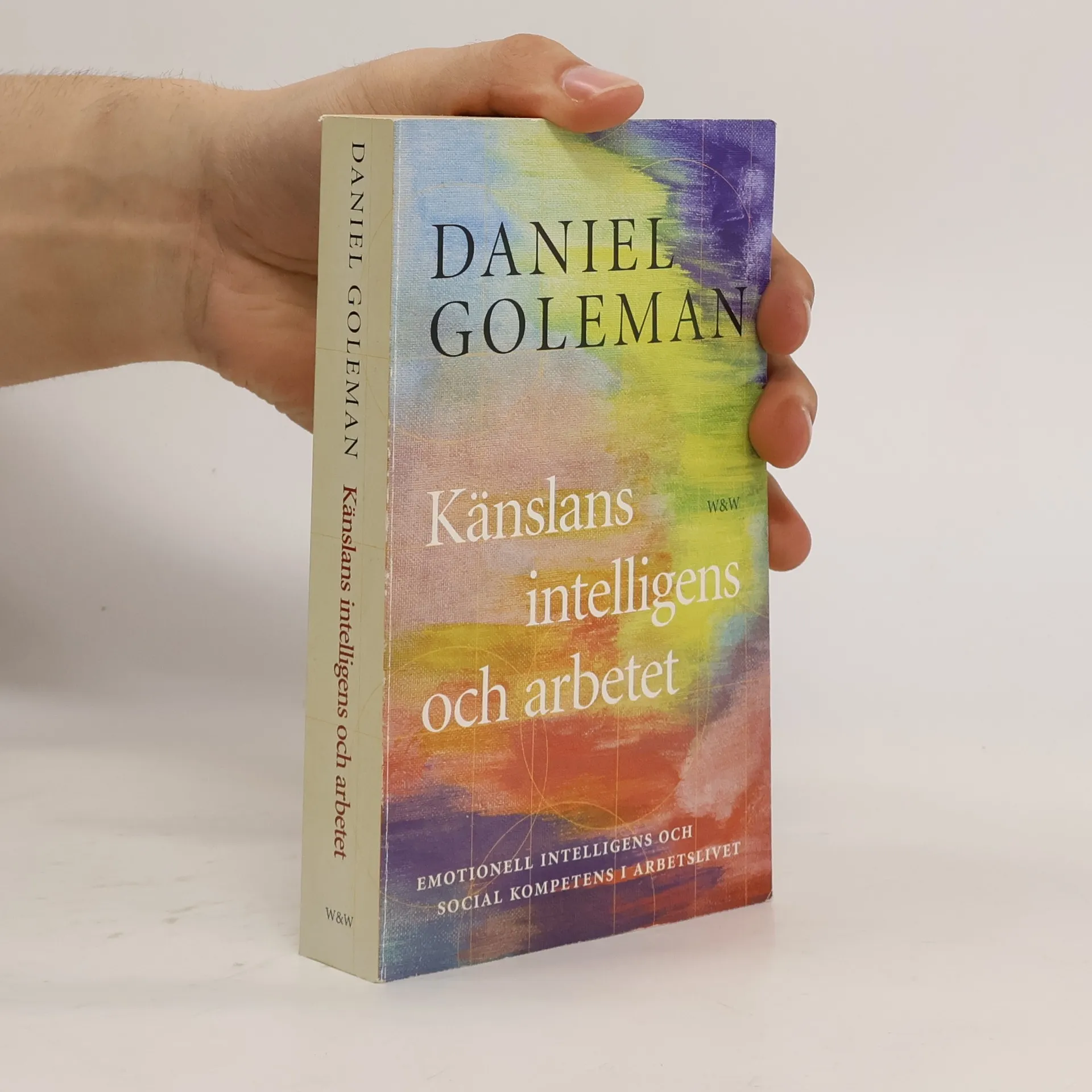
Känslans intelligens och arbetet
emotionell intelligens och social kompetens i arbetslivet
- 404bladzijden
- 15 uur lezen
Emotionale Intelligenz @ Work
Wie Sie jeden Tag Ihre optimale Leistung bringen und zufrieden dabei bleiben
- 280bladzijden
- 10 uur lezen
Das Buch bietet einen Ansatz zur Entwicklung der "inneren Architektur" eines produktiven Tages, um als Führungskraft effektiv zu agieren. Es zeigt auf, wie Führungspersönlichkeiten ihre Mitarbeitenden unterstützen können, um kontinuierlich hohe Leistungen zu erzielen, während gleichzeitig das Risiko von Burnout und Krankheit minimiert wird. Durch praxisnahe Strategien und Methoden wird erläutert, wie eine gesunde Arbeitsumgebung geschaffen werden kann, die sowohl das Wohlbefinden als auch die Leistungsfähigkeit fördert.
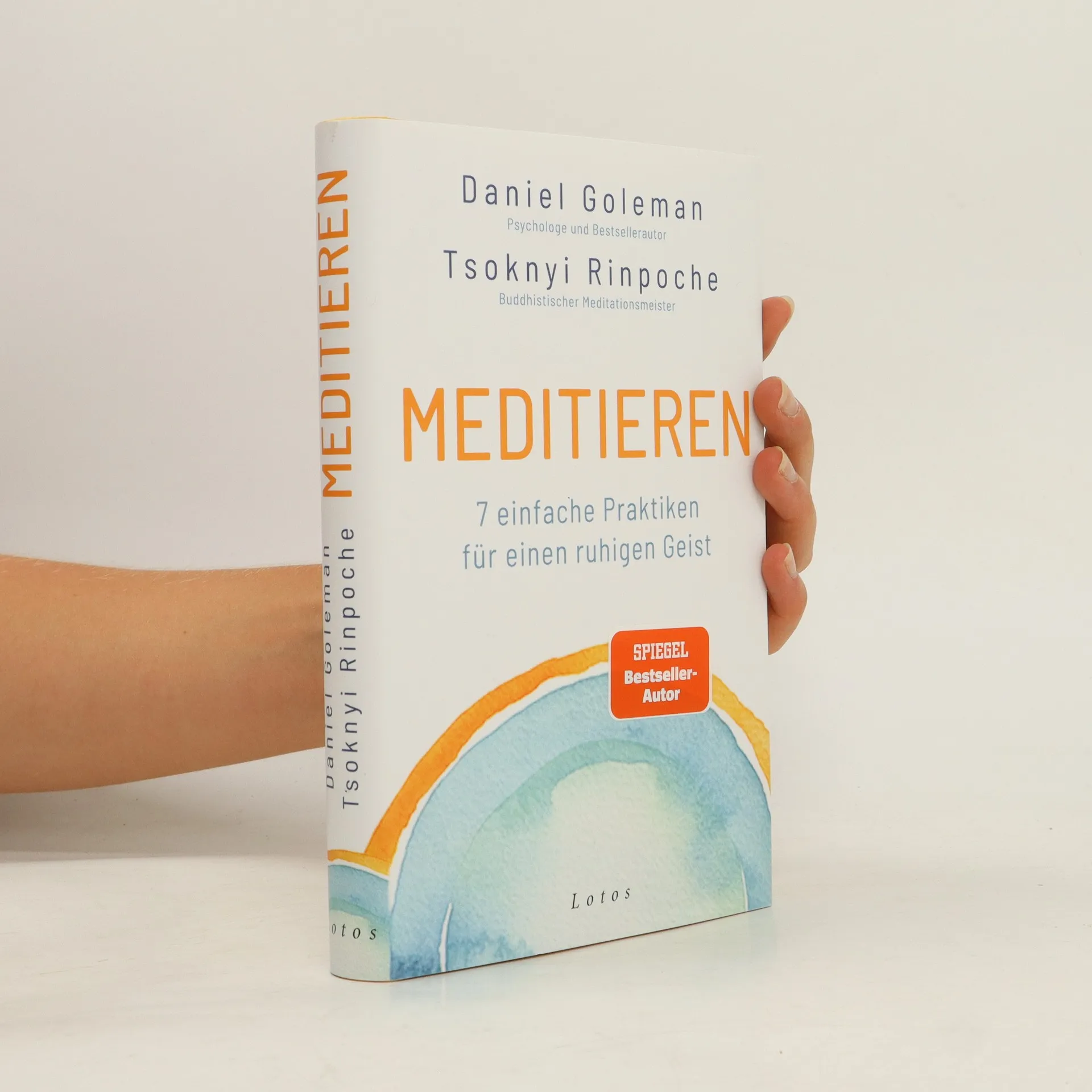
Mit klarem Kopf und unerschütterlicher Ruhe die Herausforderungen des Alltags meistern: Meditation ist erwiesenermaßen das beste Gegenmittel bei Stress und innerer Anspannung! In einer einzigartigen Verbindung von buddhistischer Weisheit und modernster Forschung erschließen zwei renommierte Experten die heilsame Kraft der Meditation. Bestsellerautor Daniel Goleman und der tibetisch-buddhistische Meditationslehrer Tsoknyi Rinpoche präsentieren verblüffend einfach anwendbare Übungen, die auf bahnbrechenden neurowissenschaftlichen Erkenntnissen beruhen. Mit ihrer Hilfe werden Stress und mentale Blockaden überwunden, und der unruhige Geist findet zu der Klarheit, Stärke und Gelassenheit, die wir in unserem hektischen Leben so sehr benötigen. Ein praktischer Leitfaden, der völlig neue Möglichkeiten der Meditation eröffnet – sowohl für erfahrene Meditierende als auch für Meditationsanfänger. So gelingt Meditation wirklich jedem: Das ultimative Praxisprogramm für geistige Klarheit, Gelassenheit und mentale Stärke Zwei weltbekannte Experten verbinden moderne Wissenschaft mit der uralten Weisheit des tibetischen Buddhismus
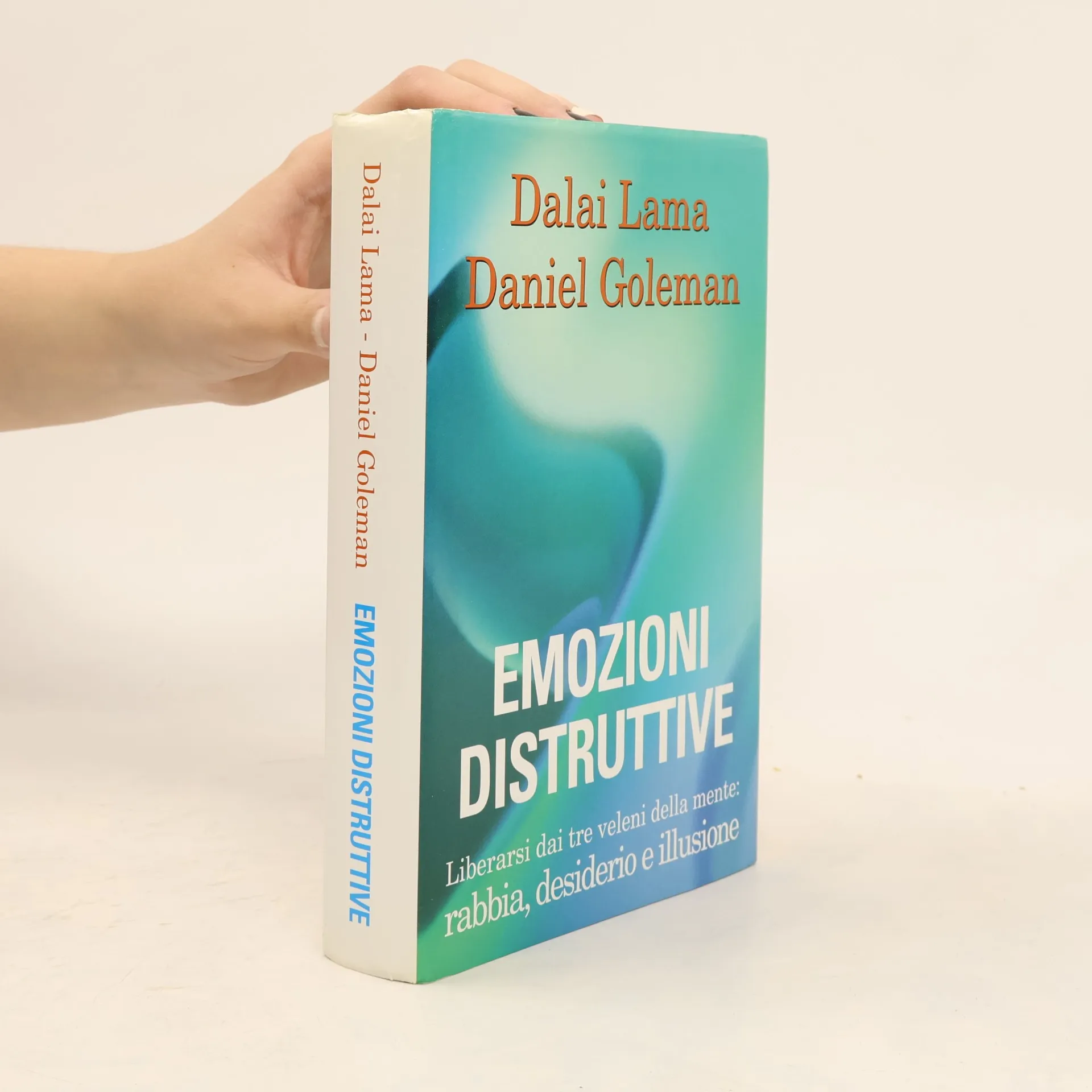
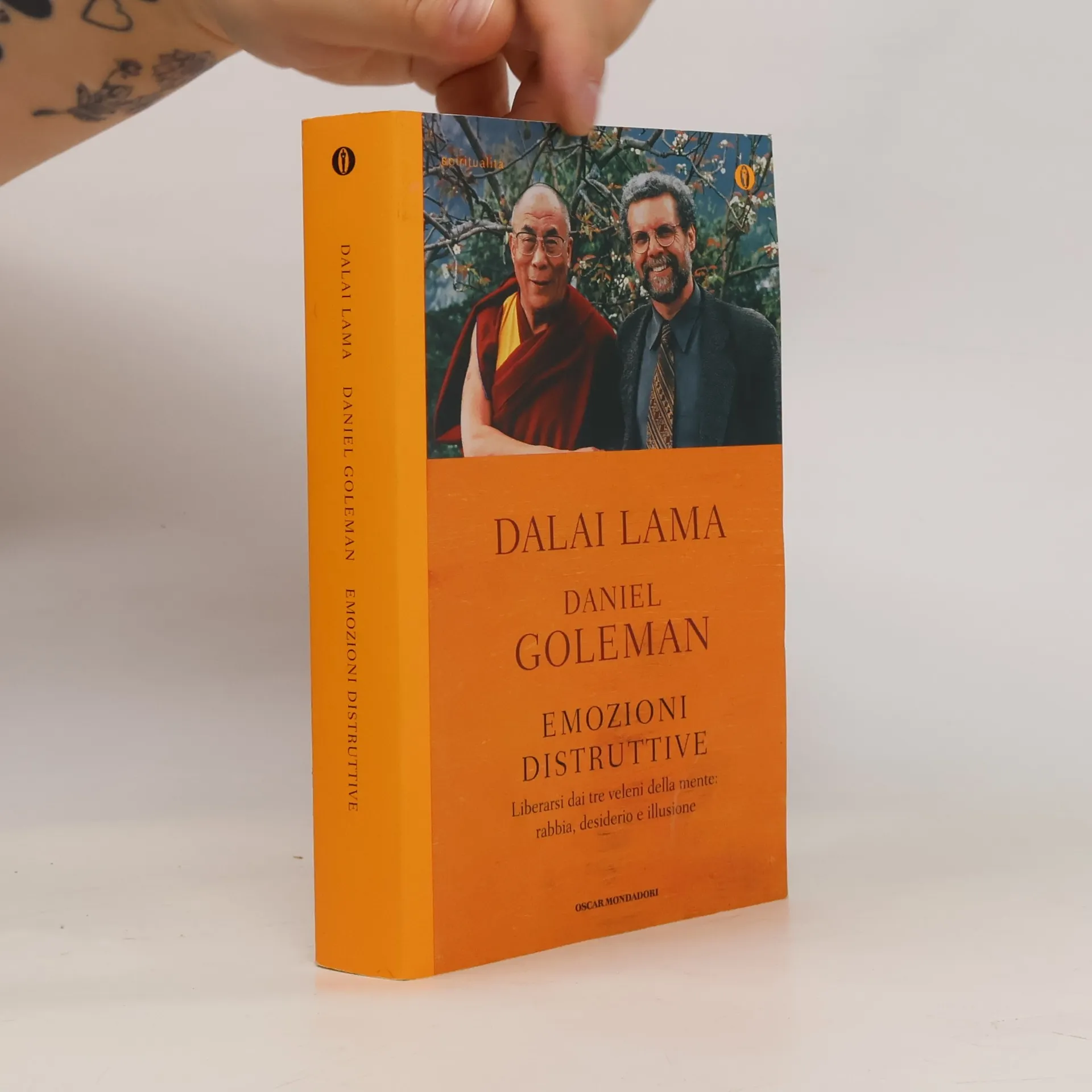
Emozioni distruttive. Liberarsi dai tre veleni della mente
rabbia, desiderio e illusione
- 532bladzijden
- 19 uur lezen
Con la meditazione i monaci buddhisti riescono a raggiungere uno stato di serena felicità. E ci assicurano che è una condizione che tutti possono sperimentare. Ma come? Per rispondere a questa domanda un gruppo di psicologi, filosofi e neuroscienziati occidentali guidati da Daniel Goleman - il profeta della cosiddetta "intelligenza emotiva" - si è confrontato con il Dalai Lama. Dal loro incontro è scaturita una sola liberarsi dai "veleni della mente" (rabbia, desiderio, illusione) è la chiave delle felicità. Così se da un lato il Dalai Lama ci spiega come trasformare le emozioni negative in sentimenti positivi, dall'altro Goleman ci mostra, con rigorosi metodi scientifici, come la pratica della meditazione possa rimuovere le cause delle nostre peggiori pulsioni. Insieme i due autori ci invitano a gettare uno sguardo colmo di speranza sul lato più oscuro della nostra mente per renderlo limpido e luminoso.
Saggi stranieri: Optimal. Dimentica la perfezione, evita il burnout e vivi al tuo meglio
- 336bladzijden
- 12 uur lezen
Utgangspunktet for denne boken er at emosjonelt intelligente ledere er gode ledere, at gode ledere får det som de vil og at emosjonell intelligens kan læres. I følge bokens forfatterne står emosjonell intelligens for 85-90 % av det som skiller fremragende ledere fra andre ledere. Boken gir svart på hvilke emosjonelle ressurser ledere trenger for å blomstre midt oppe i kaos og turbulente endringer, hva som gir ledere den indre styrken til å være ærlig om smertefulle sannheter og hva som setter en leder i stand til å inspirere andre til å gjøre sitt beste. Det ses også på hvordan ledere skaper et emosjonelt klima som fremelsker kreative innovasjoner, helhjertede arbeidsprestasjoner og varme og varige relasjoner til kundene. Daniel Goleman er også kjent som forfatter av "Emosjonell intelligens".
Attentif, concentré et libre
Concentration, pleine conscience : les clés de la réussite
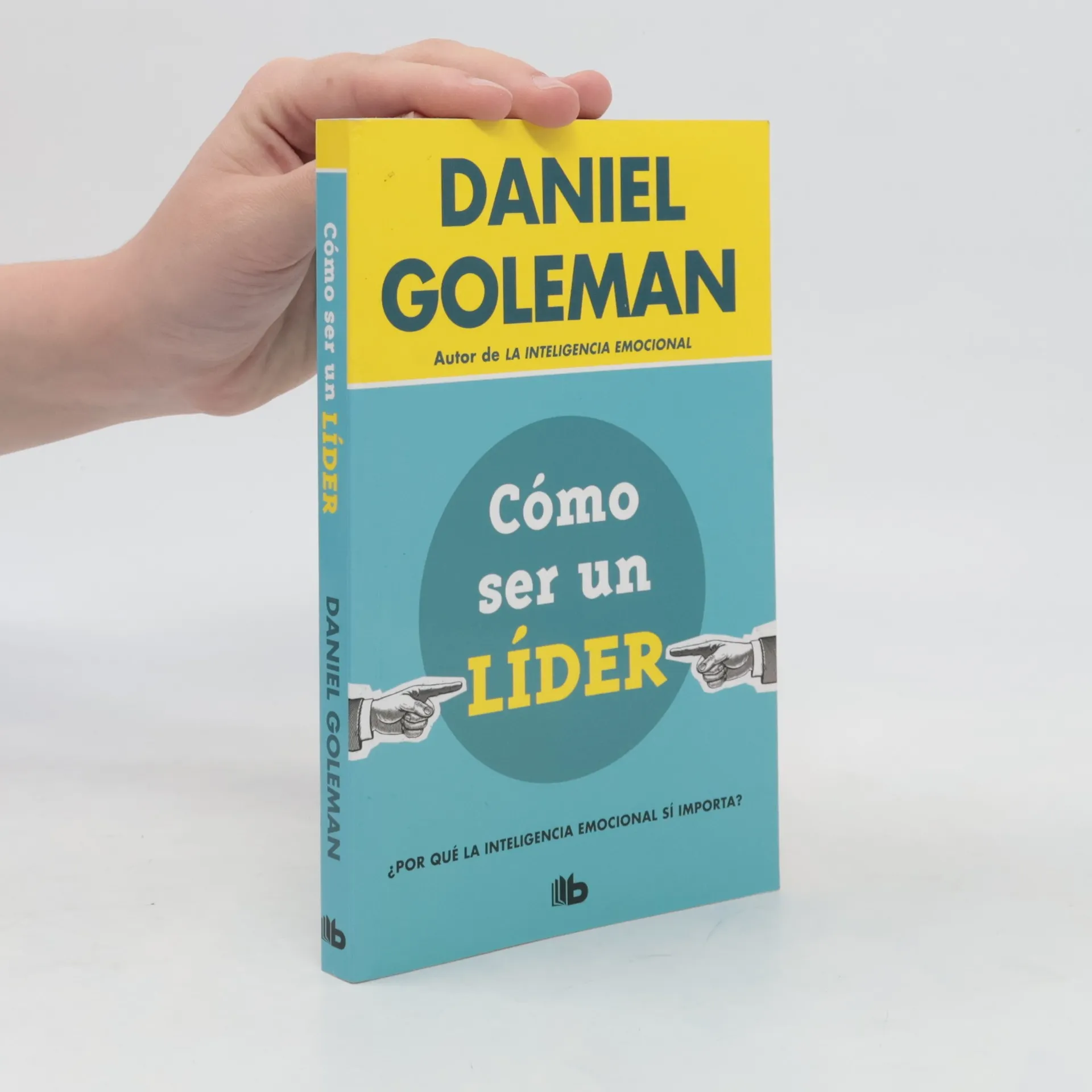
Como ser un líder
- 208bladzijden
- 8 uur lezen
Lectura esencial para todos aquellos comprometidos con el fomento de la buena gestión, así como para aumentar el rendimiento y la innovación empresarial. Daniel Goleman, psicólogo y periodista, ha dedicado más de dos décadas a investigar los avances científicos en busca de todo aquello que sea novedoso, importante y útil para nuestro desarrollo personal y profesional. Este nuevo libro, en la estela de El cerebro y la inteligencia emocional y Liderazgo, compila los artículos más buscados e innovadores de la Harvard Business Review y otras revistas de negocios. Este volumen refleja la evolución del pensamiento de Goleman sobre la inteligencia emocional, el seguimiento de las últimas investigaciones neurocientíficas sobre la dinámica de las relaciones y los datos más recientes sobre el impacto que tiene la inteligencia emocional en la línea de fondo de una organización empresarial. Este material, muy citado y de demostrada efectividad, se ha convertido en una lectura esencial para los dirigentes, coachs y educadores comprometidos con el fomento de la buena gestión, así como para aumentar el rendimiento y la innovación empresarial.
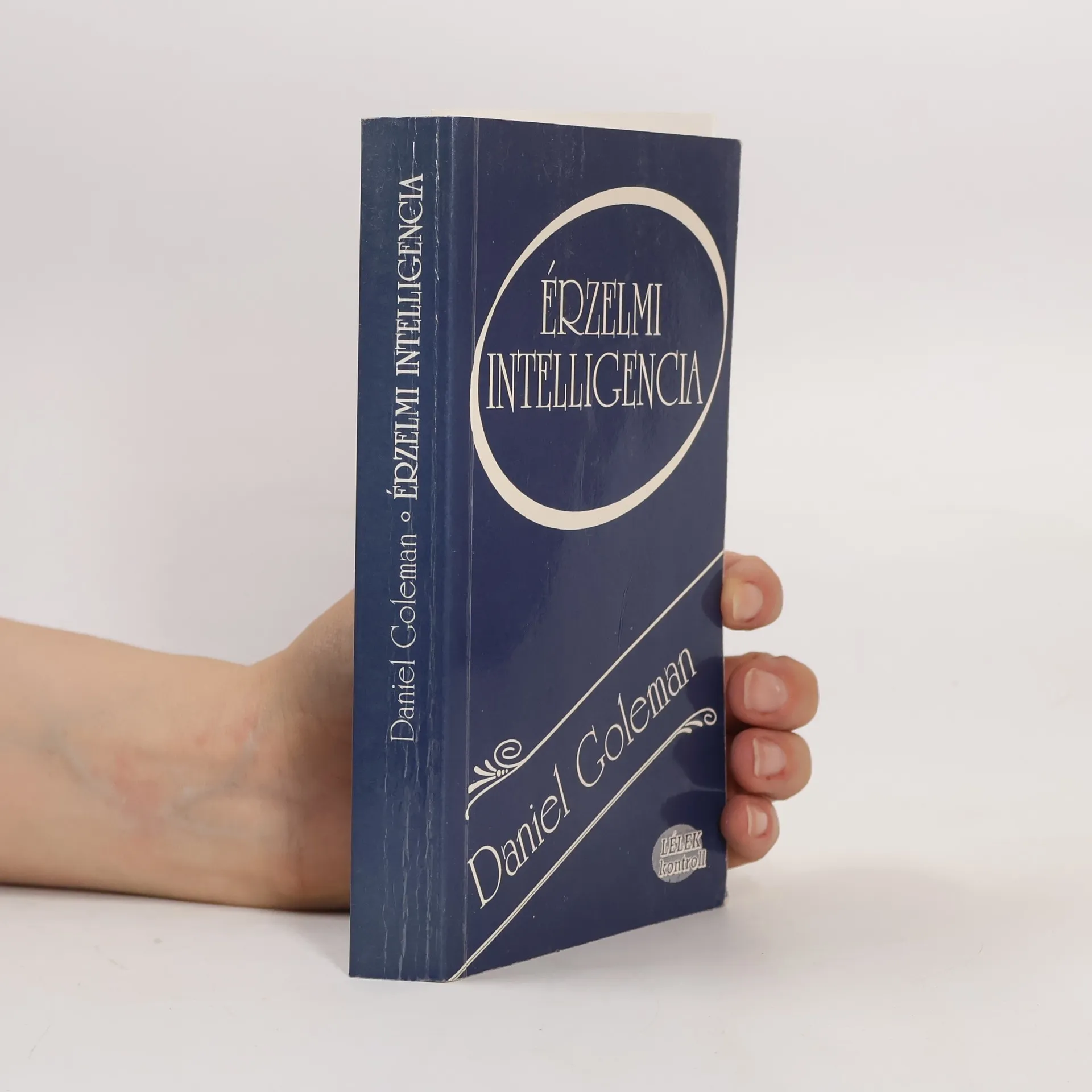
Érzelmi intelligencia
- 453bladzijden
- 16 uur lezen
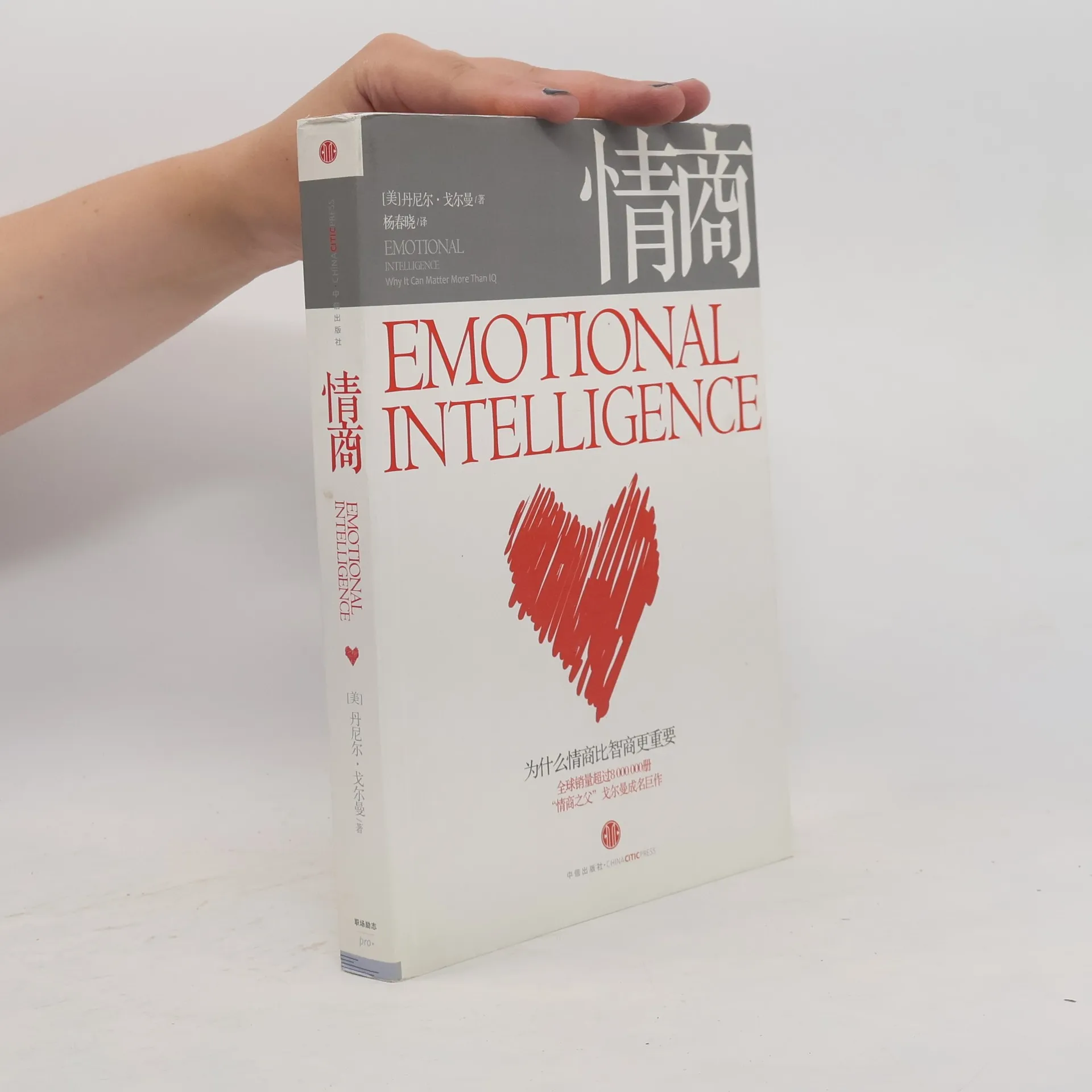
情商:为什么情商比智商更重要
- 353bladzijden
- 13 uur lezen
智商即命运吗?其实智商并没有我们想象的那样重要。《情商》一书不仅打破了长久以来智商的天生决定论,更为心理学界探讨已久的“情绪智慧”问题提出关键性的解释。丹尼尔·戈尔曼认为,由于没有考虑到对人类行为产生重大作用的一系列关键能力,我们对人类智力的理解存在很大的局限。《情商》自出版十几年以来,“情商”这一术语现已成为人们的日常用语。作者利用大脑与行为科学的突破性研究,说明了高智商的人表现不佳、普通智商的人表现出色的影响因素。这些因素包括自我意识、自律和同理心,它们不是天生固有的,却能为我们提高智力另辟蹊径。情绪智力成形于我们的童年时期,但可在成年时期得到培育和加强——这对我们的健康、人际关系以及工作将会产生直接益处。情商是一种基本生存能力,决定你其它心智能力的表现,也决定你一生的走向与成就。《情商》10周年纪念版反映了新的研究进展以及作者新的思考认识,同时作者还在书中对他在世界各地演讲期间遇到的重点问题进行了解答。情商研究是一个快速发展的领域,新增的附录部分,为读者提供情商领域的参考资料。令人耳目一新的《情商》,是走向卓越的新愿景,是改变你我以及后代未来的人生必修课。购1000册以上的用户,本商品提供订制服务。如需加企业LOGO、腰封,或有其他需求,请发邮件至dushuhui@jd.com。请提供您的姓名、电话、公司名称、需购买的商品链接和数量、您要送达的城市,以及具体需求。认识自我潜能、获得成功的重量级好书!享誉全球的《情商:为什么情商比智商更重要》一书已经畅销10年,销量达800多万册,中信版的“《情商》10周年纪念版”是在原著的基础上,加上了作者的再版前言和众多专家的推荐,内容更加充实,更具有可读性。中信版《情商:为什么情商比智商更重要》是在中国大陆发行的以“情商”命名的中文简体版。特邀清华大学教授、情商研究知名专家吴维库深入解读,使中信版《情商:为什么情商比智商更重要》更易于让中国大陆读者接受。中信版《情商:为什么情商比智商更重要》翻译精准,在编辑过程中也未作任何删减,精妙传达了原著的神韵。想象有那么一刻,你正坐在飞机上从纽约飞往圣弗朗西斯科。一路的旅程很舒适,但在经过洛基山的时候,飞机广播里突然传出飞行员的声音:“女士们先生们,飞机前方将会遇到气流,请回到座位并系好安全带。”不久飞机遇上气流不断颠簸,其剧烈程度是你从来没有经历过的——飞机一会高一会低,一会向左一会向右,如同在大海中漂浮的气球。现在,你会怎么反应?你是把头埋在书本或杂志里,或者继续看电影,完全不理会气流的影响,还是找出紧急情况提示卡,复习注意事项,或者观察乘务员是否出现惊慌的神情,或者紧张地听着飞机引擎的声音,看是否出现异常?专家导读对待困境的两种注意力立场:把自己置身事中和置身事外。置身事中增强了情绪反应,置身事外弱化了情绪反应。我们在此时的自然反应,表明了我们在困境之中偏好的注意力立场(attentionalstance)。这个发生在飞机上的小插曲其实是美国天普大学心理学家苏珊娜·米勒(SuzanneMiller)进行的一项心理实验,目的是评估人们在危急关头是倾向于保持警惕,密切关注困境之中的每一个细节,还是尽量分散自己的注意力,转移视线。对待
Spirito creativo
- 226bladzijden
- 8 uur lezen
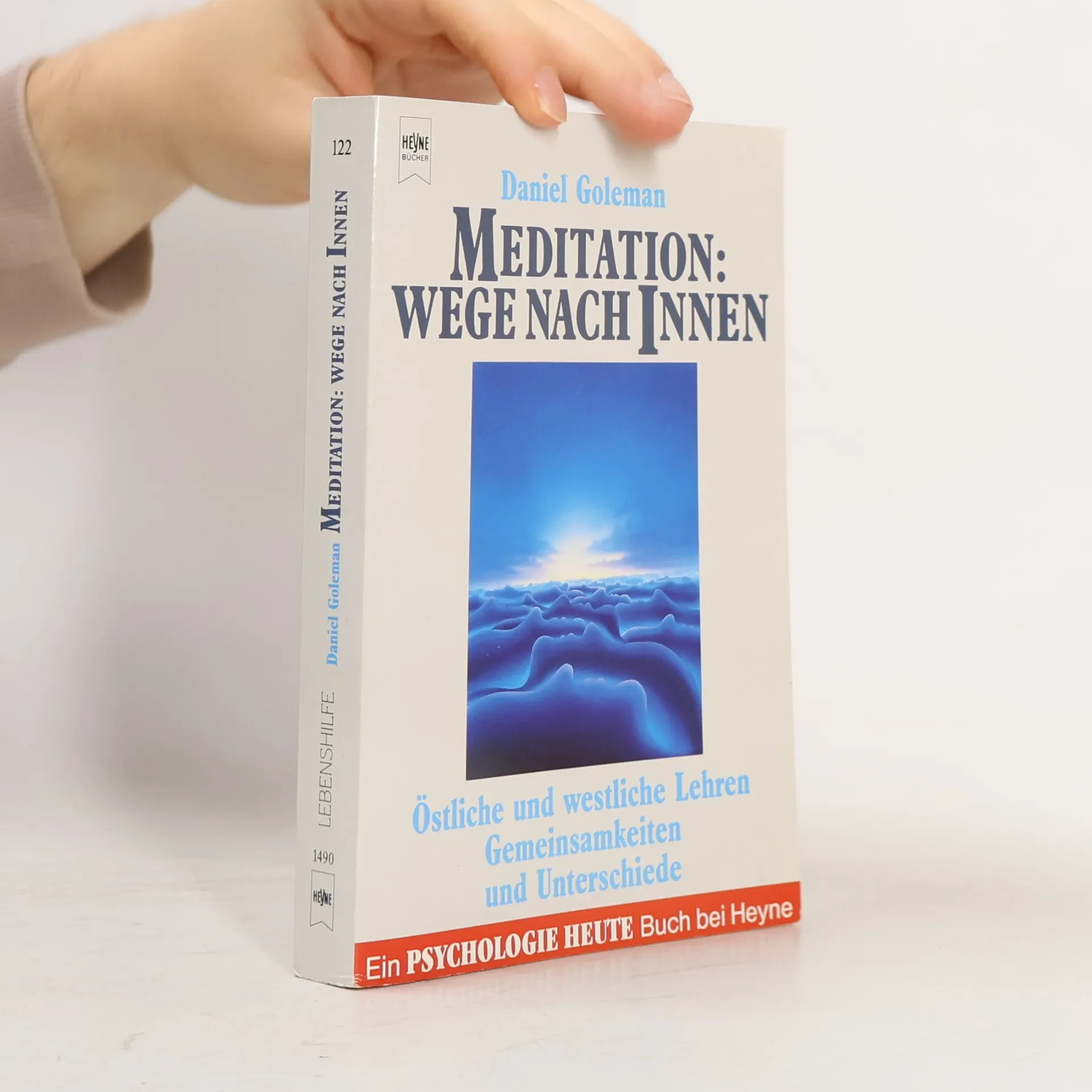
Meditation
Wege nach innen: Östliche und westliche Lehren Gemeinsamkeiten und Unterschiede
- 267bladzijden
- 10 uur lezen
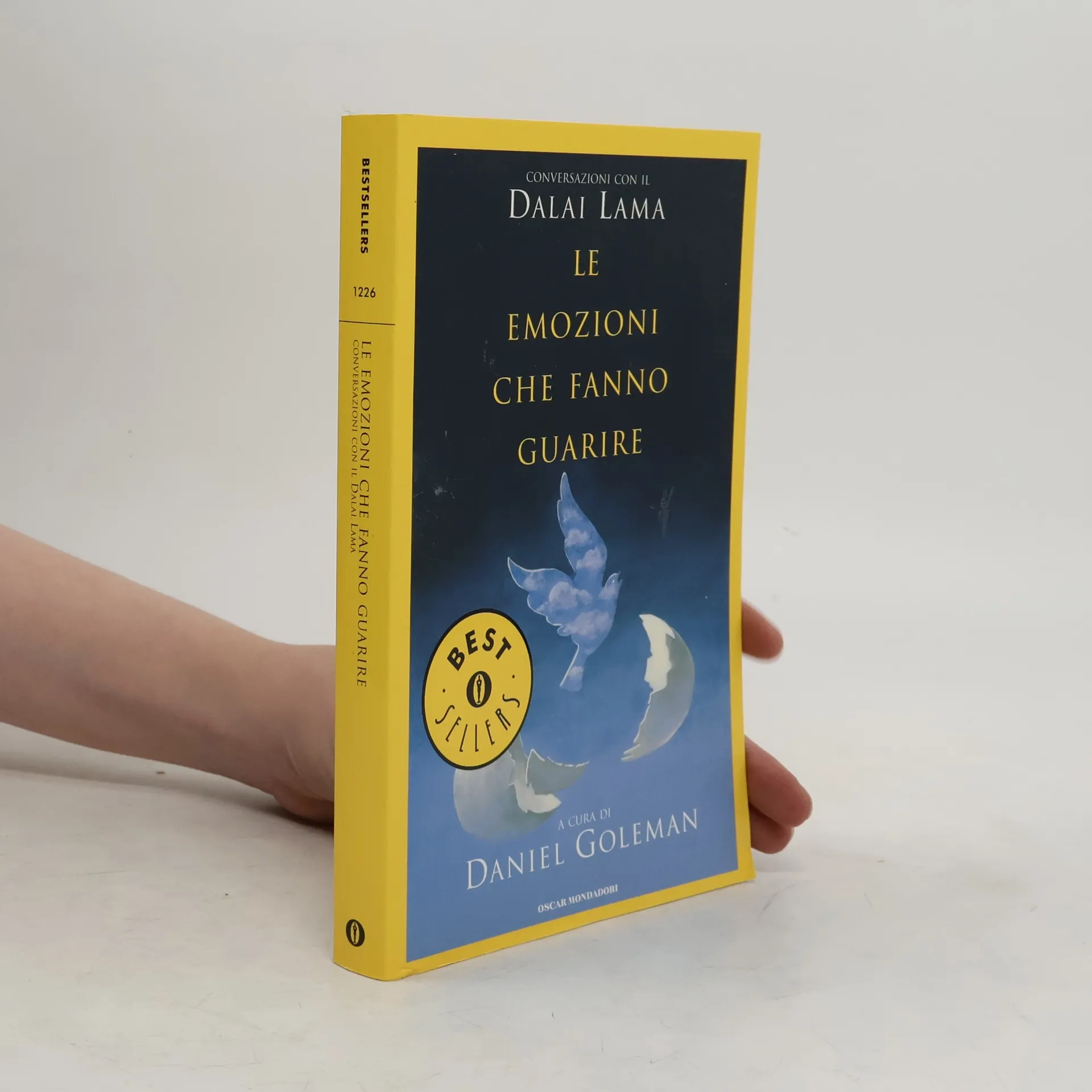
Le emozioni che fanno guarire
- 252bladzijden
- 9 uur lezen
La mente può guarire il corpo? La tradizione buddista dice di sì e ora molti scienziati occidentali stanno iniziando a concordare. Le emozioni che fanno guarire è il resoconto di una straordinaria serie di incontri tra il Dalai Lama e importanti psicologi, medici e insegnanti di meditazione occidentali che gettano nuova luce sulla connessione mente-corpo. I temi trattati includono: la compassione come medicina; la natura della coscienza; l'autostima; e i punti di incontro tra mente, corpo e spirito.