

Presents the English statesman's classic denunciations of sixteenth-century tyranny and corruption and vision of an ideal society, along with historical and biographical notes.
Ralph Robinson Boeken
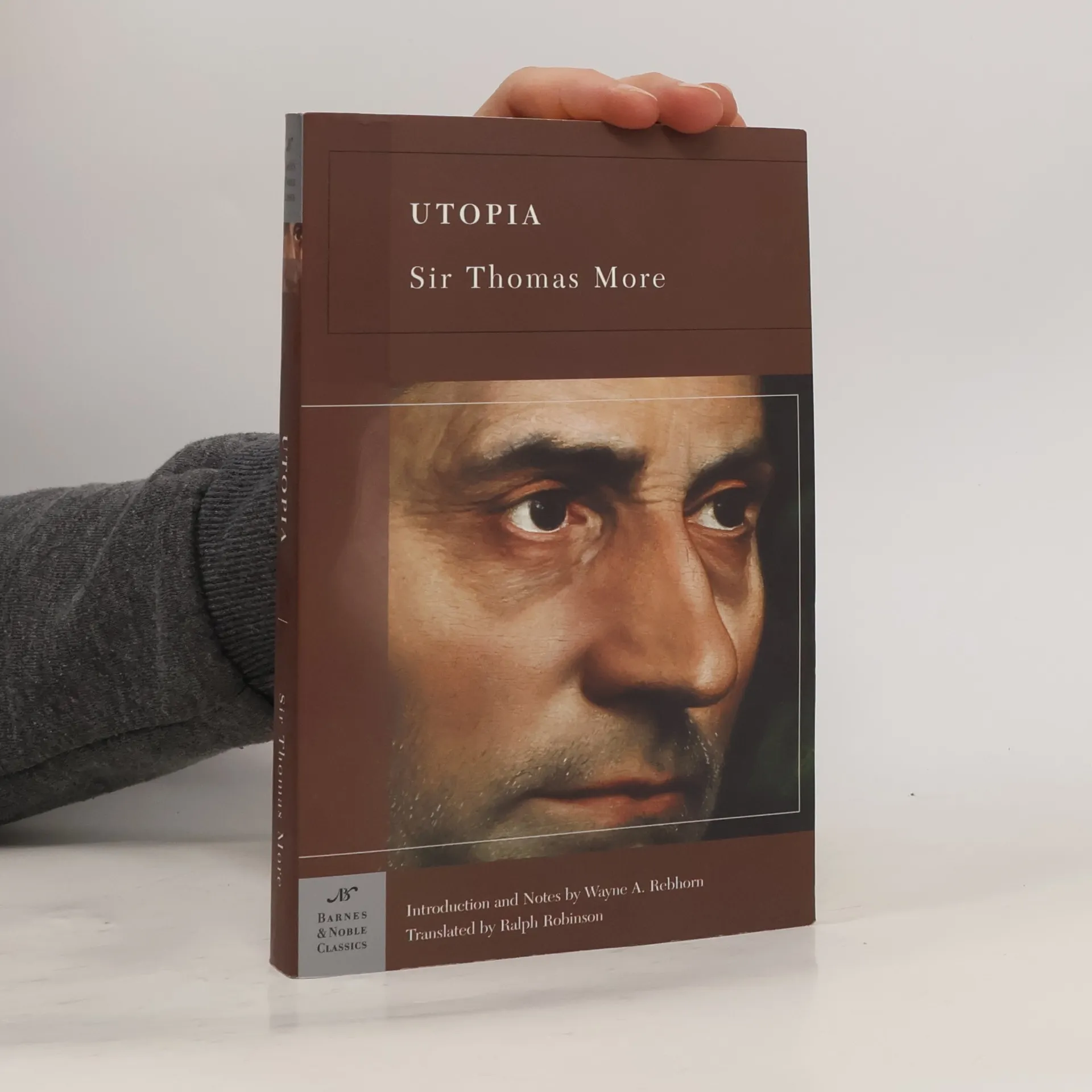
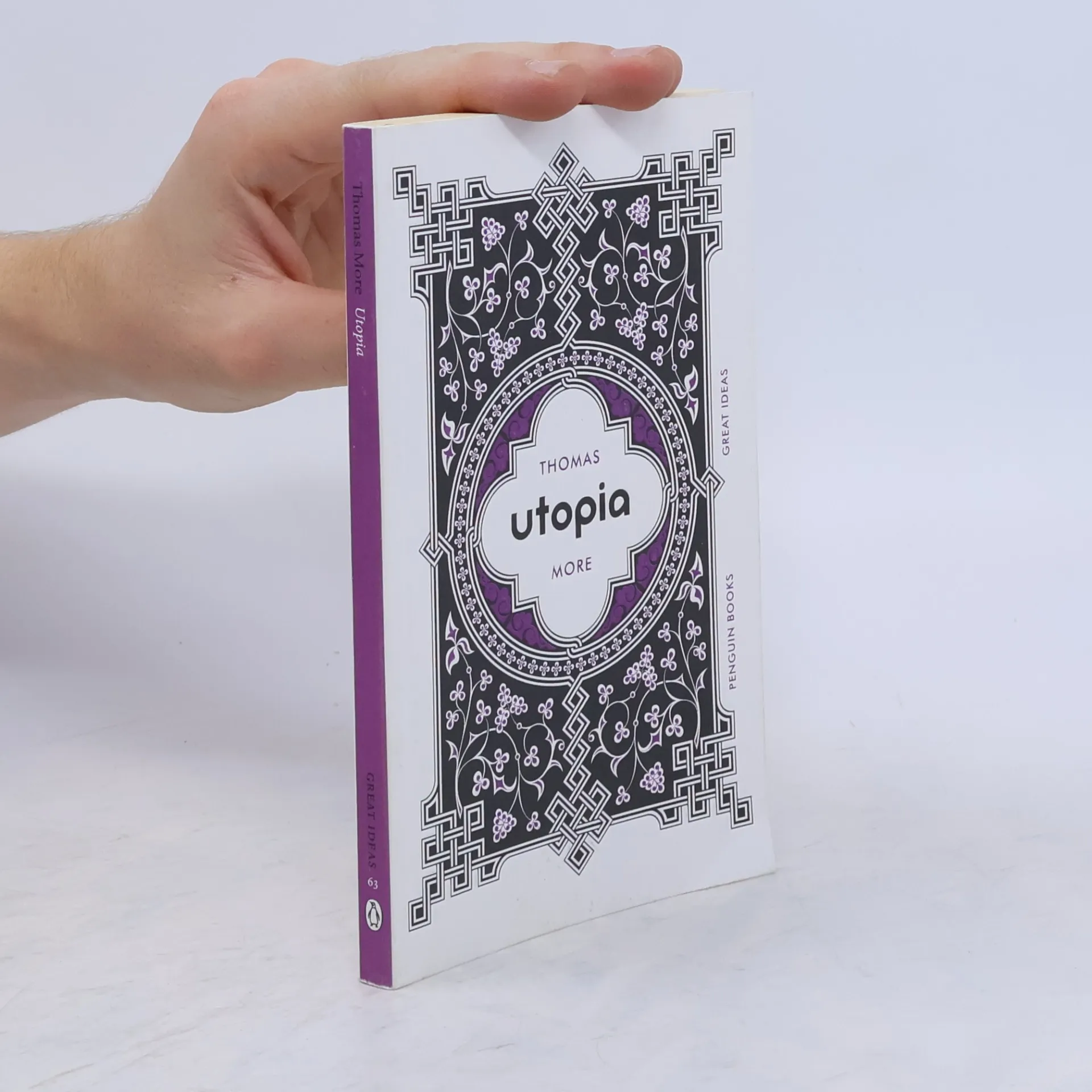
Barnes & Noble Classics: Utopia
- 215bladzijden
- 8 uur lezen
This edition is part of the Barnes & Noble Classics series, offering quality, affordable versions for students and general readers. It features new introductions by contemporary writers and scholars, author biographies, chronologies of historical events, footnotes, endnotes, and discussions of various adaptations inspired by the work. Additional elements include comments from notable authors, study questions, bibliographies, and indices or glossaries when relevant. Each edition is beautifully designed and printed to high standards, with some including historical illustrations. One of the most significant works in Western philosophy and literature, it was published in 1516 during a time of religious conflict in Europe. The narrative is presented by Raphael Hythloday, a sailor who discovers the island kingdom of Utopia, characterized by its uniformity in language, customs, and education across its fifty-four cities. The Utopians have abolished wealth, nobility, and currency, ensuring equal distribution of labor and goods, while eliminating temptations that might lead individuals away from society. More's work raises questions about whether it serves as a critique of European society or a philosophical exploration of ideal living. Ultimately, it grapples with the tension between the pursuit of perfection and the recognition of human fallibility. Wayne A. Rebhorn, a professor at the University of Texas at Austin, has extensively