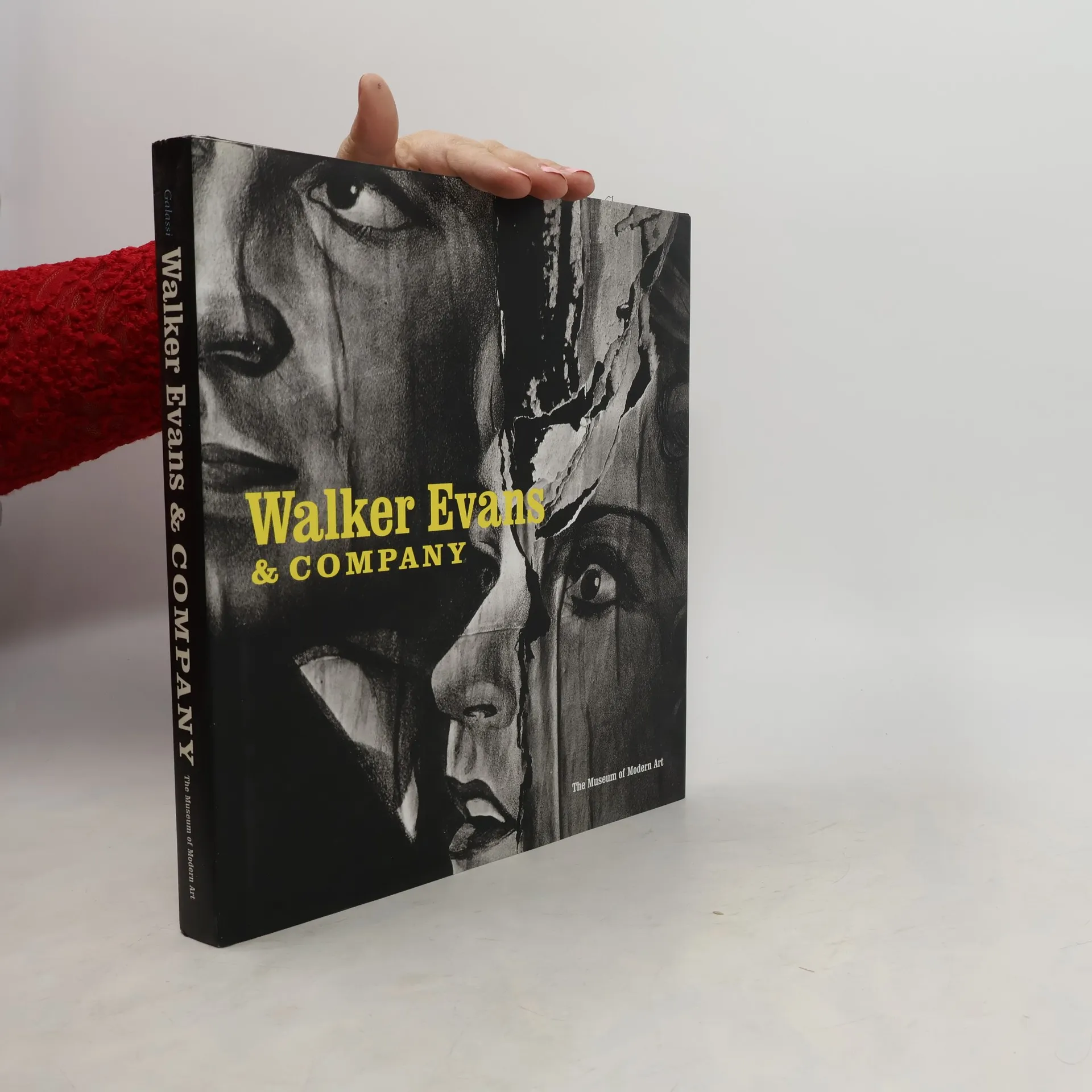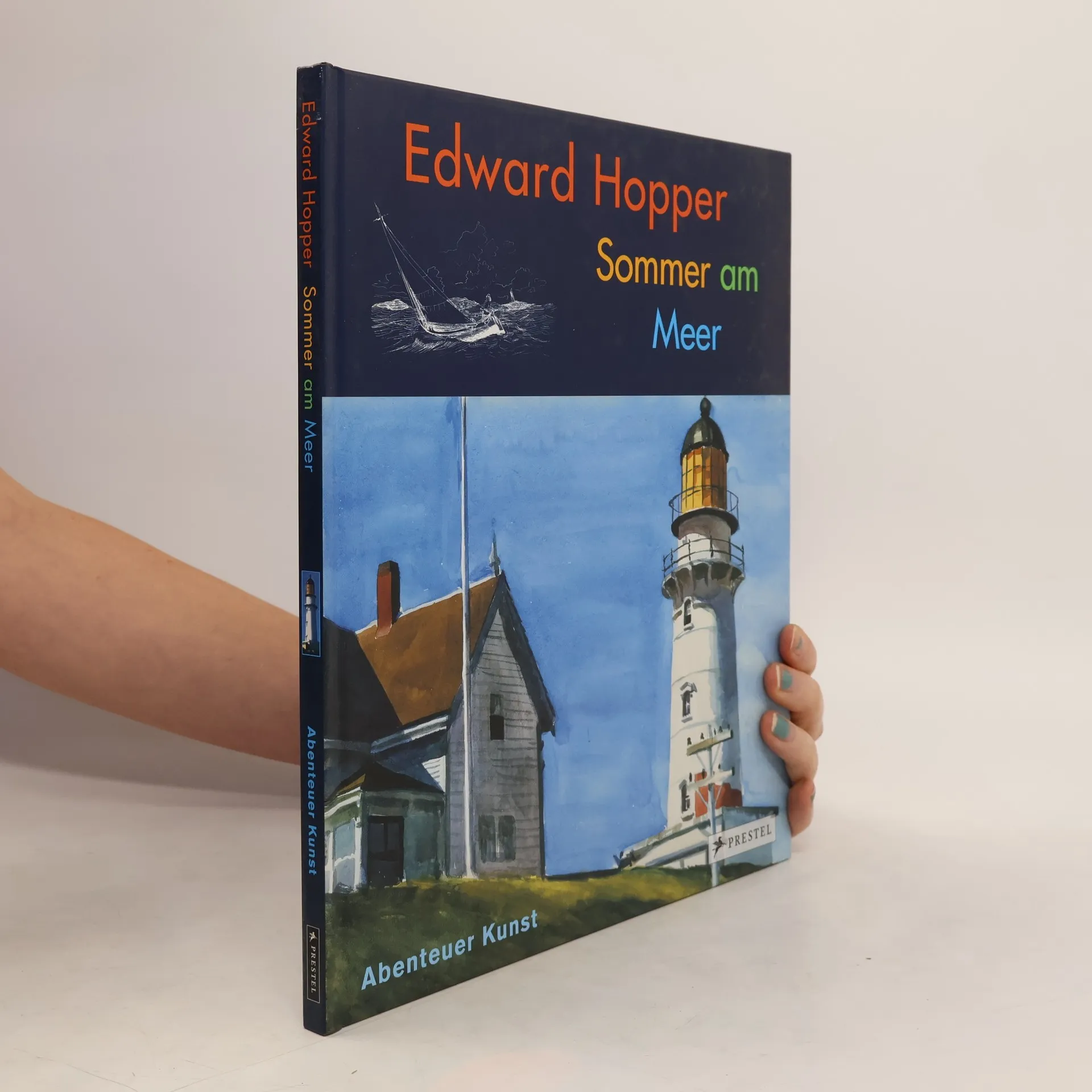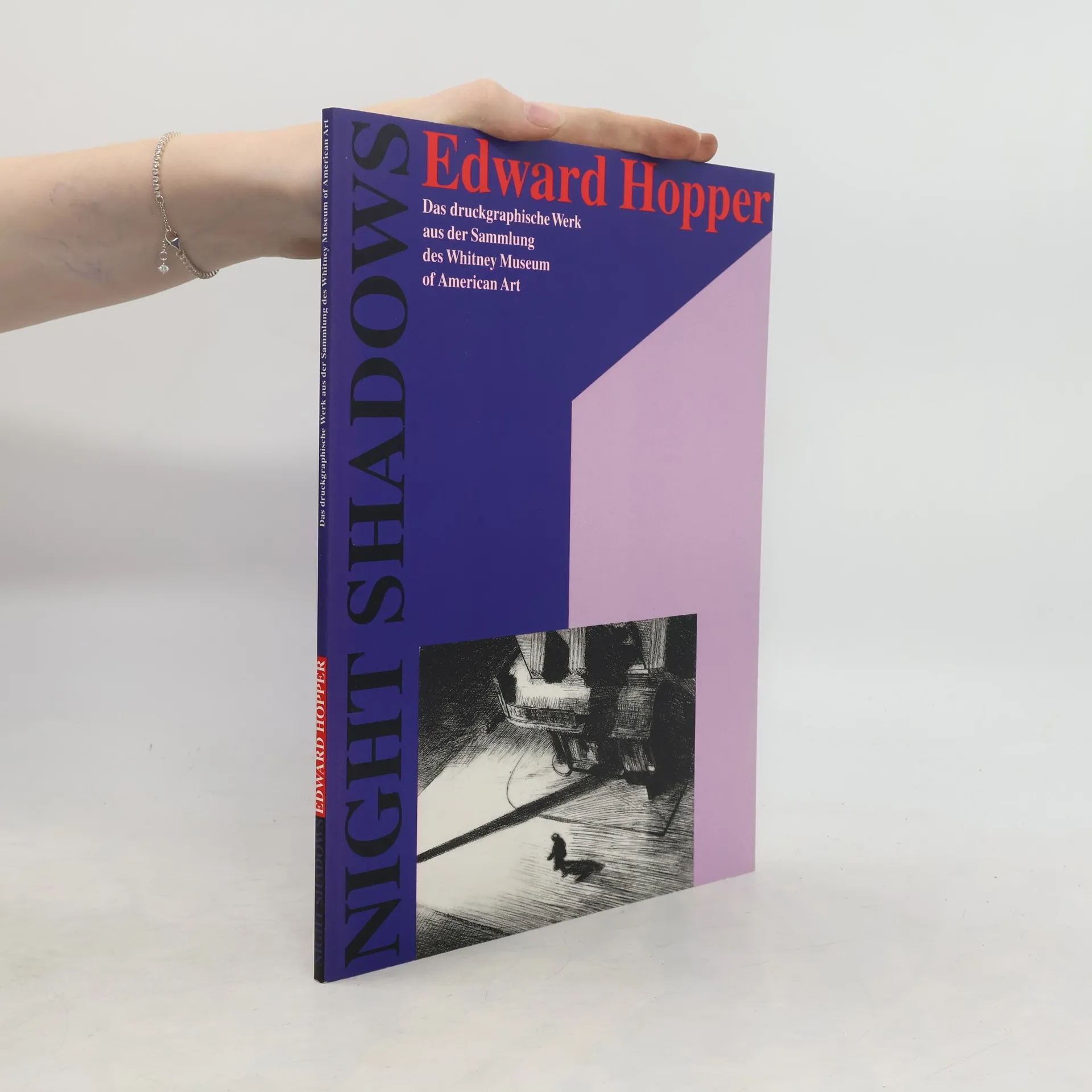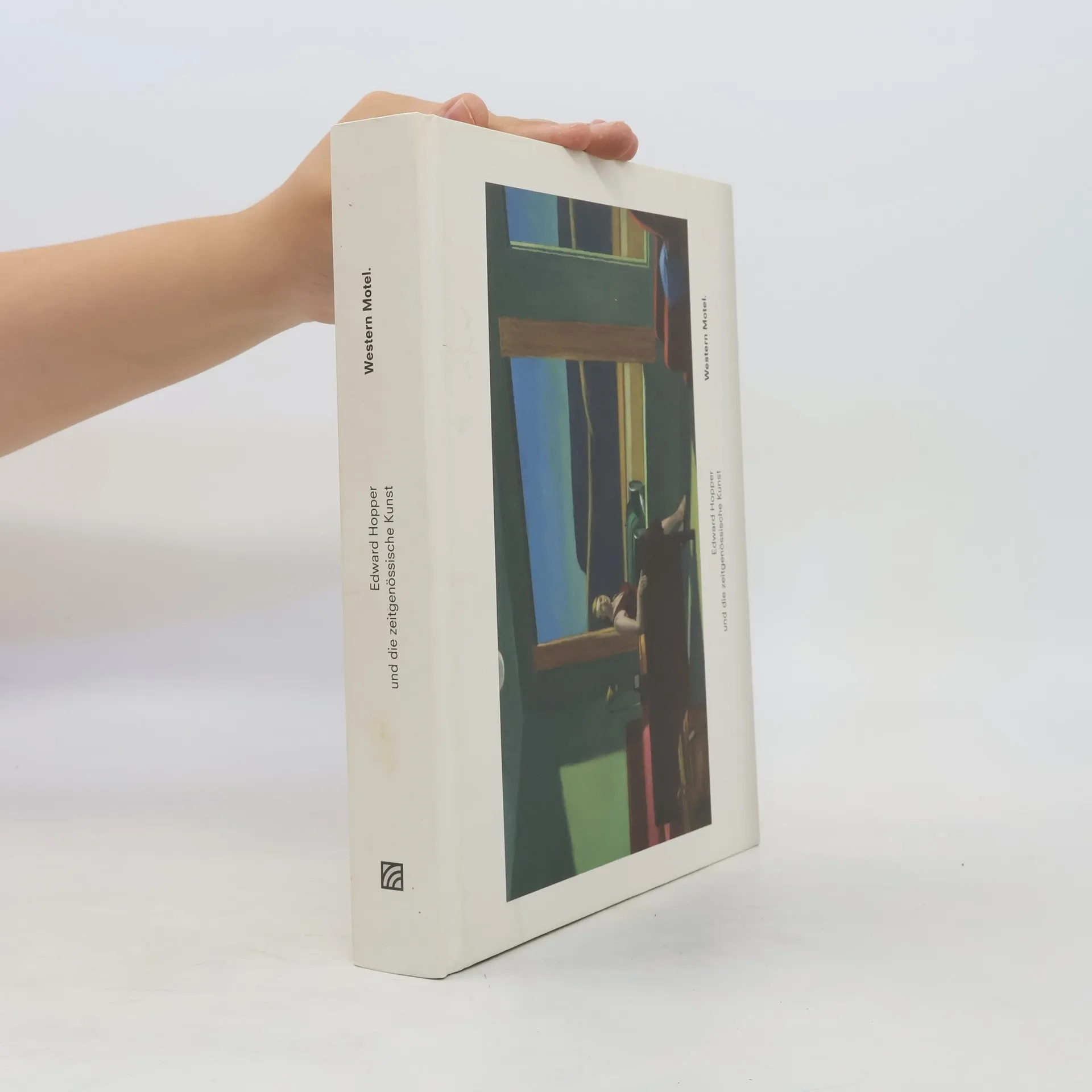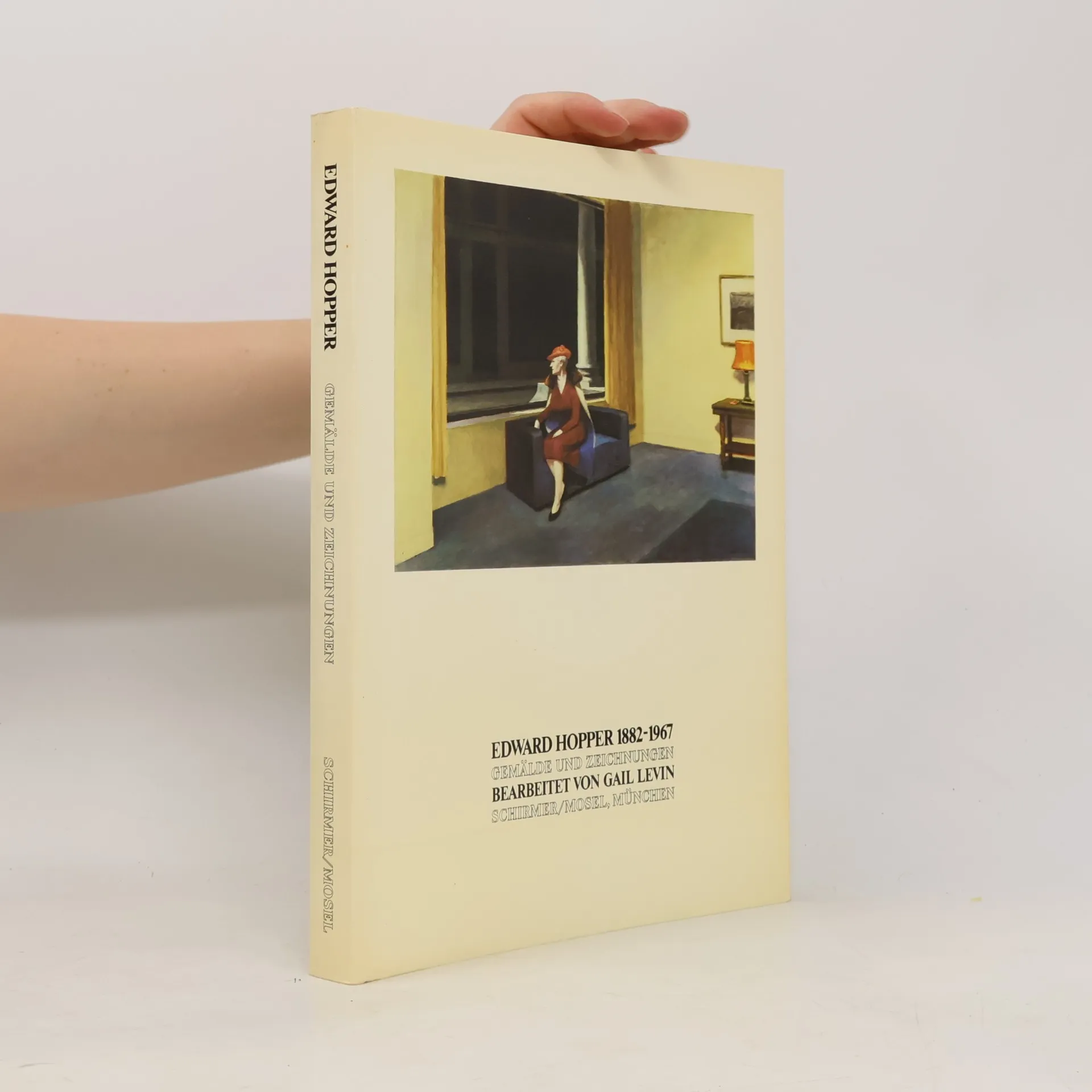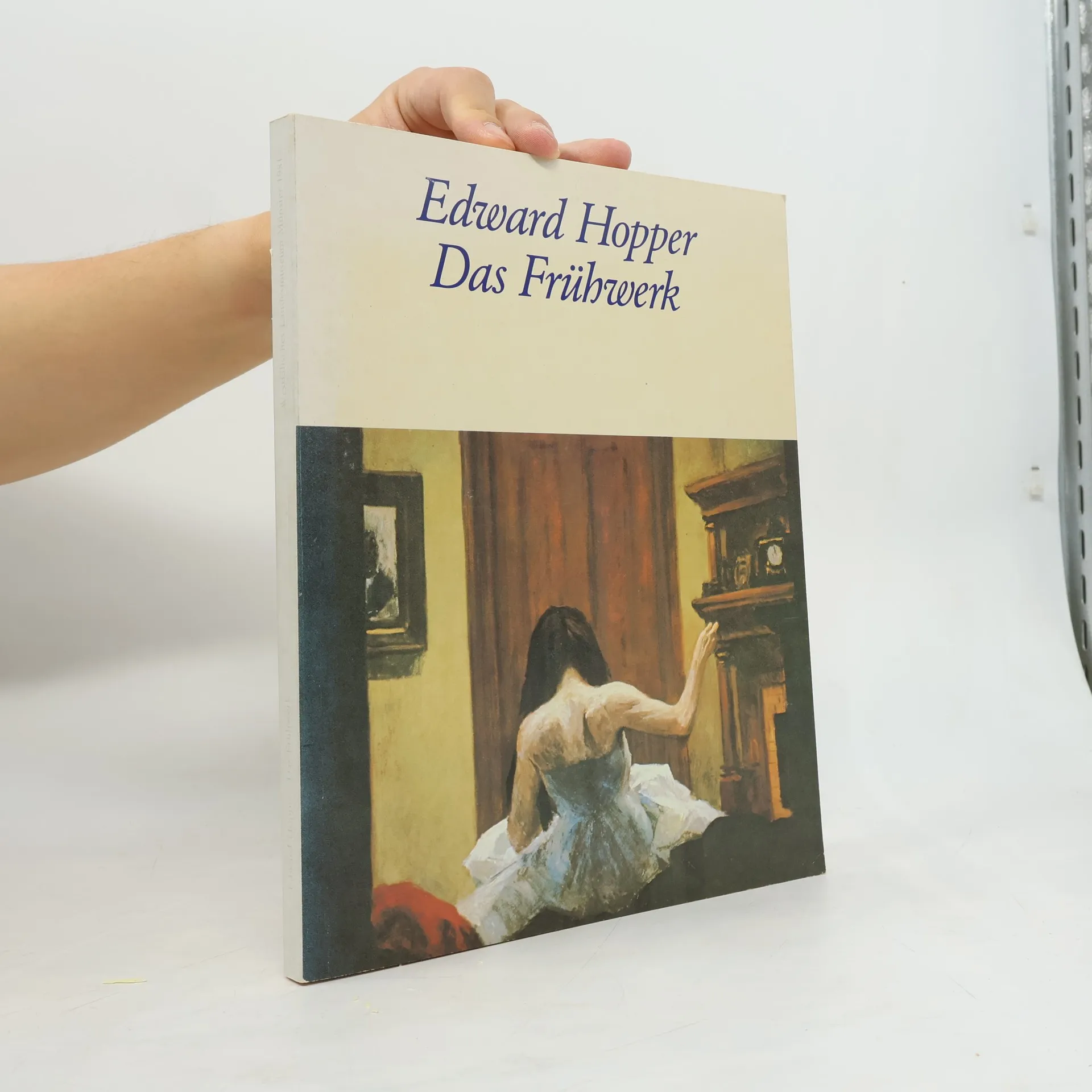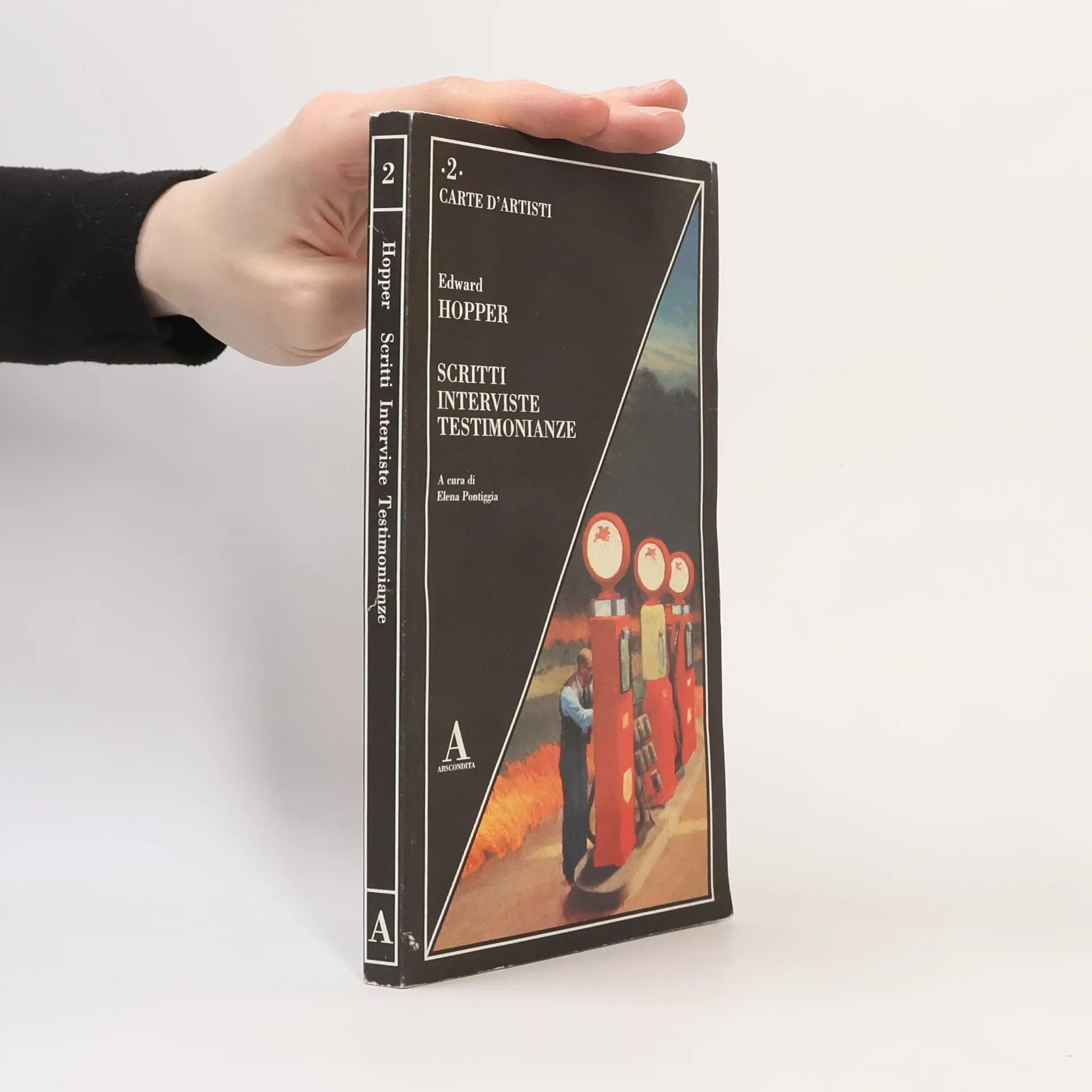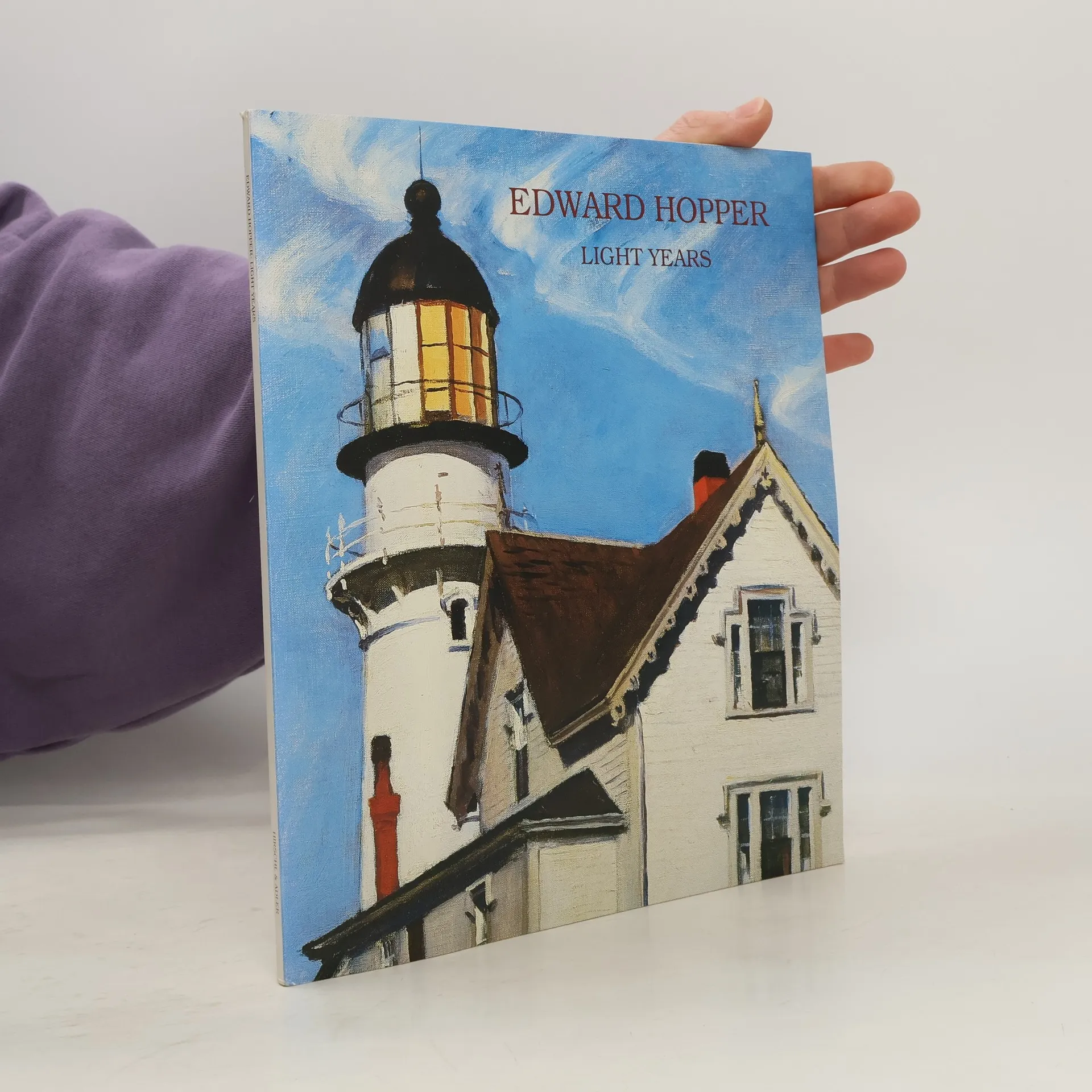

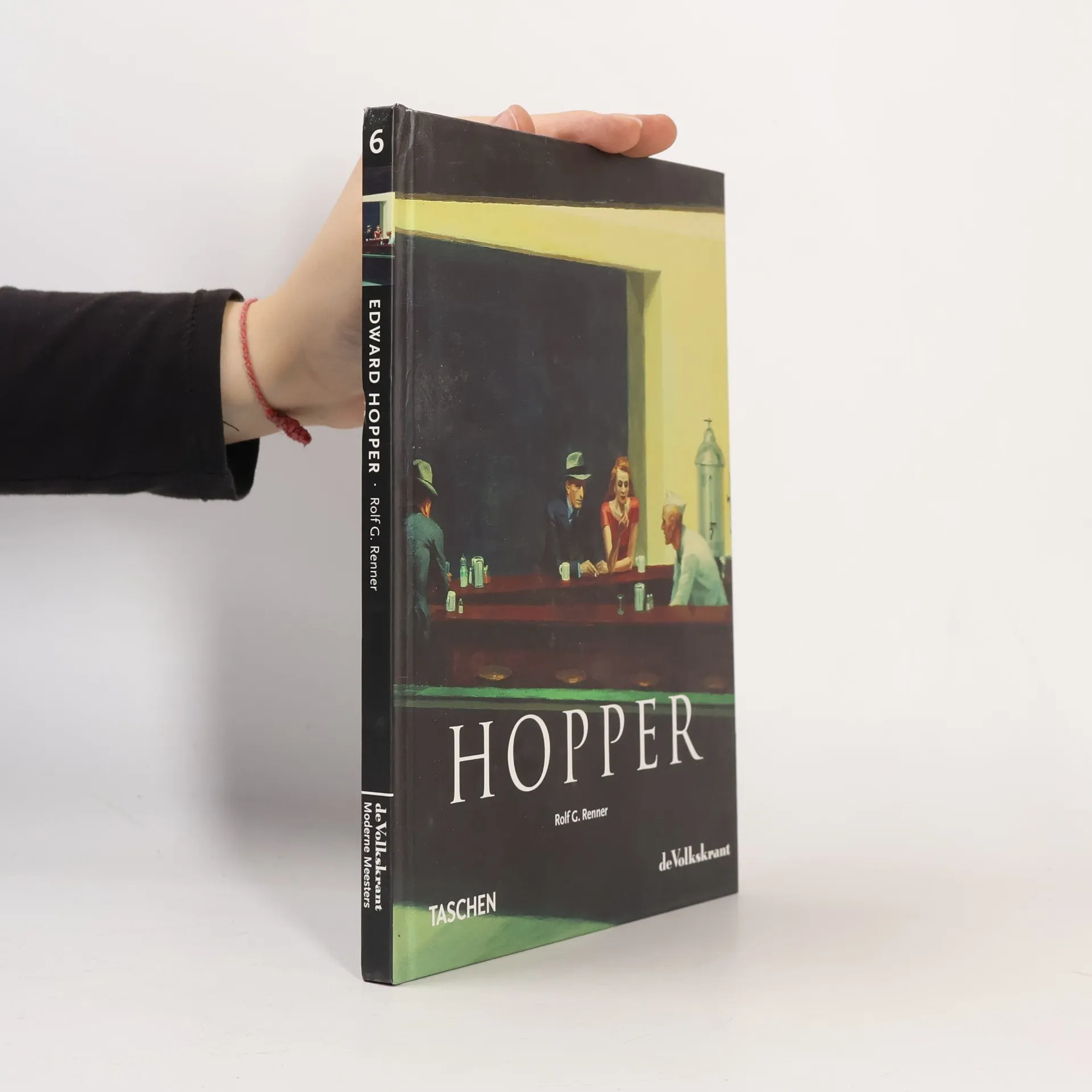
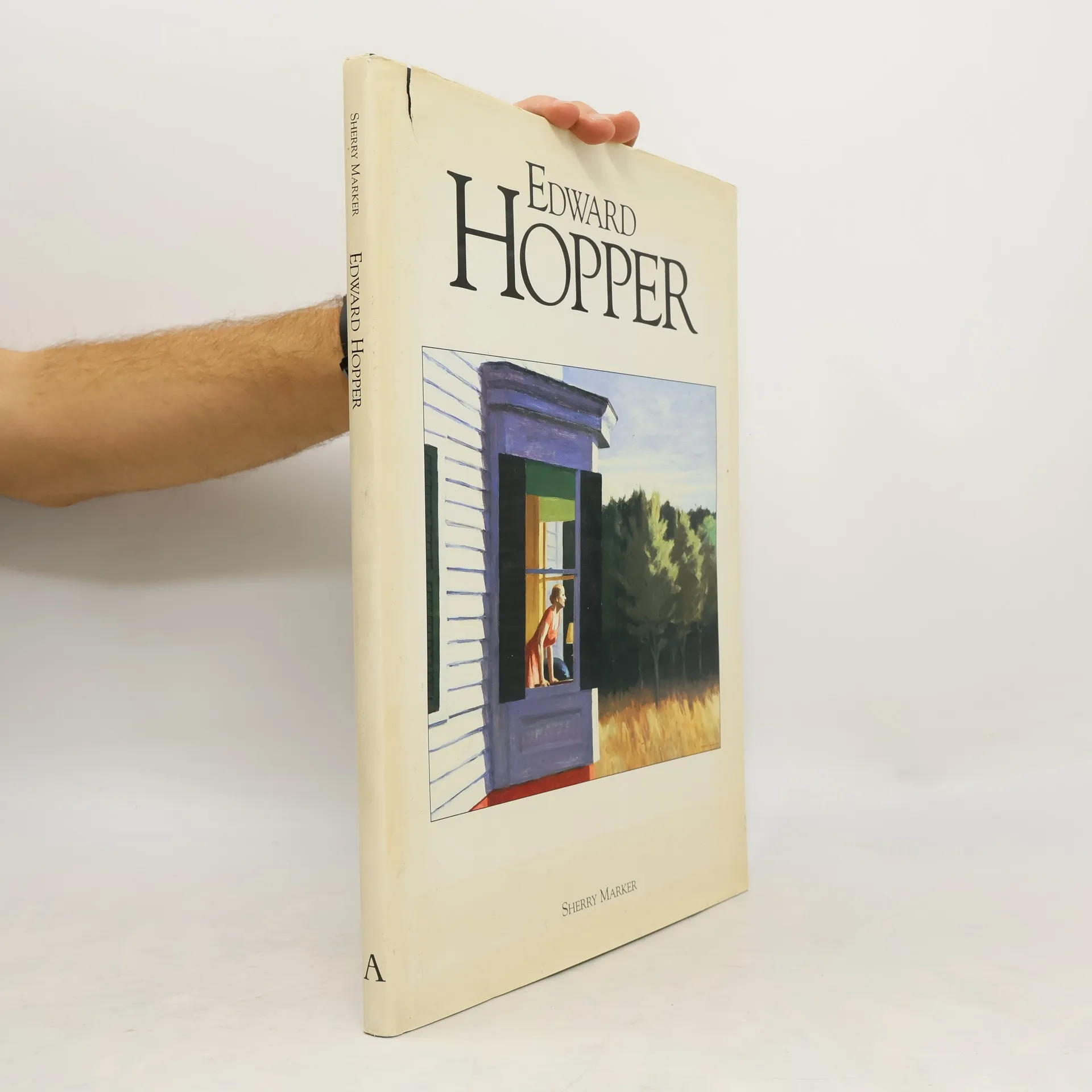
Edward Hopper
- 112bladzijden
- 4 uur lezen
Edward Hopper, een vooraanstaand Amerikaans realistisch schilder en graficus, is het meest gevierd om zijn olieverfschilderijen, hoewel hij ook bedreven was in aquarel en etsen. Zijn stedelijke en landelijke scènes boden een persoonlijke visie op het moderne Amerikaanse leven, gekenmerkt door sobere en fijnzinnig berekende weergaven. Hopper's unieke stijl vangt een gevoel van stille introspectie en de vaak eenzame ervaring van het hedendaagse bestaan.


Illustrated by over 50 of Edward Hopper's most powerful evocations of New York, Avis Berman's essay explores how Hopper and his work illuminate each other by analyzing what his New York is - and is not. Ever the contrarian, he offers an alternative to what other American artists seized on - the new, the gigantic, the technologically exciting. Hopper stayed away from tourist attractions or landmarks of the city's glamorous skyline. His preference for nondescript vernacular buildings is emblematic of the larger Hopper paradox: he makes emptiness full, silence articulate, banality intense, plainness mysterious, and tawdriness noble.
"This volume presents a definitive Hopper monograph. Published for a massive retrospective at the Museo Thyssen-Bornemisza in Madrid, and the Grand Palais in Paris, it approaches Hopper's relatively small oeuvre in two sections. The first covers the artist's formative years from approximately 1900 to 1924, examining a selection of sketches, paintings, drawings, illustrations, prints and watercolors, which are considered alongside works by painters that influenced Hopper, such as Winslow Homer, Robert Henri, John Sloan, Edgar Degas and Walter Sickert. The second section considers the years from 1925 onwards, addressing his mature output through chronological but thematic groupings."--Jacket flap.
Transformation of the Real
Examines the life & career of the 20th-century artist whose window-view of America revealed a New Realism in his paintings of trains, restaurants, office buildings, remote towns, & empty city streets. 9" x 11 3/4". Color plates & b&w illus.
This work has been selected by scholars as being culturally important and is part of the knowledge base of civilization as we know it. This work is in the public domain in the United States of America, and possibly other nations. Within the United States, you may freely copy and distribute this work, as no entity (individual or corporate) has a copyright on the body of the work. Scholars believe, and we concur, that this work is important enough to be preserved, reproduced, and made generally available to the public. To ensure a quality reading experience, this work has been proofread and republished using a format that seamlessly blends the original graphical elements with text in an easy-to-read typeface. We appreciate your support of the preservation process, and thank you for being an important part of keeping this knowledge alive and relevant.
A Christmas Poem Of The Olden Time (1864)
Set in Sleepy Hollow, this Christmas poem captures the essence of family gatherings on Christmas Eve, as loved ones share stories by the fire. Written in a nostalgic tone, it vividly describes the sensory joys of the holiday season, emphasizing warmth and community. Edward Hopper's detailed writing evokes a simpler time, celebrating the significance of togetherness during the holidays. This facsimile reprint preserves the cultural importance of the original work, making it accessible for modern readers while retaining its historical charm.
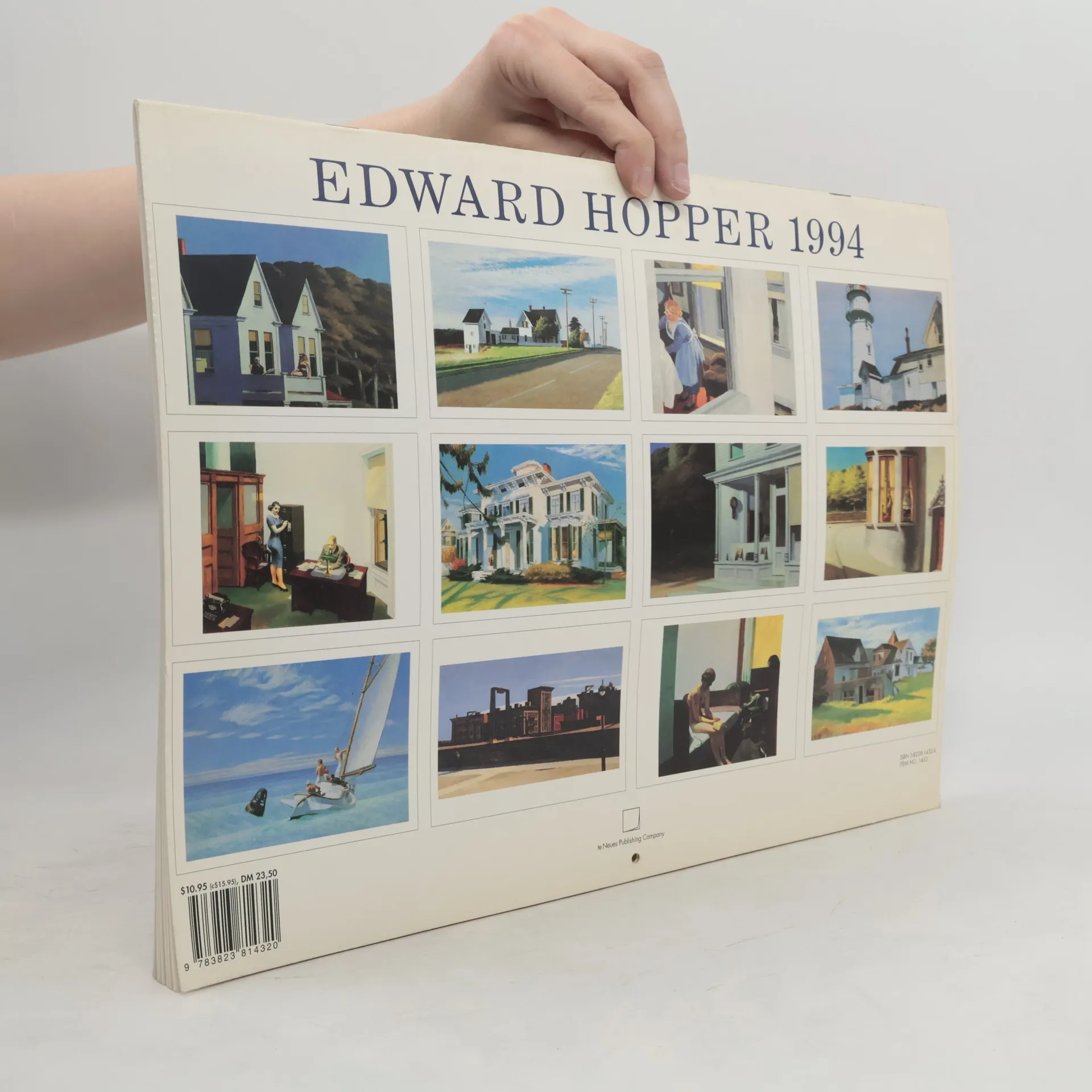
einer der populärsten amerikanischen Künstler Bilder aus berühmten amerikanischen und europäischen Sammlungen Highlights: New York Pavements, Tables for Ladies, Two on the Aisle
Unsere Kalender sind auf umweltfreundlichem Papier gedruckt und vom FSC zertifiziert. Monats-Kalender mit internationalen Feiertagen und den Feiertagen der wichtigsten Weltreligionen. Decor-Kalender, Format 55x45 cm mit Spiralbindung
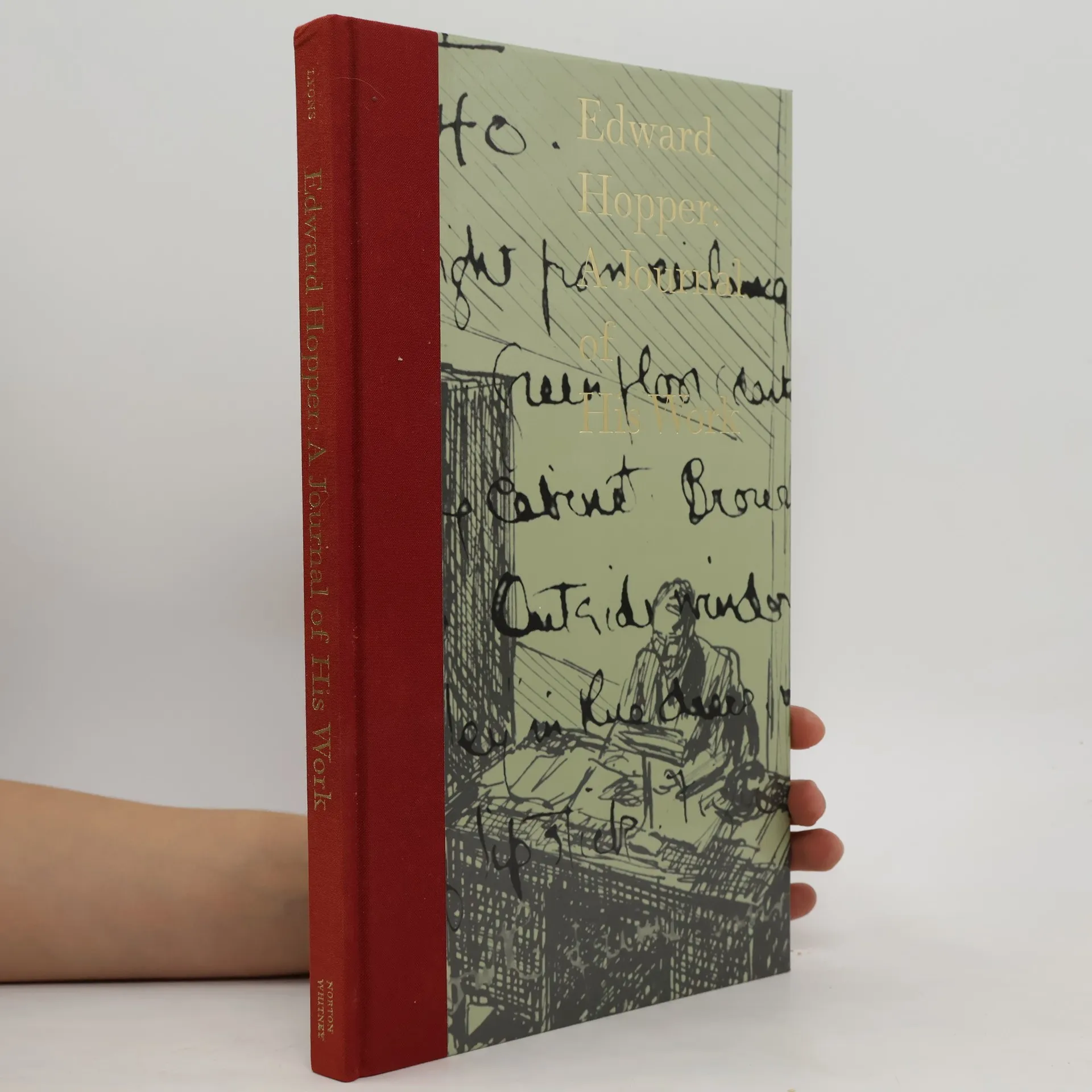
In his ledger books, Edward Hopper recorded paintings made and sold, accountings made and payments received, materials used and subjects considered. Juxtaposing selected ledger pages with reproductions of the respective paintings, this original Schirmer/Mosel publication documents the making of and fate of Hopper's most revered works.