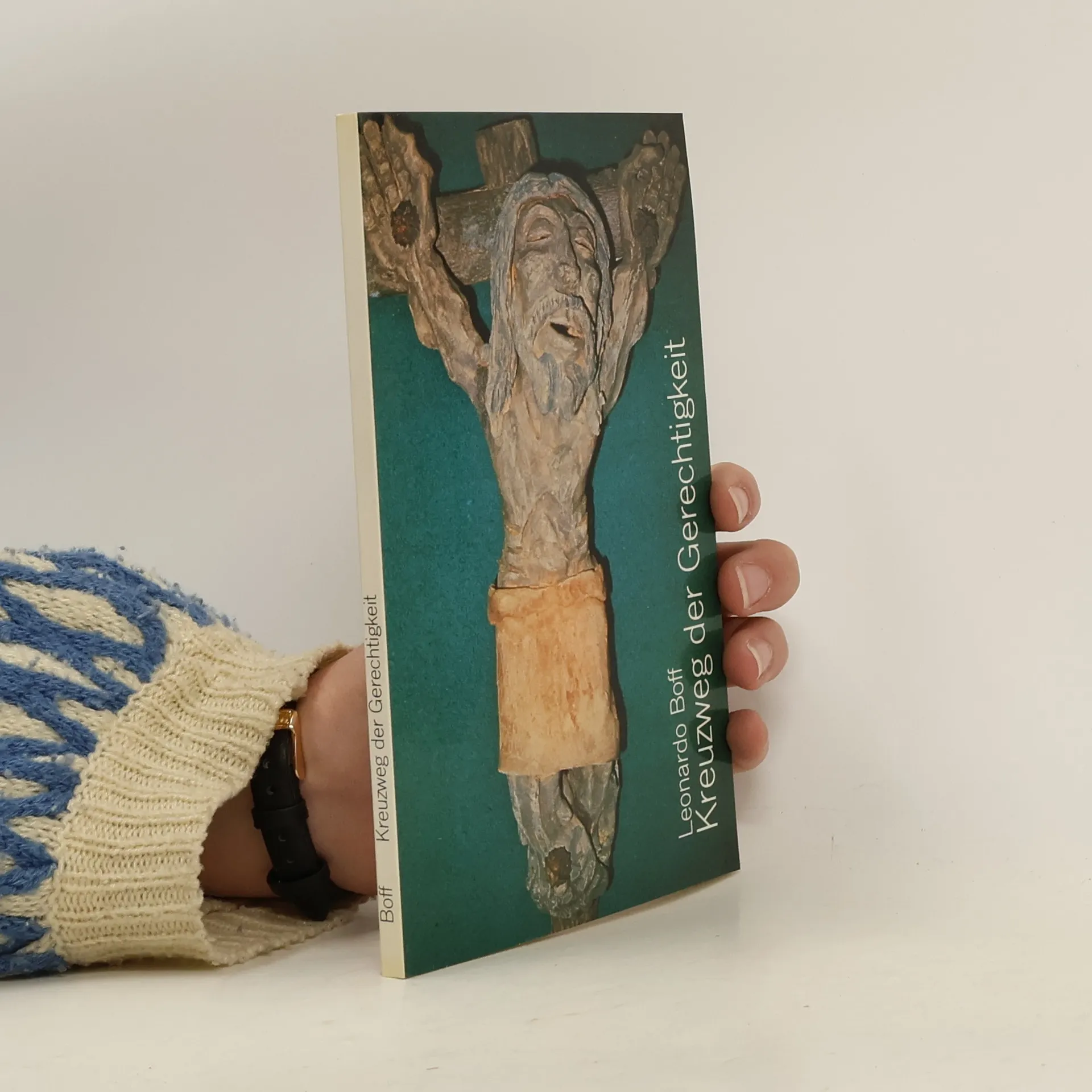
Kruisweg van de rechtvaardigheid
- 101bladzijden
- 4 uur lezen
Kruiswegoefening in de geest van de bevrijdingstheologie.


Leonardo Boff is een vooraanstaand bevrijdingstheoloog wiens werk zich diepgaand bezighoudt met thema's als mensenrechten, ecologie en de kritiek op sociale onrechtvaardigheid. Zijn geschriften worden gekenmerkt door een dringende oproep tot waardigheid voor iedereen, met name voor de onderdrukten en gemarginaliseerden. Boff's benadering, gevormd door een Latijns-Amerikaans perspectief, verbindt theologische reflectie met een urgente sociale ethiek. Zijn compromisloze streven naar rechtvaardigheid heeft hem gevormd tot een invloedrijke intellectueel en wereldwijde pleitbezorger van mensenrechten.




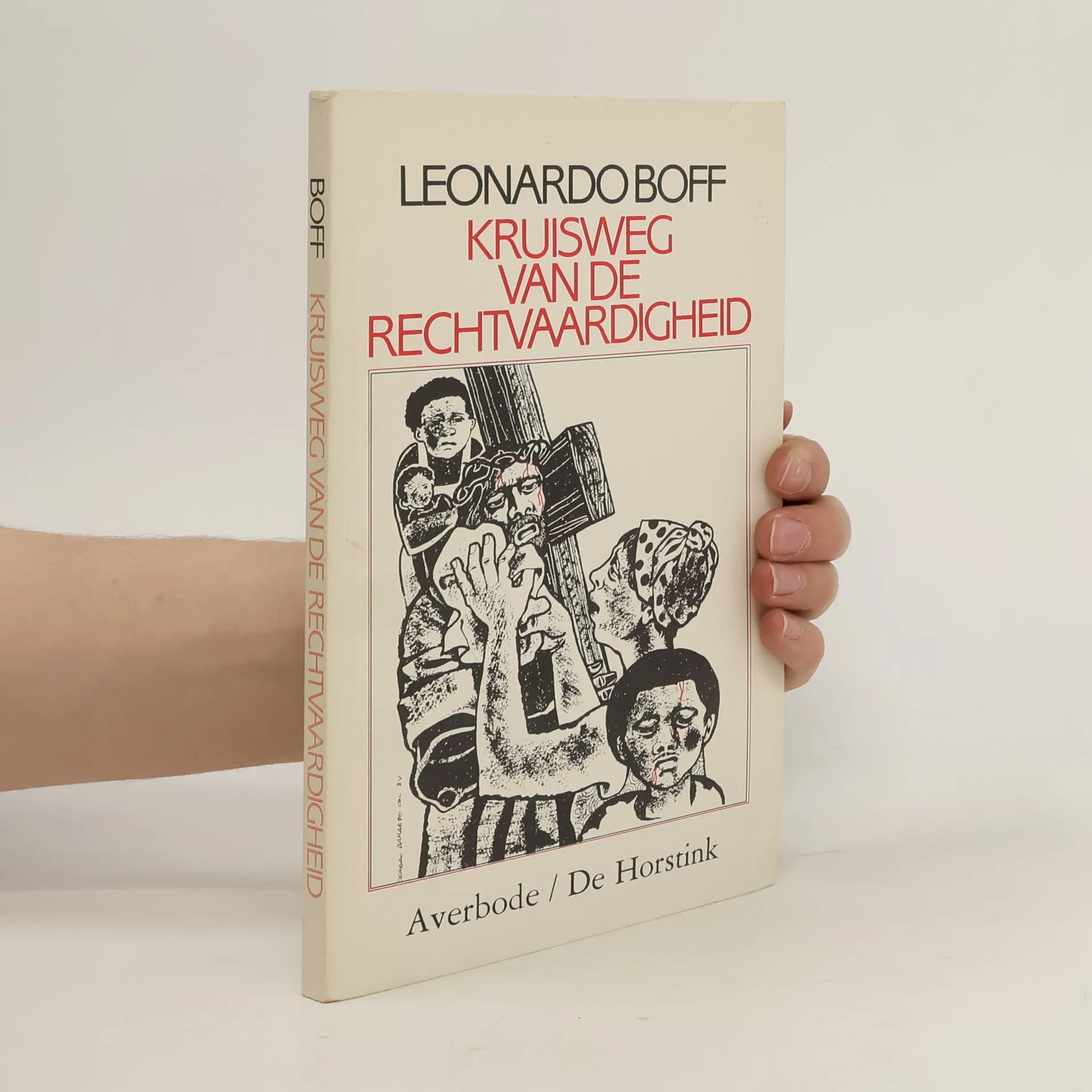
Kruiswegoefening in de geest van de bevrijdingstheologie.
The book explores the dual perspective of theology, emphasizing its historical roots and contemporary relevance. It examines how past events of salvation inform current beliefs and practices, highlighting the interplay between historical context and modern faith experiences. This approach invites readers to understand the dynamic nature of salvation as both a historical occurrence and a present reality.
Basisgemeinden In Lateinamerika
Laut dem Autor werden die weltweiten Politik, Bildung und Wirtschaft von Strategien bestimmt, die darauf abzielen, die Menschen zu zahmen, ähnlichen Tieren zu machen, die wie Hühner in engen Höfen eingesperrt sind und dazu gebracht werden, nach unten zu schauen. Wie ist es möglich, dem Adler, der in jedem Menschen steckt, Flügel zu verleihen? Wie kann jeder sich seines Wertes bewusst werden und sich von der Unterdrückung und Massifizierung befreien, die durch wirtschaftliche und politische Gesetze erzeugt werden?
In "Eine unmögliche Liebe: Die Wasserfälle am Iguaçú" wird die Geschichte der Kaingang-Indianer erzählt, die jedes Jahr ein Mädchen dem Bösen zur Heirat anbieten. Die schöne Naipí, Tochter eines Häuptlings, verliebt sich jedoch in den Krieger Taborß, was die Traditionen und das Böse herausfordert.
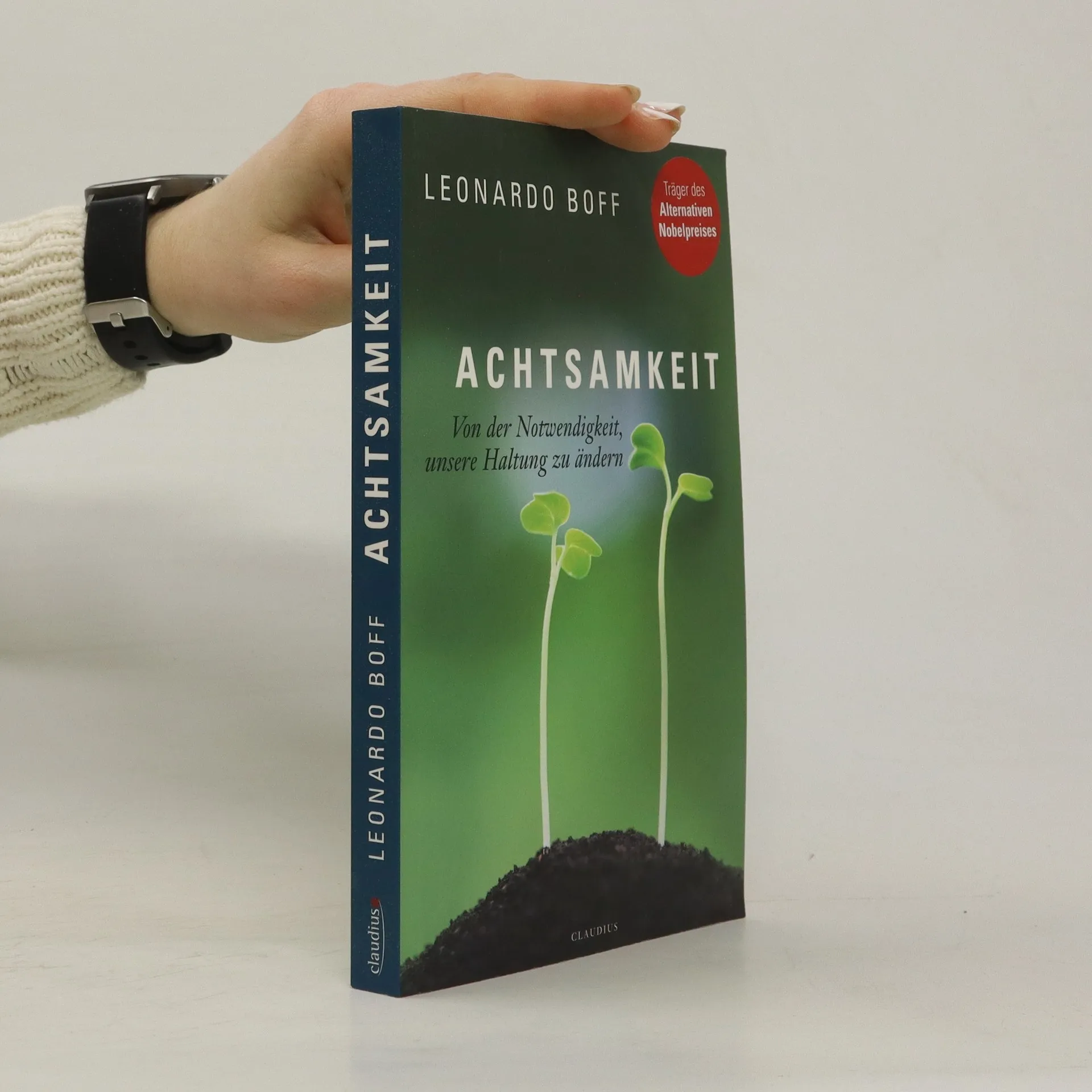
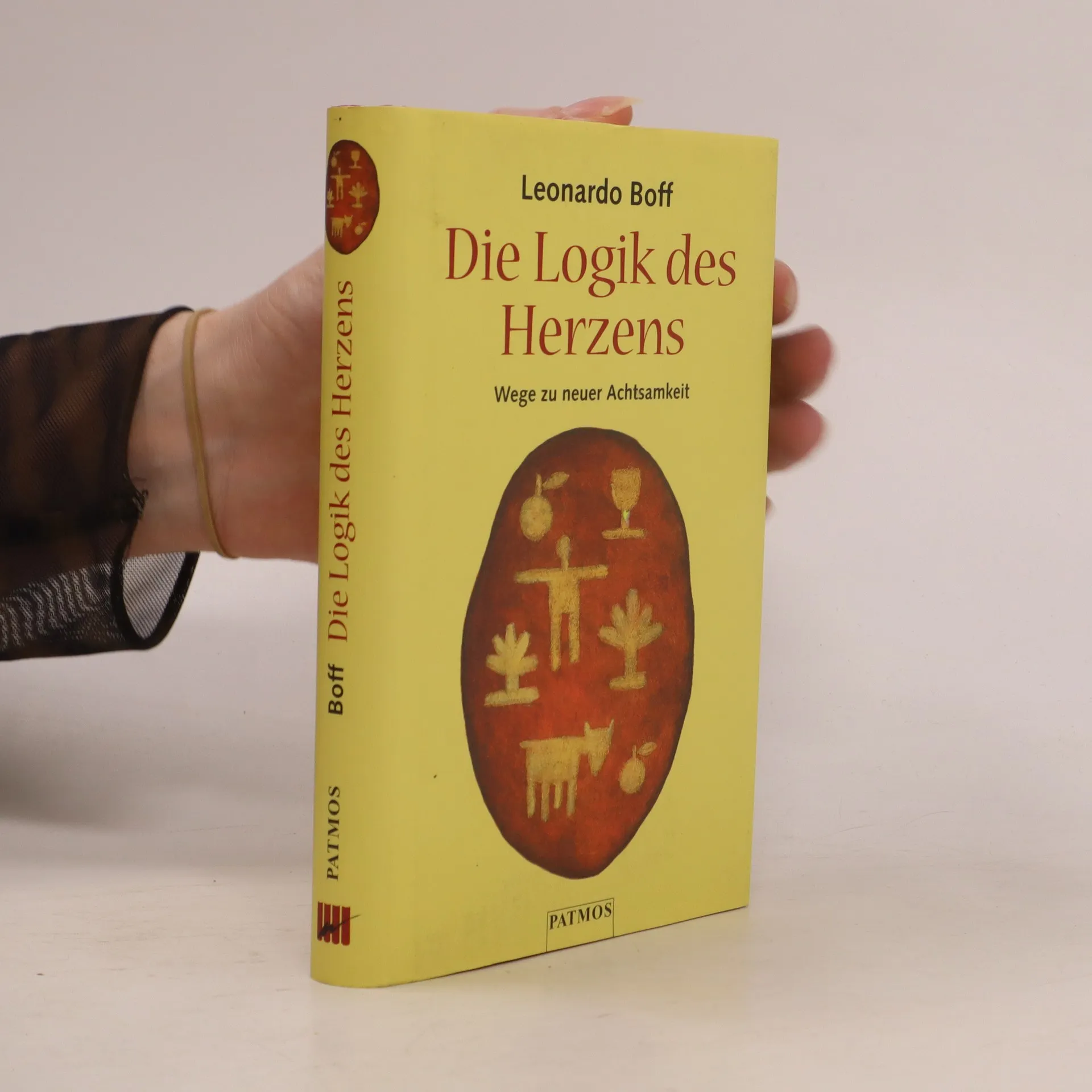
Veränderung beginnt im Kleinen und bei jedem Einzelnen, bei der Änderung unserer Haltung und unseres Verhaltens. Das Bild einer besseren Zukunft, das der weltberühmte Befreiungstheologe und Träger des Alternativen Nobelpreises Leonardo Boff entwirft, ist radikal, aber konkret und umsetzbar: Liebevolle Sorge füreinander und die Welt führt automatisch zu einer Abkehr vom Wahn des unbegrenzten Wachstums hin zu Frieden, Gerechtigkeit und Schutz der Umwelt. Ein neues, von Liebe und Respekt getragenes Menschenbild und eine Ökologie der Nachhaltigkeit, im Kleinen wie im Großen – das ist Boffs Vision einer neuen Achtsamkeit.
Was ist ein Sakrament? Der Theologe Leonardo Boff hat mit diesem Buch einen Klassiker geschaffen. In einfachen Worten, erhellend und mit vielen gut gewählten Beispielen aus unserem Leben, etwa dem »Sakrament des Wasserbechers«, erschließt er uns den tiefen Sinn eines Sakraments. »Wenn die Dinge anfangen zu sprechen und der Mensch beginnt, ihre Stimme zu vernehmen, dann entsteht das Gebäude der Sakramente. Auf seinem Giebel steht die Inschrift: ›Alles Wirkliche ist nur ein Zeichen.‹ Zeichen wofür? Für eine andere Wirklichkeit, die allen Dingen zugrunde liegt: Gott.« Leonardo Boff
Každý človek skrýva v sebe orla. Tento orol sa chce narodiť, uzrieť svetlo sveta. Cíti sa povolaný vzniesť sa do výšky, k slnku. Stojíme teda nevyhnutne pred výzvou oslobodiť orla v nás. V našich úvahách nie je orol iba dravý vták. Predstavuje jeden z archetypov. Každý archetyp žije, a preto nie je len fosíliou ľudského nevedomia. Podobne aj kura predstavuje jeden z archetypov. Kura je vyjadrením aspektov, ktoré sú v rozpore s tými, čo pripisujeme orlovi, no zároveň ich aj dopĺňajú. Orol a kura teda symbolizujú celok ľudskej existencie. Zdráhame sa byť len kuraťom. Chceme byt aj orlom, dobývať výšky... S radosťou pristupujeme k svojim pevným koreňom (kura), ale svojou korunou (orol) cítime slnko, dážď, vzduch a vesmír. Naša orlia existencia sa musí opäť dostať k slovu. Orly nemajú nič proti zemi, veď tam získavajú svoju potravu. Nie sú však stvorené, aby behali po zemi; sú predurčené lietať vo výškach a merať svoje sily s horskými vrcholmi a búrkami.
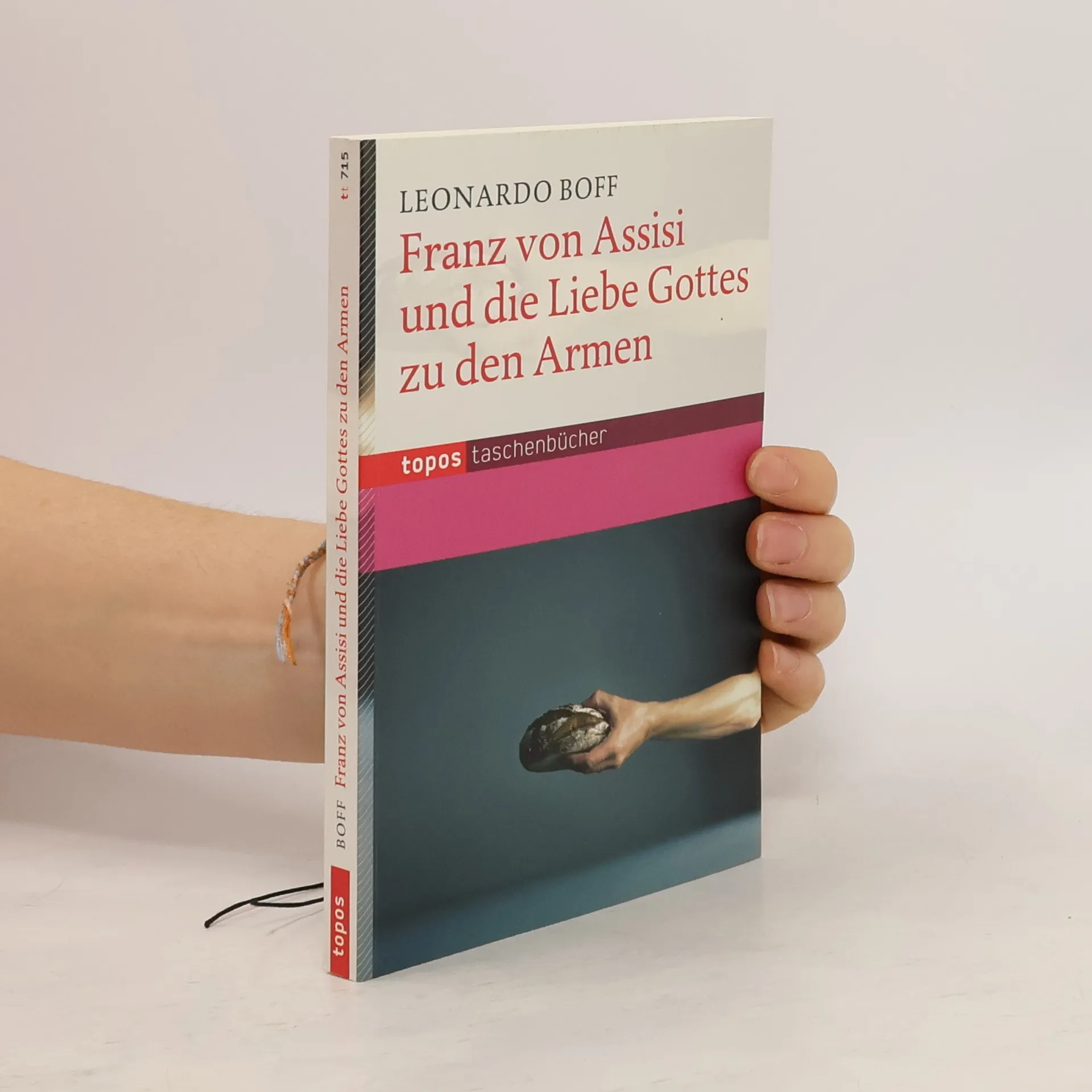
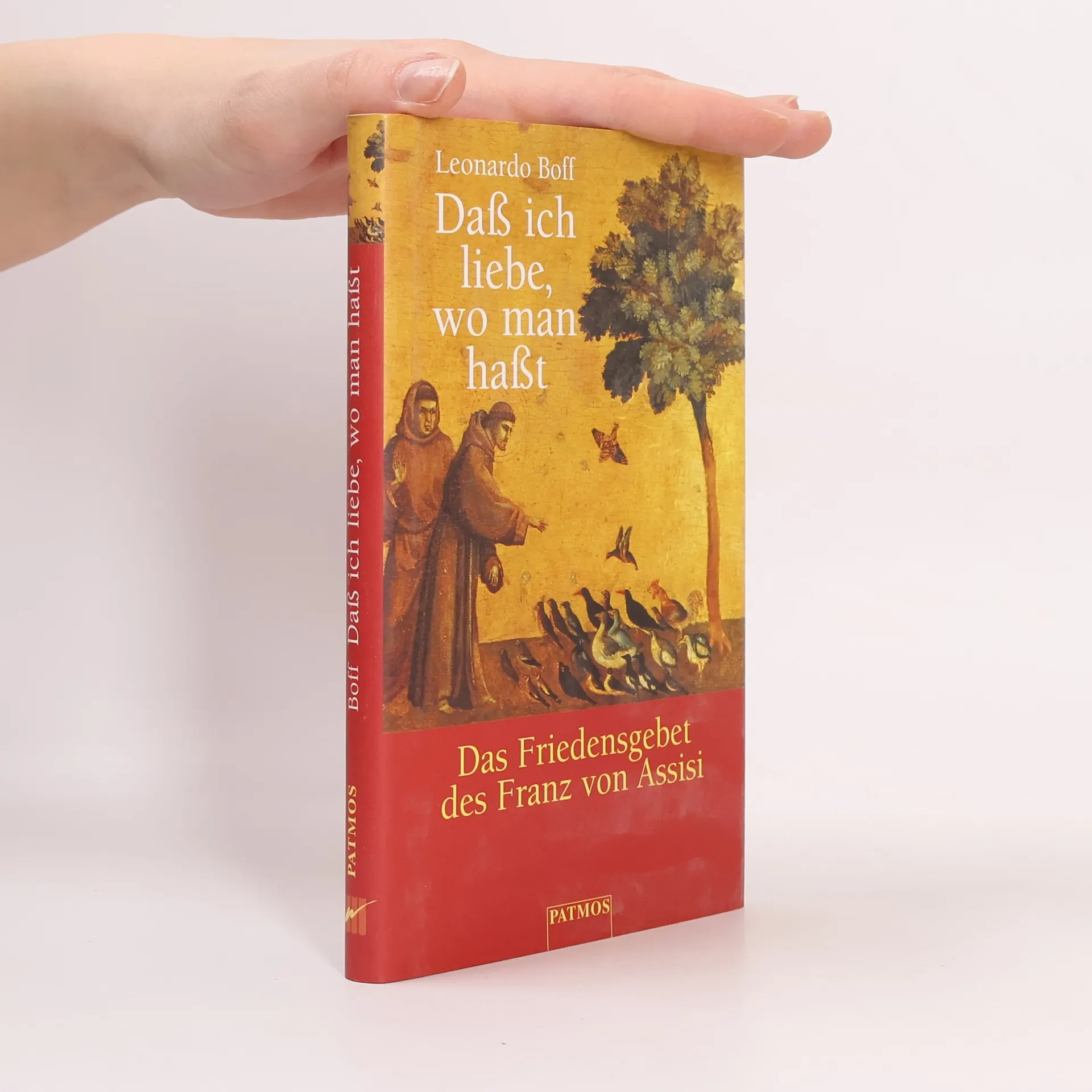
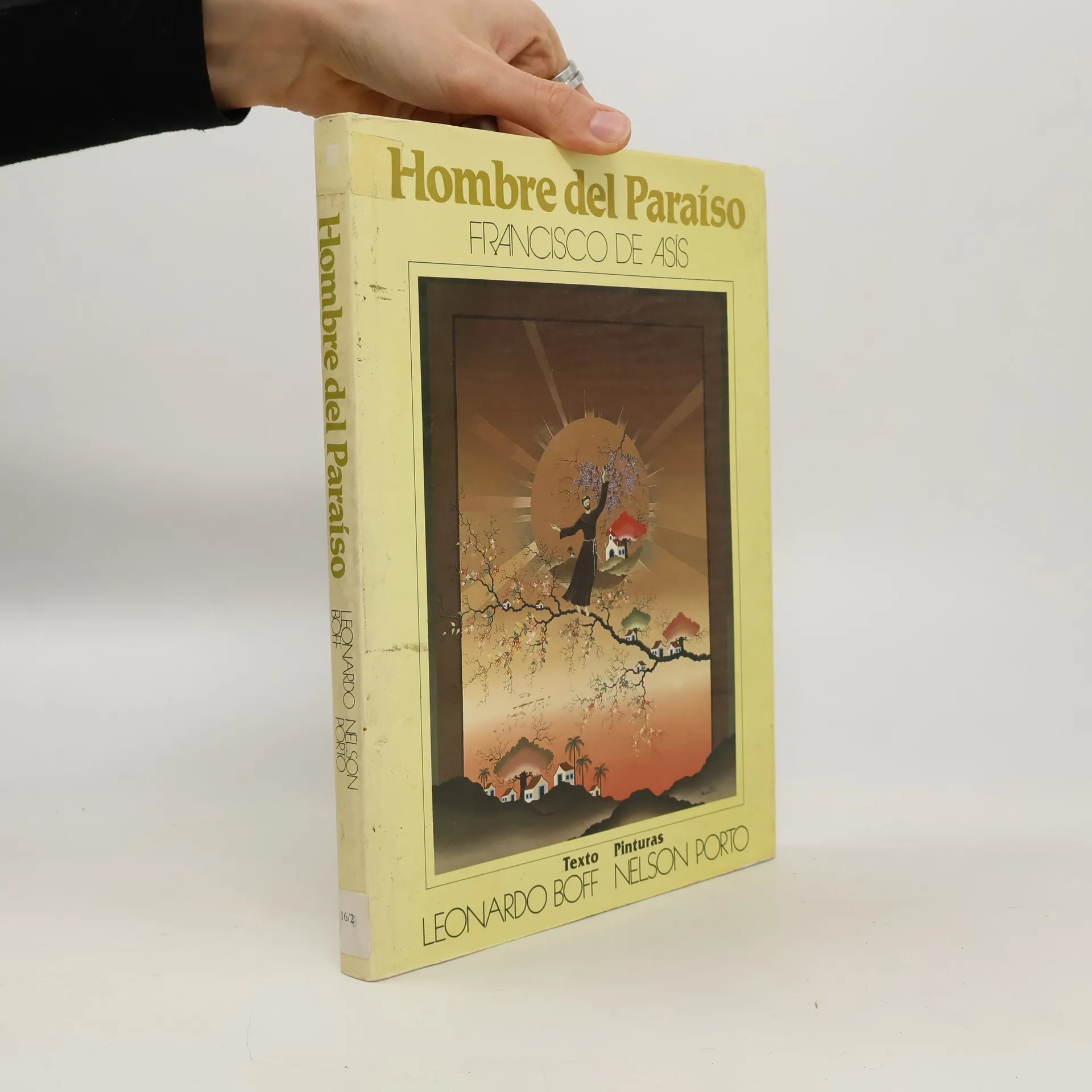
In diesem klassischen Werk untersucht Boff die Relevanz des Heiligen Franziskus für die zeitgenössische Spiritualität und den Aufbau einer neuen Kirche. Als "Vorbild für Sanftmut und Fürsorge" verkörpert Franziskus eine "integrale Befreiung", in der das Spirituelle und das Soziale eng miteinander verbunden sind.
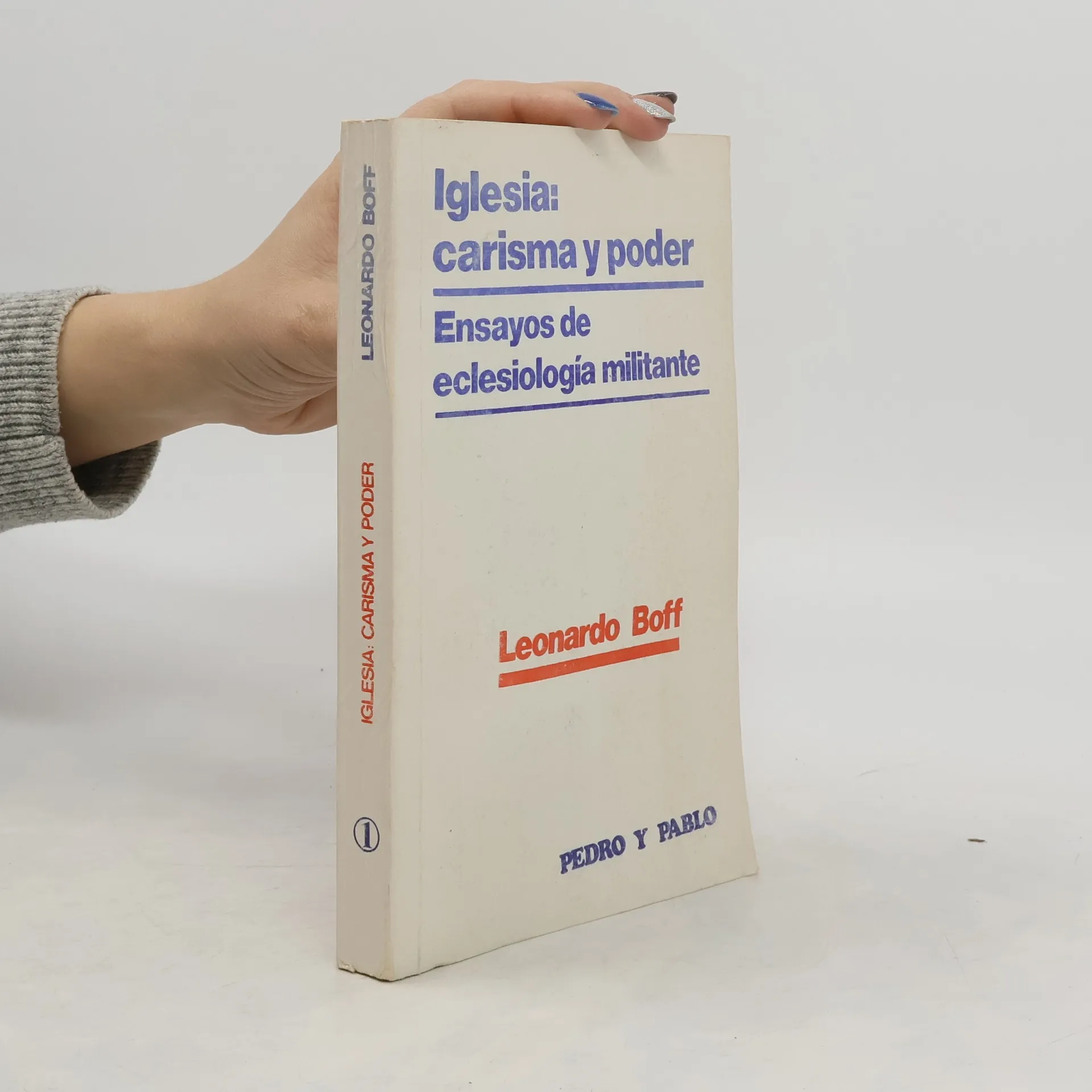
Ensayos de eclesiología militante
Das Buch untersucht das Phänomen des Fundamentalismus im Kontext von Terrorismus und Krieg im 21. Jahrhundert. Es analysiert die Wurzeln des Radikalen und bietet differenzierte Einsichten zu den ethischen, ideologisch-religiösen sowie politischen und wirtschaftlichen Dimensionen. Zudem wird das Risiko für das friedliche Zusammenleben thematisiert.
Kein Zweifel: Die Erde befindet sich in einer schweren Krise. Die Erschöpfung der Ökosysteme, Pandemien wie Covid-19, ein tiefes Misstrauen gegenüber der Demokratie, eine weltweite Konjunktur autoritärer Regime und ein brutaler Neoliberalismus sind die Krankheitssymptome des "Anthropozäns". Sie sind aber nicht notwendig Vorboten des Endes unserer Zivilisation, sondern können als die Geburtswehen eines neuen Erdzeitalters, des "Ökozäns", begriffen werden. Ob dieser Übergang gelingt, hängt nicht zuletzt von einer kosmischen Spiritualität ab, die Boff hier in ihren Grundzügen skizziert.
Es ist ein einmaliger Vorgang innerhalb der mehr als zweitausendjährigen Geschichte der christlichen Kirchen: Zum ersten Mal entsteht ein grundlegender theologischer Neuansatz, ein neues Paradigma für das theologische Denken insgesamt, an der Peripherie der Weltgesellschaft und der Kirche. Die eigentlichen Subjekte dieser Theologie sind die Armen, ihre Gemeinden und Selbstorganisationen. Nach 50 Jahren beschreibt einer der Väter dieser neuen Theologie, Leonardo Boff, diesen radikalen Standortwechsel und zeigt anhand zweier zentraler Herausforderungen auf, wie sich die Befreiungstheologie selbst weiterentwickelt hat: einmal, indem sie die weibliche Dimension Gottes und den besonderen Bezug der Frauen zum Leben selbst mit einbezog, und vor allem, indem sie den Schrei der geschundenen Erde ebenso ernst nahm wie den Schrei der Armen und zu einer Ökotheologie der Befreiung wurde.
Können Frauen Priesterinnen werden? Dürfen Laien der Eucharistie vorstehen? Der weltbekannte und von Rom verurteilte Befreiungstheologe Leonardo Boff geht diesen und anderen brennenden Fragen der Gegenwart nach und entwirft ausgehend von den kirchlichen Basisgemeinden in Lateinamerika eine neue Struktur der Kirche. Dabei argumentiert er theologisch scharfsinnig und macht konkrete Reformvorschläge, ohne die Tradition zu verraten. Leonardo Boffs Buch ist eine ermutigende Lektüre und unver-zichtbare Argumentationshilfe für alle, denen die Zukunft der Kirche am Herzen liegt!
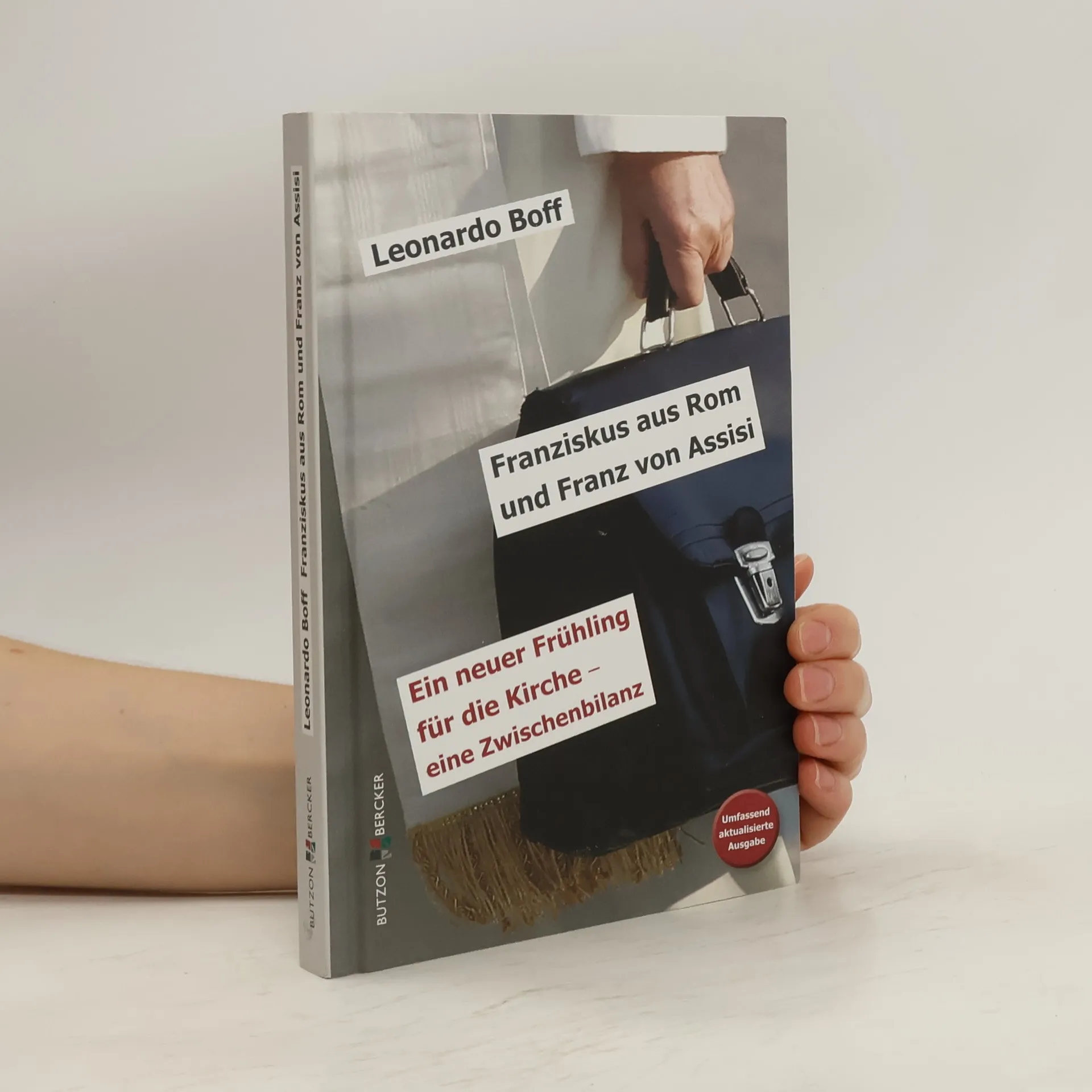
Dass sich mit Jorge Mario Bergoglio ein Papst erstmals den Namen Franziskus gab, hat bis heute viele Mutmaßungen ausgelöst. Wird es nun eine "dienende und arme Kirche an der Seite der Armen" geben?Wer wäre berufener, Fragen wie dieser nachzugehen, als Leonardo Boff! Er kennt den Papst schon lange persönlich und ist als ehemaliger Franziskaner selbst dem Geist des "Poverello" aus Assisi eng verbunden. Boff zeigt auf, was es bedeuten könnte, wenn sich der Papst tatsächlich mehr und mehr vom heiligen Franziskus inspirieren lässt. Eine atemberaubende Zukunftsvision für die Kirche!
Klimaerwärmung, die Zerstörung der Ozeane, Pandemie, Überbevölkerung, Trinkwasserknappheit – unsere Welt kennt heute viele existenzielle Probleme. Für Leonardo Boff ist es daher allerhöchste Zeit zum Handeln – und zwar gesellschaftlich und weltweit. Damit ein wirklicher Wandel möglich wird, der die Erde retten kann, müssen gesellschaftliche Strukturen aufgebrochen und erneuert werden. Als einzig mögliche Haltung, die dies Wirklichkeit werden lassen kann, sieht Leonardo Boff die der universalen Geschwisterlichkeit: Wir Menschen sollten uns nicht mehr als „Krone der Schöpfung“, sondern als Mitgeschöpfe verstehen, die mit Pflanzen und Tieren und dem ganzen Kosmos eine Einheit bilden.
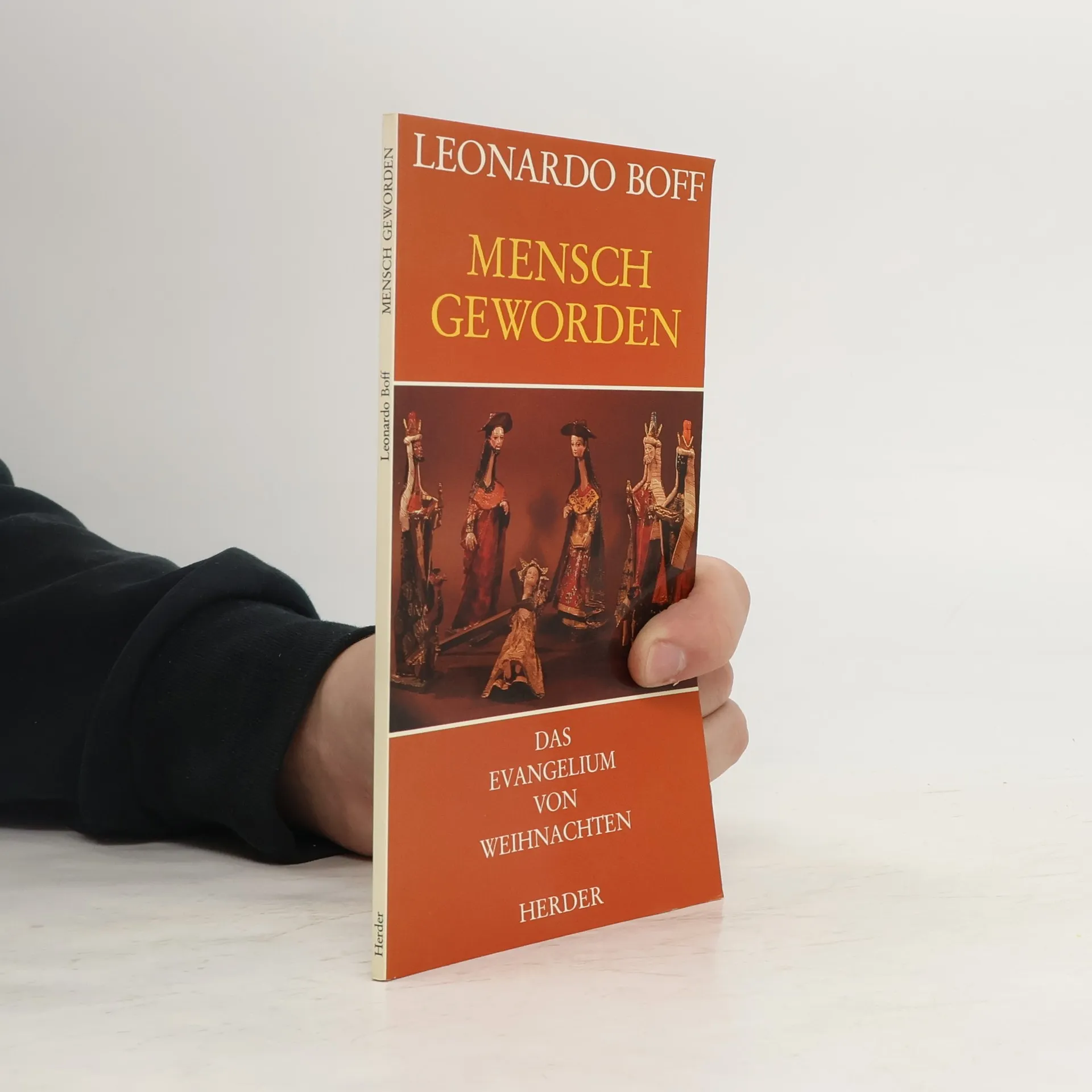
In einer Weihnachtsnacht in Deutschland, fern seiner Heimat Brasilien, erhält Leonardo Boff den Besuch einer alten Bäuerin. Sie schenkt ihm, dem Fremden, eine Kerze. »Ich habe die Weihnachtskerze nach so vielen Jahren immer noch. Sie steht auf dem Regal zwischen den Büchern. Jedes Jahr zu Weihnachten zünde ich sie an. Und sie wird für immer brennen.« Meditationen zum Geheimnis des Weihnachtsfestes von einem der bedeutendsten Vertreter lateinamerikanischer Befreiungstheologie.
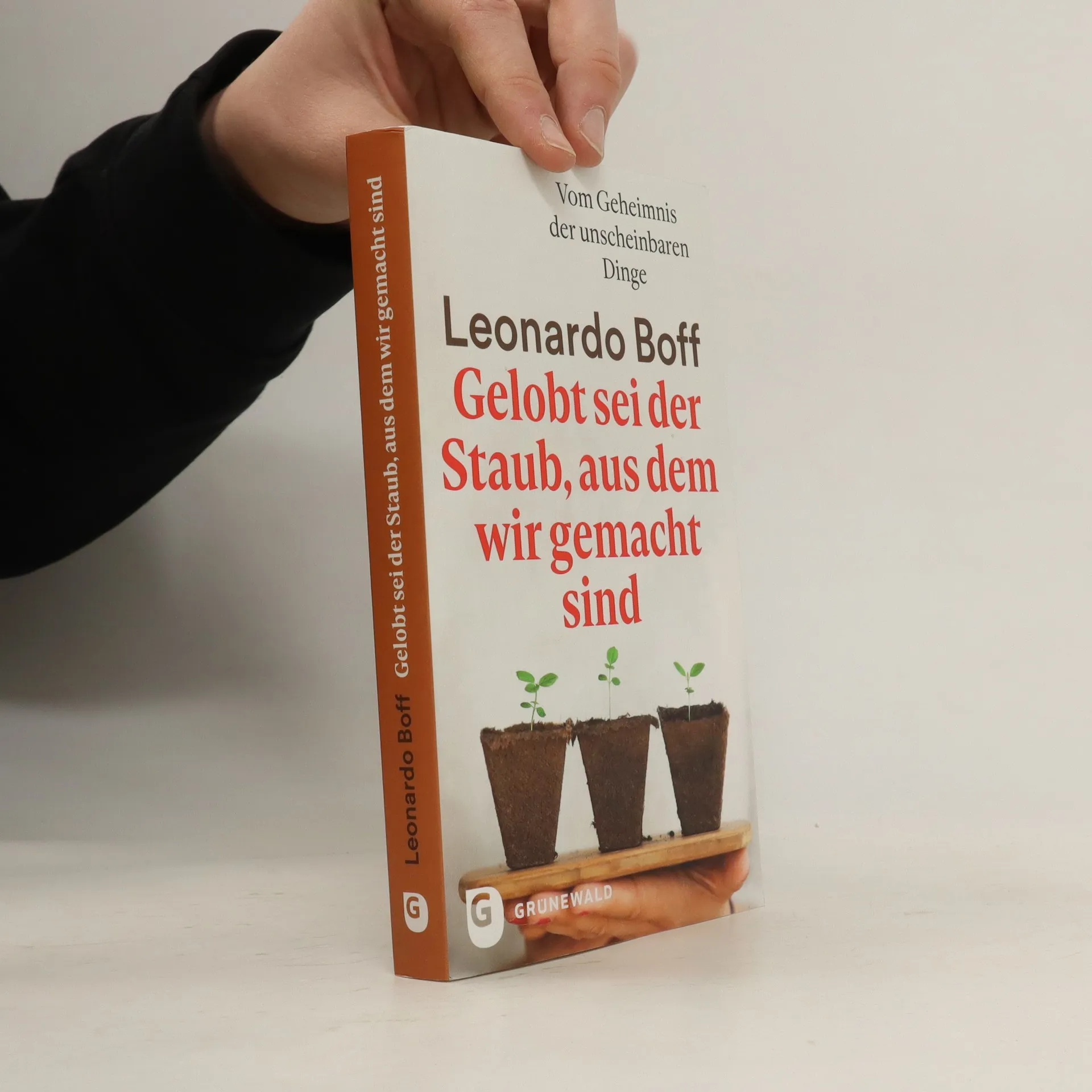
Vom Geheimnis der unscheinbaren Dinge
Seit 2 Jahrzehnten wird verstärkt über die Dringlichkeit eines gemeinsamen Weltethos diskutiert: vgl. z.B.H. Küng: 'Projekt Weltethos' (BA 12/90), 'Ja zum Weltethos' (BA 12/95) und H. Jonas (BA 9/88). Der Befreiungstheologe Boff plädiert aus der Sicht des unterentwickelten Südens für einen ethischen Minimalkonsens zwischen den Menschen, der auf Verantwortung, Solidarität und Dialog beruht, um die erdumspannenden sozialen und ökologischen Probleme zu meistern. Mit ausgezeichnetem Literaturverzeichnis. Neben den genannten Büchern ein wichtiger Beitrag zu einem aktuellen Thema. (2)
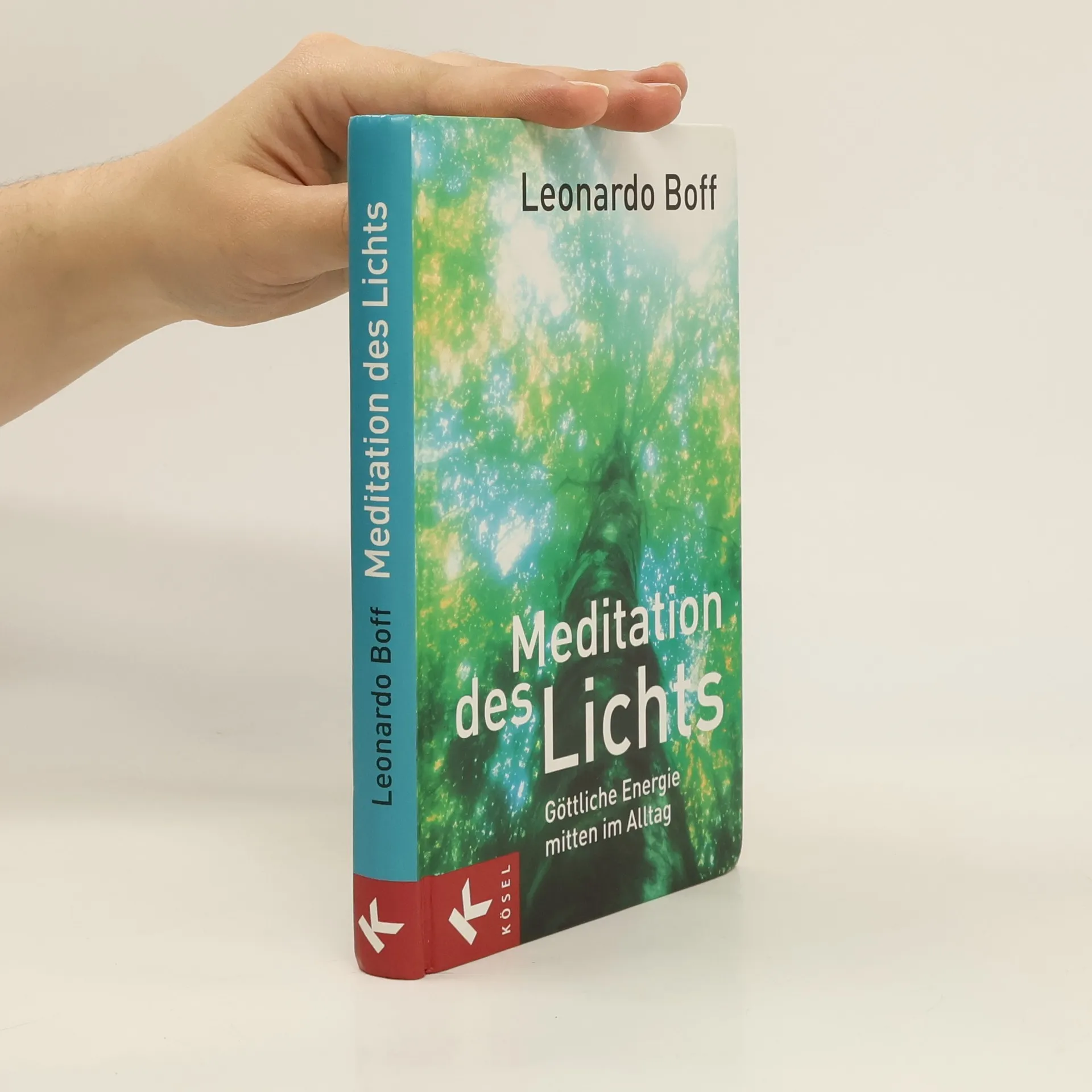
Der weltberühmte Theologe Leonardo Boff stellt in diesem Buch eine originelle Meditationsmethode vor, die er selbst entwickelt hat: die Meditation des Lichts. Das Licht, die für jeden sichtbarste Energie, hat zugleich einen geheimnisvollen Charakter und öffnet den Weg zur Quelle allen Lichts – zu Gott. Die Meditationsform ist absolut alltagstauglich: Ob nach dem Aufstehen, beim Warten an einer roten Ampel oder während einer kurzen Arbeitspause – überall und in jeder Situation ist sie möglich. Erkenntnisse der neuen Kosmologie und Hirnforschung liefern eine solide Grundlage für diese Methode. Der Effekt ist unübersehbar: Die Licht-Meditation durchdringt das Leben spirituell, sie stärkt unseren Willen zur Harmonie mit allen Dingen, mit den Menschen und mit Gott.
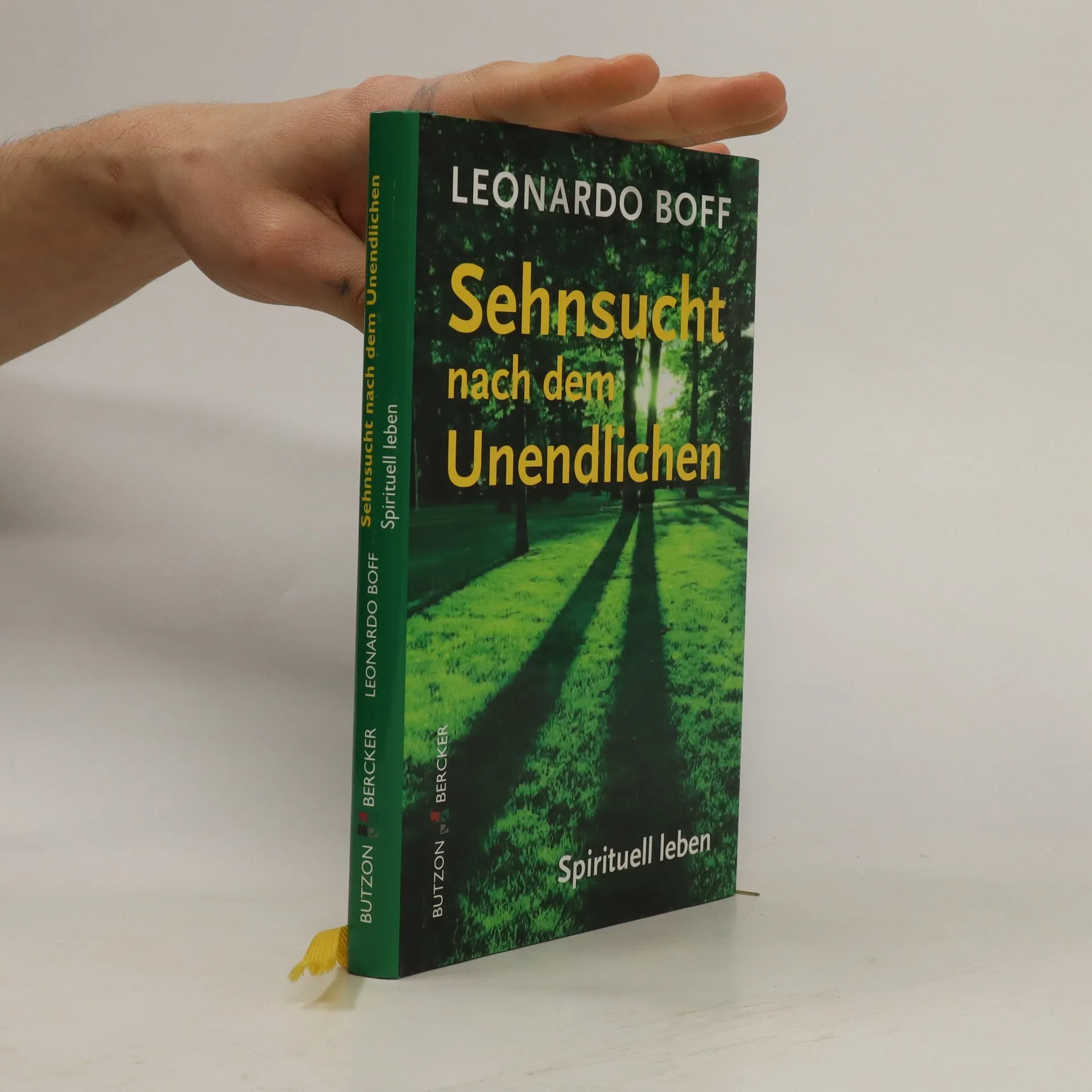
Krisenzeiten werfen uns Menschen zurück auf die Frage nach dem Sinn – tief in uns spüren wir die Sehnsucht nach dem Unendlichen. Beispiele dafür findet Leonardo Boff in der gesamten Menschheitsgeschichte: in der Mythologie, in Literatur und Poesie und auch in den modernen Naturwissenschaften. Daraus zieht er seine Überzeugung, dass Spiritualität mehr ist als Religion: Sie ist „der innerste Glutkern jeder Religion“. Sein Streifzug durch die Religionen der Menschheit zeigt, dass Spiritualität durchaus alltagstauglich ist. Mit konkreten Tipps, wie wir die spirituelle Dimension unseres Daseins füllen können, ist dieses Buch Anregung für alle, die ihrem Leben eine andere Richtung geben wollen.
Autori reflektujú päťstoročné pôsobenie františkánov v Latinskej Amerike od príchodu prvých kolonizátorov. S odstupom storočí sa snažia o pravdivý pohľad na ich misionárske pôsobenie s jeho pozitívami aj negatívami, hľadajúc víziu novej evanjelizácie.
zeitschrift für christliche spiritualität und lebensgestaltung
im Streit mit Kardinal Ratzinger
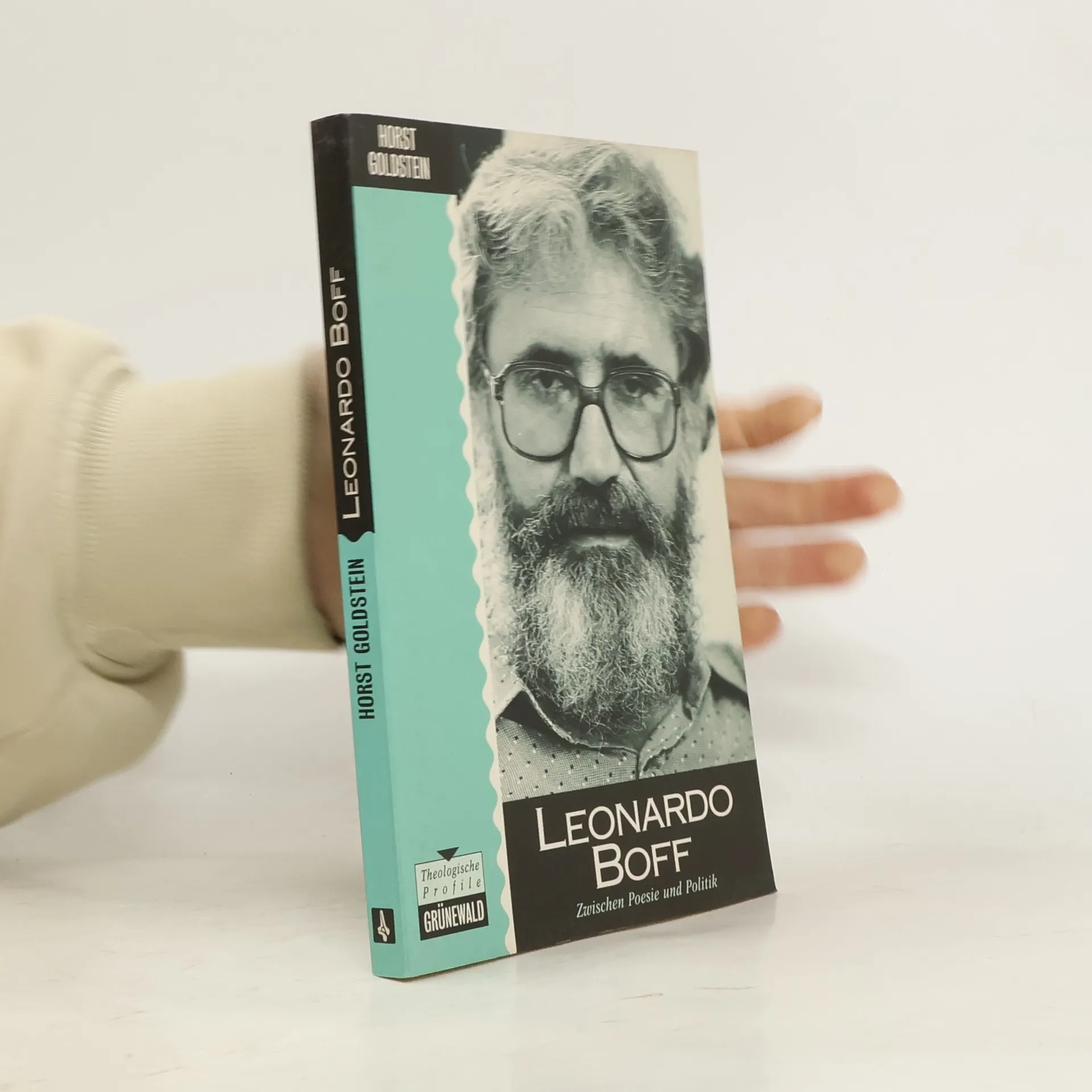
Anliegen, Streitpunkte, Personen : Materialien und Texte
Rare Book
Musikalische Begegnung mit J. S. Bachs h-Moll-Messe (Ausschnitte)
Plädoyer für eine planetarische Kultur