An alternate cover edition exists here . The tipping point is that magic moment when an idea, trend, or social behavior crosses a threshold, tips, and spreads like wildfire. Just as a single sick person can start an epidemic of the flu, so too can a small but precisely targeted push cause a fashion trend, the popularity of a new product, or a drop in the crime rate. This widely acclaimed bestseller, in which Malcolm Gladwell explores and brilliantly illuminates the tipping point phenomenon, is already changing the way people throughout the world think about selling products and disseminating ideas. Gladwell introduces us to the particular personality types who are natural pollinators of new ideas and trends, the people who create the phenomenon of word of mouth. He analyzes fashion trends, smoking, children's television, direct mail, and the early days of the American Revolution for clues about making ideas infectious, and visits a religious commune, a successful high-tech company, and one of the world's greatest salesmen to show how to start and sustain social epidemics.
Malcom Gladwell Boeken
Malcolm Gladwell is de auteur van bestsellerwerken die zich verdiepen in de onverwachte verbanden en drijvende krachten die onze gedachten en acties vormgeven. Met zijn kenmerkende vertelstijl verweeft hij schijnbaar uiteenlopende ideeën en onderzoeken met boeiende verhalen om diepere waarheden over de wereld om ons heen te onthullen. Zijn schrijven zet lezers aan tot nadenken over hoe we succes, feilbaarheid en alledaagse fenomenen waarnemen, en biedt nieuwe perspectieven op de menselijke psychologie en sociale dynamiek. Gladwell richt zich op het ontdekken van verborgen patronen en voorziet lezers van hulpmiddelen om de complexiteit van het moderne leven beter te begrijpen.





Malcolm Gladwell biedt een krachtige analyse van onze interacties met vreemden en waarom deze vaak misgaan. Hoe heeft Fidel Castro de CIA een generatie lang voor de gek gehouden? Waarom dacht Neville Chamberlain dat hij Adolf Hitler kon vertrouwen? Waarom nemen seksuele aanvallen op campussen toe? Leren televisie-sitcoms ons iets over de manier waarop we met elkaar omgaan dat niet waar is? Praten met vreemden is een klassiek Gladwelliaans intellectueel avontuur, een uitdagende en controversiële excursie door geschiedenis, psychologie en schandalen die rechtstreeks uit het nieuws komen. Hij herbekijkt de bedrog van Bernie Madoff, het proces van Amanda Knox, de zelfmoord van Sylvia Plath, de pedofilieschandaal van Jerry Sandusky aan de Penn State University en de dood van Sandra Bland, waardoor ons begrip van deze en andere verhalen in twijfel wordt getrokken. Gladwell betoogt dat er iets fundamenteel mis is met de hulpmiddelen en strategieën die we gebruiken om mensen die we niet kennen te begrijpen. En omdat we niet weten hoe we met vreemden moeten praten, nodigen we conflicten en misverstanden uit op manieren die een diepgaand effect hebben op ons leven en onze wereld.
Intuïtie
- 252bladzijden
- 9 uur lezen
In Blink onderzoekt Malcolm Gladwell hoe we denken zonder na te denken, en hoe keuzes die in een oogwenk lijken te worden gemaakt, vaak complexer zijn dan ze lijken. Waarom zijn sommige mensen briljante besluitvormers, terwijl anderen voortdurend falen? Waarom volgen sommigen hun instinct en winnen ze, terwijl anderen in de fout gaan? Het boek onthult hoe onze hersenen functioneren in verschillende situaties, zoals op het werk, in de klas, in de keuken en in de slaapkamer. Blink introduceert een psycholoog die kan voorspellen of een huwelijk standhoudt na enkele minuten observatie, een tenniscoach die weet wanneer een speler een dubbele fout zal maken voordat de racket de bal raakt, en antiquiteitenexperts die een vervalsing in een oogopslag herkennen. Daarnaast worden grote mislukkingen van "blink" belicht, zoals de verkiezing van Warren Harding en "New Coke". Gladwell laat zien dat de beste besluitvormers niet degenen zijn die de meeste informatie verwerken, maar degenen die de kunst van "thin-slicing" hebben geperfectioneerd, waarbij ze de belangrijkste factoren filteren uit een overweldigend aantal variabelen.
#1 NEW YORK TIMES BESTSELLER • The wildly opinionated, thoroughly entertaining, and arguably definitive book on the past, present, and future of the NBA—from the founder of The Ringer and host of The Bill Simmons Podcast “Enough provocative arguments to fuel barstool arguments far into the future.”—The Wall Street Journal In The Book of Basketball, Bill Simmons opens—and then closes, once and for all—every major NBA debate, from the age-old question of who actually won the rivalry between Bill Russell and Wilt Chamberlain to the one about which team was truly the best of all time. Then he takes it further by completely reevaluating not only how NBA Hall of Fame inductees should be chosen but how the institution must be reshaped from the ground up, the result being the Pyramid: Simmons’s one-of-a-kind five-level shrine to the ninety-six greatest players in the history of pro basketball. And ultimately he takes fans to the heart of it all, as he uses a conversation with one NBA great to uncover that coveted thing: The Secret of Basketball. Comprehensive, authoritative, controversial, hilarious, and impossible to put down (even for Celtic-haters), The Book of Basketball offers every hardwood fan a courtside seat beside the game’s finest, funniest, and fiercest chronicler.
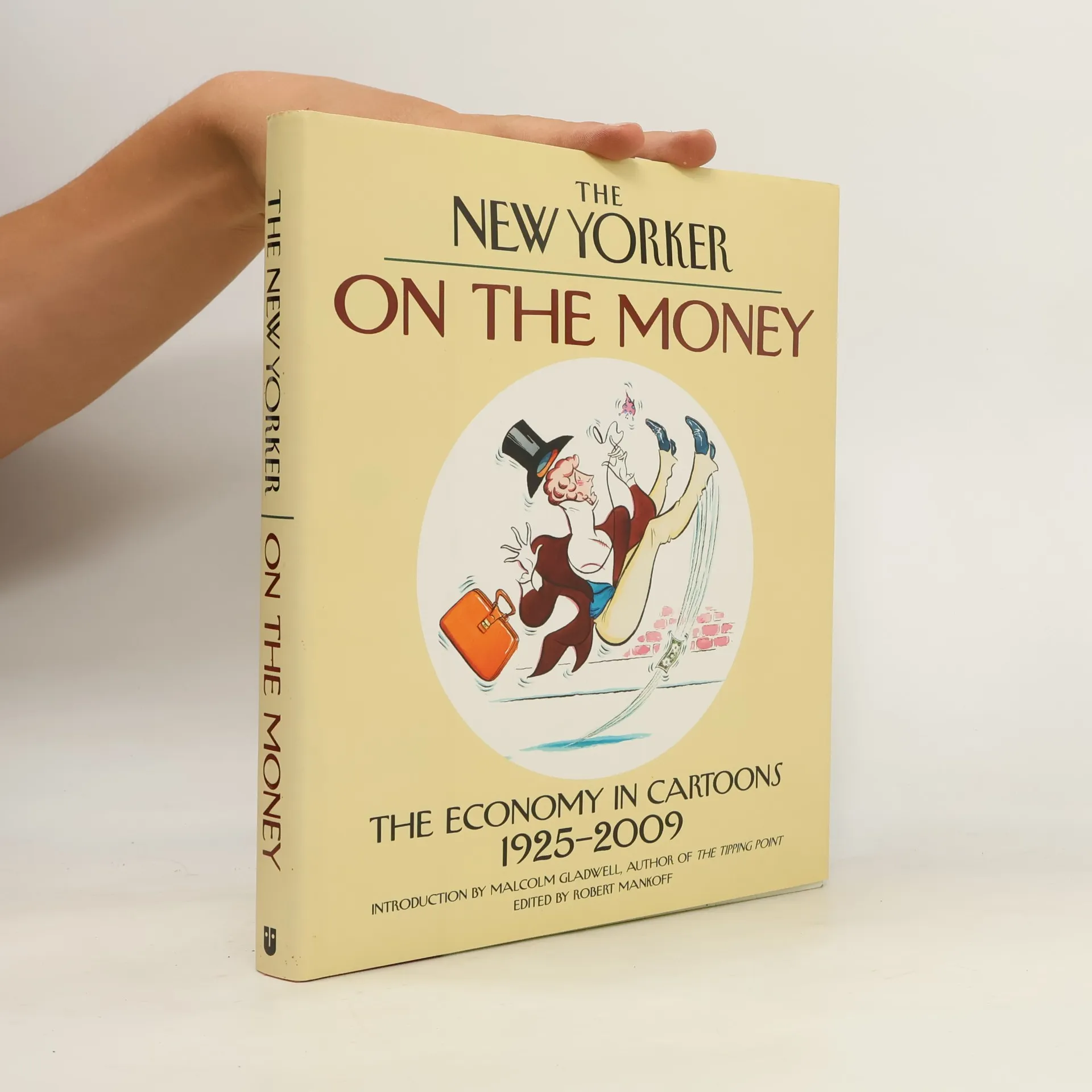
The New Yorker has been at the forefront of social commentary since it was first published in 1925. Even when the markets have been down, its famous single-panel cartoons have found a way to add humor to the economic landscape.In On the Money , fans can revel in over 350 of The New Yorker 's best cartoons on the theme of money, culled from the past 80+ years. From bossy businessmen to crooked creditors to slighted stockholders, no one in the financial world has escaped humorously critical jabs from the master of cartoon humor. The collection is edited by The New Yorker 's cartoon editor, Robert Mankoff, and includes an introduction by the best-selling author Malcolm Gladwell.
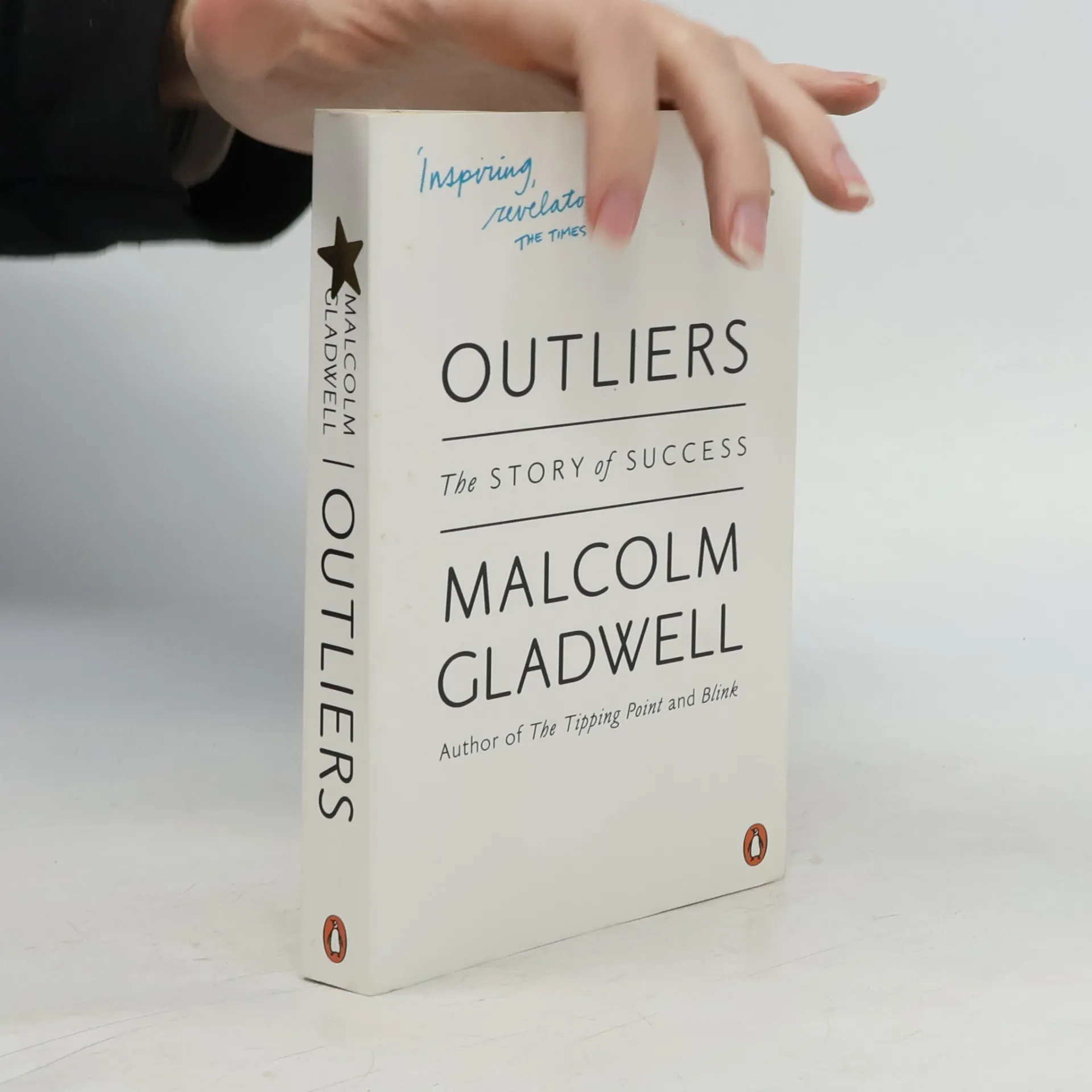
Outliers : the history of success
- 365bladzijden
- 13 uur lezen
Why are people successful? For centuries, humankind has grappled with this question, searching for the secret to accomplishing great things. In this stunning new book, Malcolm Gladwell takes us on an invigorating intellectual journey to show us what makes an extreme overachiever.
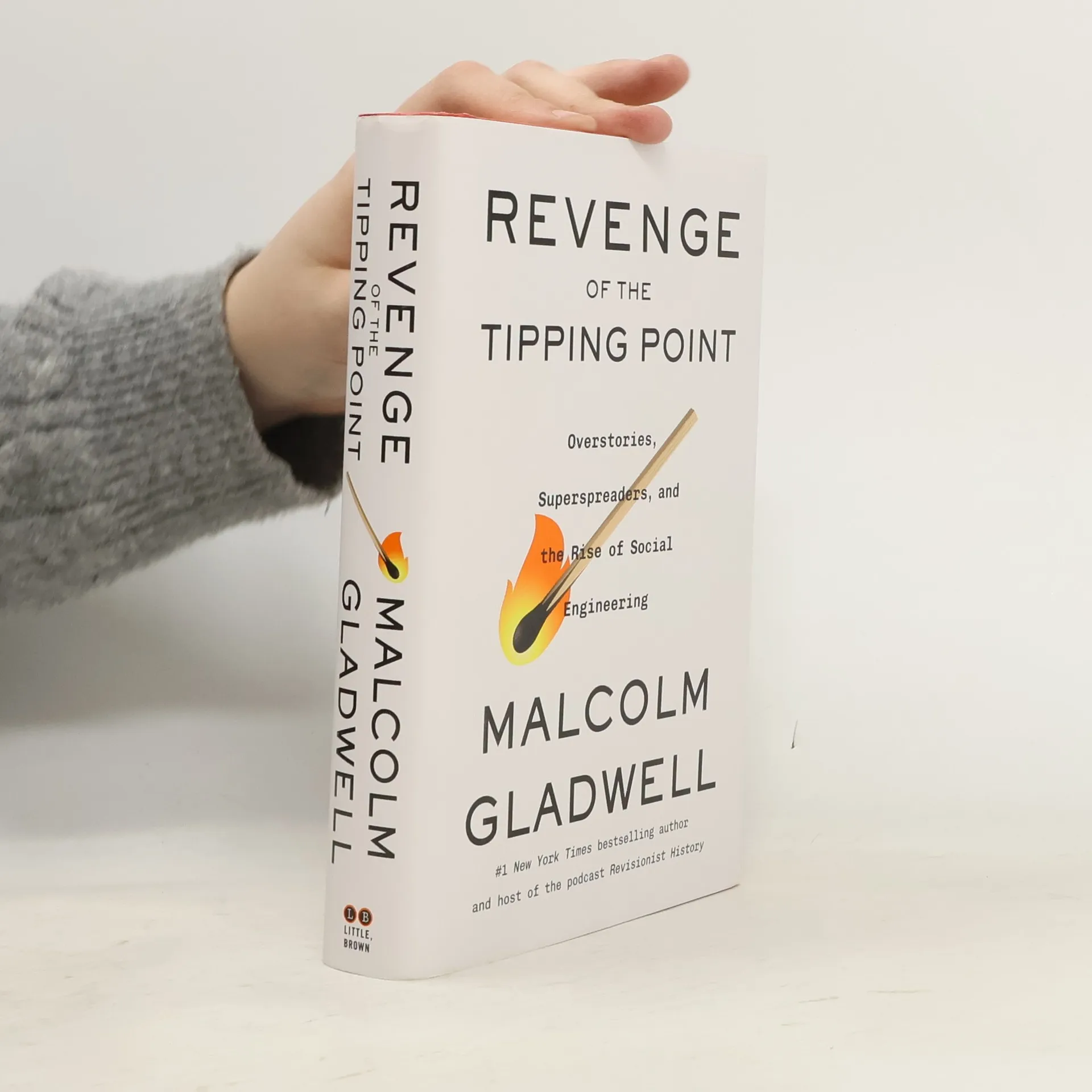
Revenge of the Tipping Point
Overstories, Superspreaders, and the Rise of Social Engineering
- 352bladzijden
- 13 uur lezen
"Why is Miami--Miami? What does the heartbreaking fate of the cheetah tell us about the way we raise our children? Why do Ivy League schools care so much about sports? What is the Magic Third, and what does it mean for racial harmony? In this ... work, Malcolm Gladwell returns for the first time in twenty-five years to the subject of social epidemics and tipping points, this time with the aim of explaining the dark side of contagious phenomena. Through a series of ... stories, Gladwell traces the rise of a new and troubling form of social engineering"--
Most military thinkers in the years leading up to World War II saw the airplane as an afterthought. But a small band of idealistic strategists had a different view. This "Bomber Mafia" asked: What if precision bombing could, just by taking out critical choke points - industrial or transportation hubs - cripple the enemy and make war far less lethal? In The Bomber Mafia, Gladwell delves deep into questions of how technology and best intentions collide in the heat of war.
Psychology and the Real World
Essays Illustrating Fundamental Contributions to Society
- 288bladzijden
- 11 uur lezen
Psychology and the Real World: Essays Illustrating Fundamental Contributions to Society is a collection of brief, personal, original essays, ranging in length from 2500 to 3500 words, in which leading academic psychologists describe what their area of research has contributed to society. The authors are true stars in the field of psychology. Some of their work (for example, Elizabeth Loftus’s studies of false memories, Paul Ekman’s research on facial expression, and Eliot Aronson’s “jigsaw,” or cooperative, classroom studies) is well known to the public. The research of others is less familiar to nonspecialists, but no less fascinating. The book is unique the world of textbook ancillaries in that it does not reprint writings. Rather, innovative psychological scientists clearly and entertainingly tell readers why their research matters and how their line of inquiry developed. The concept for the book came from the FABBS Foundation, a nonprofit educational foundation that supports the work of 22 scholarly societies that span the cognitive, psychological, behavioral, and brain sciences.The authors have volunteered their contributions. These authors have agreed that all grants, advances, and royalties and other financial earnings from this volume will go to the FABBS Foundation to support their educational mission.
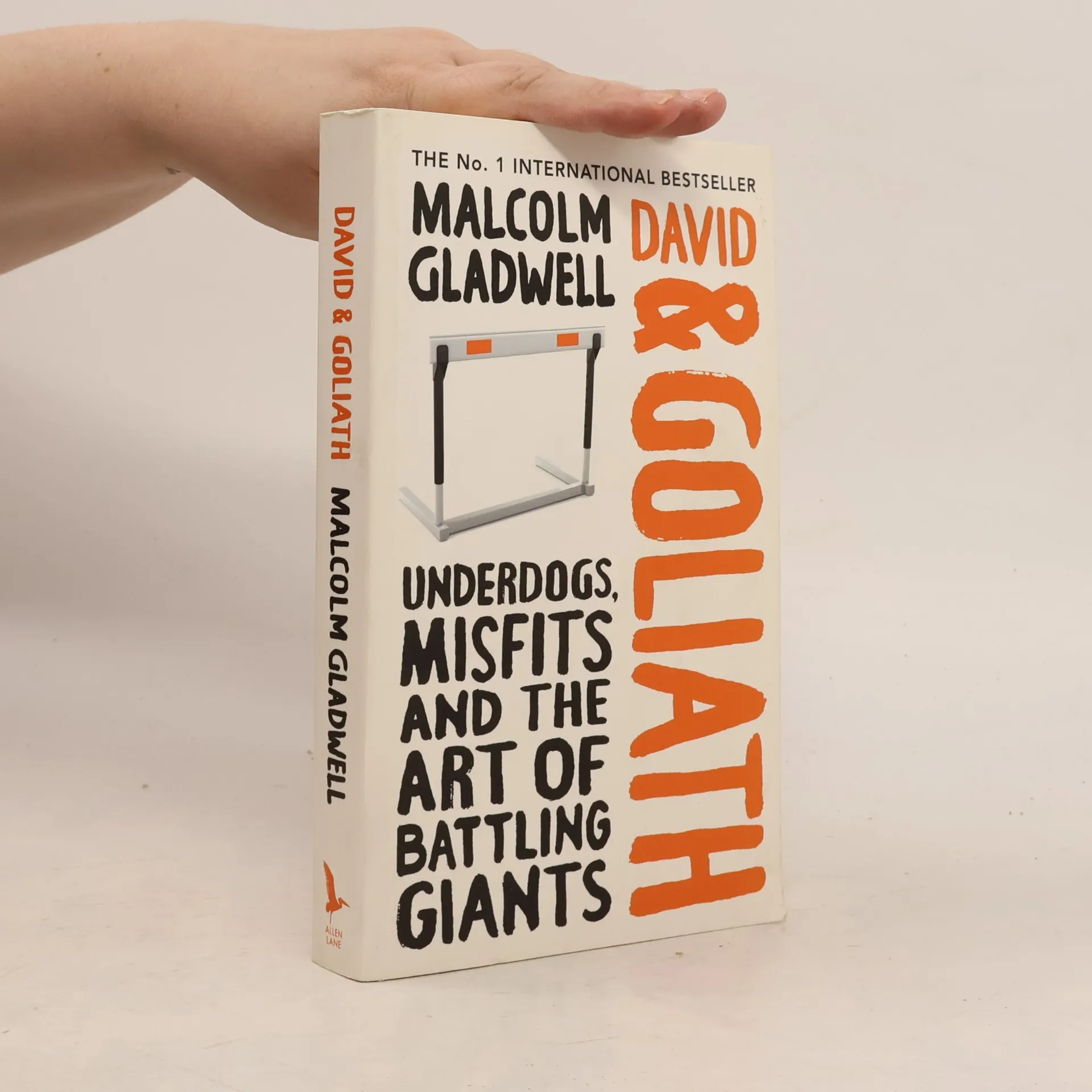
Why do underdogs succeed so much more than they should? How do the weak outsmart the strong? In David and GoliathMalcolm Gladwell takes us on a scintillating and surprising journey to uncover the hidden dynamics that shape the balance of power between the small and the mighty. From the conflict in Northern Ireland and Vietnam, through the tactics of civil rights leaders and the problem of privilege, Gladwell demonstrates how terribly we misunderstand the true meaning of advantage and disadvantage. When is a traumatic childhood a good thing? How can a disability leave someone better off? And do you really want your child to go to the best school he or she can get into? Drawing on the stories of remarkable underdogs, history, science, psychology and his unparalleled ability to make the connections other miss, David and Goliathis a brilliant, illuminating book that overturns conventional thinking, and brings home the incredible leverage of the unexpected.
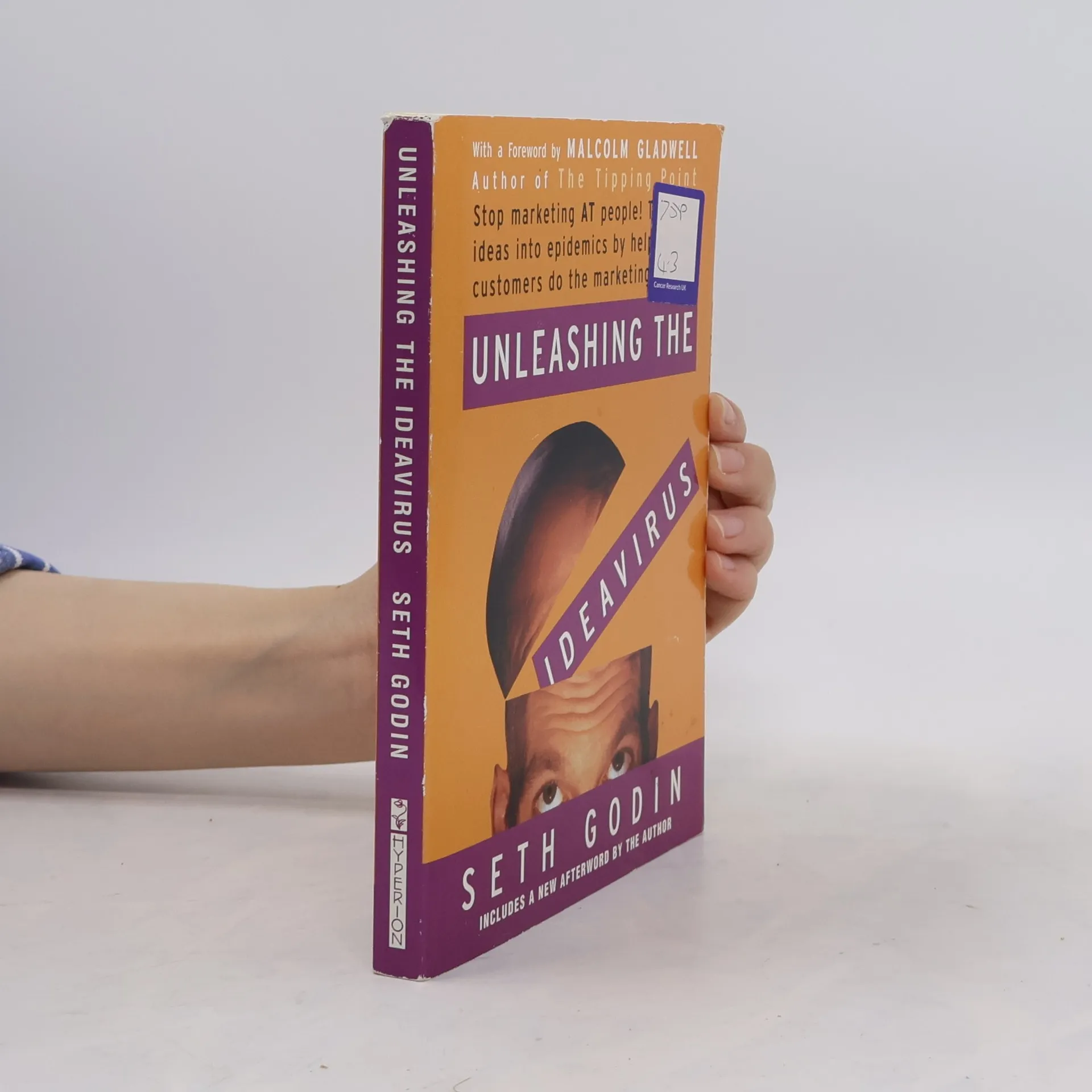
Unleashing the Ideavirus
Stop Marketing At People! Turn Your Ideas Into Epidemics By Helping Your Customers Do The Marketing Thing For You. - Includes A New Afterword By The Author
- 234bladzijden
- 9 uur lezen
The book that sparked a marketing revolution."This is a subversive book. It says that the marketer is not--and ought not to be--at the center of successful marketing. The customer should be. Are you ready for that?" --From the Foreword by Malcolm Gladwell, author of The Tipping Point.Counter to traditional marketing wisdom, which tries to count, measure, and manipulate the spread of information, Seth Godin argues that the information can spread most effectively from customer to customer, rather than from business to customer. Godin calls this powerful customer-to-customer dialogue the ideavirus, and cheerfully eggs marketers on to create an environment where their ideas can replicate and spread.In lively detail, Godin looks at the ways companies such as PayPal, Hotmail, GeoCities, even Volkswagen have successfully launched ideaviruses. He offers a "recipe" for creating your own ideavirus, identifies the key factors in the successful spread of an ideavirus (powerful sneezers, hives, a clear vector, a smooth, friction-free transmission), and shows how any business, large or small, can use ideavirus marketing to succeed in a world that just doesn't want to hear it anymore from the traditional marketers.
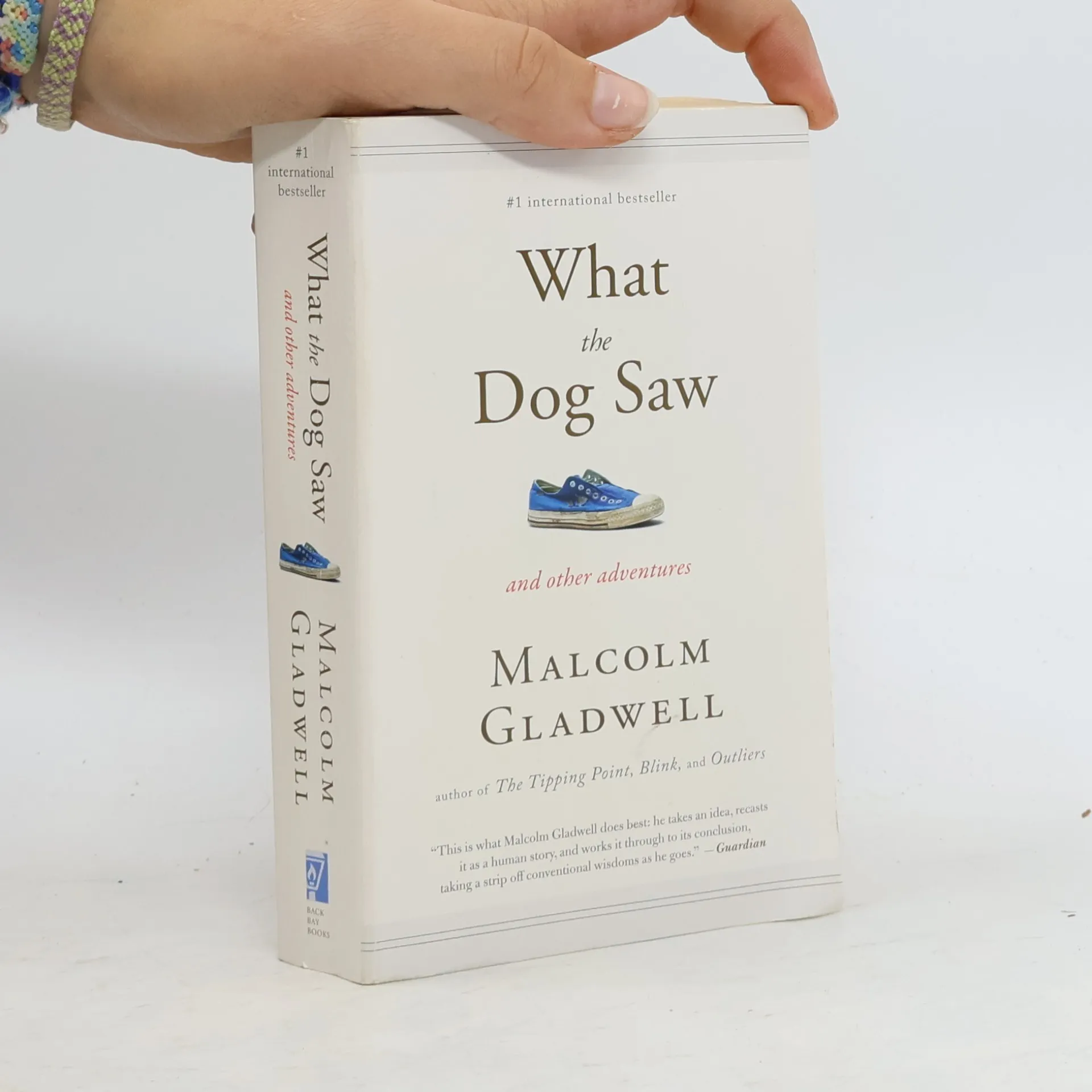
What the Dog saw
- 503bladzijden
- 18 uur lezen
Brings together, for the first time, the best of Gladwell's writing from "The""New Yorker" in the past decade, including: the bittersweet tale of the inventor of the birth control pill; the dazzling inventions of the pasta sauce pioneer Howard Moscowitz; spotlighting Ron Popeil, the king of the American kitchen; and the secrets of Cesar Millan, the "dog whisperer." Gladwell also explores intelligence tests, ethnic profiling and "hindsight bias," and why it was that everyone in Silicon Valley once tripped over themselves to hire the same college graduate.
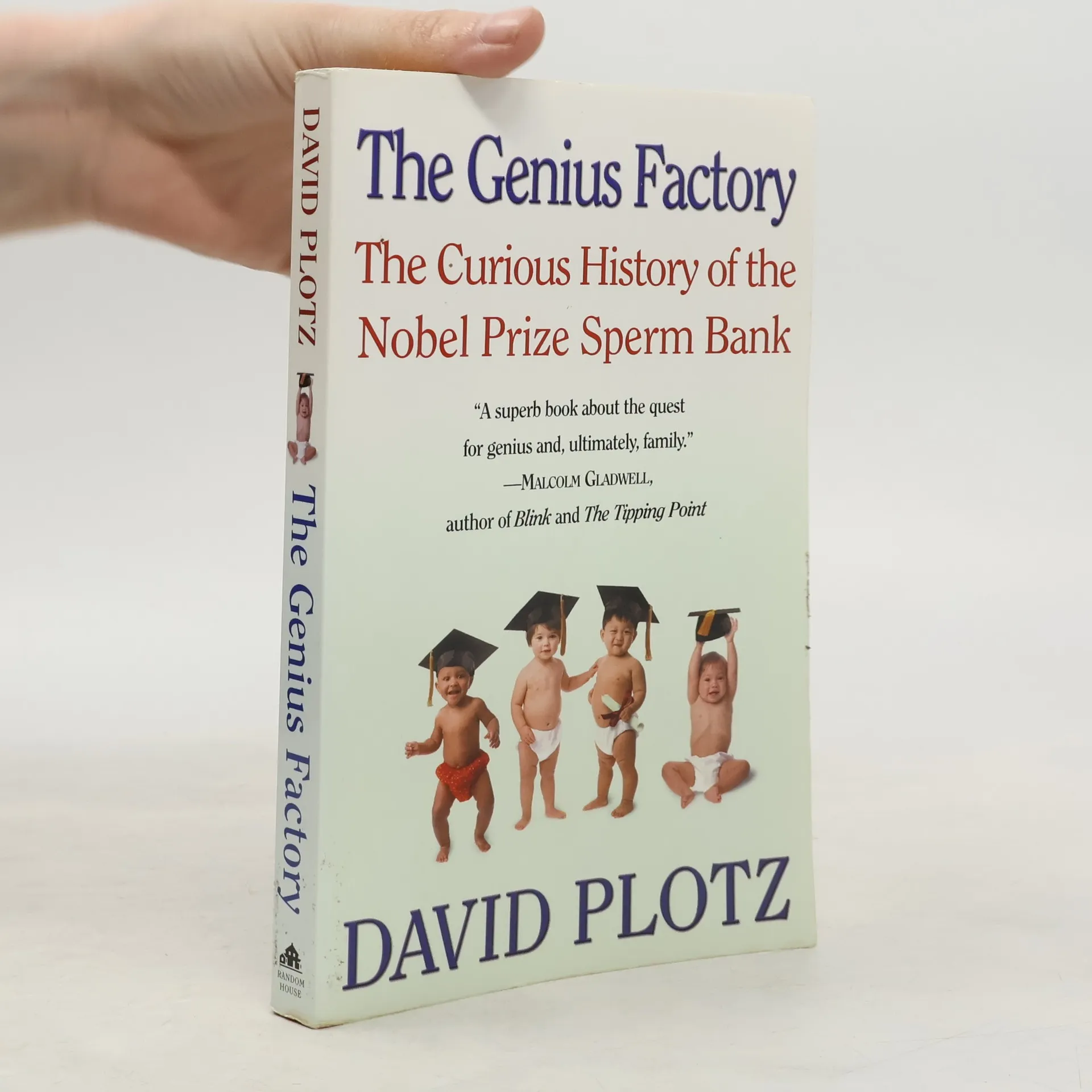
From the former editor of Slate and CEO of Atlas Obscura comes the unbelievable story of “the Nobel Prize sperm bank” and the children it produced—“a superb book about the quest for genius and, ultimately, family” (Malcolm Gladwell). NAMED ONE OF THE BEST BOOKS OF THE YEAR BY ROCKY MOUNTAIN NEWS. The Repository for Germinal Choice, known as “the Nobel Prize sperm bank,” opened in 1980 and attracted women nationwide seeking donors from a roster of Nobel laureates, mathematical prodigies, and successful figures. However, it closed in 1999, leaving its founder deceased, records sealed, and the fate of its offspring and donors uncertain. Award-winning columnist David Plotz embarks on a journey across the country, uncovering the astonishing story of the sperm bank and its founder’s radical vision. Praise for the work includes remarks on its wit, pathos, and insight, noting Plotz’s multifaceted role as narrator, ethnographer, and social critic. Critics highlight its engaging narrative, describing it as blithe, smart, and filled with unexpected emotional depth. The work is characterized as not only curious but also useful, with a blend of tension, humor, and touching moments, making it both readable and eye-opening.
Do Humankind's Best Days Lie Ahead?: The Munk Debates
- 128bladzijden
- 5 uur lezen
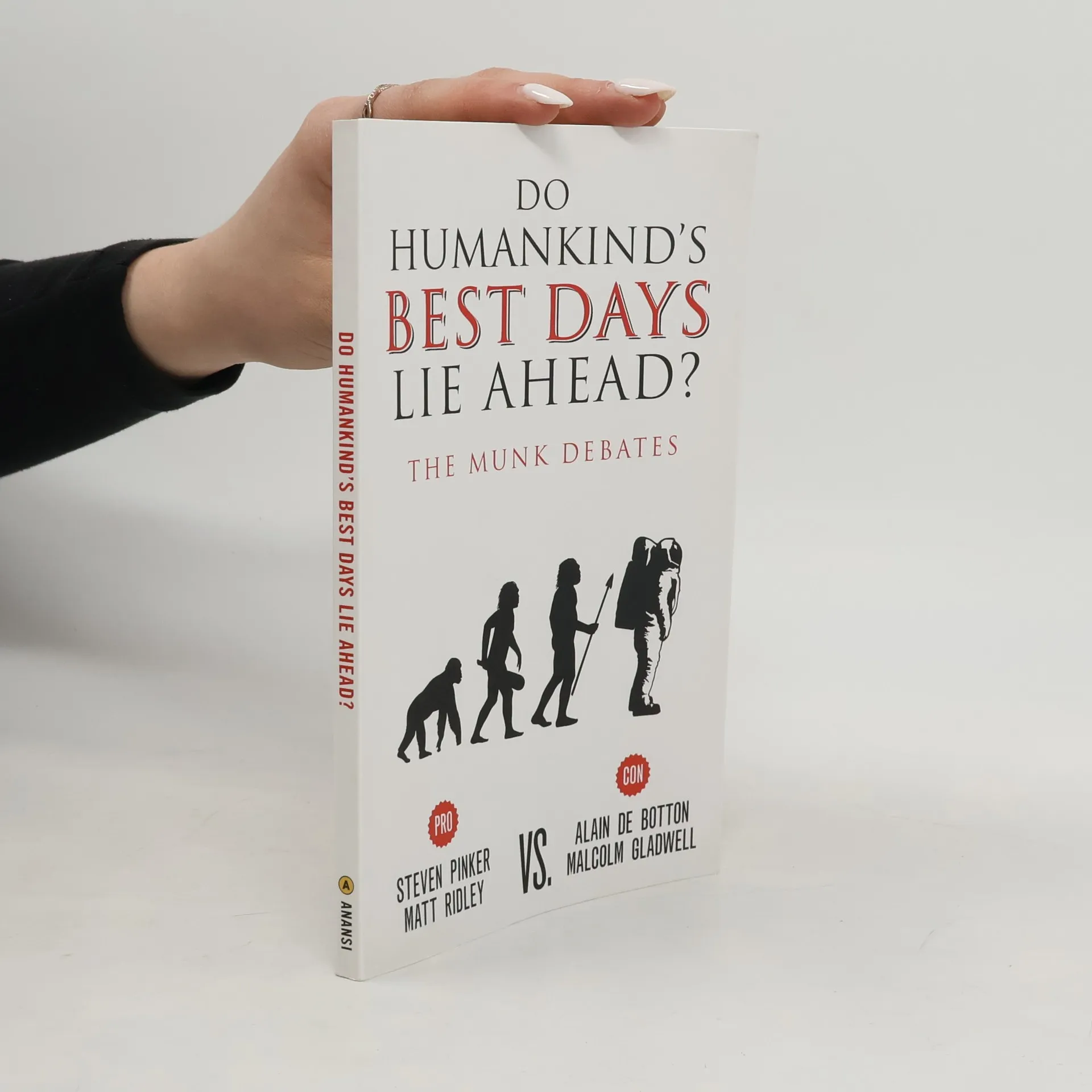
"Progress. It is one of the animating concepts of the modern era. From the Enlightenment onwards, the West has had an enduring belief that through the evolution of institutions, innovations, and ideas, the human condition is improving. This process is supposedly accelerating as new technologies, individual freedoms, and the spread of global norms empower individuals and societies around the world. But is progress inevitable? Its critics argue that human civilization has become different, not better, over the last two and a half centuries. What is seen as a breakthrough or innovation in one period becomes a setback or limitation in another. In short, progress is an ideology not a fact; a way of thinking about the world as opposed to a description of reality. In the seventeenth semi-annual Munk Debates, which was held in Toronto on November 6, 2015, pioneering cognitive scientist Steven Pinker and best-selling author Matt Ridley squared off against noted philosopher Alain de Botton and best-selling author Malcolm Gladwell to debate whether humankind's best days lie ahead, "--Amazon.com.
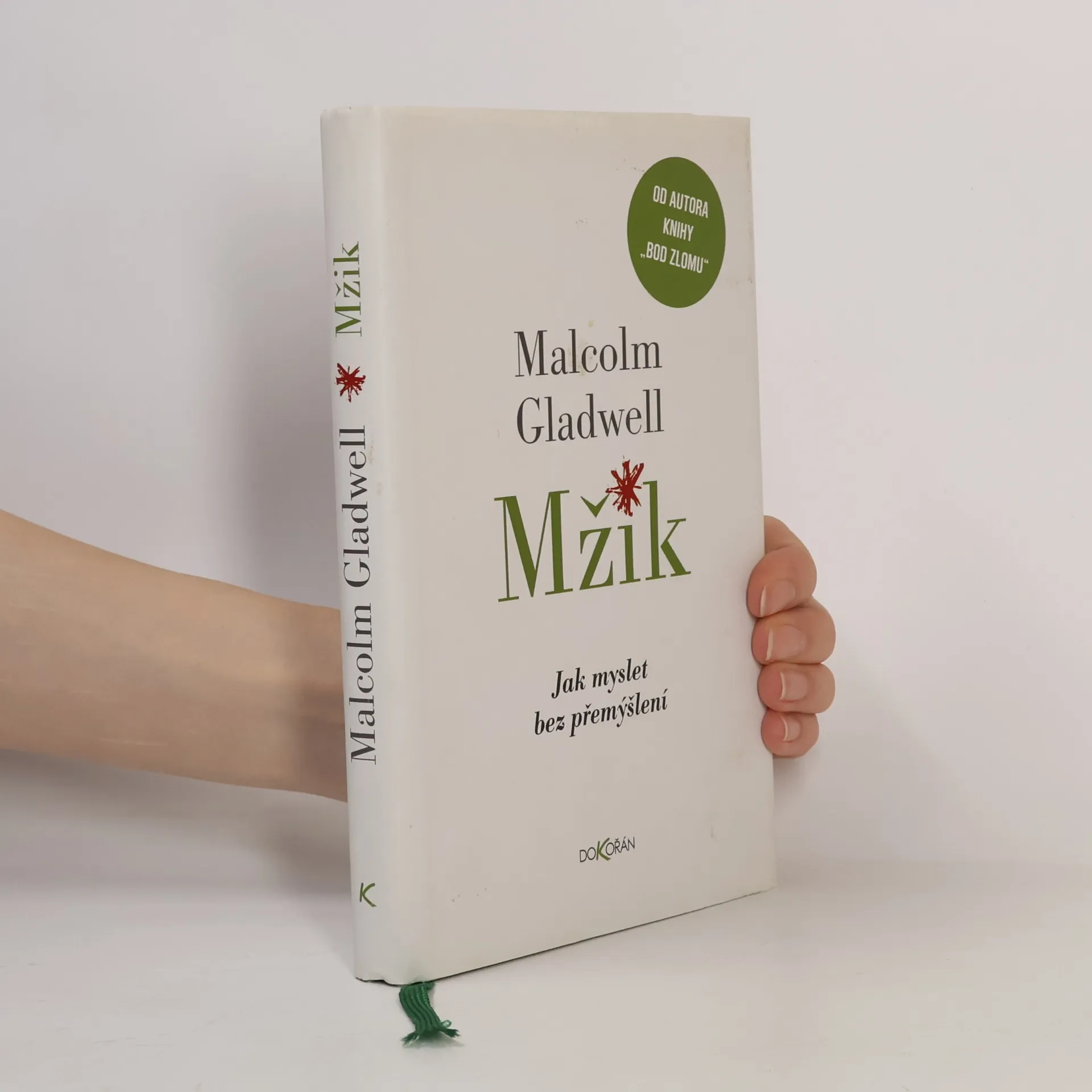
Jak myslet bez přemýšlení. Mžik je o jednom prostém faktu: Velmi rychlá a leckdy zdánlivě neuvážená rozhodnutí mohou být stejně dobrá jako rozhodnutí opatrná a rozvážná. Není totiž důležité mít co nejvíce informací, ale vybrat si ty podstatné. Schopnost mít jasno již v prvních dvou sekundách nebývá podle autora knihy Malcolma Gladwella žádným darem shůry, kterým disponuje pár šťastlivců. Je to schopnost, kterou v sobě může vypěstovat každý z nás. Čtenáři velmi oblíbený americký novinář v knize podrobně zkoumá momenty našeho instinktivního rozhodování a popisuje, co se děje v mozku, když se musíme rychle rozhodnout, ale nemáme čas přemýšlet. Rychlá rozhodnutí autor demonstruje na skutečných příbězích někdy i se špatným koncem. Ten mívají obvykle na svědomí rozhodnutí učiněná na základě předsudků či zavedených stereotypů.
Mžik: Jak myslet bez přemýšlení
- 246bladzijden
- 9 uur lezen
Jak myslet bez přemýšlení Zdánlivě nevědomou schopnost bleskového rozhodnutí lze kultivovat a může se jí naučit každý. Na příkladech ze života lidí různých profesí autor čtivou formou ukazuje sílu i úskalí instinktivních rozhodnutí a přibližuje složité myšlenkové procesy, které za nimi stojí. Opírá se přitom o experimenty a výzkumy, které dokládají, jak pracuje ta část mozku, nazývaná adaptivní nevědomí. Studium těchto procesů je novým oborem psychologie. Mžikem, tedy v prvních dvou vteřinách učiněné rozhodnutí, je v nevědomí dokončeno dlouho před tím, než si ho připustíme vědomě. Přitom může být stejně dobré jako rozhodnutí učiněné opatrně a rozvážně. Chceme-li být při rozhodování úspěšní, musíme škrtat, vyloučit méně důležité informace a znát své vlastní myšlení.
Mžik
- 248bladzijden
- 9 uur lezen
Co se děje v našem mozku, když se musíme rychle rozhodnout a nemáme čas přemýšlet? Jak je možné, že znalec umění rozpozná na první pohled padělek, který neodhalily komplikované testy? Jak se stane, že vycvičení policisté zabijí v přestřelce nevinného člověka, protože ho považovali za zločince? Můžeme se spoléhat na stereotypy, anebo nás zradí? Momenty našeho instinktivního rozhodování zkoumá ve své nejnovější knize Mžik americký novinář Malcolm Gladwell. Ukazuje, že není důležité mít co nejvíce informací, ale vybrat si ty podstatné.
Ein Kunstexperte sieht eine 10 Millionen Dollar teure Skulptur und erkennt sofort, dass sie eine Fälschung ist. Ein Psychologe weiß innerhalb von Minuten, ob ein Paar zusammenbleiben wird. Ein Feuerwehrmann in einem brennenden Gebäude »spürt« plötzlich, dass er sofort raus muss. In diesem Buch geht es um diese Momente, in denen wir etwas »wissen«, ohne zu wissen, warum. Der Bestsellerautor Malcolm Gladwell erforscht das Phänomen dieser »Blink«-Momente und zeigt, dass ein schnelles Urteil oft weitaus effektiver sein kann als eine vorsichtige Entscheidung. Wenn Sie Ihrem Instinkt vertrauen, so zeigt er, werden Sie nie wieder auf dieselbe Art und Weise denken. Denn wie wir denken, ohne zu denken, erklärt, warum manche Menschen brillante Entscheider sind, während andere nahezu immer danebenliegen. »Blink« veranschaulicht, dass die besten Entscheider nicht diejenigen sind, die am meisten Informationen verarbeiten oder die längste Zeit mit Überlegungen verbringen, sondern diejenigen, welche die Kunst des »thin-slicing« perfektioniert haben – das Herausfiltern der wenigen Faktoren, die wirklich wichtig sind, aus einer überwältigenden Anzahl von Variablen.
David a Goliáš. Outsideři, odpadlíci a umění bojovat s obry
- 304bladzijden
- 11 uur lezen
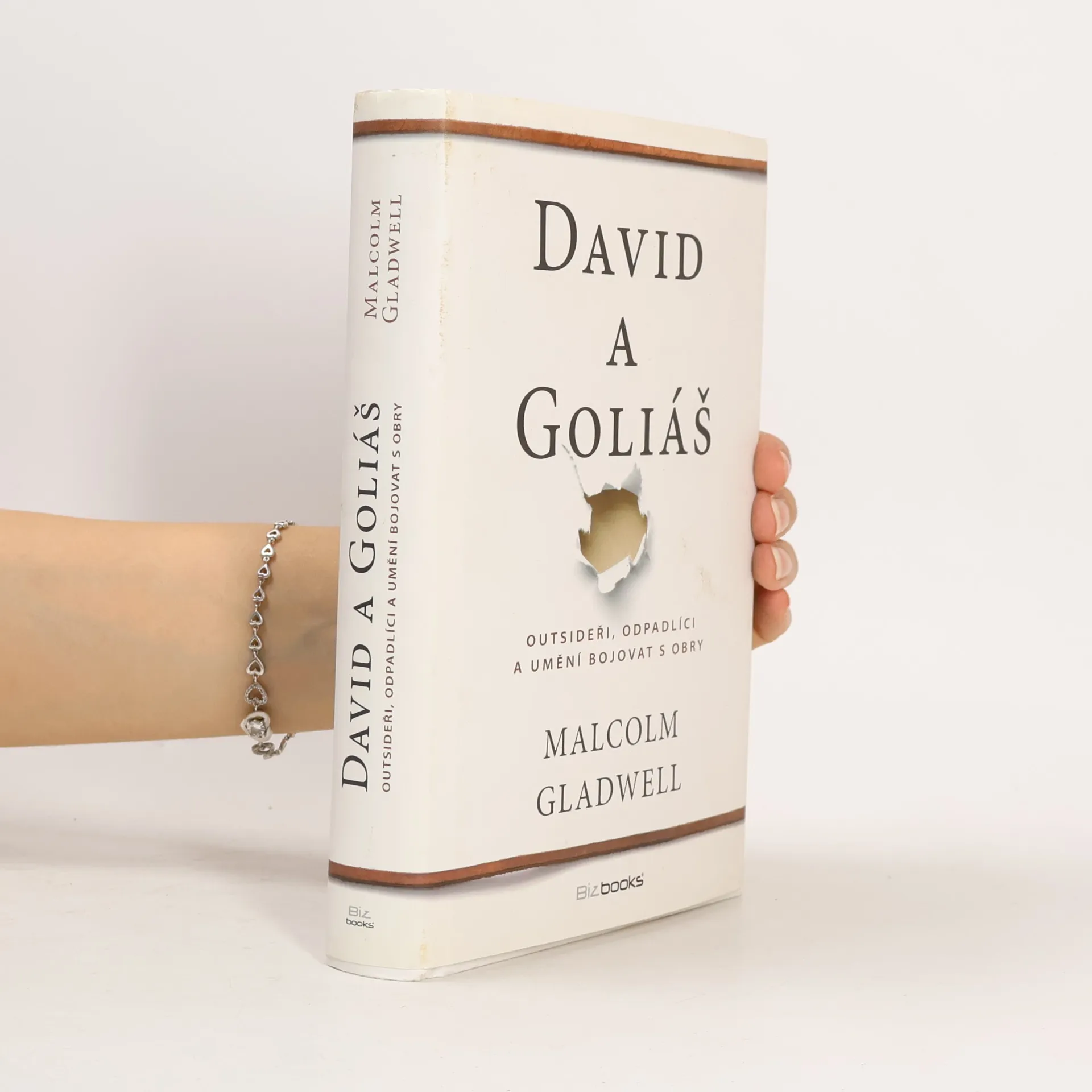
Malcolm Gladwell ve své nejnovější knize zpochybňuje naše obvyklé vnímání toho, co je překážka a co naopak nevýhoda. Zároveň nabízí novou interpretaci faktů, co pro člověka znamená trpět dyslexií, chodit do prestižní školy, přijít v dětství o rodiče nebo čelit diskriminaci.Vychází z biblické legendy o Davidu a Goliášovi a zavede nás znovu na bitevní pole ve staré Palestině. Také ale na příbězích z nedávné doby ukazuje, jak mohou obyčejní lidé čelit Goliášům nejrůznějšího druhu.
Как часто, начав одно дело, вы отвлекались на что-то более интересное или простое и в результате забрасывали его? Сколько раз вы говорили себе, что будете уходить с работы ровно в 7, чтобы поцеловать сына или дочку до того, как они пойдут спать, а потом винили себя за то, что и в этот раз не вышло? Очень часто причина неудач - всего лишь недостаток сосредоточенности, то есть неумение навести и удерживать фокус на поставленной цели. Десятки работ написаны о важности целеполагания. Авторы этой книги могут помочь вам сделать достижение цели… привычкой! Тогда из трудной задачи «фокусировка на цели» превратится в знакомое, вполне посильное и регулярное действие, а результат не заставит себя ждать. А попутно вы узнаете о силе наших привычек, поймете, как воспитать новые полезные привычки и с их помощью наладить не только работу, но и личную жизнь.
Гении и аутсайдеры. Почему одним всё, а другим ничего? (мягк.обл.)
- 288bladzijden
- 11 uur lezen