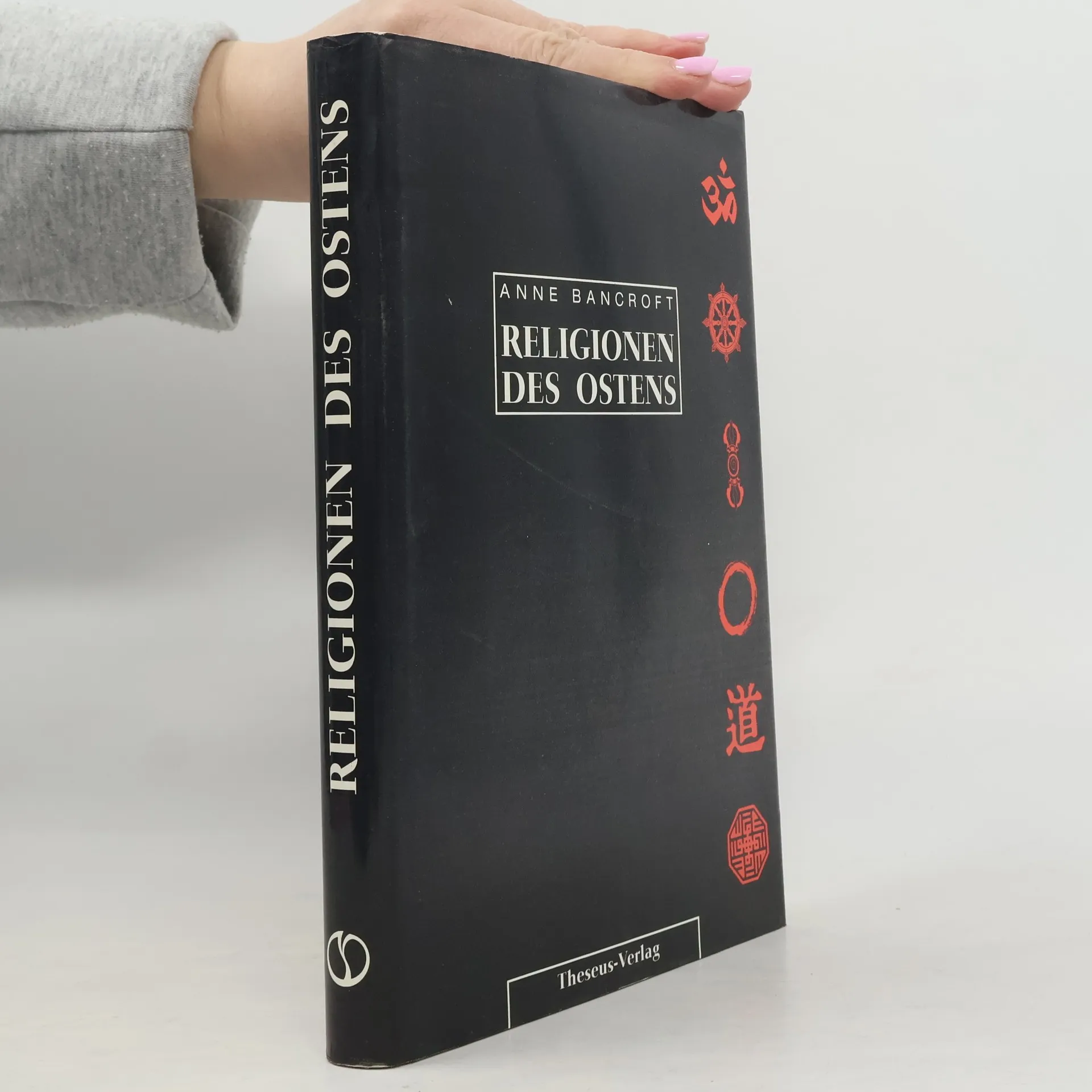
Mythen, Kultstätten und die Ursprünge der Heiligen
- 286bladzijden
- 11 uur lezen


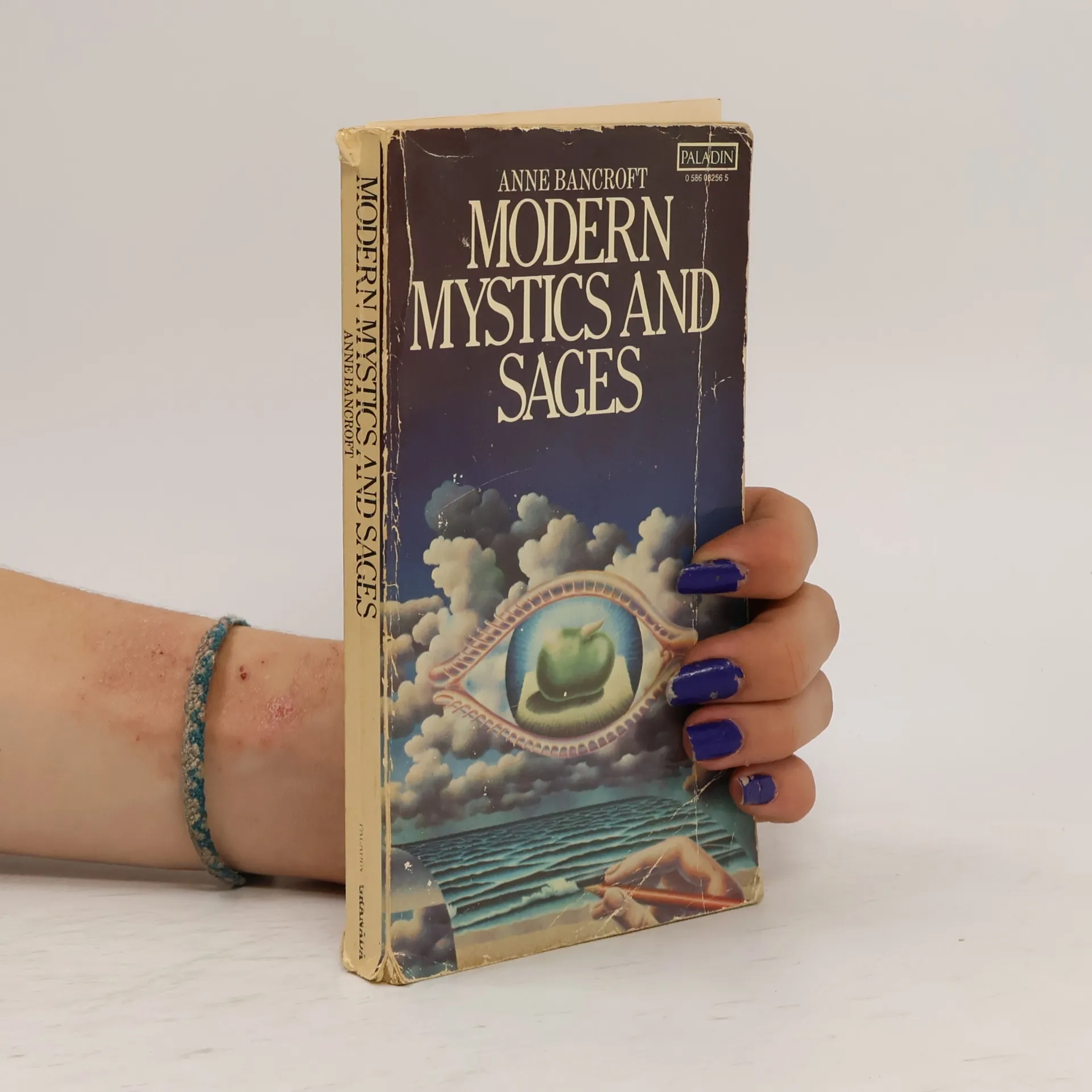




Levensverhalen van tien vrouwen die op hun eigen manier bezig zijn geweest met spiritualiteit en daar in hun leven vorm aan hebben gegeven.
The Dhammapada (Pali; Prakrit: Dhamapada; Sanskrit Dharmapada) is a versified Buddhist scripture traditionally ascribed to the Buddha himself. It is one of the best-known texts from the Theravada canon. The title, Dhammapada, is a compound term composed of dhamma and pada, each word having a number of denotations and connotations. Generally, dhamma can refer to the Buddha's "doctrine" or an "eternal truth" or "righteousness" or all "phenomena"; and, at its root, pada means "foot" and thus by extension, especially in this context, means either "path" or "verse" (cf. "foot (prosody)") or both. English translations of this text's title have used various combinations of these and related words.
German
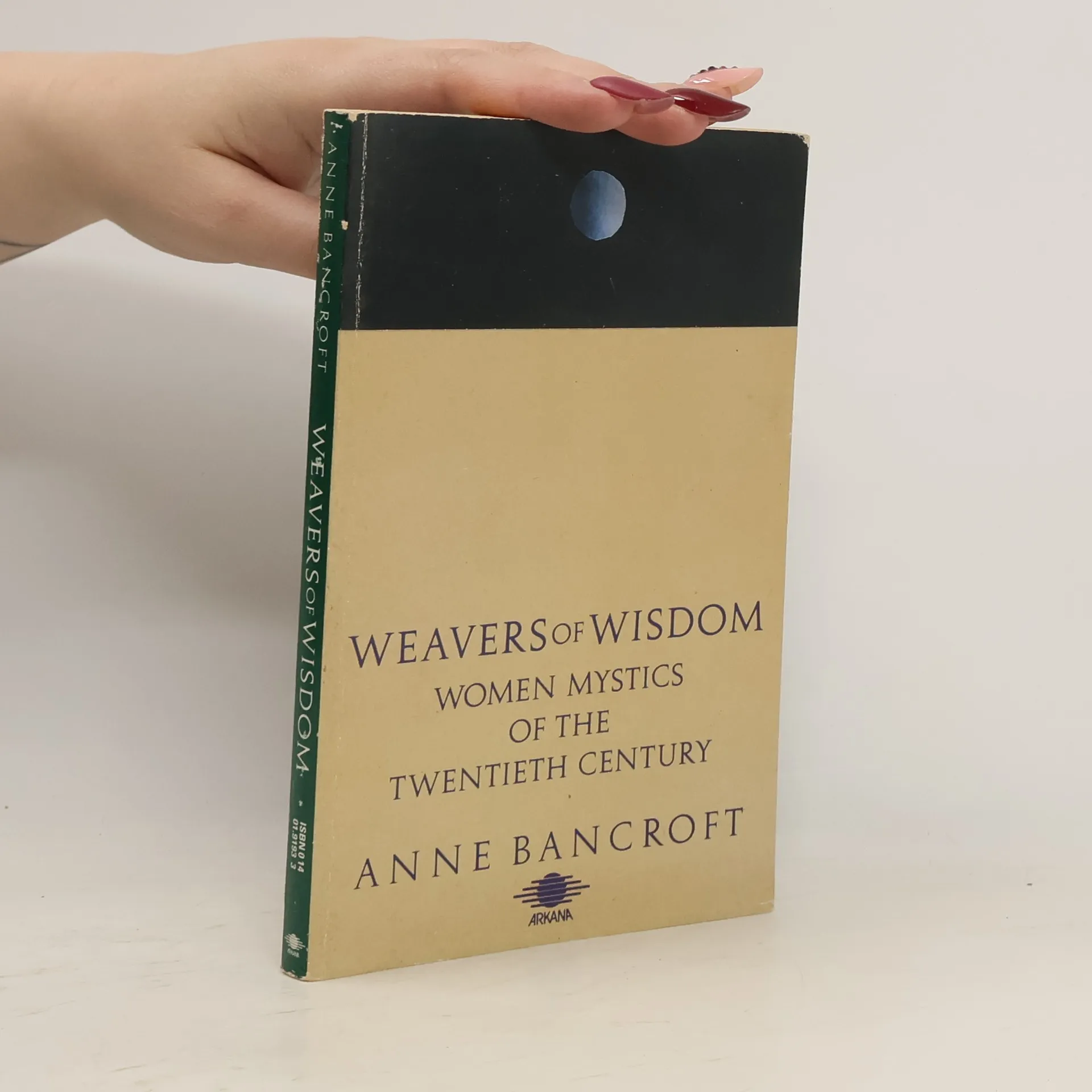
Traditionally most gurus, philosophers, and religious leaders have been men. But in this fascinating and thought-provoking book, Bancroft provides the feminine approach to mysticism by examining the methods and teachings of fifteen women who have developed their own insights into what the author calls the "truth that goes beyond the ordinary."
An introduction to the history and religious philosophy of Zen Buddhism includes descriptions of the lives and thoughts of the most famous Zen masters