John Horgan is een wetenschapsjournalist wiens werk vaak de ingewikkelde verbanden tussen wetenschappelijk begrip en de diepe vragen van het menselijk bestaan onderzoekt. Zijn geschriften zijn verschenen in toonaangevende wereldwijde publicaties, en met zijn essays zet hij lezers aan om de grenzen van de wetenschap en de impact ervan op onze perceptie van de wereld te overwegen. Horgans onderzoeksjournalistiek duikt in de essentie van wetenschappelijke ontdekkingen en de implicaties daarvan.
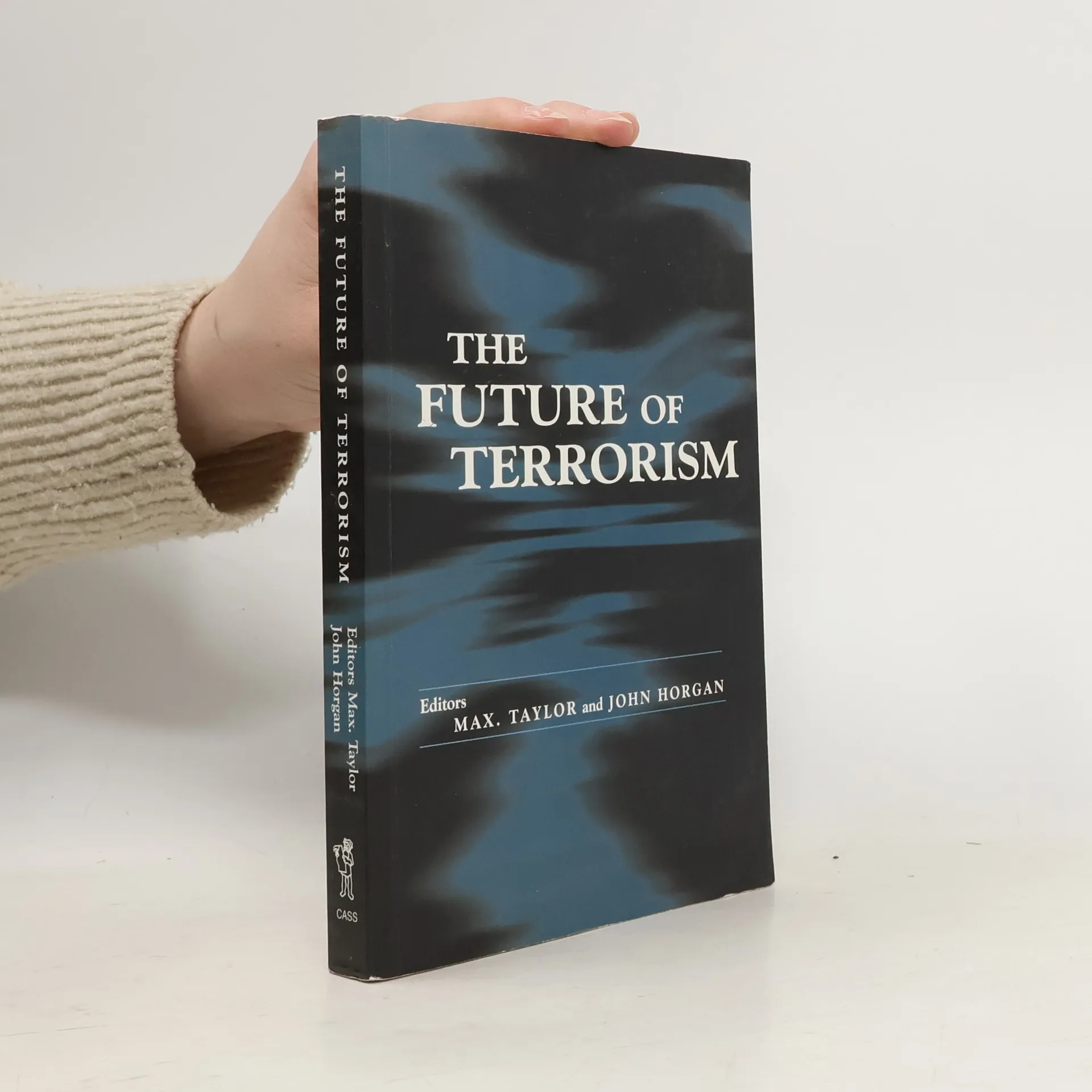
These papers are from a meeting at University College Cork, Ireland, at which terrorism experts from academia and law enforcement presented and dicussed their views on future developments in terrorism.
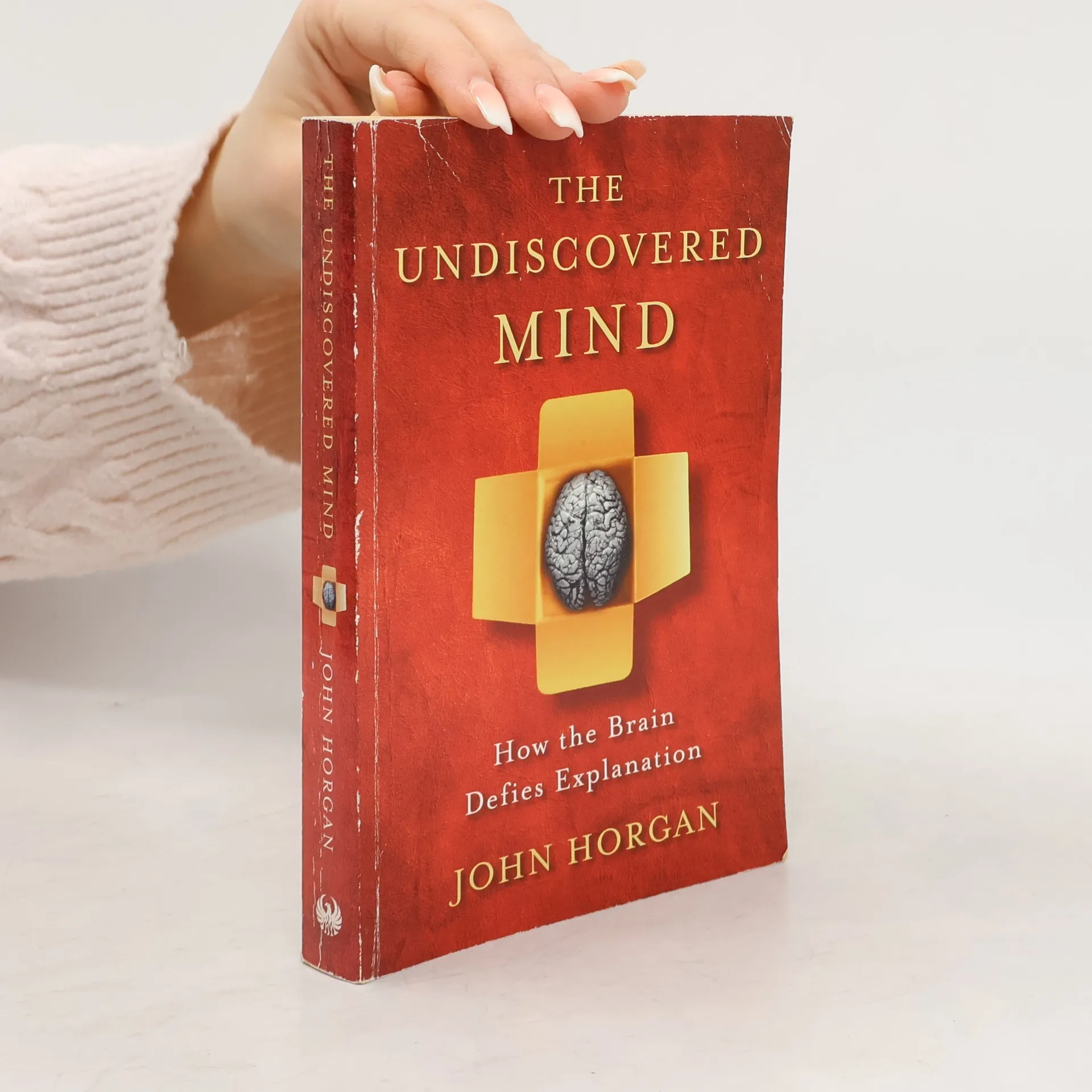
This book takes readers to meet the presumed experts on how the brain works, but demonstrates that we cannot absolutely understand what is happening inside our heads, that science has achieved virtually nothing in explaining the mind and that science cannot define what makes us human.
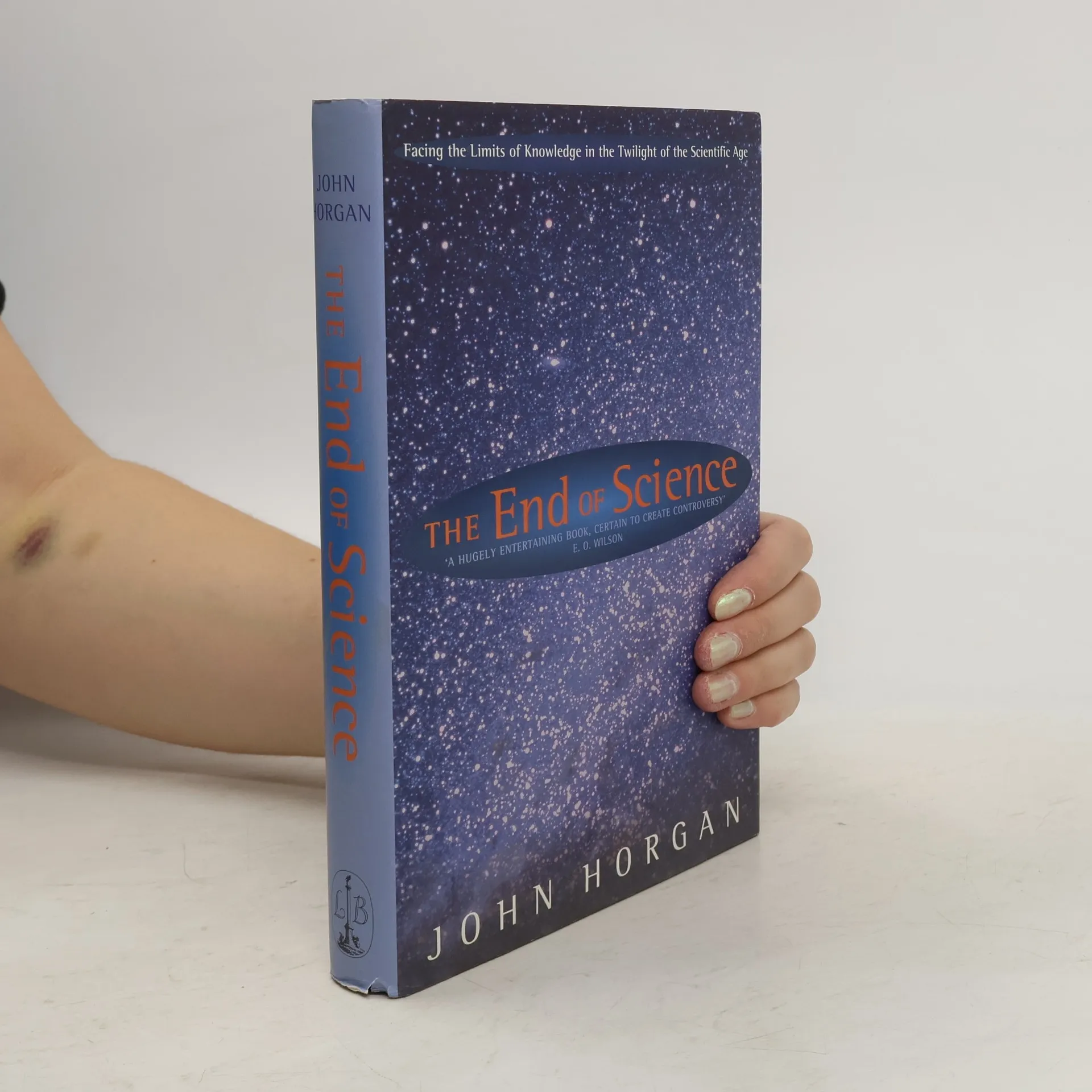
Facing the Limits of Knowledge in the Twilight of the Scientific Age
324bladzijden
12 uur lezen
As a writer for Scientific American, the author is regularly afforded the opportunity of interviewing comtemporary scientists such as Richard Dawkins, Murray Gell-Mann, Stephen Hawking and Noam Chomsky. In this work, he discusses with them whether all the big scientific questions have been answered and all the knowledge worth knowing become known. Will there eventually be a theory of everything that signals the end? In a time where scientific rationality is under fire from many quarters, Horgan provides an overview of current scientific enterprise as he discusses God, Star Trek, superstrings, quarks, consciousness and many other topics.