

Deze Britse econoom en politicoloog richt zich op vergelijkende economische en politieke ontwikkeling, met name vanuit een langetermijnperspectief en met een uitgesproken interesse in Latijns-Amerika en Sub-Sahara Afrika. Zijn werk duikt in de structurele factoren die naties en samenlevingen vormgeven. Door uitgebreid onderzoek in verschillende landen probeert hij de belangrijkste krachten te begrijpen die de ontwikkelingspaden beïnvloeden. Zijn aanpak is gebaseerd op grondige kwantitatieve analyse en een diep begrip van historische en institutionele contexten.
How does history end? -- The Red Queen -- Will to power -- Economics outside the corridor -- Allegory of good government -- The European scissors -- Mandate of Heaven -- Broken Red Queen -- Devil in the details -- What's the matter with Ferguson? -- The paper leviathan -- Wahhab's children -- Red Queen out of control -- Into the corridor -- Living with the leviathan.
Why are some nations rich and others poor, divided by wealth and poverty, health and sickness, food and famine? Is it culture, the weather, geography, or perhaps ignorance of the right policies? Simply, no. None of these factors is either definitive or destiny. In this book the authors show that it is man-made political and economic institutions that underlie economic success (or lack of it). Based on fifteen years of original research, they marshall historical evidence from the Roman Empire to the Soviet Union, from Korea to Africa, to build a new theory of political economy with great relevance for the big questions of today, including: China has built an authoritarian growth machine. Will it continue to grow at such high speed and overwhelm the West? Is America moving from a virtuous circle, in which efforts by elites to aggrandize power are resisted, to a vicious one that enriches and empowers a small minority? What is the most effective way to help move billions of people from the rut of poverty to prosperity? Is it through more philanthropy from the wealthy nations of the West, or learning lessons on the interplay between inclusive political and economic institutions?
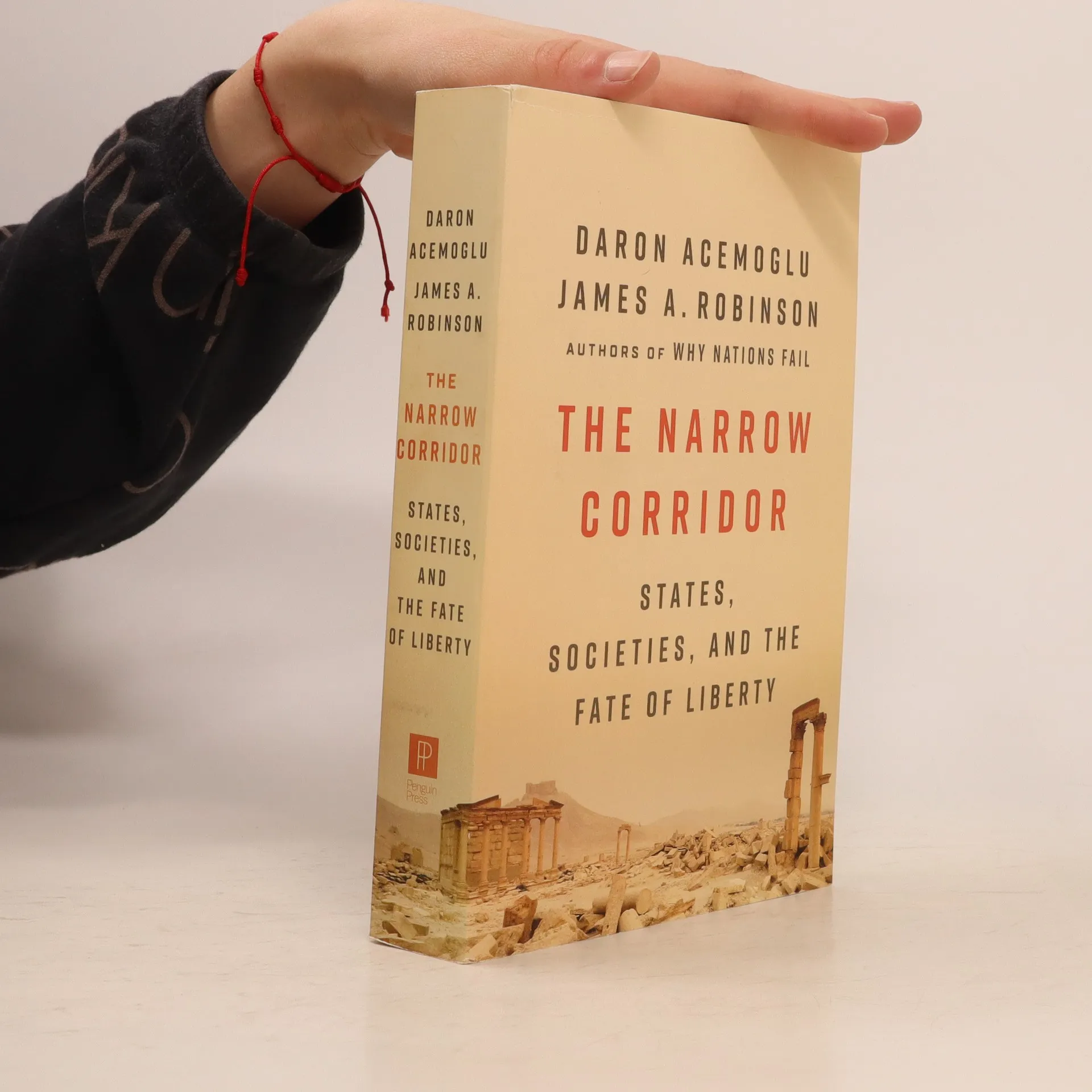
The book explores the factors that contribute to the establishment and sustainability of democracies across different countries. It delves into political, economic, and social elements that influence governance, examining case studies to highlight the varying paths nations take toward democratic development. Through a comprehensive analysis, it reveals the complexities behind democratic transitions and the challenges faced by non-democratic regimes.
Die Tempelruinen von Angkor Wat, die Pyramiden der Maya -Spuren einstmals blühender Kulturen. Warum nahm die Geschichte auf den verschiedenen Kontinenten einen so unterschiedlichen Verlauf? Der amerikanische Evolutionsbiologe Jared Diamond, der Politikwissenschaftler James Robinson und weitere renommierte Wissenschaftler ziehen historische Vergleiche und spüren den Kräften nach, die Geschichte in Bewegung versetzen.