


Deze auteur duikt in complexe menselijke verlangens en berouw met een onconventionele stijl die afwijkt van traditionele literaire invloeden. Zijn werken weerspiegelen vaak een humoristische kijk op ambitie en relaties, waarbij hij niet terugdeinst voor experimenten over genres heen en onder verschillende pseudoniemen schrijft. Lezers zullen zijn unieke stem waarderen, die diepe filosofische mijmeringen combineert met een luchtige, vaak ironische kijk op de menselijke natuur. Zijn literaire nalatenschap ligt in zijn onconventionele benadering van schrijven en zijn vermogen om lezers uit diverse genres aan te spreken.
The narrative revolves around Marvin Martin, a talk show host frustrated by the lack of authenticity in his guests. His producer, Hurwitz, faces pressure after a disastrous episode with a rival network's guest. Meanwhile, Walter Monaghan, a former astronaut, seeks to reveal a shocking truth about the space program, raising questions about credibility and conspiracy. The intertwining stories explore themes of truth, desperation, and the consequences of exposing hidden realities in a world filled with pretension.
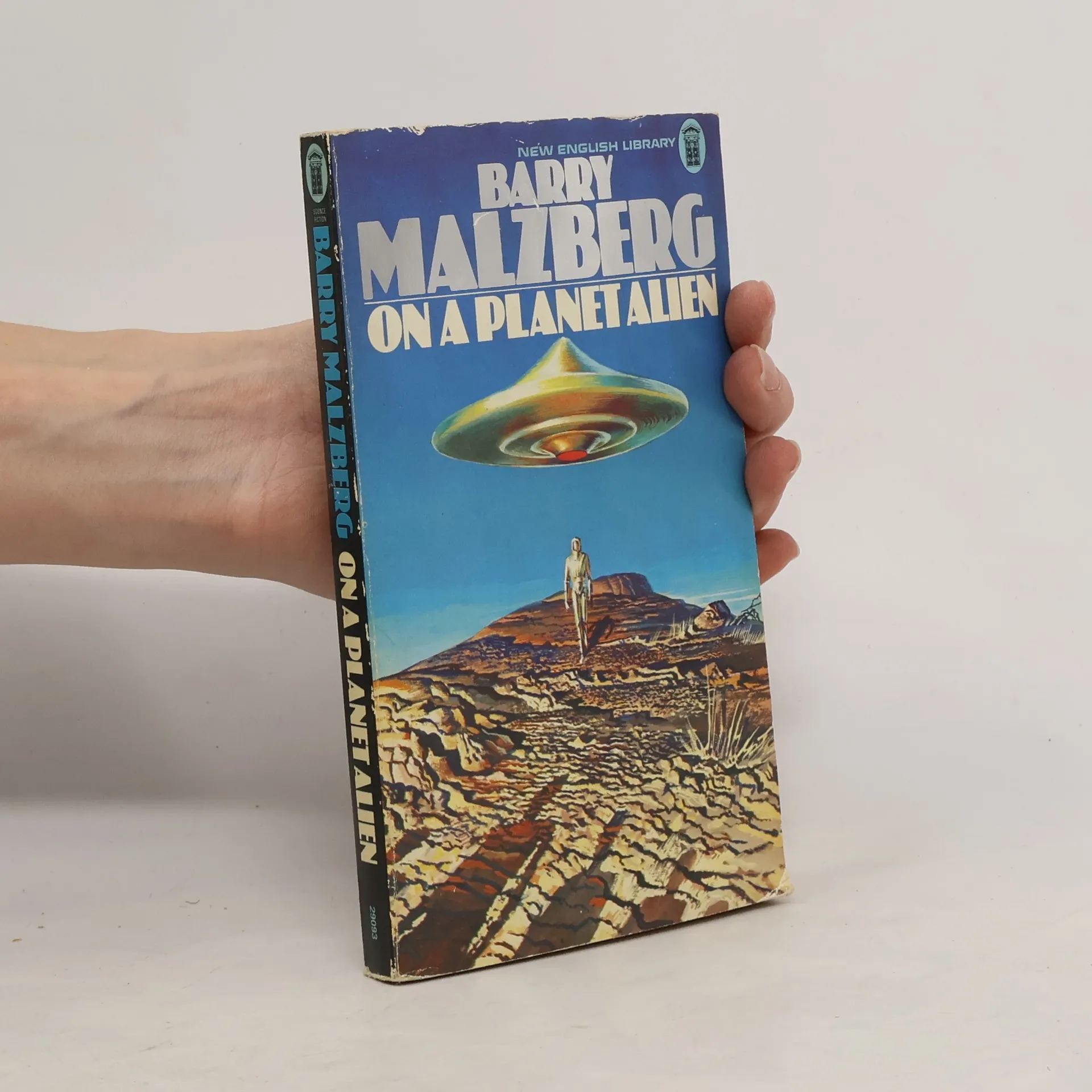
The Recursive Science Fiction of Barry N. Malzberg. Contains all the author's stories written about science fiction. Cover illustration by Merle Insinga.Introduction (The Passage of the Light - The Recursive Science Fiction of Barry N. Malzberg) • (1994) • essay by Mike Resnick.Dwellers of the Deep • (1994) • novella by Barry N. Malzberg.Gather in the Hall of the Planets • (1994) • novella by Barry N. Malzberg.July 24, 1970 • (1969) • short story by Barry N. Malzberg.Notes Toward a Usable Past • (1994) • short story by Barry N. Malzberg.A Question of Slant • (1971) • short story by Barry N. Malzberg.A Galaxy Called Rome • (1975) • novelette by Barry N. Malzberg.A Delightful Comedic Premise • (1974) • short story by Barry N. Malzberg.January 1975 • (1975) • short story by Barry N. Malzberg.Prose Bowl • (1979) • novelette by Bill Pronzini and Barry N. Malzberg.Another Goddamned Showboat • (1990) • short story by Barry N. Malzberg.Herovit's World • (1973) • novel by Barry N. Malzberg.Corridors • (1982) • short story by Barry N. Malzberg.The Passage of the Light • (1993) • short story by Barry N. Malzberg.Afterword (The Passage of the Light - The Recursive Science Fiction of Barry N. Malzberg) • (1994) • essay by Anthony R. Lewis.
THE LONE WOLFBurt Wulff, after two years in the army, most of it in Vietnam, had been entitled to something nice for his trouble, so they had made him a narco. A New York City narcotics cop, with the freedom and the plainclothes and the graft money… but something had happened to this Wulff he had gone crazy. He had become a man of integrity. Eventually he tried to bust an informant, and they knew they would have to do something about this wild man…When Wulff saw his fiancée OD’d out on the floor, he thought that he might go mad on the spot but quite strangely he did not. Wulff went straight home and discarded everything except his gun and a spare. They were hardly the equipment he would need but they were a beginning. By mid-summer, he had the beginnings of an operation in his mind. The rest he would have to play by ear. Wulff hit the streets to kill a lot of people.First strike, the drug network in New York…. and then San Francisco. He is beyond forgiveness or vengeance now. He is the Lone Wolf.
The narrative delves into the moral complexities of the drug trade, highlighting the inevitable corruption and harm it inflicts on individuals. It explores the protagonist's struggle with the notion of innocence in a world where everyone involved is tainted by addiction. The story critiques the mindset of law enforcement and bureaucratic thinking, suggesting that their detachment only perpetuates the cycle of damage. Ultimately, it presents a grim view of accountability and the pervasive consequences of the drug epidemic.
In the far future, it has become possible in advanced psychotherapy for a man to be given dreams as vivid as reality in which he may play any part he chooses. If that man were inclined to see his life as a struggle between good and evil, and if he were blessed with a profound sense of the black humour inherent in his situation, he might choose to play the part of Jesus, called the Christ. If he were inclined to write a book, it might be this one.
The mission was to Folsom's planet, the purpose to educate the native inhabitants and bring them within the Federation. But Commander Hans Folsom was worried. Something had happened on the voyage, but he could not remember what. A runic stone he had found on the planet seemed to have a power of its own. And now messages from Earth were becoming meaningless. Then there was the crew. Were they educating the natives correctly, or were they traitors? Or was Commander Folsom going mad? Could it be that some unknown force was controlling his mind - a force that could bring disaster to the mission?
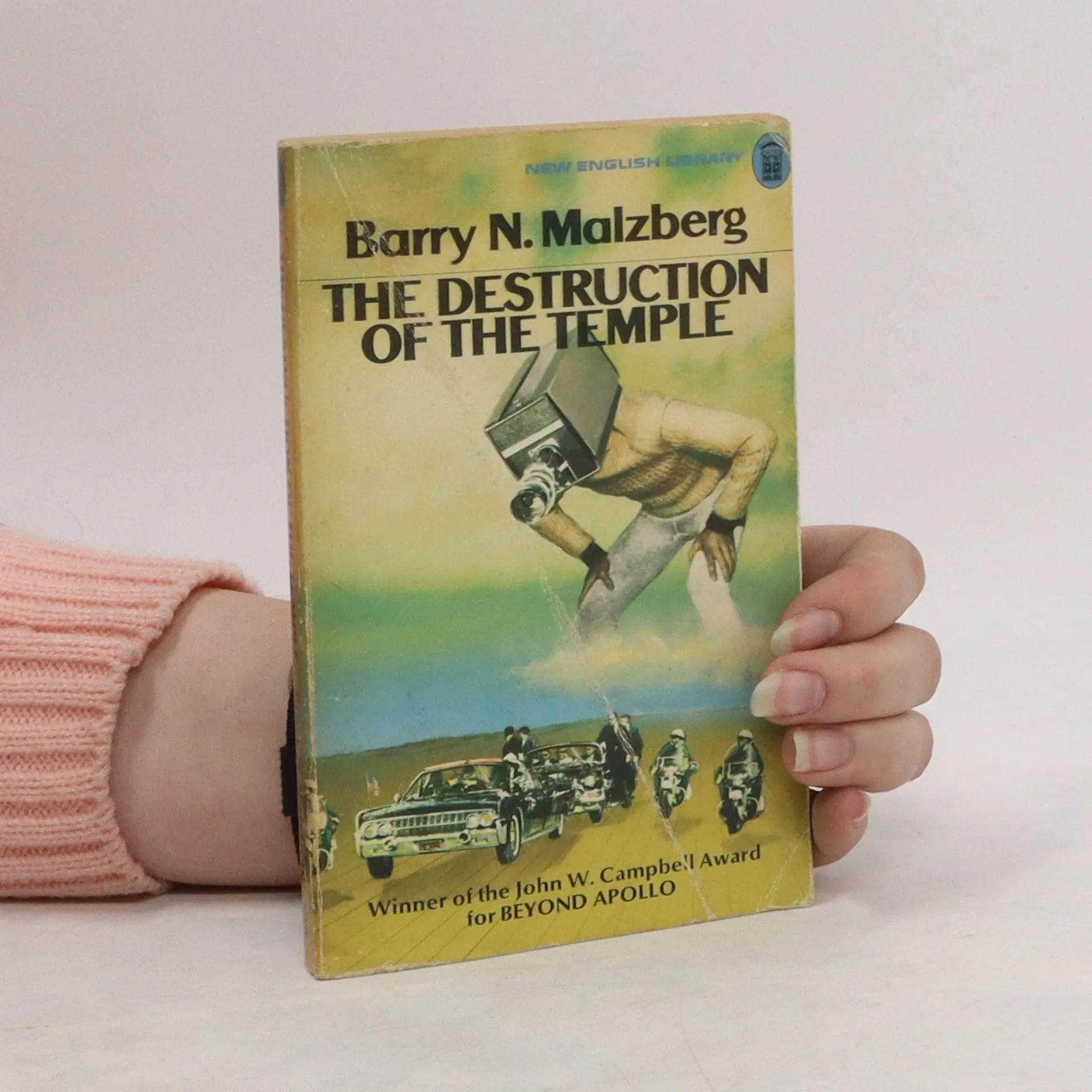
The year is 2016, and President Kennedy is being murdered - again and again and again.The director has come to the charred ruins of New York to re-enact a mad dream from the past - the assassination of President Kennedy. As actors, he has the primitive race who inhabit the city. With them and his glamorous, dark haired lover, he rehearses everything - the motorcade, the shots, the panic.But at the last moment it all goes wrong. When the flower-filled limousine rounds the bend, the passenger is not Kennedy - but the Director himself.Shots ring out in a wild explosion of roses.
The 7th and 8th books in Malzberg's vigilante series, The Lone Wolf, originally published by Berkley Books in the early 1970s under the name "Mike Barry." Burt Wulff has gone beyond fear, beyond love, even beyond hate. He's simply beyond giving the slightest damn whether he lives or dies, so long as he can kill the killers - thousands of them, all over American and all over the world. He is the lone wolf. "Hang on for a wild ride through the dangerous darkness of America in the Seventies!"-George Kelley
Barry N. Malzberg has been called “outrageous and outraged” [Theodore Sturgeon], “wildly imaginative, and darkly hilarious” [Brian Doherty], and “a comic genius” [Michael Hurd]. He has written over 70 novels, and has published at least 15 story collections, including the two you hold here in your hand— The Man Who Loved the Midnight Lady (1980) and In the Stone House (2000).Malzberg is known for writing science fiction, crime, erotica, political thrillers and action adventure. He has written some marvelous what-if stories that play with 20th century history, and a series of satiric stories featuring thinly-veiled famous authors. His plots range from religious allegory and time conundrum, to assassination and ascension. He has written fictional stories about everyone from Christopher Columbus to Ring Lardner, from Adolph Hitler to Bobby Kennedy. You will even find a dinosaur or two.These two volumes of classic Malzberg extravaganzas contain fifty-four stories from his long and varied career—including a road trip tale with Dashiell Hammett and Raymond Chandler, an essay on 1950s science fiction, extrapolations on Emily Dickinson and ruminations on Cornell Woolrich.Enter the world of Barry N. Malzberg…
"A million dollars' worth of heroin," Delgado said to the silent men. "Let's call it what it is, gentlemen ... the most addictive and dangerous of all the hallucinatives used by humanity, a drug whose mere private possession in your country is a crime with severe penalties ... and you have hijacked a plane in flight, imprisoned the crew, imprisoned a man named Wulff who was in original possession of these materials, and then have brought all of this within our borders. And what are we supposed to do, gentlemen?" He kicked the desk drawer closed. "What are we supposed to do?" "This man left fifty people dead in Las Vegas." "Which man?" "Wulff. The one we brought here." They had brought Wulff to Cuba. That was their first mistake.