Refiguring Life begins by examining the history of genetics and embryology, highlighting how discipline-based metaphors have shaped scientists' searches for evidence. Keller explores the intersection of biology and physics, particularly regarding life and the law of increasing entropy. In the final section, she discusses how new metaphors from the computer revolution have influenced biological research. These metaphors initially sparked debates among differing visions of the life sciences, eventually being reinterpreted and integrated into established research agendas, often subverting those same agendas in the process. Keller illustrates that metaphors and research tools are not merely byproducts of scientific discovery; they collaboratively delineate the landscape for new metaphors and methodologies. Their dynamic interplay defines the boundaries of possibility in science. Drawing from a wide range of theoretical perspectives, including those of Schrödinger and Jacques Lacan, Keller connects issues in the humanities and social sciences with those in the physical and natural sciences, transcending disciplinary limits. She adeptly navigates topics from genetics to embryology, physics to biology, and cyberscience to molecular biology, demonstrating that scientific inquiry is deeply intertwined with the broader societal context in which it operates.
Evelyn Fox Keller Volgorde van de boeken (chronologisch)
Evelyn Fox Keller is een Amerikaanse auteur die zich verdiept in de geschiedenis en filosofie van de moderne biologie. Haar werk verkent de complexe relatie tussen wetenschap en maatschappij, met bijzondere aandacht voor genderkwesties binnen het wetenschappelijke domein. Keller biedt een diepgaand analytisch perspectief op hoe sociale en culturele contexten wetenschappelijk denken en ontdekkingen vormgeven. Haar schrijven nodigt uit tot reflectie over hoe we meer rechtvaardige en inclusieve wetenschappelijke praktijken kunnen bevorderen.



The esteemed historian and philosopher of science Evelyn Fox Keller addresses the nature-nurture debate, arguing that it is riddled by conceptual incoherence.
Making Sense of Life
- 400bladzijden
- 14 uur lezen
What do biologists want? How will we know when we have 'made sense' of life? Explanations in the biological sciences are provisional and partial, judged by criteria as heterogenous as their subject matter. This text accounts for this diversity. schovat popis
The Century of the Gene
- 192bladzijden
- 7 uur lezen
In a book that promises to change the way we think and talk about genes and genetic determinism, Evelyn Fox Keller, one of our most gifted historians and philosophers of science, provides a powerful, profound analysis of the achievements of genetics and molecular biology in the twentieth century, the century of the gene.
Das Jahrhundert des Gens
- 240bladzijden
- 9 uur lezen
Wie wurde das Gen entdeckt und was verbirgt sich hinter diesem Wort? Welchen Anteil hat es beim Aufbau eines Organismus und welche Rolle spielt es in unserer Fantasie? In ihrer Geschichte der modernen Gentechnologie von 1900 bis heute zeigt Evelyn Fox Keller, warum die Erfolge der Genforschung das bisherige Verständnis vom Gen zunehmend infrage stellen: Es sind ein neues Vokabular und neue Konzepte erforderlich, die uns befähigen, nicht nur die Funktion des einzelnen Gens, sondern auch ihr Zusammenwirken und damit die Komplexität biologischer Organisation zu verstehen. Insofern ist mit der Entschlüsselung des Genoms nicht das Ende der Biologie erreicht, vielmehr steht die Forschung an einem neuen Anfang. Das Buch leistet Ernüchterungsarbeit in der emotional geführten Debatte um die moderne Gentechnologie. Es verzichtet auf moralische Wertungen und liefert stattdessen fundierte Informationen und Denkanstöße für alle, die sich unvoreingenommen mit der Materie auseinander setzen wollen.
For much of her life she worked alone, brilliant but eccentric, with ideas that made little sense to her colleagues. Yet before DNA and the molecular revolution, Barbara McClintock's tireless analysis of corn led her to uncover some of the deepest, most intricate secrets of genetic organization. Nearly forty years later, her insights would bring her a MacArthur Foundation grant, the Nobel Prize, and long overdue recognition. At her recent death at age 90, she was widely acknowledged as one of the most significant figures in 20th-century science. Evelyn Fox Keller's acclaimed biography, A Feeling for the Organism, gives us the full story of McClintock's pioneering—although sometimes professionally difficult—career in cytology and genetics. The book now appears in a special edition marking the 10th anniversary of its original publication.
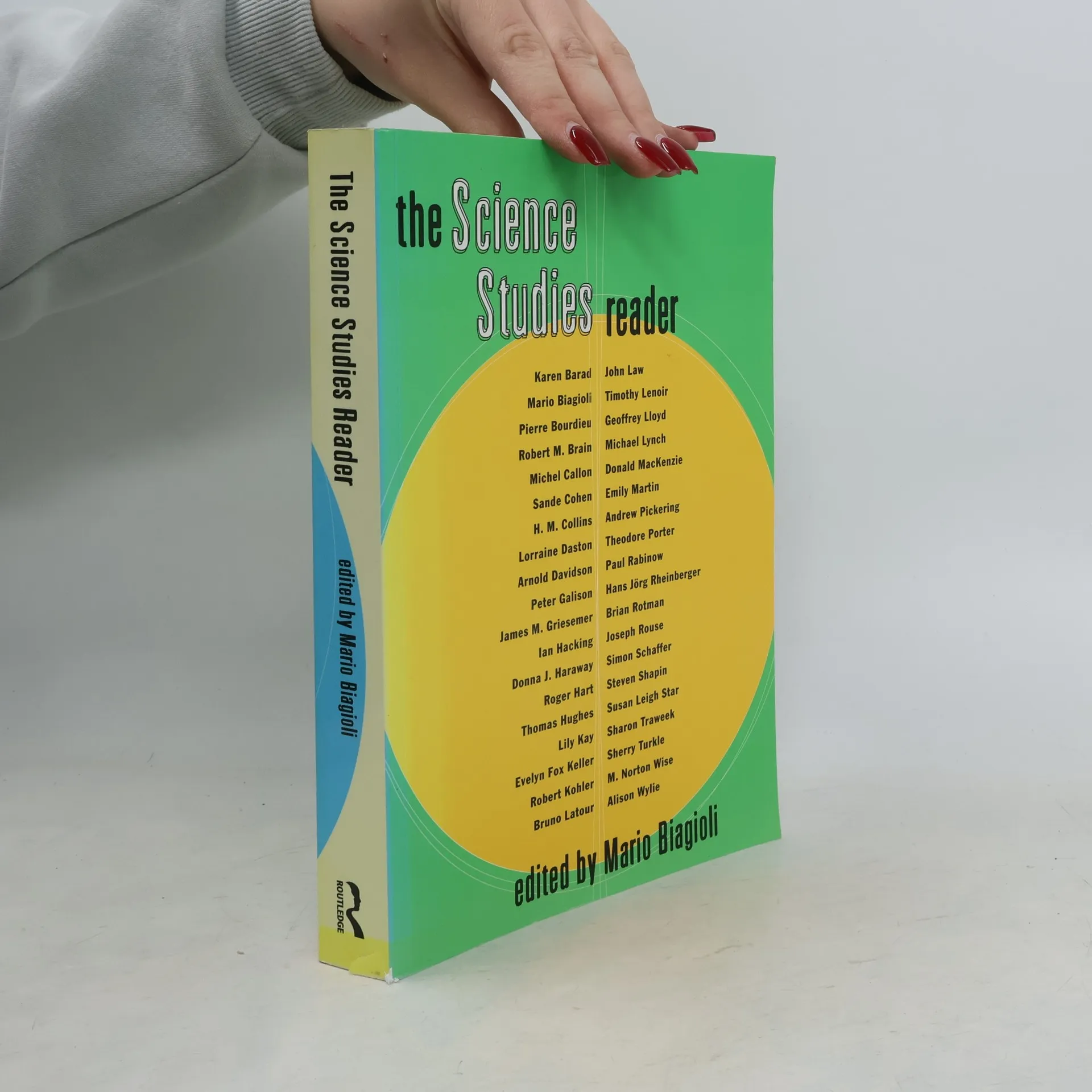
The Science Studies Reader
- 590bladzijden
- 21 uur lezen
The Reader focuses on the practices of modern and contemporary science and technology located in different national and institutional settings, with some attention to non- Western contexts. By mapping some of the open questions and points of tension likely to occupy the field for years to come, the essays in the Reader cast fresh light on what "science" means at the end of the twentieth century.
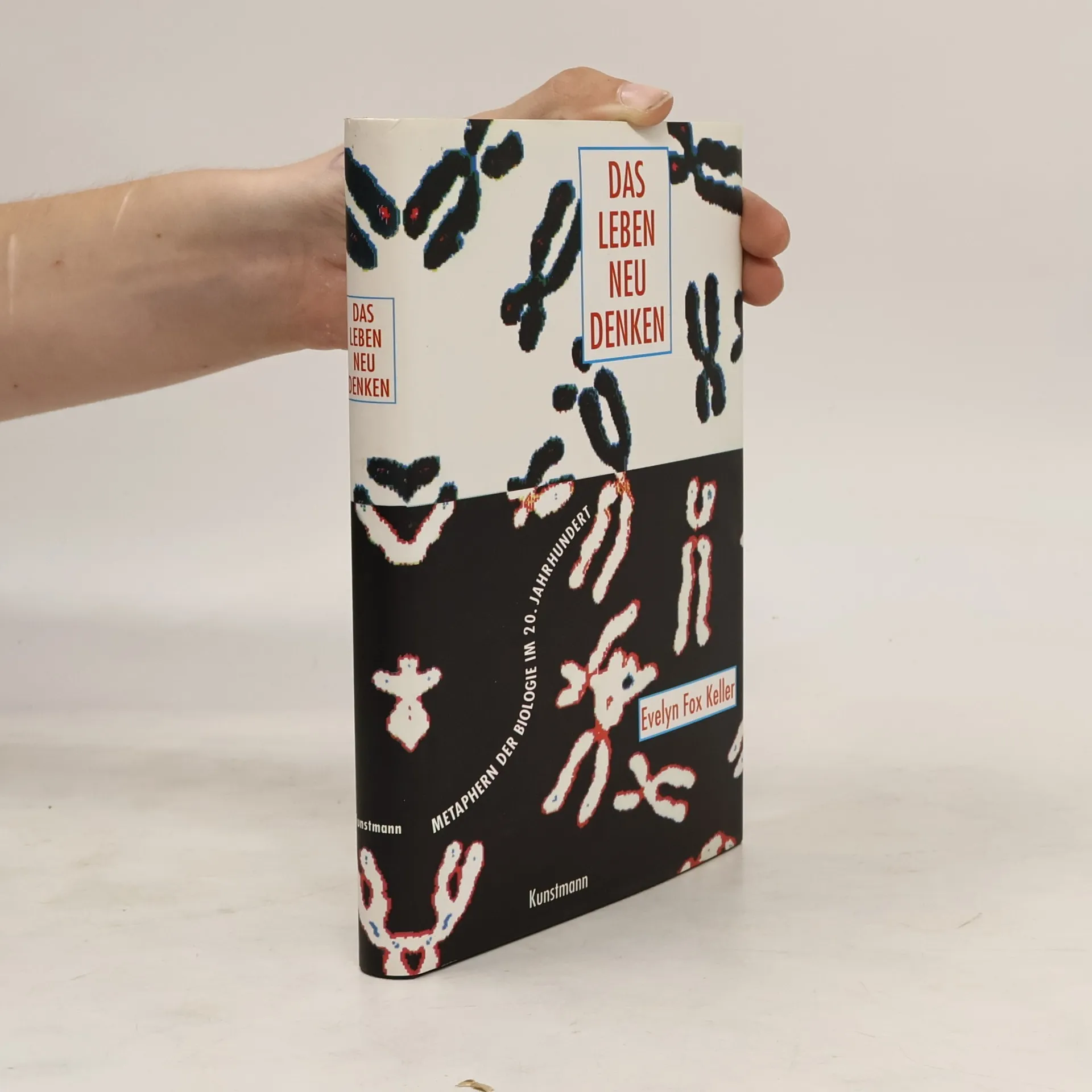
Das Leben neu denken
- 158bladzijden
- 6 uur lezen
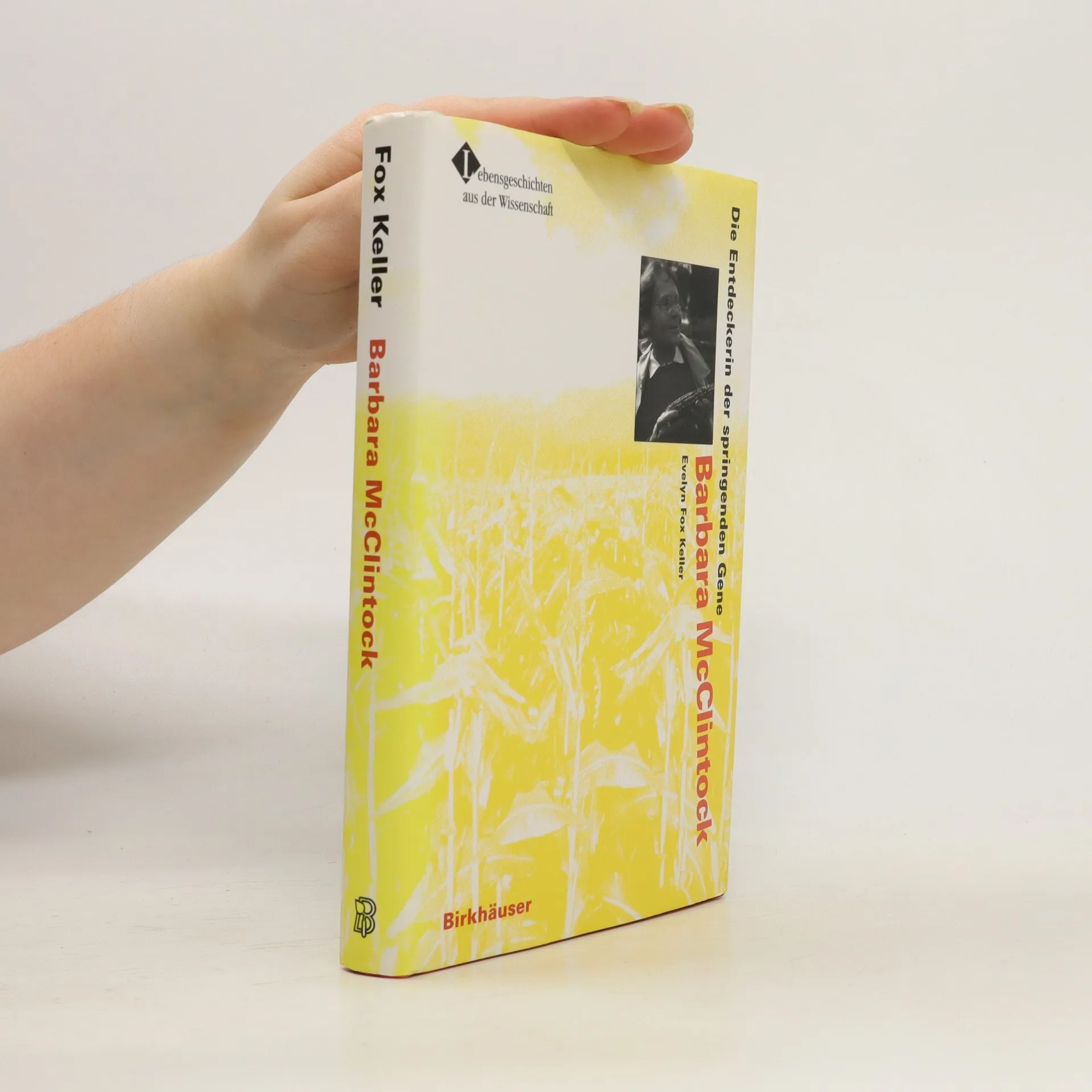
Barbara McClintock
- 246bladzijden
- 9 uur lezen
First Published in 1991. Routledge is an imprint of Taylor & Francis, an informa company.
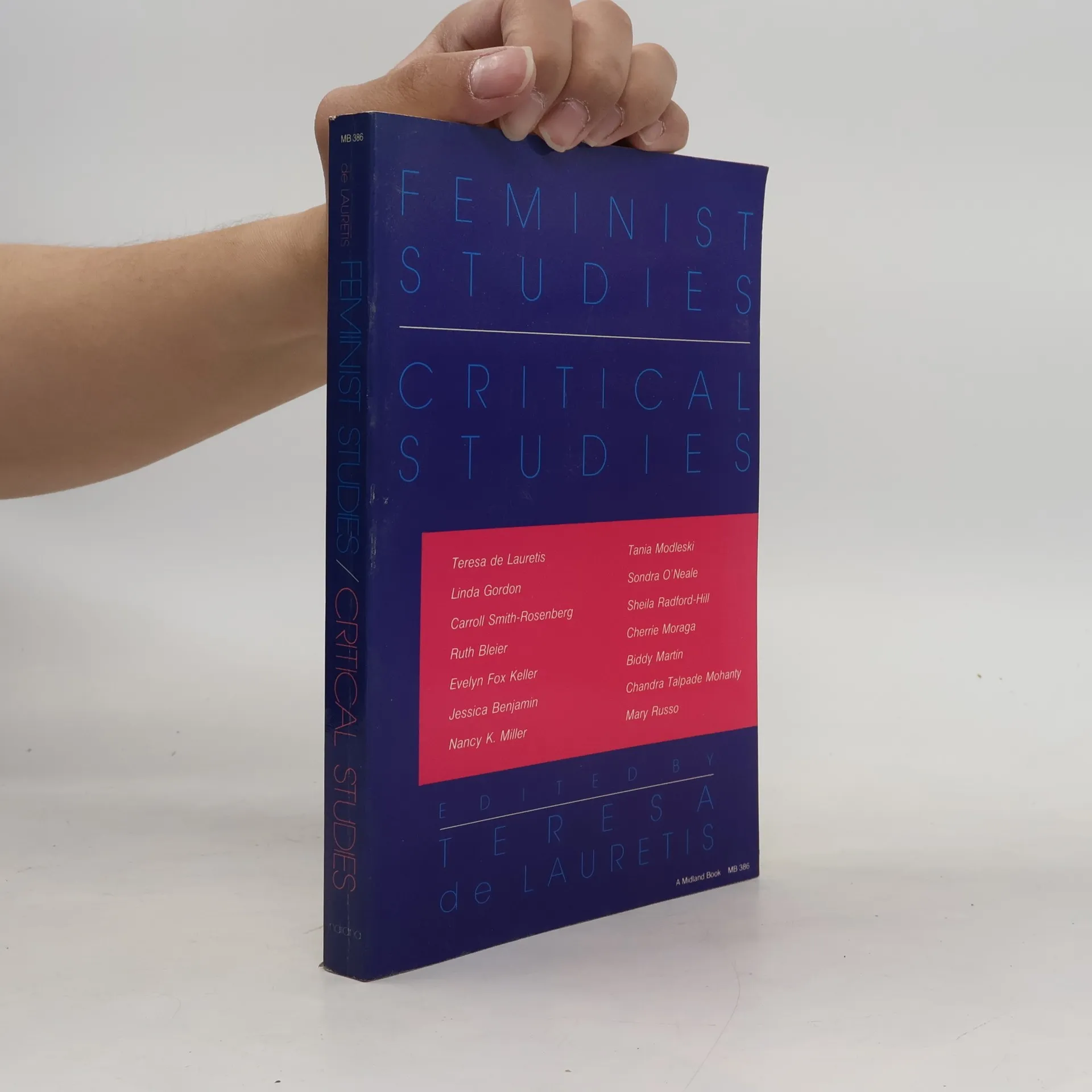
Theories in Contemporary Culture - 8: Feminist Studies / Critical Studies
- 244bladzijden
- 9 uur lezen
"This wonderful book does nothing less than to create the next stage of feminist thought." ―Catharine R. Stimpson"De Lauretis provides a way of thinking about feminism that accepts rather than tries to resolve differences, that refuses fixed definitional categories and insists instead on the contradictory and changing meaning of gendered identities." ―The Women's Review of Books"This is not a new collection but it is still one of the best." ―Exceptional Human ExperienceThe essays in this collection represent very recent developments in feminist research and writing in the areas of history, scientific discourse, literary criticism, and cultural theory.The contributors Teresa de Lauretis, Linda Gordon, Carroll Smith-Rosenberg, Ruth Bleier, Evelyn Fox Keller, Jessica Benjamin, Nancy K. Miller, Tania Modleski, Sondra O'Neale, Sheila Radford-Hill, Cherrie Moraga, Biddy Martin, Chandra Talpade Mohanty, and Mary Russo.
Les recettes de Joséphine, cuisinière de bonnes maisons
- 143bladzijden
- 6 uur lezen
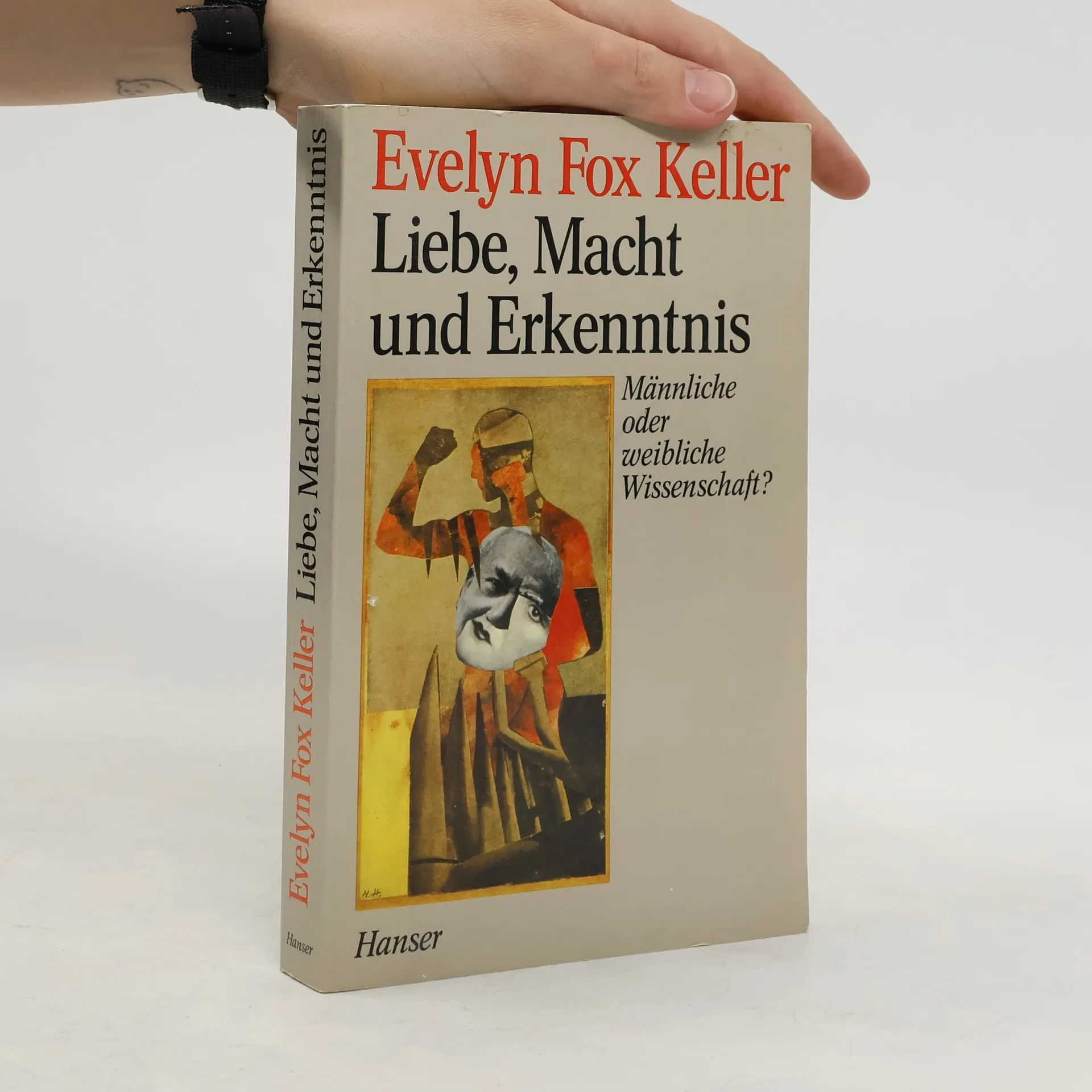
Evelyn Fox Keller: "Liebe, Macht und Erkenntnis". Männliche oder weibliche Wissenschaft? Aus dem Amerikanischen von Bettina Blumenberg. Carl Hanser Verlag, München 1986, 216 S., 29,80 DM