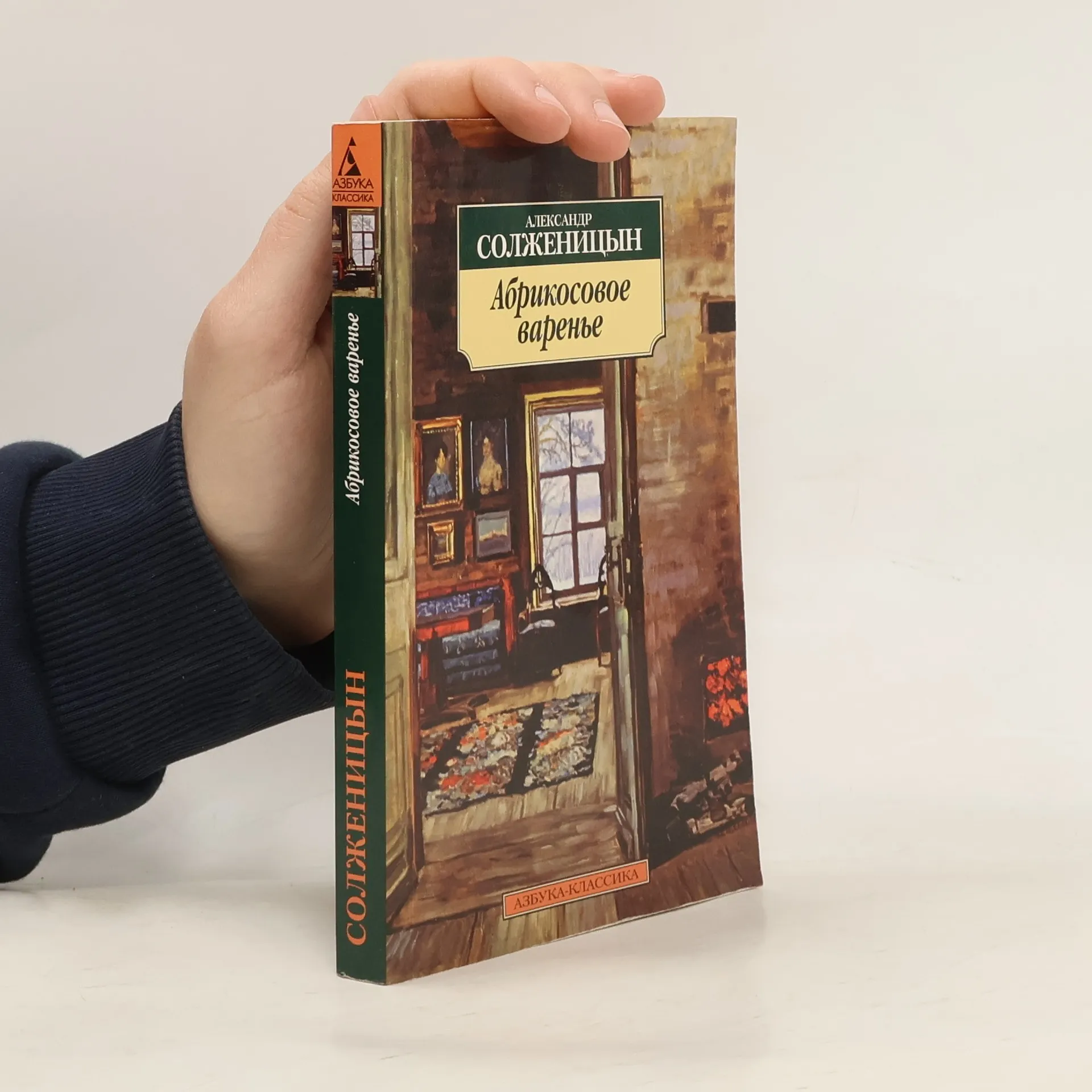
Абрикосовое варенье
- 365bladzijden
- 13 uur lezen
Содерж.: Адлиг Швенкиттен : повесть ; двучастные рассказы: Эго ; На краях ; Молодняк ; Настенька ; Абрикосовое варенье ; Все равно ; На изломах ; Желябугские выселки ; Крохотки


Aleksandr Solzjenitsyn wordt geroemd om zijn onverbiddelijke kritiek op het Sovjet-repressiesysteem en zijn moedige getuigenis van het lijden in de Goelag. Zijn werken, vaak doordrenkt van autobiografische elementen, duiken diep in thema's als gerechtigheid, waarheid en de morele strijd van het individu tegen totalitarisme. Solzjenitsyns literaire stijl wordt gekenmerkt door zijn rauwe eerlijkheid en zijn diepgaande vermogen om de menselijke geest onder extreme dwang uit te beelden. Zijn schrijven vormt een krachtige historische herinnering en een waarschuwende stem voor de toekomst.



Содерж.: Адлиг Швенкиттен : повесть ; двучастные рассказы: Эго ; На краях ; Молодняк ; Настенька ; Абрикосовое варенье ; Все равно ; На изломах ; Желябугские выселки ; Крохотки
Содерж.: Адлиг Швенкиттен : односуточная повесть ; Двучастные рассказы, 1993-1998: Эго ; На краях ; Молодняк ; Настенька ; Абрикосовое варенье ; Все равно ; На изломах ; Желябугские выселки ; Крохотки, 1996-1999
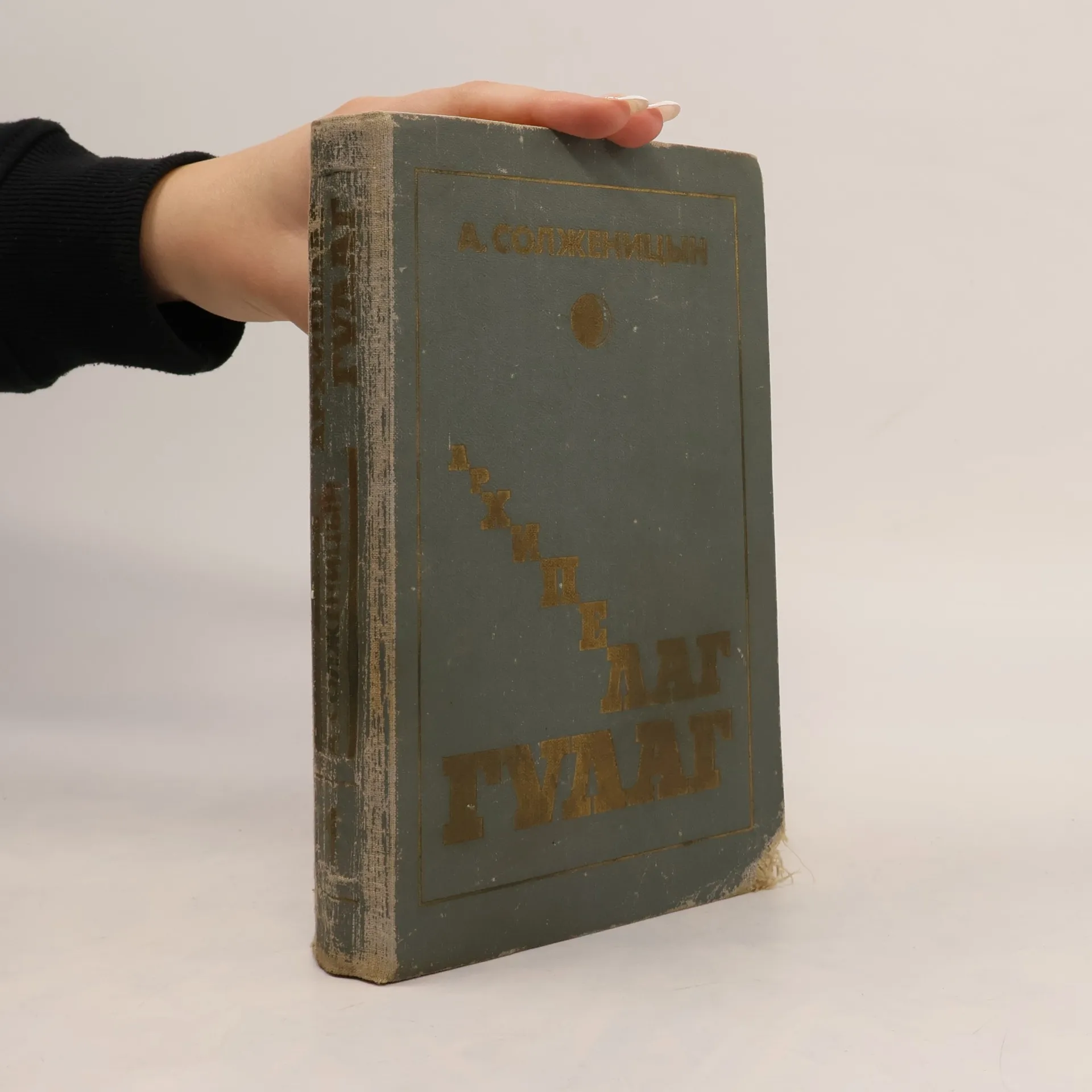
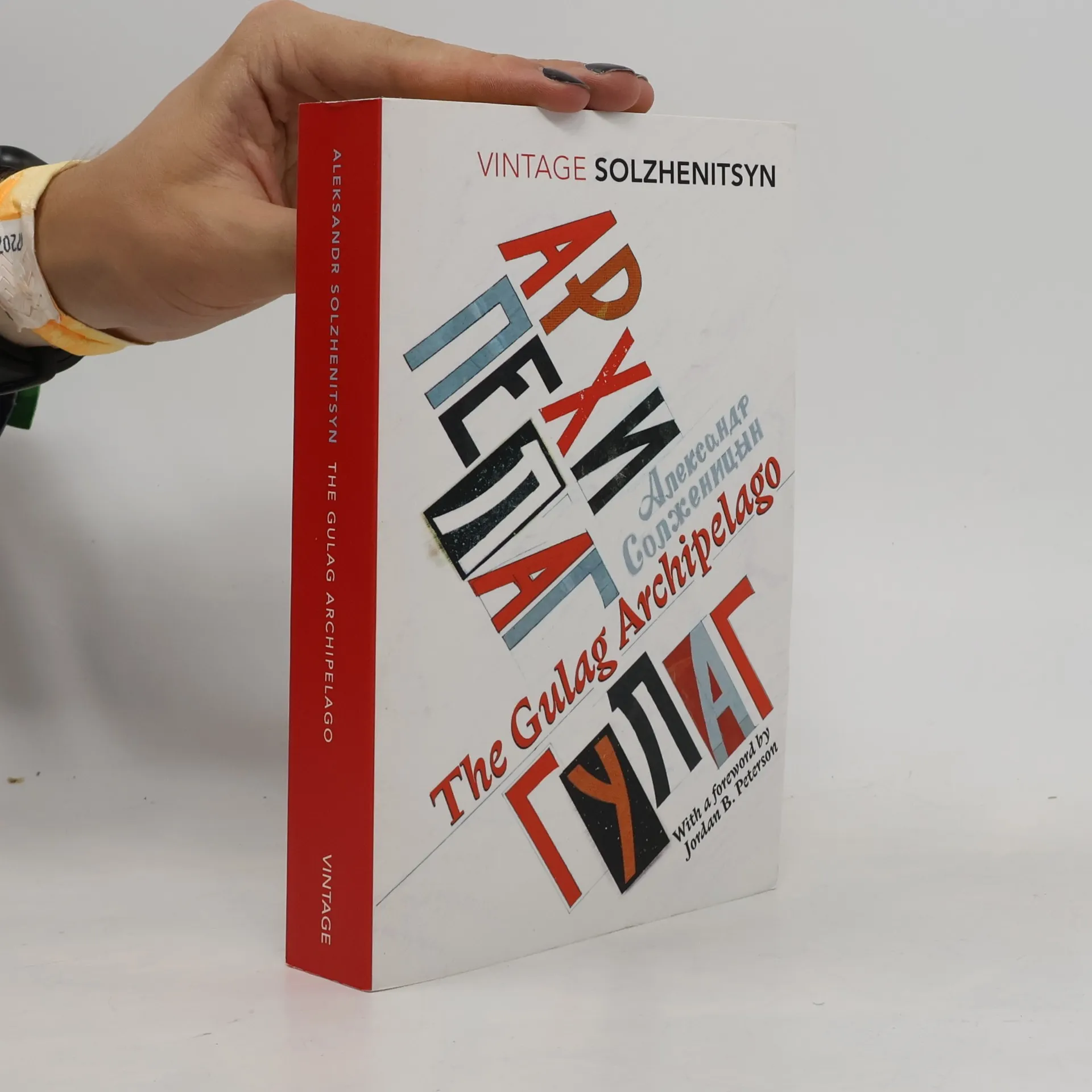
The Gulag Archipelago from 1973 is Solzhenitsyn's masterwork, a vast canvas of camps, prisons, transit centres and secret police, of informers and spies and interrogators and also of heroism, a Stalinist anti-world at the heart of the Soviet Union where the key to survival lay not in hope but in despair.The work is based on the testimony of some two hundred survivors, and on the recollection of Solzhenitsyn's own eleven years in labour camps and exile. It is both a thoroughly researched document and a feat of literary and imaginative power. This edition has been abridged into one volume at the author's wish and with his full co-operation.
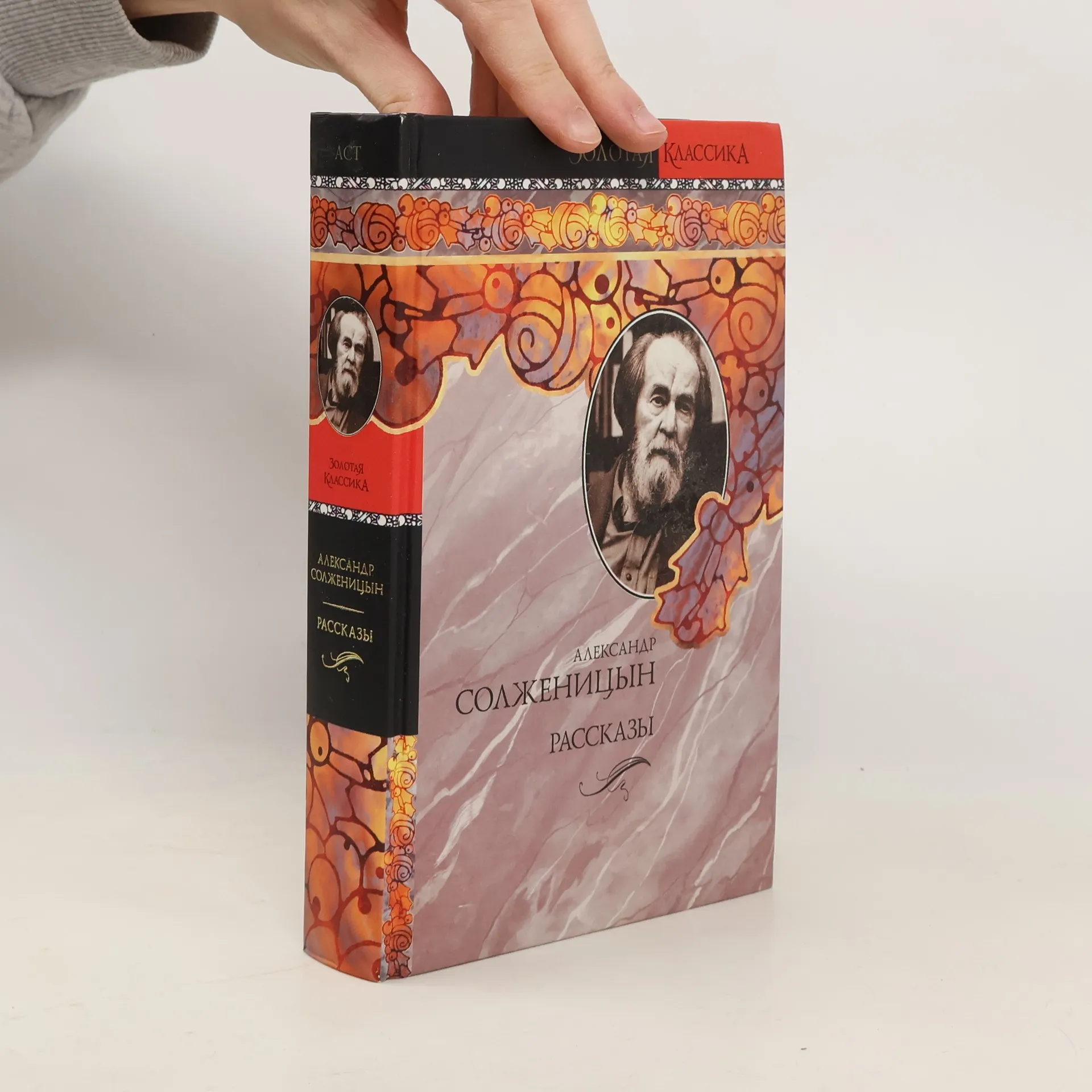
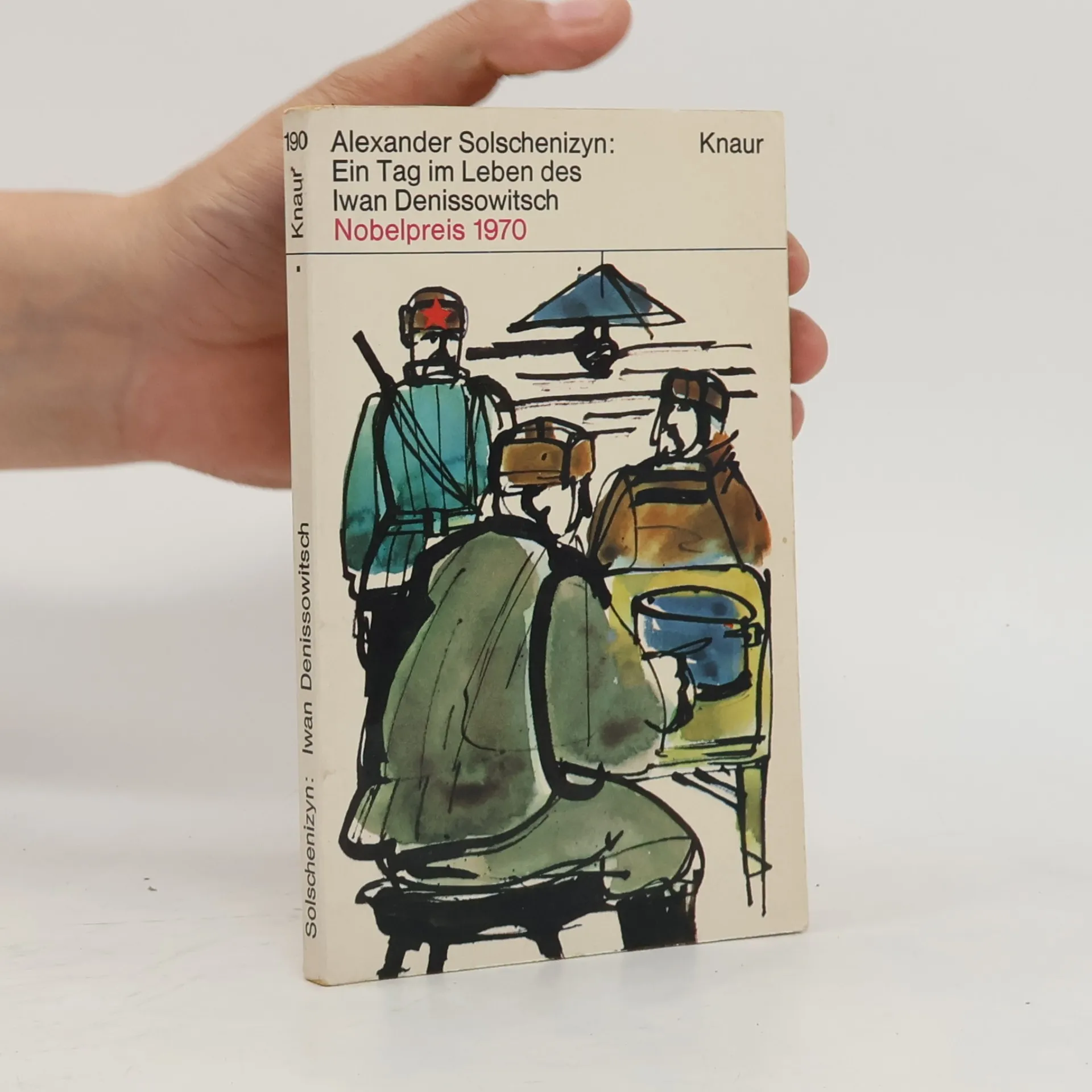
Содерж.: Один день Ивана Денисовича ; Матренин двор ; Правая кисть ; Случай на станции Кочетовка ; Для пользы дела ; Захар-Калита ; Как жаль ; Пасхальный крестный ход ; Крохотки ; Двучастные рассказы
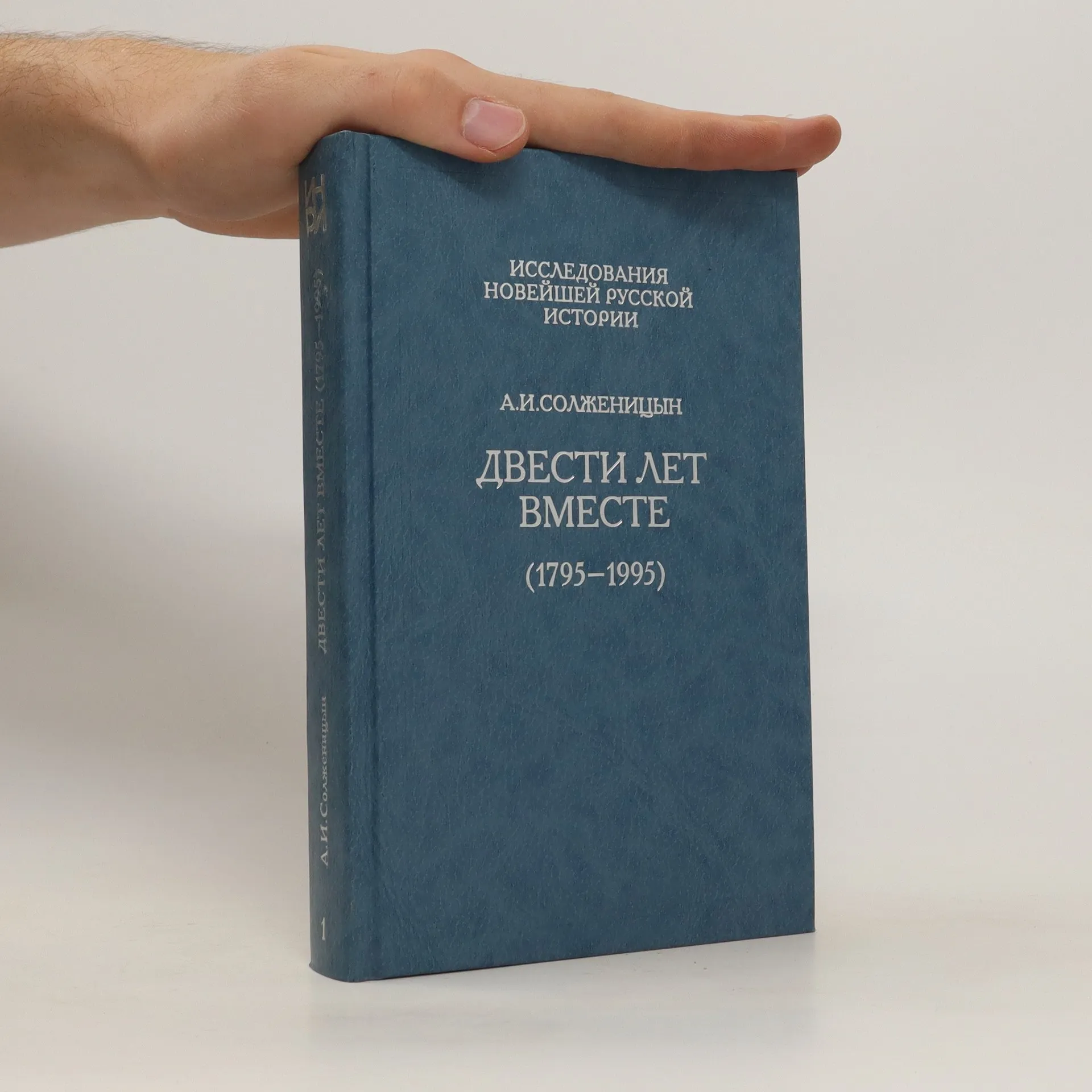
«Двести лет вместе (1795—1995)» — литературно-историческое исследование А. И. Солженицына, посвящённое русско-еврейским отношениям в Российской империи и СССР в период между 1795 и 1995 годами. Первая часть охватывает период с 1795 по 1916 год, вторая — с 1917 года до конца XX века.
One Day in the Life of Ivan Denisovich is set in a Soviet labor camp in the 1950s and describes a single day of an ordinary prisoner, Ivan Denisovich Shukhov. Its publication was an extraordinary event in Soviet literary history-never before had an account of Stalinist repression been openly distributed.