Koop 10 boeken voor 10 € hier!
Bookbot

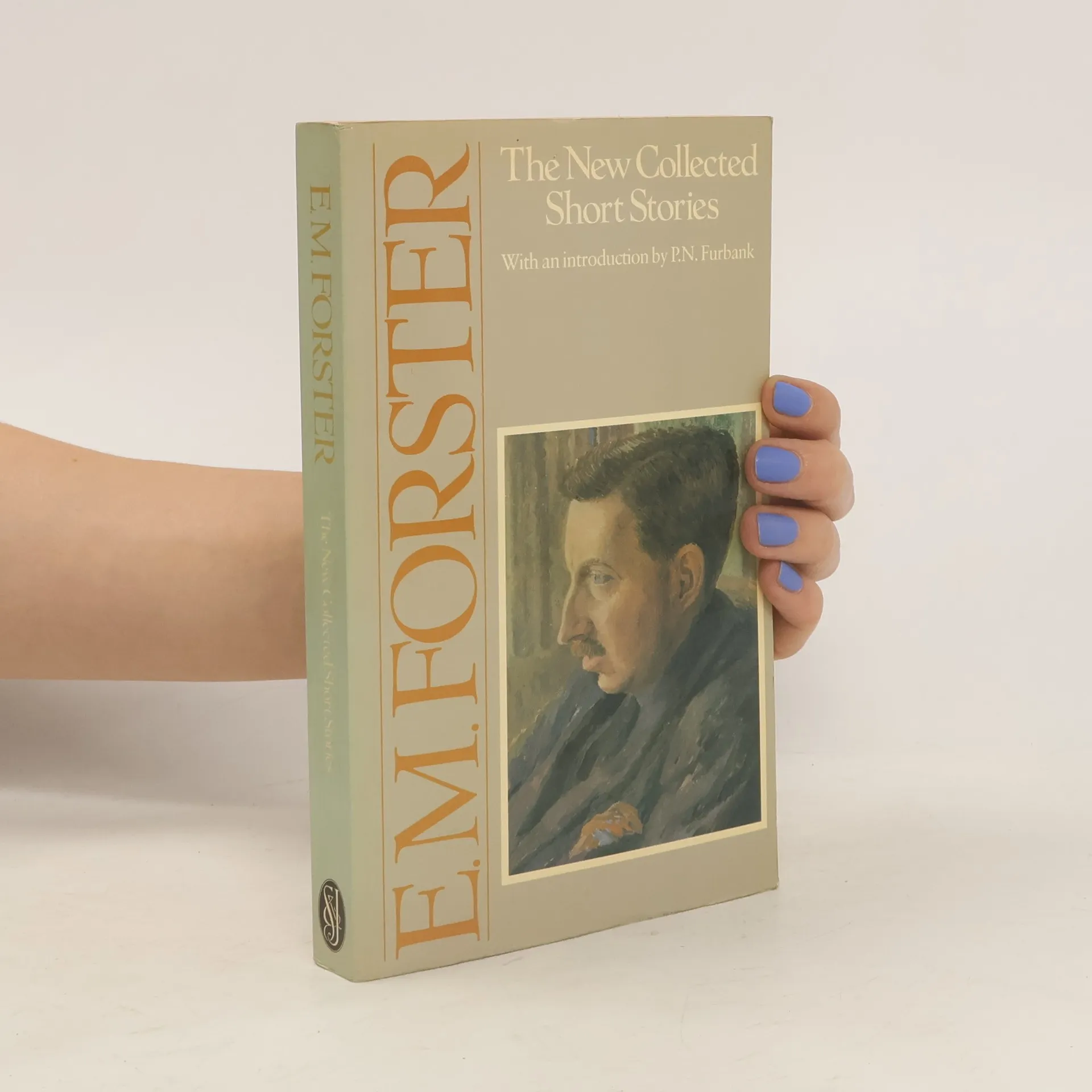
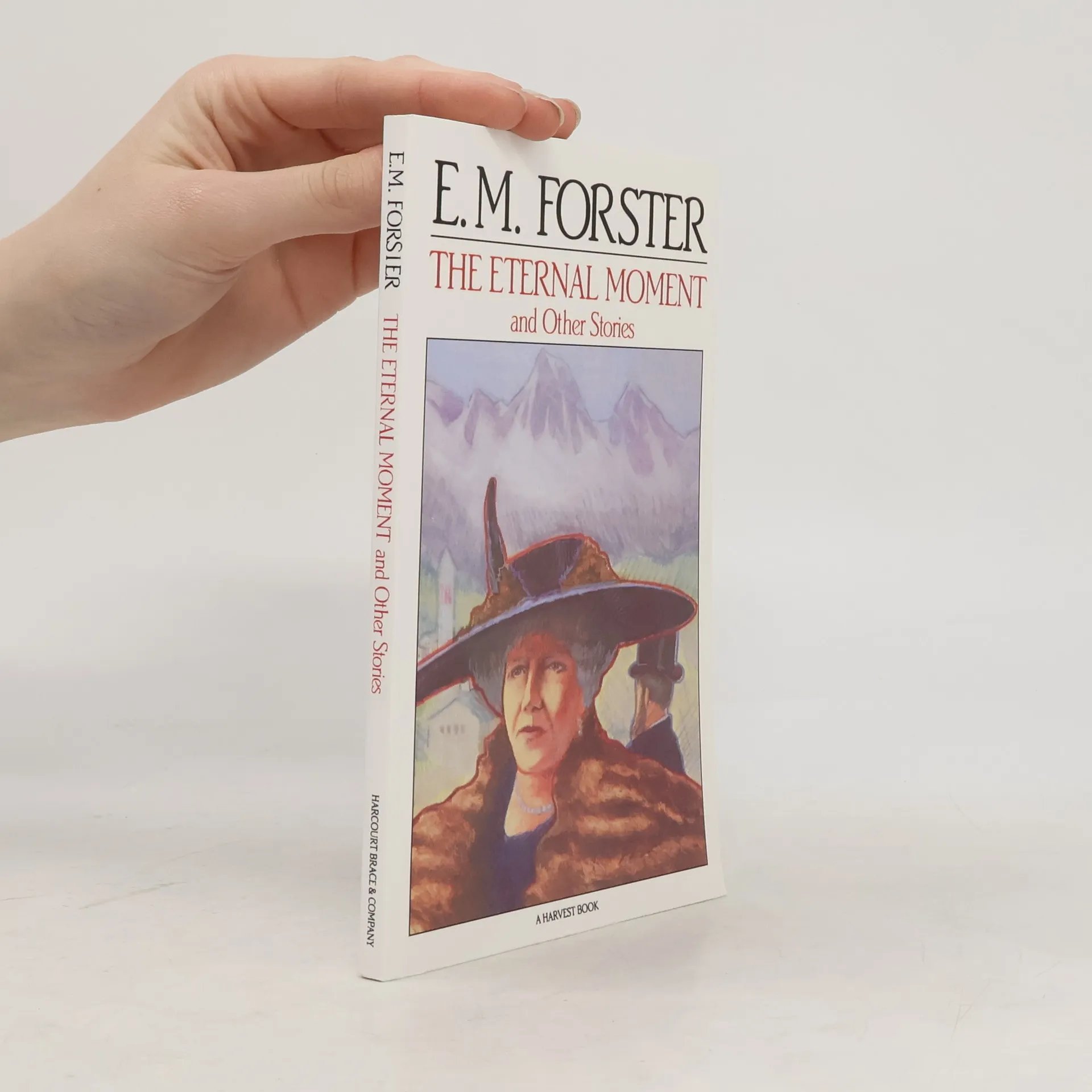
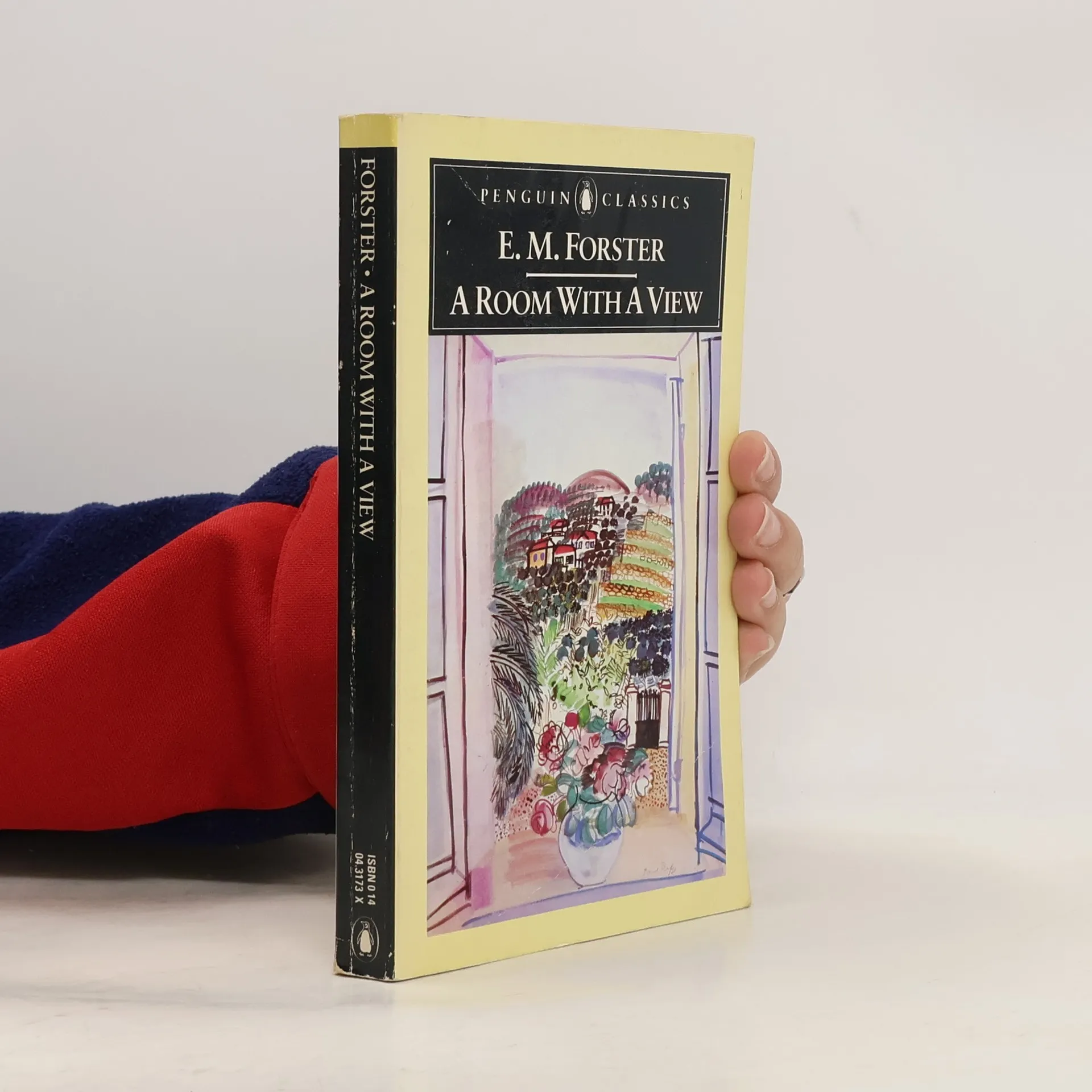
Edward M. Forster

    1 januari 1879 – 7 juni 1970
    Edward M. Forster
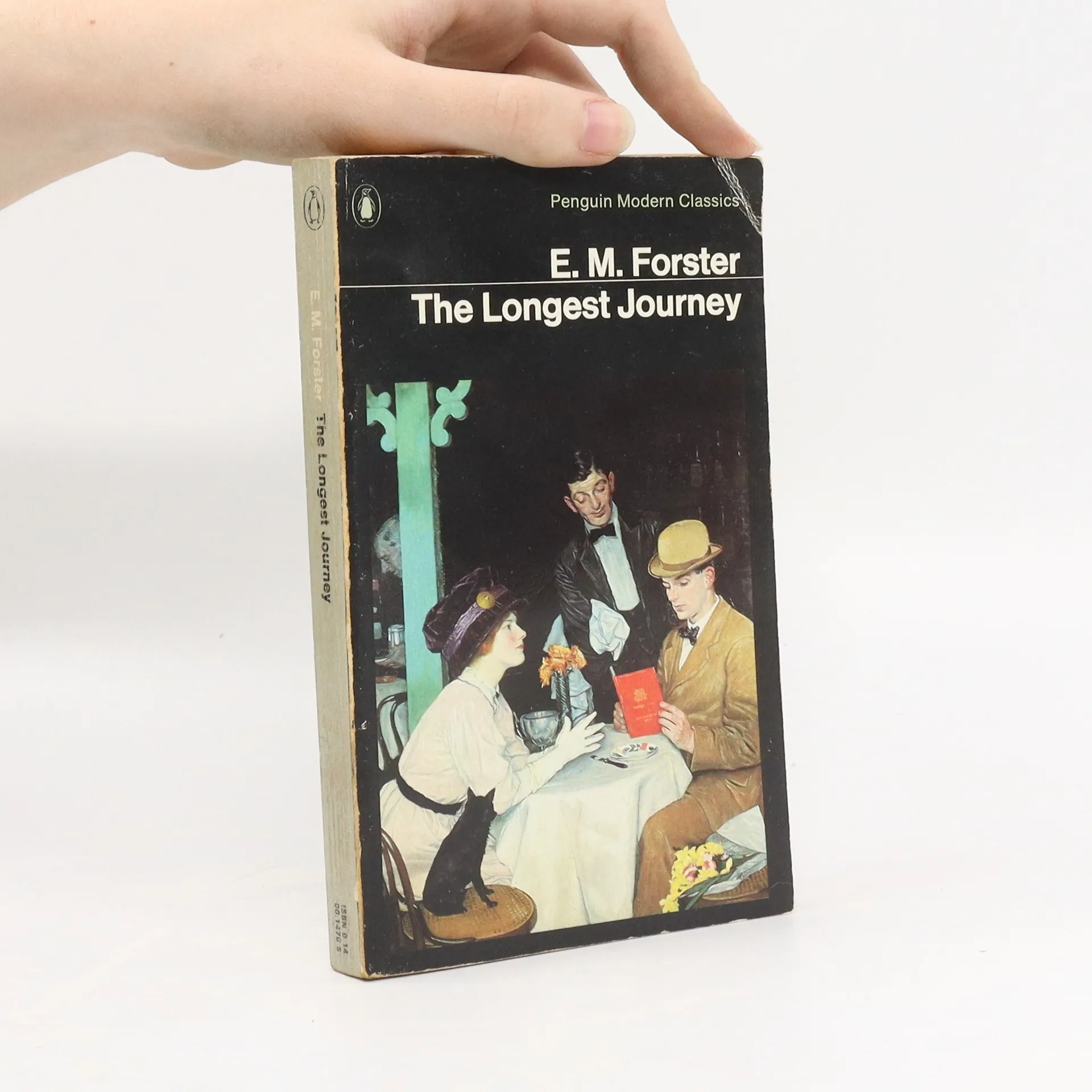
    The Longest Journey
    The Hill of Devi
    Two Cheers for Democracy
    E M Forster - Collected Works, Including a Room with a View, Howards End, the Longest Journey, Where Angels Fear to Tread and the Celestial Omnibus an
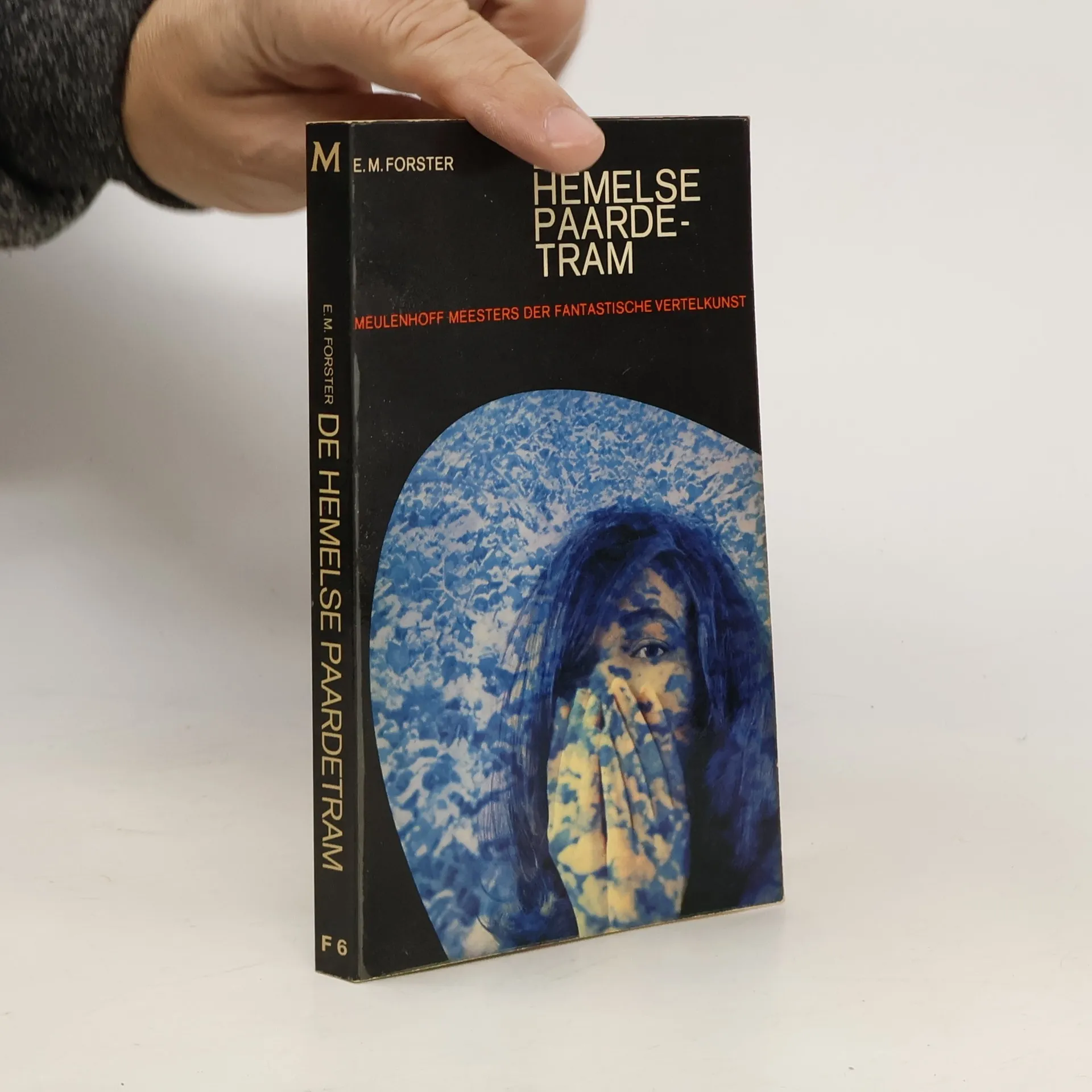
    The Celestial Omnibus
    Grote vragen
    • Grote vragen

      vijftien verhalen over de zin van het leven

      • 165bladzijden
      • 6 uur lezen

      Verhalen uit de wereldliteratuur over levensbeschouwelijke thema's.

      Grote vragen
    • The Celestial Omnibus

      • 99bladzijden
      • 4 uur lezen
      5,0(1)Tarief

      1923. English author and critic, member of Bloomsbury group and friend of Virginia Woolf who achieved fame through his novels, which include: Room with a View, Maurice, A Passage to India, and Howard's End. The Celestial Omnibus is a collection of short-stories Forster wrote during the prewar years, most of which were symbolic fantasies or fables. Contents: The Story of a Panic; The Other Side of the Hedge; The Celestial Omnibus; Other Kingdom; The Curate's Friend; and The Road from Colonus. See other titles by this author available from Kessinger Publishing.

      The Celestial Omnibus
    • Known for his ironic and beautifully crafted novels, Edward Morgan Forster explores themes of hypocrisy and discrimination prevalent in early 20th-century British society. His work features engaging plots that reveal the complexities of social interactions and moral dilemmas, offering a critical perspective on the era's cultural norms.

      E M Forster - Collected Works, Including a Room with a View, Howards End, the Longest Journey, Where Angels Fear to Tread and the Celestial Omnibus an
    • Essays that applaud democracy's toleration of individual freedom and self-criticism and deplore its encouragement of mediocrity: "We may still contrive to raise three cheers for democracy, although at present she only deserves two."

      Two Cheers for Democracy
    • The novelist E. M. Forster opens the door on life in a remote Maharajah's court in the early twentieth century, a "record of a vanished civilization." Through letters from his time visiting and working there, he introduces us to a 14th century political system in "the oddest corner of the world outside Alice in Wonderland" where the young Maharajah of Devas, "certainly a genius and possibly a saint," led a state centered on spiritual aspirations. The Hill of Devi chronicles Forster's infatuation and exasperation, fascination, and amusement at this idiosyncratic court, leading us with him to its heart and the eight-day festival of Gokul Ashtami, marking the birth of Krishna, where we see His Highness Maharajah Sir Tukoji Rao III dancing before the altar "like David before the Ark."

      The Hill of Devi
    • Rickie Elliot, a sensitive and intelligent young man with an intense imagination and a certain amount of literary talent, sets out from Cambridge full of hopes to become a writer. But when his stories are not successful, he decides instead to marry the beautiful but shallow Agnes, agreeing to abandon his writing and become a schoolmaster.

      The Longest Journey
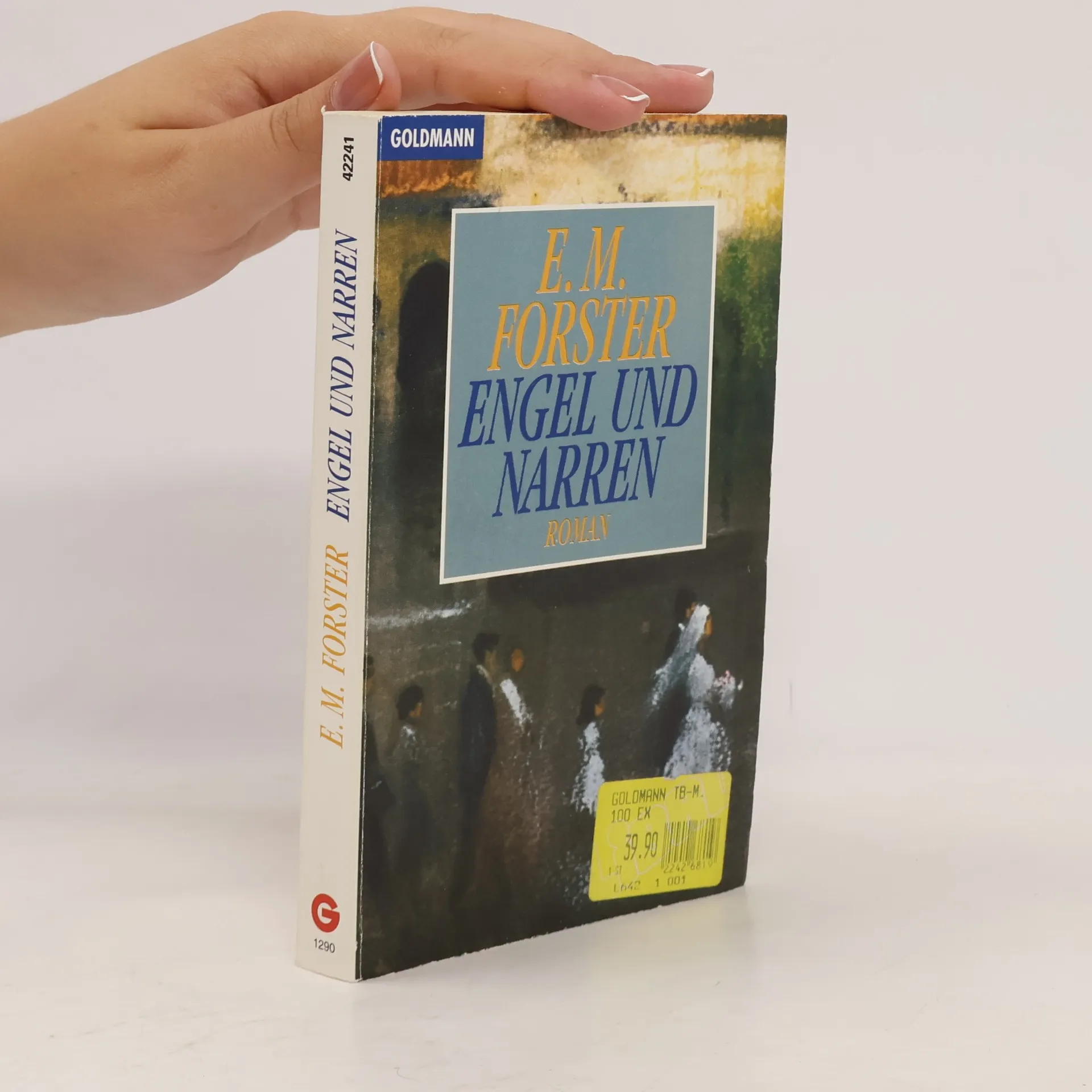
    • Like his novel A Room with a View, E. M. Forster's Where Angels Fear to Tread focuses on a group of English men and women living and traveling in Italy. A young Englishman journeys to Tuscany to rescue his late brother's wife from what appears to be an unsuitable romance with an Italian of little fortune. In the events surrounding that match and its fateful consequences, Forster weaves an exciting and eventful tale that intriguingly contrasts English and Italian lives and sensibilities. As in Forster novels, among them Howards End and A Passage to India, Where Angels Fear to Tread reveals the author's deep fascination with all of human experience — sexual, moral, spiritual, imaginative, material. Acutely observant of the ways of the English middle class, he is as critical here of its snobbishness, greed, and cultural insensitivity as he is respectful of its decency and kindness, common sense, and goodwill. This splendid novel reveals the great breadth of his gifts as both storyteller and humanist — attributes that continue to make him one of the twentieth century's most admired novelists.

      Where angels fear to tread