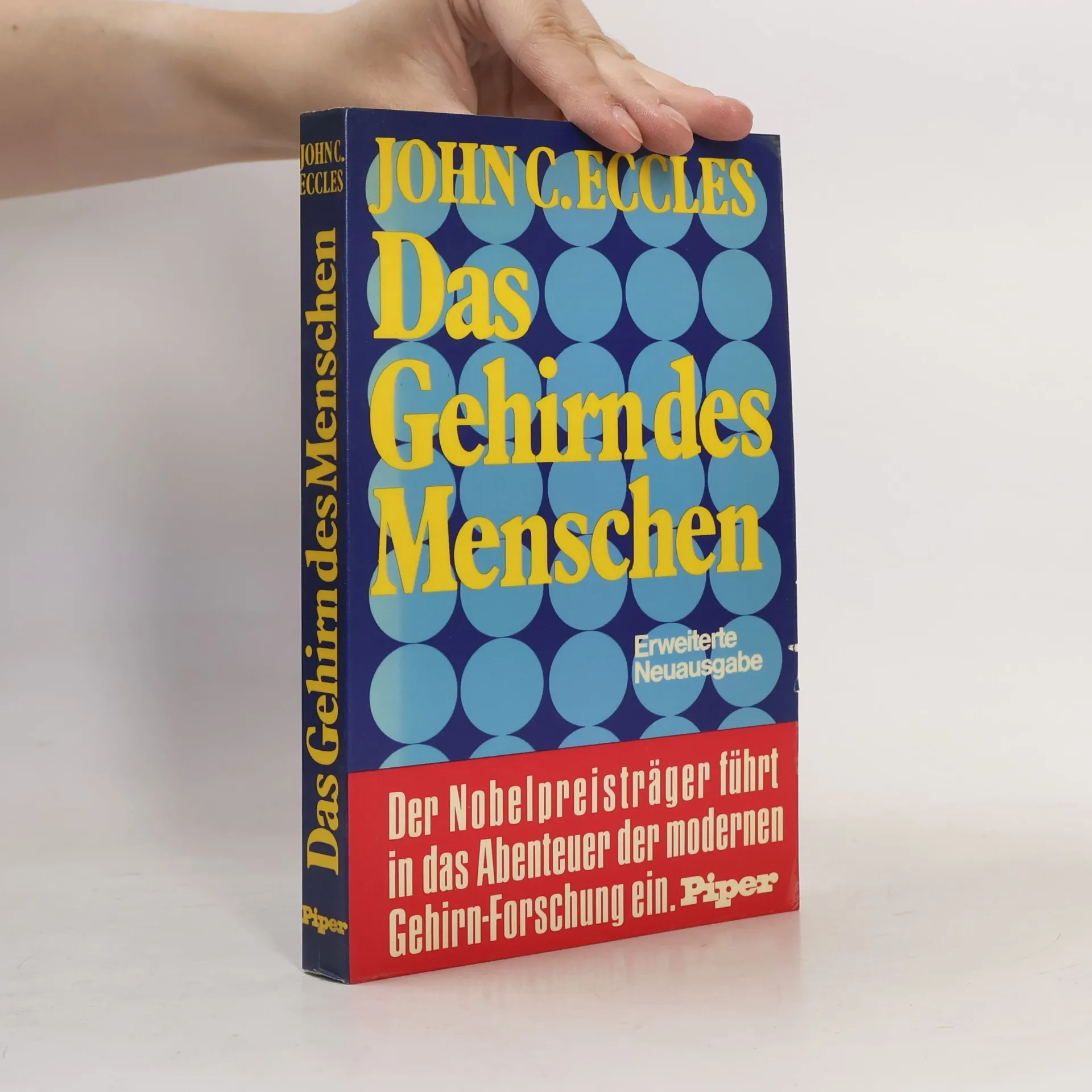
John C. Eccles Volgorde van de boeken (chronologisch)
Sir John Carew Eccles was een Australische neurofysioloog. Zijn werk richtte zich op de synapsis, de verbinding tussen neuronen. Dit onderzoek leverde hem een Nobelprijs op. Zijn ontdekkingen hebben ons begrip van de hersenfunctie aanzienlijk vergroot.
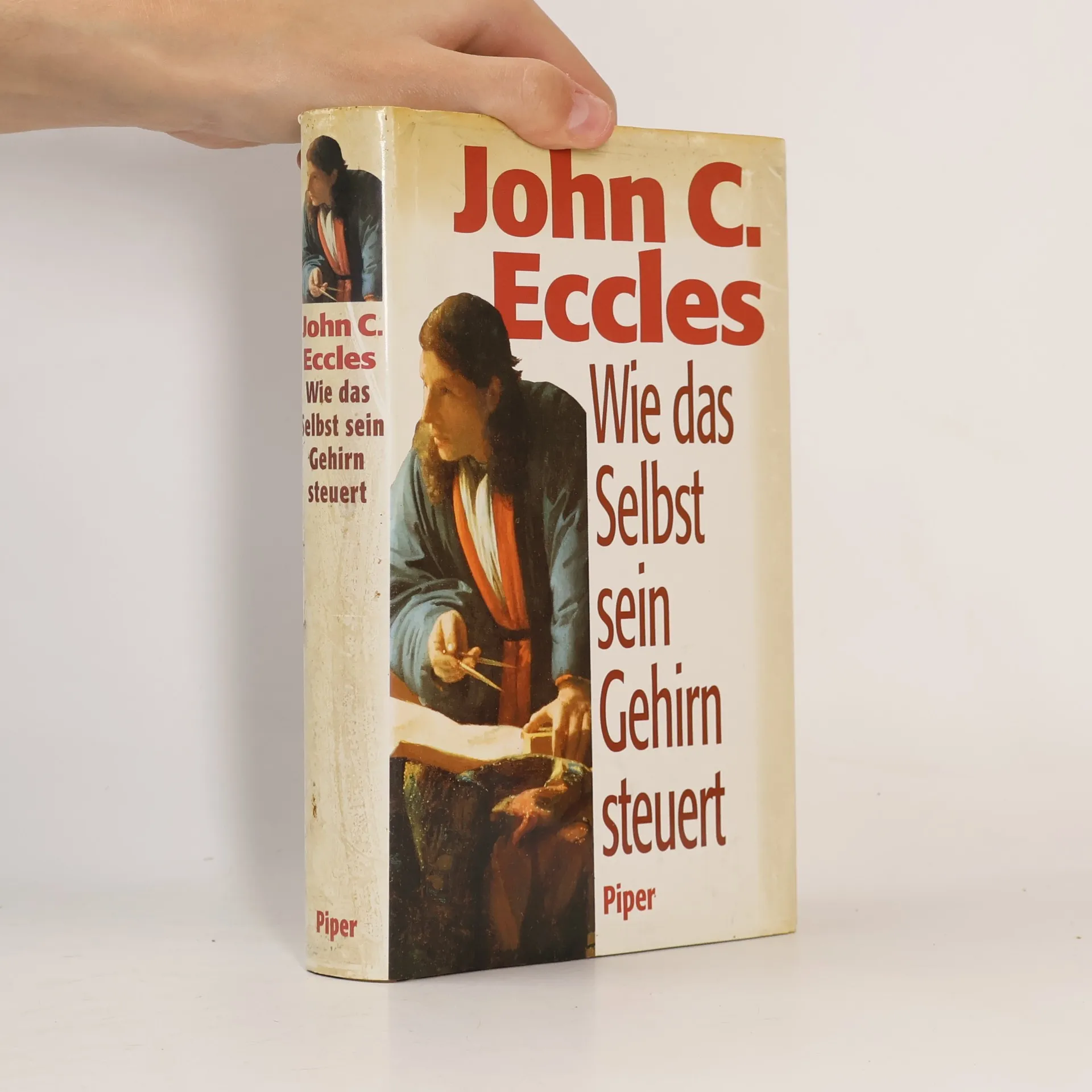
Wie das Selbst sein Gehirn steuert
- 280bladzijden
- 10 uur lezen
Libro usado en buenas condiciones, por su antiguedad podria contener señales normales de uso
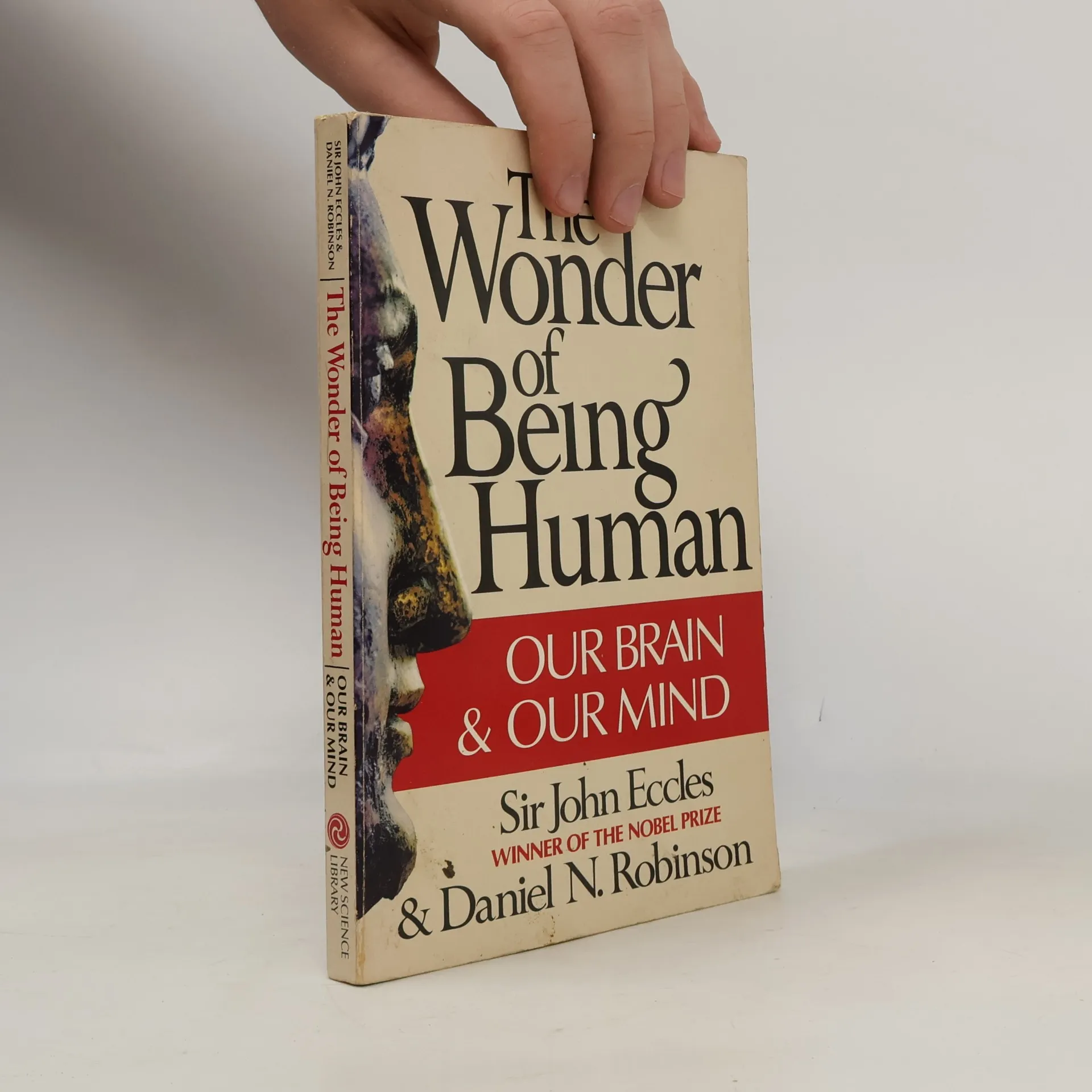
Sir John Eccles tells the story of how we came to be, not only as animals at the end of the hominid evolutionary line, but also as humans possessed of reflective consciousness.
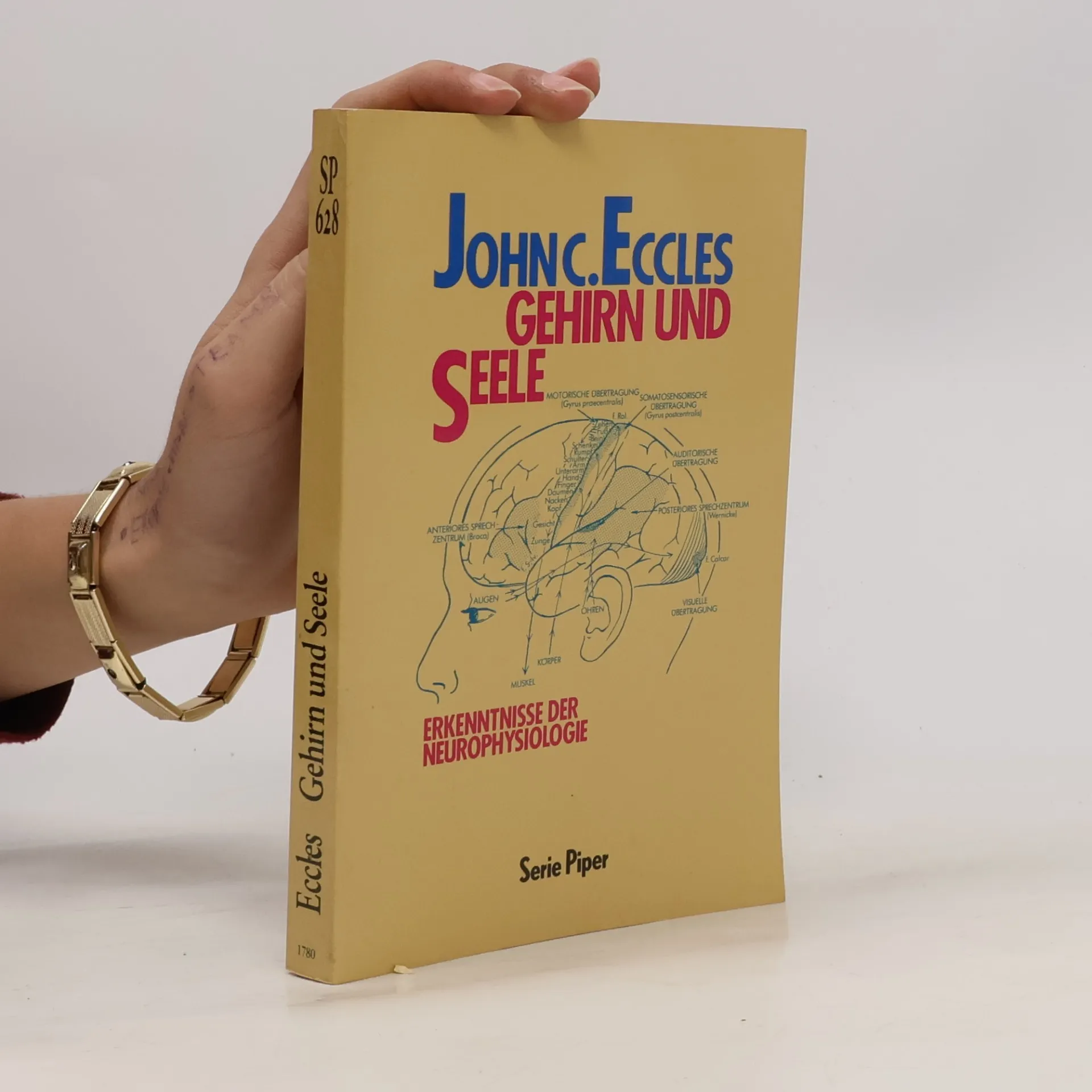
Gehirn und Seele
- 285bladzijden
- 10 uur lezen
Wonder of Being Human
- 182bladzijden
- 7 uur lezen
Das Wunder des Menschseins - Gehirn und Geist
- 243bladzijden
- 9 uur lezen
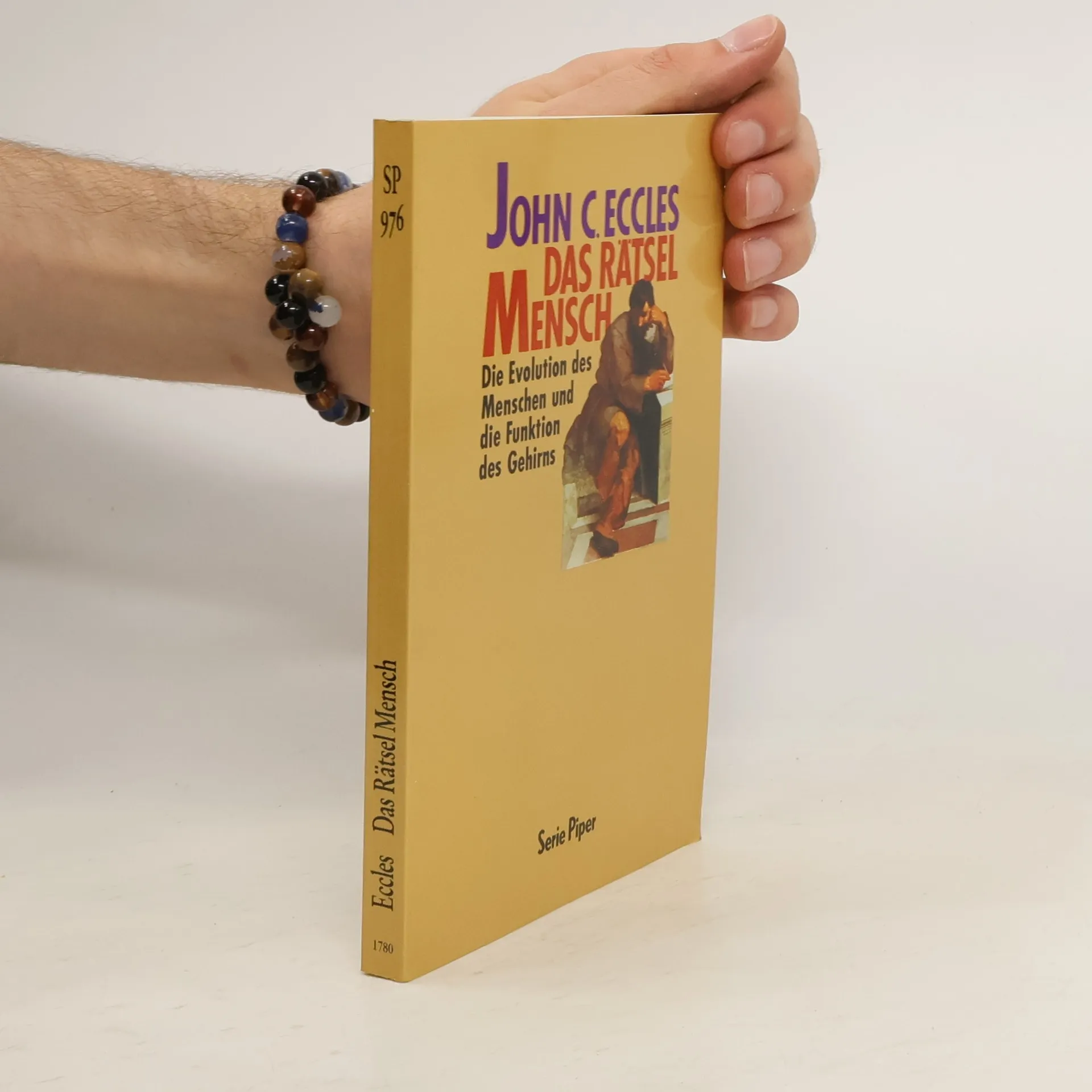
Das Rätsel Mensch
- 239bladzijden
- 9 uur lezen
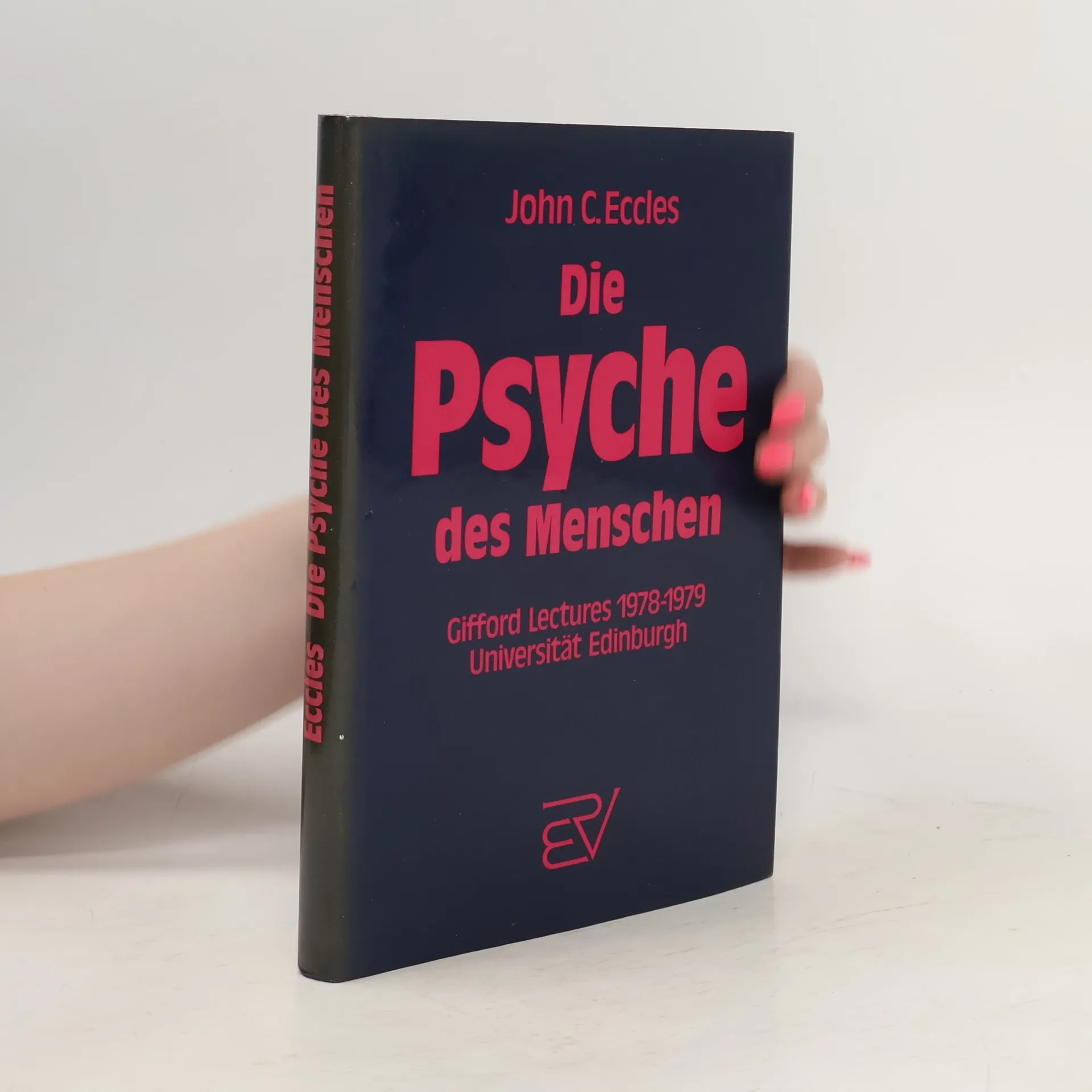
The Human Psyche is an in-depth exploration of dualist-interactionism, a concept Eccles developed with Karl Popper in the context of a wide variety of brain activities relating to self-consciousness. Opening with a critical discussion of materialist hypotheses on the relationship of mind & brain, it aims to demonstrate the explanatory power of dualist-interactionism in contrast to the poverty & inadequacy of materialist theories of the mind. The mind is accepted as an entity of divine origin which interacts with & controls the material brain.
Gehirn und Geist
- 210bladzijden
- 8 uur lezen
Under the terms of the endowment by Lord Gifford, the Gifford Lectures have been an annual event in the University of Edin burgh since 1887, and also in three other Scottish universities. According to the will of Lord Gifford they were set up " ... to promote and diffuse the study of Natural Theology in the widest sense of that term - in other words, the knowledge of God." The assignment is for ten lectures, and I delivered them from 20 February, to 13 March, 1978. I chose the theme of the Human Mystery because I believe that it is vitally important to emphasize the great mysteries that confront us when, as scientists, we try to understand the natural world including ourselves. There has been a regrettable tendency of many scientists to claim that science is so powerful and all pervasive that in the not too distant future it will provide an explantation in principle of all phenomena in the world of nature including man, even of human consciousness in all its manifesta tions. When that is accomplished scientific materialism will then be in the position of being an unchallengable dogma accounting for all experience."
The Self and Its Brain
- 597bladzijden
- 21 uur lezen
Distinguished philosopher Karl Popper and Nobel prize-winning neuroscientist Sir John Eccles argue the case for a highly distinctive view of the relation of mind and body.
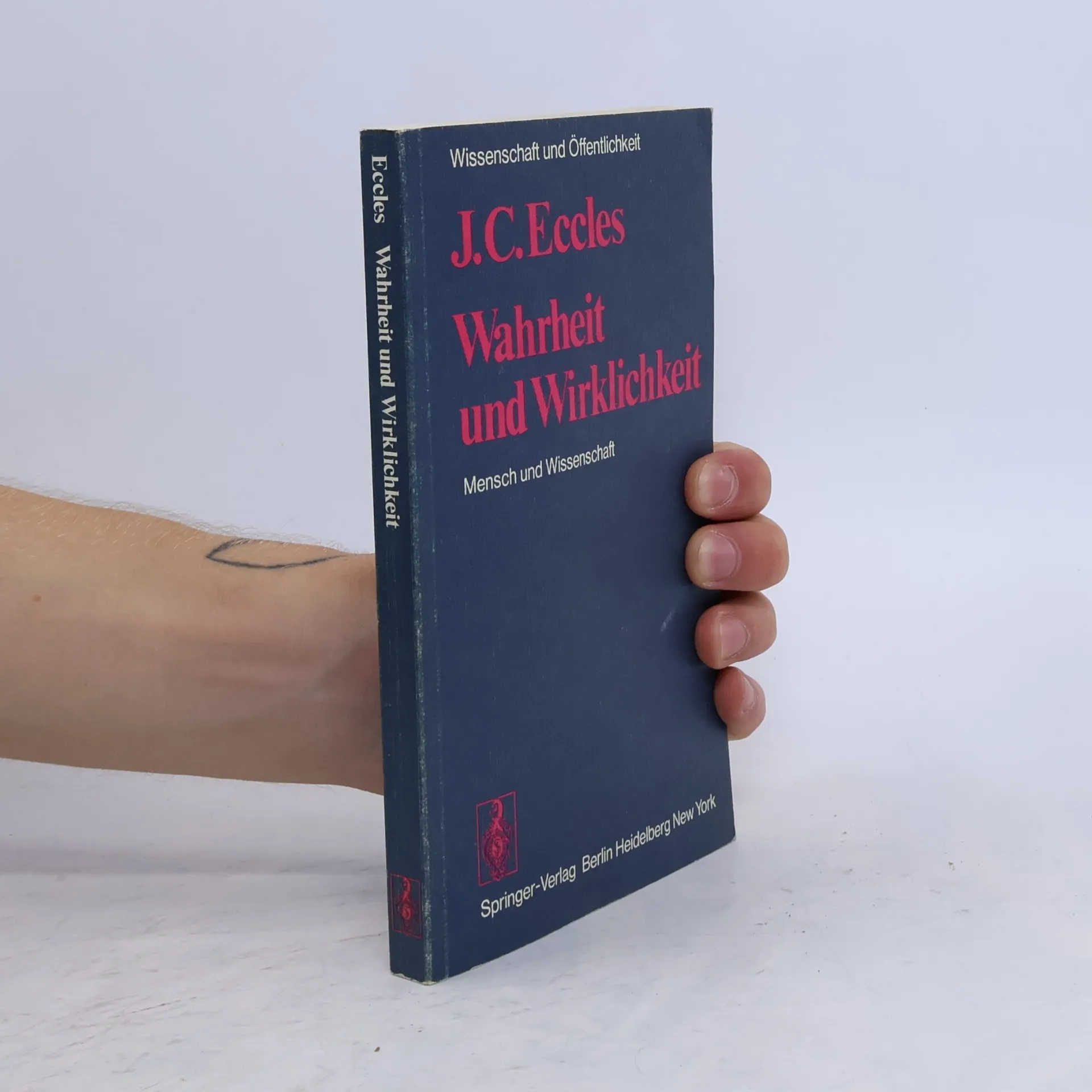
Der Titel dieses Buches - Wahrheit und Wirklichkeit - entstand unwillkürlich aus meinem Unterbewusstsein und schien sofort passend. "Wahrheit" bezieht sich auf einen festen, unerschütterlichen Blick, der im Gegensatz zur "Konfrontation" steht, die von Feindseligkeit und Trotz geprägt ist. Während ich das Leben mit seinen Freuden, Sorgen, Erfolgen und Misserfolgen betrachte, ist meine Haltung eine der gelassenen Akzeptanz und Dankbarkeit, nicht der wütenden Konfrontation. Der zweite Teil des Titels, "Wirklichkeit", beschreibt die ultimative Realität für uns als bewusste Wesen: unsere Geburt, unser Ich-Sein im langen Fluss des Werdens, unser Tod und die scheinbare Vernichtung. Diese Wirklichkeit müssen wir akzeptieren, um als freie und verantwortungsvolle Wesen zu leben und Abenteuer zu erleben, anstatt als Spielzeuge des Zufalls und der Umstände durch eine bedeutungslose Farce von der Geburt bis zum Tod zu gehen. Als Hirnforscher bringe ich Fachwissen über den faszinierenden Teil des Körpers ein, der das lebenslange Zusammenspiel zwischen dem bewussten Selbst und der äußeren Welt, einschließlich anderer Selbst, ermöglicht.
Brain and Human Behavior
- 476bladzijden
- 17 uur lezen
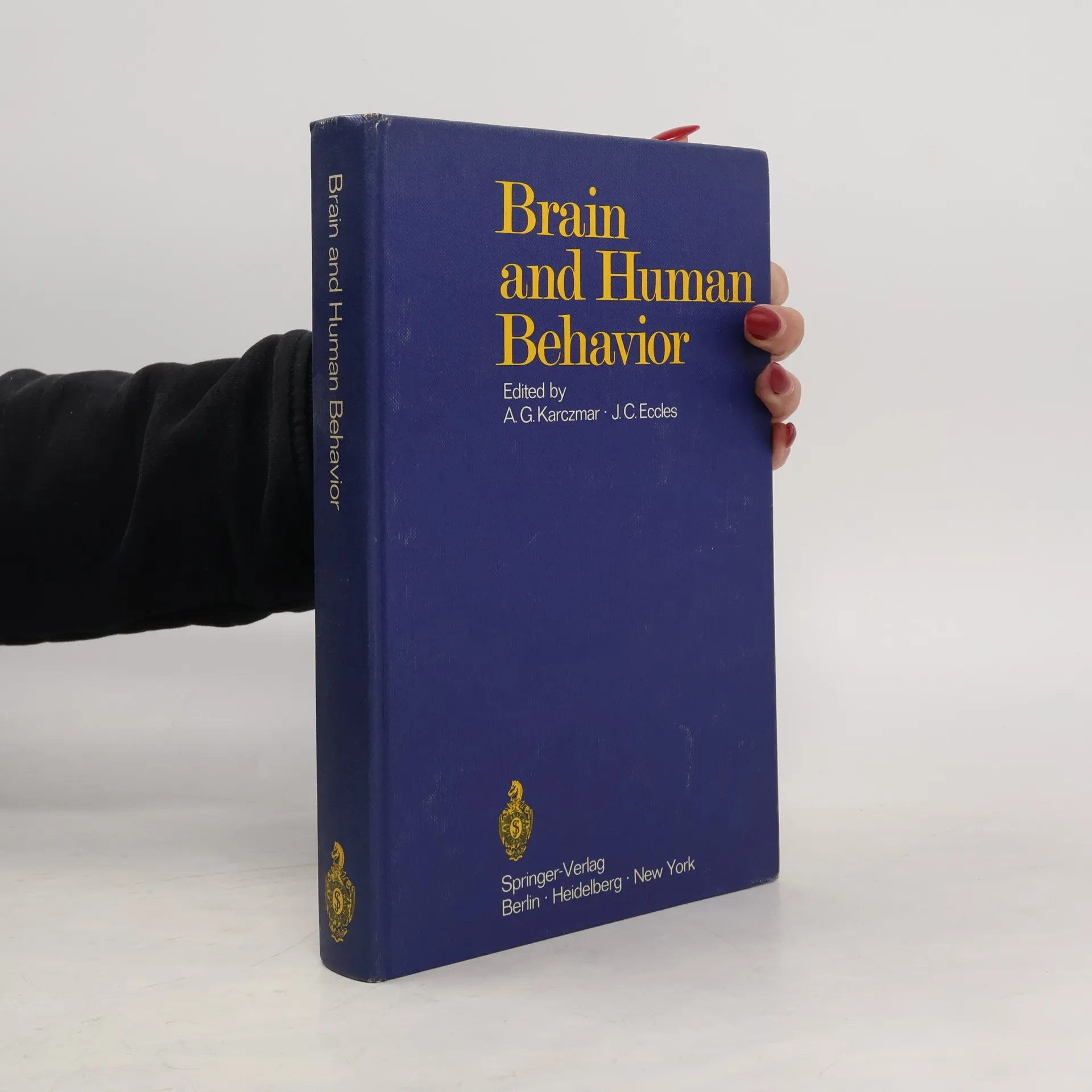
This volume is based on the Symposium on "The Brain and Human Behavior," held in October of 1969 as a part of the centennial observance of the Loyola Uni versity of Chicago. As President of the University, I was pleased to offer the University's support for the organization of this Symposium and to participate in some of its sessions. The volume which I now have the pleasure to introduce employs the materials of the Symposium as a framework. Its chapters constitute updated and greatly expanded versions of the original presentations, edited and organized so as to constitute an integrated picture of Neurosciences and their epistemological aspects. It seems appropriate for me to describe at this time certain features of this Jesuit University and of its Centennial which are particularly pertinent in the context of the present volume. Loyola University of Chicago opened its classes on September 5, 1870 with a faculty of 4 and a student body of 37. Today, Loyola University is the largest in dependent University in Illinois and the largest institution of higher learning under Catholic sponsorship in the United States of America. The University comprises twelve schools and colleges, a faculty of more than 1,600 and a student body of 16,545. As an institution of learning, this University is dedicated to knowledge; but perhaps more particularly than others, it is dedicated to the integration of truth and the knowledge of man as such.