

Robert B. Silvers Volgorde van de boeken (chronologisch)
Robert Silvers was een Amerikaanse redacteur die van 1963 tot 2017 hoofdredacteur van The New York Review of Books was. Tijdens zijn ambtstermijn gaf hij vorm aan de stijl en inhoud, en werd hij een invloedrijk figuur in de literaire kritiek en het intellectuele discours. Zijn redactionele visie hielp de publicatie te vestigen als een vooraanstaand forum voor de bespreking van literatuur, politiek en cultuur. Silvers' nalatenschap ligt in zijn toewijding aan scherpe journalistiek en diepgaande analyse die The New York Review of Books definieerden.
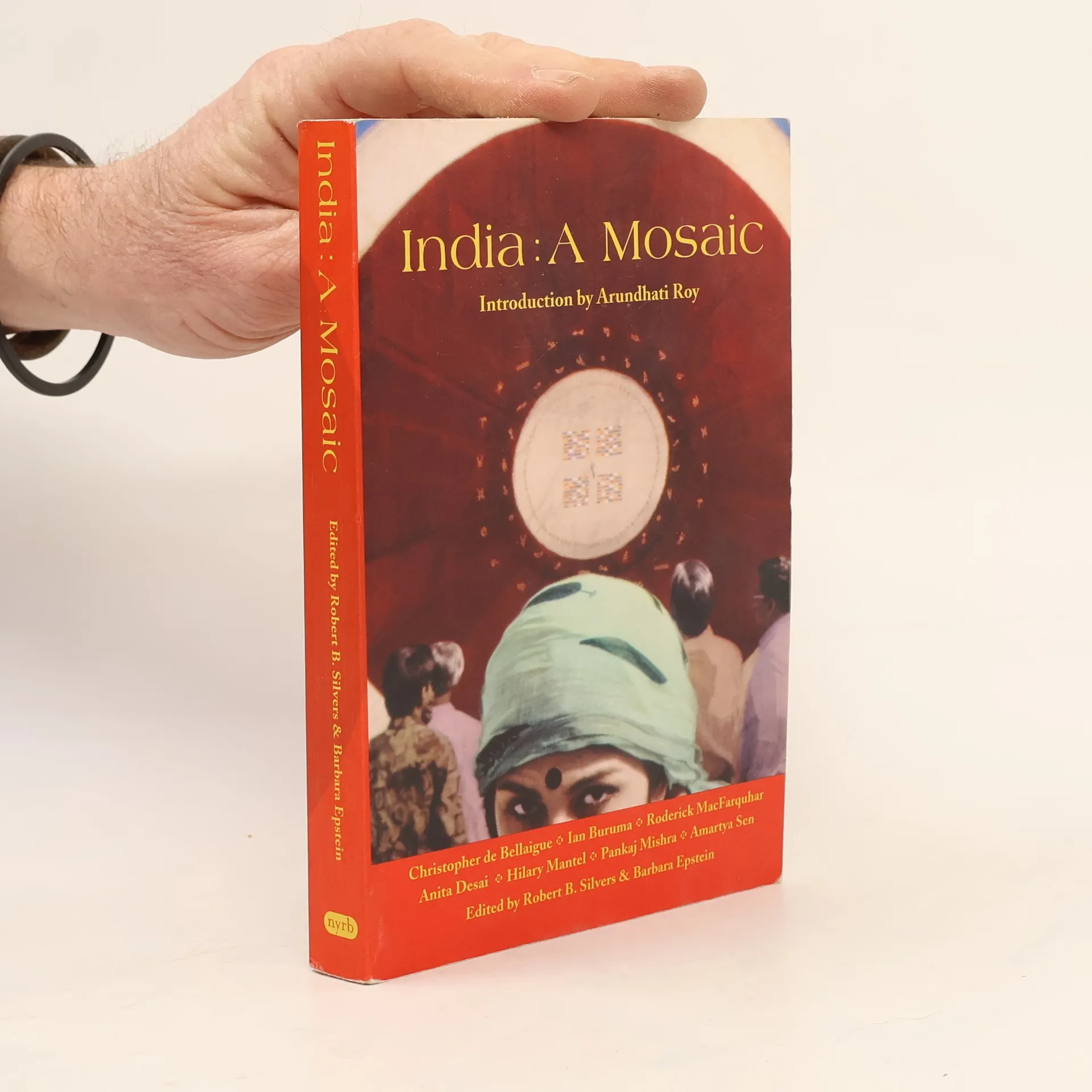
How can we understand India today, fifty years after Independence and only months after its nuclear tests outraged the world? The novelist Arundhati Roy has written, specially for this collection, a fierce denunciation of the Indian nuclear program, which serves as an introduction to nine essays on India, all originally published in The New York Review of Books . In this volume, seven distinguished writers offer penetrating insights into the complexities of the subcontinent. Roderick MacFarquhar reflects on the legacy of Empire and Partition, Ian Buruma considers secularism and Indian democracy, Pankaj Mishra remembers life in Benares, and Christopher de Bellaigue writes on a violent Bombay. But the volatile intersections of history, politics, and culture on which they focus haunt Indian literature too, as shown in essays by Nobel Prize-winner Amartya Sen on Rabindranath Tagore, Hilary Mantel on Rohinton Mistry, and Anita Desai on Indian women's writing.
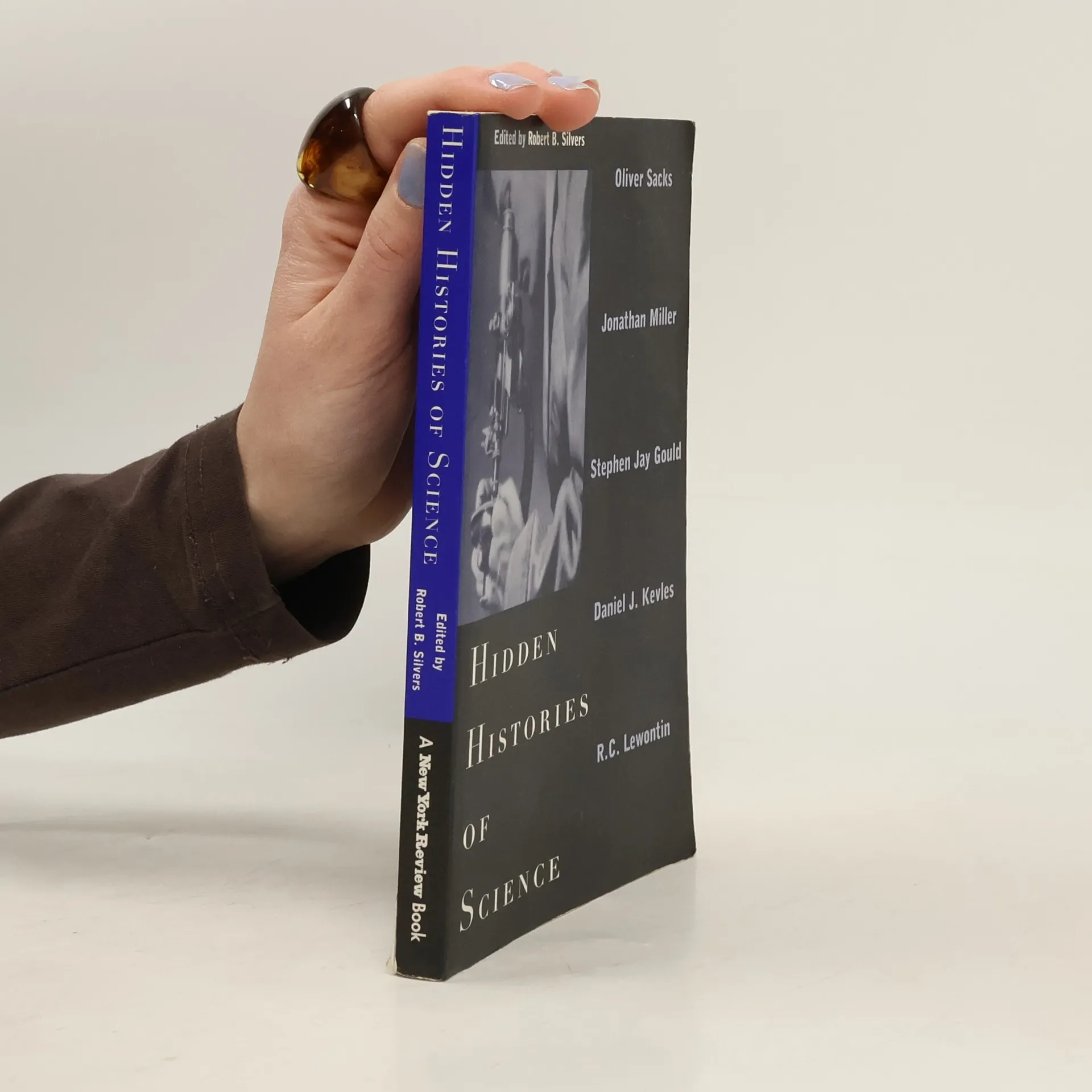
Hidden Histories of Science
- 210bladzijden
- 8 uur lezen
In these essays, Jonathan Miller, Oliver Sacks and Daniel Kevles show how and why some discoveries and insights in science emerge with great promise, only to be discarded or forgotten, then re-emerge years later as important. Richard Lewontin and Stephen Jay Gould suggest deep and largely unacknowledged distortions in the way scientists and popularizers alike conceive the sturcture of the world and its natural history. Illustrations.