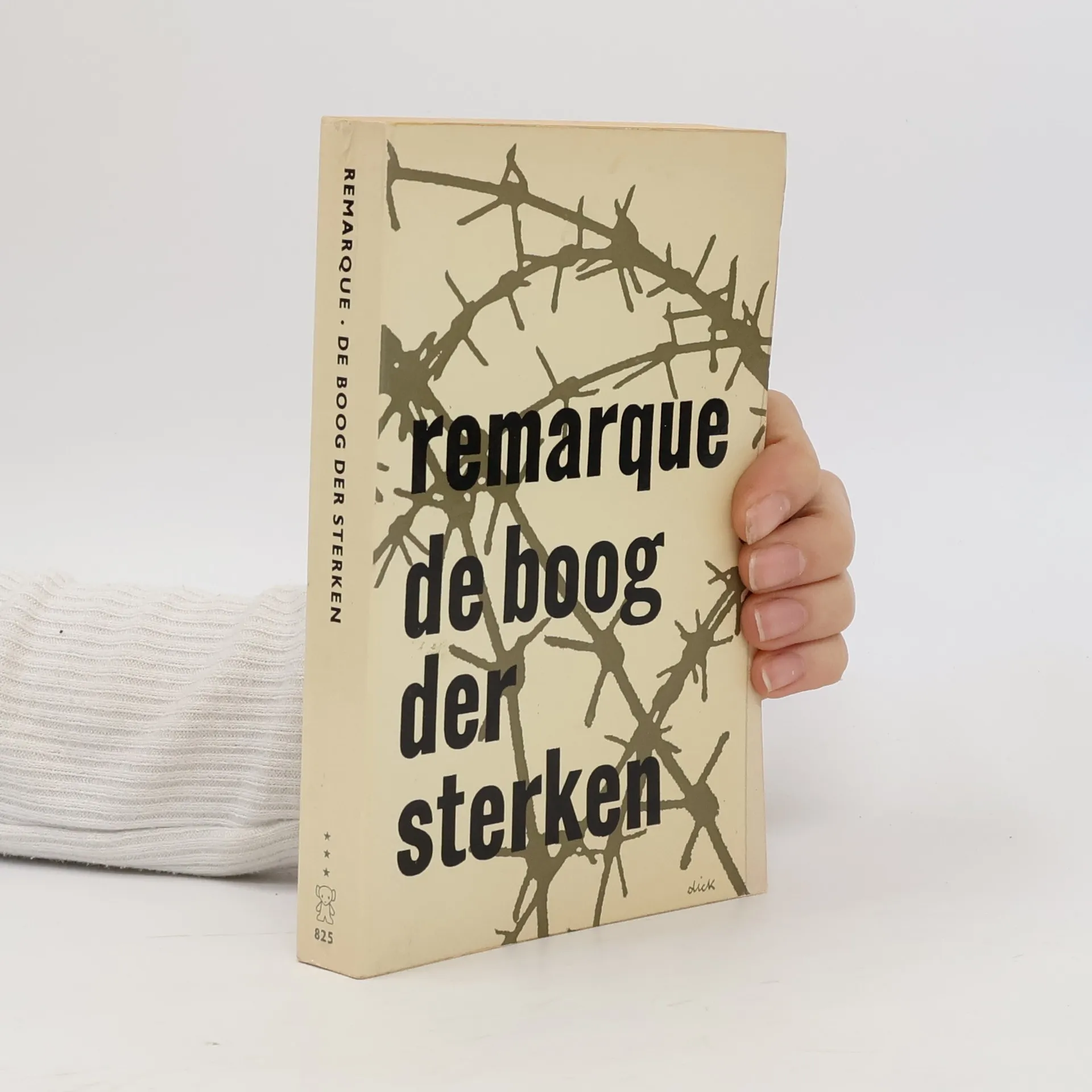
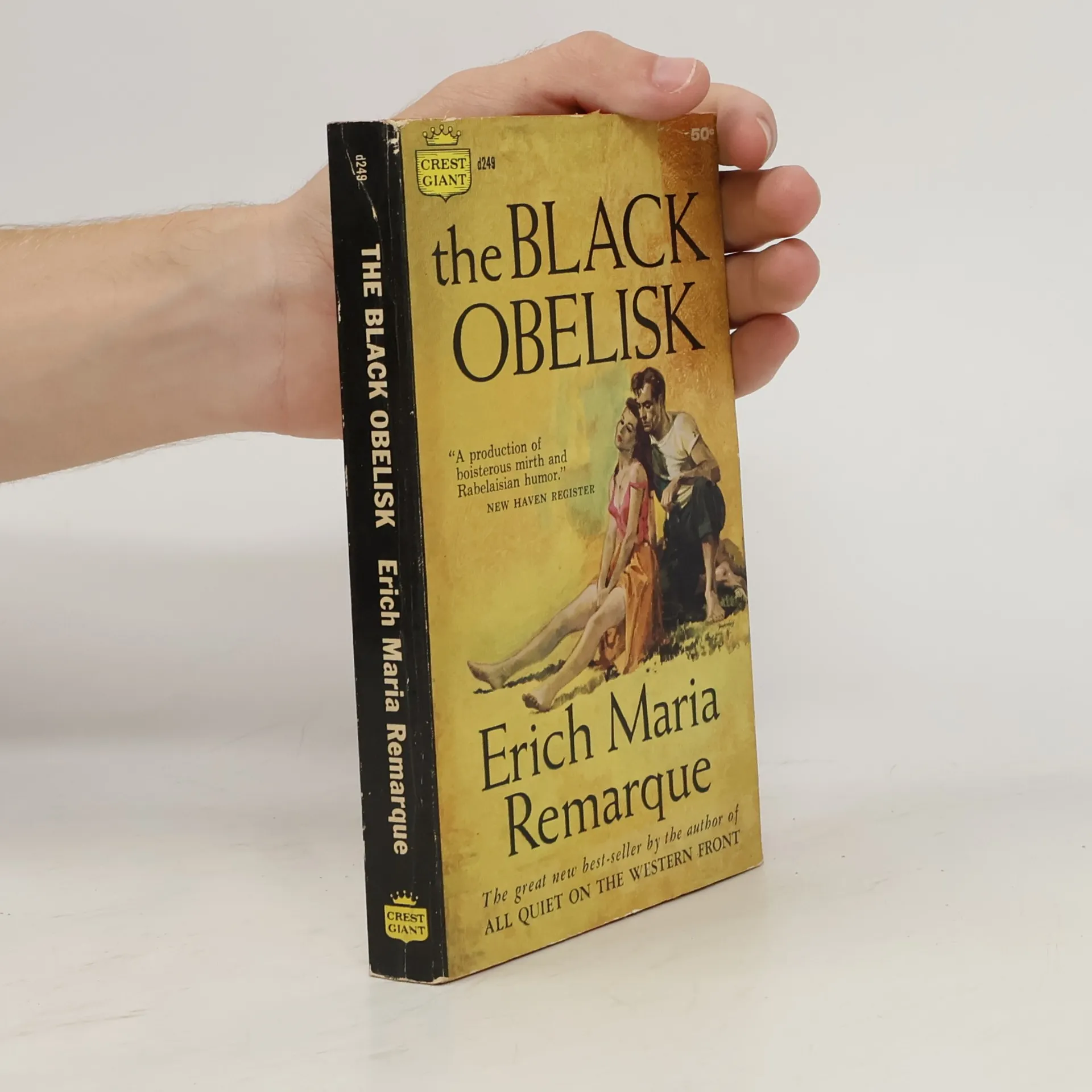
De geur van bloed en stof poslední zkázy is nog niet verdwenen en de wereld wordt opnieuw overspoeld door het donkere licht van de apocalyps. Duitsland na de Eerste Wereldoorlog wordt geteisterd door inflatie, die velen verarmt en slechts enkelen winst oplevert. Invaliden van de oorlog ontmoeten op straat de eerste gewapende groepen. Ludvík Bodmer, een voormalige leraar en nu werknemer bij een grafsteenfirma, heeft op de frontlinie gevochten en is door de oorlog diepgaand veranderd. Hij zoekt naar de zin van het leven, omdat hij de dood van dichtbij heeft meegemaakt. Hij is zowel spreker als criticus van zijn tijd. Zijn levensfilosofie en kijk op de wereld worden beïnvloed door vrienden en mensen om hem heen: de pragmatische werkgever Jiří, de kwetsbare schizofrene Isabela-Geneviéve, de avontuurlijke Riesenfeld, de hotelier Eduard Knobloch, de vulgaire dame Líza en de variété-artieste Gerda. Ludvík, met zijn bijna lyrische karakter, weerspiegelt de meningen van de auteur over Duits nationalisme, oorlog, moreel verval en hedendaagse waarden, waarbij humor, ironie en sarcasme als belangrijke artistieke middelen worden gebruikt.
Erich Maria Remarque Boeken
Erich Maria Remarque behoort tot de bekendste en meest gelezen Duitse literatoren van de twintigste eeuw. Zijn werk is diepgaand gevormd door zijn levenservaringen, getekend door de turbulente geschiedenis van Duitsland, van zijn jeugd in het keizerlijke Osnabrück tot aan zijn ballingschap. Remarques romans bieden een kritische beschouwing van de Duitse geschiedenis, waarbij de bescherming van menselijke waardigheid en menselijkheid te midden van onderdrukking, terreur en oorlog voortdurend centraal stond in zijn literaire creatie. Zijn unieke stem en de urgentie van zijn thema's resoneren tot op de dag van vandaag wereldwijd.



Net als al zijn romans speelt het verhaal van "Arc de Triomphe" zich af voor de Tweede Wereldoorlog in Parijs, waar de arts Ravic, die is ontsnapt uit een Duits concentratiekamp, onderdak heeft gevonden. In deze stad onder de Triomfboog leven ook vele andere vluchtelingen uit alle hoeken van Europa. Hun onzekere, uitzichtloze leven wordt slechts verlicht door de warmte van toevallige vriendschappen. Ravic behoort tot de gelukkigen, want hij lijdt niet aan gebrek en vindt in een gelukkige periode bijna de vervulling van zijn leven in de liefde. Maar de jonge actrice Joan Madou flitst slechts als een ster door zijn donkere lucht en verdwijnt weer. Ravic ontmoet haar nogmaals — hij opereert haar — maar het is niet in zijn macht om haar te redden. E. M. Remarque onthult in deze roman over het bittere lot van emigranten de meedogenloze aard van het fascisme, bekritiseert het corrupte politieke en sociale systeem van het land dat zich als vrij en humanistisch presenteert, en benadrukt de enige zin van het leven: menselijke begrip en liefde.
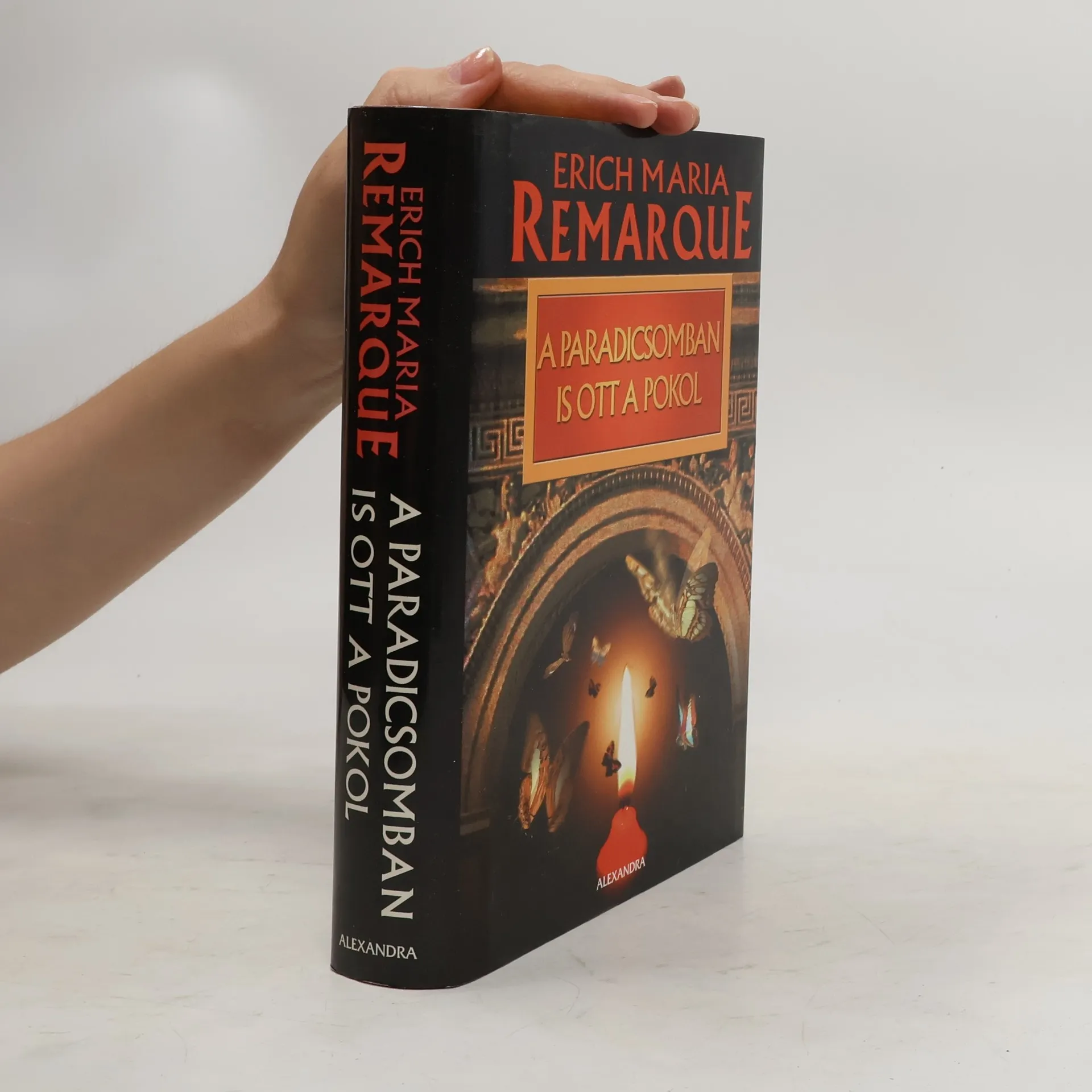
Schimmen in het Paradijs
- 389bladzijden
- 14 uur lezen
After years of hiding and surviving near-death in a concentration camp, Ross is finally safe. Now living in New York City among old friends, far from Europe's chilling atrocities, Ross soon meets Natasha, a beautiful model and fellow migre, a warm heart to help him forget his cold memories. Yet even as the war draws to its violent close, Ross cannot find peace. Demons still pursue him. Whether they are ghosts from the past or the guilt of surviving, he does not know. For he is only beginning to understand that freedom is far from easy--and that paradise, however perfect, has a price. . . .
Deze omvangrijke omnibus biedt de lezer een zeer uitgebreide en rijk geschakeerde collectie oorlogsverhalen. Verdeeld in 6 afdelingen - Soldaten in de oorlog, Burgers in de oorlog, Facetten van de oorlog, Soldateneer, Oorlog tussen volkeren en Satire over de oorlog - bevat deze omnibus meer dan 25 novellen en verhalen. Naast verhalen van beroemde schrijvers als Tolstoj, Sholochow, Zola, T.E. Lawrence, Remarque en Hemingway werden uit een onvoorstelbare rijkdom aan Engelse, Franse, Duitse, Russische en Japanse literatuur de beste verhalen over oorlog gekozen - van de Griekse mythologie tot onze eigen tijd. De beste oorlogsverhalen voert de lezer naar de slagvelden en loopgraven van vele oorlogen; naar de besneeuwde steppes van Azië, de verzengende woestijnen van Afrika en de verschroeide aarde van Vietnam.
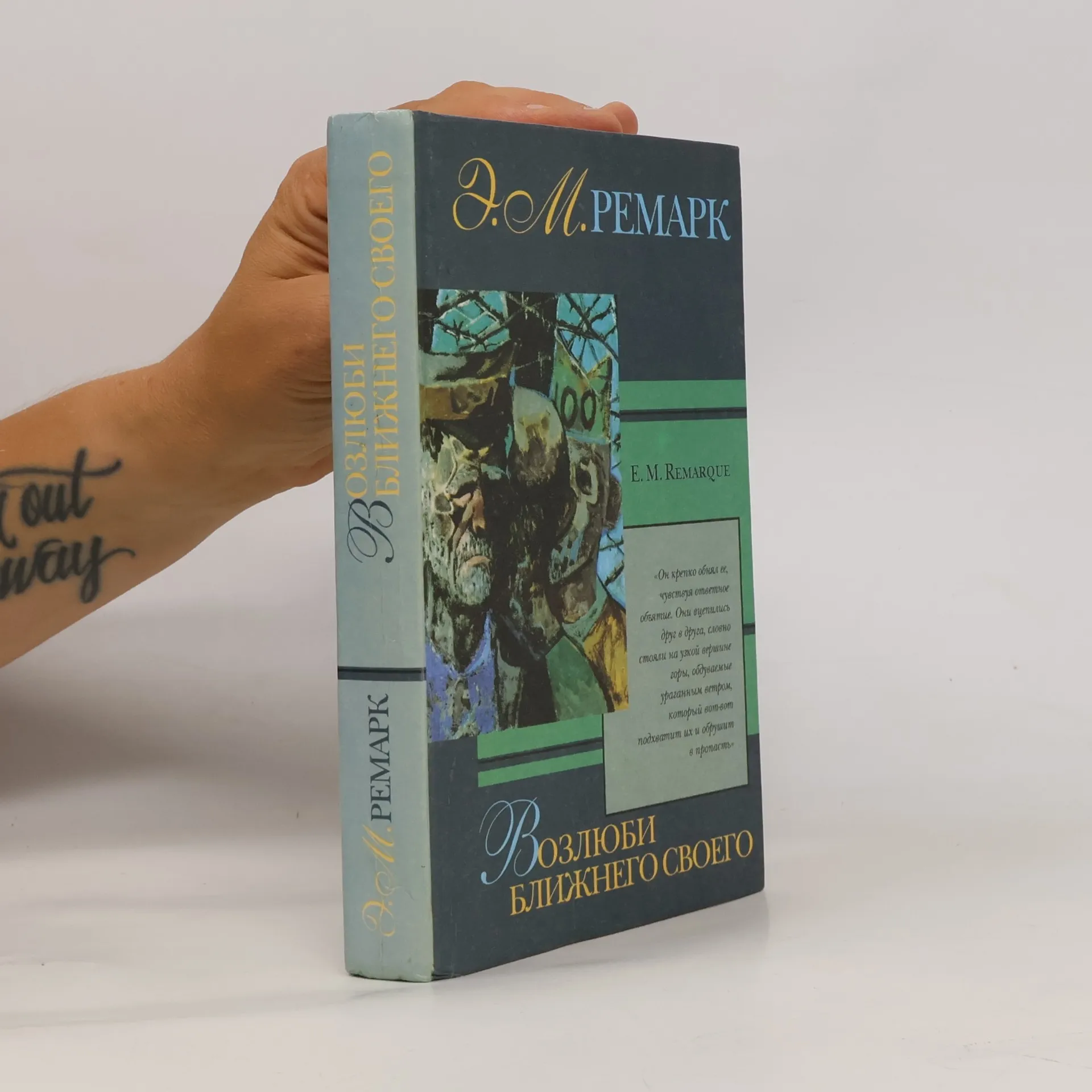
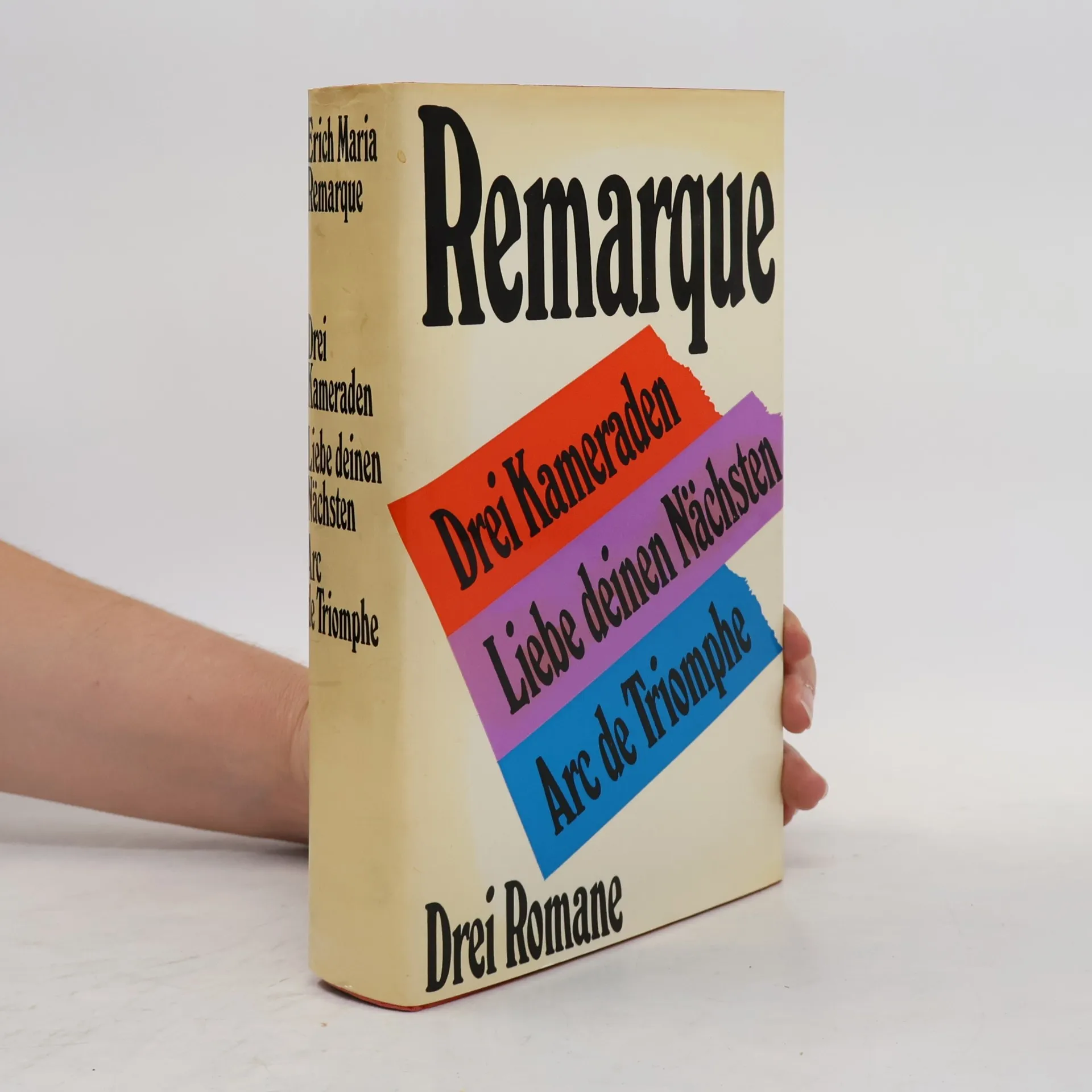
Возлюби ближнего своего
- 432bladzijden
- 16 uur lezen
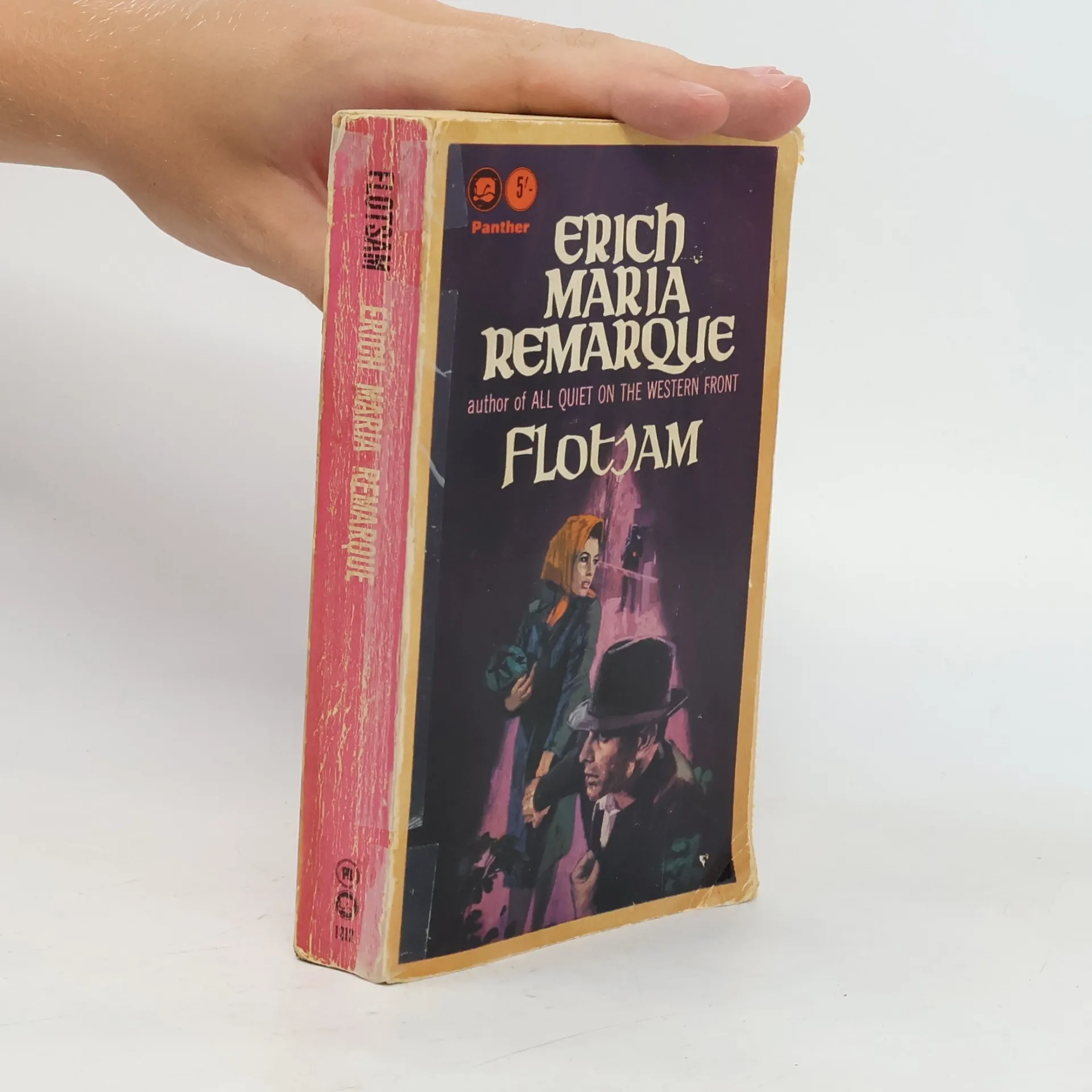
Flotsam В Библии сказано: `Возлюби ближнего своего`. Но как возлюбить ближнего своего, если ближние твои желают лишь схватить тебя и убить? Ты бежишь от смерти, ставшей реальностью, от ада нацистских гетто, от безнадежности – к надежде… Но надежда может обмануть. И тогда `плачьте не об ушедших, но об оставшихся…`
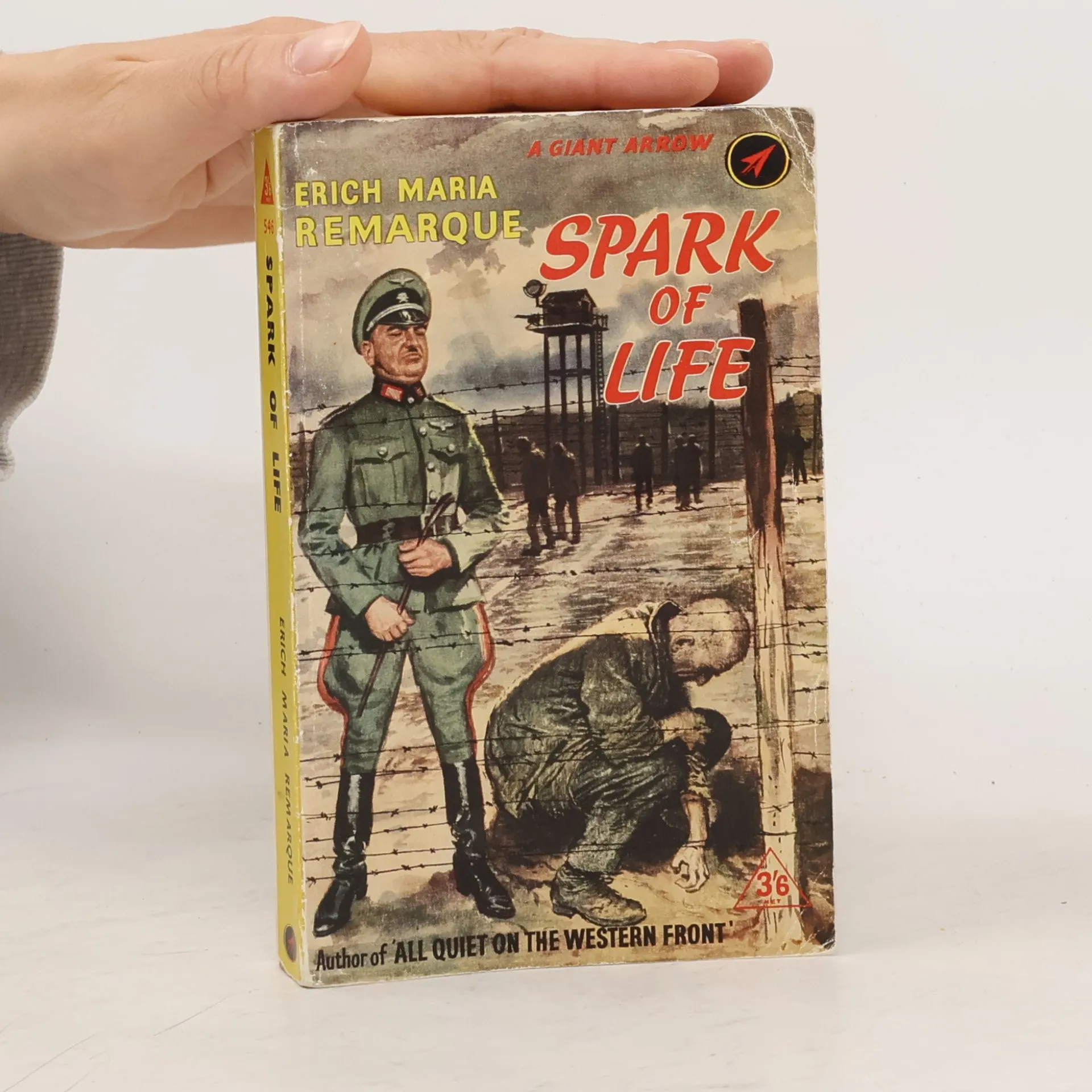
In Spark of Life, a powerful classic from the renowned author of All Quiet on the Western Front, one man’s dream of freedom inspires a valiant resistance against the Nazi war machine. For ten years, 509 has been a political prisoner in a German concentration camp, persevering in the most hellish conditions. Deathly weak, he still has his wits about him and he senses that the end of the war is near. If he and the other living corpses in his barracks can hold on for liberation—or force their own—then their suffering will not have been in vain. Now the SS who run the camp are ratcheting up the terror. But their expectations are jaded and their defenses are down. It is possible that the courageous yet terribly weak prisoners have just enough left in them to resist. And if they die fighting, they will die on their own terms, cheating the Nazis out of their devil’s contract. “The world has a great writer in Erich Maria Remarque. He is a craftsman of unquestionably first rank, a man who can bend language to his will. Whether he writes of men or of inanimate nature, his touch is sensitive, firm, and sure.”— The New York Times Book Review
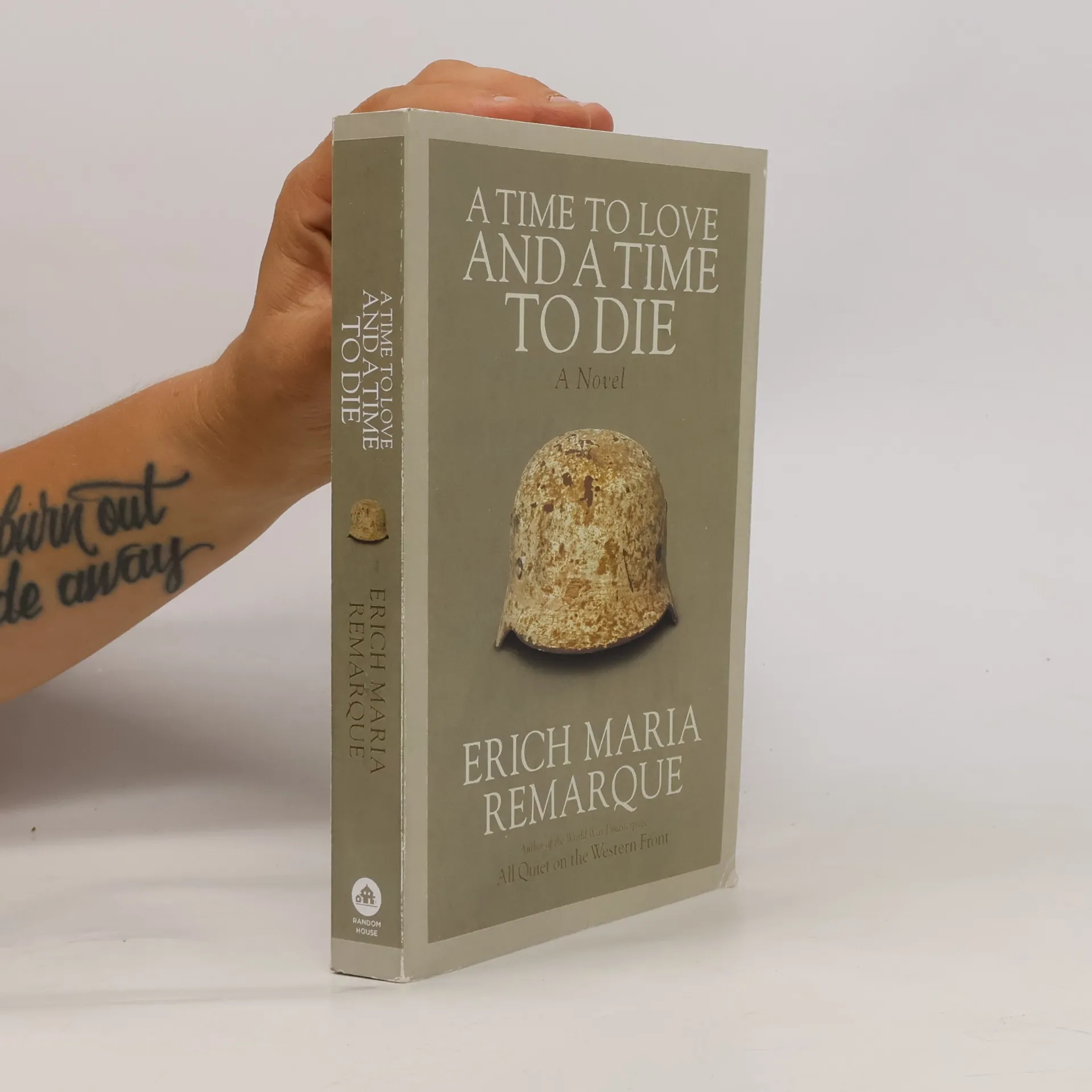
A time to love and a time to die
- 378bladzijden
- 14 uur lezen
From the quintessential author of wartime Germany, A Time to Love and a Time to Die echoes the harrowing insights of his masterpiece All Quiet on the Western Front. After two years at the Russian front, Ernst Graeber finally receives three weeks’ leave. But since leaves have been canceled before, he decides not to write his parents, fearing he would just raise their hopes. Then, when Graeber arrives home, he finds his house bombed to ruin and his parents nowhere in sight. Nobody knows if they are dead or alive. As his leave draws to a close, Graeber reaches out to Elisabeth, a childhood friend. Like him, she is imprisoned in a world she did not create. But in a time of war, love seems a world away. And sometimes, temporary comfort can lead to something unexpected and redeeming. “The world has a great writer in Erich Maria Remarque. He is a craftsman of unquestionably first rank, a man who can bend language to his will. Whether he writes of men or of inanimate nature, his touch is sensitive, firm, and sure.”—The New York Times Book Review
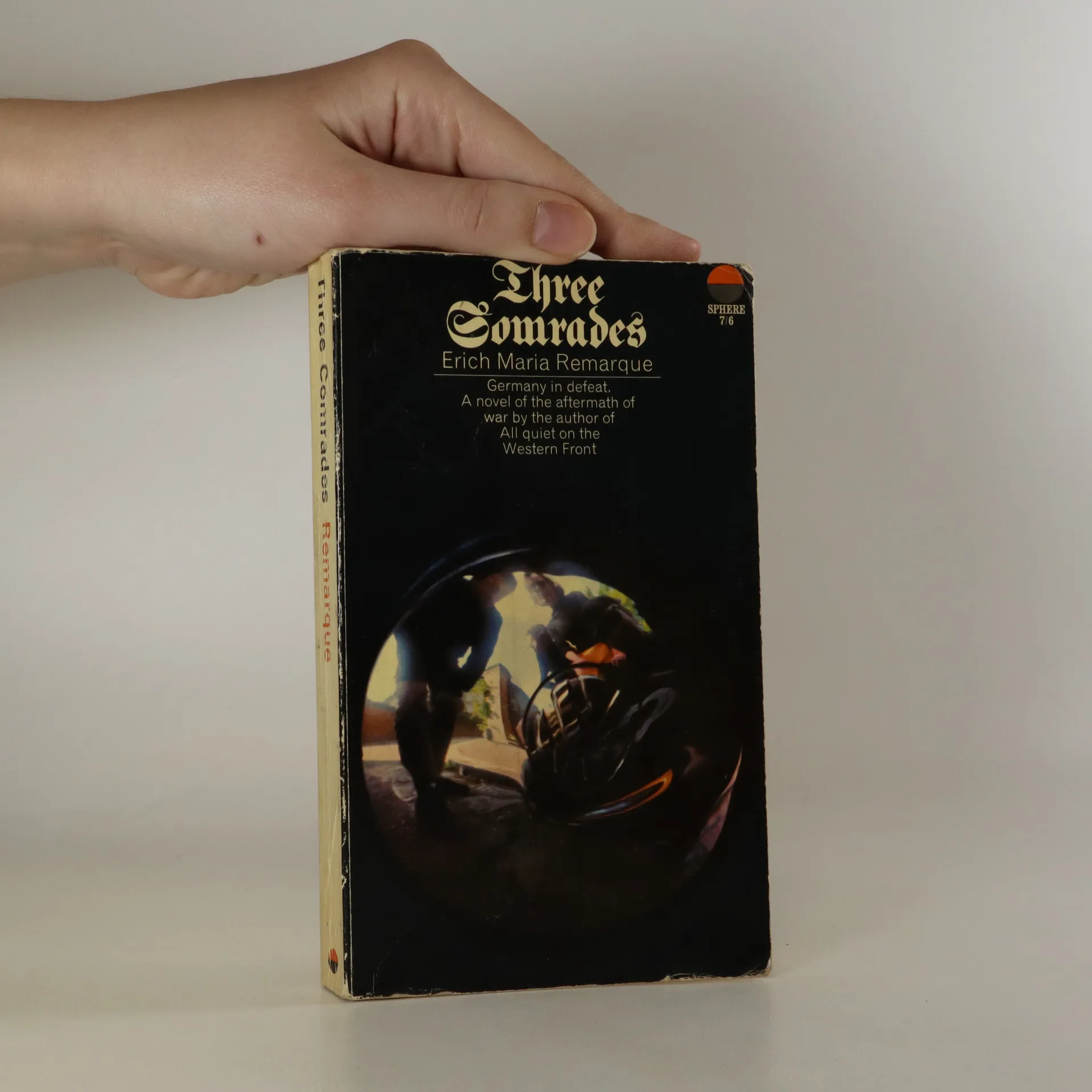
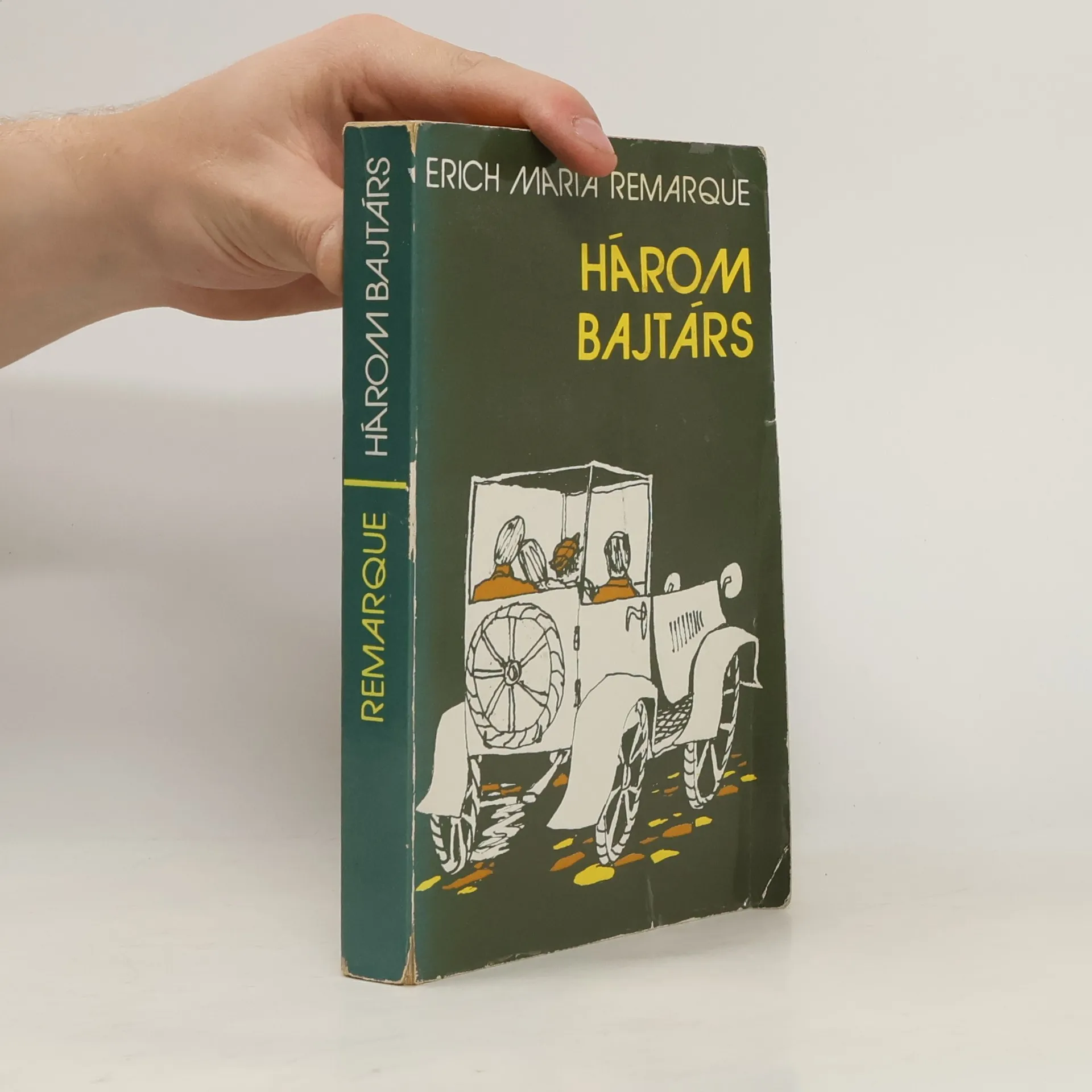
The year is 1928. On the outskirts of a large German city, three young men are earning a thin and precarious living. Fully armed young storm troopers swagger in the streets. Restlessness, poverty, and violence are everywhere. For these three, friendship is the only refuge from the chaos around them. Then the youngest of them falls in love, and brings into the group a young woman who will become a comrade as well, as they are all tested in ways they can never have imagined. . . .Written with the same overwhelming simplicity and directness that made All Quiet on the Western Front a classic, Three Comrades portrays the greatness of the human spirit, manifested through characters who must find the inner resources to live in a world they did not make, but must endure.
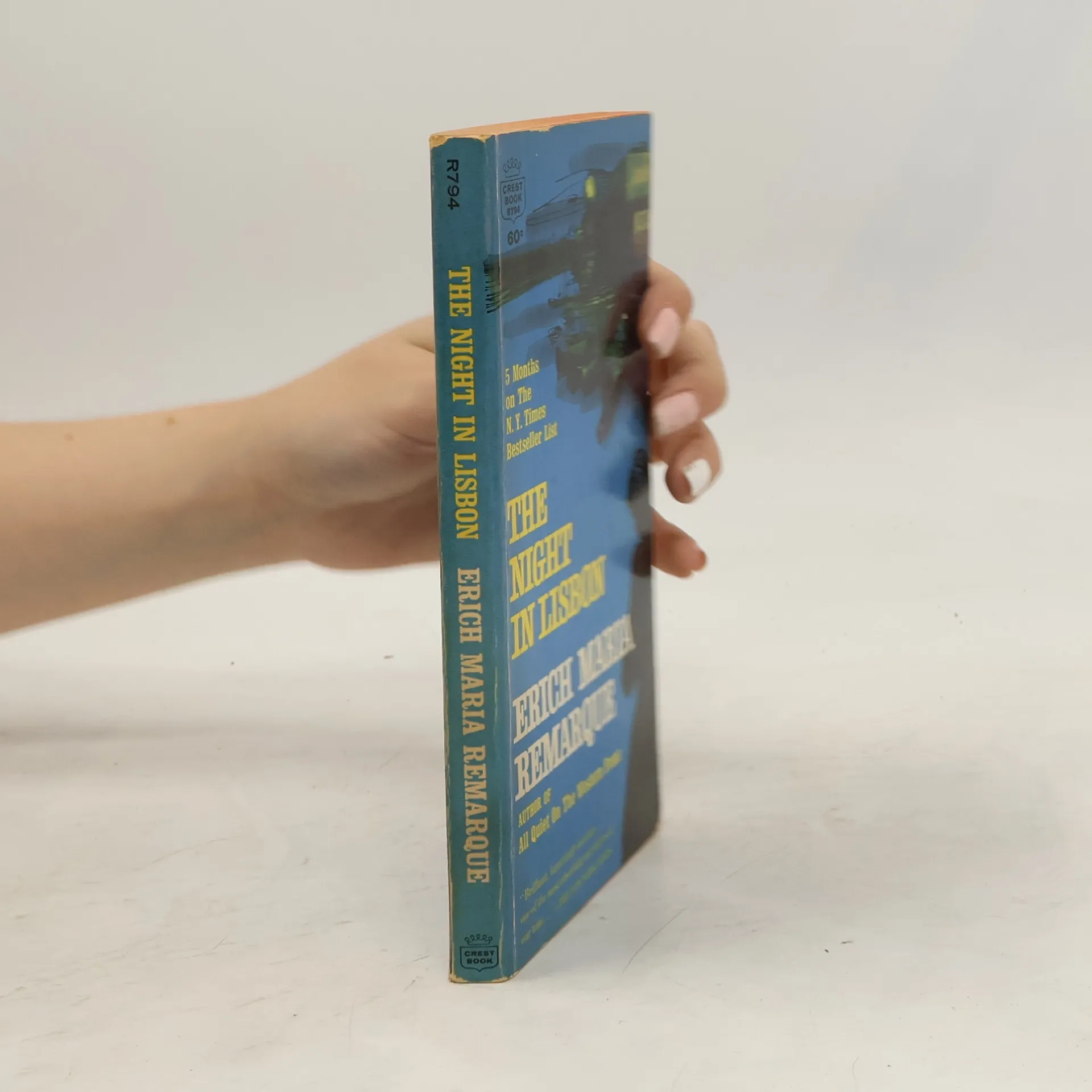
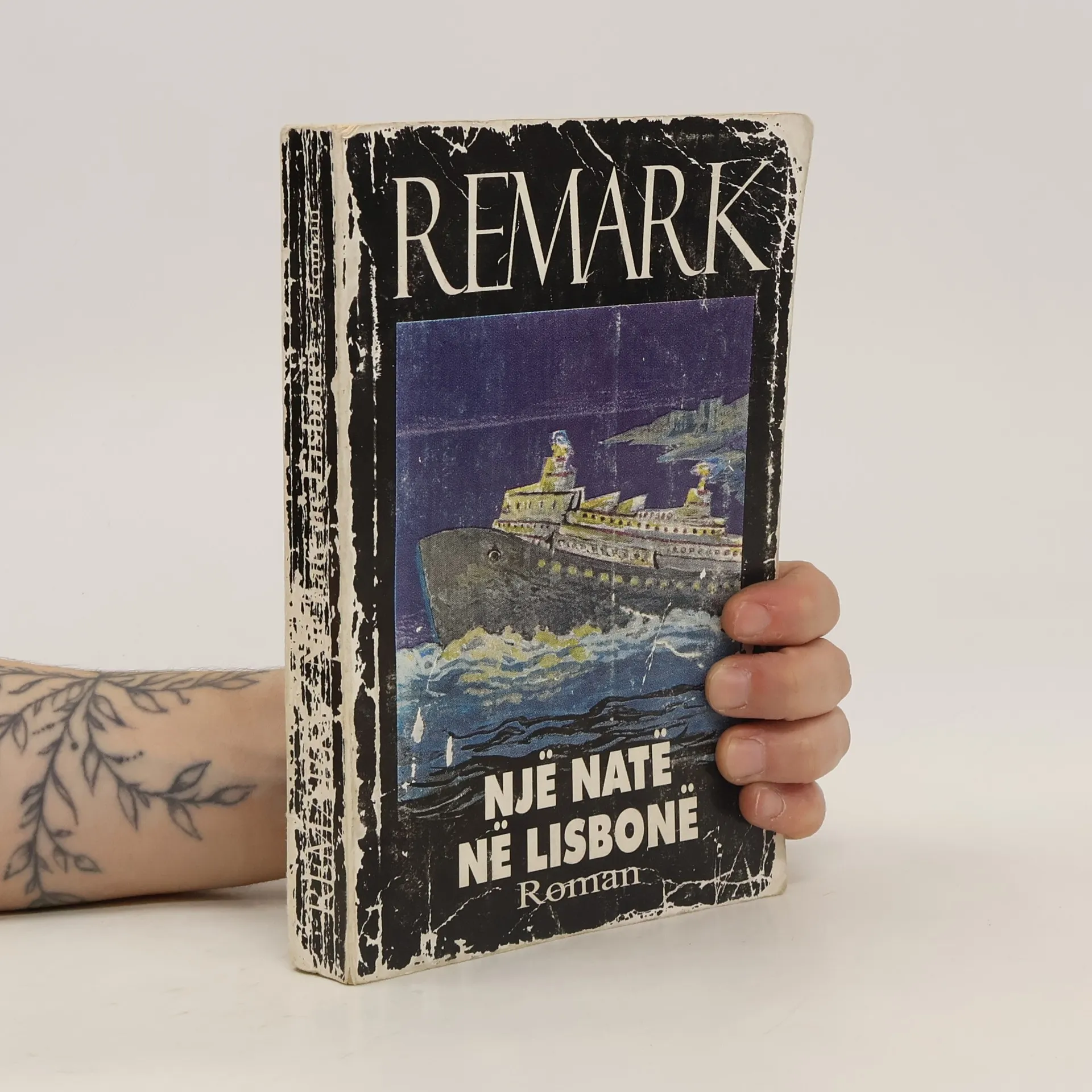
History and fate collide as the Nazis rise to power in The Night in Lisbon, a classic tale of survival from the renowned author of All Quiet on the Western Front. With the world slowly sliding into war, it is crucial that enemies of the Reich flee Europe at once. But so many routes are closed, and so much money is needed. Then one night in Lisbon, as a poor young refugee gazes hungrily at a boat bound for America, a stranger approaches him with two tickets and a story to tell. It is a harrowing tale of bravery and butchery, daring and death, in which the price of love is beyond measure and the legacy of evil is infinite. As the refugee listens spellbound to the desperate teller, in a matter of hours the two form a unique and unshakable bond—one that will last all their lives.
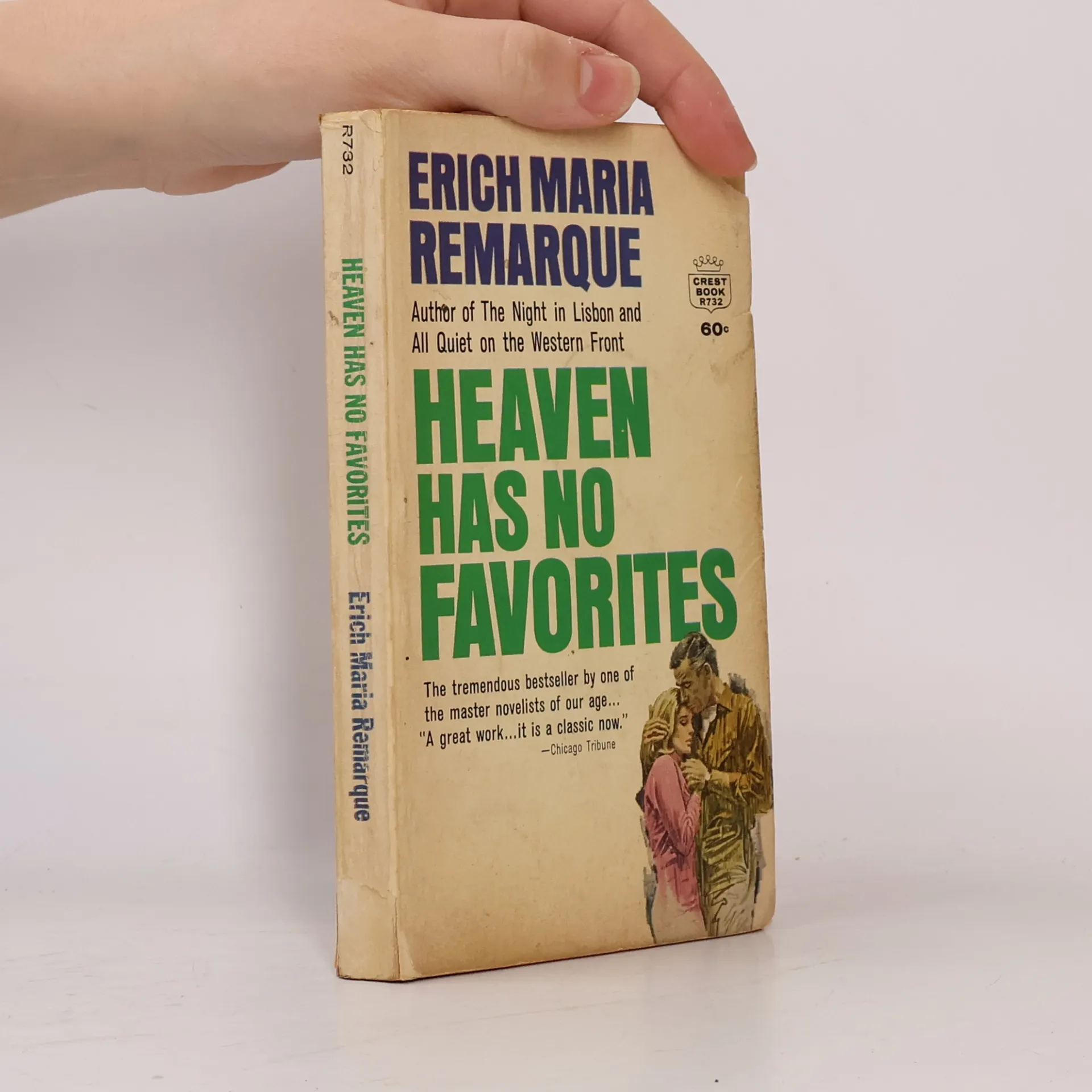
From one of the twentieth century’s master novelists, the author of the classic All Quiet on the Western Front, comes Heaven Has No Favorites, a bittersweet story of unconventional love that sweeps across Europe. Lillian is charming, beautiful . . . and slowly dying of consumption. But she doesn’t wish to end her days in a hospital in the Alps. She wants to see Paris again, then Venice—to live frivolously for as long as possible. She might die on the road, she might not, but before she goes, she wants a chance at life. Clerfayt, a race-car driver, tempts fate every time he’s behind the wheel. A man with no illusions about chance, he is powerfully drawn to a woman who can look death in the eye and laugh. Together, he and Lillian make an unusual pair, living only for the moment, without regard for the future. It’s a perfect arrangement—until one of them begins to fall in love.
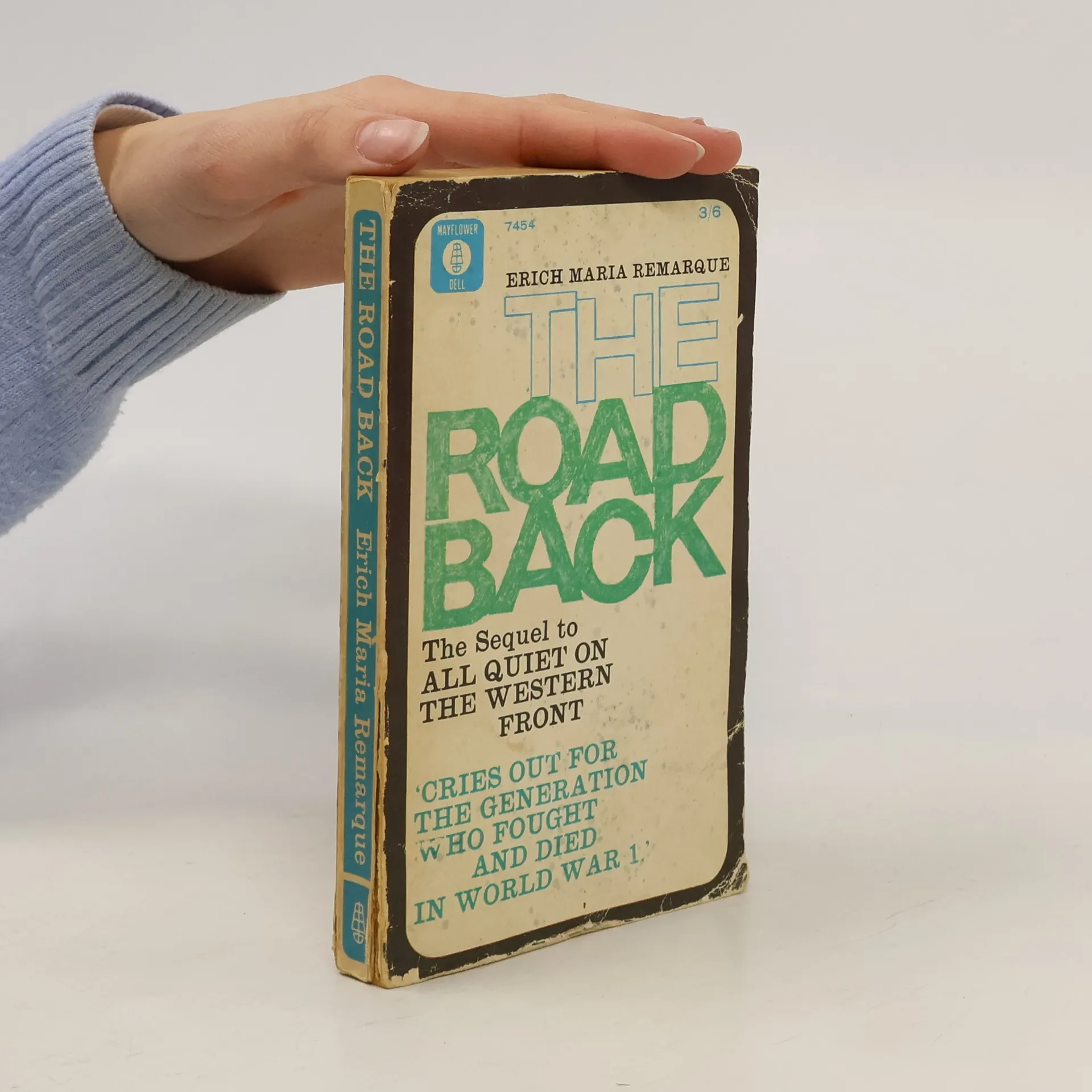
The sequel to All Quiet on the Western Front, one of the most powerful novels of the First World War and a twentieth-century classic.
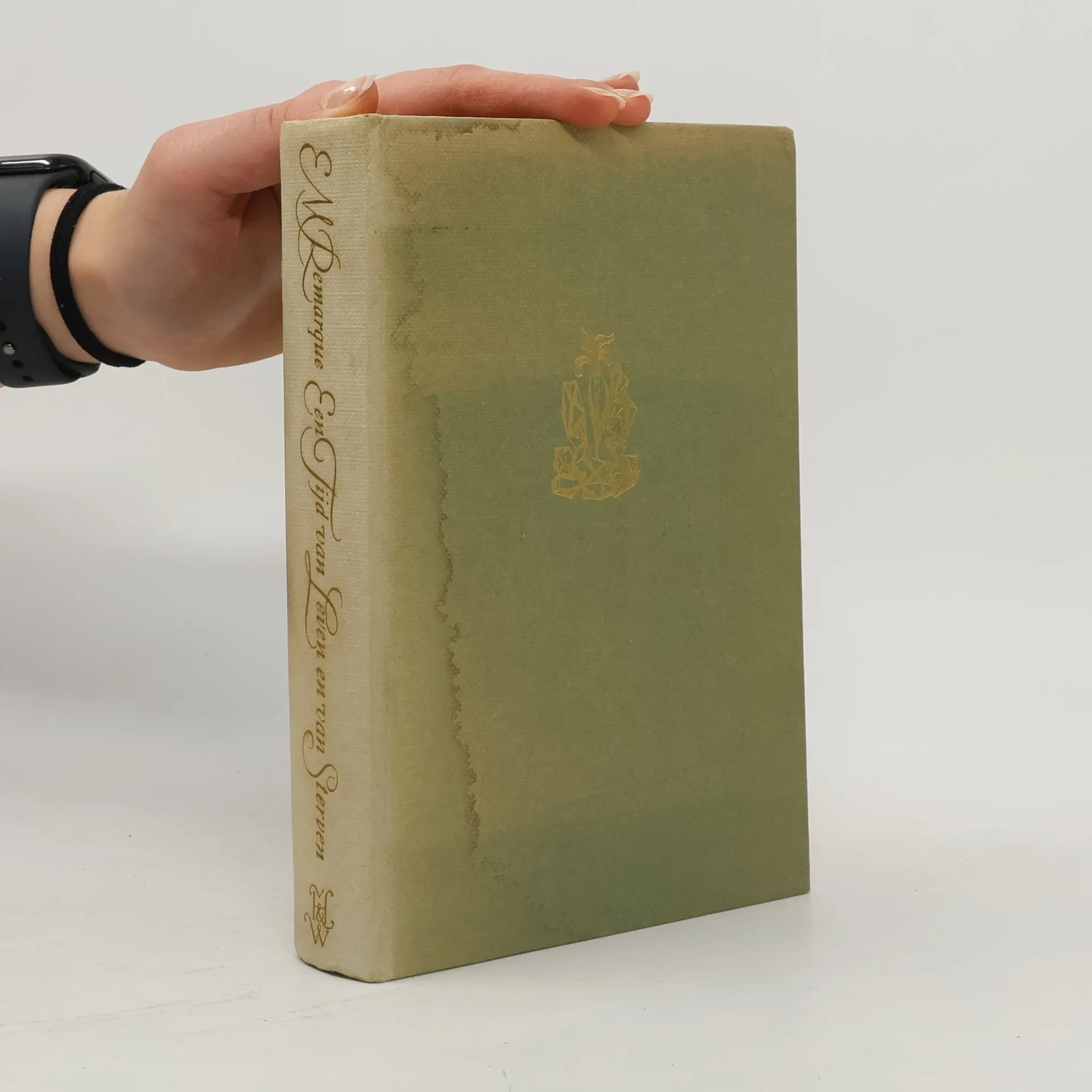
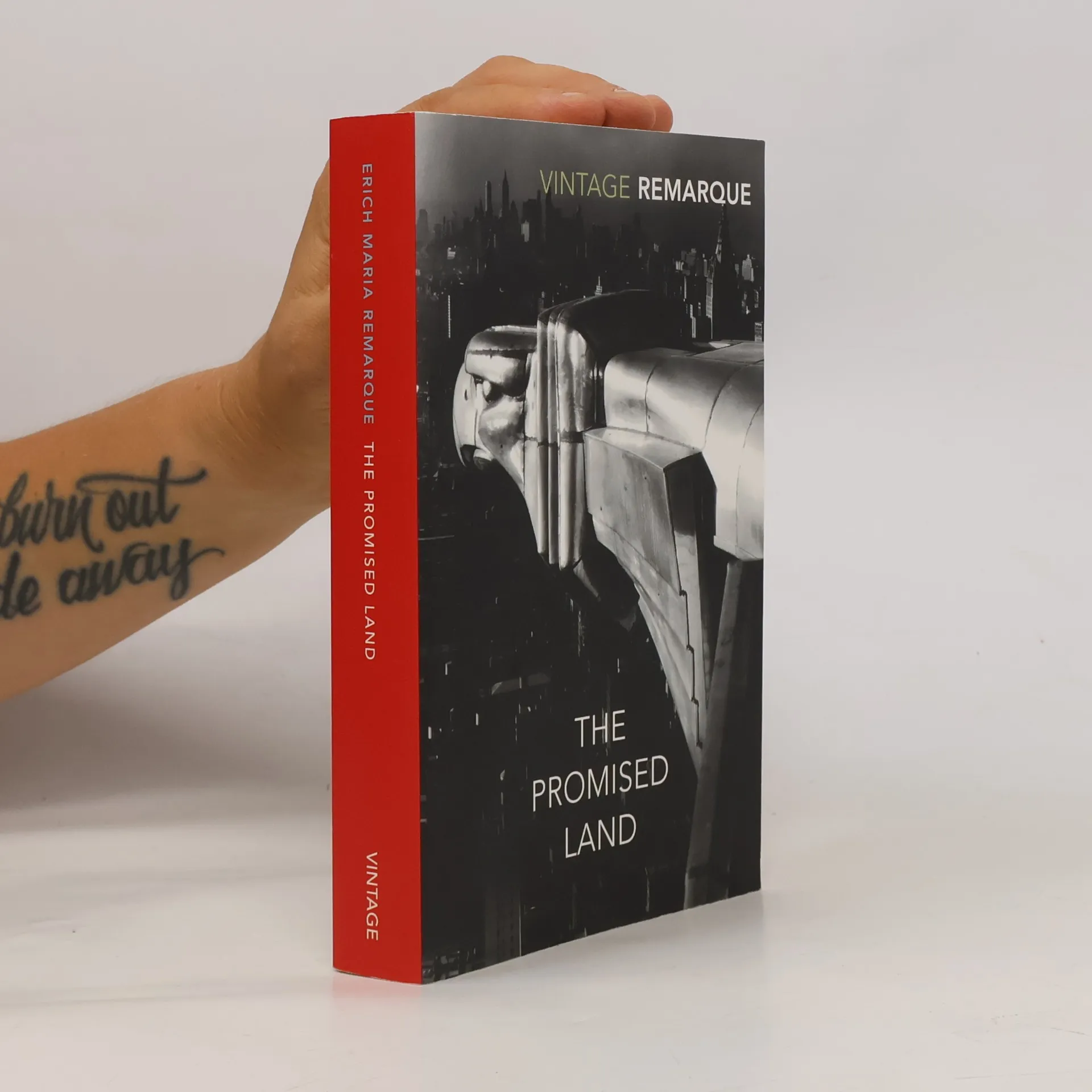
Vintage Remarque: The Promised Land
- 448bladzijden
- 16 uur lezen
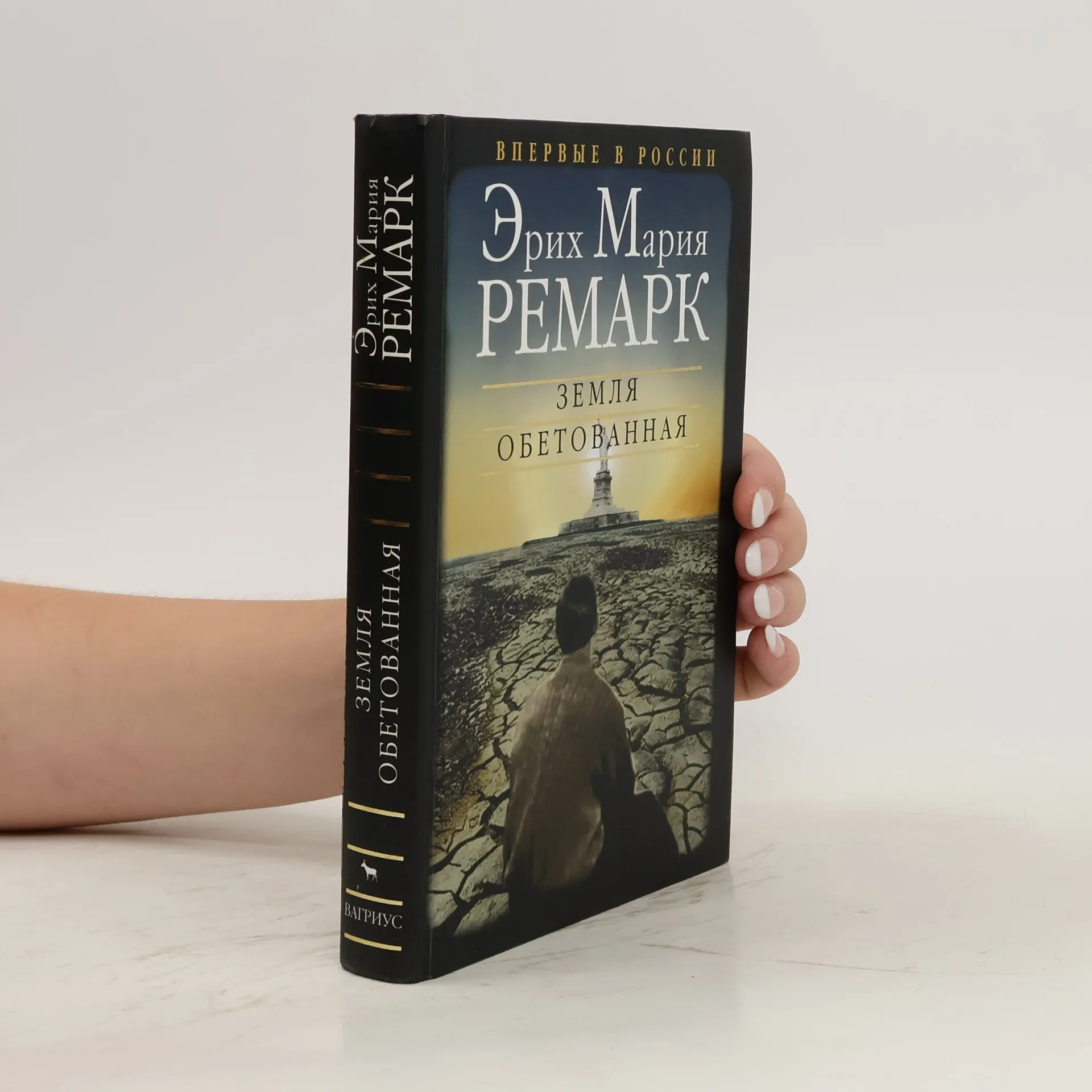
From the detention centre on Ellis Island, Ludwig Somner looks across a small stretch of water to the glittering towers of New York, which whisper seductively of freedom after so many years of wandering through a perlious, suffering Europe.
Set against the backdrop of World War I, the narrative follows a group of German schoolboys who, inspired by their schoolmaster's rhetoric, eagerly enlist, only to confront the brutal realities of trench warfare. The story captures the profound disillusionment and horror faced by a young soldier, highlighting the stark contrast between youthful idealism and the grim truths of battle. This poignant anti-war novel remains a powerful testament to the devastating impact of war, as articulated through Remarque's evocative prose.
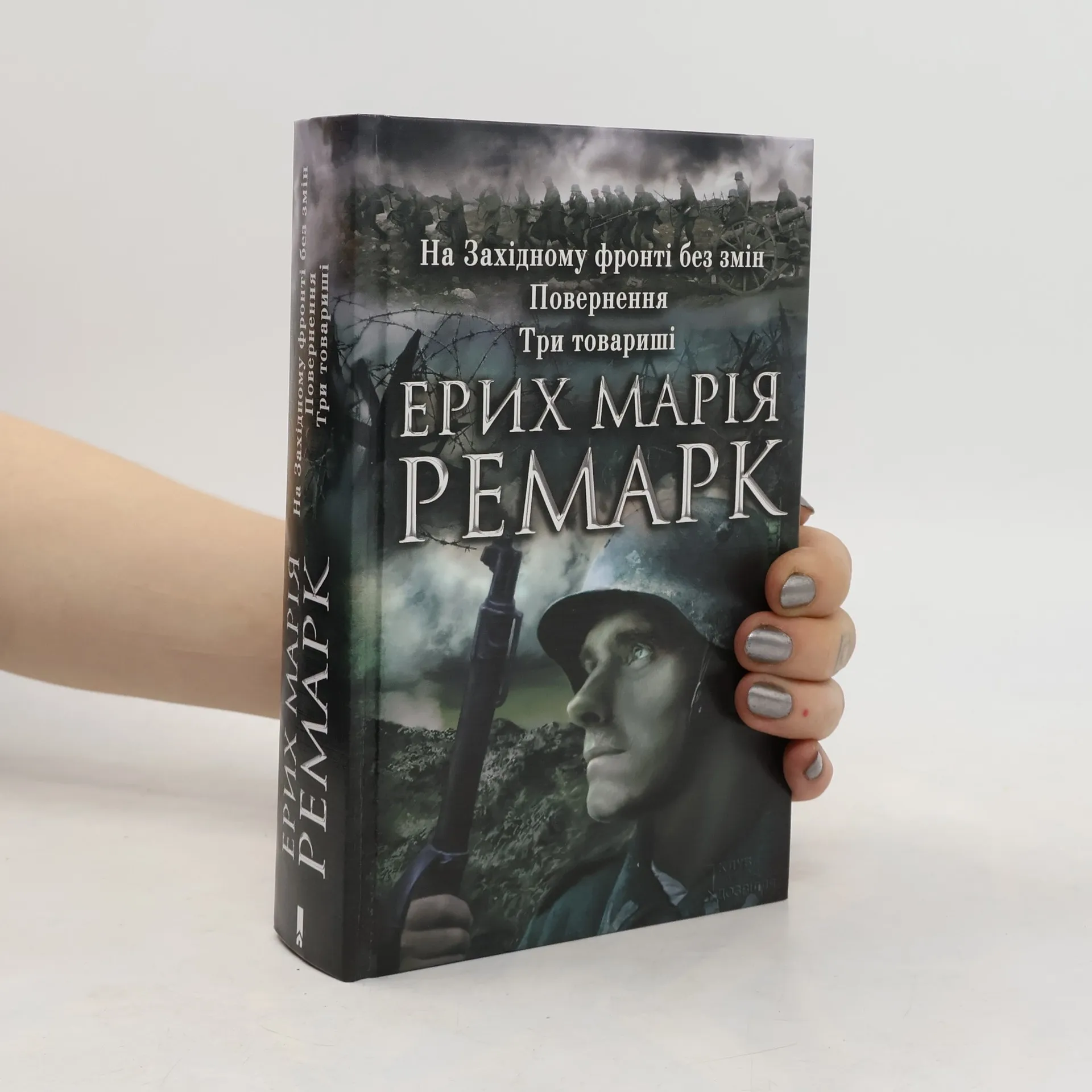
Участь Еріхa Марії Ремарка у Першій світовій війні надихнула його на написання його найвідомішої літературної праці та, можливо, найчитаніших антивоєнних романів усіх часів: "На Західному фронті без змін", історії, в якій він описує з безжальною ясністю та теплою співчутливістю страждання, викликані цією війною. У цьому томі представлена відома як "Трилогія Першої світової війни" автора, що складається з "На Західному фронті без змін", "Дорога назад" та "Троє товаришів". У першій з них, з точки зору Пола Боймера, розповідається про долю групи солдатів під час війни, тоді як інші дві, з різними оповідачами, показують, що означало для цих солдатів повернутися з війни та намагатися відновити свої життя в зруйнованій післявоєнній Німеччині, де економічно, соціально та політично все змінилося, і де також усі, хто був на фронті чи ні, зазнали страждань від війни.
Noch´ v Lissabone
- 320bladzijden
- 12 uur lezen
Noch' v Lissabone (1962) - tragicheskiy, proniknovennyy roman Erikha Marii Remarka o Vtoroy mirovoy voyne. Eto ne tol'ko odna noch' v Lissabone, v kotoruyu i umestilsya ves' etot rasskaz. Eto ne prosto sluchaynaya vstrecha dvukh otchayavshikhsya lyudey, odin iz kotorykh tshchetno pytayetsya nayti dva bileta na parokhod do Ameriki, a drugoy - ishchet sobesednika, chtoby izlit' yemu dushu. Eto nastoyashchaya ispoved' otvazhnogo, smelogo cheloveka, na dolyu kotorogo vypali nemyslimyye po tyazhesti ispytaniya. Eto istoriya tselogo pokoleniya lyudey, stolknuvshikhsya s voynoy, popavshikh v tiski fashizma. Eto yeshche i istoriya lyubvi, pered kotoroy otstupayet dazhe smert'..
Эксклюзивная классика: Возлюби ближнего своего
- 480bladzijden
- 17 uur lezen
В этом произведении автор исследует, как люди оправдывают свои действия в отношении убийств, ссылаясь на обстоятельства и давление, которое на них оказывает общество. Он поднимает важные темы, такие как фашизм, разжигание войн, расовая дискриминация и торговля оружием, критикуя эти явления с мастерством и смелостью.
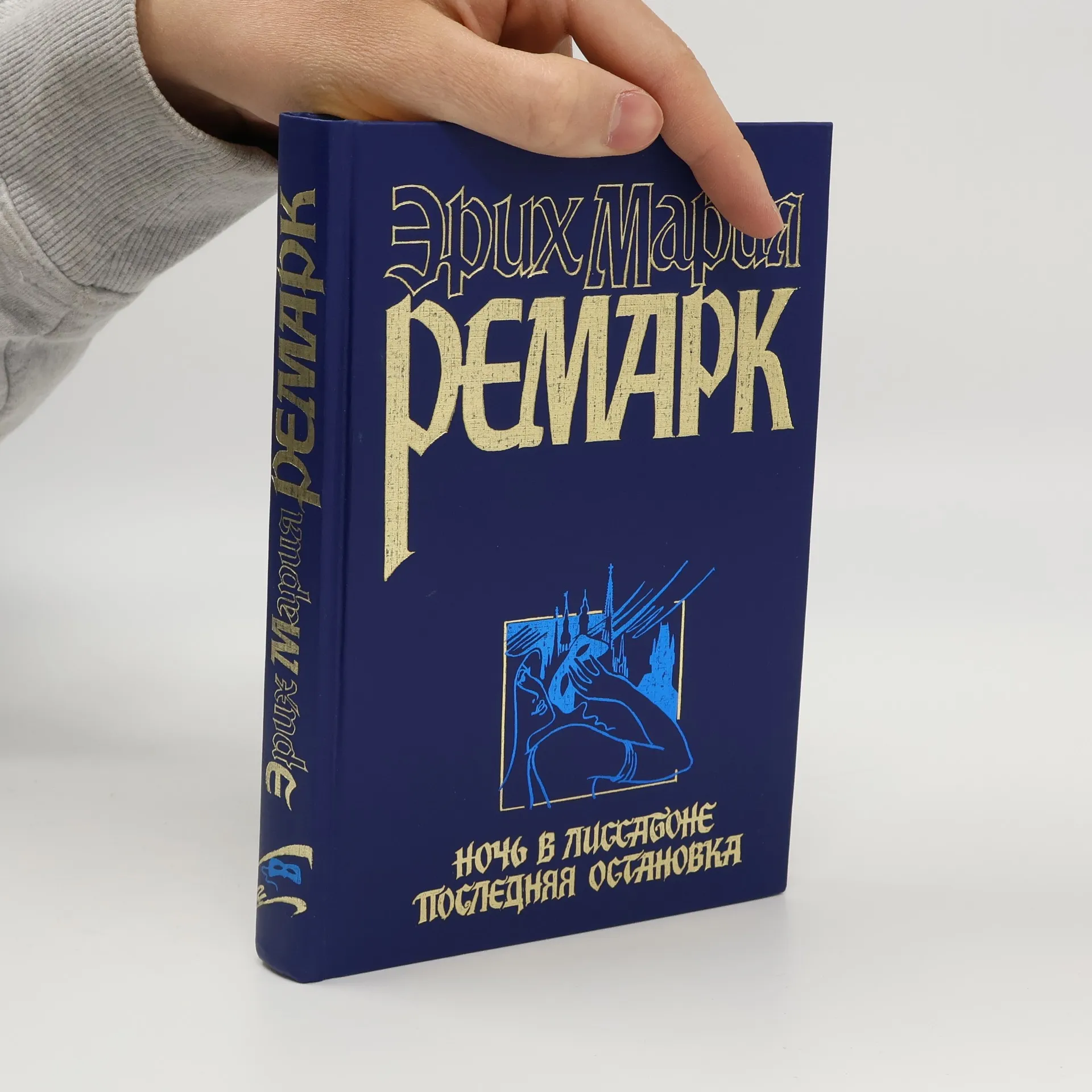
Ночь в Лиссабоне. Последняя остановка
- 416bladzijden
- 15 uur lezen
The Night in Lisbon. Full Circle Роман `Ночь в Лиссабоне` - еще одно обращение Э. М. Ремарка к близкой ему теме трагической судьбы эмигрантов из фашистской Германии. В книгу вошла также пьеса `Последняя остановка`.
Vojnový román Na západe nič nové, ktorý vyšiel v roku 1929, preslávil autora takpovediac za noc. V priebehu osemnástich mesiacov bol preložený do 25 jazykov a vyšiel v celkovom náklade 3,5 milióna výtlačkov. Jeho filmové spracovanie vyvolalo skutočný škandál: verejnosť bola šokovaná pravdivým, realistickým zobrazením vojny, ktorá zničila celú vtedajšiu mladú generáciu, pretože neodvratne predurčovala osudy – aj osud devätnásťročného Paula Bäumera a jeho šiestich spolužiakov, ktorí nasadzovali svoje životy v nezmyselných bojoch netušiac, že z hrozného vojnového besnenia pre nich už niet návratu.
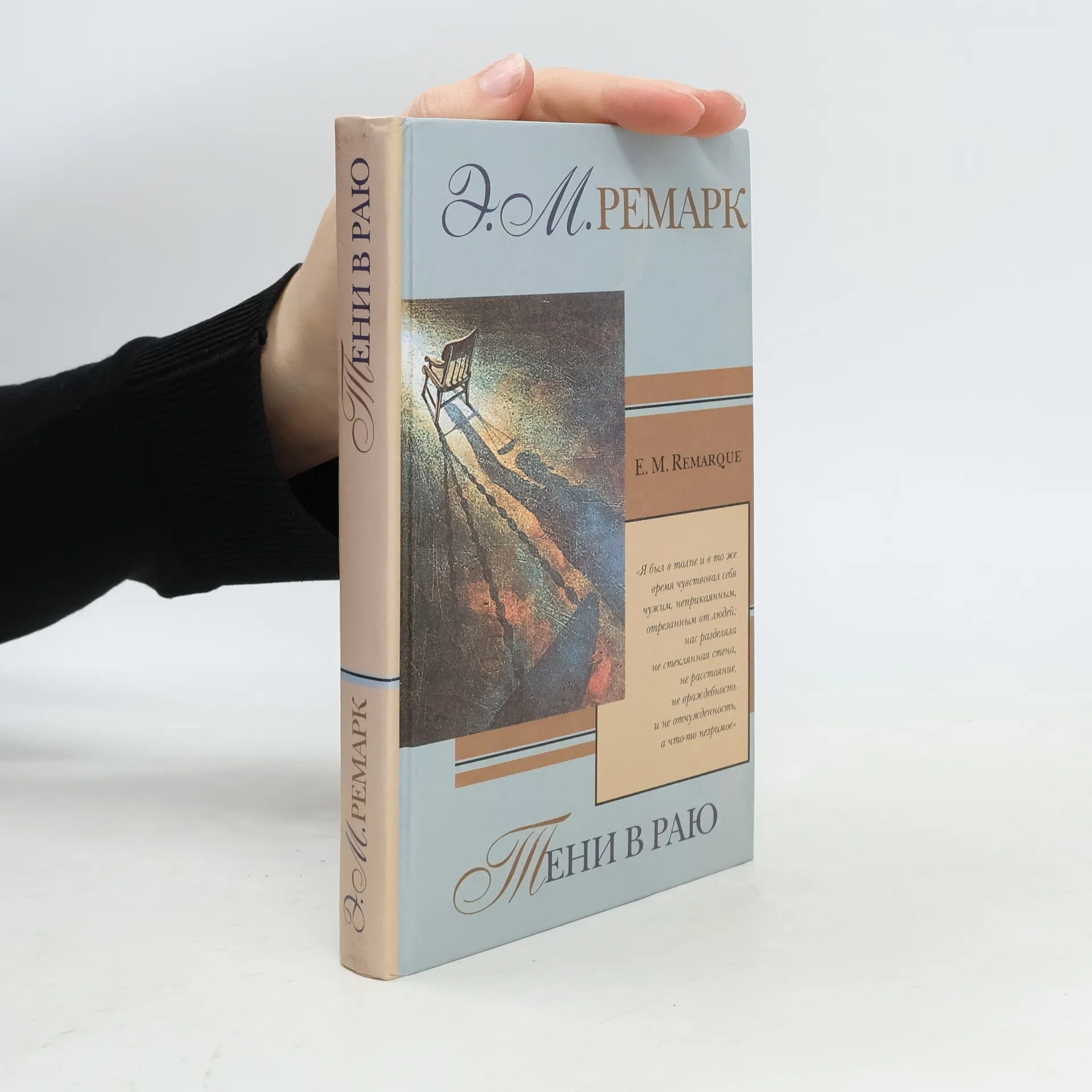
Тени в раю
- 380bladzijden
- 14 uur lezen
Shadows in Paradise Роман "Тени в раю", увидевший свет в 1971 году, уже после смерти Эриха Марии Ремарка, рассказывает о судьбе тех немецких эмигрантов времен Второй мировой войны, что сумели добраться до Земли Обетованной - Америки. Для некоторых Штаты стали новой родиной, но в большинстве своем изгнанники, опустошенные тревогой, страхом и тоской, так и не нашли в себе силы приспособиться к жизни в "раю"...
Das sensationelle Erfolgsbuch der deutschen Literatur, das die Schrecken des Krieges in zeitloser Gültigkeit einfängt, erscheint nun in einer erweiterten Ausgabe mit sechs zusätzlichen Kriegserzählungen. Erich Maria Remarques Roman wurde in 45 Sprachen übersetzt und erreichte bereits vier Jahre nach seinem Erscheinen im Jahr 1929 eine Auflage von eineinhalb Millionen Exemplaren. Der Autor wurde zu einer international gefeierten Persönlichkeit. 1933, während Remarque im Ausland lebte, wurde der Roman verboten, erlebte jedoch nach dem Zweiten Weltkrieg eine Renaissance, die bis heute anhält. Die Geschichte des Ersten Weltkriegs wird aus der Sicht eines einfachen Soldaten erzählt: Der neunzehnjährige Paul Bäumer kommt als ahnungsloser Kriegsfreiwilliger an die Front und erfährt statt der erwarteten Kriegsbegeisterung die Brutalität des Gemetzels und das sinnlose Sterben seiner Kameraden. Die besondere Qualität des Romans und der Erzählungen liegt in der Perspektive, die aus der Nachkriegszeit heraus die Verheerungen des Krieges in der Heimat und bei den Menschen thematisiert. Diese innere Erfahrung spiegelt den furchtbaren Widerspruch zwischen dem Überlebt-Haben und dem Innerlich-Zerstört-sein wider. Remarque formuliert treffend: „Ich dachte immer, jeder Mensch sei gegen den Krieg, bis ich herausfand, daß es welche gibt, die dafür sind, besonders die, die nicht hingehen müssen.“
Herbstfahrt eines Phantasten : Erzählungen und Essays
- 317bladzijden
- 12 uur lezen
Jetzt erstmals in einem Band – die wichtigsten Erzählungen und Essays von Erich Maria Remarque, darunter auch bislang unveröffentlichte Texte! Schriftsteller, Theater- und Drehbuchautor, »militanter« Pazifist, die Frauen und das Leben liebender Gentleman, Feind der Nationalsozialisten und Weltbürger wider Willen: Erich Maria Remarque ist einer der erfolgreichsten Schriftsteller des 20. Jahrhunderts, seine Romane sind einer breiten Leserschaft auf der ganzen Welt bekannt. Weniger bekannt, aber darum nicht minder facettenreich, sind die Erzählungen und Essays Remarques, von denen in diesem Band ein Querschnitt durch die gesamte Schaffenszeit des Autors vorgelegt wird. Remarques Kurzprosa ist ein bislang wenig beachteter Teil des Gesamtwerks, der die Themen der großen Romane zum Teil vorwegnimmt oder sie reflektiert. Hier steht Ironisches neben Pathetischem, Preziöses neben Lakonischem, Politisches neben Erotischem. Mit einem kenntnisreichen Nachwort und Erläuterungen des Herausgebers Thomas F. Schneider, zudem bereichert um zwei bisher noch nicht erschienene Erzählungen Remarques, gibt dieser Band einen Einblick in die Vielschichtigkeit und Widersprüchlichkeit des Menschen und Schriftstellers Erich Maria Remarque.
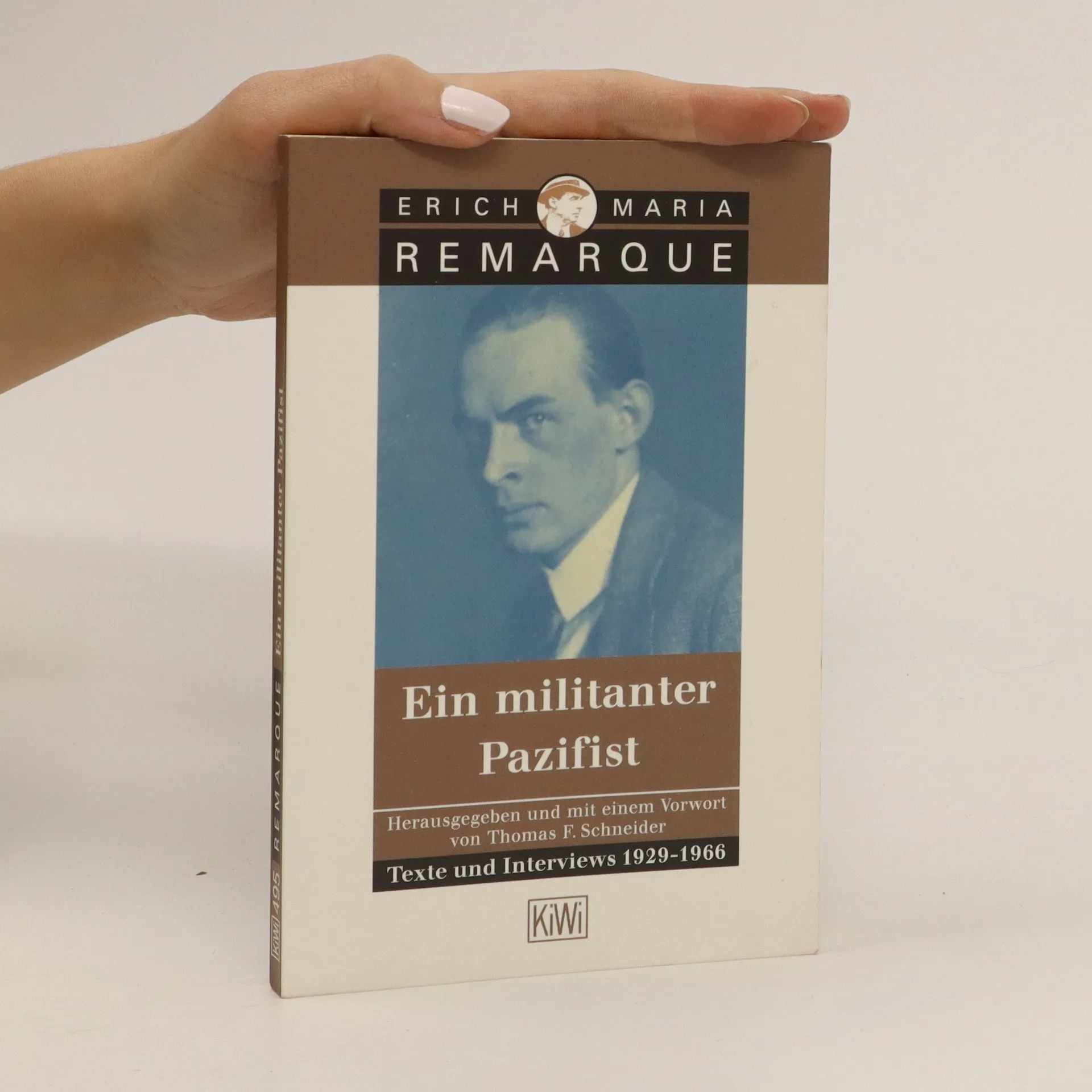
Ein militanter Pazifist
- 160bladzijden
- 6 uur lezen
Gedanken und Bekenntnisse eines unbequemen Autors, der sich zeitlebens gegen Krieg und Militarismus und für Menschlichkeit und Nächstenliebe engagierte. Die hier veröffentlichten Texte, Interviews, Anmerkungen zu eigenen Werken, Rezensionen und politische Aufsätze geben einen umfassenden Einblick in das Denken Remarques und sind zugleich Spiegel der Geschichte unseres Jahrhunderts.»Ich dachte immer jeder Mensch sei gegen den Krieg, bis ich herausfand, dass es welche gibt, die dafür sind, besonders die, die nicht hingehen müssen.«_ E. M. Remarque_
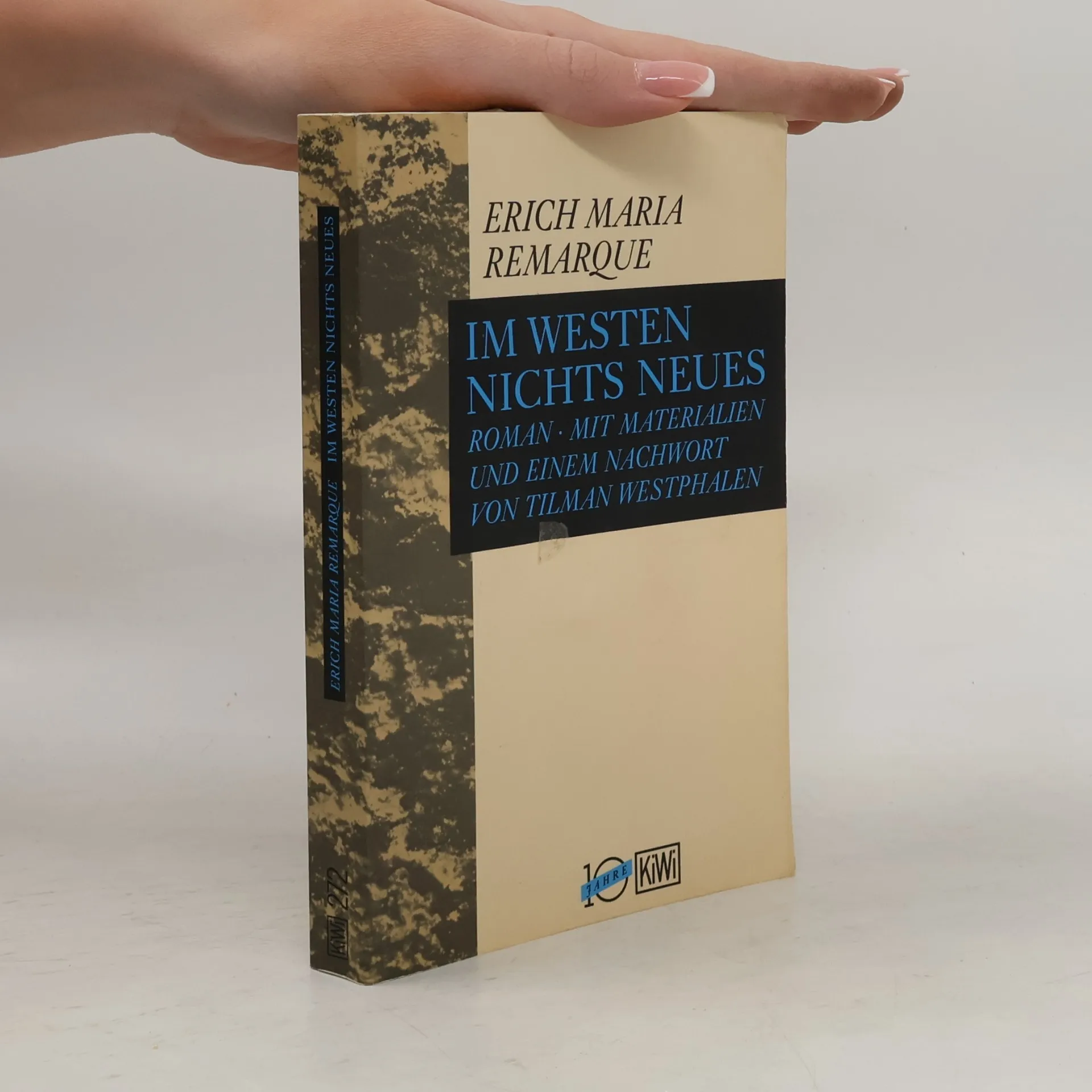
Im Westen nichts Neues: Roman mit Materialien und einem Nachwort von Tilman Westphalen
- 373bladzijden
- 14 uur lezen
Paul Bäumer tritt zusammen mit seinen Klassenkameraden in die Armee des 1. Weltkrieges ein. Jung und enthusiastisch werden sie Soldaten. Aber trotz ihrer Ausbildung, zerbrechen sie an dem ersten Bombardement in den Schützngräben. Während der Krieg Jahr um Jahr hinzieht, hält Paul an einem Schwur fest: gegen die Prinzipien des Hasses zu kämpfen, die junge Männer einer ganzen Generation, aber in unterschiedlichen Uniformen bedeutungslos gegeneinander ausspielen--sollte er jemals lebend den Krieg überstehen. "Dieses Buch ist so gerecht und unmgerecht, wie ein Kriegsbuch sein muß, gerecht gegen die Opfer, ungerecht gegen die Treiber, die über Millionen Leichen sich Denkmale setzen. Diese Buch ist Wirklichkeit und Vision. Es zeichnet nicht nur äußere Handlung und äußere Dinge. Was in den Menschen vorgeht und wie es in ihnen vorgeht, warum Menschen sterben und wie sie sterben, das spüren wir hier... Der Kriegstag ist so in seinem Ablauf, seinen Pausen, seinen simplen Funktionen, seinen Lichtern und Spiegelungen aufgefangen, daß die umfassende dichterische Idee da ist, ohne gesetzt zu sein als Atmosphäre, spürbar in jeder Zeile.
Obraz nemeckých emigrantov, ktorí za nacizmu a počas druhej svetovej vojny hľadali útočisko v iných krajinách. Tentoraz je to Amerika, vlastne mesto New York, kde hŕstka bezdomovcov zápasí nielen o miesto v živote, ale daktorí aj o holý život, kde ľudia utekajú nielen pred nacistickým prenasledovaním, ale aj za vidinou raja. Je to defilé postáv, ktoré trpie nostalgiou, zápasia s minulosťou a prítomnosťou, milujú sa a nenávidia.
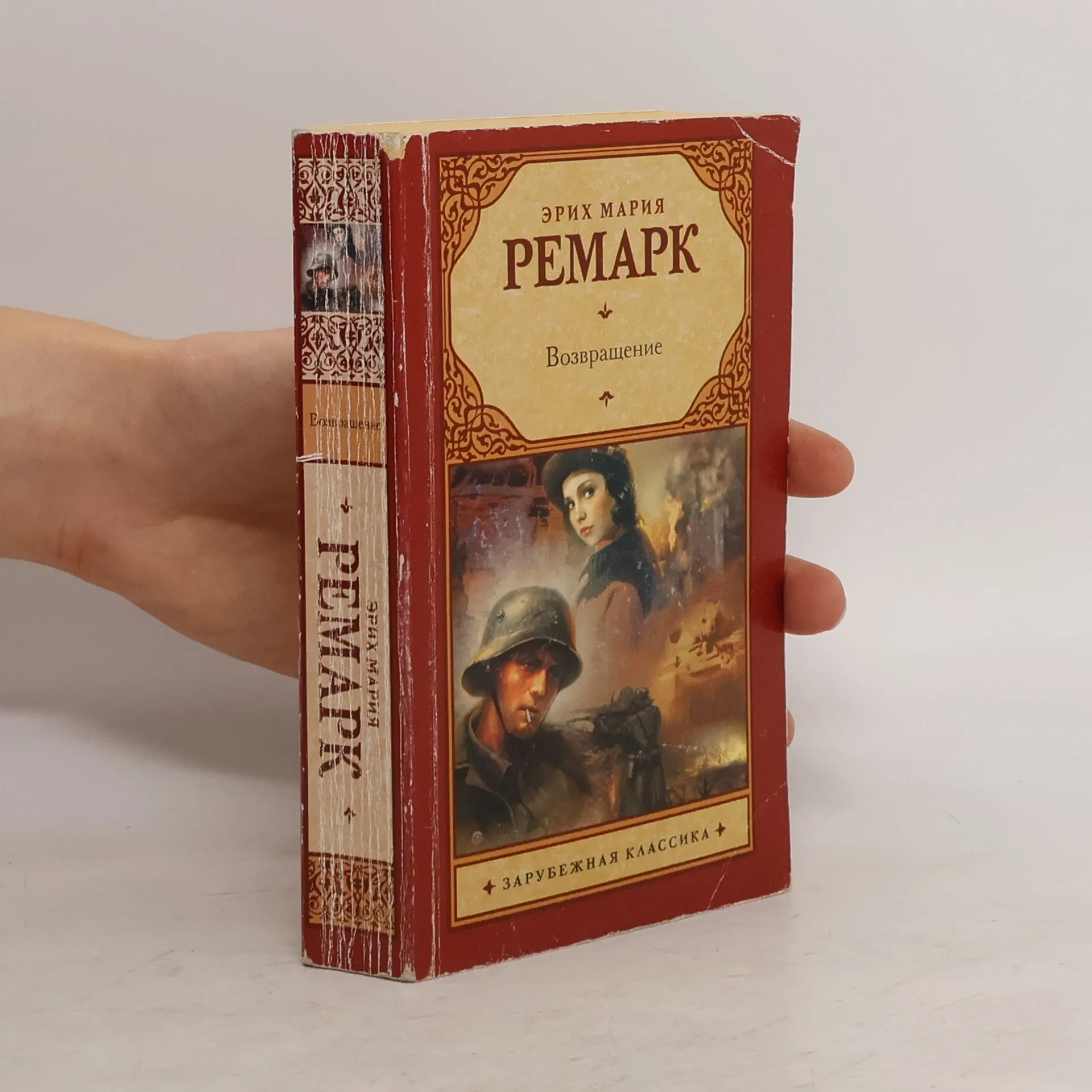
Возвращение
- 379bladzijden
- 14 uur lezen
Старая песня: "Когда ты вернешься домой, солдат..." И что тогда? А тогда - страна в развалинах. А тогда - нищета, кризис, отчаяние одних - и исступленное, истерическое веселье других. И каждый сам за себя. Каждый выживает в одиночку
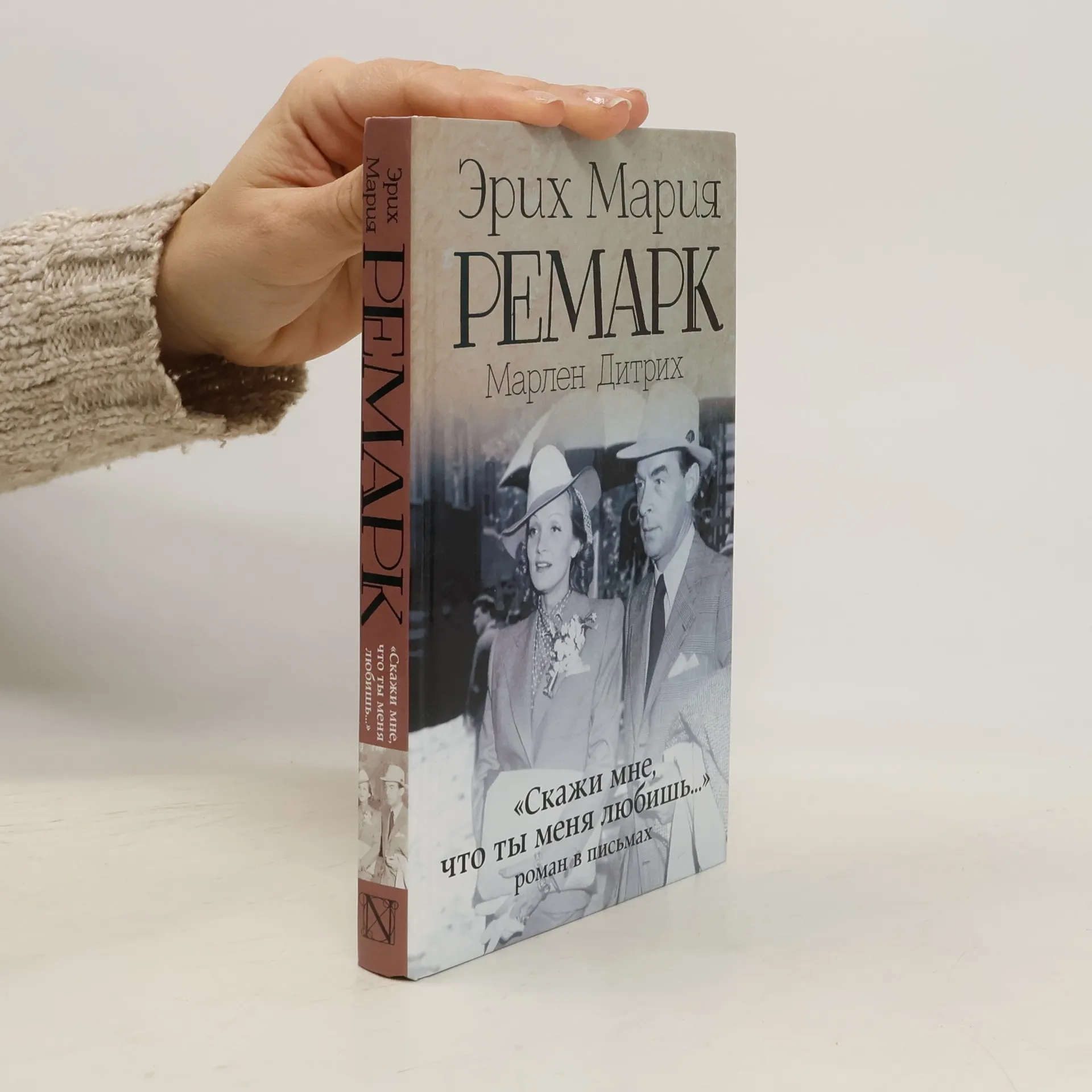
История романа самого прославленного певца «потерянного поколения» Эриха Марии Ремарка — и самой знаменитой «фам фаталь» кинематографа Марлен Дитрих, поведанная ими самими — в письмах, которые они писали друг другу. Их отношения не были простыми. В них вспышки страсти и нежности слишком часто смеялись с непониманием, ревностью, недоверием и даже враждой. Их отношения были и необходимы, и мучительны как для Дитрих, так и для Ремарка. Они должны были закончиться плохо — и закончились плохо. Но сейчас, читая письма великого писателя и гениальной актрисы, мы невольно пытаемся понять: а могло ли случиться по-другому?..
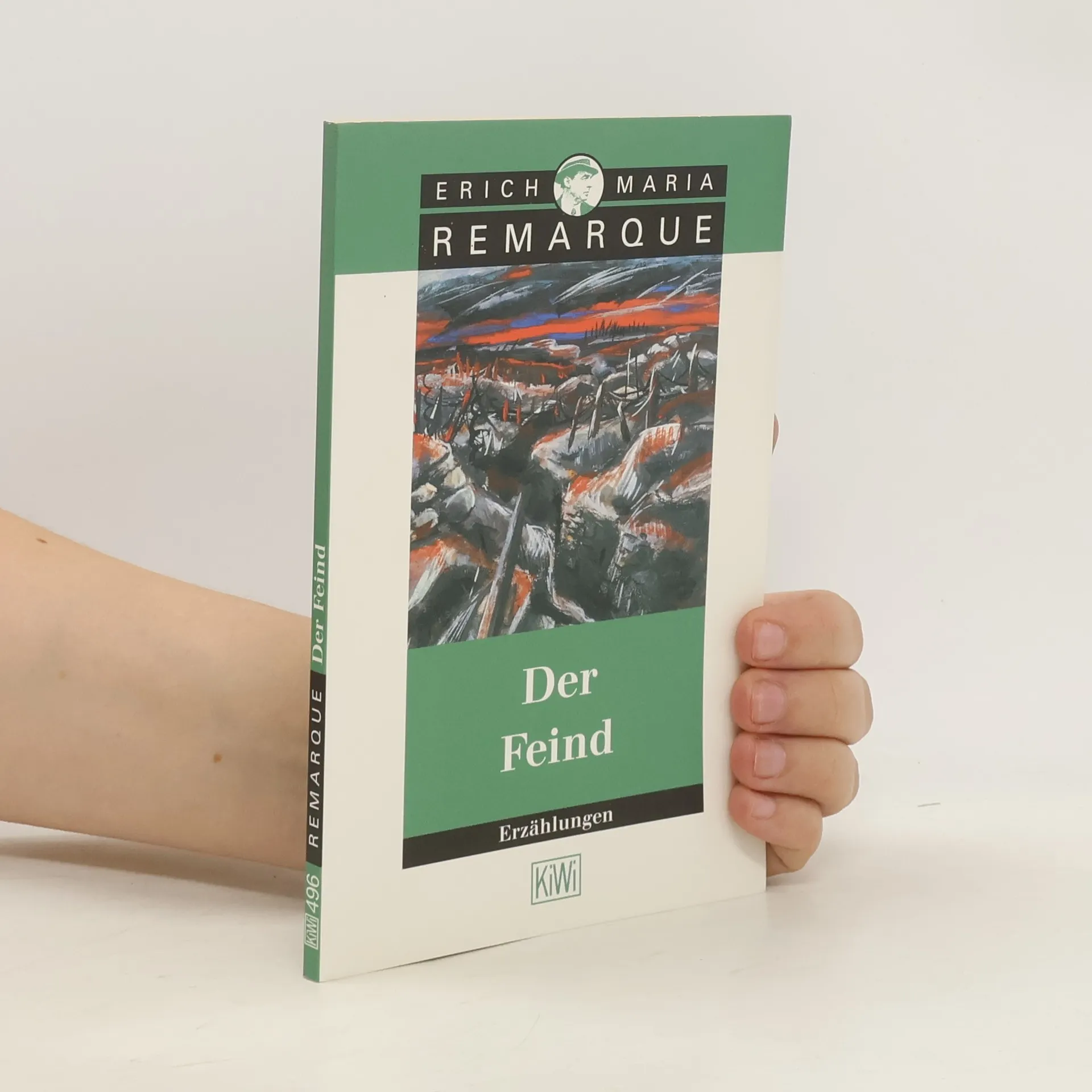
Der Feind
- 76bladzijden
- 3 uur lezen
Mehr als 60 Jahre nach ihrem ersten Erscheinen in der amerikanischen Zeitschrift Collier`s Weekly (1930/31) sind diese Erzählungen Remarques für den deutschen Leser eine Novität. Sie entstanden in der Nachfolge seines Romans "Im Westen nichts Neues" und berühren die gleiche Frage: Was wird aus den Menschen, die den Krieg erlebt haben?
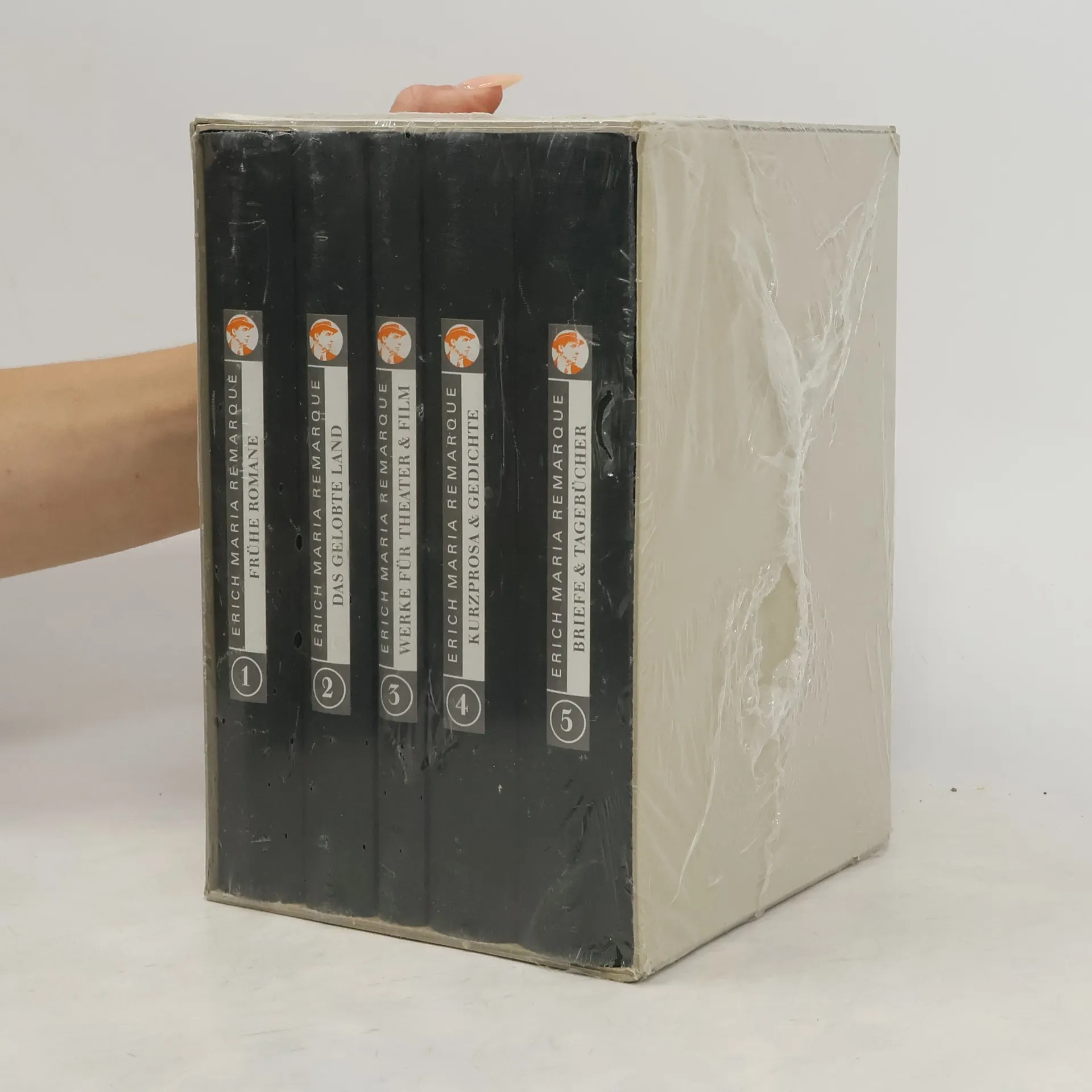
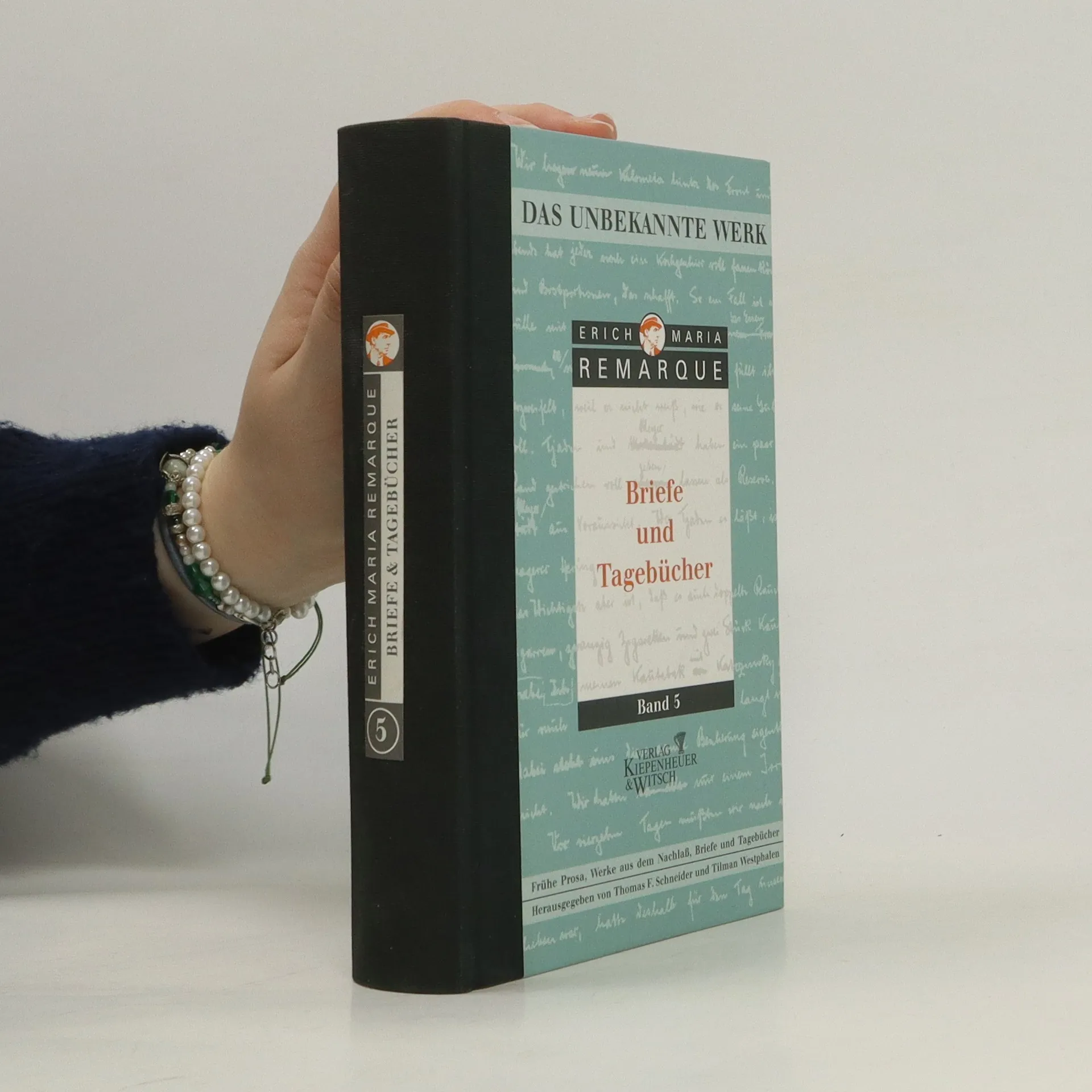
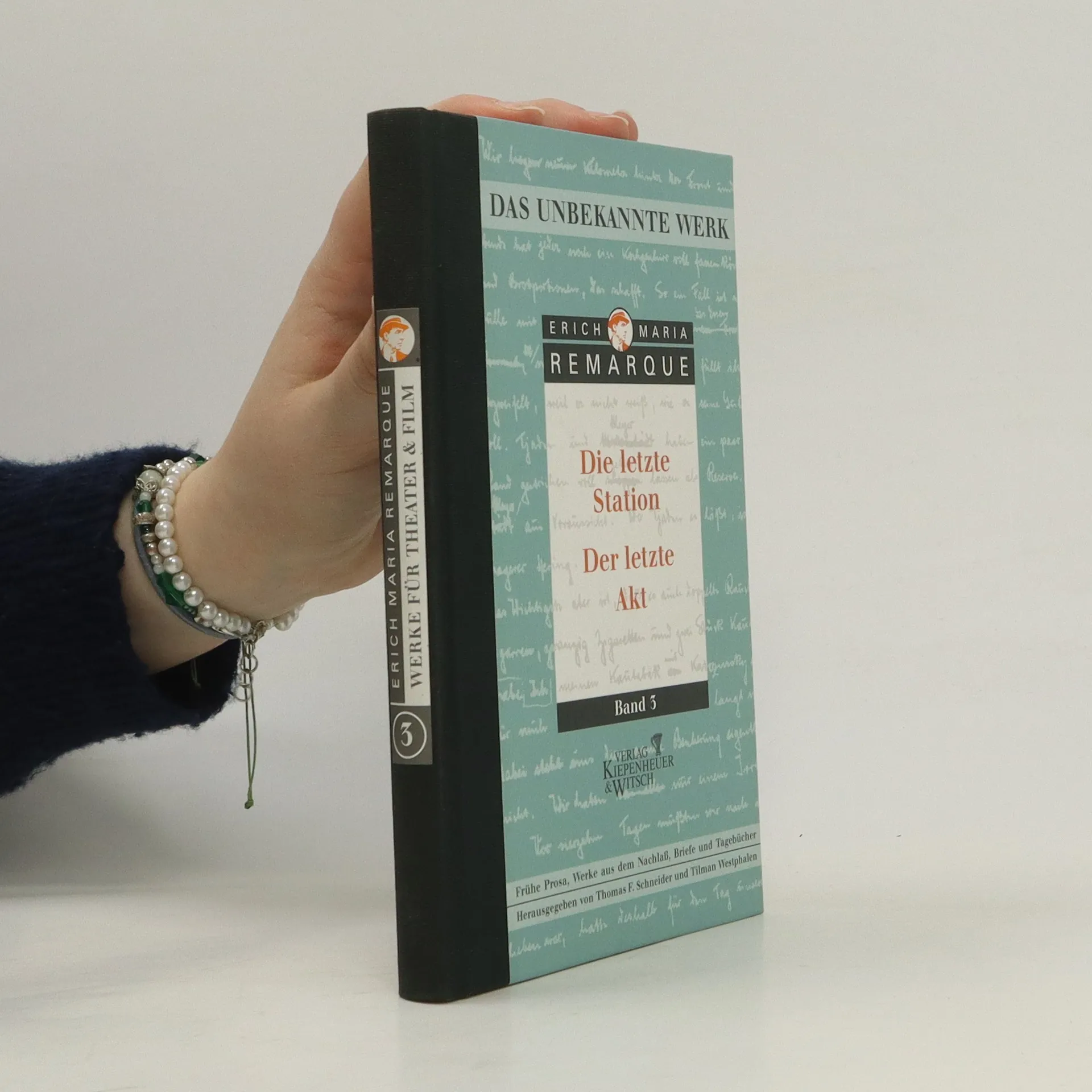
Die fünfbändige Ausgabe mit Werken Erich Maria Remarques enthält frühe Romane, Kurzprosa und Gedichte, die zweite, aber Fragment gebliebene Fassung von Remarques letztem Roman, ein Theaterstück und ein Drehbuch, schließlich ausgewählte Briefe und Tagebücher. Sorgfältig ediert, kommentiert und mit Nachworten versehen, gibt sie den Remarque-Lesern die Chance, ihr Bild von diesem Autor zu erweitern und zu verändern.
Die fünfbändige Ausgabe mit Werken Erich Maria Remarques enthält frühe Romane, Kurzprosa und Gedichte, die zweite, aber Fragment gebliebene Fassung von Remarques letztem Roman, ein Theaterstück und ein Drehbuch, schließlich ausgewählte Briefe und Tagebücher. Sorgfältig ediert, kommentiert und mit Nachworten versehen, gibt sie den Remarque-Lesern die Chance, ihr Bild von diesem Autor zu erweitern und zu verändern.
Die Traumbude. Gam. Station am Horizont
- 2582bladzijden
- 91 uur lezen
Frühe Prosa, Werke aus dem Nachlaß, Briefe und Tagebücher.
Die fünfbändige Ausgabe mit Werken Erich Maria Remarques enthält frühe Romane, Kurzprosa und Gedichte, die zweite, aber Fragment gebliebene Fassung von Remarques letztem Roman, ein Theaterstück und ein Drehbuch, schließlich ausgewählte Briefe und Tagebücher. Sorgfältig ediert, kommentiert und mit Nachworten versehen, gibt sie den Remarque-Lesern die Chance, ihr Bild von diesem Autor zu erweitern und zu verändern.
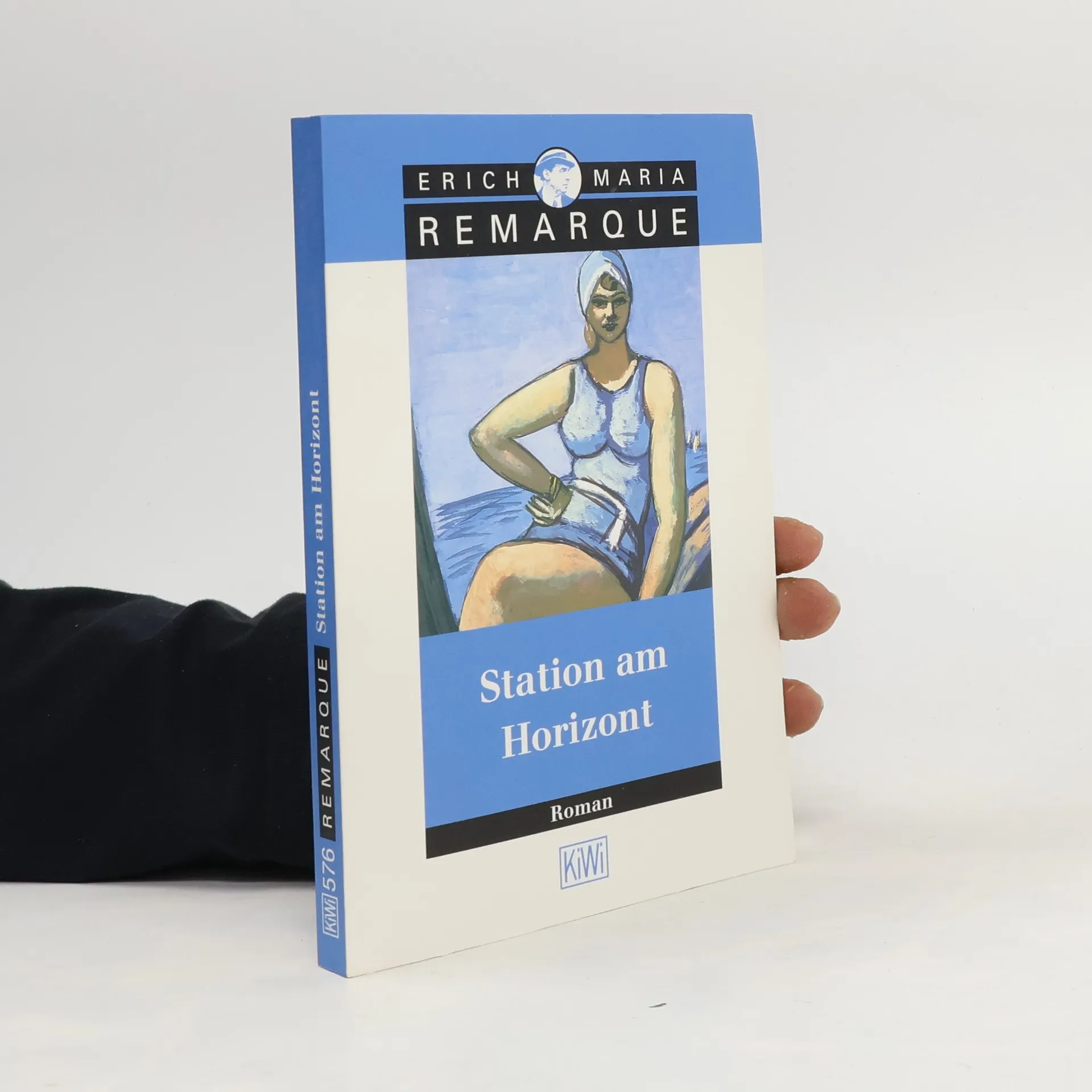
Station am Horizont
- 229bladzijden
- 9 uur lezen
Der schönste Roman aus dem Frühwerk Remarques – jetzt in KiWi Station am Horizont ist der schönste der frühen Romane Erich Maria Remarques, der viele Querverbindungen zu späteren Werken aufweist; in der Verknüpfung von Liebesgeschichte, mondänem Gesellschaftsleben, Autorennen und exquisiten Dialogen vor allem zu_ Der Himmel_ kennt keine Günstlinge. Es ist die Geschichte von dem Lebemann und Rennfahrer Kai, von Männerfreundschaft und Rivalität, von drei Frauen, von Ruhelosigkeit und Exzess in einer trägen, verwöhnten Gesellschaft. Ein schwungvoll geschriebener, atmosphärischer Roman und eine Entdeckung für jeden Remarque-Freund! Die Herausgeber:* Prof. Dr. Tilman Westphalen,* Leiter des Remarque-Zentrum, Erich Maria Remarque – Archiv/Forschungsstelle Krieg und Literatur an der Universität Osnabrück. Seit 1987 Herausgeber der Neuausgaben der Romane Erich Maria Remarques bei Kiepenheuer & Witsch. Dr. Thomas Schneider, stellvertretender Leiter des Remarque-Zentrums. Zahlreiche Publikationen zur Kriegs- und Antikriegsliteratur im 20. Jahrhundert, zur Exilliteratur und zu Erich Maria Remarque, darunter Herausgabe der Bände Der Feind, Erzählungen und Das unbekannte Werk, 5 Bd. Frühe Prosa, Werke aus dem Nachlass, Briefe und Tagebücher. bei Kiepenheuer & Witsch.
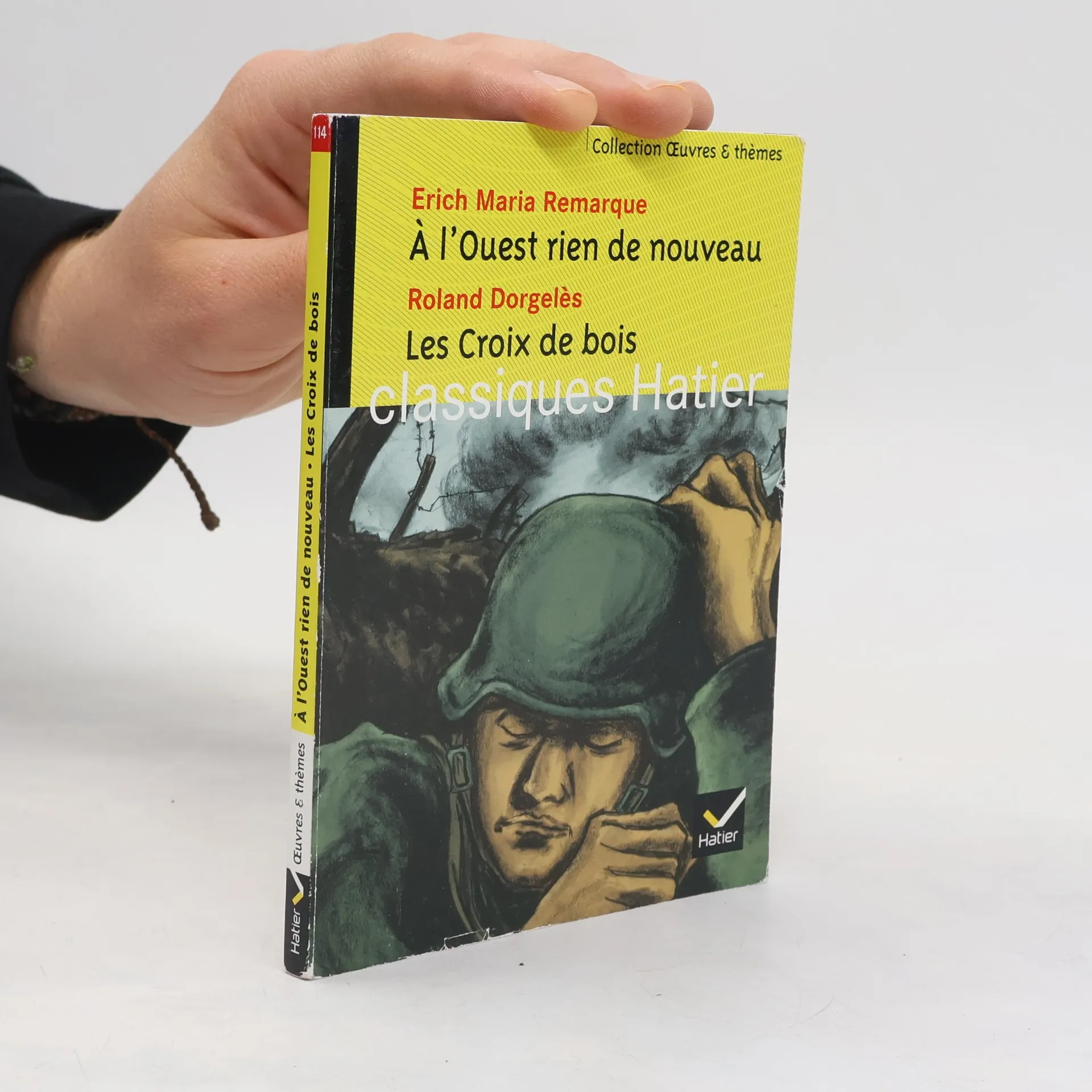
Quand le mot "ennemi" devient vide de sens et que la blessure, synonyme de retour l'arrire, devient un salut...Une plonge vertigineuse dans les tranches de 1914-1918, qui permet de toucher du doigt l'horreur de la guerre aux cts des Poilus. Deux vibrants cris pacifistes.L’dition Oeuvres & thmesType : Oeuvre en extraitsL’appareil pdagogique comprend :- des repres sur le contexte et les genres- un questionnaire pour chaque texte, avec des petites leons sur les notions en jeu- des textes chos, pour construire une culture littraire
Zum Abschluss der großen Remarque-Edition: seine frühen Romane. Die Geburt eines großen Erzählers! In seiner Dachgeschosswohnung empfängt der Maler und Dichter Fritz Schramm junge Menschen mit künstlerischen Ambitionen. Zwischen ihm und dem Musikstudenten Ernst Winter entwickelt sich eine Freundschaft, die auf die Probe gestellt wird, als Ernst sich in die Opernsängerin Lanna verliebt. Remarques Romandebüt: ein berührendes Porträt des Künstlers als junger Mann und der Beginn einer großen Schriftsteller-Existenz.
Kútik snov / Gam
- 350bladzijden
- 13 uur lezen
V silne autobiografickom Kútiku snov autor rozpáva melancholicko-úsmevný príbeh o maliarovi Fritzovi Schrammovi, ktorému nenaplnená láska k milovanej Lu vzala životný elán a jedinou útechou mu je okrem maľovania a písania básní krúžok mladých ľudí, ktorých podporuje a najmä duchovne formuje. Títo mladí muži a dievčatá sa schádzajú v jeho podkrovnom byte, diskutujú, prednášajú básne a spievajú. A keď ich ťažko chorý učiteľ a priateľ v mladom veku opúšťa, sú dokonale vyzbrojení do života, lebo strýko Fritz im ukázal správny smer. Hlavná hrdinka rovnomenného románu Gam je mladá emancipovaná žena, ktorá si hľadá cestu v živote a k sebe. Na dlhej dobrodružnej ceste viacerými exotickými krajinami ako Egypt, Čína, Siam-dnešné Thajsko ju sprevádza vždy iný muž, s ktorým sa napokon vždy rozchádza, lebo nespĺňa jej vysoké nároky. Autor vpletá do románového deja filozofické úvahy a pomocou exotickej kulisy príbehu dodáva osobité čaro.
Gam
Roman
Zum Abschluss der großen Remarque-Edition: seine frühen Romane. Die Geburt eines großen Erzählers! Gam ist jung und schön, aber rastlos. Auf der Suche nach sich selbst durchstreift sie vier Kontinente und reiht Affäre an Affäre, doch erst als ihr Liebhaber Lavalette stirbt, erkennt sie, dass sie sich nur allein finden kann. »Gam« ist der einzige Roman Remarques mit einer weiblichen Hauptfigur. Erst 1998 aus dem Nachlass publiziert, liegt er zum ersten Mal als Einzelausgabe vor.
Черный обелиск 2
- 302bladzijden
- 11 uur lezen
Heute ich, morgen du
- 208bladzijden
- 8 uur lezen
Скажи мне, что ты меня любишь (Skaži mne, čto ty menja ljubiš)
- 285bladzijden
- 10 uur lezen
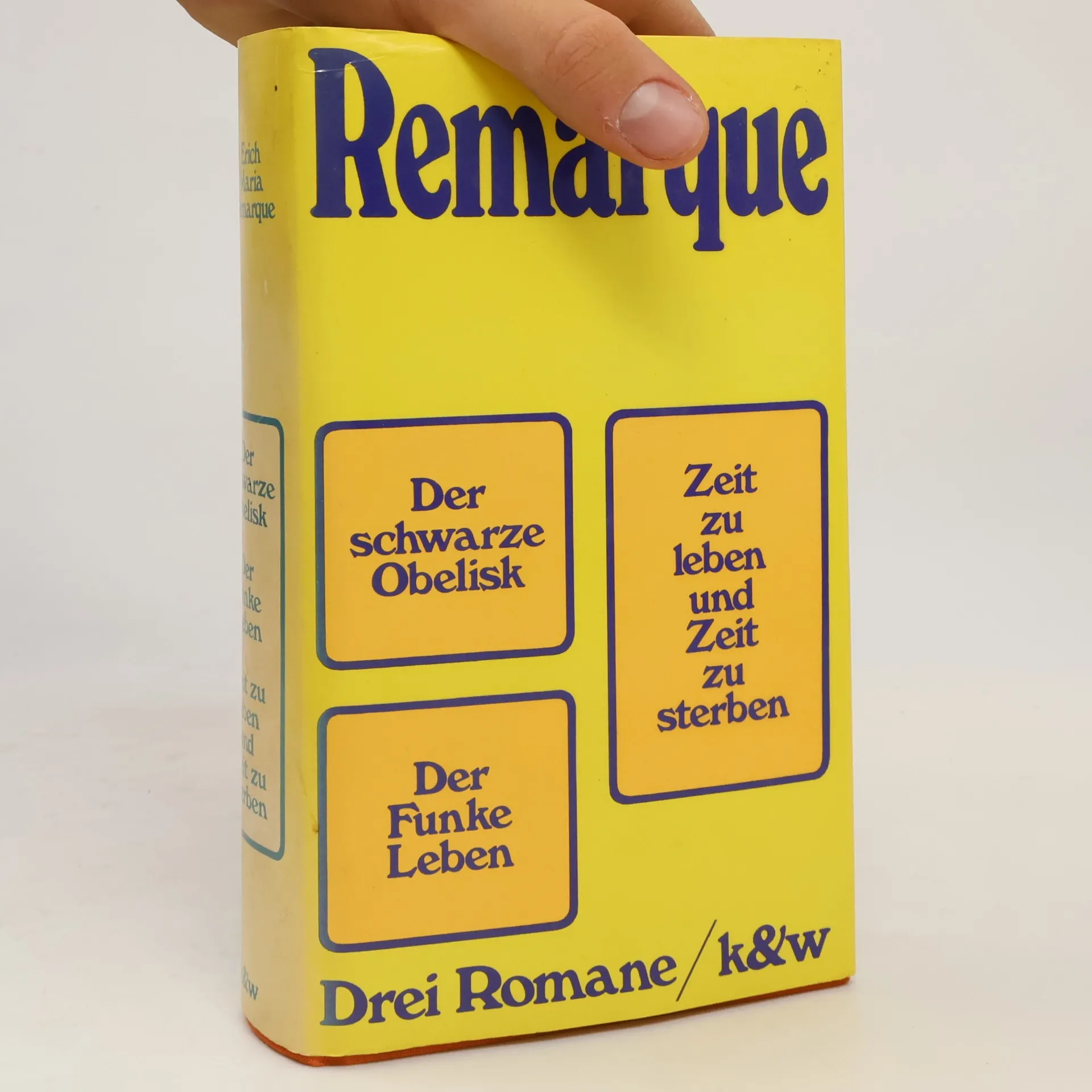
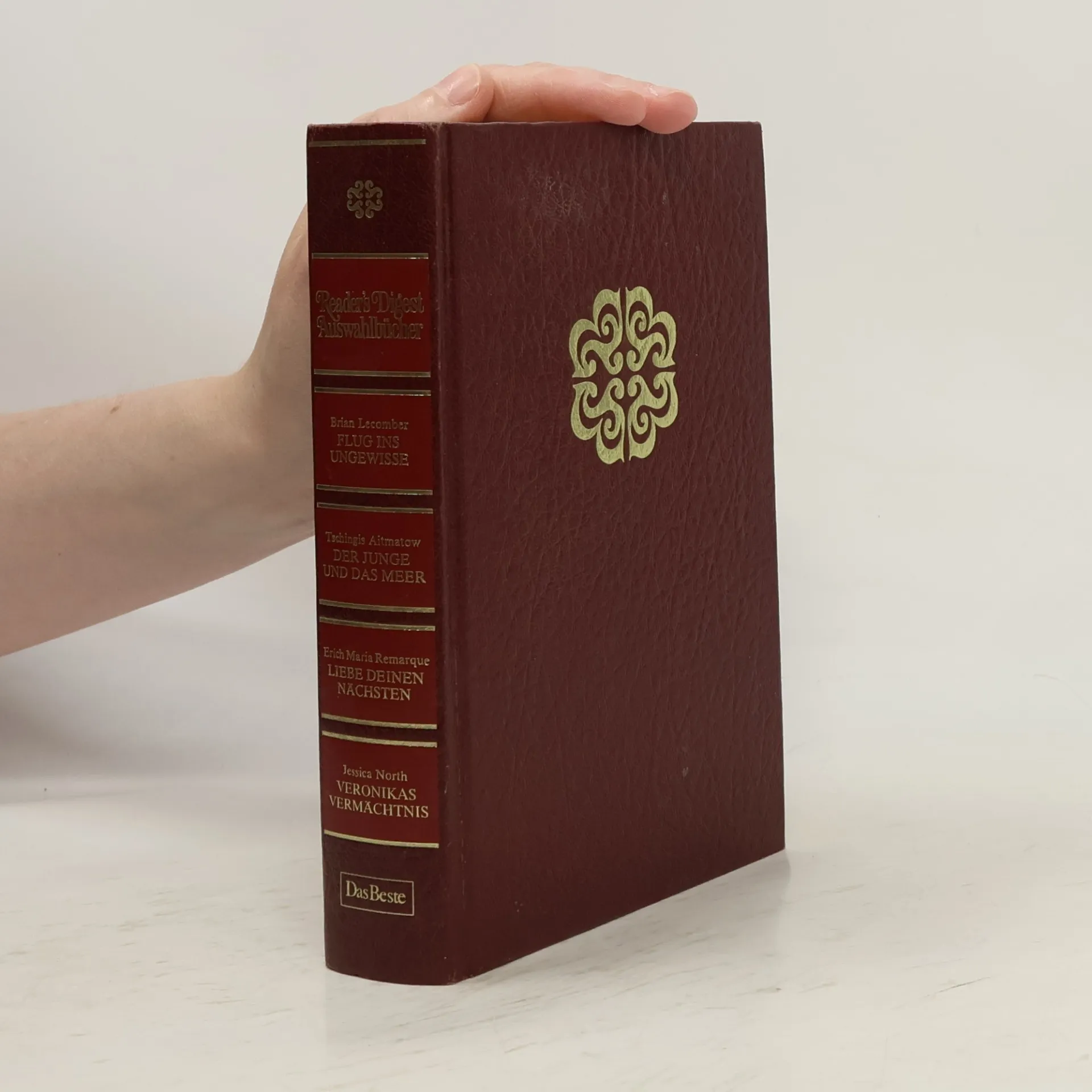
Flug ins Ungewisse/Der Junge und das Meer/Liebe deinen Nächsten/Veronikas Vermächtnis - bk502; Verlag "Das Beste"; Brian Lecomber/Tschingis Aitmatow/Erich Maria Remarque/Jessica North; Paperback; 1980