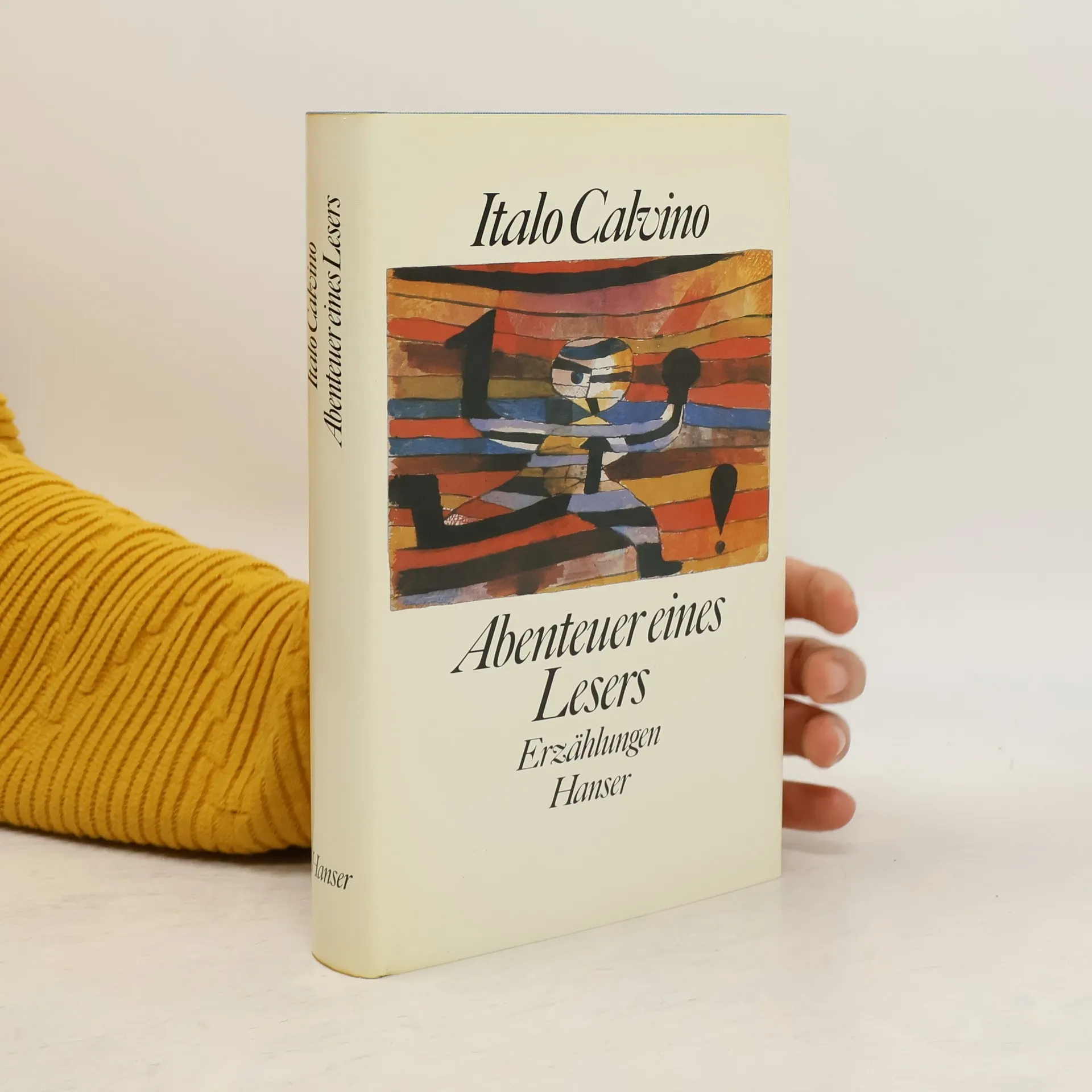
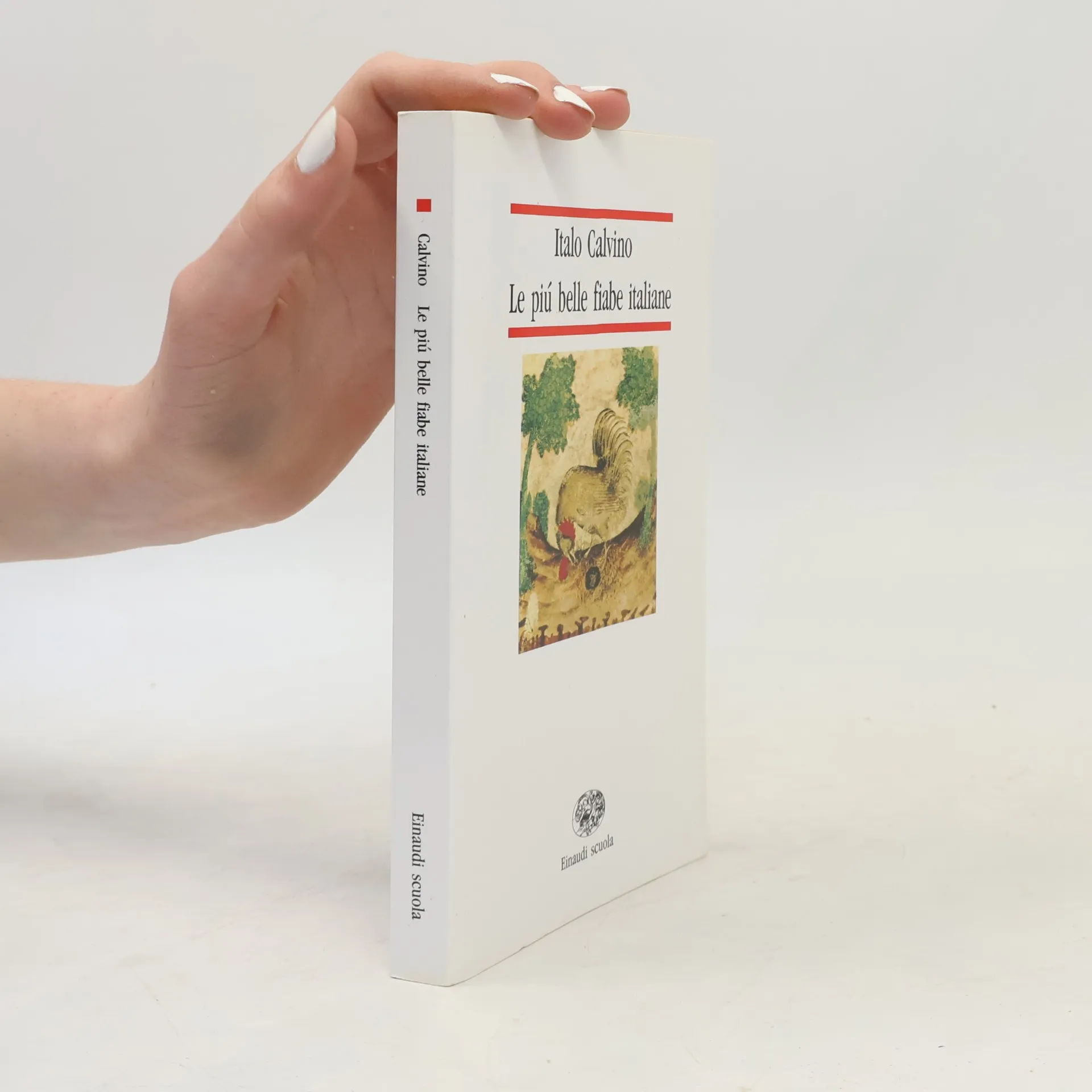
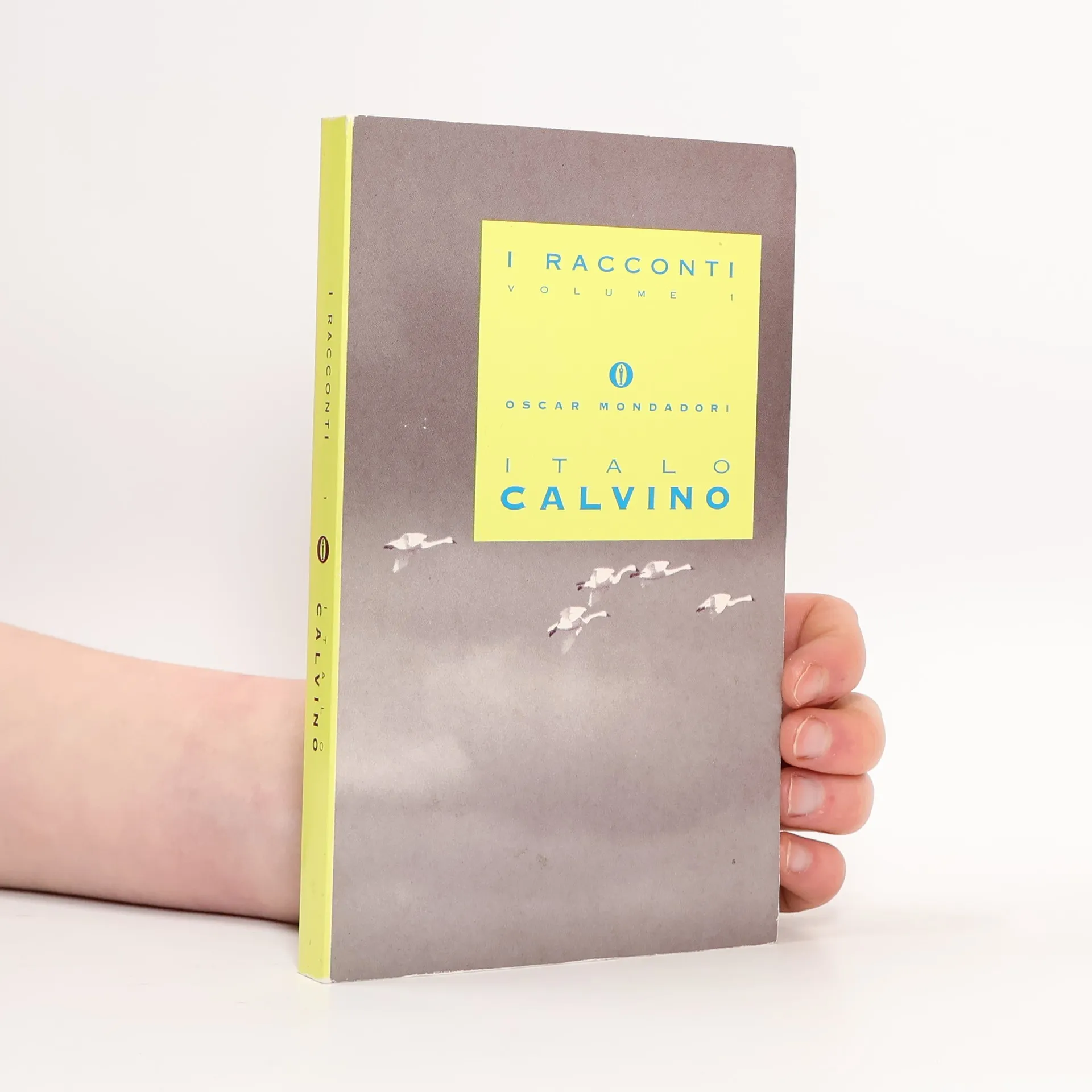
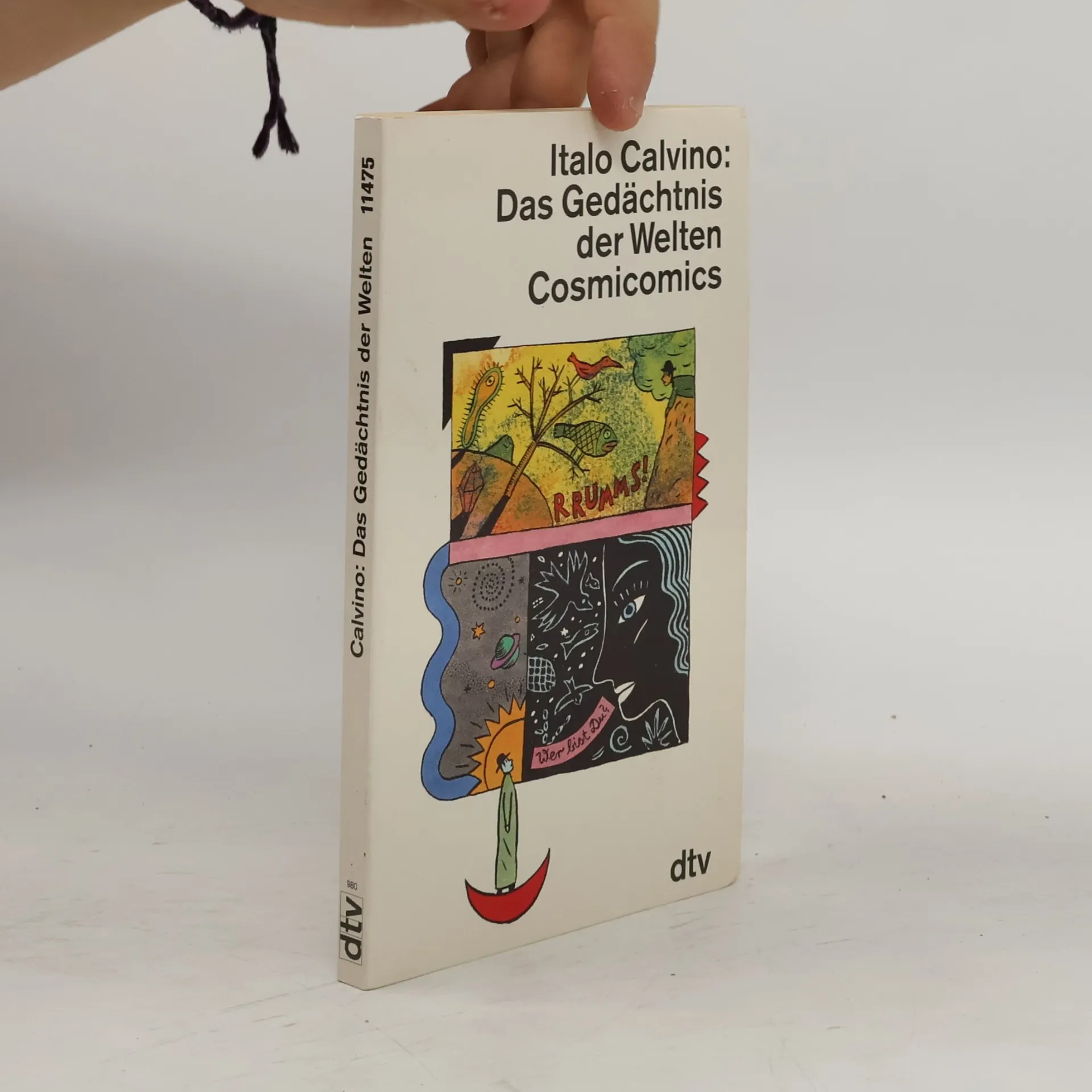
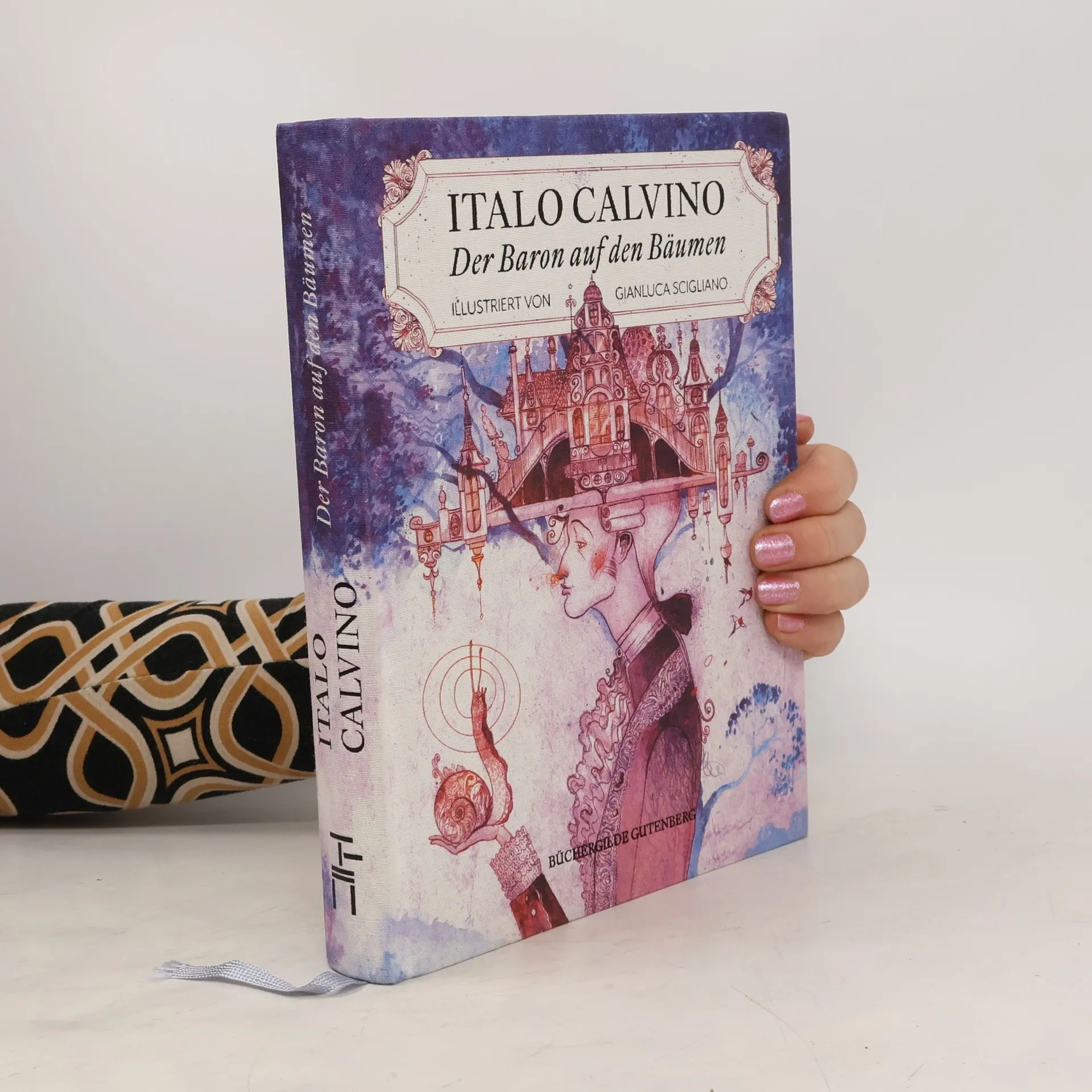
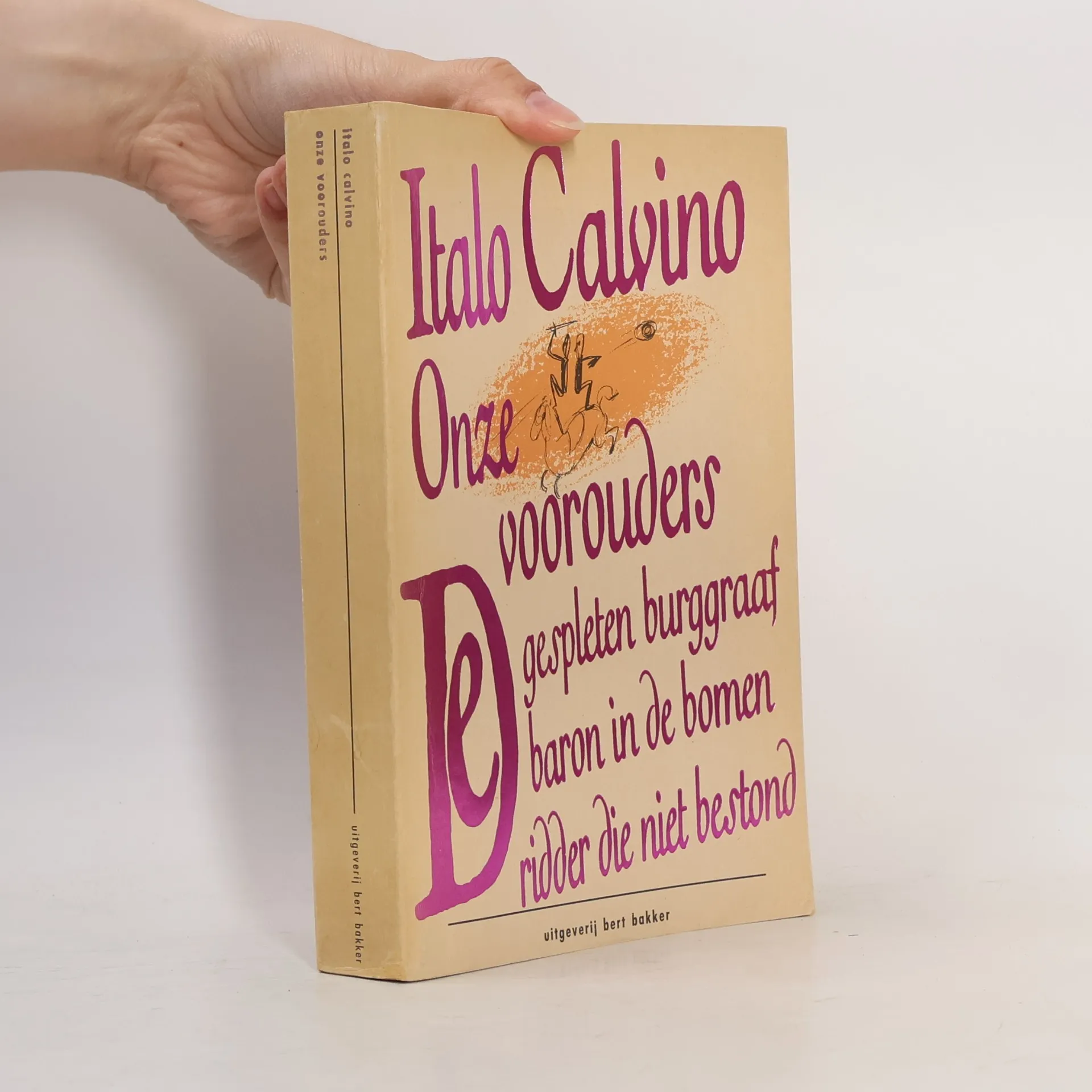
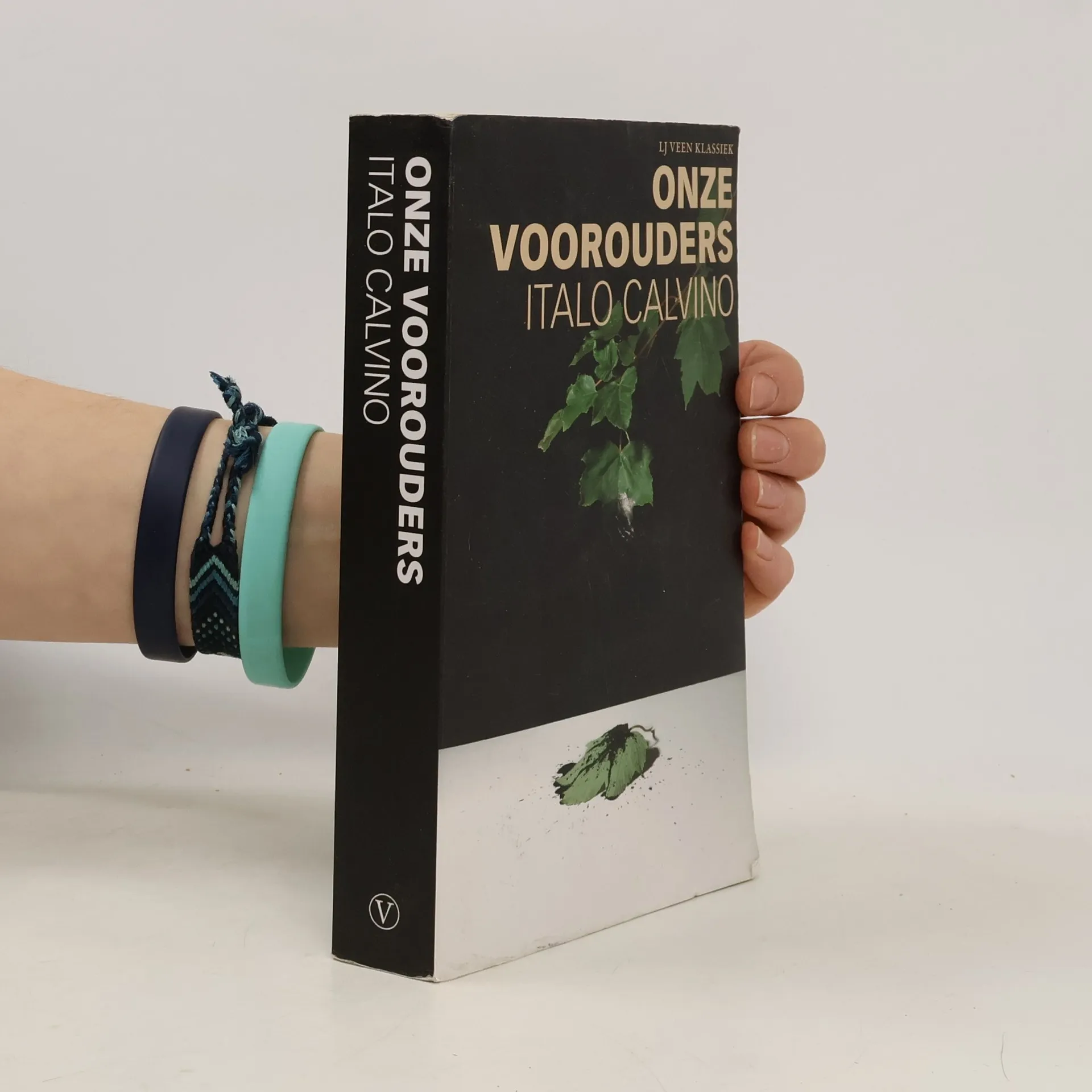
LJ Veen Klassiek - 1: Onze voorouders
- 464bladzijden
- 17 uur lezen
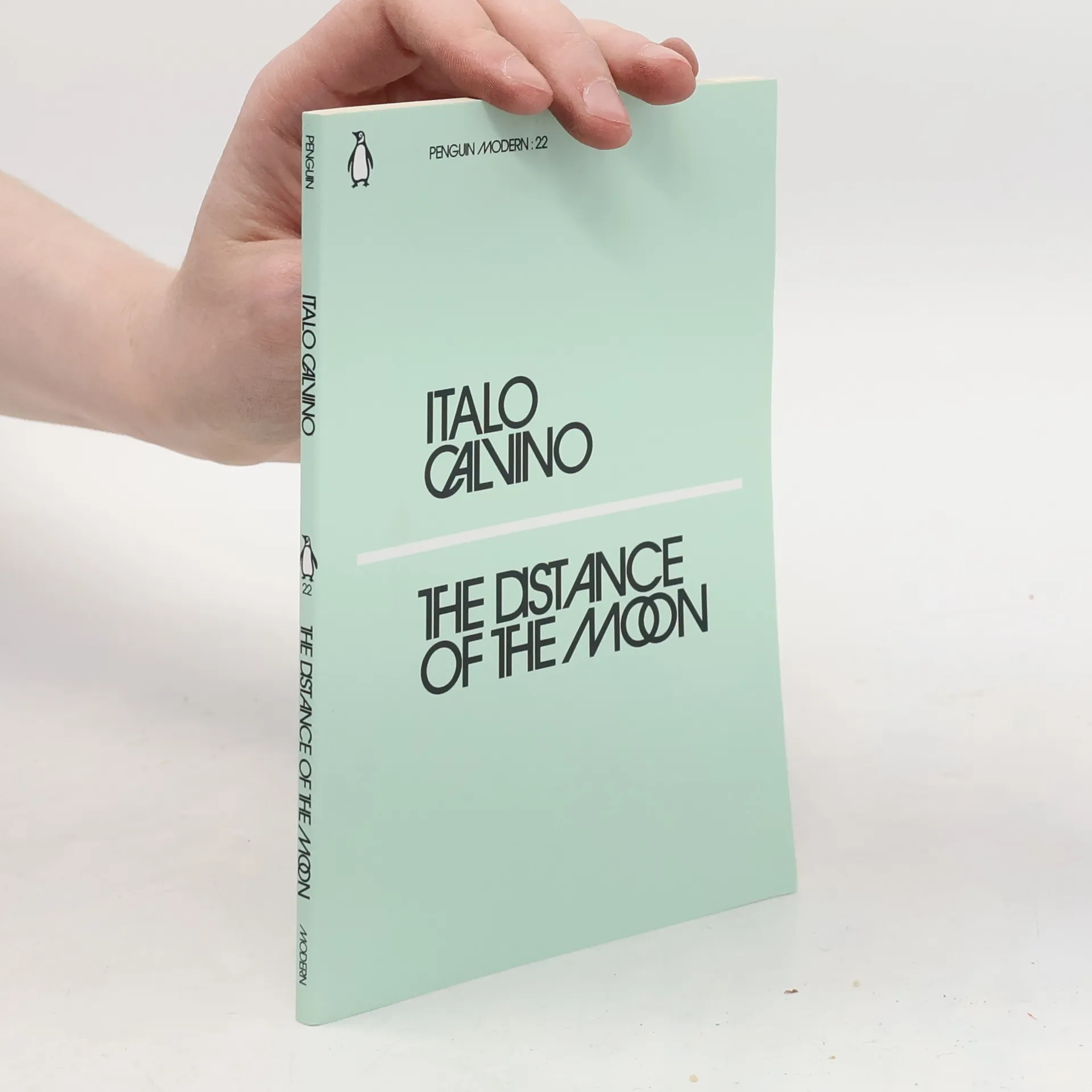
Absurde verhalen over gefingeerde historische figuren.


Het werk van Italo Calvino onttrekt zich aan gemakkelijke categorisering, waarbij het vaak fantastische sprookjes combineert met scherp, observerend realisme. Hij onderzocht de structuur van verhalen en taal zelf, en streefde ernaar, zoals hij het zelf uitdrukte, 'gewicht af te trekken'. Deze bewuste lichtheid, toegepast op zowel personages, steden als verhalen, creëert een unieke literaire ervaring. Lezers zullen zijn fantasierijke aanpak en filosofische diepgang overtuigend vinden.


Absurde verhalen over gefingeerde historische figuren.
De gespleten burggraaf, baron in de bomen, ridder die niet bestond - Goedkope grijze edities
Inhoud: De gespleten burggraaf , De baron in de bomen , De ridder die niet bestond . Burggraaf Medardo wordt doormidden gekliefd door een Turkse kanonskogel, zijn twee helften leven onafhankelijk van elkaar voort. Baron Cosimo klimt als twaalfjarige in de bomen om er nooit meer uit te komen en vanuit die veilige positie bekijkt hij de wereld. Agilulf - ridder aan het hof van Karel de Grote - is onoverwinnelijk, maar achter zijn vizier gaapt het niets... Rond ieder van deze merkwaardige personages weeft Calvino een fantastisch verhaal - geplaatst in een historische context, maar met een tijdloze sfeer. De drie verhalen kunnen op verschillende niveaus gelezen worden: als een allegorie over de toestand van de mensheid bijvoorbeeld, of als een symbolische stamboom van de hedendaagse mens. De scherpzinnige humor, de schitterende vondsten, kortom het sprankelende talent van een geboren verteller vormen echter de grootste charme van Onze voorouders , een klassieke drieluik, het meesterwerk van Calvino.
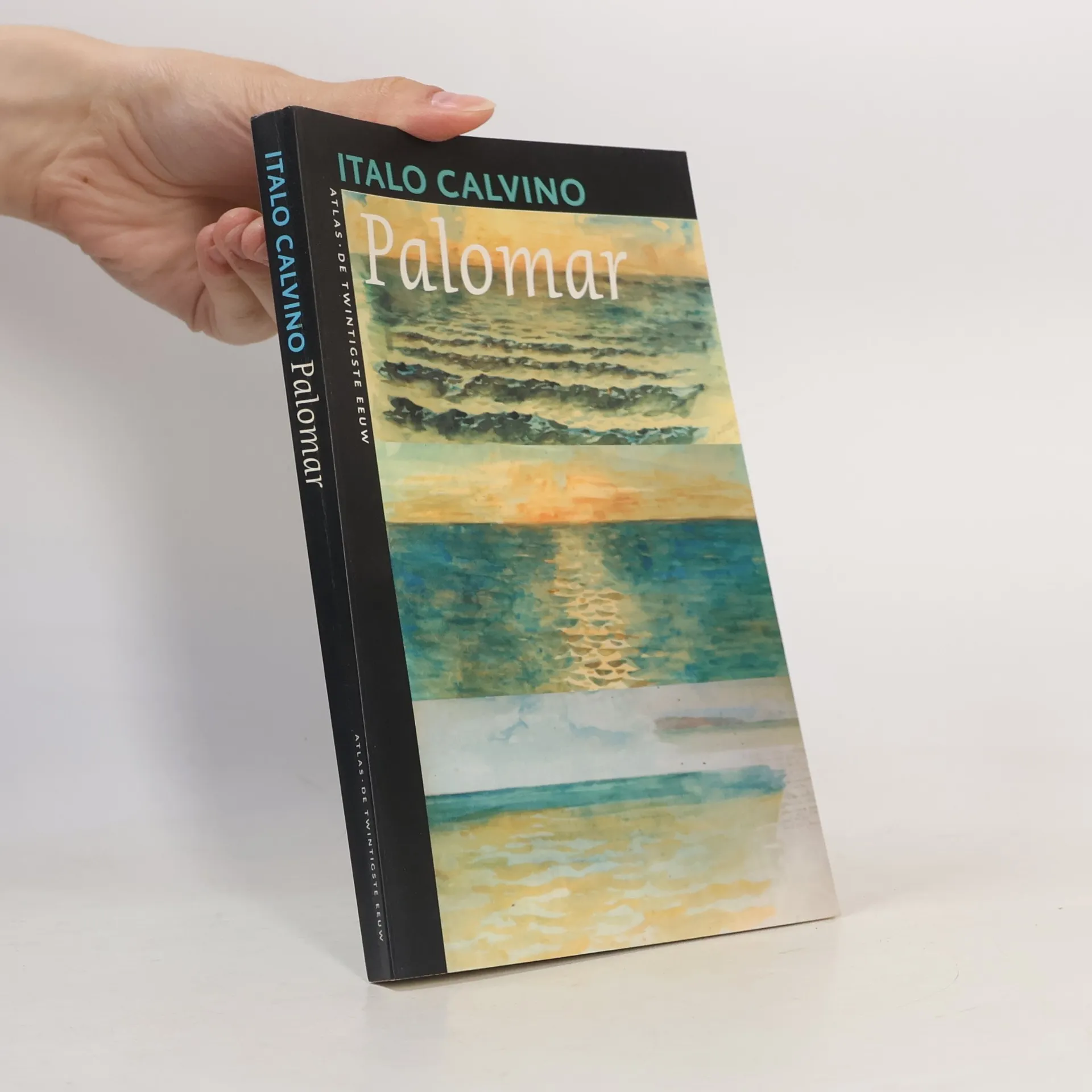
Via intense observatie tracht een man door te dringen tot het wezen der dingen.
Als op een winternacht een reiziger geldt als een van de hoogtepunten van het modernisme, waarin de reflectie over de roman en het lezen van romans op even hilarisch als ingenieuze manier met elkaar zijn verweven. Een lezer en een lezeres, beiden in het bezit van een incompleet exemplaar van een roman, komen op zoek naar een volledige tekst velerlei vormen van literaire communicatie tegen
Keuze van verhalen van buitenlandse auteurs uit het fonds van de uitgeverijen Bert Bakker en Prometheus.
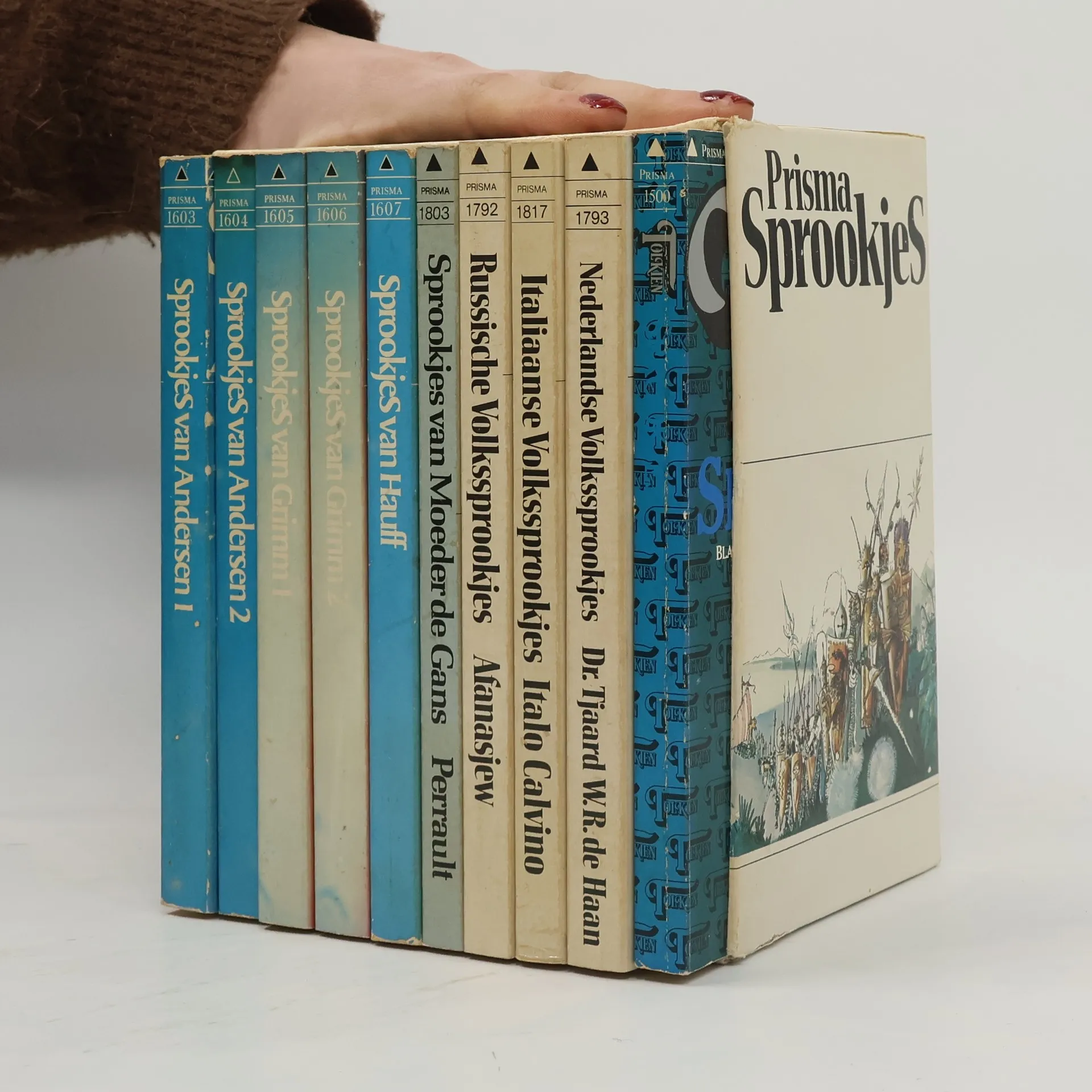
Sprookjes van Andersen 1-2. Sprookjes van Grimm 1-2. Sprookjes van Hauff. Sprookjes van Moeder de Gans. Russische Volkssprookjes. Italiaanse Volkssprookjes. Nederlandse Volkssprookjes. Sprookjes van Tolkien
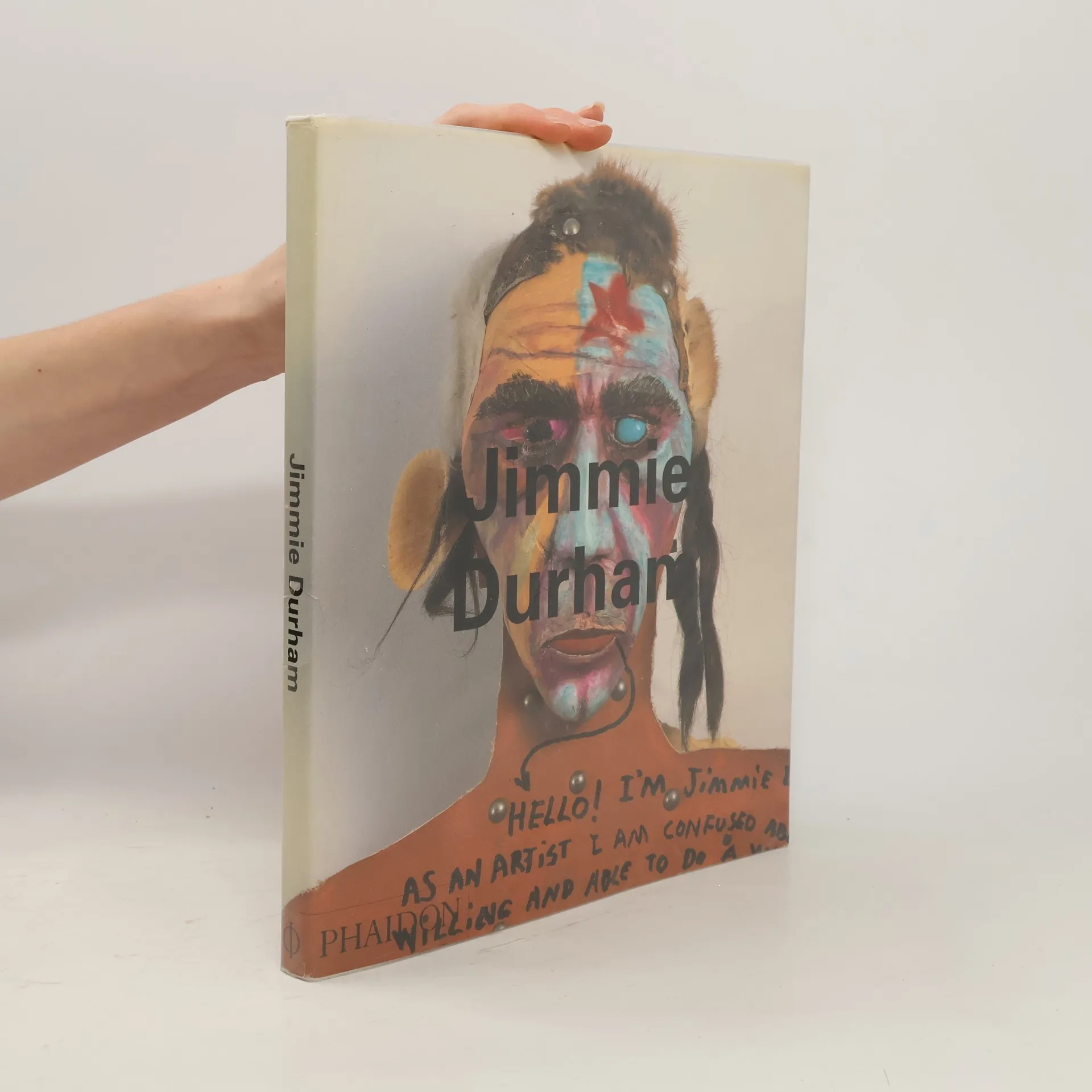
This text examines the work of Jimmie Durham, the sculptor and performance artist of Cherokee descent. The book is part of a series of studies of important artists of the late-20th century. Each title offers a comprehensive survey of the artist's work, providing analyses and multiple perspectives on contemporary art and its inspiration.
Enchanting stories about the evolution of the universe, with characters that are fashioned from mathematical formulae and cellular structures. " Naturally, we were all there, - old Qfwfq said, - where else could we have been? Nobody knew then that there could be space. Or time either: what use did we have for time, packed in there like sardines?" Translated by William Weaver. A Helen and Kurt Wolff Book
Contains stories which range geographically from Corsica and Sicily to Venice and the Alps. schovat popis
SIX MEMOS FOR THE NEXT MILLENNIUM is the text to a series of lectures which became an obsession for Italo Calvino in the last year of his life. Drawing on the works of Lucretius, Ovid, Boccaccio, Falubert, Kundera, Perec and many more, he pinpoints the universal laws and indispensable literary values future generations might cherish -lightness, quickness, exactitude, visibility and multiplicity. It is an eloquent and lively 'defence' of literature - a fitting gift for the next millennium.
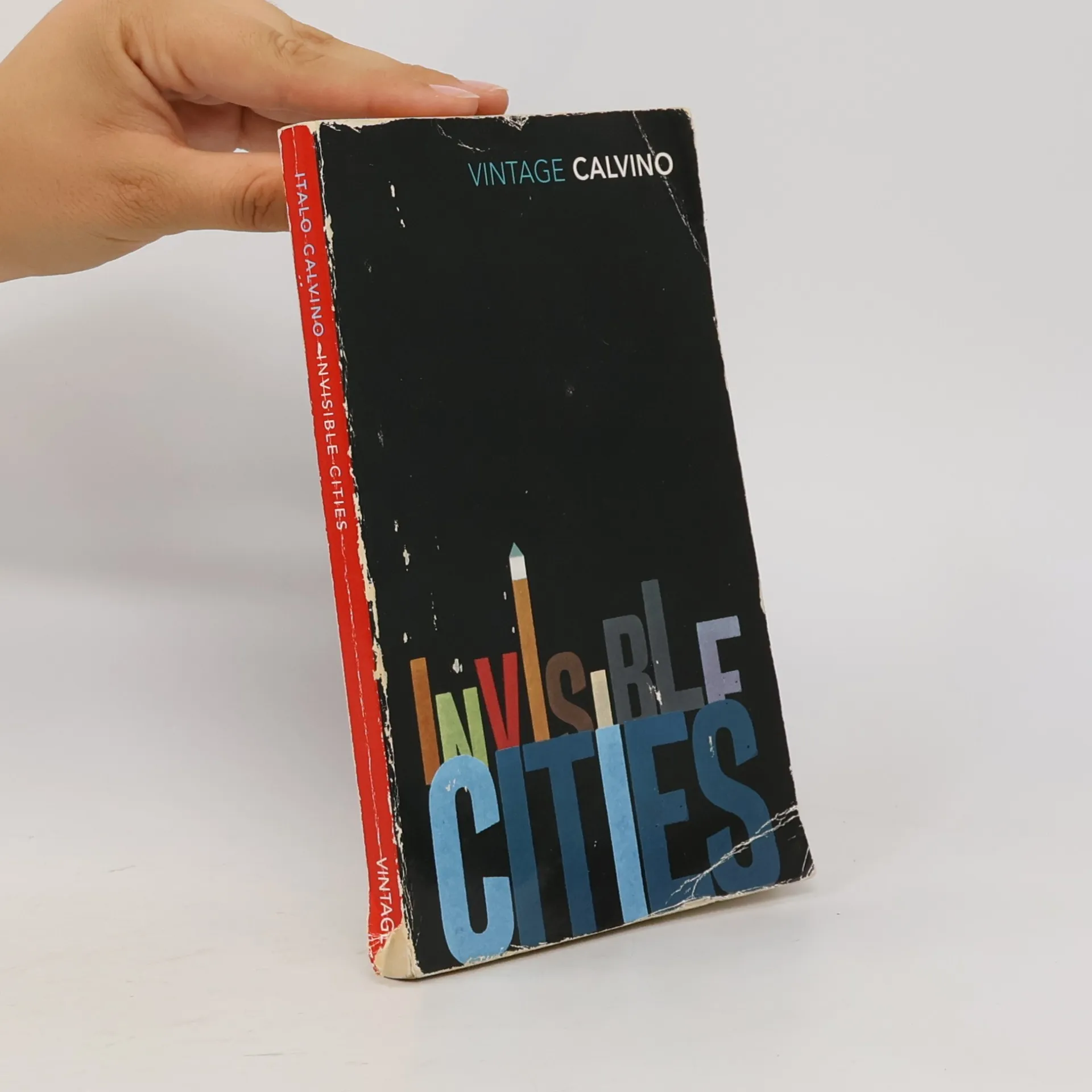
'A subtle and beautiful meditation' Sunday Times In Invisible Cities Marco Polo conjures up cities of magical times for his host, the Chinese ruler Kublai Khan, but gradually it becomes clear that he is actually describing one city- Venice. As Gore Vidal wrote 'Of all tasks, describing the contents of a book is the most difficult and in the case of a marvellous invention like Invisible Cities, perfectly irrelevant.'
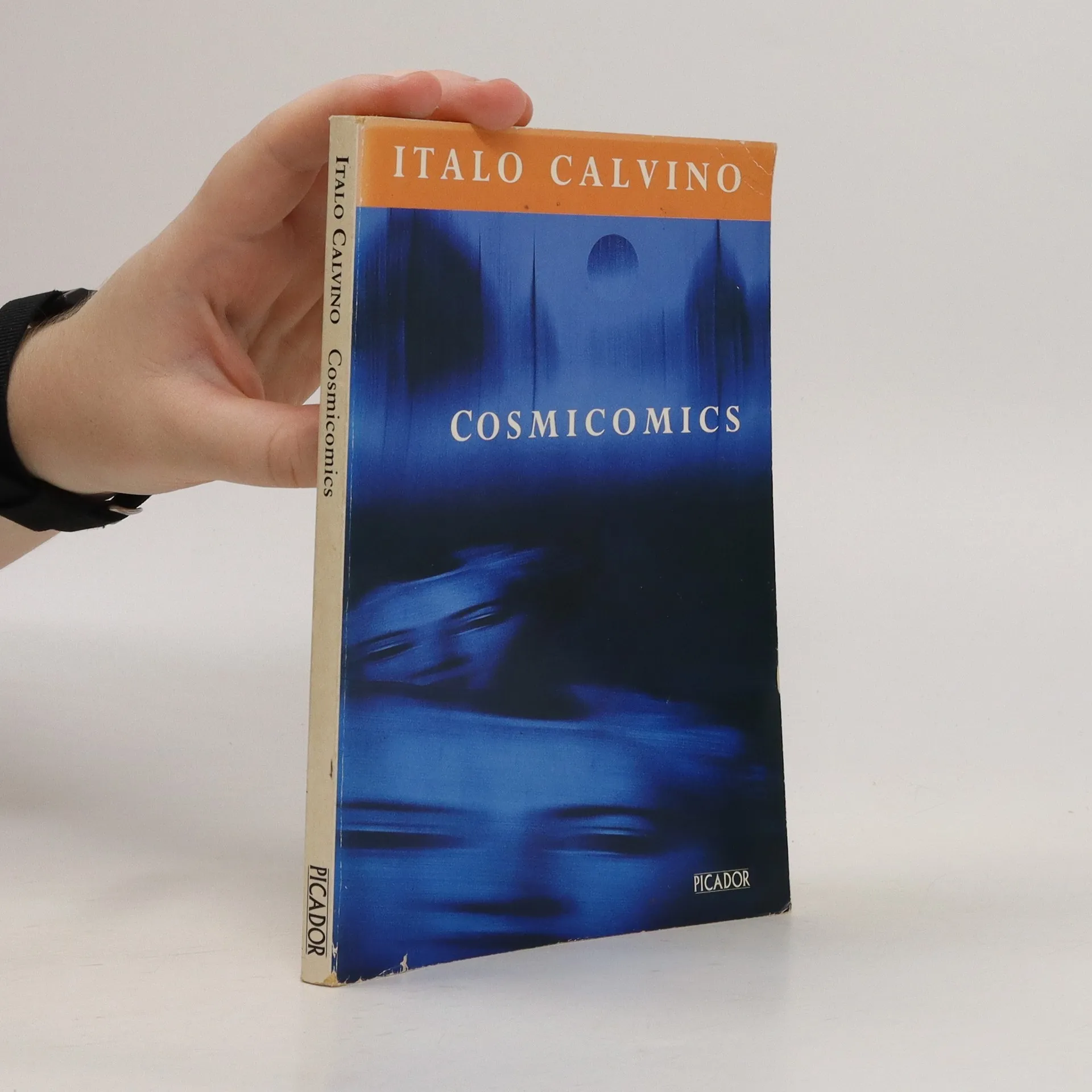
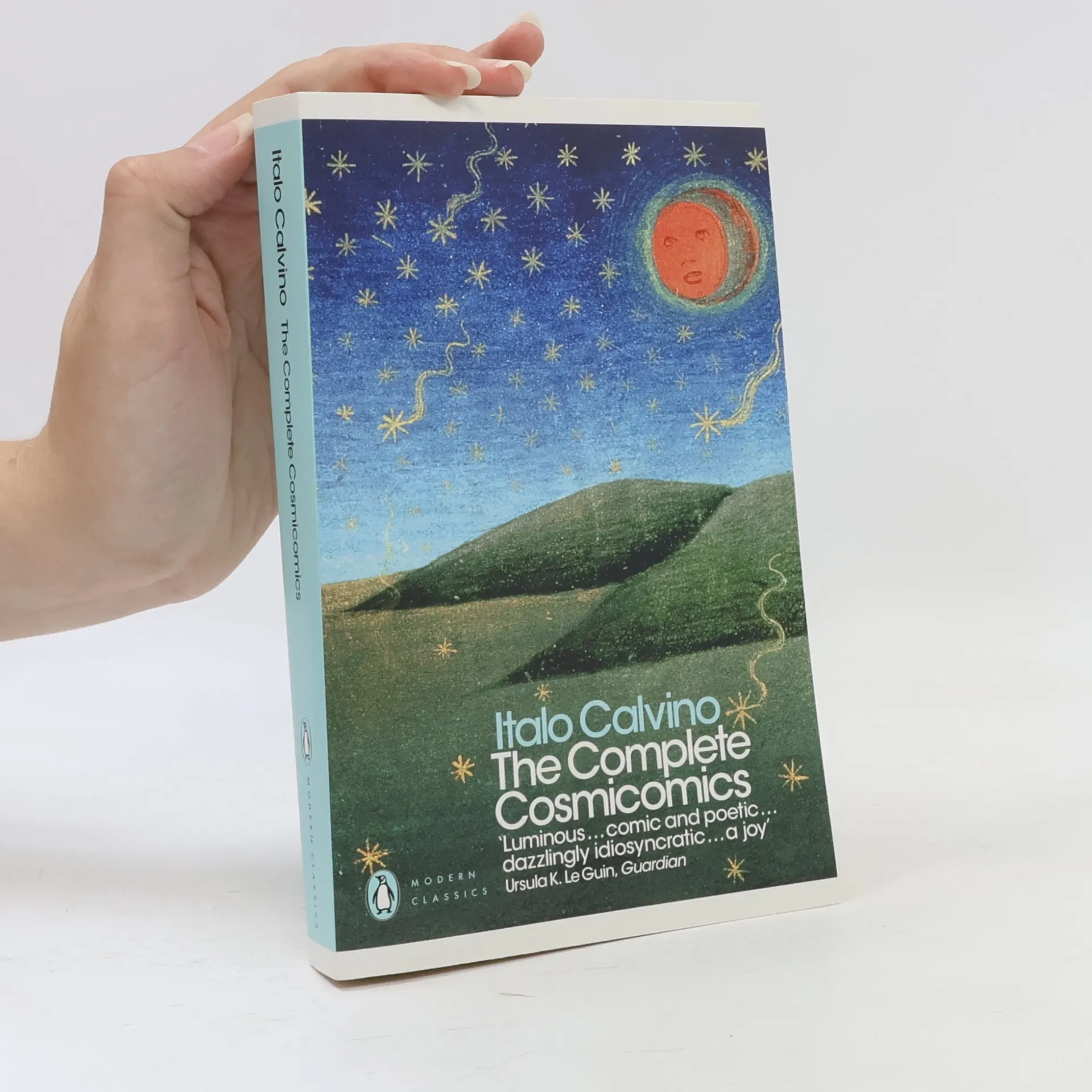
This title includes enchanting stories about the evolution of the universe, with characters that are fashioned from mathematical formulae and cellular structures. They disport themselves among galaxies, experience the solidification of planets, move from aquatic to terrestrial existence, play games with hydrogen atoms - and have time for a love life. 'Naturally, we were all there, old Qfwfq said, where else could we have been? Nobody knew then that there could be space. Or time either: what use did we have for time, packed in there like sardines?'.
Jhumpa Lahiri's landmark collection brings together forty writers that reflect over a hundred years of Italy's vibrant and diverse short story tradition, including well known authors such as Italo Calvino, Elsa Morante and Luigi Pirandello, alongside many captivating rediscoveries. Poets, journalists, visual artists, musicians, editors, critics, teachers, scientists, politicians, translators: the writers that inhabit these pages represent a dynamic cross section of Italian society.
A collection of stories about time, space, and the evolution of the universe in which the author blends mathematics with poetic imagination. “Calvino does what very few other writers can do: he describes imaginary worlds with the most extraordinary precision and beauty” (Gore Vidal, New York Review of Books). Translated by William Weaver. A Helen and Kurt Wolff Book
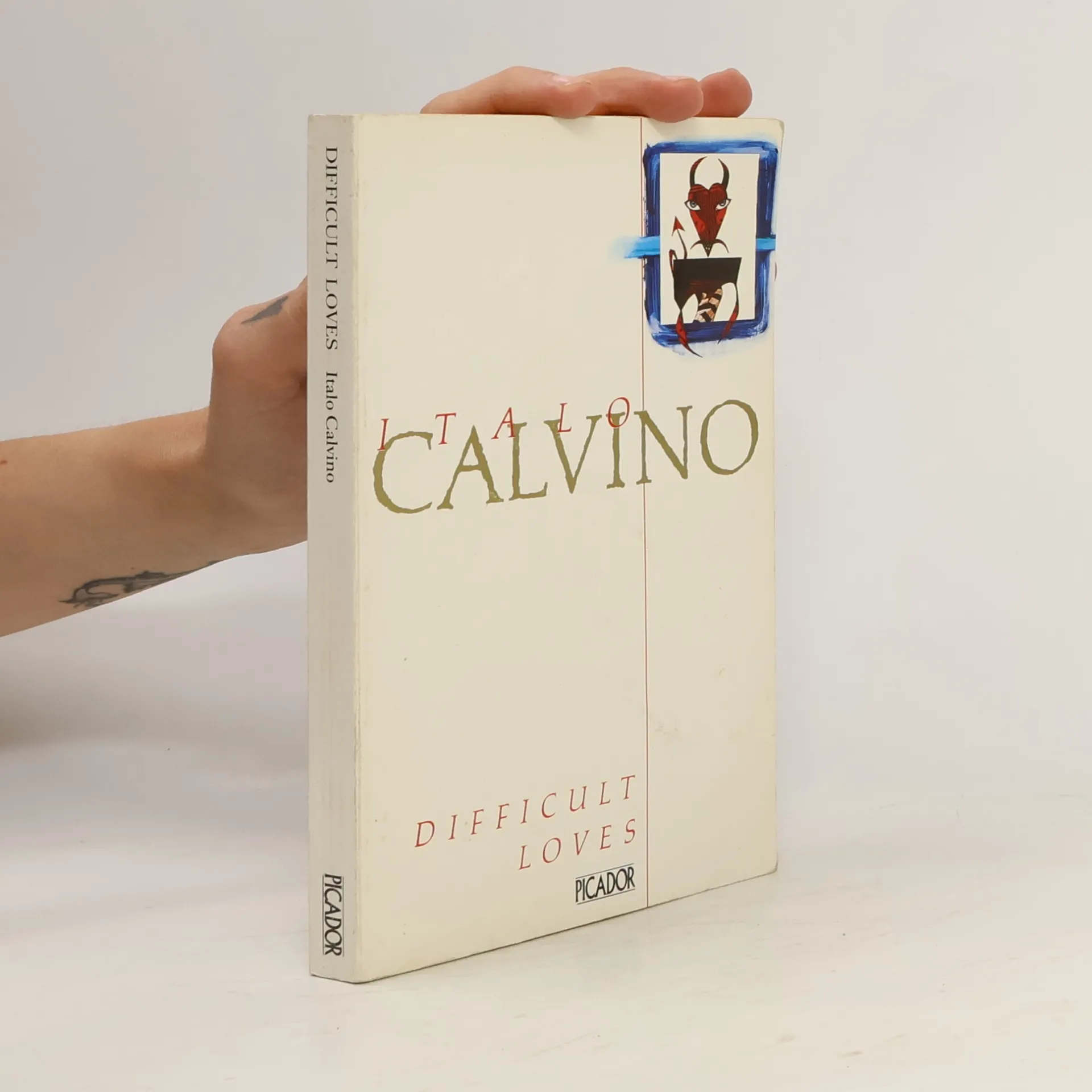
Tales of love and loneliness in which the author blends reality and illusion. " The quirkiness and grace of the writing, the originality of the imagination at work, ...and a certain lovable nuttiness make this collection well worth reading" (Margaret Atwood). Translated by William Weaver, Peggy Wright, and Archibald Colquhoun. A Helen and Kurt Wolff Book
Noveller. Stories that interweave scientific fact with wordplay
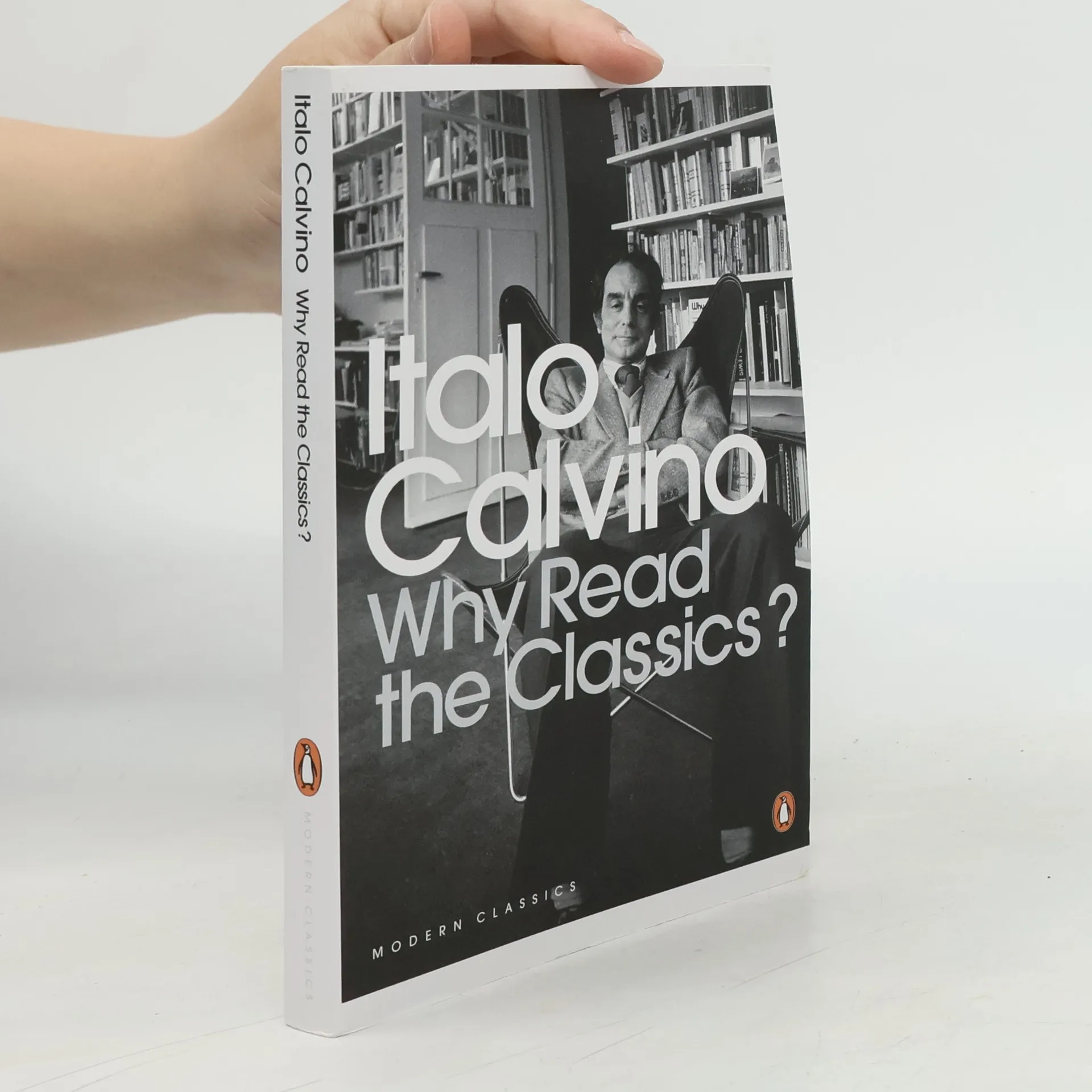
Beginning with an essay on the attributes that define a classic, this collection provides the author's criticism.
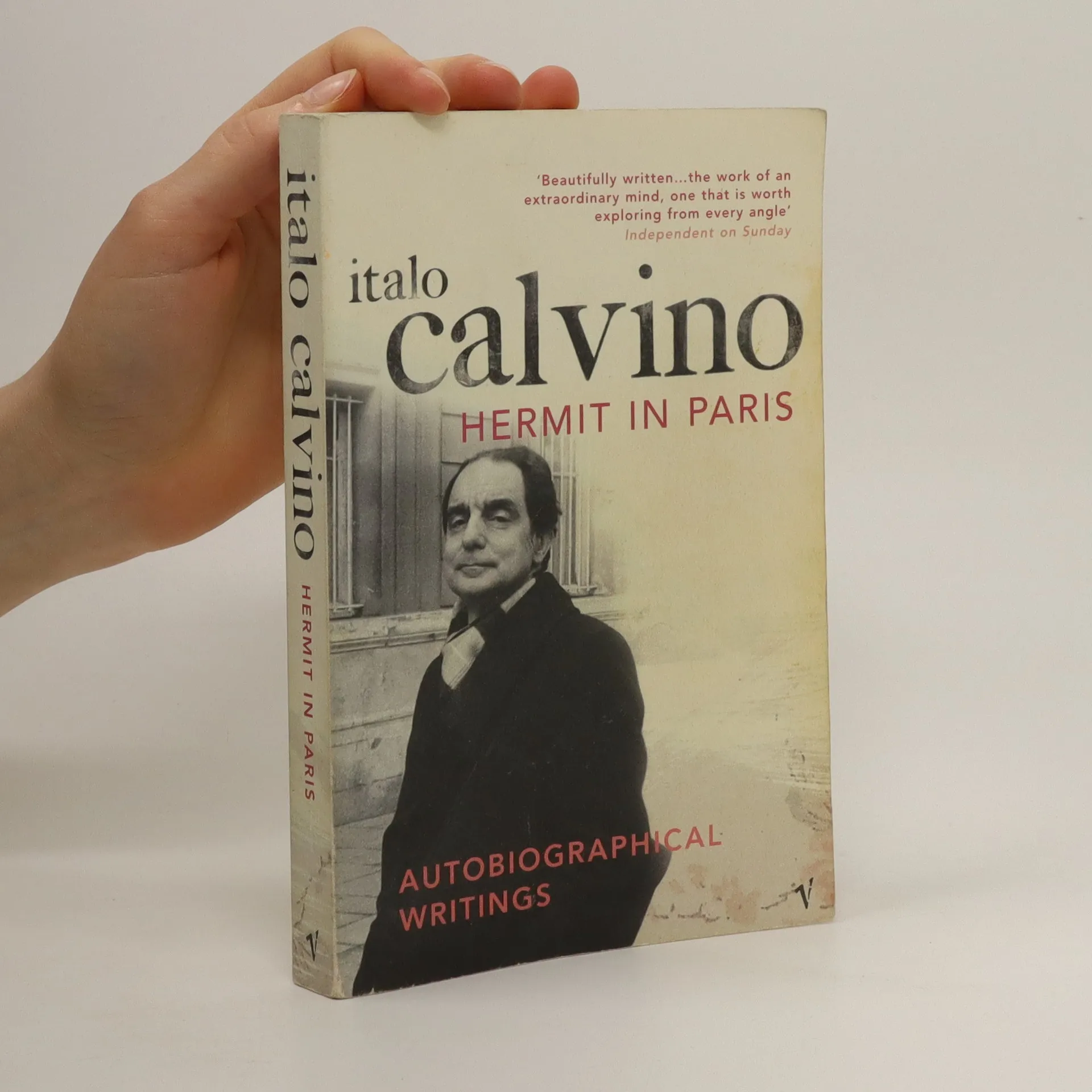
Italo Calvino once said that he preferred to give false details about his biography since he felt that even the genuine data of a writer's life shed no light on the creative work. But this volume of posthumously collected personal writings is the closest we will ever come to the autobiography of this most private of writers. The pieces collected here range from the early 1950s to his last interview, completed just before his sudden death in 1985. Apart from shedding light on his own formative experiences and evolution as an author, Calvino's autobiographical writings also examine the major events of twentieth-century history from a very personal viewpoint. This volume is, as ever, full of ideas on literature and other writers, all conveyed with the author's distinctive lightness and intelligence.
The story follows Viscount Medardo of Terralba, who is bisected by a cannonball during a battle against the Turks. His two halves embark on contrasting paths: one indulges in a life of decadence and evil, while the other embodies virtue. As both halves vie for the affection of the same woman, their rivalry leads to increasingly outrageous antics. This novella showcases Calvino's unique blend of humor and fantasy, presenting a captivating exploration of identity and morality in a whimsically macabre setting.
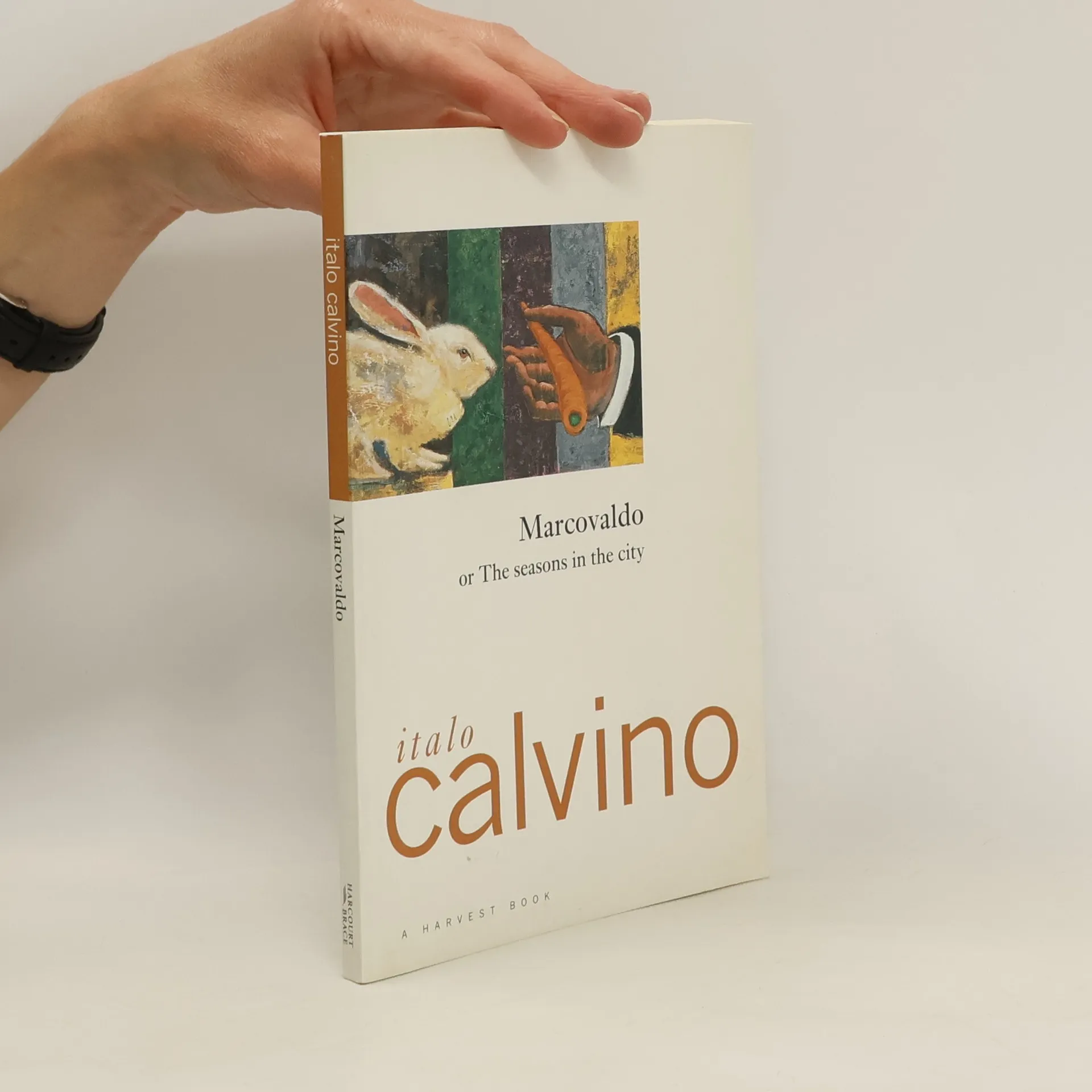
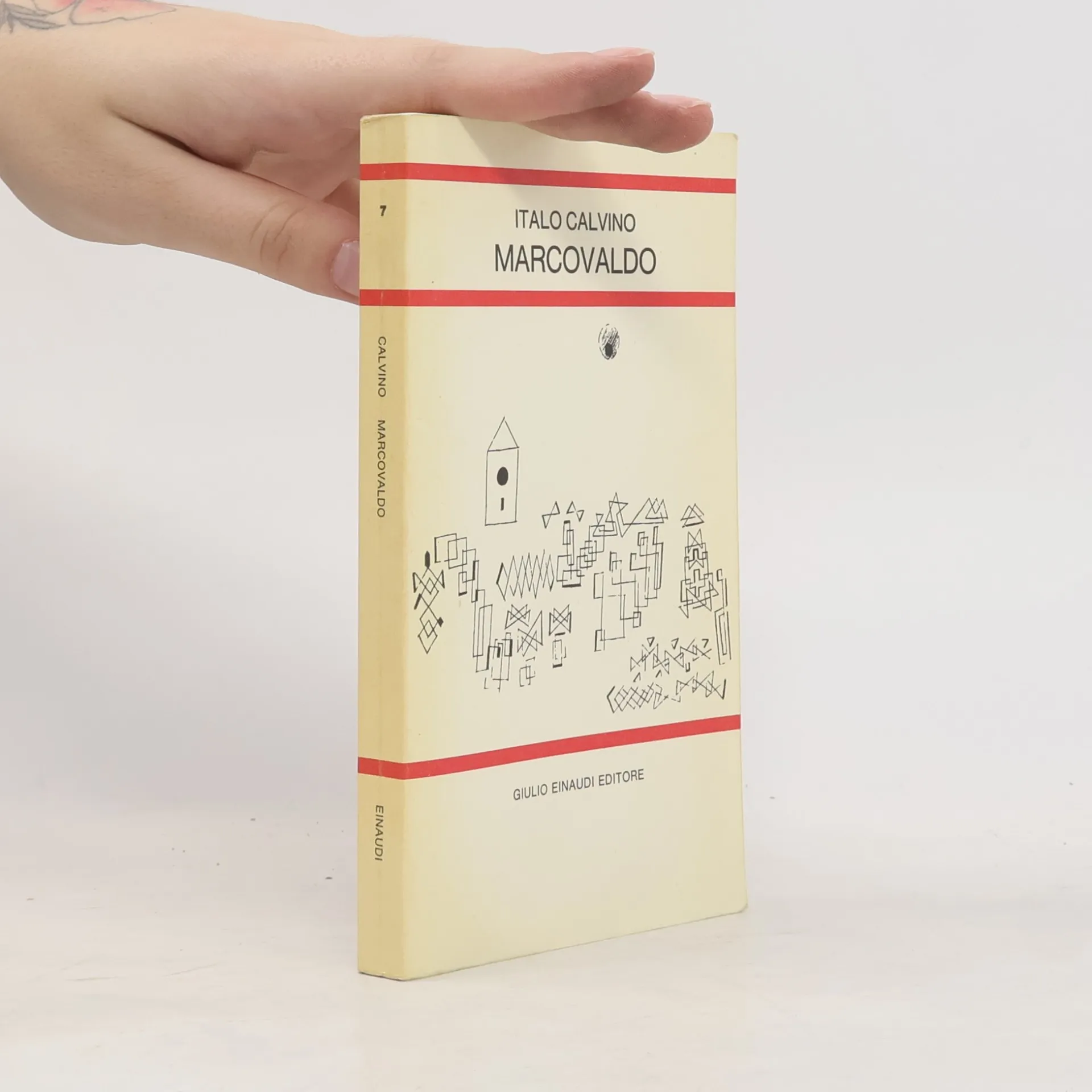
Marcovaldo is an unskilled worker in a drab industrial city in northern Italy. He is an irrepressible dreamer and an inveterate schemer. Much to the puzzlement of his wife, his children, his boss, and his neighbors, he chases his dreams-but the results are never the expected ones. Translated by William Weaver. A Helen and Kurt Wolff Book
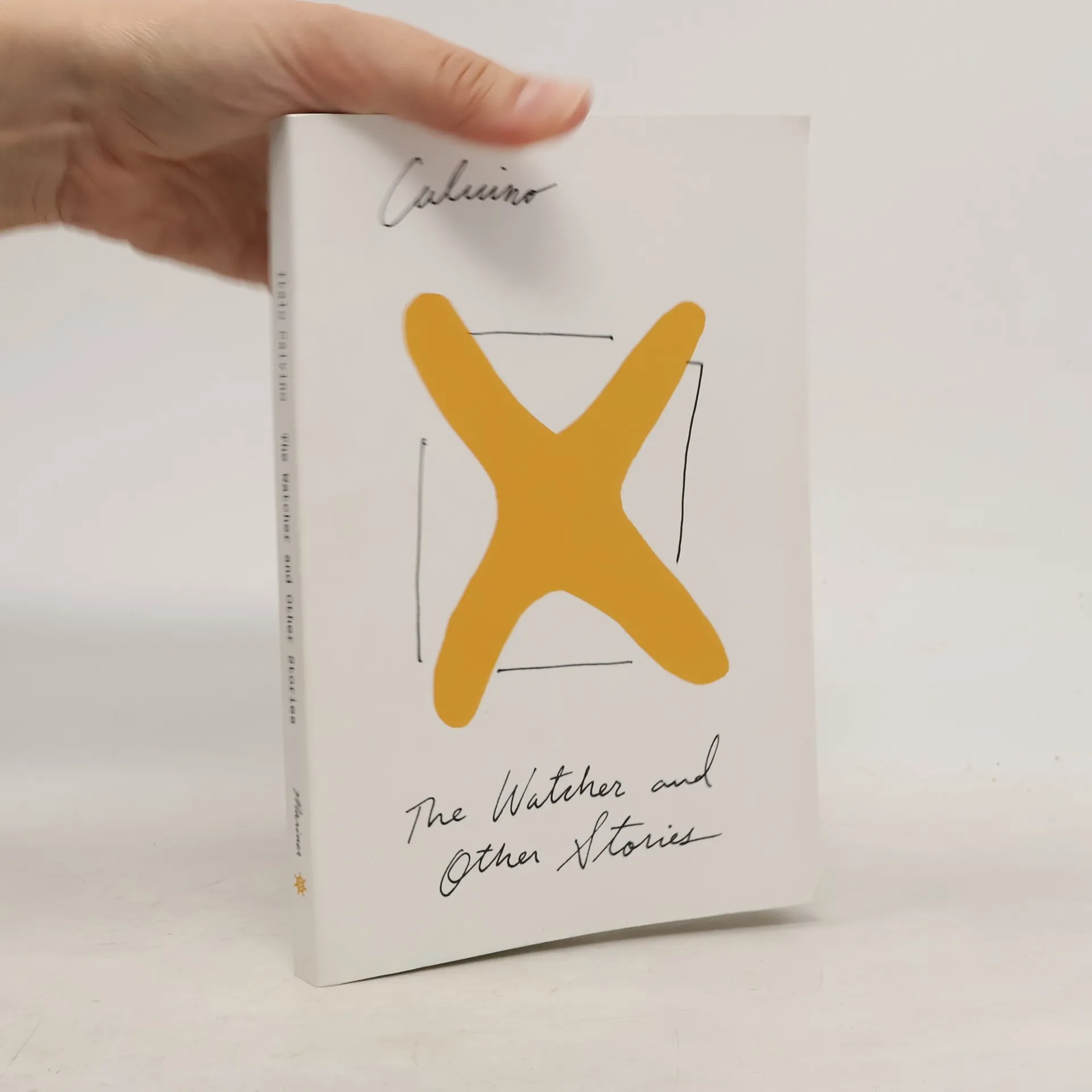
Alternate cover edition can be found here. In "The Watcher," a member of the Communist Party is assigned to a polling place in Turin's Hospital for Incurables, where he observes the rejects of humanity and a grotesque parody of the democratic process. "Smog" anticipates a preoccupation with pollution so lunatic that it casts a pall even over the hero's affair with a beautiful woman. "The Argentine Ant" is a piece of sustained horror with farcical undertones, illustrating man's defeat before an enemy too small to be overcome.
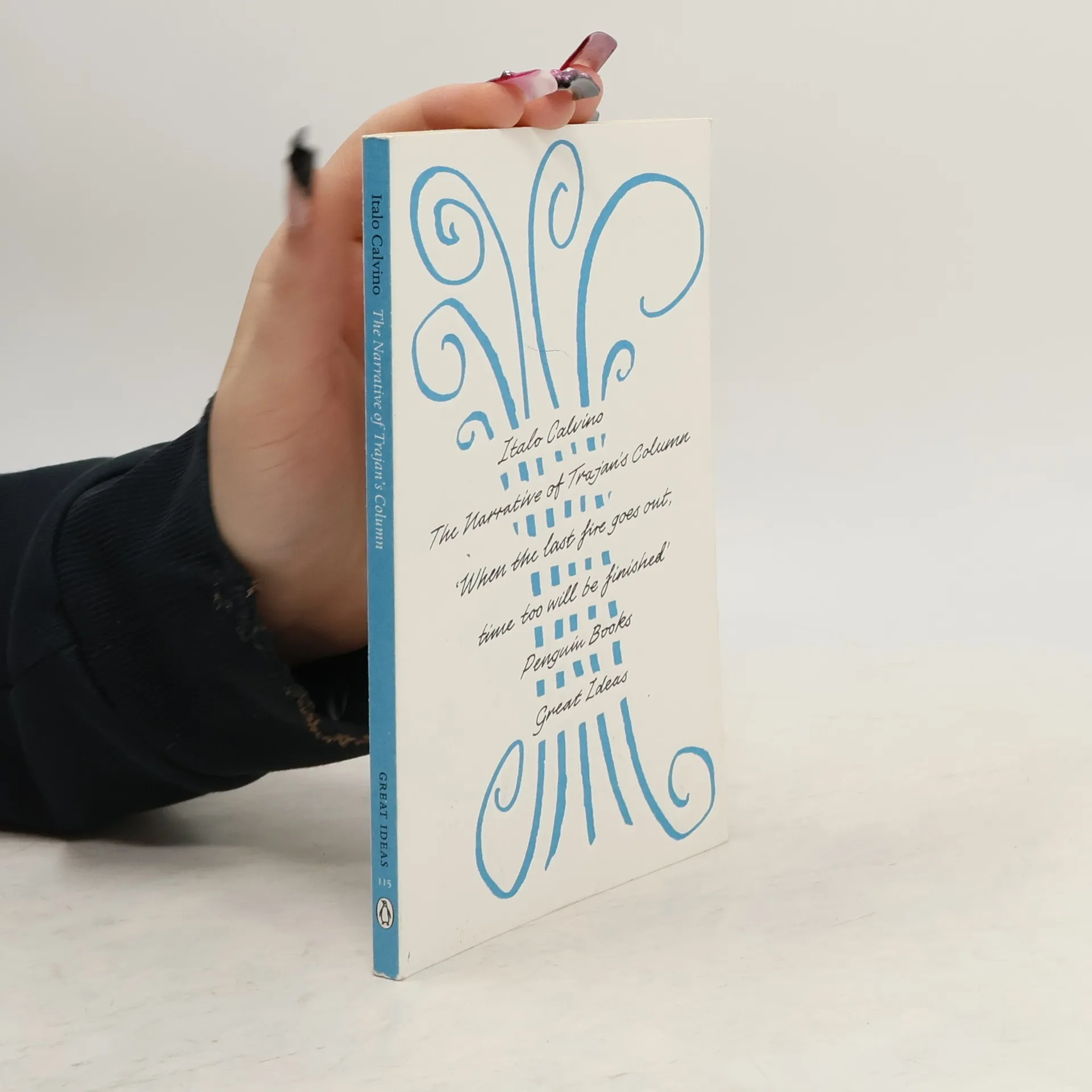
'When the last fire goes out, time too will be finished' Italo Calvino was one of the most joyful and imaginative writers of the twentieth century. Here he muses on what the things we leave behind - whether waxworks or ancient graffiti, enigmatic maps or a crumbling Roman column - tell us about the greater truths of the world, space and time.One of twenty new books in the bestselling Penguin Great Ideas series. This new selection showcases a diverse list of thinkers who have helped shape our world today, from anarchists to stoics, feminists to prophets, satirists to Zen Buddhists.
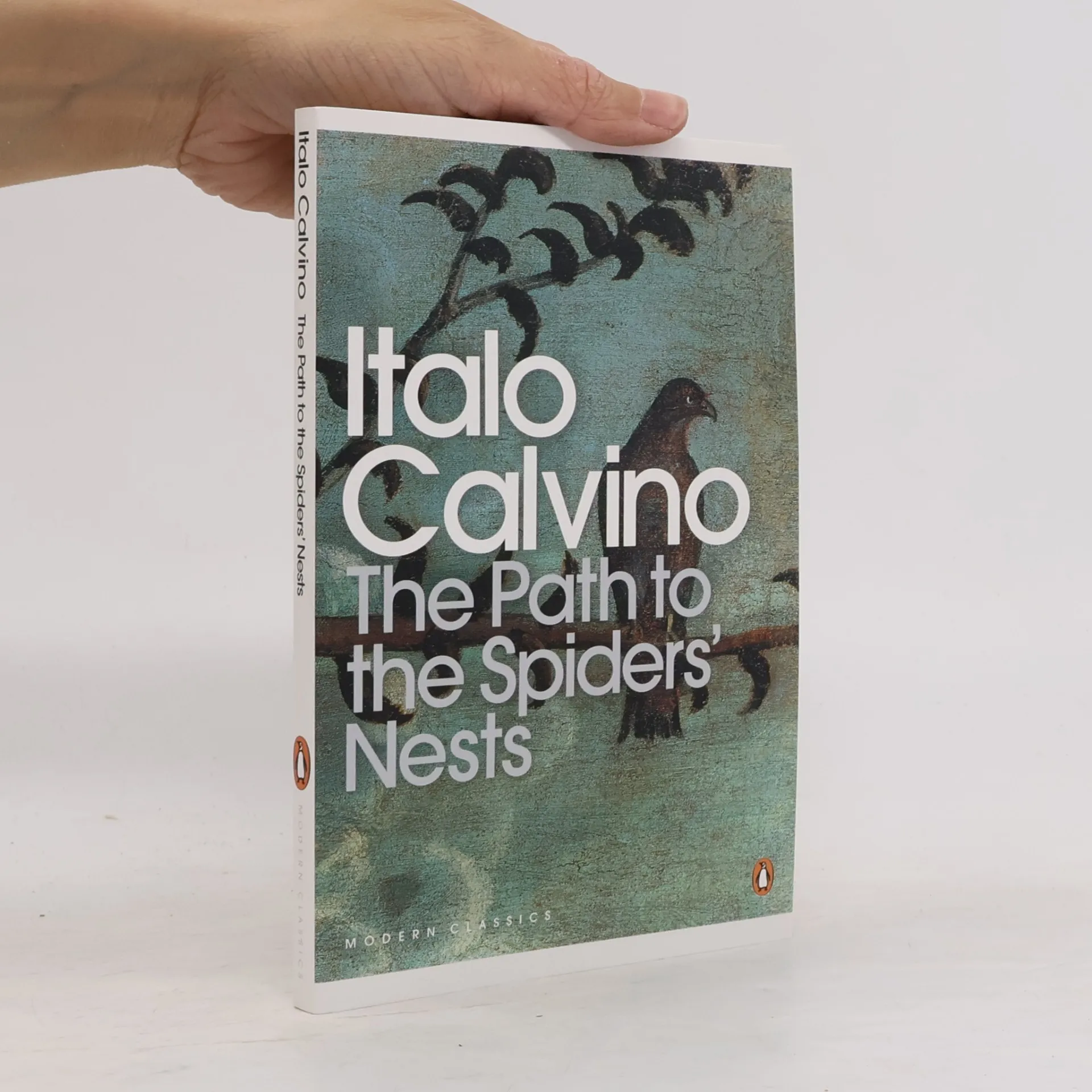
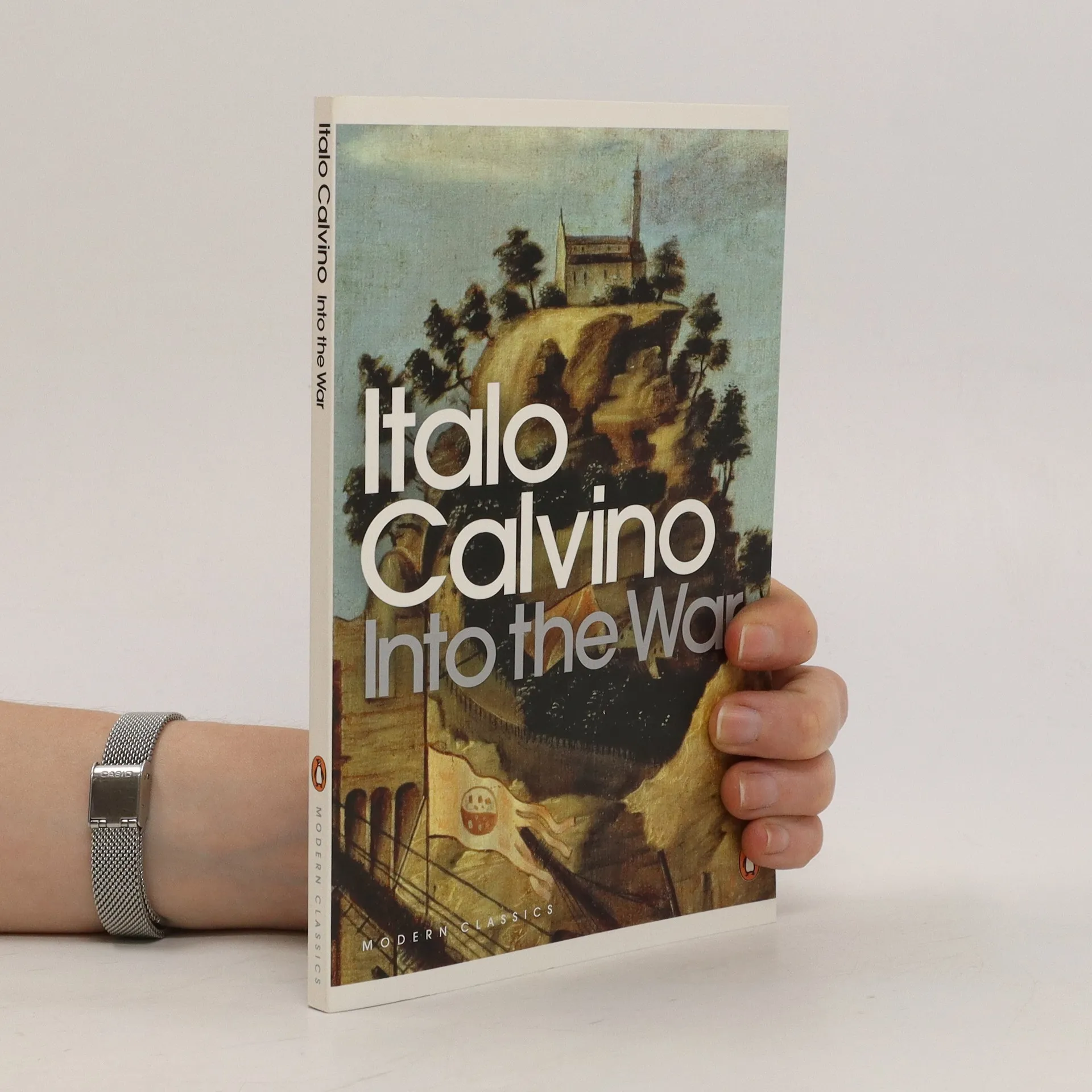
Translated by Archibald Colquhoun and revised by Martin McLaughlin 'Has the stark black-and-white quality of the classic Italian neo-realist films' The New York Times Pin is a bawdy, adolescent cobbler's assistant, both arrogant and insecure who - while the Second World War rages - sings songs and tells jokes to endear himself to the grown-ups of his town - particularly jokes about his sister, who they all know as the town's 'mattress'. Among those his sister sleeps with is a German sailor, and Pin is dared to steal his pistol, hiding it among the spiders' nests in an act of rebellion that entangles him in the adults' war. Published in 1947, Italo Calvino's first novel remains startling, and the 1964 preface is his most brilliant piece of literary self-examination. 'The crucial novel of Calvino's early years' Mail on Sunday
The first complete English-language edition of Calvino's early short story collection.These early short stories brim with the beauty of the Italian countryside and seaside, telling tales both sumptuous and unnerving. Calvino's war-torn Italy is vivid, intense, almost hyper-real. A trio of greedy burglars rob a pastry shop, a boy offers a girl presents of toads and insects fro[Bokinfo].
In these three witty and fantastical stories, Italo Calvino explores the sensory aptitudes of the body in taste, hearing and smell. 'Each story continues Calvino's lifelong campaign to add more territory to the empire of the imagination; each discloses marvels in regions that we presumed exhausted' Time 'In all three stories, intellectual keenness accompanies intense receptiveness to sensuous nuance' Sunday Times
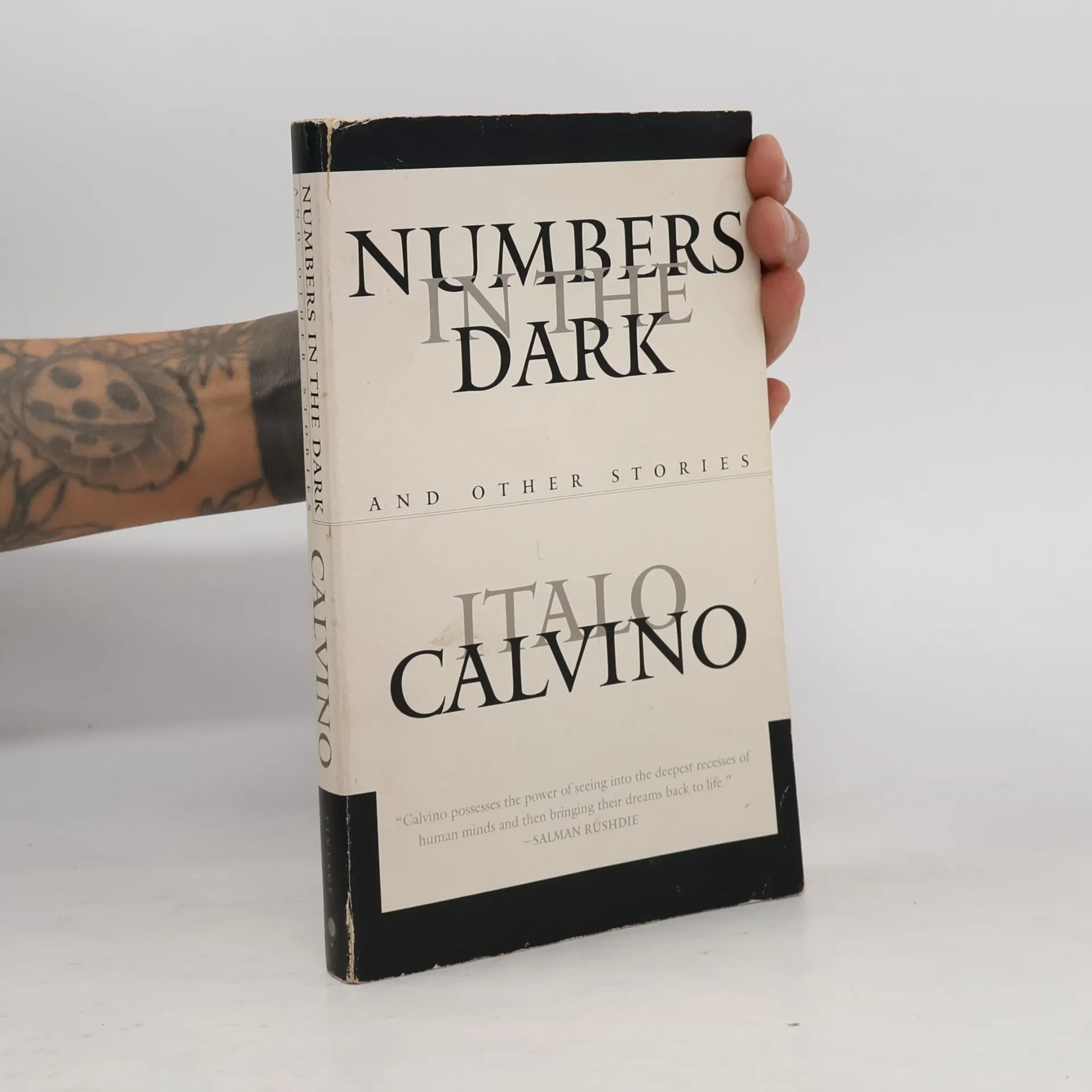
For the first time in paperback--a volume of thirty-seven diabolically inventive stories, fables, and "impossible interviews" from one of the great fantasists of the 20th century, displaying the full breadth of his vision and wit. Written between 1943 and 1984 and masterfully translated by Tim Parks, the fictions in Numbers in the Dark display all of Calvino's dazzling whimsy and horror, exuberance of style, and a cheerful grasp of the absurdities of the human condition.
A collection of stories. Set in Italy in the summer of 1940, it explores the relationships between the different generations caught up in the war as well as the author's own experiences as a teenager
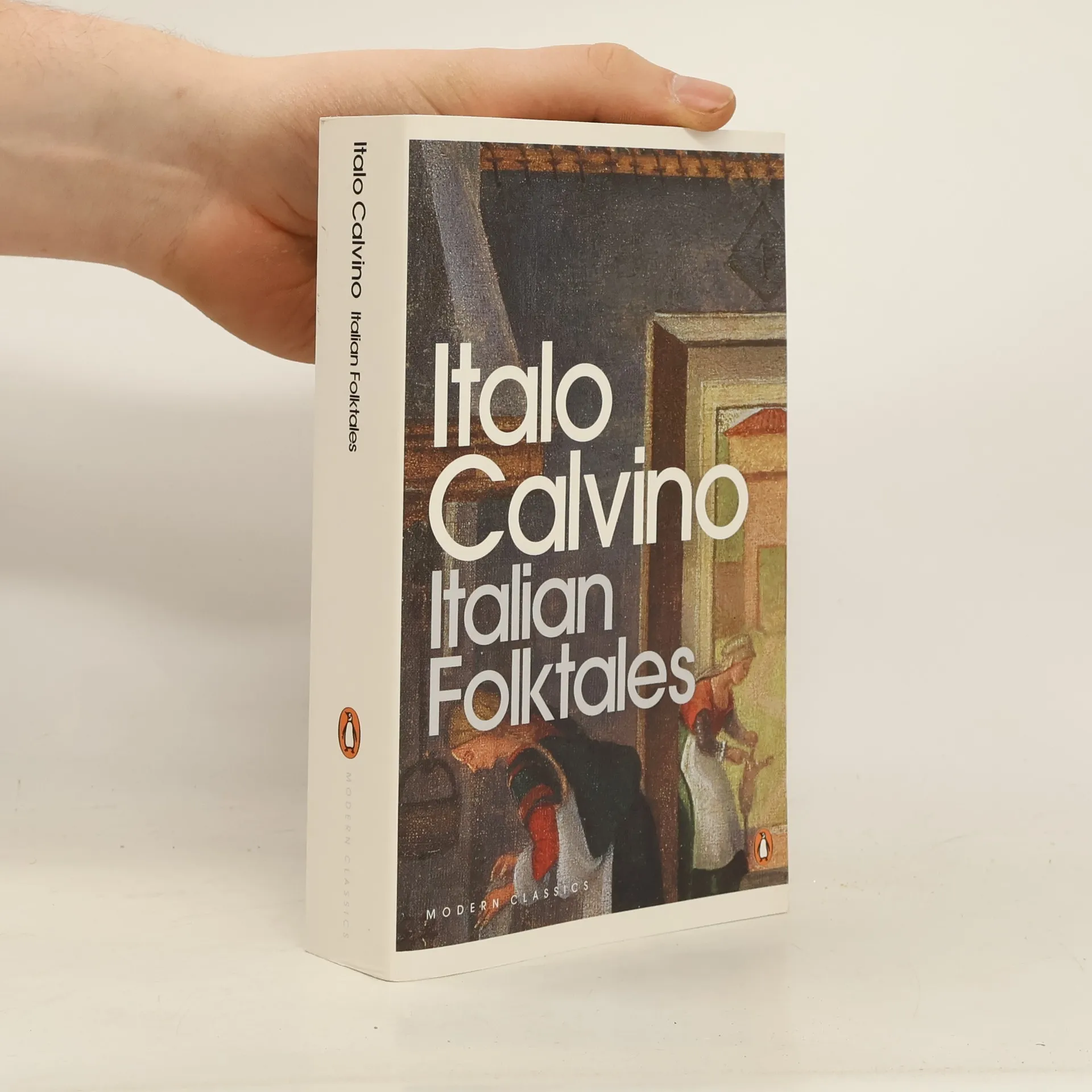
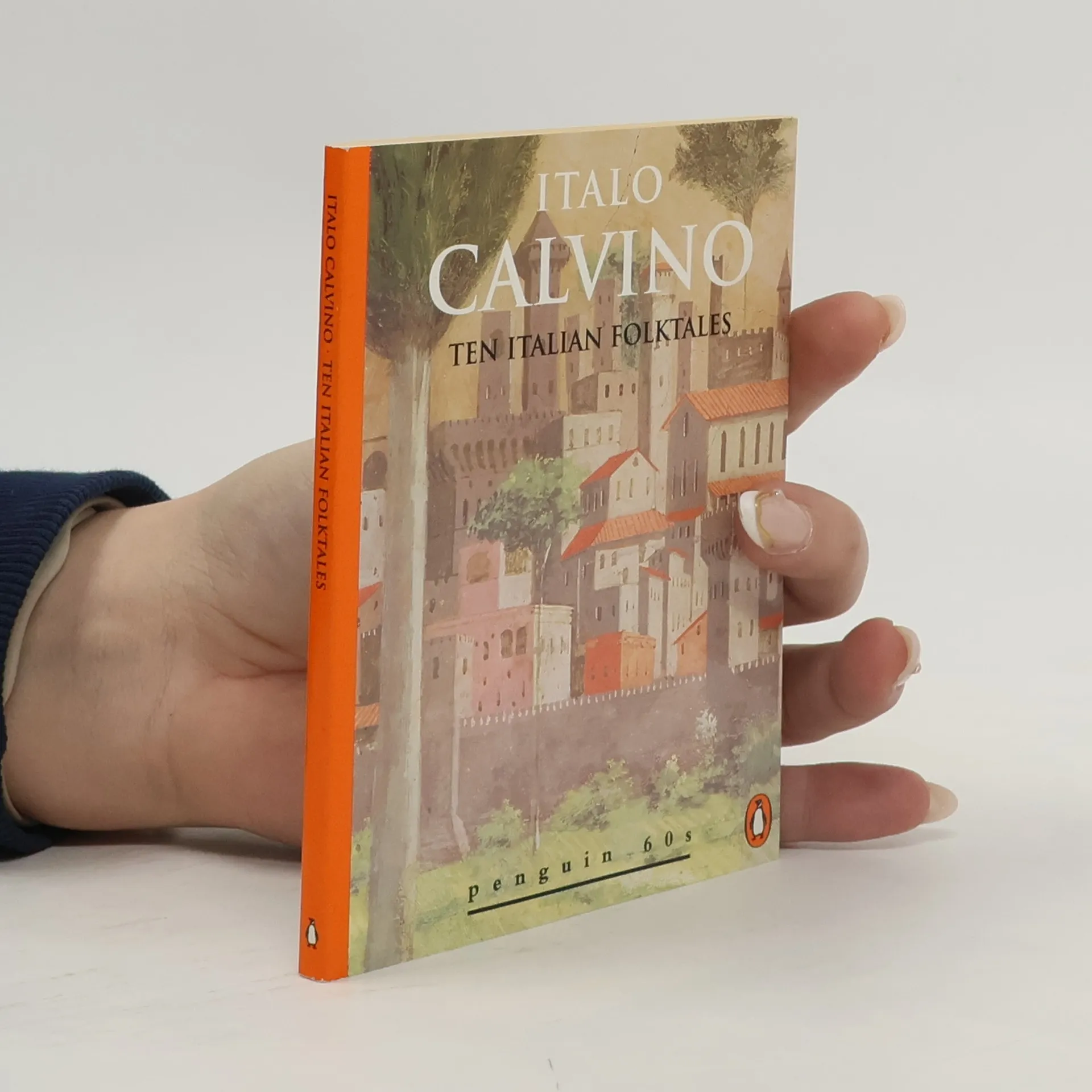
An excerpt of ten stories from Italian Folktales.
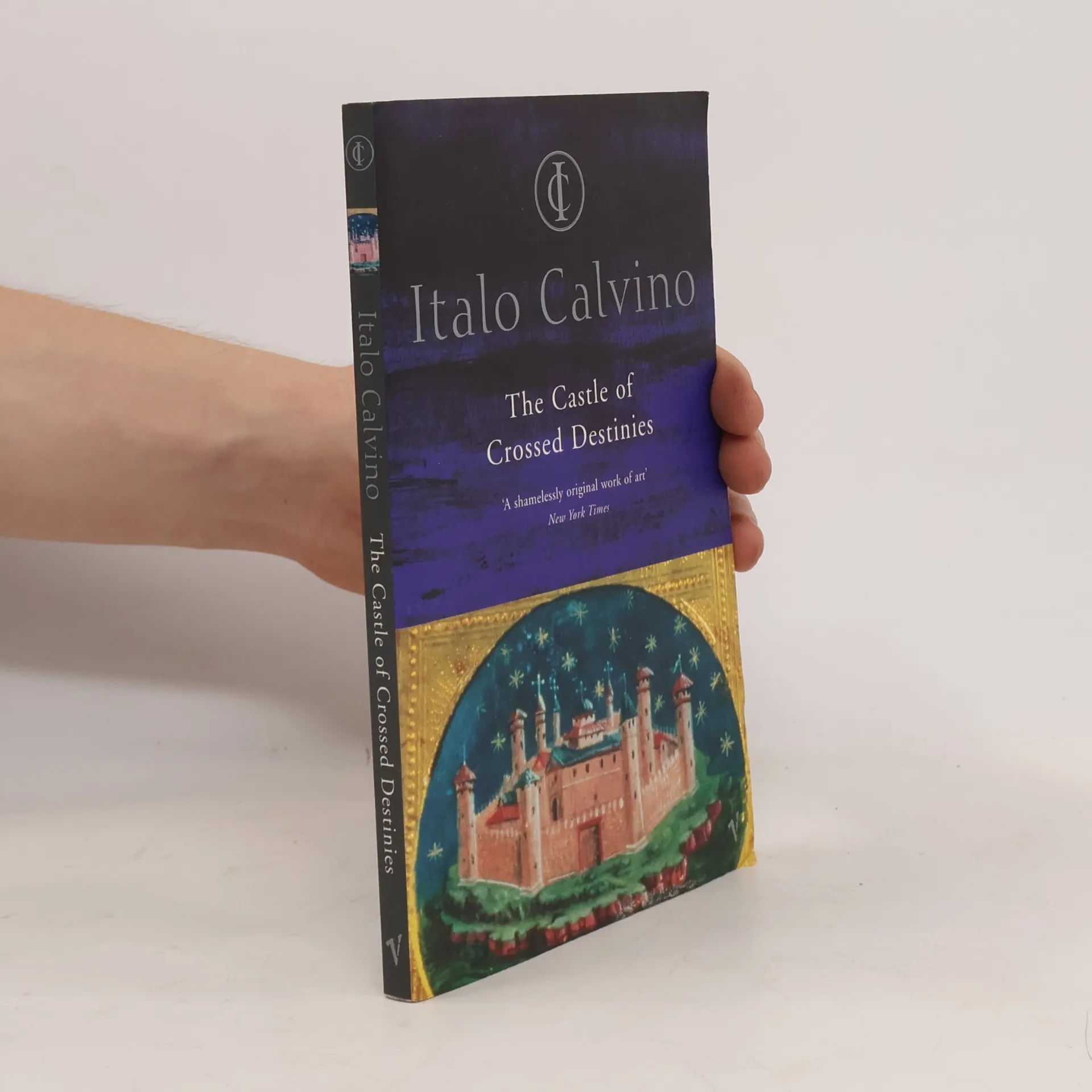
Calvino tells the mingled tales of The Castle of Crossed Destinies by means of tarot cards. Travellers meet in a castle - or, in a second section, a tavern - where their powers of speech are magically taken from them and a tarot card is placed at their di
'The inspector ordered that the bird be searched.One of the agents stalled saying it made him feel sick, and after some fierce pecking another withdrew sucking a bleeding finger.' In these two stories from an inventive, comic master of the form, old friends and friendly rivals Pietro and Tommasso discover a treasure lost by the side of the road, and become suspected of a using a blameless chicken for devious ends. Italo Calvino�s writing explores the fringes of these small, unusual scenes and finds incalculable wisdom and humour there. This book contains The Queen's Necklace and The Workshop Hen.
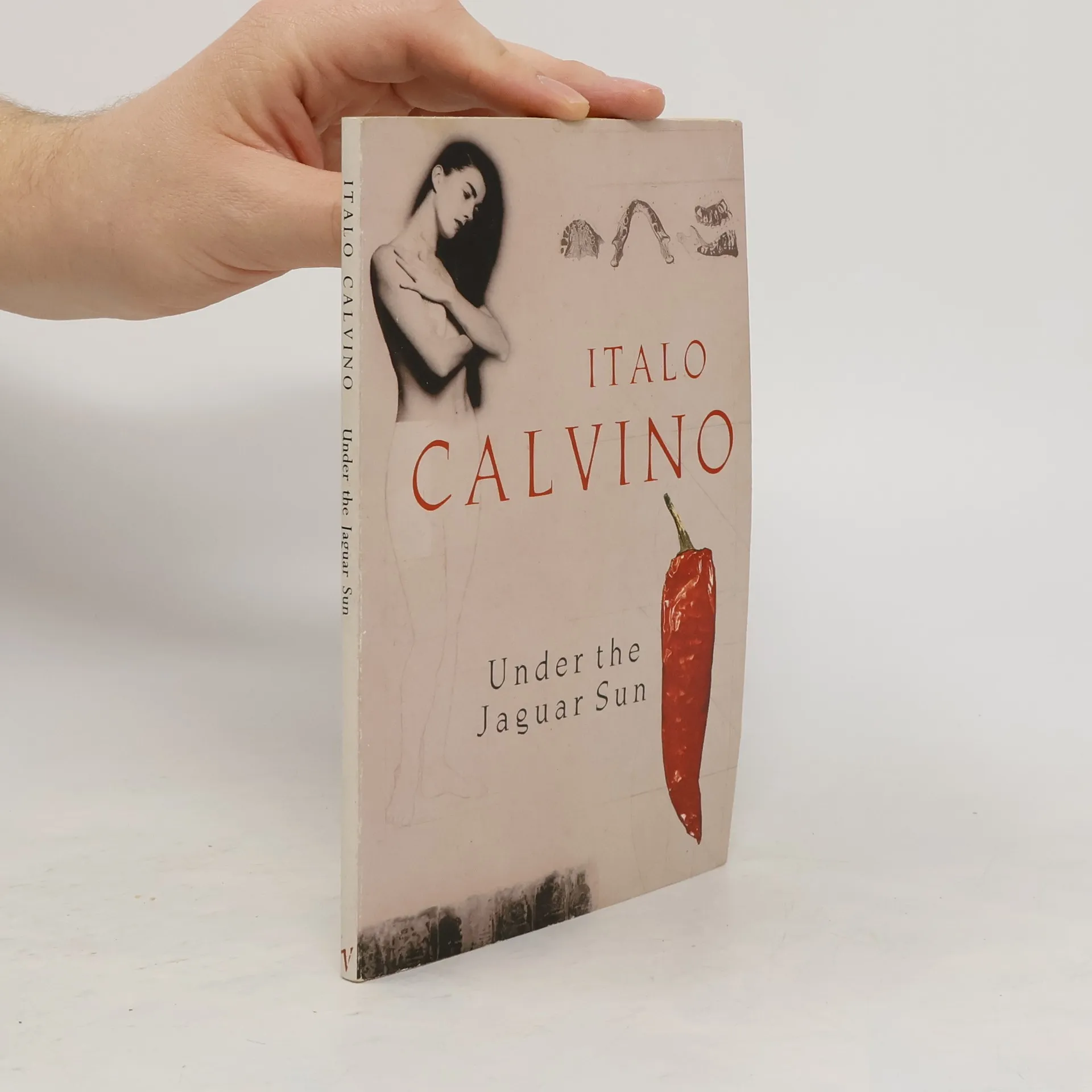
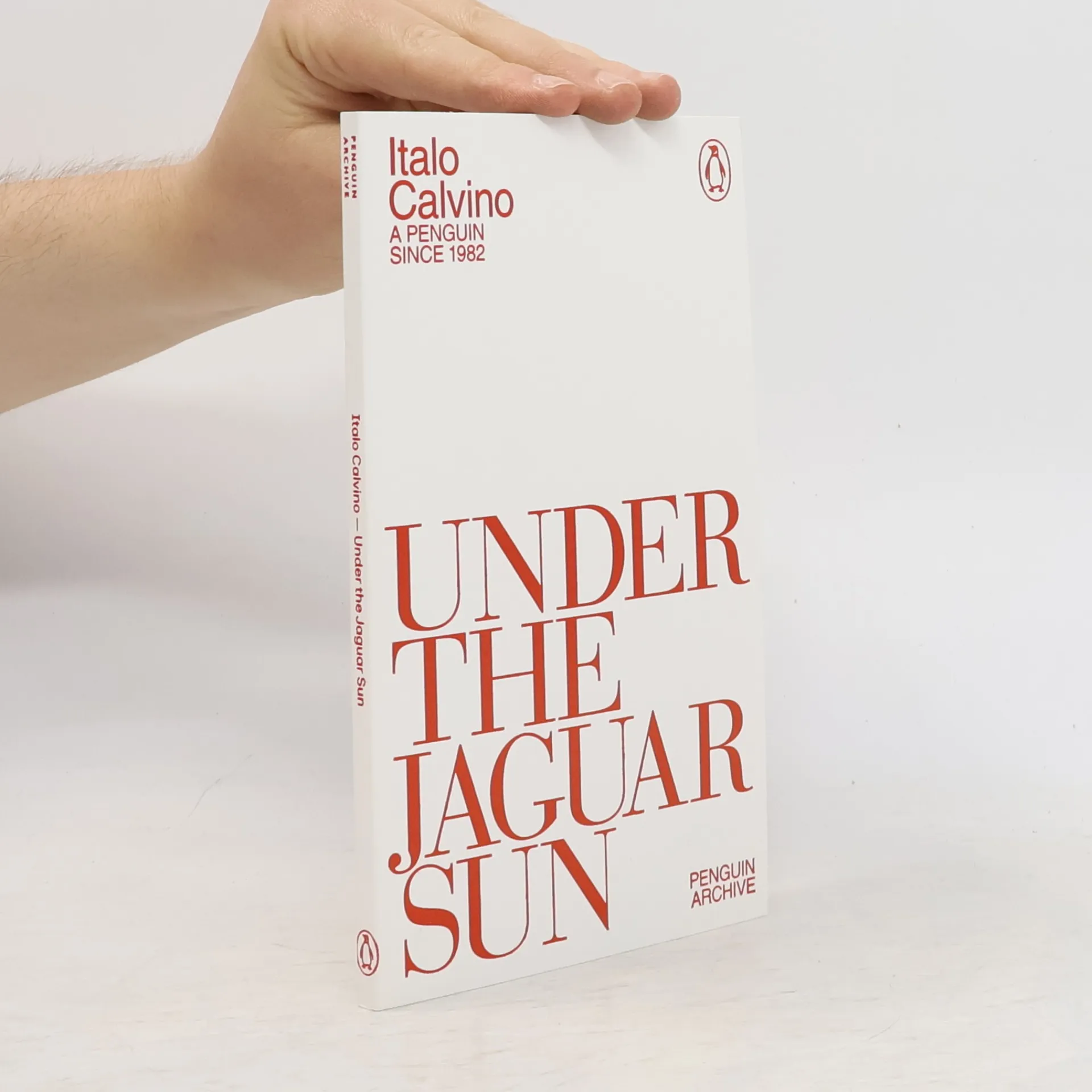
I went down, I climbed back up into the light of the jaguar sun - into the sea of the green sap of the leaves. The world spun, I plunged down, my throat cut by the knife of the king-priest ... The solar energy coursed along dense networks of blood and chlorophyll; I was living and dying in all the fibers of what is chewed and digested and in all the fibers that absorb the sun
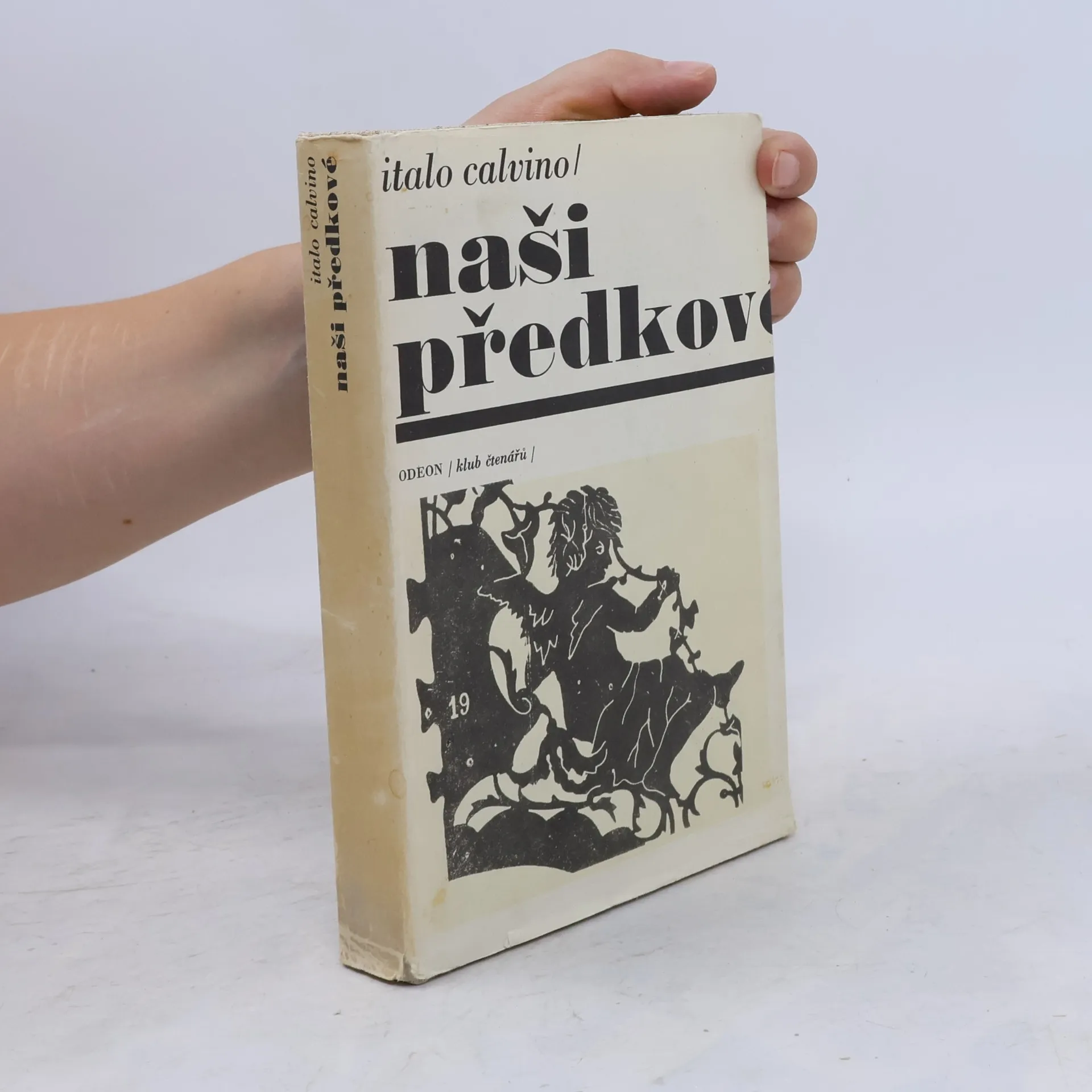
Svazek obsahuje 3 původně samostatné příběhy: Neexistující rytíř, Rozpůlený vikomt a Baron na stromě. Všechny 3 příběhy vznikaly v rozmezí let 1950–1960. Společný jmenovatel všech je jejich nepravděpodobnost a to, že celé osudy i země, kde se odehrává děj, jsou smyšlené. Autor pojal podle svých slov celou trilogii jako tři různé způsoby, jak se může realizovat lidská bytost. První (Neexistující rytíř, 1959) vypráví o bojovníku, který neexistuje a přitom jako prázdné brnění bojuje po boku paladýnů Karla Velikého. Druhá (Rozpůlený vikomt, 1952) líčí vikomta, kterého dělová koule za rakousko-turecké vojny rozdělila na část dobrou a zlou. Třetí (Baron na stromě, 1957) je o baronovi, jenž tráví celý život v korunách stromů a jedině tak je schopen podílet se na všech stránkách aktivního života. Edice: Klub čtenářů, sv. 293. Pozn. o autorovi napsal Z. Digrin.
Il primo volume nei Meridiani Collezione nel quale è raccolta in ordine cronologico l'intera produzione narrativa di Calvino, sia edita che inedita, arricchita da prefazioni d'autore presentate in un'apposita sezione. Le note e notizie sui testi forniscono preziose informazioni sulla genesi delle singole opere, sulle influenze letterarie che le hanno ispirate, sulle varianti che documentano le successive fasi di scrittura.
Es war einmal eine Stadt, in der alle Einwohner Diebe waren. Jeder bestahl jeden und so hatte immer jeder etwas. Eines Tages kam ein Ehrlicher in die Stadt und brachte das bequeme Gleichgewicht durcheinander. Das Chaos beginnt zu regieren. Wie entstanden Reichtum und Armut auf der Welt? Italo Calvino entwickelt erzählerisch seine ganz eigene Theorie.
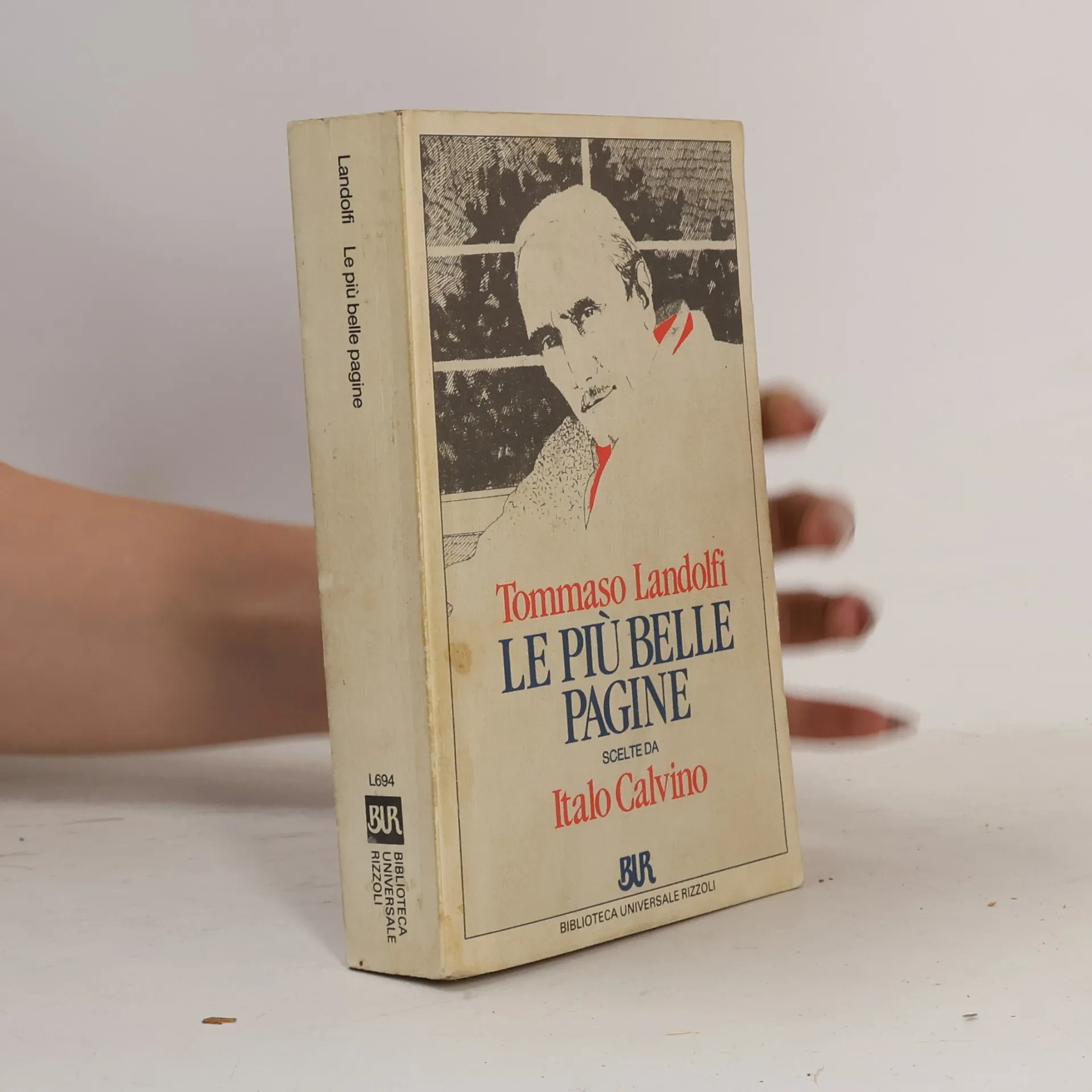
Nel 1982, muovendo dalla constatazione che Landolfi ebbe in sommo grado «la dote di catturare l’attenzione e la meraviglia del lettore» ma accompagnata da una «fama d’impraticabilità e stranezza», Italo Calvino si cimentò nell’ardua impresa di allestire un invito alla lettura sotto forma di antologia. Dopo aver setacciato le raccolte pubblicate da Landolfi nell’arco di oltre quarant’anni, Calvino scelse da ultimo cinquantatré testi. Organizzati in sette sezioni che corrispondono ad altrettanti luminosi spunti critici – «Racconti fantastici», «Racconti ossessivi», «Racconti dell’orrido», «Tra autobiografia e invenzione», «L’amore e il nulla», «Piccoli trattati», «Le parole e lo scrivere» –, essi consentono di cogliere in tutte le sue rifrazioni un’opera sconcertante. E soprattutto di cogliere il vero Landolfi, quello che «sperpera le sue puntate d’un colpo o le ritira bruscamente dal tavolo col gesto allucinato del giocatore».
Italo Calvino je jeden z najvýznamnejších talianskych a európskych spisovateľov dvadsiateho storočia. Jeho dielo prešlo viacerými tvorivými fázami od príklonu k neorealizmu cez alegoricko – symbolické príbehy a texty inšpirované kombinatorikou, cez príklon k hnutiu OULIPO až k postmodernizmu. Tri novely (Argentínske mravce, Stavebné špekulácie a Oblak smogu) vyjdú pod spoločným názvom Neľahké životy. Kniha vychádza v preklade Miroslavy Vallovej. Italo Calvino, jeden z najvýznamnejších talianskych spisovateľov a mysliteľov dvadsiateho storočia, autor kultového románu Neviditeľné mestá, sa v zbierke troch noviel Neľahké životy zaoberá pálčivými témami, ktoré sú navýsosť aktuálne aj dnes. Bolestne naliehavou otázkou je pre neho trvalá udržateľnosť životného prostredia v atmosfére stavebného boomu povojnového Talianska. S rovnakou nástojčivosťou približuje aj dilemy a následné zlyhávanie intelektuála v tvorivom procese a zložitých výzvach neľahkého života.
Briefe 1941-1985
Italo Calvino war nicht nur einer der phantasievollsten und beliebtesten Autoren Italiens, er war auch eine der größten Figuren im intellektuellen und literarischen Leben. Der vorliegende Band versammelt seine Briefe von 1941 bis zum seinem Tode 1985. Sie spiegeln die großen Ereignisse des 20. Jahrhunderts und dessen Persönlichkeiten wider: von der kulturellen Neugründung nach dem Faschismus bis zu den Revolutionen in Lateinamerika und dem Pariser Mai 1968, von Pier Paolo Pasolini und Franco Fortini bis zu Michelangelo Antonioni. Ein großes Buch über Italien und über das, was literarische und künstlerische Debatten bedeuten können.
Nur wenige Schriftsteller unserer Zeit haben so originell und erschöpfend über das Handwerk des Schreibens nachgedacht wie Italo Calvino. In dieser Sammlung seiner Essays zeigt sich Calvino nicht nur als Autor, sondern vor allem als Leser, dem die Beschäftigung mit der Literatur zum Überlebenstraining wird.
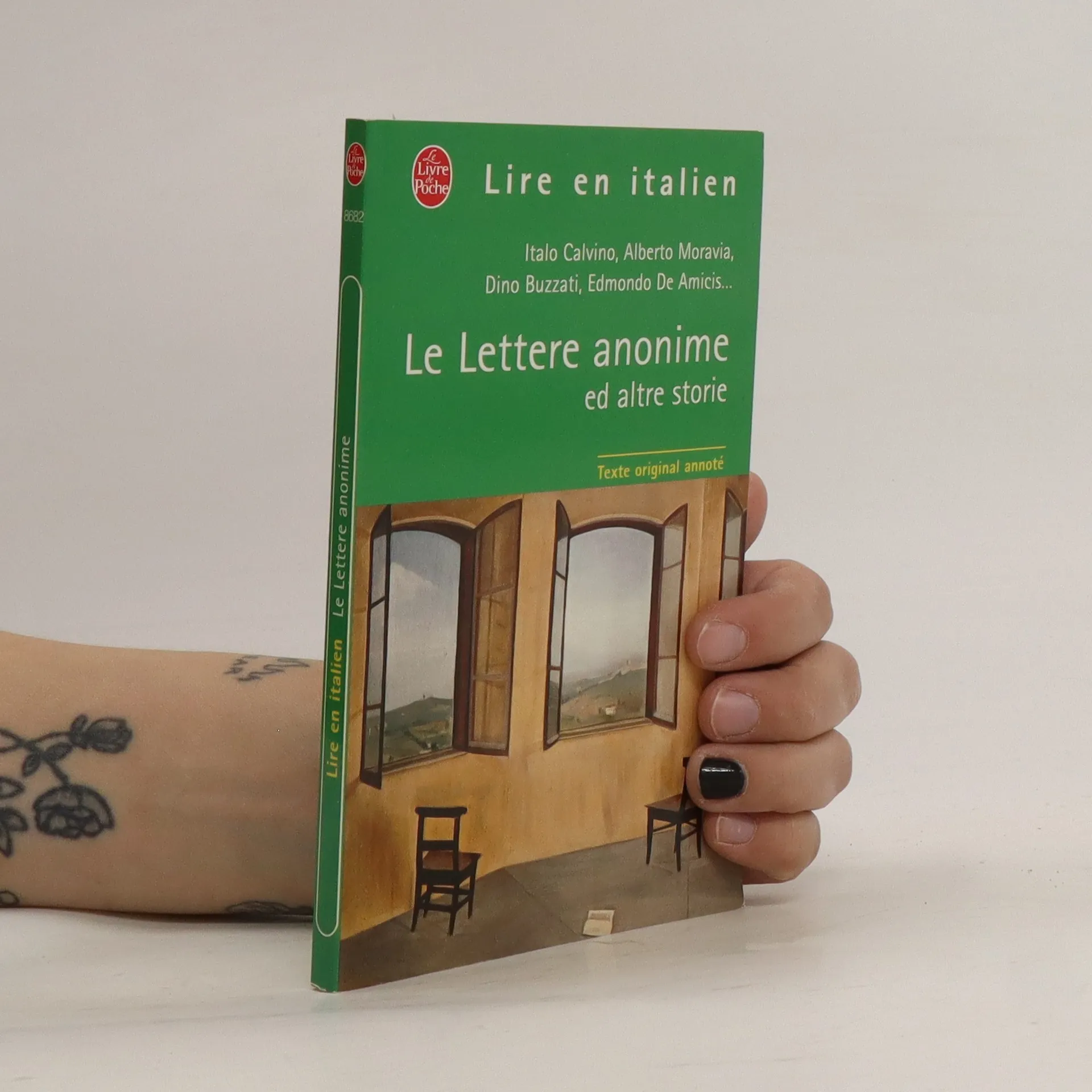
Souborné vydání 32 různorodých povídek známého italského autora z let 1945-1958. Jedná se o první svazek původního autorského souboru Povídky vydaného v roce 1958, zahrnuté texty jsou tematicky i stylisticky velmi různorodé. V několika povídkách autor přibližuje proces dospívání v Ligurii, kraji z jedné strany obehnaném horami a z druhé mořem. Část dalších povídek pracuje s pohádkovými motivy či na osudech prosťáčka Marcovalda zachycuje problémy objevující se v moderních velkoměstech. Povídky reflektující válečné zkušenosti a situace z odboje tematizují chladnokrevnost, zradu, odhodlání a okamžiky bezbřehého násilí. Je zde zachycen jedinečný úhel pohledu jednotlivých postav, který zpravidla vychází z jejich psychologického, sociálního a historického zakotvení.
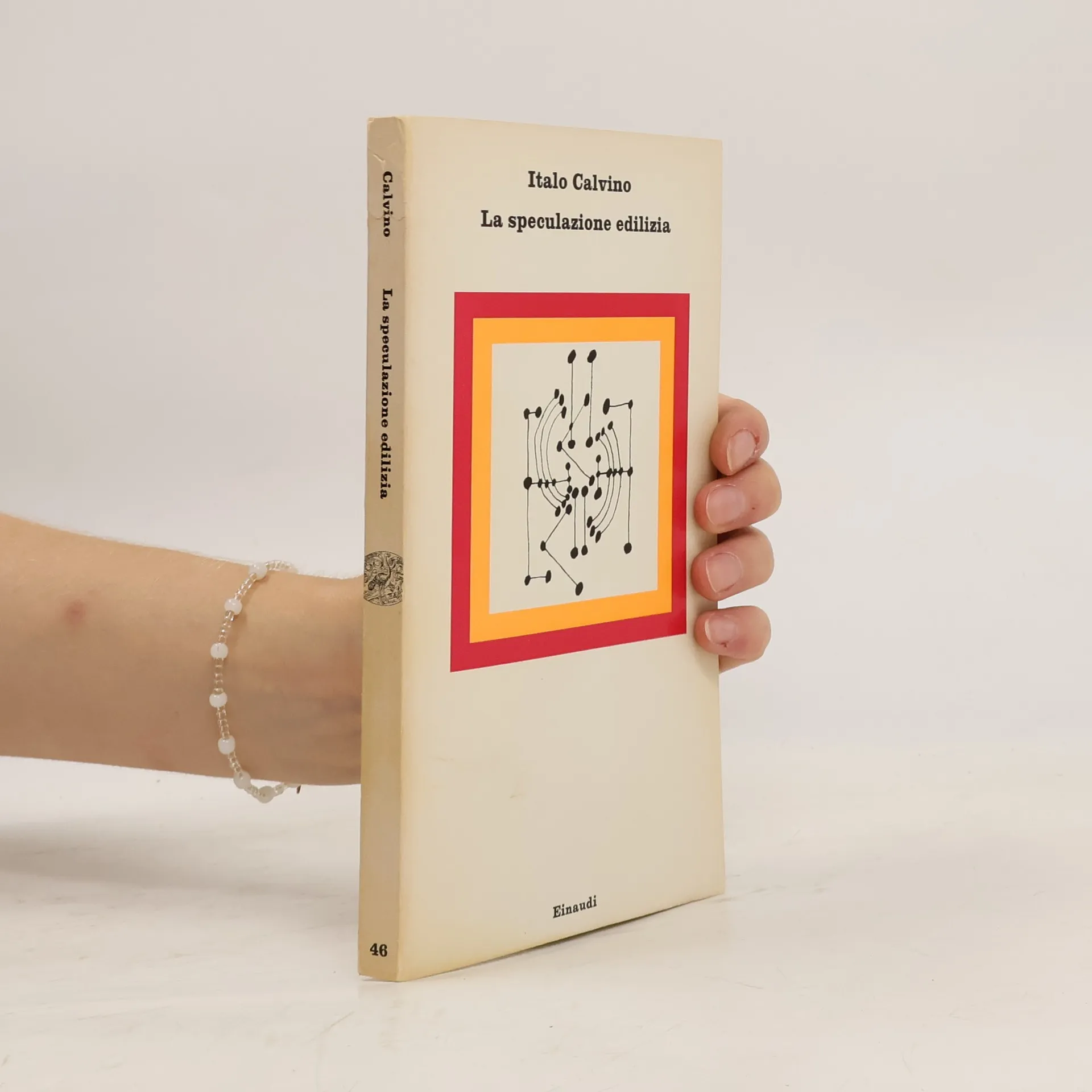
Si tratta di una storia ambientata in un'ignota località della riviera ligure, nella quale Quinto, un giovane intellettuale che lavora in una grande città del Nord, fa ritorno. Siamo nel mezzo degli anni cinquanta, in un'epoca di bassa marea morale e Quinto, in una crisi di pensiero dovuta ai cambiamenti e al malessere sociale e intellettuale da essi causato, si trova a reagire attraverso la repressione delle sue naturali inclinazioni: mettendo in secondo piano il suo impegno intellettuale, si mette in affari, per sentirsi al passo coi tempi; così diventa socio di un impresario di cattiva fama dedito alla speculazione edilizia, collaborando ad ingrigire lo spettacolo paesaggistico della riviera ligure.
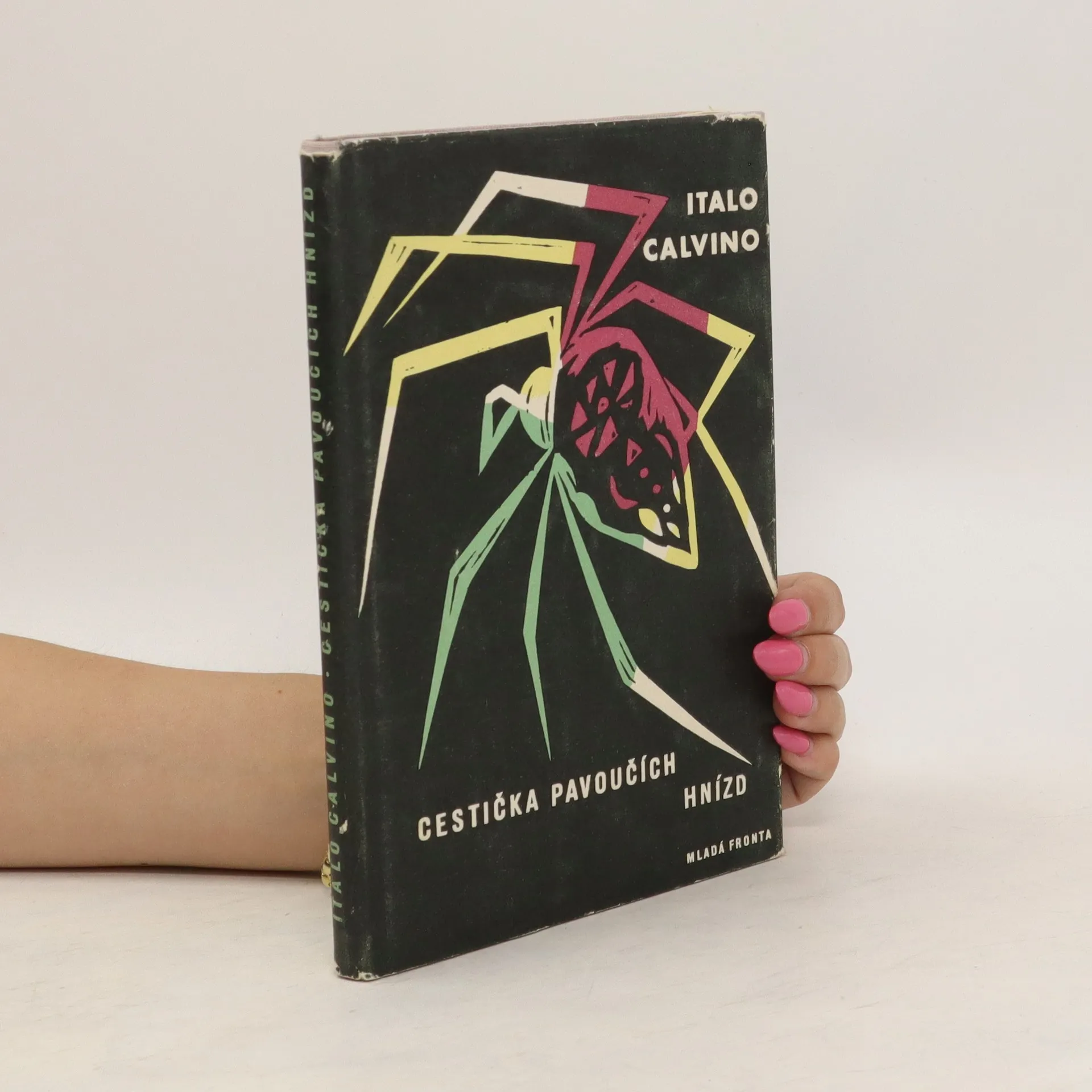
Kniha řazená mezi díla italského neorealismu. Calvino v ní líčí dobrodružství malého chlapce Pina, který stráví nějaký čas mezi partyzány a celou dobu sní o tom, že najde dospělého kamaráda, jemuž bude moci prozradit své tajemství: místo hluboko v lese, kde si pavouci stavějí svá hnízda. Již v této prvotině najdeme pohádkové prvky, které zůstanou konstantou v celé Calvinově tvorbě.
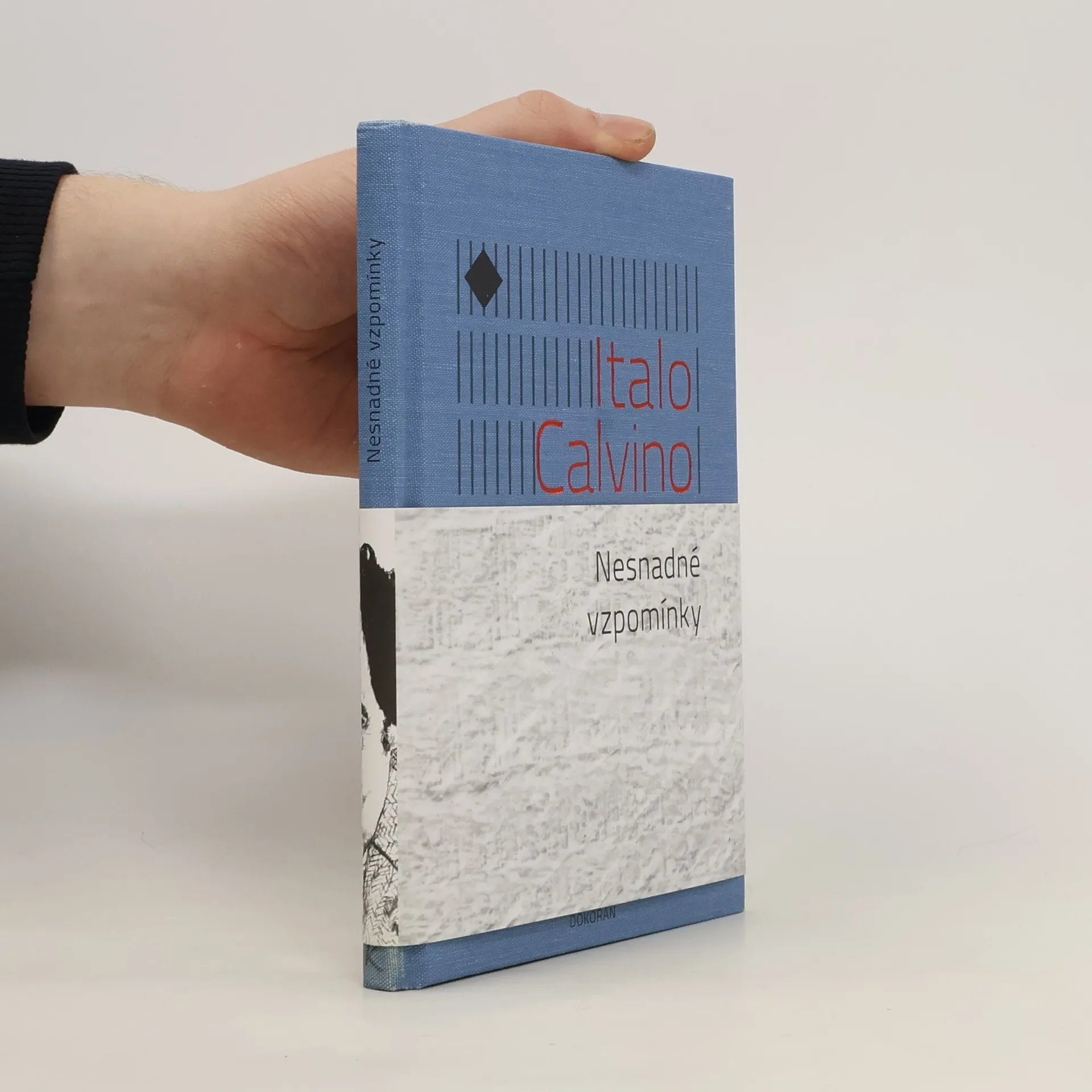
Nesnadné vzpomínky jsou pak tvořeny v první řadě pěti kratšími povídkami, v nichž se Calvino věnuje tématu vztahů mezi otci a syny, ale vrací se opět i k válce a partyzánskému odboji. Doplňují je tři autobiografické povídky, které prvotně tvořily svazek, v nichž Calvino popisuje vstup Itálie do války a průběh jejích prvních dnů.
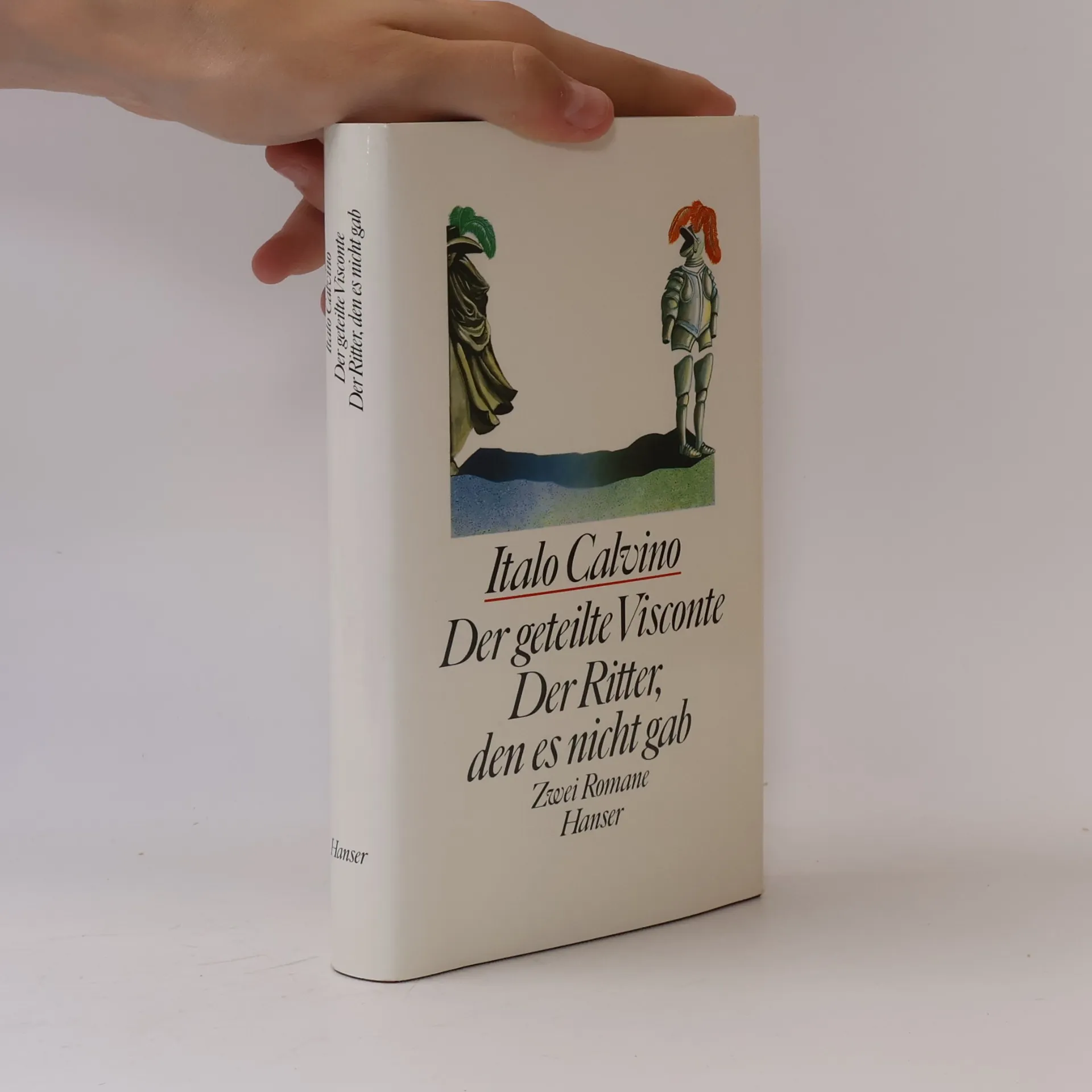
Zwei Novellen: die erste, eine Parodie auf das mittelalterliche Rittertum, erzählt von einer Nonne; die zweite, eine Fantasie über einen Adligen, der in seine guten und bösen Hälften geteilt wird.
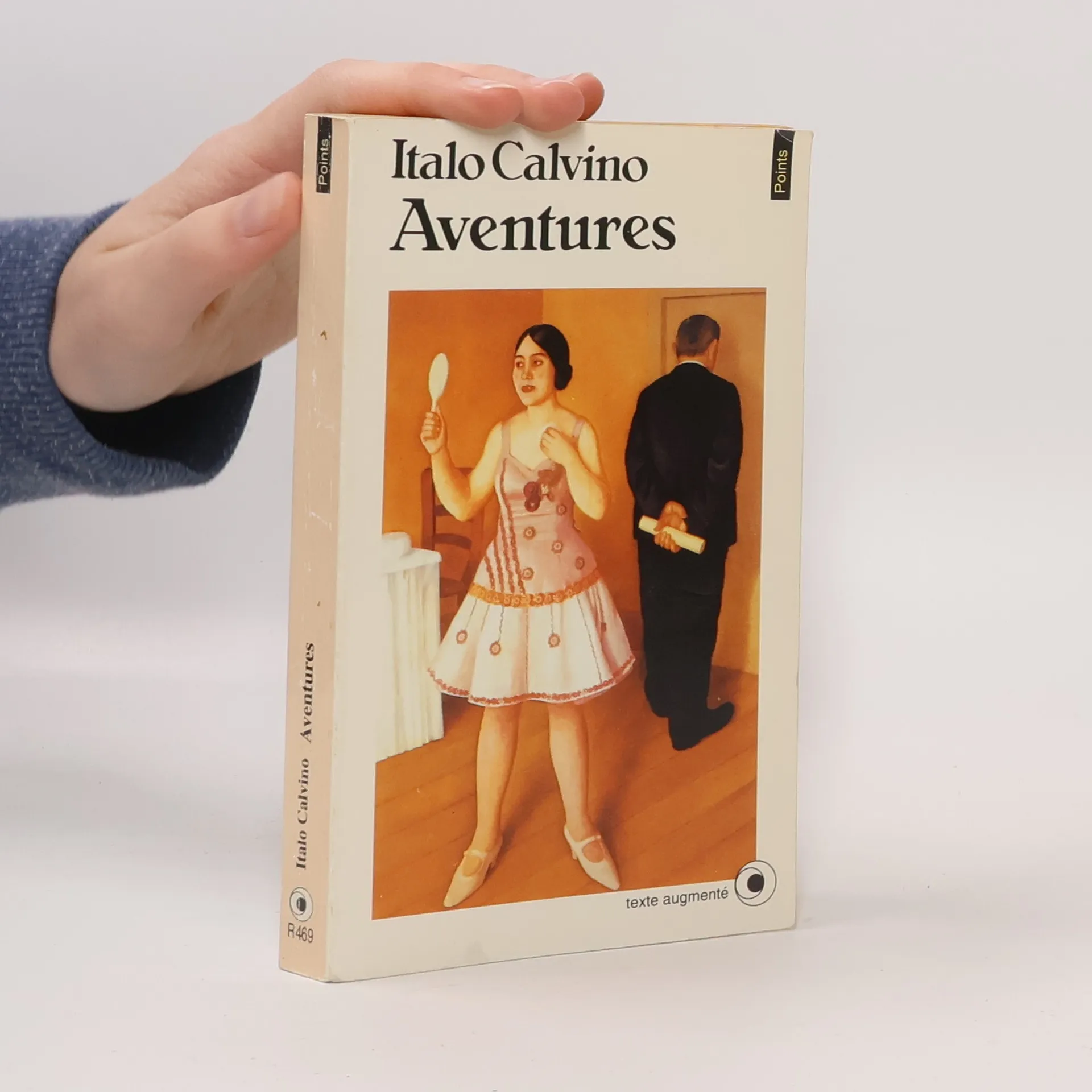
Le bref retour d'un fils... La déchéance d'un " homme d'honneur "... Un bon repas apprécié tardivement... Un enfant qui se refuse à dormir... Une fille qui montre qu'elle vaut plus qu'un garçon... Un curieux personnage plus soucieux de son orthographe que la morale... La confession du fils au chevet du père mourant... Est surpris qui voulait surprendre...
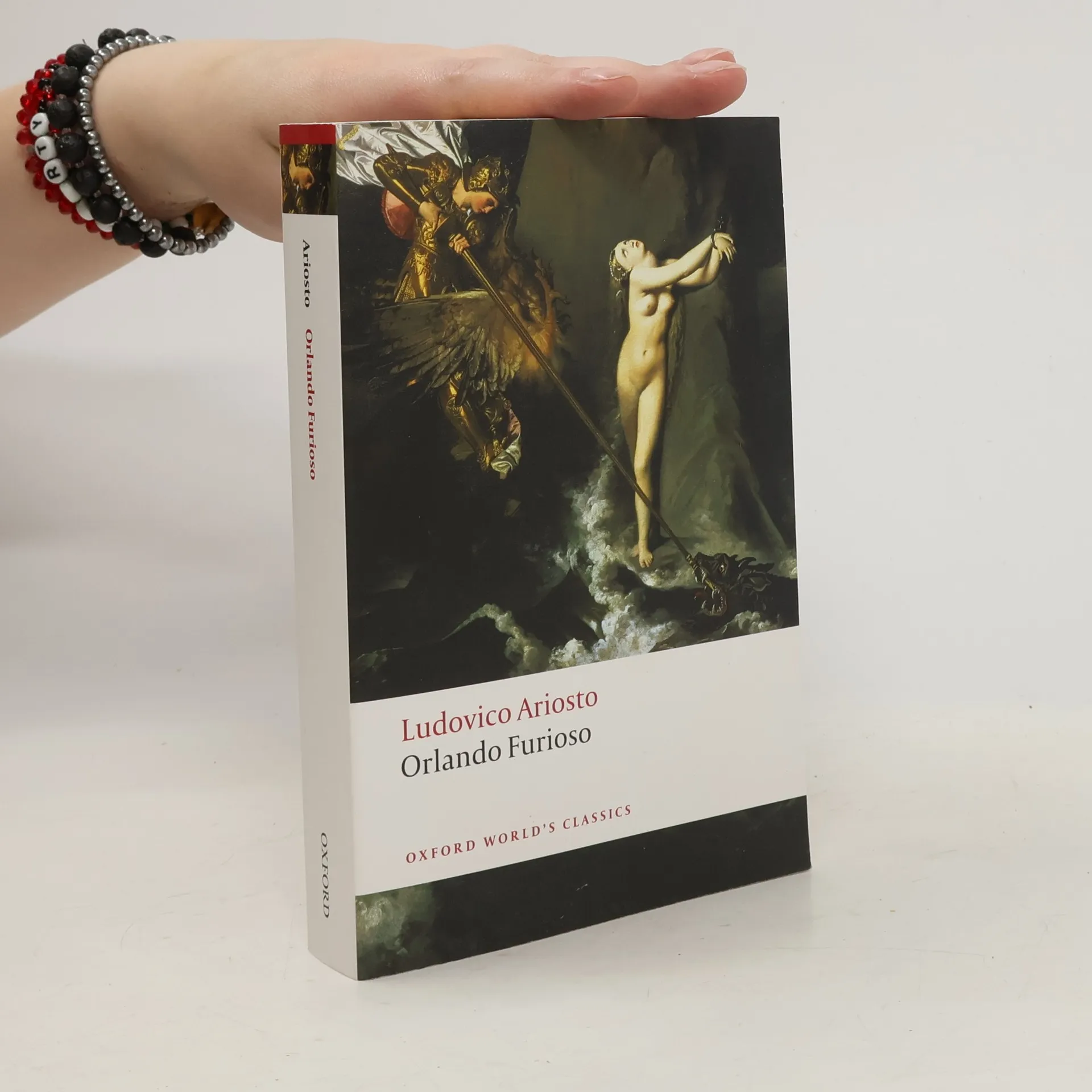
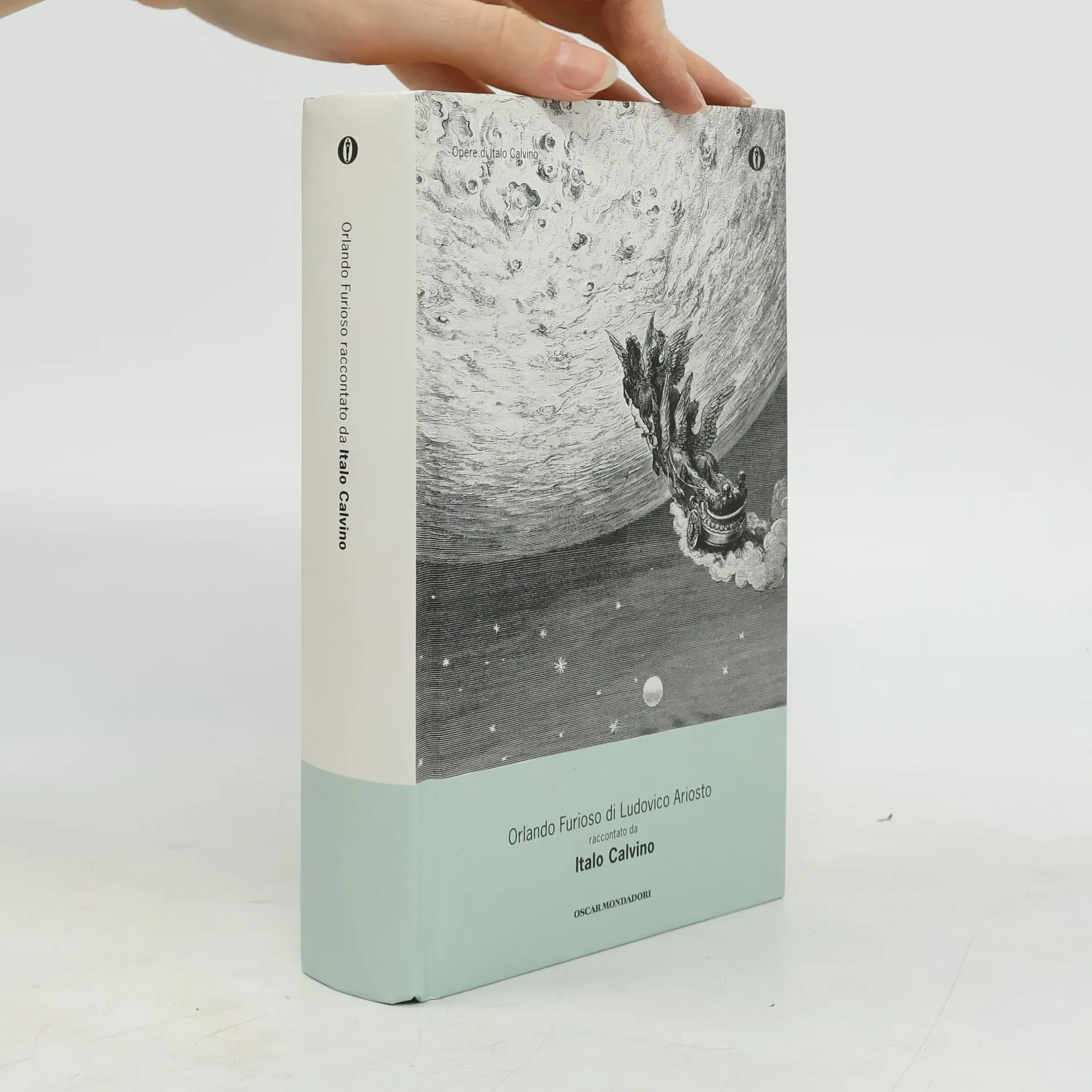
`I sing of knights and ladies, of love and arms, of courtly chivalry, of courageous deeds.' So begins Ariosto's Orlando Furioso (1532), the culmination of the chivalric legends of Charlemagne and the Saracen invasion of France. It is a brilliantly witty parody of the medieval romances, and a fitting monument to the court society of the Italian Renaissance which gave them birth. This unabridged prose translation faithfully captures the narrative entire and is a kaleidoscope of scenes and emotions of fact and fantasy. ABOUT THE SERIES: For over 100 years Oxford World's Classics has made available the widest range of literature from around the globe. Each affordable volume reflects Oxford's commitment to scholarship, providing the most accurate text plus a wealth of other valuable features, including expert introductions by leading authorities, helpful notes to clarify the text, up-to-date bibliographies for further study, and much more.
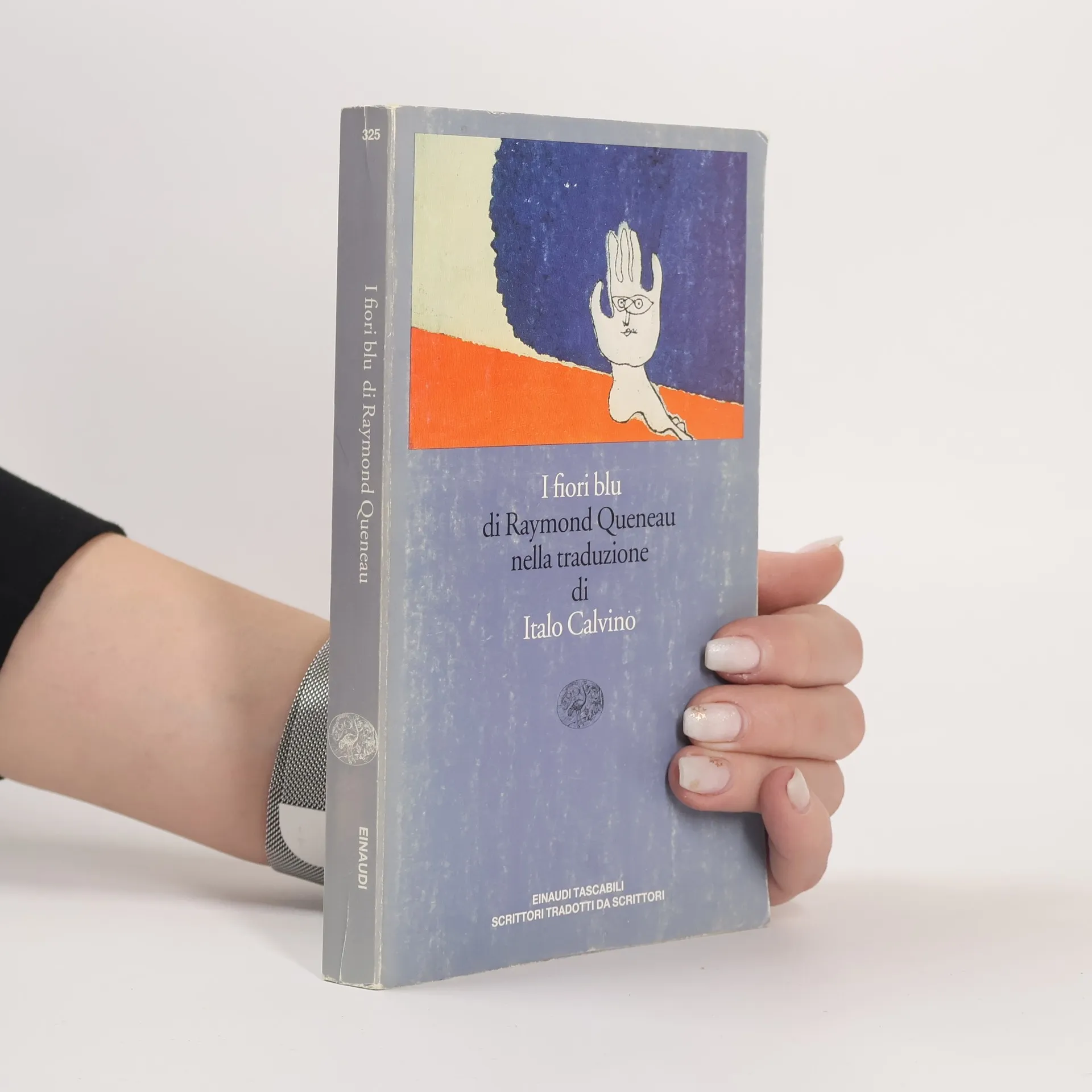
Il venticinque settembre milleduecentosessentaquattro, sul far del giorno, il Duca d'Auge salí in cima al torrione del suo castello per considerare un momentino la situazione storica. La trovò poco chiara. Resti del passato alla rinfusa si trascinavano ancora qua e là. Sulle rive del vicino rivo erano accampati un Unno o due; poco distante un Gallo, forse Edueno, immergeva audacemente i piedi nella fresca corrente. Si disegnavano all'orizzonte le sagome sfatte di qualche diritto Romano, gran Saraceno, vecchio Franco, ignoto Vandalo. I Normanni bevevan calvadòs... Fantasmagoria linguistica costruita su sfolgoranti giochi di parole, calembours e citazioni erudite, I fiori blu è la piú imprevedibile e pirotecnica opera di Raymond Queneau: «Appena presi a leggere il romanzo - racconta Italo Calvino - pensai subito: "È intraducibile!"... ma il libro cercava di coinvolgermi... mi tirava per il lembo della giacca, mi chiedeva di non abbandonarlo alla sua sorte, e nello stesso tempo mi lanciava una sfida».
Autobiographisch sind alle Texte dieses Bandes, und so vielfältig wie das Leben. Gewitzte kleine »Erinnerungsstücke«, die ganz Unterschiedliches heraufbeschwören: Calvinos leidenschaftliche Liebe zum Kino der 30er Jahre, seine Hommage an Fellini, Reminiszenzen an seine Zeit bei den Partisanen, und die ebenso sachliche wie wehmütig-liebevolle Erinnerung an den Vater, einen großen Botaniker und Jäger, und an die Landschaft, in der Calvino seine Jugend verbracht hat: die ligurische Riviera mit ihren Hügeln, Weinbergen und dem Meer.
Der Held Qfwfq erzählt fesselnde Liebesgeschichten aus dem All und raffinierte Anekdoten über die Liebe zu bezaubernden Mädchen im Universum.
dtv zweisprachig für Einsteiger – Italienisch
Kabinettstücke der italienischen Märchenliteratur Ninetta entdeckt einen geheimen Garten, in dem sich der Königssohn unsterblich in sie verliebt. Ein junges Mädchen muss ihr Elternhaus verlassen, weil sie vom Pech verfolgt wird, Pippina wird mit einem Fluch belegt und verwandelt sich, von der Sonne berührt, in eine Schlange. Caterina die Kluge überlistet ihren Ehemann, damit er bei ihr bleibt. Und eine junge Fürstin wird mithilfe ihres Dieners ihren geizigen Gatten los. Sie alle müssen sich den Herausforderungen stellen, die das Leben ihnen aufgibt, ehe sie Liebe und Lebensglück finden können. Diese fünf sizilianischen Märchen, aufgezeichnet von Italo Calvino, zeigen die Magie der mündlich überlieferten italienischen Fabeln, die reich an fantastischen Wesen und Zauber sind. dtv zweisprachig – Die Vielfalt der Sprachen auf einen Blick Die Reihe umfasst drei Sprach-Niveaus – Einsteiger, Fortgeschrittene und Könner – und mittlerweile über 130 Titel in vielen Sprachen. Landeskunde, Kulturgeschichte und Redewendungen, zeitgenössische und klassische Texte in unterschiedlichen Formen und Genres – von der Kurzgeschichte bis zum Krimi – für jeden Lesegeschmack ist etwas dabei. Einzigartig ist die konsequente Zeilengleichheit zwischen Originaltext und Übersetzung, damit man vom ersten bis zum letzten Wort in zwei Sprachwelten zuhause ist.
Part autobiography, part sociological study, part travel memoir - a reissue of Carlo Levi's classic book on life in a small, desolate Italian town during the 1930s.
Questo volume raccoglie tutti i racconti brevi e lunghi di Italo Calvino: un "Novellino" dell'Italia contemporanea animato da un piglio baldanzoso e pungente. La penna di Calvino tende a trasformare tutto ciò che tocca in gioco, danza grottesca, ma sotto c'è sempre un fondo sensibile e amaro: la difficoltà a comunicare tra esseri umani, ad andare d'accordo con la natura, con la società, con se stessi.
Príbeh sa odohráva na konci 17. storočia v dobe rakúsko-tureckej vojny, kedy je náš hrdina priletivejšou tureckou guľou rozpolený na časť dobrú a zlú, a tak je mu súdené zažiť opäť mnoho dobrodružstiev.
Un'antologia di fiabe «di magia», rappresentative di tutte le regioni italiane, scelte dalla raccolta che Italo Calvino compose nel 1956. Gli eroi, ragazze e giovani generosi e furbi, quasi sempre si allontanano da casa in cerca del loro destino; oppure devono liberarsi da un incantesimo. In prove rischiose, lottano contro il «Nemico», diavolo, mago, strega o forza della natura; sono destinati a vincere, anche perché vecchine, animali, corsi d'acqua spontaneamente forniscono loro un aiuto magico. Alla fine c'è il ritorno a casa, coronato dalla ricchezza, necessaria per la felicità propria e dei propri cari; a meno che l'eroe non si fermi là dove ha conquistato la mano di una principessa
Sein Name ist unaussprechlich: Er heisst Qfwfq und ist der Erzähler der Cosmicomics. Er war in jeder Phase der Weltentwicklung dabei, in allen Gestalten, auch als Amöbe, auch als Mammut. In diesen »umgekehrten« Science-fiction-Geschichten verbindet sich der Reiz kühner Wissenschaftstheorien mit der Macht uralter kosmogonischer Mythen.
Aveva questo Marcovaldo un occhio poco adatto alla vita di città: cartelli, semafori, vetrine, insegne luminose, manifesti, per studiati che fossero a colpire l’attenzione, mai fermavano il suo sguardo che pareva scorrere sulle sabbie del deserto. Invece, una foglia che ingiallisse su un ramo, una piuma che si impigliasse ad una tegola, non gli sfuggivano mai: non c’era tafano sul dorso d’un cavallo, pertugio di tarlo in una tavola, buccia di fico spiaccicata sul marciapiede che Marcovaldo non notasse, e non facesse oggetto di ragionamento, scoprendo i mutamenti della stagione, i desideri del suo animo, e le miserie della sua esistenza.
Marcovaldo is an unskilled worker in a drab industrial city in northern Italy. He is an irrepressible dreamer and an inveterate schemer. Much to the puzzlement of his wife, his children, his boss, and his neighbors, he chases his dreams-but the results are never the expected ones.
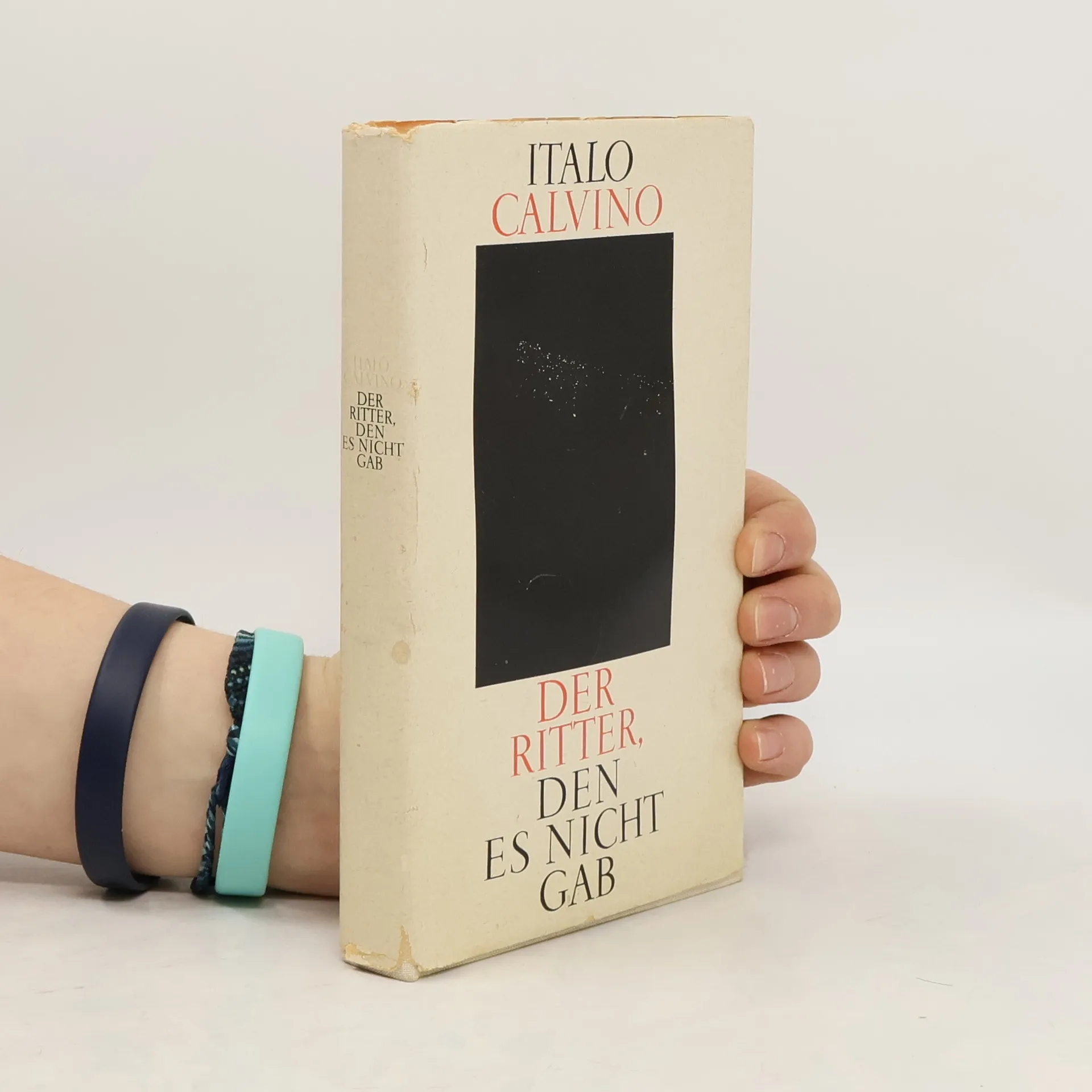
Innen hohl, besteht Ritter Agilulf nur aus Rüstung, Kampfgeist und Pflichtgefühl: Das Musterbild eines ordentlichen Soldaten. Doch ausgerechnet diesen ergebensten Kämpfer Karls des Großen trifft der Verdacht, zu Unrecht zum Ritter geschlagen worden zu sein.
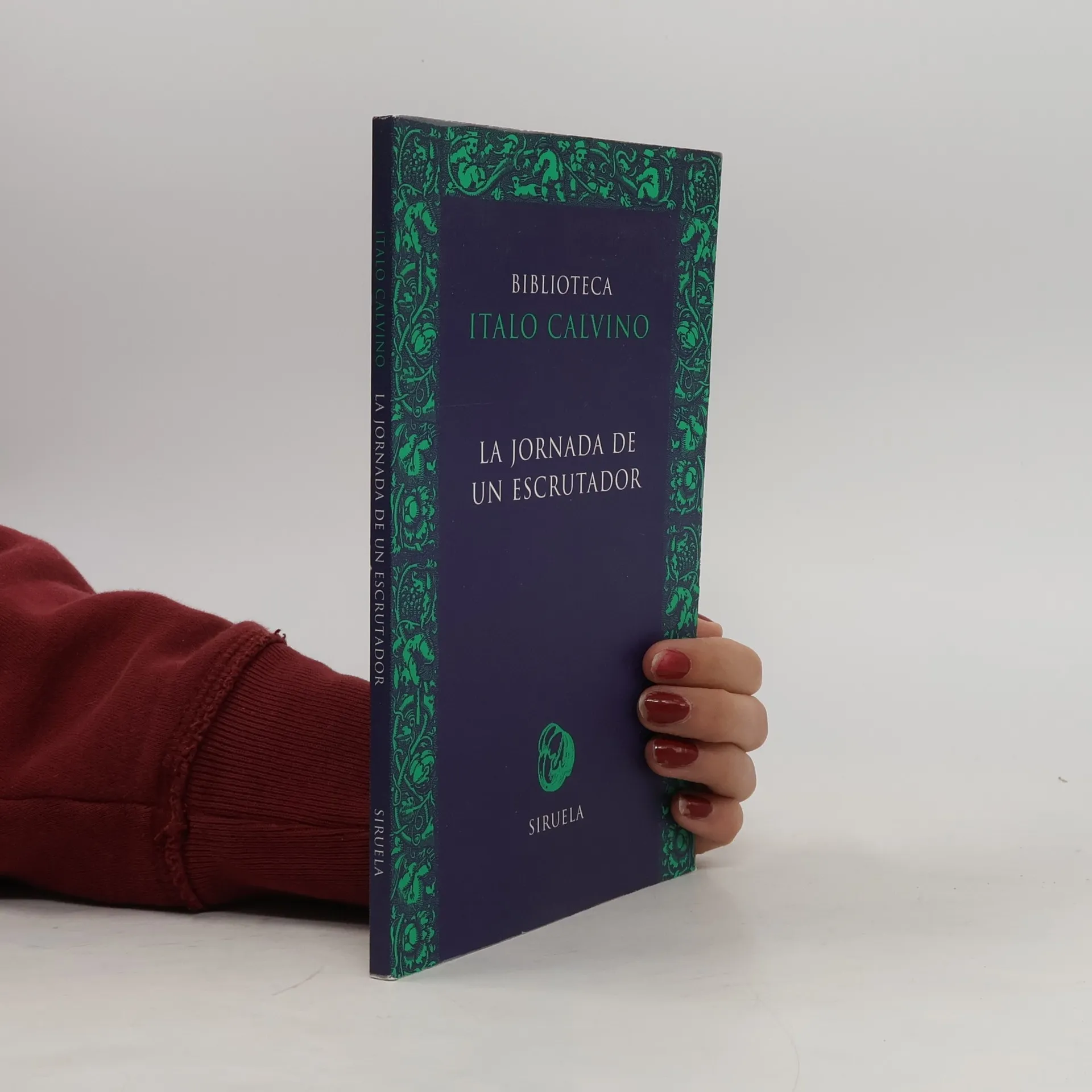
«I temi che tocco con La giornata d'uno scrutatore , quello dell'infelicità di natura, del dolore, la responsabilità della procreazione, non avevo mai osato sfiorarli prima d'ora. Non dico ora d'aver fatto più che sfiorarli, ma già l'ammettere la loro esistenza, il sapere che si deve tenerne conto, cambia molte cose.» (Dalla presentazione scritta da Calvino nel 1963)
"... il Furioso è un libro unico nel suo genere e può – quasi direi deve – esser letto senza far riferimento a nessun altro libro precedente o seguente; è un universo a sé in cui si può viaggiare in lungo e in largo, entrare, uscire, perdercisi. ... Ariosto sembra un poeta limpido, ilare e senza problemi, eppure resta misterioso: nella sua ostinata maestria a costruire ottave su ottave sembra occupato soprattutto a nascondere se stesso. Egli è certo lontano dalla tragica profondità che avrà Cervantes, quando un secolo dopo, nel Don Chisciotte, compirà la dissoluzione della letteratura cavalleresca. Ma tra i pochi libri che si salvano, quando il curato e il barbiere dànno alle fiamme la biblioteca che ha condotto alla follia l'hidalgo della Mancia, c'è il Furioso..." Italo Calvino
L'infanzia, la guerra partigiana, i rapporti con il padre... Cinque scritti postumi sul tema della memoria.
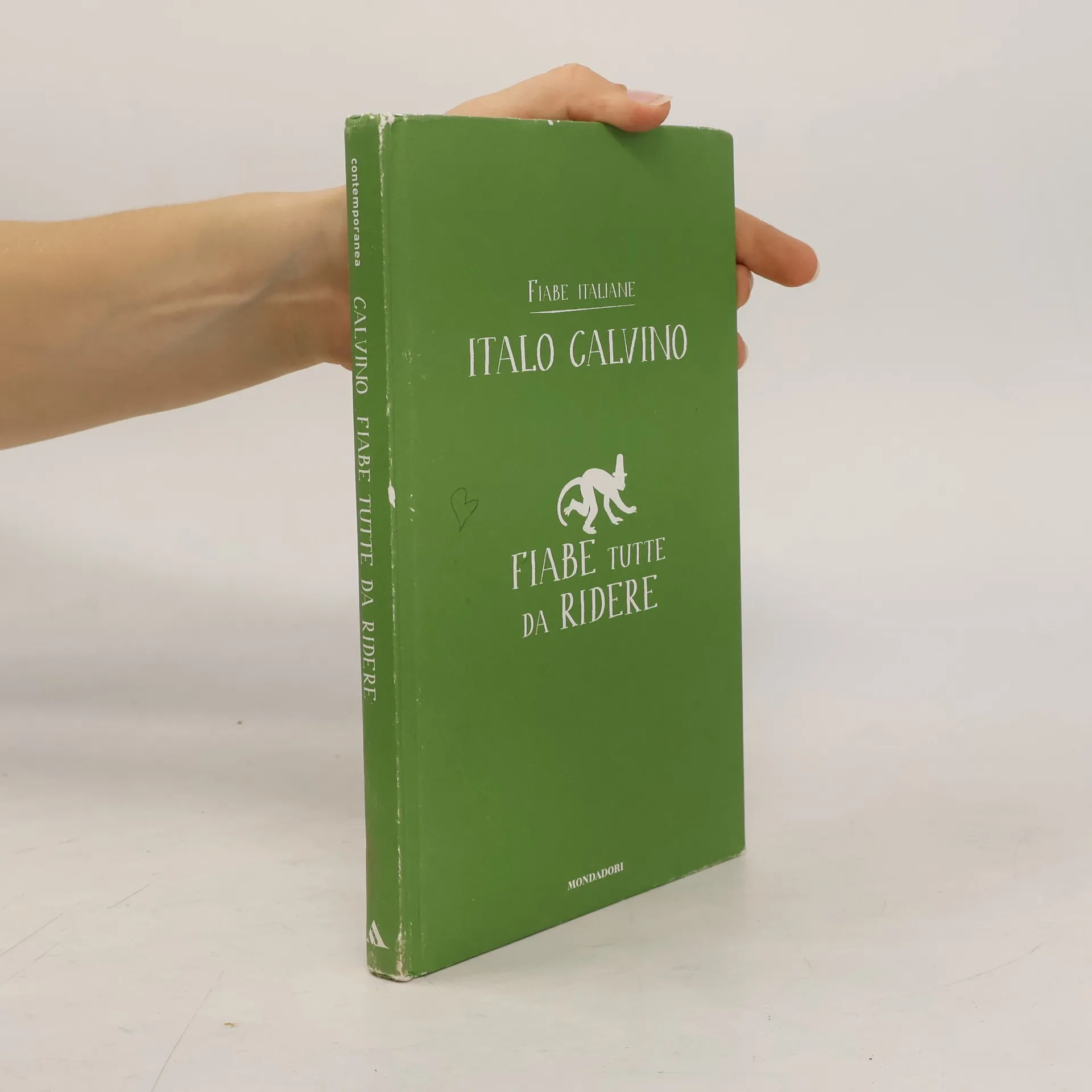
Una volta ci fu un Re che aveva due figli gemelli: Giovanni e Antonio... Così inizia la fiaba II palazzo delle scimmie, in cui un futuro re deve prendere in moglie... proprio una scimmia! I cinque scapestrati, invece, con le loro "arti" riescono a gabbare il re di Francia e la sua pazza figlia. E poi ci sono II soldato napoletano e due suoi amici che, sfidando i giganti, si trasformano in re e duchi. E furbi sono anche Cricche, Crocche e Manico d'Uncino che fanno una scommessa per vedere chi è il "mariuolo più fino". Mentre il povero Giufà è il protagonista di ben quattro fiabe, nelle quali si dimostra più allocco che mai: prima vuole vendere una tela a una statua, poi si fa truffare perfino dalle mosche, e infine decide di far finta di morire per non pagare i suoi debiti. Ma una buona dose di legnate nelle storie da ridere non manca mai ed è quello che accade nell'ultima, Giufà e l'otre. Otto racconti per ridere insieme dell'imprudenza, della sbadataggine e della furbizia del popolo, illustrati da Fabian Negrin. Le Fiabe italiane racchiudono il tesoro della tradizione fiabistica popolare degli ultimi cent'anni. Da quello scrigno Calvino stesso ha selezionato per i più piccoli queste storie, in cui le vite di persone e animali si intrecciano a magia e meraviglia senza tempo. Età di lettura: da 6 anni.
In tre Meridiani è raccolta in ordine cronologico l'intera produzione narrativa di Calvino, sia edita che inedita, arricchita da prefazioni d'autore presentate in un'apposita sezione. Le note e notizie sui testi forniscono preziose informazioni sulla genesi delle singole opere, sulle influenze letterarie che le hanno ispirate, sulle varianti che documentano le successive fasi di scrittura. In particolare, il terzo volume racchiude i Racconti sparsi e altri testi d'invenzione