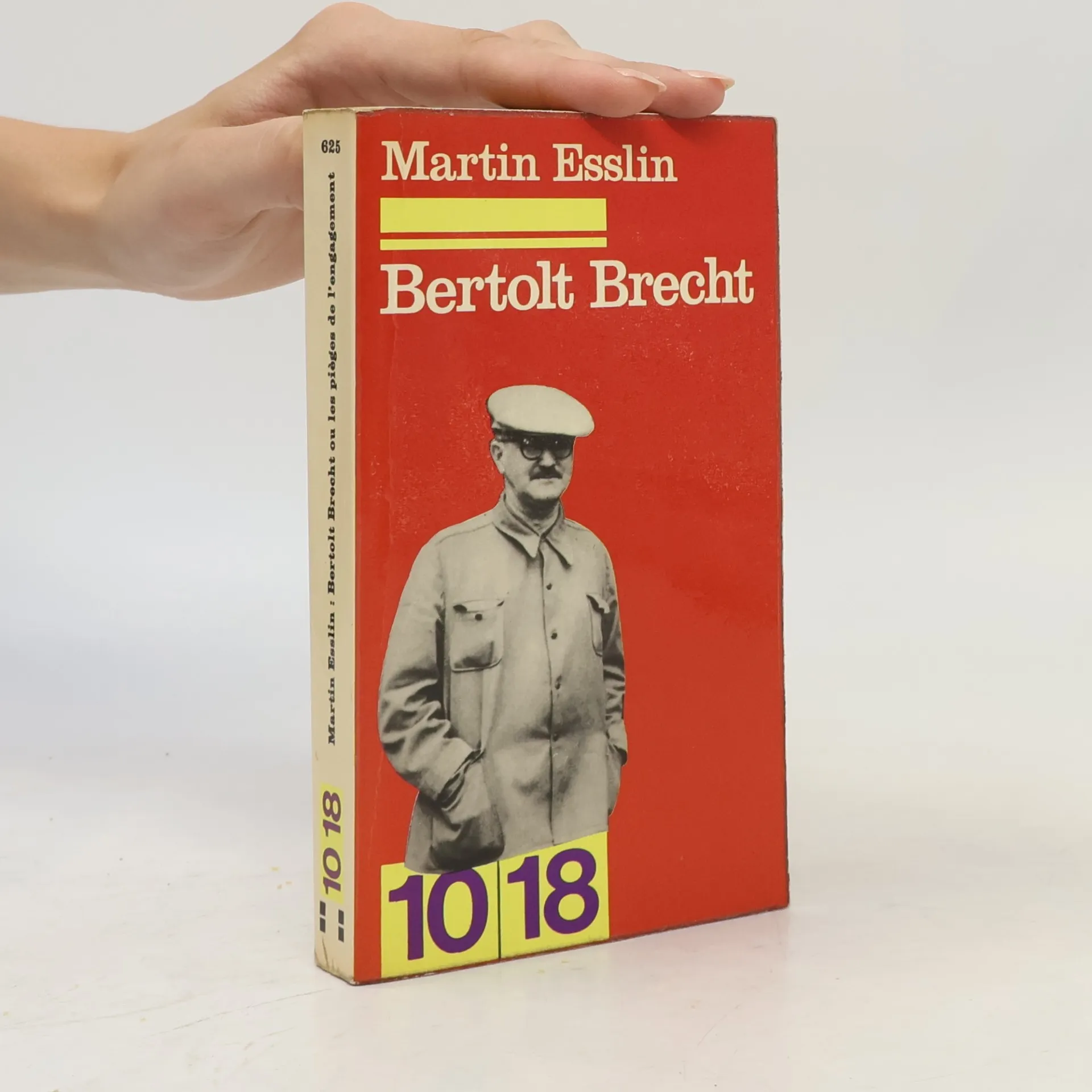
Martin Esslin Volgorde van de boeken (chronologisch)
Martin Esslin was een belangrijke criticus en academicus die de term "Absurdistisch Theater" introduceerde. Zijn analyses onderzochten hoe deze theatrale beweging een gevoel van zinloosheid van de menselijke conditie en de ontoereikendheid van rationele benaderingen uitdrukte. Esslin onderzocht de bewuste afdanking van logische middelen en discursief denken om diepgaande existentiële thema's over te brengen. Zijn werk belichtte de kernzaken van belangrijke 20e-eeuwse dramatici en hun unieke manieren om de moderne ervaring weer te geven.
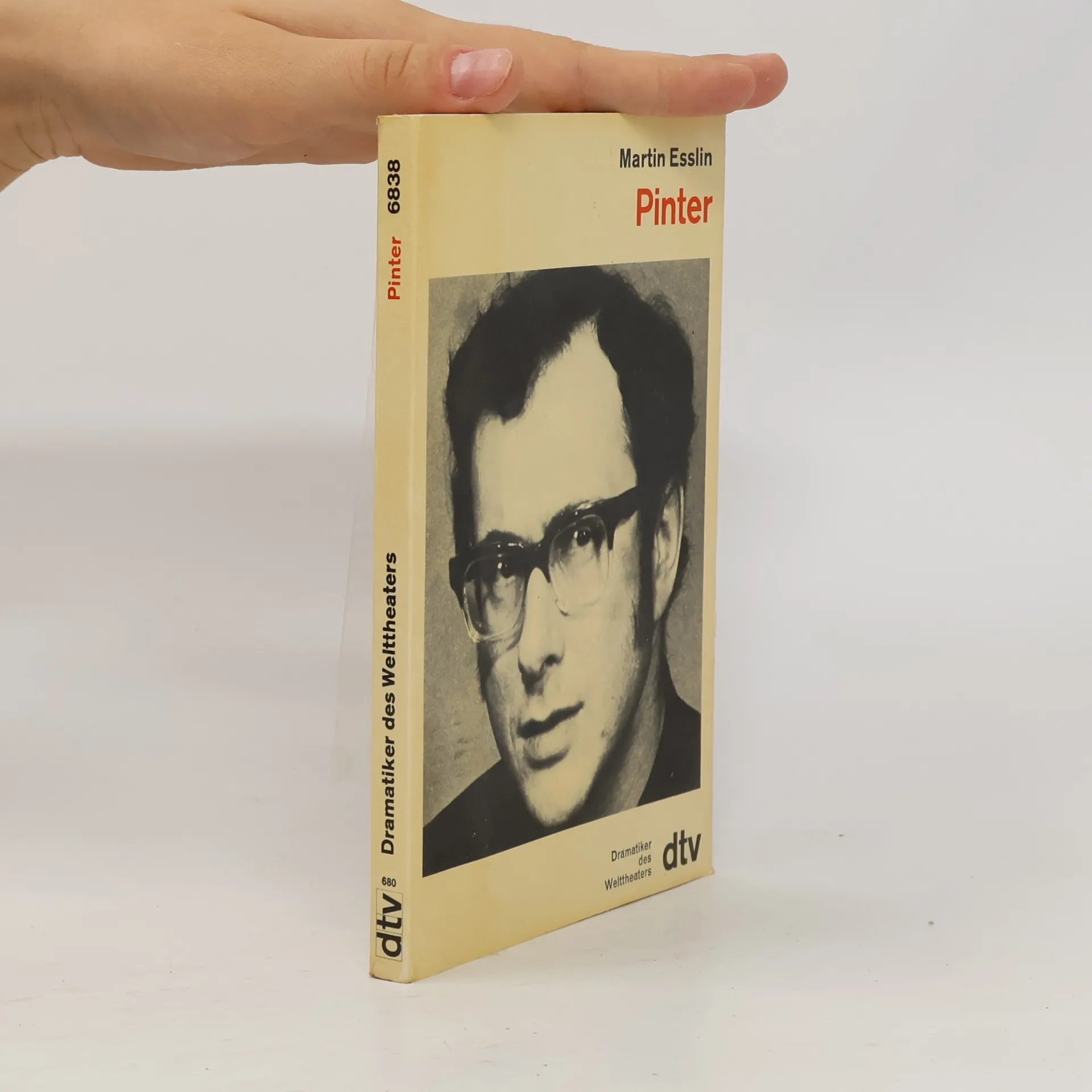

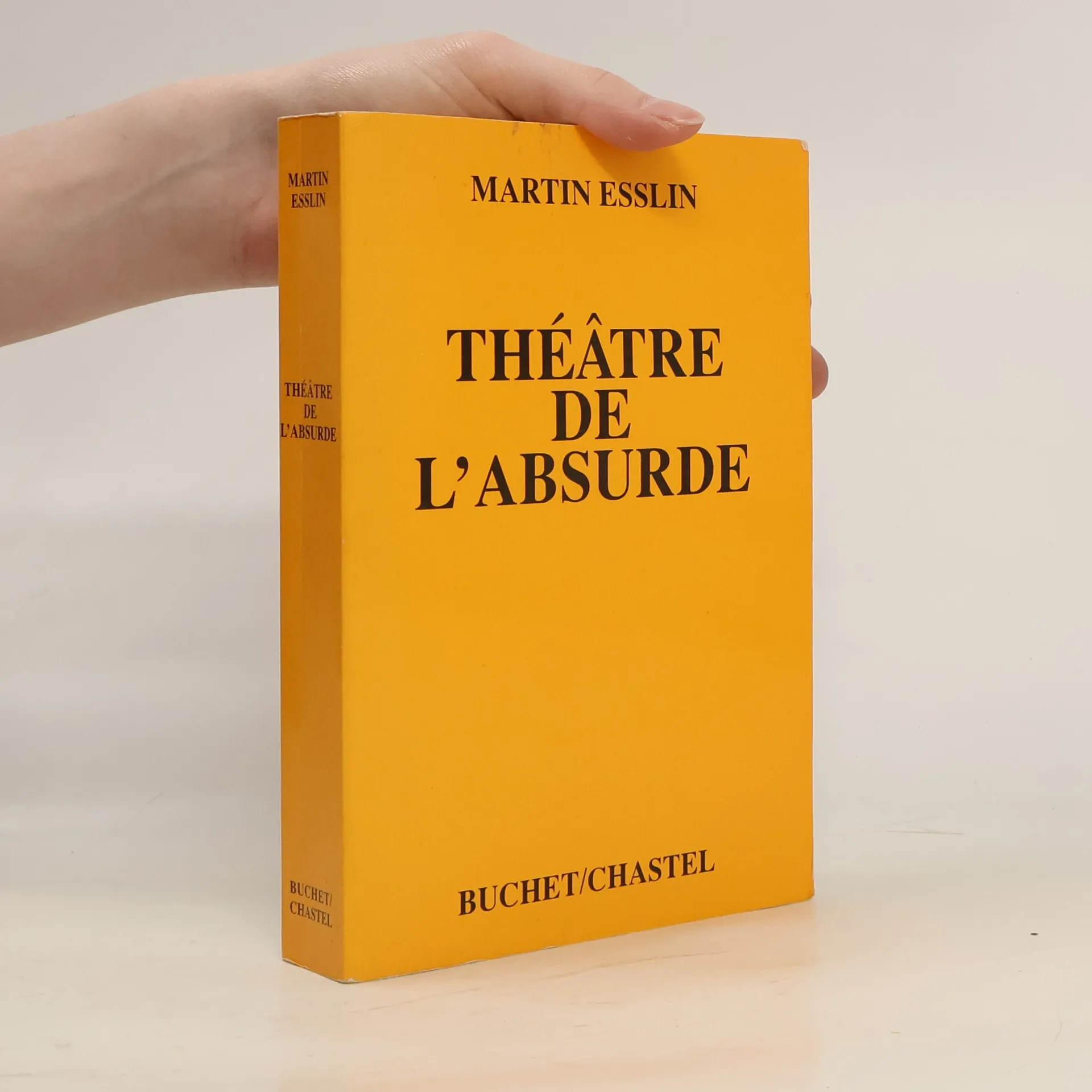
En 1953, la première de En attendant Godot de Samuel Beckett a eu lieu dans un petit théâtre avant-gardiste à Paris ; en cinq ans, elle avait été traduite en plus de vingt langues et vue par plus d'un million de spectateurs. Sa popularité étonnante a marqué l'émergence d'un nouveau type de théâtre dont les partisans—Beckett, Ionesco, Genet, Pinter, et d'autres—ont brisé les conventions dramatiques et ont prêté peu d'attention au réalisme psychologique, tout en mettant en lumière l'incapacité de leurs personnages à se comprendre. En 1961, Martin Esslin a donné un nom à ce phénomène dans son étude novatrice de ces dramaturges qui ont dramatisé l'absurde au cœur de la condition humaine. Plus de quatre décennies après sa publication initiale, le livre marquant d'Esslin n'a rien perdu de sa fraîcheur. Les questions que ces dramaturges soulèvent sur la lutte pour le sens dans un monde sans but sont toujours aussi incisives et nécessaires aujourd'hui qu'elles l'étaient lorsque les vagabonds de Beckett attendaient sous un arbre mourant sur une route de campagne isolée un bienfaiteur mystérieux qui ne viendrait jamais. Autoritaire, engageant et éminemment lisible, Le Théâtre de l'absurde est rien de moins qu'un classique : une lecture essentielle pour quiconque s'intéresse au théâtre.
The Brecht Memoir
- 121bladzijden
- 5 uur lezen
A remembrance of Brecht and his circle during his wartime and postwar experiences.
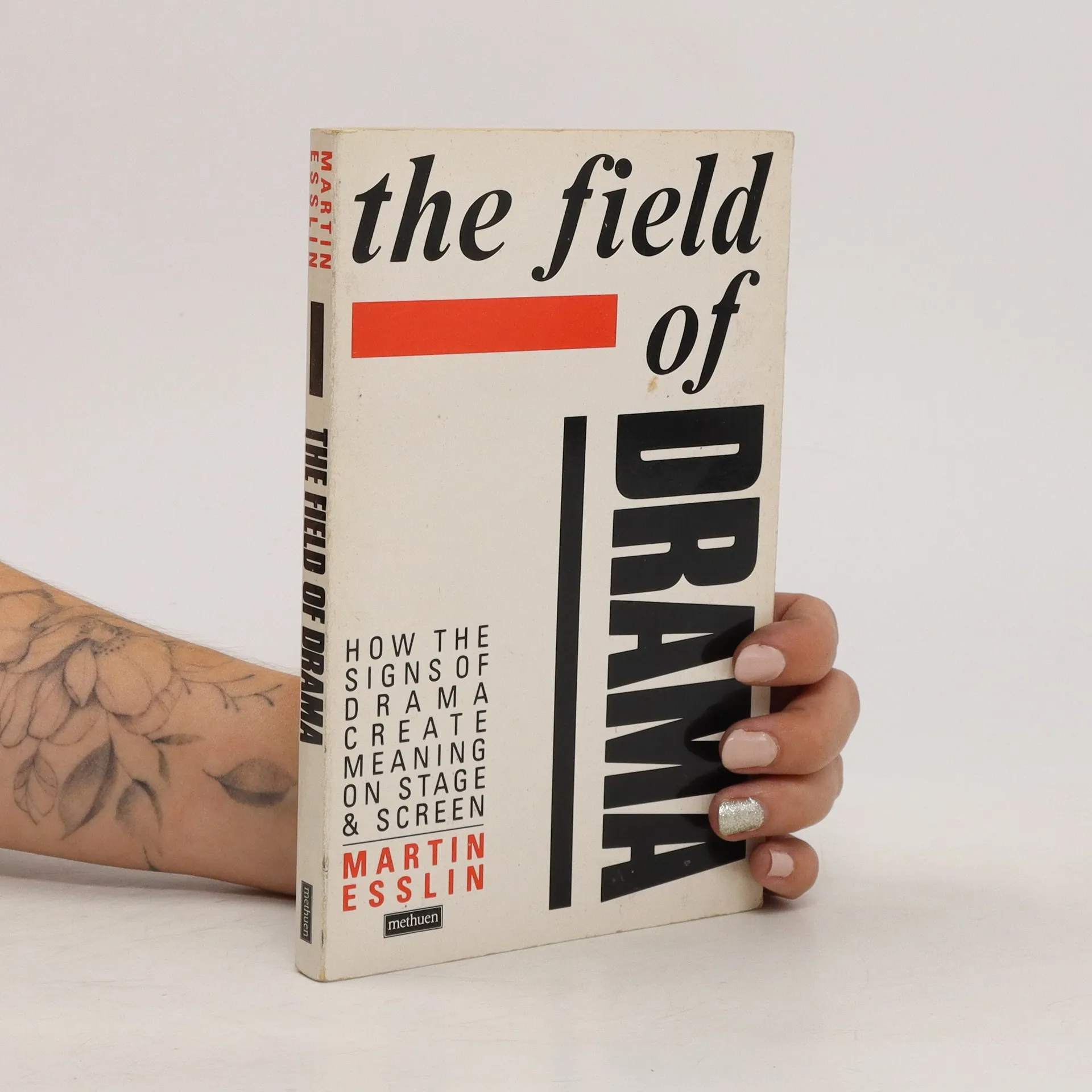
The Field of Drama. How the Signs of Drama Create Meaning on Stage and Screen
- 192bladzijden
- 7 uur lezen
A unique book of criticism that brings both theatre and film studies within a single theoretical framework
Was ist ein Drama?
- 119bladzijden
- 5 uur lezen
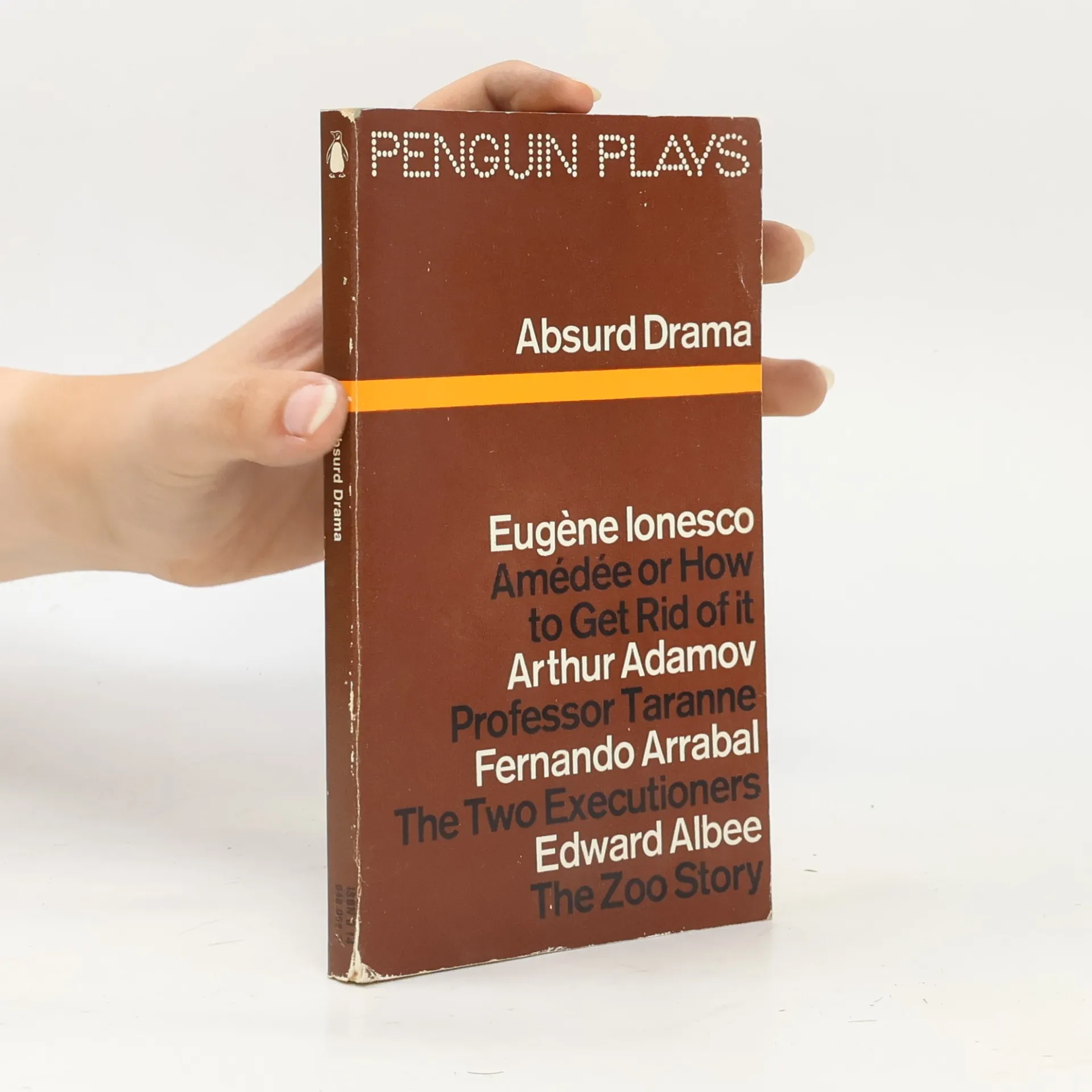
Penguin Plays: Absurd Drama - Amedee, Professor Taranne, The Two Executioners & The Zoo Story
- 184bladzijden
- 7 uur lezen
A collection of plays, often classified as absurd drama, which aim to portray a world in which humanity, with its despair, fear and loneliness, is alone in a hostile and meaningless world.
Jenseits des Absurden
- 293bladzijden
- 11 uur lezen
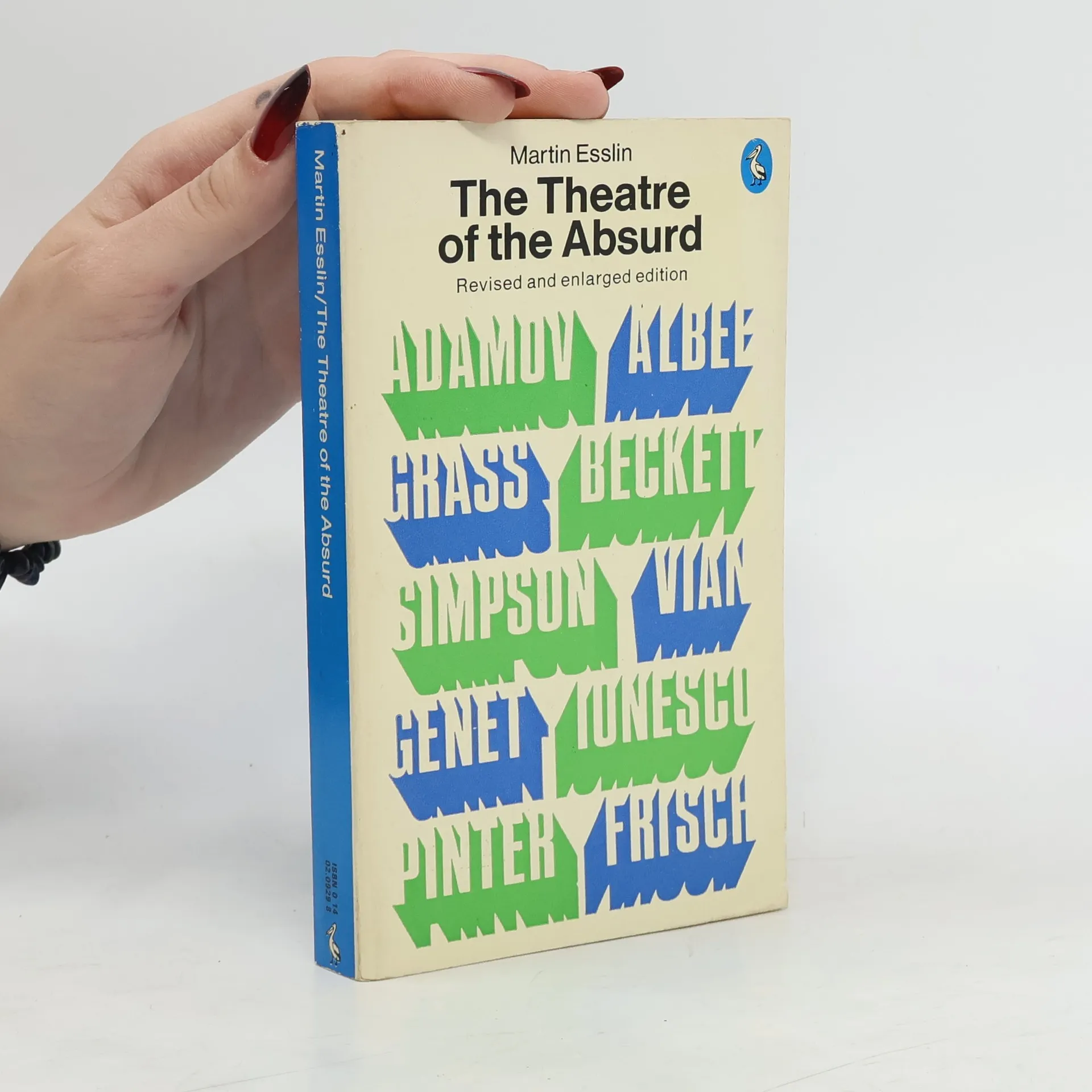
The Theatre of the Absurd
- 480bladzijden
- 17 uur lezen
"In 1953 Samuel Beckett's Waiting for Godot premiered at a tiny avant-garde theatre in Paris; within five years, it had been translated into more than twenty languages and seen by more than a million spectators. Its startling popularity marked the emergence of a new type of theatre whose proponents - Beckett, Ionesco, Genet, Pinter, and others - shattered dramatic conventions and paid scant attention to psychological realism, while highlighting their characters' inability to understand one another. In 1961, Martin Esslin gave a name to the phenomenon in his ground-breaking study of these playwrights who dramatized the absurdity at the core of the human condition." "Over four decades after its initial publication, Esslin's landmark book has lost none of its freshness. The questions these dramatists raise about the struggle for meaning in a purposeless world are still as incisive and necessary today as they were when Beckett's tramps first waited beneath a dying tree on a lonely country road for a mysterious benefactor who would never show. Authoritative, engaging, and eminently readable, The Theatre of the Absurd is nothing short of a classic: vital reading for anyone with an interest in the theatre."--BOOK JACKET.
Eine brillant einfühlsame Studie über die ambivalenteste und wahrnehmungstechnisch faszinierendste Figur des europäischen Theaters des zwanzigsten Jahrhunderts.