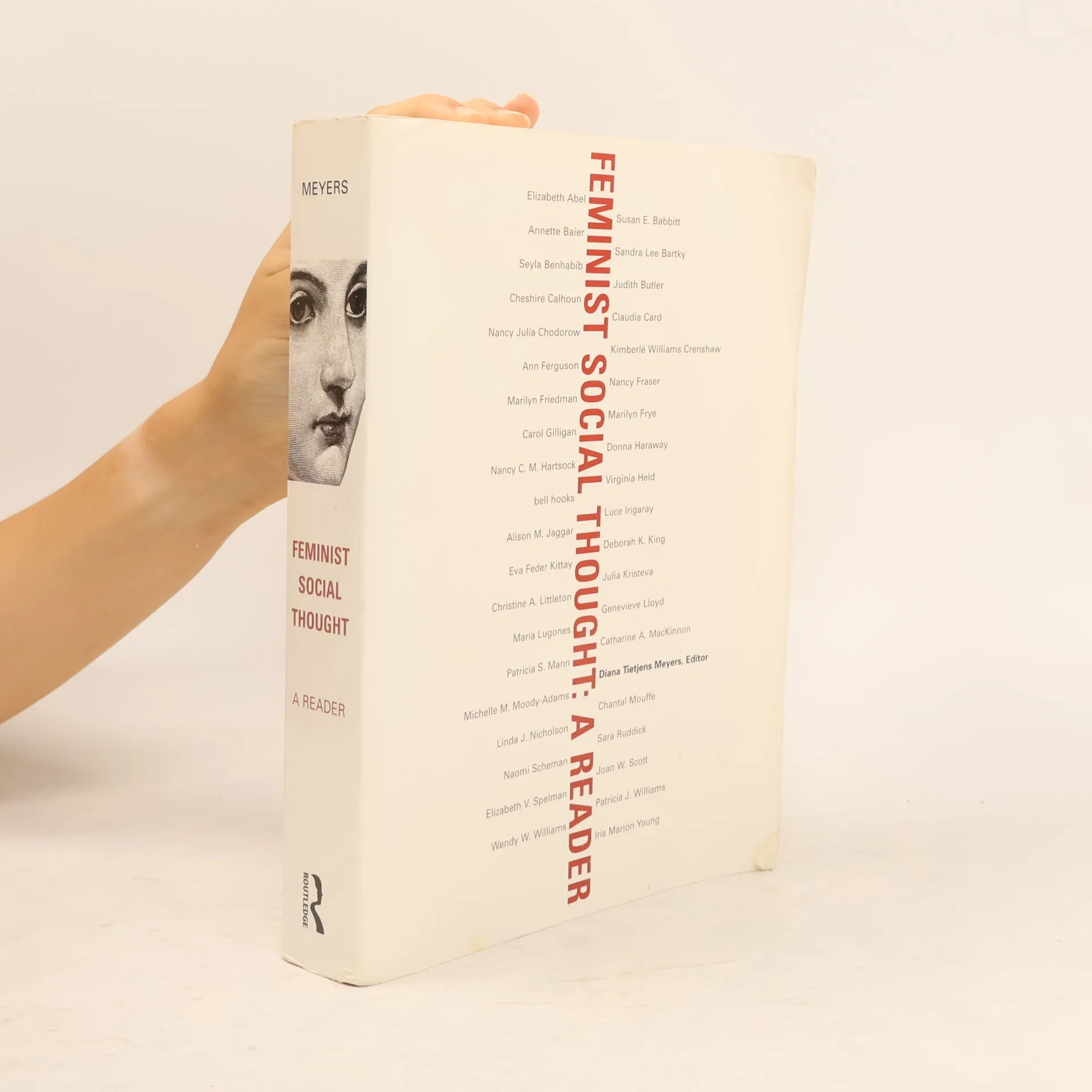
First published in 1998, this collection brings together key articles by prominent feminist thinkers, providing a sophisticated exploration of theoretical topics central to feminist social thought. It highlights significant concerns in contemporary feminist scholarship and the advancements made by feminist philosophers. The editor's introduction offers alternative pathways through the text, enabling instructors to tailor the reader to their specific courses and student interests. Each article includes a brief introduction that contextualizes it, emphasizing the main issues and conclusions, which aids students in navigating challenging theoretical concepts. Organized around seven topics—constructions of gender; theorizing diversity; figurations of women; subjectivity, agency, and feminist critique; social identity, solidarity, and political engagement; care and its critics; and women, equality, and justice—this collection represents a broad spectrum of feminist thinking. Students will engage with critical questions, including how gender norms are instilled and perpetuated, the relationships between gender and other social positions like race and class, the resources available for recognizing and resisting subordination, the goals of feminist politics, and the reconciliation of social and legal equality with difference.
Luce Irigaray Boeken
Luce Irigaray is een in België geboren Franse feministe, filosofe en theoretica. Haar werk onderzoekt taal, psyche en cultuur vanuit een feministisch perspectief. Irigaray onderzoekt diepgaand hoe vrouwen worden waargenomen en gerepresenteerd binnen patriarchale structuren. Haar innovatieve denken daagt traditionele binaire opposities uit en opent wegen voor nieuwe manieren om gender en identiteit te conceptualiseren.


This Sex Which Is Not One
- 222bladzijden
- 8 uur lezen
In this collection of eleven insightful essays, Luce Irigaray expands on key themes from her earlier work, addressing the status of women in Western philosophical and psychoanalytic discourse. She reexamines female sexuality across various contexts relevant to current feminist theory and practice. Topics include the implications of Freud and Lacan for understanding womanhood, the significance of differences between male and female sex organs, and the experiences of erotic pleasure in both genders. Irigaray also addresses the economic exploitation of women, presenting a nuanced interpretation of Marx that highlights how women's subjection has been institutionalized through their reduction to objects of economic exchange. Throughout her work, she challenges male-centered structures of language and thought, advocating for a woman's discourse that counters the phallocentrism embedded in Western culture. This volume, translated skillfully by Catherine Porter and Carolyn Burke, makes the subversive arguments of her earlier work more accessible and will be essential for those engaged with contemporary feminist issues.
Building a New World
- 332bladzijden
- 12 uur lezen
Focusing on the concept of sexuate difference, this book envisions a more just and ecologically aware world. It features original texts from Luce Irigaray's students and collaborators, alongside an introduction by Irigaray herself, offering diverse perspectives on creating a society that values and thrives on gender diversity. The work encourages readers to rethink societal structures and foster a deeper connection to ecological principles through the lens of gender.
Through Vegetal Being
- 248bladzijden
- 9 uur lezen
A unique collaboration to map the ontology and epistemology of the human-plant relationship.
A radically subversive critique brings to the fore the masculine ideology implicit in psychoanalytic theory and in Western discourse in general: woman is defined as a disadvantaged man, a male construct with no status of her own.
In this book, one of the foremost contemporary scholars in the fields of feminist thought and linguistics, explores the possibility of a new liberating language and hence a new relationship between the sexes. In I Love to You, Luce Irigaray moves from the critique of patriarchy to an exploration of the ground for a possible inter-subjectivity between the two sexes. Continuing her rejection of demands for equality, Irigaray poses the question: how can we move to a new era of sexual difference in which women and men establish lasting relations with one another without reducing the other to the status of object?
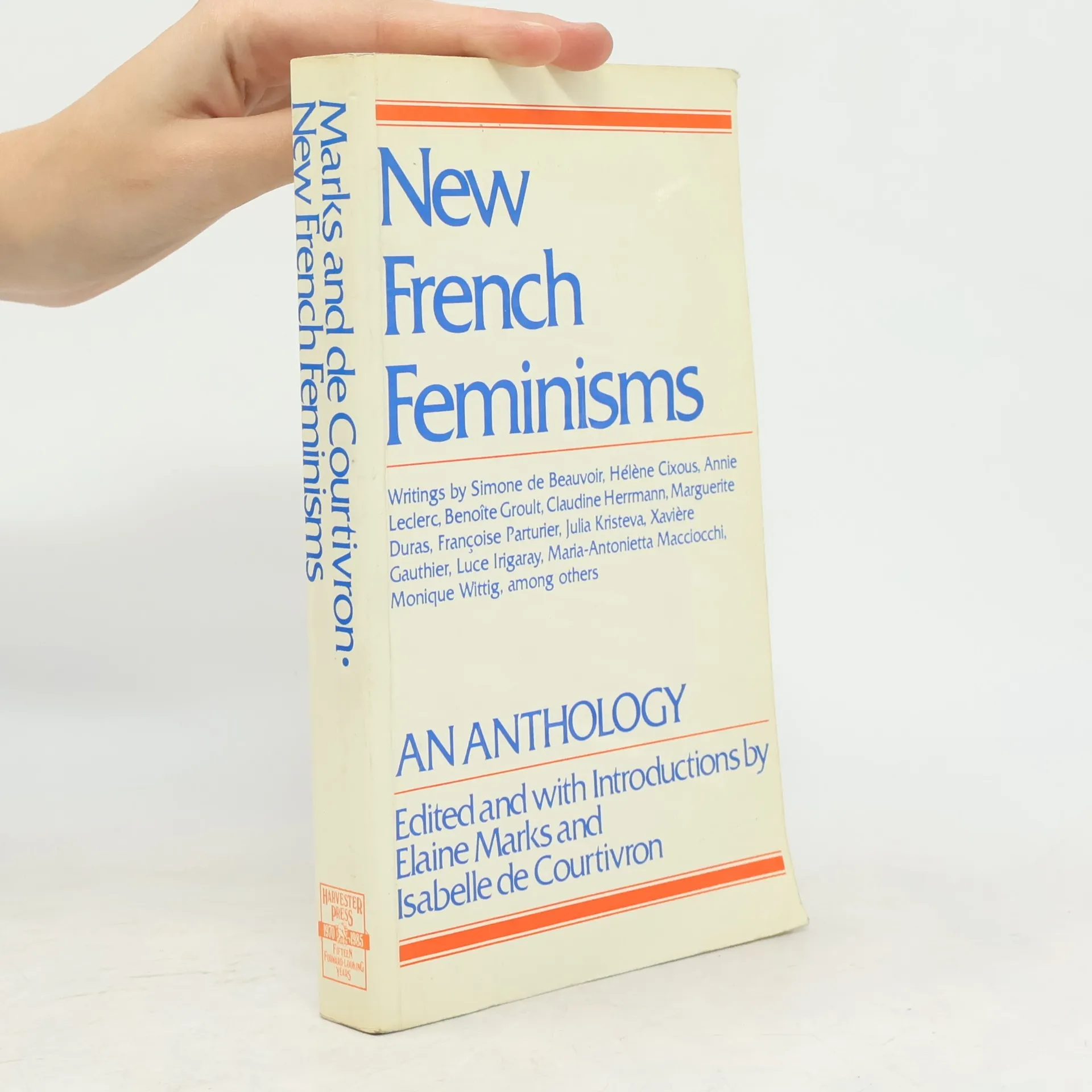
Since 1968, feminist theory has been the subject of much serious intellectual inquiry in France. While the French are familiar with American feminist texts, the opposite is not true - American knowledge of French feminist writing is often limited to Simone de Beauvoir's "The Second Sex," published in 1949. This anthology of NEW FRENCH FEMINISMS is an attempt to bridge that gap. The editors have included over fifty selections of recent French feminist writing, most of which have never before been translated into English, and some of which have never been published in either French or English. The selections reflect the wide spectrum of theories comprising the French feminist movement. These theories complement the more pragmatic and empirical approach of American feminists, for they emphasize dialectical thought, psychoanalytic and linguistic theory, and the politics of language and culture. The editors provide introductory essays that discuss the history of French discourses on feminism and analyze the post-1968 developments. They also supply a chronological table outlining both the major events of French history and those of the French feminist movement, as well as a bio/bibliography and a bibliography.
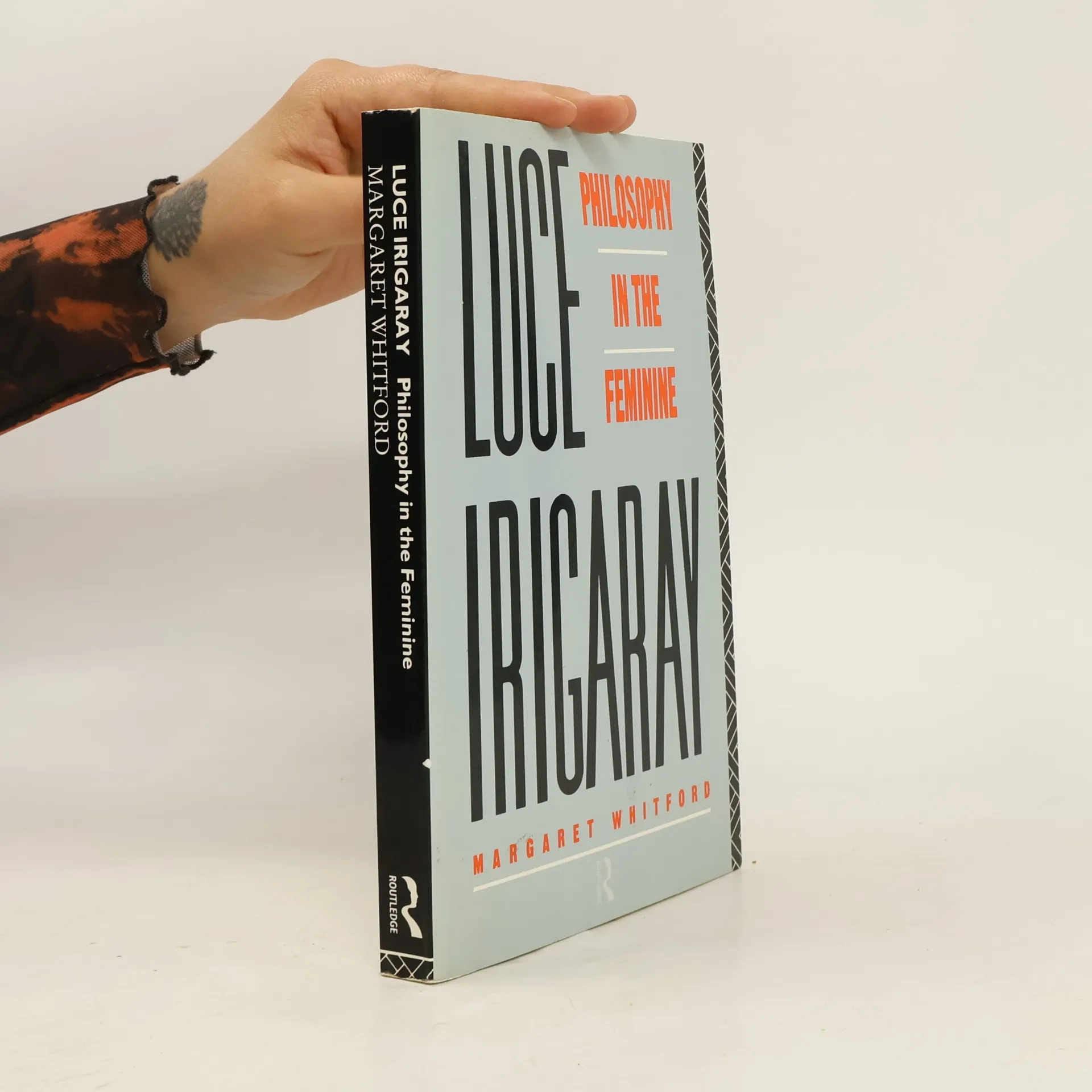
An introduction to the thought and work of Luce Irigaray. Treating her as a philosopher of sexual difference, Margaret Whitford suggests her work is a philosophy of the feminine.
Women Writers Talking
- 262bladzijden
- 10 uur lezen
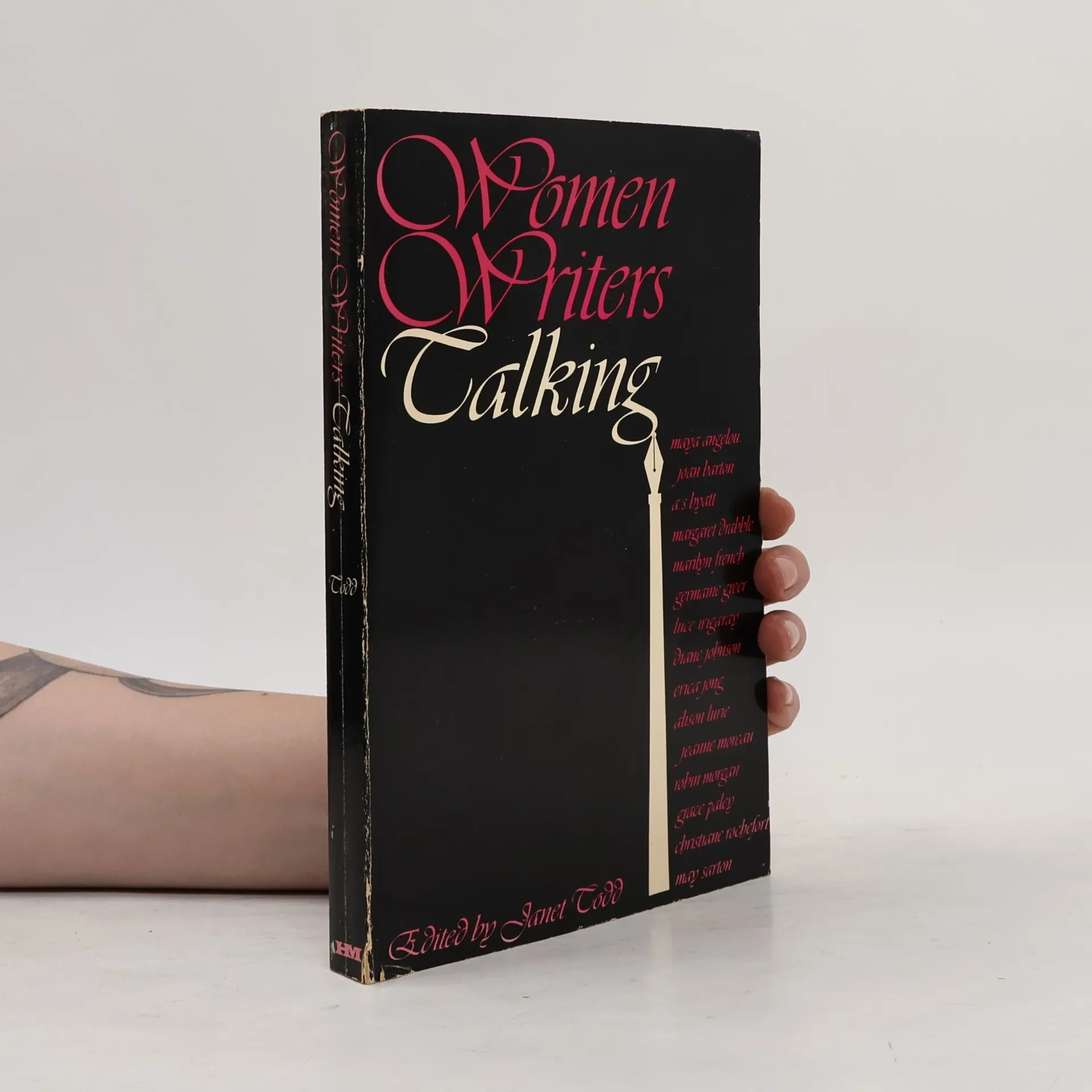
Contains interviews by critics and scholars with some of the foremost women writers, including Maya Angelou, A S Byatt, Luce Irigaray, Erica Jong, Jeanne Moreau, and Grace Paley.
Waren, Körper, Sprache
- 79bladzijden
- 3 uur lezen
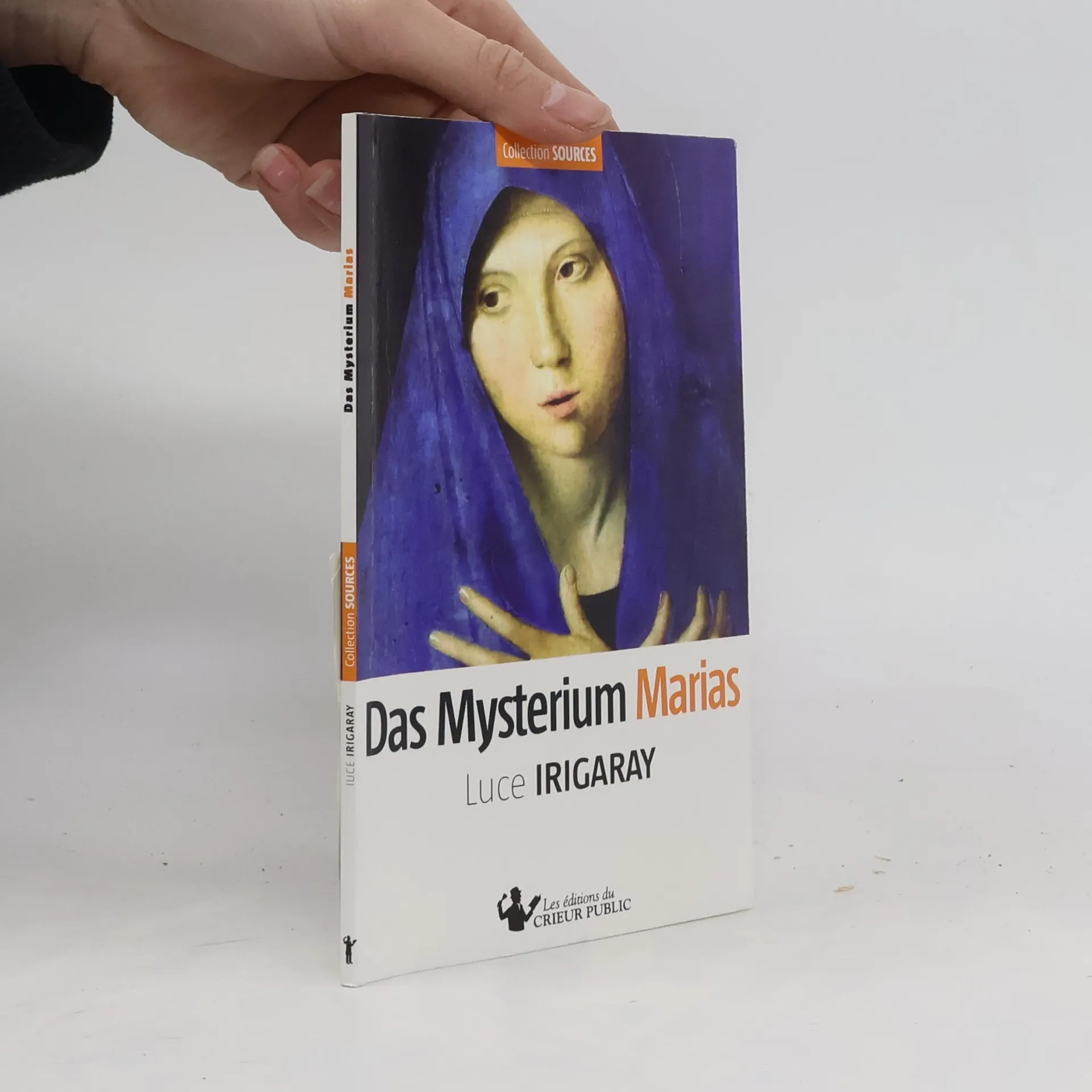
Das Mysterium Marias
- 52bladzijden
- 2 uur lezen
Luce Irigaray untersucht die Rolle Marias in der christlichen Theologie und Kunst, wo sie oft abwesend, aber gleichzeitig allgegenwärtig ist. Sie interpretiert Marias Virginität als eine spirituelle Kraft, die es ihr ermöglicht, das Göttliche zu empfangen und zu gebären. Maria wird als weise und als Vermittlerin zwischen Traditionen dargestellt.
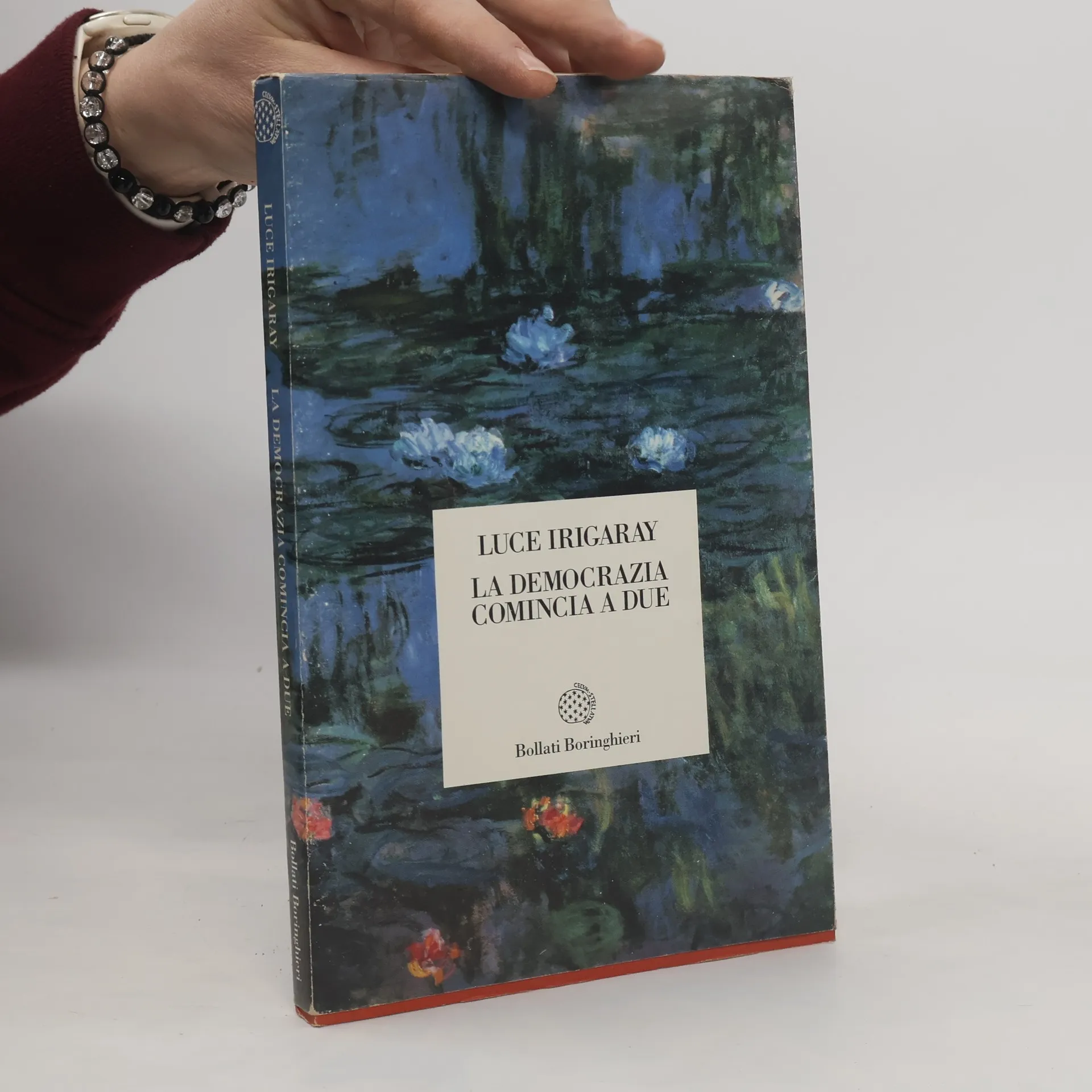
La democrazia comincia a due
- 179bladzijden
- 7 uur lezen
"Per dare un futuro alla democrazia, si deve rifondarla fino in fondo e, perprima cosa, nella relazione fra l'uomo e la donna dove l'identità naturale nonha ancora raggiunto uno status civile. Cambiare le relazioni fra l'uomo e ladonna nella coppia, nella genealogia, in tutti gli incontri privati e pubblicisarebbe un cammino per rendere più democratiche le famiglie culturali,religiose, politiche. Tale via è d'altronde indispensabile per permettereall'Europa di diventare un'Unione fra cittadini e cittadine e non un granmercato dove ciascuno(a) gioca alla competizione con ciascuno(a).La democrazia che incomincia a due si propone di iniziare la strada, e discoprire un nuovo alfabeto e una nuova grammatica politici."
In Tutto il Mondo Siamo Sempre in Due
- 413bladzijden
- 15 uur lezen
Luce Irigaray è una delle teoriche più influenti al mondo. Questa raccolta di scritti chiave, selezionati dalla stessa Luce Irigaray, presenta un quadro completo del suo lavoro fino ad oggi nei campi della Filosofia, Linguistica, Spiritualità, Arte e Politica. Un'opera indispensabile per gli studenti di filosofia, teoria letteraria, teoria femminista, linguistica e studi culturali.
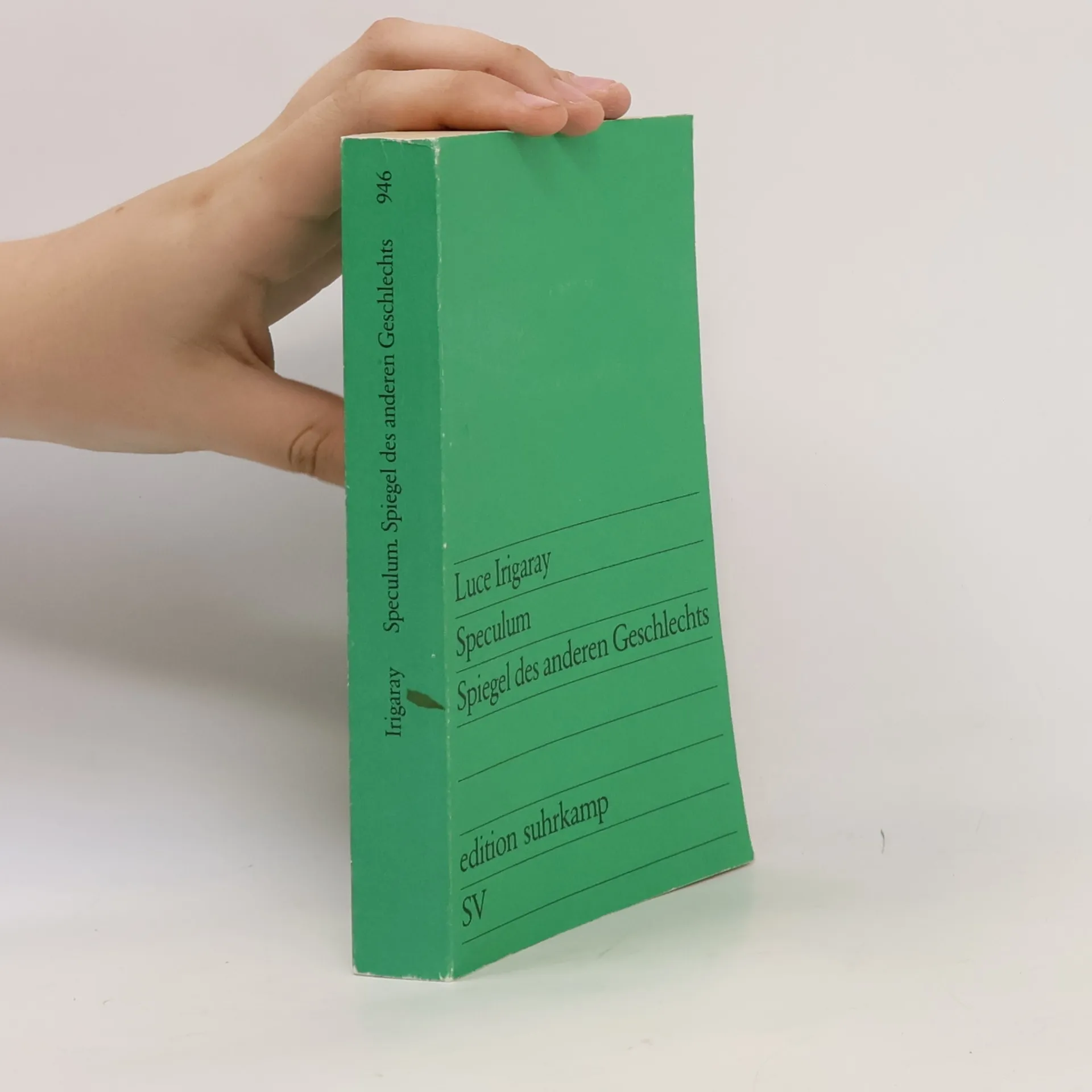
Speculum, Spiegel des anderen Geschlechts
- 490bladzijden
- 18 uur lezen
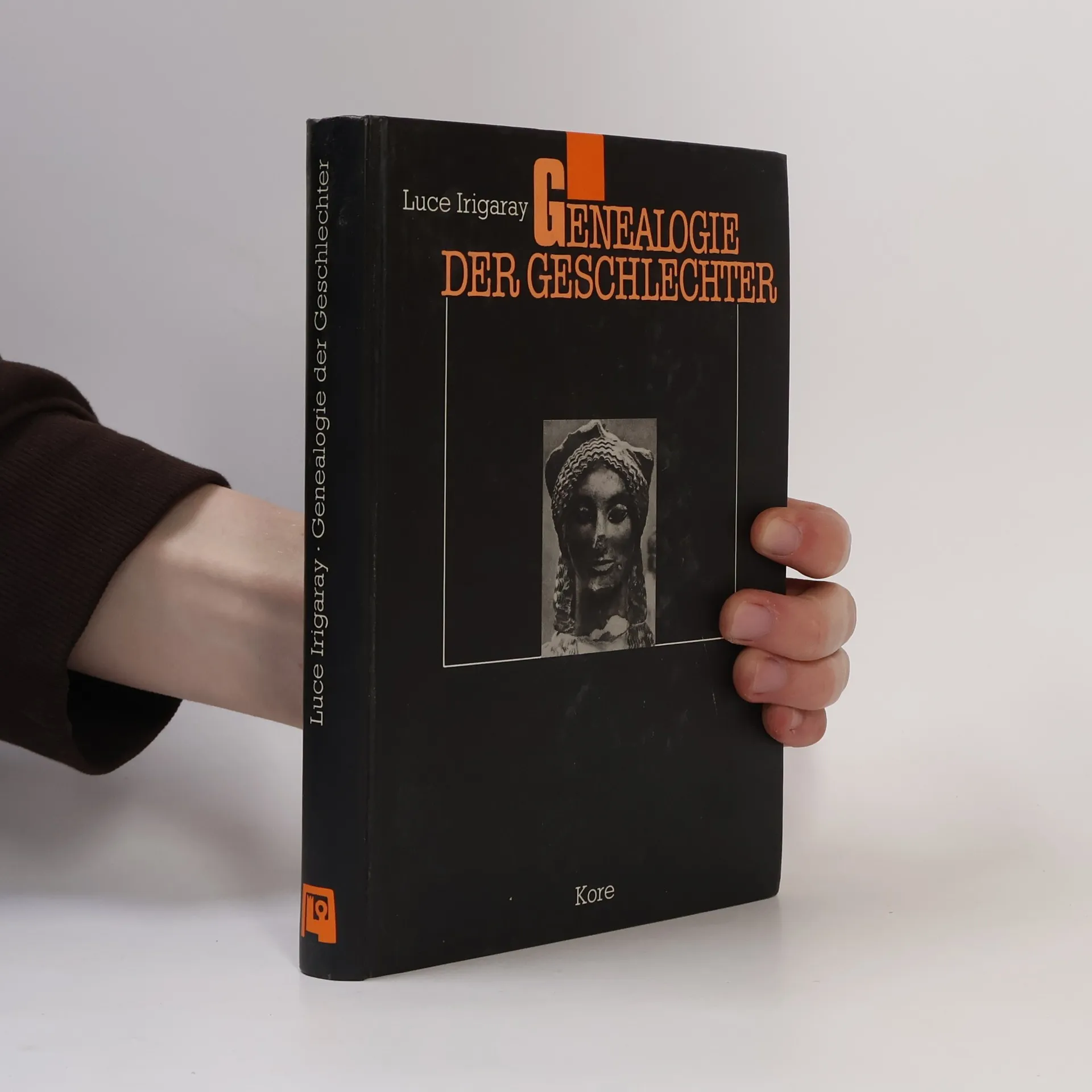
Genealogie der Geschlechter
- 322bladzijden
- 12 uur lezen
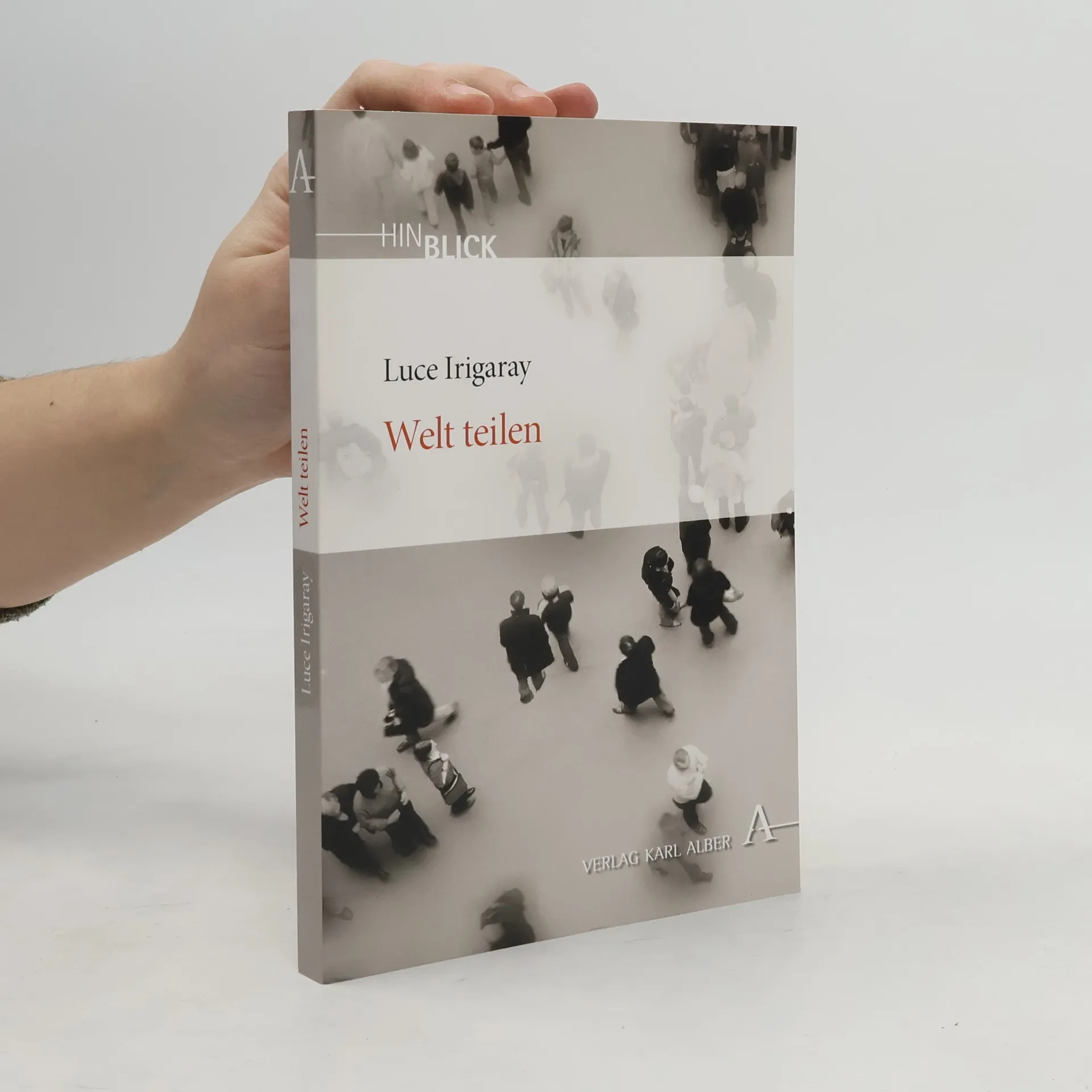
Welt teilen
- 154bladzijden
- 6 uur lezen
Die westliche Kultur und Philosophie präsentiert die Welt als einen Entwurf einer Totalität, der jedoch nicht die menschliche Erfahrung widerspiegelt, sondern lediglich einen Teil davon, geprägt durch einen männlichen Blick. Luce Irigarays zentraler Gedanke wird hier neu beleuchtet, indem er die Frage nach dem Anderen und der Möglichkeit echter Transzendenz in den Fokus rückt. Oft wird das Andere als individuelle Erscheinung betrachtet, ohne die spezifische Welt oder Kultur zu berücksichtigen, in der es sich zeigt. Dadurch bleibt das Andere den Werten unserer Kultur unterworfen, die uns in einer „Logik des Selben“ gefangen halten. In unserer multikulturellen Zeit wird jedoch deutlich, wie relativ diese Kultur ist und dass sie eine einseitige Entwicklung in Bezug auf unser menschliches Miteinander darstellt. Besonders wichtig ist die Erinnerung daran, dass das Andere in unserer Tradition vor allem die Frau ist, deren Welt sich aus dem Respekt vor dem Anderen, auch dem in ihr, entfaltet. Dieser Respekt ist der Ursprung wahrer Transzendenzerfahrung. Bisher äußerte sich das Bedürfnis nach Transzendenz oft in Besitzergreifung und Herrschaft, doch es könnte sich auch als menschliches Bedürfnis entwickeln, das eine Beziehung zum Anderen anerkennt und eine horizontale statt vertikale Transzendenz erfährt.
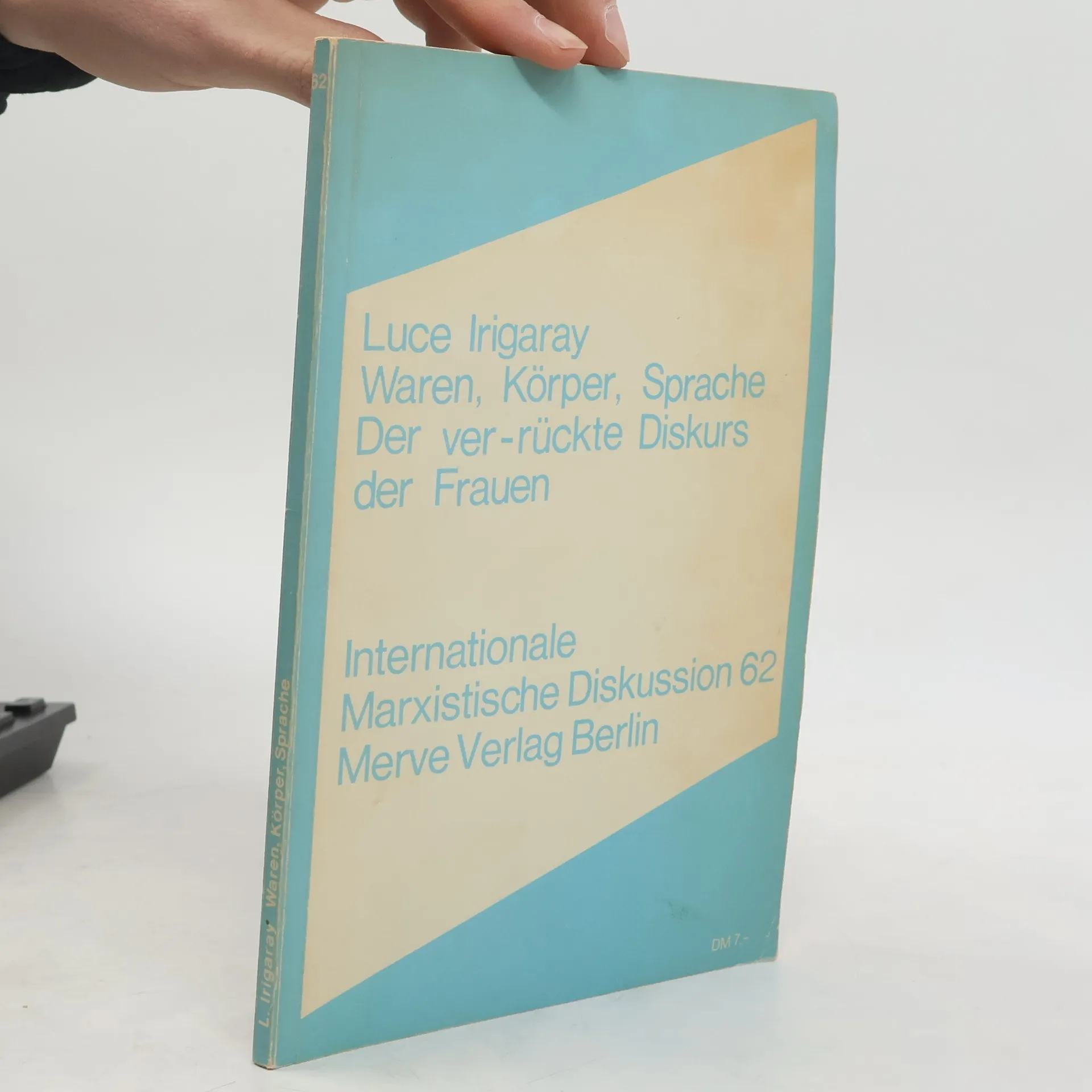
"Man hat nicht aufgehört, die Fragen aufzuzählen, die sich die Psychoanalyse zu dem der Frau zuteil werdenden, insbesondere sexuellen, "Schicksal" stellen könnte, einem Schicksal, das allzu oft auf das Konto der Anatomie, der Biologie geschoben wird, die unter anderem die erhöhte Häufigkeit der weiblichen Frigidität erklären soll. Doch wären die historischen Determinierungen dieses “Schicksals" es wert, ein wenig weiter befragt zu werden. Was implizieren würde, daß die Psychoanalyse die Grenzen ihres theoretischen und praktischen Feldes selbst wieder in Betracht zieht, und sich den Umweg einer “Deutung“ der kulturellen und ökonomischen, wie auch der politischen Grundlagen auferlegt, die sie ohne ihr Wissen geprägt haben. Und daß sie sich fragt, ob es möglich ist, sich abgehoben mit der weiblichen Sexualität auseinanderzusetzen, ehe man festgestellt hat, was den Status der Frau in der allgemeinen Ökonomie des Abendlands ausmachte. Nämlich, welche Funktion ihr in den Eigentumsordnungen, den philosophischen Thematiken, den religiösen Mythologien, die dieses Abendland seit Jahrhunderten beherrschen, vorbehalten ist."
Die Zeit des Atems
- 20bladzijden
- 1 uur lezen
Ethik der sexuellen Differenz
- 253bladzijden
- 9 uur lezen
Dieser Band setzt Irigarays Schreiben über sexuelle Differenz fort und vollendet es, indem er die ethischen Implikationen ihres Werkes anspricht. Irigaray spricht sich gegen das egalitäre Projekt des Feminismus aus, das für die anglo-amerikanische Denkschule von Bedeutung ist; stattdessen verfolgt sie Fragen der sexuellen Differenz und argumentiert, dass alle Gedanken und Sprachen geschlechtsspezifisch sind und es daher kein neutrales Denken geben kann - weder in der Philosophie, noch in der Wissenschaft oder Psychoanalyse. Indem sie klassische philosophische Texte - darunter die von Platon, Spinoza und Levinas - einer Reihe von Meditationen über die weibliche Erfahrung gegenüberstellt, zeigt sie, dass traditionelle philosophische Konzepte problematisch sind. Sie plädiert für neue Philosophien, die auf der Erfahrung von Frauen basieren, durch die Frauen einen deutlich weiblichen Raum und eine Selbstliebe entwickeln können. Nur dann kann Liebe ethisch werden und die Grundlage einer transformierten Ethik der sexuellen Differenz bilden.