Ancient Book Illumination
- 254bladzijden
- 9 uur lezen
Hardcover, no dust jacket. 136 figures. Shaken with a cocked spine. Boards are edge worn and scuffed. Some curling along edges and corners. Corners and spine edges are frayed and rubbed. 166 pages.


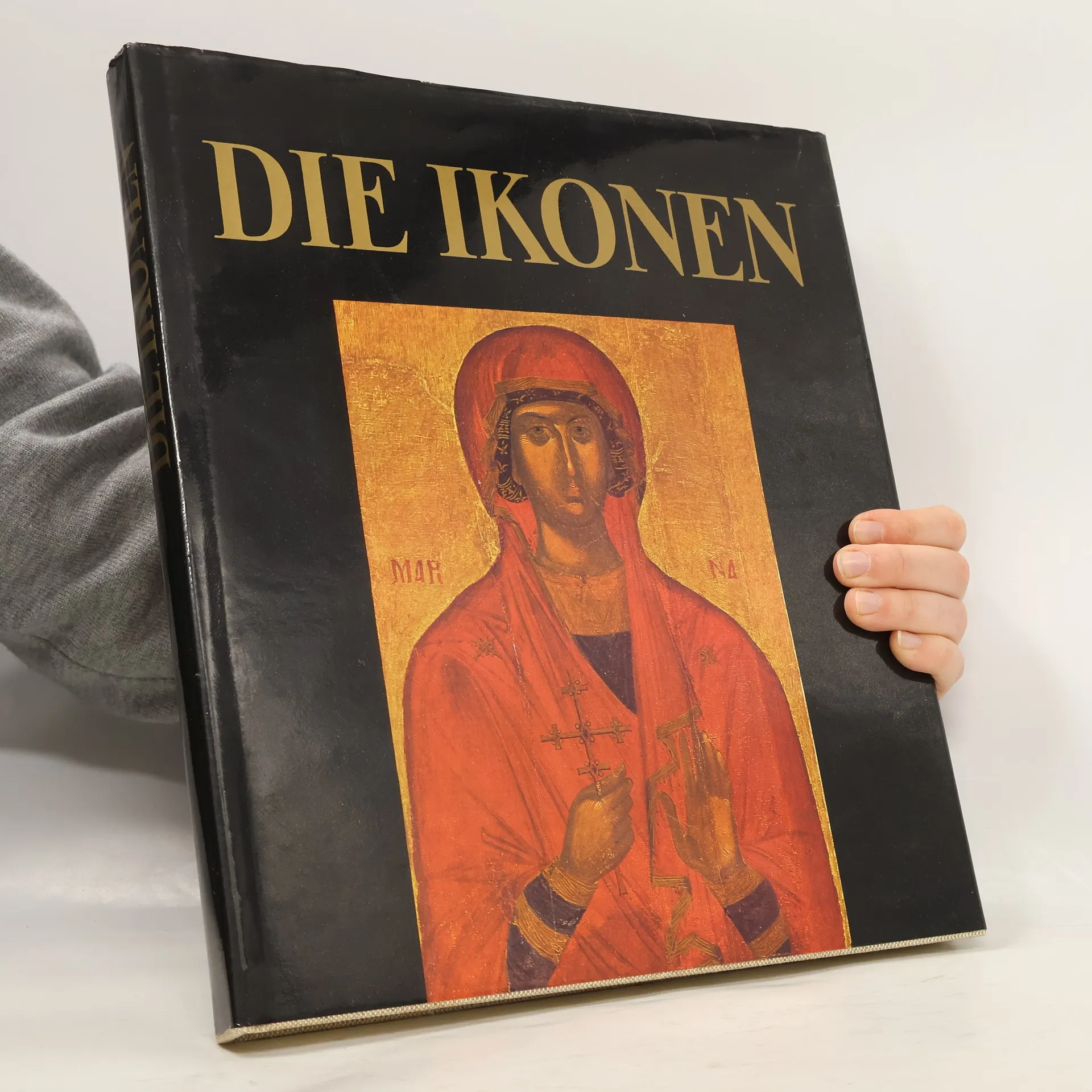
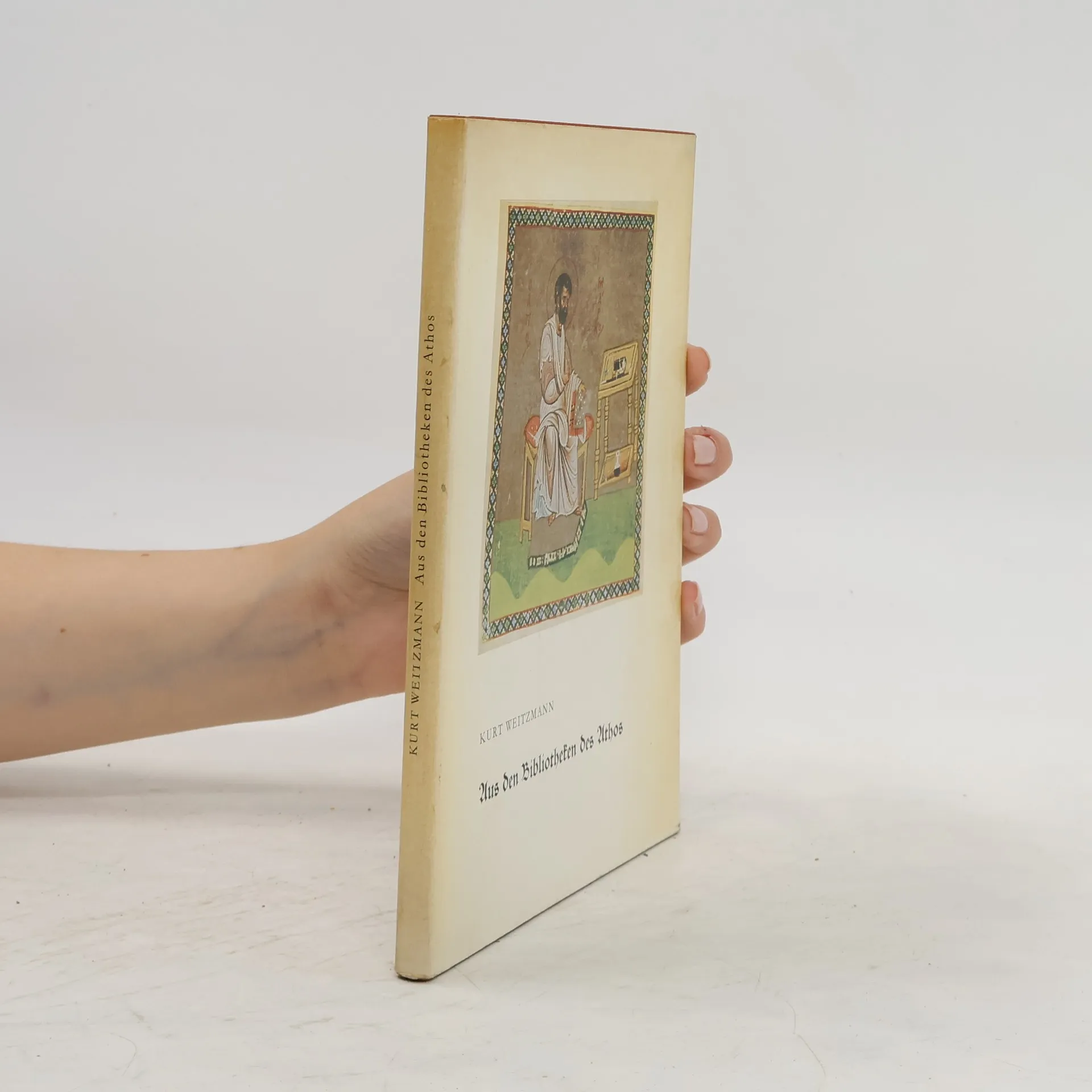

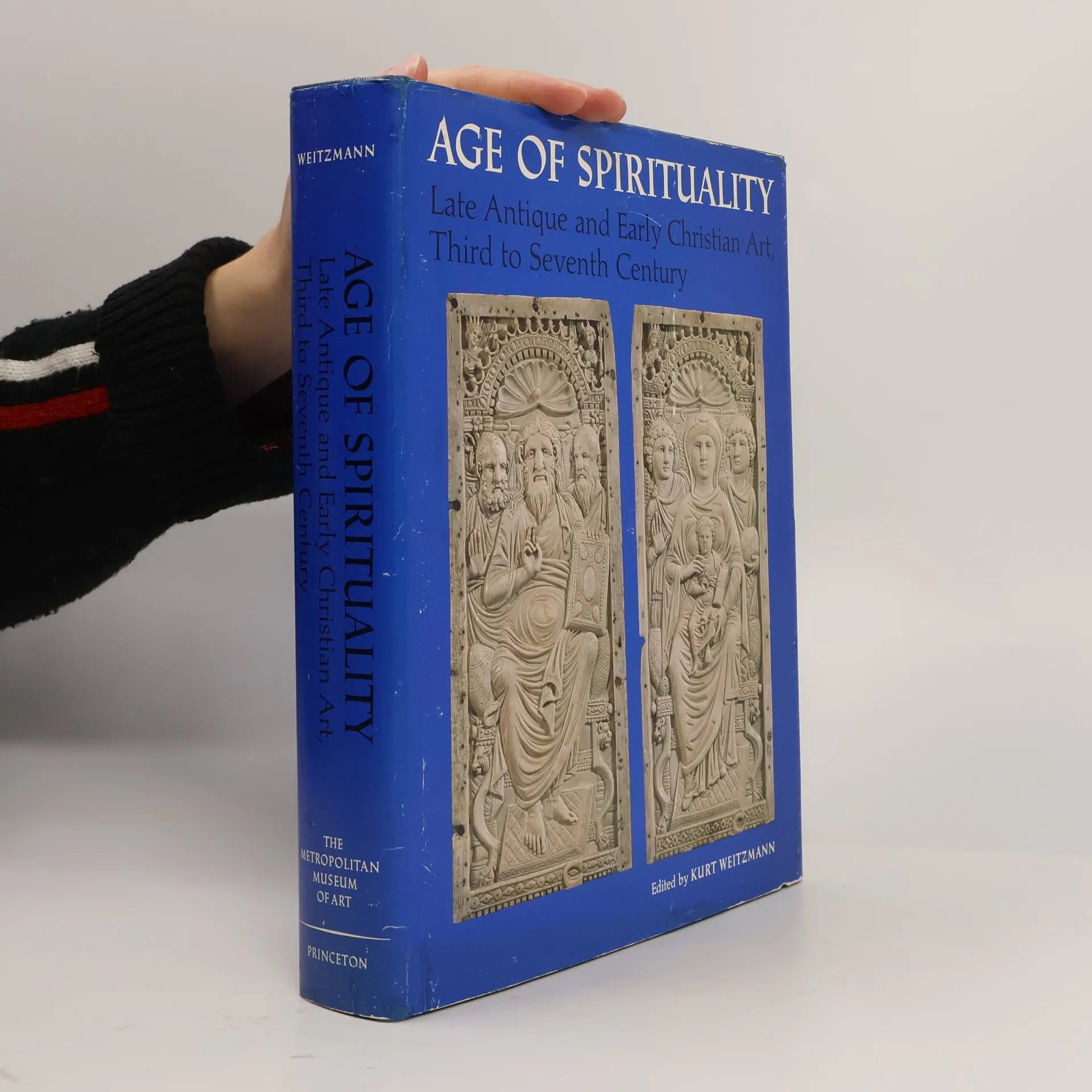
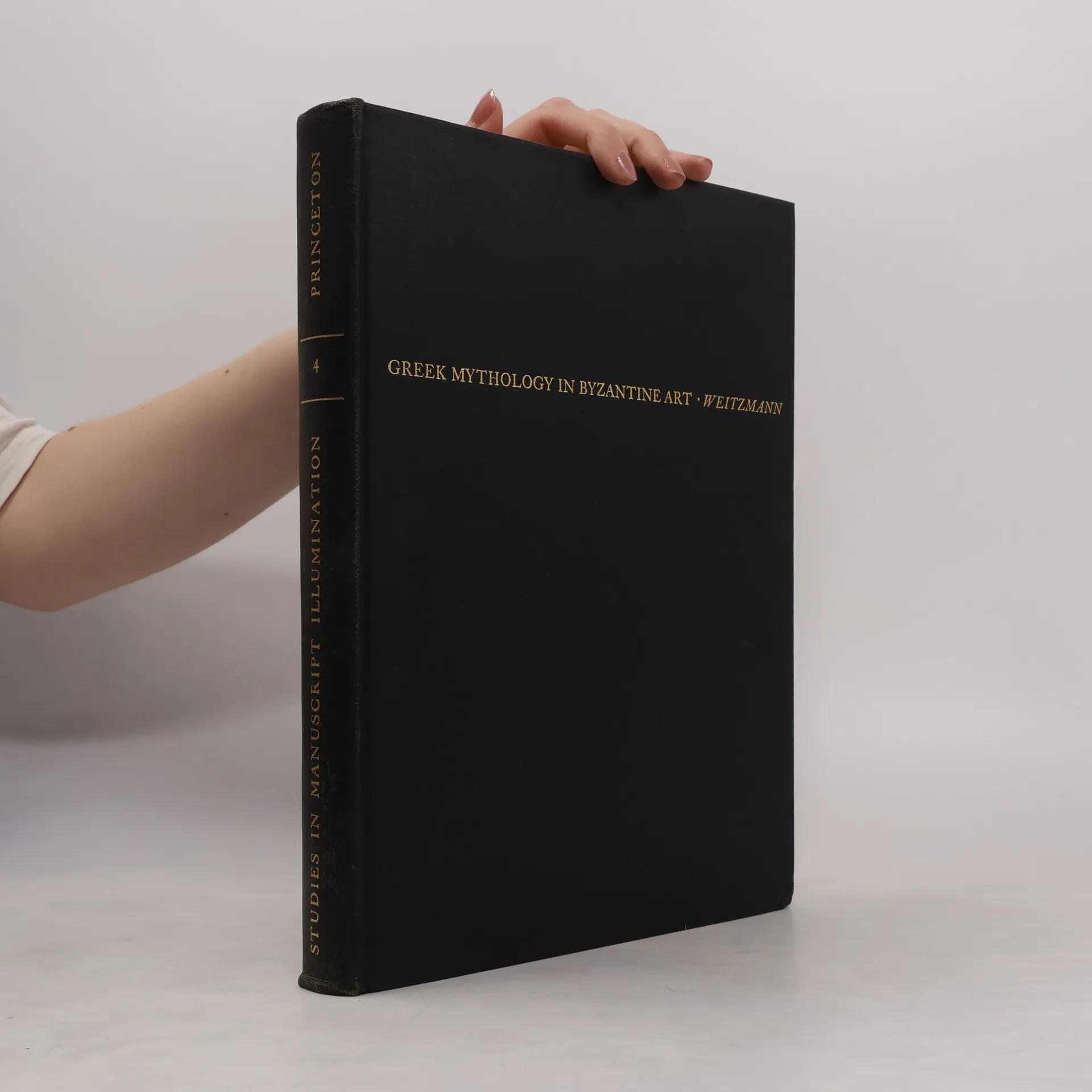
Hardcover, no dust jacket. 136 figures. Shaken with a cocked spine. Boards are edge worn and scuffed. Some curling along edges and corners. Corners and spine edges are frayed and rubbed. 166 pages.
The book explores the migration of miniatures attributed to Apollodorus into various texts, particularly highlighting their influence on the commentary of Pseudo-Nonnus linked to Gregory of Nazianzus's homilies and the Cynegetka of Pseudo-Oppian. Kurt Weitzmann provides a detailed analysis of these connections, revealing how these miniatures shaped the interpretation and presentation of classical themes in subsequent literary works.
Late Antique and Early Christian Art, Third to Seventh Century - Catalogue of the Exhibition at the Metropolitan Museum of Art, November 19, 1977, Through February 12, 1978
The first centuries of the Christian Era were marked by significant upheaval, transforming classical traditions through changes in political and social structures, warfare, and the rising influence of Christianity. While some historians view this as a decline of civilization, the art from this period reflects cultural experimentation. Artists moved away from classical realism yet continued to draw from the imagery of pagan and imperial Rome, creating works characterized by spiritual grace and abstraction. This innovative style emerged from the interaction of Eastern and Western Empires, various religions, and urban and provincial societies, shaping Byzantine and medieval artistic traditions. In November 1977, an extensive exhibition opened to the public, focusing on Late Antique and Early Christian art. It was the largest of its kind and recognized as one of the most significant educational exhibitions ever assembled by an art museum. Featuring 450 objects from over 110 institutions and private collections across fifteen countries, the exhibition presented this lesser-known period through five realms: Imperial, Classical, Secular, Jewish, and Christian. The diverse array of materials, styles, and techniques included delicate jewelry, carved ivory diptychs, rare manuscripts, monumental portraits, wall paintings, and floor mosaics. Architectural monuments, depicted in photomontage, offered insights into the lives of emperors an
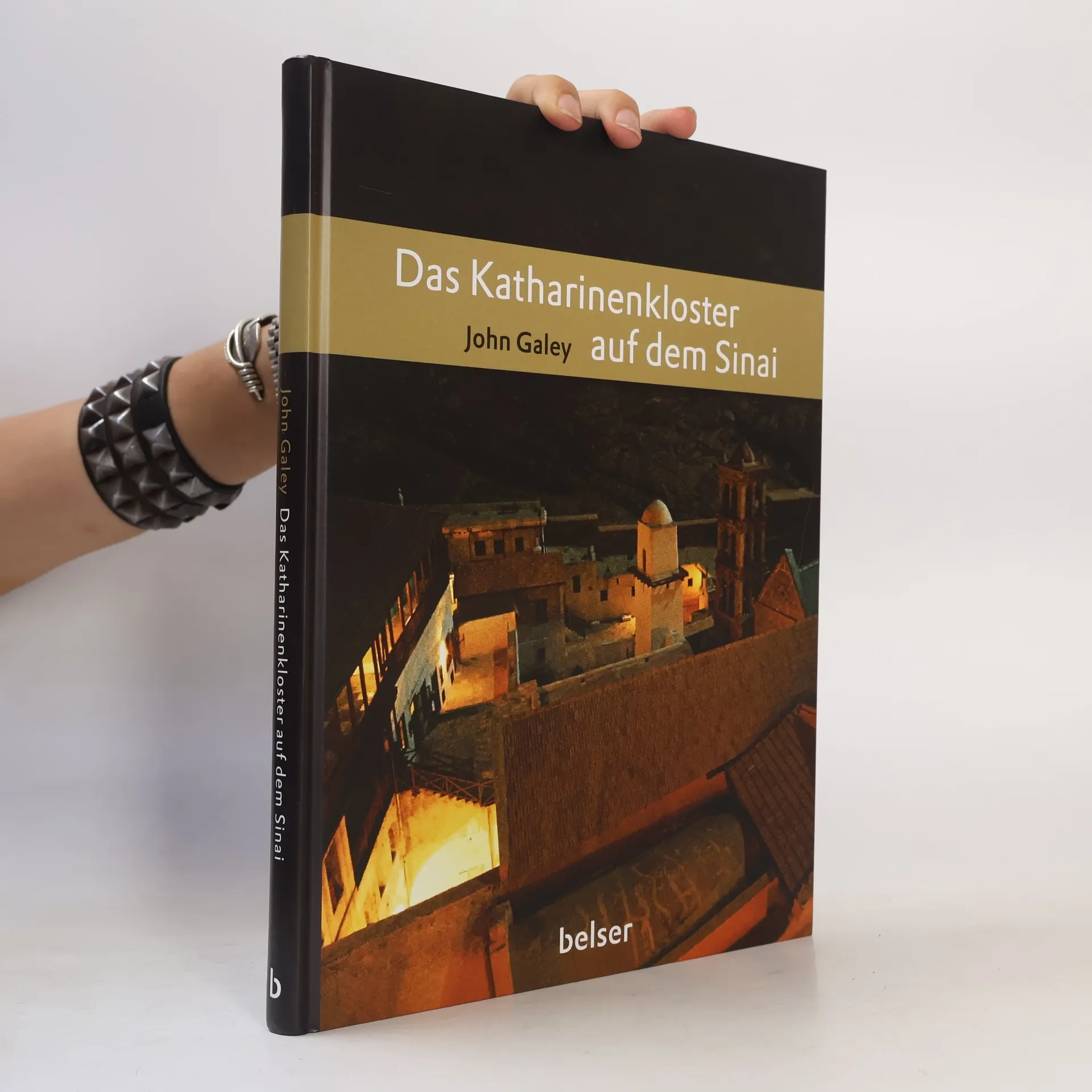
Auf der Halbinsel Sinai liegt vor einer gewaltigen Bergkulisse das Katharinenkloster. 527 von Kaiser Justinian gegründet, ist es seit Jahrhunderten einer der bedeutendsten christlichen Wallfahrtsorte. Während die meisten heiligen Stätten in Jerusalem, Bethlehem und Nazareth von Eroberern immer wieder zerstört oder beschädigt wurden, ist das Wüstenkloster der Vernichtung entgangen und konnte ein unvergleichliches Erbe christlicher Kunst und Kultur bewahren. Dazu gehören prächtige Mosaiken aus frühchristlicher Zeit, eine einzigartige Ikonensammlung und die weltberühmte Bibliothek.