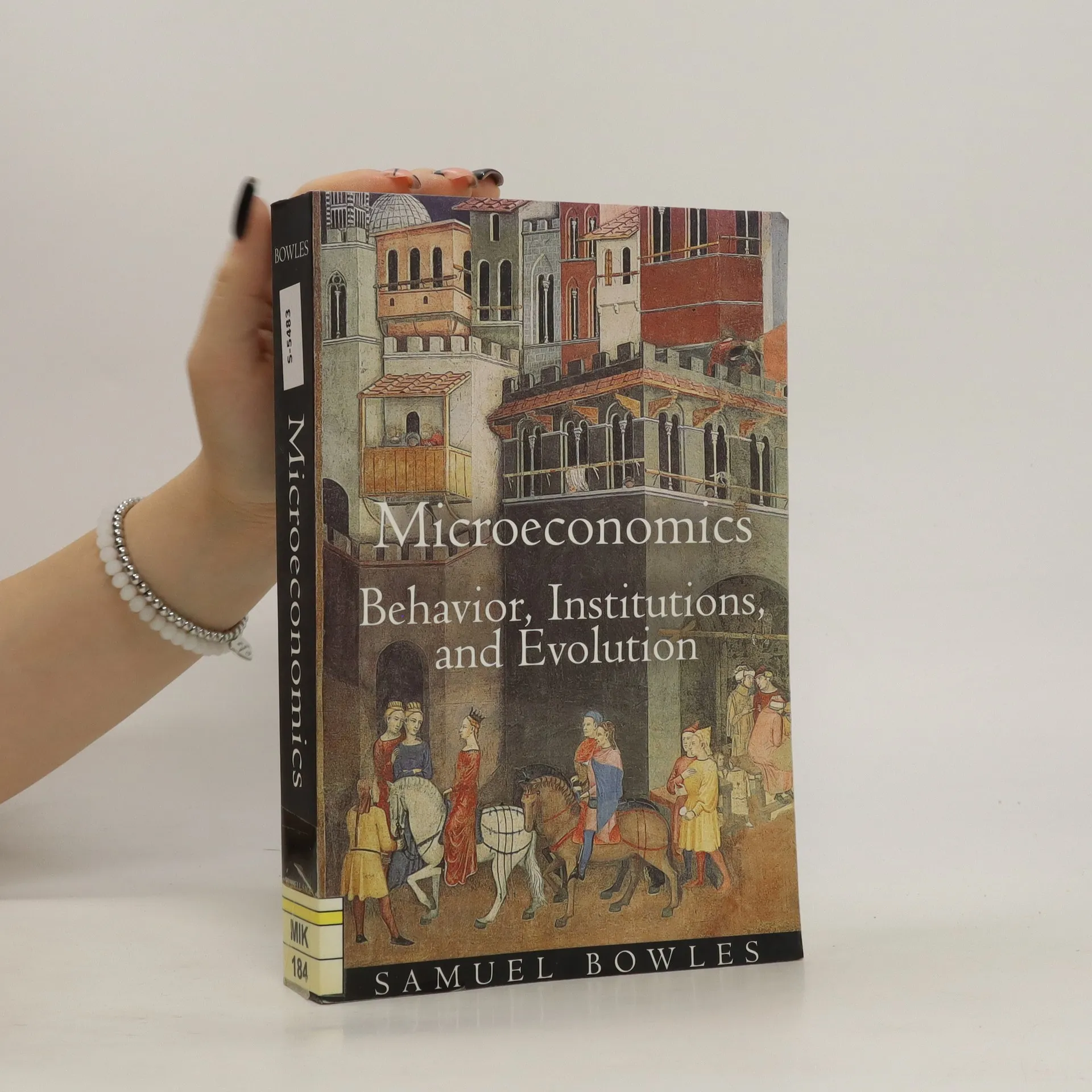
Samuel Bowles is een vooraanstaand econoom en onderzoeker wiens werk zich richt op evolutionaire en gedragseconomie. Zijn onderzoek onderzoekt hoe sociale instellingen en menselijk gedrag economische uitkomsten vormgeven. Bowles' publicaties verschijnen in toonaangende academische tijdschriften, en zijn werk draagt aanzienlijk bij aan een dieper begrip van de complexe wisselwerking tussen economie, biologie en maatschappij.
Drawing upon recent advances in evolutionary game theory, contract theory, behavioural experiments and modeling of dynamic processes, Bowles develops a theory about the interraction between economic institutions and individual behaviour.
Incorporating the latest results from behavioral economics and microeconomic
theory, Samuel Bowles argues that conventional economics has mistakenly
presented inequality as the price of progress. In place of this view, he
offers a novel and optimistic account of the possibility of a more just
economy.
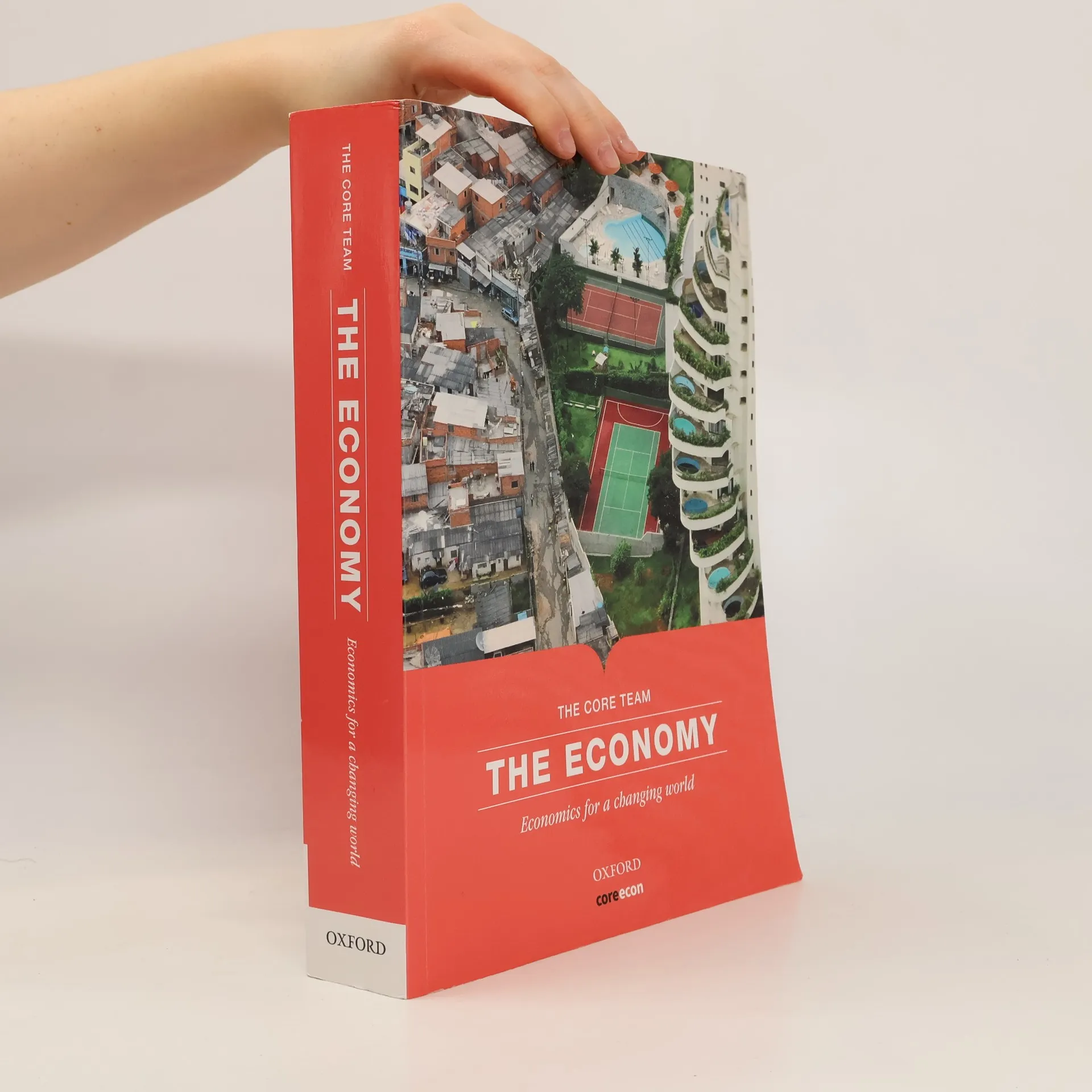
In 2014, Camila Cea, a recent economics graduate and activist in Chile, provided a preface for the first beta of The Economy online. She and her peers were disillusioned by their economics courses, which ignored their concerns about Chile’s economic issues, prompting them to demand curriculum changes. The then-director of the School of Economics and Business, Oscar Landerretche, responded to their calls. Both Camila and Oscar are now Trustees of CORE Economics Education. Since then, CORE’s text has become the standard introduction to economics at institutions like University College London and Sciences Po, among others. By July 2017, 3,000 economics teachers from 89 countries had registered for CORE’s supplementary materials.
Camila's early insights into The CORE Project highlight its mission: to transform economics education. The Financial Times sparked a global debate on this topic in 2013, with students questioning the disconnect between economics and real-life experiences. Nataly Grisales, another Latin American economics student, echoed this sentiment, expressing frustration over the lack of real-world applications in her studies.
CORE aims to bridge this gap, introducing students to contemporary economic practices that utilize empirical models to analyze data and inform policy decisions. The initiative has engaged students worldwide, prompting them to identify pressing economic issues that need addressing, as illustra