Koop 10 boeken voor 10 € hier!
Bookbot

Thomas Albert Sebeok

    9 november 1920 – 21 december 2001

    Thomas Albert Sebeok was een baanbrekende linguïst en semioticus, die wordt erkend als een van de grondleggers van de biosemiotiek. Zijn werk verdiepte zich in de studie van niet-menselijke signalerings- en communicatiesystemen en vormde het vakgebied aanzienlijk. Als langdurig hoofdredacteur van het invloedrijke tijdschrift Semiotica, cureerde en bevorderde hij het discours binnen de semiotiek. Sebeoks diepgaande invloed resoneert nog steeds binnen de taalkundige en semiotische studies.
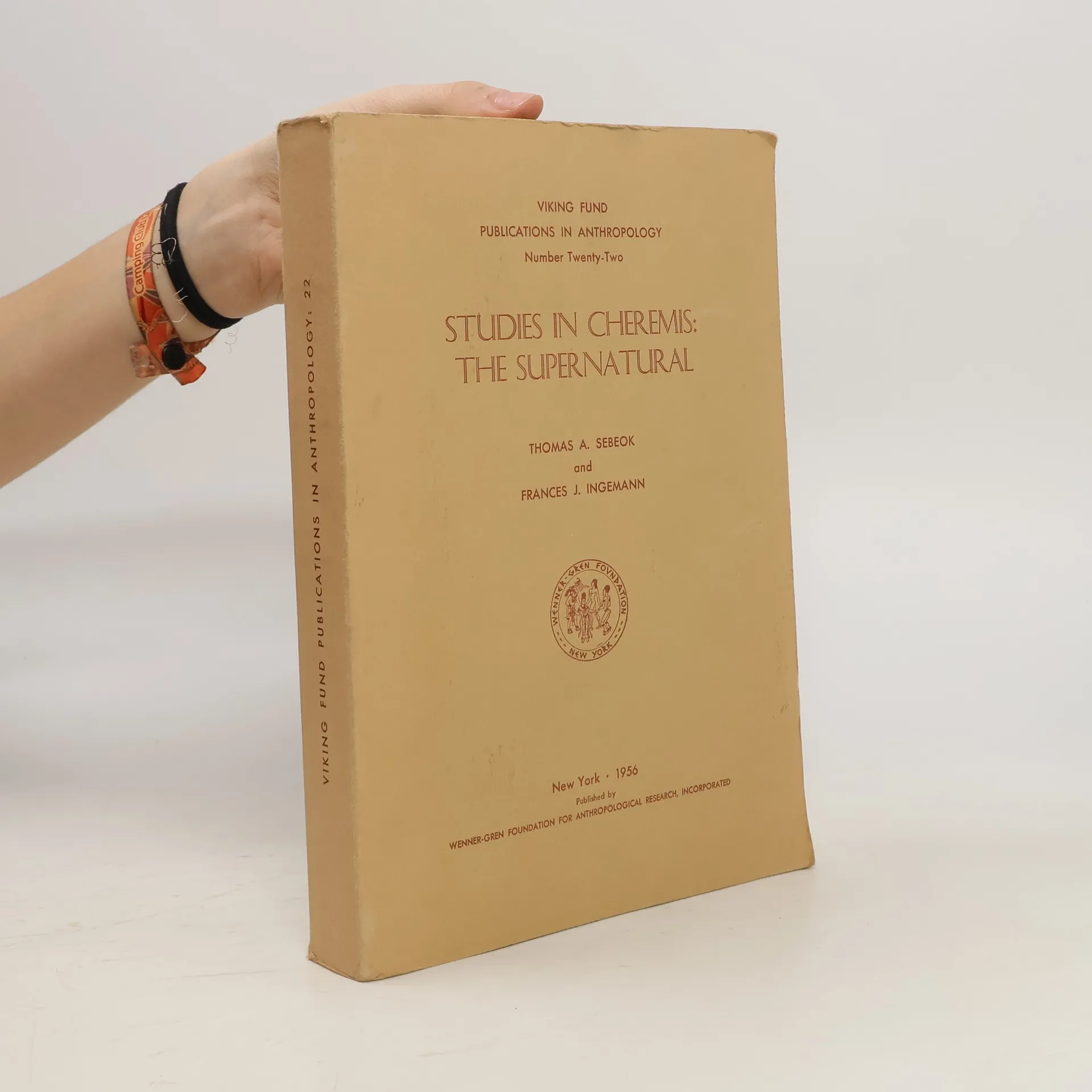
    Studies in Cheremis: The Supernatural
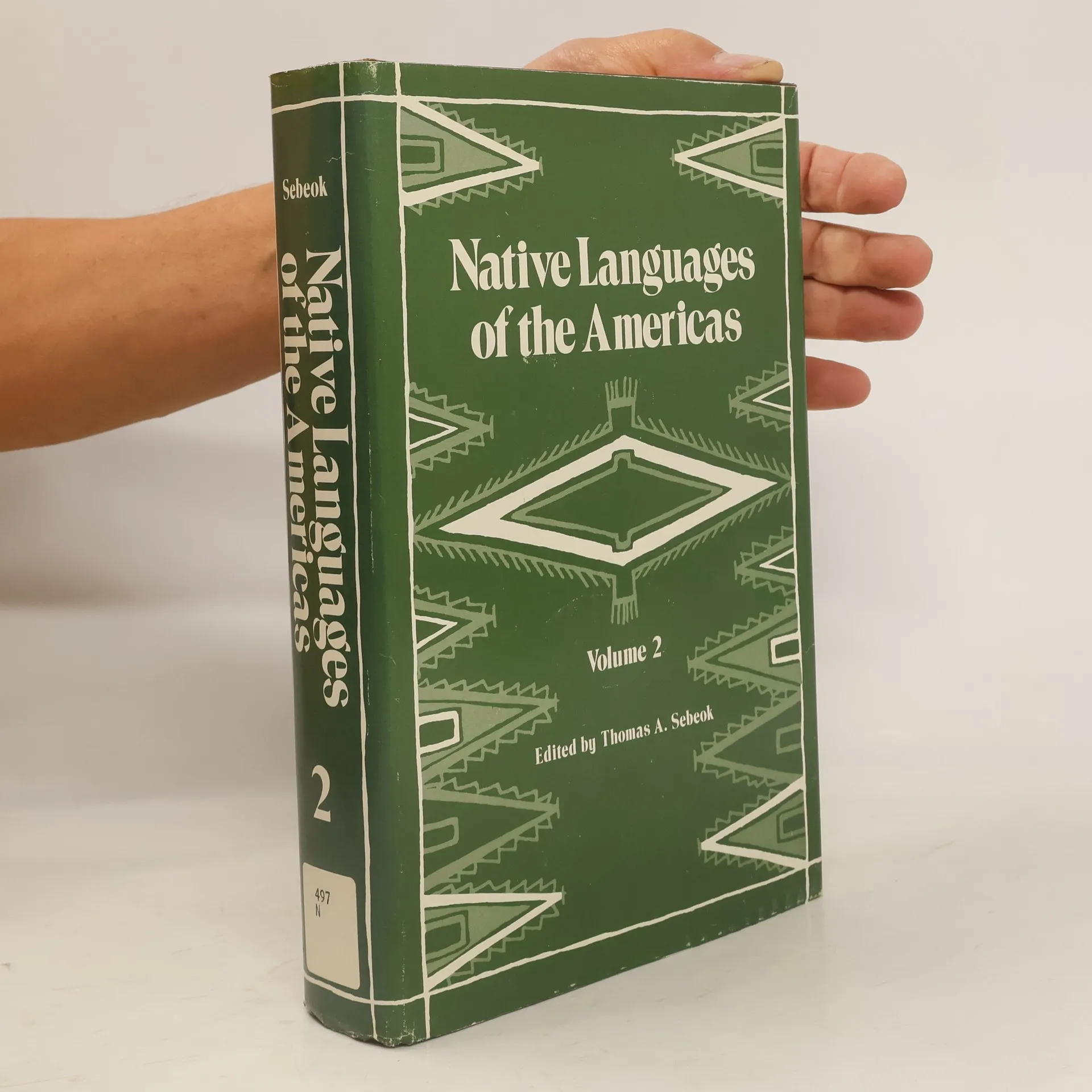
    Native Languages of the Americas
    Native Languages of the Americas
    Signs
    Biosemiotics
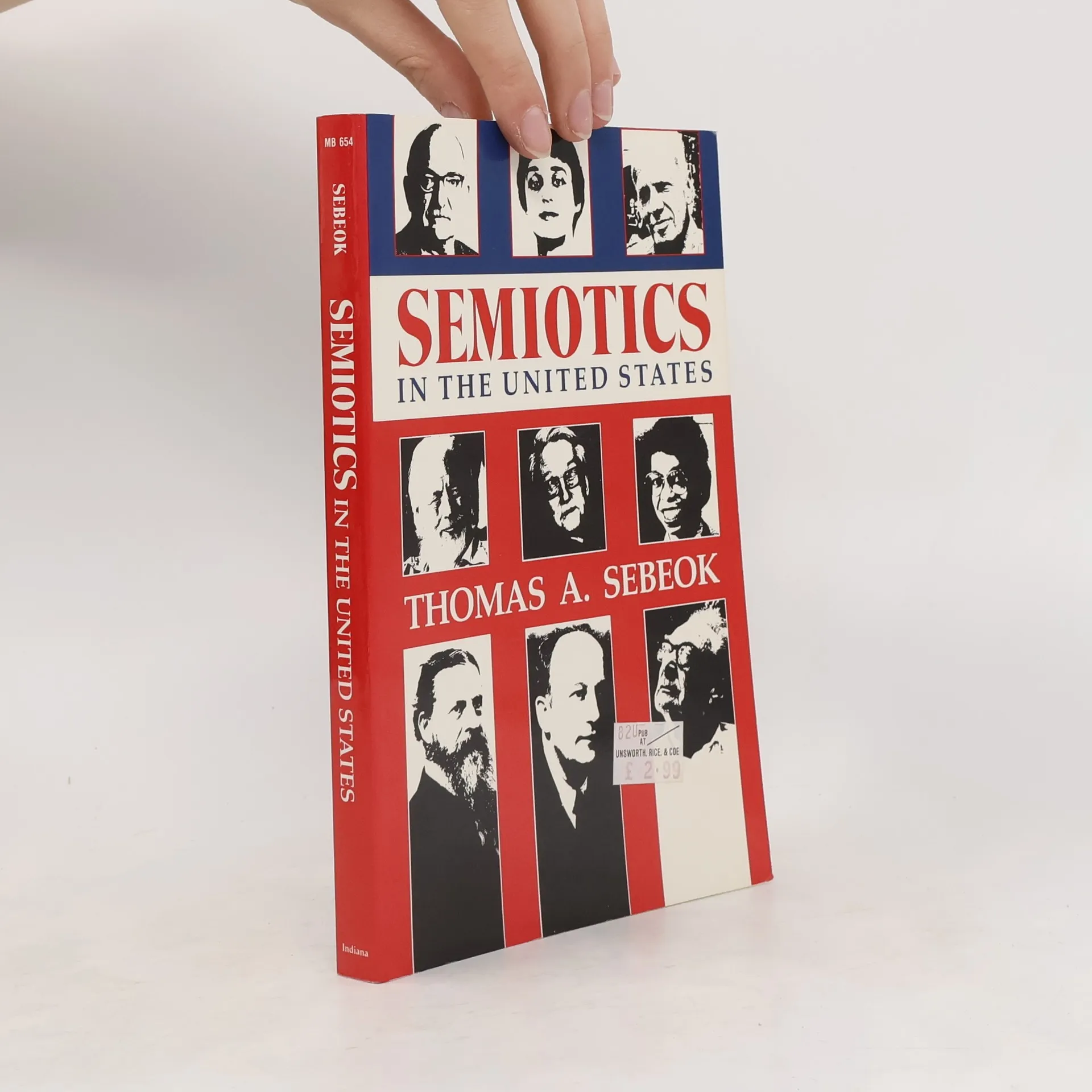
    Semiotics in the United States
    • Offers an account of the rise of semiotics in the United States. This work focuses on salient individuals and intellectual issues, including theatre, television, folklore, sociology, tourism, and graphic design. It also examines semiotic applications to architecture, marketing and advertising, jurisprudence, and medicine.

      Semiotics in the United States
    • Biosemiotics

      • 498bladzijden
      • 18 uur lezen
      4,4(3)Tarief

      This work explores the intersection of semiotics and biosemiotics, examining how signs and communication shape our understanding of life and nature. It discusses the semiotic production of our planet and the ethical dimensions of therapeutic genetic engineering, alongside the brain's models of communication. The relationship between sign-science and life-science is scrutinized, alongside the semiotics of emergence in both artificial and natural systems. The organization of biosystems is approached from a semiotic perspective, while the icons of nature are analyzed within nature semiotics. The text delves into ecogenesis and echogenesis challenges for biosemiotics, revisits phytosemiotics, and considers the evolution of semiotics. The specificity of musculoskeletal symptoms is explored through a biosemiotic lens, and the cultural construction of pain disease is examined in a cross-cultural context. The potential of radiology in semiotic analysis is illustrated through case studies, and the themes of species, signs, and intentionality are investigated. The work also addresses the historical communication barriers in the living world and the social construction of conditions like Alzheimer's disease. Finally, it discusses categorical perception's role in sign formation and the emergence of chemical languages, culminating in a comprehensive index.

      Biosemiotics
    • Signs

      • 216bladzijden
      • 8 uur lezen
      3,6(8)Tarief

      This updated second edition of Signs combines some of Sebeok?s most important essays with a new general introduction, introductory passages at the outset of each chapter, a glossary, and brief biographies of the major semioticians. schovat popis

      Signs
    • I Think I Am a Verb

      More Contributions to the Doctrine of Signs

      • 268bladzijden
      • 10 uur lezen

      The author reflects on an unconventional writing journey that spans various fields, beginning with technical articles in Uralic linguistics and evolving into diverse explorations in psycholinguistics, mythology, and semiotics. Key milestones include significant publications on the supernatural, games, and animal communication, leading to a focus on semiotics from 1976 onwards. The narrative highlights the author's unique scholarly evolution and the challenges of categorizing their extensive body of work, ultimately suggesting that this volume may serve as a culmination of their semiotic explorations.

      I Think I Am a Verb