Charles Darwin was een Engelse naturalist wiens baanbrekende werk onze kijk op het leven op aarde revolutioneerde. Met nauwkeurige observatie en geologisch inzicht stelde hij de theorie van evolutie door natuurlijke selectie voor. Deze theorie, die stelt dat alle soorten in de loop der tijd zijn geëvolueerd uit gemeenschappelijke voorouders, werd de hoeksteen van de moderne biologie en bood een verenigende verklaring voor de enorme diversiteit van het leven. Zijn uitgebreide veldwerk, beroemd gedocumenteerd tijdens zijn reis, en latere publicaties vestigden hem niet alleen als een vooraanstaande wetenschappelijke figuur, maar ook als een boeiende auteur wiens ideeën onze perceptie van de natuurlijke wereld blijven vormgeven.
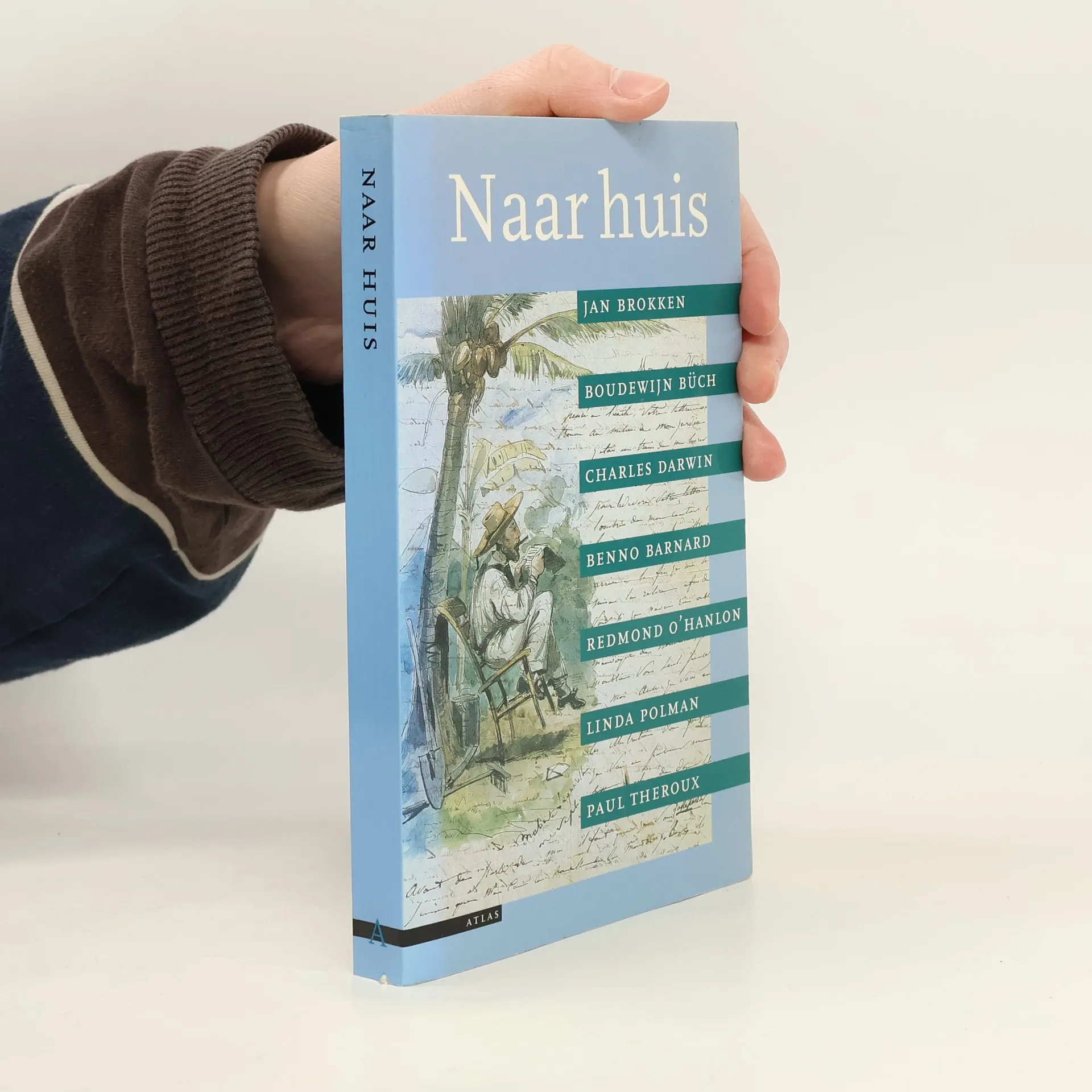
Van de Rio Negro naar Buenos Aires - Charles Darwin Goedenavond, mrs. Thys - Jan Brokken Drie maanden in de West - W. Wijnaendts Francken-Syserinck Paaseiland: voorbij de branding van Rapa Nui - Paul Theroux Kongo - Redmond O'Hanlon Filfla - Boudewijn Büch Het dorp van Ratu Dinges - Johnny Frisbie Bot Pippel - Linda Polman De Kakaanse seismograaf - Benno Barnard
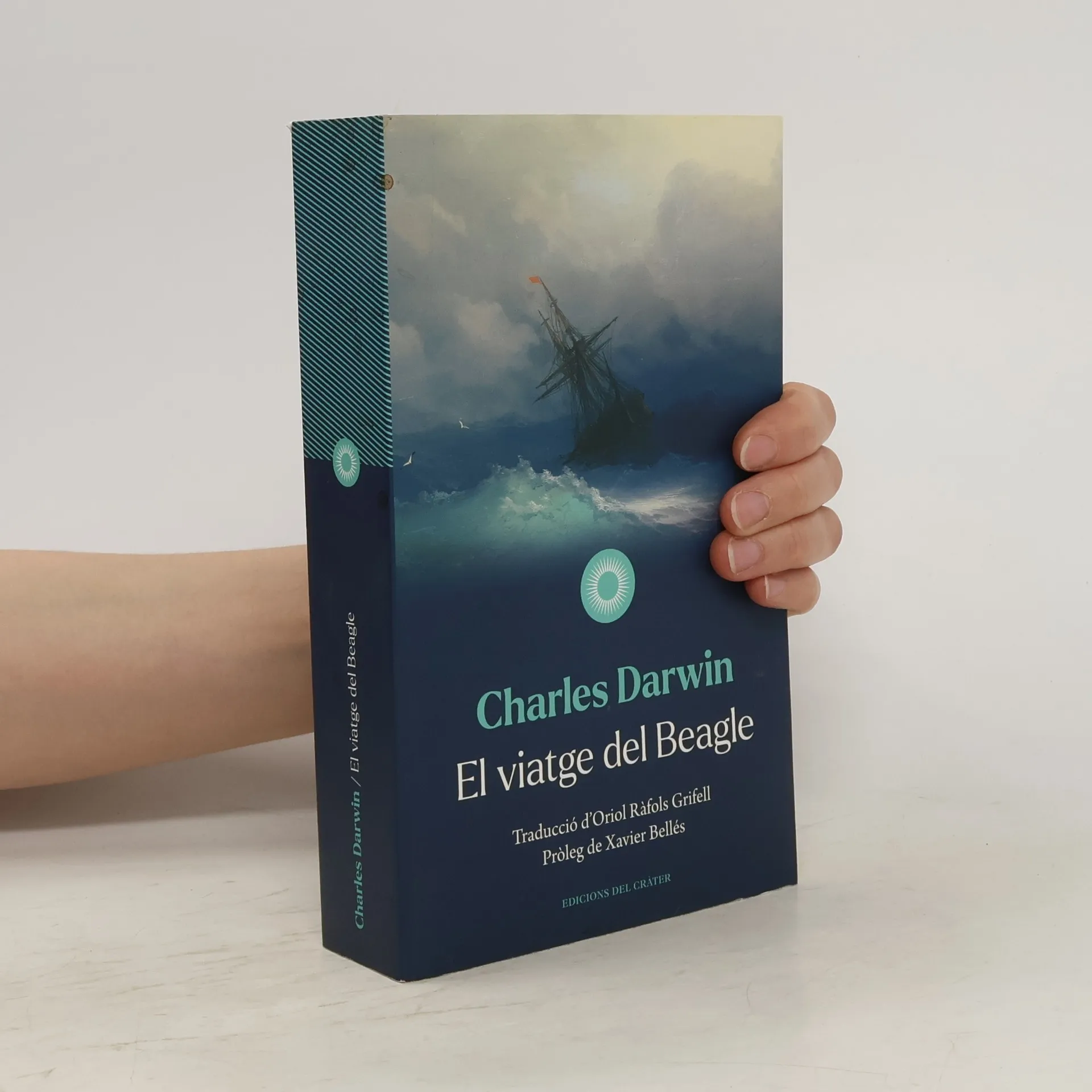
Reisverslag van de 5 jaar durende zeereis die de Britse wetenschapper Charles Darwin vanaf 1831 maakte naar Zuid-Amerika, Afrika, Australië en eilanden in de Stille en Indische Oceaan.
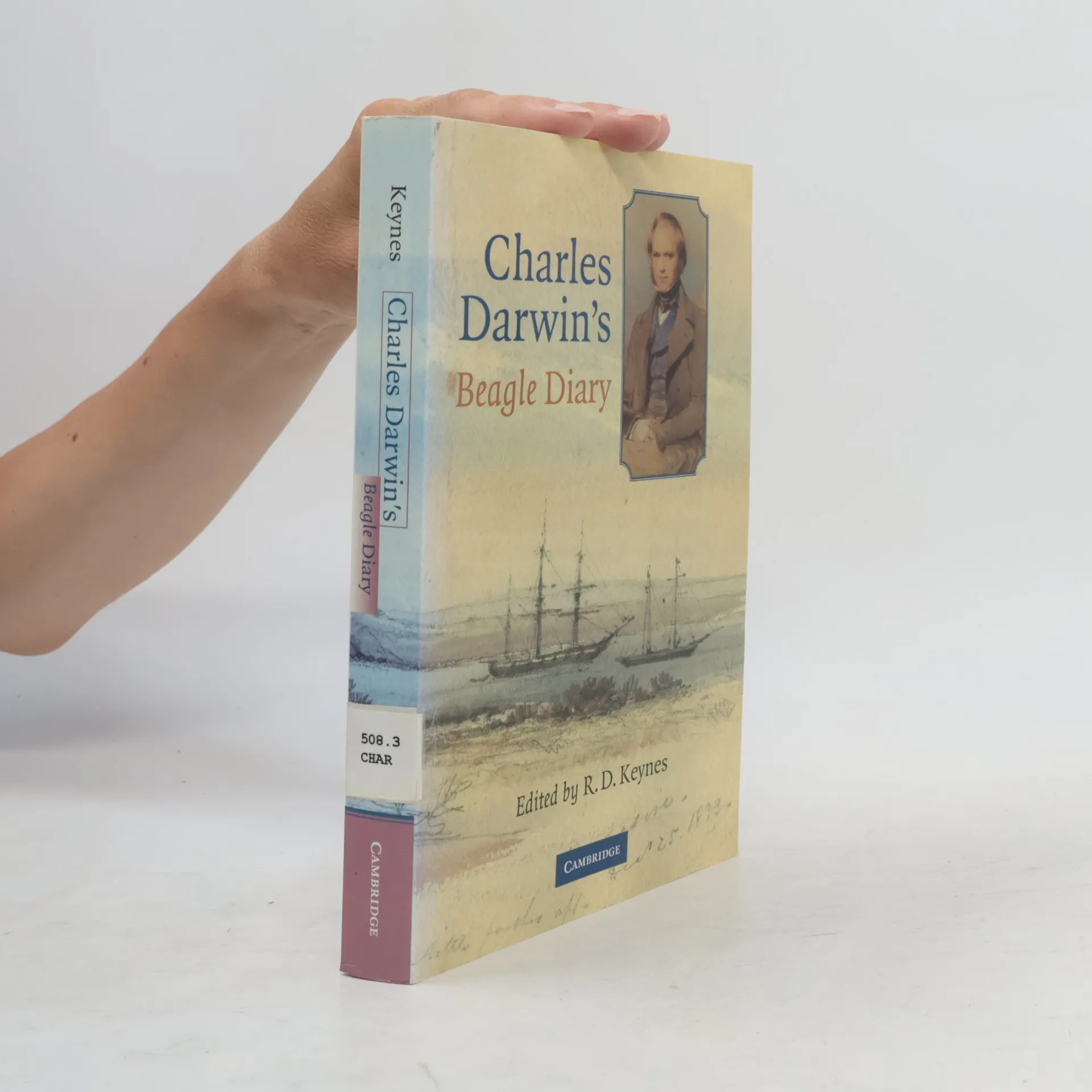
Charles Darwin s voyage on the HMS Beagle is a gripping adventure story, and a turning point in the making of the modern world. Brought together here in chronological order, the letters he wrote and received during his trip provide a first-hand account of a voyage of discovery that was as much personal as intellectual. We follow Darwin s adventures as he prepares for his travels, lands on his first tropical island, watches an earthquake level a city, and learns how to catch ostriches from a running horse. We witness slavery, political revolution, and epidemic disease, and share the otherworldly experience of landing on the Galapagos Islands and collecting specimens. His letters are counterpoised by replies from family and friends that record a comfortable, intimate world back in England. Original watercolors by the ship s artist Conrad Martens vividly bring to life Darwin s descriptions of his travels.
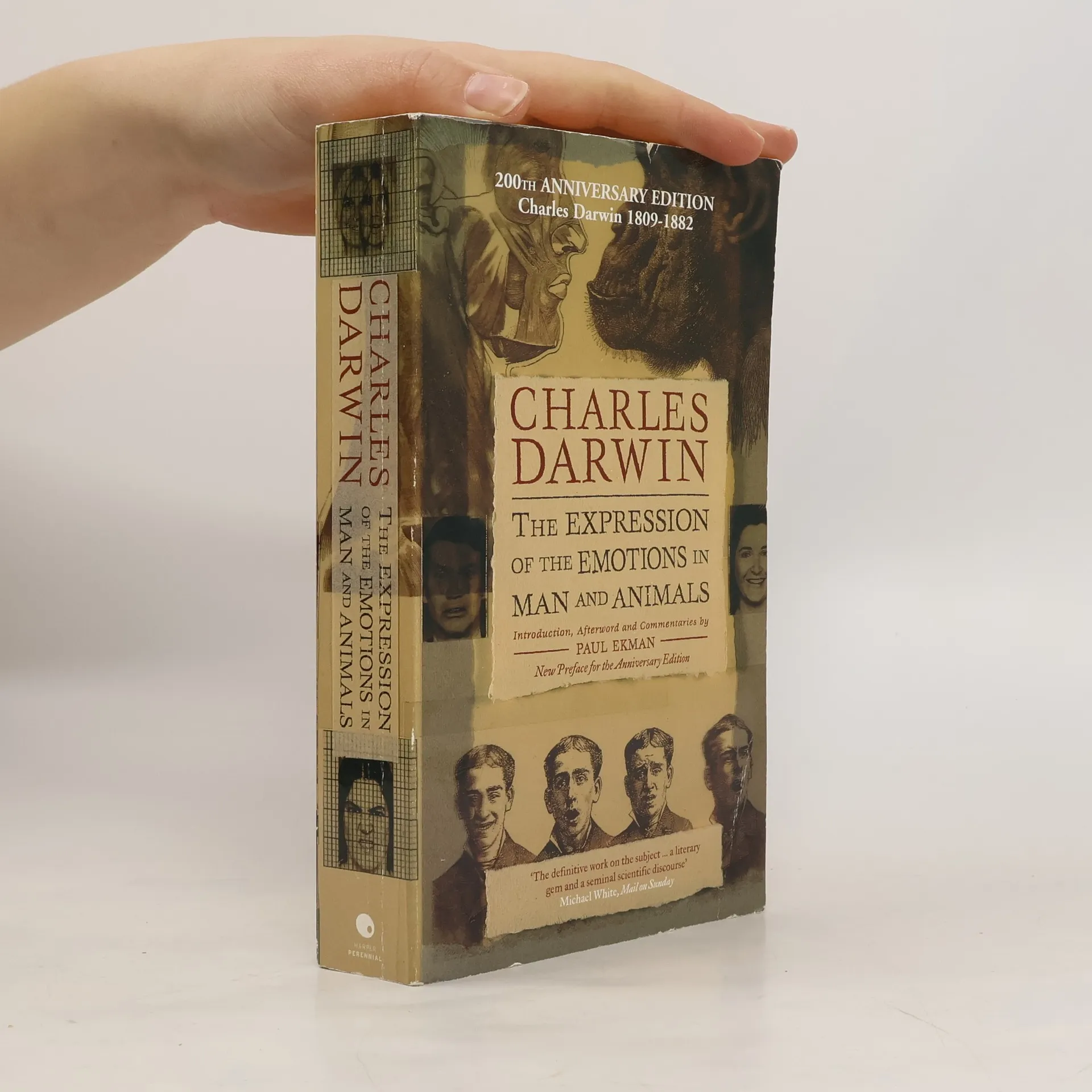
The definitive edition of Darwin's classic - a brilliantly entertaining and
accessible exploration of human and animal behaviour, reissued to mark the
200th anniversary of Darwin's birth.
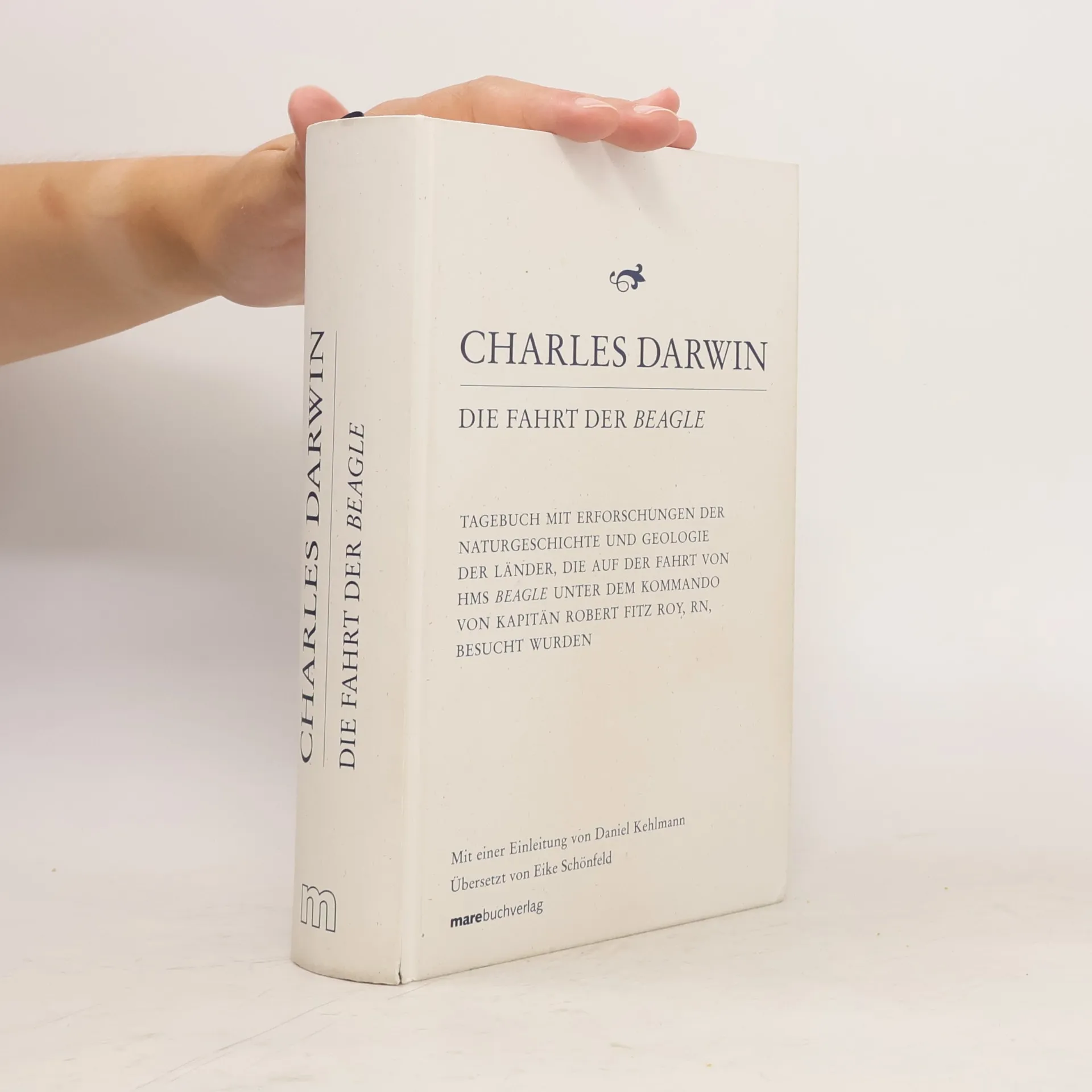
Tagebuch mit Erforschungen der Naturgeschichte und Geologie der Länder, die auf der Fahrt von HMS Beagle unter dem Kommando von Kapitän Robert Fitzroy, RN, besucht wurden
687bladzijden
25 uur lezen
Am 27. Dezember 1831 brach Charles Darwin mit der Beagle von Plymouth auf. In seiner kleinen Kajüte befanden sich Probenbehälter, Chemikalien, Seziergeräte, ein Mikroskop, ein Geologenhammer und Bücher. Mit 22 Jahren war er ein begeisterter Käfersammler und hatte ein leidenschaftliches Interesse an Naturwissenschaften, jedoch war er unschlüssig über seine Zukunft. Während seiner fünfjährigen Weltumrundung studierte er die Natur der Kapverdischen Inseln, die Ureinwohner Feuerlands und entdeckte auf den Galápagosinseln unterschiedliche Finkenpopulationen. Am Ende der Reise hatte er 1529 Spezies in Spiritus eingelegt und 3907 Häute, Knochen und andere Funde katalogisiert. Doch noch wichtiger war die Idee, die er mitbrachte und die später eine der größten intellektuellen Revolutionen der Menschheitsgeschichte auslöste. Darwins Bericht über seine Reise ist nicht nur ein bedeutendes Reisebuch, sondern auch die abenteuerliche Chronik eines jungen Mannes, der die Welt bereiste, um sie zu verändern. Es ist eine Mischung aus Abenteuer, Reisebericht und der Entstehung der modernen Biologie, verfasst in brillanter Literatur.
Charles Darwin's account of his transformative voyage aboard HMS Beagle, which began on December 27, 1831, at the age of twenty-two, captures his observations on geology, natural history, and diverse cultures. This journal, presented in a shortened format, details remarkable experiences, from the volcanoes of the Galapagos to the Gossamer spider in Patagonia and the coral reefs of Australasia. These writings laid the groundwork for the intellectual developments that culminated in the theory of evolution and the publication of the controversial "Origin of Species." This edition features an introduction by Janet Brown and Michael Neve, offering context to Darwin's ideas, along with notes, maps, and appendices. Additionally, it includes an essay on scientific geology and the Bible by Robert FitzRoy, Darwin's friend and captain of the Beagle. For over seventy years, Penguin has been a leading publisher of classic literature, offering a vast collection of over 1,700 titles that represent the best works across history and genres. Readers can rely on the series for authoritative texts, enriched by insights from distinguished scholars and contemporary authors, as well as modern translations by award-winning translators.
WITH AN INTRODUCTION BY DARWIN'S GREAT-GREAT-GRANDDAUGHTER, RUTH PADELWhen the
eminent naturalist Charles Darwin returned from South America on board the
H.M.S Beagle in 1836, he brought with him the notes and evidence which would
form the basis of his landmark theory of evolution of species by a process of
natural selection.
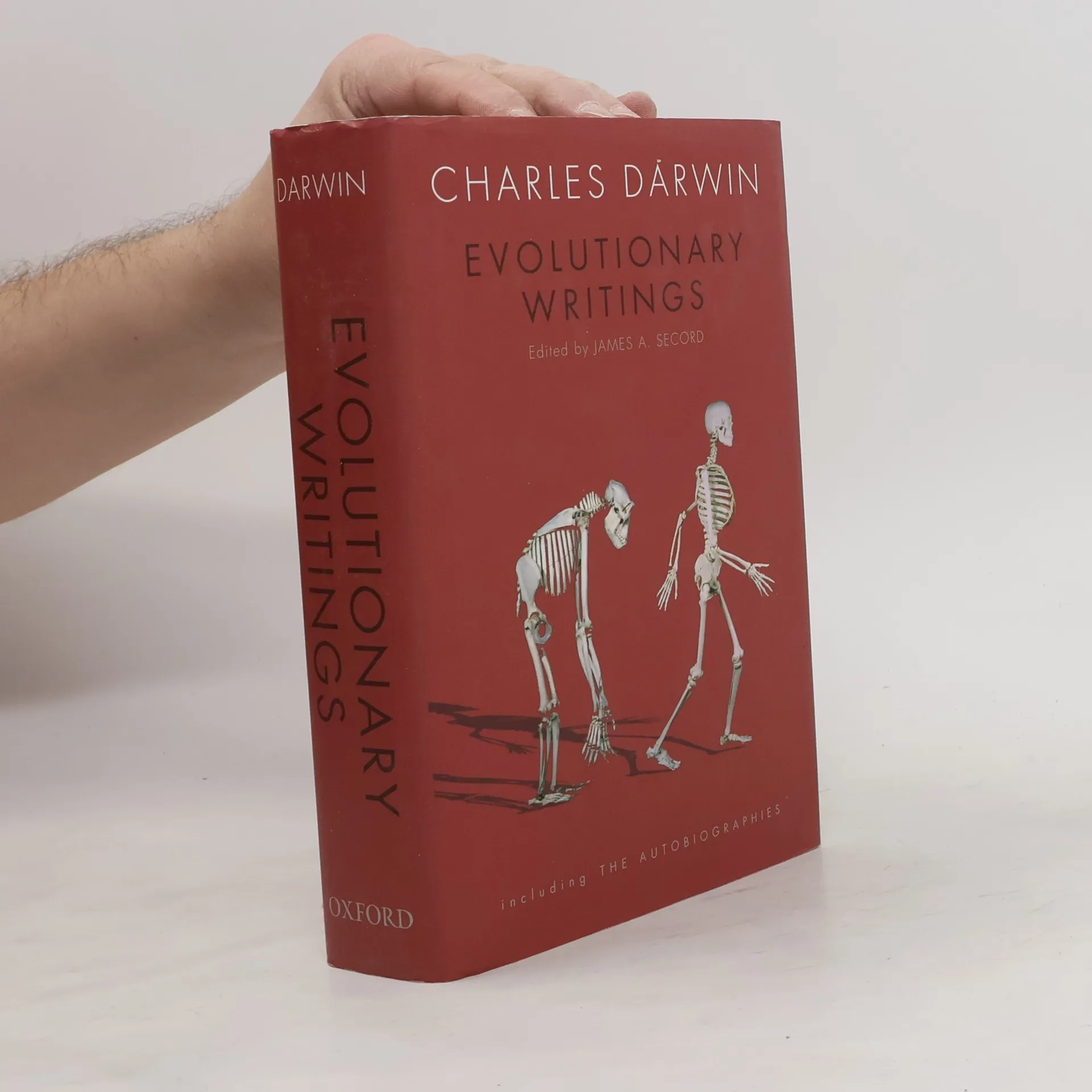
On topics ranging from intelligent design and climate change to the politics of gender and race, the evolutionary writings of Charles Darwin occupy a pivotal position in contemporary public debate. This volume brings together the key chapters of his most important and accessible books,including the Journal of Researches on the Beagle voyage (1845), The Origin of Species (1859), and The Descent of Man (1871), along with the full text of his delightful autobiography. They are accompanied by generous selections of responses from Darwin's nineteenth-century readers from across theworld. More than anything, they give a keen sense of the controversial nature of Darwin's ideas, and his position within Victorian debates about man's place in nature.The wide-ranging Introduction by James A. Secord, Director of the Darwin Correspondence Project, explores the global impact and origins of Darwin's work and the reasons for its unparalleled significance today. To increase its usefulness for readers coming to Darwin for the first time, the selectionalso includes a map of the Beagle voyage, a detailed chronology of Darwin's life, and a biographical appendix identifying every individual mentioned in the text.
The publication of Darwin’s The Origin of Species in 1859 marked a dramatic turning point in scientific thought. The volume had taken Darwin more than twenty years to publish, in part because he envisioned the storm of controversy it was certain to unleash. Indeed, selling out its first edition on its first day, The Origin of Species revolutionized science, philosophy, and theology. Darwin’s reasoned, documented arguments carefully advance his theory of natural selection and his assertion that species were not created all at once by a divine hand but started with a few simple forms that mutated and adapted over time. Whether commenting on his own poor health, discussing his experiments to test instinct in bees, or relating a conversation about a South American burrowing rodent, Darwin’s monumental achievement is surprisingly personal and delightfully readable. Its profound ideas remain controversial even today, making it the most influential book in the natural sciences ever written—an important work not just to its time but to the history of humankind.
A survey of the historical development of the idea of race, this anthology offers pre-twentieth century theories about the concept of race, classic twentieth century sources reiterating and contesting ideas of race as scientific, and several philosophically relevant essays that discuss the issues presented. A general Introduction gives an overview of the readings. Headnotes introduce each selection. Includes suggested further readings.
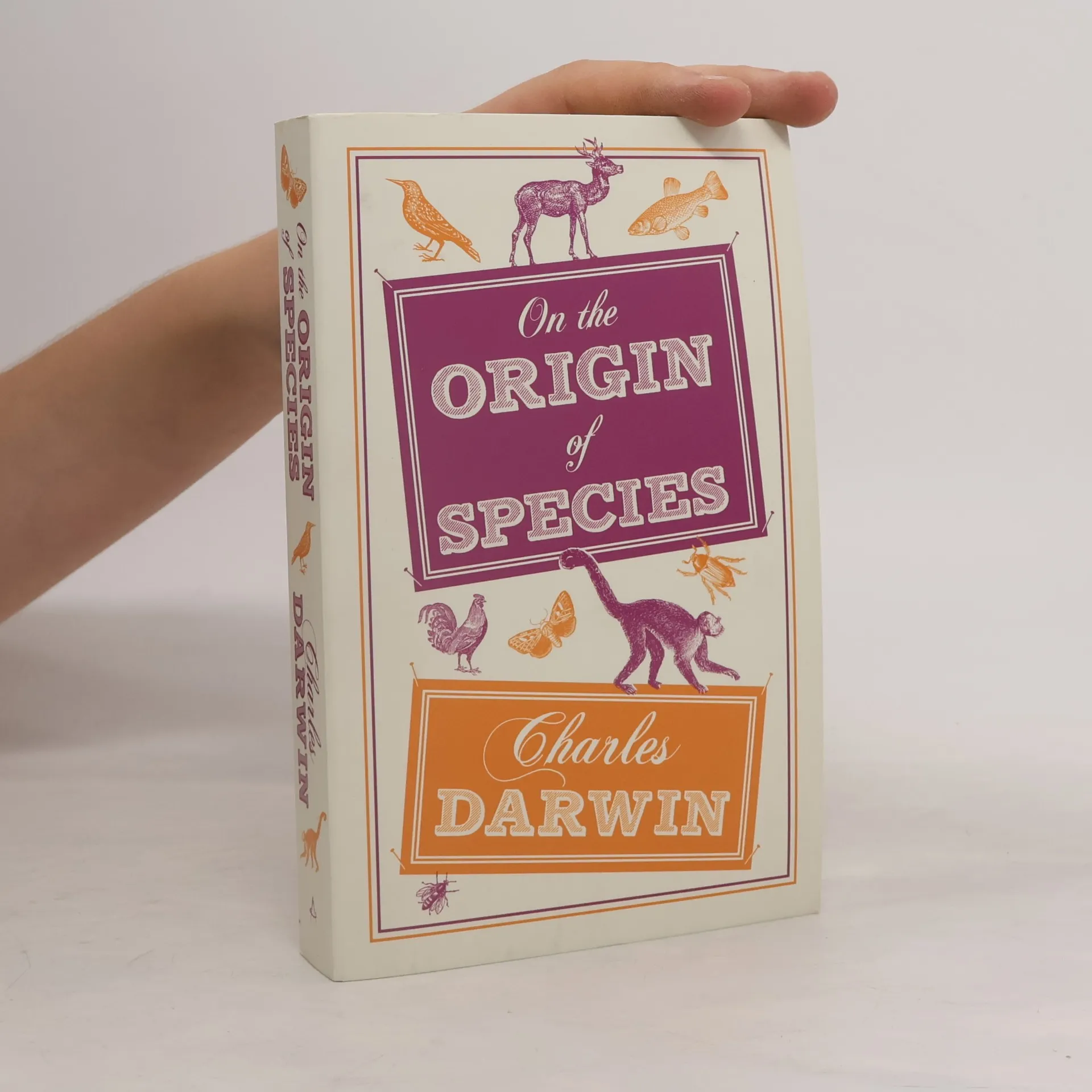
With an Introduction by Jeff Wallace. 'A grain in the balance will determine which individual shall live and which shall die...'. Darwin's theory of natural selection issued a profound challenge to orthodox thought and belief: no being or species has been specifically created; all are locked into a pitiless struggle for existence, with extinction looming for those not fitted for the task. Yet The Origin of Species (1859) is also a humane and inspirational vision of ecological interrelatedness, revealing the complex mutual interdependencies between animal and plant life, climate and physical environment, and - by implication - within the human world. Written for the general reader, in a style which combines the rigour of science with the subtlety of literature, The Origin of Species remains one of the founding documents of the modern age.
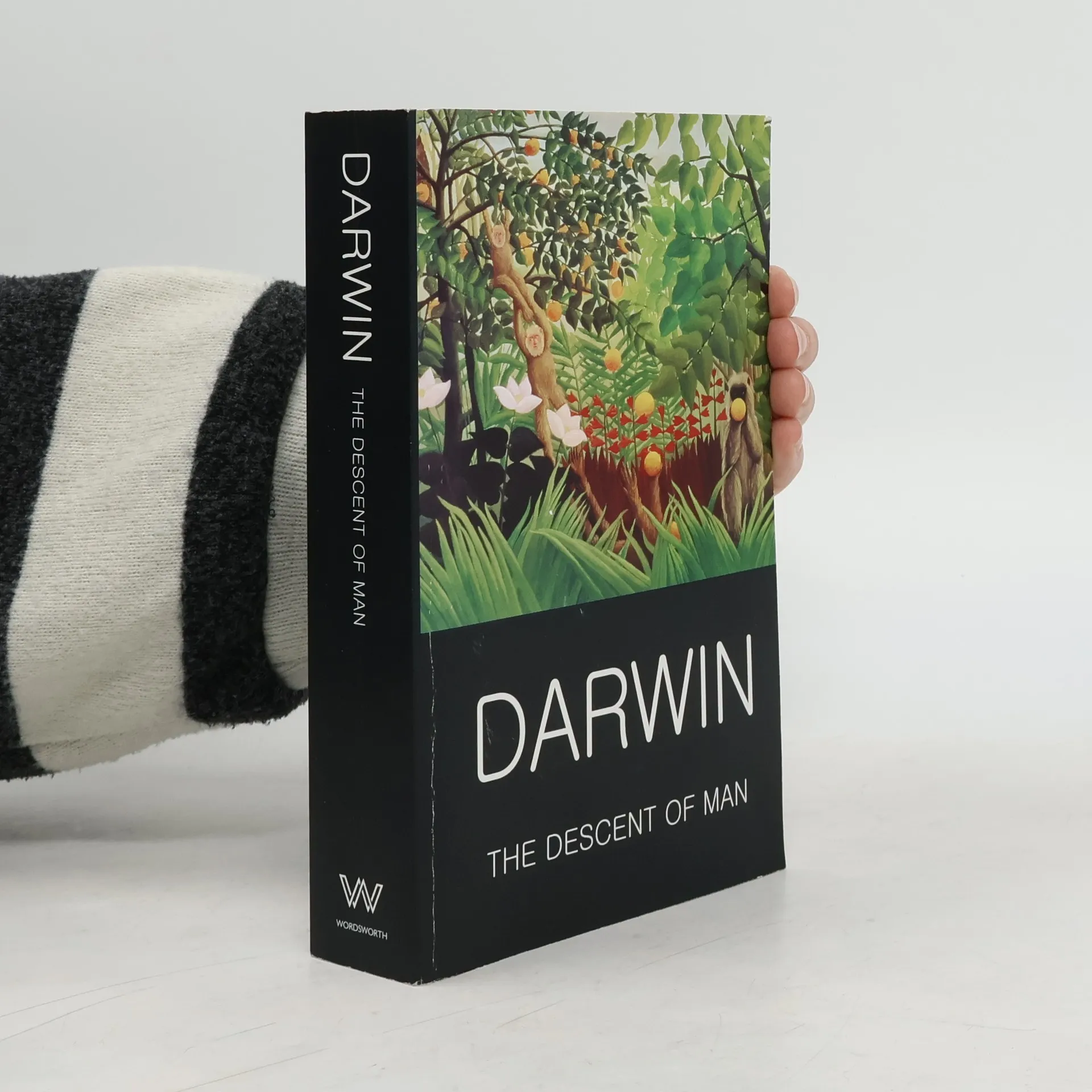
The Descent of Man is Darwin's second book, first published in 1871. In this edition, Darwin applies evolutionary theory to humans and details his theory of sexual selection.
When Darwin set sail at the end of 1831, it was only with a vague notion that all life forms, both present and extinct, were more strongly related than the Christian version of the world's creation purported them to be. During his five-year voyage of research and discovery on board HMS Beagle, and later from his home in Kent, he painstakingly collected a mass of evidence from across the planet – from Paraguay and the Galapagos Islands to Staffordshire and Scotland – building a compelling case for a theory that would change the world we live in – and the way we look at it – for ever. The foundation of evolutionary biology and natural selection – which prompted as huge a revolution in the fields of science and religion as Copernicus's heliocentric model of the universe and Newton's law of gravity, Darwin's On the Origin of Species is perhaps the most important book of scientific observation ever written.
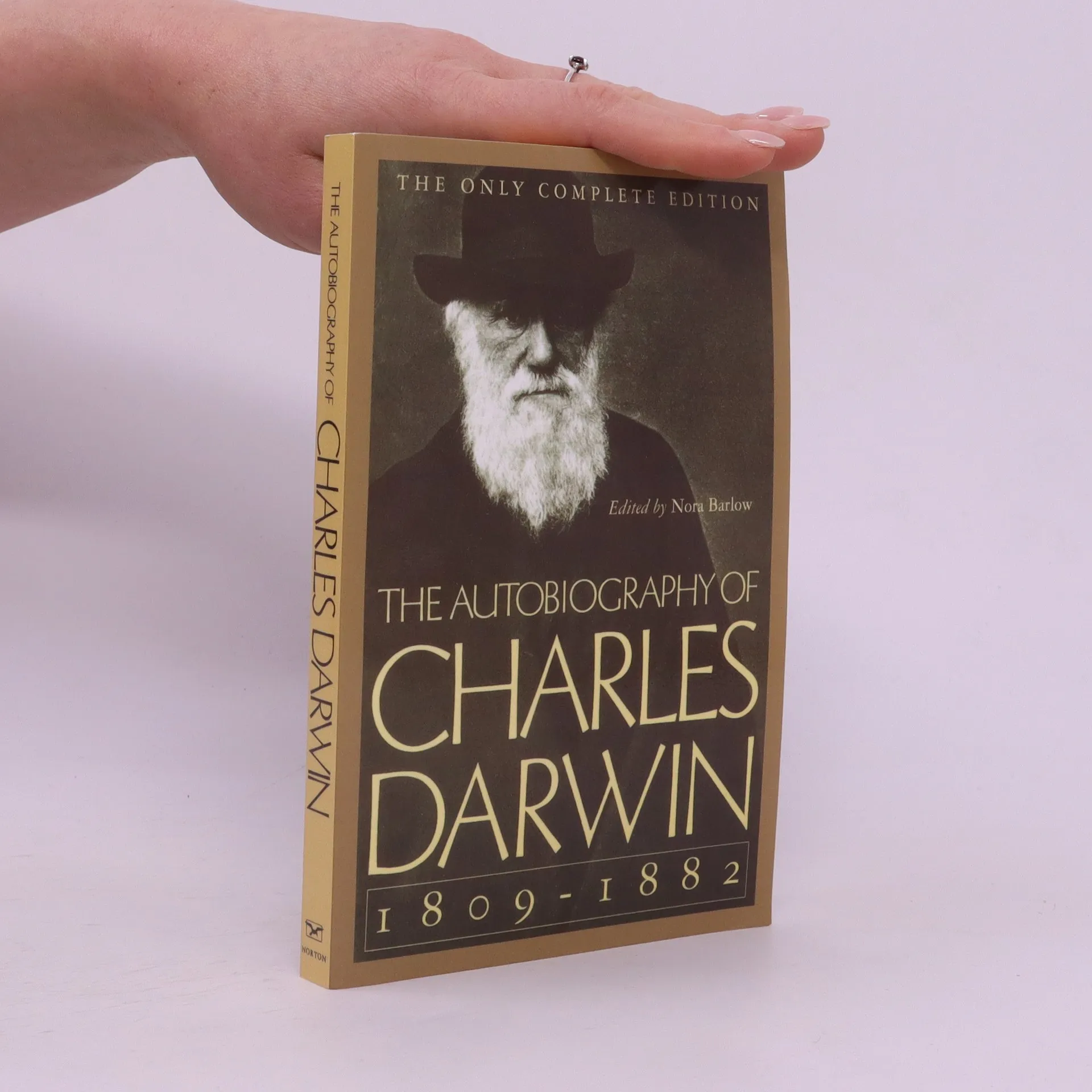
Provides a glimpse into the mind of one of the world's intellectual giants -
Charles Darwin . Honest and illuminating, these memoirs reveal a man who was
isolated by his controversial beliefs and whose towering achievements were
attained by a life-long passion for the discoveries of science.
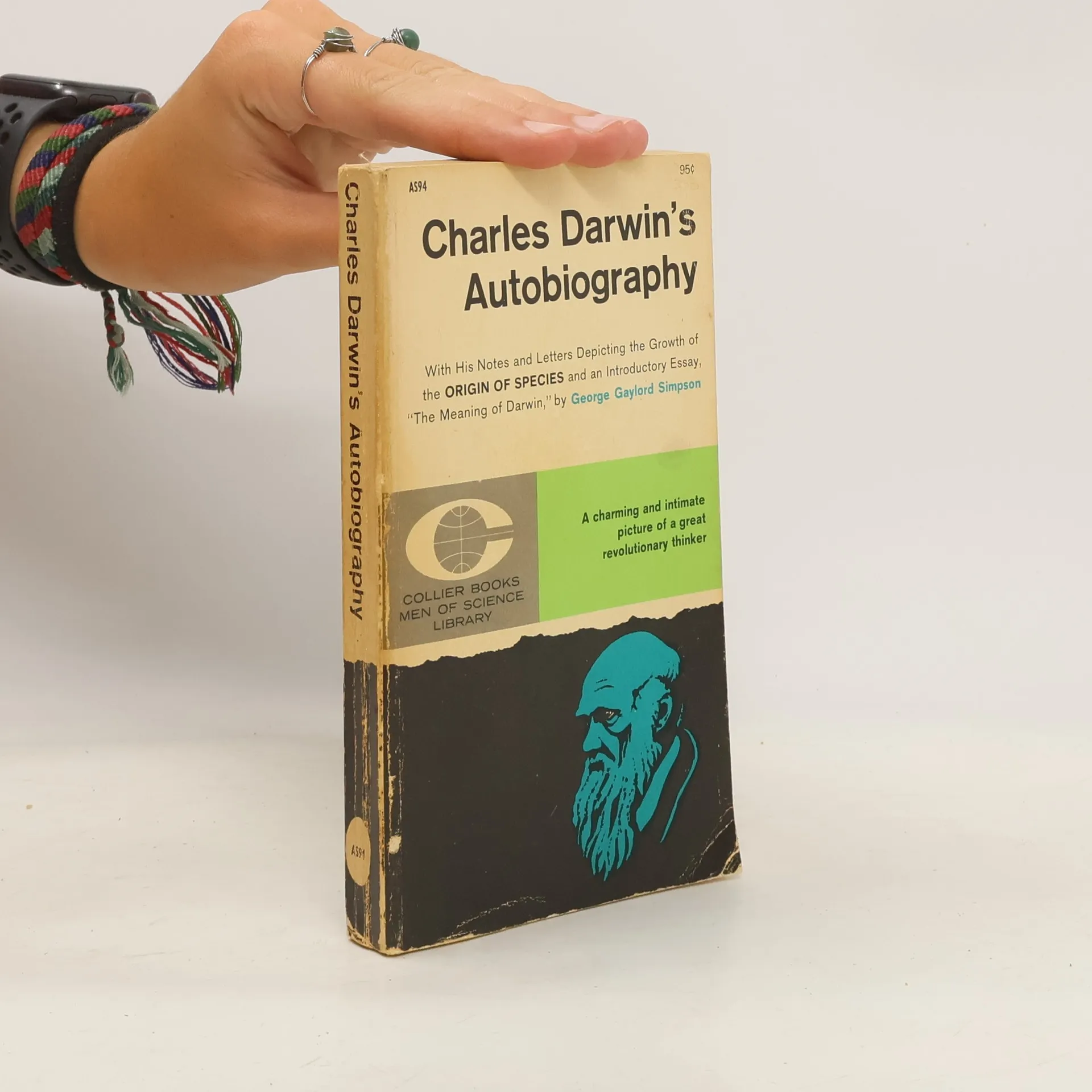
Charles Darwin's Autobiography was first published in 1887, five years after his death. It was a bowdlerized edition: Darwin's family, attempting to protect his posthumous reputation, had deleted all the passages they considered too personal or controversial. The present complete edition did not appear until 1959, one hundred years after the publication of The Origin of Species. Upon its appearance, Loren Eiseley wrote:"No man can pretend to know Darwin who does not know his autobiography. Here, for the first time since his death, it is presented complete and unexpurgated, as it exists in the family archives. It will prove invaluable to biographers and cast new light on the personality of one of the world's greatest scientists. Nora Barlow, Darwin's granddaughter, has proved herself a superb editor. Her own annotations make fascinating reading."The daring and restless mind, the integrity and simplicity of Darwin's character are revealed in this direct and personal account of his life—his family, his education, his explorations of the natural world, his religion and philosophy. The editor has provided page and line references to the more important restored passages, and previously unpublished notes and letters on family matters and on the controversy between Samuel Butler appear in an appendix.
This book is a reproduction of a historical work, published by Megali, a company dedicated to producing large print editions for readers with impaired vision. The focus on accessibility highlights the importance of making literature available to all, ensuring that historical texts can be enjoyed by a wider audience.
The book is a reproduction of a historical work, specifically designed in large print format to enhance accessibility for individuals with impaired vision. Published by Megali, a house dedicated to making historical texts more readable, it aims to preserve the original content while ensuring it is accessible to a wider audience.
Focusing on accessibility, this book is a reproduction of a historical work published by Megali, a company dedicated to producing large print editions. This initiative aims to enhance readability for individuals with impaired vision, ensuring that important texts remain available and accessible to a broader audience.
The book is a reproduction of a historical work, produced in large print to enhance accessibility for readers with impaired vision. Megali, the publishing house behind this edition, focuses on making significant texts easier to read, ensuring that important works remain available to a wider audience.
This book is a reproduction of a historical work, published by Megali, a company dedicated to producing large print editions for individuals with visual impairments. The focus on accessibility ensures that important texts are available to a wider audience, enhancing the reading experience for those who may struggle with standard print sizes.
This book is a reproduction of an original historical work, published by Megali, a house dedicated to producing large print editions. The focus on accessibility aims to assist readers with impaired vision, ensuring that significant historical texts remain available and easy to read for a wider audience.
Focused on accessibility, this reproduction by Megali aims to provide historical works in large print, catering specifically to individuals with impaired vision. By enhancing readability, it ensures that these important texts remain available to a wider audience, preserving their significance while promoting inclusivity in literature.
This work is a reproduction of a historical text, presented in large print to enhance accessibility for individuals with impaired vision. Published by Megali, a house dedicated to making classic literature more readable, it aims to preserve the original content while ensuring it is approachable for a wider audience.
This book is a reproduction of a historical work, specifically designed in large print to enhance accessibility for readers with impaired vision. Published by Megali, a house known for its commitment to making historical texts more readable, it aims to preserve the original content while catering to those who benefit from larger text formats.
Focusing on the behavior and adaptations of climbing plants, this botanical work by Charles Darwin delves into their unique movements and habits. Published in 1875, it reflects Darwin's later research following "On the Origin of Species," showcasing his continued exploration of natural phenomena. The book provides insights into how these plants interact with their environment, highlighting Darwin's keen observations and contributions to the understanding of plant biology.
The book is a reproduction of a historical work, published by Megali, a house dedicated to creating large print editions. This initiative aims to enhance accessibility for readers with impaired vision, ensuring that important texts remain available and easily readable.
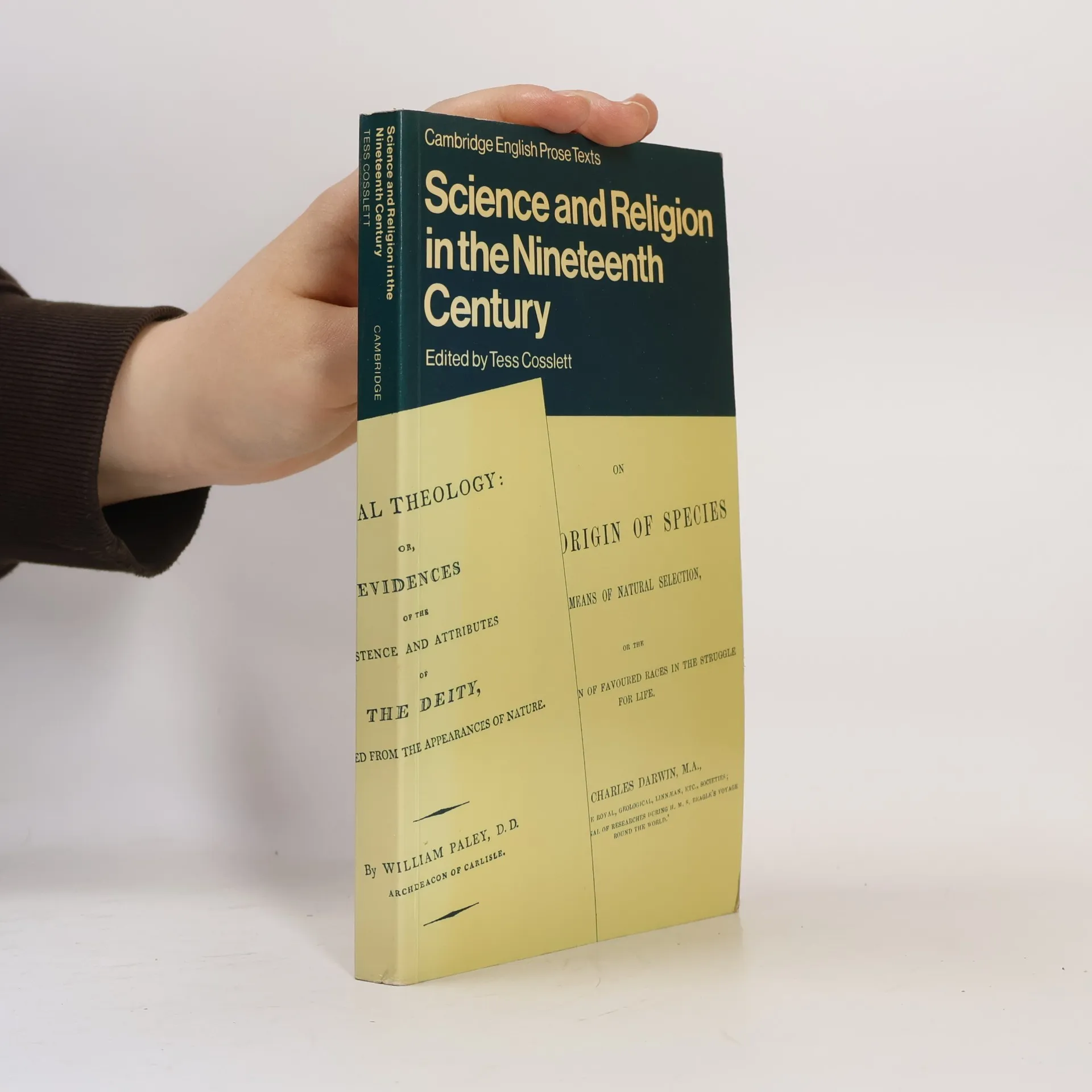
Presents contemporary beliefs about Divine Providence and the beginnings of life on earth. Written for the general public of the 1850s, this title provides an account of the scientific theory that lies at the root of our attitude to the universe.
Cambridge English Prose Texts consists of volumes devoted to substantial selections from non-fictional English prose of the late sixteenth to the mid-nineteenth centuries. The series provides students, primarily though not exclusively those of English literature, with the opportunity of reading significant prose writers who, for a variety of reasons (not least their generally being unavailable in suitable editions) are rarely studied, but whose influence on their times was very considerable. This volume contains selections from nineteenth-century writers involved in the debate about the relation of science and religion. It centres on the Darwinian controversy, with extracts from The Origin Of Species and The Descent of Man, and from opponents and supporters of Darwin. This controversy is placed in the wider context of the earlier debates on geology and evolution; the relation of science to Natural Theology; the effect of Biblical Criticism on the interpretation of Genesis; and the professionalisation of science by aggressively agnostic scientists.
The book presents an engaging account of Charles Darwin's renowned journey, blending historical accuracy with a vivid travel narrative. It captures Darwin's personal experiences and observations, providing readers with a fresh and immediate insight into his expedition.
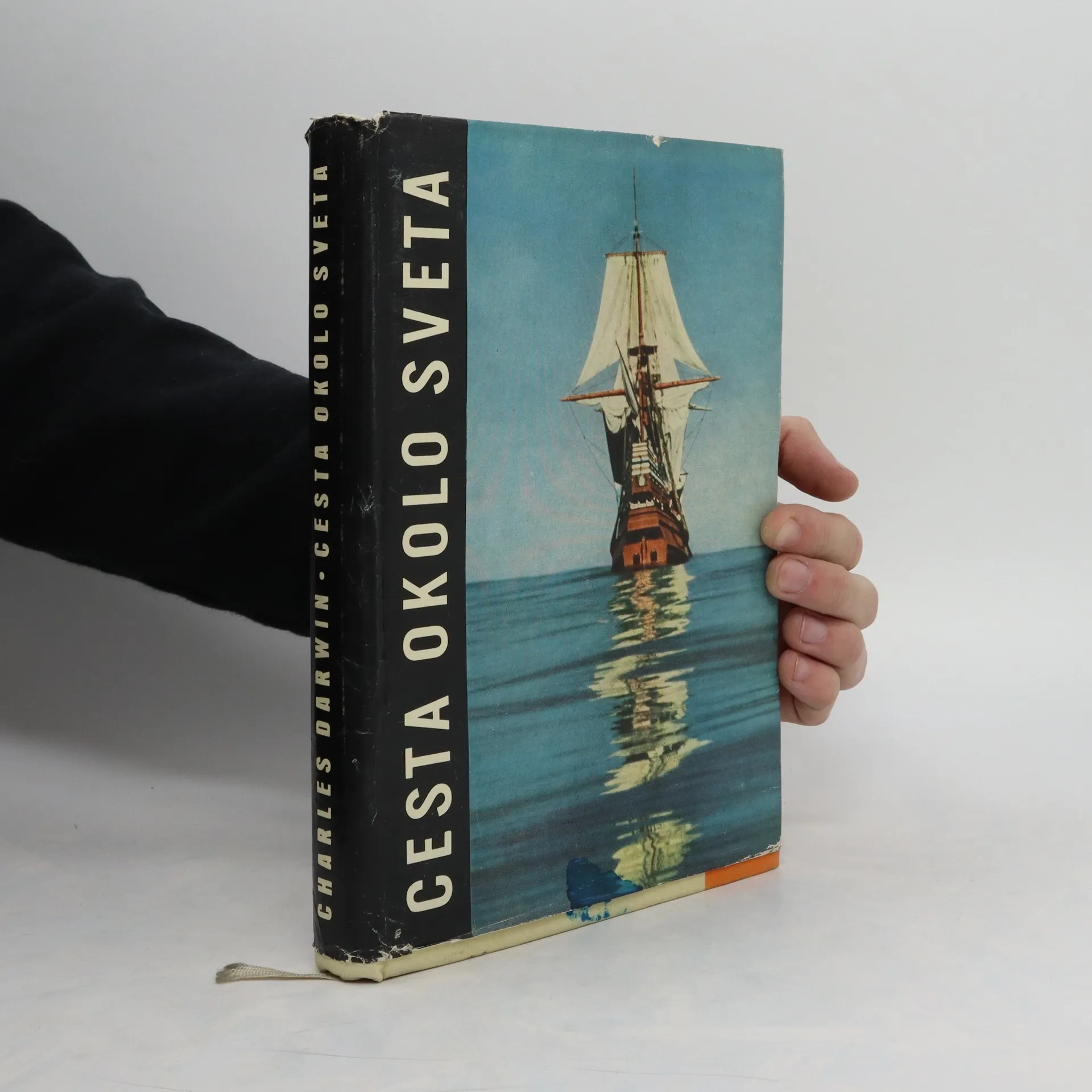
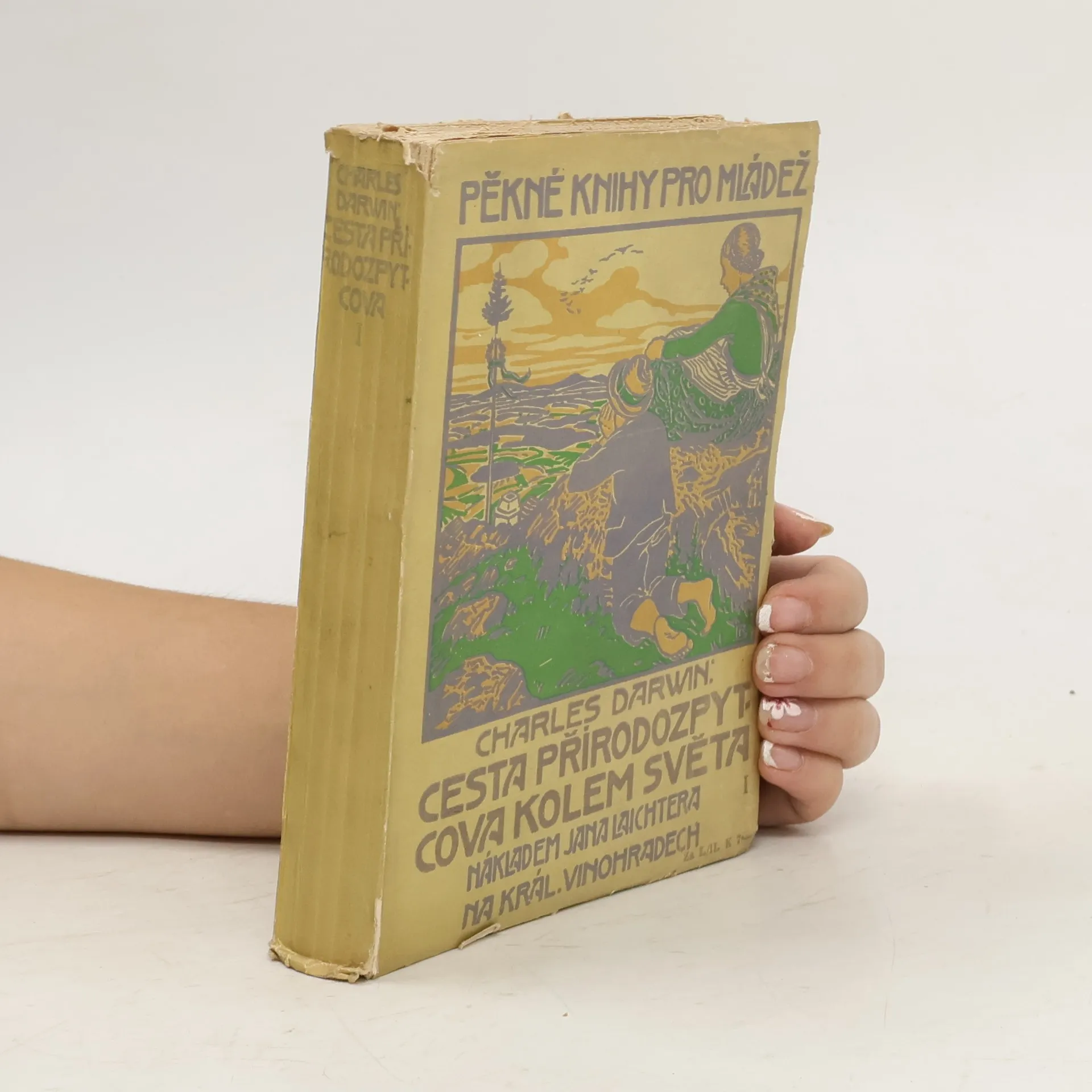
Charles Robert Darwin (1809 – 1882) – významný anglický prírodovedec – študoval teológiu a medicínu v Edinburghu a v Cambridgei. Na lodi Beagle sa zúčastnil vedeckej expedície okolo sveta, ktorá trvala päť rokov (1831 – 1836). Svoje poznatky z plavby zhrnul v knihe Cesta prírodovedca okolo sveta (1845). Nejde o klasický cestopis, ale o denník, do ktorého si každý deň zapisoval svoje pozorovania, dojmy a úvahy a publikoval v ňom aj objavy z oblasti geológie, paleontológie a biológie. Výsledky cesty boli prevratné. Plavba loďou Beagle priviedla Darwina k hľadaniu prirodzených príčin premien a vzniku zvieracích a rastlinných druhov. Tu možno sledovať, ako sa Darwin formoval na učenca, pochopiť, ako sa mladý Darwin, ktorý nemal systematické prírodovedecké vzdelanie, v priebehu piatich rokov stal vynikajúcim výskumníkom. Ďalšie dielo, O vzniku druhov prírodným výberom, (1859) je priekopnícke, vyvrátil v ňom dovtedajšie metafyzické predstavy o nemennosti druhov a stal sa zakladateľom evolučnej teórie. Prácou O pôvode človeka spôsobil prevrat v prírodných vedách.
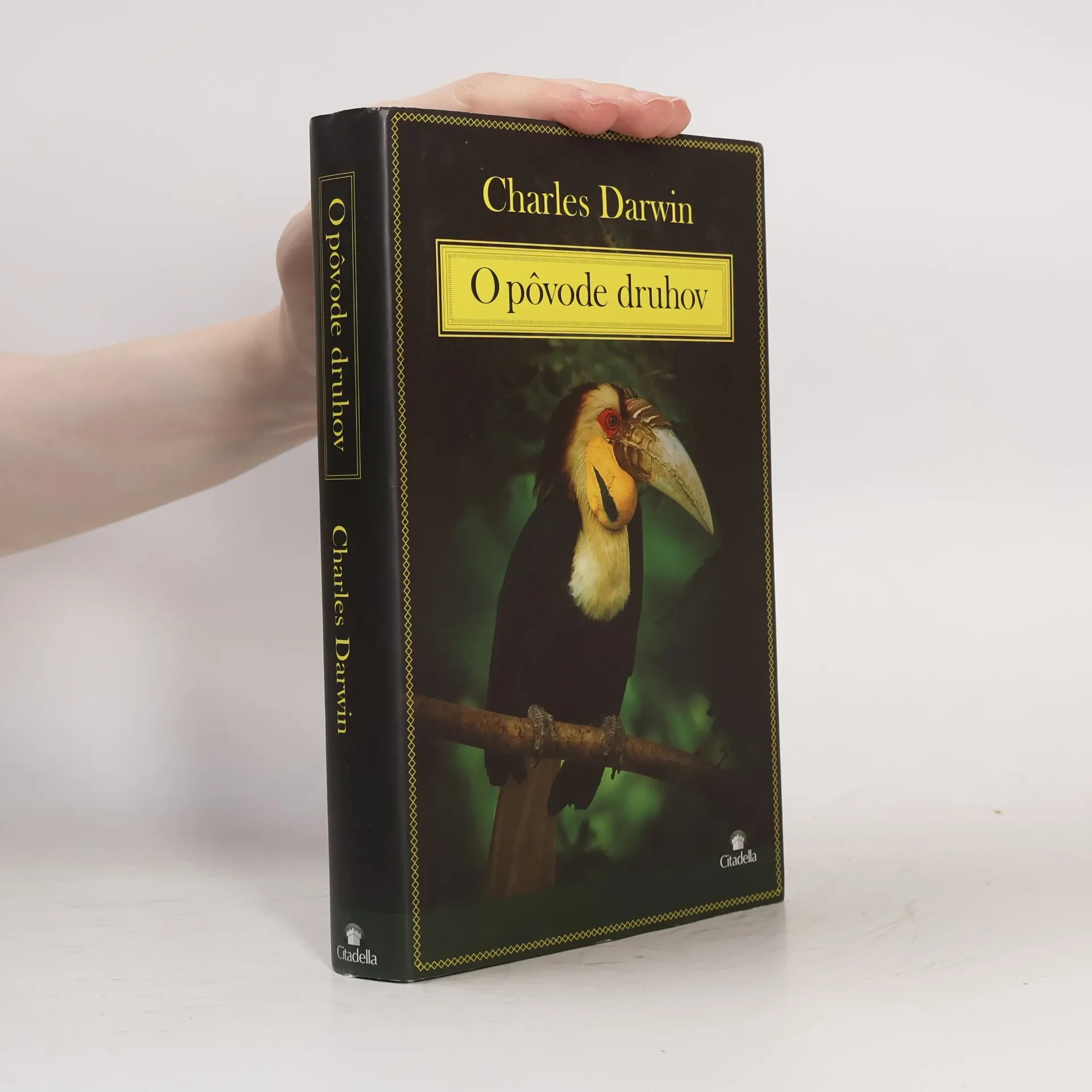
Jedno z najprevratnejších a najvplyvnejších diel modernej vedy a myslenia vyšlo v anglickom origináli v roku 1859. Po prvý raz tu Darwin predostiera ucelený pohľad na vývoj druhov oslobodený od spirituálnych a náboženských predstáv svojej i predchádzajúcich dôb. Druhy podľa Darwina vznikajú dlhotrvajúcim procesom „prírodného výberu“, nie sú nemenné, pretože podliehajú neúprosným prírodným zákonom v tvrdej konkurencii s ostatnými organizmami.
Dielo, ktoré navždy zmenilo naše chápanie sveta, prichádza po revolúcii vo fyzike, ktorá začala s Kopernikom a narušila starý obraz sveta. V polovici 19. storočia sa stav poznania v prírodných vedách jasne naznačoval, že dôjde ku kolízii s prevládajúcou náboženskou predstavou o prírode ako diele Stvoriteľa. V roku 1859 Charles Darwin uverejnil prevratné dielo, ktoré vyvolalo senzáciu a polemiky, ale moderná biológia ho prijala ako kľúčové vysvetlenie prírodných mechanizmov. Geologické záznamy a fosílie priviedli tohto originálneho mysliteľa k presvedčeniu, že príroda je dynamický systém, v ktorom prebiehajú postupné a trvalé zmeny – evolúcia biologických druhov.
Darwinova myšlienka evolúcie vyvolala revolúciu v prírodovednom myslení. Kľúčom k pochopeniu evolučných procesov je prírodný výber. Rovnako ako Newton sformuloval zákon gravitácie, aj Darwin predstavil princíp prírodného výberu. Hľadal odpoveď na otázku, prečo dochádza k zmenám orgánov a charakteristických znakov organizmov. Tieto zmeny sú výsledkom prírodného výberu, ktorý uprednostňuje určité odchýlky v súlade s podmienkami prostredia, pričom vždy slúžia v prospech organizmov, nikdy nie proti nim.
Práce O původu druhů, nejznámější dílo významného anglického přírodovědce 19. století Charlese Darwina, představuje základní kámen moderní biologie. Právě v této práci totiž Darwin popisuje fenomén evoluce a s rozvahou argumentuje proti názoru, že všechny živé organismy byly stvořeny Bohem takové, jaké je známe dnes
Kapitoly o pohlavním výběru tvoří součást Darwinovy knihy O původu člověka a pohlavním výběru. Jde o zcela klíčové dílo světového biologického písemnictví, které z nepochopitelných důvodů dosud chybělo na českém trhu (přeloženy byly jen kapitoly týkající se člověka).
Co se týče obsahu, právě zde Darwin rozvíjí a vysvětluje svou teorii pohlavního výběru, který podle jeho přesvědčení hraje důležitou roli při utváření vnějšího vzhledu vyšších živých organismů. Po rozsáhlém úvodu do problematiky uvádí konkrétní případy pro jednotlivé živočišné skupiny, přičemž nejvíce pozornosti věnuje ptákům. Jde o dílo nabité zajímavými vědeckými poznatky a občas také úsměvnými pasážemi, přibližujícími čtenáři vědecké metody devatenáctého století.
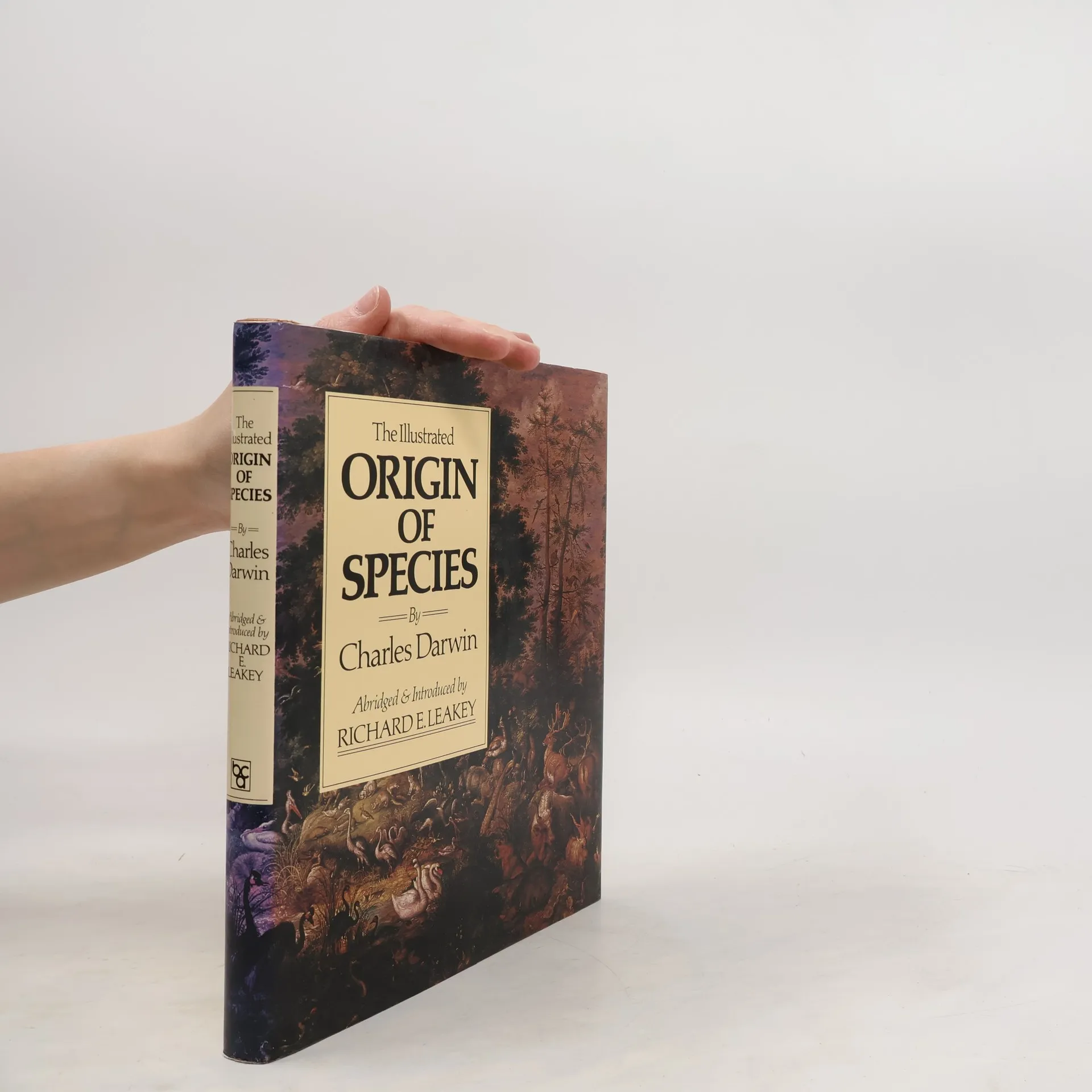
Darwinův text přesvědčivě líčí obrovské drama, které se na naší planetě od nepaměti odehrává mezi všemi živými tvory. Darwinova kniha a z ní pramenící „darwinismus“ se staly jedním z největších dramat v dějinách lidské vzdělanosti. Kniha O původu druhů přírodním výběrem jestručným výtahem z rozsáhlého vědeckého díla, které v úplnosti nikdy nevyšlo tiskem. Ve zkráceném a ilustrovaném šestém vydání slavného díla pořadatel R. E. Leakey umožňuje i méně trpělivému čtenáři i čtenáři s menší představivostí proniknout do podivuhodné dílny živé přírody a do podstaty Darwinova učení.
Nur wenige Wissenschaftler haben das Bild des Menschen so entscheidend verändert wie Charles Darwin, der Begründer der Evolutionstheorie. Mitte des 19. Jahrhunderts schrieb er seine wegweisende 'Entstehung der Arten' und zettelte damit eine bis heute andauernde Debatte über die Stellung des Menschen an. Doch bereits bei ihrer Veröffentlichung wurde seine Theorie falsch verstanden und auf Bereiche übertragen, in denen sie nichts zu suchen hatte. Es ist an der Zeit, Darwin selbst zu lesen. Aus dem umfangreichen Werk hat Julia Voss die wichtigsten Stellen ausgewählt und kurz kommentiert. Mehr muss man von Darwin nicht gelesen haben, um mitreden zu können!
Ch. Darwin, který podal v pol. 19. stol. na základě bohatého materiálu, získaného průkopnickou prací vlastní i svých předchůdců, vědecký výklad o vývoji organického světa (O původu druhů, 1859) a vývoji člověka (Původ člověka a pohlavní výběr, 1871, dále O citovém projevu člověkaa zvířat), a jehož učení darwinismus, zbavený pavědeckého malthusiánství, se stal základním kamenem materialistického názoru na přírodu, nazval svou autobiografii Vzpomínky na vývoj mého ducha a charakteru. Byly tu vzpomínky psané pouze pro vlastní děti, bez úmyslu uveřejniti je. Pod titulem Vlastní životopis Ch.D. byla zveřejněny Darwinovým synem Francisem jako důležitý doplněk významných děl autora, jako pramen poznání způsobu, jakým došel Darwin k theoriím a názorům, jež pobouřily a vzrušily celý tehdejší svět. Jedná o strhující čtení o mořeplavbě, lovu, hledání manželky, sbírání brouků, psaní vědeckých tlustospisů, studiu petrklíčů, chovu holubů, plemenění králíků a dlouhodobé dušnosti.
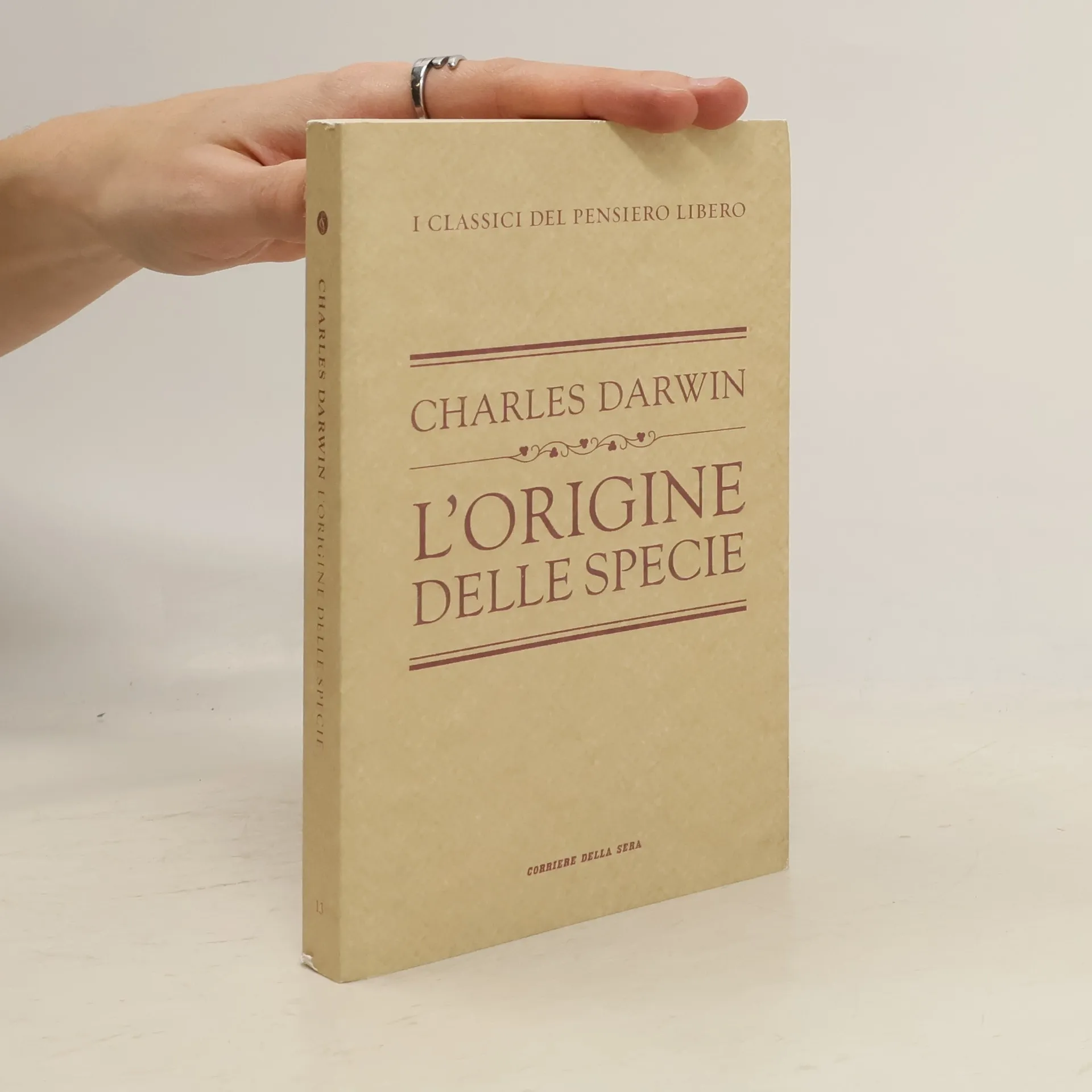
L'idea che le specie fossero il risultato di un lungo processo di trasformazione si presentò a Darwin a partire dal 1832, durante il viaggio sul Beagle, e si concretizzò nell'immagine dell'albero della vita tracciata nei Taccuini della trasmutazione poco dopo il ritorno. Ma solo nel 1842, per la prima volta, il naturalista scrisse "un brevissimo riassunto", un abbozzo della sua teoria dell'evoluzione, che troverà la stesura completa diciassette anni dopo nella sua opera fondamentale, L'origine della specie. Proposizioni suggestive ma secche, fatti appena accennati, passi sintetici ma ricchi di informazioni rendono questo tema un'ottima introduzione al pensiero darwiniano.
Darwin wirft hier eine Reihe von Fragen auf, die in den Lebenswissenschaften derzeit kontrovers diskutiert werden: Wie unterscheidet sich erkenntnistheoretische von instrumenteller Rationalität? Haben Emotionen eine Bedeutung, die über das punktuelle Erleben hinausreichen? Und schließlich: Ist moralisches Verhalten ein menschliches Privileg? Die Beantwortung dieser Fragen hängt auch von der Bedeutung ab, die man der Sexualität einräumt. In diesem Band stellen ein Philosoph und ein Biologe als gemeinsame Herausgeber die wichtigsten Ausschnitte aus Darwins Werk in einer kommentierten Ausgabe bereit.
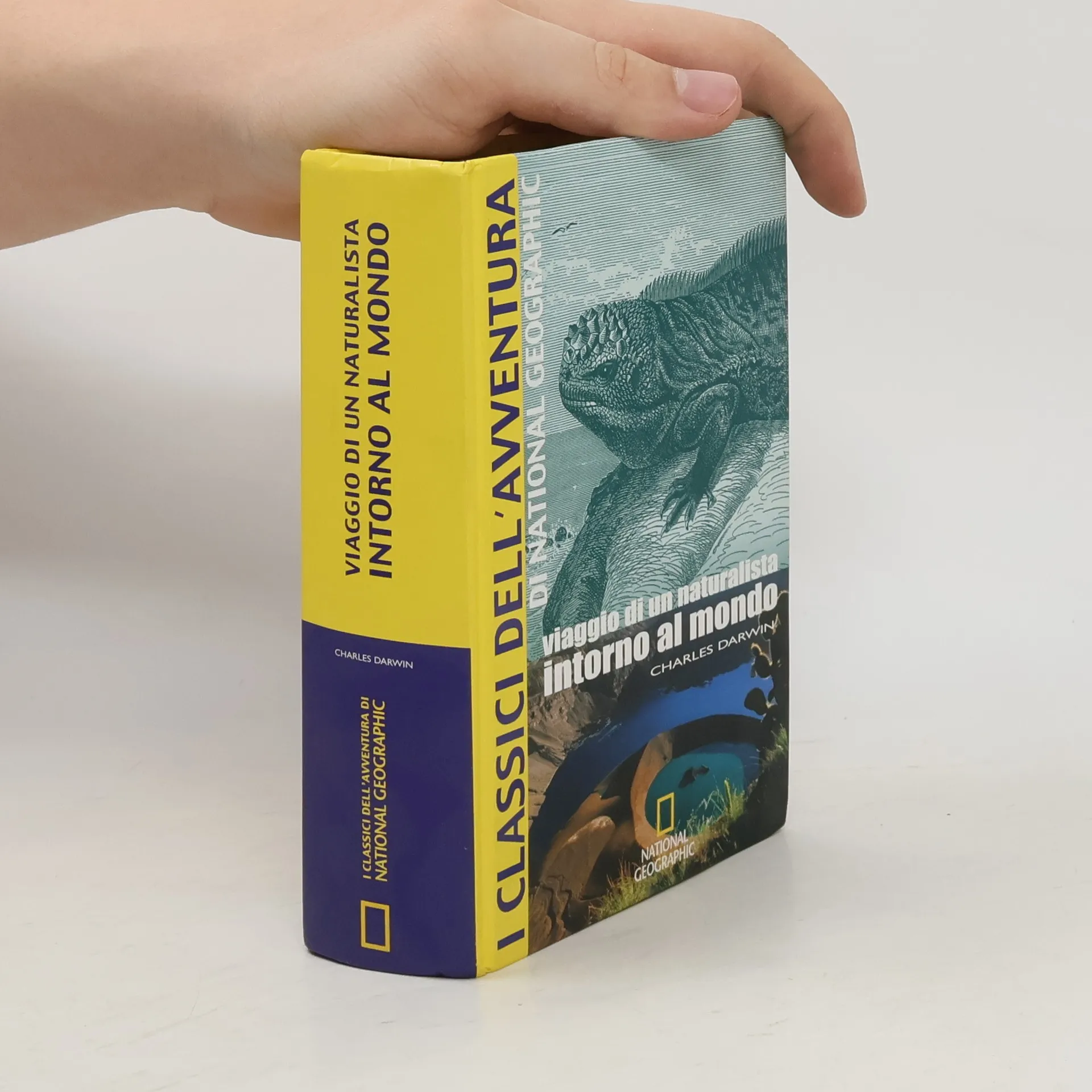
Die Aufzeichnungen von Charles Darwin über seine Weltumsegelung mit der „Beagle“ zählen zu den bedeutendsten Reisewerken des 19. Jahrhunderts. Während dieser Expedition werden seine bahnbrechenden Ideen und Theorien sichtbar, die später die viktorianische Gesellschaft erschütterten. Besonders hervorzuheben sind nicht nur die naturwissenschaftlichen Erkenntnisse, sondern auch die eindrucksvollen Schilderungen der ethnischen, sozialen und politischen Gegebenheiten in den Ländern der südlichen Hemisphäre. Darwin beschreibt mit Anteilnahme das Vorgehen der Soldaten des späteren argentinischen Diktators Rosas und die grausamen Übergriffe der gefürchteten Indianer auf die weiße Bevölkerung. Er berichtet von den barbarischen Bräuchen der kannibalischen Feuerländer und beklagt die rasante Ausrottung der Ureinwohner Australiens durch die Europäer. Seine zahlreichen Beobachtungen fügen sich zu einem Resümee zusammen, das Geschichte schrieb und seinen Zeitgenossen neue Welten eröffnete. Für diese Ausgabe wurden die für heutige Leser besonders interessanten Teile seines Journals ausgewählt, die Darwins Abenteuer als Entdeckungsreisenden in zwei Kontinenten und der Inselwelt des Stillen Ozeans zeigen. Dabei treten seine naturwissenschaftlichen Detailuntersuchungen etwas in den Hintergrund. So entsteht ein Lese-Abenteuer, dessen Frische und Spannung einzigartig sind.
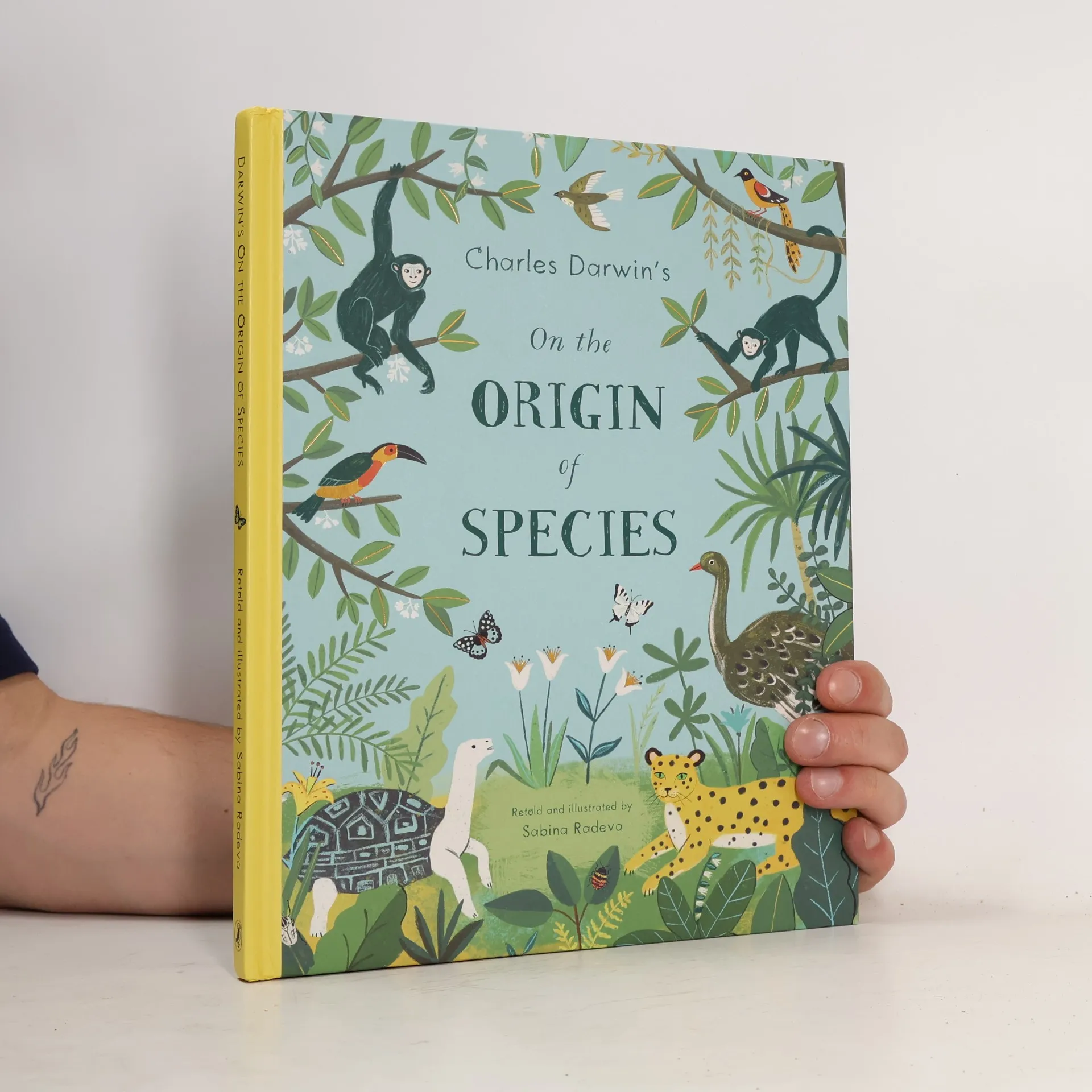
The first ever picture-book retelling of Charles Darwin's On The Origin of Species. 'A long, long time ago, before humans even existed, the living world looked very different from how it looks today.' For most of human history, people believed that everything in the world was created at once. But scientists started to challenge that idea and in 1859 Charles Darwin, a naturalist and biologist, wrote a famous book called On the Origin of Species that revolutionised the way that we have understood evolution ever since. Now molecular biologist and illustrator Sabina Radeva has recreated Darwin's most famous work as a beautifully illustrated book. The stunning pictures bring the theory of evolution to life for young readers, and anyone who wants to learn about evolution. Pulling together Darwin's observations from his travels around the world and his ground-breaking explanation of how species form, develop, and change over hundreds of thousands of years, On The Origin of Species is as relevant and important now as it ever was. A very important project, most beautifully realised. Sabina Radeva's thoughtful text and gorgeous pictures together tell the story of On The Origin of Species, and of Evolution itself, with clarity, humour and great charm. - Emma Darwin An entrancing picture-book retelling of Darwin's on the Origin of Species ... filled with informative, beautifully designed diagrams and maps. - The Guardian
Charles Darwin fu l’uomo che più di ogni altro incrinò una concezione del mondo e della vita che resisteva immutata da secoli. Con quest’opera (sono qui raccolte le due parti che componevano il Saggio del 1844 che prelude alla sistematizzazione di L’origine delle specie) scardinò il fondamento biblico della creazione dell’universo, introducendo il concetto di una lenta evoluzione delle specie animali e vegetali. È solo con Darwin che questa intuizione, risalente già al tempo dei Greci, raggiunge una struttura sistematica e una fisionomia definita. Sulla base di un numero imponente di dati, osservazioni, raffronti sulla flora e la fauna di differenti latitudini, il giovane naturalista inglese giunse a conclusioni sconvolgenti e rivoluzionarie. La teoria dell’evoluzionismo fece nascere un dibattito aspro e talvolta violento che non accenna a placarsi neppure oggi.
Die Handlung spielt auf der Insel St. Jago im Kapverdischen Archipel und beleuchtet das Leben der Einwohner inmitten von Herausforderungen und Traditionen. Die Protagonisten kämpfen mit ihren persönlichen Konflikten und den gesellschaftlichen Erwartungen, während sie die Schönheit und die Schwierigkeiten ihrer Heimat erfahren. Themen wie Identität, Kultur und die Suche nach einem besseren Leben werden eindrucksvoll dargestellt, wodurch ein tiefes Verständnis für die kapverdische Lebensweise vermittelt wird.
Der unveränderte Nachdruck der Originalausgabe von 1877 bietet einen einzigartigen Einblick in die damalige Zeit und deren gesellschaftliche Strukturen. Die Leser können sich auf authentische Sprache und Stilmittel freuen, die das historische Flair der Epoche lebendig werden lassen. Dieses Werk ist nicht nur für Liebhaber klassischer Literatur von Interesse, sondern auch für all jene, die sich mit der Geschichte und Kultur des 19. Jahrhunderts auseinandersetzen möchten.
Der Verlag Megali hat sich auf die Reproduktion historischer Werke in Großdruck spezialisiert, um das Lesen für Menschen mit eingeschränkter Sehfähigkeit zu erleichtern. Diese Ausgabe bietet eine verbesserte Lesbarkeit und bewahrt gleichzeitig den historischen Inhalt, sodass auch Personen mit Sehbehinderungen Zugang zu wertvollen Informationen und Geschichten erhalten.
Nach der sechsten englischen Auflage wiederholt durchgesehen und berichtigt von J. Victor Carus
656bladzijden
23 uur lezen
Die Neuausgabe basiert auf der Originalausgabe von 1876 und bewahrt die spezifischen Orthographien und Schreibweisen der Vorlage. Zudem wurde die ältere Übersetzung von Bronns aus dem Jahr 1860 von Carus umfassend überarbeitet und verbessert, um die Lesbarkeit und Genauigkeit zu erhöhen.
Erste komplette Neuübersetzung seit 100 Jahren: Mit seinem am 24. November 1859 veröffentlichten Werk leitet Charles Darwin eine entscheidende Wende in der modernen Biologie ein. Diese brillante Neuübersetzung würdigt einen der bedeutendsten Naturwissenschaftler, dessen bahnbrechende Forschung unsere Sicht auf die Welt revolutioniert hat. Nach seiner Rückkehr von der abenteuerlichen Weltreise mit der HMS Beagle 1836 glaubt Darwin nicht mehr an die Schöpfungslehre und die Unveränderlichkeit der Arten. Seine Beobachtungen und Erfahrungen führen ihn zu dem Schluss, dass sich die Natur allmählich entwickelt hat und alle Lebewesen einen gemeinsamen Ursprung besitzen. Fortan arbeitet er daran, seine Erkenntnisse in eine Theorie zu überführen. Als seine Überlegungen 1859 unter dem Titel »On the Origin of Species by Means of Natural Selection« erscheinen, ist das Buch sofort vergriffen. Über die Wissenschaft hinaus erhält Darwin Anerkennung für seine Studien zur Veränderlichkeit der Arten und der natürlichen Selektion, die ihn zum Begründer der Evolutionstheorie machen. Gleichzeitig sieht er sich erbittertem Widerstand gegenüber, dem er sich zur Wehr setzen muss. Die letzte von Darwin bearbeitete, sechste Auflage aus dem Jahr 1872 bildet die Grundlage dieser Neuübersetzung und ermöglicht es dem Leser, Darwins epochales Werk in seiner bestechenden Klarheit wiederzuentdecken.
Charles Darwin war ein fleißiger Briefeschreiber. Er hat im Laufe seines Lebens mit über 2000 Personen korrespondiert und mehr als 7500 Briefe verfaßt. Die von Frederick Burckhardt vorgelegte repräsentative Edition versammelt Briefe aus den Jahren 1822 bis 1859. Sie setzt ein mit einigen erst jüngst entdeckten Briefen, die Darwin als 12jähriger schrieb und die hier erstmals veröffentlicht werden, und begleitet die weiteren Stationen seines Lebens, die Universitätszeit in Edinburg und Cambridge, die fünfjährige Weltumsegelung auf der Beagle bis zur Publikation der Entstehung der Arten. Anders als das sorgfältig überarbeitete Tagebuch der Beagle-Reise oder die wissenschaftlichen Werke zeigen die oft begeisterten Schilderungen von Erlebnissen und Entdeckungen Darwin als einen Menschen von besonderer Spontaneität. Die Briefe – lebendig und anschaulich geschrieben – eröffnen einen faszinierenden Blick nicht nur auf den Forscher und seine wissenschaftlichen Erkenntnisse, sondern auch den Privatmann, den Sohn, Bruder, Familienvater und Ehemann. Ein ausführlicher Kommentar und eine Übersicht über die Briefpartner ordnen die Briefe in ihren historischen Kontext ein. Das Vorwort von Stephen Jay Gould führt in Leben und Werk Charles Darwins ein.
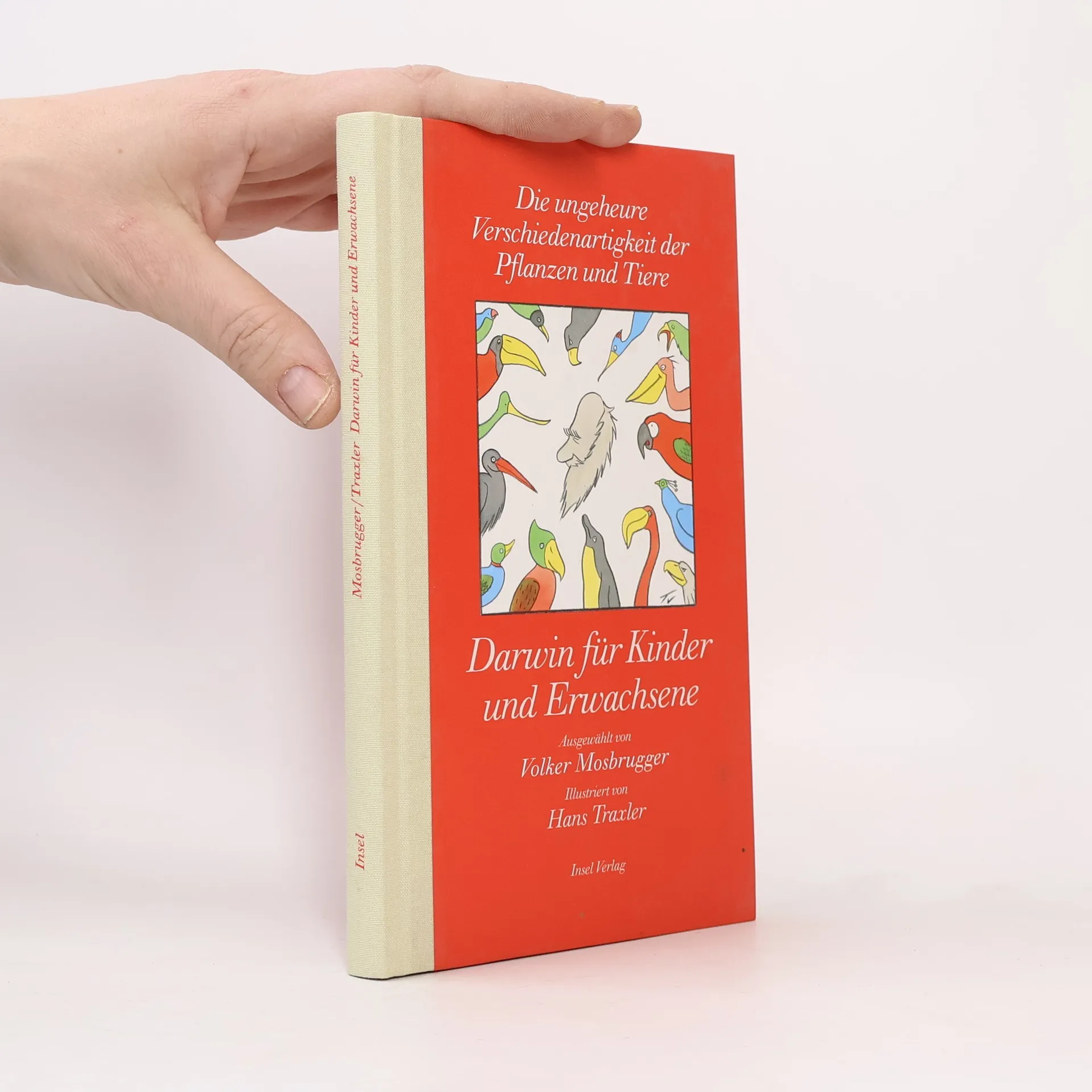
Jeder hat von Charles Darwin gehört, und fast jeder von seiner bahnbrechenden Evolutionstheorie. Volker Mosbrugger und Hans Traxler sind dem Lebensweg Darwins und dem Weg seines Werks gefolgt. Sein bedeutendes Buch »Über die Entstehung der Arten«, das 1859 erstmals erschien, hat ihn weltberühmt gemacht, aber es hat ihm auch Feinde eingebracht, denn sowohl seine Abstammungslehre als auch die Vorstellung, daß im »Kampf ums Dasein« nur die Tüchtigeren überleben, ist von Anfang an bis heute immer wieder angefeindet worden. Geboren wurde Darwin in einem englischen Landstädtchen, sein Interesse an der Natur und den Naturwissenschaften, insbesondere an der Biologie, war schon von Kindheit an groß. Er interessierte sich für die Gesteine, sammelte gerne Käfer, und 1831 brach er zu einer fünfjährigen Expedition mit dem berühmten Schiff, das den Namen Beagle trug, zu einer Reise um die Welt auf. Er besuchte Patagonien und Feuerland und die Galapagosinseln, wo er Vögel beobachtete, was ihn zu seiner Theorie anregte, und von wo er eine Schildkröte mitbrachte, die im Alter von 176 Jahren erst vor kurzem gestorben ist. Darwin selbst starb im Alter von 73 Jahren und wurde in der Westminster Abbey bestattet. Im Jahr 2000 wurde sein Bild auf die britische 10-Pfund-Note gedruckt, weil angeblich sein Bart nur schwer zu fälschen sei.
Die Einladung zu einer Reise im August 1831 veränderte das Leben des jungen Theologen und Käfersammlers Charles Darwin. Fünf Jahre später hatte er genug beobachtet, um eine der bedeutendsten intellektuellen Revolutionen einzuleiten. Besonders prägend waren seine Beobachtungen auf den Galapagos-Inseln, wo er erkannte, dass sich jeweils die Vertreter einer Spezies optimal an ihre Umwelt anpassten. Als er 1859 seine bahnbrechenden Thesen veröffentlichte, war die erste Auflage am Erscheinungstag ausverkauft. Darwin war sich bewusst, dass diese Prinzipien auch für den Menschen galten, was er in seiner zweiten großen Publikation von 1871 nachwies.
Dieser Sammelband macht Darwins Hauptwerke wieder zugänglich, die als brillante Beispiele wissenschaftlicher Prosa gelten. Darin enthalten ist auch sein Bestseller über den Ausdruck von Emotionen bei Menschen und Tieren, der von Oliver Sacks für seine bezaubernden Beobachtungen und Theorien gelobt wurde. Vorangestellt ist das bedeutende Reisebuch der modernen Naturwissenschaft: die berühmte „Reise eines Naturforschers um die Welt“. Die Evolutionstheorie wird als die wohl bedeutsamste Idee der abendländischen Wissenschaft angesehen, die selbst mit Relativitäts- und Quantentheorie nicht zu vergleichen ist.