Paul Guyer is een vooraanstaand Amerikaans filosoof, bekend om zijn diepgaande wetenschap over Immanuel Kant en esthetiek. Hij is een leidende autoriteit op het gebied van het Kantiaanse denken, waarbij hij belangrijke Kantiaanse werken nauwgezet heeft bewerkt en vertaald. Guyers uitgebreide geschriften duiken in de geschiedenis van de filosofie en onderzoeken kritische kwesties rond kennis, rede en smaak. Zijn grondige analyses bieden lezers diepgaande inzichten in de ontwikkeling van filosofische ideeën en de aard van esthetische oordelen.
This book tells the story of idealism in modern philosophy, from the
seventeenth century to the turn of the twenty-first. Guyer and Horstmann
discuss many philosophers who have played a role in the development of
idealism, including Descartes, Hobbes, Spinoza, Leibniz, Locke, Berkeley,
Hume, Kant, Hegel, Schopenhauer, Nietzsche, and Wittgenstein.
Kant is the most significant Enlightenment philosopher. With an overview of Kant's life and times, this title introduces Kant's metaphysics and epistemology, explaining his arguments about the nature of space, time and experience in his most influential but difficult work, 'The Critique of Pure Reason'.
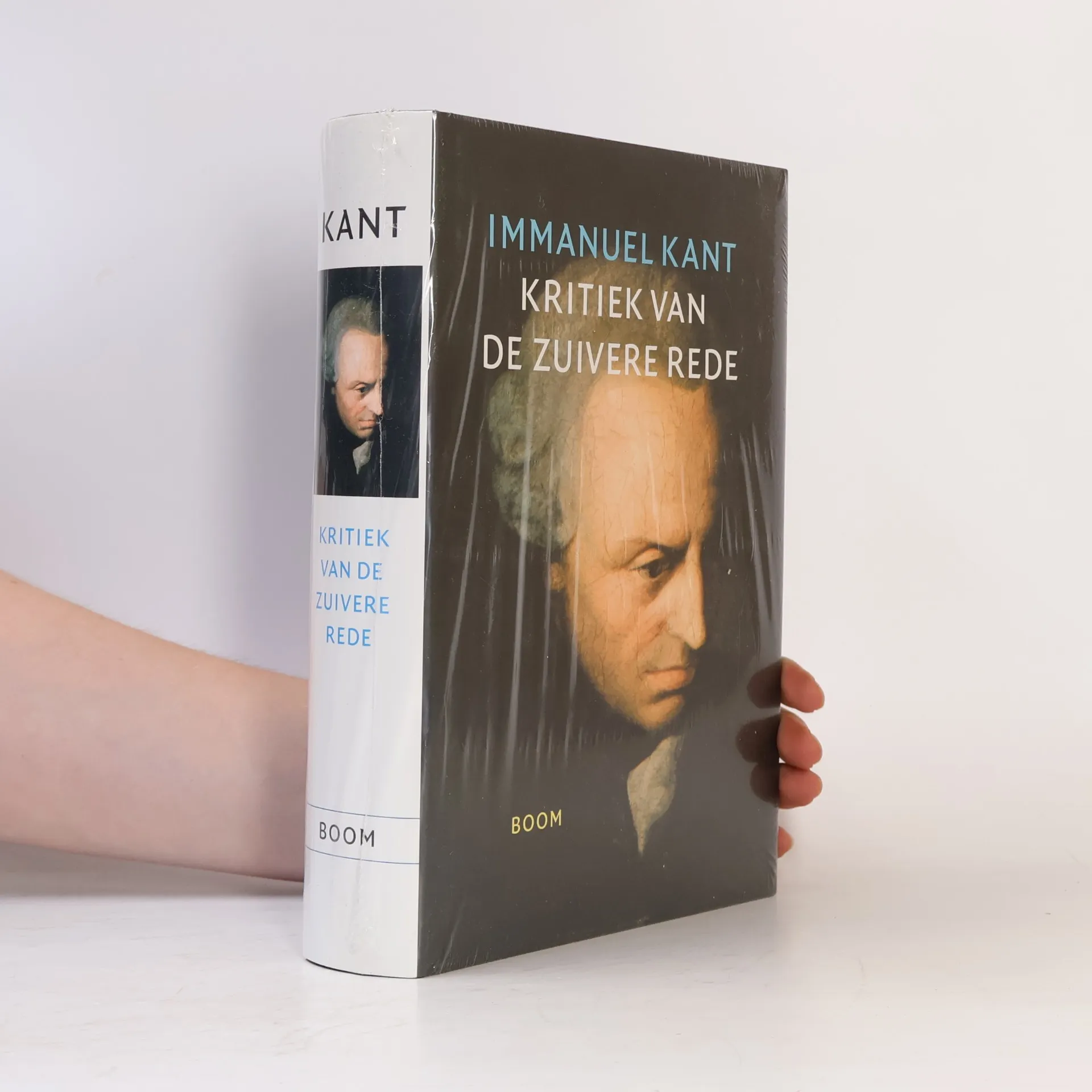
Weinig boeken hebben zo’n impact op de moderne cultuur gehad als Kants Kritiek van de zuivere rede. Terwijl de Franse Revolutie in 1789 een politieke omwenteling teweegbracht, veroorzaakte Kants werk enkele jaren eerder een filosofische revolutie. Denkers als Schopenhauer, Heidegger, Wittgenstein en Lyotard bevestigen dat ons denken pas echt modern werd door Kants inzichten. Voor het eerst verschijnt nu een Nederlandse vertaling van dit invloedrijke boek, een bijzondere primeur. Kant beschouwde zijn Kritiek als een ‘tweede copernicaanse wending’, vergelijkbaar met Copernicus' verwerping van de aarde als centrum van het zonnestelsel. Hij weerlegde de heersende opvatting dat de natuur buiten de mens ligt en toonde aan dat kennis afhankelijk is van hoe onze rede de werkelijkheid ordent en interpreteert. Kennis is een samenspel van zintuiglijke waarneming en verstandelijke kaders die onze perceptie beïnvloeden. De ‘dingen op zichzelf’ blijven voor ons onkenbaar. Kant verkent zo de mogelijkheden en grenzen van de menselijke rede, wat de Kritiek tot een indrukwekkend resultaat maakt. Iedereen die zich modern of postmodern noemt, is erfgenaam van dit kritische zelfonderzoek. De Nederlandse vertaling is helder en toegankelijk, gericht op geïnteresseerden, maar wetenschappelijk verantwoord, tot stand gekomen met hulp van Kant-experts. Het ‘Ten geleide’ door de vertalers biedt extra ondersteuning voor de lezer.