Herinneringen van een vrouwelijke arts
- 123bladzijden
- 5 uur lezen
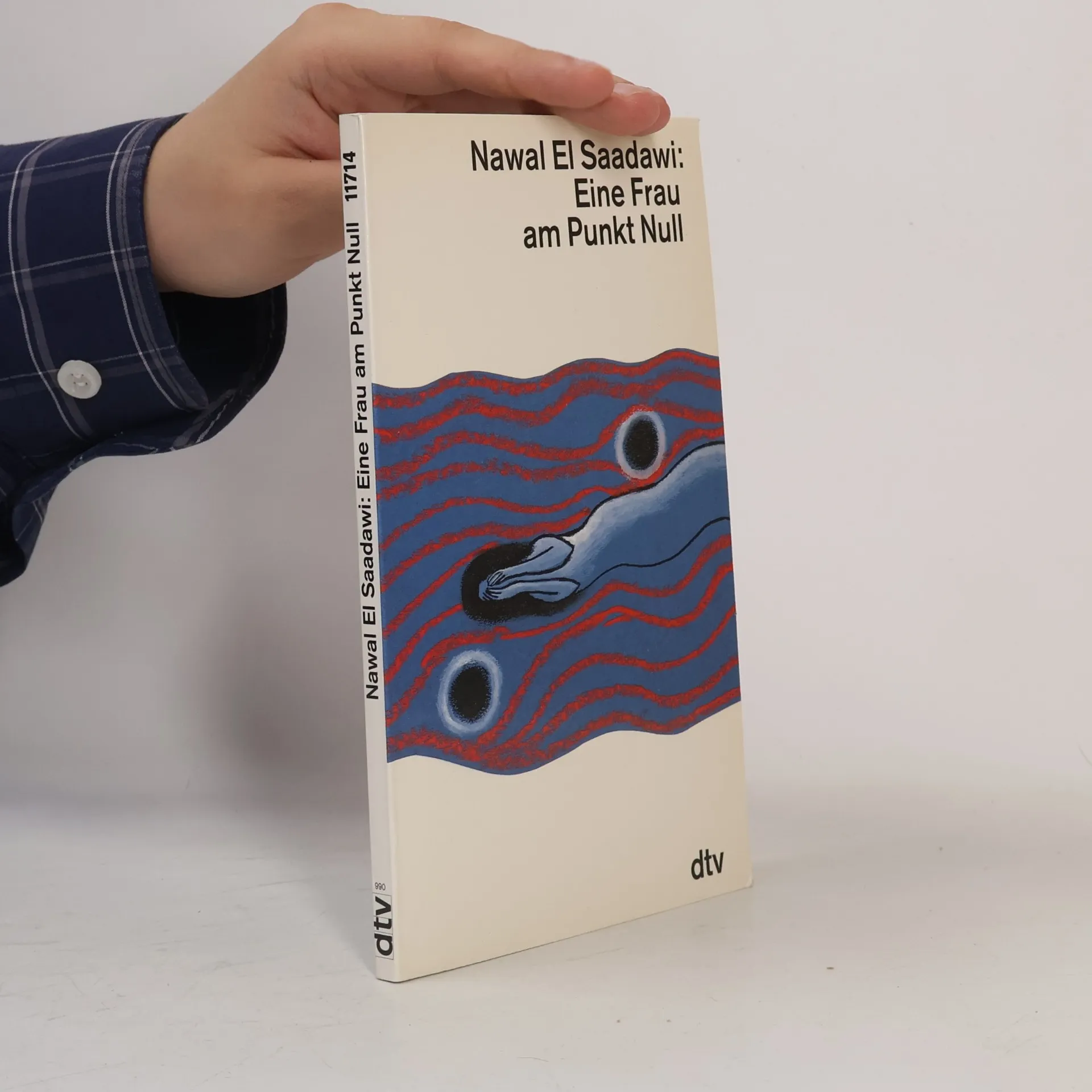
Een jonge Egyptische vrouw die als arts op het platteland gaat werken, komt in opstand tegen de onderdrukking van de vrouw in haar land.



Een jonge Egyptische vrouw die als arts op het platteland gaat werken, komt in opstand tegen de onderdrukking van de vrouw in haar land.
Twee Egyptische vrouwen, die zijn opgegroeid in een maatschappij beheerst door mannen die zich door God geroepen voelen om vrouwen te onderdrukken, proberen in deze mannenwereld te overleven en zich eraan te ontworstelen.
Wanneer haar geliefde niet op hun vaste afspraak verschijnt, gaat een jonge Egyptische vrouw naar hem op zoek.
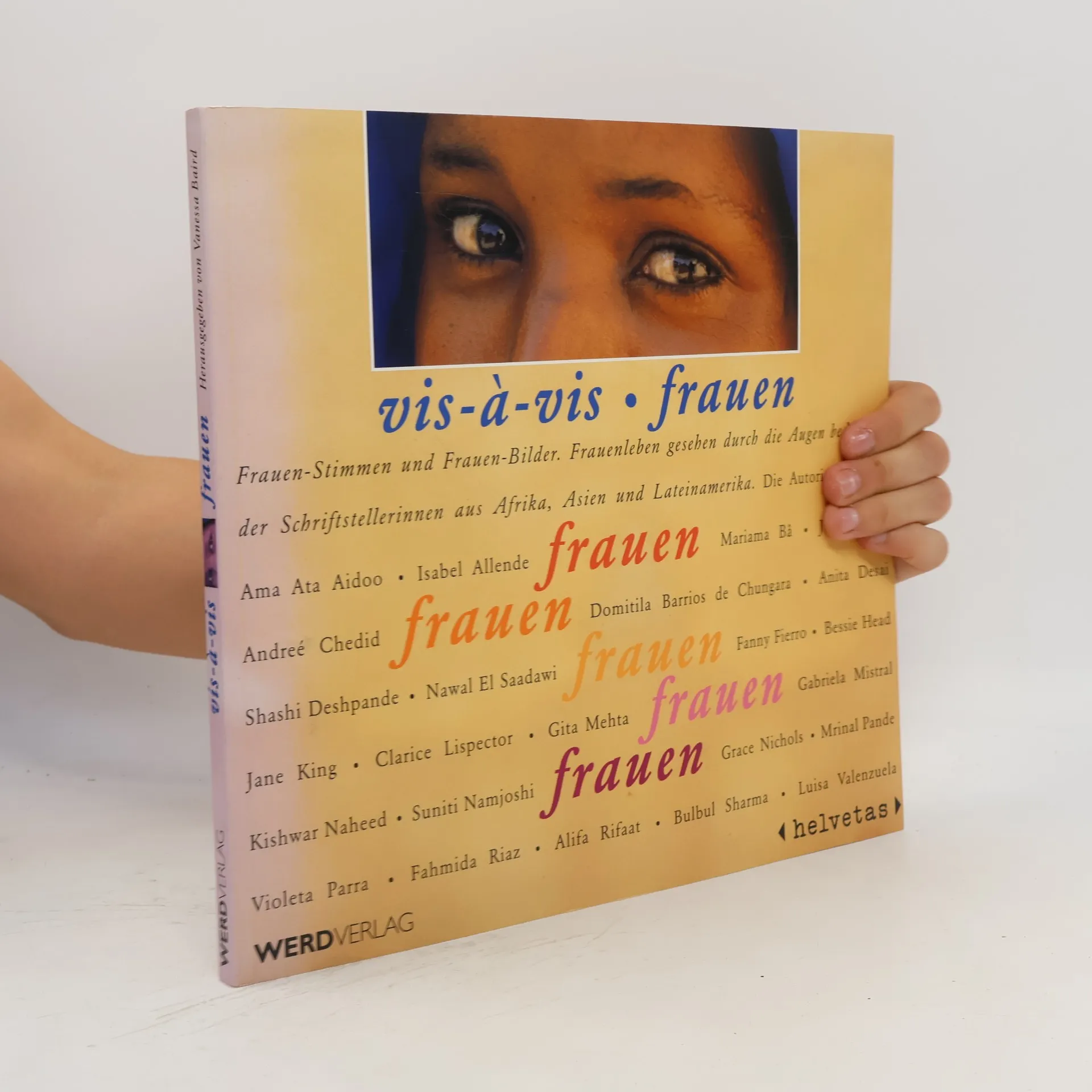
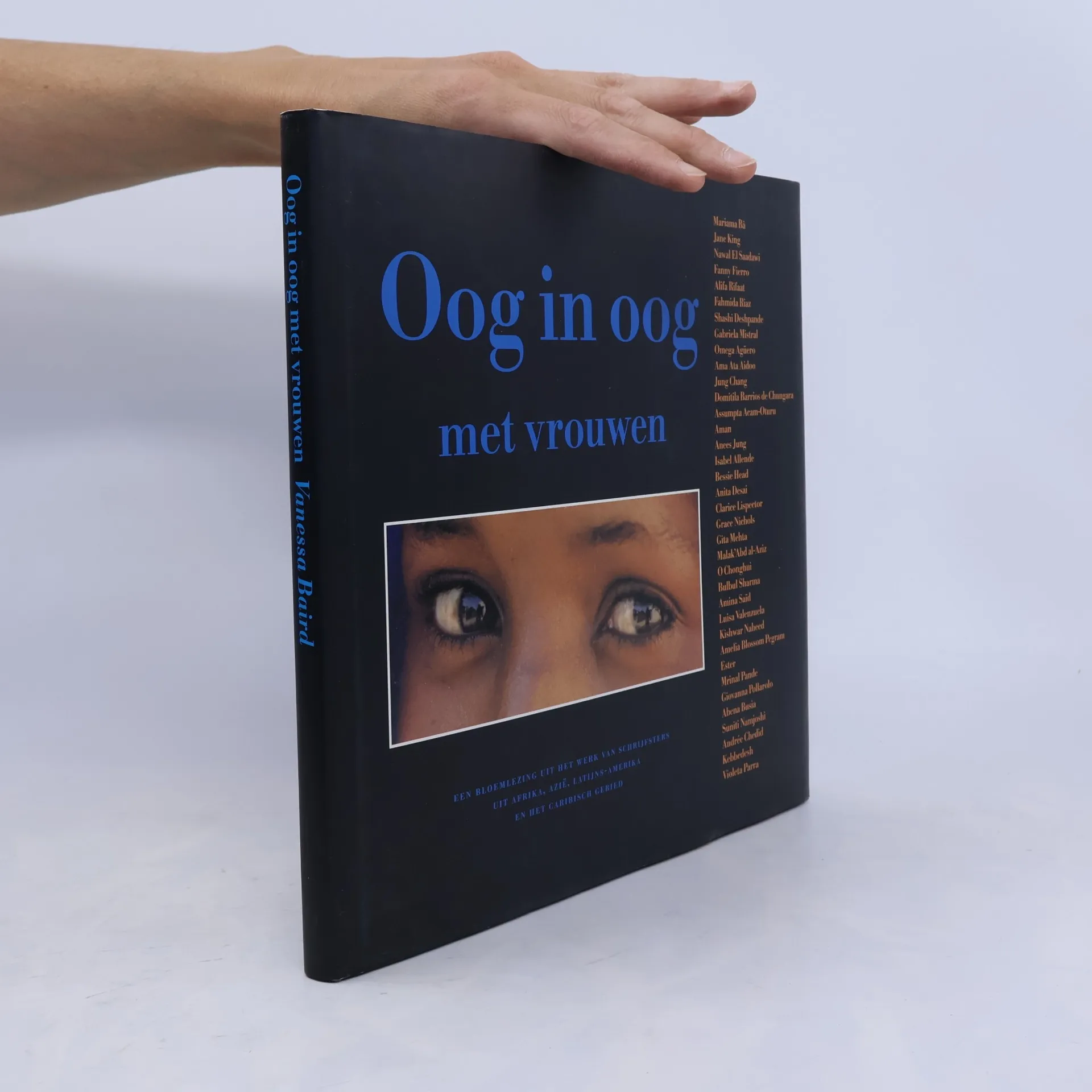
Oog in oog met vrouwen is een bloemlezing uit het prachtige werk van schrijfsters uit Afrika, Azië, Latijns-Amerika en het Caribisch gebied. De fragmenten uit proza en poëzie, die zijn samengebracht onder noemers als Leven en Liefde, Werk en spel en Politiek en maatschappij , worden visueel vertaald en verlevendigd door meer dan veertig kleurenfoto's. Daarmee is dit boek een genoegen om te lezen en tegelijk een lust voor het oog.
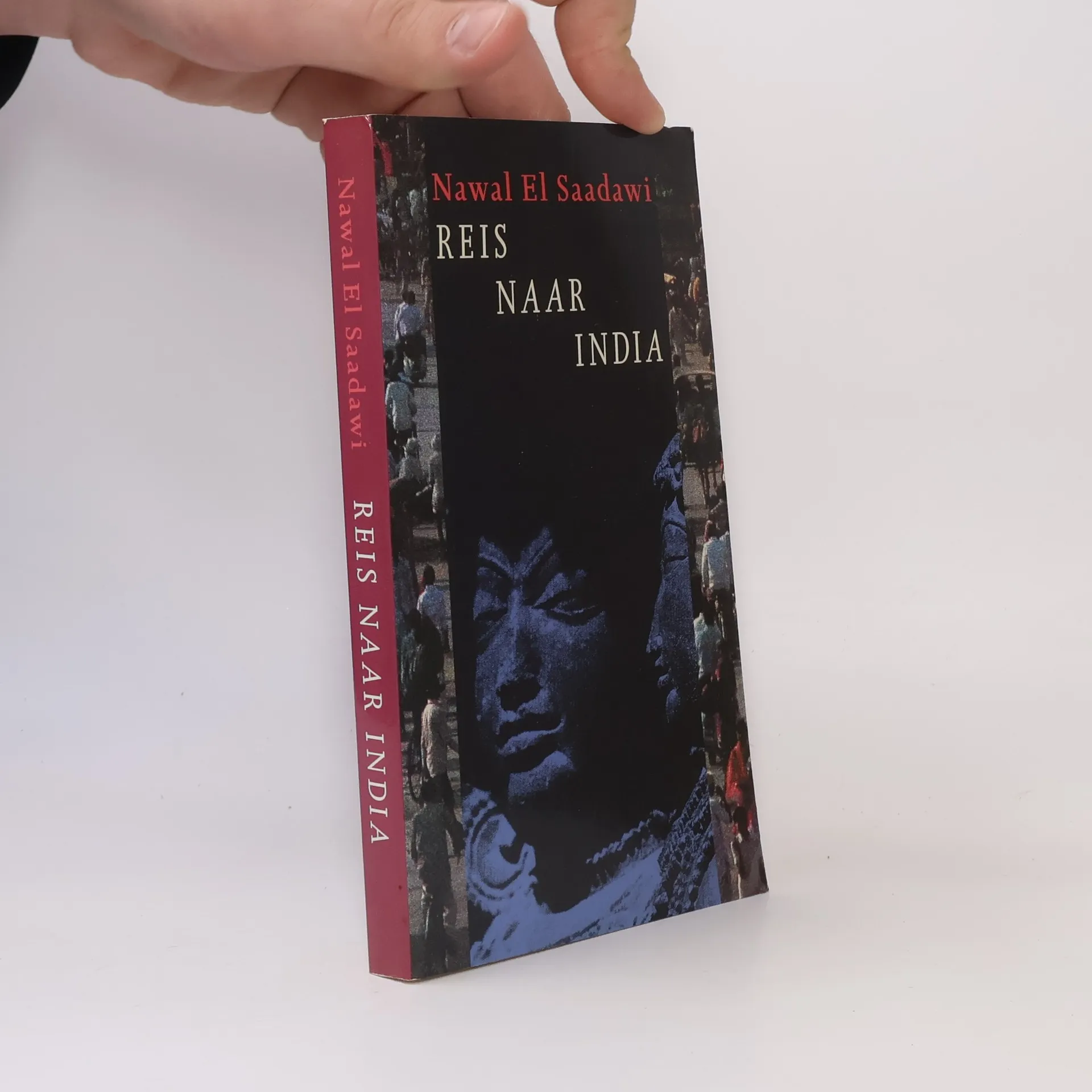
This series of essays form a selection of El Saadawi's most recent musings, memories and reflections, considering the role of women in Egyptian and wider Islamic society, the inextricability of imperialism from the patriarchy, the meeting point of East and West, and the image and body politic of the woman in the intersections of those cultures.
In Walking through Fire, Nawal El Saadawi, author of Woman at Point Zero and one of the Arab world's greatest writers, tells the story of the later years of a life which shaped an iconic voice in global feminism. Covering her life in Nasser's then Sadat's and Mubarak's Egypt, we learn about Saadawi's experience of marriage and motherhood, and we travel with her into exile after her life was threatened by religious extremists. Filled with warmth as well as critical reflection, this book reveals the later years of a remarkable life dedicated to the fight for justice and equality.
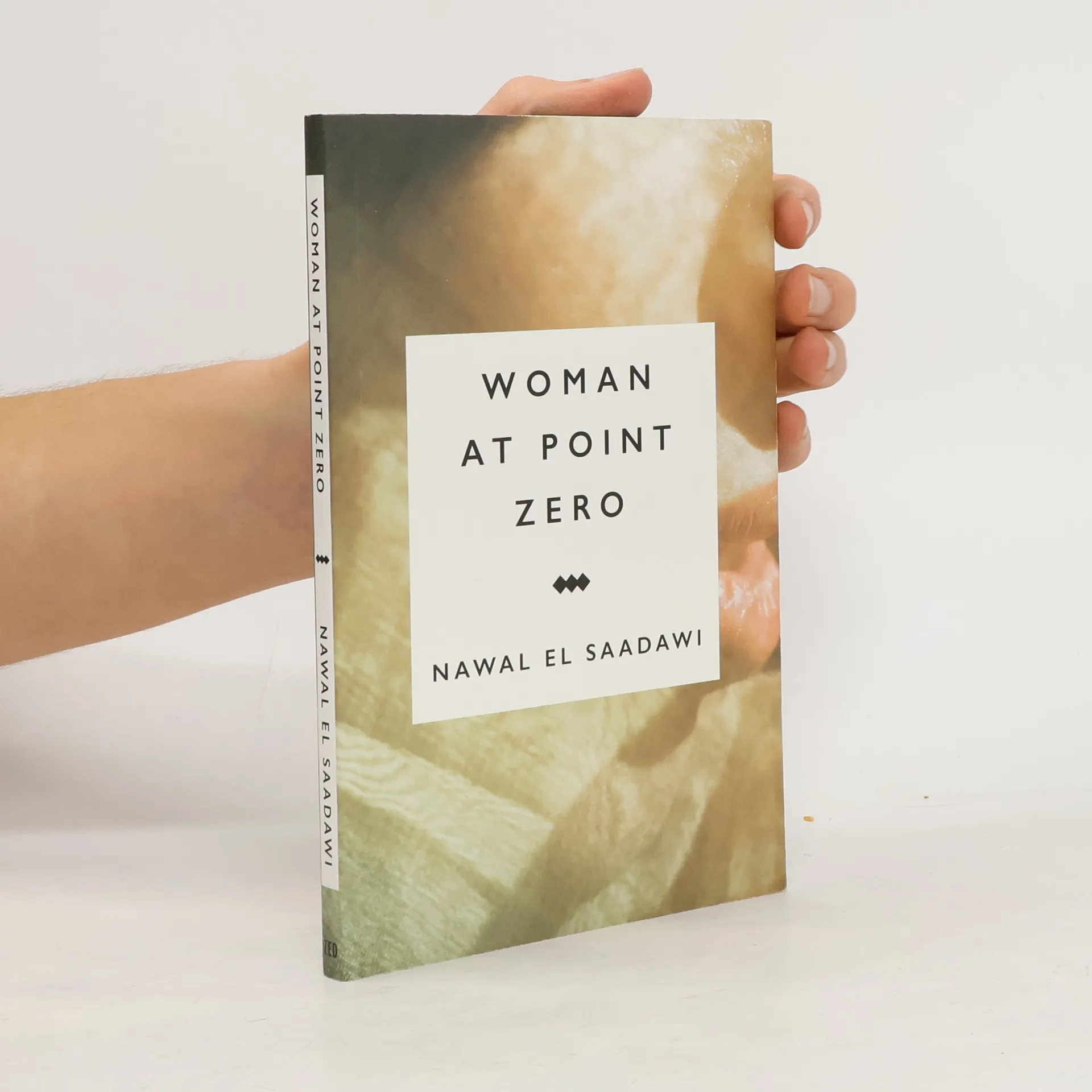
'An unforgettable, unmissable book for the new global feminist.' The Times 'All the men I did get to know filled me with but one desire: to lift my hand and bring it smashing down on his face.' So begins Firdaus's remarkable story of rebellion against a society founded on lies, hypocrisy, brutality and oppression. Born to a peasant family in the Egyptian countryside, Firdaus struggles through childhood, seeking compassion and knowledge in a world which gives her little of either. As she grows up and escapes the fetters of her childhood, each new relationship teaches her a bitter but liberating truth – that the only free people are those who want nothing, fear nothing and hope for nothing. This classic novel has been an inspiration to countless people across the world. Saadawi's searing indictment of society's brutal treatment of women continues to resonate today.
In A Daughter of Isis, Nawal El Saadawi, author of Woman at Point Zero and one of the Arab world's greatest writers, tells the story of the formative years which shaped an iconic voice in global feminism. In poignant and moving prose we learn about her relationships with her family, her traumatic experience of female genital mutilation at seven years old and escaping suitors at ten and her journey from the rural Egyptian village of her birth to metropolitan Cairo to study medicine. Filled with warmth as well as critical reflection, this book reveals the early years of a remarkable life dedicated to the fight for justice and equality.
Nawal El Saadawi's writings offer a critical perspective on the contemporary Arab world, highlighting her unwavering stance against both women's oppression and neo-imperialist politics. Her work not only reflects her experiences in Egypt but also addresses broader global issues, making her voice a vital resource for understanding the complexities of gender and power dynamics in today's society.
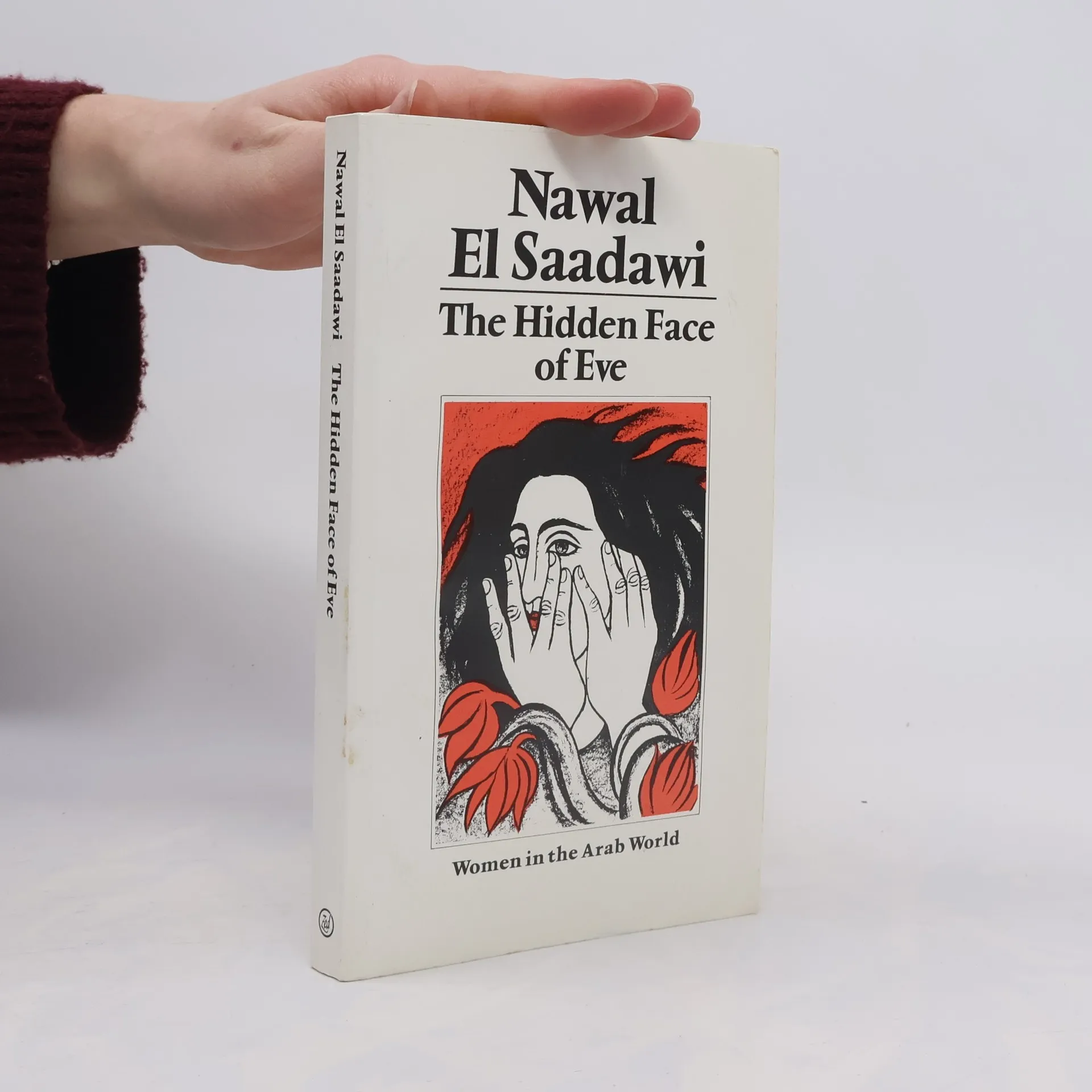
Presents an account of brutality against women in the Muslim world. This work explores the causes of the situation through a discussion of the historical role of Arab women in religion and literature. It argues that the veil, polygamy and legal inequality are incompatible with the just and peaceful Islam.
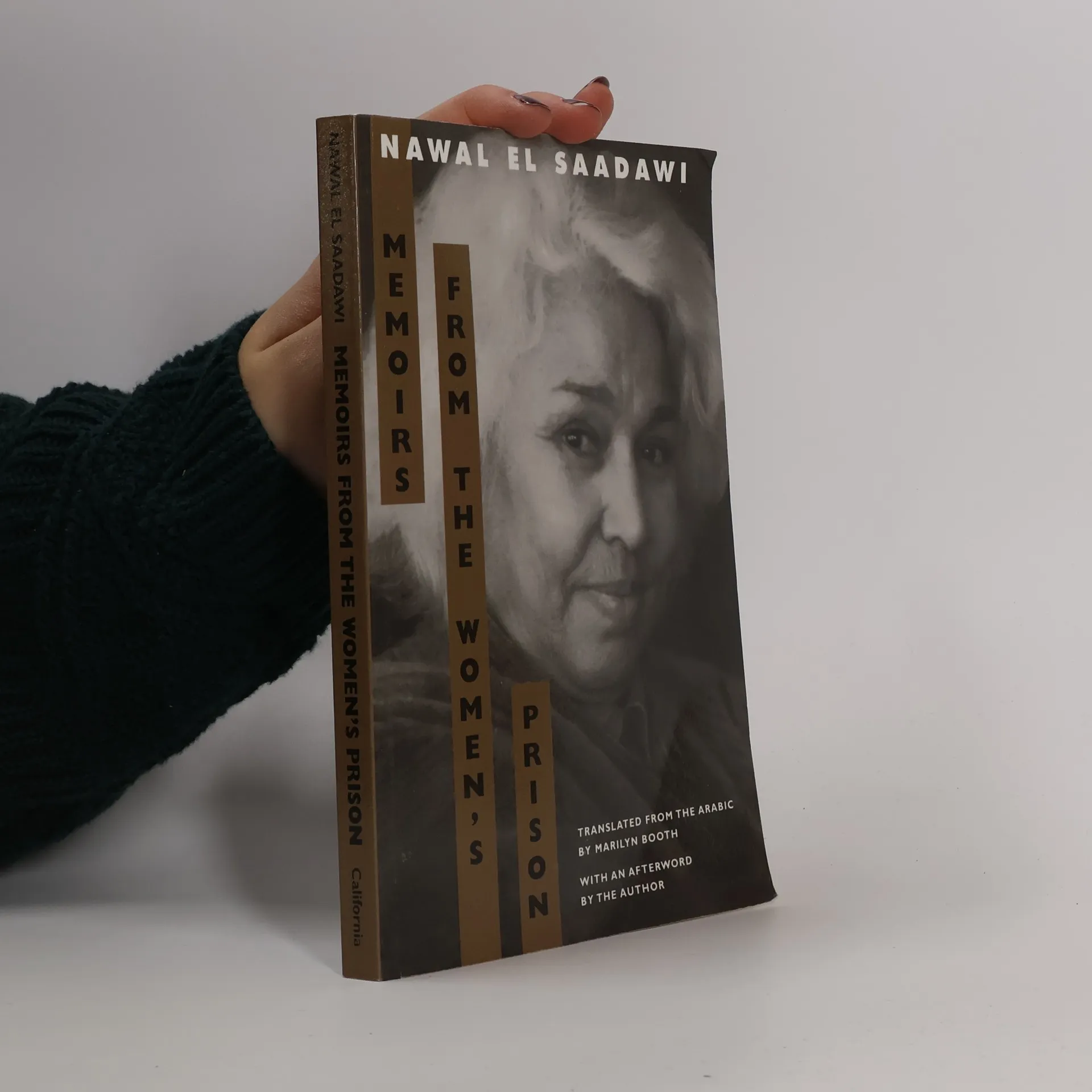
Often likened to Rigoberta Menchu and Nadine Gordimer, Nawal El Saadawi is one of the world's leading feminist authors. Director of Health and Education in Cairo, she was summarily dismissed from her post in 1972 for her political writing and activities. In 1981 she was imprisoned by Anwar Sadat for alleged "crimes against the State" and was not released until after his assassination.Memoirs from the Women's Prison offers both firsthand witness to women's resistance to state violence and fascinating insights into the formation of women's community. Saadawi describes how political prisoners, both secular intellectuals and Islamic revivalists, forged alliances to demand better conditions and to maintain their sanity in the confines of their cramped cell.Saadawi's haunting prose makes Memoirs an important work of twentieth-century literature. Recognized as a classic of prison writing, it touches all who are concerned with political oppression, intellectual freedom, and personal dignity.
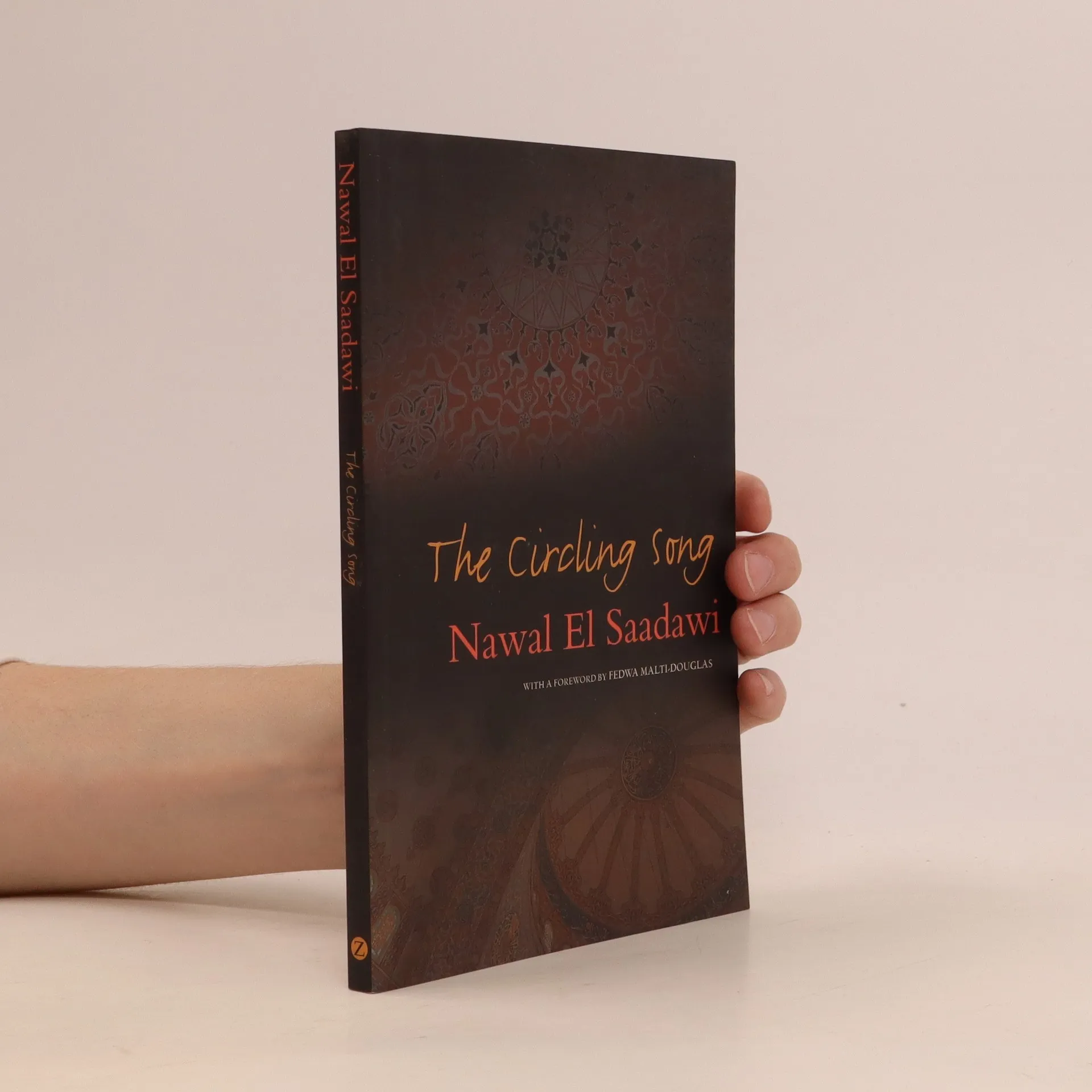
Hamida and Hamido are twins, grown from a single embryo inside one womb. Violently parted, they search the city in the darkening circles of a dream, only to find, lose and find each other, each time as if it were the first. Their journey - terrifying and exact - leads to an unbroken cycle of corruption and brutality,
A brave and haunting novel about motherhood and resilience, set against the backdrop of Egyptian's revolution by Egypt's foremost feminist writer and activist
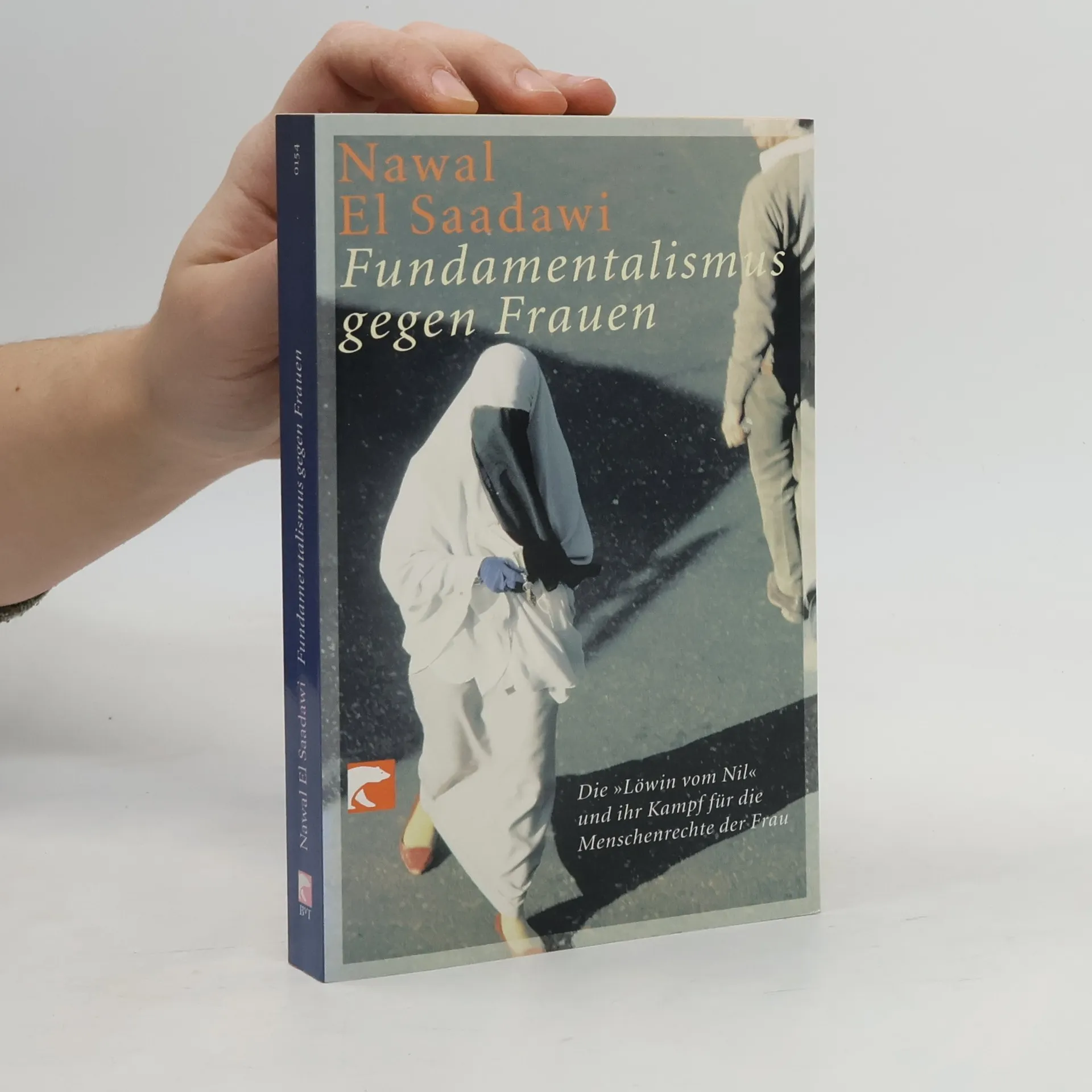
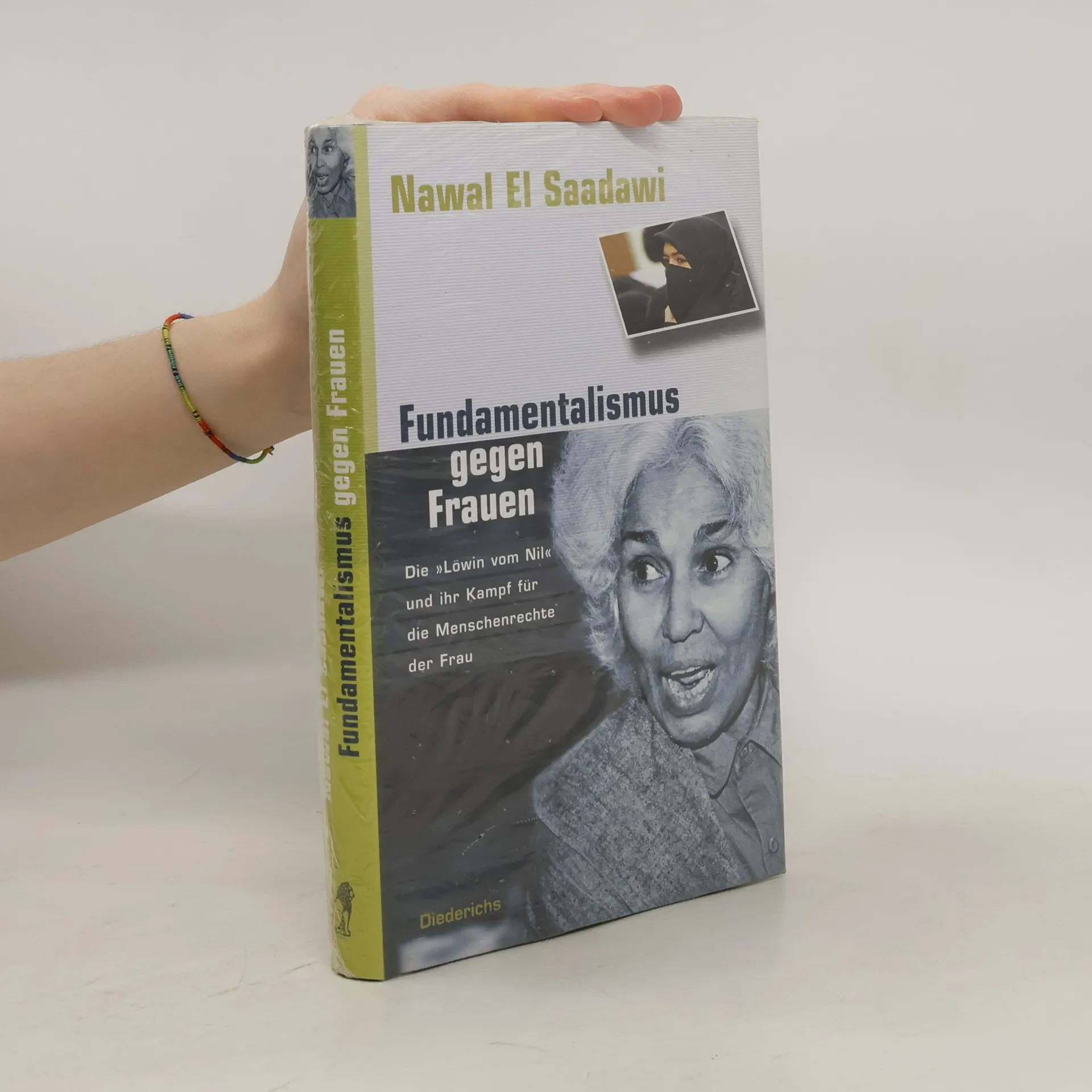
Die »Löwin vom Nil« und ihr Kampf für die Menschenrechte der Frau
'Dit is een verhaal over vrouwen die gebukt gaan onder hardvochtige islamitische wetgeving en leefregels, maar het is ook meer. Het is een roman zoals ik er nog niet één gelezen heb, een gedicht, een ritmisch klaaglied dat steeds weer terugkeert naar hetzelfde voorval: een vrouw die in naam van de godsdienst wordt gedood door de mannen die haar hebben gebruikt. Het is een prachtig boek. Er gaat iets hypnotiserends van uit en ik hoop dat veel mensen het zullen lezen.' -- Doris Lessing
In dieser Geschichte konfrontieren wir eine tragische andere Dimension der Frauenwelt Ägyptens, die wir in "Die Frau am Nullpunkt" kennengelernt haben. Die "rebellische" ägyptische Schriftstellerin Nawal El Saadawi stellte mit ihren kritischen Ansichten den Staat und den bestehenden Islam in Ägypten in Frage. Dafür musste sie einen hohen Preis zahlen. Ihr wurde gekündigt, sie wurde inhaftiert und sah sich Drohungen ausgesetzt, aber sie gab der patriarchalen Welt nicht nach. Gleichzeitig versuchte sie, sich nicht von der Realität ihrer eigenen Gesellschaft zu entfernen. Für sie waren die Tragödien der ägyptischen Frauen immer Probleme von schwerwiegendem Gewicht, die nicht mit einfachen Formeln und Klischees abgetan werden konnten.
Ein Frauenroman aus Ägypten Die junge Chemikerin Fouada sucht ihren Freund Farid. Er geht nicht ans Telefon, und in seiner Wohnung rührt sich nichts. Fouada läuft durch die Straßen der Großstadt. Überall hält sie nach Farid Ausschau, immer wieder meint sie ihn in Fremden zu erkennen. Und gleichzeitig sucht sie auch sich selbst: Kindheit und Jugend, ihre Wünsche und Ziele ziehen an ihr vorüber und nehmen neue Gestalt an. Fouada entschließt sich, ihren Traum von einem eigenen Labor zu verwirklichen.
Frauen im Islam. Von der sexuellen Aggression gegen weibliche Kinder und der Beschneidung junger Mädchen bis zu Fragen der Prostitution, Ehe, Scheidung und Sexualbeziehungen