

Koop 10 boeken voor 10 € hier!
Bookbot

Peter Kosta

    Peter Kosta verdiept zich in biolinguïstiek en taalkunde, waarbij hij zich richt op universalia, generatieve syntaxis en formele semantiek. Zijn werk behandelt spraakhandelingtheorie en conversationele analyse, met aandacht voor taalbeleid en typologie. Hij heeft uitgebreid Slavische talen, oude Indo-Europese talen en Romaanse talen bestudeerd. Momenteel neemt hij deel aan een interdisciplinair project dat taalstoornissen onderzoekt vanuit een biolinguïstisch en genetisch perspectief.

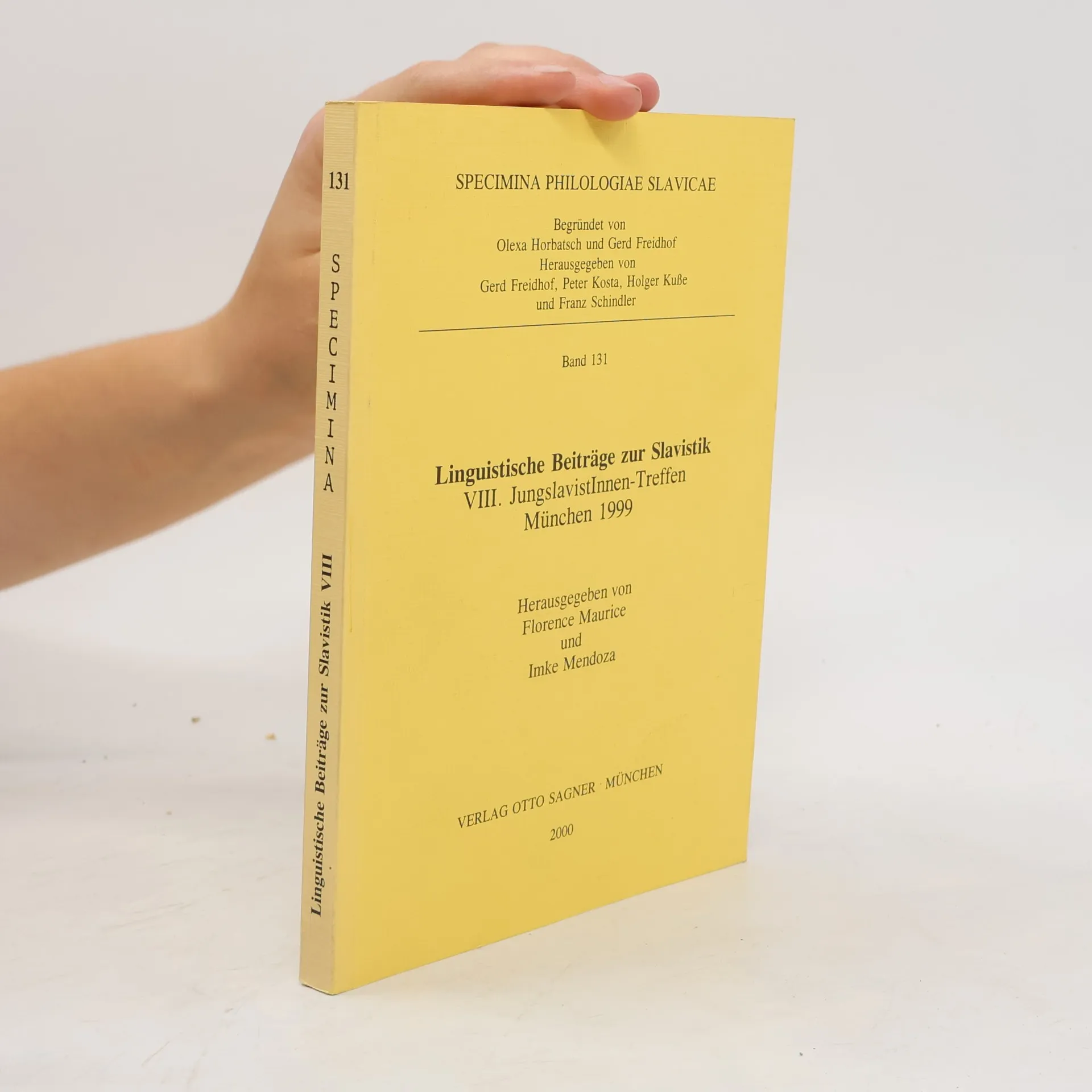
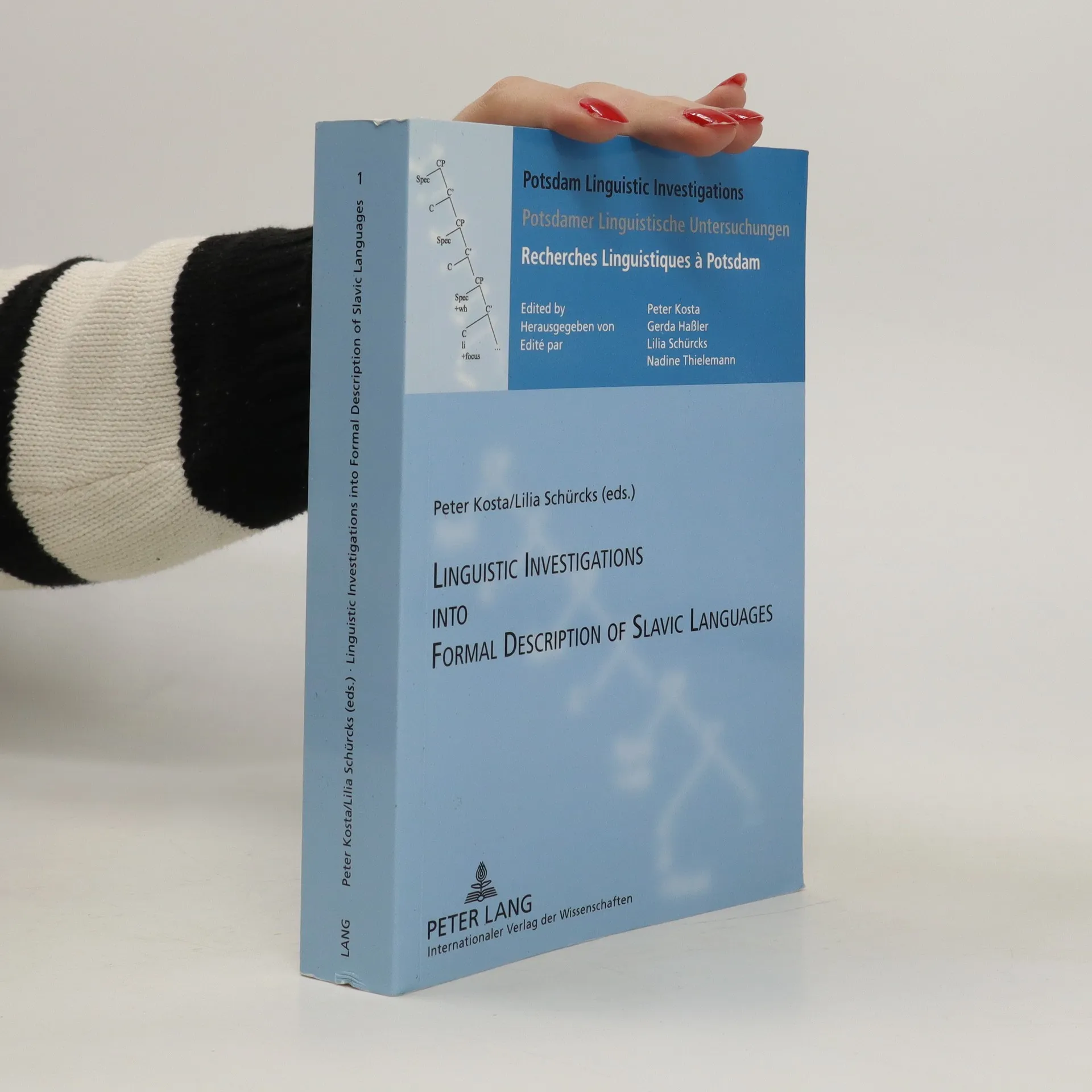
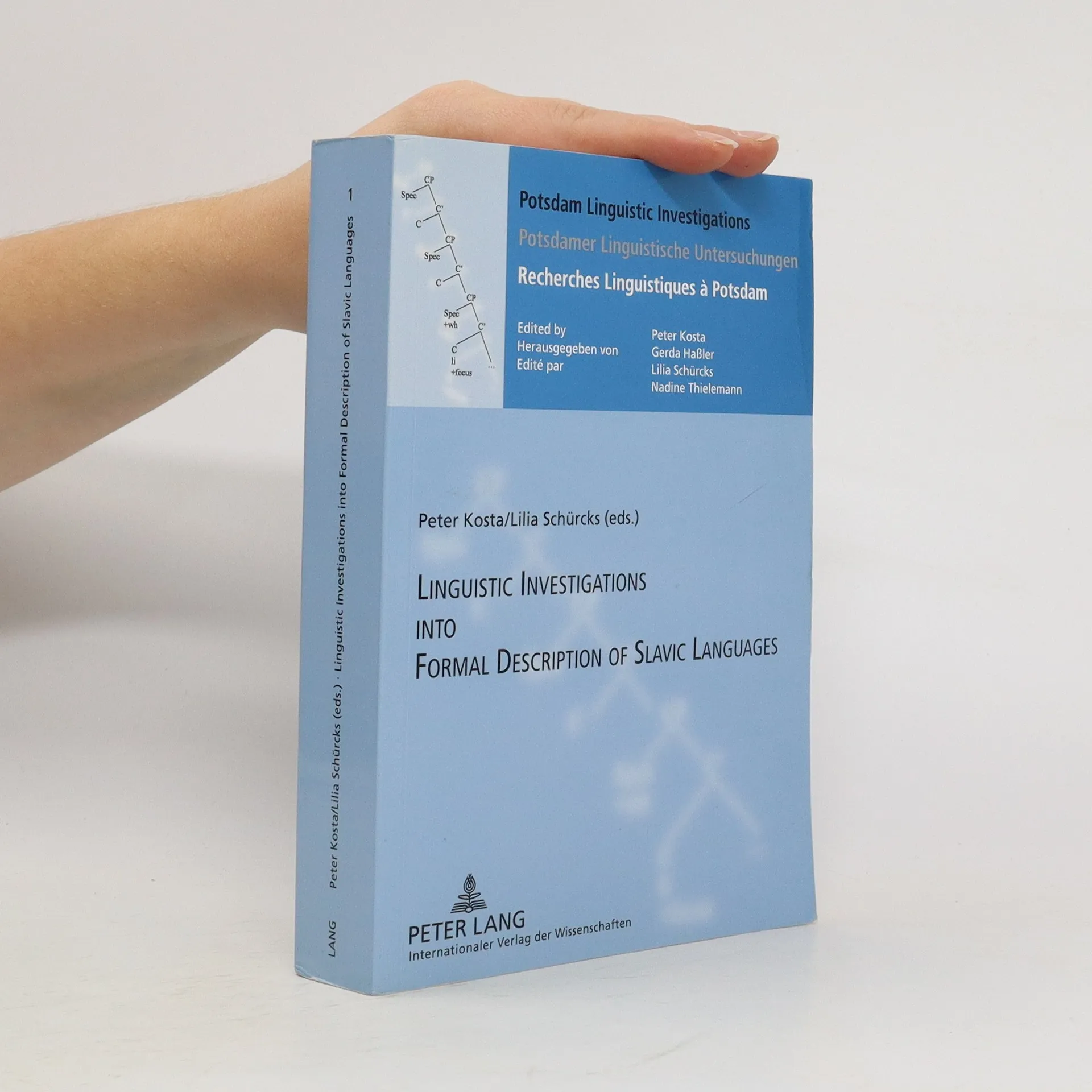
    Linguistic Investigations Into Formal Description Of Slavic Languages
    Linguistics Investigations into Formal Description of Slavic Languages
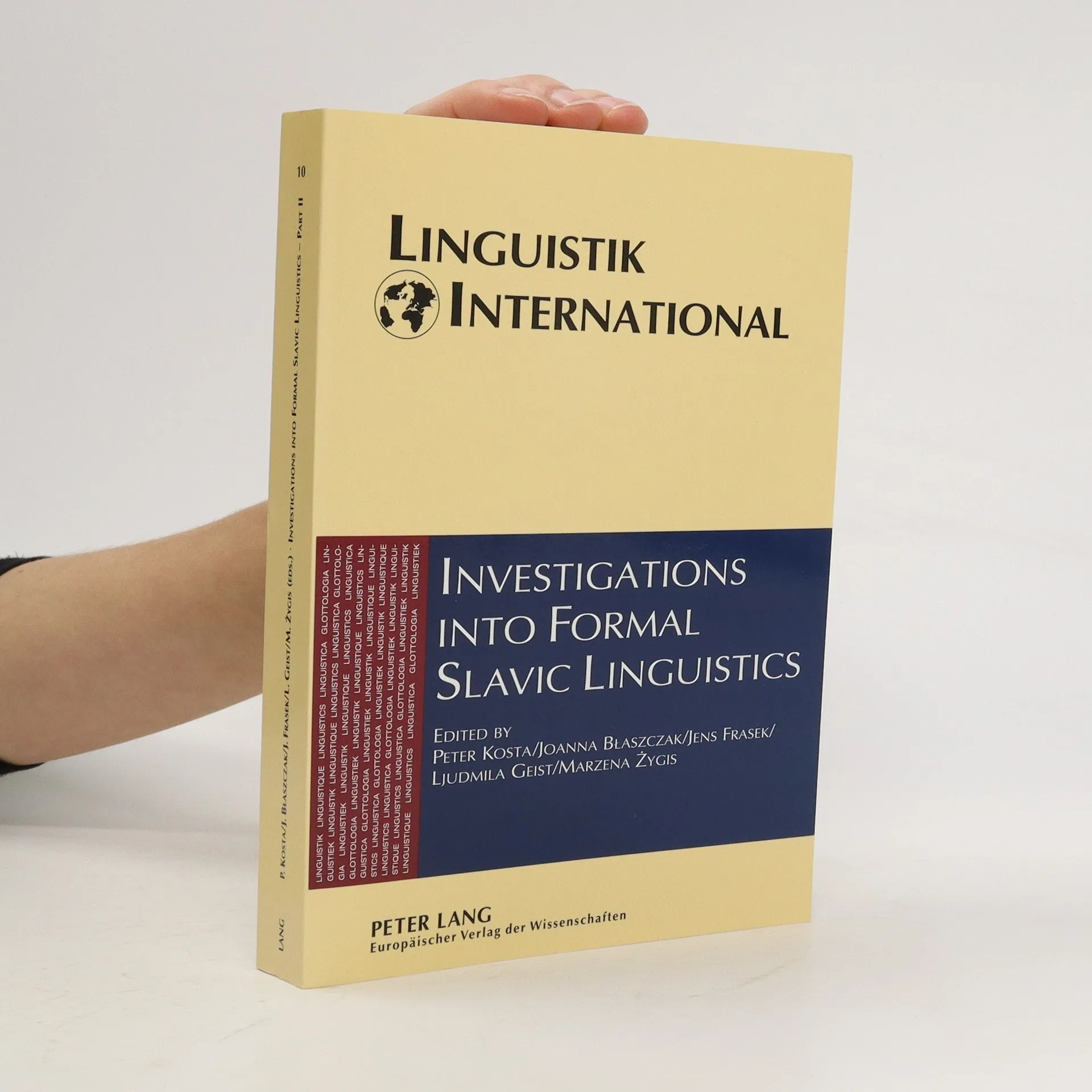
    Investigations into formal Slavic linguistics
    The Syntax of Meaning and the Meaning of Syntax
    • The Syntax of Meaning and the Meaning of Syntax

      Minimal Computations and Maximal Derivations in a Label-/Phase-Driven Generative Grammar of Radical Minimalism

      • 372bladzijden
      • 14 uur lezen

      The publication series offers a comprehensive exploration of various topics, providing in-depth analyses and insights. Each volume is meticulously researched, featuring contributions from leading experts in their fields. The series aims to advance knowledge and foster discussions on contemporary issues, making it a valuable resource for academics, professionals, and anyone interested in expanding their understanding of the subjects covered. The blend of rigorous scholarship and accessible writing ensures that the content is engaging and informative for a broad audience.

      The Syntax of Meaning and the Meaning of Syntax
    • Linguistics Investigations into Formal Description of Slavic Languages

      Contributions of the Sixth European Conference held at Potsdam University, November 30-December 02, 2005

      Formal Slavic Linguistics investigates all linguistic levels and their interfaces. The contributions of the FDSL VI Conference in Potsdam 2005 are concerned with the explicit description and explanation of prosody, information structure, phonology, morphology, syntax and semantics, applying recent developments of the Principles and Parameters Framework, OT, HPSG and formal Semantics. The authors analyze also issues in psycholinguistics and computational linguistics.

      Linguistics Investigations into Formal Description of Slavic Languages