Koop 10 boeken voor 10 € hier!
Bookbot

Armin Johannes Husemann

    1 januari 1950
    Die Blutbewegung und das Herz
    Das Wort baut
    Der hörende Mensch und die Wirklichkeit der Musik
    The harmony of human body
    Human Hearing and the Reality of Music
    The Harmony of the Human Body
    • The Harmony of the Human Body

      • 256bladzijden
      • 9 uur lezen
      4,0(1)Tarief

      Applies musical principles to gain insight into the structure and development of the human body, and explores the cosmic origins of human beings.

      The Harmony of the Human Body
    • Music is not simply something we hear. We experience it and love it; it is a primal human need. If, as the pianist Alfred Brendel put it, we are able to "take music at its word," we confront questions that also moved the author since his adolescent years: What takes hold of me when I experience music? What reality touches me when music is playing? What happens physiologically in the human body when we experience and make music? The author approaches these questions from three perspectives: first, from his personal experience and active love of music; second, from the physiological perspective; and third, from Rudolf Steiner's spiritual science. Dr. Husemann (author of Form, Life, and Consciousness An Introduction to Anthroposophic Medicine and Study of the Human Being)shows how hearing is a sensory activity that encompasses far more than processes in the ear and brain, and that the whole body is involved. He also discusses the relationship between music and chemistry. Music is "chemistry from the inside." And finally, from 1915 to 1918, Rudolf Steiner developed a physiology of artistic imagination based on the movement of the cerebrospinal fluid during respiration. Human Hearing and the Reality of Music is the first attempt to relate Steiner's spiritual research to the findings of natural scientific research in this area.
      Human Hearing and the Reality of Music
    • The harmony of human body

      • 224bladzijden
      • 8 uur lezen

      The author applies musical principles as a method of understanding the structure of the human body and the forces that affect it. He uses our experience of music to explain the physiological and anatomical relationships in the body and to shed light on the spiritual influences that determine physical ­development. Husemann draws on artistic exercises given by Rudolf Steiner, the Austrian philosopher and spiritual master, to come to an understanding of these influences. He also explores the cosmic origins of human beings and the evolutionary laws that govern our development.

      The harmony of human body
    • Naturwissenschaftlicher Nachvollzug Wie wird aus Tönen Musik? Armin Husemann stellt in diesem Buch dem Neurozentrismus der üblichen Bewusstseinstheorien eine Interpretation der physiologischen Befunde gegenüber, die Rudolf Steiner erstmals 1917 in seiner Schrift ›Von Seelenrätseln‹ angeregt hat, und unternimmt den spannenden Versuch, diese geisteswissenschaftliche Analyse naturwissenschaftlich nachzuvollziehen.

      Der hörende Mensch und die Wirklichkeit der Musik
    • Das Wort baut

      Goetheanumformen als sichtbare Sprache

      Prägnante Studien Was hat das »Goetheanum« mit Goethe zu tun? Was ist »anthroposophische Kunst«? War Rudolf Steiner künstlerisch begabt? Und warum wollte er »sichtbare Musik« und »sichtbare Sprache« in Bauformen und Eurythmie darstellen? Diese und andere Fragen beantworten aus fünfzigjähriger Forschungsarbeit die hier versammelten, reichhaltig illustrierten Studien.

      Das Wort baut
    • Aus 30 Jahren Lehr-und Forschungstätigkeit schreibt Armin Husemann für Medizinstudenten, Ärzte, Lehrer, Kunsttherapeuten allgemein verständlich, was er in vielen Kursen im In- und Ausland über Blutbewegung und Herzfunktion entwickelt hat. Aus den Phänomenen der Naturwissenschaft entstehen lebendige Bilder des Herzens.

      Die Blutbewegung und das Herz
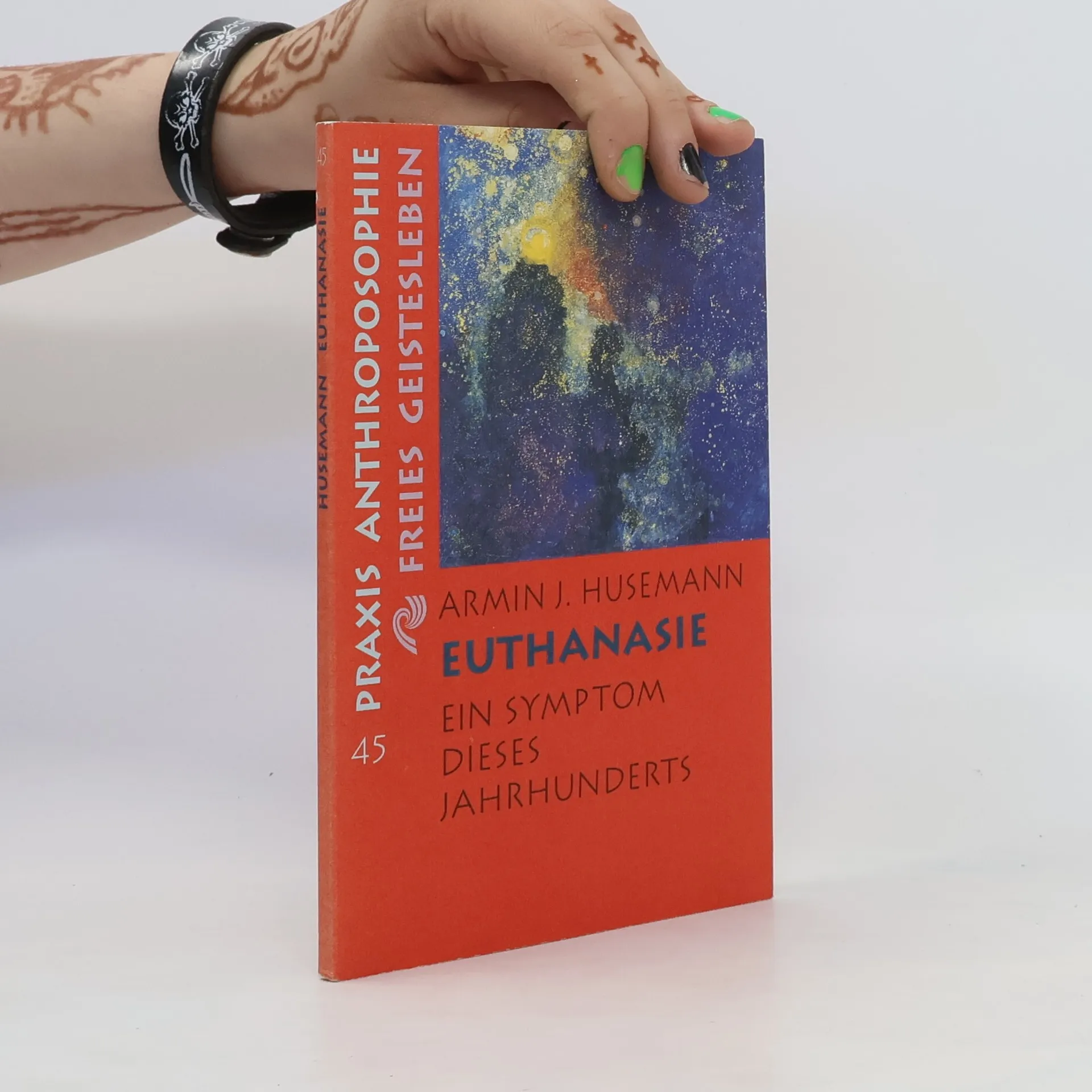
    • InhaltsverzeichnisMedizinisches Denken und ärztliche Moral Wo liegt die Grenze zwischen Mensch und Tier? Das Spezifisch Menschliche «Die Abschaffung des ‹autonomen Menschen› ist überfällig.» (B. F. Skinner) Kultur als «Domestikation von Tieren» «Menschenzüchtung» – Metamorphosen eines wissenschaftlichen Leitmotivs am Anfang, in der Mitte und am Ende des 20. Jahrhunderts Zu Peter Singers «Praktischer Ethik» Darwin, Haeckel und der ethisch schöpferische Mensch Der Mensch als Pflegefall Der Tod – eine Erlösung? Ist ein Leben nach dem Tod, sind Wiederverkörperung und Schicksal für ein sich selbst begreifendes Bewußtsein denkbare Tatsachen? Das Selbstbestimmungsrecht des Patienten Die Angst des Menschen vor sich selbst

      Euthanasie
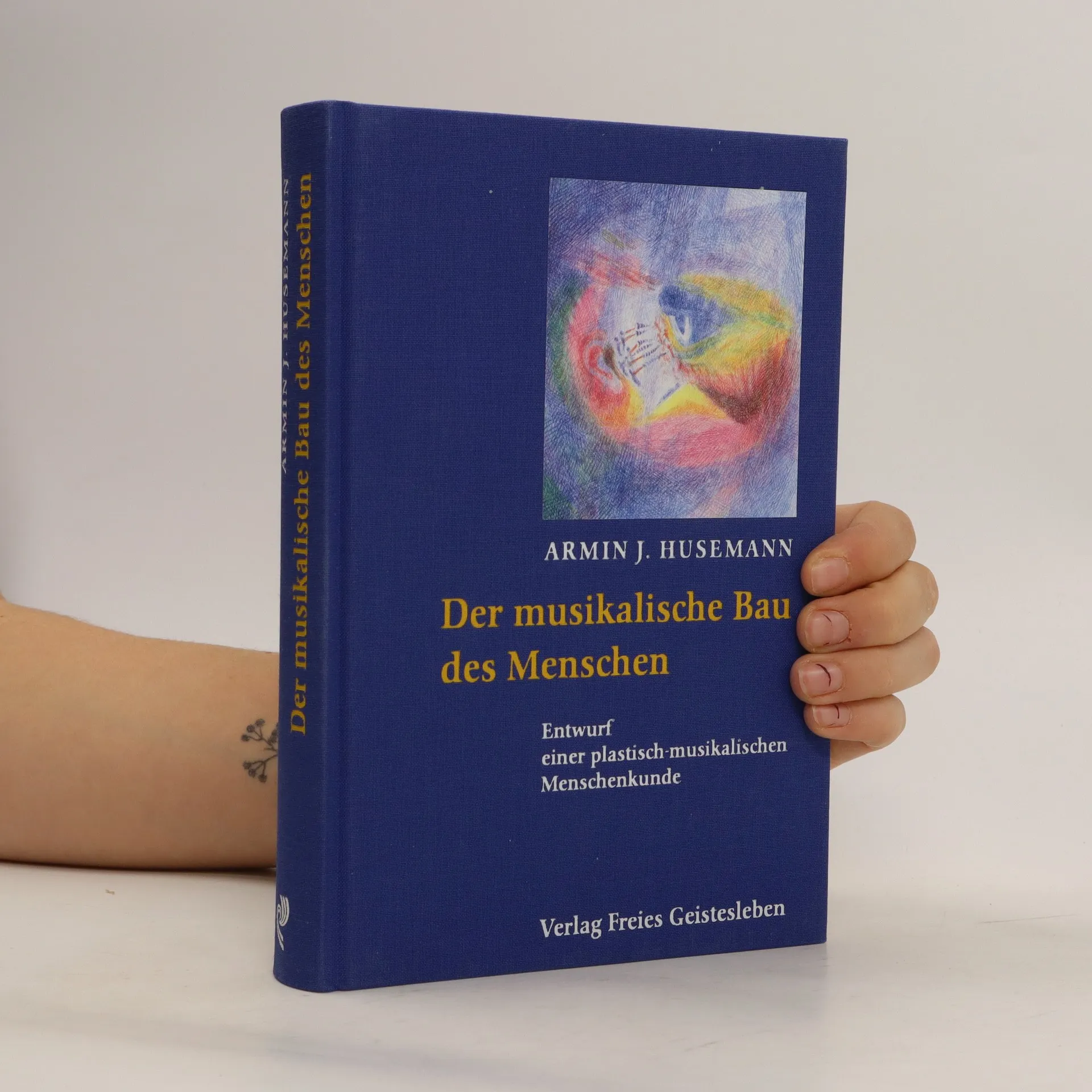
    • Der musikalische Bau des Menschen

      Entwurf einer plastisch-musikalischen Menschenkunde

      Der musikalische Bau des Menschen ist bislang die einzige Darstellung anthroposophischer Menschenkunde, die konsequent von der plastischen Anatomie zu einer musikalischen Physiologie innerer Organprozesse fortschreitet. In diesem Reformansatz des medizinischen Studiums und der Lehrerausbildung, der auf Rudolf Steiners Angaben im Jahre 1924 zurückgeht, wird Kunst zum Beobachtungs- und Schulungsfeld für sinnlich-übersinnliches Wahrnehmen, das im goetheanistischen Denken zu den Imaginationen der Lebensprozesse hinführt. Das Buch wendet sich an Studierende und Berufstätige, die in ihrer Arbeit auf lebendige Menschenkunde angewiesen sind: Ärzte, Lehrer, (Heil-) Eurythmisten und andere. Die medizinischen Inhalte sind allgemeinverständlich formuliert.

      Der musikalische Bau des Menschen