Manfred Lang Boeken

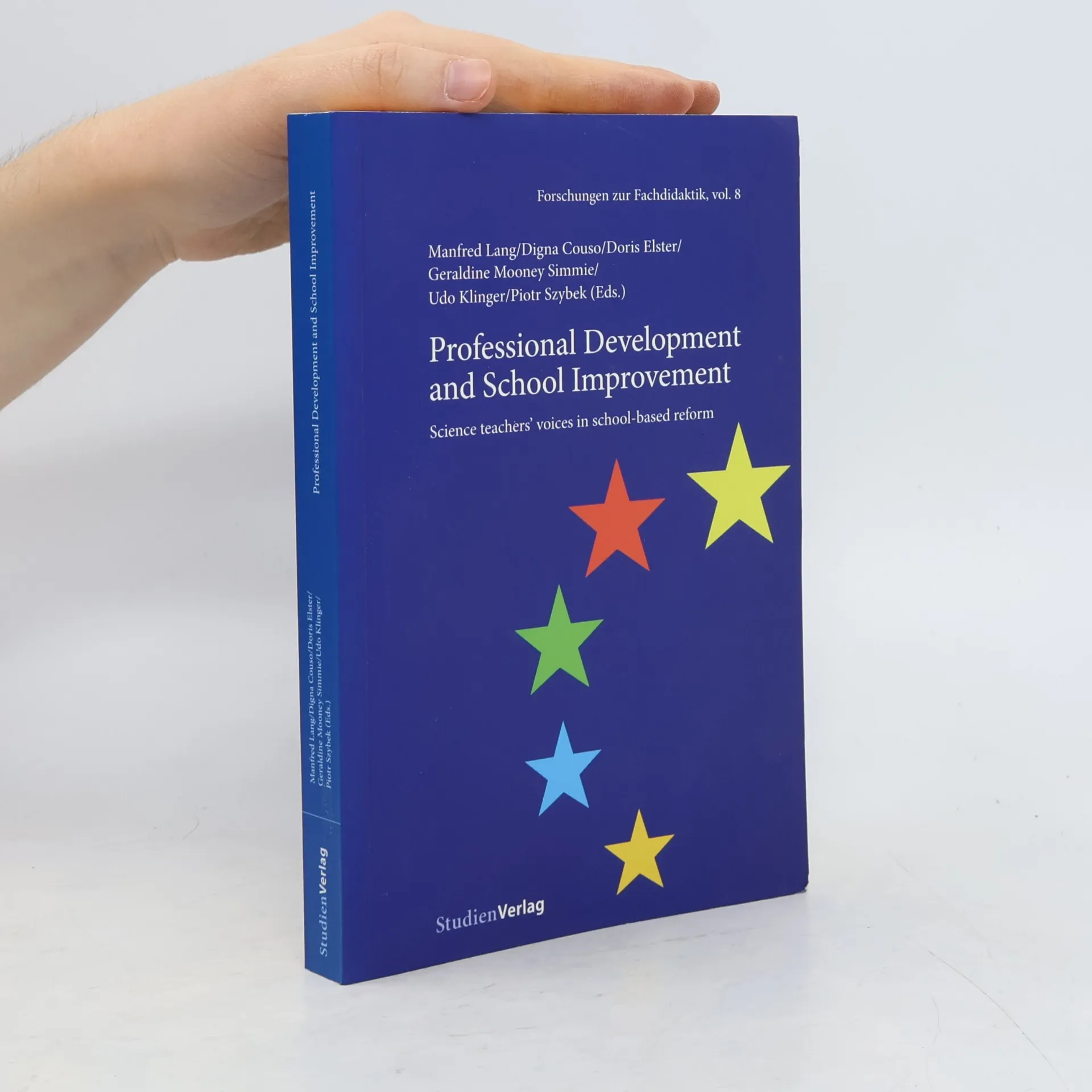
Professional Development and School Improvement
Science Teachers' Voices in School-Based Reform
- 300bladzijden
- 11 uur lezen
Teachers matter in school development is the premise of Professional Development and School Improvement , a book based on case studies from the European-funded project EUDIST (European Development of Innovative Science Teaching). The authors, from Austria, Germany, Spain, Ireland, and Sweden, present their national experiences and results from qualitative studies of educational planning in Curriculum Workshops and related science teacher professional development. In a cross-case study a European/Canadian writing team elaborates different aspects of European reform and teachers' chances to raise their voice in this process.
Essen und Trinken in der Gemeinschaft
Neue Wege zur Planung nachhaltiger und gesunder Ernährung
- 202bladzijden
- 8 uur lezen
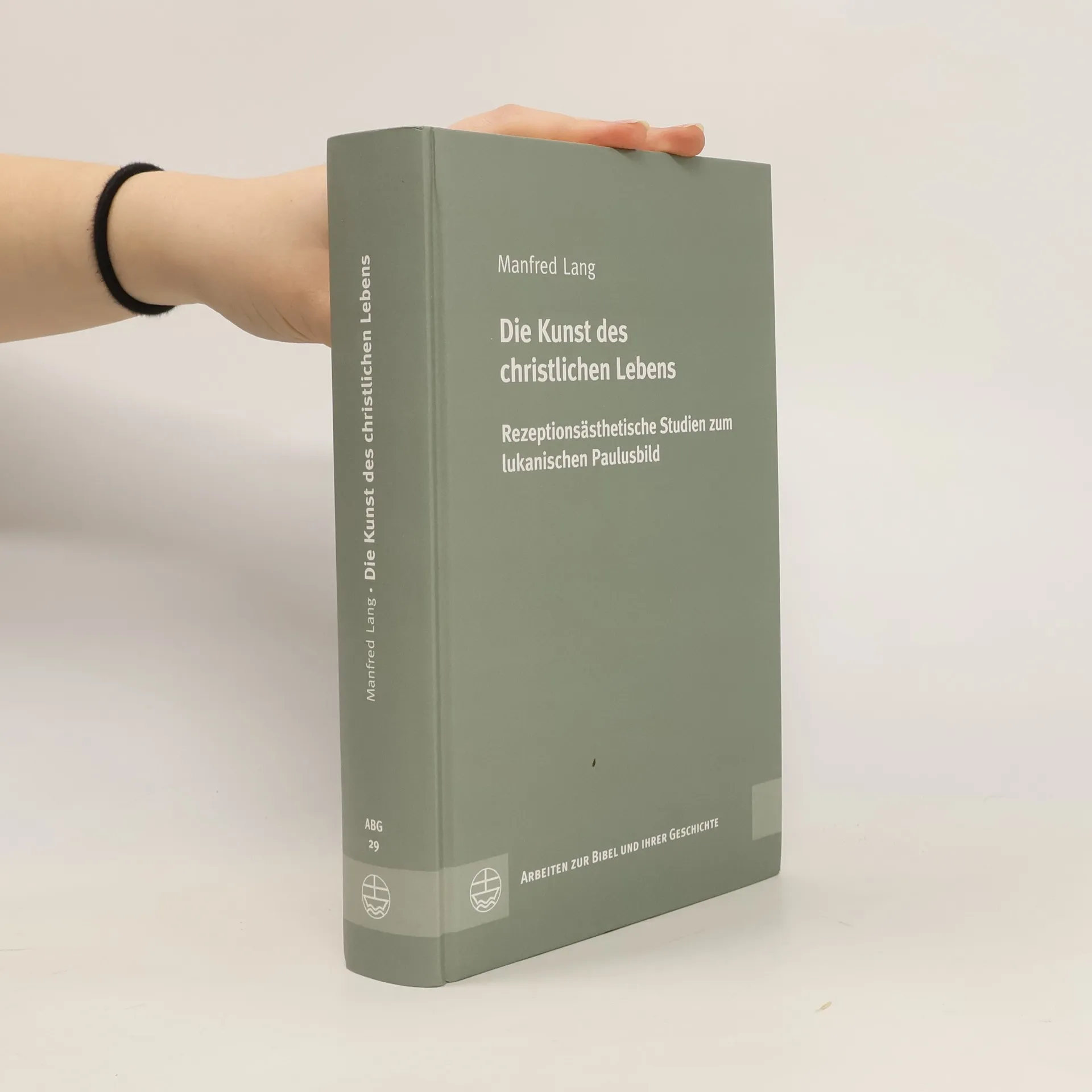
Die Kunst des christlichen Lebens
- 552bladzijden
- 20 uur lezen
Kohärentes Leben in neutestamentlicher Zeit kann aus der Sicht eines Römers plutarchische oder senecaische Züge haben. Hält er die Apostelgeschichte in Händen, begegnet er der Offenheit des 'neuen Weges', die auf subversive Weise reichlich Möglichkeiten bietet, im Anschluss an Bekanntes eine spezifi sch ‚christliche Lebenskunst‘ zu gestalten: hinsichtlich der Dringlichkeit, ein solches kohärentes Leben ausbilden zu müssen, bezüglich der theologischen Grundlage eines solchen Lebens und diverser Strategien ethischen Handelns. In aller Offenheit wird so christlicher Eigensinn attraktiv kommuniziert. Zu guter Letzt ermöglicht der offene Schluss der Apostelgeschichte dem Römer und mit ihm allen Lesern die Möglichkeit, eigenständig fortzusetzen, was Stephanus und Paulus begonnen haben.
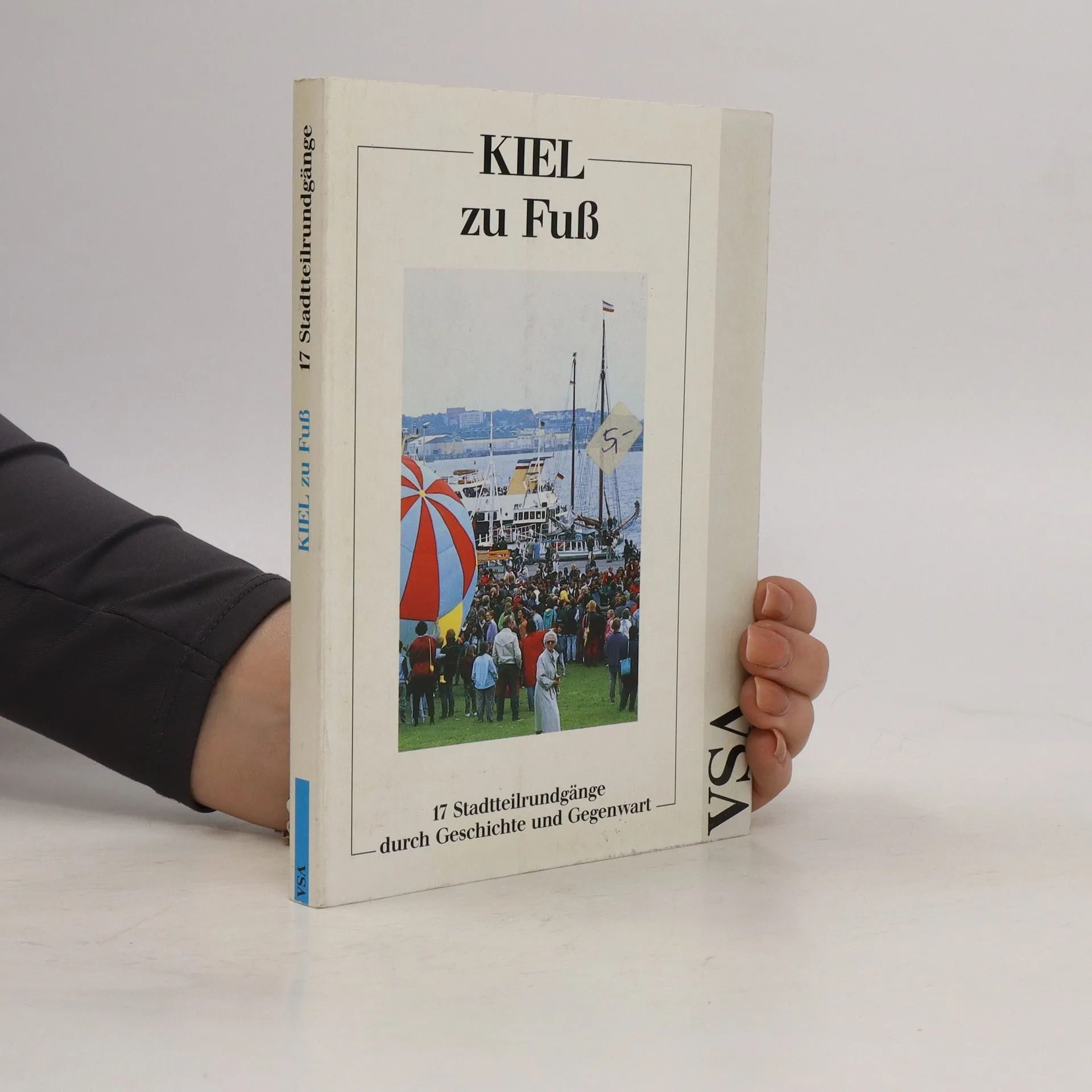
Kiel zu Fuss
- 242bladzijden
- 9 uur lezen
Eifel-Winter
Herrliche Geschichten für lange Abende vor und nach Weihnachten
- 368bladzijden
- 13 uur lezen
Rare Book
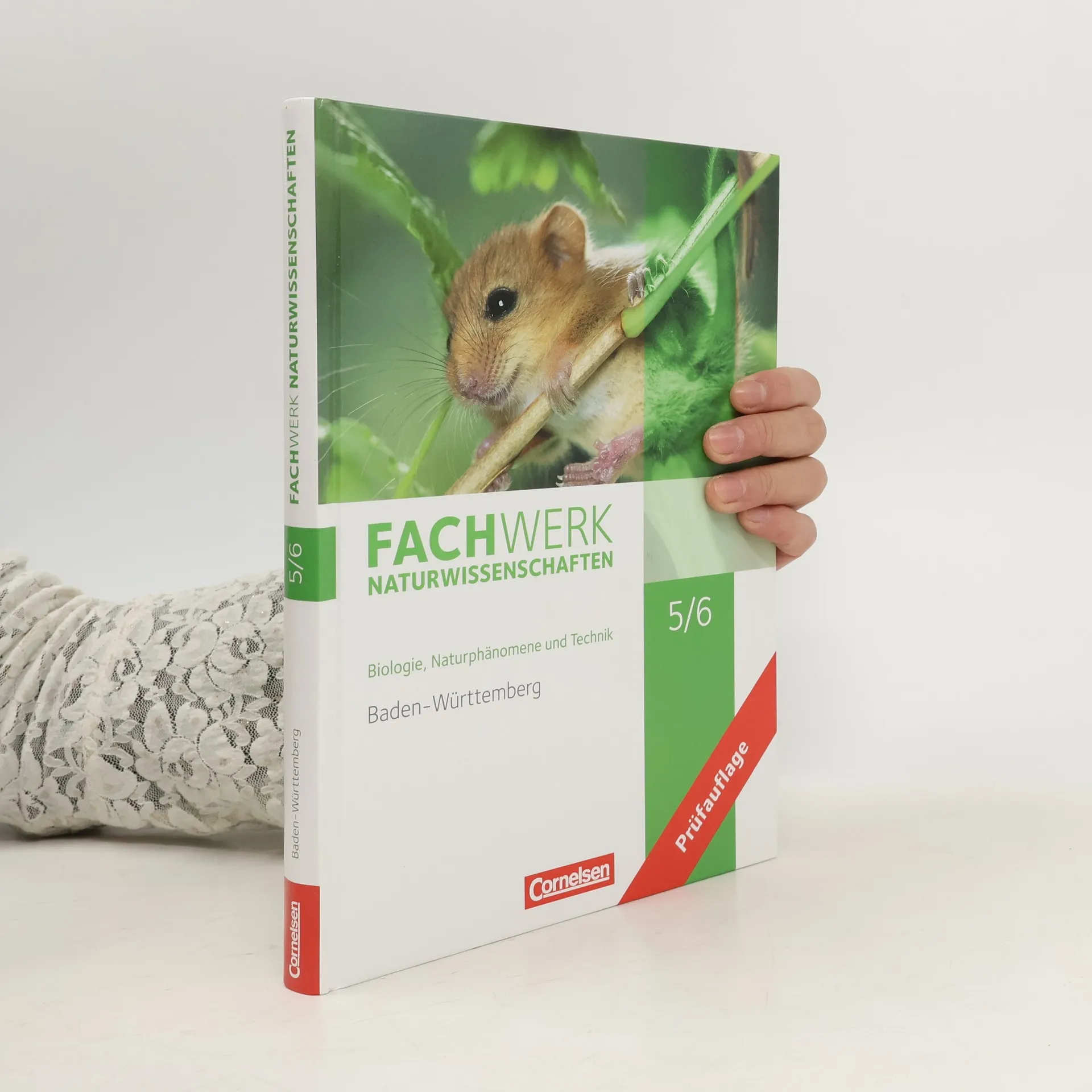
Fachwerk Naturwissenschaften 5./6. Schuljahr. Schülerbuch Baden-Württemberg
Biologie, Naturphänomene und Technik - Prüfauflage
- 368bladzijden
- 13 uur lezen