



Koop 10 boeken voor 10 € hier!
Bookbot

Wolfgang Prinz

    Händler des Todes
    Bewusstsein erklären
    Selbst im Spiegel
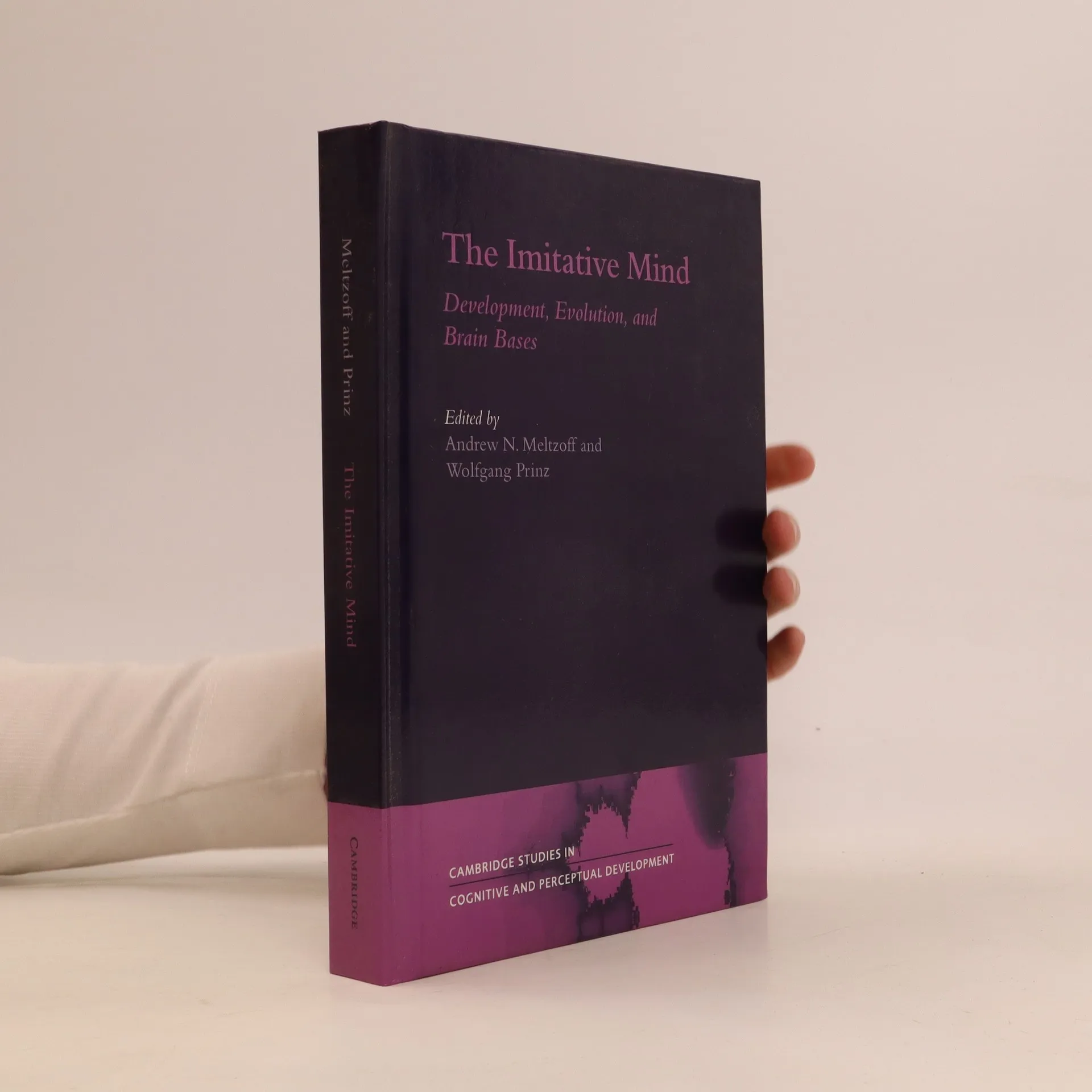
    The Imitative Mind
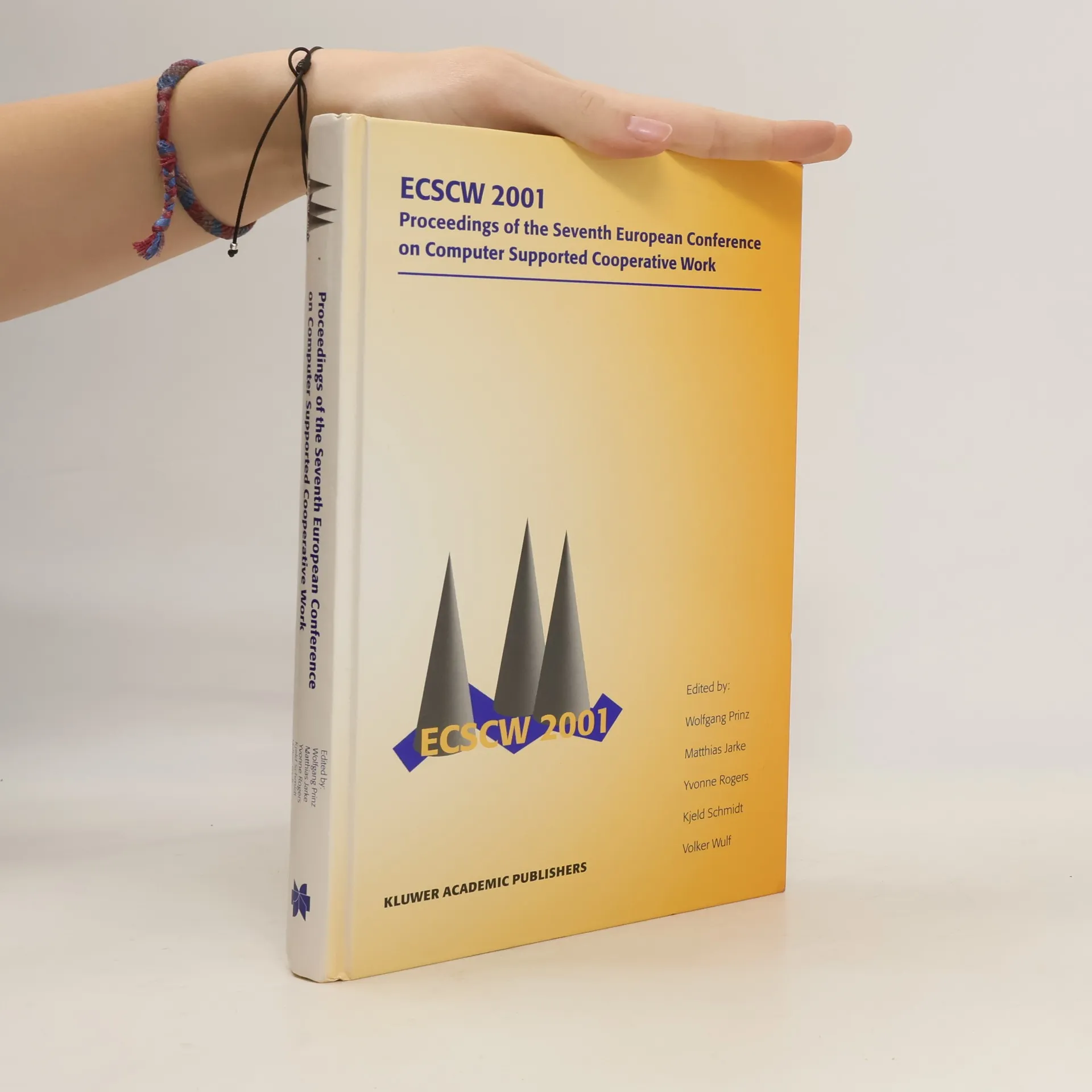
    ECSCW 2001
    • ECSCW 2001

      • 436bladzijden
      • 16 uur lezen

      The emergence and widespread use of personal computers and network technologies has seen the development of interest in the use of computers to support cooperative work. This volume presents the proceedings of the seventh European conference on Computer Supported Cooperative Work (CSCW). This is a multidisciplinary area which embraces both the development of new technologies and an understanding of the grounding of CSCW technology in organizational practices. These proceedings contain a collection of papers that encompass activities in the field, including distributed virtual environments, new models and architectures for groupware systems, studies of communication and coordination among mobile actors, studies of cooperative work in heterogeneous settings, studies of groupware systems in use in real-world settings, and theories and techniques to support the development of cooperative applications. The papers present emerging technologies alongside new methods and approaches to the development of this important class of applications. The work in this volume represents the best of the current research and practice within CSCW. The collection of papers presented here will appeal to both researchers and practitioners alike as they combine an understanding of the nature of work with the possibility offered by new technologies.

      ECSCW 2001
    • The Imitative Mind

      • 364bladzijden
      • 13 uur lezen

      This 2002 volume provides a summary of the research on imitation in both Europe and America.

      The Imitative Mind
    • Selbst im Spiegel

      Die soziale Konstruktion von Subjektivität

      3,0(1)Tarief

      Wie ist der menschliche Geist aufgebaut? Was ist Subjektivität? Wie funktioniert Denken? Diese Fragen beschäftigen Philosophie und Psychologie. Wolfgang Prinz, ein führender Vertreter dieser Disziplin, präsentiert eine Theorie des Geistes, die den traditionellen kognitionspsychologischen Rahmen erweitert und Verbindungen zu Philosophie, Neurowissenschaften und Sozialwissenschaften aufzeigt. Im Zentrum steht die These, dass der individuelle menschliche Geist ein offenes System ist, das nicht „fertig“ zur Welt kommt. Seine Struktur und Funktionen müssen durch Interaktion mit anderen geistbegabten Wesen geformt werden. Prinz erläutert, wie angeborene Repräsentationsmechanismen und soziale Praktiken – insbesondere Spiegelsysteme und Spiegelspiele – zusammenwirken, um eine Abstimmung zwischen Individuen zu ermöglichen und die eigene geistige Entwicklung zu fördern. Im Spiegel anderer erkennen und verstehen wir Denken und Handeln. Erst durch die Entdeckung der Subjektivität bei anderen können wir sie uns selbst zuschreiben. Diese ist ein soziales Artefakt, ebenso wie der freie Wille und andere Überzeugungen über den menschlichen Geist. Die Untersuchung zeigt, dass diese Konzepte keine Illusionen sind, sondern ebenso real wie Naturtatsachen.

      Selbst im Spiegel