Carl Andre Boeken
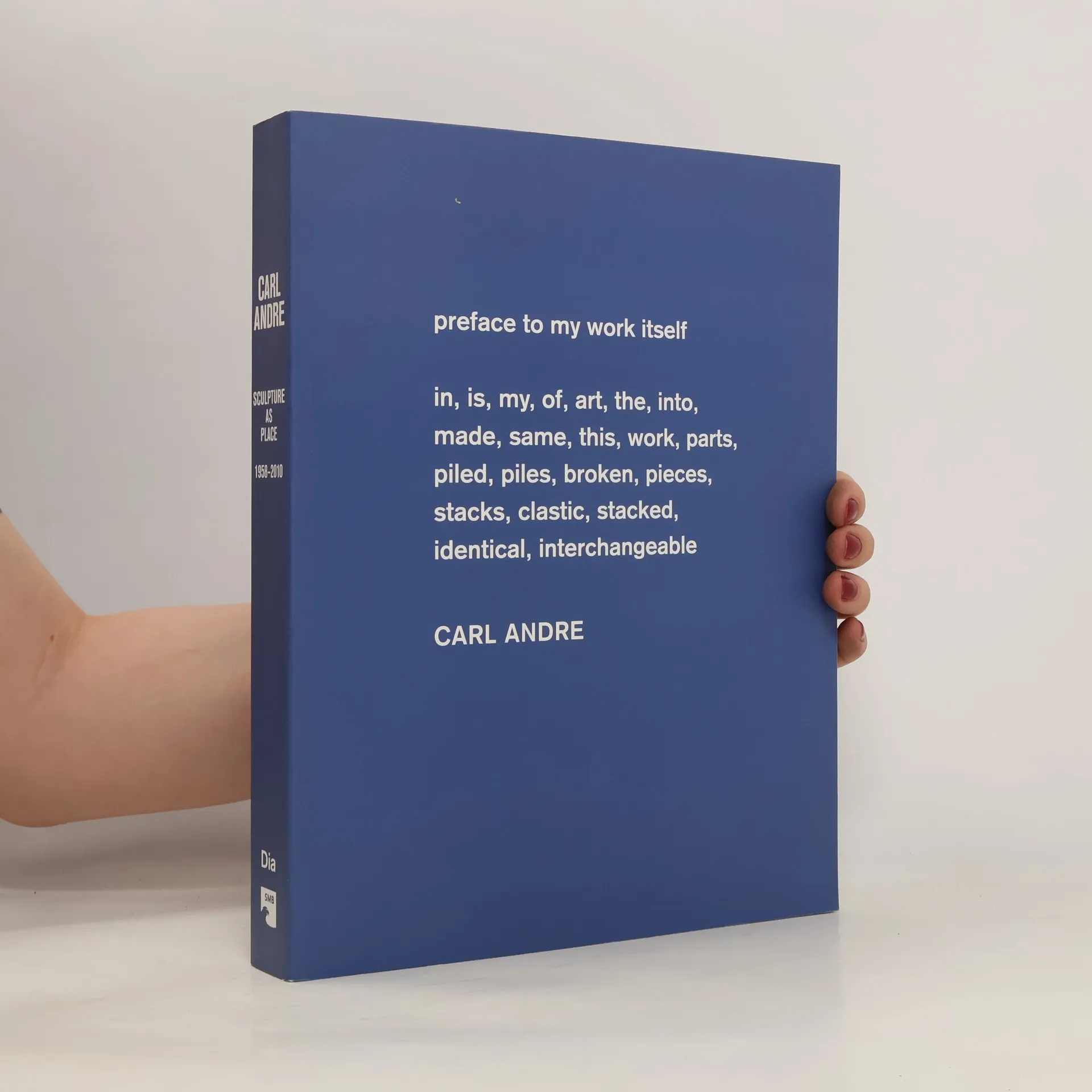

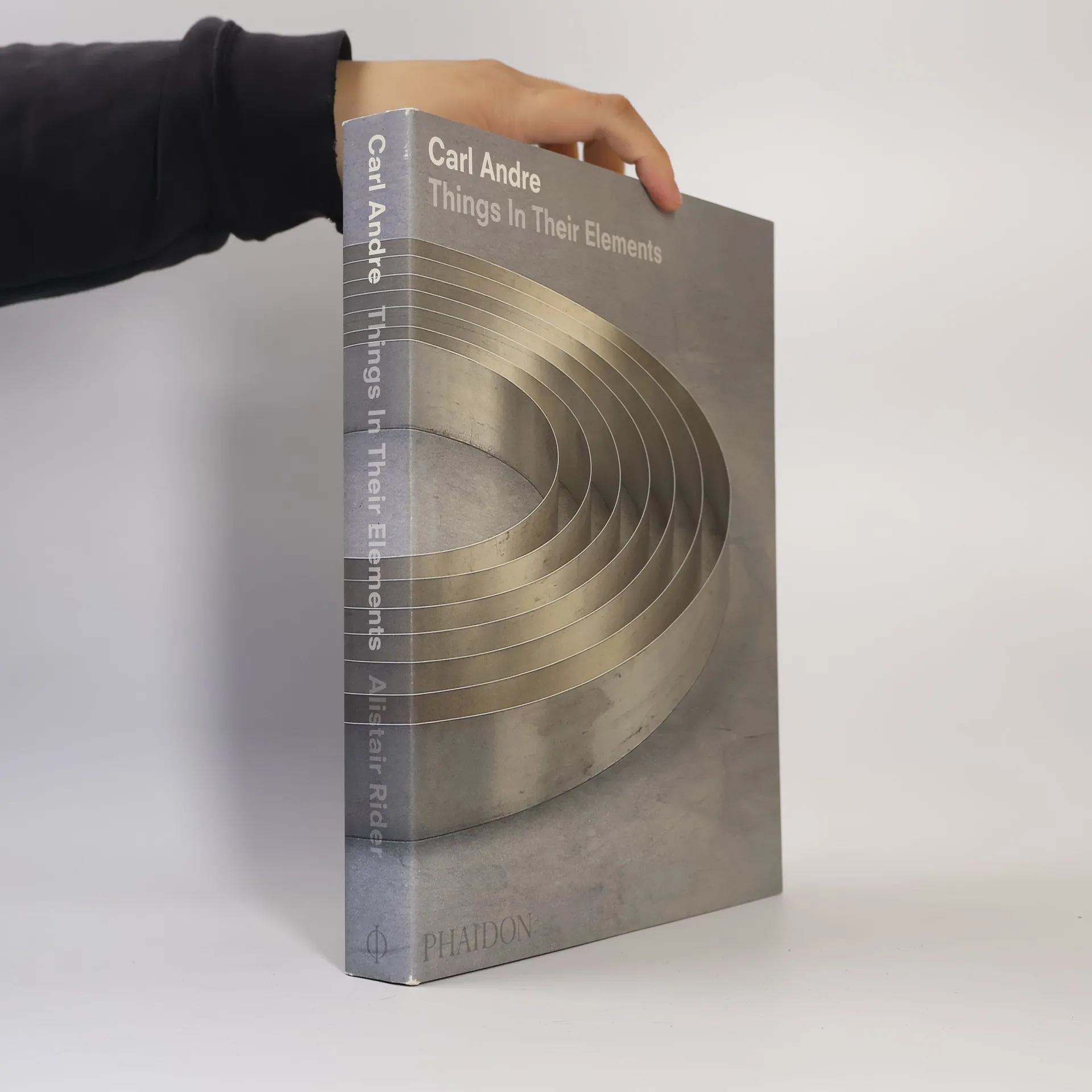
Carl Andre (born 1935), is among the foremost exponents of minimalism. Although best known for his grid-based floor sculptures, his output is diverse, encompassing large, outdoor public artworks and small sculptures, poetry and installations. Alistair Rider explores the full range of Andre's ideas and materials extending from his controversial configurations of bricks to numerous metals, wood and even hay bales. Rider shows how Andre, fascinated by the raw materiality of things in the everyday world, transforms them into sites of contemplation and aethetic focus.
Land and Environmental Art
- 304bladzijden
- 11 uur lezen
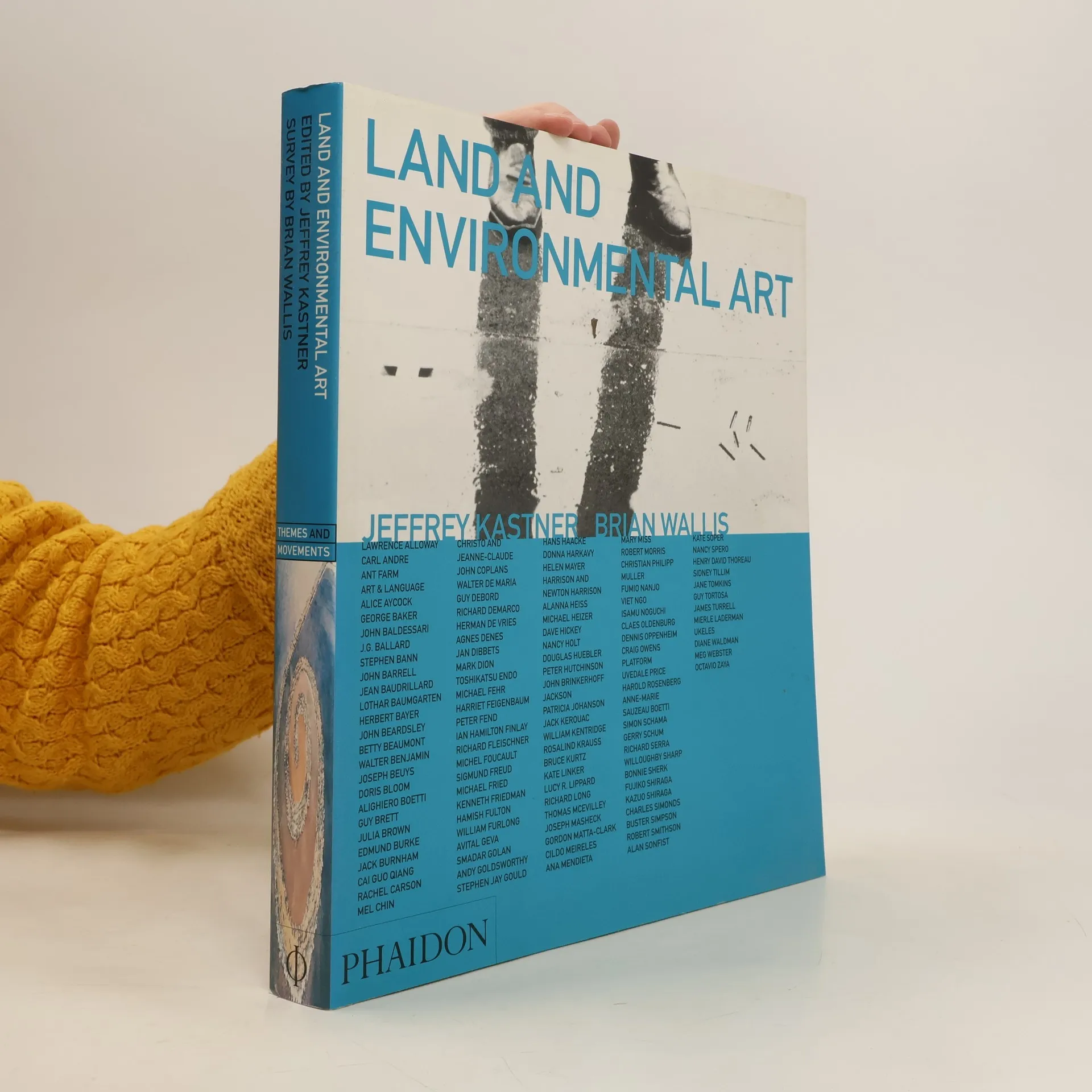
The definitive survey of Land Art and contemporary environmental art, now available in paperback
La Biennale di Venezia - 2011: Personal Structures
- 161bladzijden
- 6 uur lezen
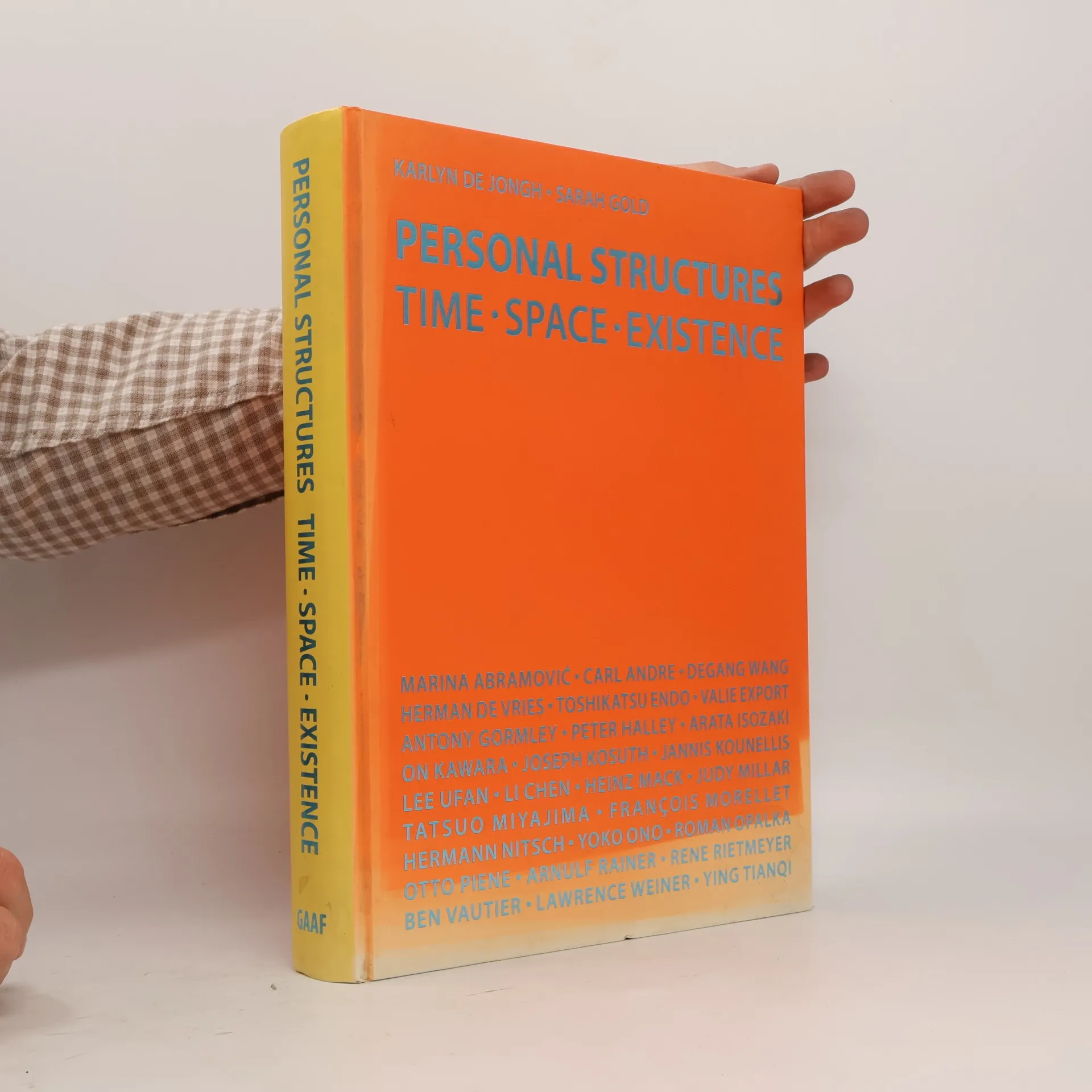
As part of the 54th International Art Exhibition- la Biennale di Venezia, Personal Structures showcases 28 artists from 12 countries across 5 continents. This exhibition, held in 24 rooms at Venice's Palazzo Bembo by the Rialto Bridge, features a mix of established and emerging artists united by their exploration of Time, Space, and Existence. Curated by Karlyn De Jongh and Sarah Gold, each room is dedicated to a single artist, creating a unique atmosphere through their recent works, which include site-specific pieces and those from their studios. The diverse artistic media on display encompass videos, sculptures, paintings, photographs, light installations, wallpaper, and performance art. Personal Structures is part of a broader international project initiated in 2002 by Dutch artist Rene Rietmeyer, who recognized the global engagement of artists with these themes. His vision of connecting these artists through publications, exhibitions, and symposia has culminated in this remarkable gathering, highlighting the personal expressions of artists from even the most remote corners of the world.
Personal Structures presents an ongoing project that deals with questions concerning time, space and existence.This is the second book in the Time. Space. Existence series and involves the personal participation of 46 artists from different parts of the world, in a combination of internationally renowned artists and others whose oeuvre is less known.The concepts time, space and existence are highlighted in very personal ways and from unusual points of view. The many photographs of the artworks and encounters with the artists convey fascinating insights into their being, ideas and work.Seven art projects with established artists centralise their thoughts to a great extent. In addition, the book emphasises two Personal Structures exhibitions that were part of the Venice Biennale in 2011 and 2013.This publication also contains several interviews, artists' statements, and symposium contributions that discuss the theme of this book in detail.Personal Structures was initiated in 2002 by the Dutch artist Rene Rietmeyer. His observation that even in the most distant places artists are occupied with time, space and existence, led to the idea of bringing several of these artists together in publications, symposia and exhibitions.English and Japanese text.
Nach dem Tod seines Vaters beginnt der junge Anton Wohlfart eine Lehre im Büro des Kaufmanns T. O. Schröter in Breslau. Anton hat schnell Erfolg durch ehrliche und fleißige Arbeit und erreicht ein bürgerliches Dasein. Er macht verschiedene Erfahrungen mit der Familie Schröter und auch mit der Adelsfamilie der Rothsattels. Später wird er in die Liquidation des Nachlasses der Familie Rothsattel involviert, ein offensichtliches Symbol für den Niedergang des Adels und dessen Konflikt mit den aufkommenden kapitalistischen Kräften. Anton hat wiederholte Begegnungen mit zwei anderen jungen Männern, dem Juden Veitel Itzig, den er bereits aus seiner Heimatstadt Ostrau kennt, und einem jungen Adligen, Herrn von Fink, der ein Mitarbeiter in der Firma Schröter ist.