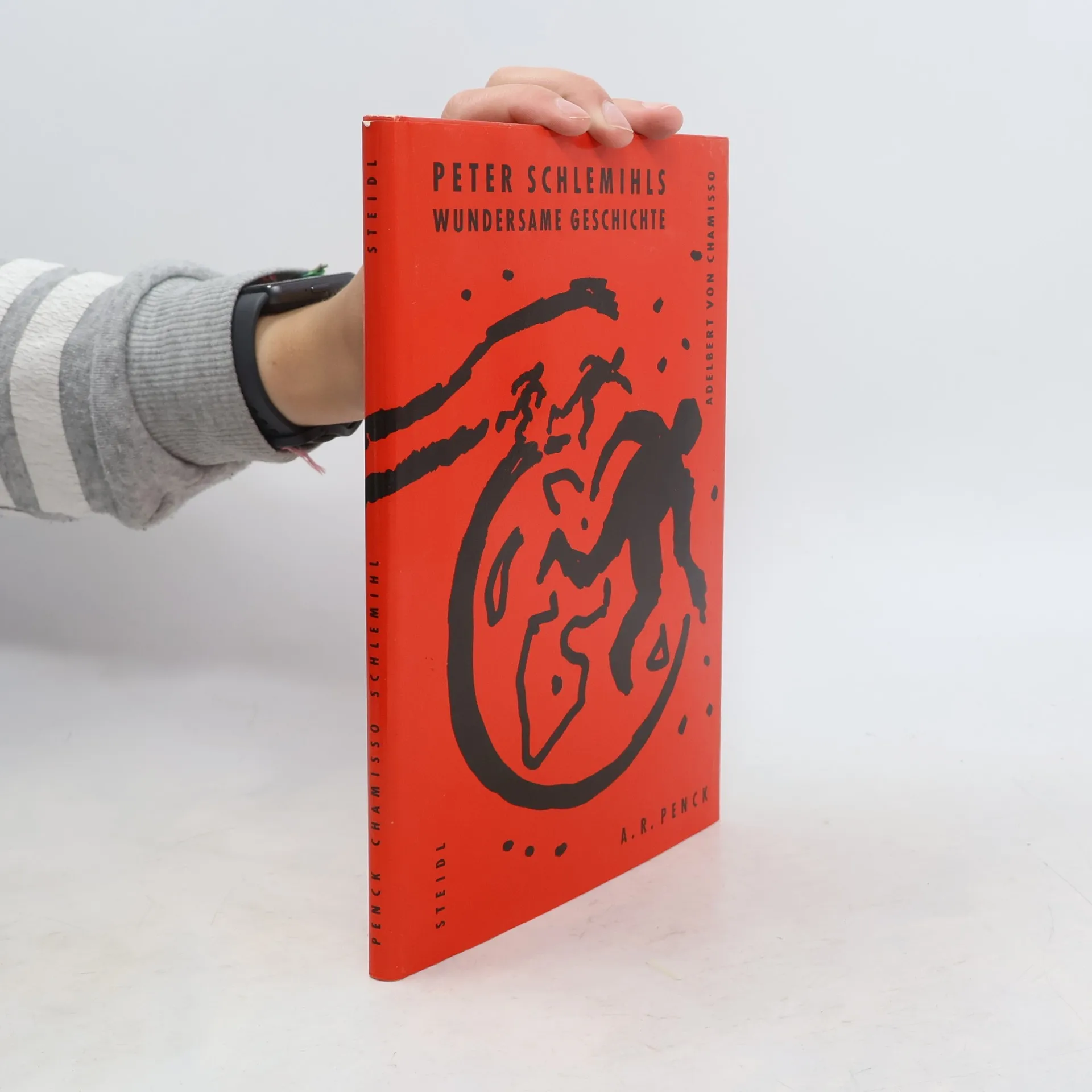
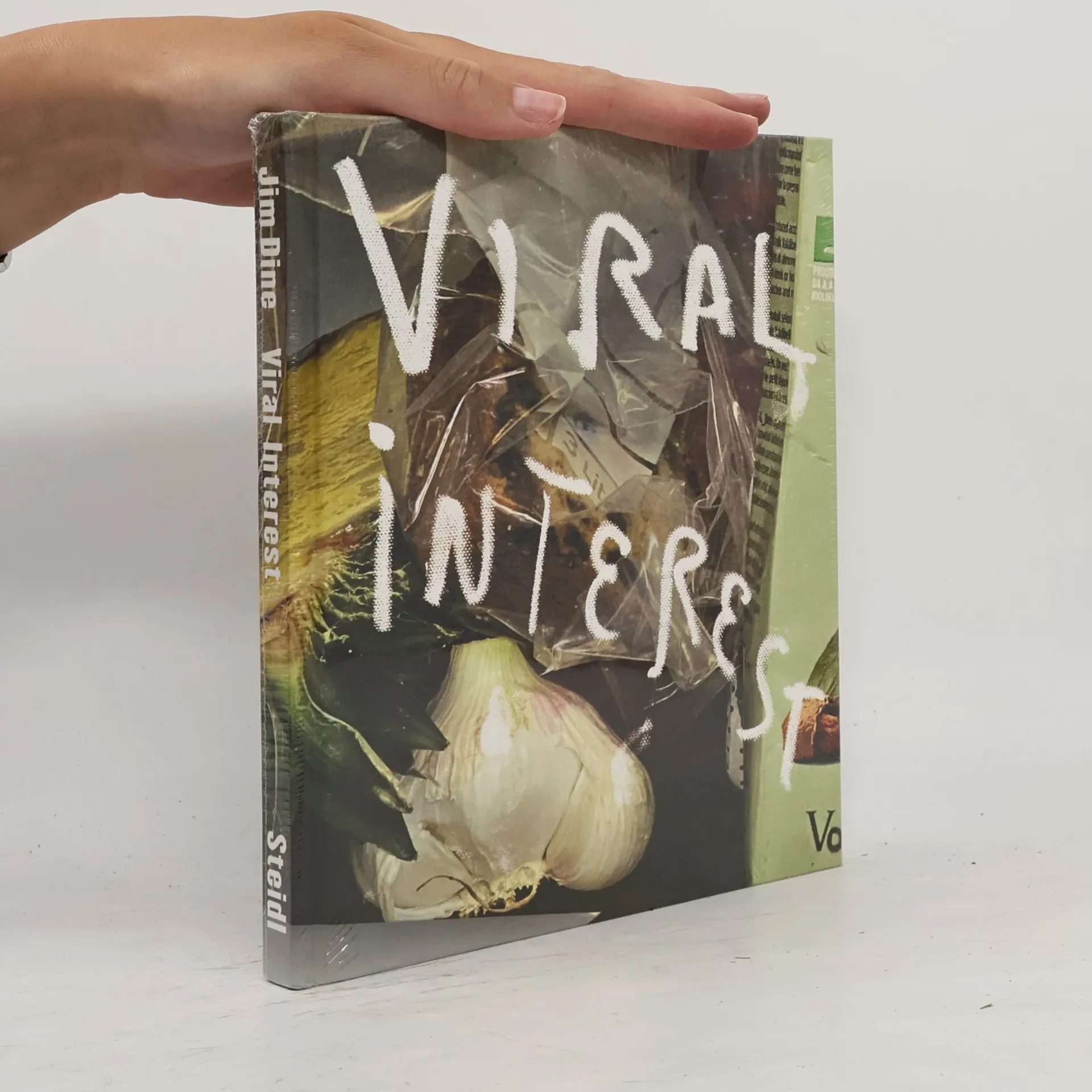
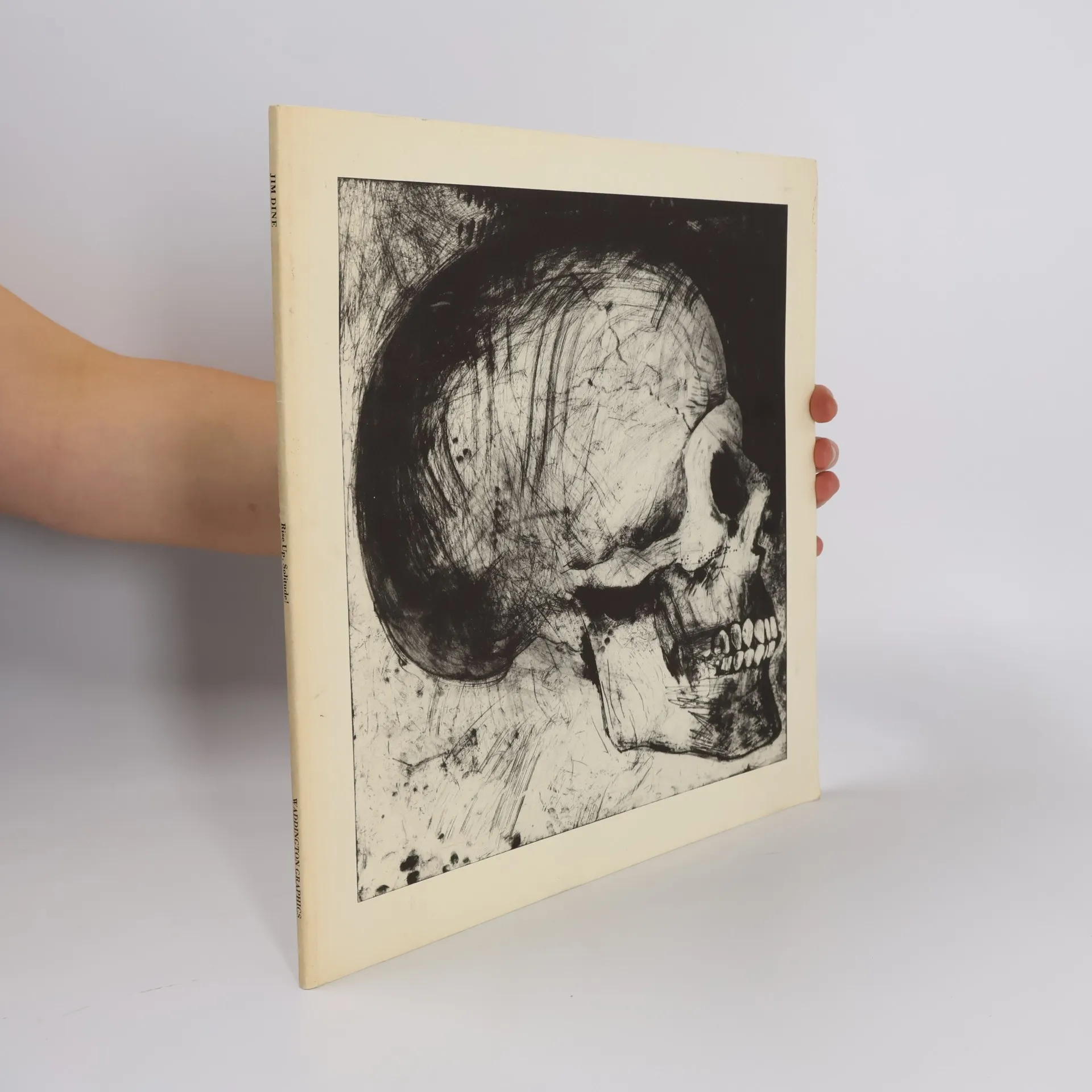
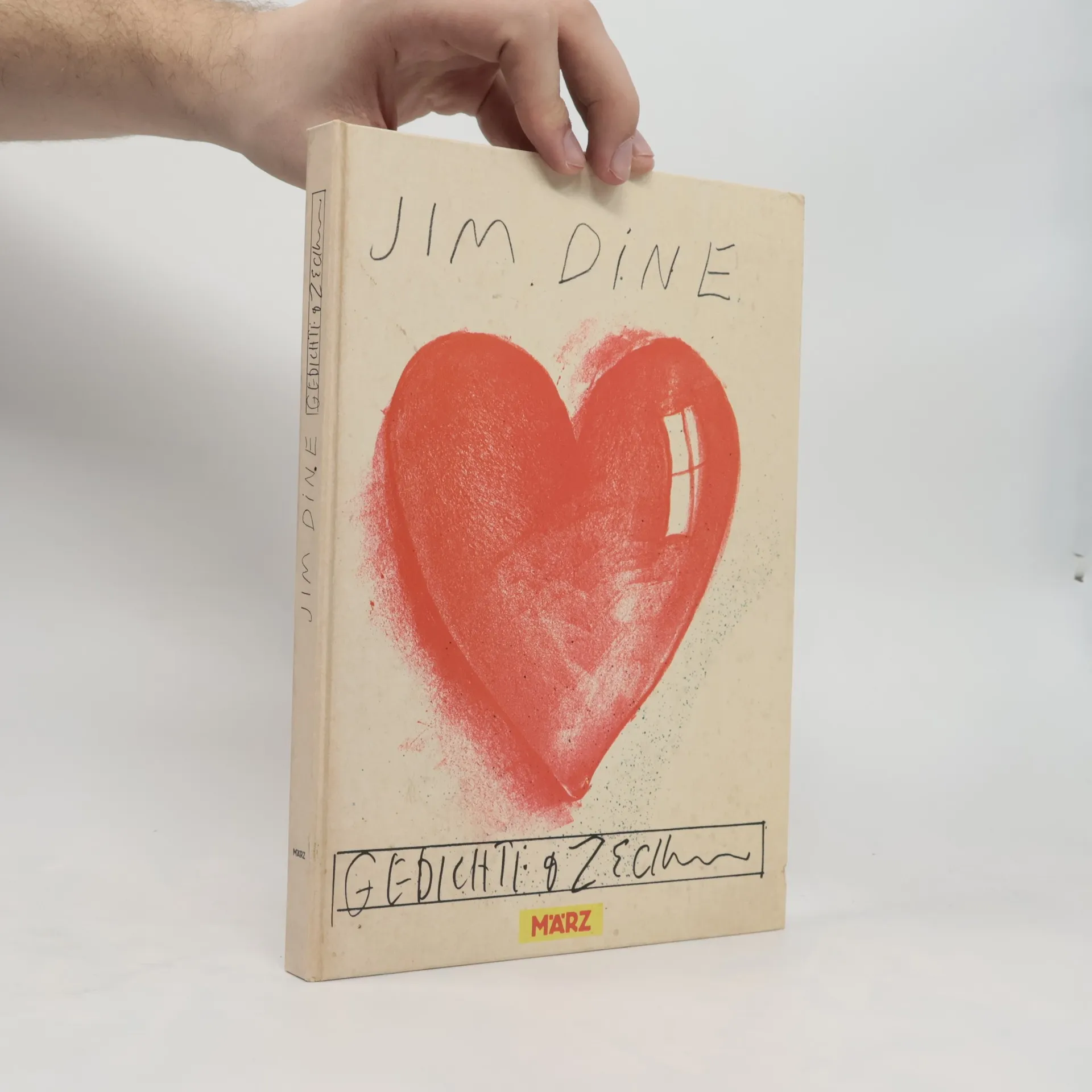
Catalog of an exhibition of portrait drawings by Jim Dine hosted by the Bowdoin College Museum of Art from December 7, 2023, to June 2, 2024, including an accompanying transcript of an interview with the artist conducted in 2021.
Jim Dine is an exceptional artist who works across a seemingly boundless range of media--painting, printing (etching, lithography, linocuts, serigraphy and more), drawing, sculpture, photography, poetry, performance art and bookmaking. Unlike artists who focus on a single medium, Dine, since his first works made while still at high school, has--over the course of seven decades--explored and respectfully disrespected materials and processes. He takes this approach to a new intensity in Dog on the Forge, the book accompanying his exhibition of the same name at the Palazzo Rocca, a Collateral Event at La Biennale di Venezia. Here Dine re-invents some of his most beloved motifs, including Pinocchio, antique sculpture, hearts and tools, all in eclectic combinations of media such as painted bronze and collage on canvas. The results, vibrating with restless, sometimes frenzied energy, are a transcendent leap into the unpredictable future of Dine's never-ceasing creativity.
Storm of Memory celebrates 25 years of Jim Dine’s ongoing residency in Göttingen and productive friendship with his printer and publisher Gerhard Steidl. Dine’s eclectic choice of subject and media for the book reflects what he calls “the climate of everything possible here with Gerhard S.” Works include “Elysian Fields,” a series of grand plaster heads inspired by antiquity and “lost friends and fragments of my life”; “The Secret Drawings,” majestic, dark, vibrating, abstract with hints of figuration; prints of his beloved motifs Pinocchio, hearts, bathrobes, tools and classical torsos; and photo documentation of “Poet Singing (The Flowering Sheets),” Dine’s site-specific installation at Kunsthaus Göttingen of handwritten poetry, sculpture and self-portraiture. Published to coincide with Dine’s 88th birthday on 16 June 2023 and the opening of his exhibition of the same name at the Kunsthaus, Storm of Memory chronicles the restless present of his nearly seven-decade career and underlines the roles Göttingen and Steidl have played as a crucible for his creativity. Exhibition 17 June - 17 September 2023 at Kunsthaus Göttingen
This book explores the uncompromising processes of autobiographical excavation at the heart of Jim Dine’s art today. Here his focus lies on three self-reflective series from the past three years, each in a different medium. In the self-portraits of “Drawing the Minutes” Dine less draws with pencil on paper than carves into it, feverishly erasing and redrawing to create a shifting typography of self and a study on the effects of time. The densely painted self-portraits of “Me” comprising oils mixed with sawdust and sand deepen Dine’s acts of looking out and in, each layer of pigment a layer of self-knowledge. Finally we witness the monumental bronze sculptures of “Three Ships” whose title references the ships that carried the relics of the Three Wise Men on their final journey. Five years in the making, Dine’s ships are dynamic masses studded with branches, ropes and dozens of tools—one of his most beloved motifs, born from childhood hours of intense observation spent in his grandfather’s hardware store. Accompanied by short personal texts by the artist and photos documenting him at work at the Kunstgiesserei St. Gallen foundry, Three Ships is a testament to Dine’s vitality and transformative versatility—which sweep across six decades and show no sign of abating.
A five-volume collection of poems from a prolific American artist with a wide-ranging oeuvre American artist Jim Dine (born 1935) has a six-decades-long career spanning painting, drawing, printmaking, sculpture, photography and poetry. This latest collection of his intensely autobiographical poems consists of five volumes probing themes of anti-Semitism, racism, climate change and failed world leaders.
With its fairy-tale yet matter-of-fact title, Grace and Beauty reveals Jim Dine's unquenchable enthusiasm for re-imagining his iconic personal motifs-here the Classical torso, hearts and tools-in experimental combinations of media. The book contains his most recent works, all from 2022: mixed-media assemblages, and monumental bronze and stainless-steel sculptures-"an army of sculptures: flowers, machines, and primitive skulls at once"-which he often adorns with thick coats of explosive color. These are hybrid forms between sculpture and painting whose stark contrasts display the artist's quest for new territories of beauty. Dine introduces each group of works with a short personal text and complements them with a series of documentary photographs taken at Kunstgiesserei St.Gallen, where his sculptures are born-the site of his proud collaboration with the foundry's expert team and the crucible for his ongoing struggle with matter. At 87, I paint what I want and how I want so that now the horse I keep tethered in the studio is completely without a rider. - Jim Dine Co-published with Galerie Templon, Paris
Jim Dine records the early moments of the Coronavirus pandemic through notes on his daily creative routine During the peak of the Coronavirus lockdown in March 2020, Jim Dine (born 1935) recalibrated his creative routine and recorded his experiences as blurred self-portraits, studio still lifes and appropriated texts in book form.
New poems from Jim Dine mixing autobiography, politics and melancholy In A Beautiful Day , American artist Jim Dine (born 1935) presents 17 poems, including new pieces written during the coronavirus lockdown; others are older works he has recently rediscovered and reshaped.
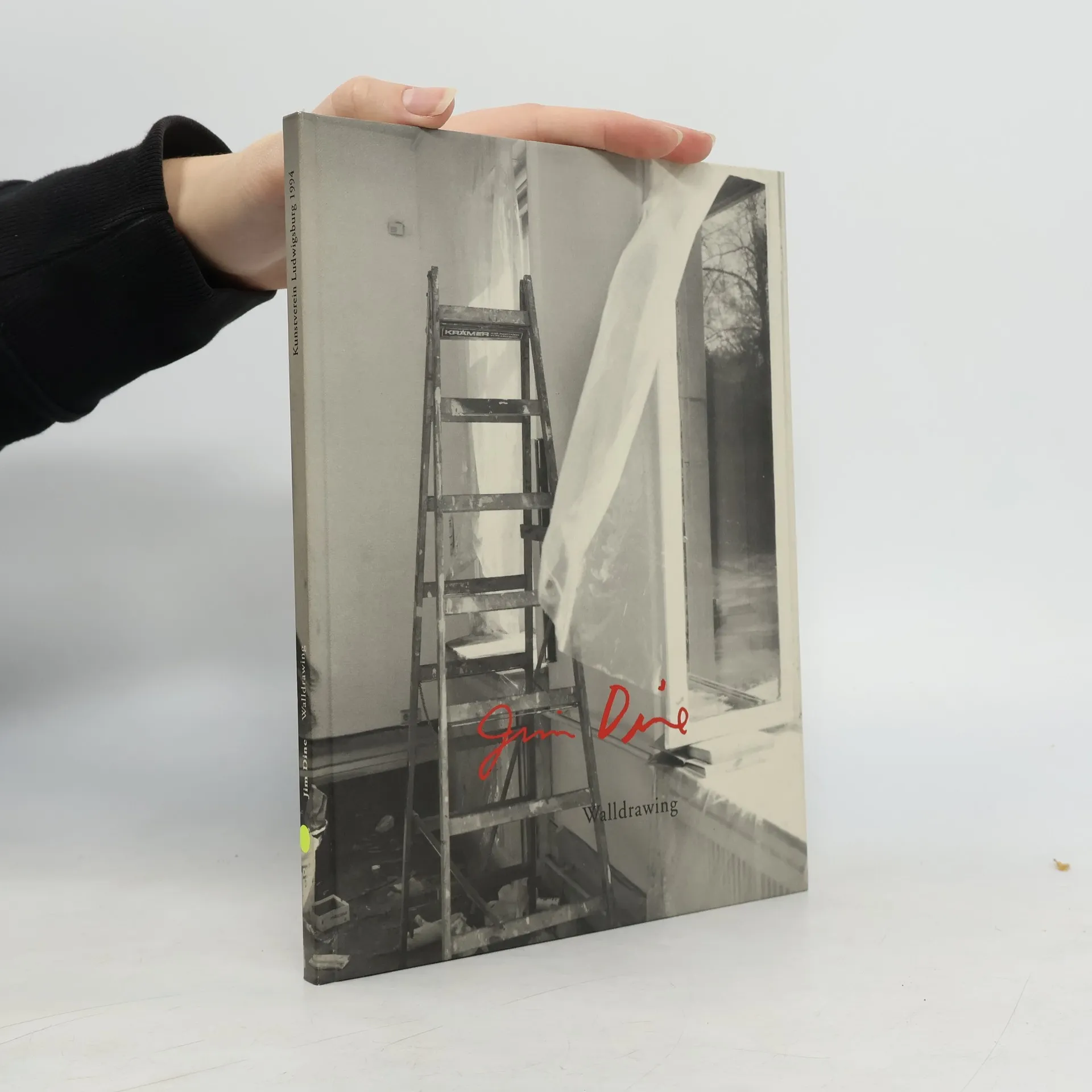
Poetic composition as mark-making and palimpsest: a luxurious compilation of Dine's recent poetry wall works. Including dozens of documentary photos and two DVDs of Dine's poetry recitals, this volume is a privileged insight into this crucial aspect of his studio practice
This book is literally Jim Dine’s letter to his “troops,” a confessional address to the people he has collaborated with, to his friends and family. Consisting of a long fluid poem and 18 color linocut portraits of those closest to Dine, the book explores his emotions and thoughts including childhood memories, reflections on his present artistic practice (“This week I painted, painted, painted the possibility of permanent silence”), as well as more philosophical musings (“Earth gives birth to time and heaven in a jealous parliament”). This new Steidl book is an adaption with revised design and typography of Dine’s original My Letter to the Troops of 2016, a limited edition of 40 featuring linocuts hand-printed on Arches vellum from the blocks at Atelier Michael Woolworth in Paris.
Jewish Fate is an evocative autobiographical poem by Jim Dine accompanied by 18 lithographs of one of his favorite motifs, tools. The poem shows Dine reminiscing about his childhood days spent at his grandfather's hardware store in Cincinnati, where he worked every Saturday and summer for ten years from the age of nine. Dine's vivid co-workers shape his memories. There is the head shipping clerk Joe Kibbing: tall, thin, "very dramatic and high strung and didn't take orders easily." Joe's older brother Bud was the dignified head salesman: "a soft-spoken, intelligent man who had he had an education past high school might have been a lawyer or a surgeon." And finally there was Willie Tapp, "short and lithe ... he dressed elegantly like a lot of black guys did then for a guy loading trucks and handling greasy tools and heavy boxes... This handsome, lovely man showed up for work drunk most Saturdays, but managed to perform most times." Among these characters in the inspirational, overflowing store Dine developed his love for tools which accompanies his art today and is seen in the hammers, rollers, brushes and wrenches in this book--all realized in Dine's inimitable unfinished style, in his words: "Always correcting and reinventing the drawing."
This book is the catalogue to Jim Dine’s upcoming comprehensive exhibition at the Centre Pompidou in Paris, covering four decades of his varied and prodigious output. Over the past years Dine has donated large personal selections of his art to museums across Europe and the US, including the British Museum, the Albertina in Vienna, the Museum of Fine Arts in Boston and the San Francisco Museum of Modern Art. One such generous gift to the Centre Pompidou, consisting of 24 paintings and sculptures from 1966 to the present, is the subject of this book. Featuring double-page reproductions of each work—covering Dine’s major motifs including his hearts, bathrobes, birds, self-portraits and tools—as well his new 40-page interview with the Musée National d’Art Moderne—Centre Pompidou’s director Bernard Blistène supplemented with vintage photos, this book is most detailed survey to date of one of the most important contemporary artists.
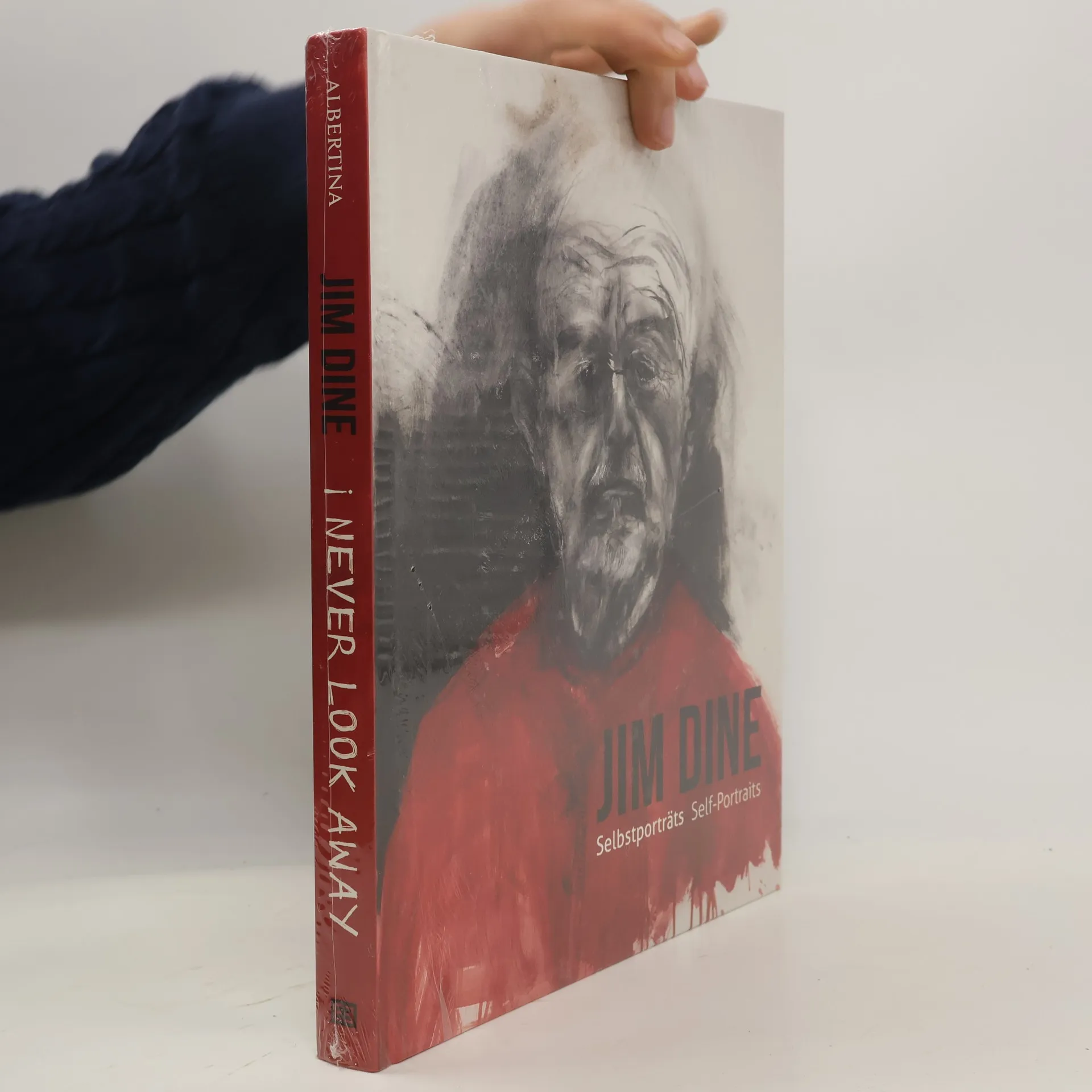
Jim Dine gehört neben Figuren wie Andy Warhol, Roy Lichtenstein und Wayne Thibaud zu den gefeierten Stars der amerikanischen Pop Art. Die Selbstporträts, die Dine in den 1950er Jahren zu malen begann, katalysieren einen unabhängigen, intensiven und überraschenden Dialog mit dem Künstler und seinem Werk. Dines vielfältige Experimente mit einer breiten Palette von Techniken und Materialien thematisieren Jugend und Alter, Intimität und Extrovertiertheit sowie Serialität und Kreativität auf Papier und ermöglichen es, neue Einsichten in ein vermeintlich vertrautes Œuvre zu gewinnen. Das Buch präsentiert eine Auswahl von fast einhundert faszinierenden Selbstporträts.
Das Museum Folkwang widmet sich in einer umfassenden Ausstellung dem grafischen Werk des amerikanischen Pop- Art-Künstlers Jim Dine. Die Retrospektive zum achtzigsten Geburtstag ermöglicht mit rund 150 Werken – darunter Holzschnitte, Lithografien und Radierungen – einen vielseitigen Einblick in Dines grafisches Schaffen, das mehr als fünf Jahrzehnte umfasst. Wie kaum ein anderer Künstler seiner Generation ist Jim Dine vom Drucken als technischem Prozess fasziniert. Ganz besonders schätzt er das Experimentelle des Druckvorgangs, der sich nie bis ins letzte Detail vorausplanen lässt. Dine kombiniert verschiedenste Drucktechniken auf dem selben Blatt und entwickelt vollkommen neue Methoden, die Druckplatte zu bearbeiten – immer wieder unterstützt von Meisterdruckern wie Aldo Crommelynck oder Kurt Zein, mit denen er eng zusammengearbeitet hat. Im Katalog fächern sieben Werkgruppen das thematische Spektrum der Druckgrafik Jim Dines auf – von den berühmten Herzen über die stetig wiederkehrende Auseinandersetzung mit dem eigenen Ich bis hin zu seiner Faszination für die Geschichte Pinocchios. Zwei Essays geben einen tieferen Einblick in die technischen Besonderheiten der Grafik Dines und in die ihm so wichtige Kooperation mit Druckern in verschiedenen Ländern und Werkstätten.
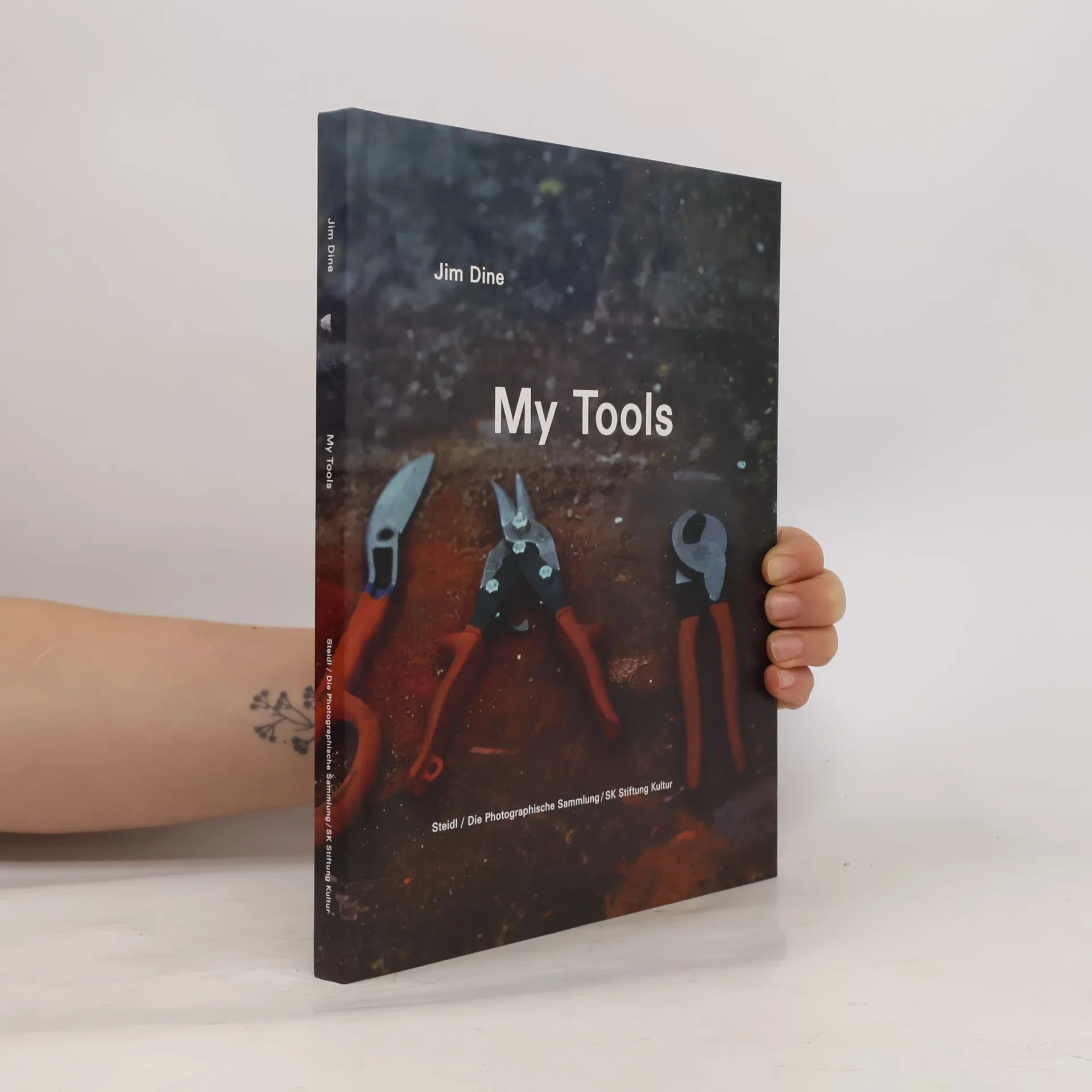
Tools have been among Jim Dine's favorite motifs since his beginnings as an artist, and are a passion born in his childhood, when his grandfather and later his father ran a hardware store in Cincinnati. My Tools provides new insight into Dine's ongoing photographic exploration of this multifaceted theme. In large-format black-and-white and color photographs, as well as heliogravures produced between 2001 and 2014, he explores the formal vocabulary of individual objects, their materials, as well as their collective constellations and surrounding spaces. Dine defines himself as an artist through the tools and objects he creates with his own hands. His analog photographs-themselves creations of a complex tool, the camera-are both true to the objective appearance of his tools, while opening up our field of imagination.
„This “history” came about because my friends, Sarah Dudley and Ulie Kuhle, litho printers in Berlin, were given about 100 litho stones from a former Socialist art academy in what was the D. D. R. The stones all had images on them drawn by forty years of students under the oppressive regime. I asked them to reactivate the stones and print them on Zerkall Paper 450g/m². Most images I chose of the 100 were able to have life breathed into them. We had finally forty-five images. They editioned the lithographs and then sent them to us in Walla Walla, Washington. I drew and ground and bit copper plates to go over them. I wanted a black view of the image and a sense of Berlin in the East as I knew it when the horrible wall was still up. The etchers who came to work with me every summer over two and a half years have coaxed the exact mood I wanted out of the plates.“ Jim Dine
“Inspired by a semi-autobiographical book by the mid-20th century German printmaker HAP Grieshaber, I have used his idea to create a story of fifty years as a printmaker. The book includes interviews with my printers and memories of my life around the prints I made at that time. I have made over a thousand prints so far and I am not done yet. There are “key” images illustrated, and the text attempts to marry the technical with my emotional feeling for the mediums, etching, lithography, woodcut and silkscreen. I have included recipes for variations on intaglio and some stories of my friendships with these gifted artisans who have produced this work.” Jim Dine
“Donkey in the Sea before Us is a marriage of poetry and water-colour portraits of the boy/puppet, who is on his way to becoming a human” Jim Dine This book of new water-colours by Jim Dine continues his life-long obsession with the character of Pinocchio. Dine first encountered Pinocchio through Disney’s acclaimed animated film which he saw as a child in 1940, and later through Carlo Collodi’s original text. Says Dine: “I have for many years been able to live through the wooden boy. His ability to hold the metaphor in limitless ways has made my drawings, paintings and sculpture of him richer by far. His poor burned feet, his misguided judgment, his vanity about his large nose, his temporary donkey ears all add up to the real sum of his parts. In the end it is his great heart that holds me. I have carried him on my back like landscape since I was six years old.” Born in 1935 in Cincinnati, Ohio, Jim Dine is a prolific painter, draughtsman, print-maker and photographer. Initially associated with the Pop movement, Dine’s career spans over forty years and his work is held in numerous private and public collections. His books with Steidl include Birds (2001), The Photographs, so far (2003) and Hot Dream (52 Books) (2008).
Jim Dine’s status as a master draughtsman is unquestioned and this book presents the best of his most recent drawings. Hello Yellow Glove opens with one of Dine’s most treasured motifs, Pinocchio. Using dense charcoal and dripping washes, Dine depicts the sinister edge to Carlo Collodi’s story and Pinocchio’s isolation in his quest to become a real boy. With similar dark layers and dissolving forms Dine also depicts botanical motifs such as the thistle and catalpa tree. In addition to these bodies of work, Hello Yellow Glove presents Dine’s portrait of Gerhard Steidl, an ambitious suite of nine drawings made by the artist in his Göttingen studio. Alongside reproductions of the drawings are photographs of Dine taken by Steidl during the sittings, which form both a candid portrait of the artist and offer a rare glimpse into his working processes. Born in 1935 in Cincinnati, Ohio, Jim Dine is a prolific painter, draughtsman, print-maker and photographer. Initially associated with the Pop movement, Dine’s career spans over forty years and his work is held in many private and public collections. His books with Steidl include Birds (2001), The Photographs, so far (2003) and Hot Dream (52 Books) (2008).
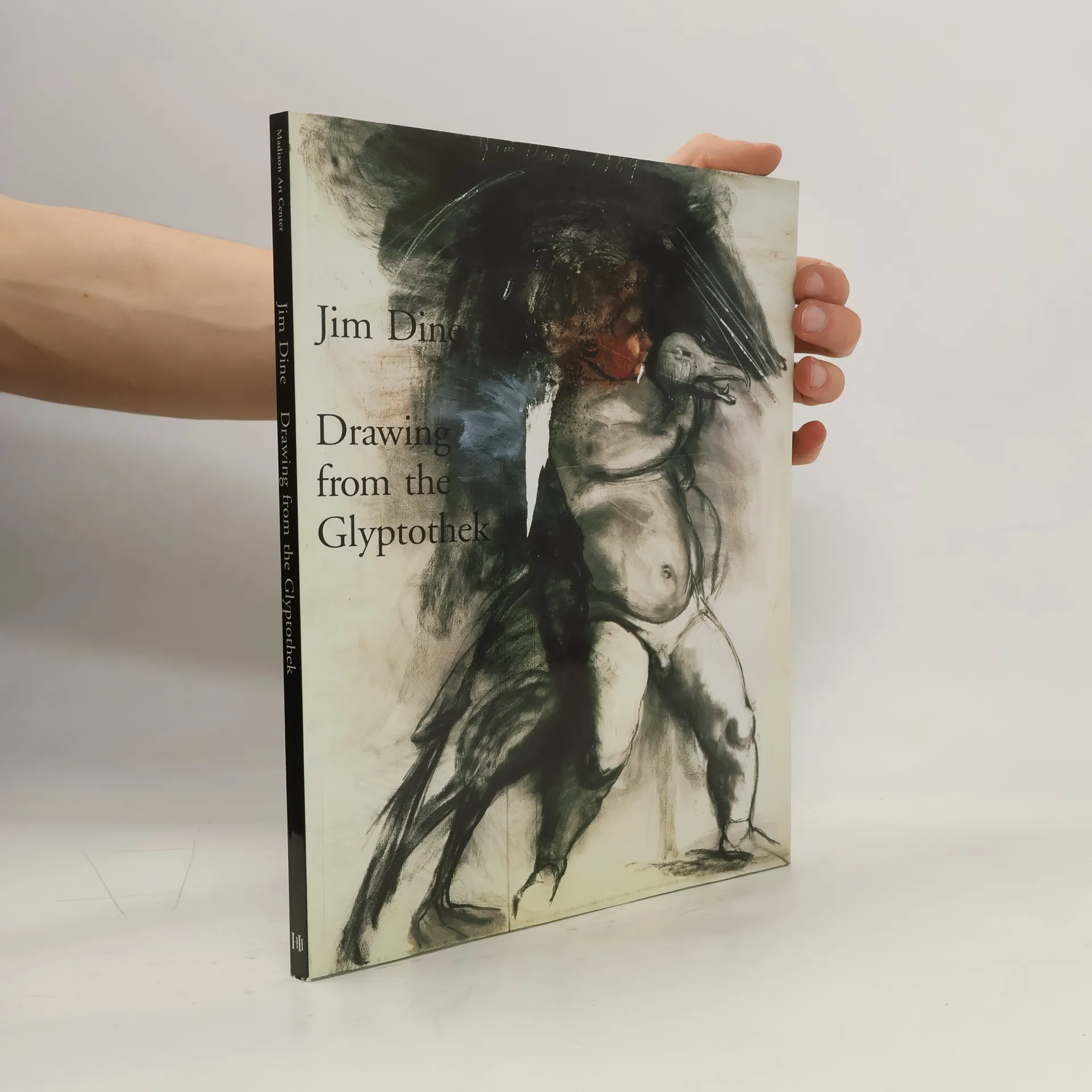
On visiting the Glyptothek in Munich in 1984, Jim Dine was inspired to create a book of prints that would be his own Glyptothek. In the winters of 1987 and 1988 in Venice, Dine began realising this wish, making forty drawings in preparation for the prints. The Glyptotek Drawings shows the drawings in their entirety – rigorous creations on translucent paper that incorporate media such as charcoal, ink and pastel. This book presents an eloquent, stand-alone suite of drawings in Dine’s oeuvre and evidences his ongoing engagement with antique art. Born in 1935 in Cincinnati, Ohio, Jim Dine is a prolific painter, draughtsman, print-maker and photographer. Initially associated with the Pop movement, Dine’s career spans over forty years and his work is held in numerous private and public collections. His books with Steidl include Birds (2001), The Photographs, so far (2003) and Hot Dream (52 Books) (2008).
Night Fields, Day Fields is a survey of Jim Dine’s sculpture from 1959 to 2009. Dine is commonly seen as a prolific painter, printmaker and photographer whose central practice is drawing, but this book shows that sculpture is just as important in his oeuvre. Here we discover Dine’s favourite and reoccurring motifs: hearts, tools, skulls, and Pinocchio, as well as Classical sculpture in the form of Venus de Milo and Winged Victory. Dine’s media are as diverse as his themes and include bronze, wood, glass and found objects. His styles are similarly manifold, testament to an artist who has shrugged off the trappings of Pop Art to develop an eclectic body of styles that is unique and authoritative in contemporary art. Born in 1935 in Cincinnati, Ohio, Jim Dine completed a Bachelor of Fine Arts at the University of Ohio in 1957, and has since become one of the most profound and prolific contemporary artists. Dine’s unparalleled career spans fifty years and his work is held in numerous private and public collections. His books at Steidl include Birds (2001), The Photographs, so far (2003), and Hot Dream (52 Books) (2008).
Jim Dine began as one of the first-generation Pop artists in the 1960s, and went on to become widely admired in the 1970s for his prodigious drawing and printmaking activities. For the last several years he has developed and worked with a particular fascination for Carlo Collodi's popular tale of a wooden boy who becomes real, and who has served as a sort of muse for Dine, the inspiration for numerous drawings, photographs, paintings, artist's books and sculptures. "When I was six years old my mother took me to see the Disney Pinocchio film," Dine "it has haunted my heart forever! Geppetto and the author, Carlo Collodi, gave the boy the chance to come to consciousness and therefore join us in this Vale of Tears. His poor burned feet, his misguided judgment, his constant lying, his temporary donkey ears... It all adds up to make the sum of him." This volume, Steidl's third volume to stem from Dine's Pinocchio series, features works that exploit and improvise on the allegory, satire and wit of this classic tale.
Discusses about the author's friendship and working relationship with Aldo
Crommelynck, the printer of Matisse and Picasso. This work charts the extent
to which his experience of working with a man who was not only a great
printer, but also a skilled draughtsman, an aesthete, dandy and bon viveur.
In 2005, the influential American artist Jim Dine had the idea to make a book a week for one year. Two years later, using collage, painting, drawing and correction as his methods, coupled with his own writing and untouched photographs, he redefined everything--his life and his art--in the 53 volumes gathered in this custom-cut wooden beam "boxed" limited edition. These books are documents of an artistic consciousness, of an intense biography, of personal likes and dislikes, of formal richness and of exploding craftsmanship. The unrestrained product of an exceptional imagination, they invent the context for a new melody for the art of Jim Dine, a space for all the major byways of this seemingly inexhaustible creativity which so ably combines dream and reality.
In 2007 the Getty Museum in Los Angeles, California asked Jim Dine to make a work in response to a part of their antiquities collection at the "Villa." Dine carved three large scale wood sculputes, painting them with very bright colors in the ancient Hellenistic way, and surrounded them with a long poem attached to the wall. The entire process was documented for this book with photographs by Diana Michener, Gerhard Steidl and Jim Dine.
"The winter in L.A. that year was kind of a 'grey July.' Diana and I lived at 234 Entrada Drive in January and February of 2001. These photographs are a memoir of what our eyes saw in our garden and when we walked to the Pacific Ocean. We also rode] into the Santa Monica Mountains on our bicycles, crossing Sunset Boulevard just where it goes into Pacific Palisades. We did this every day, winding our way through more L.A. suburbia till we reached the fire trail into the mountains (where wilder animals than us live). We hardly ever saw a neighbor to make up stories about. Our landlady was called Denise de Graf. She was ever vigilant about our comings and goings. I also think we lived just to the north of the late Christopher Isherwood's house but maybe I dreamt that. That winter all we thought about was our work and getting back to Paris."
This book of 85 drawings by Jim Dine illustrates the range and mastery of the artist's draftsmanship over more than four decades. The variety and breadth of the selection shows the intense way Dine observes the world around him and the excitement with which he records it on paper. Dine has said that his ability to draw is both a privilege and the result of hard physical training, compelling him to move inexorably forward to capture the next idea or the next psychological insight in drawings that are extraordinarily human. The selection includes early tool pencil drawings and collages, as well as powerful portrait and figure studies in a variety of media. Also included are large painterly pastels executed with a bravura that places them somewhere between painting and drawing. Dine sees his paintings and drawings as essentially conceived and developed in the same way--requiring the same amount of time, emotion and physicality of medium. The only difference, in the end, is that the drawings are on paper.
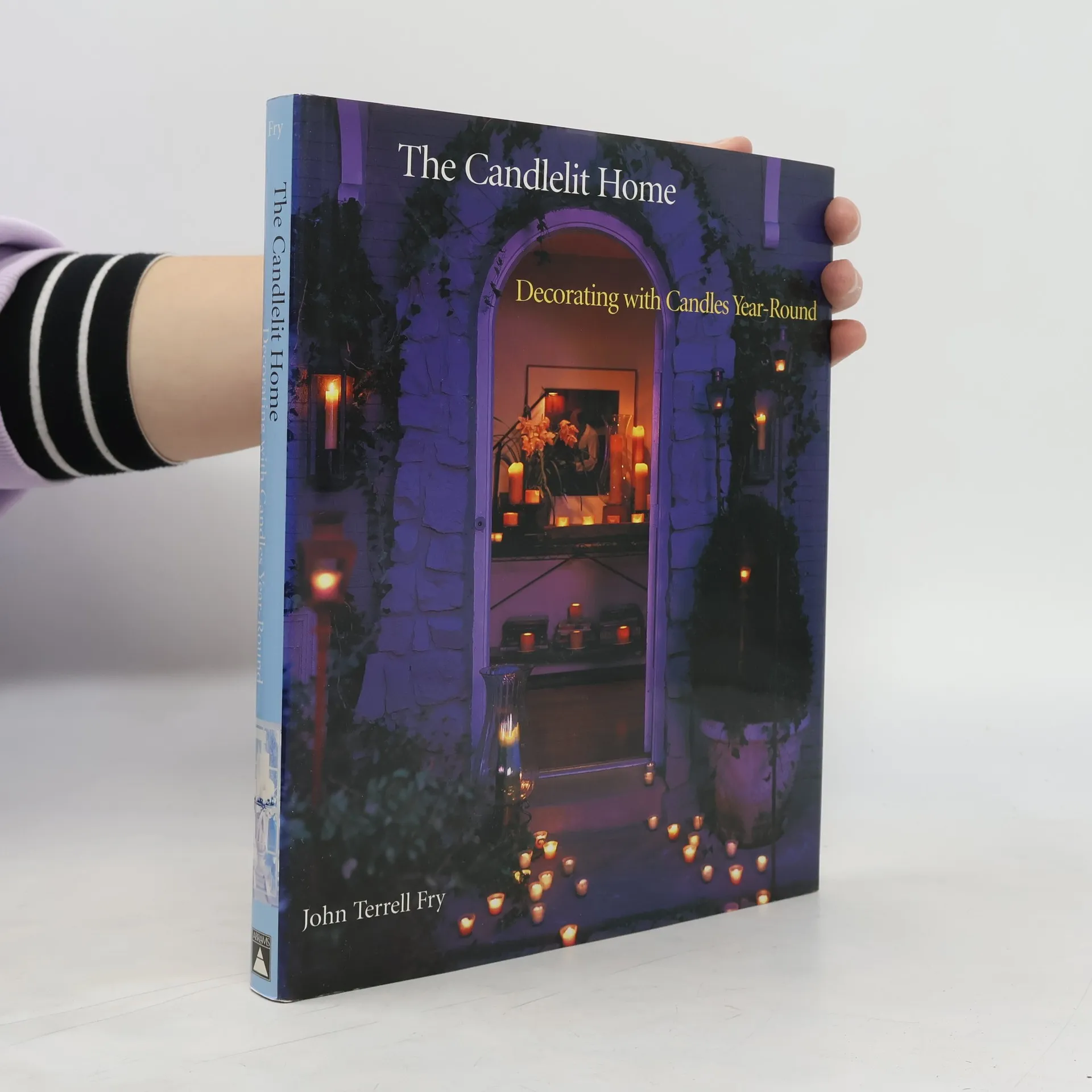
Celebrating the candle as a home decorating item, the authors present more than a hundred well-illustrated ideas and settings designed to help readers choose and place candles for maximum effect.
„Hallo, ich heiße Jimmy“, sagte eine Krähe zum kleinen Jim Dine in seiner Einleitung, „aber dies erschreckte mich, und zugleich ... verstand ich.“ Die Begegnung mit dem Vogel nahm der Junge in einer Mischung aus Angst, Faszination und tiefer Einsicht in sein Unbewußtes wahr. nnDer Künstler übersetzte die Erinnerung daran in eine Serie faszinierender Schwarzweiß-Fotografien. Sind sie symbolisch, tiefgründig, mystisch oder einfach Fotos von geliebten Tieren? Ein gewöhnlicher Vogel erscheint dem Betrachter als mythologische Figur, als mittelalterlicher Hofnarr oder als seltsamer Bote einer verborgenen Welt. Jim Dine spricht zu den Vögeln, und sie antworten ihm, denn sie sind ihm freundschaftlich verbunden.