

Het Franciscus Komplot
- 356bladzijden
- 13 uur lezen
Twee wezens, door genetische manipulatie in een laboratorium gekweekt, zijn, na hun ontsnapping, de directe aanleiding tot uiterst onverkwikkelijke zaken.
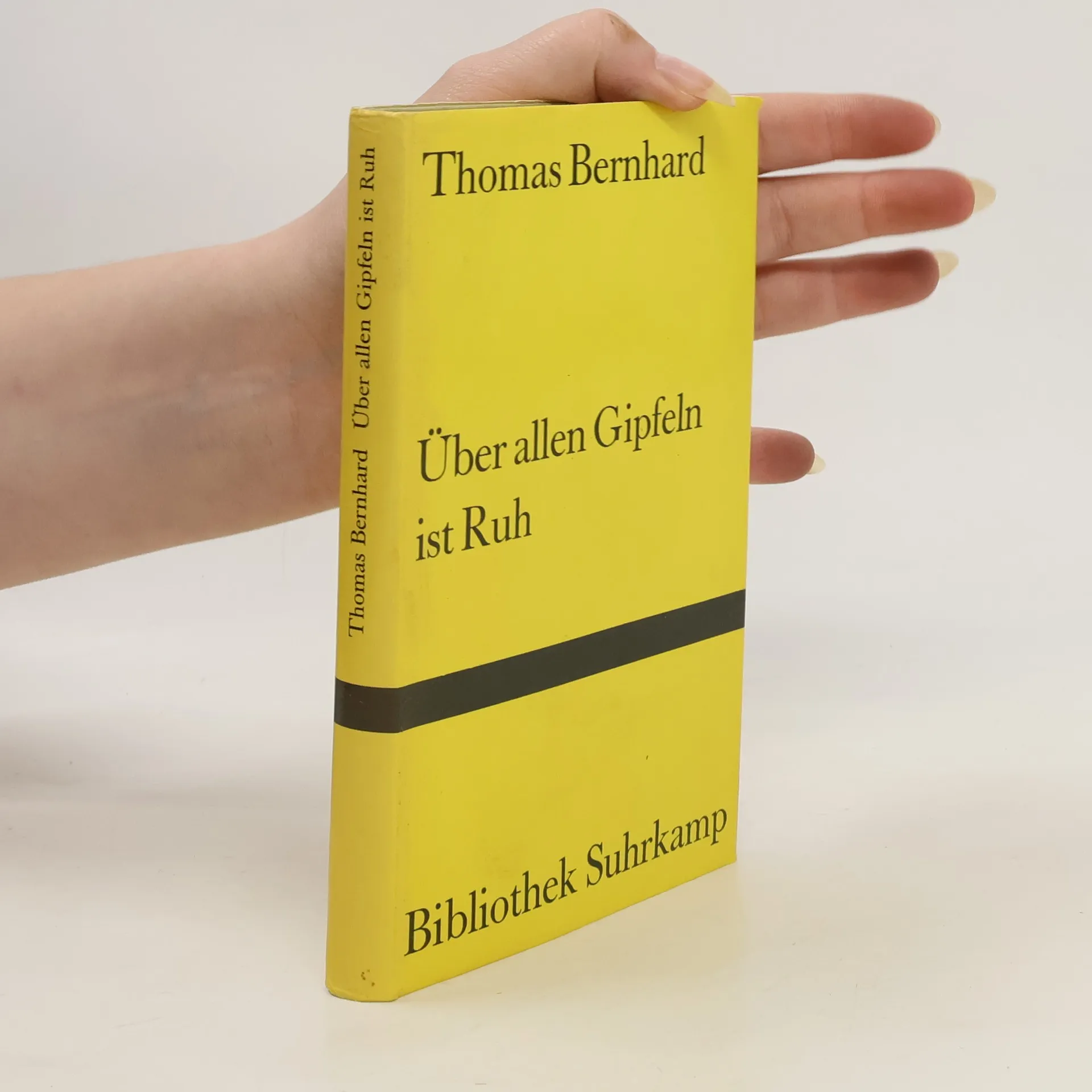
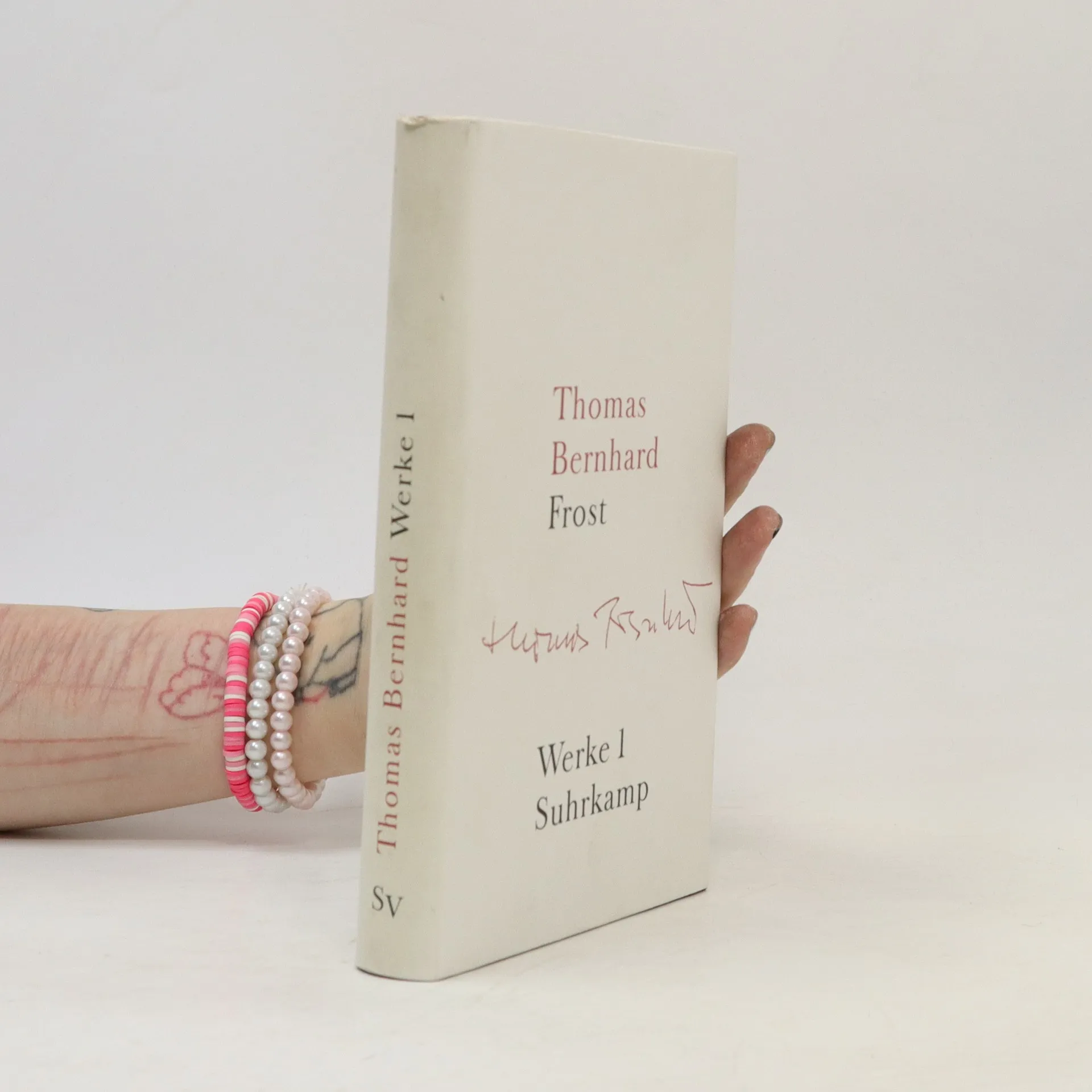
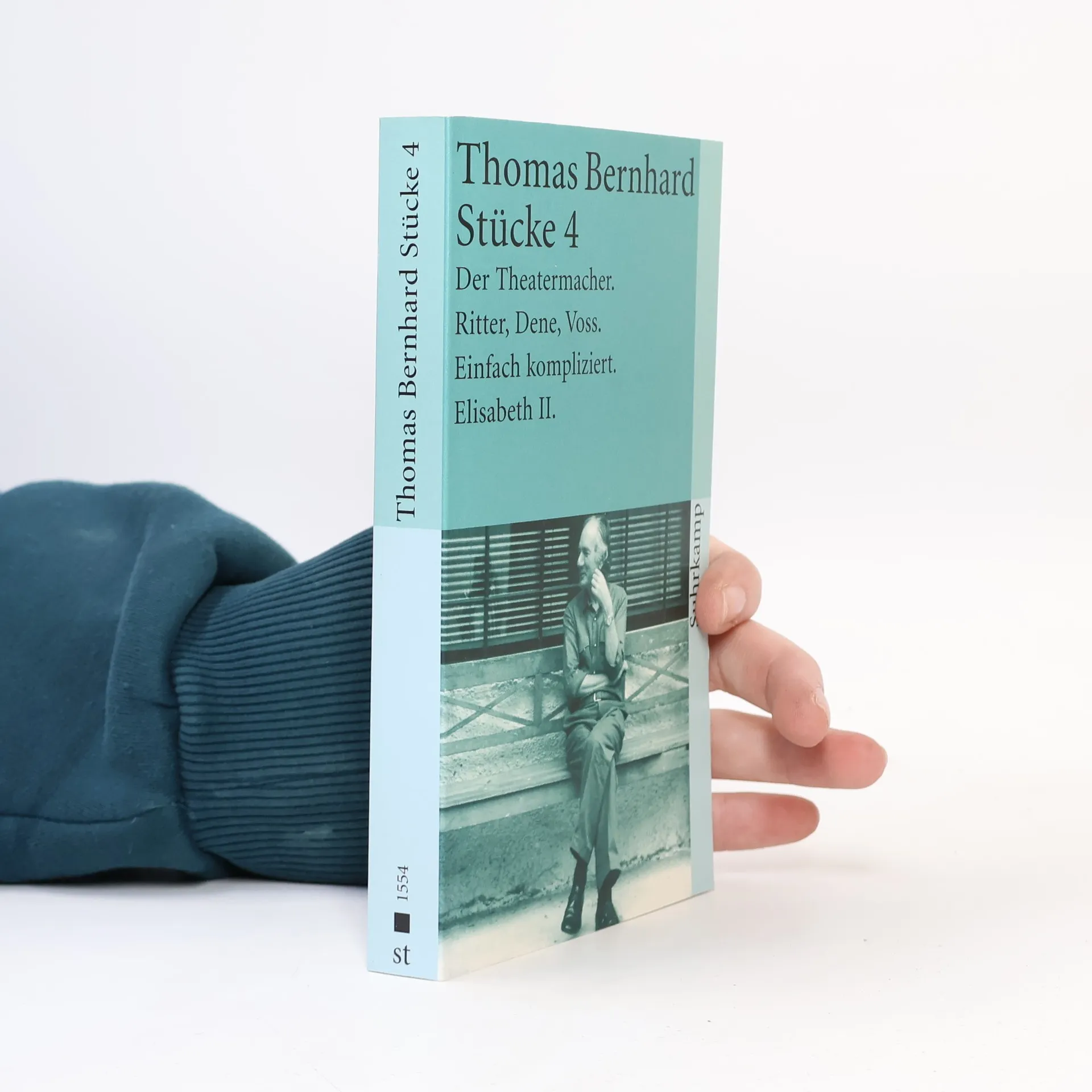
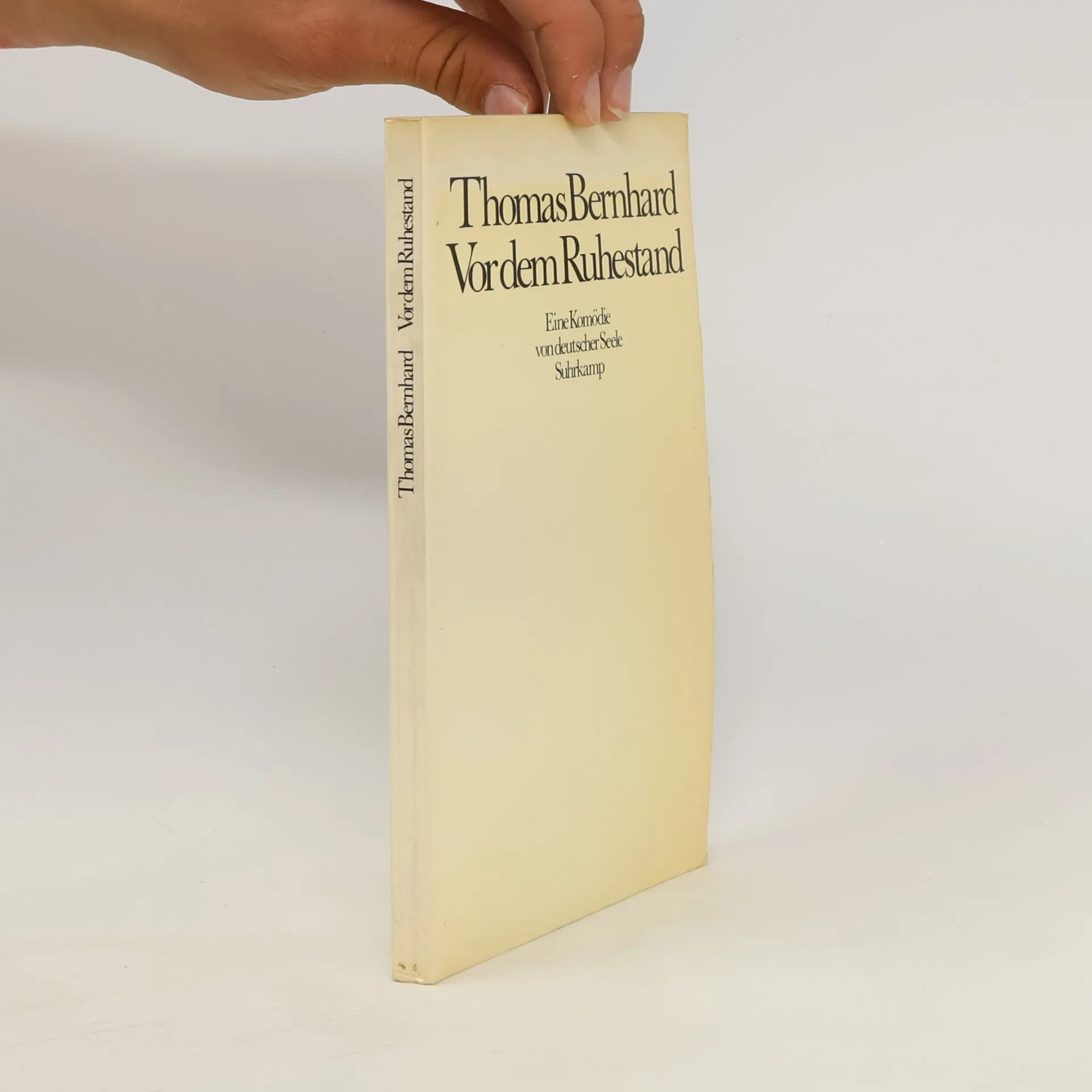
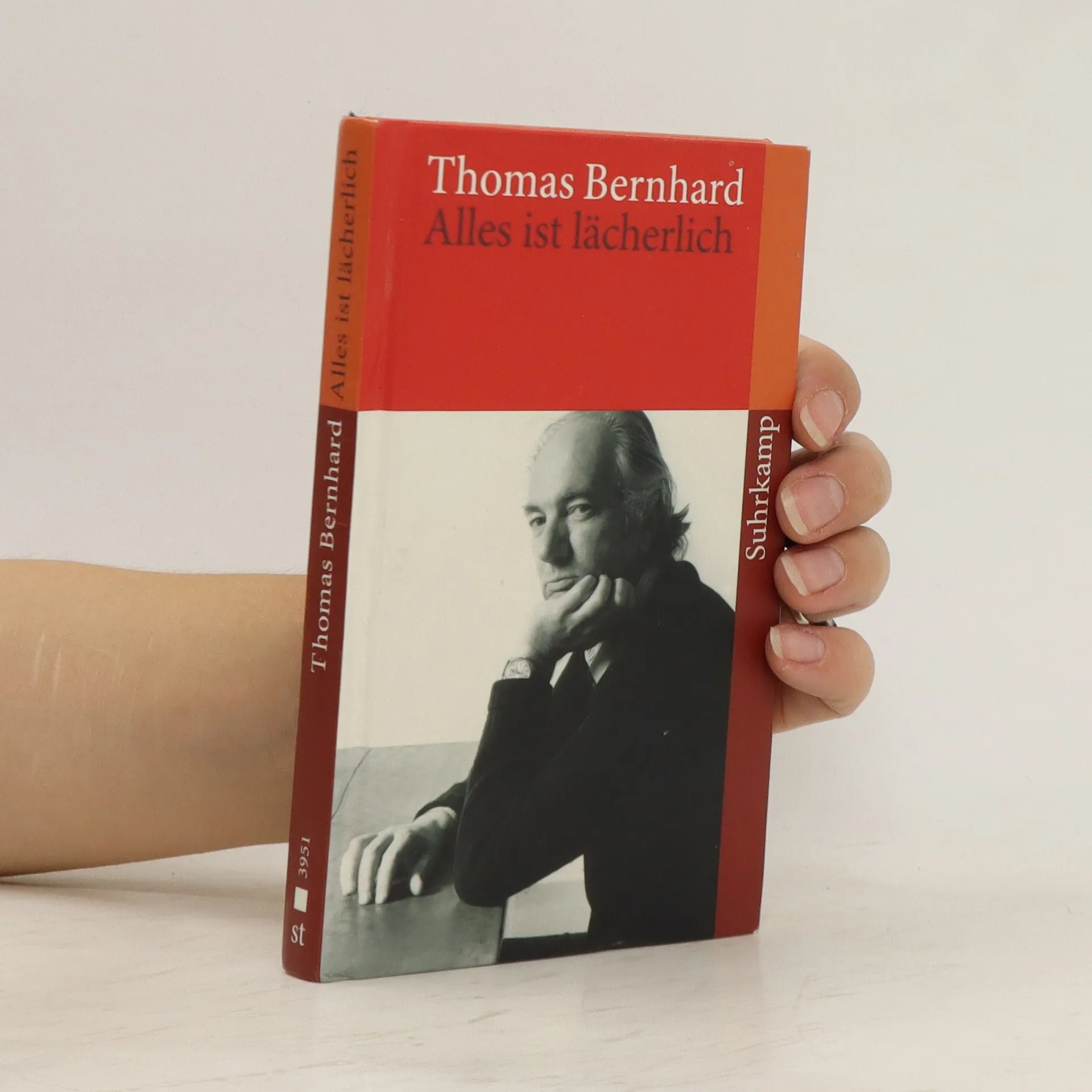
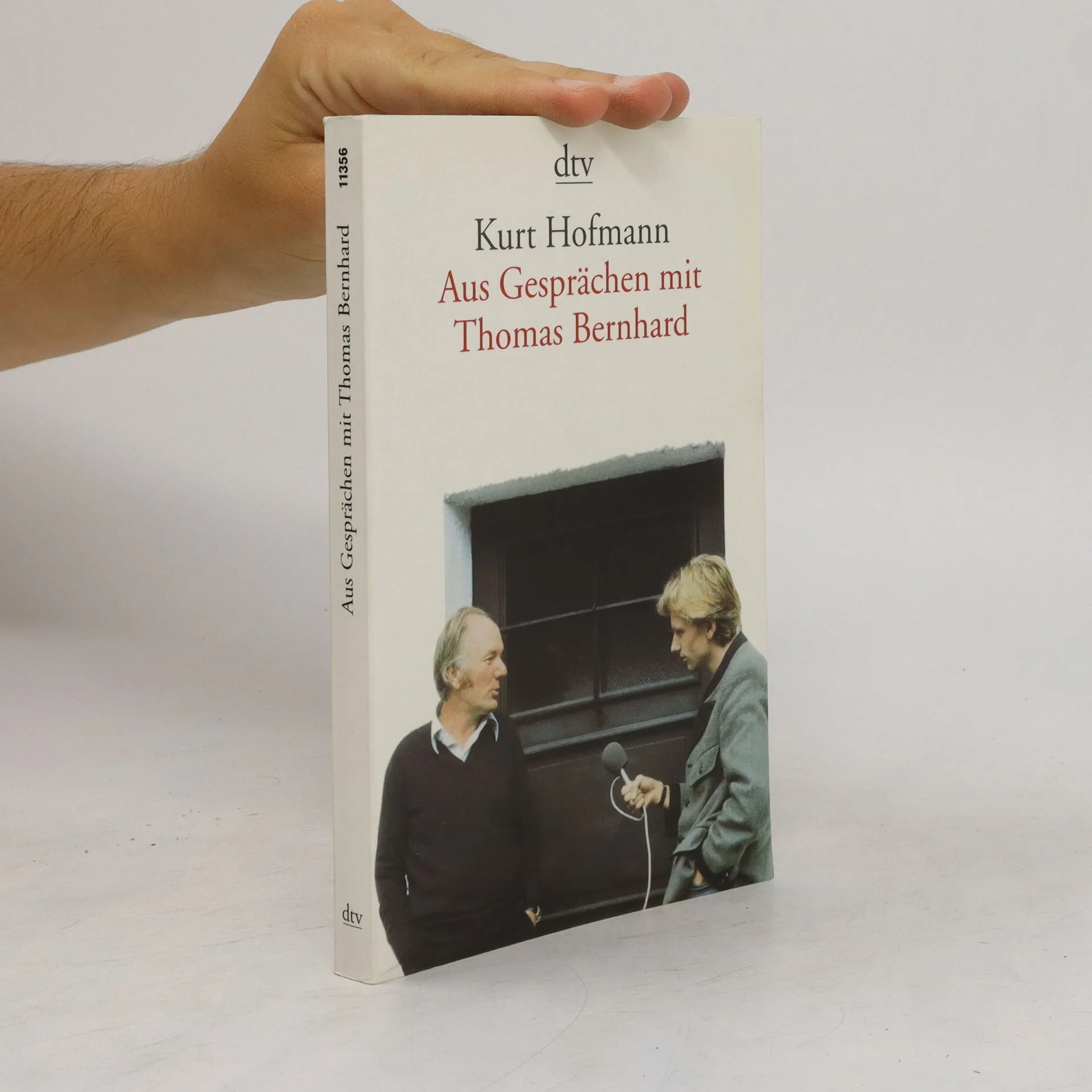
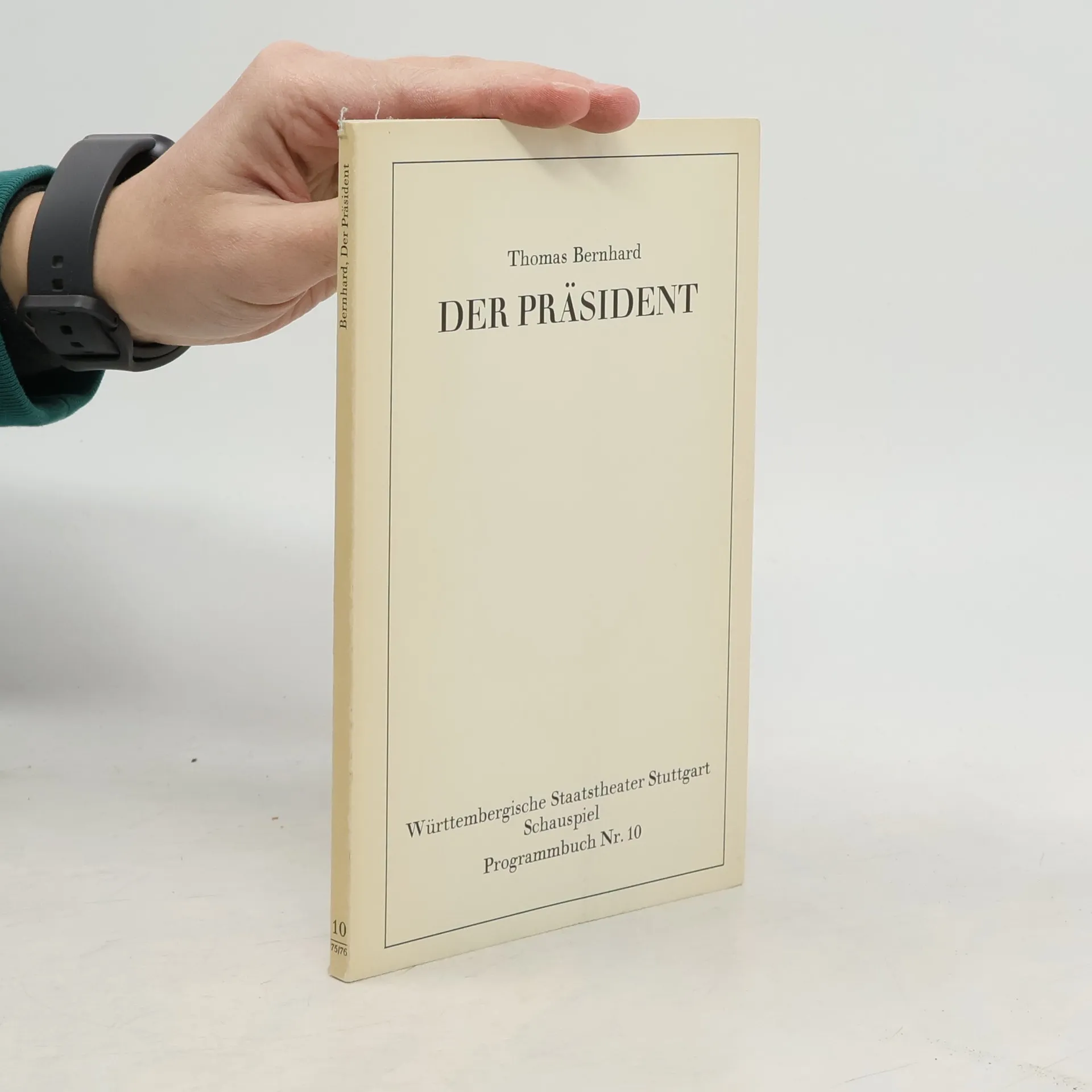
Thomas Bernhard, een Oostenrijkse auteur, behoort tot de meest vooraanstaande Duitstalige schrijvers van de tweede helft van de 20e eeuw. Hoewel hij internationaal het meest wordt geprezen om zijn romans, was hij ook een productief toneelschrijver. Zijn personages, vaak verdiept in levenslange en eindeloze grote werken, worstelen met thema's als zelfmoord, waanzin en obsessie, en delen, net als Bernhard zelf, een haat-liefdeverhouding met Oostenrijk. Zijn proza is zowel tumultueus als nuchter, filosofisch van aard met een muzikale cadans en veel zwarte humor, en biedt lezers een intense en provocerende literaire ervaring.


Twee wezens, door genetische manipulatie in een laboratorium gekweekt, zijn, na hun ontsnapping, de directe aanleiding tot uiterst onverkwikkelijke zaken.
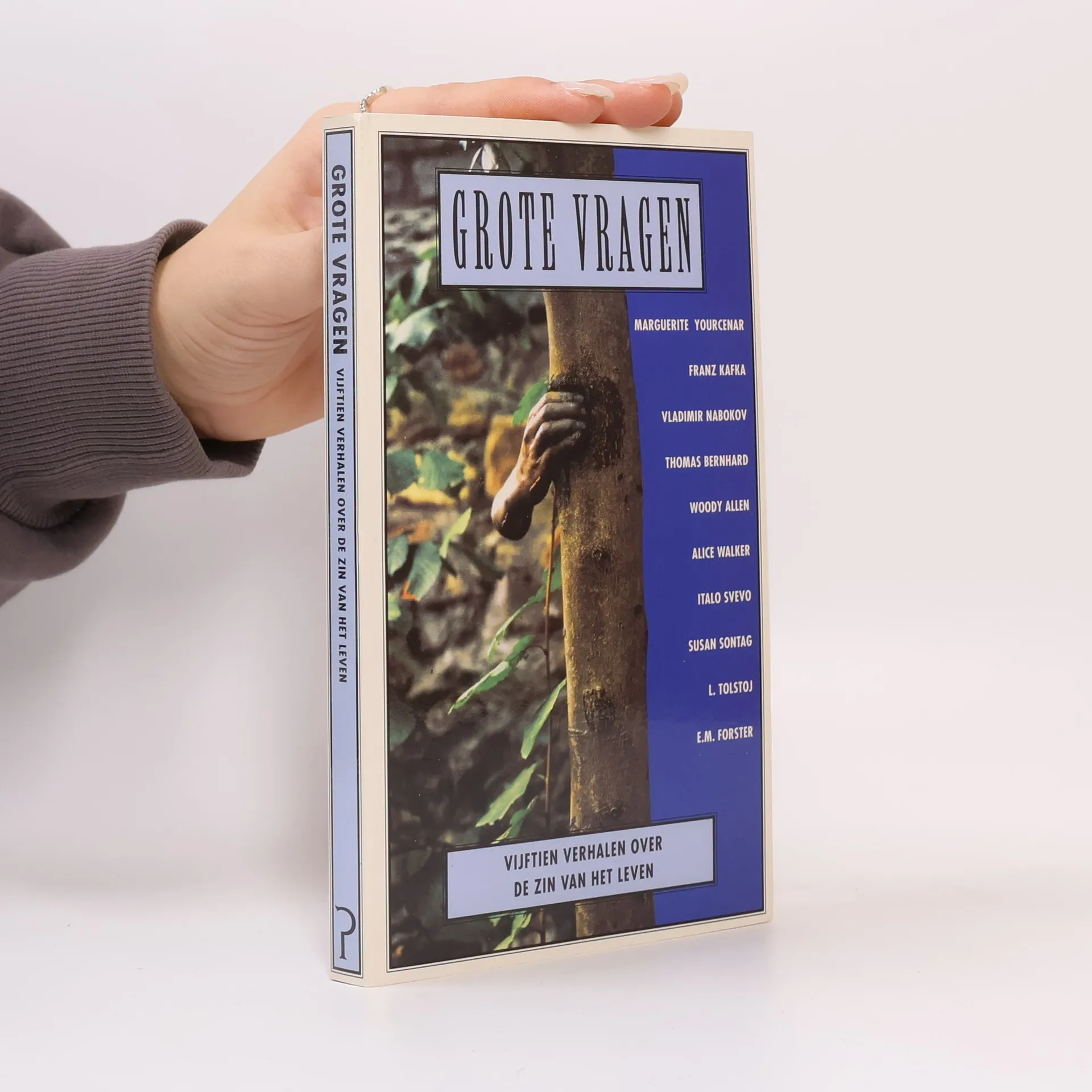
Verhalen uit de wereldliteratuur over levensbeschouwelijke thema's.
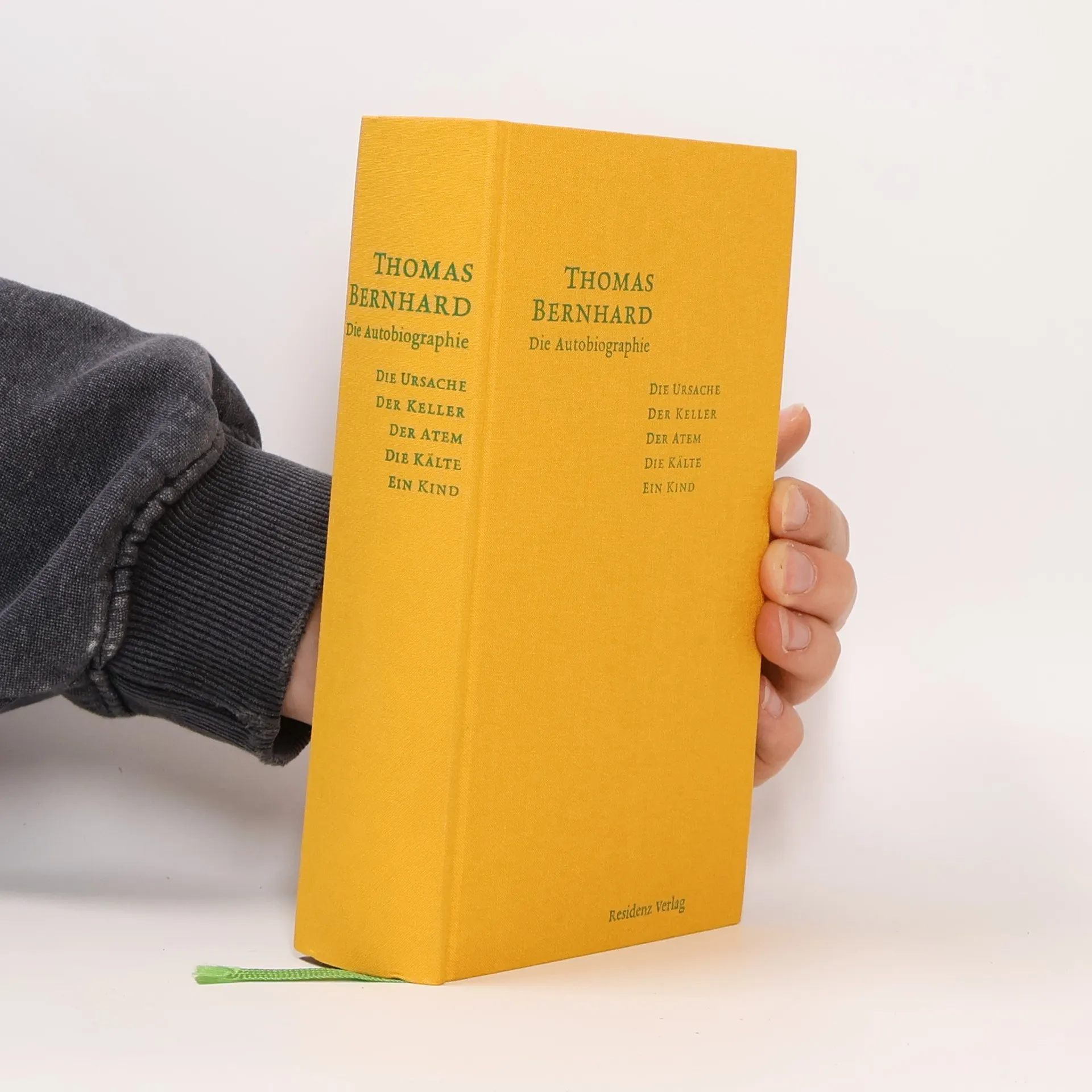
From the age of 21, everything he wrote was shaped by the urgency of a dying man's testament - his witness, the quintessence of his life and knowledge - and where this account of his life ends, his art begins. schovat popis
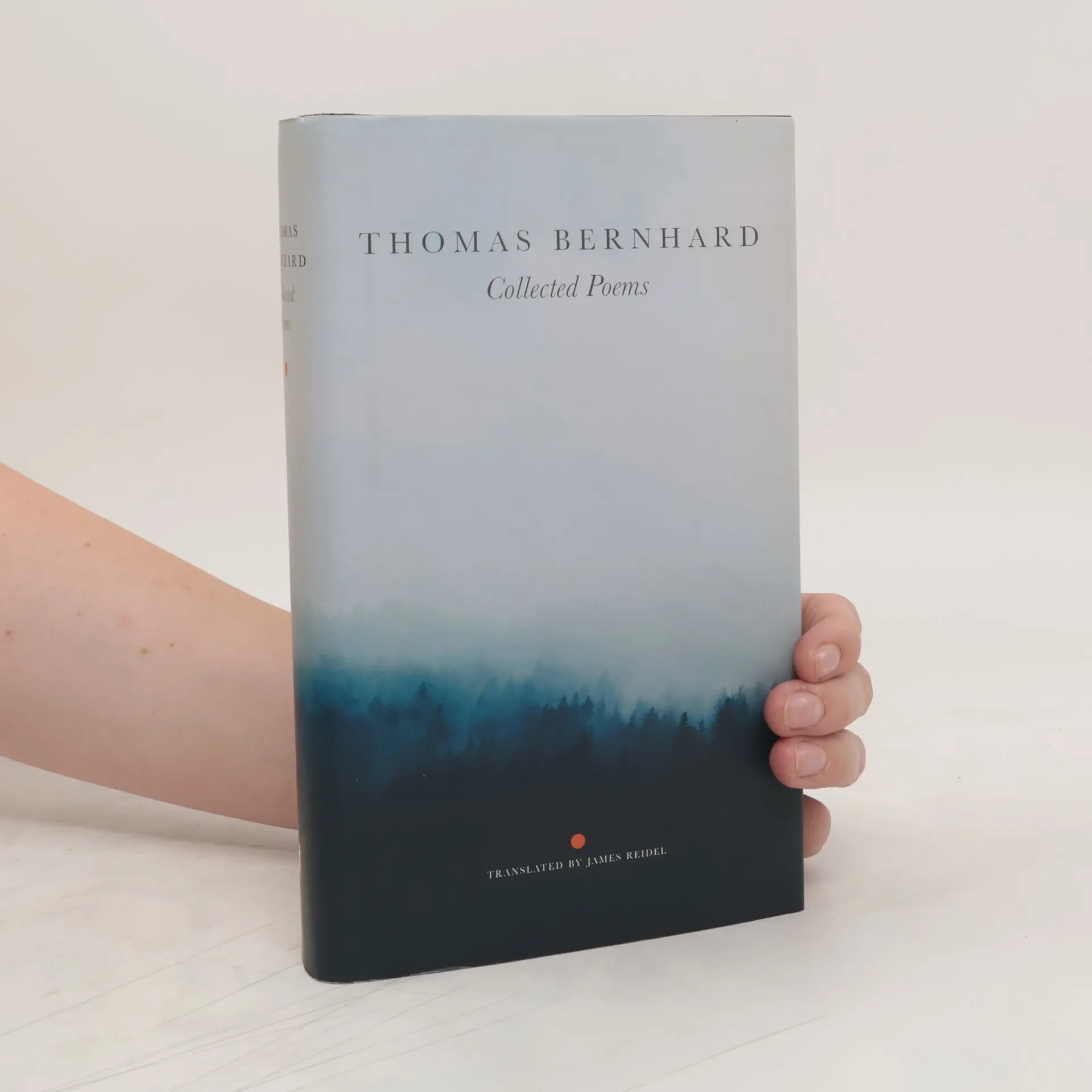
Beloved Austrian writer Thomas Bernhard (1931-89) began his career in the early 1950s as a poet. Over the next decade, Bernhard wrote thousands of poems and published four volumes of intensely wrought and increasingly personal verse, with such titles as On Earth and in Hell, In Hora Mortis, and Under the Iron of the Moon. Bernhard's early poetry, bearing the influence of Georg Trakl, begins with a deep connection to his Austrian homeland. As his poems saw publication and recognition, Bernhard seemed always on the verge of joining the ranks of Ingeborg Bachmann, Paul Celan, and other young post-war poets writing in German. During this time, however, his poems became increasingly obsessive, filled with an undulant self-pity, counterpointed by a defamatory, bardic voice utterly estranged from his country, all of which resulted in a magisterial work of anti-poetry--one that represents Bernhard's own harrowing experience, with the leitmotif of success-failure, that makes his fiction such a pleasure. For all of these reasons, Bernhard's Collected Poems, translated into English for the first time by James Reidel, is a key to understanding the irascible black comedy found in virtually all of Bernhard's writings--even down to his last will and testament. There is much to be found in these pages for Bernhard fans of every stripe.
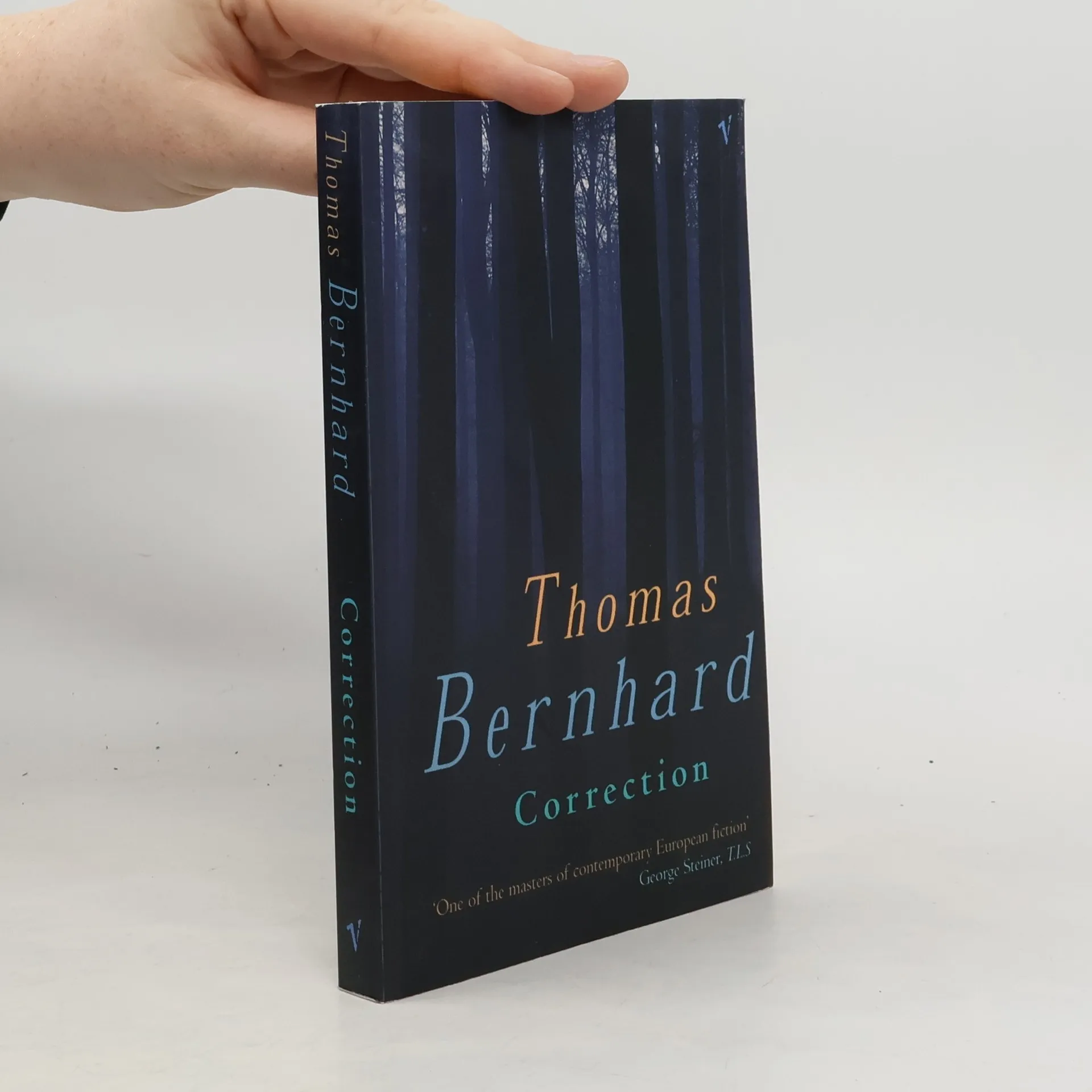
Roithamer, a character based on Wittgenstein, has committed suicide having been driven to madness by his own frightening powers of pure thought. We witness the gradual breakdown of a genius ceaselessly compelled to correct and refine his perceptions until the only logical conclusion is the negation of his own soul. schovat popis
'Extinction features, without doubt, the funniest passage in the whole of literature. The dreadful becomes hilarious, joyful - and it makes one thirst for more of the similar.' - Geoff Dyer Franz-Josef Murau is the intellectual black sheep of a powerful Austrian land-owning family. He now lives in Rome in self-imposed exile, surrounded by a coterie of artistic and intellectual friends. On returning from his sister's wedding on the family estate of Wolfsegg, having resolved never to go home again, Murau receives a telegram informing him of the death of his parents and brother in a car crash. Not only must he now go back, he must do so as the master of Wolfsegg: and he must decide its fate. The summit of Thomas Bernhard's artistic genius - mesmerising, addictive, explosively tragicomic - Extinction is a landmark of post-war literature.
'Probably nothing exists that would prepare one for Bernhard's machined vehemence, though once you've read one, you perhaps start to crave the bitter taste and the savage not-quite-humour ... Genius.' - Michael Hofmann Instead of the book he is meant to write, Rudolph, a Viennese musicologist, produces this dark and grotesquely funny account of small woes writ large, of profound horrors detailed and rehearsed to the point of distraction. We learn of Rudolph's sister, whose help he invites then reviles; his 'really marvellous' house which he hates; the suspicious illness he carefully nurses; his ten-year-long attempt to write the perfect opening sentence; and his escape to the island of Majorca, which turns out to be the site of someone else's very real horror story, and ultimately brings him no release from himself. Concrete is Thomas Bernhard at his very finest: a bleakly hilarious insight into procrastination and failure that scratches the murky depths of our souls.
Old Masters (1985) is Thomas Bernhard's devilishly funny story about the friendship between two old men. For over thirty years Reger, a music critic, has sat on the same bench in front of a Tintoretto painting in a Viennese museum, thinking and railing against contemporary society, his fellow men, artists, the weather, even the state of public lavatories. His friend Atzbacher has been summoned to meet him, and through his eyes we learn more about Reger - the tragic death of his wife, his thoughts of suicide and, eventually, the true purpose of their appointment. At once pessimistic and exuberant, rancorous and hilarious, Old Masters is a richly satirical portrait of culture, genius, nationhood, class, the value of art and the pretensions of humanity.
How to Live is a health bible for life. Whether you are in your 20s or 70s, it will help you to empower your body against ageing and degenerative disease and live at maximum strength.
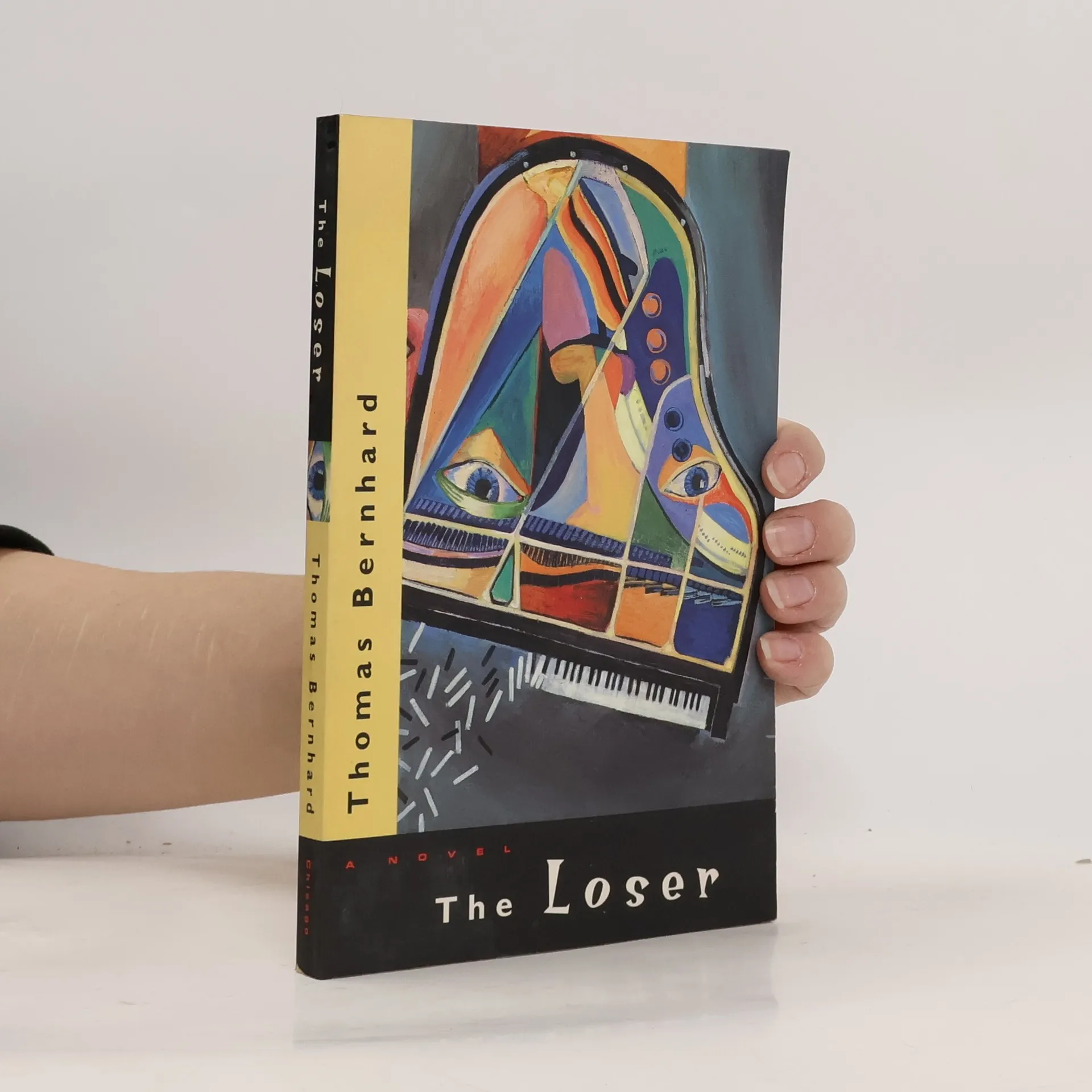
Thomas Bernhard was one of the most original writers of the twentieth century. His formal innovation ranks with Beckett and Kafka, his outrageously cantankerous voice recalls Dostoevsky, but his gift for lacerating, lyrical, provocative prose is incomparably his own.One of Bernhard's most acclaimed novels, The Loser centers on a fictional relationship between piano virtuoso Glenn Gould and two of his fellow students who feel compelled to renounce their musical ambitions in the face of Gould's incomparable genius. One commits suicide, while the other—the obsessive, witty, and self-mocking narrator—has retreated into obscurity. Written as a monologue in one remarkable unbroken paragraph, The Loser is a brilliant meditation on success, failure, genius, and fame.