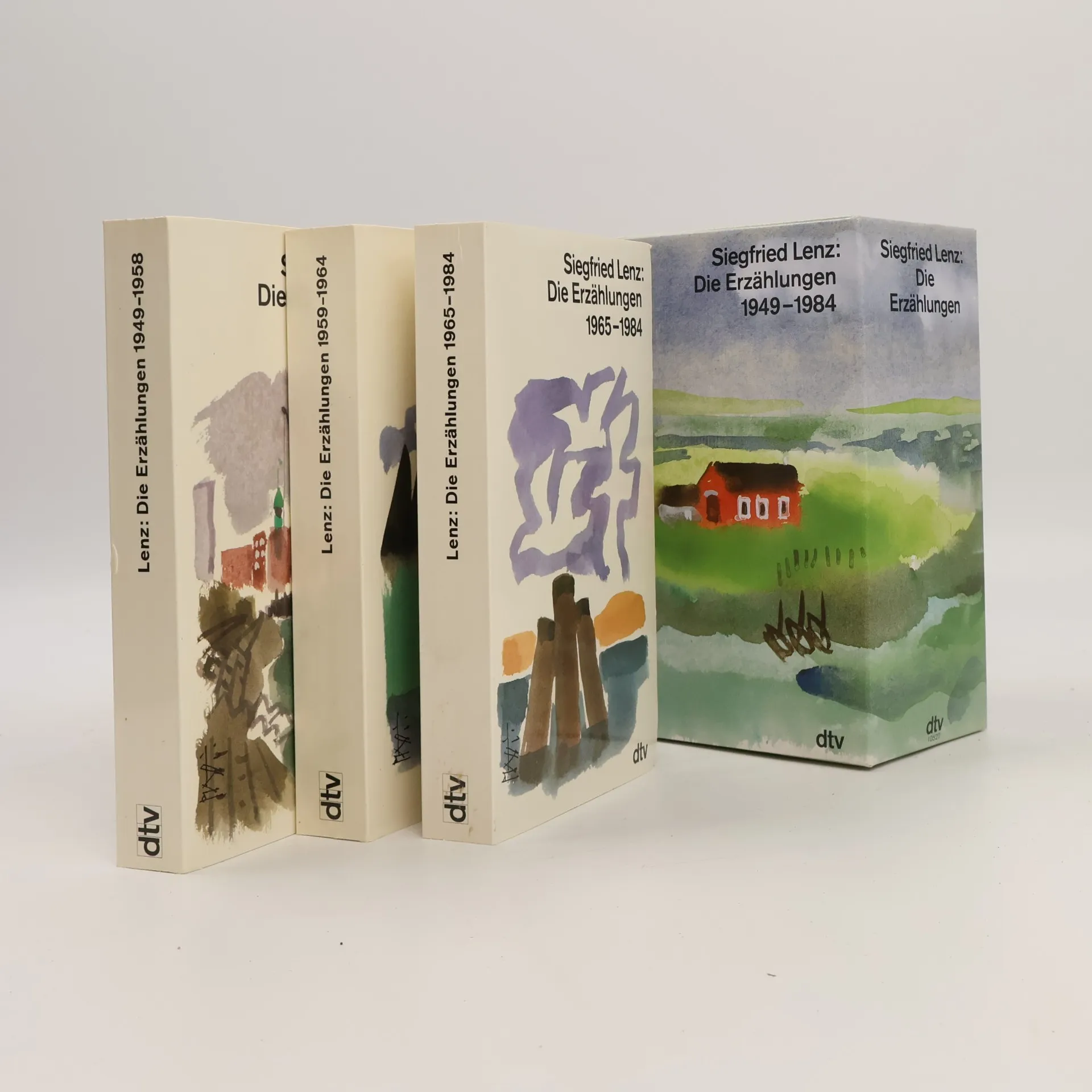

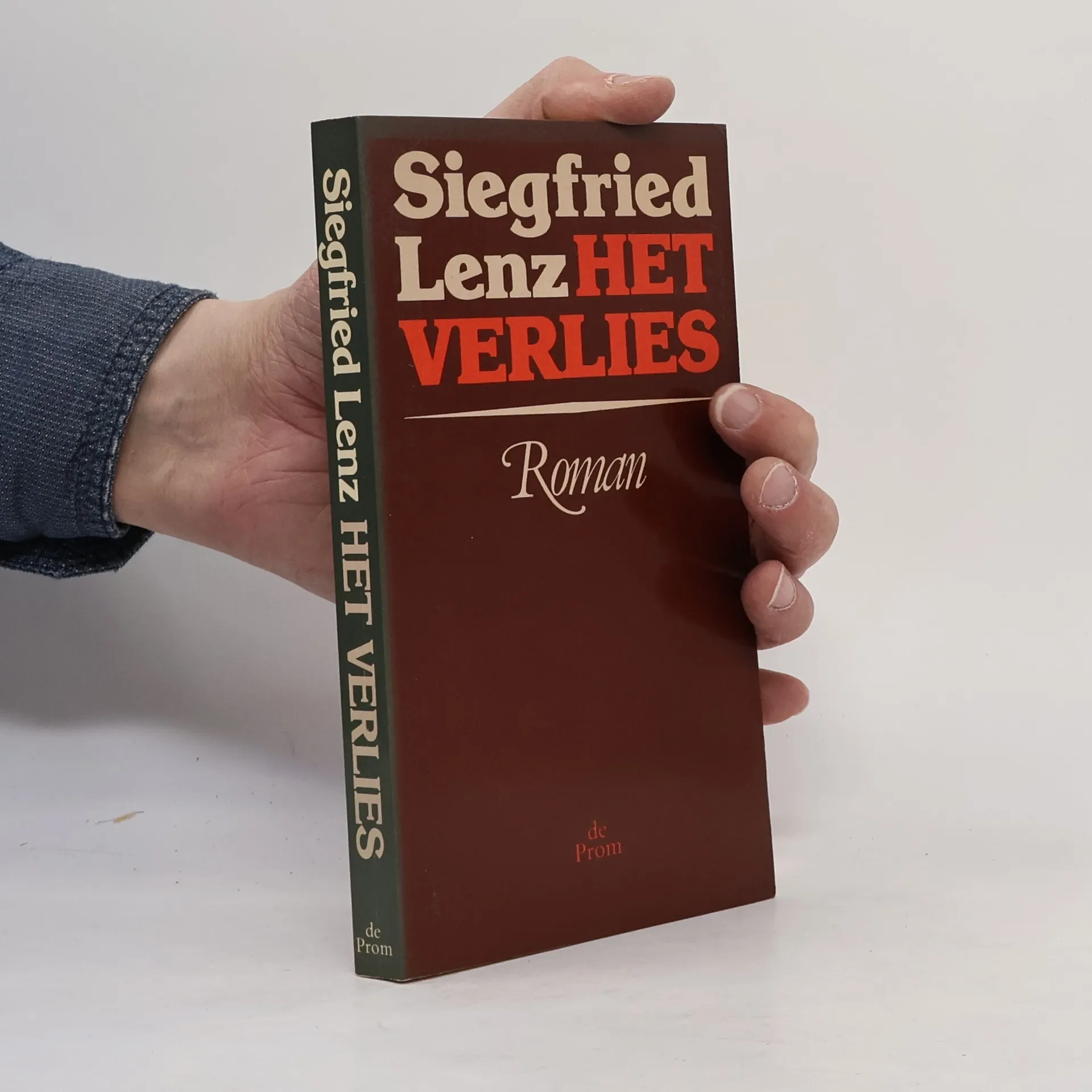


Siegfried Lenz's literaire verkenningen duiken in diepgaande thema's als schuld, verantwoordelijkheid en maatschappelijke aanpassing. Zijn proza wordt gekenmerkt door een realistische stijl en diep psychologisch inzicht in personages die complexe morele dilemma's navigeren. Lenz onderzoekt nauwgezet de ingewikkelde relaties tussen het individu en het collectief, waarbij hij het cruciale belang van menselijke solidariteit en mededogen benadrukt. Zijn schrijven biedt een indringend perspectief dat lezers dwingt na te denken over hun eigen plaats in de wereld.
‘Ons helpt geen enkele behandeling meer, zei Hoppe, wij kunnen onszelf alleen nog maar opnieuw laten maken, helemaal opnieuw. Wat wij missen is een nieuw begin.’ Als Harry Hoppe op oudejaarsavond zijn schip mist, gaat hij niet naar huis, maar de kroeg in. Thuis wacht hem alleen zijn in haar huwelijk teleurgestelde vrouw Anna, in de kroeg is Paula, die hem voorziet van een kom soep en een glas jenever. Daar bereikt hem later die nacht slecht nieuws, dat op deze nieuwjaarsmorgen vol nieuwe mogelijkheden een onverwacht goede kant blijkt te hebben.
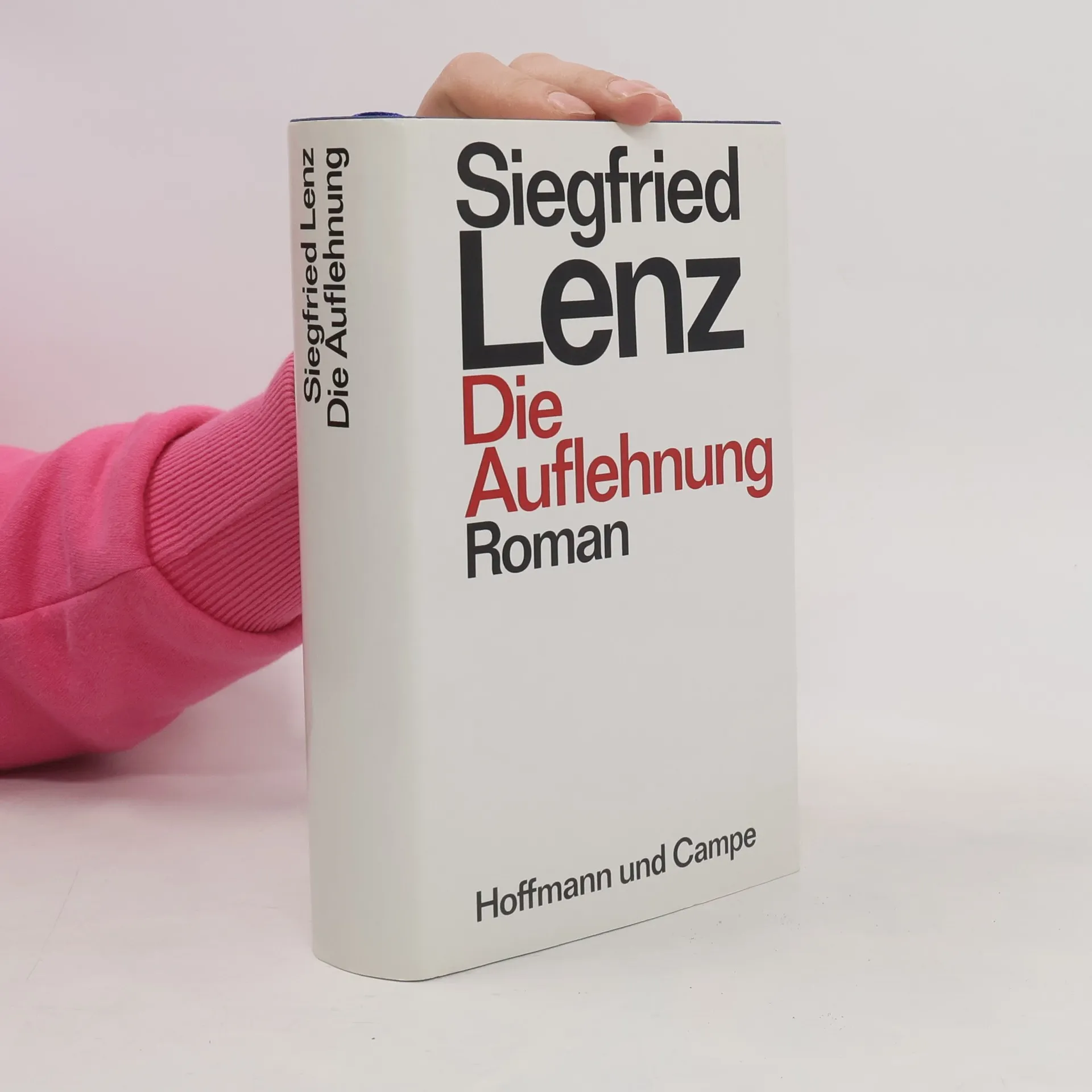
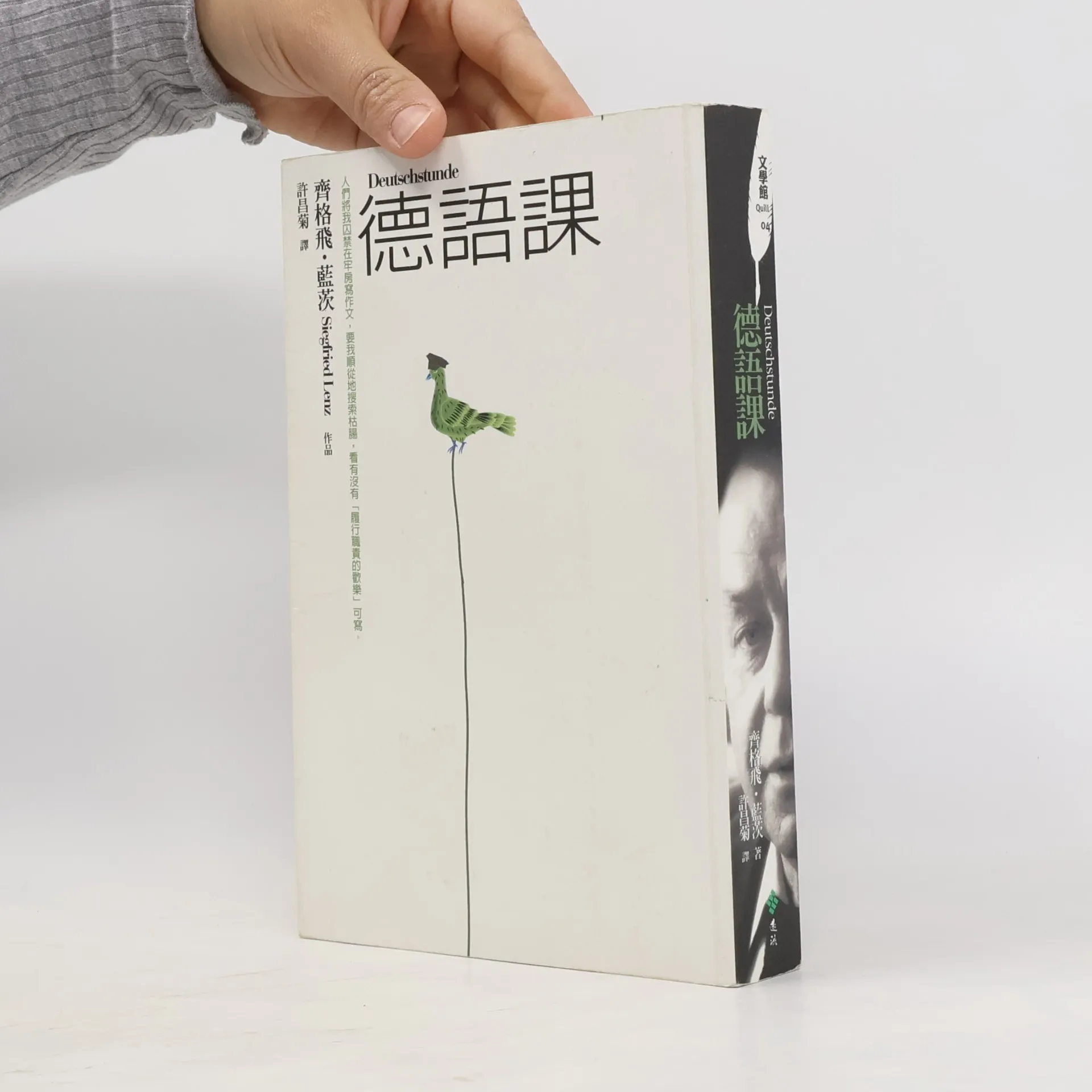
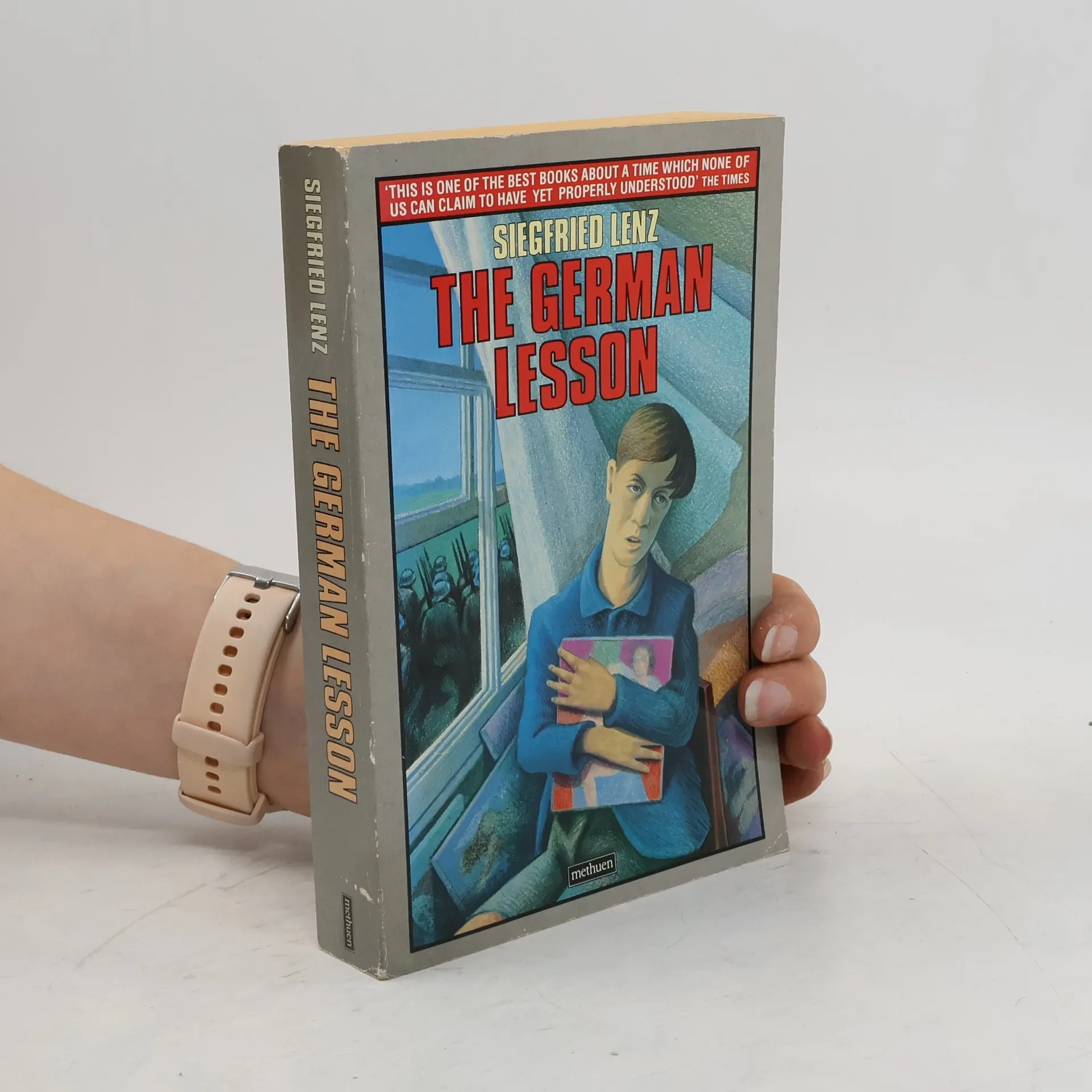
In this major work of post-World War II German fiction, the author explores the intersection of duty and personal loyalty through the eyes of Siggi Jepsen, a young boy caught between the oppressive Nazi regime and a creative artist. Siggi's father, a constable at a remote police station, is tasked with enforcing orders from Berlin to suppress the Expressionist artist next door, leading Siggi to secretly hide the artist's paintings. Set against the stark backdrop of the Danish borderland, the narrative delves into the complex dynamics of father-son relationships during wartime. The novel is noted for its avoidance of graphic violence, instead focusing on the moral dilemmas faced by individuals under totalitarian rule. Critics have praised its clarity, elegance, and the skillful organization of its themes. The portrayal of the bleak landscape and the nuanced conflict between duty and conscience is described as both mordantly witty and deeply thought-provoking. The work is recognized as a significant contribution to understanding the German experience during this tumultuous period, offering new insights into the era's madness and the human condition. The English translation is lauded for capturing the original's power and depth.
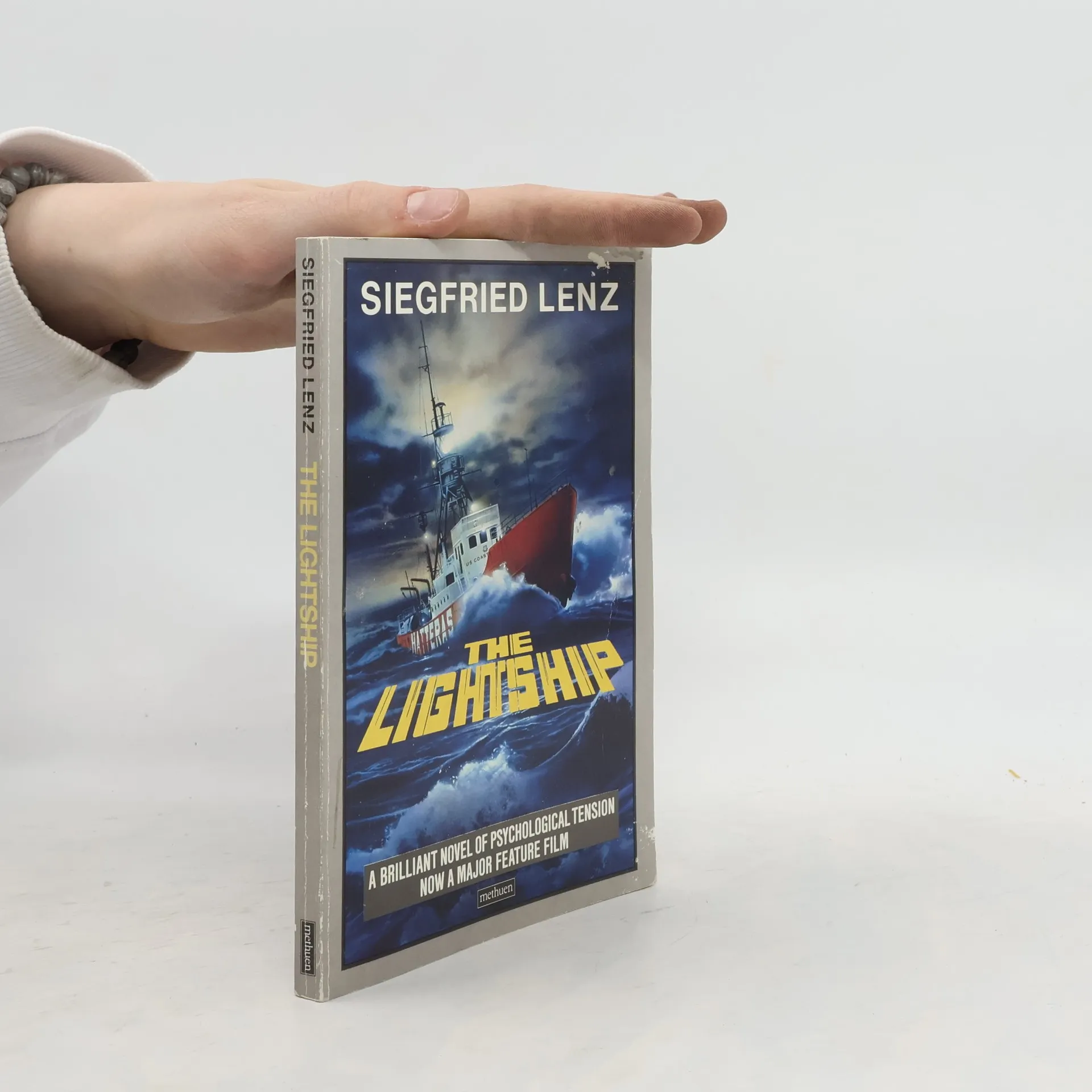
It is the last watch of the lightship that stands at anchor in the Baltic Sea, near the port of Kiel; it is nine years since the end of World War II and the mines she warned the shipping of have been removed. But on her last watch, her peace is interrupted: her captain, Freytag, takes in three men whose boat has broken down, and with them, their illegal cargo of guns. Held hostage on the ship by the three criminals, headed by the sinister Dr Caspary, the tensions between captain and crew become apparent. Freytag still hopes for a peaceful end to the watch; but his son, Fred, and his resourceful but outgunned crew cannot forget Freytags dishonour in the war. As a stalemate develops, Freytag finds he must make a final choice - one that must redeem him in the eyes of his men.

"Previously unpublished, this German postwar classic is one of the best books of this major writer, who died in 2014. The last summer before the end of World War II, Walter Proska is posted to a small unit tasked with ensuring the safety of a railway line deep in the forest on the border with Ukraine and Byelorussia. In this swampy region, a handful of men--stunned by the heat, attacked by mosquitoes, and abandoned by their own troops in the face of the resistance--must also submit to the increasingly absurd and inhuman orders of their superior. Time passes, and the soldiers isolate themselves, haunted by madness and the desire for death. An encounter with a young Polish partisan, Wanda, makes Proska further doubt the validity of his oath of allegiance, and he seeks to answer the questions that obsess him: When conscience and duty clash, which is more important? Is it possible to take any action without becoming guilty in some way? And where is Wanda, this woman from the resistance he can't forget? Written in 1951, The Turncoat is Siegfried Lenz's second novel. Rejected by his publisher, who thought that the story of a German soldier deciding to join the Red Army would be unwelcome in the context of the Cold War, the manuscript was forgotten for nearly seventy years before being rediscovered after the author's death. A posthumous triumph"-- Provided by publisher
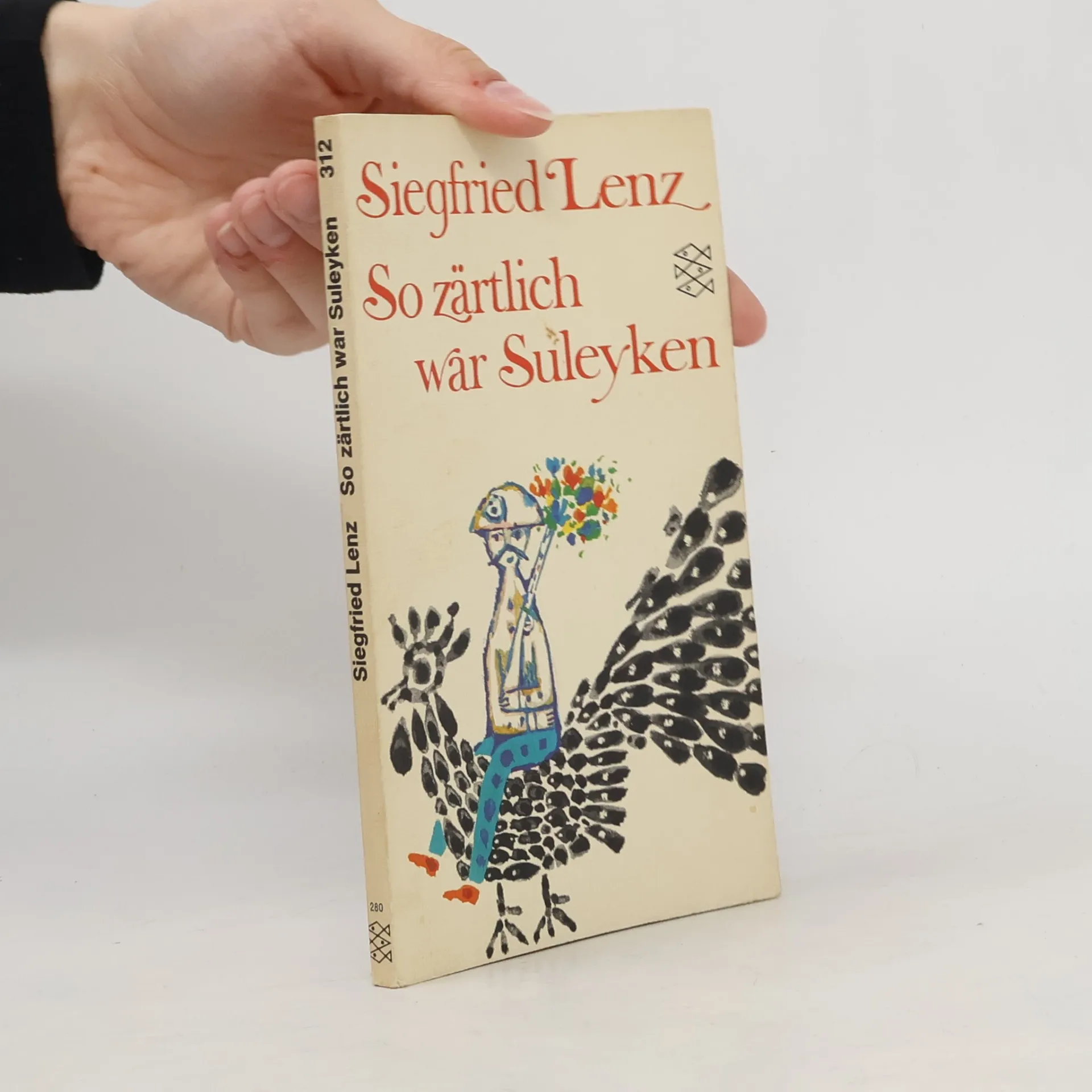
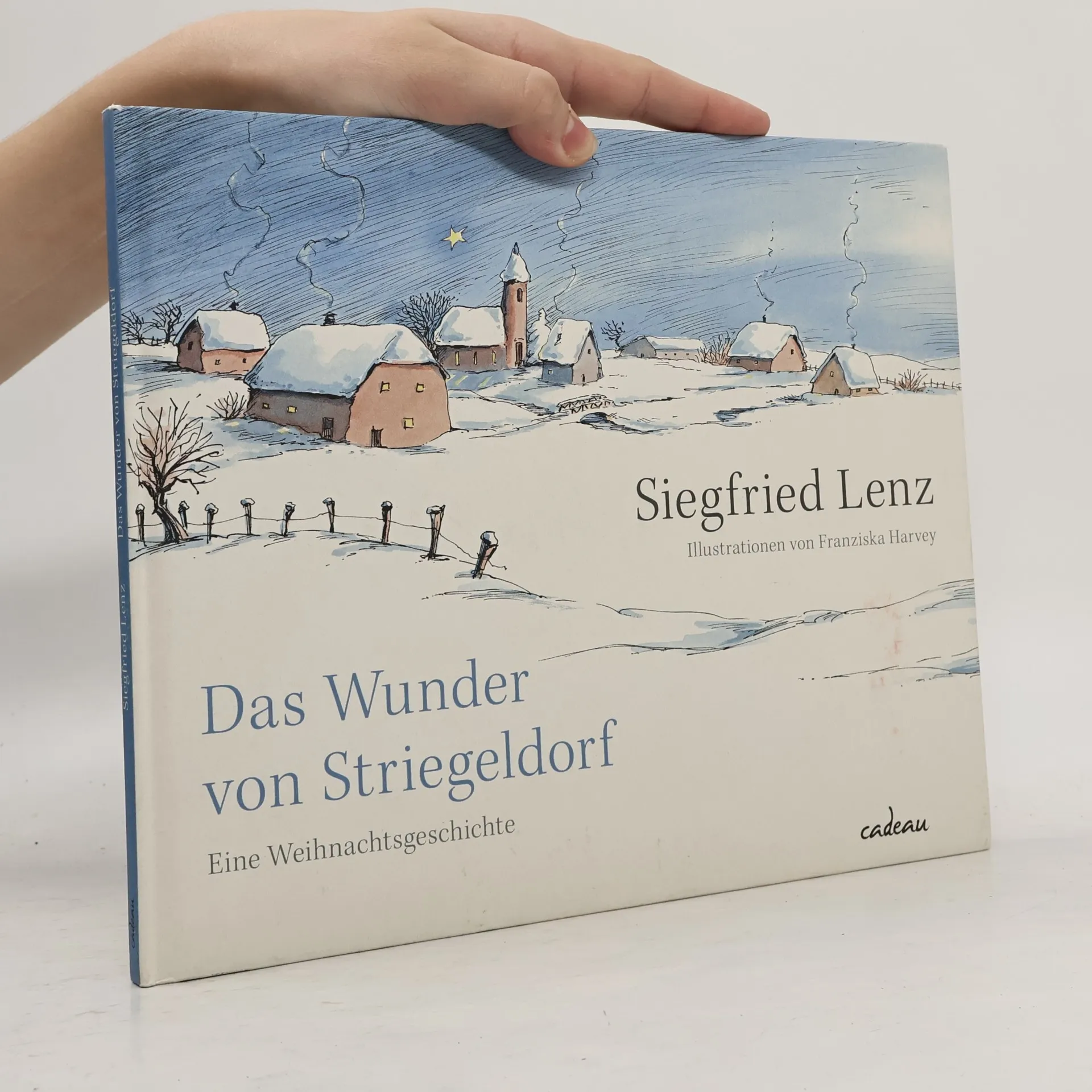
Es war einmal ein zärtliches Dörfchen, Suleyken genannt, gelegen irgendwo und nirgendwo in Masuren, zu erreichen - wie allerorten bekannt und in diesen Geschichten nachzulesen - mit einer Kleinbahn namens Popp, bequemer jedoch mit der Phantasie. Erstere überdies, einst befeuert von einem hochmütigen Menschen namens Dziobek, fährt mancher Widrigkeiten wegen längst nicht mehr die Strecke von Suleyken über Schissomir, Sybba, Borsch, Sunowken nach Striegeldorf und zurück. Letztere aber floriert - wie jedermann weiß und hier neuerlich erfahren kann - fröhlich allen Zeitläuften zum Trotz. So erleben wir denn nicht nur große Ereignisse und den Titus Anatol Plock, Besitzer einer neuen Hose und achter Sohn der verwitweten Jadwiga Plock, sondern auch das Duell in kurzem Schafspelz und den Adolf Abromeit. Und wir begegnen nicht nur dem Hamilkar Schaß, weiland Held der Kulkaker Füsiliere, dem Tantchen Arafa, der festlichen Einweihung besagter Kleinbahn und dem Briefträger Hugo Zappka, sondern auch dem souveränen Humor eines geistvollen Erzählers, dessen Geschichten eine »aufgeräumte Huldigung« an seine Heimat Masuren sind.
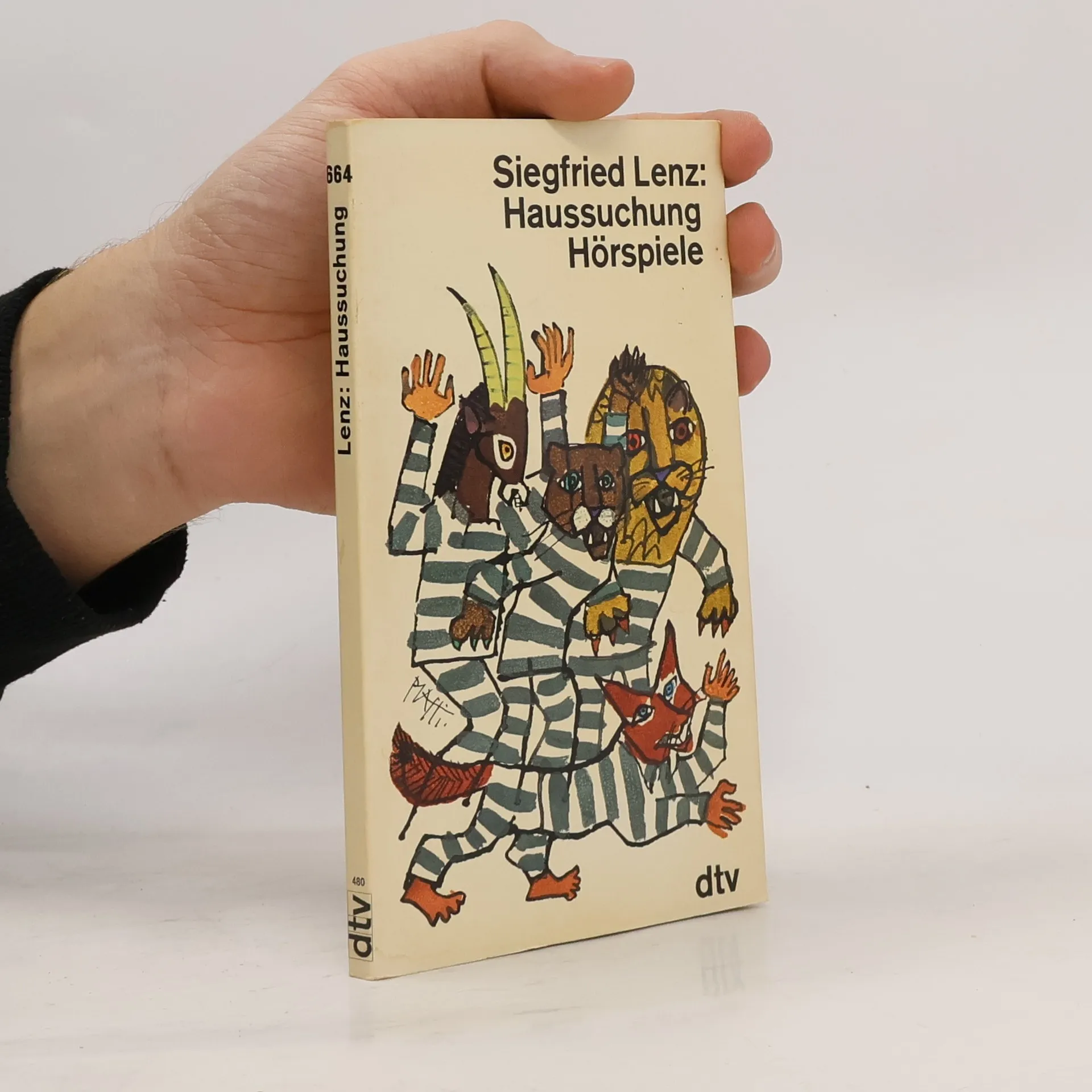
In "Über die Versuchung der Macht" thematisiert Siegfried Lenz in vier Bühnenwerken die Probleme von Macht und Schuld. Neun Bürger müssen einem Attentäter Namen entlocken, um ihre Freiheit zu erlangen. Die Stücke zeigen die Mechanismen der Diktatur und die menschliche Anfälligkeit für Machtverlockungen auf.

Mit schweren Brandverletzungen liegt der Teppichwirker Zygmunt Rogalla im Krankenhaus einer norddeutschen Kreisstadt und versucht einem jungen Besucher, dem Freund seiner Tochter, die Gründe für eine unfaßbare Tat zu erklären: Er hat mit voller Absicht das masurische Heimatmuseum in Brand gesteckt, das er selbst unter großen Opfern in Schleswig-Holstein aufgebaut hat, um das Erbe seiner verlorenen Heimat zu retten. Warum? Schicht um Schicht enthüllt der Erzähler die Motive der Brandstiftung. Er erzählt von der masurischen Kindheit und Jugend, von den Schrekken der beiden Kriege, die seine Heimat zerstört haben, von der Flucht und Vertreibung.