Geuzenpocket - 94: Onder de vrouwen van Dulaba
- 636bladzijden
- 23 uur lezen
De mannelijke auteur beschrijft zijn ervaringen tijdens een verblijf van 14 maanden in Gambia.


Deze auteur, die put uit een gevarieerde achtergrond met militaire dienst en beveiliging in de detailhandel, verweeft in zijn verhalen een rauw realisme. Na het schrijven van meerdere boeken in de Gordon Hudde-serie en de recente release van "Retail Investigator", onderzoekt hij nu de mogelijkheid om zijn ervaringen te delen via een biografie over zijn militaire dienst. Hij nodigt lezers uit voor feedback om zijn literaire reis voort te zetten.


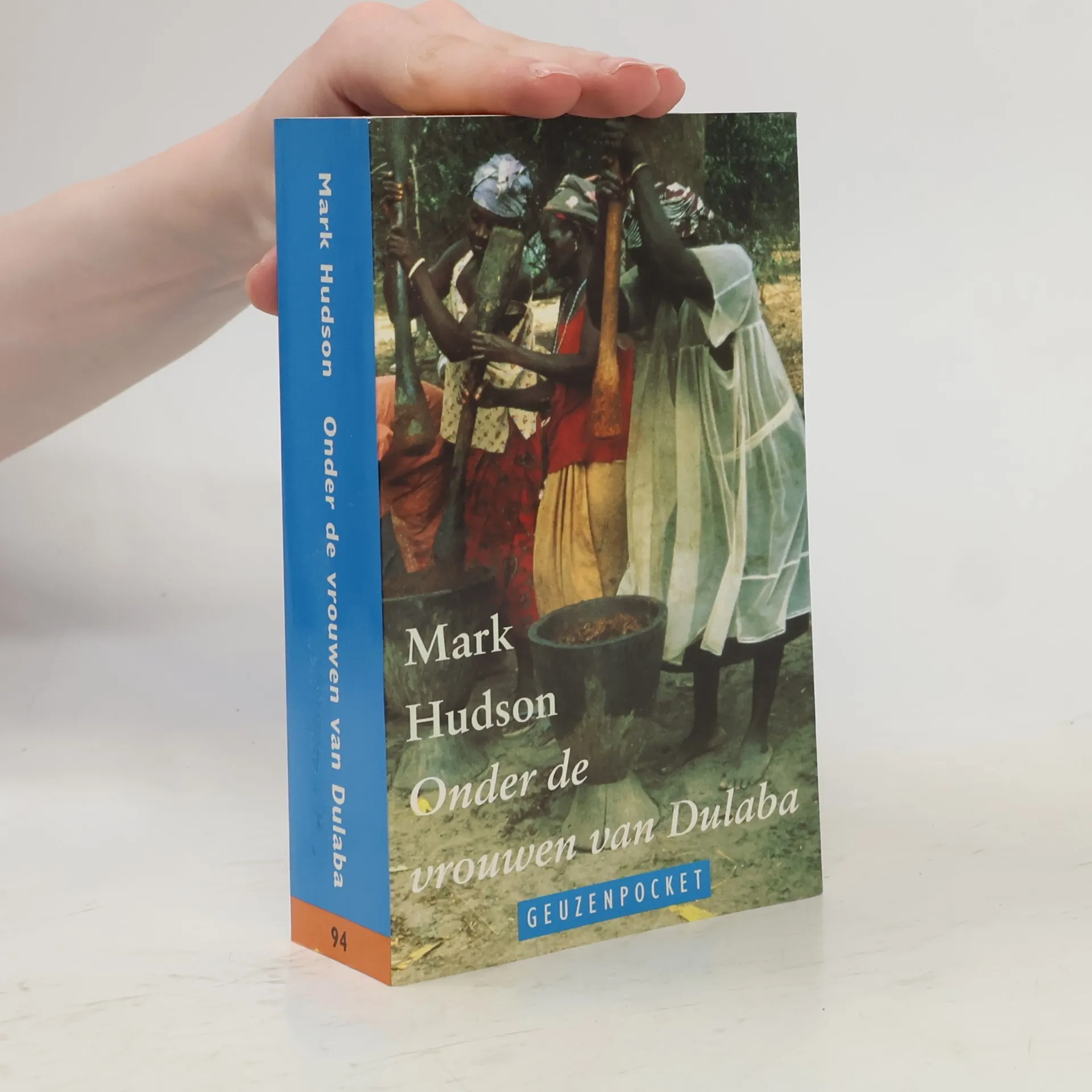
De mannelijke auteur beschrijft zijn ervaringen tijdens een verblijf van 14 maanden in Gambia.
The book explores the implications of recent interdisciplinary studies on the Bronze Age, particularly focusing on long-distance trade and political decentralization. It introduces the concept of 'bronzisation' as a form of proto-globalization and examines its applicability to East Asia, particularly Island East Asia. The author analyzes maritime interactions and warrior culture within a comparative Eurasian context, arguing that Bronze Age trade fostered decentralized complexity in regions outside major alluvial states. The notion of the 'barbarian niche' is introduced to model premodern Eurasian history.
The book is a quest - a journey through Titian's life and work, towards the physical and spiritual landscape of his last paintings.
Consumption used to be a disease. Now it is the dominant manner in which most people meet their most basic needs and – if they can afford the price – their wildest desires. In this new book, Ian and Mark Hudson critically examine how consumption has been understood in economic theory before analyzing its centrality to our social lives and function in contemporary capitalism. They also outline the consequences it has for people and nature, consequences routinely made invisible in the shopping mall or online catalogue. Hudson and Hudson show, in an approachable manner, how patterns of consumption are influenced by cultures, individual preferences and identity formation before arguing that underlying these determinants is the unavoidable need within capitalism to realize profit. This accessible and comprehensive book will be essential reading for students and scholars of political economy, economics and economic sociology, as well as any reader who wants to confront their own practices of consumption in a meaningful way.