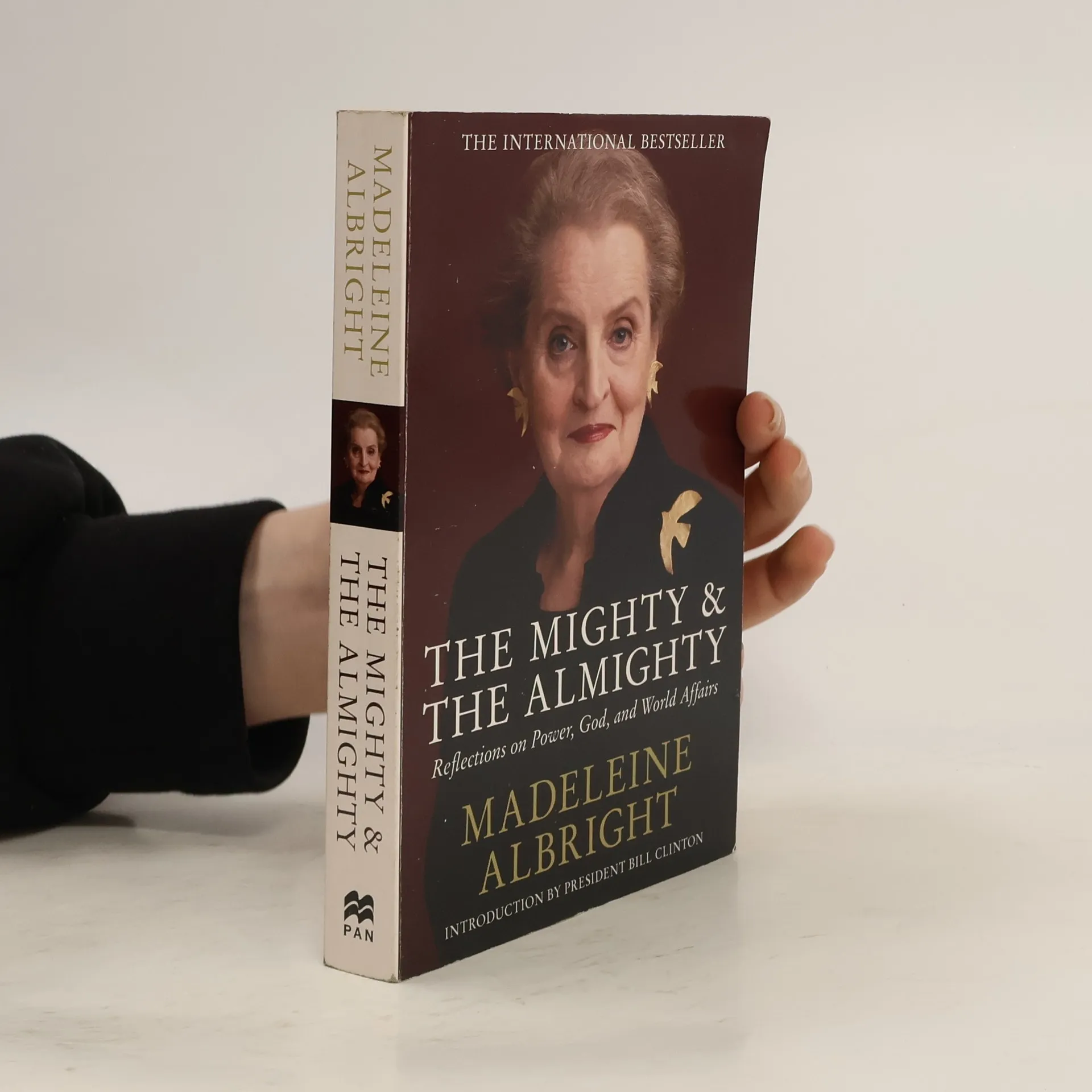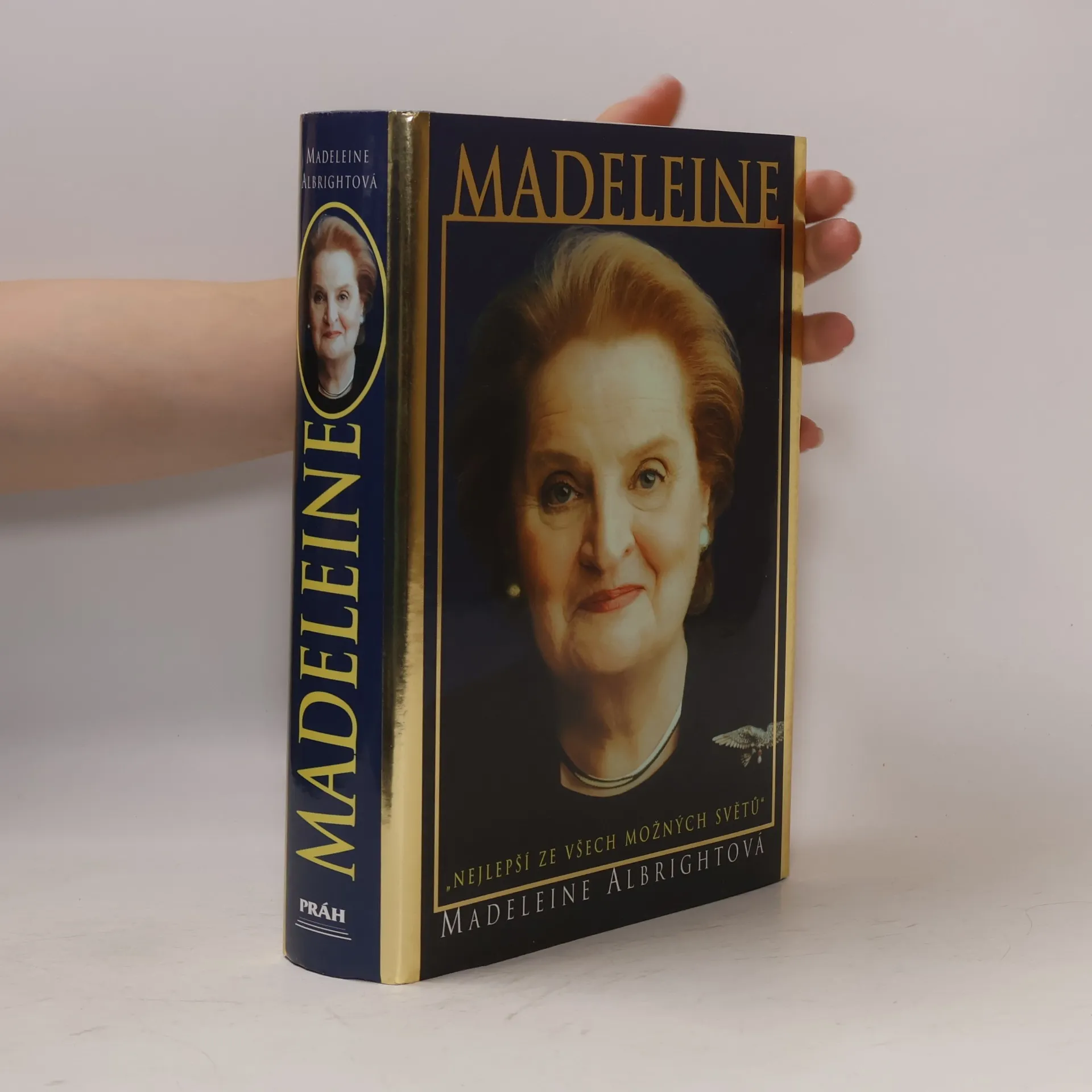
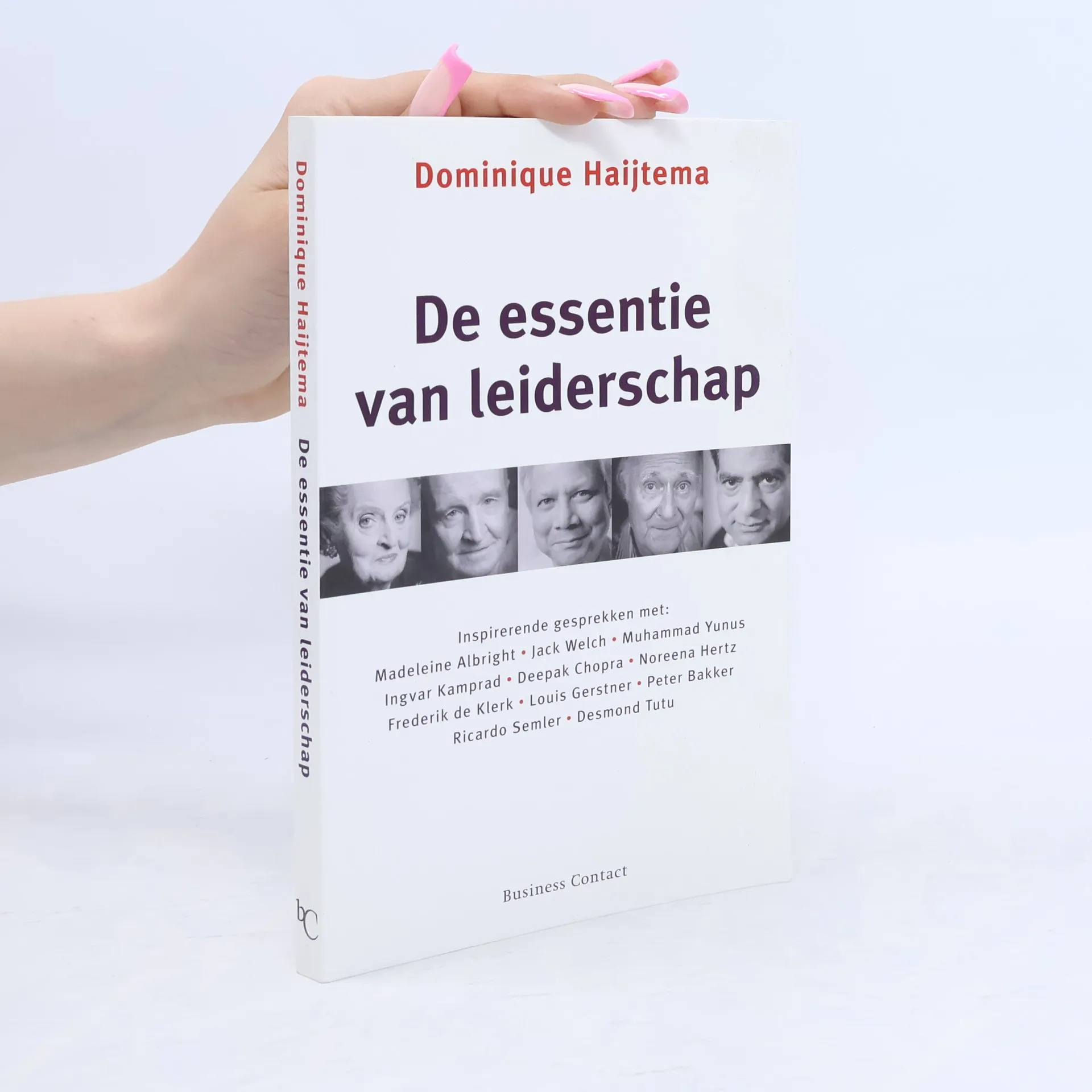
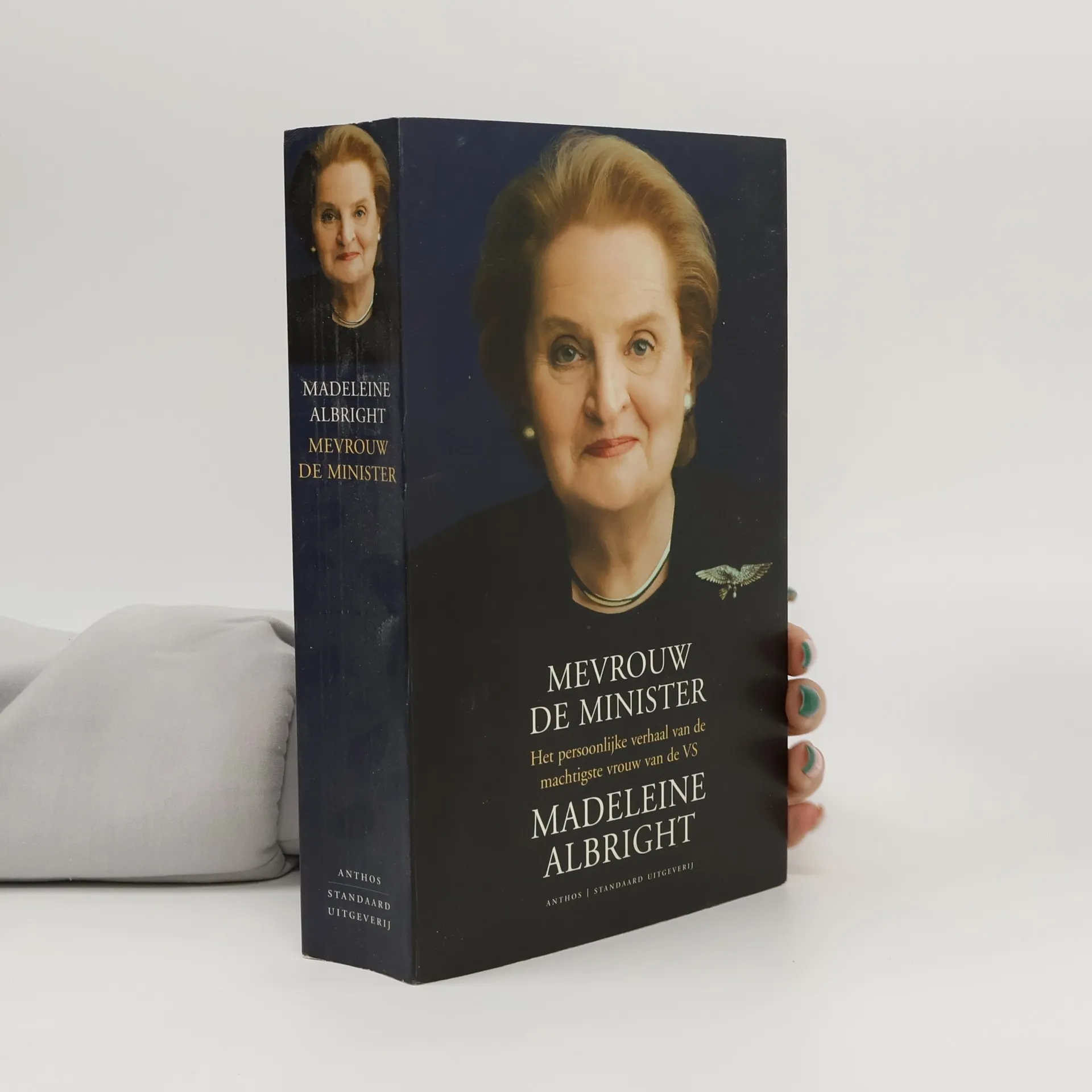
Madeleine Korbel Albright was een baanbrekende staatsvrouw, die opmerkelijk genoeg de eerste vrouw was die de functie van minister van Buitenlandse Zaken van de Verenigde Staten bekleedde. Haar ambtsperiode werd gekenmerkt door een diepgaande betrokkenheid bij diplomatie en internationale betrekkingen, gedreven door een toewijding aan de bevordering van democratie en mensenrechten wereldwijd. Albright's invloed op het Amerikaanse buitenlandse beleid was aanzienlijk en liet een nalatenschap achter die nog steeds aspirant-diplomaten en leiders inspireert.
The formative years of Madeleine Albright were dramatically influenced by significant historical events, including the Nazi invasion of Czechoslovakia, the Battle of Britain, and the Holocaust. These experiences shaped her perspective during the tumultuous aftermath of World War II, the rise of communism, and the beginning of the Cold War, providing a rich backdrop for her later life and career in politics.
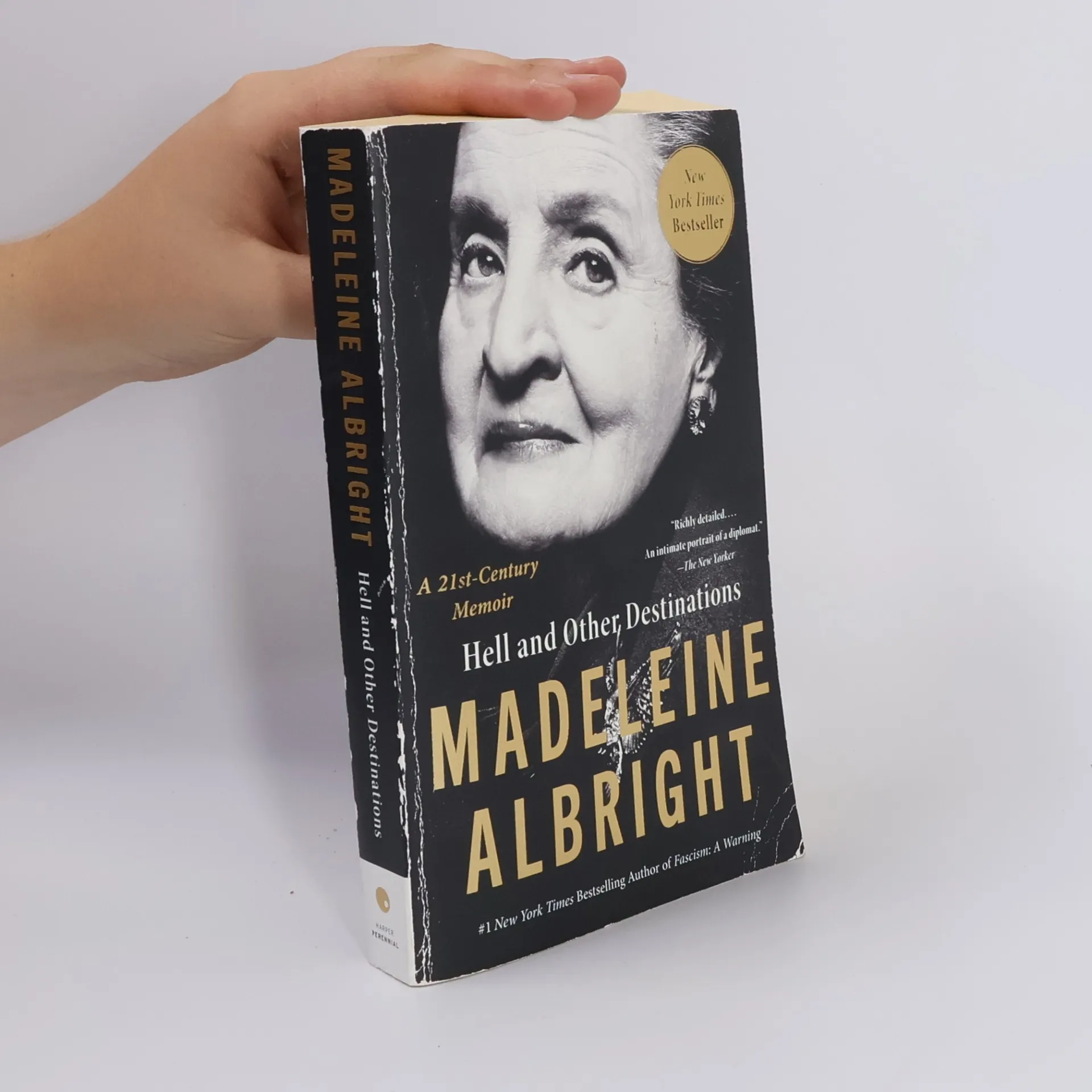
"In 2001, when Madeleine Albright was leaving office as America's first female secretary of state, interviewers asked her how she wished to be remembered ... In that time of transition, the former Secretary considered the possibilities: she could write, teach, travel, give speeches, start a business, fight for democracy, help to empower women, campaign for favored political candidates, spend more time with her grandchildren. Instead of choosing one or two, she decided to do it all. For nearly twenty years, Albright has been in constant motion, navigating half a dozen professions, clashing with presidents and prime ministers, learning every day. Since leaving the State Department, she has blazed her own trail--and given voice to millions who yearn for respect, regardless of gender, background, or age"--
"In 2001, when Madeleine Albright was leaving office as America's first female secretary of state, interviewers asked her how she wished to be remembered ... In that time of transition, the former Secretary considered the possibilities: she could write, teach, travel, give speeches, start a business, fight for democracy, help to empower women, campaign for favored political candidates, spend more time with her grandchildren. Instead of choosing one or two, she decided to do it all"--
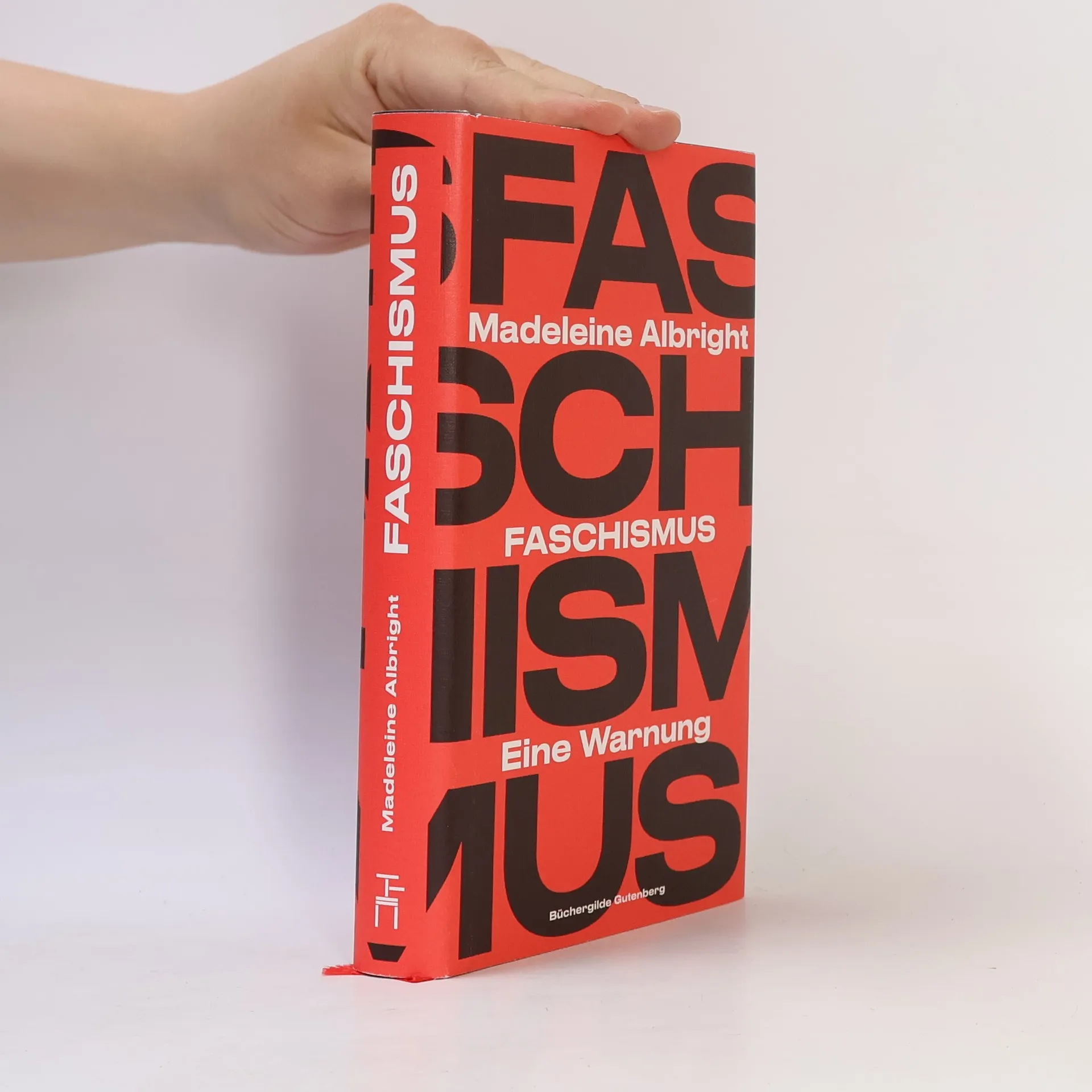
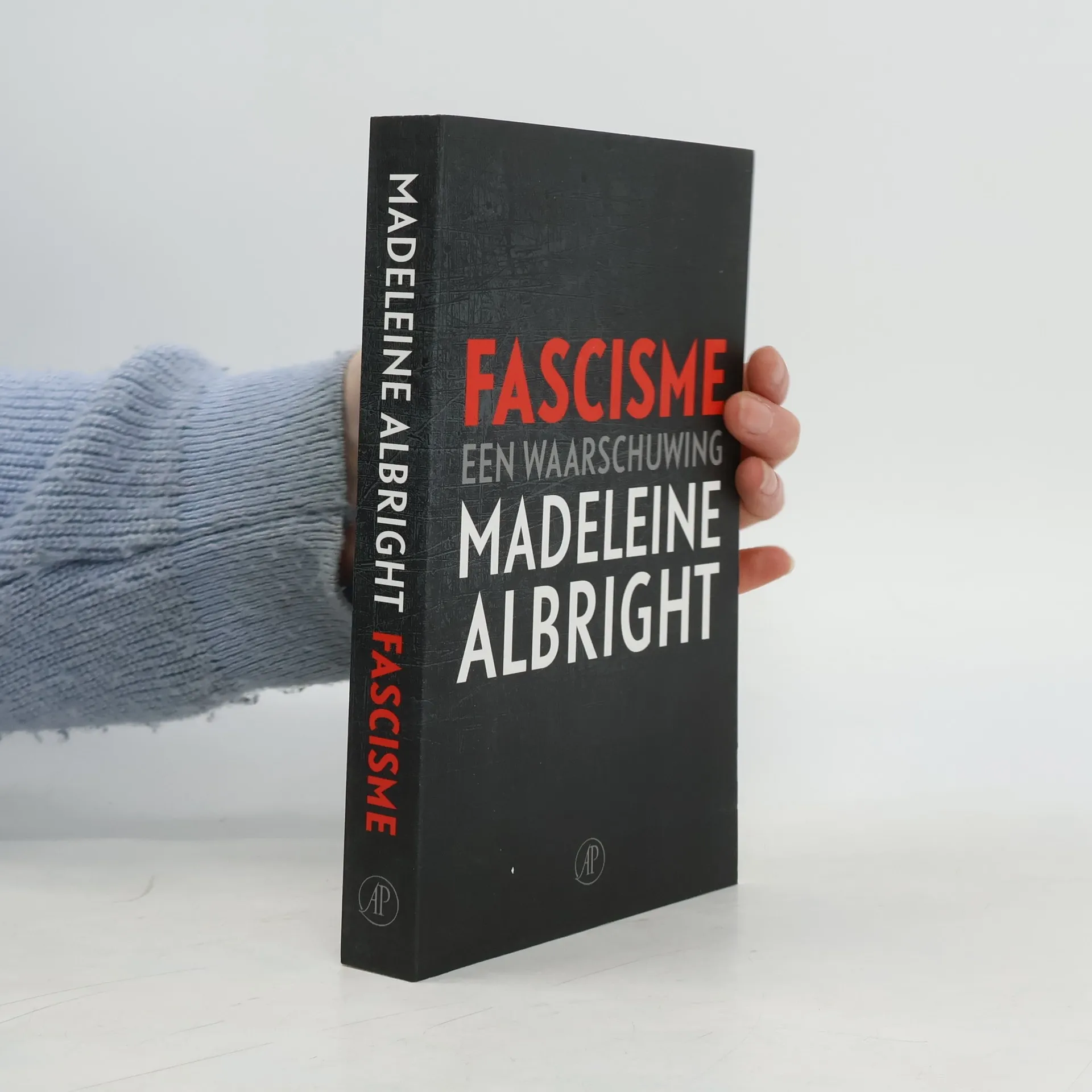
»Manche mögen dieses Buch und besonders seinen Titel alarmierend finden. Gut!« MADELEINE ALBRIGHT Weltweit kommt es zu einem Wiedererstarken anti-demokratischer, repressiver und zerstörerischer Kräfte. Die ehemalige amerikanische Außenministerin Madeleine Albright zeigt, welche großen Ähnlichkeiten diese mit dem Faschismus des 20. Jahrhunderts haben. Die faschistischen Tendenzen treten wieder in Erscheinung und greifen in Europa, Teilen Asiens und den Vereinigten Staaten um sich. Albrights Familie stammt aus Prag und floh zweimal: zuerst vor den Nationalsozialisten, später vor dem kommunistischen Regime. Auf Grundlage dieser Erlebnisse und der Erfahrungen, die sie im Laufe ihrer diplomatischen Karriere sammelte, zeichnet sie die Gründe für die Rückkehr des Faschismus nach. Sie identifiziert die Faktoren, die zu seinem Aufstieg beitragen und warnt eindringlich vor den Folgen. Doch Madeleine Albright bietet auch klare Lösungsansätze an, etwa die Veränderung der Arbeitsbedingungen und das Verständnis für die Bedürfnisse der Menschen nach Kontinuität und moralischer Beständigkeit. Sie zeigt, dass allein die Demokratie politische und gesellschaftliche Konflikte mit Rationalität und offenen Diskussionen lösen kann.
From a highly respected international leader comes a timely and personal examination of the resurgence of fascism and its threat to global freedom, prosperity, and peace. After the Cold War's end in the late 1980s, many believed democracy had triumphed. However, nearly thirty years later, history's direction appears uncertain as a repressive force reminiscent of fascism re-emerges across Europe, parts of Asia, and the United States. Drawing from her experiences growing up in Hungary under Hitler and the subsequent Communist regime, along with insights from her diplomatic career, the author illustrates how fascism thrives and why it is gaining traction worldwide. She identifies key factors contributing to its rise and warns of dire consequences if action is not taken against these forces, including economic catastrophe, increased terrorism, sectarian violence, humanitarian crises, human rights violations, and damage to America's global standing. The author proposes solutions to address these challenges, such as adapting to social media's impact, fostering economic growth, and bridging societal divides. Ultimately, she emphasizes that democracy's strength lies in its capacity for reasoned debate and self-correction, urging a collective effort to combat the threats posed by rising fascism.
Fašista je podle autorky ten, kdo mluví jménem celého národa, ignoruje práva ostatních a je ochoten použít násilí k dosažení svých cílů. Tímto širokým pojetím zahrnuje i další totalitní hnutí a ideologie. 20. století bylo poznamenáno střetem demokracie s fašismem, jehož obětí se staly desítky milionů lidí. Po hrůzách druhé světové války se zdálo, že se fašismus už nevrátí. Madeleine Albrightová, která zažila válku jako dítě a stala se významnou politickou osobností, však tento optimismus zpochybňuje. Dokazuje, že fašismus přežil a dnes představuje vážnější hrozbu pro mír a spravedlnost než po roce 1945. Historie se zdá obracet zpět, zejména v USA, kde vládne člověk, který rozděluje společnost a pohrdá demokratickými institucemi. V mnoha zemích se oslabuje politický střet a posilují extrémy. Politici jako Vladimir Putin a Kim Čong-un používají taktiky fašistů a nacistů. Albrightová varuje, jak snadno se populisté mohou dostat k moci zneužitím slabin demokracie. Její kniha nás vyzývá k odpovědnosti a porozumění vážnosti situace, abychom se vyhnuli opakování tragických chyb minulosti. Nové dílo Albrightové je osobně laděné, naléhavé a důkladné zkoumání fašismu a jeho podob ve 20. století.
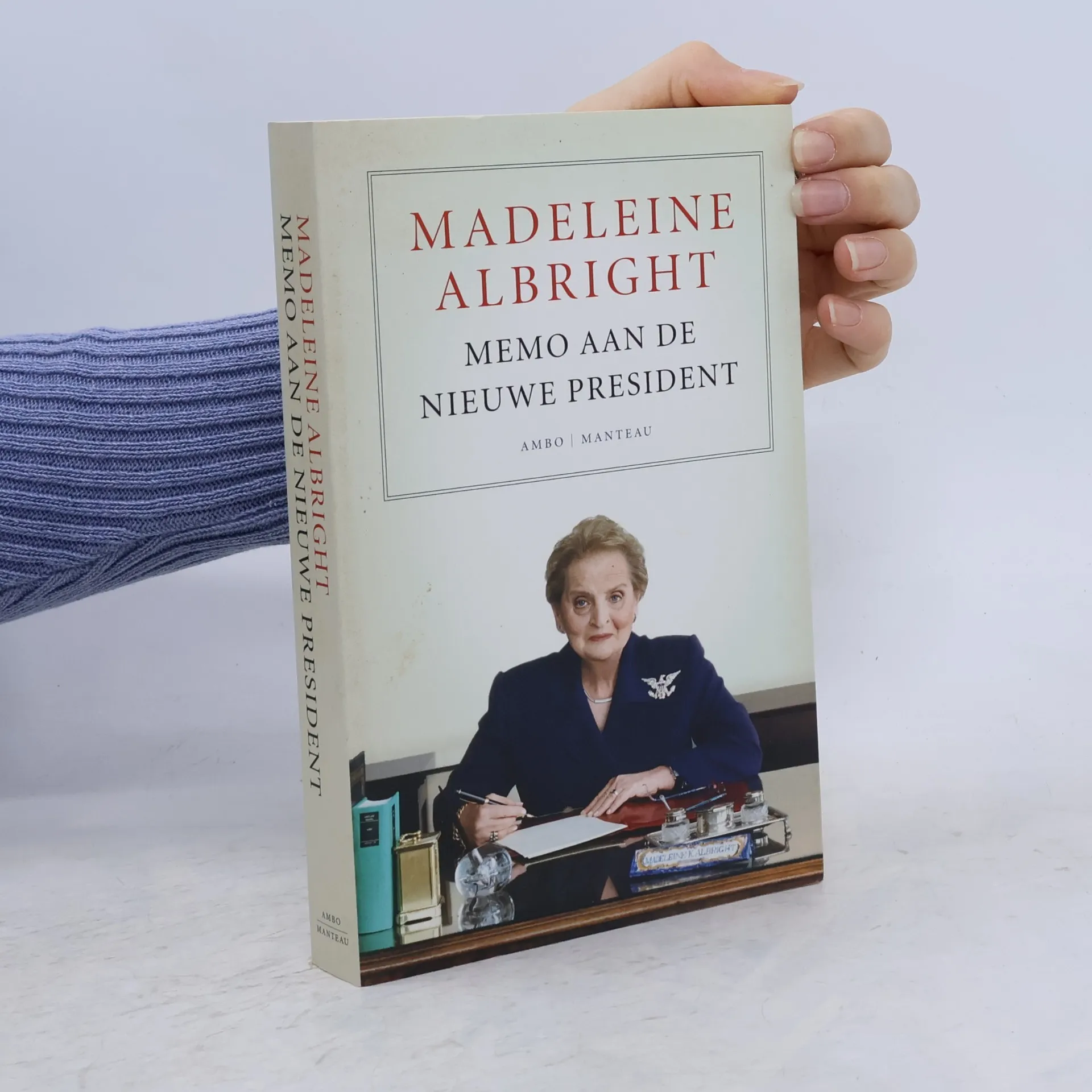
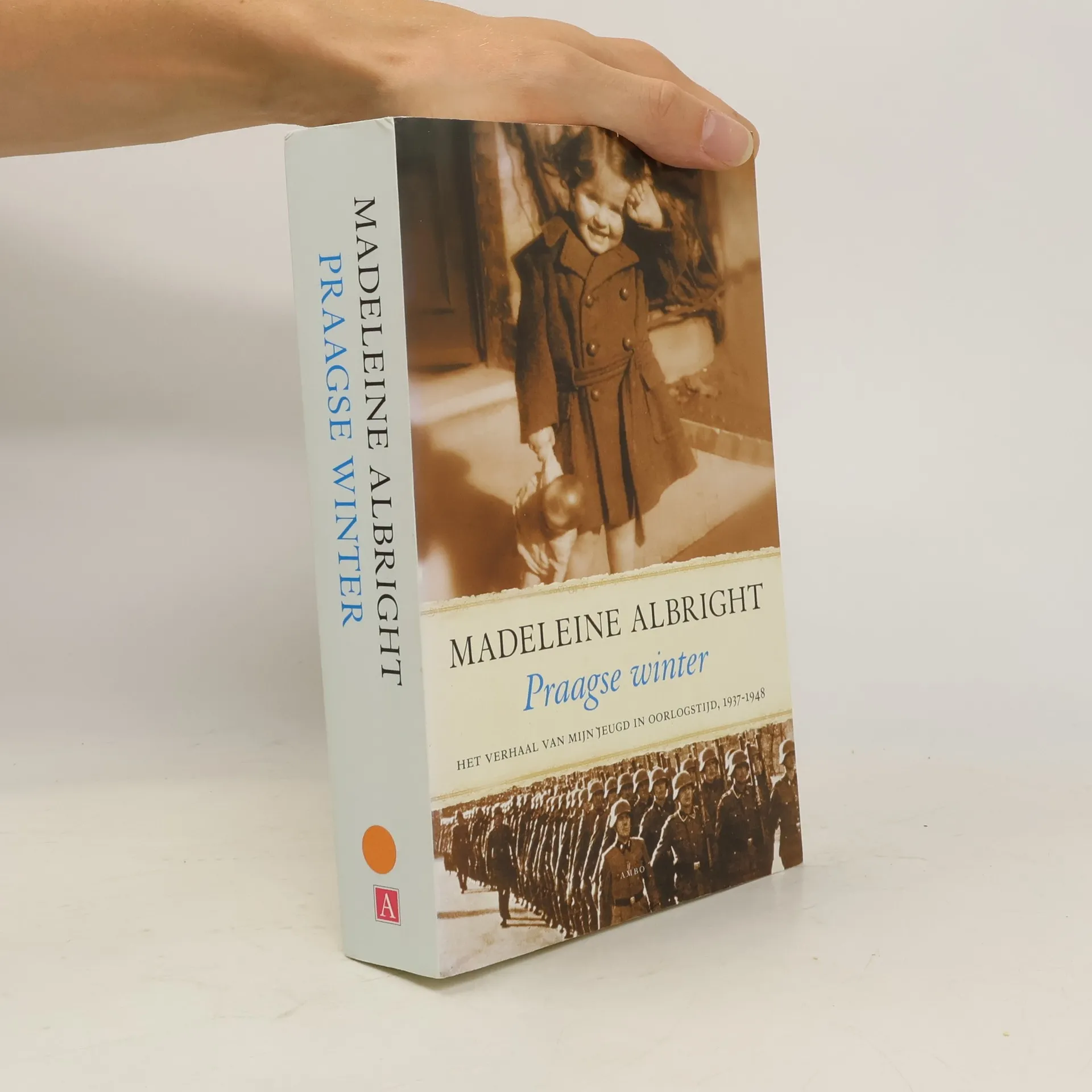
Madeleine Albright is in 1997 net benoemd tot minister van Buitenlandse Zaken van de VS als ze tot de ontdekking komt dat haar grootouders van vaderszijde Joods waren en zijn omgebracht in de Tweede Wereldoorlog. Het is een grote schok; haar ouders hebben dat deel van hun familiegeschiedenis altijd voor haar verzwegen. De ontdekking is het begin van een zoektocht naar de wortels van haar familie, maar ook naar de gecompliceerde geschiedenis van Tsjecho-Slowakije, het land waarin Albright de eerste jaren van haar leven opgroeide en dat haar familie bij het utibreken van de oorlog is ontvlucht. Haar jeugd bracht ze door in ballingschap, eerst in Londen en later in de Verenigde Staten. In Praagse winter doet Madeleine Albright verslag van de eerste twaalf jaar van haar leven. De jaren 1937-1948 omvatten zowel de invasie van de nazi's in Praag en het begin van de Holocaust alsook het einde van het fascisme en de opkomst van het communisme in de jaren na de oorlog. Ze laat zien hoe in deze perioden miljoenen burgers werden losgerukt uit hun vertrouwde omgeving en werden gedwongen om nieuwe rollen aan te nemen: die van leider in ballingschap of vrijheidsstrijder, verzetsheld of collaborateur, slachtoffer of dader.
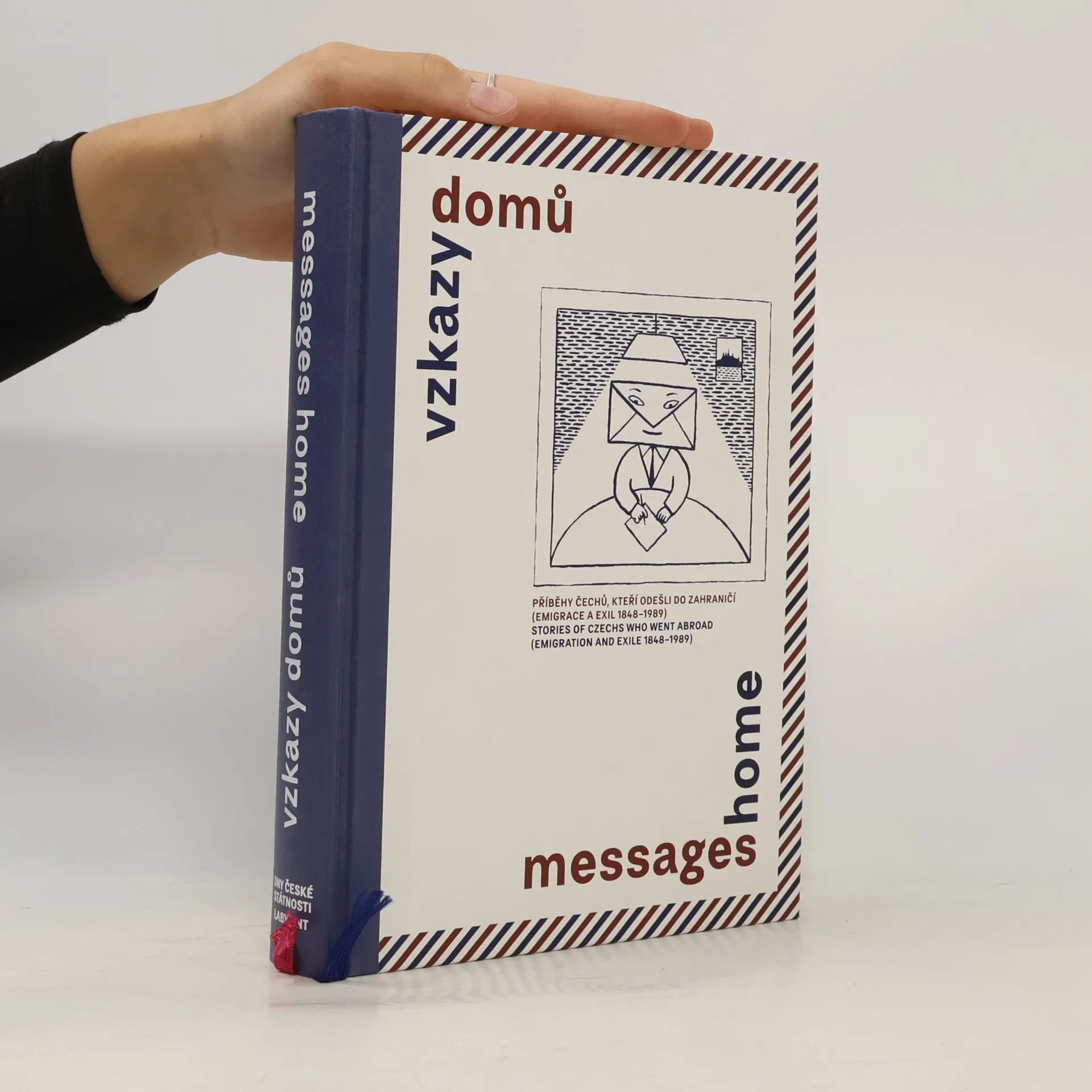
Kniha se zaměřuje na emigraci a exil v českých moderních dějinách, rozdělená do pěti chronologických oddílů, které pokrývají hlavní vlny emigrace od roku 1848 až po pád komunistického režimu v roce 1989. Úvodní studie charakterizují jednotlivá období, zkoumají důvody a podmínky života Čechů v zahraničí a ukazují, jak se exulanti a emigranti vztahovali ke své vlasti.
Hlavní část tvoří 30 příběhů Čechů, kteří odešli do zahraničí v 19. a 20. století. Tyto příběhy odhalují motivy a příčiny jejich odchodů, stejně jako sociální, politické a psychologické aspekty emigrace při hledání nového domova. Mezi vybranými osobnostmi jsou známé postavy jako kardinál Josef Beran, Soňa Červená a Karel Kryl, ale také méně známí, jako Vácslav Vondrák, Jan Letzel či generál Josef Buršík.
Publikace byla vydána u příležitosti Dne české státnosti 28. září 2012 jako poděkování těm, kteří přispěli k dobrému jménu své "staré vlasti" a pomáhali v těžkých historických obdobích. Autoři textů zahrnují Madeleine K. Albright a další, editorkou je Lucie Wittlichová.
“A remarkable story of adventure and passion, tragedy and courage set against the backdrop of occupied Czechoslovakia and World War II.” —VÁclav Havel From former Secretary of State Madeleine Albright comes a moving and thoughtful memoir of her formative years in Czechoslovakia during the tumult of Nazi occupation, World War II, fascism, and the onset of the Cold War. An intensely personal journey into the past that offers vital lessons for the future, Prague Winter combines the intimacy of an autobiography with the drama of an exciting and well-told story—all underpinned by the gravity and intelligence of a serious work of history. The result is a highly readable and incisive work filled with tragedy and triumph, a resonant narrative informed by Albright’s remarkable life experience and her characteristic candor in speaking hard truths.
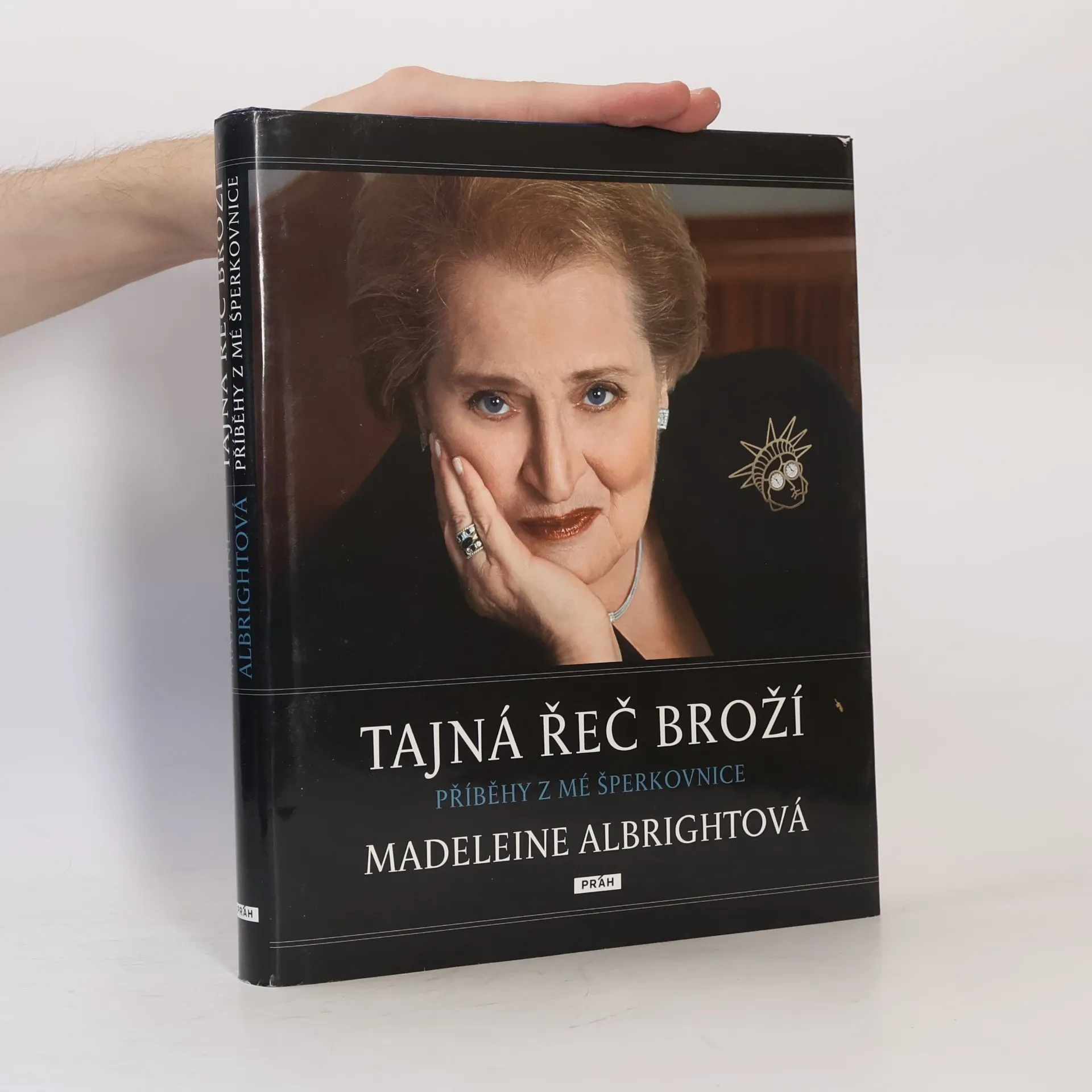
„Pomalu mi docházelo, že aniž bych to vědomě plánovala, staly se šperky součástí mého osobního diplomatického arzenálu. Bývalý prezident George H. W. Bush proslul svým výrokem „Čtěte mi ze rtů!“ (Read my lips). Začala jsem své kolegy i reportéry žádat, aby „četli z mých broží“ (Read my pins).“ Tajná řeč broží je bohatě ilustrovaná memoárová kniha i poutavé pojednání o sociálních dějinách. Umožňuje nám nahlédnout do soukromí Madeleine Albrightové prostřednictvím broží, které nosila. Její sbírka má nadnárodní i demokratický charakter – laciné brože za pár korun tu mají své čestné místo vedle značkových šperků i rodinného stříbra. Najdeme tu jak starožitného orla, jehož si bývalá ministryně zahraničí pořídila v době svého jmenování, tak zebry, které si vzala na setkání s Nelsonem Mandelou, či valentinské srdce vyrobené její tehdy pětiletou dcerou. Knihu Tajná řeč broží oživuje více než dvě stě fotografií a mnoho zajímavých a často humorných příběhů o špercích, světové politice a životě jedné z nejuznávanějších a nejvýraznějších amerických diplomatek.