Stanley Stewart is de auteur van reisverslagen, die ingaan op zijn avonturen in diverse mondiale landschappen. Zijn werk kenmerkt zich door diepgaand inzicht in de plaatsen en culturen die hij tegenkomt. Stewarts geschriften verschijnen in vooraanstaande internationale publicaties en richten zich vaak op de minder verkende gebieden van de wereld. Zijn vertelstijl brengt boeiende reisverhalen tot leven.
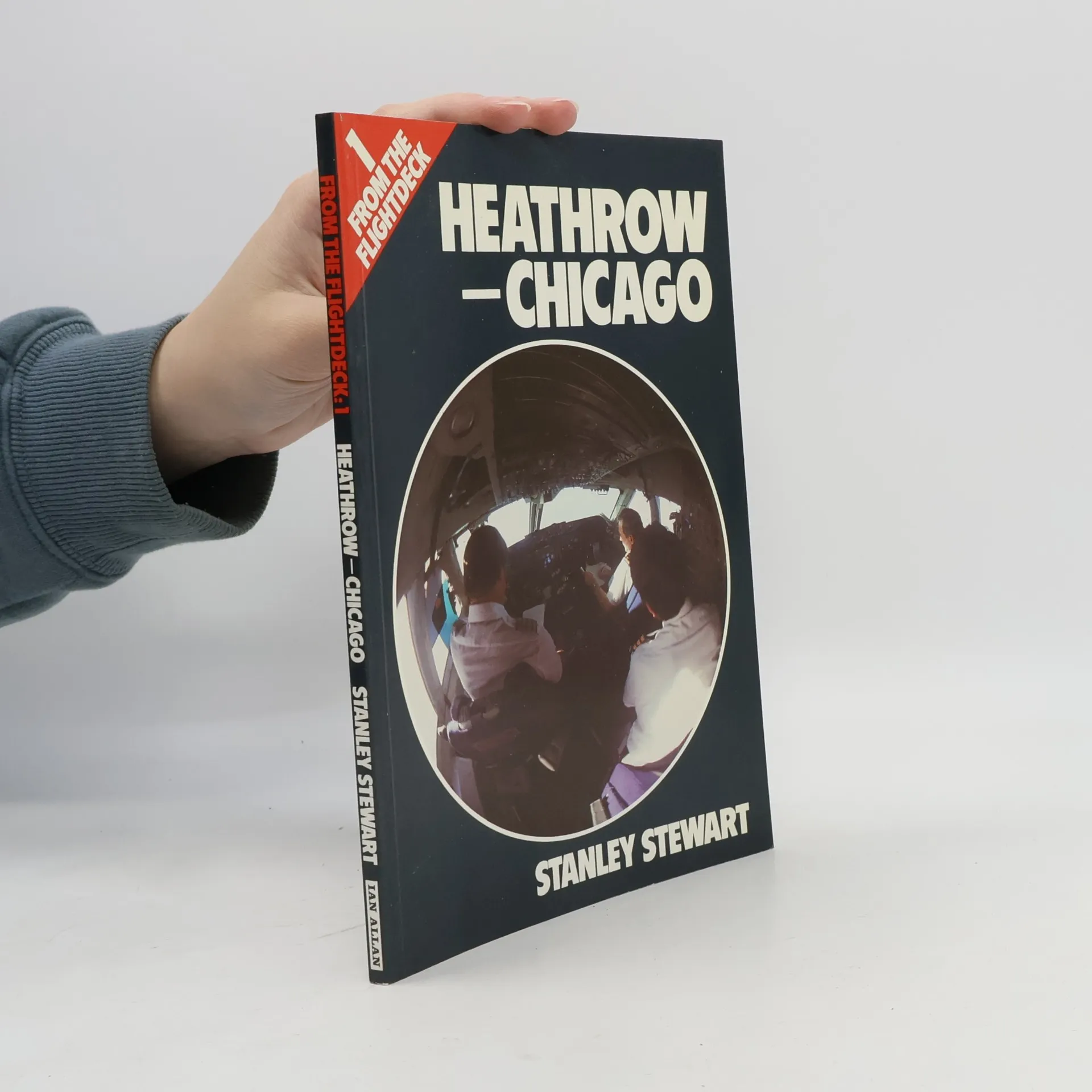
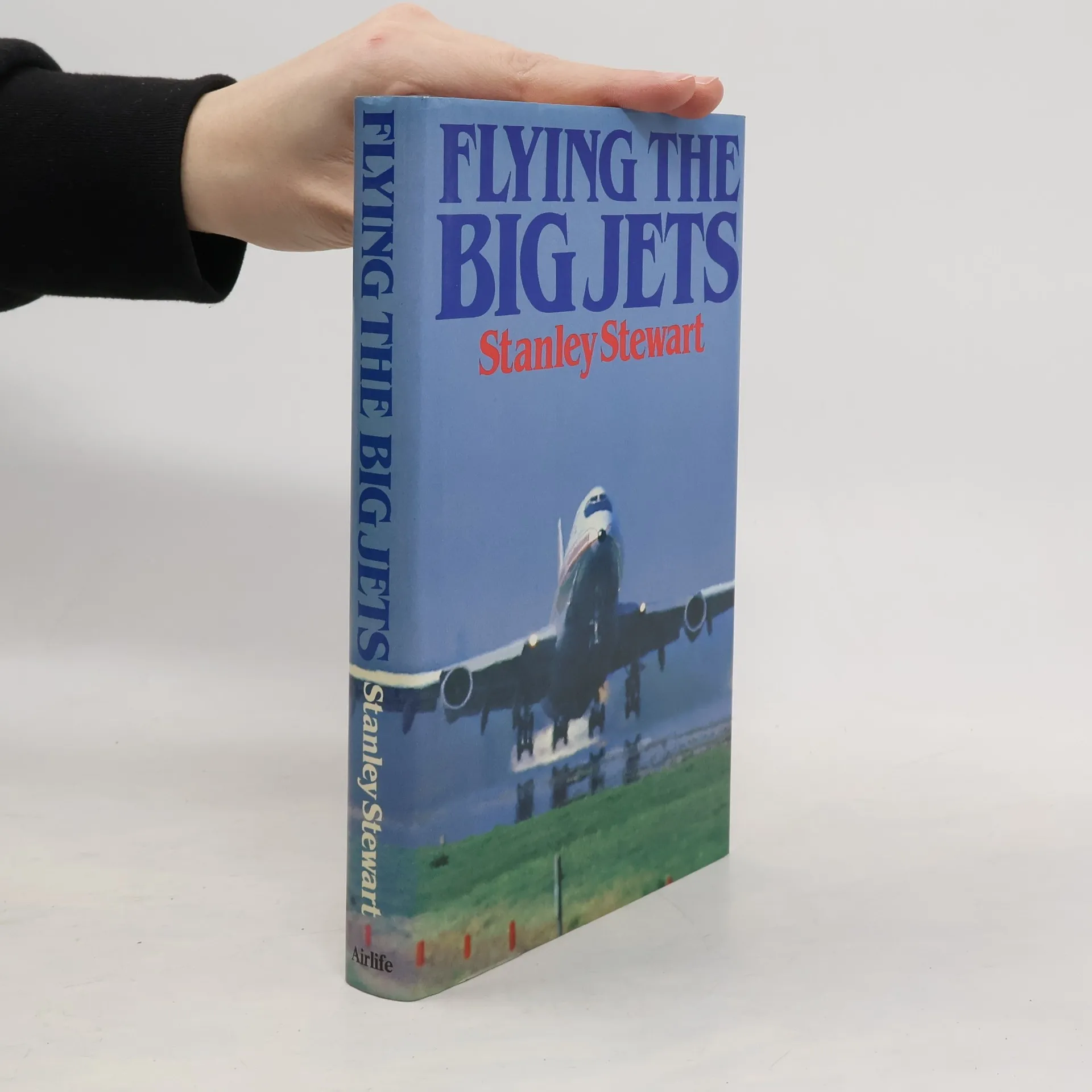
Complete details about the Jumbos, including the Boeing 747-400 series. Covers the basics of the big jets, preflight preparations, weather forecasts, flight crew's check, takeoff from the flight deck, and more. Over 25,000 copies sold!
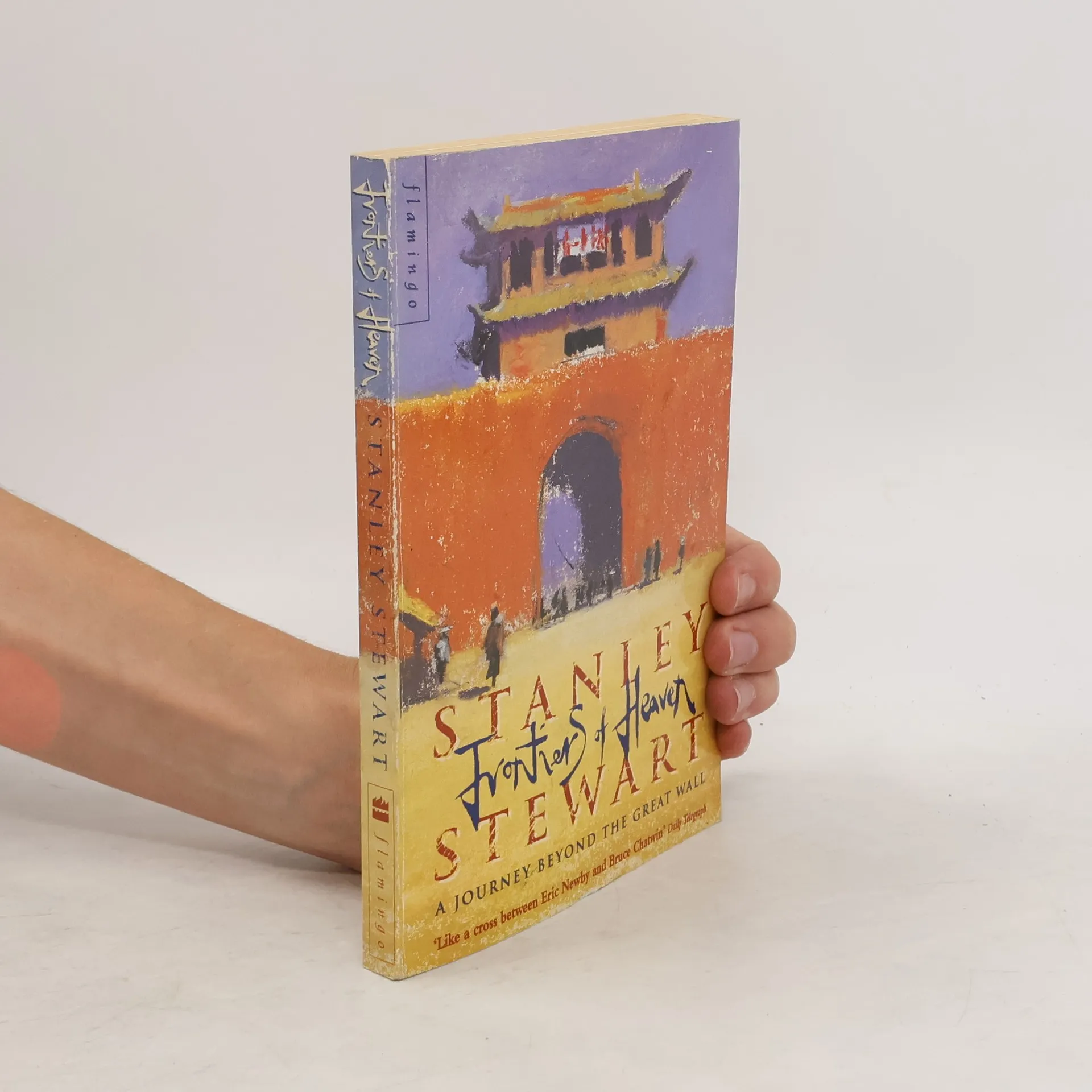
For the Chinese, the Great Wall defined a psychological frontier. Within it lay the Celestial Kingdom, the compass of all civilization. Beyond lay a barbarian world of chaos and exile. Chinese journeys to the west, along the ancient Silk Road, were passages into the unknown, often into legend. Today the great western province of Xinjiang is still a land of exile, the destination of soldiers, reluctant settlers, political prisoners and disgraced officials. Following in their wake, Stanley Stewart's journey takes him halfway across Asia, from Shanghai to the banks of the Indus. He passes through the heartlands of China, beyond the Great Wall and into the wilds of Tartary. He crosses the Gobi and the Taklamakan deserts to the high passes of the Pamirs and the Karakorams. Along the way, he meets the modern Chinese for whom these regions beyond the Wall still hold the same morbid fascination.
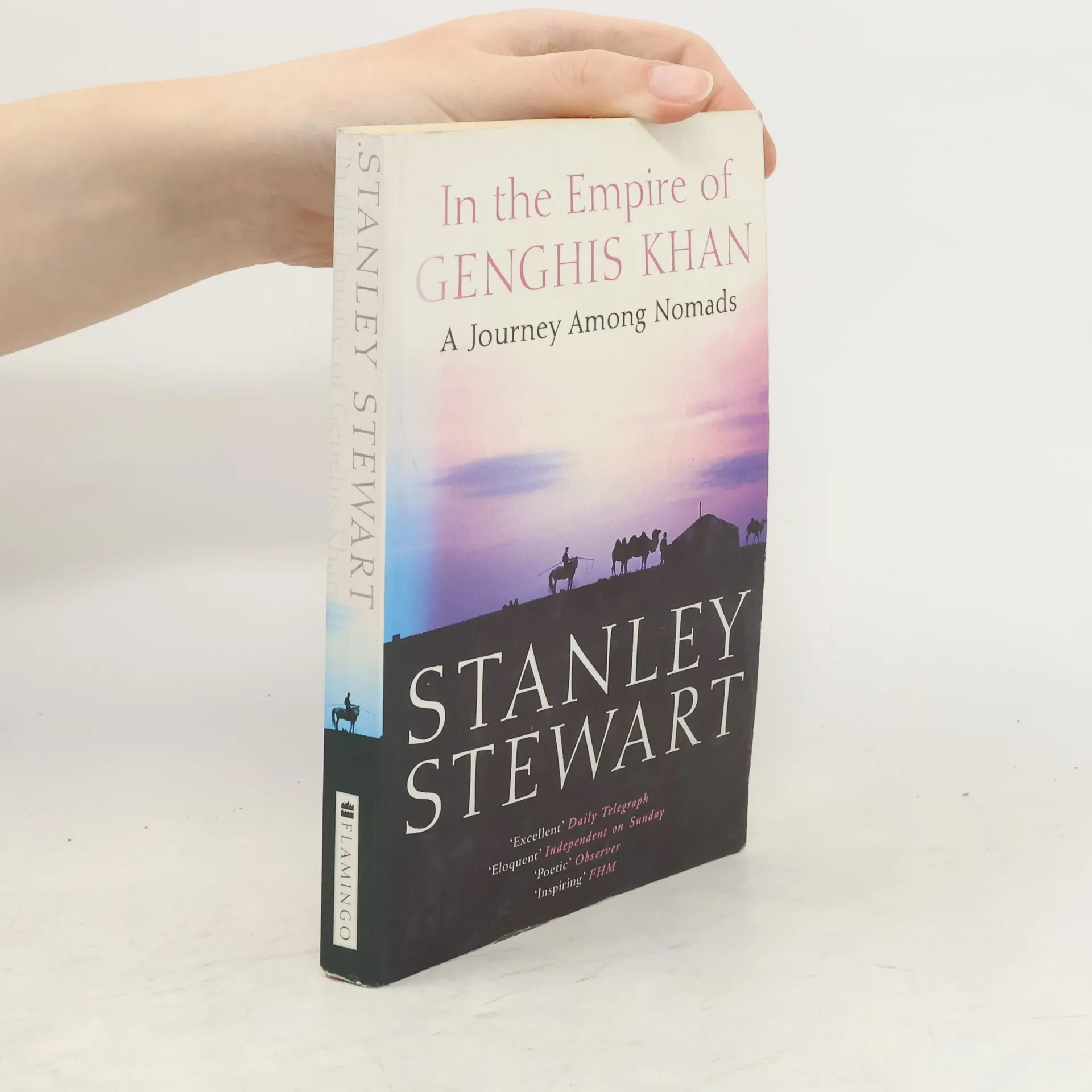
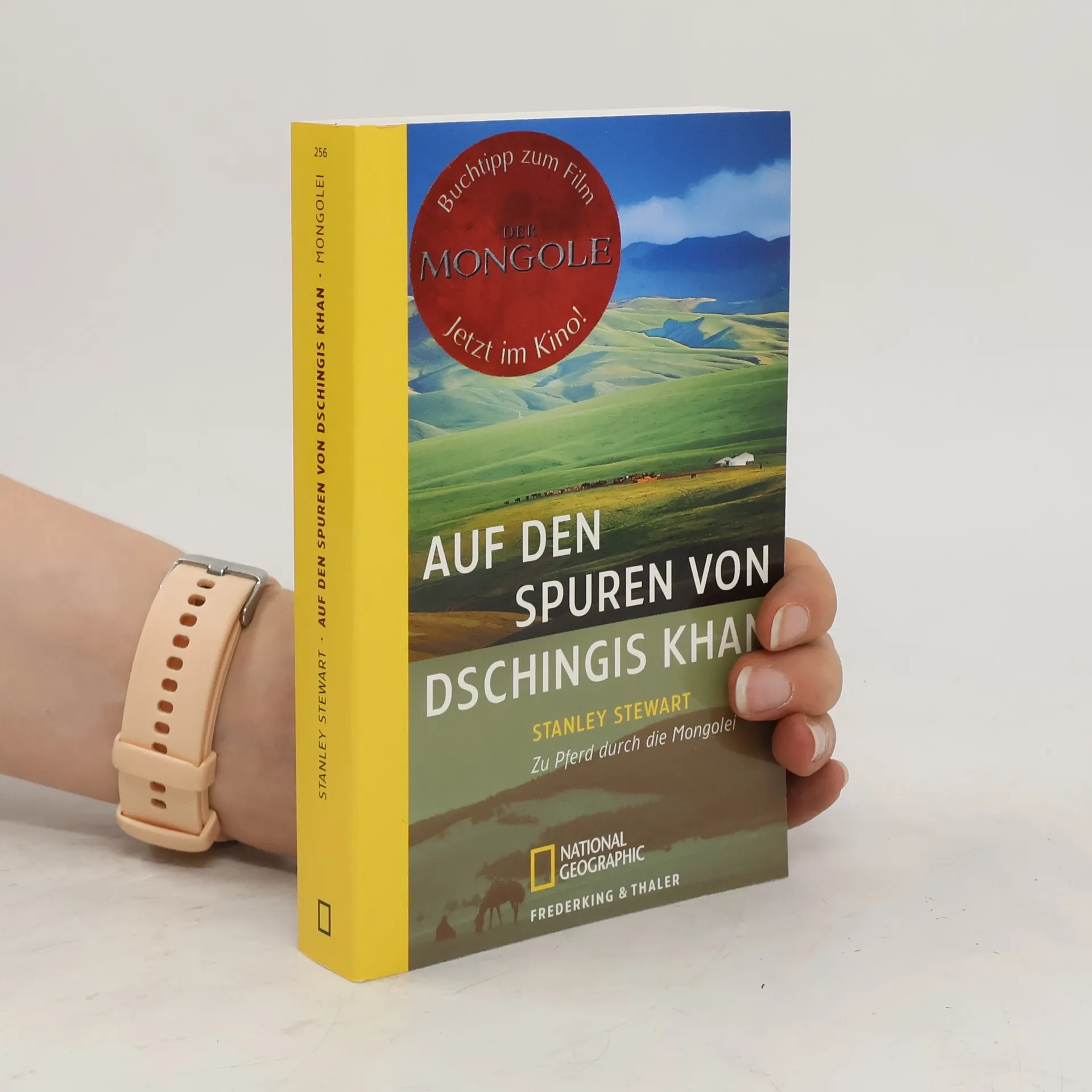
Eight centuries ago, the Mongols burst forth from Central Asia in a series of spectacular conquests that took them from the Danube to the Yellow Sea. Their empire was seen as the final triumph of the nomadic barbarians. But in time, the Mongols sank back into the obscurity from which they had emerged, almost without trace. Remote and outlandish, Outer Mongolia became a metaphor for exile, a lost domain of tents and horsemen, little changed since the days of Genghis Khan.
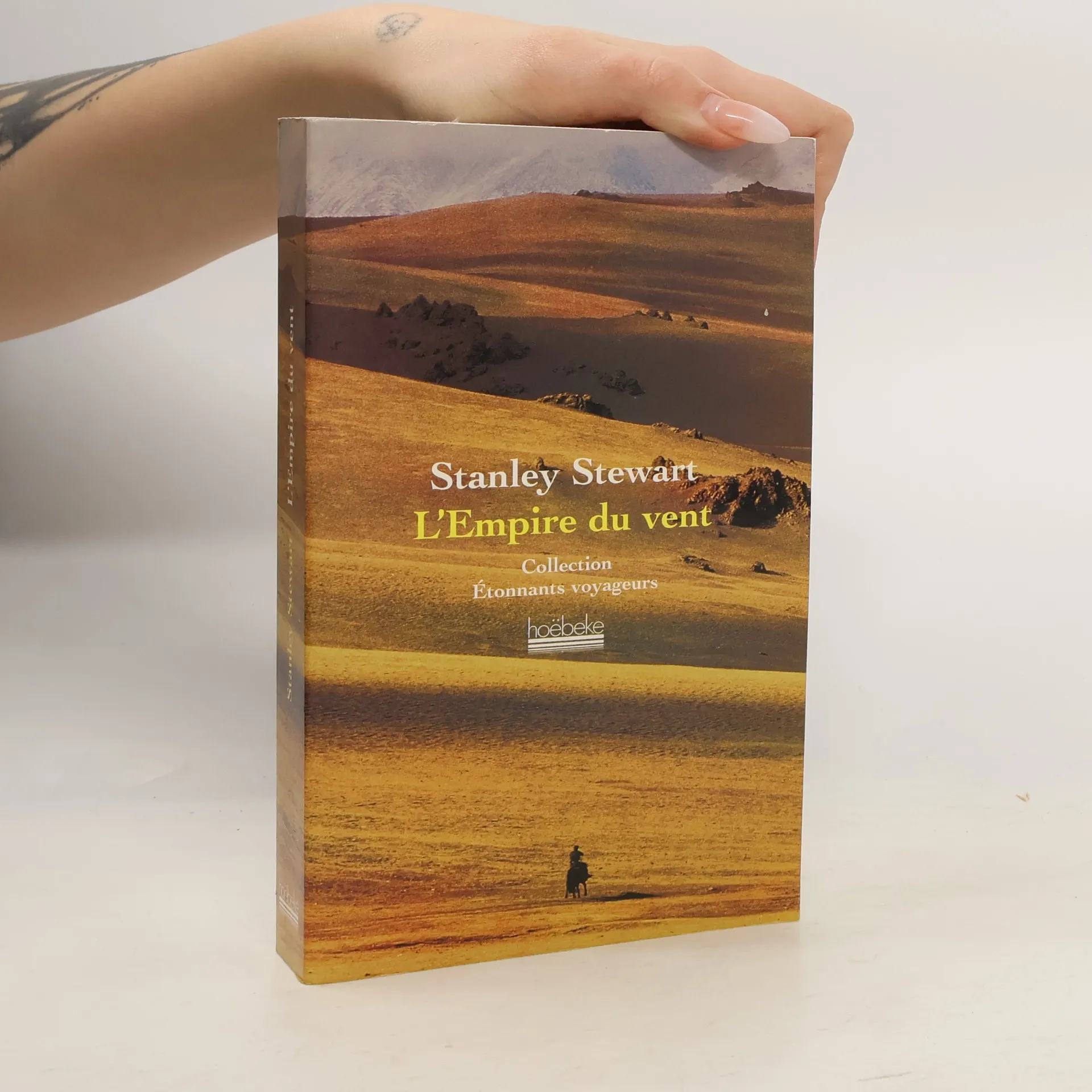
Parti d'Istanbul, Stanley Stewart parcourra 1 600 kilomètres à cheval à travers les pays de l'ancienne Russie et de la Mongolie jusqu'à Dadal, le lieu de naissance de Gengis Khan, partageant la vie des nomades, découvrant peu à peu leur culture inchangée depuis des siècles. Intensément humain, intensément poétique, mené de bout en bout au grand galop, ce livre à la prose fluide, au lyrisme contenu et à l'humour constant est un vrai bonheur.
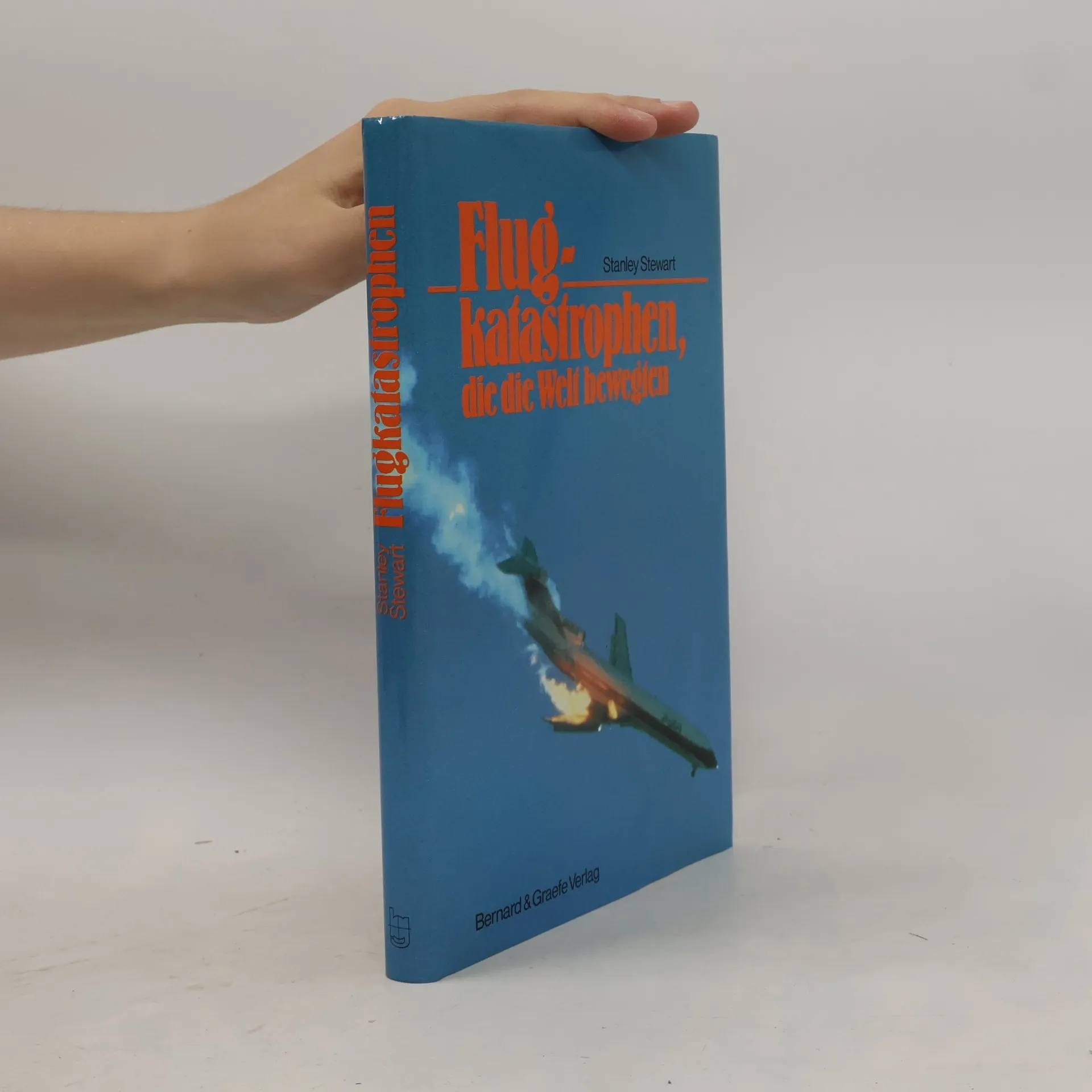
Dieses Werk erzählt die Geschichten tatsächlicher Luftvorfälle und Beinahe-Unfälle, die von denjenigen berichtet werden, die sie aus erster Hand erlebt haben.
Dschingis Khan lebte von ca. 1162-1277 und vereinte die verfeindeten mongolischen Stämme im Nordosten der heutigen Mongolei. Durch Feldzüge und überlegene Kriegsführung errichtete er ein riesiges Weltreich, das 1240 bis Mitteleuropa reichte und als das größte zusammenhängende Reich der Geschichte gilt.



![400 [Vierhundert] Tonnen heben ab](https://rezised-images.knhbt.cz/1920x1920/90157135.webp)