

Anson Rabinbach's collection showcases his influential scholarship on Nazi culture, antifascism, and the lingering impacts of Nazism on postwar German and European society. As a prominent intellectual historian of 20th century Europe, he offers a comprehensive analysis of these themes, drawing on four decades of research to illuminate the complexities of National Socialism and its repercussions. This volume serves as a vital resource for understanding the cultural legacy of this tumultuous period in history.
Anson Rabinbach Volgorde van de boeken
Anson Rabinbach is een vooraanstaand historicus wiens werk zich verdiept in de complexe relatie tussen intellectuele geschiedenis en de politieke omwentelingen van de 20e eeuw. Hij onderzoekt hoe Europese denkers omgingen met catastrofes en zochten naar wegen naar verlichting in turbulente tijden. Zijn analyses bieden diepgaande inzichten in de gedachtestromingen die de moderne wereld hebben gevormd. Zijn geschriften worden gewaardeerd om hun analytische strengheid en historische diepgang.


- 2022
- 2014
"The subject of how German scholars responded to the Nazi regime has seen a resurgence of interest in recent years. In this collection, Rabinbach and Bialas bring some of the most important and original scholarly contributions together in one cohesive volume, to deliver a surprising conclusion: whatever diverse motives German intellectuals may have had in 1933, the image of Nazism as an alien power imposed on German universities from without was a convenient fiction."--BOOK JACKET.
- 2001
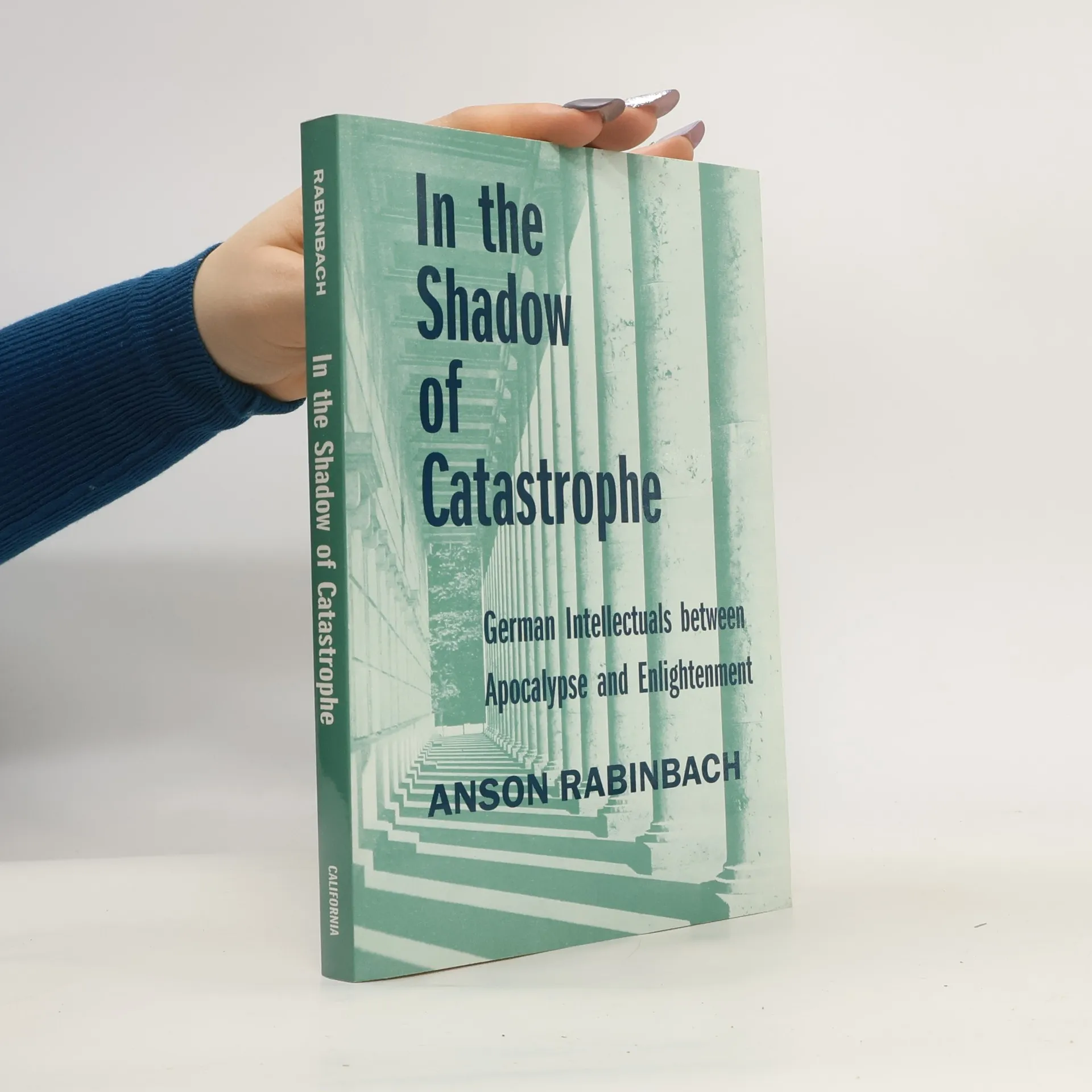
In the Shadow of Catastrophe
- 252bladzijden
- 9 uur lezen
Includes essays that address the writings of key figures in twentieth-century German philosophy. This title explores their ideas in relation to the two world wars and the horrors facing Europe at that time. Analyzing the work of Benjamin and Bloch, it suggests their indebtedness to the traditions of Jewish messianism. schovat popis
- 1992
Examines how developments in physics, biology, medicine, psychology, politics, and art employed the metaphor of the working body as a human motor. This title demonstrates how the utopian obsession with energy and fatigue shaped social thought across the ideological spectrum.