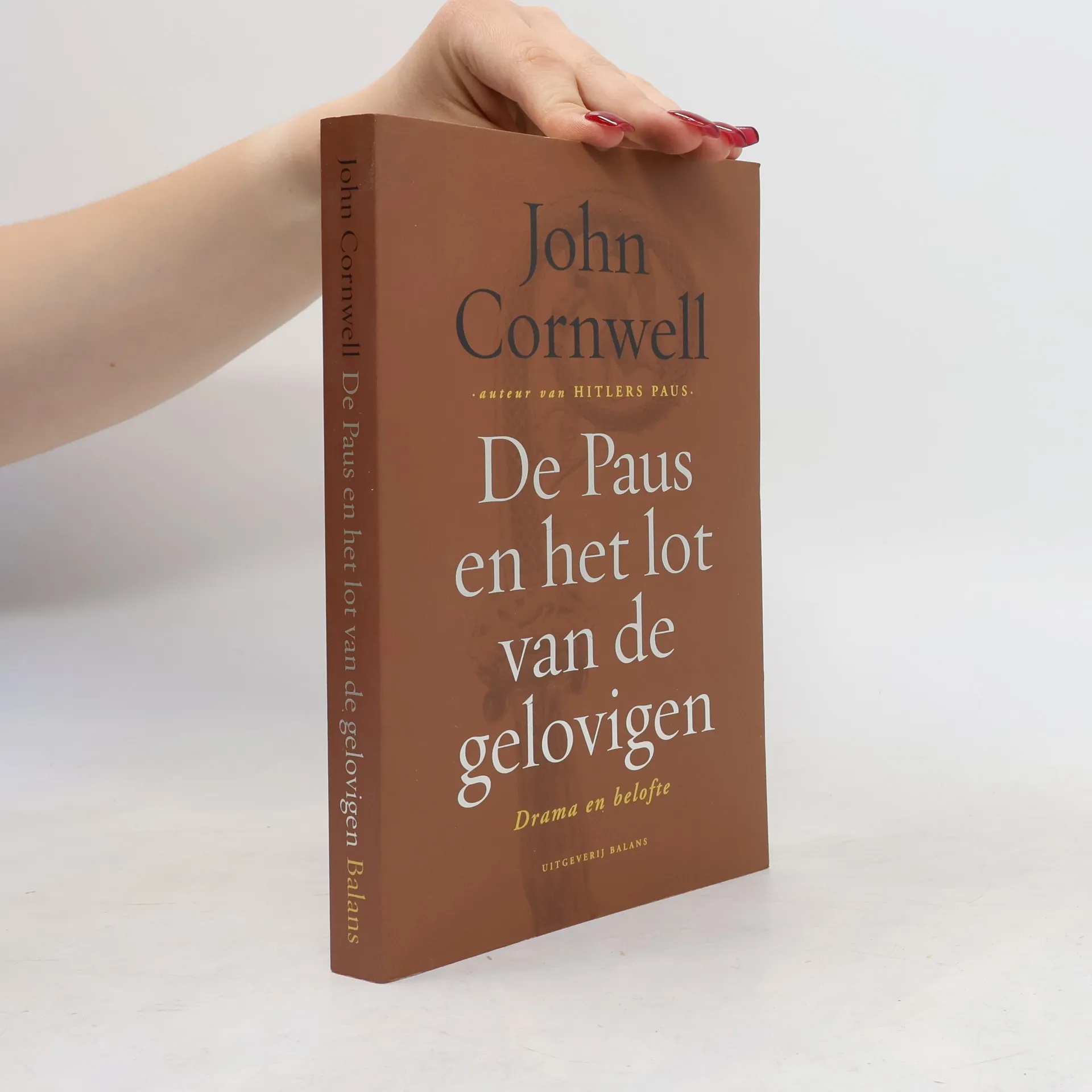
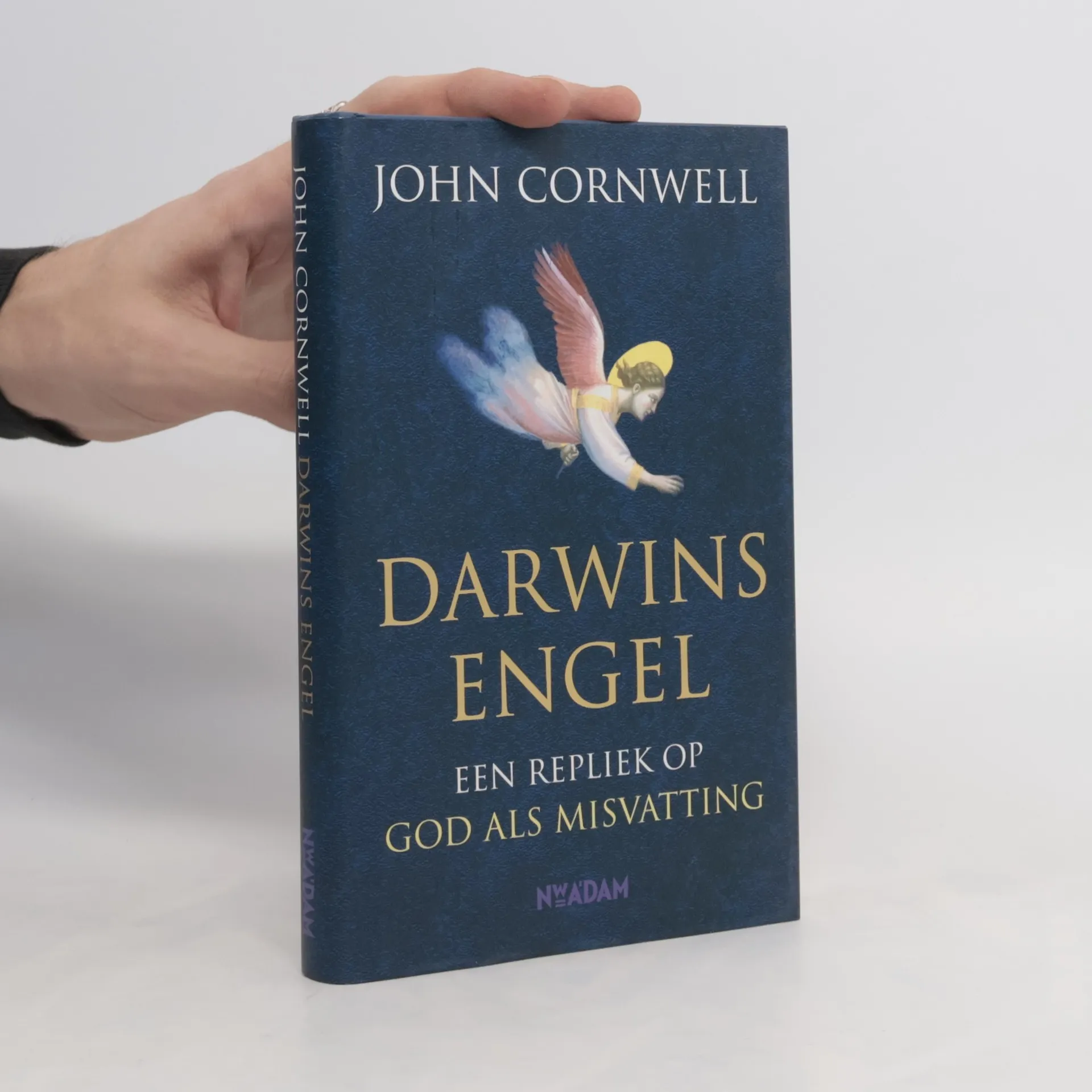
Hét antwoord op Dawkins' veroordeling van godsdienst Met de bestseller God als misvatting heeft Richard Dawkins een scala aan heftige reacties uitgelokt, variërend van de hoogste lof tot felle verontwaardiging. Hij is de lieveling van atheïsten geworden en een mikpunt van hoon voor gelovigen. John Cornwell is ervan overtuigd dat God als misvatting om een reactie vraagt die zowel monter van toon als robuust is. In de rol van beschermengel van prominente biologen - te beginnen met Darwin - heeft Cornwell een lange brief aan Dawkins geschreven. Daarin wijst hij de grote geleerde op een aantal wezenlijke punten in God als misvatting dat volgens hem niet strookt met de logica en het gezonde verstand. Cornwells 'engel' is niet zozeer een verbolgen en defensieve apologeet als wel een vriendelijke wetenschapsman met verbeeldingskracht en gevoel voor ironie. Welwillend neemt hij de moeite om Dawkins een waslijst voor te leggen van wat in zijn ogen dwalingen en tekortkomingen zijn: van Dawkins' gebrek aan begrip van wat geloof en twijfel in wezen inhouden tot diens blinde vlek voor de aard van het atheïsme en de pseudo-wetenschap onder Stalin, Hitler en Mao. Het resultaat is een uiterst leesbare verdediging van de godsdienst in de moderne wereld. In de breed gevoerde discussie over God en religie, die in ons tijdgewricht volop in gang is, komt dit boek met een nieuw en ander, onmisbaar geluid.
John Cornwell Boeken
John Cornwell is een Britse journalist en auteur, bekend om zijn onderzoeksjournalistiek en zijn verkenning van de band tussen wetenschap, ethiek en geesteswetenschappen. Zijn werk duikt in de complexe ethische dilemma's die voortvloeien uit wetenschappelijke vooruitgang en onderzoekt hoe deze kwesties onze samenleving vormen. Met nauwgezet onderzoek en scherpe analyses behandelt hij vaak controversiële onderwerpen en ingewikkelde historische contexten. Naast zijn bijdragen aan het begrip van wetenschap, biedt hij ook diepgaande inzichten in de katholieke kerk en haar verhouding tot de moderne wereld.

Persoonlijk portret van de Rooms-Katholieke Kerk aan het begin van de 21ste eeuw.
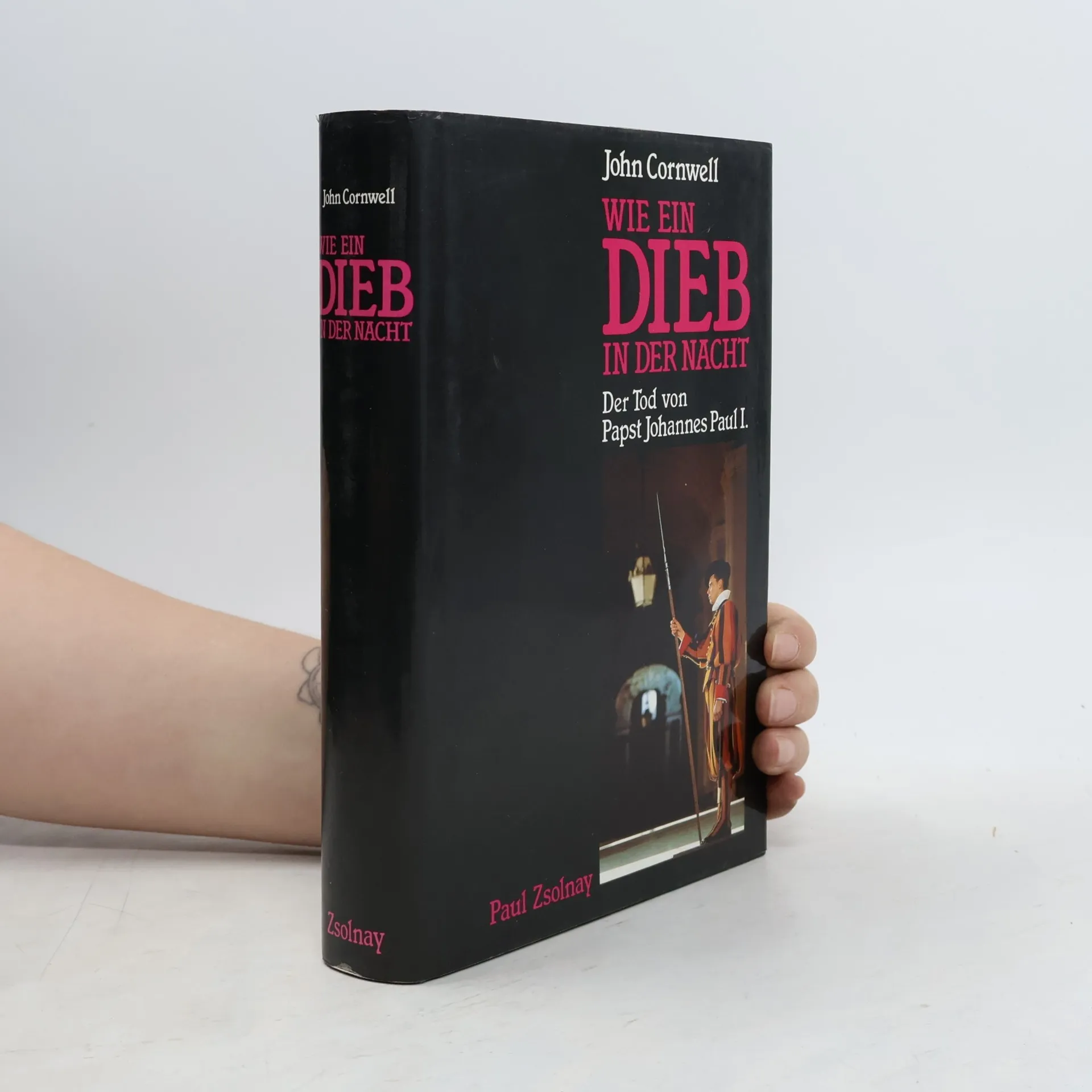
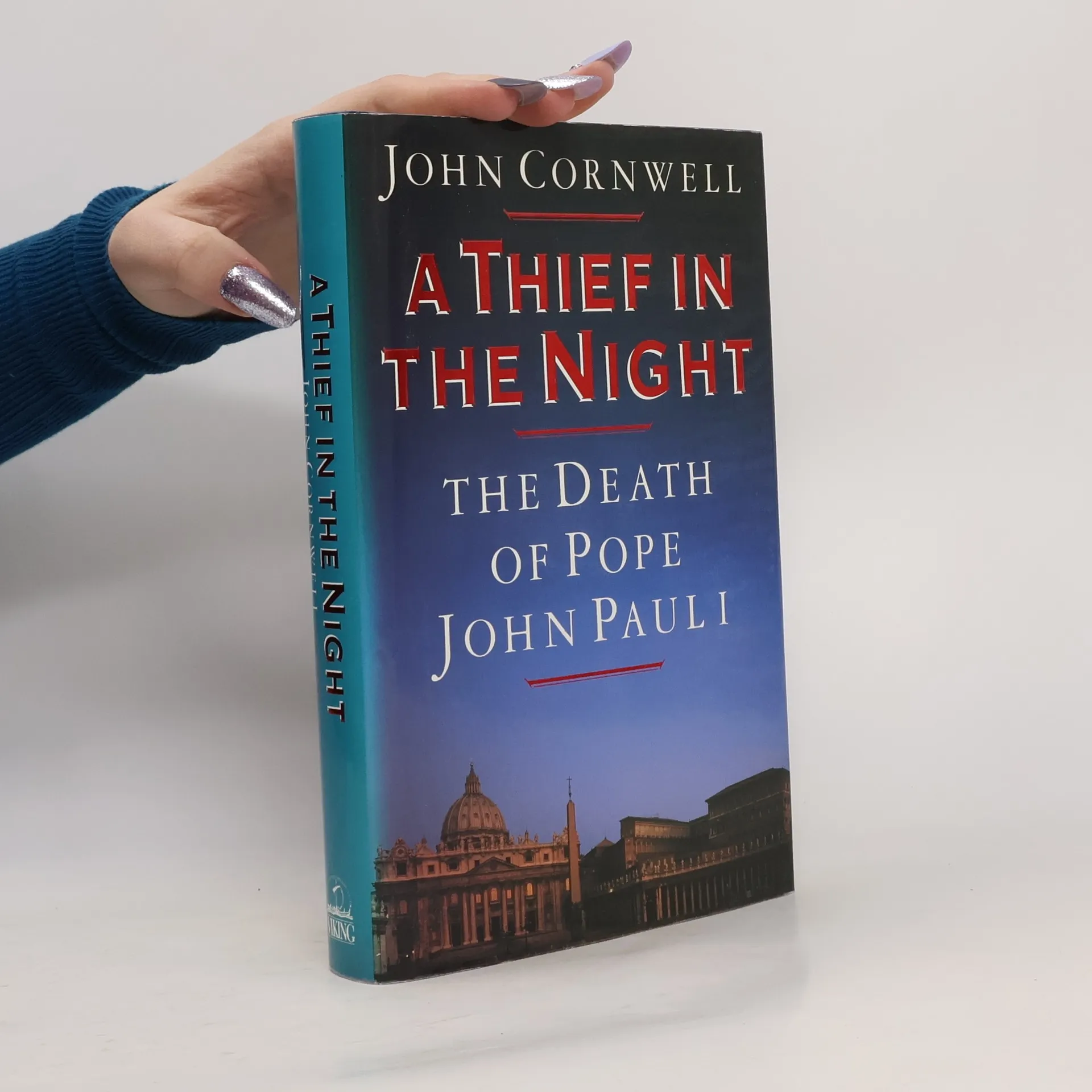
John Cornwell uncovers in his investigation into the sudden death of Pope John Paul I on September 28, 1978, the truth of his shameful and tragic end—facts more startling than the conspiracy theories of his murder.
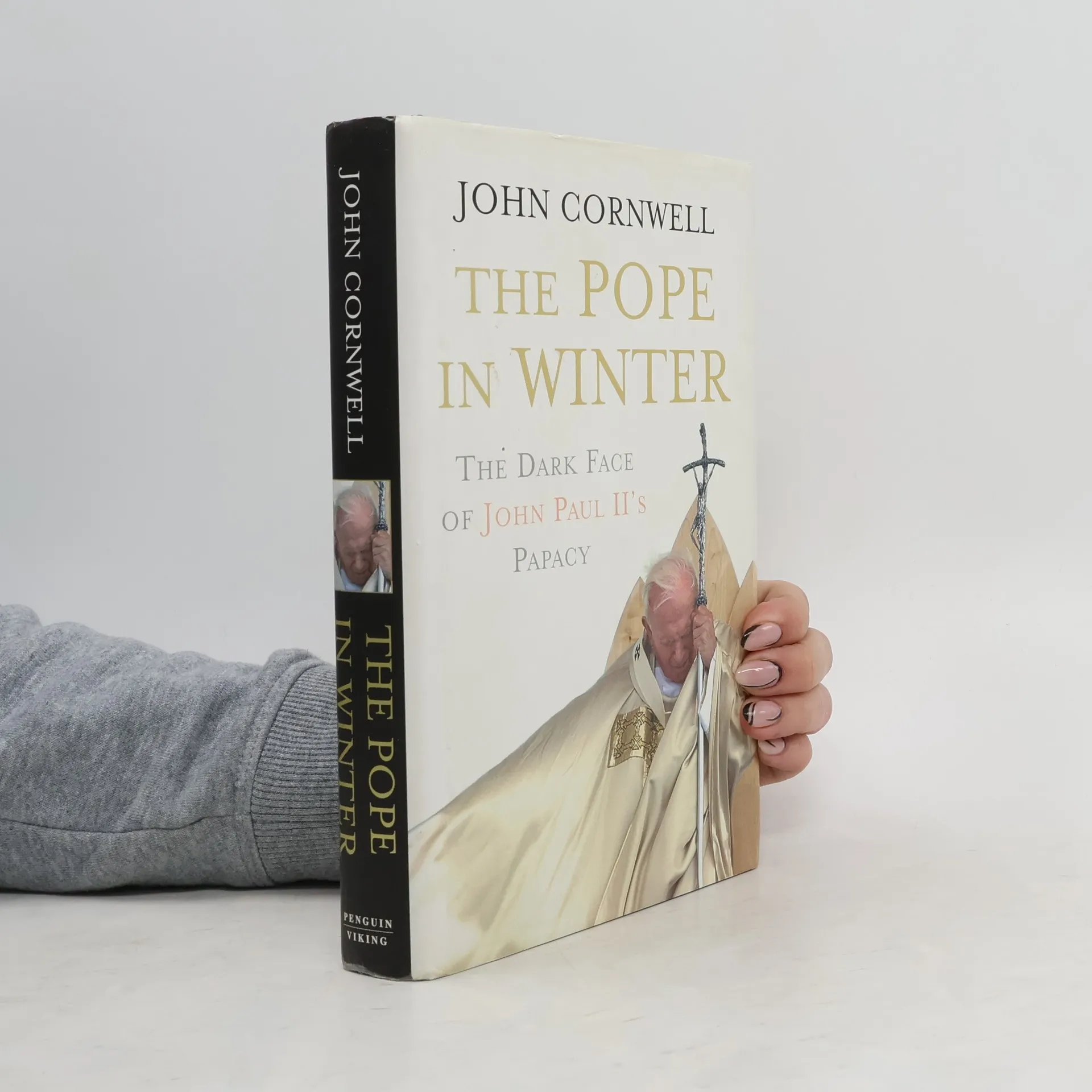
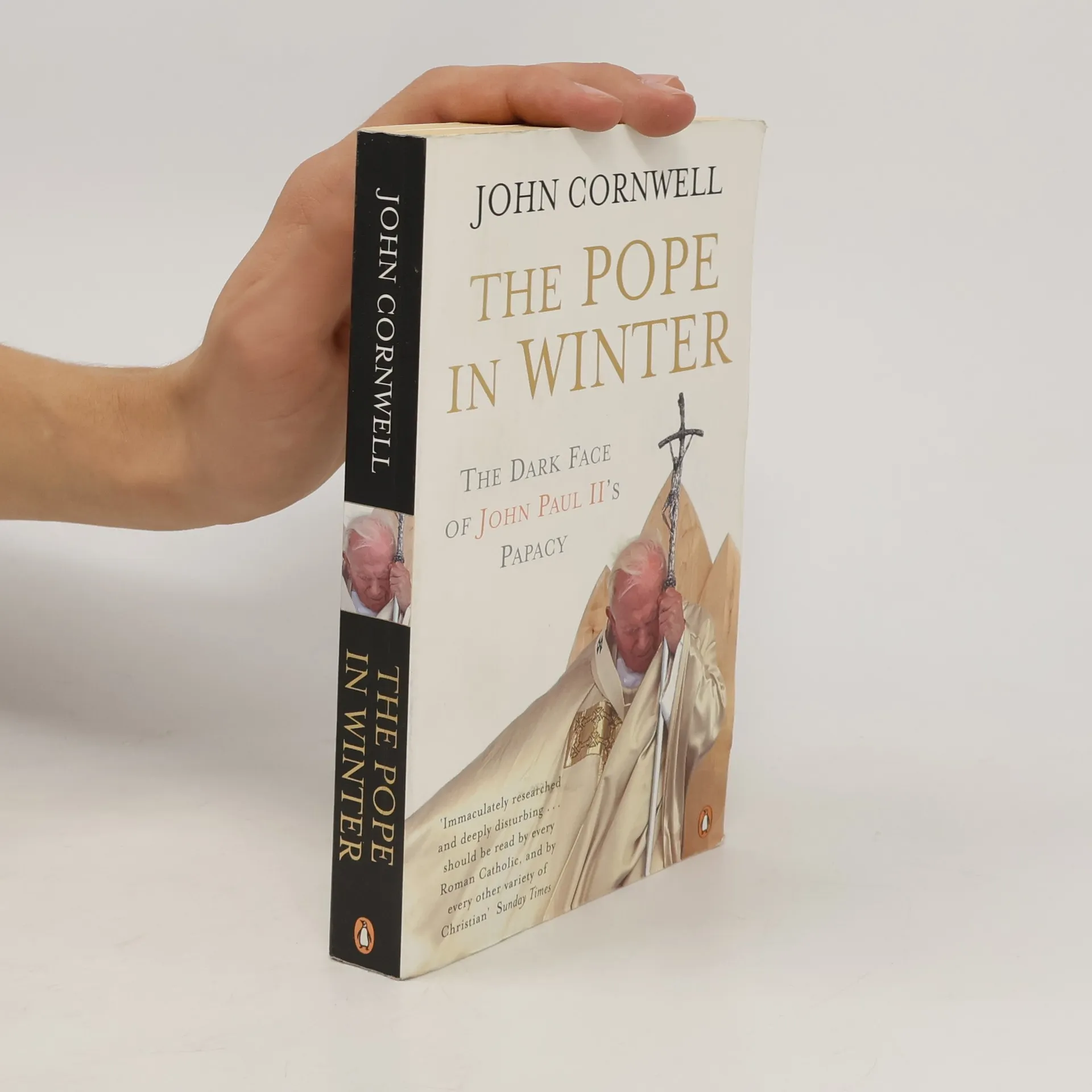
The Late John Paul II was portrayed by admirers as one of history's great popes. But in The Pope in Winter, leading Vatican expert John Cornwell seriously questions the workings of his papacy and points to fundamental flaws - exacerbated by age and infirmity - that have alarming consequences for both the Catholic Church's future and John Paul II's successor.
Would you tell your deepest secrets to a relative stranger? And if you did, would you feel vulnerable? Cleansed? Or perhaps even worse than you did before? Confession has always performed a complex role in society, always created mixed feelings in its practitioners. As an acknowledgement of sinfulness, it can provide immense psychological relief; but while aiming to replace remorse with innocence, its history has become inextricably intertwined with eroticism and shame.The Dark Box is an erudite and personal history; Cornwell draws on his own memories of Catholic boyhood, and weaves it with the story of confession from its origins in the early church to the current day, where its enduring psychological potency is evidenced by everything from the Vatican's 'confession app' to Oprah Winfrey's talk shows. Since the 16th century, seclusion of two individuals in the intimate 'dark box', often discussing sexual actions and thoughts, has eroticised the experience of confession. When, in 1905, Pius X made confession a weekly, rather than yearly ritual, the horrific cases of child abuse which have haunted the Catholic church in the twentieth century became possible.
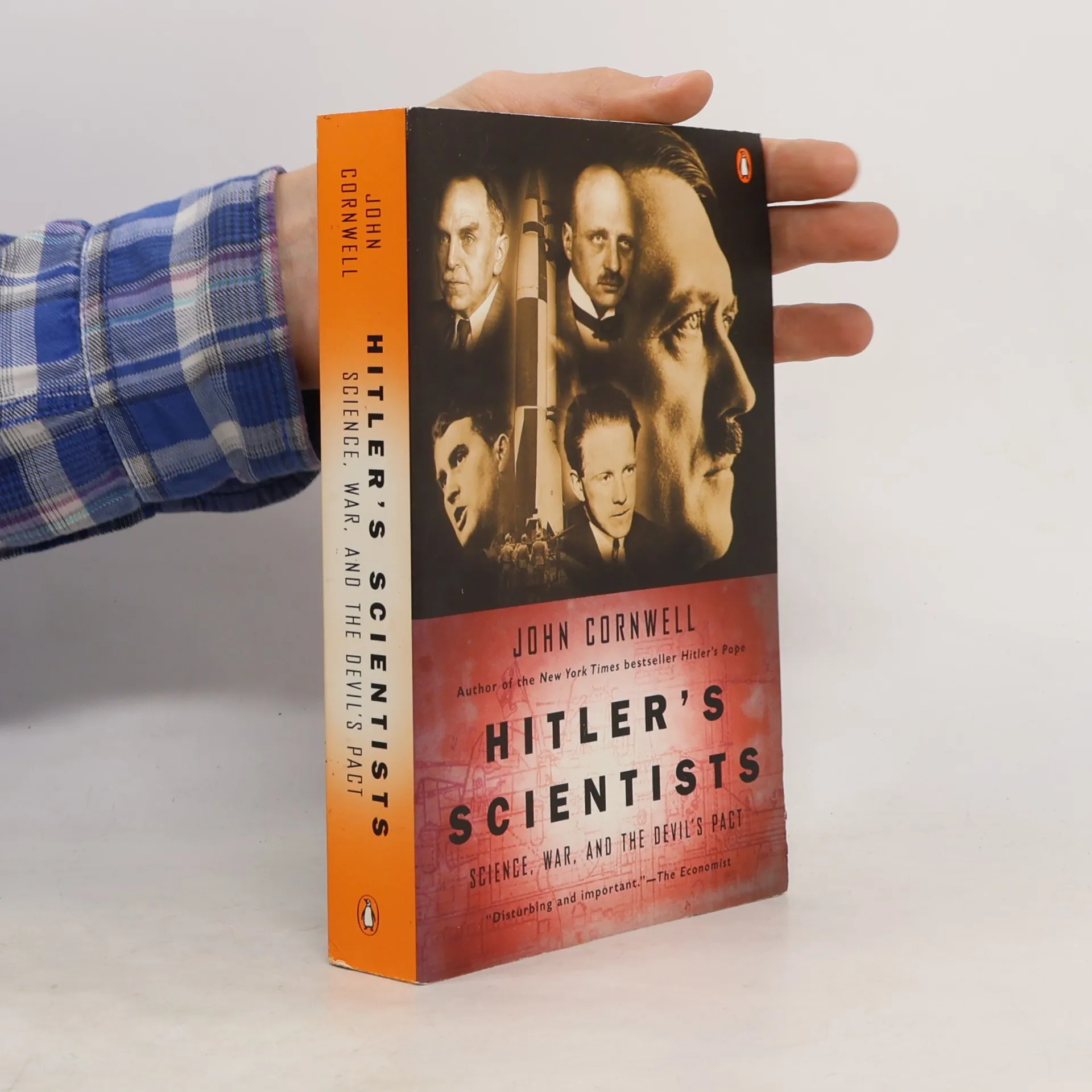
Focusing on the intersection of science and ethics during the Third Reich, this work explores the scientists who collaborated with Hitler and the implications of their actions. The author provides a thorough and well-researched narrative, highlighting the moral dilemmas faced by these individuals. With 16 pages of photographs, the book offers a compelling examination of how scientific pursuits were influenced by political agendas, raising questions about accountability and the ethical responsibilities of scientists.
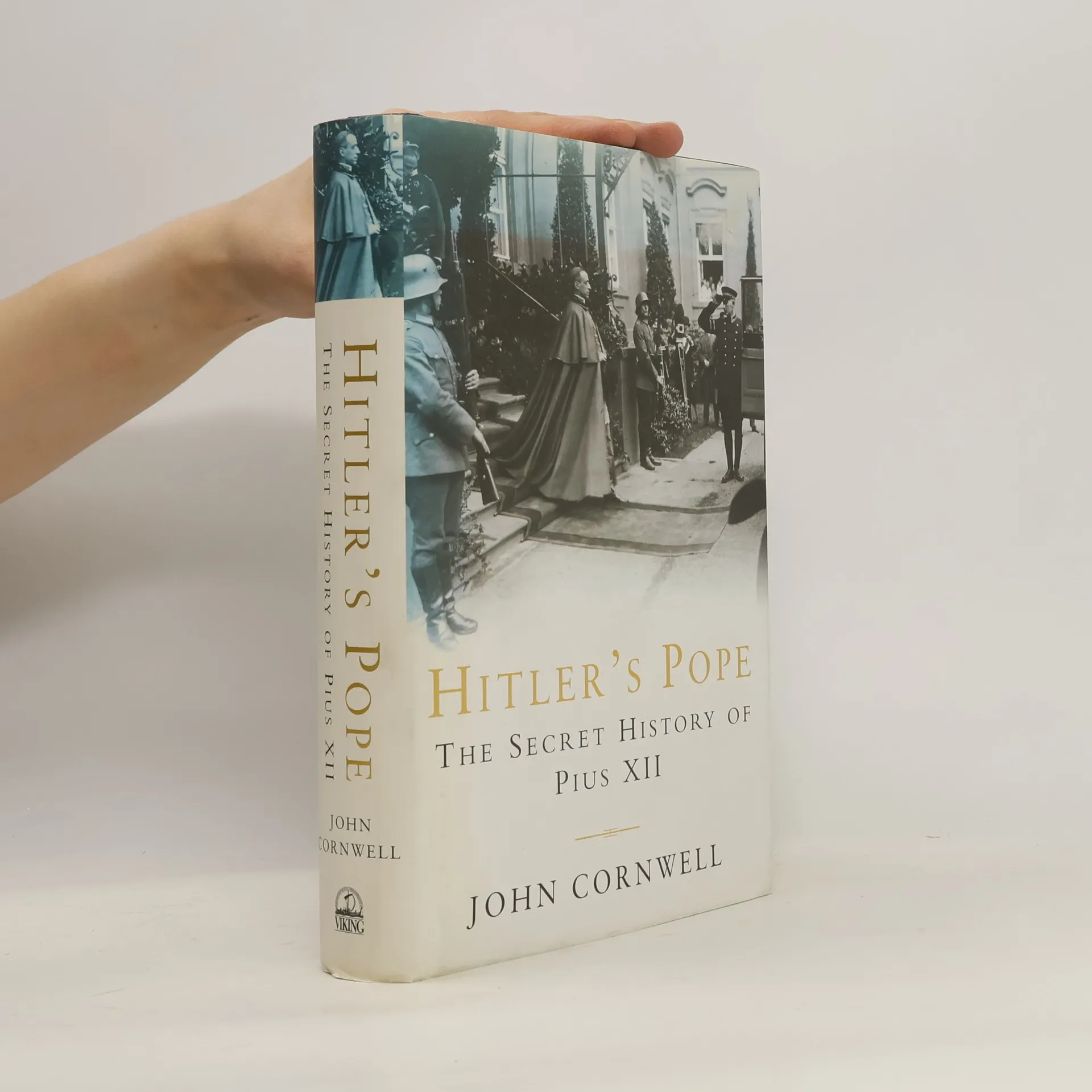
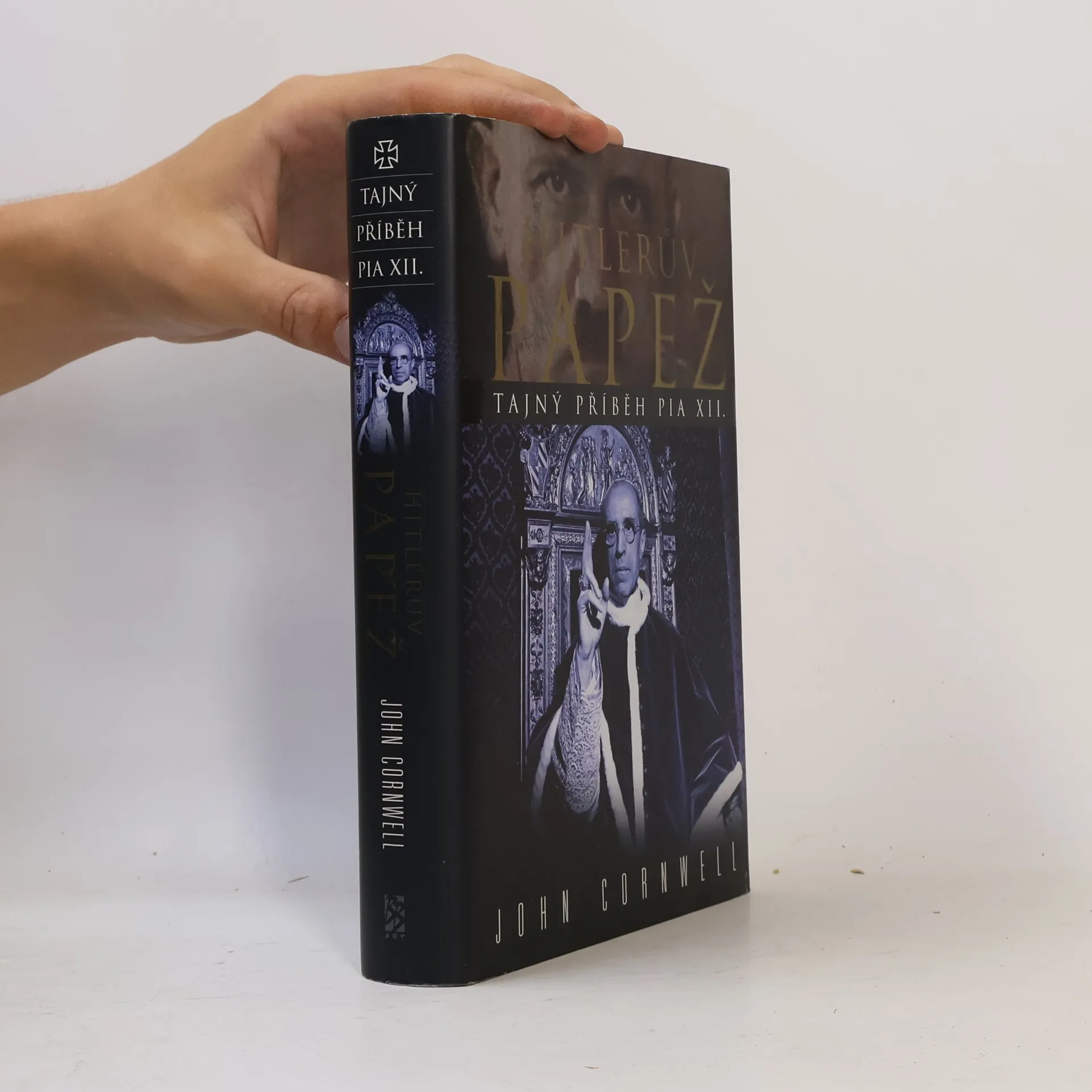
"Hitler's Pope is the previously untold story of the man who was arguably the most dangerous churchman in modern history: Eugenio Pacelli, Pius XII, Pontiff from 1939 to 1958 and long controversial as the Pope who failed to speak out against Hitler's Final Solution. Here is the full story of how Pacelli in fact prompted events in the 1920s and '30s that helped sweep the Nazis to unhindered power."--Jacket
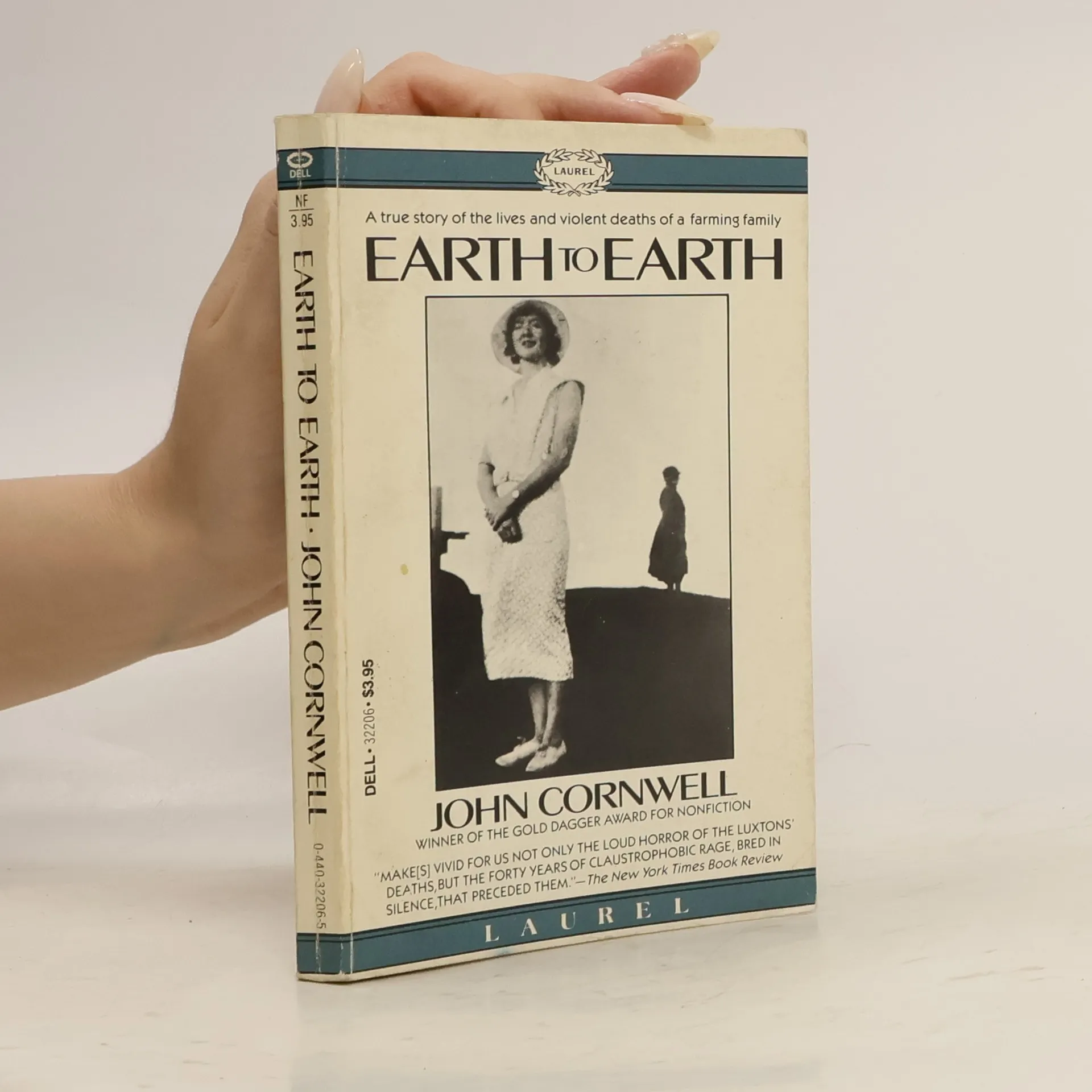
Earth to Earth
- 174bladzijden
- 7 uur lezen
On a September day in 1975, amid the pungent smells of ripe apples and falling leaves, Robbie, Francis and Alan Luxton were found shot to death on the remote Devon Farm that had belonged to their family for hundreds of years. Reclusive, eccentric, and miserly, the two brothers and a sister shared secrets no one ever suspected until their mysterious deaths brought attention to their strange lives. In a saga reaching back over generations, author John Cornwell probes the verdant surface of the peaceful Devonshire countryside to unearth the truth about a formidable family... to uncover a poignant tale of madness, love, and tragedy... to answer the dark questions about how they lived and why they died. --- from book''s back cover
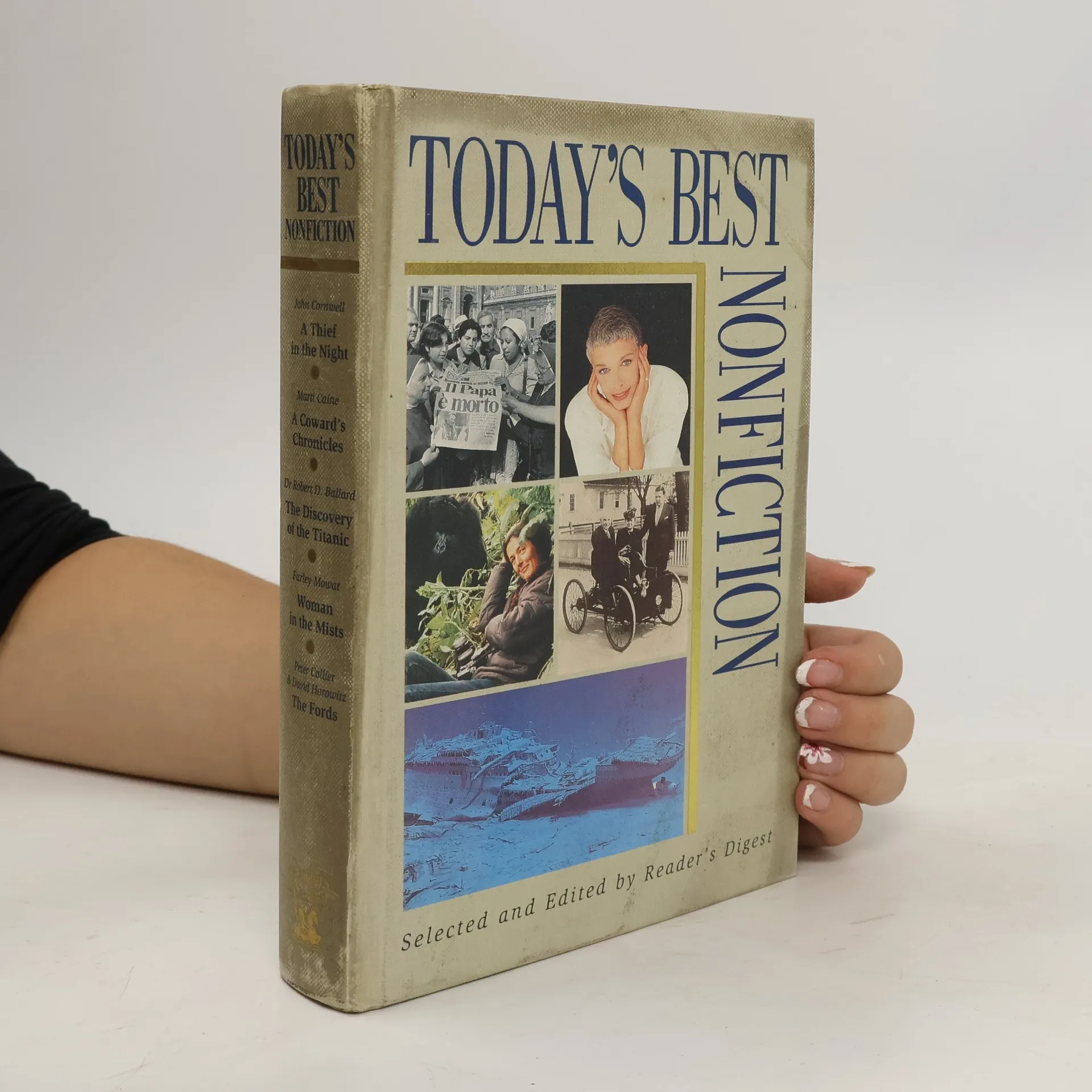
Today's Best Nonfiction
A Coward's Chronicles. The Discovery of the Titanic. Woman in the Mists. The Fords
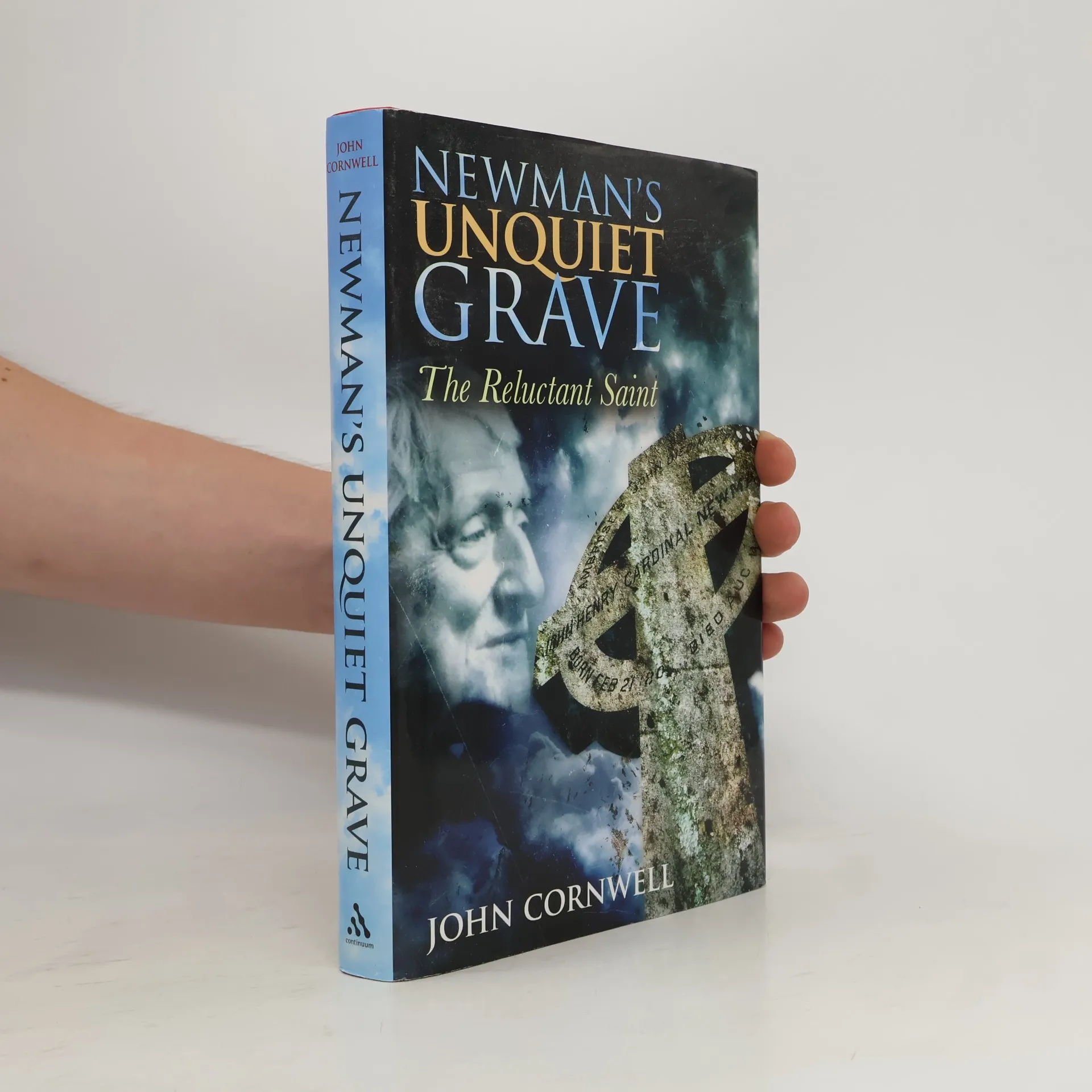
John Henry Newman was the most eminent English-speaking Christian thinker and writer of the past two hundred years. James Joyce hailed him the 'greatest' prose stylist of the Victorian age.A problematic campaign to canonise Newman started fifty years ago. After many delays John Paul II declared him a 'Venerable'. Then Pope Benedict XVI, a keen student of Newman's works, pressed for his beatification. But was Newman a 'Saint'?In Newman's Unquiet Grave John Cornwell (author of A Thief in the Night and Hitler's Pope) tells the story of the chequered attempts to establish Newman's sanctity against the background of major developments within Catholicism. His life was marked by personal feuds, self-absorption, accusations of professional and artistic narcissism, hypochondria, and same-sex friendships that at times bordered on the apparent homo-erotic.John Cornwell investigates the process of Newman's elevation to sainthood to present a highly original and controversial new portrait of the great man's life and genius for a new generation of religious and non-religious readers alike.
Hitlerův papež. Tajný příběh Pia XII.
- 398bladzijden
- 14 uur lezen
Tajný příběh Pia XII. Publikace přibližuje život i politickou činnost kontroverzního papeže Pia XII., který ve funkci státního tajemníka podepsal dohodu s Hitlerem a vyhýbal se odsouzení nacismu. Výklad dětství, dospívání, diplomatické kariéry. Hlavní pozornost je věnována působení ve funkci státního tajemníka a papežství, kdy podepsal konkordát s nacistickým Německem i velké vstřícnosti k nacistické politice. Rekapitulace působení tzv. Hitlerova papeže, jenž vešel do dějin svým antisemitismem a bojem proti komunismu...
Wie ein Dieb in der Nacht - Der Tod von Papst Johannes Paul I. - bk1312/1; Paul Zsolnay Verlag; John Cornwell; Paperback; 1989
Opkomst en ondergang van de Duitse wetenschap vanaf het begin van de twintigste eeuw tot de ineenstorting van het Derde Rijk in 1945.