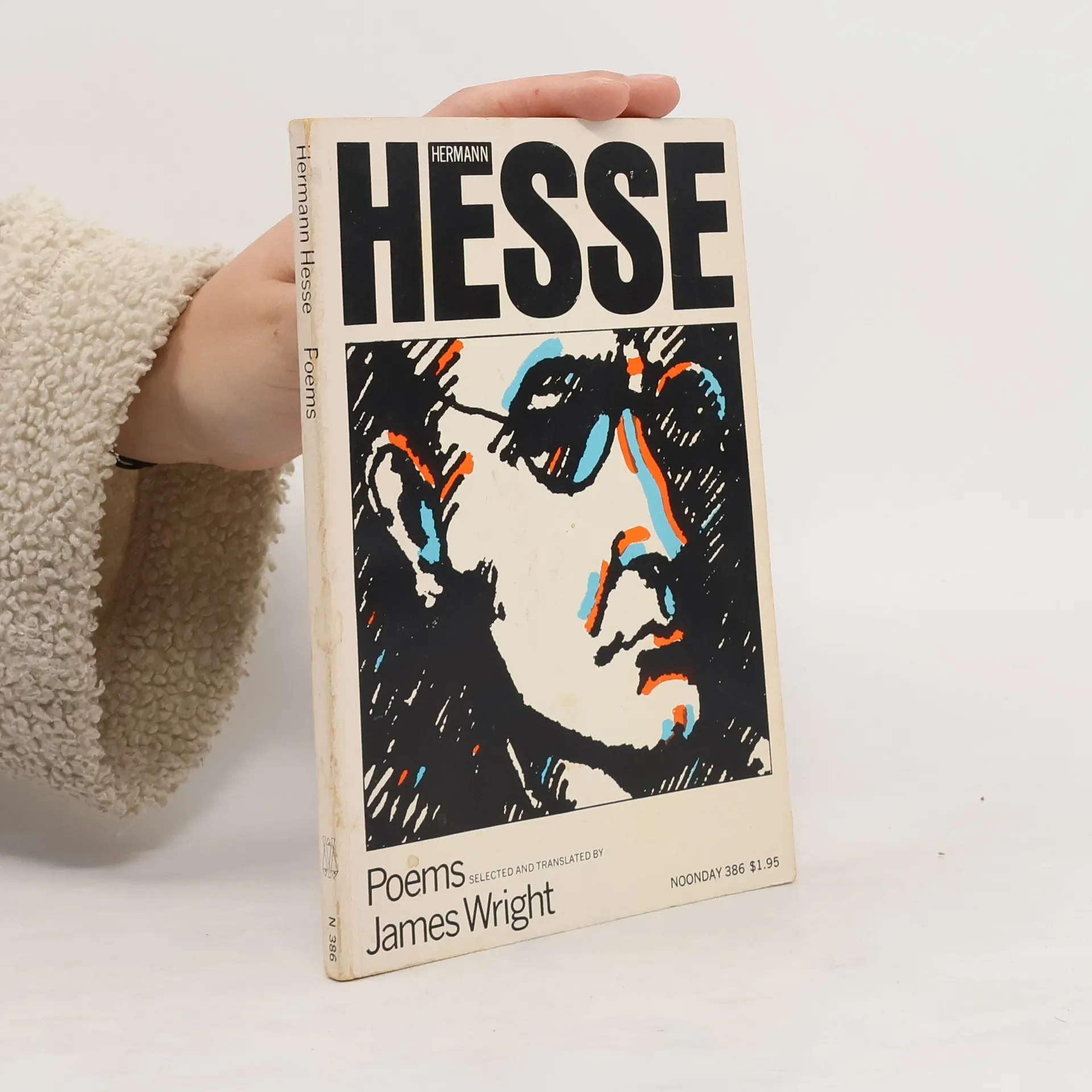
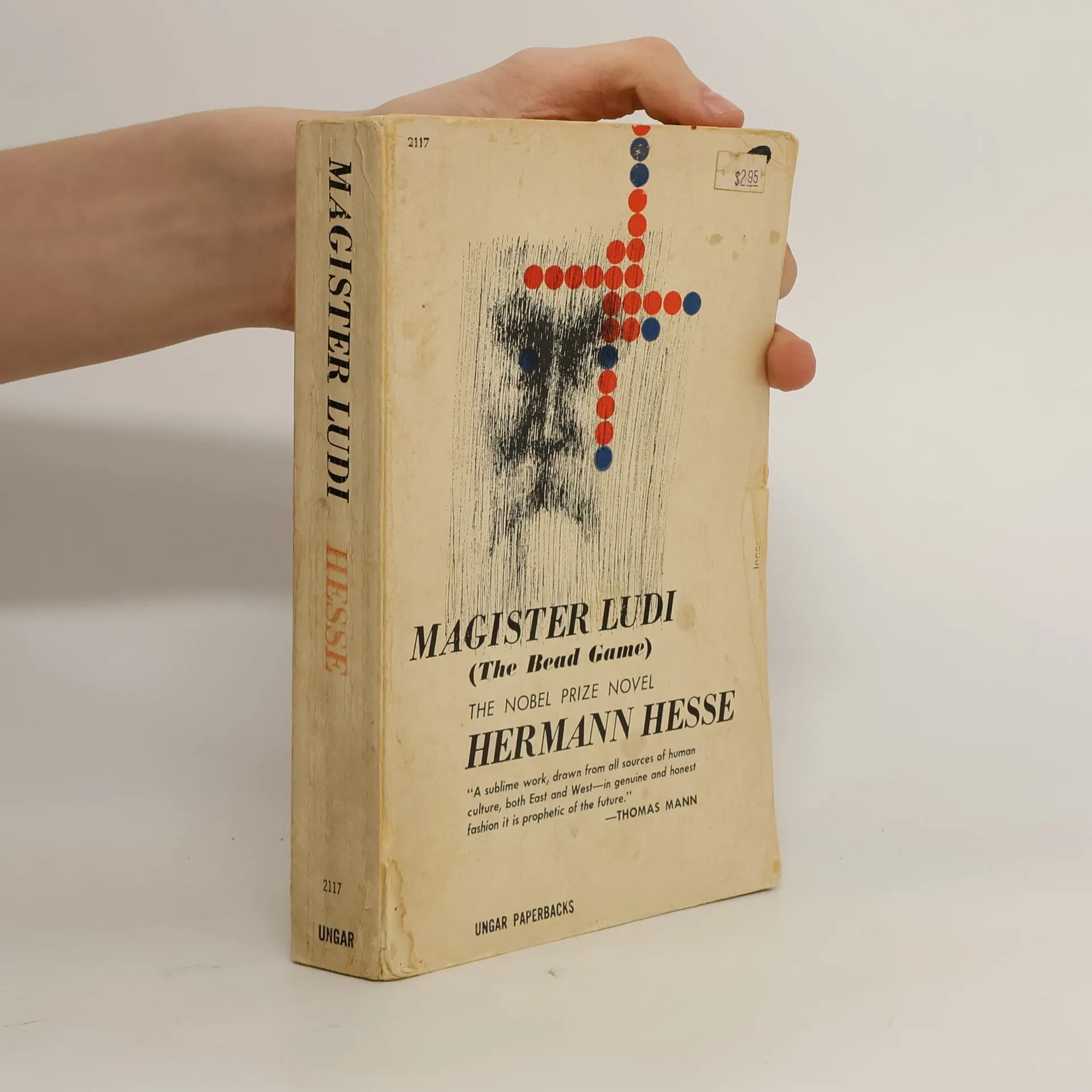
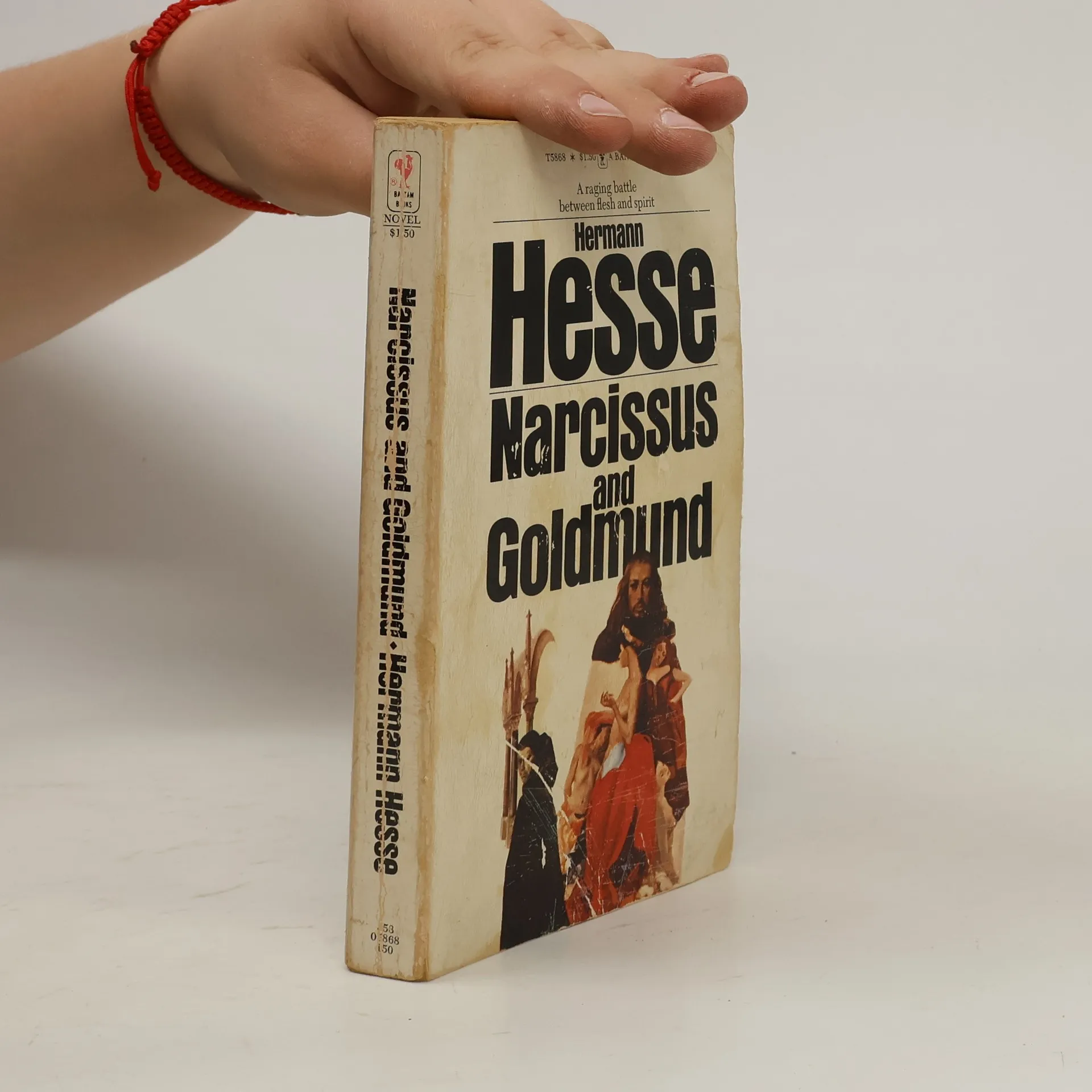
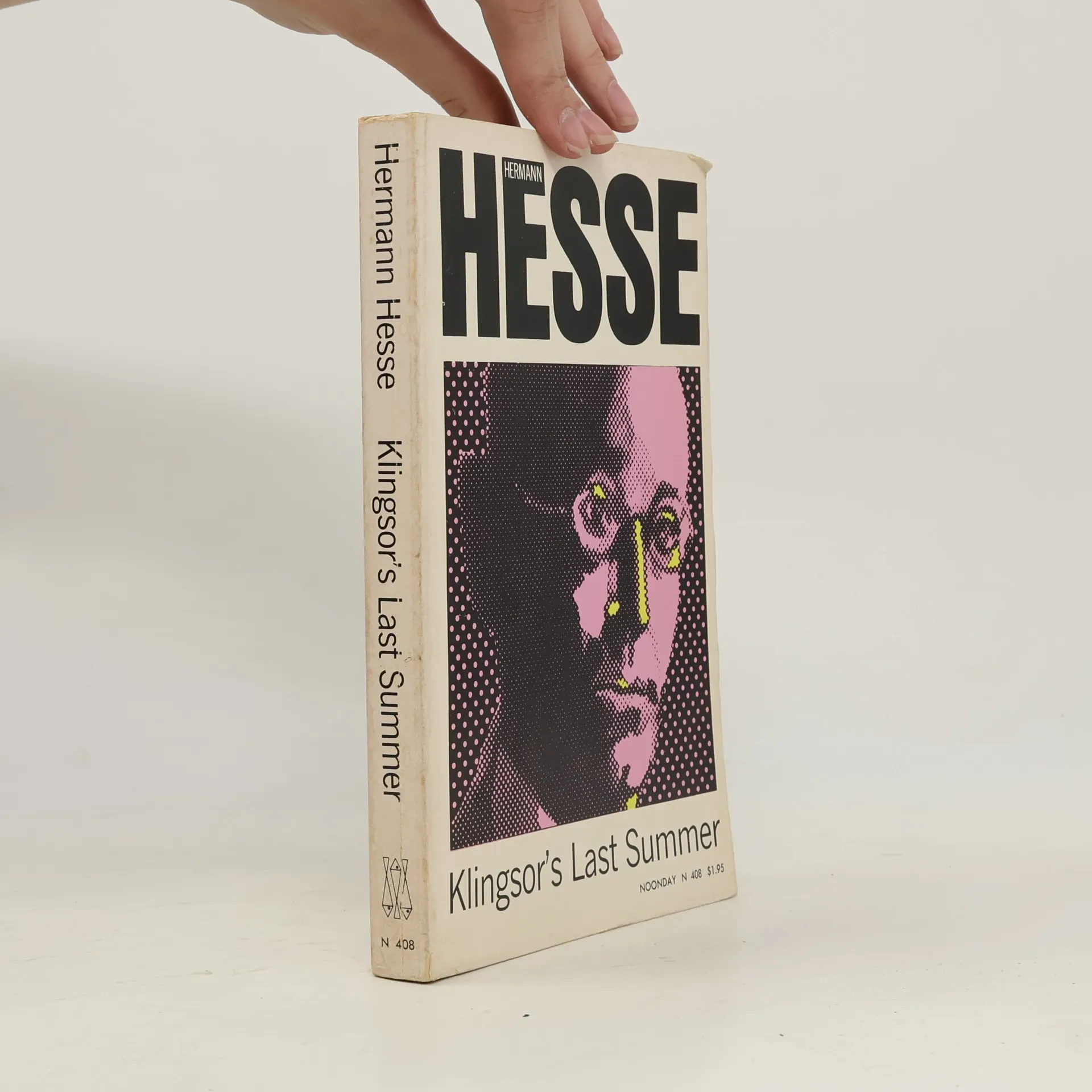
Hermann Hesse Boeken
2 juli 1877 – 9 augustus 1962
Hermann Hesse's literaire werken duiken diep in de zoektocht van het individu naar spiritualiteit en zingeving buiten maatschappelijke normen. Zijn verhalen, vaak doordrenkt van een verlangen naar een natuurlijkere bestaan, resoneerden diep bij lezers die zochten naar alternatieve paden te midden van snelle maatschappelijke veranderingen. Hesse verweeft meesterlijk thema's als identiteit en zelfontdekking met een onderscheidende vertelstijl die hem wereldwijde erkenning heeft opgeleverd.

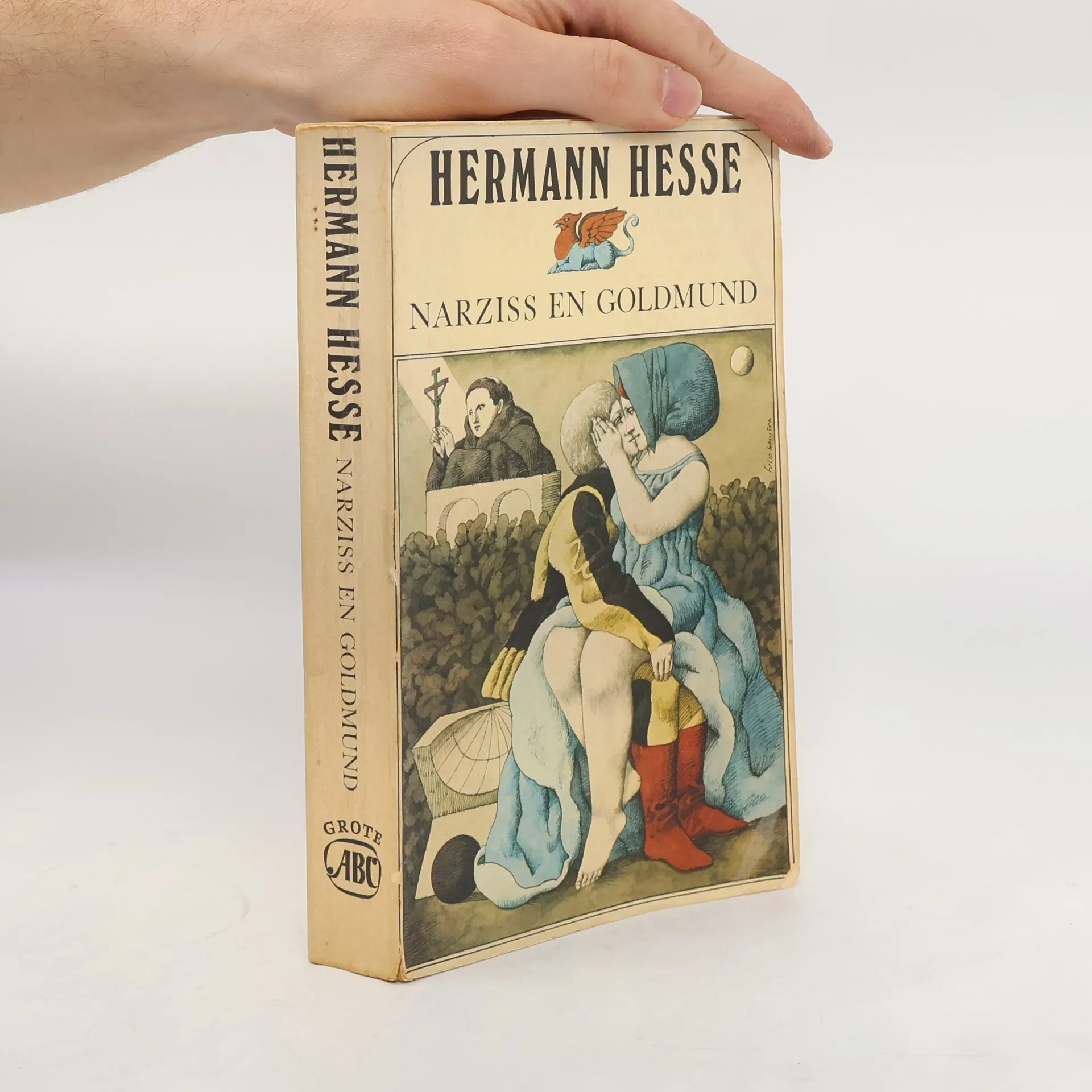

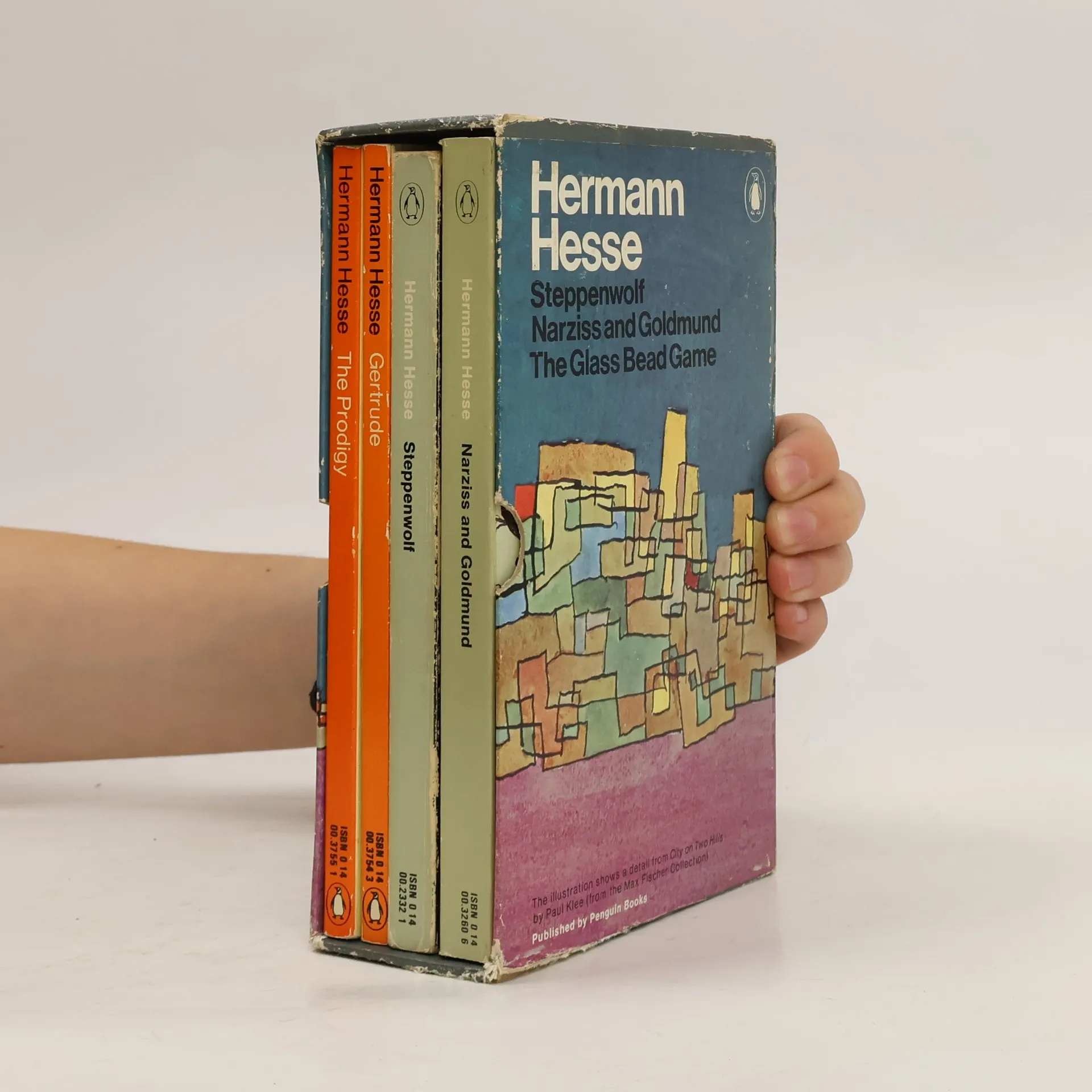
Narziss en Goldmund
- 281bladzijden
- 10 uur lezen
Het verhaal over de confrontatie van de intellectuele asceet Narziss en de artistieke gevoelsmens Goldmund speelt zich af in de middeleeuwen. Narziss maakt Goldmund duidelijk dat hij niet geschikt is voor het leven in een klooster. Goldmund trekt de wijde wereld in, leidt een bewogen liefdesleven en wordt beeldhouwer. Het avontuur blijft hem echter lokken. Wanneer hij in hachelijke omstandigheden verzeild raakt, duikt Narziss op... Narziss en Goldmund is een kunstenaarsroman over het conflict tussen geest en lichaam, ascese en zinnelijkheid, logos en eros.
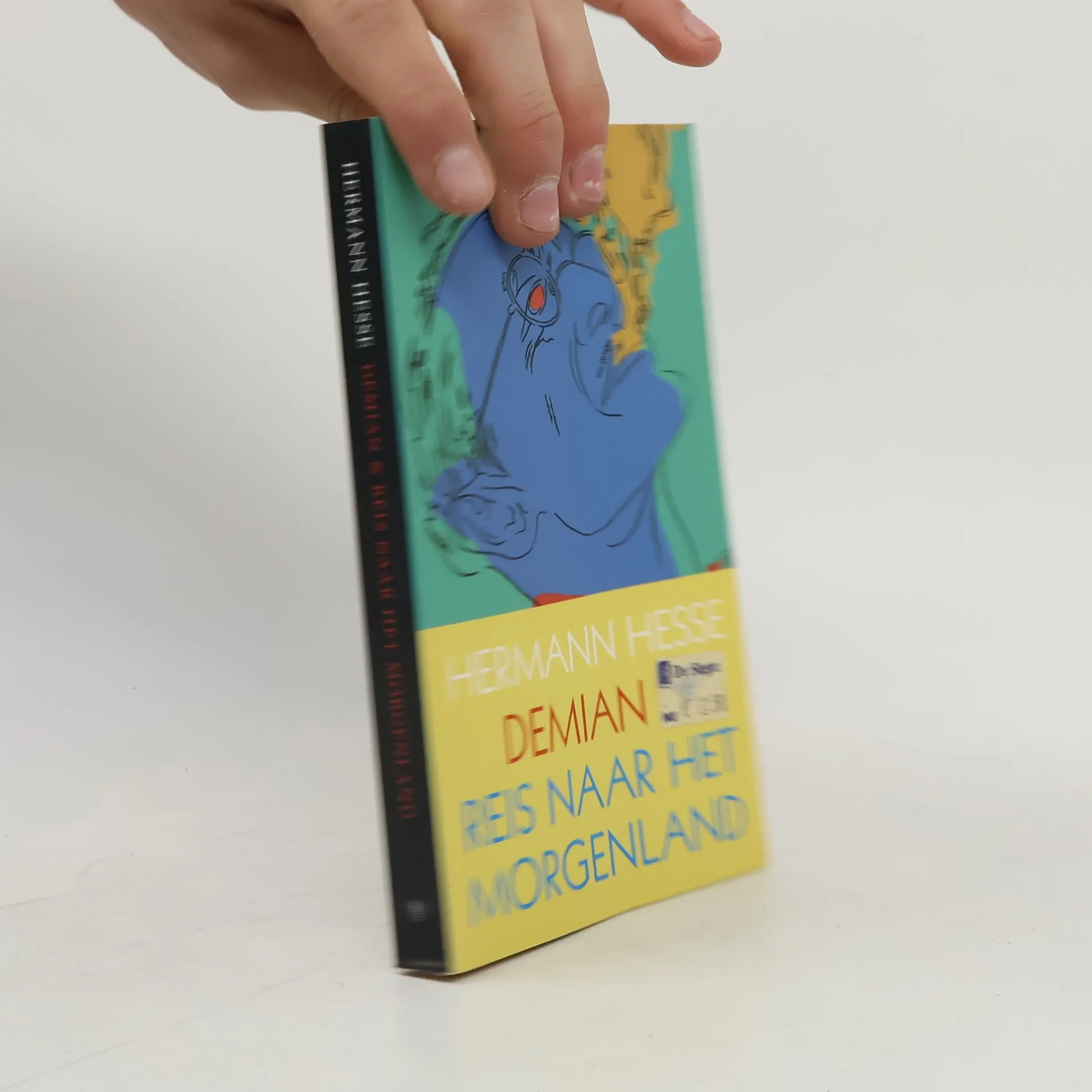
Demian / Reis naar het morgenland
- 254bladzijden
- 9 uur lezen
Demian Beschrijving van de psychische rijping van een scholier, die opgroeid in een bourgeois gezin (omschreven als ein Scheinwelt - wat kan vertaald worden als "wereld van licht", maar evenzeer als "wereld van illusie"). Het is het verhaal van zijn afdaling, onder invloed van zijn iets oudere schoolkameraad Demian, in een geheime en gevaarlijke wereld van kleine criminaliteit en opstand tegen de conventies en van zijn ontwaken tot zelfbewustzijn.
First published in 1930, Narcissus and Goldmund is the story of two diametrically opposite men: one, an ascetic monk firm in his religious commitment, and the other, a romantic youth hungry for worldly experience.Hesse was a great writer in precisely the modern sense: complex, subtle, allusive: alive to the importance of play. Narcissus and Goldmund is his very best. What makes this short book so limitlessly vast is the body-and-soul-shaking debate that runs through it, which it has the honesty and courage not to resolve: between the flesh and spirit, art and scientific or religious speculation, action and contemplation.
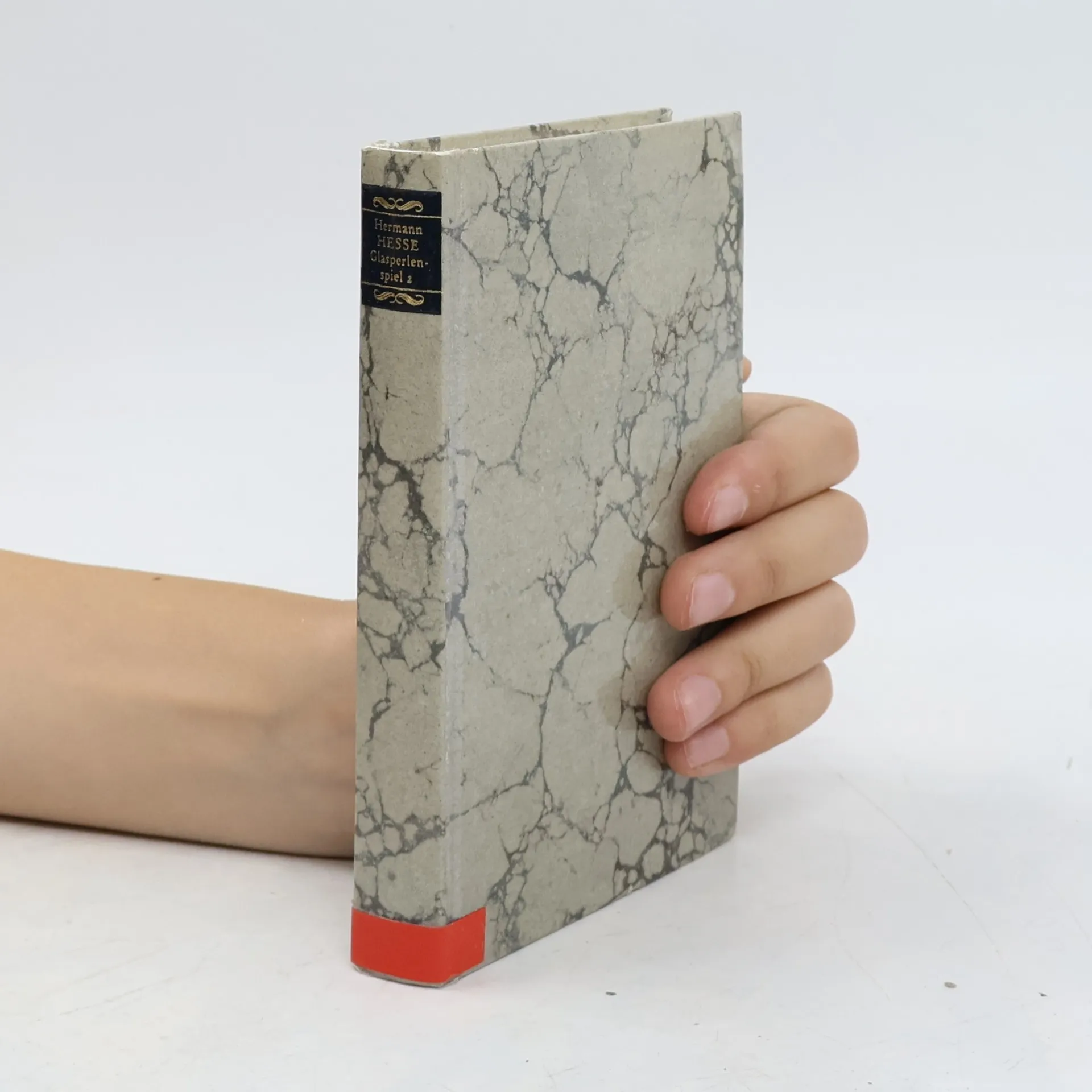
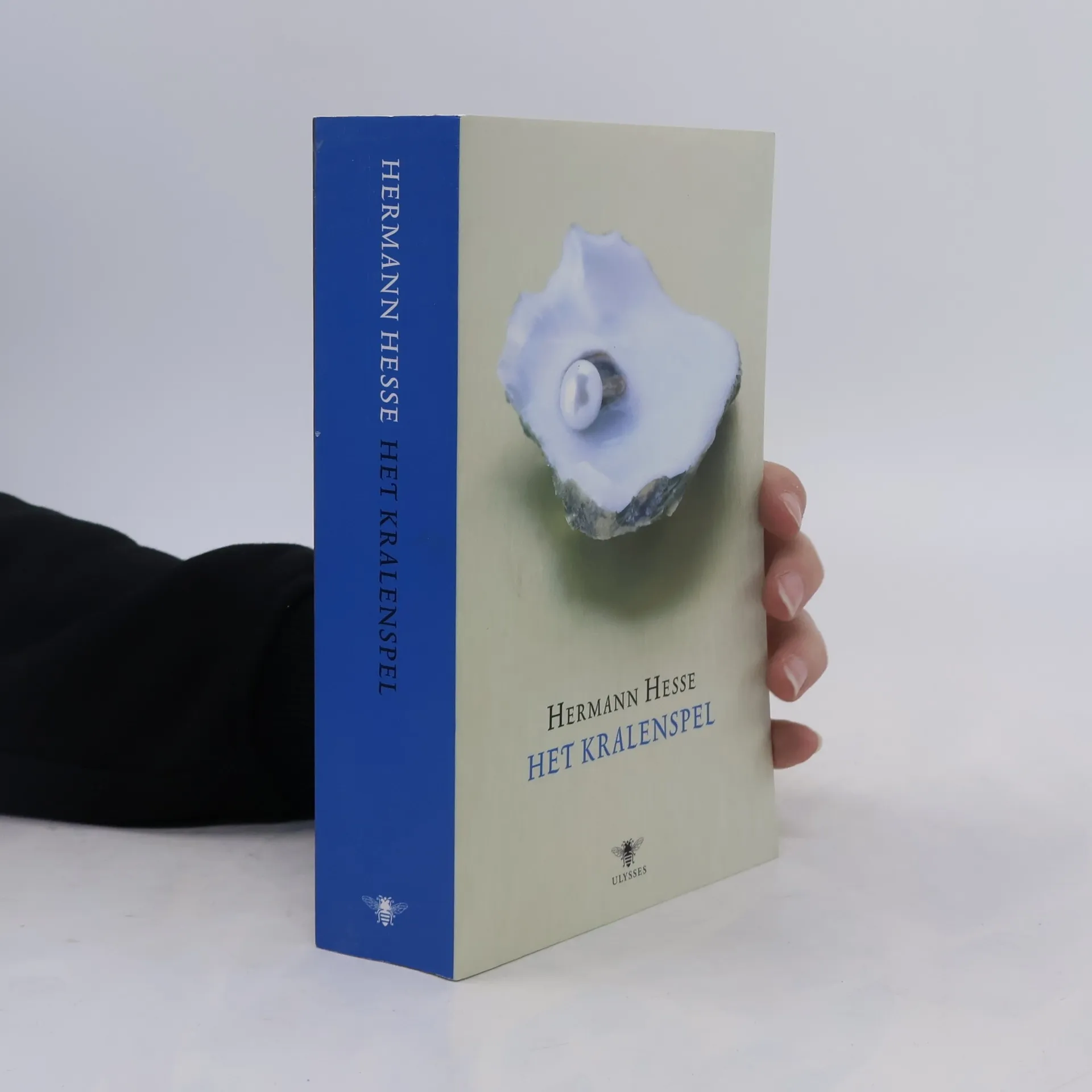
Ulysses klassieken: Het kralenspel
- 667bladzijden
- 24 uur lezen
Het Kralenspel is een utopische roman over de strijd van de mens tegen de barbaarse machtswellust. Decor van deze toekomstroman is de denkbeeldige staat Kastalië, waarin het 'Kralenspel', een ongekend instrument, de totale inhoud en alle waarden van onze cultuur heeft verwerkt. Wat Hesse - diep geschokt door de Tweede Wereldoorlog - wilde, was de genezende krachten zichtbaar maken die uit de chaos weer tot orde kunnen leiden. Het Kralenspel wordt beschouwd als het magnum opus van de in 1946 met de Nobelprijs voor Literatuur bekroonde schrijver.
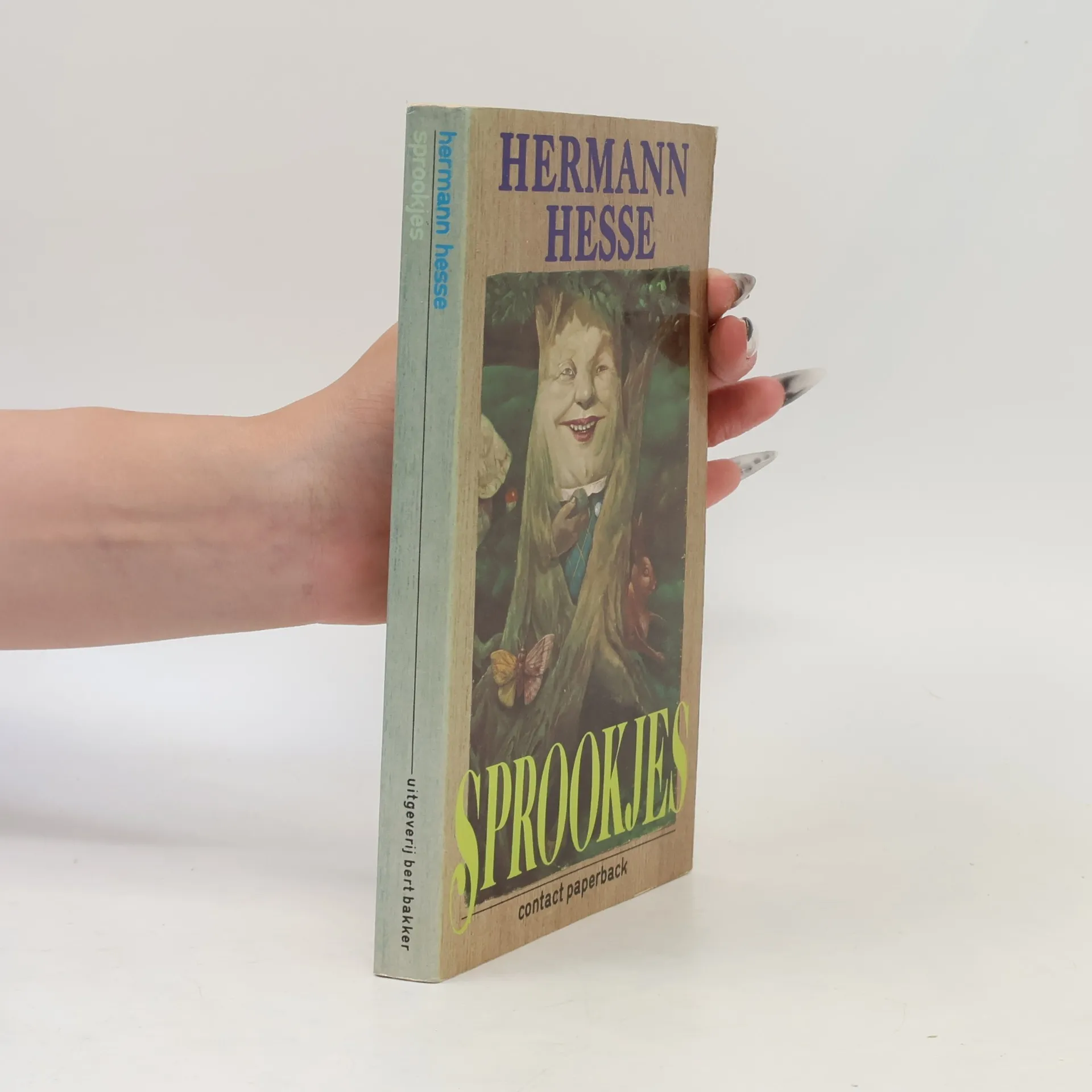
Sprookjes
- 176bladzijden
- 7 uur lezen
Hoewel de sprookjes van Hesse van het begin van deze eeuw dateren, zijn ze geenszins verouderd. De wereld waarin hij ons meevoert, wijkt sterk van de onze af, maar de mensen die haar bevolken bezitten de wezenstrekken van onszelf. Nog altijd hebben wij ook gebreken en tekortkomingen en bestaan er geen absolute waarheden. Hesse toont aan, dat volmaaktheid iets is, dat op deze aarde onbereikbaar zal blijven. Hij is de dichter die met het sprookje de eeuwige waarheid weet te herscheppen.
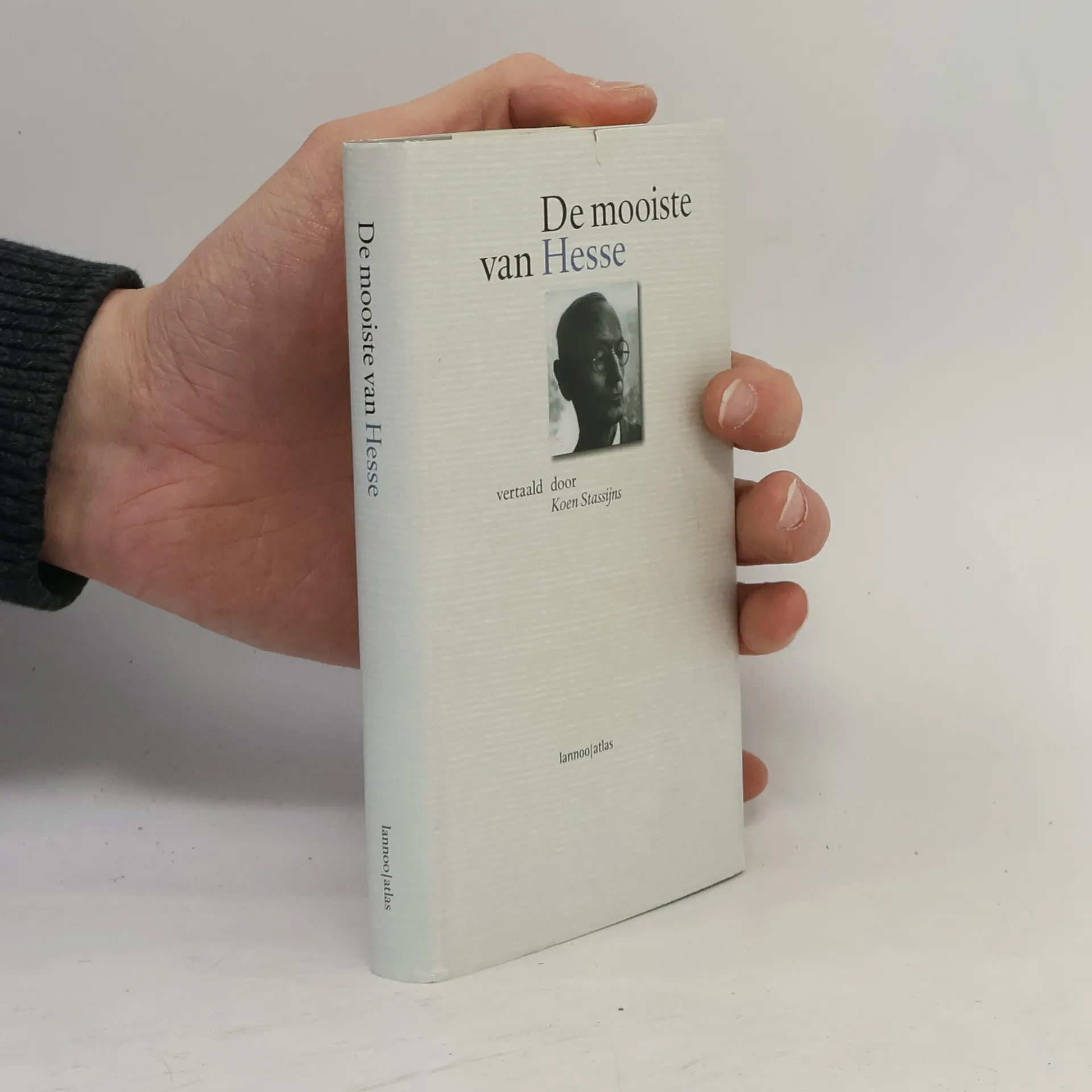
De mooiste van Hesse
- 159bladzijden
- 6 uur lezen
Hermann Hesse (1877-1962) kennen we als de gedreven auteur van klassieke romans als Siddharta (1922), Narziss und Goldmund (1930) en Der Steppenwolf (1927). In 1946 kreeg hij de Nobelprijs voor literatuur. Na zijn dood, vanaf de jaren zeventig, ontstond er een grote heropleving van de belangstelling voor het werk van Hesse, die aansluiting vond bij Hesses esoterische visie op het Oosten. Minder bekend is dat Hesse eigenlijk debuteerde als dichter: in 1899 publiceerde hij al zijn Romantische Lieder. Zijn hele leven lang, tussen het werken aan zijn grote prozawerken door, bleef Hesse met grote regelmaat poëzie schrijven. Het leverde een oeuvre op van een kleine duizend gedichten, vaak in een klassieke versvorm en romantisch van karakter. Uit de vele natuurgedichten spreekt zijn grote passie voor het tuinieren. Voor het eerst biedt De mooiste van Hermann Hesse de Nederlandstalige lezer een overzicht van de beste gedichten van een auteur die zich laat kennen als een scherp observator.
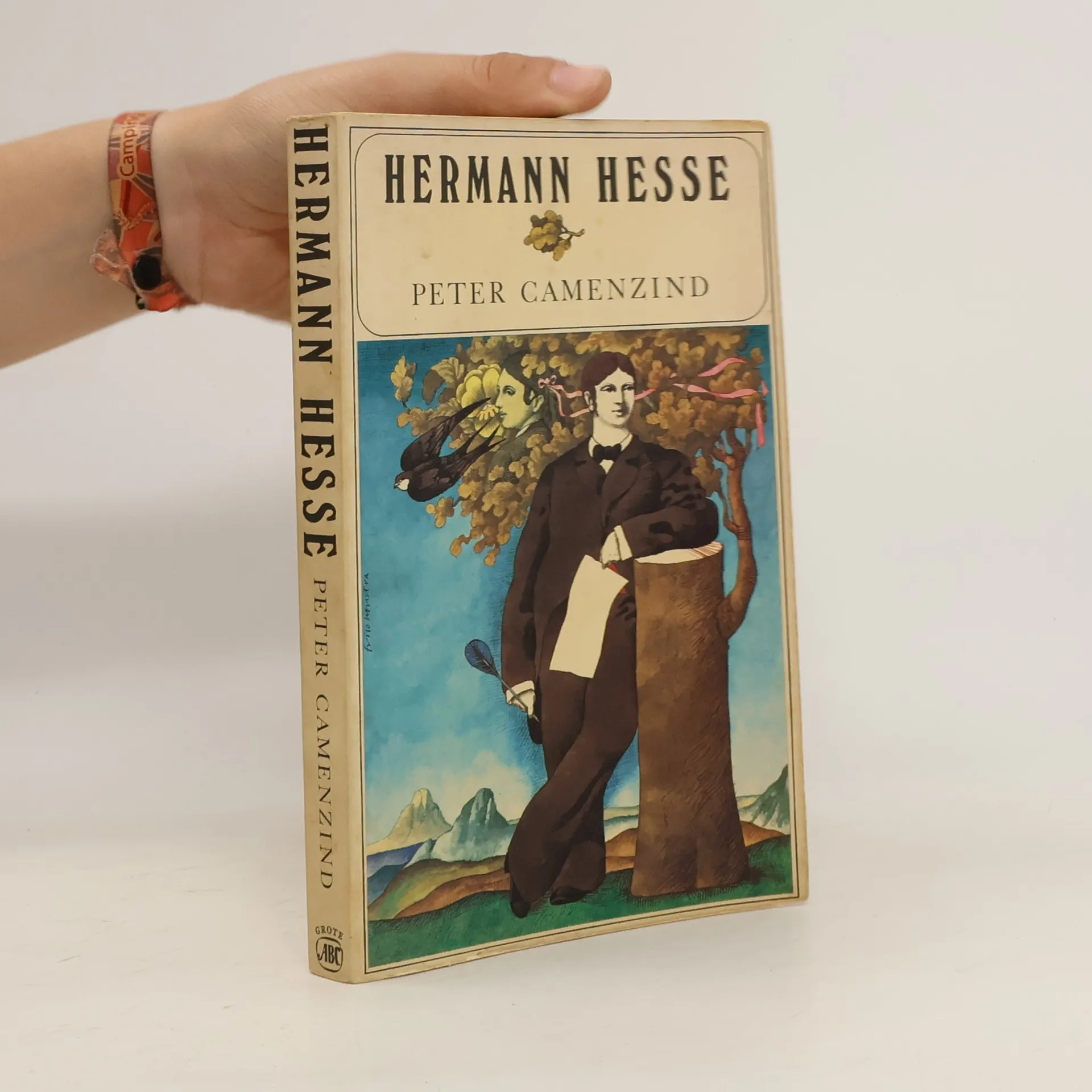
Peter Camenzind
- 176bladzijden
- 7 uur lezen
In Peter Camenzind beschrijft Hesse vanuit de ik-perspectief het leven van een man die in een klein dorp in de bergen is geboren. Peter Camenzind heeft een diepgaande liefde voor de natuur en brengt veel tijd door met bergbeklimmen en het observeren van zijn omgeving. De kern van het verhaal draait om zijn innerlijke verandering, wanneer hij naast de door zijn vader voorgeschreven levenskeuze zijn liefde voor geestelijke activiteit ontdekt. Hij streeft naar een stedelijke levensstijl die hem in aristocratische kringen brengt. Al snel wordt hij vrij schrijver en reflecteert hij op historische gebeurtenissen. Toch beseft hij dat hij, ondanks zijn wereldse voorkomen, altijd de "boerenjongen" uit Nimikon is gebleven. In de stad wordt hij geconfronteerd met de "erfzonden" waar hij voor is gevlucht, zoals het drinken. Na zijn terugkeer naar het dorp om voor zijn vader te zorgen, wordt hij zich bewust dat hij zijn jeugdige droom om dichter te worden, is gevolgd. Hij twijfelt echter of hij daadwerkelijk een dichter is of ooit zal worden. Terwijl hij zich de vele mensen herinnert die hij op zijn reizen heeft ontmoet, realiseert hij zich dat deze ervaringen en herinneringen de poëzie niet kunnen compenseren. Hij roept degenen die zichzelf willen verwezenlijken op om nooit te vergeten waar het thuis in hart en geest is.
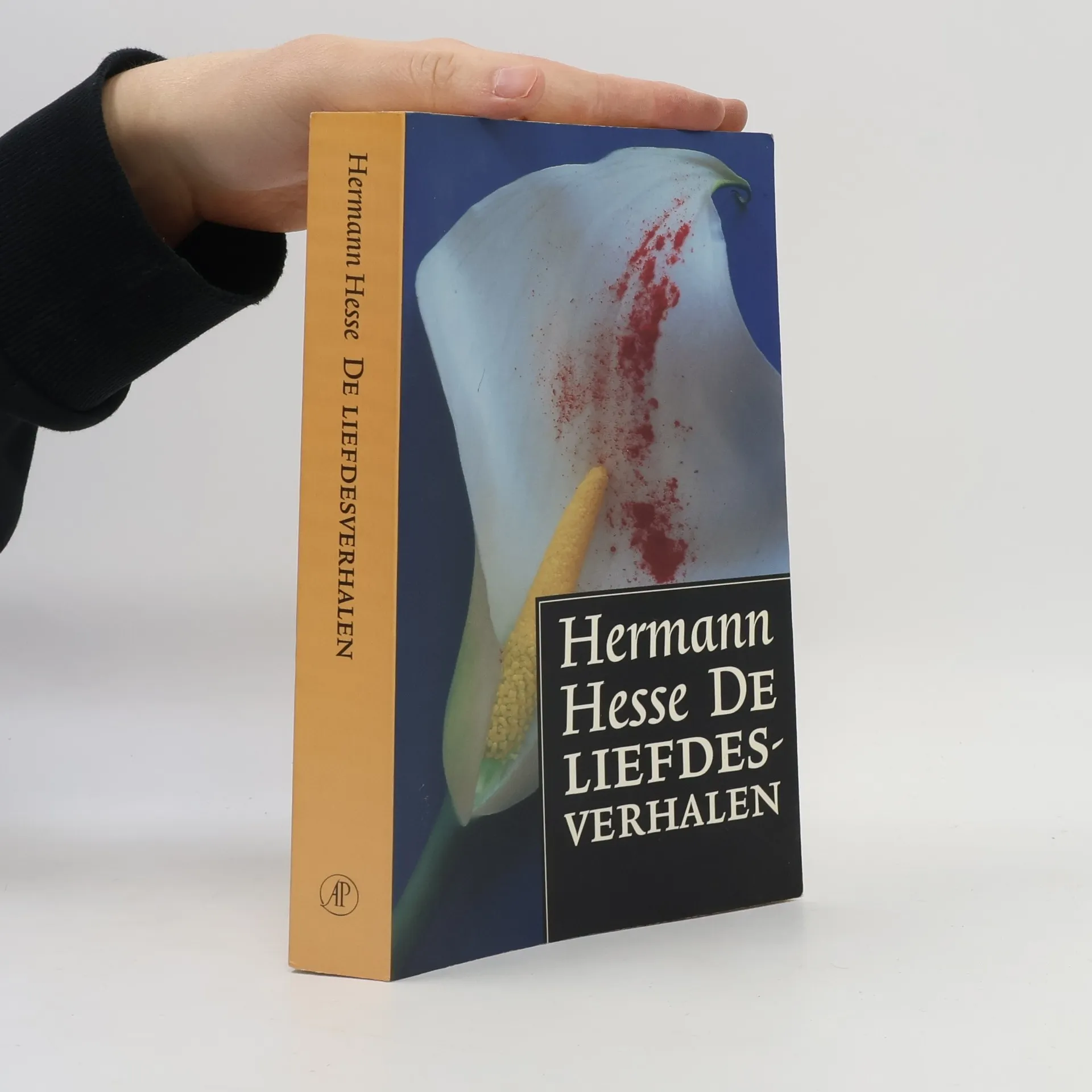
De liefdesverhalen
- 340bladzijden
- 12 uur lezen
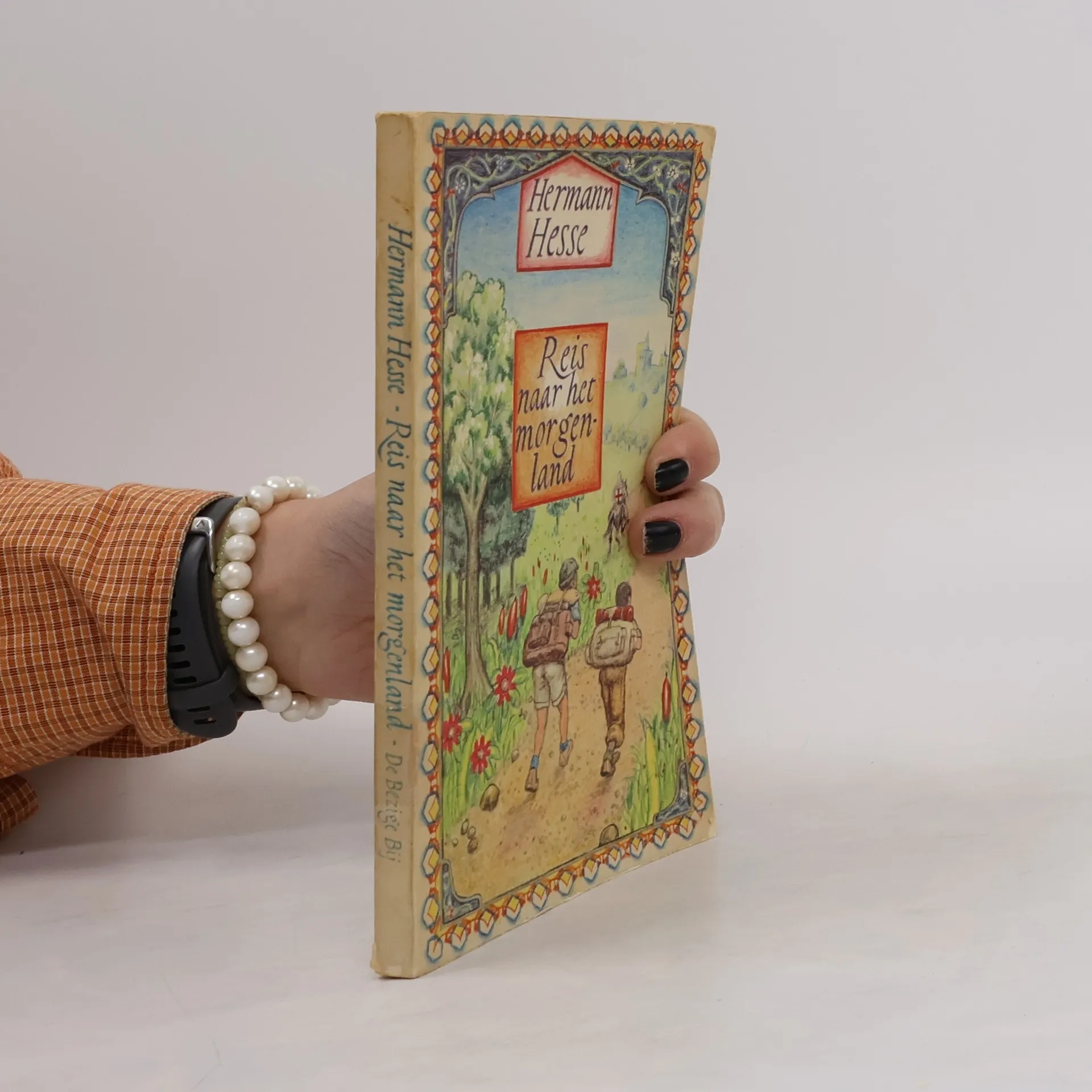
Reis naar het morgenland
- 93bladzijden
- 4 uur lezen
Verslag van een afgebroken reis naar het paradijslijke morgenland,waarin de verlossing van de mens gevonden wordt in de mystieke, extatische beleving van de werkelijkheid.
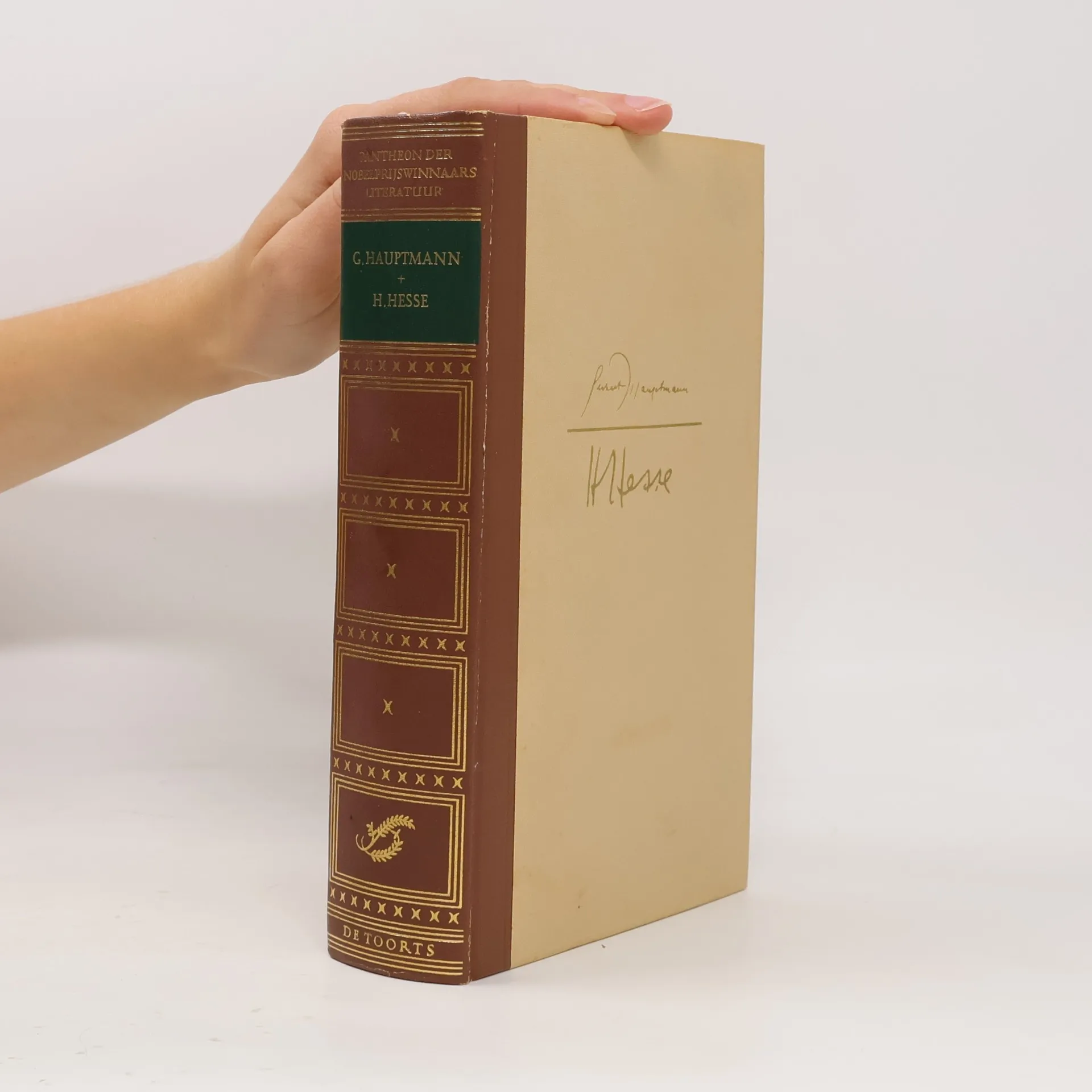
G. Hauptmann + H. Hesse
Pantheon der Nobelprijswinnaars: Literatuur
Het kralenspel
poging tot een levensbeschrijving van Magister Ludi Josef Knecht gevolgd door Knechts nagelaten werken
- 567bladzijden
- 20 uur lezen
Gefingeerde biografie van een volksjongen die zich in het jaar 2200 tegen de barbaarse geest des tijds verzet en geestelijk leidsman wordt.
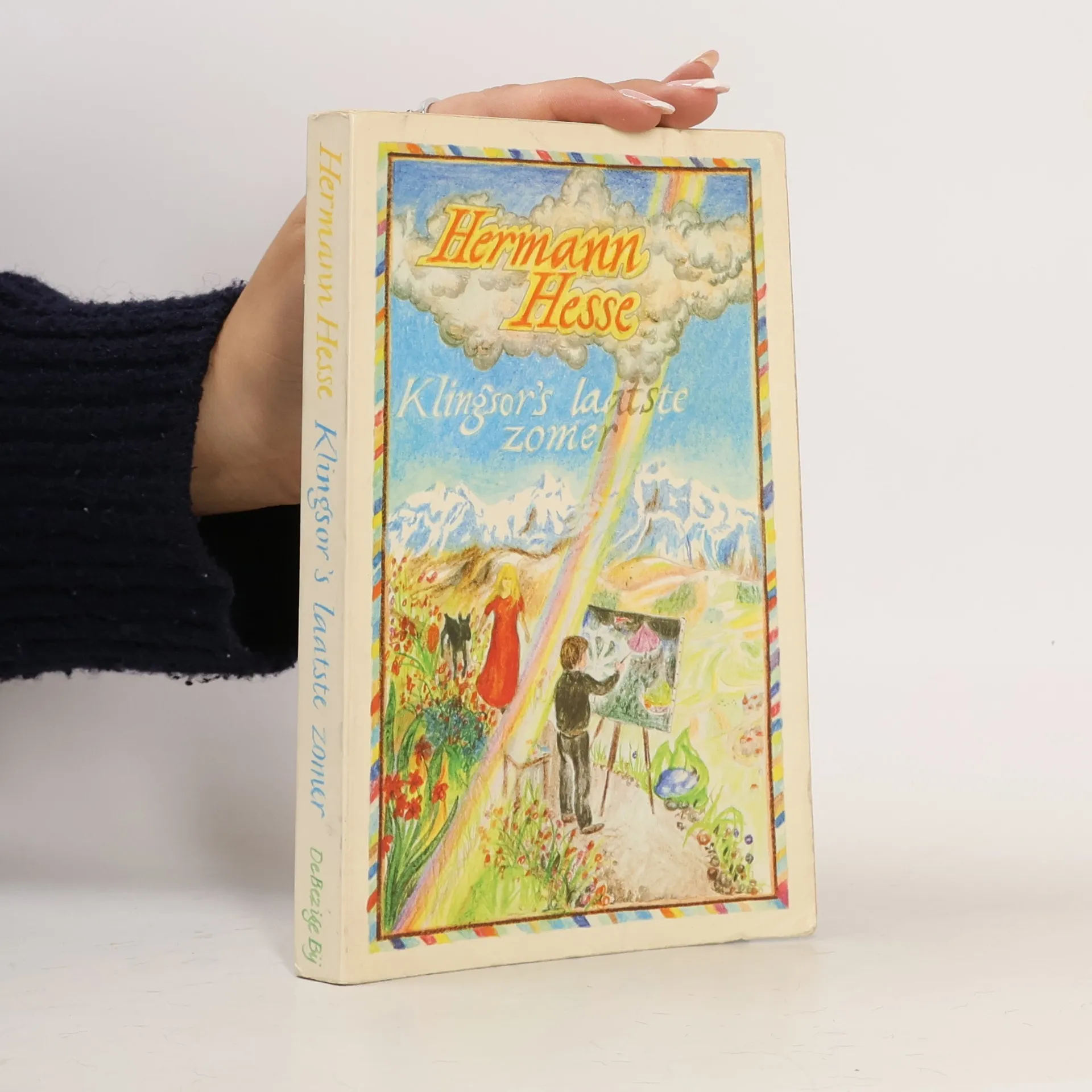
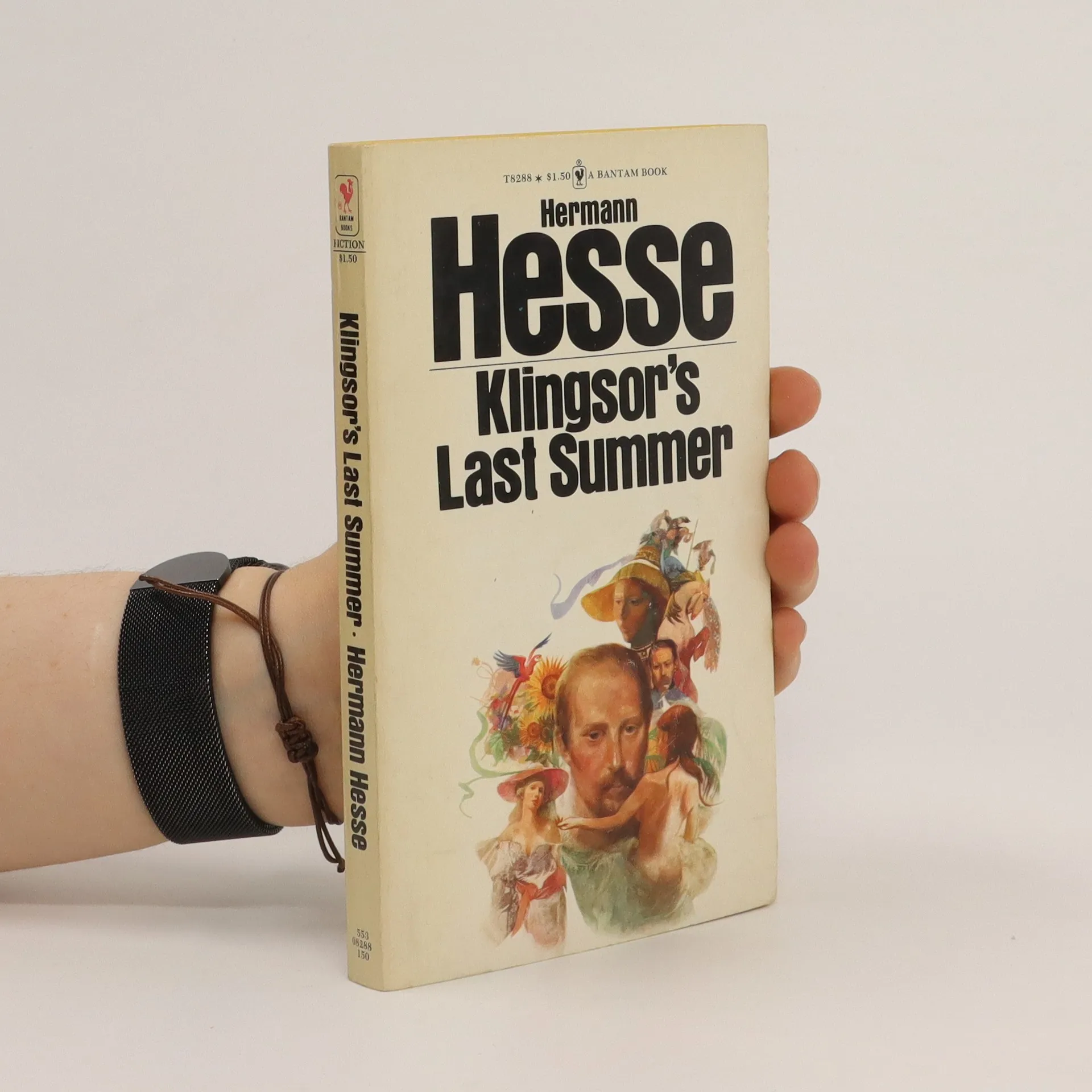
Klingsor's laatste zomer
- 190bladzijden
- 7 uur lezen
Klingsors laatste zomer, vert. van 'Klingsors letzter Sommer' & Klein en Wagner, vert. van 'Klein und Wagner' vert. uit het Duits door G.H.A. Verstegen
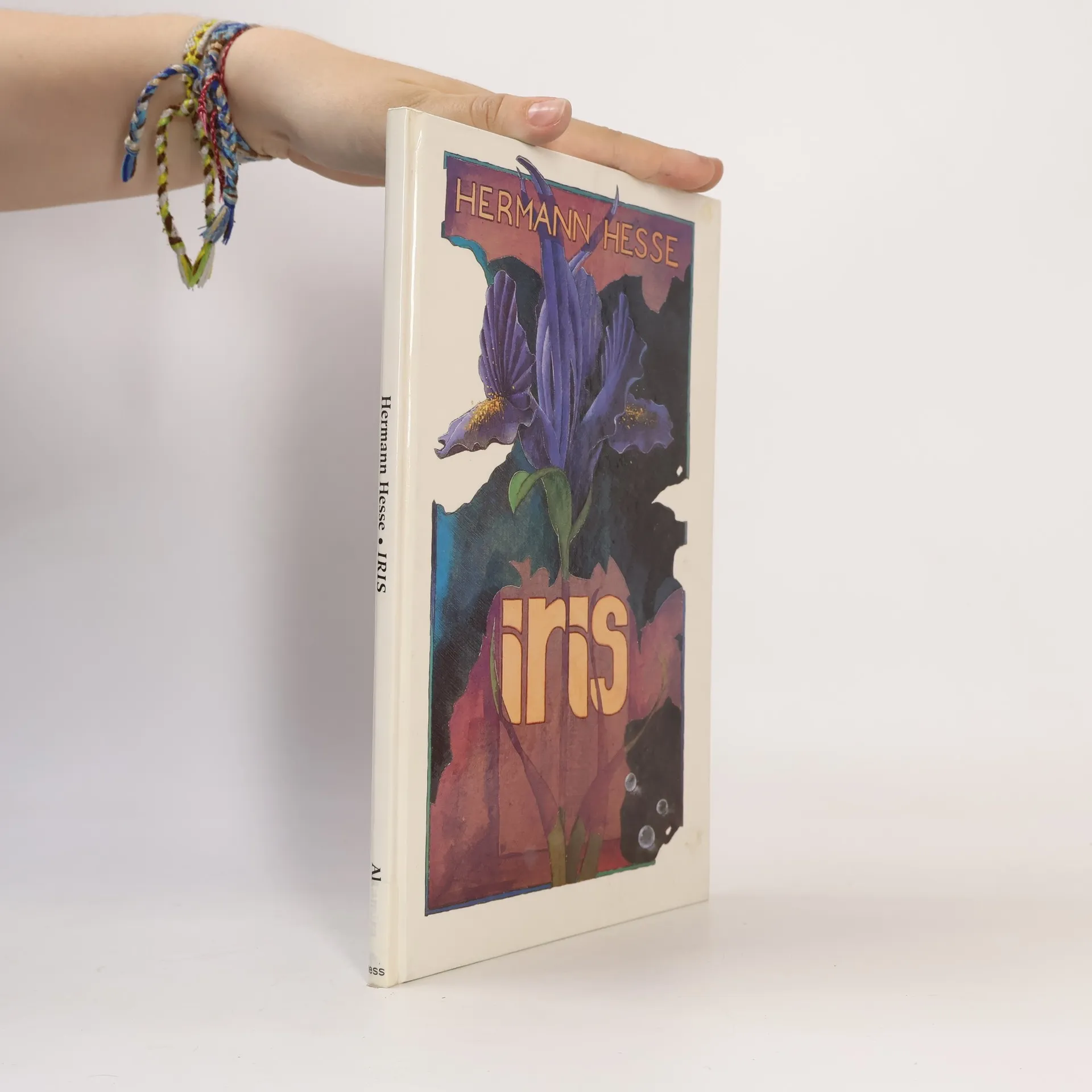
Iris / druk 1
- 40bladzijden
- 2 uur lezen
Sprookje over de ontwikkelingsgang van een jongeman naar levenswijsheid. Prentenboek met magisch-realistische illustraties.
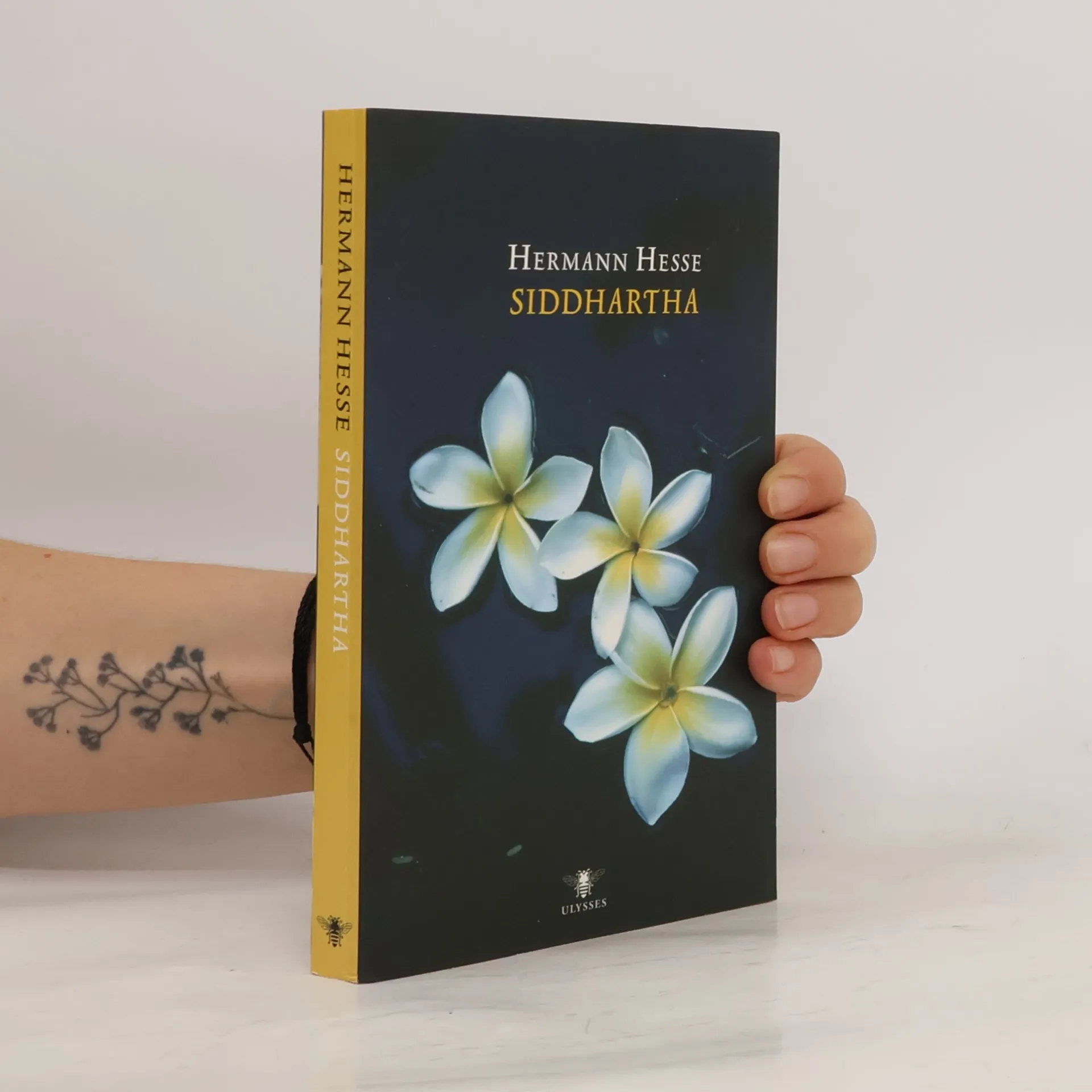
Ulysses klassieken: Siddhartha
- 191bladzijden
- 7 uur lezen
Een jonge Brahmaan uit het oude India moet verschillende stadia, reikend van ascese tot wellustig genieten, doormaken voordat het streven naar macht en bezit wordt overwonnen ten gunste van harmonie en waarachtigheid.
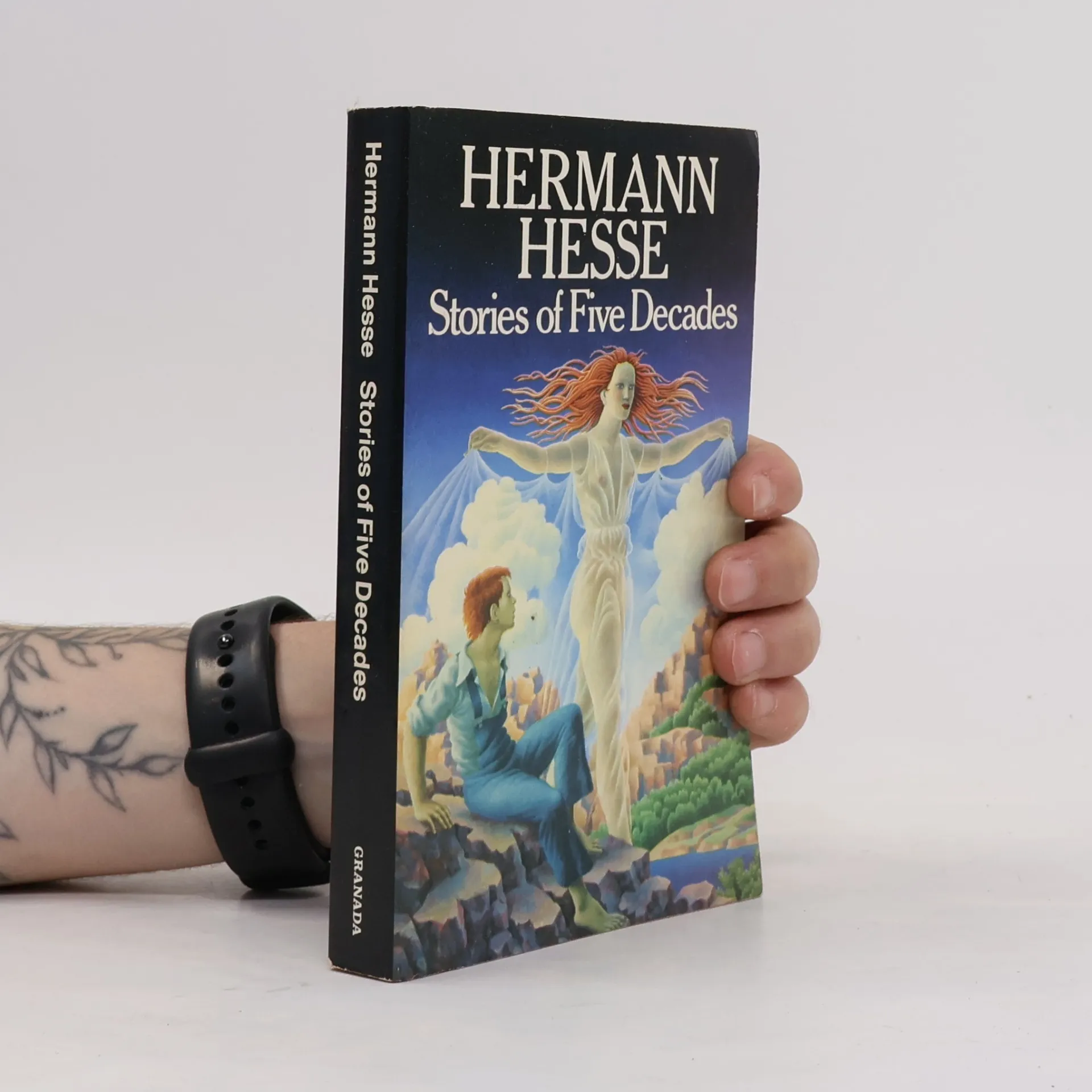
Stories of Five Decades
- 333bladzijden
- 12 uur lezen
This unique selection of twenty-three stories - all but three available in English for the first time - offers an unparalleled spectrum of Hermann Hesse's writing from 1899 to 1948. The reader can trace Hesse's development from the aestheticism of his youth through to the realism and surrealism of the next decade to the classicism of his old age. All his stories, as Hesse himself realized, are concerned primarily with his own secret dreams, his own bitter anguish and his own lifelong quest to penetrate the mysteries of man's inner reality. Stories of Five Decades is a rewarding and distinguished display of the full range of Hesse's hypnotically vivid and lyrical story-telling as it blossomed over a lifetime. There could be no better introduction to Hesse than this skilfully selected volume - Financial Times All the stories in this book are a kind of dream journey - Times Literary Supplement A really fascinating collection of short stories...if you enjoy Hesse's strange and beautiful prose which so often opens up unknown avenues for speculation, these will richly satisfy - The Scotsman Cover Illustration: Justin Todd
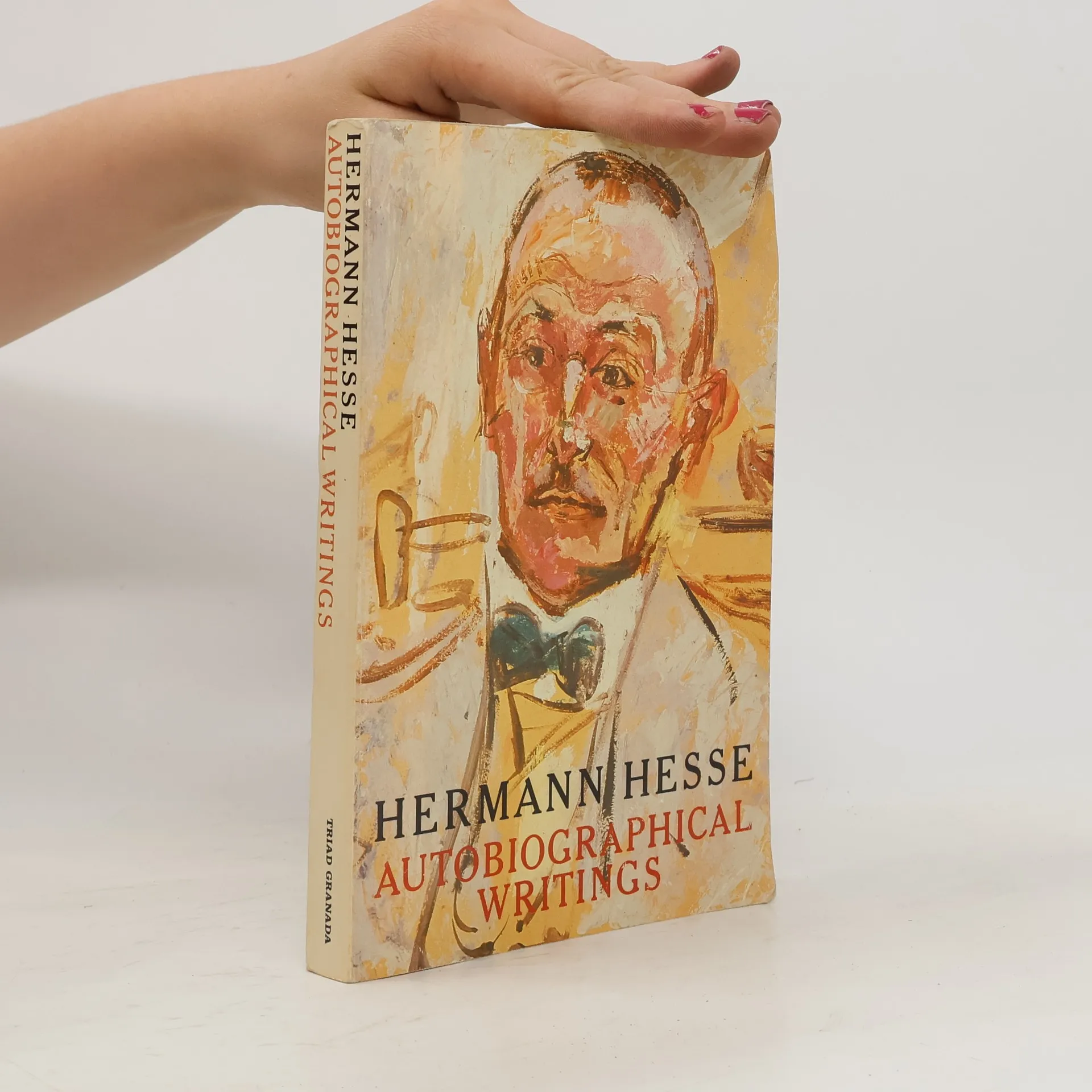
Autobiographical Writings
- 235bladzijden
- 9 uur lezen
Introduction Childhood of the Magician From My Schooldays About Grandfather Life Story Briefly Told Remembrance of India Pidurutalagala A Guest at the Spa Journey to Nuremberg On Moving to a New House Notes on a Cure in Baden For Marulla Events in the Engadine
Peter Owen Modern Classics: Demian
- 184bladzijden
- 7 uur lezen
Wie alle Hauptwerke Hermann Hesses hat auch der Demian, den der damals 40jährige Autor mitten im Ersten Weltkrieg schrieb, eine ebenso ungewöhnliche wie spannende Entstehungs- und Wirkungsgeschichte. Daß dieses im Herbst 1917 vollendete Buch erst im Juni 1919, ein halbes Jahr nach Kriegsende, veröffentlicht wurde, lag an der Unbekanntheit des Verfassers. Denn Hesse hatte das Manuskript dem Verlag als das Erstlingswerk eines kranken jungen Dichters empfohlen, des zeitkritischen Poeten Emil Sinclair, der bisher nur in Zeitungen und Zeitschriften durch pazifistische Mahnrufe und Erzählungen aufgefallen war (die gleichfalls von Hesse stammten). Doch trotz des Inkognitos erlebte das Buch eine geradezu stürmische Aufnahme und wurde noch im Erscheinungsjahr mit dem Fontane-Preis für das beste Erstlingswerk eines Nachwuchsautors ausgezeichnet. Thomas Mann verglich die elektrisierende Wirkung des Buches mit der von Goethes Werther, da es »mit unheimlicher Genauigkeit den Nerv der Zeit traf und eine ganze Jugend, die wähnte aus ihrer Mitte sei ihr ein Künder ihres tiefsten Lebens entstanden, zu dankbarem Entzücken hinriß«. Bis zur Entdeckung des Pseudonyms im Mai 1920 erschienen drei Auflagen, denen dann unter Hesses eigenem Namen zu seinen Lebzeiten noch 93 weitere folgten.
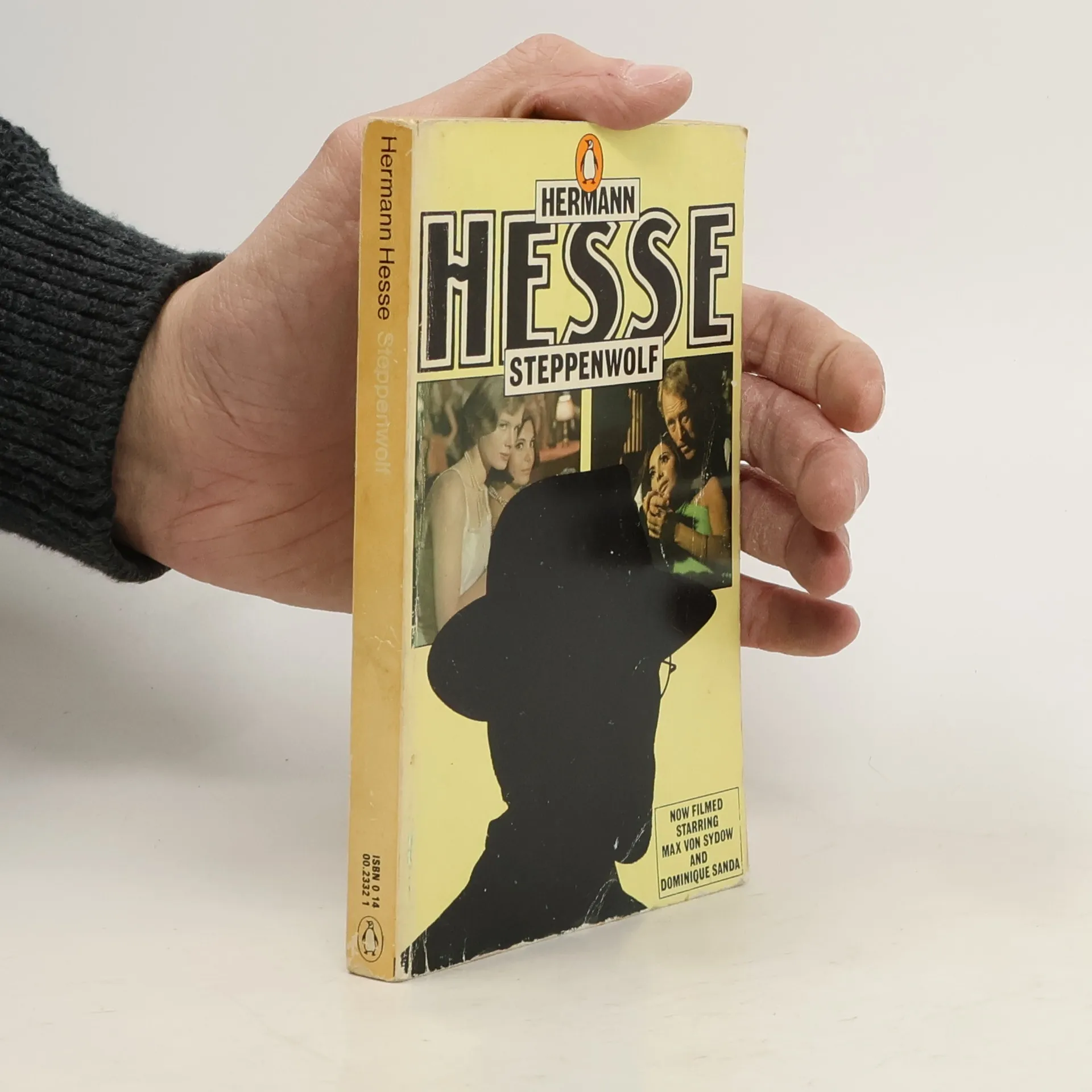
Steppenwolf
- 256bladzijden
- 9 uur lezen
Steppenwolf is a poetical self-portrait of a man who felt himself to be half-human and half-wolf. This Faust-like and magical story is evidence of Hesse's searching philosophy and extraordinary sense of humanity as he tells of the humanization of a middle-aged misanthrope. Yet this novel can also be seen as a plea for rigorous self-examination and an indictment of the intellectual hypocrisy of the period. As Hesse himself remarked, "Of all my books Steppenwolf is the one that was more often and more violently misunderstood than any other".
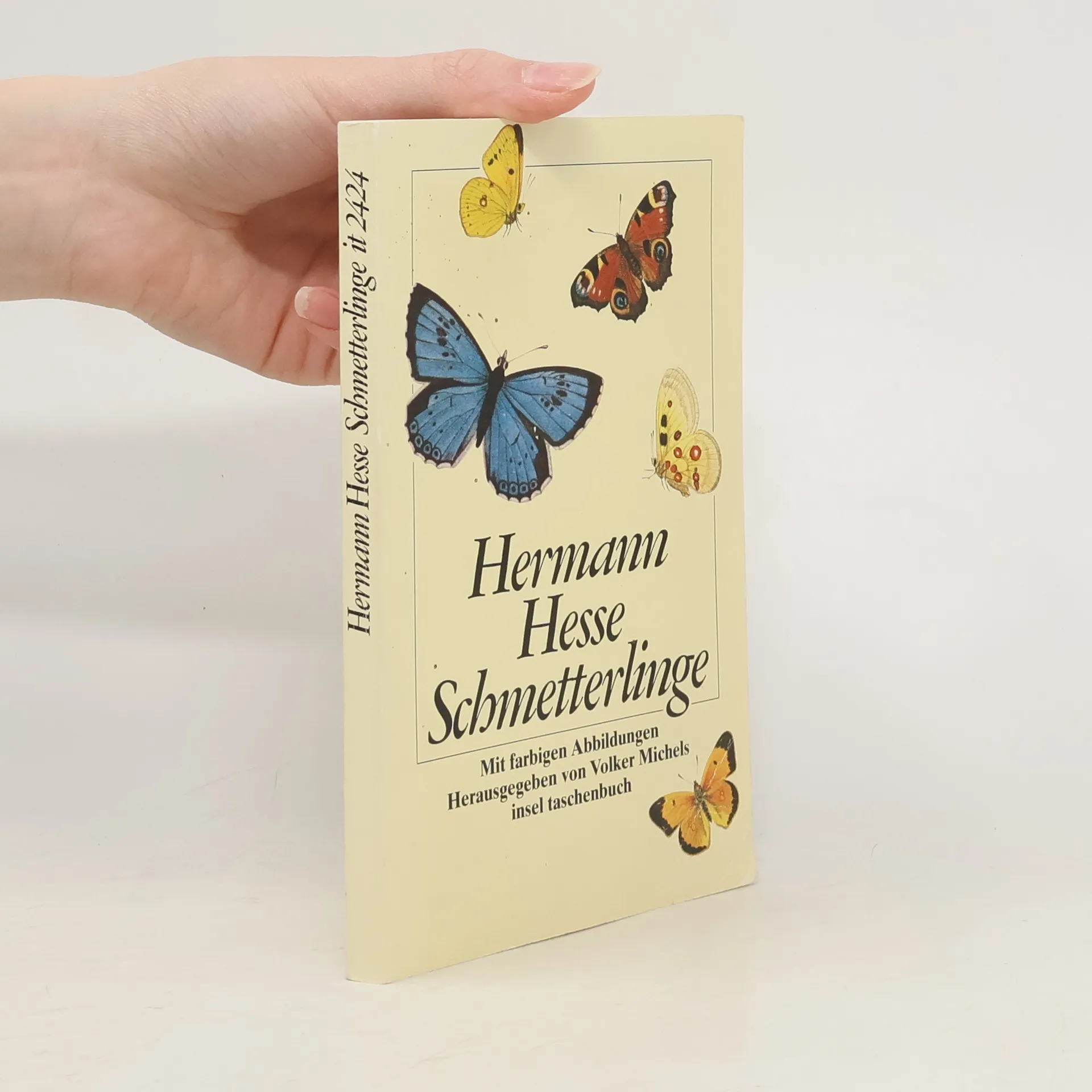
Schmetterlinge
Mit farbigen Abbildungen
Hermann Hesse expresses a deep affinity for butterflies and other fleeting beauties, contrasting them with his struggles in forming lasting relationships. This preference for ephemeral wonders, as reflected in his poetry, has left a significant mark on his entire body of work. This collection brings together some of his most captivating stories, memories, reflections, and poems centered around butterflies, exploring themes of transience and the beauty found in the momentary. Through Hesse's lens, readers are invited to appreciate the delicate and ephemeral aspects of life, revealing profound insights into the nature of existence and the human experience.
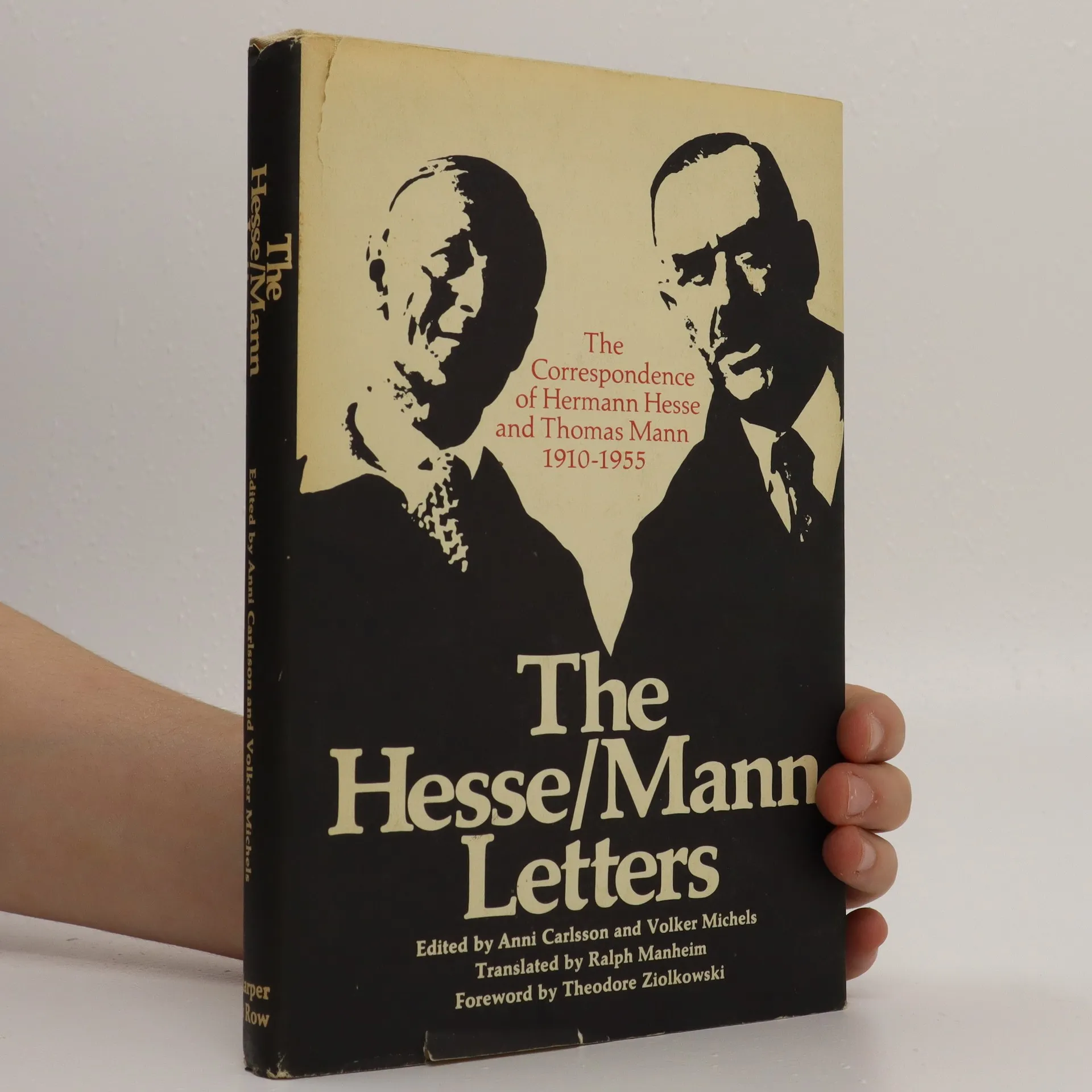
The Hesse-Mann Letters
- 196bladzijden
- 7 uur lezen
s/t: The correspondence of Hermann Hesse and Thomas Mann 1910-55 The letters present two great XX century Nobel Prize writers grieving for the ruined world. In the 1930s and 1940s, they rail against the stupidity of war and the cowardice of diplomats, against the social savagery of the Nazis, against the blind forces of abstraction and nationalism. They brood about the fate of Germany and of Europe after the last shots have been fired. They have lived through a time of extraordinary horror and yet they have not surrendered to despair or nihilism. Reading the letters, the reader will feel like some privileged guest in a special room, sitting off to the side somewhere, listening while these men talk.
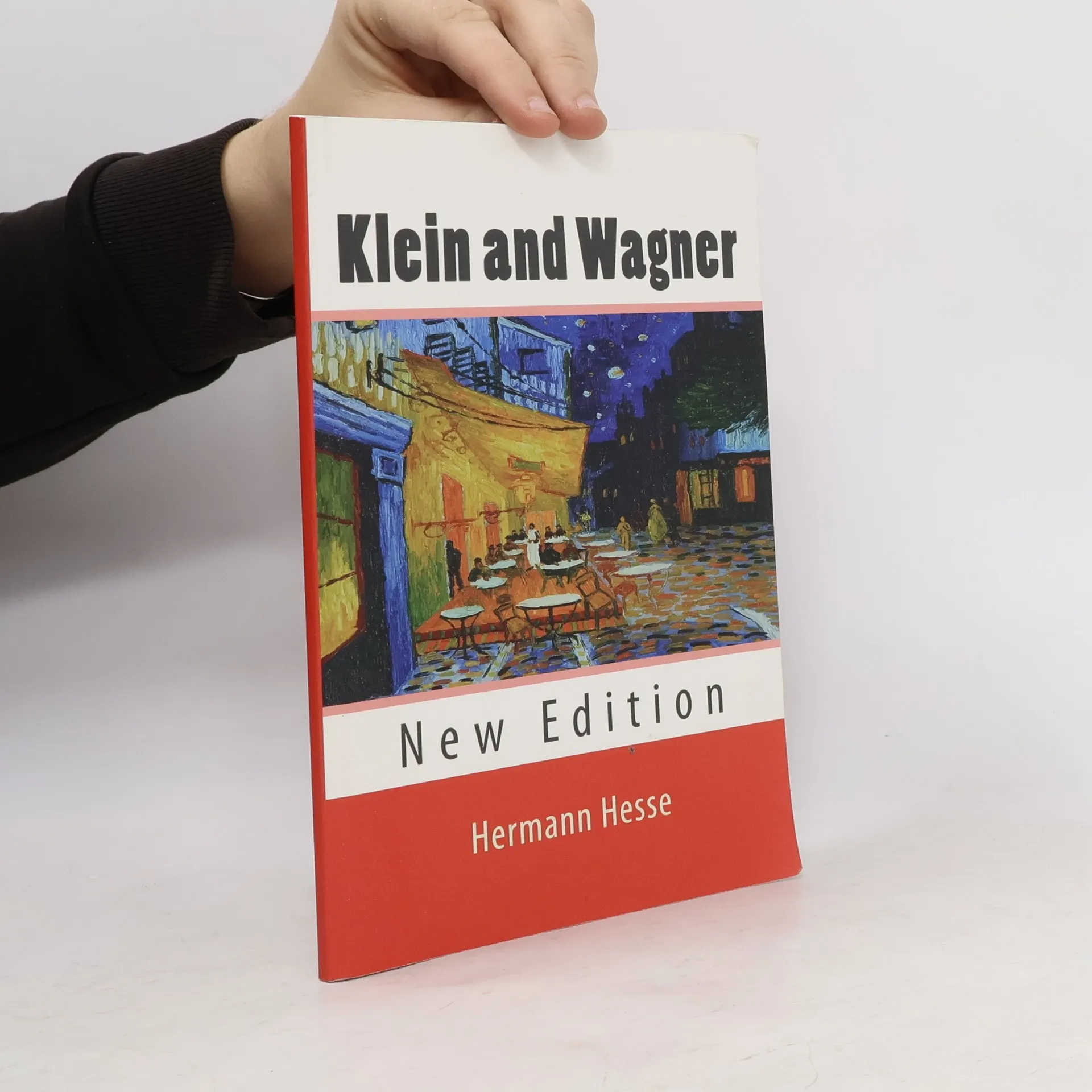
The narrative follows Friedrich Klein, a middle-aged clerk who embezzles from his employer and flees to Italy. Unlike a typical criminal, Klein is a self-alienated, tormented bourgeois seeking peace and self-fulfillment. As he contemplates his fate, he realizes his primary motivation stems from a dark urge to murder his wife and children, which he escapes by abandoning his old life. This impulse is linked to the name Wagner, referencing both the composer and a real-life German schoolteacher who committed a similar crime in 1913. Despite his escape, Klein remains trapped in his anguish, feeling like a victim of his own thoughts. He contemplates suicide until he meets Teresina, a young courtesan who embodies vitality and the eternal feminine. However, he hesitates to reveal his past to her. The story draws striking autobiographical parallels, as Hesse faced personal turmoil in 1919, grappling with his mentally ill wife and the responsibility of raising their three sons. Ultimately, Hesse found solace in writing this story, which served as a therapeutic outlet for his suffering. The work, influenced by Expressionism, is a modern "psychodrama" that introduces themes and motifs that would dominate Hesse's writing in the following decade, including connections to his later work, Steppenwolf.
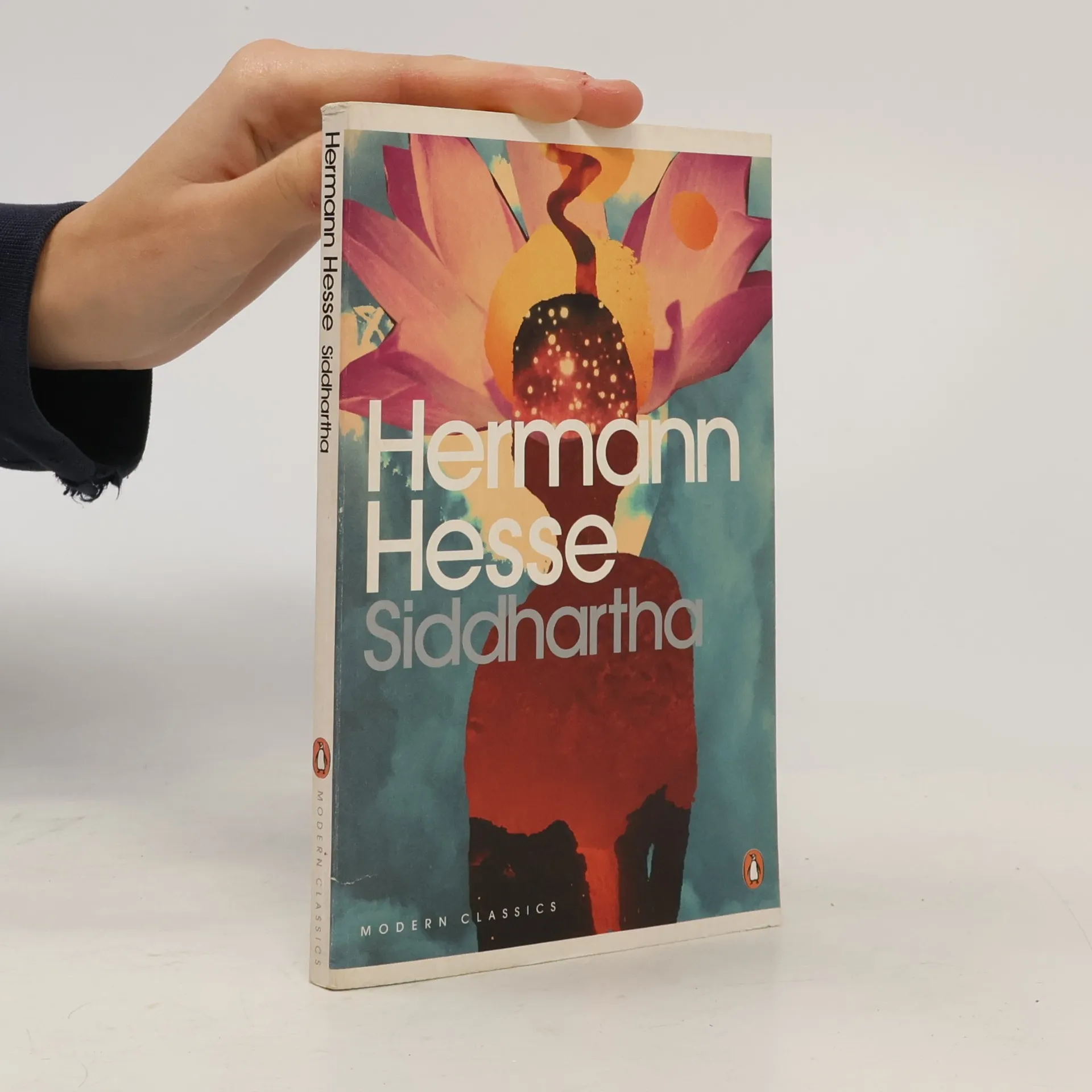
Siddhartha
- 144bladzijden
- 6 uur lezen
Hermann Hesse's moving and inspirational chronicle of spiritual enlightenment, with an introduction by Paulo Coehlo Siddhartha is perhaps the most important and compelling moral allegory our troubled century has produced. Integrating Eastern and Western spiritual traditions with psychoanalysis and philosophy, this strangely simple tale, written with a deep and moving empathy for humanity, has touched the lives of millions since its original publication in 1922. Set in India, Siddhartha is the story of a young Brahmin's search for ultimate reality after meeting with the Buddha. His quest takes him from a life of decadence to asceticism, from the illusory joys of sensual love with a beautiful courtesan, and of wealth and fame, to the painful struggles with his son and the ultimate wisdom of renunciation. If you enjoyed Siddhartha, you might like Hesse's Steppenwolf, also available in Penguin Classics.
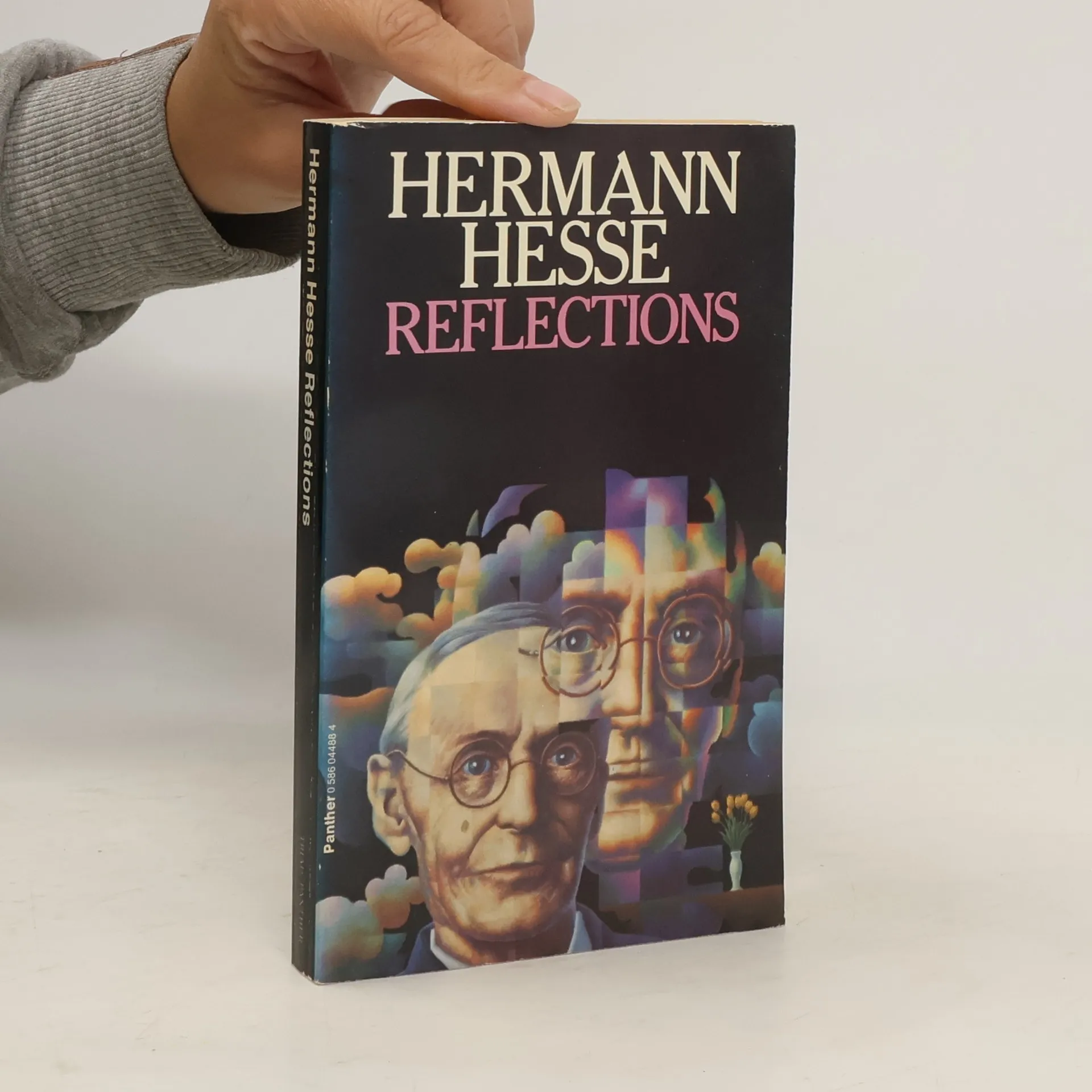
Reflections
- 187bladzijden
- 7 uur lezen
Hermann Hesse; selected by Volker Michels; translated by Ralph Manheim. Reflections. New Farrar, Straus, Giroux, 1974. 1st American Edition, Hardbound, 8.5 inches tall, 197 pages. Sources. "The aging Hermann Hesse arranged to have privately printed a collection of thirty-nine brief passages culled from his writings, with which to reply to some of the innumerable letters he received. The existence of this book provided encouragement for the present expanded volume, which a first published in Germany in 1971."
My Belief
- 394bladzijden
- 14 uur lezen
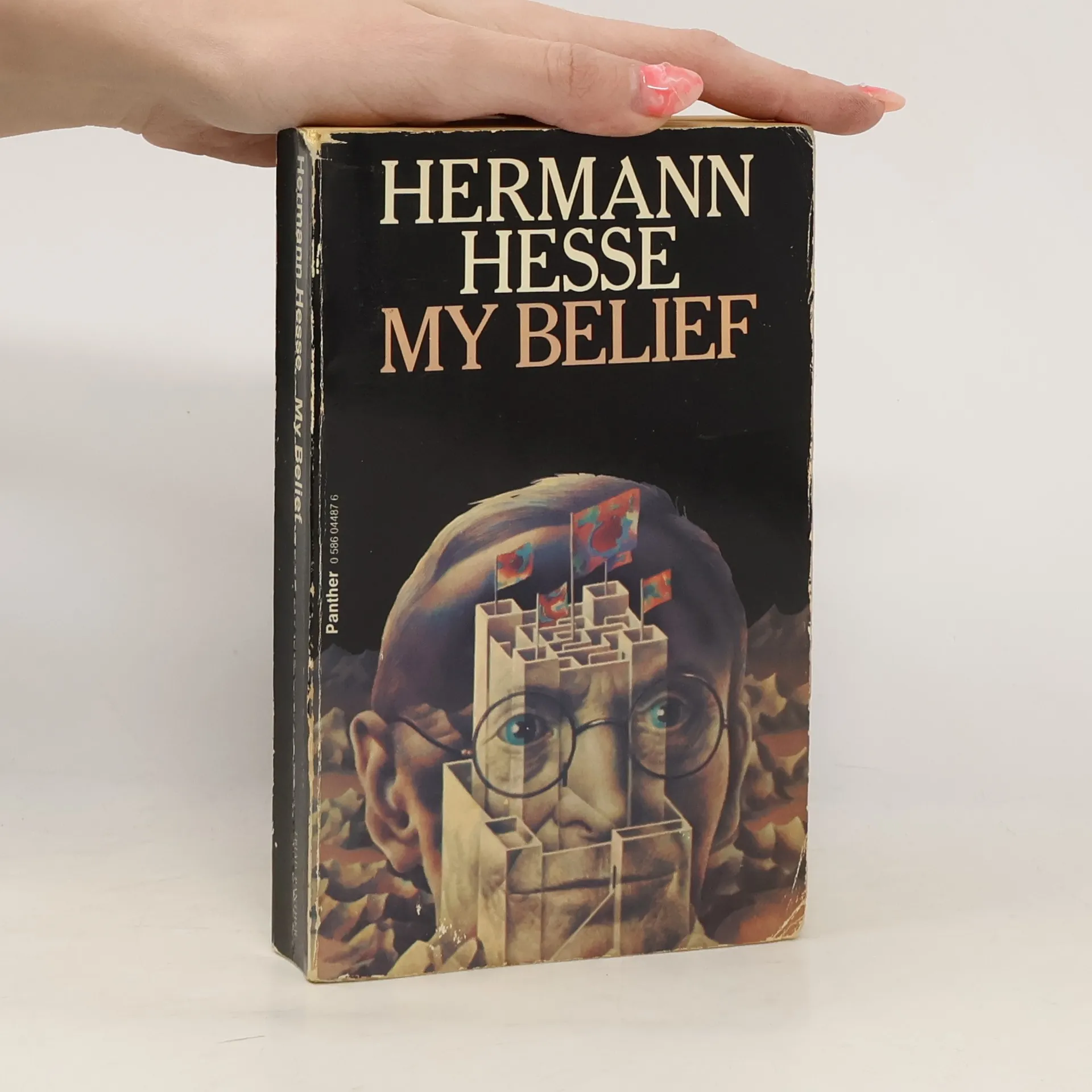
My Belief: Essays on Life and Art is a collection of essays by Hermann Hesse. The essays, written between 1904 and 1961, were originally published in German, either individually or in various collections between 1951 and 1973. This collection in English was first published in 1976, edited by Theodore Ziolkowski.
Dover Thrift Editions: Gertrude
- 168bladzijden
- 6 uur lezen
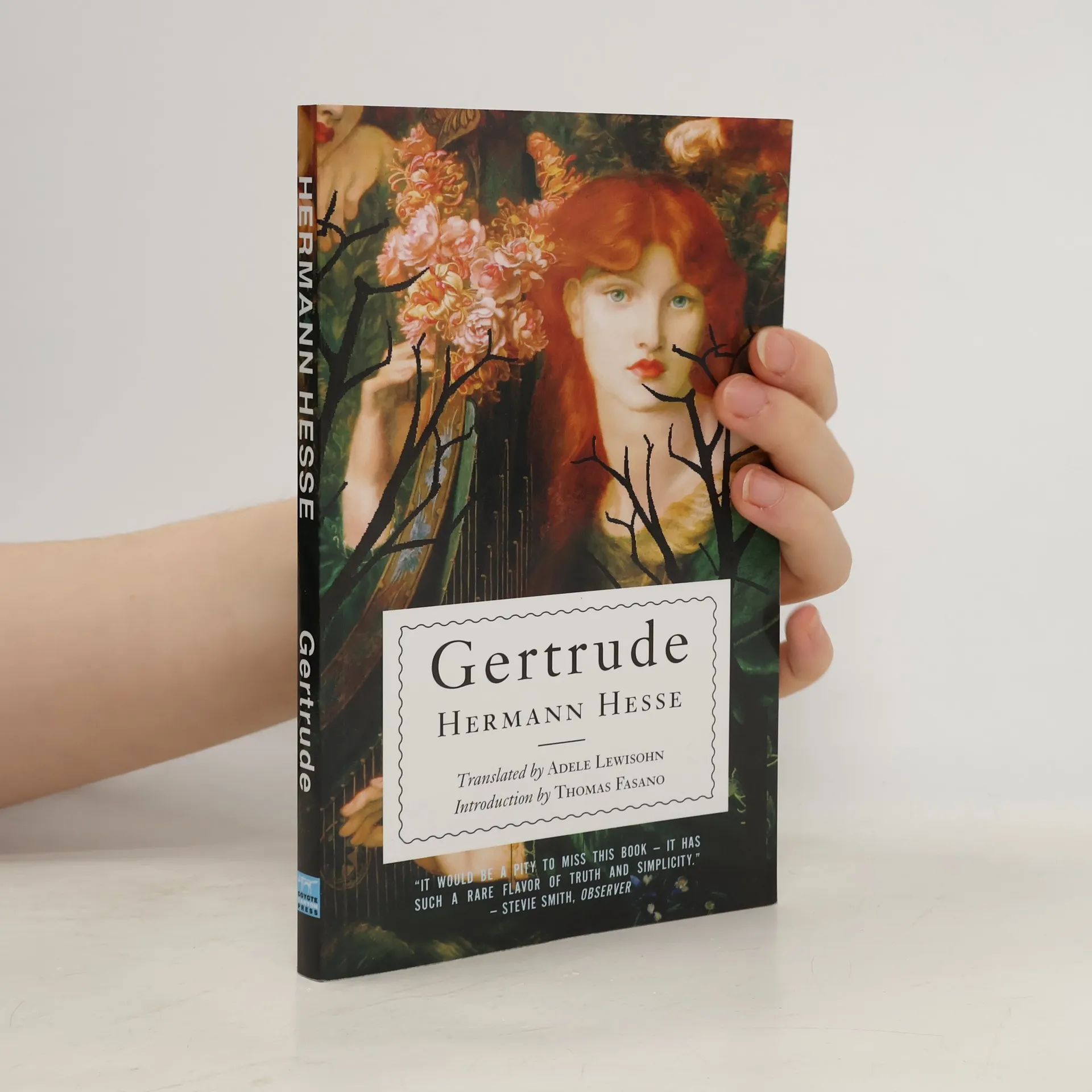
The narrative explores themes of music, love, and the struggle for creative expression through the experiences of Kuhn, a once-disabled composer. His deep passion for the enigmatic singer Gertrude leads to a complex love triangle, resulting in his emotional turmoil as he loses her to his friend Muoth. As their marriage unravels, Kuhn's involvement intensifies, threatening his well-being. Ultimately, he discovers redemption and healing through his art, culminating in the completion of his opera, which reflects his journey of loss and recovery.
If the War Goes On ...
- 192bladzijden
- 7 uur lezen
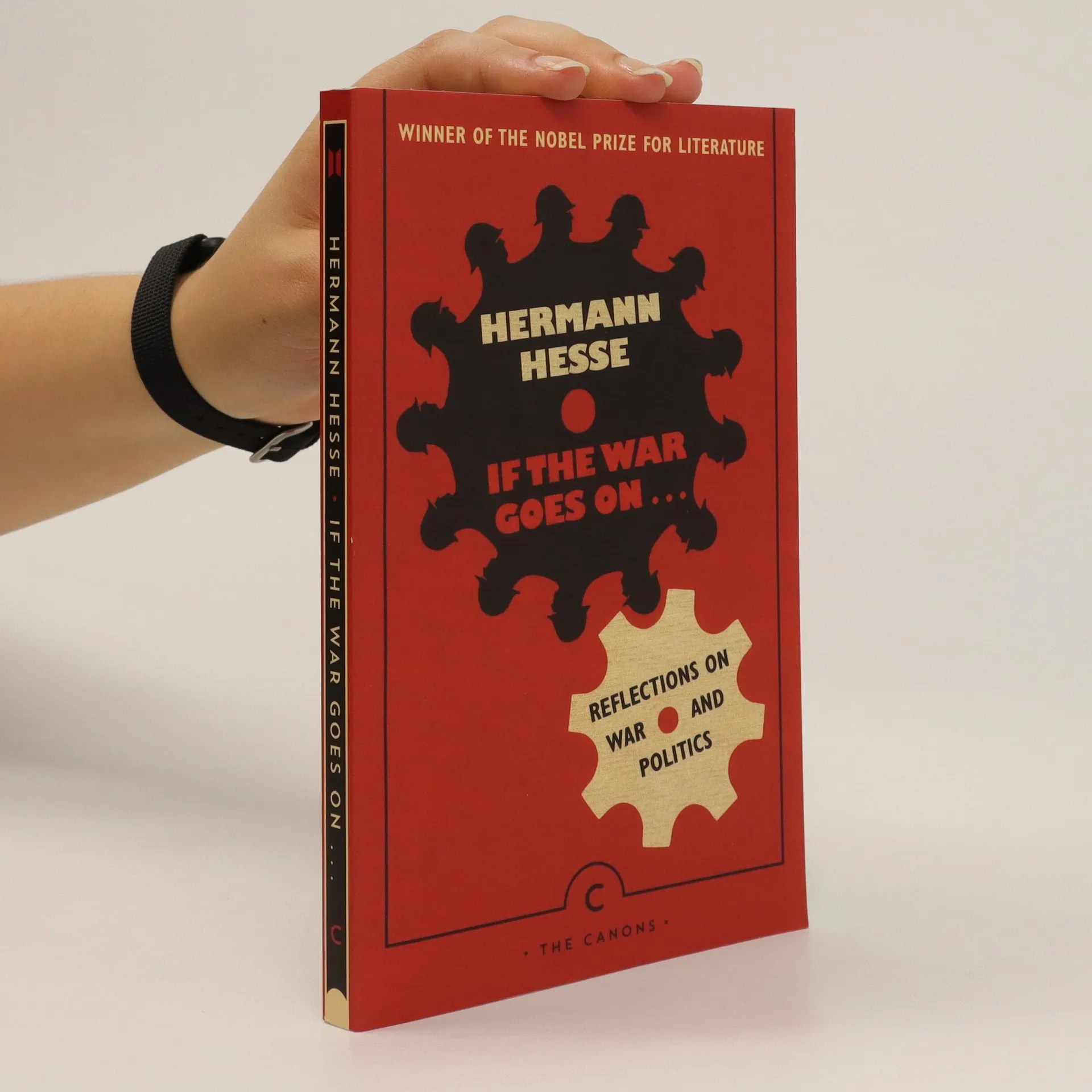
Herman Hesse remained clear-sighted and consistent in his political views and his passionate espousal of pacifism and the bloody absurdity of war from the start of the First World War to the end of his life. He wrote the earliest essay in this book in September 1914, before he cemented his fame with the novels Steppenwolf and Siddhartha, and continued writing a stream of letters, essays and pamphlets throughout the war. In his native Germany his views earned him the labels 'traitor' and 'viper', but after World War II he was moved to reiterate his beliefs in another series of essays and letters.If the War Goes On . . . resonates as strongly today as it did when originally published and begs the question: have our politicians learnt nothing in the last seventy years?
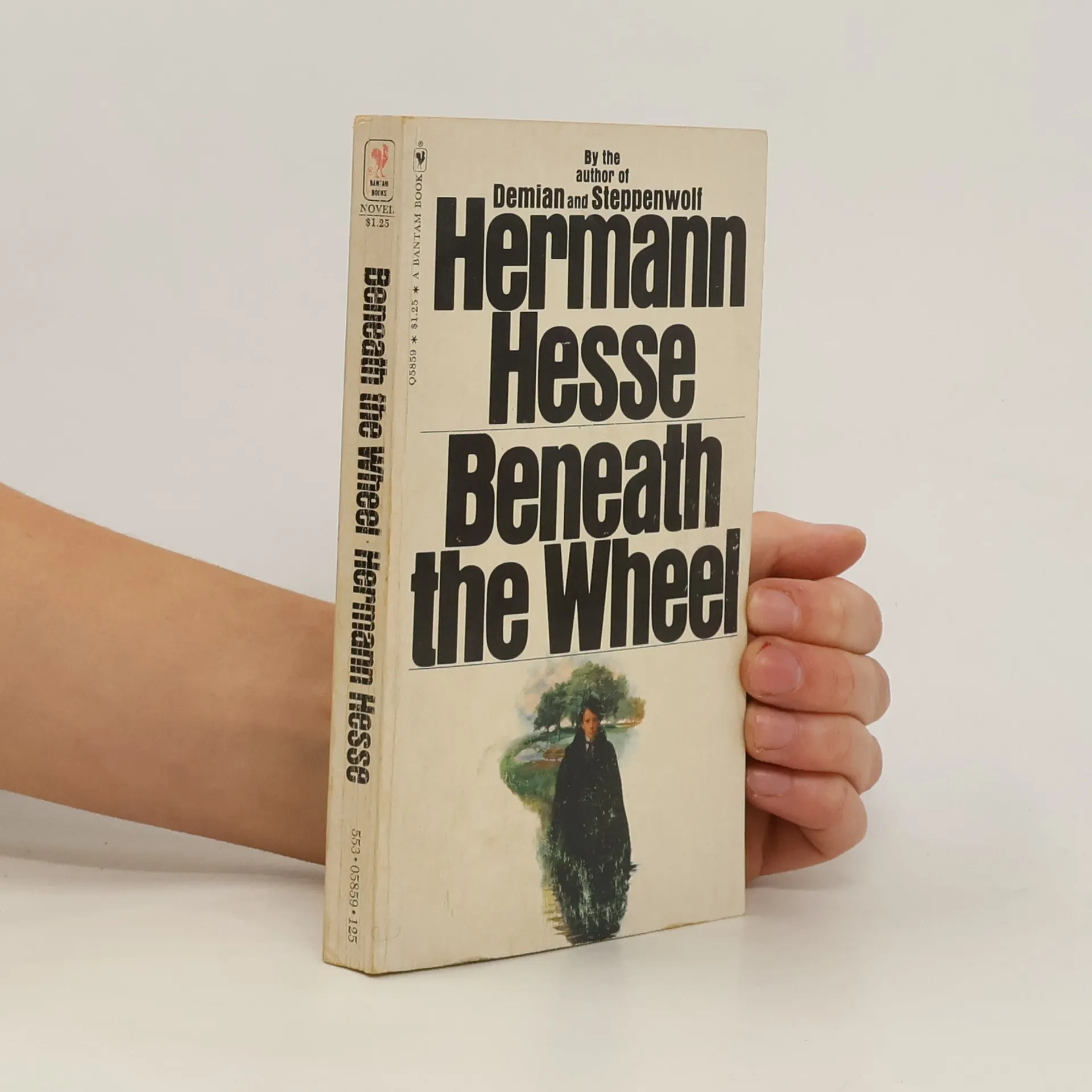
In Hermann Hesse's Beneath the Wheel or The Prodigy, Hans Giebenrath lives among the dull and respectable townsfolk of a sleepy Black Forest village. When he is discovered to be an exceptionally gifted student, the entire community presses him onto a path of serious scholarship. Hans dutifully follows the regimen of tireless study and endless examinations, his success rewarded only with more crushing assignments. When Hans befriends a rebellious young poet, he begins to imagine other possibilities outside the narrowly circumscribed world of the academy. Finally sent home after a nervous breakdown, Hans is revived by nature and romance, and vows never to return to the gray conformity of the academic system.
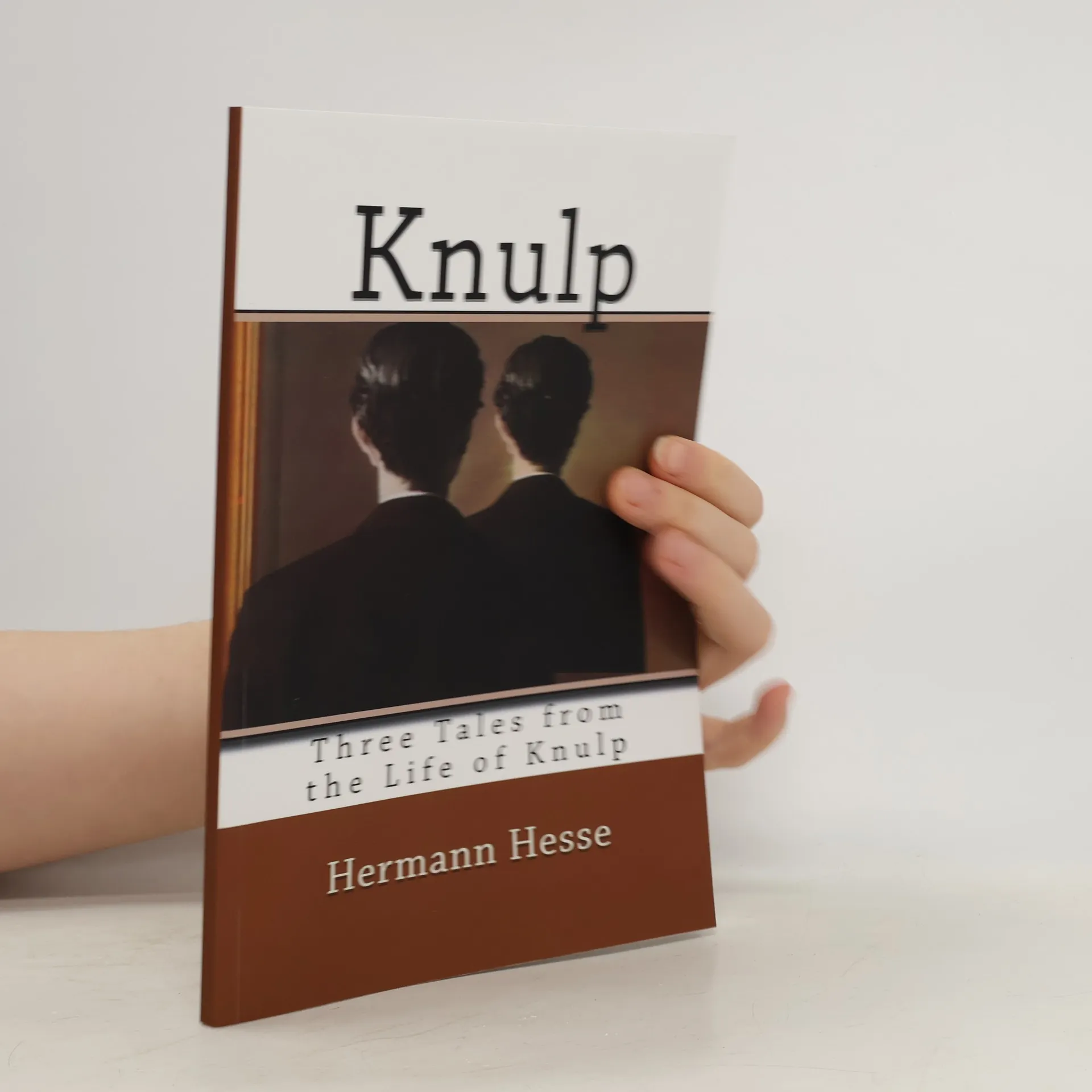
Knulp is the eternal drifter, a true drop-out of an earlier time. Originally published in Germany in 1915, Knulp was Hermann Hesse's most popular book in the years before he published Demian. During the 1950's, the book was influential on Jack Kerouac author of "On the Road" and "The Dharma Bums" as well as othe Beat Generation authors. With profound understanding and sympathy, but also with some irony, Hesse portrays Knulp's life journey, his love affairs and his questioning of life. The novel reaches a final powerful climax when God reveals to Knulp that the purpose of his life was to bring a little nostalgia for freedom into the lives of ordinary men.
Klingsor's Last Summer
- 217bladzijden
- 8 uur lezen
Written over the course of a few weeks in July and August 1919, it was published in December 1919 in the Deutsche Rundschau. It was later published (by Samuel Fischer) in a volume which included Kinderseele and Klein und Wagner. The story is an account of the final months of the life of Klingsor, a forty-two-year-old expressionist painter. A lover of poetry, a heavy drinker and a womanizer, he spends his final summer in southern Italy, torn between sensuality and spirituality and troubled by feelings of impending death.
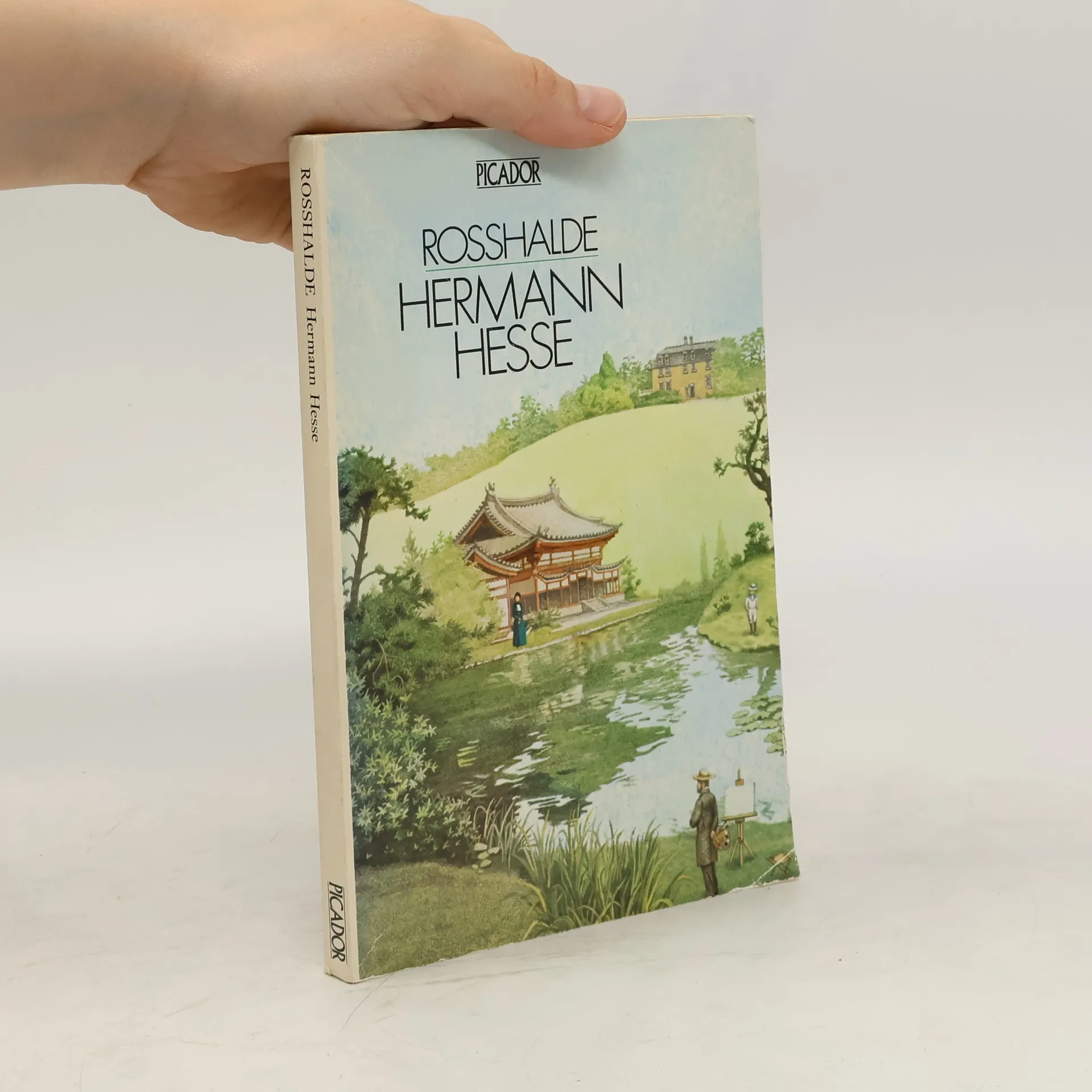
Rosshalde is the classic story of a man torn between obligations to his family and his longing for a spiritual fulfillment that can only be found outside the confines of conventional society.Johann Veraguth, a wealthy, successful artist, is estranged from his wife and stifled by the unhappy union. Veraguth’s love for his young son and his fear of drifting rootlessly keep him bound within the walls of his opulent estate, Rosshalde. Yet, when he is shaken by an unexpected tragedy, Veraguth finally finds the courage to leave the desolate safety of Rosshalde and travels to India to discover himself anew.
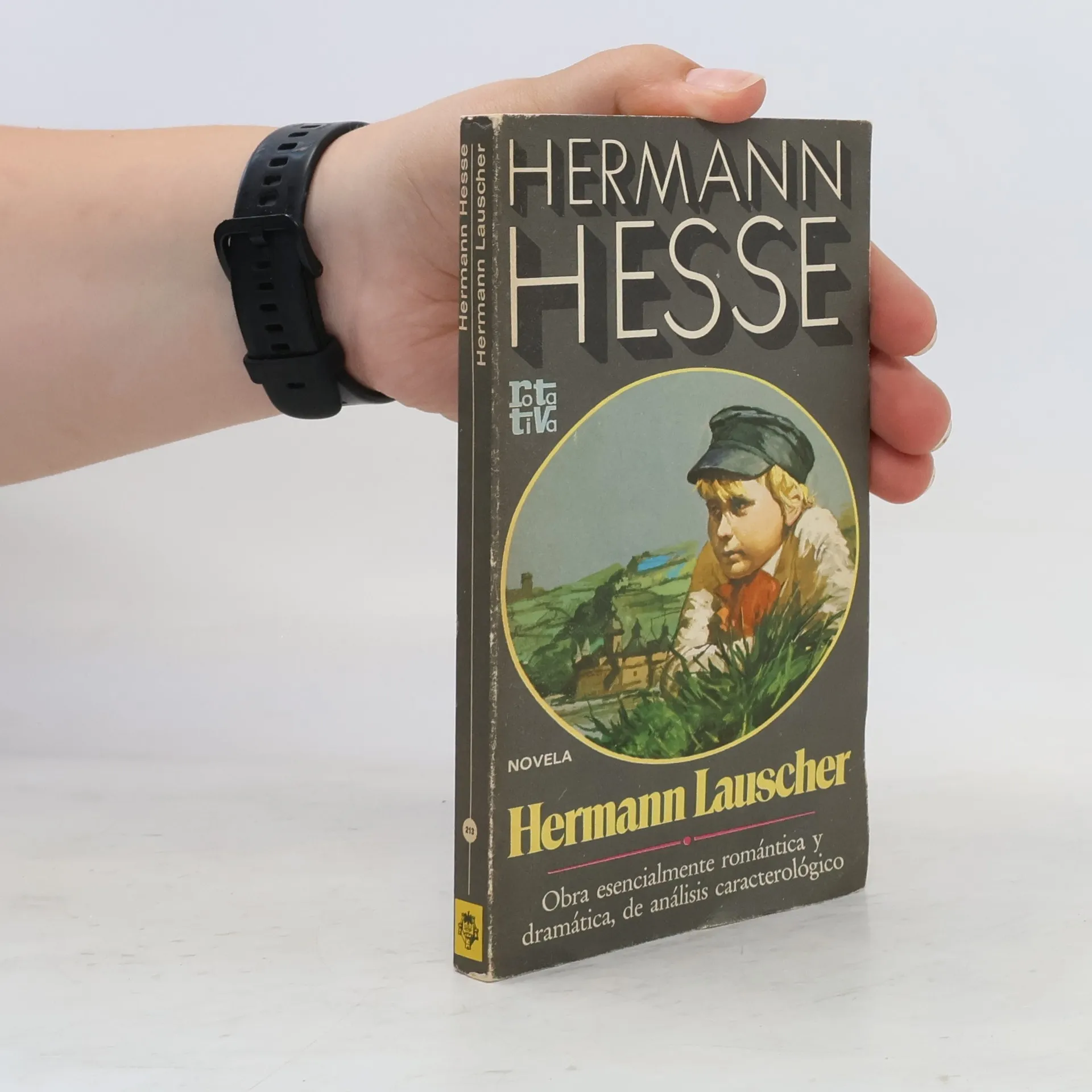
Hermann Lauscher
- 155bladzijden
- 6 uur lezen
Hermann Lauscher, written by Hesse at the age of twenty, can be seen as a form of "self-discovery." In the preface to its first edition, Hesse reflects on the mystery of the texts within Hermann Lauscher, noting that the name is introduced to the public for the first time. The writings of Lauscher, published under a foreign name, are well-known to a limited audience. Hesse laments that the author, who has since passed away, has forbidden him from revealing his secrets or claiming the writings published before his death. He expresses that "bitter understanding is better than ignorance," and those who embark on the perilous path of self-observation and confession must bear the consequences, however unexpected or sorrowful. Over the years, whenever Hesse revisits Lauscher, he encounters passages he wishes to discard or alter, such as youthful, arrogant, foolish remarks about Tolstoy at the beginning of the diary. Yet, he feels he has no right to distort his youthful portrait.
Hermann Hesse wrote poetry that features short, direct poems about love, death, loneliness, and the seasons. This volume is imbued with some of the imagery and feeling of Hesse's novels but possesses a clarity and resonance of its own, conveying a sense of longing for love and home that is both deceptively simple and deeply moving.
Set in India during the time of the Buddha, Siddhartha ;is the most influential and famous novel of Nobel Prize-winning author Hermann Hesse. Desiring spiritual fulfillment, Siddhartha, a young Brahmin, leaves his home to become an ascetic-and on his journey meets the wise Gotama, the famous Buddha. But Siddhartha believes no teacher, however great, can discover meaning for an individual-and so continues alone on his quest to find himself. In his journey Siddhartha experiences life as a pious brahmin, a Samana, a rich merchant, a lover, and a father-shifting between decadence and asceticism as he navigates the material world. Still unhappy, still unfulfilled, Siddhartha is on the verge of giving it all up when he encounters the ferryman. The events that follow change his life forever. Thought-provoking, inspiring, and utterly profound-this spiritual novel has influenced generations of readers, writers, and thinkers.
Siddhartha & Steppenwolf
- 303bladzijden
- 11 uur lezen
A collection of Hesse's subsequent works, including Siddhartha (1922), Steppenwolf (1923). Siddhartha is a novel about the spiritual journey of a kid from the Indian subcontinent named Siddhartha during the reign of Lord Buddha. A Brahman lad follows his heart and lives many lives before realising what it means to be enlightened. Siddhartha gradually blends into the environment, connecting with natural rhythms and bending the reader's ear down to hear replies from the river. The Steppenwolf was the bible of the 1960s counterculture, capturing the atmosphere of a disenchanted generation, and remains a devastating story of estrangement and redemption.
Hermann Hesse 2025
Kunst-Einsteckkalender
Hermann Hesse - Malerfreude
- 199bladzijden
- 7 uur lezen
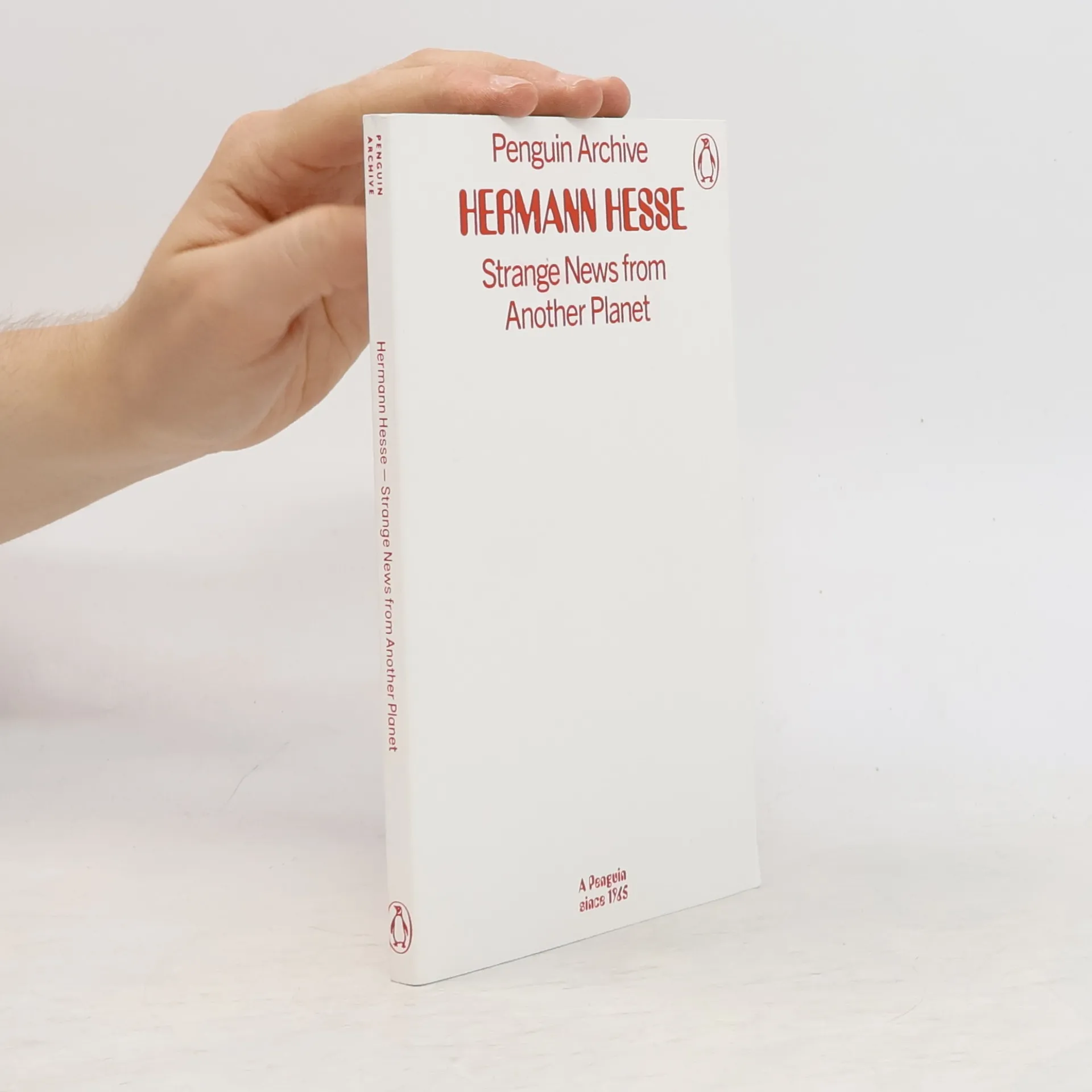
Penguin Archive: Strange News from Another Planet
- 144bladzijden
- 6 uur lezen
Of course, very few people go through the gate and abandon the beautiful phenomenon of the outside world for the interior reality that they intuit…A visitor to a zoo discovers he can understand the animals talking, a young man turns into a mountain and a bird guides a boy to another planet in this selection of dream-like and visionary fairy tales from the great German-Swiss master.
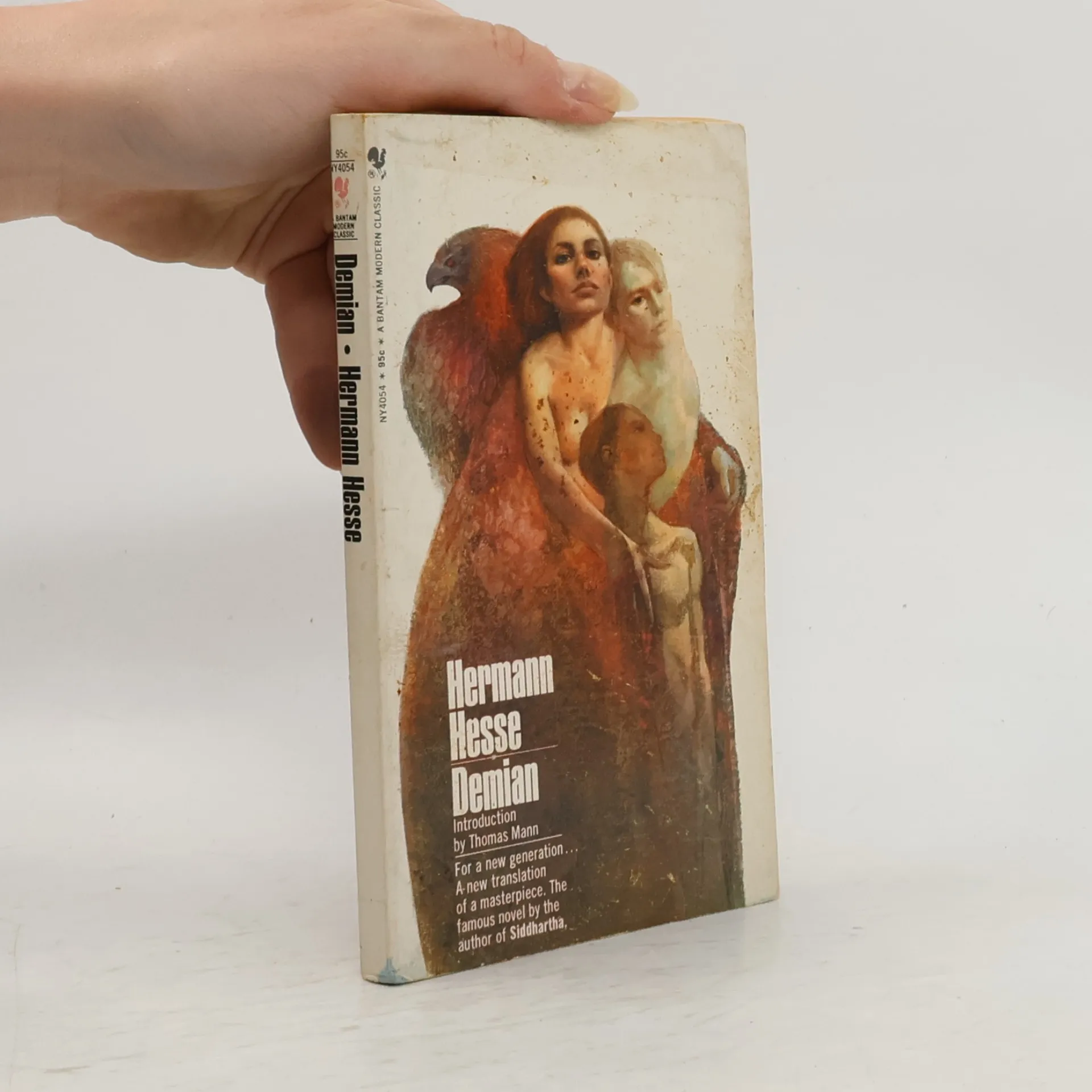
Demian
Bantam Modern Classics
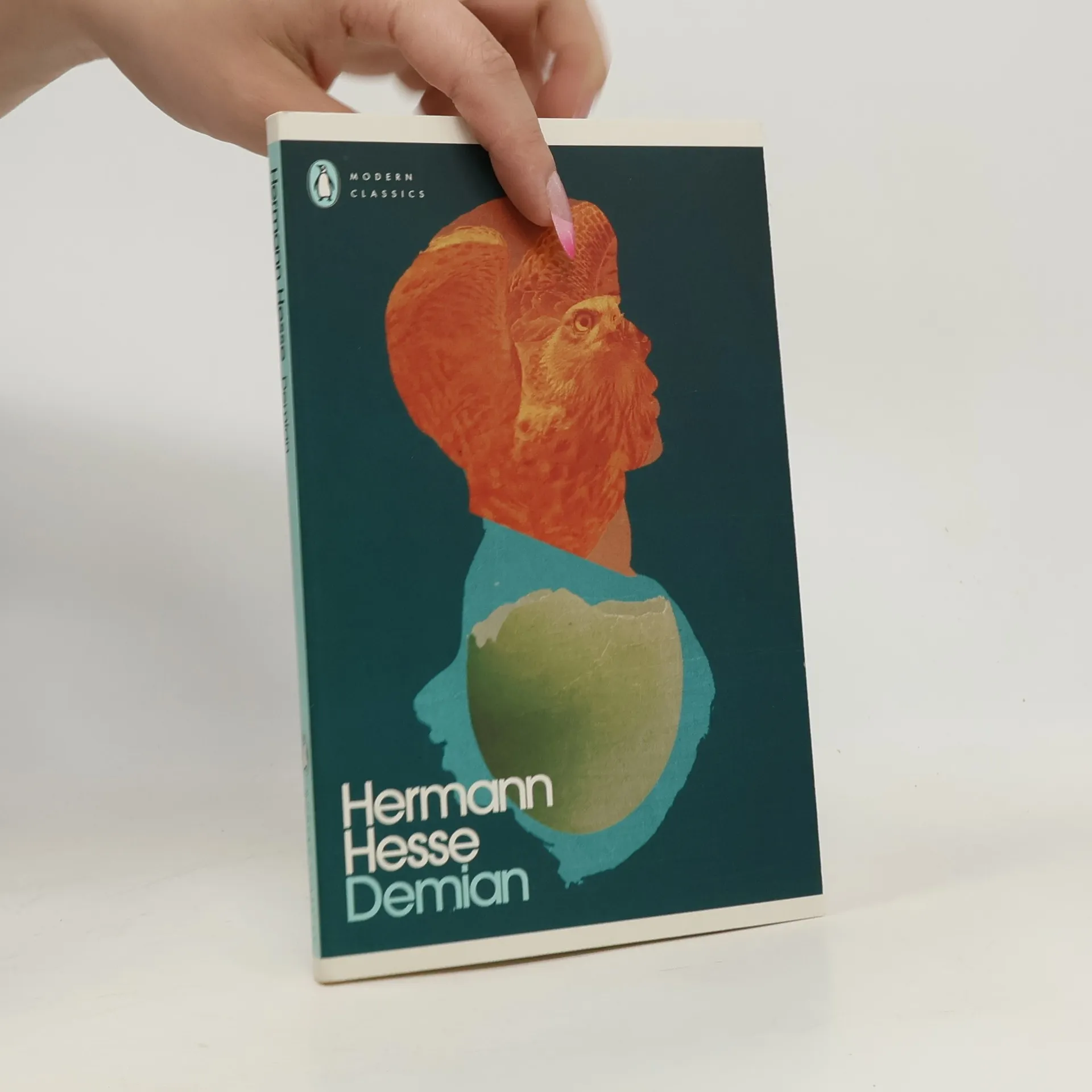
Modern Classics: Demian
- 135bladzijden
- 5 uur lezen
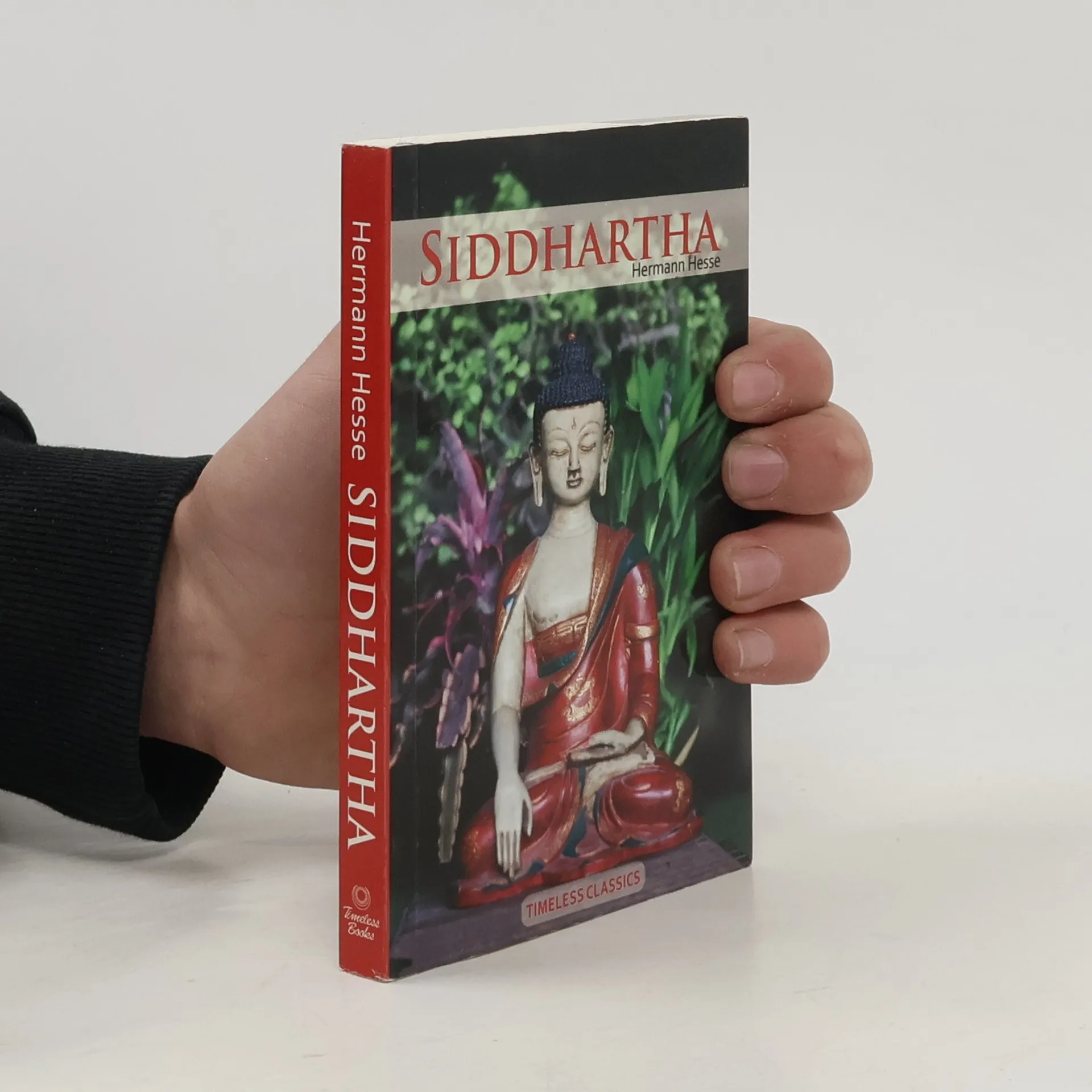
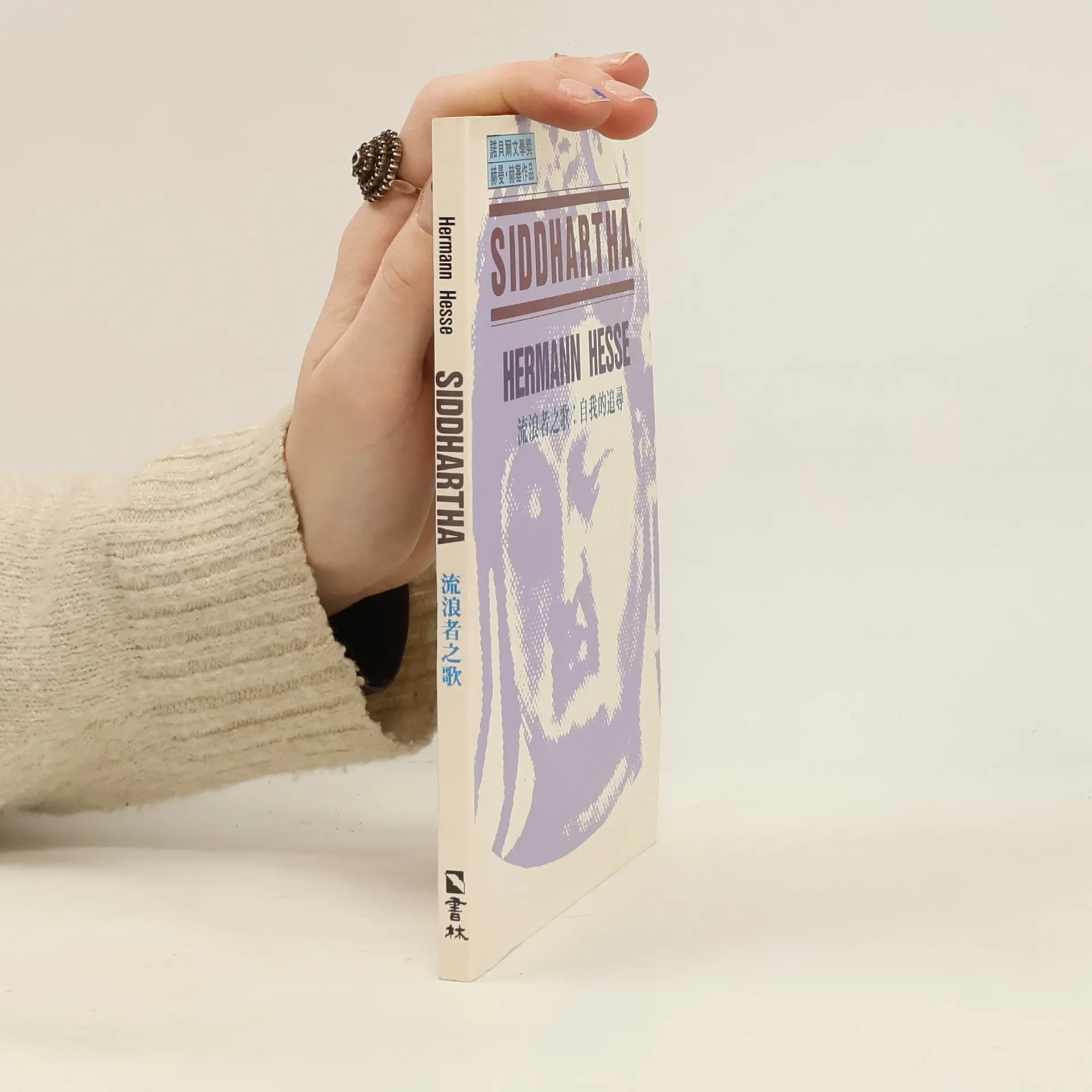
Siddhartha
流浪者之歌
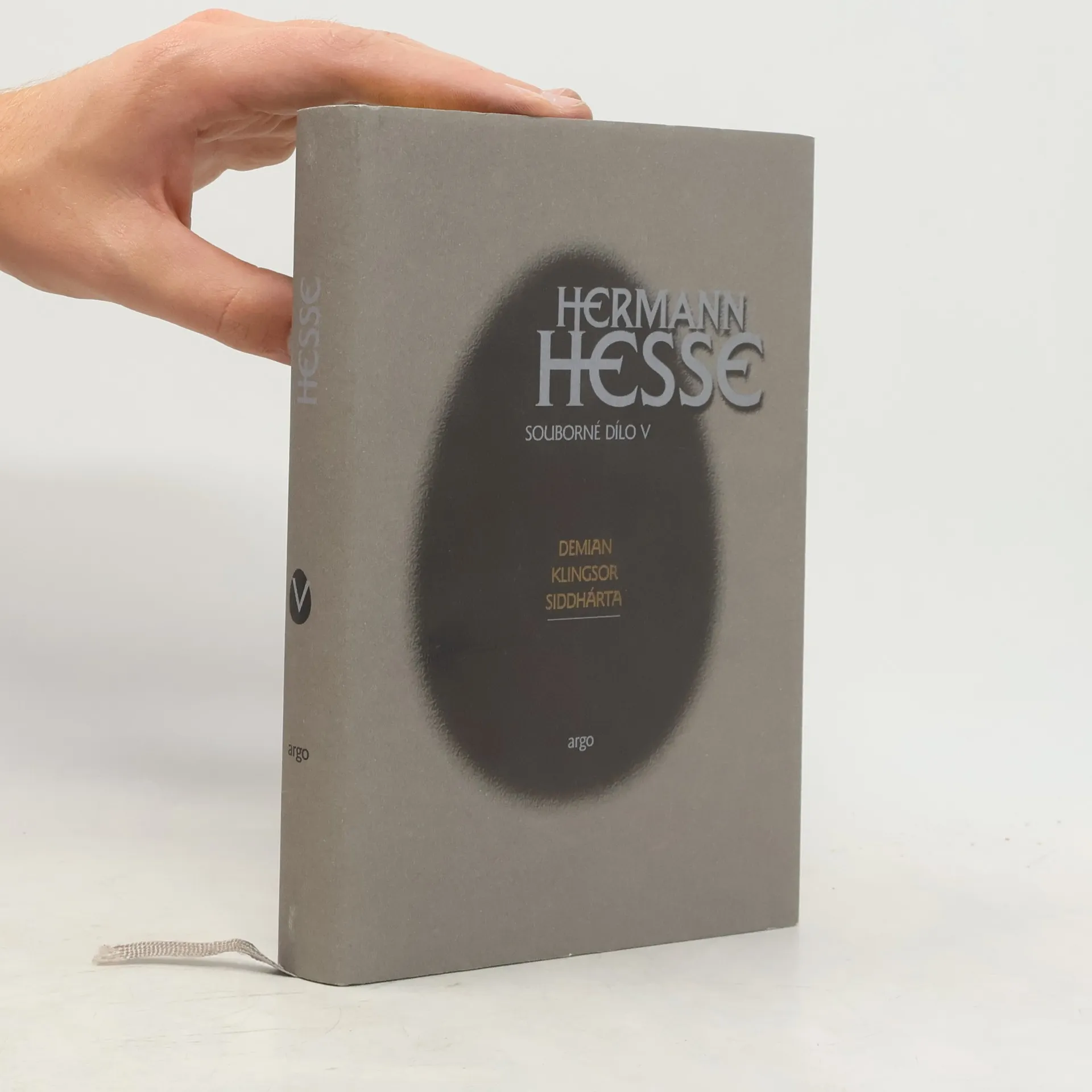
Demian ; Klingsor ; Siddhártha
- 357bladzijden
- 13 uur lezen
V prózách tohoto svazku umělecky vrcholí střední údobí autorovy tvorby. Útlým románem Demian (1919), příběhem mládí Emila Sinclaira, postihl Hesse „nerv doby“ (Thomas Mann) a vypověděl mnoho o tehdejší mladé generaci, která zděšena ztrátou starých morálních hodnot, jež jí zničila první světová válka, hledala hodnoty nové. Román měl neobyčejný úspěch, a právě v jeho vyznění lze hledat důvod, proč se i další generace hlásí k Hesseho odkazu. Nevoli k měšťáckému světu vyjadřuje povídka Klein a Wagner, v níž se autor nejvíce přiblížil expresionismu. Mistrovsky napsané Klingsorovo poslední léto (1920) zkoumá umělectví jako možnost a způsob existence. Slavná próza o Siddhárthovi (1922) ztělesňuje touhu po duchovním životě a reflektuje autorovo studium východních učení, v nichž se pokoušel hledat východisko.
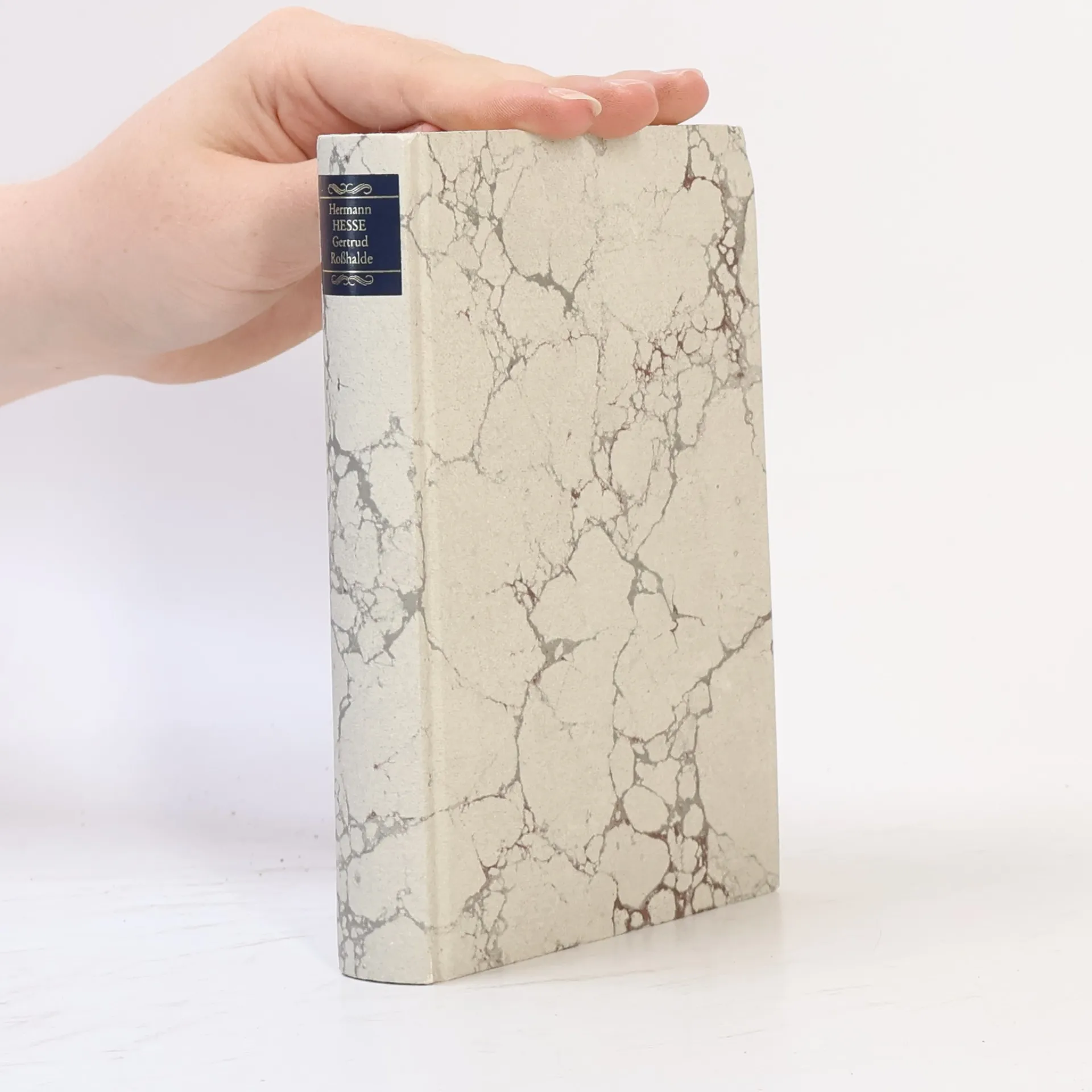
Die Romane und die grossen Erzählungen: Gertrud Roßhalde
- 328bladzijden
- 12 uur lezen
Der Steppenwolf handelt von der seelischen Erkrankung des Protagonisten Harry Haller. Harry Haller leidet an einer Spaltung seiner eigenen Persönlichkeit. Auf der einen Seite steht seine menschliche, gesellschaftsnormende Seite, die im Kontrast zu seiner einsamen, sozialkritischen, geradezu steppenwölfischen Seite liegt
Hermann Hesse, 1877 in Calw am Rande des Nordschwarzwaldes geboren, 1962 in Montagnola gestorben, fühlte sich zutiefst dem deutschen Südwesten, dem schwäbisch-alemannischen Sprachraum zugehörig. Hier hatte er seine Wurzeln, hier war sein Jugendland. Und aus der Jugend hat Hermann Hesse in ganz besonderem Maße seine schriftstellerische Kraft geschöpft, die ihn zum meistgelesenen deutschsprachigen Schriftsteller weltweit werden ließ. Aus den faszinierenden Erzählungen über seine Kindheit und Jugend wird seine erstaunliche Entwicklung begreifbar.
Novela Siddhárta napsaná v letech 1919 až 1922 nese podtitul „indická báseň“. Vskutku básnickým jazykem se v ní vypráví příběh bráhmanského syna Siddhárthy, který hledá pravdu a smysl života. Hermann Hesse si při hledání cesty z myšlenkových a společenských krizí své doby i z krizí vlastních bere na pomoc myšlení Východu. Vedle čínské moudrosti jsou to především prvky hinduismu a zejména buddhismu, k němuž autor dlouhá léta inklinoval. Buddhismus však naprosto nebyl nějakým jeho „vyznáním“ a novela Siddhártha je dle Hesseho vyjádření výrazem osvobození od svázanosti indickým myšlením. V podstatě zde jde o velmi německé hledání svébytné osobní existence, vlastního já. Nikoli skrze nějakou nauku, ale osobním úsilím. Lidské moudrosti se nelze naučit pomocí doktríny, je nutno k ní dospět vlastním životem.
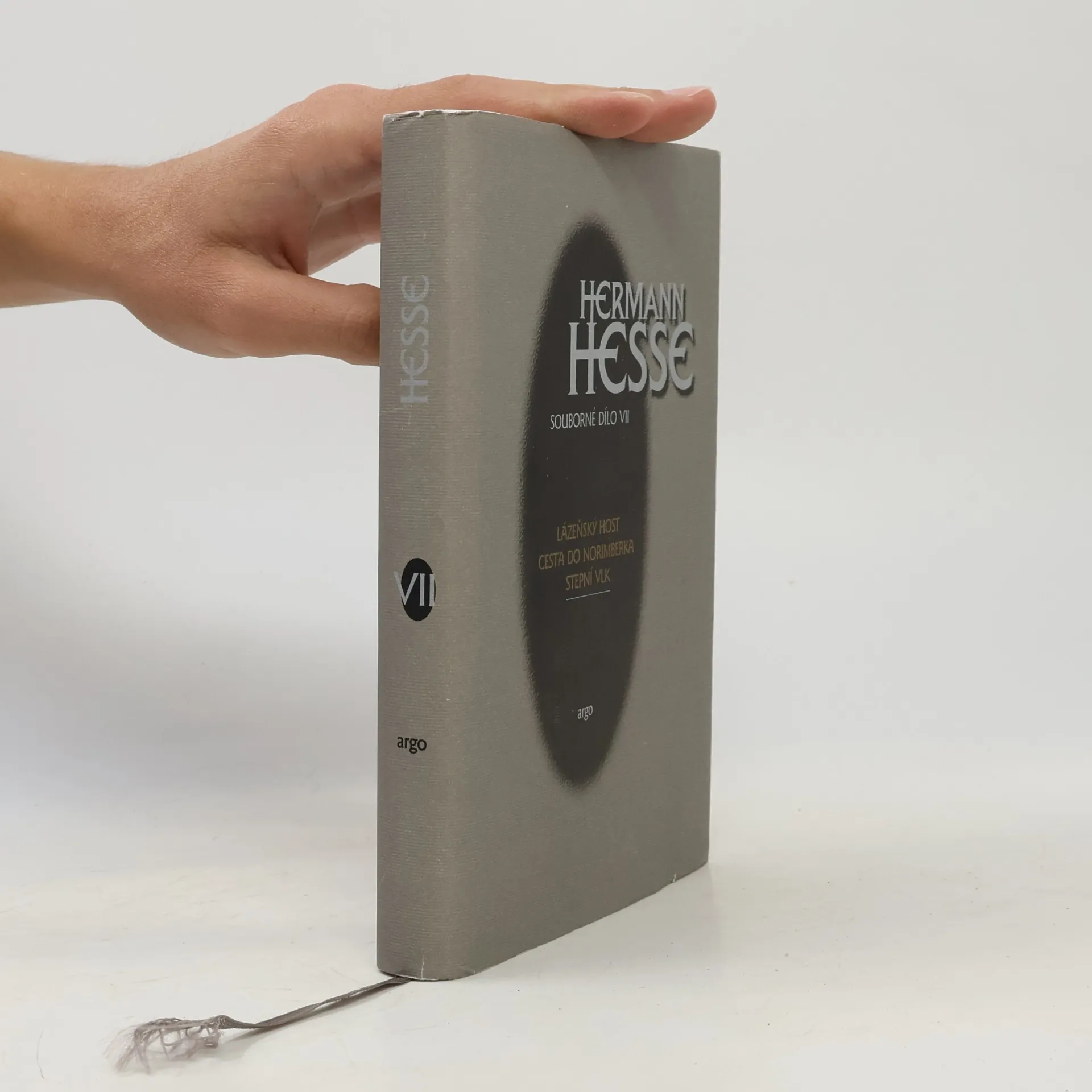
Svazek sdružuje tři díla: Lázeňský host (1925) je záznamem Hesseho léčebného pobytu v Badenu u Curychu a rozborem pacientových tělesných i duševních stavů s předznamenáním krize. Obdobně tematicky zaměřená je próza Cesta do Norimberka (1927), kde autor líčí své dojmy a vnitřní rozpoložení během přednáškového turné. Jako bilance krizí uplynulého desetiletí a pokus o formulování východiska z nich vznikl světově proslulý román Stepní vlk (1927). Poučen psychoanalýzou odhaluje spisovatel ponor ke kořenům vlastní osobnosti i snahu o překonání sváru ducha a pudů. Román vyniká neobvyklou strukturou, poetickou hrou fantazie i působivým prolínáním snu a skutečnosti.
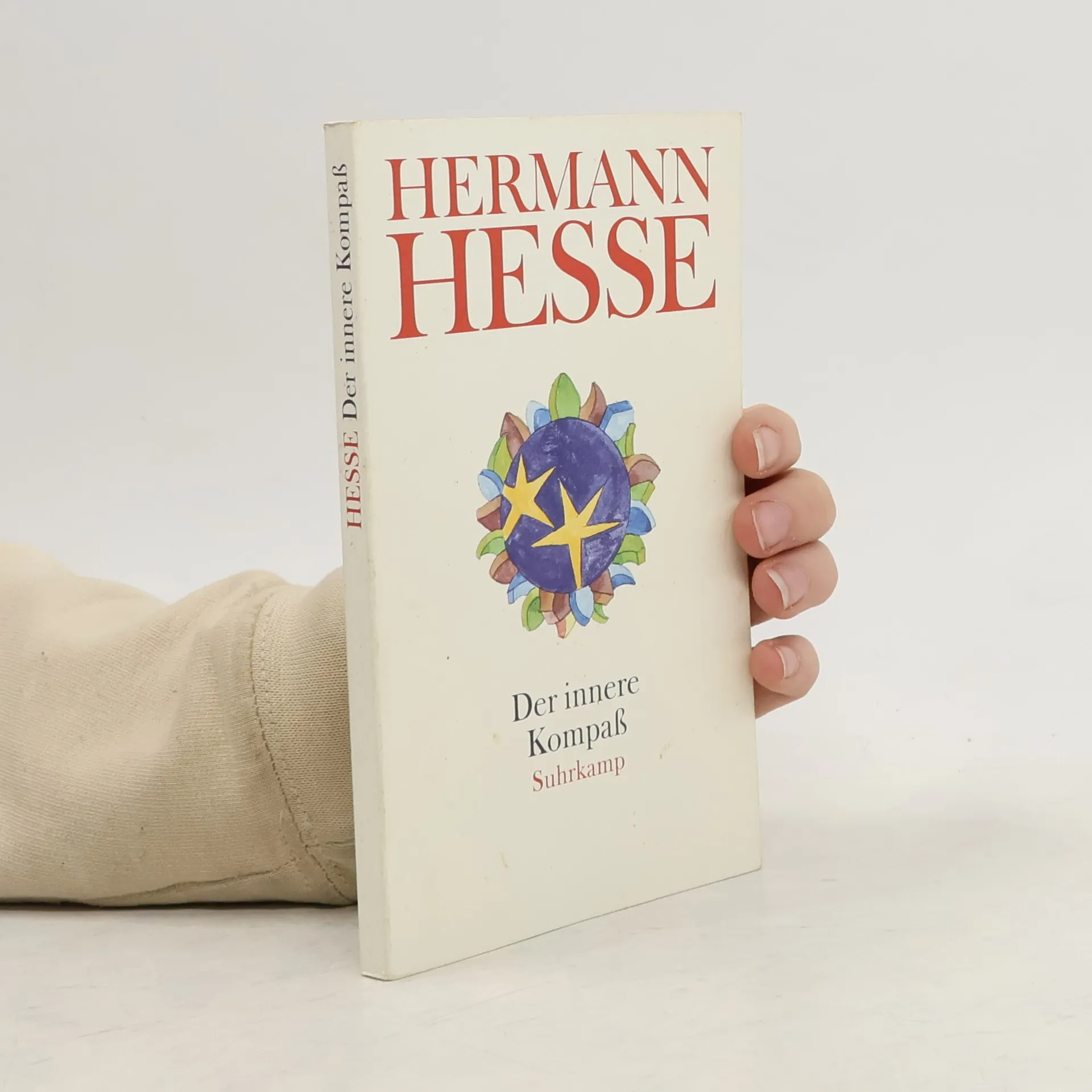
Der innere Kompaß
Gedanken aus seinen Werken und Briefen. Vertrauen in die Ordnung der Welt, Der Einzelne und die Gemeinschaft, Wirklichkeit und Imagination, Lesen und Bücher
Radikal, rebellisch, eigensinnig – Hermann Hesse war zeitlebens ein unbestechlicher Geist, der überlebte Konventionen und anmaßende Autoritäten keineswegs hinnahm, sondern sie anhand eigener Erfahrungen auf ihre aktuelle Tauglichkeit hin überprüfte. In seinen Werken, die seit 1970 eine weltweite Renaissance erfahren und ihn zum meistgelesenen deutschsprachigen Autor des 20. Jahrhunderts gemacht haben, gibt es kaum eine lebenswichtige Frage, die man nicht auf zukunftsorientierte Weise thematisiert findet. 1971 hat Volker Michels, der Herausgeber der Werke Hesses, damit begonnen, u.d.T. »Lektüre für Minuten« die wichtigsten Aussagen des Dichters ausfindig zu machen. Nun, nach Abschluß der ersten Gesamtausgabe in 20 Bänden und Erschließung der ersten Hälfte von Hesses mehr als 35 000 Antworten auf Leserzuschriften, ist es möglich geworden, vollständiger als je zuvor Hesses konstruktives Weltbild in annähernd 1500 Kernaussagen zusammenzufassen. Die sechs Themenbände überliefern die gedankliche Substanz seines bisher erschlossenen Werkes und belegen einmal mehr die zeitlose Aktualität dieses Dichters.
»Es kommt, wenn ein Mensch das Bedürfnis hat, sein Leben zu rechtfertigen, nicht auf eine objektive, allgemeine Höhe der Leistung an, sondern eben darauf, daß er sein Wesen, das ihm Mitgegebene, so völlig und rein wie möglich in seinem Leben und Tun zur Darstellung bringe.« Hermann Hesse
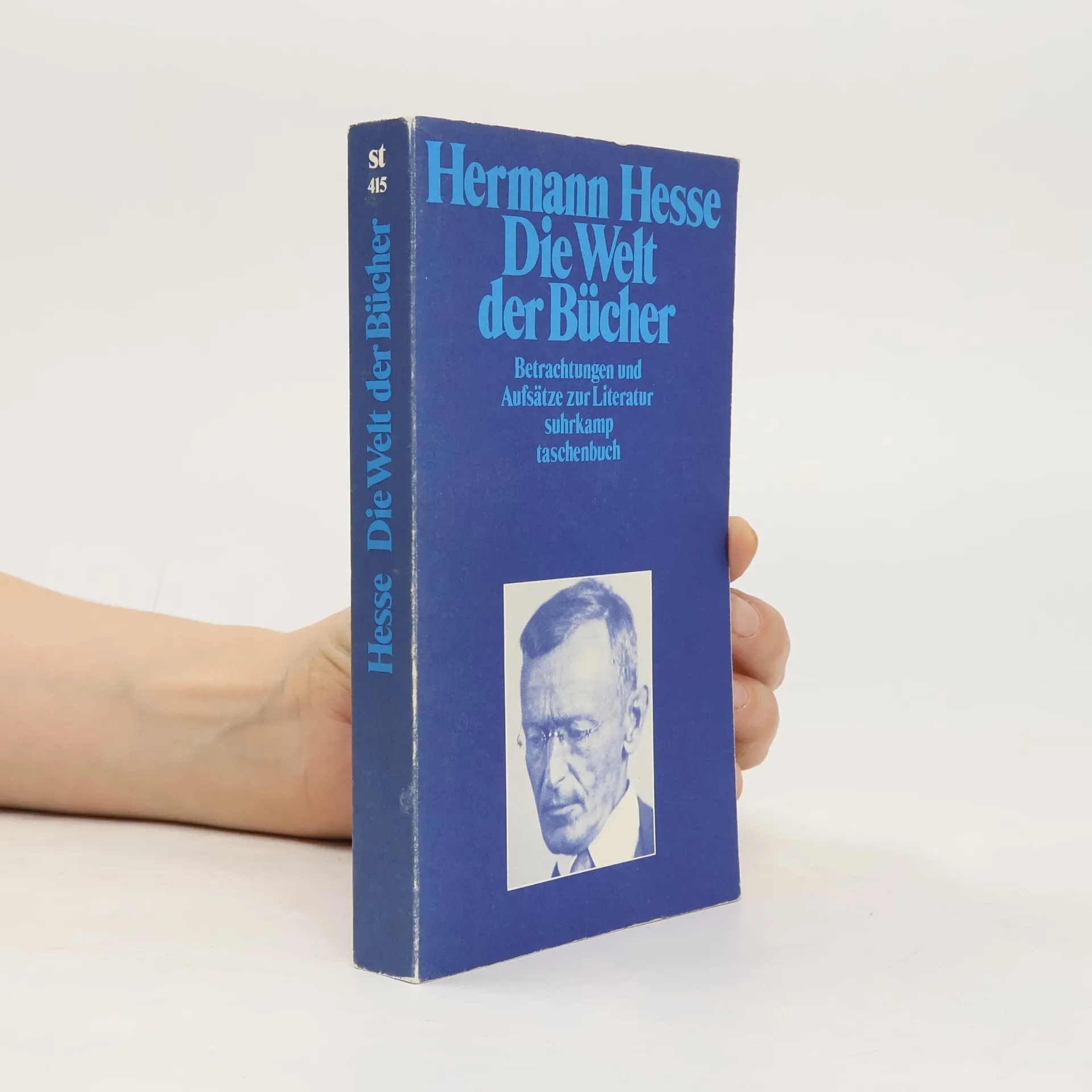
Die Welt der Bücher
- 400bladzijden
- 14 uur lezen
Kaum ein anderer Schriftsteller hat so viel gelesen wie Hermann Hesse und zugleich den zeitgenössischen wie auch den Büchern der Weltliteratur so viele Leser geworben und zugeführt. Zeugnis davon geben, neben den mehr als dreitausend Buchbesprechungen dieses Autors, auch zahlreiche seiner weniger speziellen Essays, Betrachtungen und Aufsätze über sinnvolle und unsinnige Bildung, über das Buch als Schlüssel zum Verständnis, zur Bereicherung und Intensivierung des eigenen Lebens und Erlebens. »Die Bücher sind nicht dazu da, lebensunfähigen Menschen ein wohlfeiles Trug- und Ersatzleben zu liefern. Im Gegenteil, Bücher haben nur einen Wert, wenn sie zum Leben führen und dem Leben dienen und nützen, und jede Lesestunde ist vergeudet, aus der nicht ein Funke von Kraft, eine Ahnung von Verjüngung, ein Hauch neuer Frische sich für den Leser ergibt.« Hermann Hesse
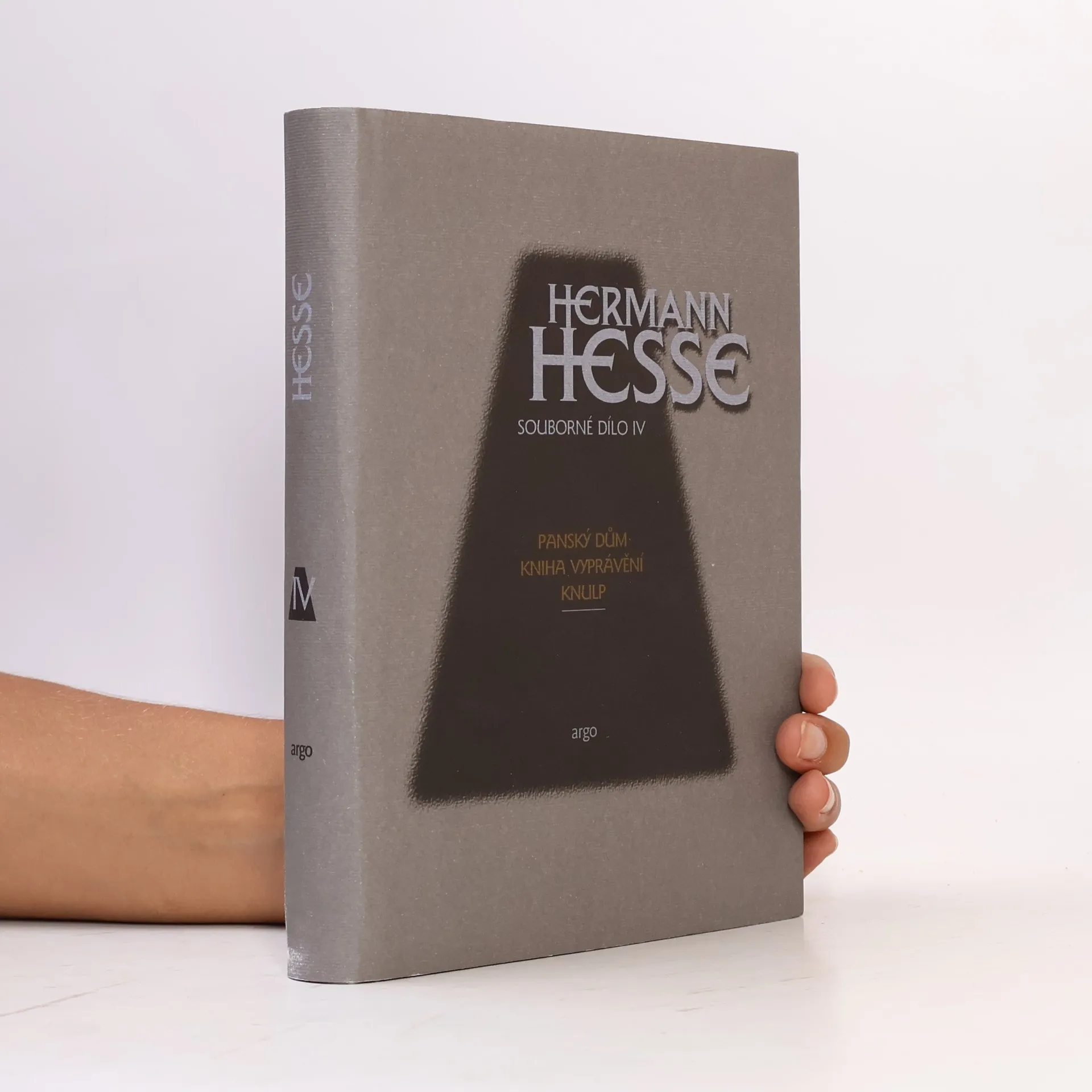
Panský dům / Kniha vyprávění / Knulp
- 390bladzijden
- 14 uur lezen
Čtvrtý svazek Hesseho souborného díla přináší jeden román a řadu drobnějších próz. Silně autobiografický podtext má román Panské sídlo, vyšlý roku 1914. Ústřední postavou je malíř Veraguth, prožívající prudkou rodinnou i uměleckou krizi. Kniha vyprávění (1935) je souborem 23 krátkých próz s různou tematikou z Hesseho raného tvůrčího období. Knulp (1915), jedno z nejpopulárnějších Hesseho drobných děl, zachycuje ve třech příbězích etapy životní cesty stejnojmenného sympatického tuláka a svérázného mudrce.
Sämtliche Gedichte in einem Band
- 848bladzijden
- 30 uur lezen
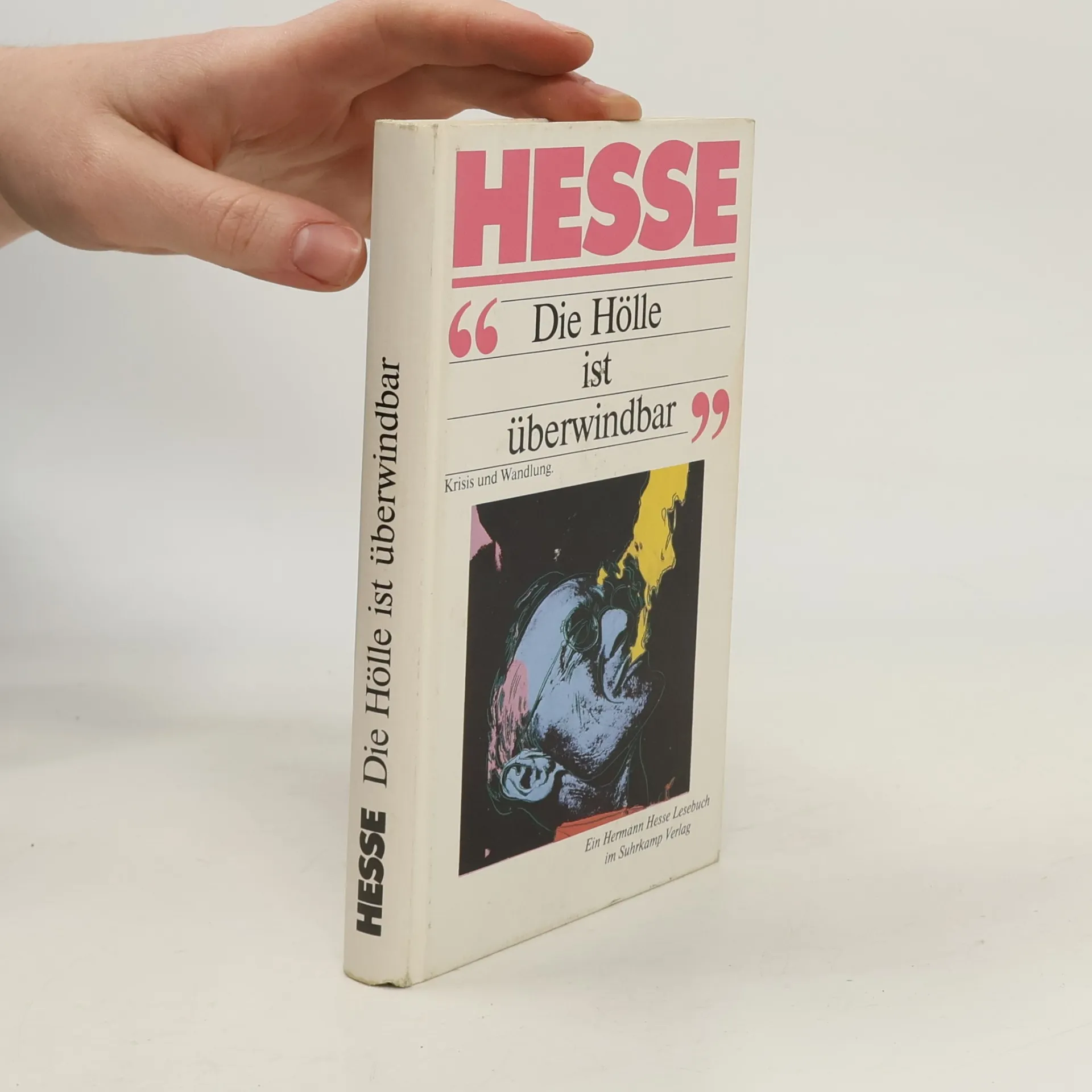
Die Hölle ist überwindbar
- 208bladzijden
- 8 uur lezen
„Aus Leiden kommt Kraft, aus Leiden kommt Gesundheit. Es sind immer die 'gesunden' Menschen, welche plötzlich umfallen und an einem Luftzug sterben. Es sind die, welche nicht leiden gelernt haben, Leiden macht zäh, Leiden stählt.“
Der Band umfasst über 500 Briefe von Hermann Hesse, die wenige Monate nach Kriegsbeginn beginnen. Sie zeigen die Auswirkungen der Nazi-Repression auf Hesse und seinen Verleger Peter Suhrkamp. Die Korrespondenz beleuchtet Hesses Engagement für Flüchtlinge und seine literarische Auseinandersetzung mit der NS-Ideologie.
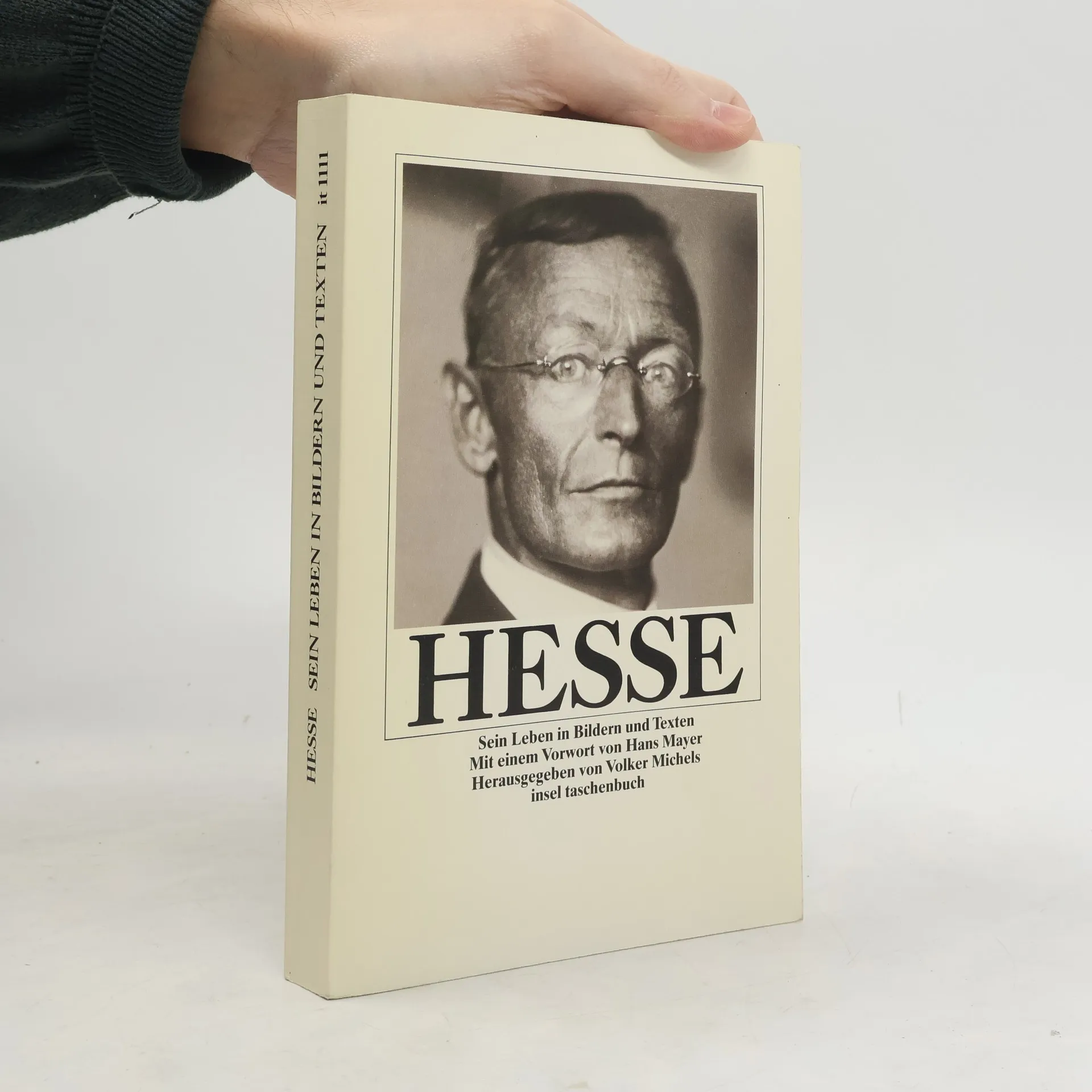
Hermann Hesse, Sein Leben in Bildern und Texten
- 365bladzijden
- 13 uur lezen
Die Zusammenstellung des Bildmaterials, kombiniert mit Textauszügen aus den Werken und Briefen Hermann Hesses, läßt vor den Augen des Lesers und Betrachters eine illustrierte Autobiographie.
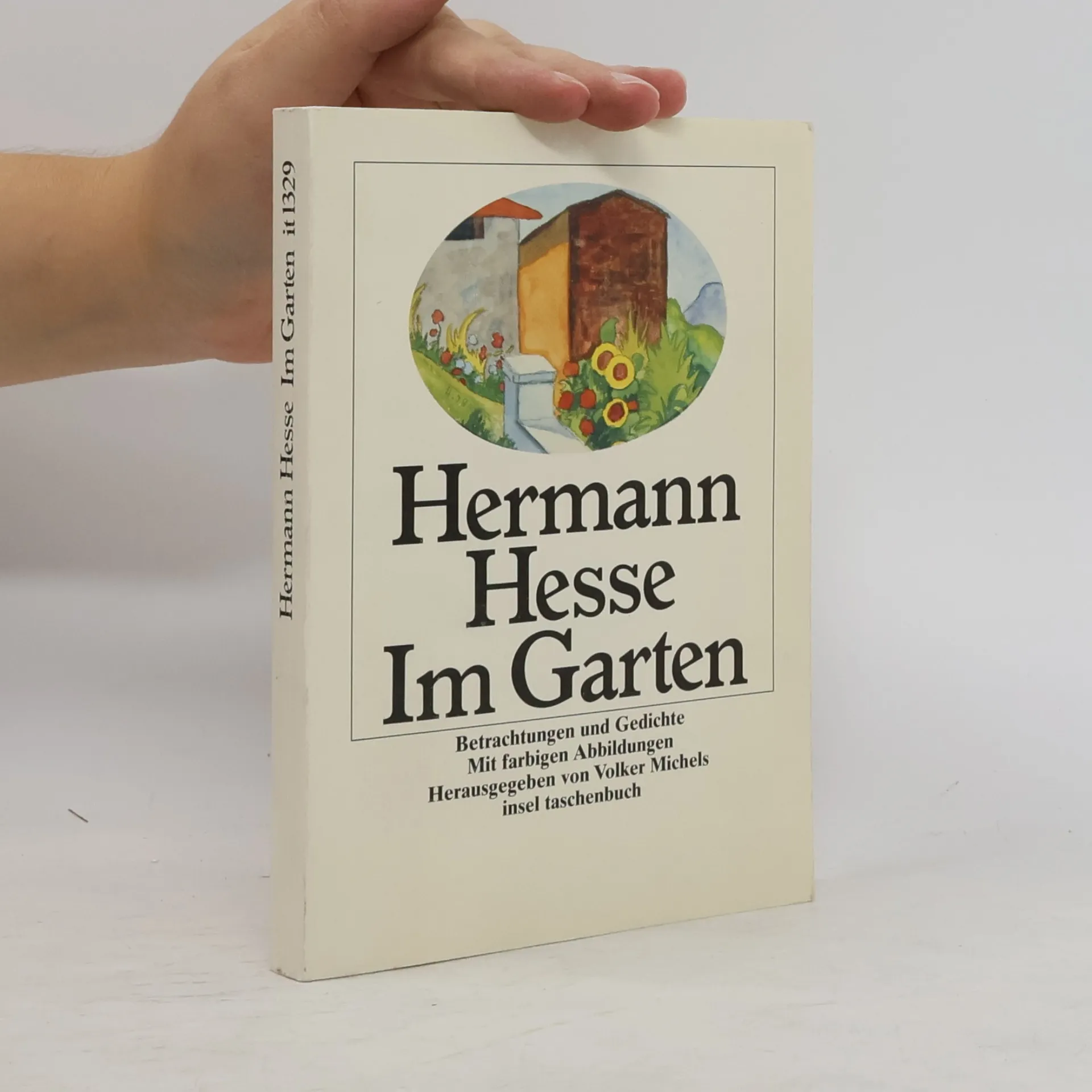
Im Garten
- 233bladzijden
- 9 uur lezen
«Die Beschäftigung mit der Erde und den Pflanzen kann unserer Seele eine ähnliche Erleichterung und Ruhe bieten wie die Meditation.» Wie die Malerei war die Auseinandersetzung mit der Natur für Hermann Hesse eine angenehme und zugleich kreative Pause von seiner schriftstellerischen Tätigkeit, eine Beschäftigung, der er fast die Hälfte seines Lebens widmete. Sie half ihm, den Faden seiner Ideen zu weben, sich zu konzentrieren und zu meditieren. In diesem Buch sind die schönsten Prosa- und Gedichttexte versammelt, die der große Nobelpreisträger aus der Natur inspiriert hat und in denen er den ewigen Kreislauf des Lebens von Pflanzen und Blumen beschreibt, letztlich über den Weg des Menschen im Laufe der Zeit von der Geburt bis zu seiner Vollendung spricht.
Im Ordensstaat Kastalien steigt Josef Knecht zum Magister Ludi auf, dem höchsten Priester des sakralen Spiels. Doch bald schon erkennt er den Mangel der Vollkommenheit in dieser sterilen Welt und bricht auf ...
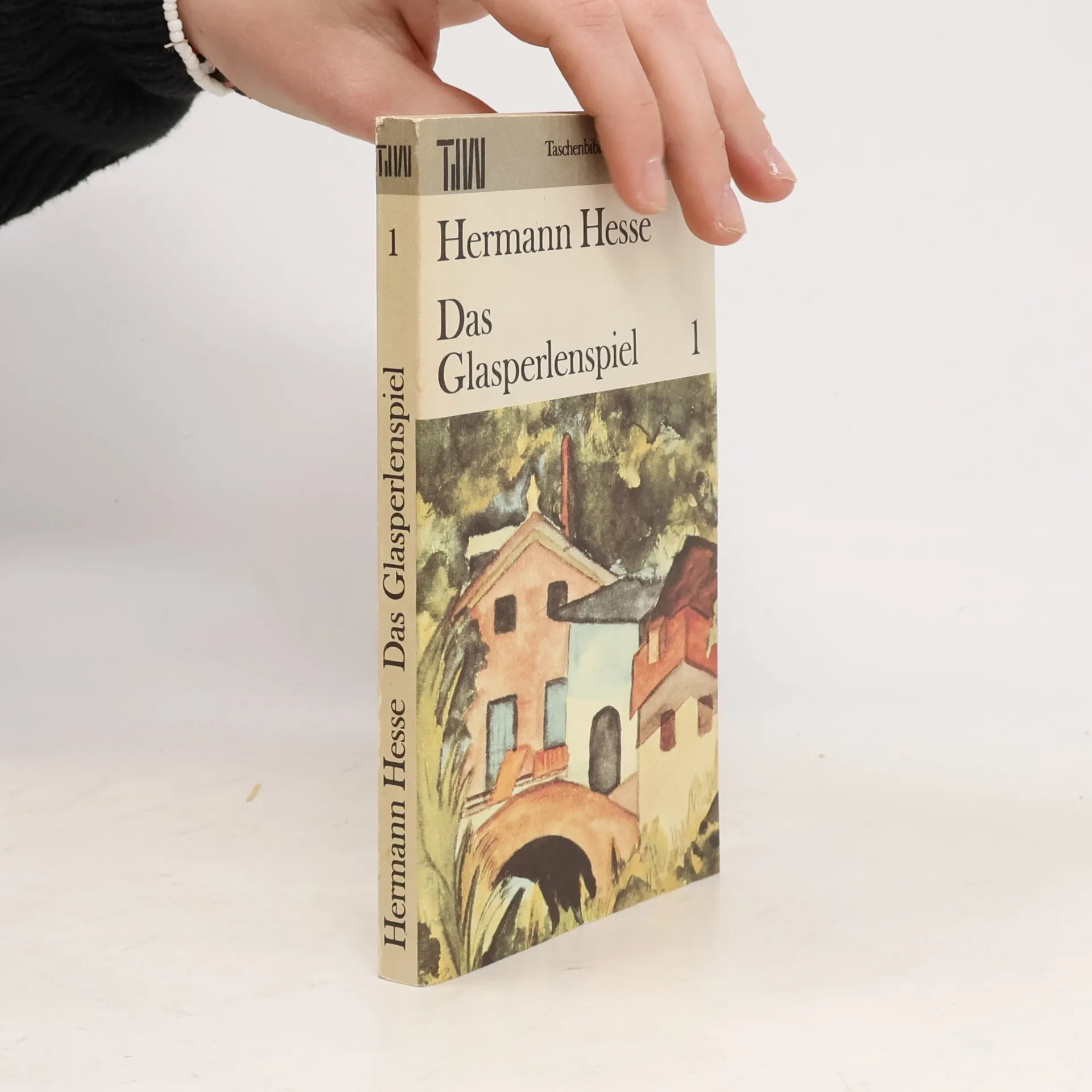
Das Glasperlenspiel 1
- 271bladzijden
- 10 uur lezen
"In diesem Alterswerk sind dem Dichter alle früheren stadien seines Lebensweges durchsichtig geworden. Es ist auf der Stufe der 'Hellsicht' enstanden... 'Das Glasperlenspiel' ist Ergebnis und Zeugnis einer Selbstheilung - also der einzig würdigen und echten, weil sie aus dem Kern der Person hervorgeht." - Ernst Robert Curtius
Lagunenzauber
Aufzeichnungen aus Venedig
Hermann Hesses Schilderungen von Venedig zählen zum Schönsten und Substanziellsten, womit je ein deutscher Dichter dieser »Stadt des Müßiggangs, der Liebe und der Musik« gehuldigt hat. Wer mit ihm das Labyrinth ihrer Gassen, Kanäle und Brücken durchstreift, wird vieles mit neuem Blick entdecken und »dem schönen Wunder auf den Grund sehen«. Dank seines Sensoriums für die zu jeder Tageszeit wechselnden Lichteffekte vermag Hesse, den Farbenzauber der Lagune auf eine Weise zu vermitteln, dass er dem Leser unmittelbar vor Augen steht. Ähnlich lebensnah und anschaulich sind auch die Schilderungen des Alltags und seiner Erlebnisse mit den Bewohnern auf den Inseln dieser märchenhaften Kapitale am Adriatischen Meer.
Děj se odehrává v neurčité německé metropoli kolem třicátých let a jeho protagonistou je mladý reportér, který vyšetřuje starý palác, o němž kolují temné legendy: byl postaven ve středověku alchymistou Güstenhöverem a v průběhu staletí byl přestavován a rozšiřován, jako by budova rostla sama od sebe, jako živý organismus... ale neméně tajemné jsou příběhy těch, kteří v ní žijí. Od majitele Pávové hospody (v prvním patře paláce), perského muže jménem Khan, vůdce tajemné sekty Yazidů, uctívačů Padlého Anděla, po přímého dědice Güstenhövera, hodináře Hieronyma, který má dílnu v přízemí, kde při opravě hodin uzdravuje duše svých zákazníků. Od doktora Ismaela Steena, který v horním patře budovy řídí fantomové filmové studio, zatímco na skleněné střeše paláce přistávají podivná letadla, po doktora Apuleje Ochse, tvůrce neřešitelných šachových problémů... a který reportérovi předává rukopis, v němž je obsažena celá pravda o domě alchymisty.
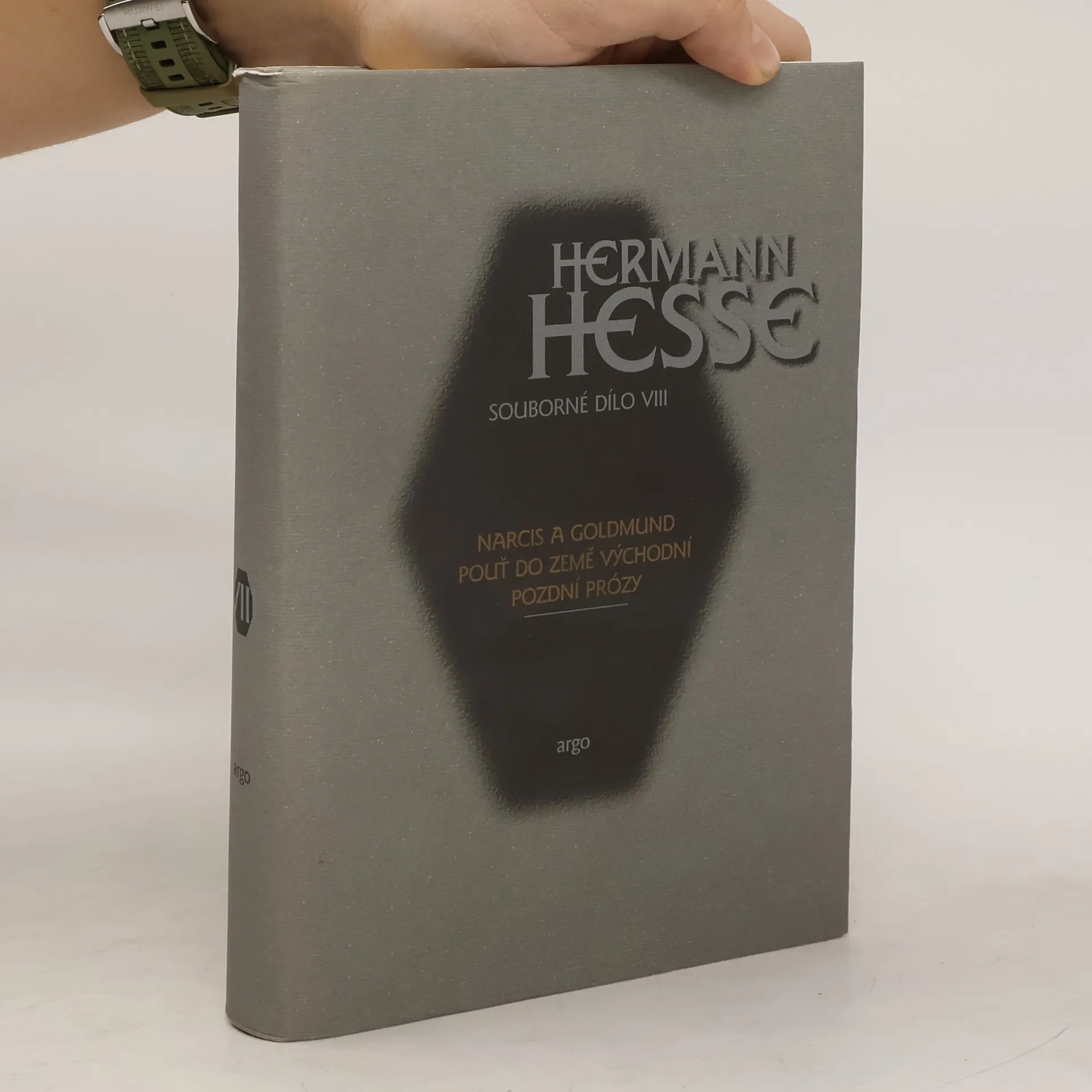
Román Narcis a Goldmund (1930) zpodobuje v historizujícím novoromantickém hávu a v rozložení do dvou kontrastních postav mnicha-askety a umělce-erotika autorovy vnitřní rozpory a umělecká a životní hledání. Povídka Cesta do Země východní (1932) líčí pouť reálně ireálného bratrstva duchovní a umělecké elity všech dob a národů za trvalými hodnotami. Svazek doplňuje 15 drobnějších próz časově a tematicky spjatých s různými obdobími Hesseho života.
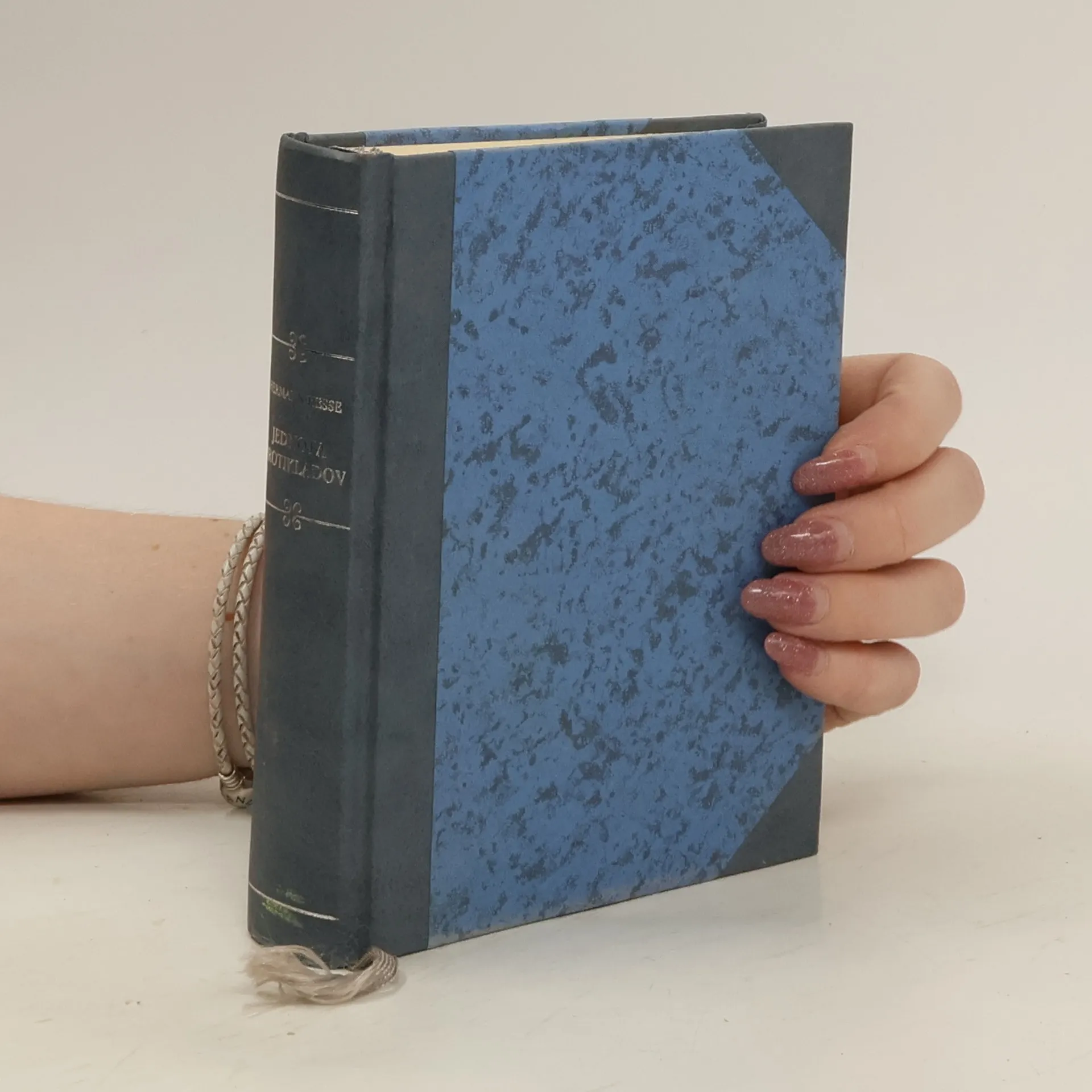
Jednota protikladov
- 263bladzijden
- 10 uur lezen
Poviedky, črty, myšlienky, básne a spomienky svetoznámeho spisovateľa.
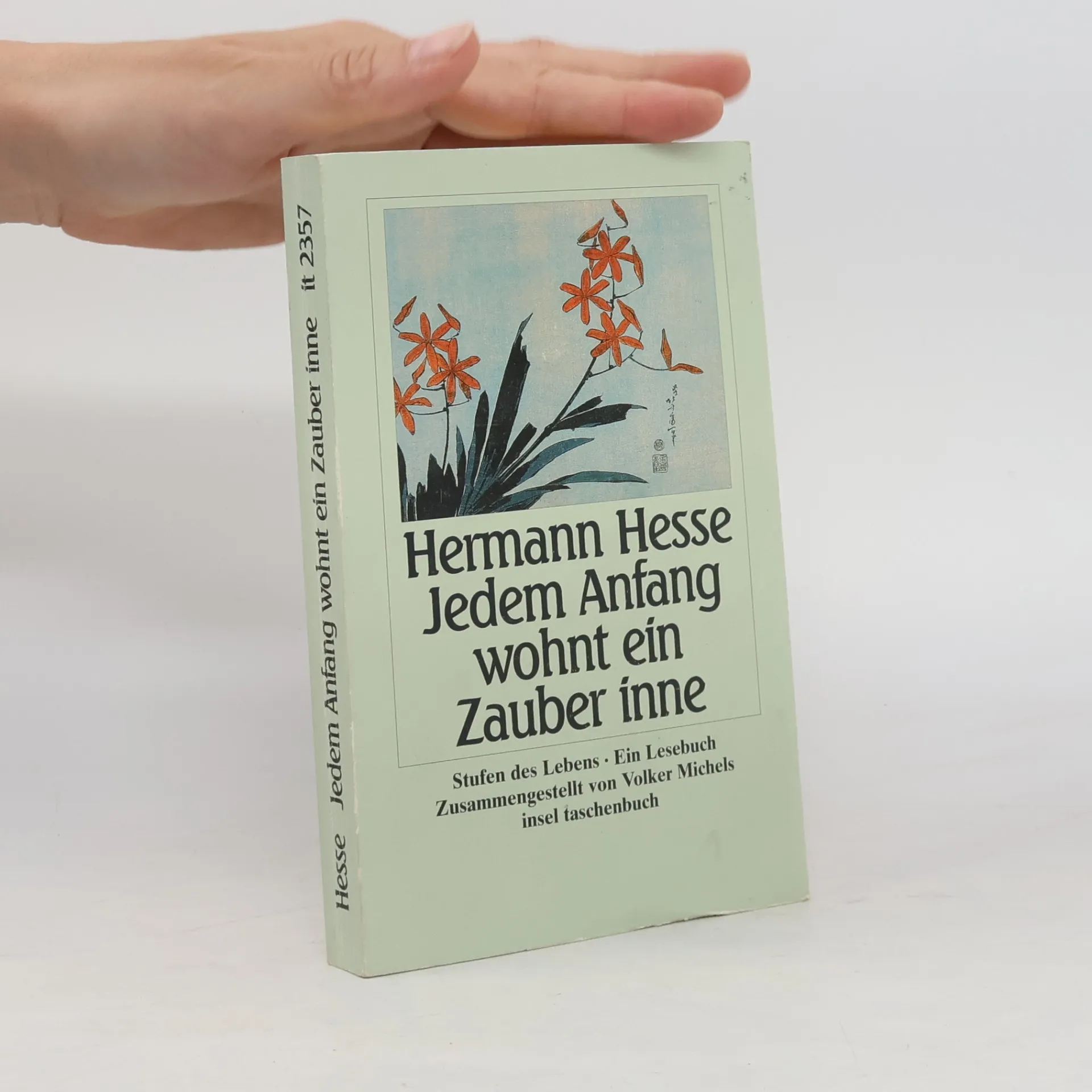
Jedem Anfang wohnt ein Zauber inne
- 280bladzijden
- 10 uur lezen
Hermann Hesse, geboren am 2.7.1877 in Calw/Württemberg als Sohn eines baltendeutschen Missionars und der Tochter eines württembergischen Indologen, starb am 9.8.1962 in Montagnola bei Lugano. Er wurde 1946 mit dem Nobelpreis für Literatur, 1955 mit dem Friedenspreis des Deutschen Buchhandels ausgezeichnet. Nach einer Buchhändlerlehre war er seit 1904 freier Schriftsteller, zunächst in Gaienhofen am Bodensee, später im Tessin. Er ist einer der bekanntesten deutschen Autoren des 20. Jahrhunderts.
Diese Ausgabe in sechs Bänden enthält Hermann Hesses sämtliche Romane und seine wichtigsten Erzählungen. Darüber hinaus versammelt sie eine Auswahl seiner schönsten Gedichte. Ein Band mit den Aufzeichnungen Wanderung , Kurgast , Die Nürnberger Reise und anderen autobiographischen Schriften erlaubt einen Einblick in die Werkstatt des Dichters, während der letzte Band seine bedeutenden Einsichten zu Religion, Kunst, Reisen, Natur und Zeitgeschehen zusammenfasst und mit einer Sammlung von Briefen an junge Menschen abschließt.
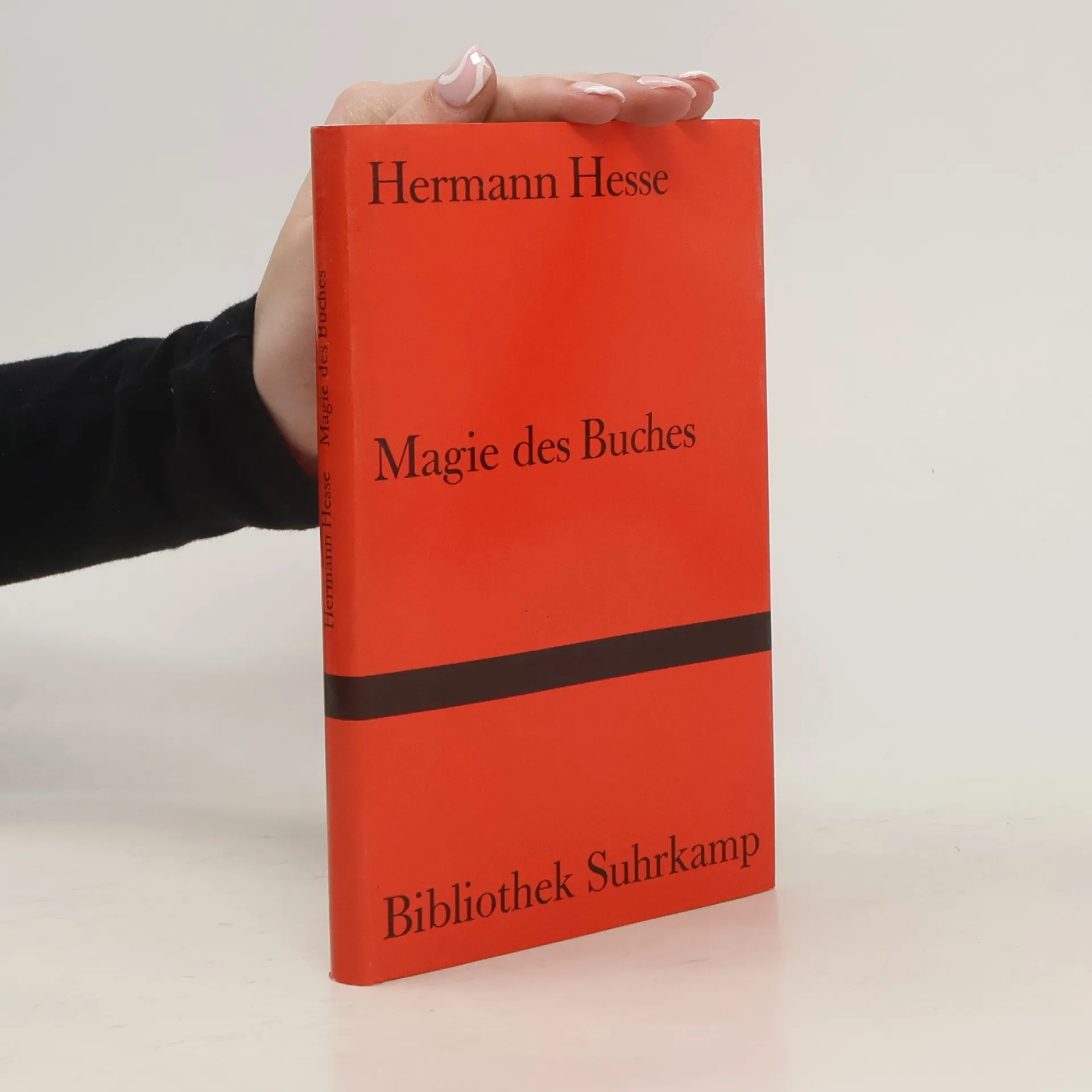
Magie des Buches
- 132bladzijden
- 5 uur lezen