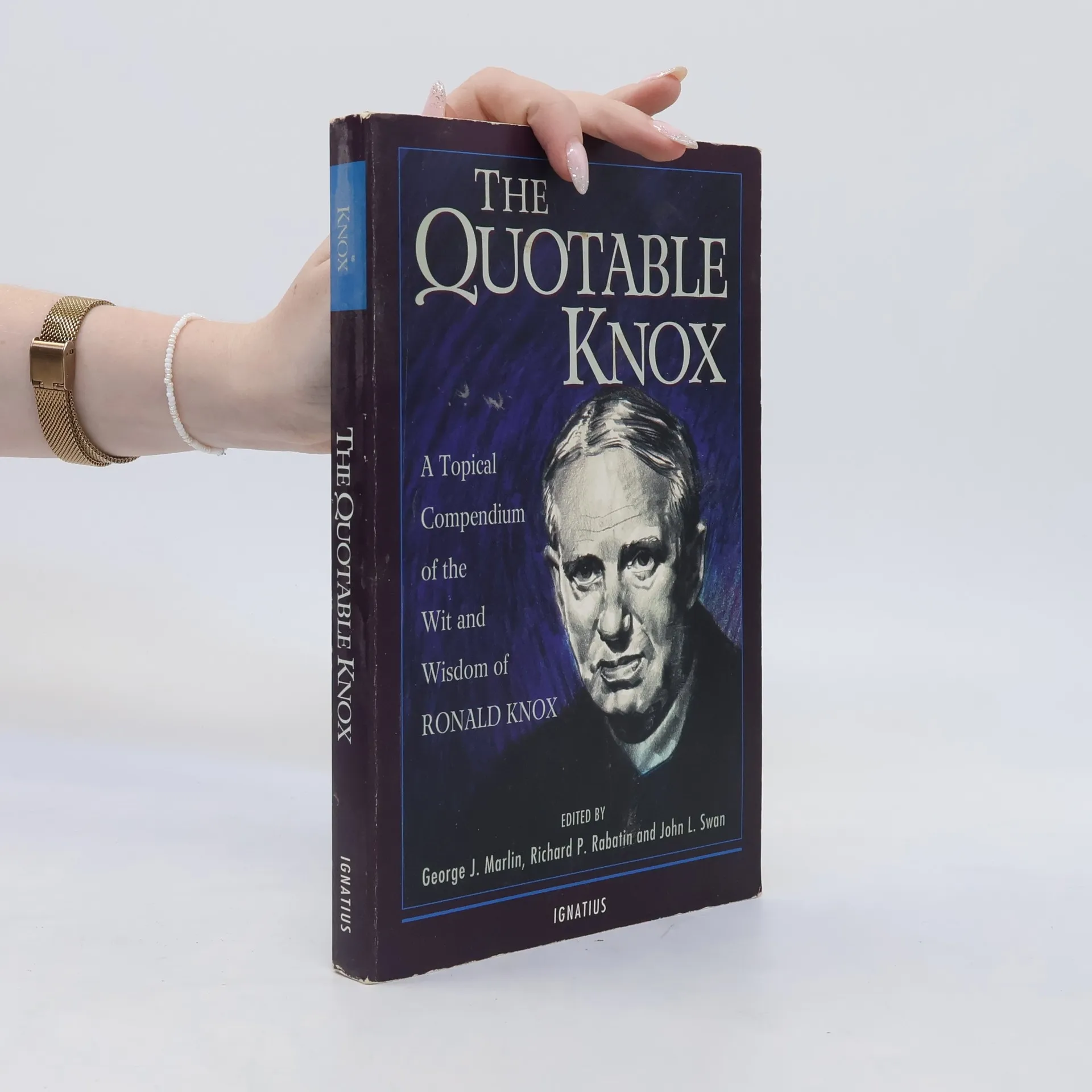
Monsignor Ronald Knox was a scholar, preacher, essayist, poet and mystery writer who, throughout his long career, always defended the common man against the elite's latest fads and vices. This book provides quotes from the variety of Knox's numerous works to give readers a sense of that Orthodox tradition. Also included is a bibliography of Knox's works, indices of sources and topics, and an introduction to the life and works of Knox by Monsignor Eugene Clark.
Ronald Arbuthnott Knox Volgorde van de boeken (chronologisch)
Deze auteur stond bekend als rooms-katholieke priester, theoloog en schrijver van detectiveromans. Zijn literaire oeuvre omvat essays en romans, waarin hij zich vaak richtte op spirituele thema's en intellectuele raadsels. Zijn kenmerkende stijl en diepgaande beschouwingen over geloof en rede klinken door in zijn werk.


Enthusiasm
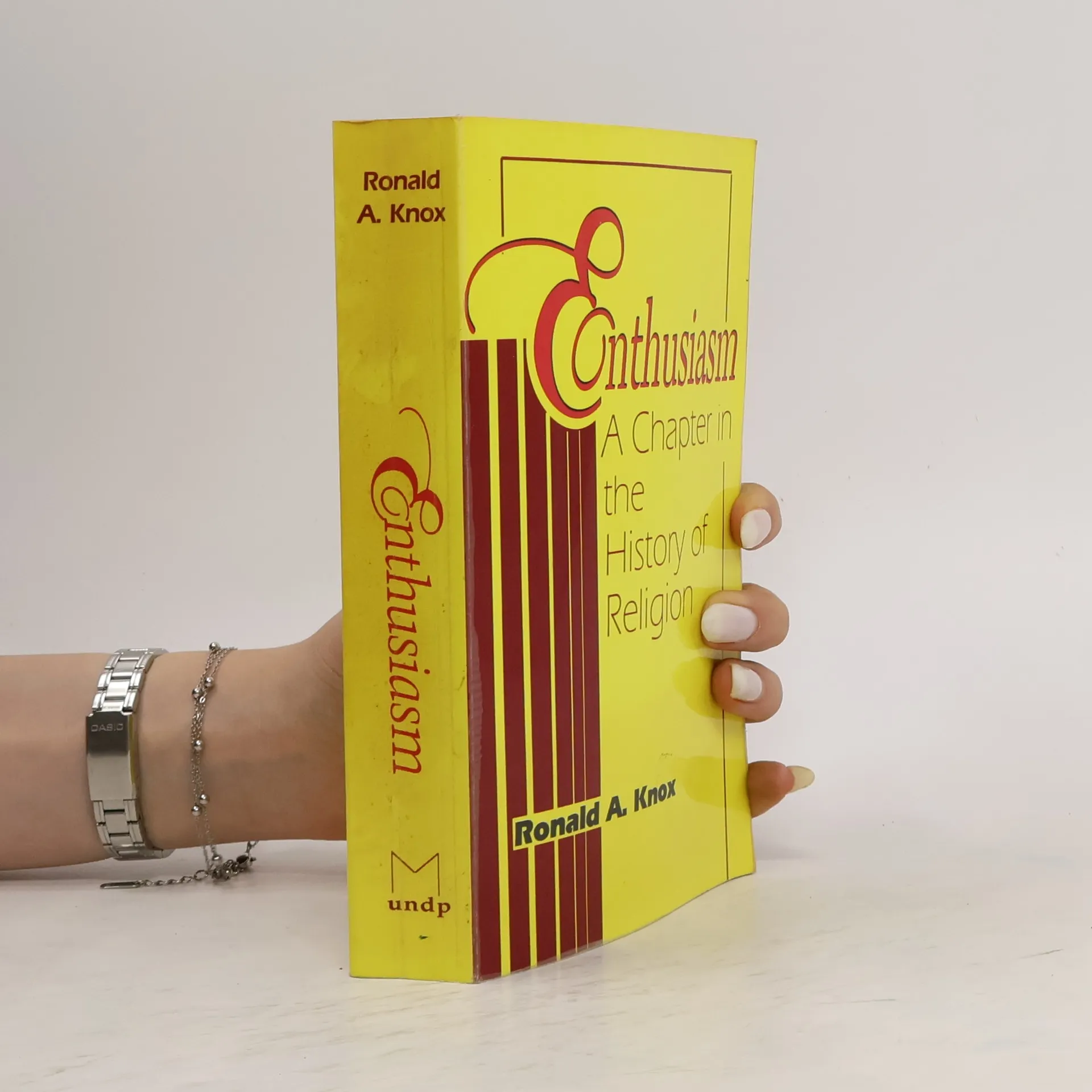
A Chapter in the History of Religion : with Special Reference to the XVII and XVIII Centuries
Originally published: New York: Oxford University Press, 1950.
„Die von Ronald Arbuthnott Knox im Mai 1932 im “Magazin der aktuellen Ewigkeitswerte„, dem “Querschnitt„, veröffentlichte Variante “Psychoanalyse des Struwwelpeters„, läßt sich leicht als Vorläufer des Anti-Struwwelpeters von 1970 lesen unter dem Motto “. und wenn die Zivilisation Erkenntnis und Disziplin des Triebes bedeutet, so ist die Menschlichkeit durch Ironie am sichtbarsten". Knox führt uns die bekannten Geschichten des Struwwelpeters in zehn Fallgeschichten in geistreicher Analyse vor. In aufklärerischer Ironie deckt Knox die bloß wissenschaftlich angewendete Technik der Psychoanalyse in ihrer unzulänglichen Beliebigkeit auf, zeigt, wie die von Dr. Sigmund Freud grundgelegte Technik von seinen Epigonen zur Methode ausgeleiert wurde. Knox' humorvolle Wissenschaftskritik zeig tund menschliche Tragödien, ungeahnte seelische Tiefen und Krisen aller Protagonisten des Struwwelpeters, die uns so und auch anders in unserem heutigen Alltag sehr vertraut erscheinen". Rolf -Peter Baacke
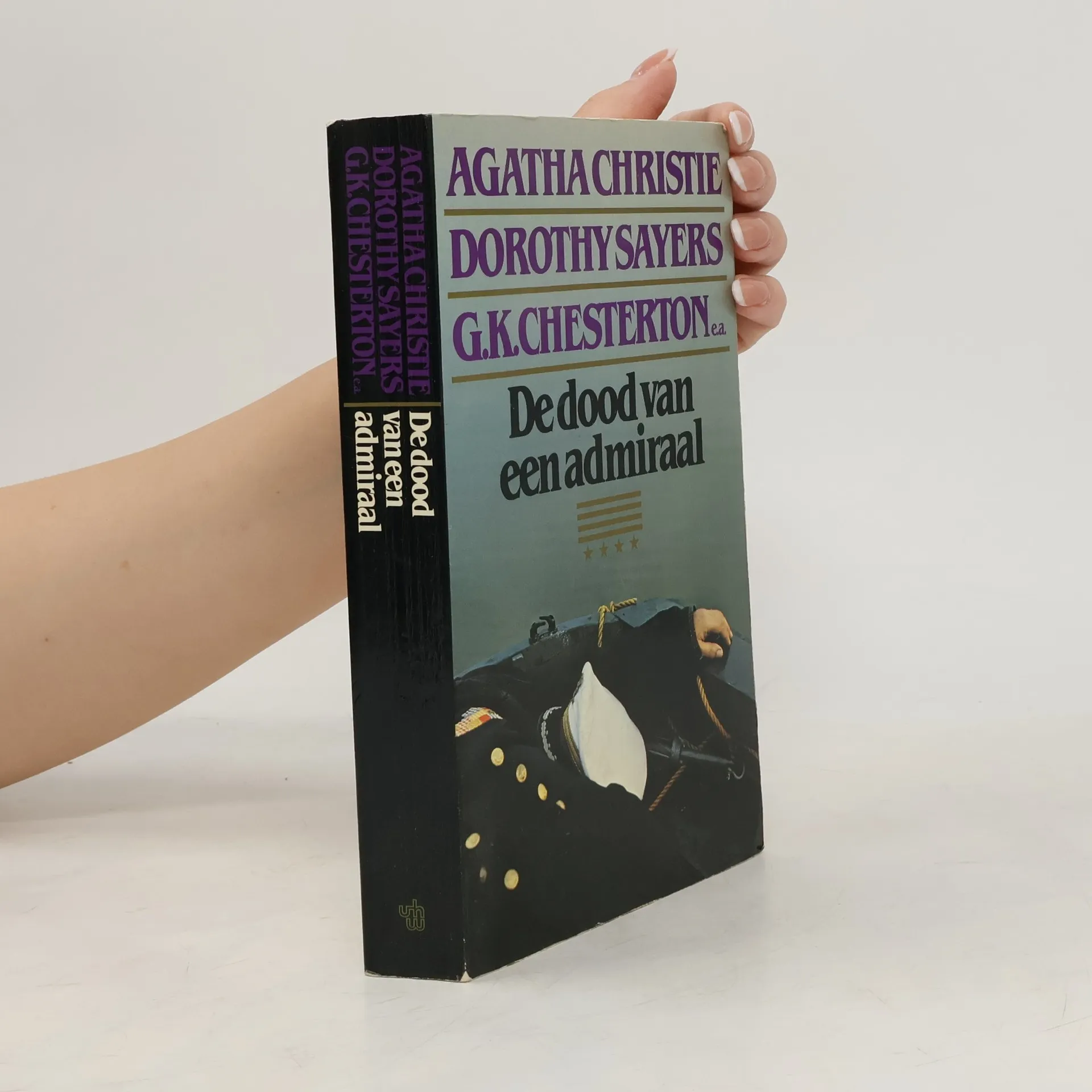
De dood van een admiraal
- 257bladzijden
- 9 uur lezen
Inspector Rudge rarely deals with murder in the quiet seaside town of Whynmouth, but everything changes when an old sailor arrives with a rowing boat containing a fresh corpse, stabbed in the chest. The investigation quickly reveals obstacles, including a vicar who seems to be hiding information and the mysterious disappearance of the victim's niece. The case grows more complex as the victim's identity comes into question, leading Rudge to ponder the number of people involved in this extraordinary crime and whether he will ever solve it. In 1931, a group of crime writers from the newly formed Detection Club, including Agatha Christie and Dorothy L. Sayers, collaborated on a unique crime novel. Each author contributed a chapter in a literary game of consequences, with G.K. Chesterton writing a paradoxical prologue and Anthony Berkeley providing the conclusion. All authors submitted their own solutions in sealed envelopes, which were included at the end of the book, with Christie's clever resolution noted as particularly noteworthy. The contributing authors include G.K. Chesterton, Canon Victor Whitechurch, G.D.H. Cole, Margaret Cole, Henry Wade, Agatha Christie, John Rhode, Milward Kennedy, Dorothy L. Sayers, Ronald Knox, Freeman Wills Crofts, Edgar Jepson, Clemence Dane, and Anthony Berkeley.
Als der Privatdetektiv Miles Bredon und seine Frau Angela für ein Wochenende im Landhaus der Hallifords ankommen, finden sie sich in einer ungewöhnlich illustren Gesellschaft wieder. Eines Morgens erfahren sie, dass einer aus ihrer Runde tot am Silo aufgefunden wurde, und Miles hat keine Mangel an Verdächtigen. Die gesamte Gesellschaft hatte die vorherige Nacht mit einem „Fluchtspiel“, das von ihrer Gastgeberin angestoßen wurde, im Umland verbracht, und niemand kann genau sagen, wo er sich aufgehalten hat. Das Eintreffen von Inspektor Leyland von Scotland Yard, der eine Reihe von vermeintlichen Selbstmorden wichtiger Personen untersucht, fügt dem Rätsel eine weitere Dimension hinzu, und Miles fragt sich, ob das Unwahrscheinliche erzählt werden sollte.
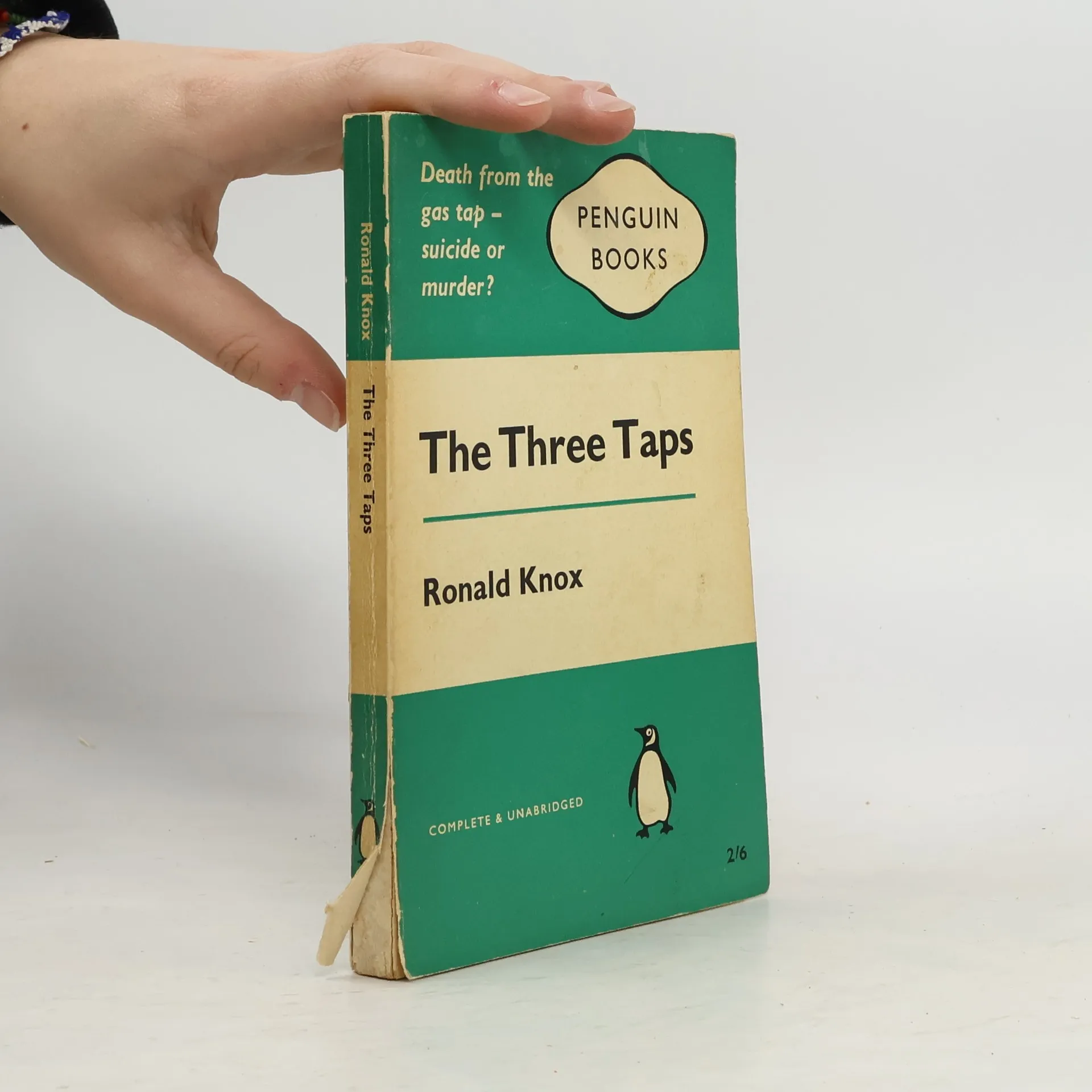
The business of death has given insurance investigator Miles Bredon a unique outlook on life in this witty Golden Age mystery. Jephthah Mottram has been given some bad news from his doctor. The very rich man has only two years left to live. But he doesn’t even make it that far. While on a fishing holiday in the Midlands of England, he’s found dead of an apparent suicide by gas. Sadly, that would be the best-case scenario for Indescribable Insurance, which wouldn’t have to pay out the benefits. To that end, the company sends out its own private detective to investigate the matter. Arriving at the Load of Mischief Inn, Miles Bredon is met by a policeman with whom he served in the war, who has his own theory about the tragedy—and it is murderous. The two men make a friendly wager over who will prove their case, never expecting just how much greed and vanity can complicate a life—and a death . . .
Miles Bredon, the protagonist, navigates a web of intrigue in this classic detective novel. Set against a backdrop of mystery, the story unfolds as Bredon employs his keen observational skills to unravel a puzzling case. The narrative promises twists and turns, engaging readers with its suspenseful plot and clever deductions. As Bredon delves deeper, he encounters a cast of intriguing characters, each adding depth to the unfolding mystery.
Als Mordaunt Reeves seinen Ball am Abschlag des dritten Lochs in die Nähe eines Eisenbahnviaduktes schlägt, ahnt noch keiner der vier Golffreunde, daß dies der Beginn eines detektivischen Abenteuers ist. Doch auf der Suche nach dem Ball entdecken sie die Leiche eines Clubmitgliedes. Während die Polizei von Selbstmord ausgeht, finden die vier immer mehr Hinweise, die für einen Mord sprechen und machen sich gemeinsam auf die Suche nach dem Täter. Der Mord am Viadukt ist ein außergewöhnlich cleverer und unterhaltsamer Detektivroman, dessen Protagonisten mithilfe verschiedener Deduktionsmethoden gleich mehrere Lösungen des Rätsels, aber nur einen Mörder finden. Der amerikanische Kritiker und Verleger, Howard Haycraft, nahm ihn in seine berühmte Liste der Meilensteine des Genres auf.