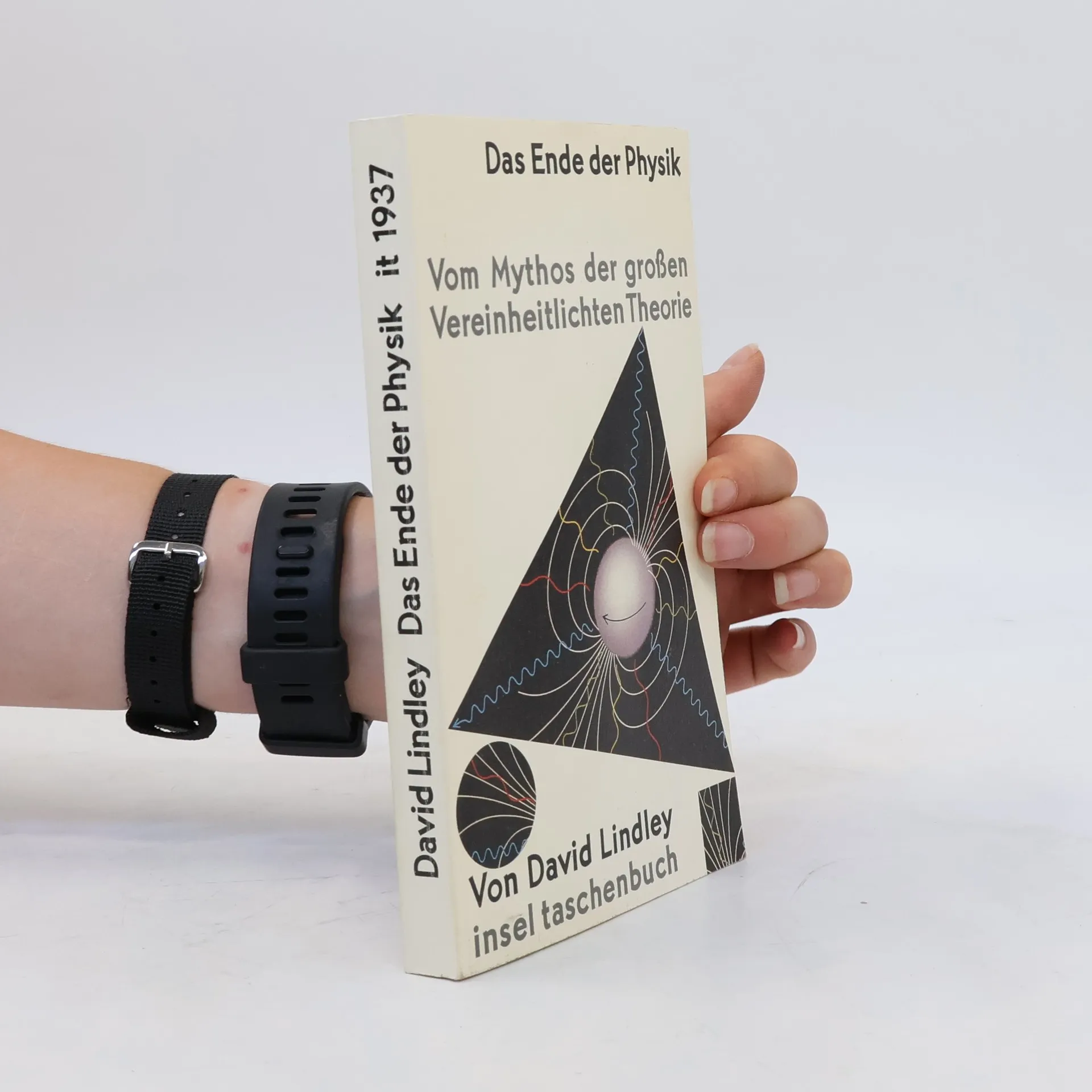
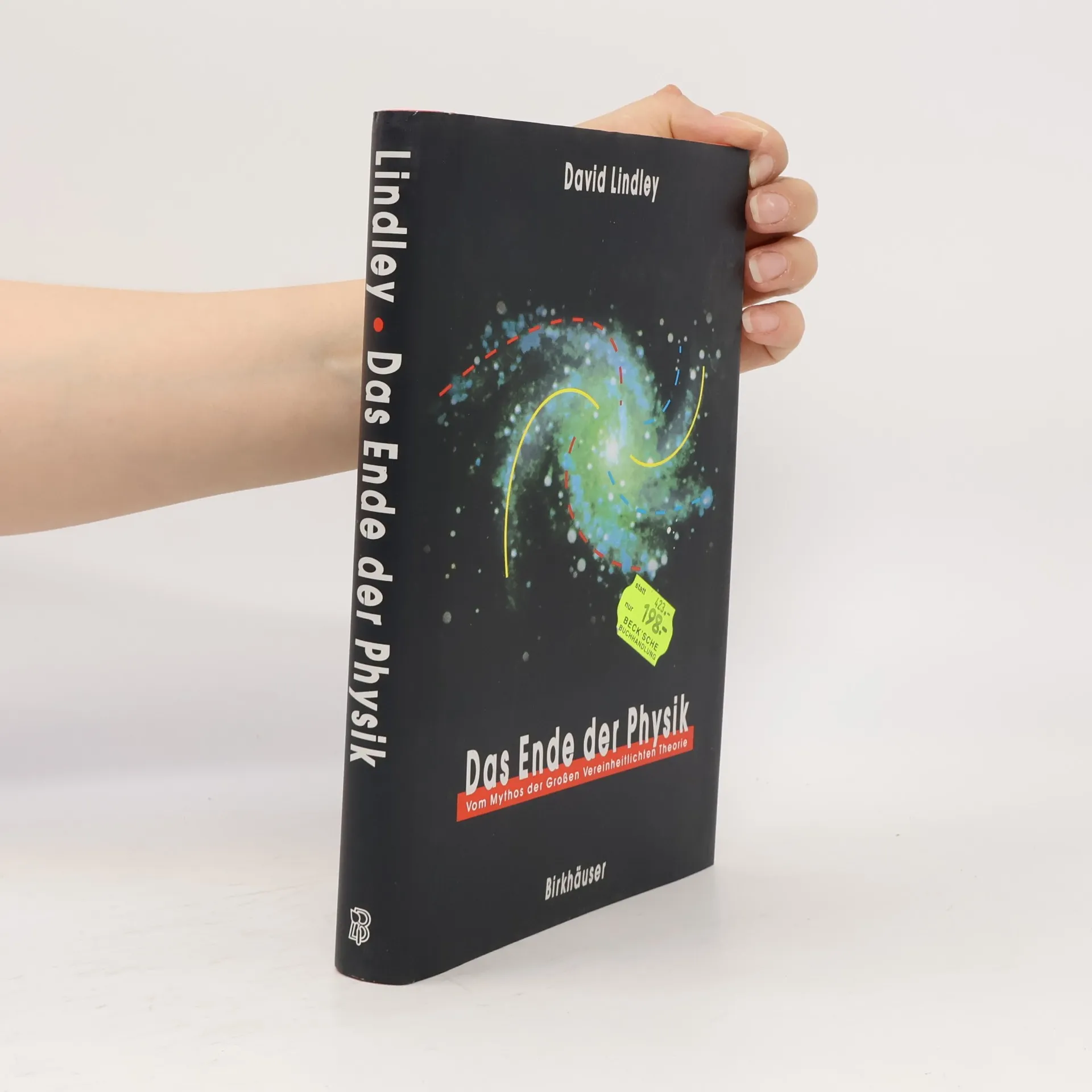
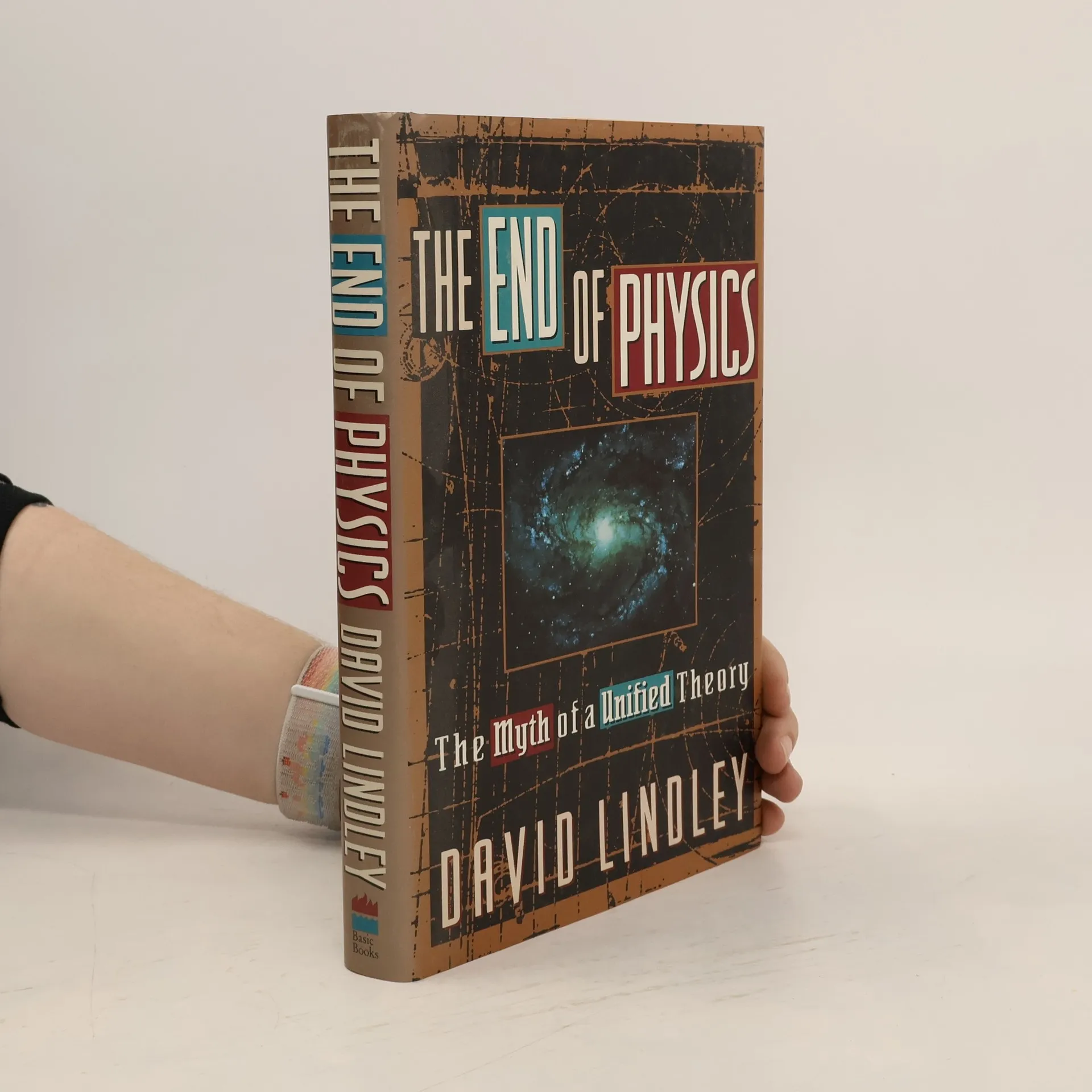
For over a century physicists have hoped that they were closing in on the Holy Grail of modern science: a unifying theory that would make sense of the entire physical world, from the subnuclear realm of quarks and gluons to the very moment of creation of the universe. This is a history of the attempts to find such a "theory of everything". Illustrated.
David Lindley Boeken
Deze auteur houdt zich bezig met complexe ideeën die de structuur van de werkelijkheid doordringen. Zijn schrijven verkent vaak diepgaande wetenschappelijke en filosofische vragen. Zijn werken staan bekend om hun diepgang en intellectuele scherpte.
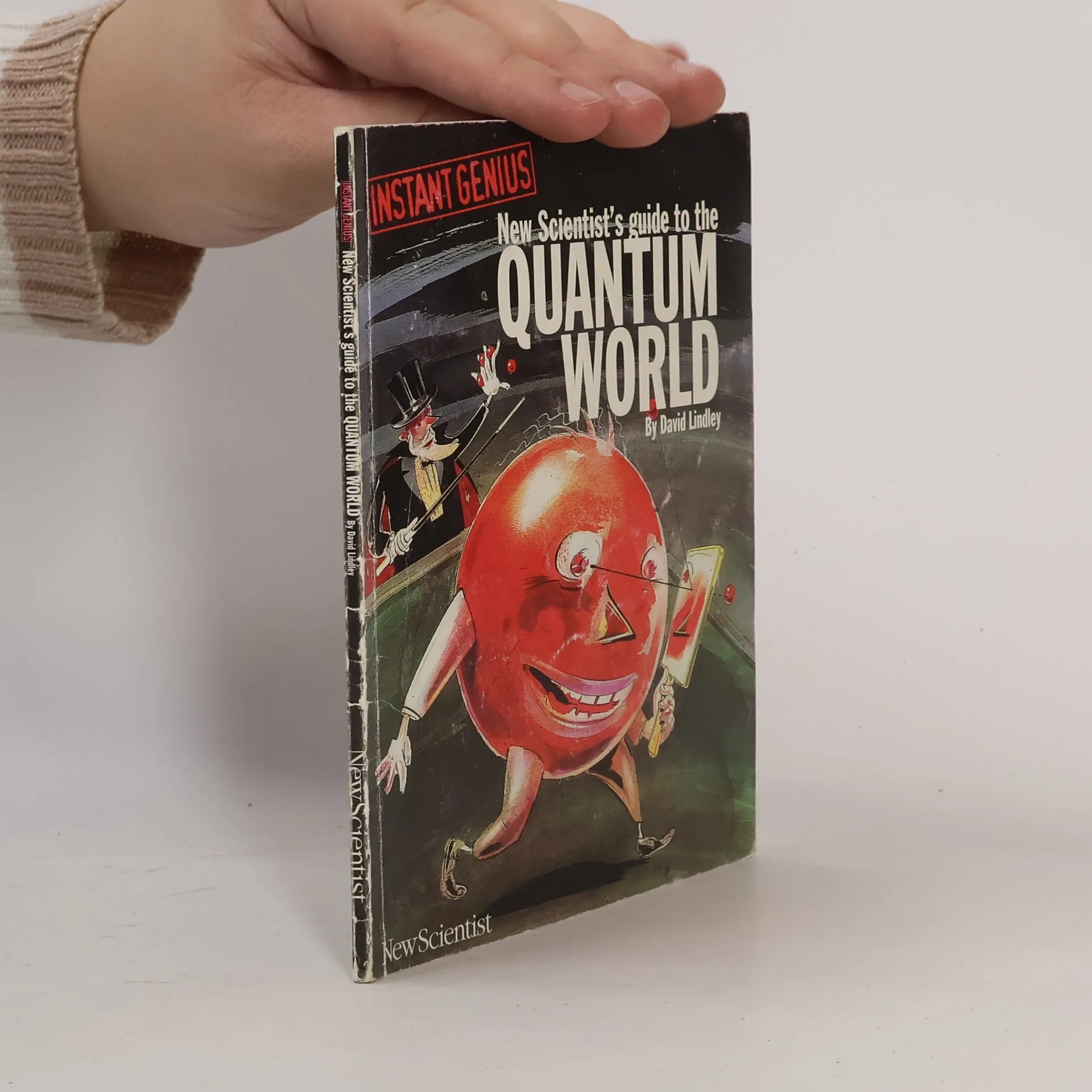


The Tempest
- 272bladzijden
- 10 uur lezen
The Tempest is a strange and elusive play; which critics have interpreted in very different ways: as a drama of forgiveness and reconciliation, as an exploration of the limits of theatrical art, or as a play complicit with colonial exploitation. Prospero's island is a fearful yet enchanting place; a place suffused with music, and its storm, disappearing banquet and elaborate betrothal masque demand imaginative stagecraft. Stratford productions have steered their way through the play's complex, even contradictory potential, in fascinatingly varied fashion, and Daivd Lindley explores that variety both as evidence of the evolution of theatrical styles, and as a response to the changing critical fortunes of the play.
The Critical Idiom - 44: Lyric
- 98bladzijden
- 4 uur lezen
Studie over voornamelijk Engelse poëzie
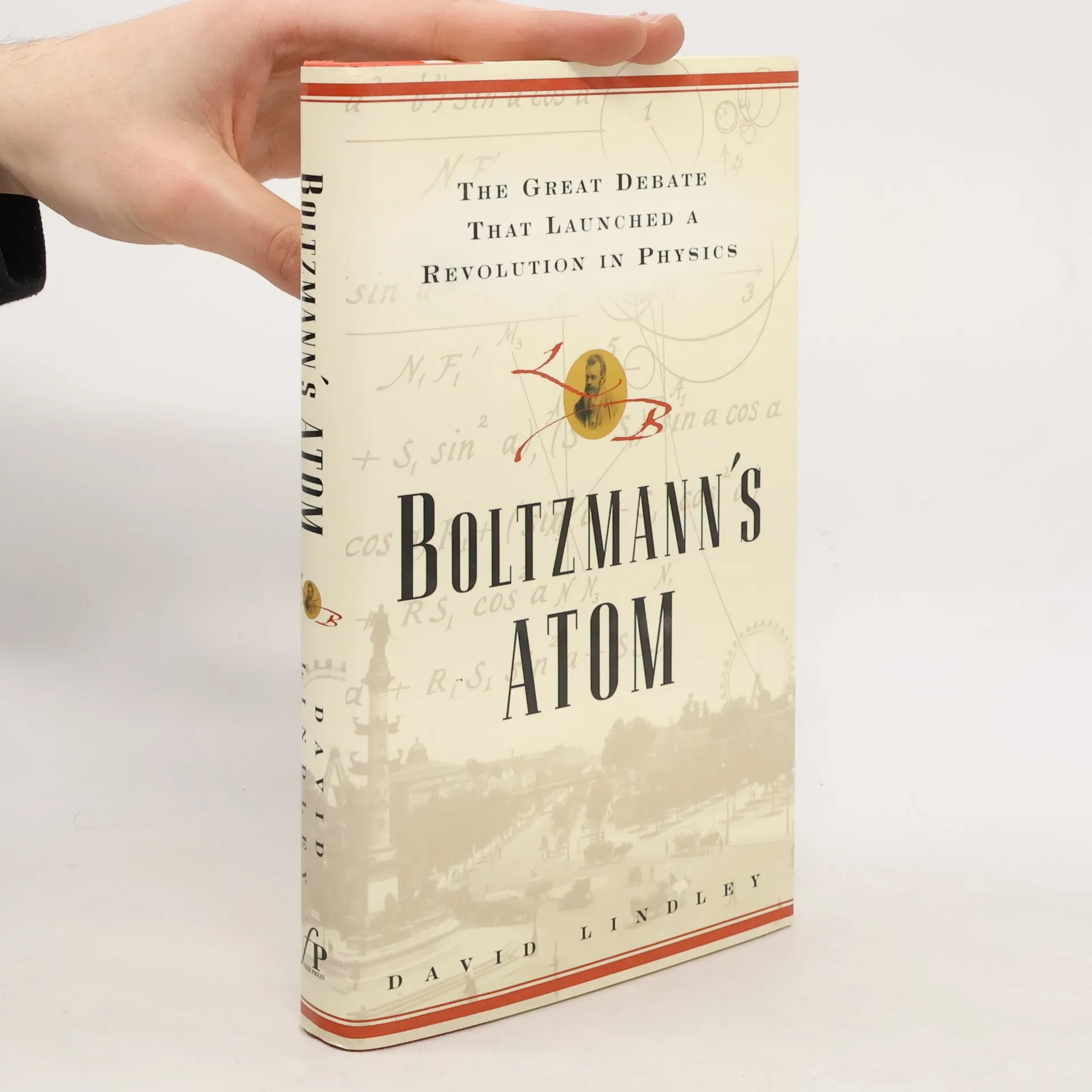
A portrait of the Austrian physicist goes back to the turn of the century, when the existence of the atom was still largely theoretical and two men, Ludwig Boltzmann and Ernst Mach, competed for accolades amid a growing field of scientists.
Seit über einem Jahrhundert hoffen Physiker, dem Heiligen Gral der modernen Wissenschaft näher zu kommen: einer einheitlichen Theorie, die die gesamte physikalische Welt erklärt, vom subnuklearen Bereich der Quarks und Gluonen bis hin zum Moment der Schöpfung des Universums. Dies ist eine Geschichte der Versuche, eine solche "Theorie von allem" zu finden.
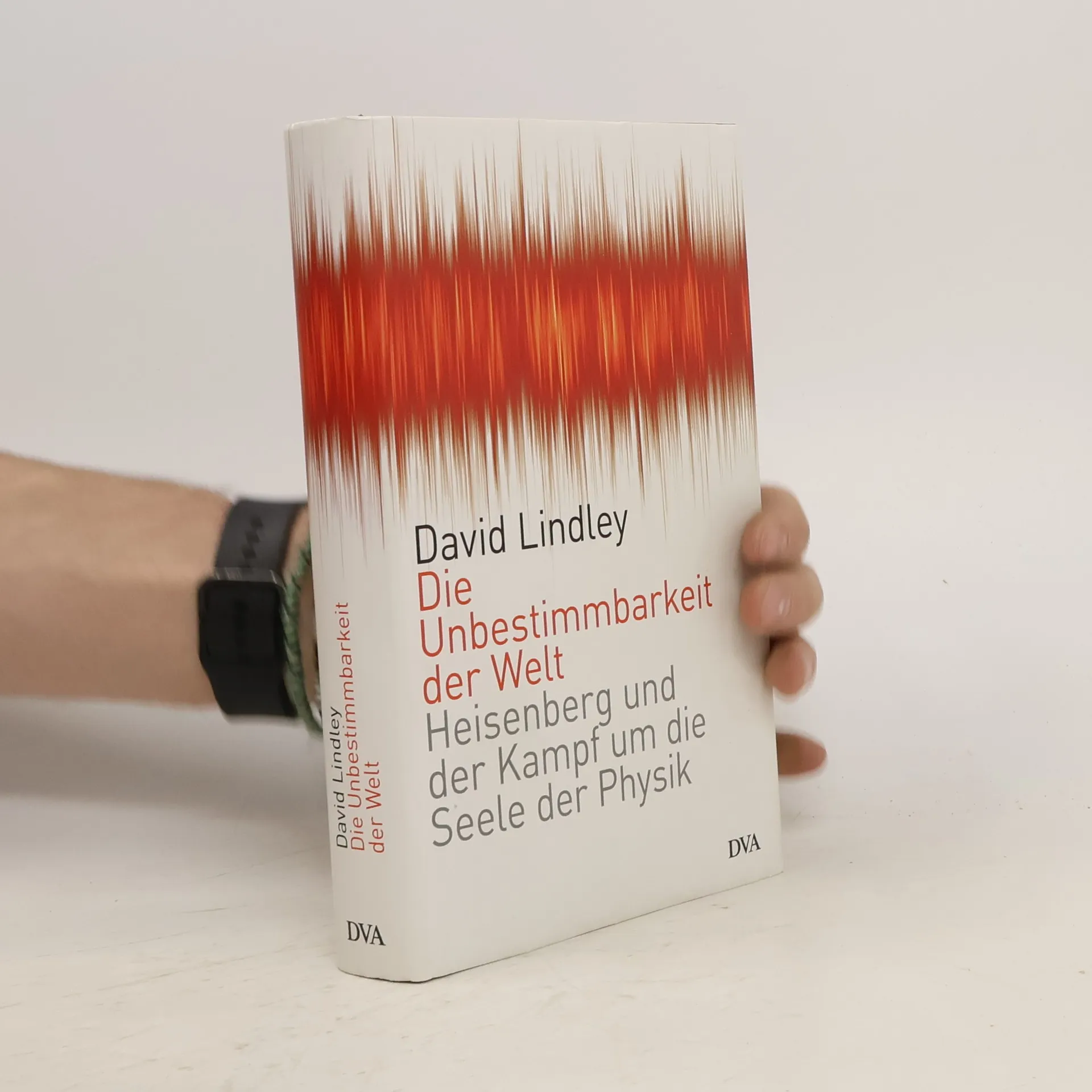
Die Unbestimmbarkeit der Welt
- 302bladzijden
- 11 uur lezen
Anschaulich und klar erzählt der Physiker und Journalist David Lindley, wie die Entdeckung der Unbestimmtheitsrelation durch Werner Heisenberg in den 1920er Jahren die bis dahin gültigen physikalischen Annahmen zum Einsturz brachte und unsere Sicht der Welt veränderte. Heisenbergs Entdeckung der Unschärferelation stellte jahrhundertelange physikalische Gewissheiten in Frage. Unbestimmtheit wurde Teil der physikalischen Realität, die zuvor von Präzision und Kausalitäten dominiert war. Diese Erkenntnis hatte weitreichende Folgen, die über die Physik hinausgingen und in Philosophie sowie Alltagskultur Einzug hielten. Während Albert Einstein vehement gegen Heisenbergs revolutionäre Einsicht opponierte, erkannte der dänische Physiker Niels Bohr deren Bedeutung. Lindley lässt die Irritation und Faszination lebendig werden, die von dieser bedeutenden naturwissenschaftlichen Entdeckung des letzten Jahrhunderts bis heute ausgeht. Die Darstellung behandelt einen Meilenstein der physikalischen Erkenntnis im 20. Jahrhundert, der unsere Sicht auf die Welt und das wissenschaftliche Denken grundlegend veränderte, und bietet eine für Laien verständliche Erklärung der Heisenberg’schen Ideen sowie spannende Einsichten in die Wechselbeziehung zwischen Naturwissenschaften und populärer Kultur.
Das Ende der Physik
- 293bladzijden
- 11 uur lezen