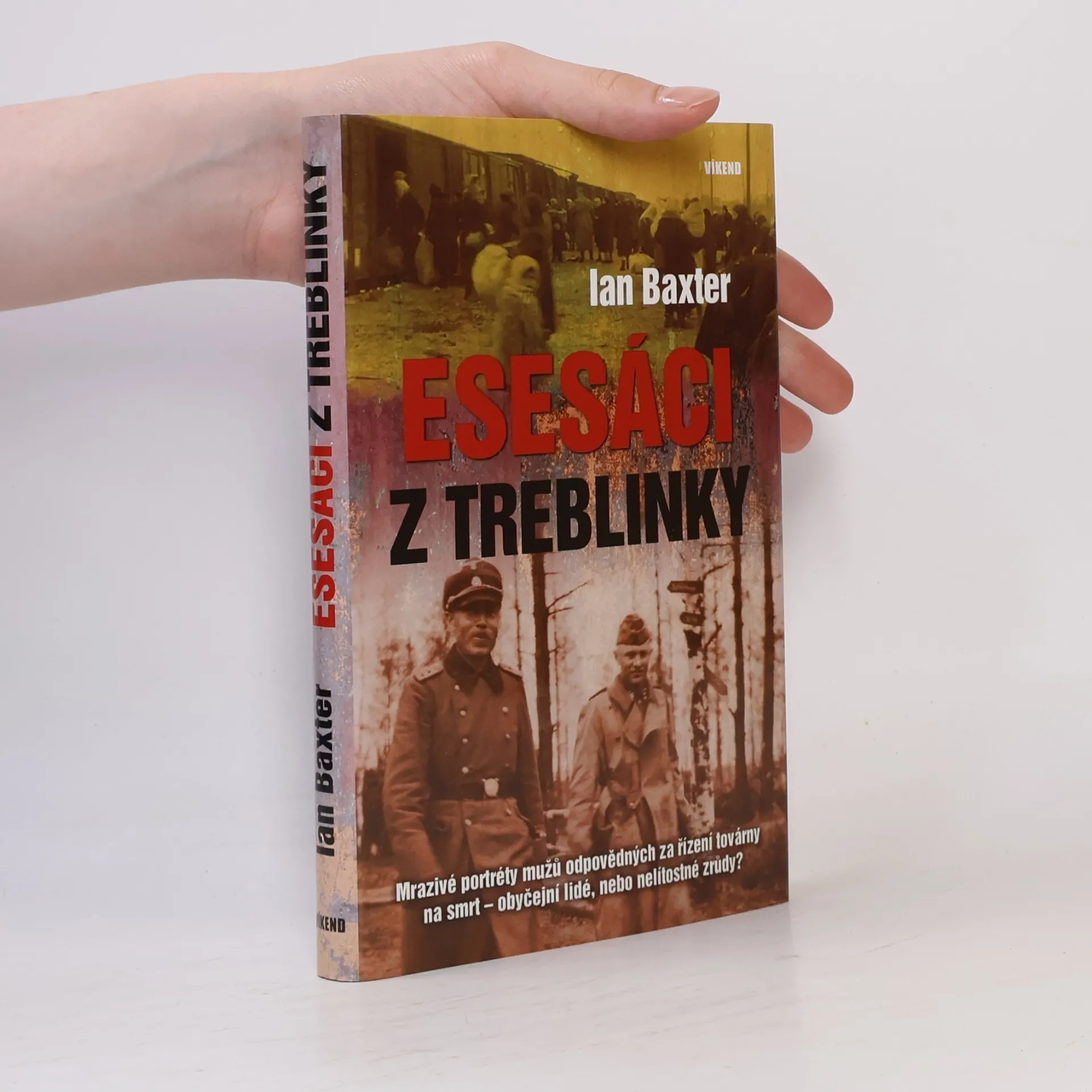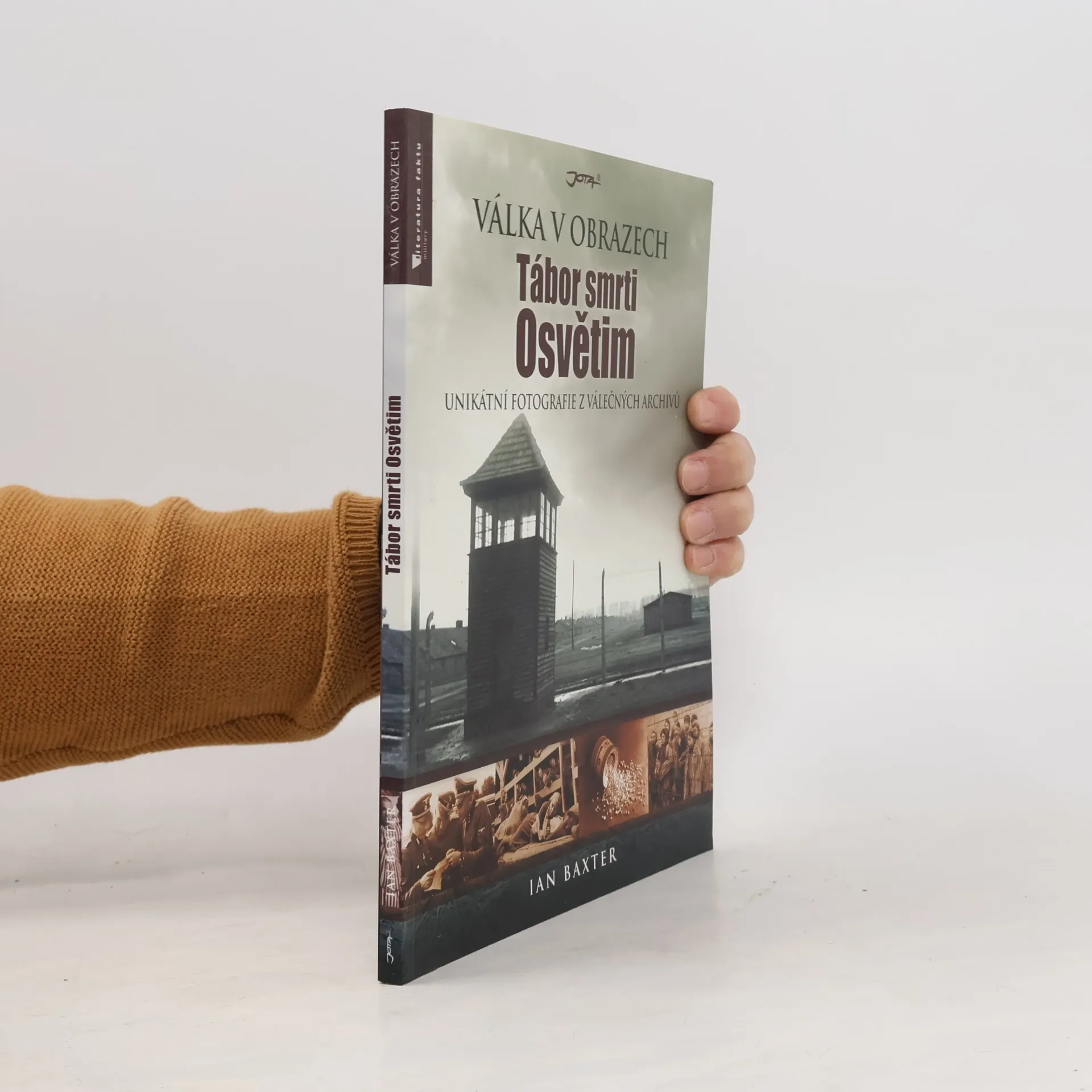
Following the 1940 invasion of Poland, the Nazis established ghettos in cities and towns across the country with the initial aim of segregating and isolating the Jewish community. These closed sectors were referred to as Judischer Wohnbezirk or Wohngebiet der Juden (Jewish Quarters). Using contemporary images this well researched and inevitably harrowing book shows the harsh and deteriorating conditions of daily life in these restricted areas. In reality the ghettos were holding areas prior to the transportation to concentration, extermination and work camps, such as Auschwitz-Birkenau and Belzec. Aware of their imminent fate including the threat of family separation, enslavement and death, underground resistance groups sprung up and promoted numerous uprisings which were brutally and callously suppressed. The Nazis' ultimate aim was the liquidation of the ghettos and the extermination of their inhabitants in furtherance of The Final Solution. This may seem unthinkable today but, as this book graphically reveals, they worked to achieve their objective regardless of human suffering.
Ian Baxter Boeken
Ian Baxter is een militaire historicus gespecialiseerd in de Duitse militaire geschiedenis van de twintigste eeuw. Hij schreef meer dan veertig boeken en meer dan 100 artikelen over het tijdperk van de Tweede Wereldoorlog. Baxter heeft talrijke militaire studies beoordeeld en duizenden foto's en belangrijke documenten geleverd aan uitgevers en filmproductiebedrijven wereldwijd.


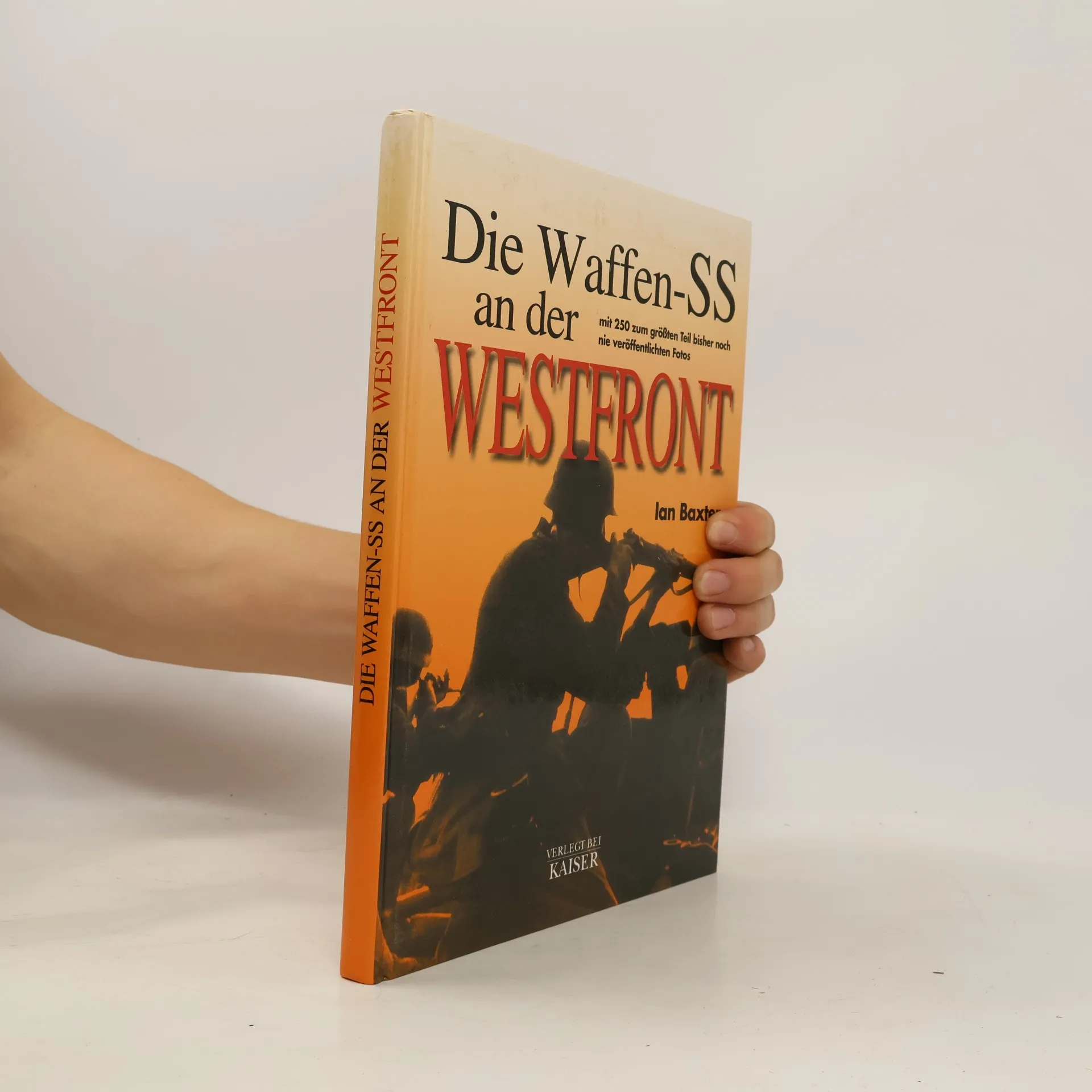
The book offers a compelling exploration of the final year of the German Army through a rich collection of rare and unpublished photographs. It vividly details the harrowing retreat from the Eastern and Western Fronts, capturing the chaos and destruction as the army moved back into a ravaged Third Reich, culminating at the gates of Berlin. This dramatic narrative highlights the desperation and turmoil faced by soldiers during this pivotal moment in history.
Operation Hoss
- 144bladzijden
- 6 uur lezen
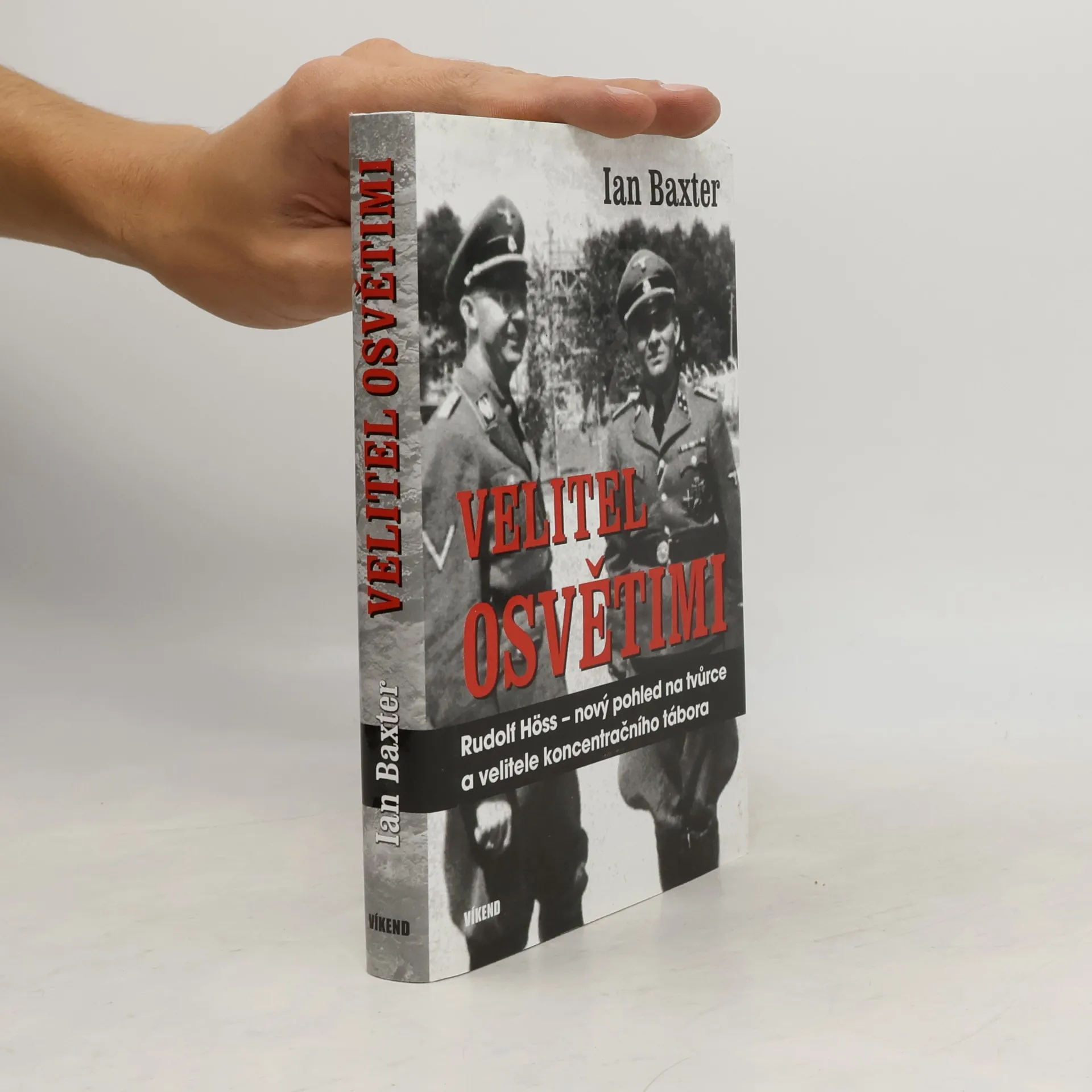
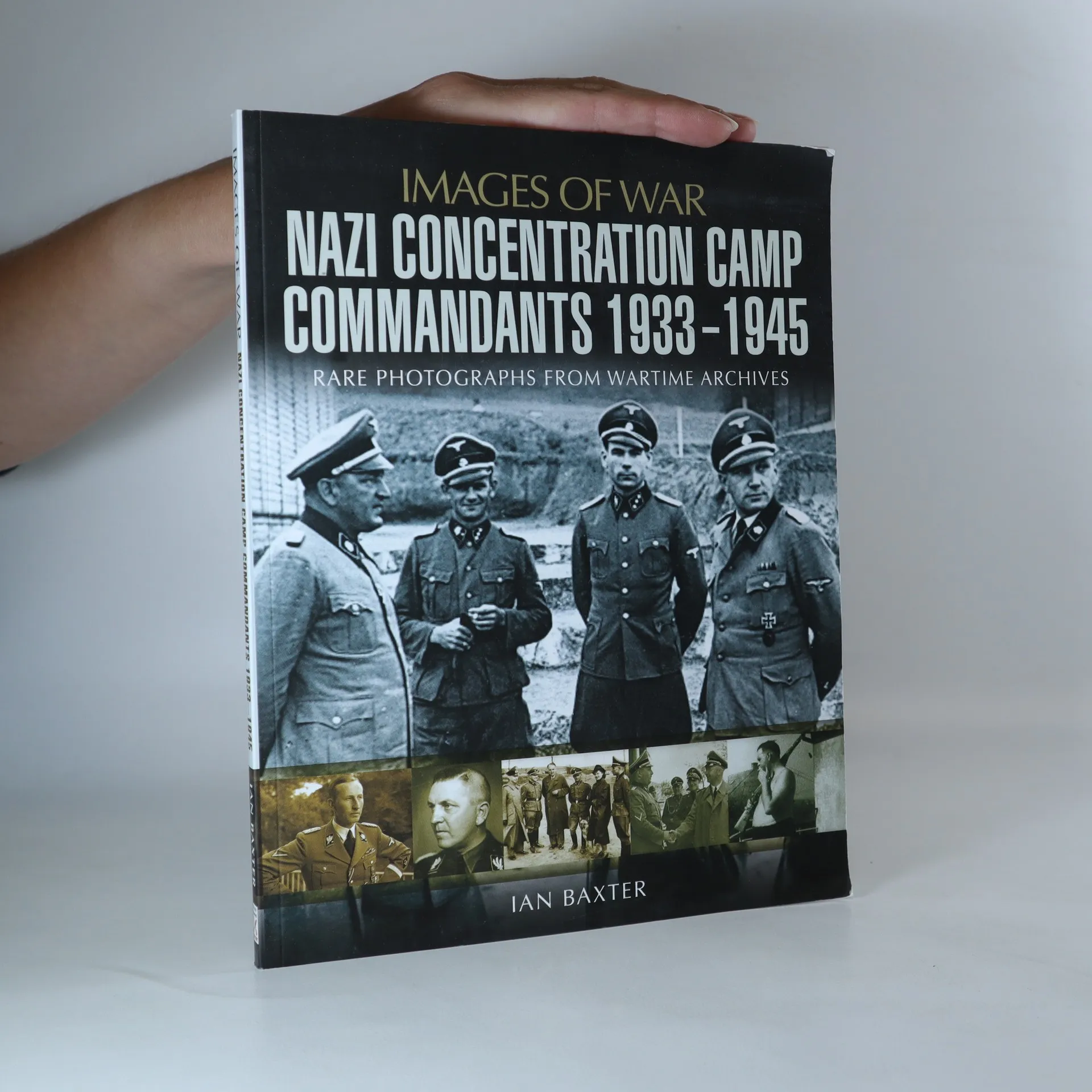
Nazi Concentration Camp Overseers
- 128bladzijden
- 5 uur lezen
Provides a shocking insight into the widespread use of 'overseers' by the Nazis' concentration network.
The Soviet Battle for Berlin, 1945
- 128bladzijden
- 5 uur lezen
The book provides a comprehensive illustrated narrative of the climactic battle for Berlin, detailing the strategic maneuvers, key figures, and significant events that shaped this pivotal moment in history. Through vivid illustrations and insightful commentary, it captures the intensity and chaos of the conflict, offering readers a deep understanding of the military tactics employed and the human experiences involved. This account serves as both a historical document and a visual journey through one of World War II's most consequential confrontations.
Himmler's Death Squad - Einsatzgruppen in Action, 1939-1944
- 136bladzijden
- 5 uur lezen
Reveals the shocking scale of atrocity in Nazi-occupied Eastern Europe and Russia.
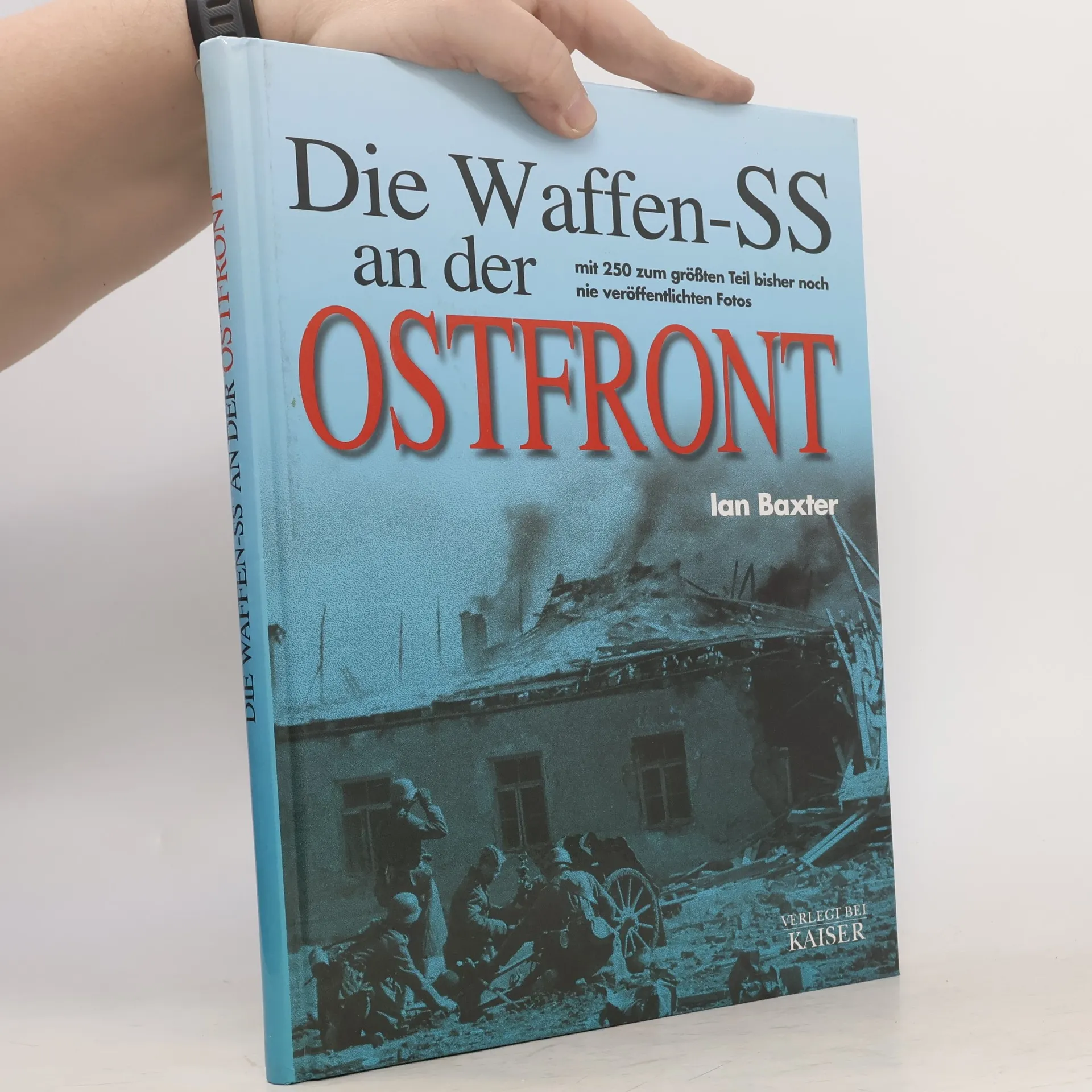
Waffen-SS on the Eastern Front 1941-1945
- 160bladzijden
- 6 uur lezen
Latest in the successful Images of War Series. The most comprehensive pictorial study of the achievements of this elite Nazi formation. Describes the bitter fighting and extreme conditions experienced in Russia. Many rare unpublished images and authoritative text.
German Army on the Eastern Front - The Advance
- 160bladzijden
- 6 uur lezen
The latest addition to the popular Images of War series. Operation BARBAROSSA has a huge following. Superb images and captions capture the horror and scale of the campaign. Compiled by successful author and photograph collector.
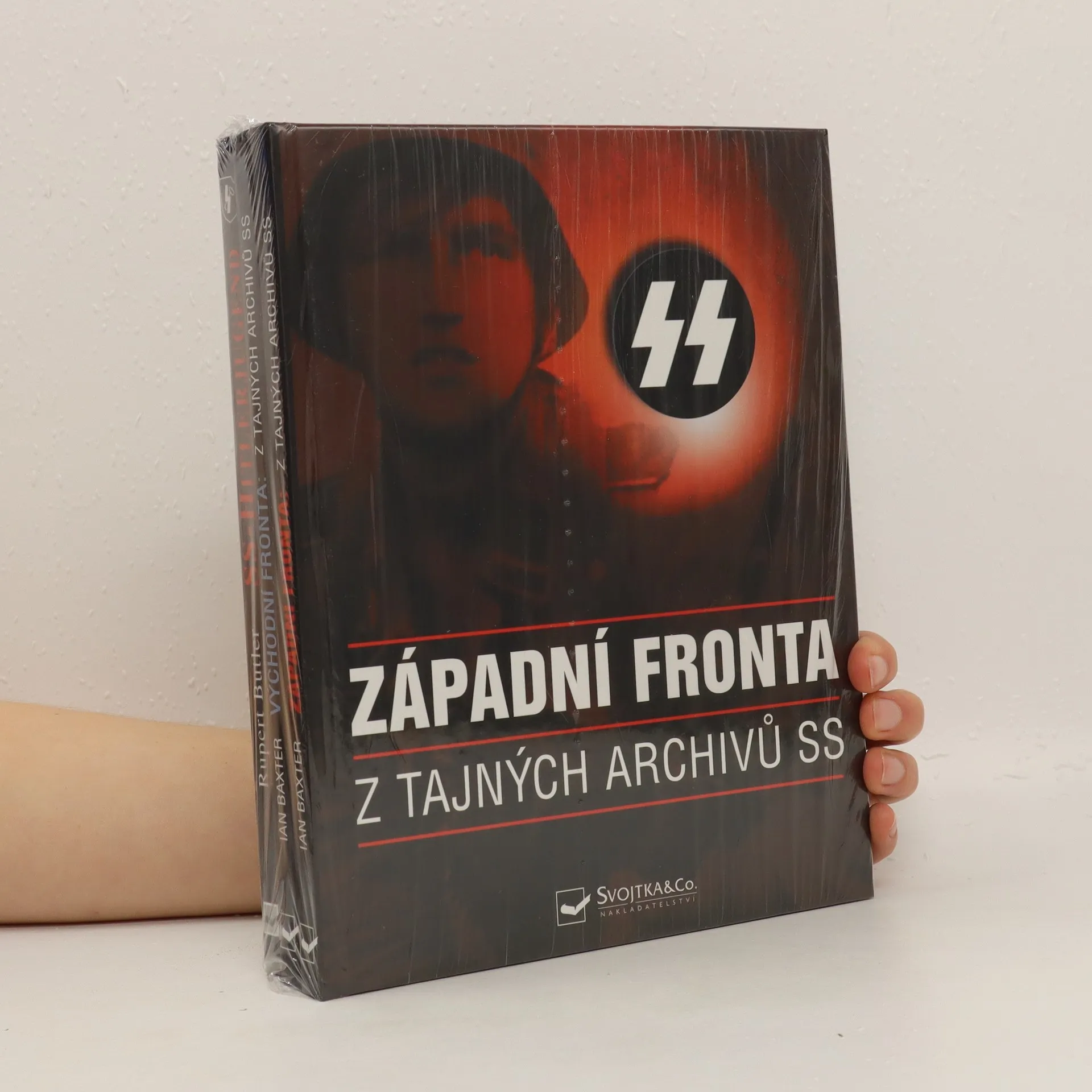
"Formed in 1939 SS-Polizei Division were not considered initially as an SS fighting force, and this status was reflected in the quality of the equipment they were issued. Following operations in France, Greece and then Russia, it was not until 1942 the division was transferred to the Waffen-SS, and eventually upgraded to a Panzergrenadier division, the 4th SS-Polizei-Panzergrenadier Division. The book describes how the SS-Polizei Division fought across the Low Countries and the Eastern Front, before deploying to the Balkans and Greece where it committed numerous atrocities. During the last days of the War it was assigned to Army Detachment Steiner defending Berlin where many soldiers fought to the death. This book is a unique glimpse into one of the most infamous fighting machines in World War Two and a great addition to any reader interested in Waffen-SS history"--Back cover.
German Army on the Eastern Front, the retreat 1943-1945
- 140bladzijden
- 5 uur lezen
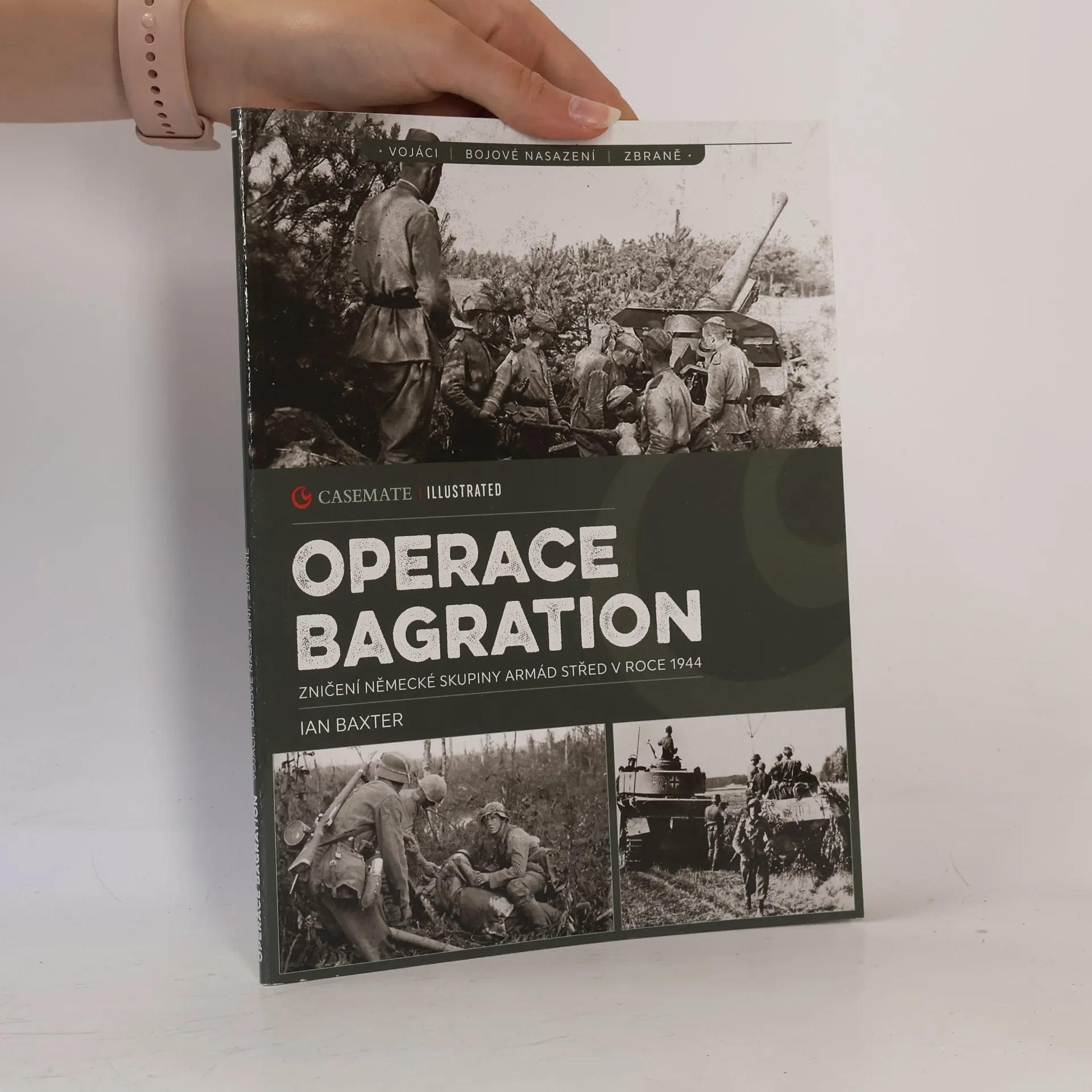
After the defeat at Stalingrad in January 1943, the German Army's front lines were slowly smashed to pieces by the growing might of the Soviet Army. Yet these soldiers continued to fight gallantly. Even after the failed battle of the Kursk in the summer of 1943, and then a year later when the Russians launched their mighty summer offensive, code names Operation BAGRATION, the German Army continued to fight on, withdrawing under constant enemy ground and air bombardments. As the final months of retreat were played out on the Eastern Front in early 1945, it depicts how the once vaunted German Army, with diminishing resources, withdrew back across the Polish/German frontier to Berlin itself.